
Top 35 Ricotta Recipes: Pasta, Toasts, Tarts and Sweets
Updated June 30, 2026 · Curated by Chefadora
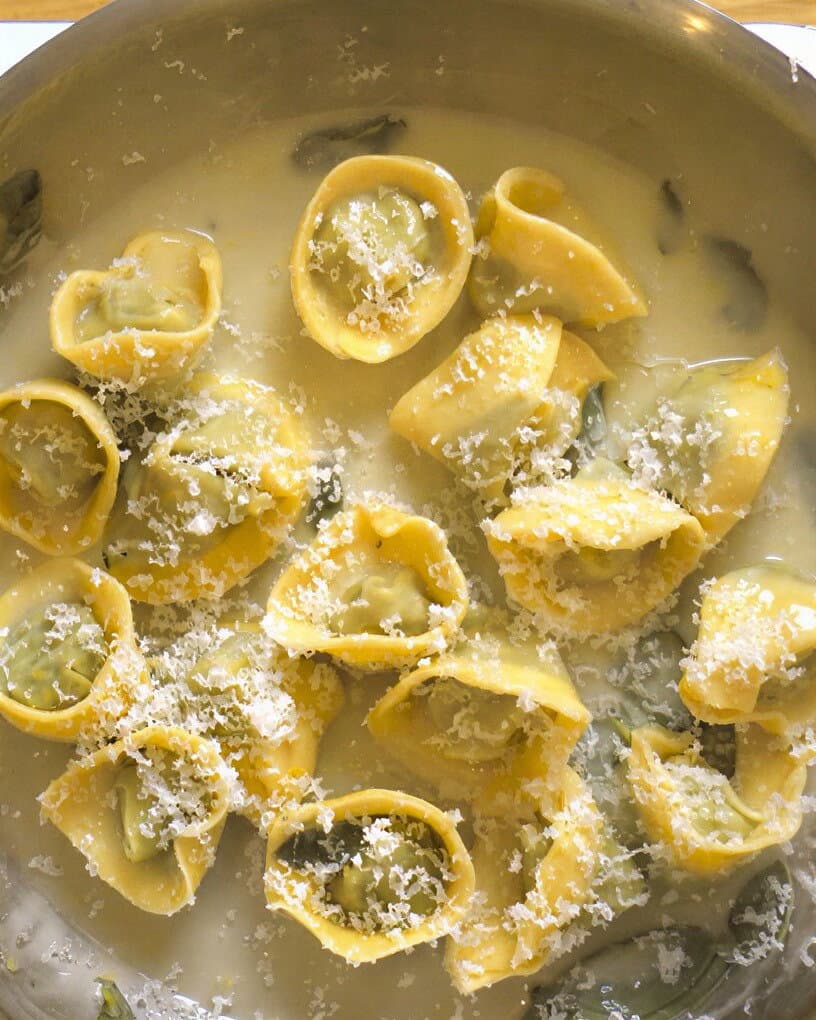
Ricotta recipes cover more ground than almost any other single ingredient — the same tub of soft, mild curd goes into pasta fillings one night and a light dessert cake the next. That versatility is why Italian home cooks keep it in the fridge as a staple, not a specialty. It is fresh, unaged, low in salt and high in moisture, which means it needs a confident hand with seasoning but rewards you with a texture nothing else quite matches.
The key to cooking with ricotta is understanding its moisture. Straight from the tub it is wet, which is perfect for whipping into spreads or folding into cake batter, but a problem if you are filling pasta or making a sliceable tart — excess liquid makes the pastry soggy and the filling sag. Draining in a sieve lined with muslin for thirty minutes to an hour firms it just enough. For baking, drain it overnight in the fridge and the result is closer to cream cheese.
You will find four sections here: pasta and stuffed shapes where ricotta is the filling workhorse; whipped toasts and crostini where it becomes an airy spread in minutes; savory tarts and bakes where it sets firm enough to slice; and cakes, cookies and sweets where it keeps everything moist without heaviness. Each cluster has a short intro on technique, and the guides below cover the moves that apply across all of them.
Treat this as a practical reference rather than a wishlist. Ricotta has a short shelf life — once opened, four to five days at most — so the trick is knowing how to use up the rest of the tub across different dishes. Many of the recipes here are quick, and most use the same basic prep: a good drain, confident seasoning, and a light touch so the cheese stays airy rather than dense.
Ricotta Pasta & Stuffed Shapes
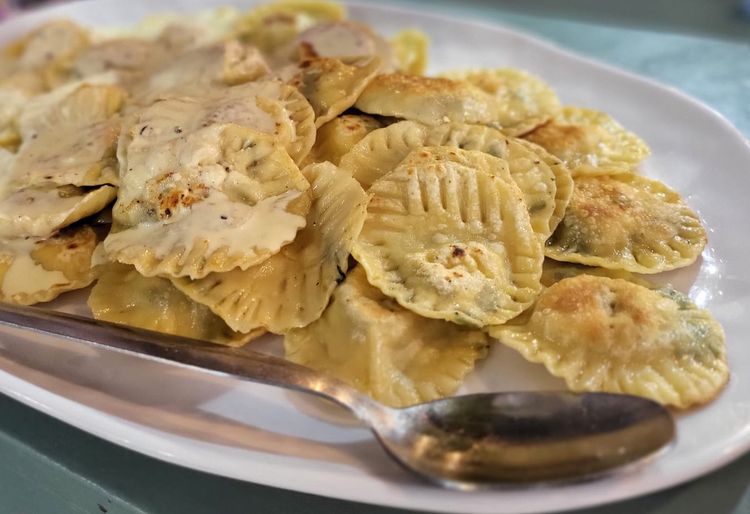
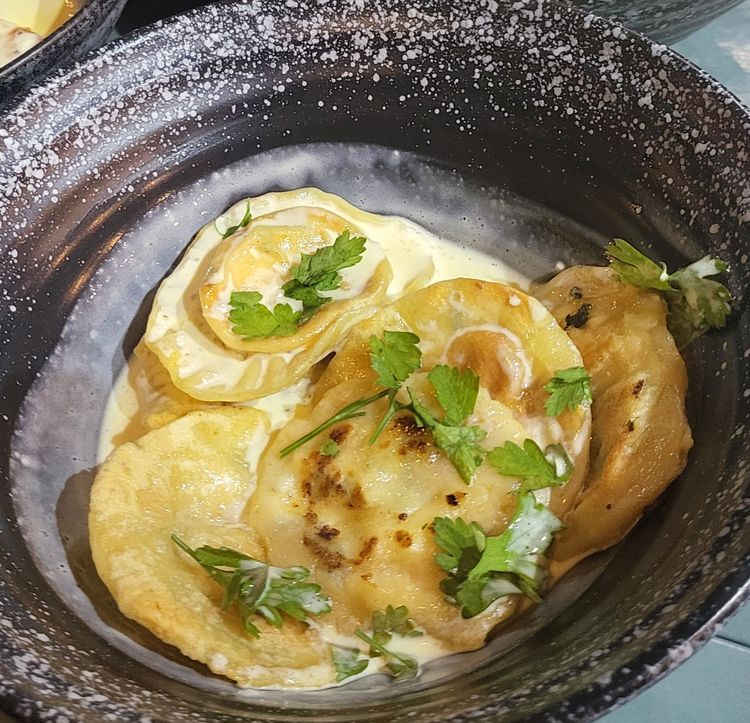
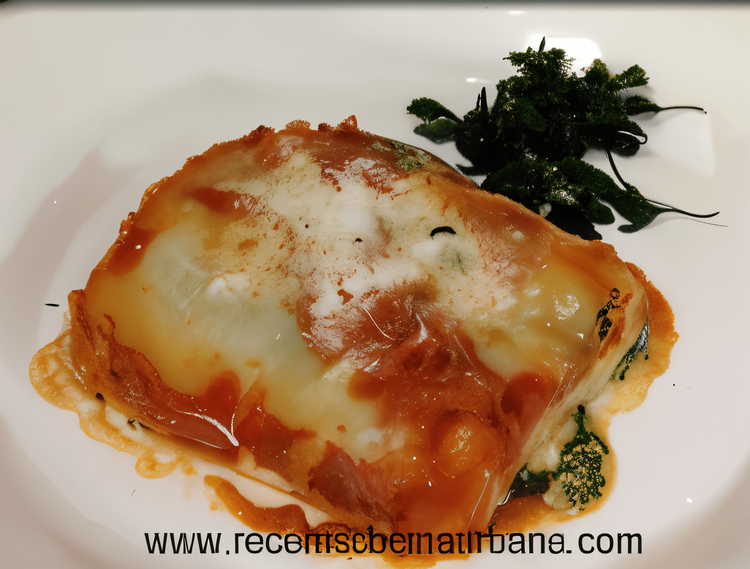
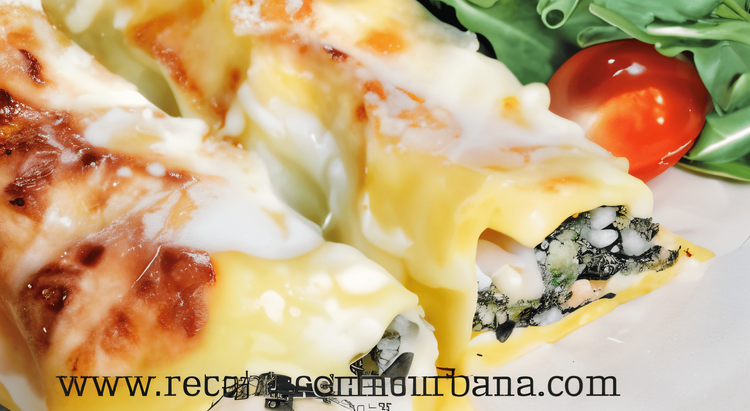
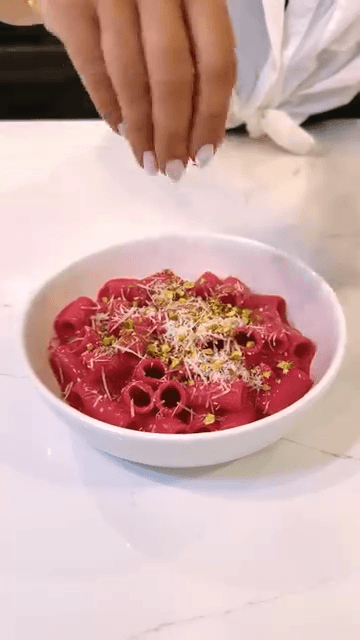
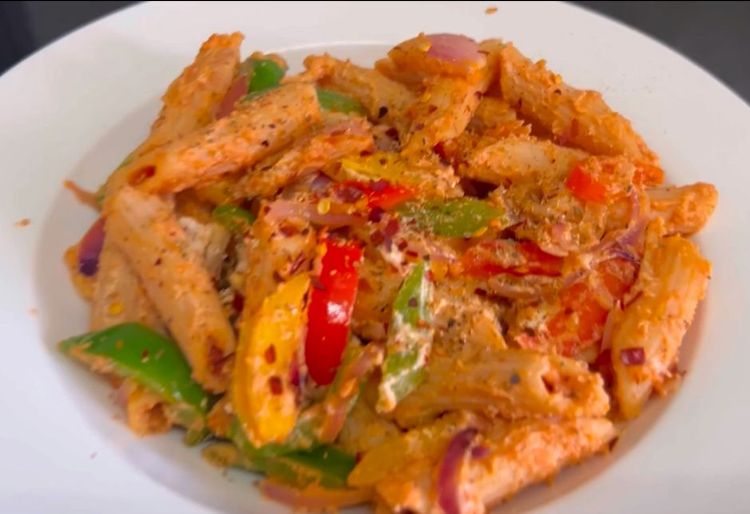
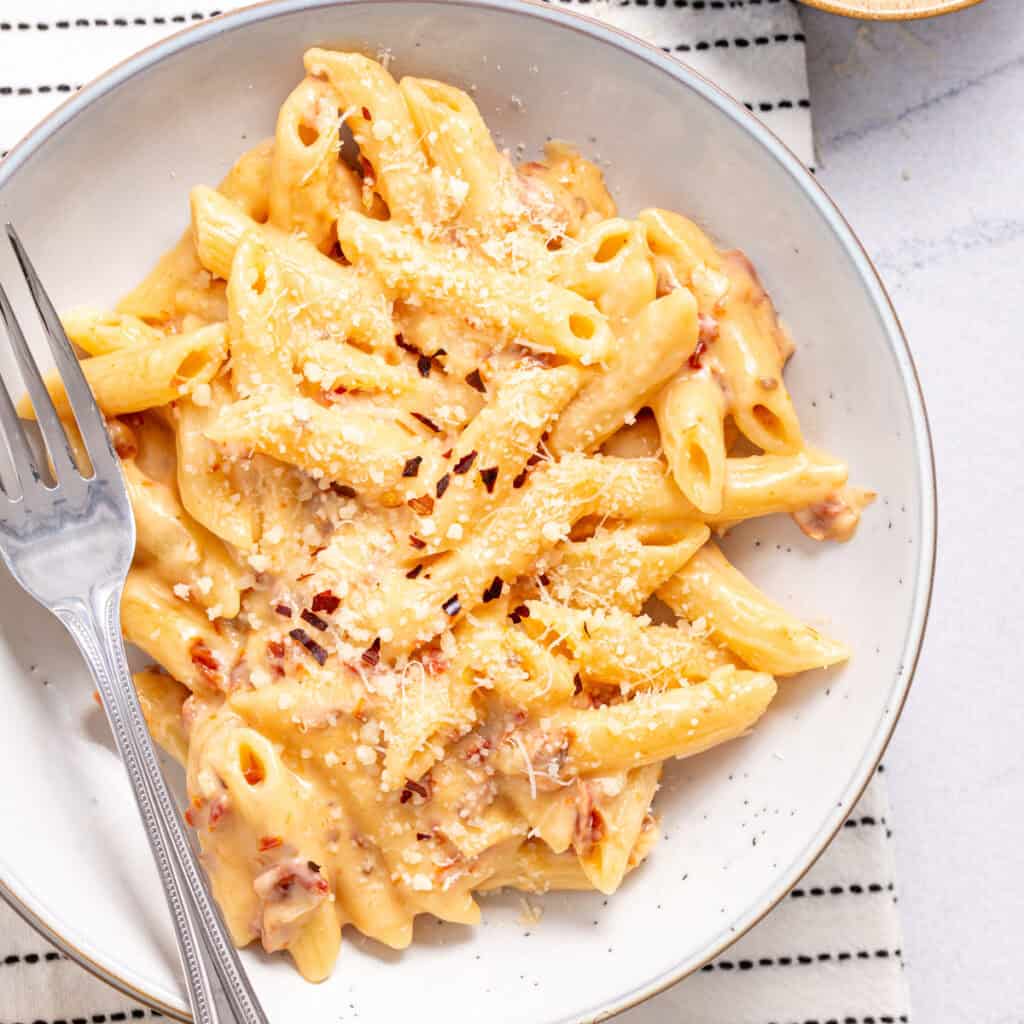
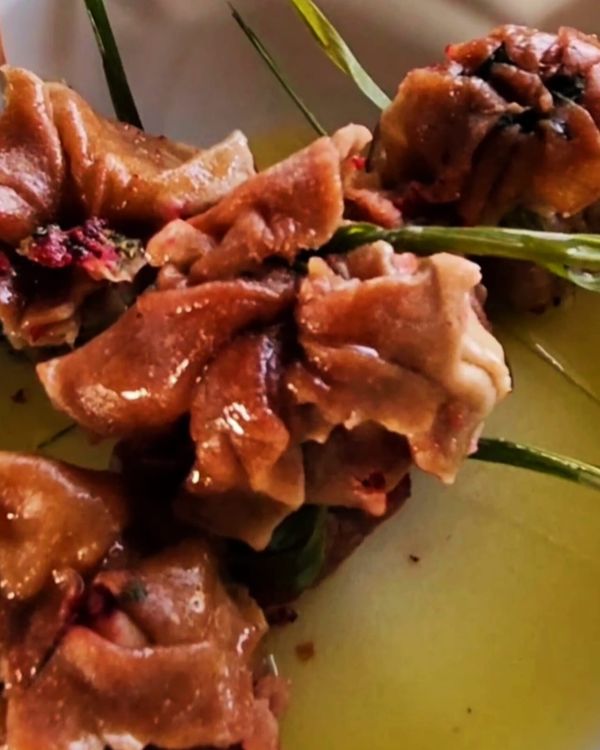
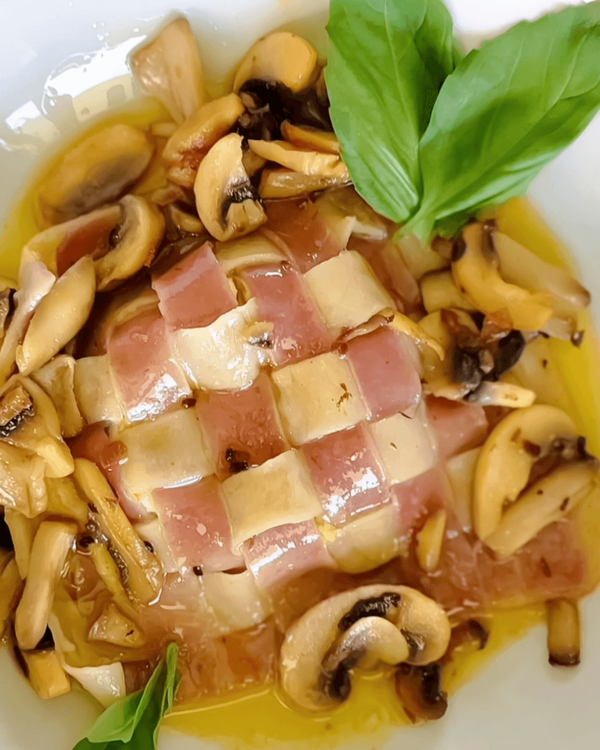
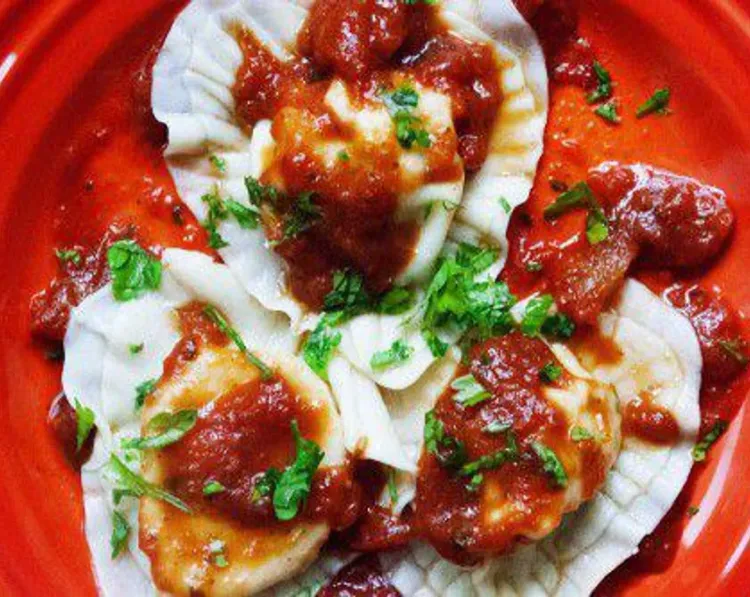
Ricotta pasta fillings are one of Italian cooking's most reliable formulas: a well-drained, well-seasoned curd that binds spinach, lemon and herbs into something far greater than its parts. The key is controlling moisture at every stage — drain the ricotta for at least an hour, squeeze cooked greens until they feel almost dry, and bind the mixture with egg and hard cheese so it holds its shape inside the pasta rather than turning watery. Season the filling more than feels comfortable; the pasta dough and cooking water both dilute flavor, so a filling that tastes slightly salty out of the bowl will be just right in the finished dish. Nutmeg is essential in any spinach-ricotta combination — it lifts the earthiness of the greens and gives the filling its distinctive warm, fragrant note. The dishes in this section range from rustic lasagna to delicate handmade ravioli and fresh-pasta shapes — each one built on the same handful of techniques that take minutes to master. Standouts here include Ricotta & Spinach Cappelletti and Agnolotti del Plin with Peas, Ricotta & Lemon, plus Lemon Ricotta Stuffed Shells.


- Eggetarian
- Main Course

- Eggetarian
- Main Course


- Italian
- Pescatarian
- Dinner

- Italian
- Eggetarian
- Dinner
- Italian
- Eggetarian
- Main Course
- Italian
- Non-Vegetarian
- Lunch
- Italian
- Eggetarian
- Lunch

- Italian
- Vegetarian
- Dinner

- Italian
- Vegetarian
- Lunch
- Italian
- Vegetarian
- Dinner

- Italian
- Vegetarian
- Dinner
- Italian
- Eggetarian
- Dinner

- Italian
- Non-Vegetarian
- Dinner
Whipped Ricotta, Toasts & Spreads
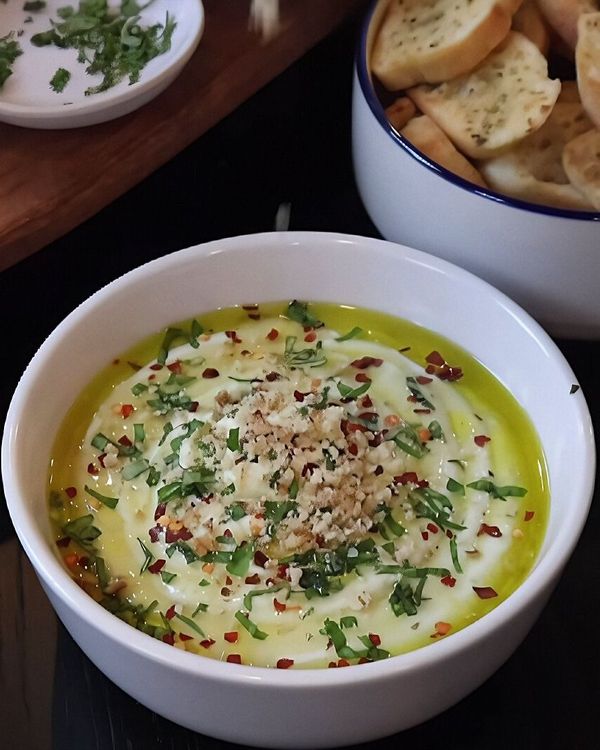
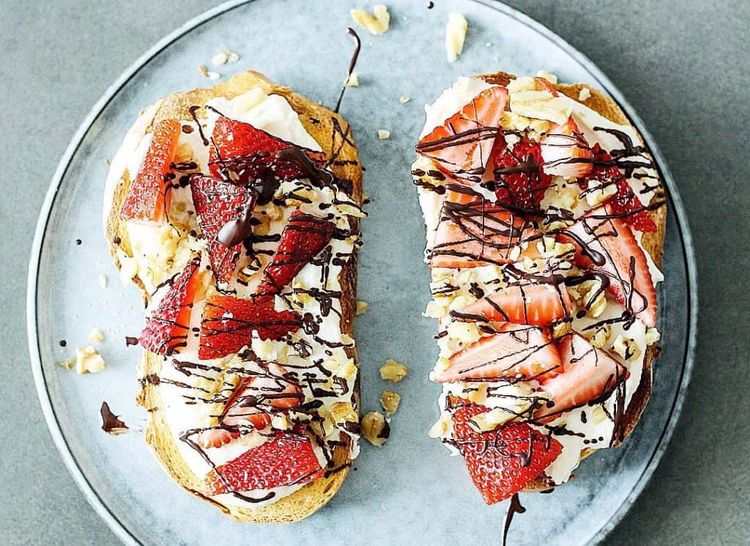
Whipped ricotta is one of the fastest impressive things you can put on a table. All it takes is a food processor, a few minutes of blending, good olive oil, lemon and salt — and the result is a light, airy spread with a texture nothing else quite matches. The transformation from the slightly grainy, wet curd in the tub to a smooth, voluminous, almost silky spread happens in the blending, which introduces air and emulsifies the fat. The flavor comes from what you put on top — this is a neutral, creamy canvas that takes both sweet and savory directions equally well. Roasted fruit, honey, fresh herbs, sun-dried tomatoes, pesto, prosciutto, and jam all work. The one rule is contrast: the topping should provide something the ricotta does not — sharpness, sweetness, crunch, or a hit of umami. These dishes range from a quick midday snack on toast to elegant party-ready crostini; all of them take under fifteen minutes. Standouts here include Avocado Ricotta Toast with Roasted Cherry Tomatoes and Truffle Honey Whipped Ricotta & Prosciutto Toast, plus Whipped Ricotta Crostini with Basil Pesto and Tomato Jam.


- Nut-Free
- Breakfast


- Vegetarian
- Appetiser

- American
- Vegetarian
- Appetiser

- Vegetarian
- Appetiser


- Vegetarian
- Appetiser
- Australian
- Vegetarian
- Snack

- Vegetarian
- Appetiser
Savory Ricotta Tarts & Bakes
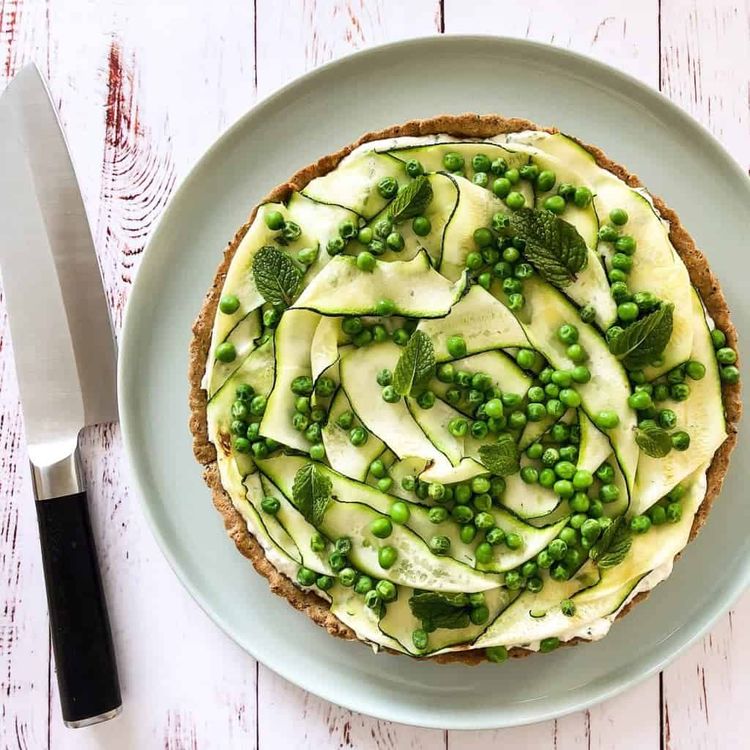
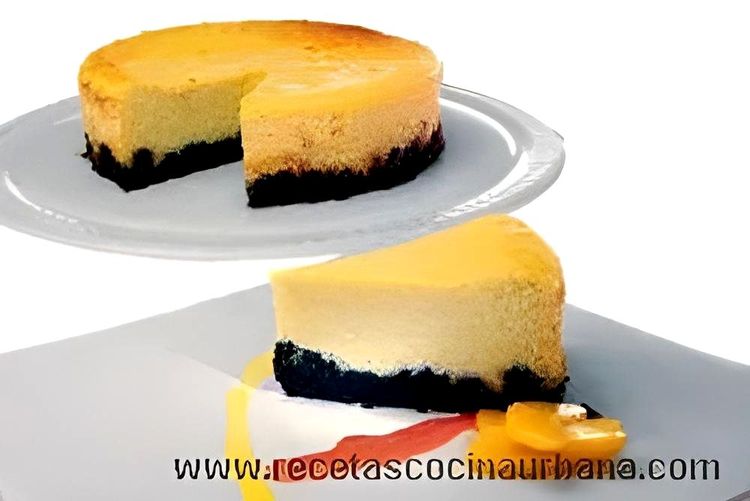
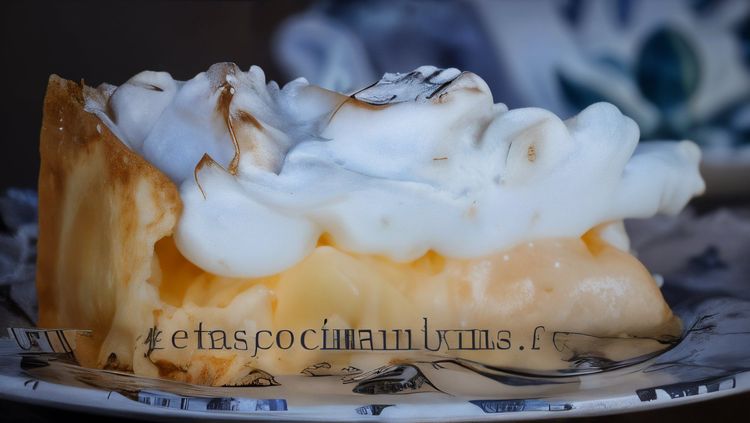
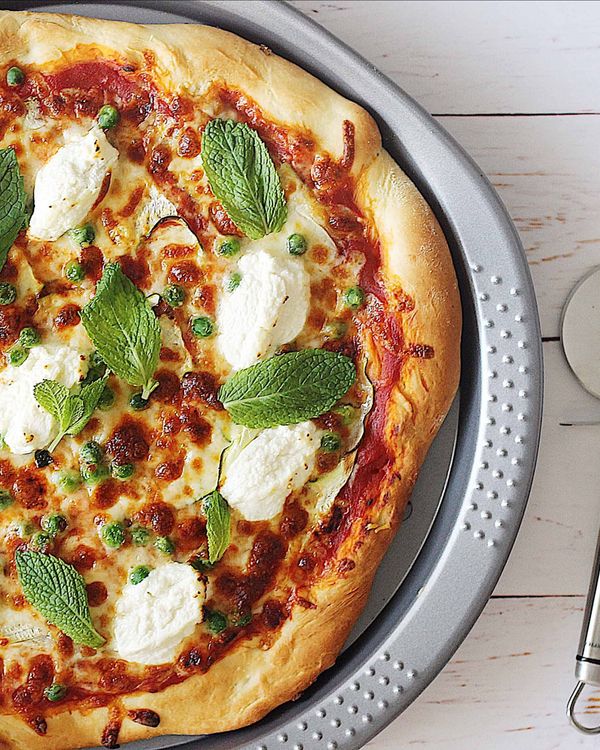
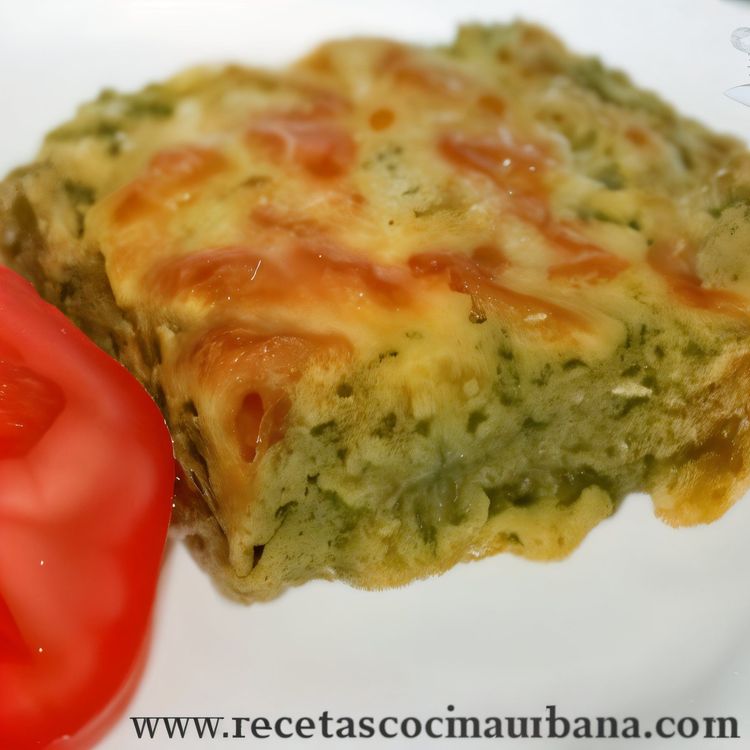
Baked ricotta tarts and savory dishes use the cheese in its most structural form — held in place by eggs, set just firm enough in the oven to slice cleanly and hold a wedge shape on the plate. Think of these as lighter, more delicate alternatives to quiche: less eggy, less rich in fat, with a curd that stays creamy rather than rubbery when properly baked. The technique that matters most here is low, slow heat — 150 to 160 °C keeps the proteins from tightening and the filling from cracking. Letting the tart or frittata cool in the turned-off oven with the door ajar finishes the setting gently, which is why baked ricotta dishes that come straight from a hot oven often look perfect and then sag as they cool too fast. The vegetables and aromatics that go in alongside the cheese — zucchini, peas, roasted tomatoes, herbs — should be as dry as possible; excess moisture is what makes pastry soggy and filling watery. Standouts here include Ricotta, Zucchini, Pea and Mint Tart and Ricotta Tart, plus Ricotta, Dulce de Leche, and Coconut Tart.
- European
- Eggetarian
- Lunch
- European
- Eggetarian
- Snack
- Italian
- Eggetarian
- Dessert

- Vegetarian
- Lunch
- Italian
- Vegetarian
- Lunch
- Italian
- Eggetarian
- Lunch
- Italian
- Eggetarian
- Breakfast
Ricotta Cakes, Cookies & Sweets
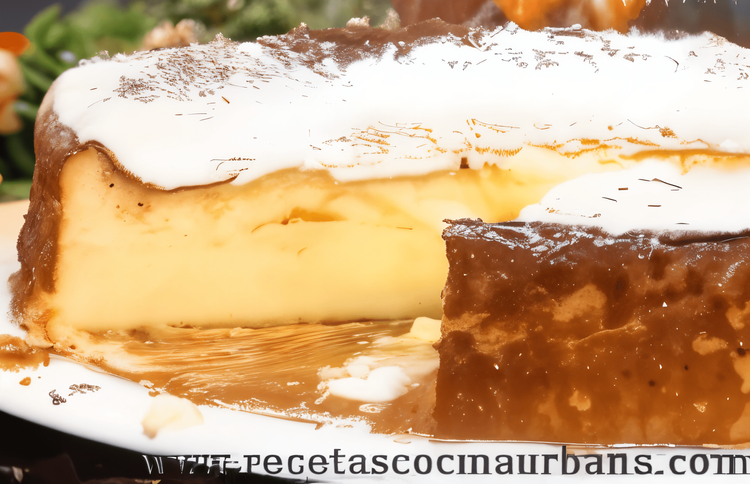
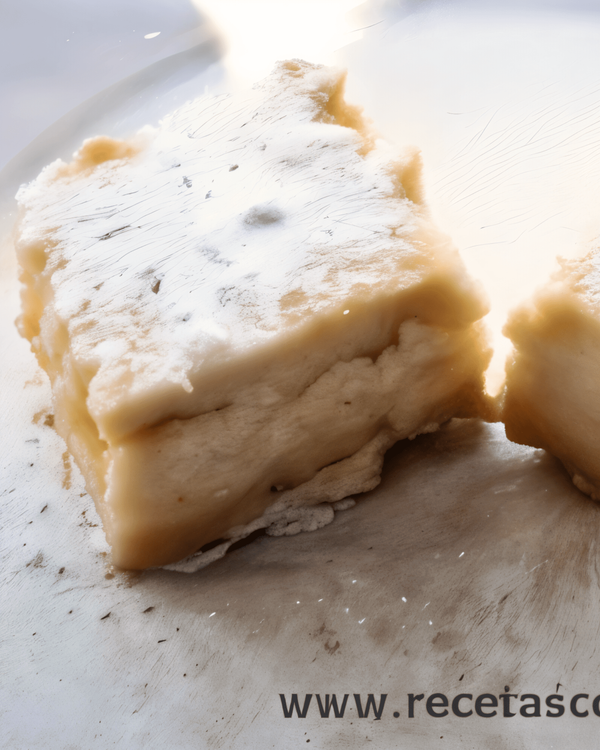
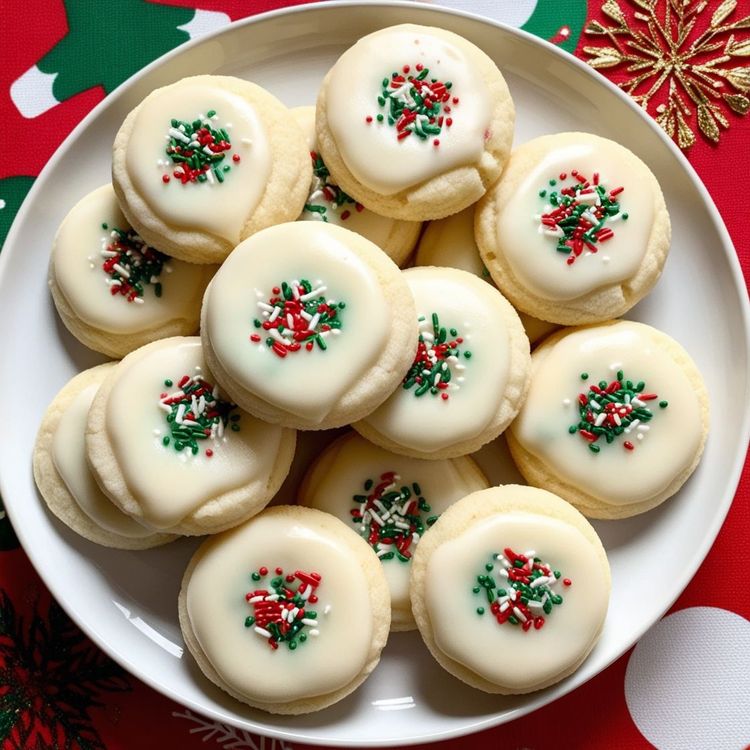
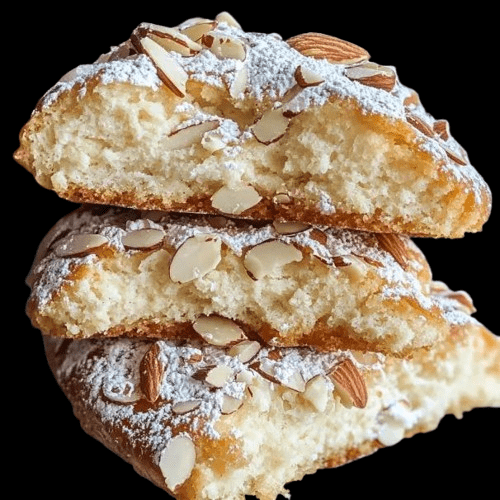
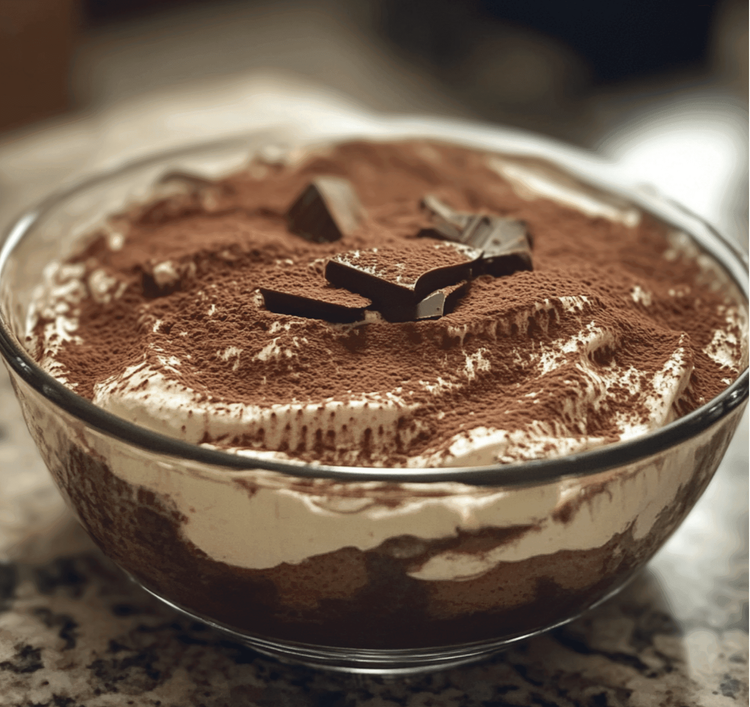
Ricotta in sweet baking has a long Italian tradition — from the simple rustic cake (torta di ricotta) to Sicilian cannoli filling to light Roman almond pillows. The cheese does in baking what butter does but with less heaviness: it adds moisture, a tender crumb and a faint dairy richness that keeps cakes from drying out on the counter for several days. The key difference from regular butter-based cakes is that you must drain the ricotta first — wet ricotta makes the batter slack and the crumb gummy. Once well-drained and folded into the batter with a light hand, it gives a pillowy, almost cloud-like texture. Lemon zest, almond extract and vanilla are its natural flavor partners. Tiramisu made with ricotta in place of or alongside mascarpone is lighter and less cloying. Cookies made with ricotta — Italian Christmas biscuits and the like — come out soft and cakey, quite unlike crisp butter cookies, and they keep their texture for longer. Standouts here include Ricotta Cake and Ricotta Squares, plus Blueberry Ricotta Lemon Cake.
- Italian
- Eggetarian
- Dessert
- Italian
- Eggetarian
- Snack


- European
- Eggetarian
- Dessert

- Italian
- Eggetarian
- Snack
- Italian
- Vegetarian
- Snack
- Italian
- Vegetarian
- Dessert
Draining and Seasoning Ricotta Properly
Most supermarket ricotta is sold quite wet, which is fine for sauces and batters but a liability in anything that needs to hold a shape. Line a fine sieve or colander with muslin or a double layer of kitchen paper, tip in the ricotta and let it drain over a bowl in the fridge for at least thirty minutes. For pasta fillings, go an hour. For cheesecakes and tarts that must be sliced cleanly, drain overnight. The difference in texture is dramatic.
Once drained, season boldly. Ricotta is mild almost to the point of bland, and it muffles other flavors if you do not correct for that. For savory dishes, salt generously, add freshly ground black pepper, and taste before it goes into the filling or onto the toast — you want it to taste pleasantly salty on its own so the finished dish is not flat. Lemon zest, finely grated, adds brightness without moisture. Freshly grated Parmesan or pecorino adds depth and salinity.
For sweet applications, the seasoning is different but just as important: a pinch of fine salt, vanilla, and a little sugar mixed in before you taste. The salt is not optional — it is what keeps sweet ricotta from tasting one-dimensional. Citrus zest again works beautifully in cakes and tarts. Mix gently; overworking makes the texture gluey, whereas a few turns with a spatula keep it light.
Making Ricotta Pasta Fillings That Hold Together
A pasta filling that is too wet will burst the seams of your ravioli or make lasagna watery. The fix is threefold: drain the ricotta well, squeeze any spinach or other greens bone-dry before chopping, and bind the mixture with enough egg and cheese that it holds a spoonful shape without slumping. As a rough guide, one egg per 250 g of drained ricotta, plus 30–40 g of finely grated hard cheese, gives a filling that is soft but stable.
Season the filling more assertively than you think necessary — the pasta dough, the sauce above and the cooking water all dilute flavor. Fresh nutmeg grated into spinach-ricotta is not optional; it is the note that makes the filling taste complete. Taste a small amount straight from the bowl, then taste it again after spreading a thin layer on pasta dough — it always needs more.
When filling fresh pasta, work quickly so the dough does not dry out. Keep the rounds covered with a damp cloth while you fill in batches. Use a piping bag or two teaspoons to place the filling, leaving a clean border for sealing. Press out air bubbles as you seal — trapped air expands in boiling water and pops the seams. Refrigerate filled pasta on a semolina-dusted tray for up to two hours before cooking; freeze flat on a tray and bag once firm.
Whipping Ricotta Into a Smooth Spread
Whipped ricotta is one of the fastest impressive things you can make. The technique is simple: tip well-drained ricotta into a food processor or blender with a splash of good olive oil, a squeeze of lemon, salt and sometimes a tablespoon of cream or yogurt for extra smoothness, then blitz for two to three minutes until it is light, airy and nearly white. Without the blitz it is merely stirred; the blending is what introduces air and changes the texture entirely.
Season as you go, tasting frequently — the lemon and salt balance is everything. Too little acid and it tastes flat; too much and it curdles slightly. Start with half a lemon and add more in small amounts. The olive oil quantity is a matter of preference: more gives a richer, silkier result; less keeps it lighter. Some recipes fold in honey or flavored oil at the end rather than blending it in, which gives visible streaks and a more varied bite.
Spread whipped ricotta on toast or crostini immediately before serving — it softens and slides on warm bread. On crostini that will sit for a few minutes at a party, spread a thicker layer so it stays in place. Toppings should contrast in texture: something crunchy (toasted pine nuts, crackers, capers), something sweet or acidic (honey, jam, roasted fruit, pickled shallots) and something fresh (basil, mint, chives). The ricotta is the neutral canvas; the topping is where flavor comes from.
Baking With Ricotta: Cakes, Tarts and Frittatas
In baked goods, ricotta functions as a fat replacer that also adds moisture and structure. A cake made with ricotta instead of butter is noticeably lighter and less oily, with a fine, almost pillowy crumb that keeps for several days without drying out. The moisture means you need slightly less liquid elsewhere in the recipe, and the mild dairy flavor marries beautifully with lemon, almond and vanilla — the classic Italian ricotta cake flavors.
For cheesecakes and set tarts, well-drained ricotta baked with eggs produces a drier, more crumbly result than a cream-cheese filling — distinctly Italian in character. It will crack less than a New York-style cheesecake if you bake it low and slow (150–160 °C) and let it cool fully in the turned-off oven with the door ajar. Do not rush the cooling; the filling continues to firm as it drops in temperature.
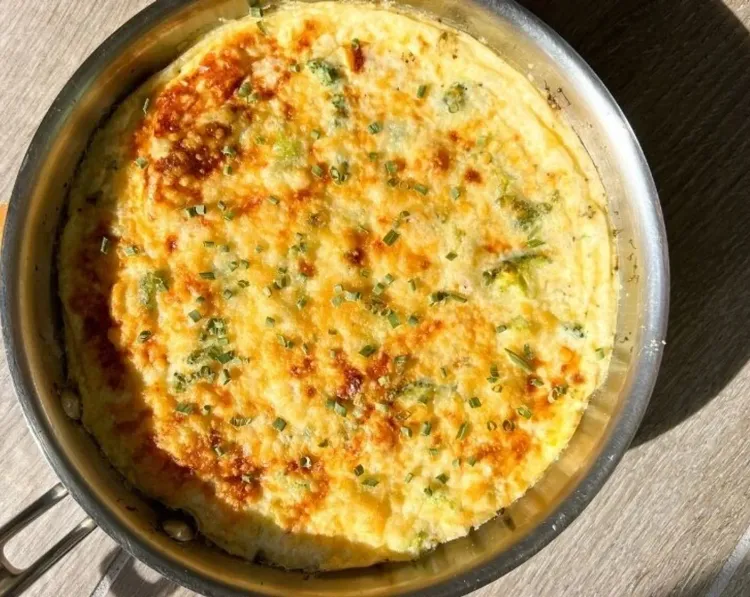
Frittatas and savory bakes use ricotta differently: dropped in by the spoonful it stays in white pockets rather than blending in, creating a creamy contrast to eggs and vegetables. Do not beat it into the egg mixture — keep it separate so those pockets survive the oven. Bake until just set in the centre; ricotta frittatas are more forgiving than plain egg versions and will firm up as they cool on the board.
Pro Tips from the Test Kitchen
- Drain ricotta in a muslin-lined sieve for 30–60 minutes before any recipe where moisture matters — wet ricotta ruins pasta fillings and soggy tarts.
- Season ricotta assertively before it goes into any dish; mild cheese always needs more salt than you expect.
- Blitz ricotta in a food processor for 2–3 minutes to make it genuinely whipped and airy — stirring by hand just moves it around.
- Bind pasta fillings with one egg plus 30–40 g of grated hard cheese per 250 g ricotta so the filling holds its shape under boiling water.
- Add fresh lemon zest (not juice) to both sweet and savory ricotta — it adds brightness without thinning the mixture.
- Grate nutmeg generously into spinach-ricotta fillings; it is the note that makes the mixture taste complete rather than plain.
- Bake ricotta tarts and cheesecakes at 150–160 °C and cool slowly in the oven — high heat causes cracking and a rubbery texture.
- Add ricotta by the spoonful to egg bakes and frittatas rather than mixing it in — it stays in creamy white pockets instead of disappearing.
- Use up leftover ricotta within four to five days; fold it into a quick pasta sauce with olive oil and lemon if nothing else is planned.
- A pinch of salt in sweet ricotta dishes is not optional — it is what stops the filling or batter tasting flat.
Frequently Asked Questions
What can I make with ricotta cheese?
Ricotta is one of the most versatile dairy ingredients in the kitchen. Savory options include pasta fillings (ravioli, lasagna, stuffed shells), whipped spreads for toast and crostini, savory tarts and galettes, frittatas, and pizza. On the sweet side it makes excellent cakes, cheesecakes, Italian cookies, tiramisu and cream-style desserts. The four sections on this page cover the main categories with technique notes for each.
How do you keep ricotta from making pasta watery?
Drain the ricotta well before mixing the filling — tip it into a muslin-lined sieve over a bowl and refrigerate for at least an hour, longer if you have time. Also squeeze any spinach or cooked greens completely dry before adding them. The other fix is binding: enough egg and grated hard cheese so the filling holds a spoon shape without slumping. A wet filling will burst ravioli seams and pool in the bottom of lasagna.
What is the difference between ricotta and cottage cheese?
Both are fresh, unaged, high-moisture cheeses, but they are made differently and taste distinct. Ricotta is made from whey (often leftover from other cheeses) or whole milk curdled with acid; it is finer-grained, creamier and slightly sweet. Cottage cheese has larger, distinct curds and a more pronounced lactic tang. In most baked goods you can substitute one for the other if you blend the cottage cheese smooth first, but ricotta gives a silkier result in pasta fillings and cakes.
How long does ricotta last in the fridge?
An opened tub of ricotta keeps for three to five days in the fridge, covered tightly. If you are not sure, smell it — spoiled ricotta smells sour and sharp. Homemade ricotta is more fragile and is best used within two days. You can freeze ricotta for up to a month, though the texture becomes slightly grainy on thawing; use thawed ricotta in baked goods or cooked sauces rather than for whipping or fresh fillings.
Can you substitute ricotta in recipes?
For pasta fillings, cream cheese or a blend of cream cheese and Greek yogurt works in a pinch, though the result is richer and less delicate. For cakes and muffins, full-fat Greek yogurt or sour cream can substitute in equal weight. For whipped spreads, labneh (strained yogurt) is excellent. For cheesecakes, mascarpone gives a creamier, richer result. None of these are exact matches — ricotta has a lightness and mild sweetness that is hard to replicate precisely.
How do you make ricotta at home?
Bring full-fat milk to just below a boil (about 85–90 °C), then add lemon juice or white wine vinegar a tablespoon at a time, stirring gently, until the curds separate from the whey. Line a colander with muslin, pour the mixture through and let it drain for 30–60 minutes — longer for firmer ricotta. Season with a pinch of salt. Homemade ricotta is softer, fresher and slightly sweeter than most commercial versions.
Is ricotta healthy?
Ricotta is relatively lower in fat and calories than most cheeses, and it provides a good hit of protein, calcium and B vitamins. Whole-milk ricotta is the most common and has around 13–15 g fat per 100 g; part-skim versions bring that down to 8–10 g. Because it is unaged and unsalted, it is also lower in sodium than cheddar or feta. It is a nutritious, versatile ingredient — the recipes that add the most calories tend to involve cream, butter or pastry alongside it.
Why does my ricotta cake turn out dense?
The two most common culprits are overworking the batter and using wet ricotta. Mix just until the ingredients come together — ricotta cakes have a delicate crumb that toughens with overmixing. Drain the ricotta before using it; excess moisture makes the cake dense and gummy at the centre rather than light. Also check that your baking powder or bicarbonate of soda is fresh; an under-leavened batter will not rise enough to create an open, airy texture.
What herbs and flavours go best with ricotta?
Savory ricotta loves lemon zest, fresh basil, flat-leaf parsley, chives, nutmeg (especially with spinach), and black pepper. It pairs well with sun-dried tomatoes, roasted garlic, prosciutto, and olives. Sweet ricotta gravitates toward vanilla, lemon or orange zest, almond extract, cinnamon, honey, and dark chocolate. In both cases, fresh citrus zest — not juice — is a high-impact addition that adds brightness without adding moisture.
Can ricotta be frozen?
Yes, for up to a month. Freeze it in an airtight container, leaving a little headspace. On thawing, the texture will be slightly grainy or watery — give it a good stir to recombine. Thawed ricotta works well in baked goods, cooked pasta sauces and lasagna where the texture change is masked by heat and other ingredients. Avoid using it for whipped spreads or fresh fillings where a smooth, creamy texture is the point.
The thread through every ricotta recipe here is a light, fresh curd that adapts to wherever you need it — filling pasta one day, spreading on toast the next, baking into a cake the day after that. It asks only that you drain it when it matters, season it generously, and treat it with a gentle hand so it stays airy rather than dense.
Start with the cluster that catches your eye, whether that is a quick whipped crostini for tonight or a slow weekend lasagna. Save the ones you return to in a Chefadora cookbook and use this page as the reference you come back to whenever you find a tub in the fridge and want to make something worth eating.
Related
- Italian
- Vegetarian
- Pasta
- Baking
- Quick
- Cheese
- Dinner
Popular Searches
- Best ricotta recipes
- Easy ricotta recipes
- Quick ricotta recipes
- Healthy ricotta recipes
- Simple ricotta recipes
- Homemade ricotta recipes
- Delicious ricotta recipes
- Popular ricotta recipes
- ricotta cheese recipes
- what to make with ricotta
- ricotta pasta
Marnirni-apinthi Building, Lot Fourteen,
North Terrace, Adelaide, South Australia, 5000
Australia
