
99 Navratri Recipes for Nine Days of Vrat and Feasting
Updated July 16, 2026 · Curated by Chefadora
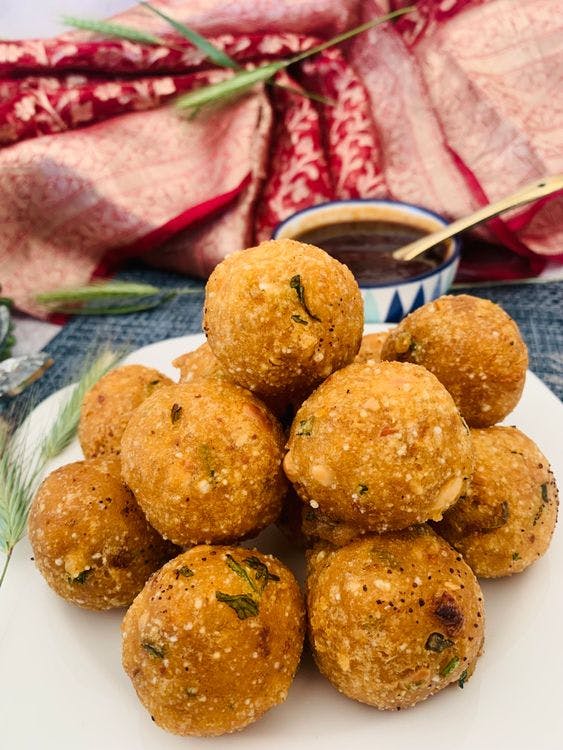
Nine nights, one very specific pantry. During the fast a kitchen empties itself of wheat, rice, semolina, lentils, onion, garlic and ordinary table salt, then fills up again with sabudana, kuttu, singhara, rajgira, samak, potatoes, peanuts, makhana and sendha namak. That narrowing is exactly why these 99 Navratri recipes exist: they work inside the rules instead of apologising for them.
I have sorted the collection the way a Navratri kitchen actually runs. Sabudana comes first, because it carries most of the week. Then the vrat flours and millets, then the falahari snacks, sides and chutneys that do the quiet daily work, then sweets, then drinks for the afternoons when the fast starts to bite. Good vrat ka khana is mostly about sequence and prep, not about heroics.
The last section is deliberate. Several dishes tagged for Navratri are sattvic feast food rather than falahari fasting food, and where that is true I say so in the blurb rather than let you discover it at the stove. Read the two guides before you shop.
Sabudana Staples: The Navratri Recipes Most Homes Cook First
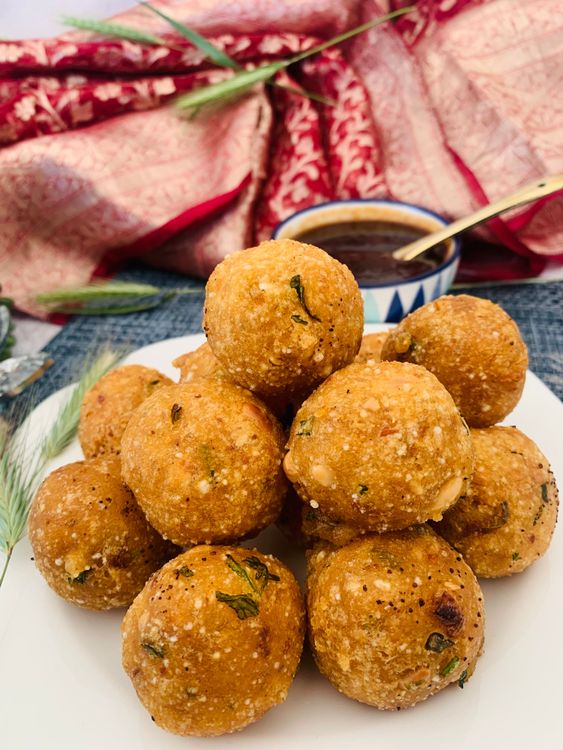
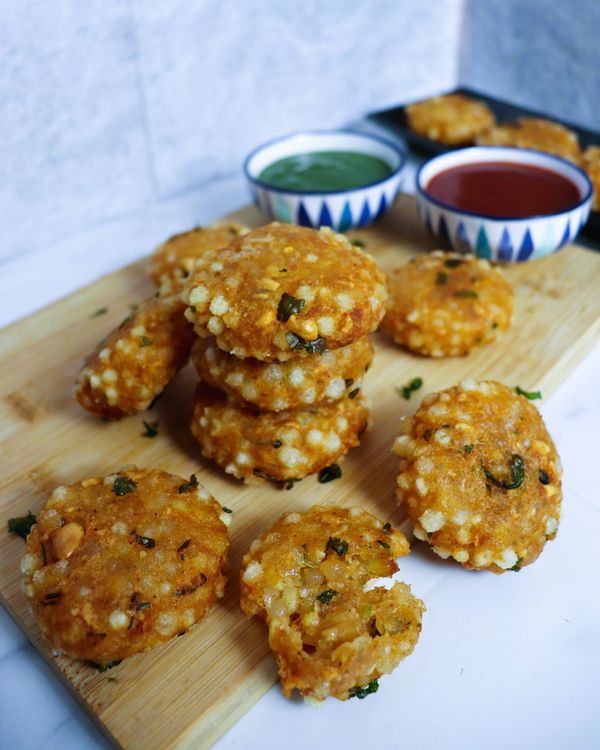
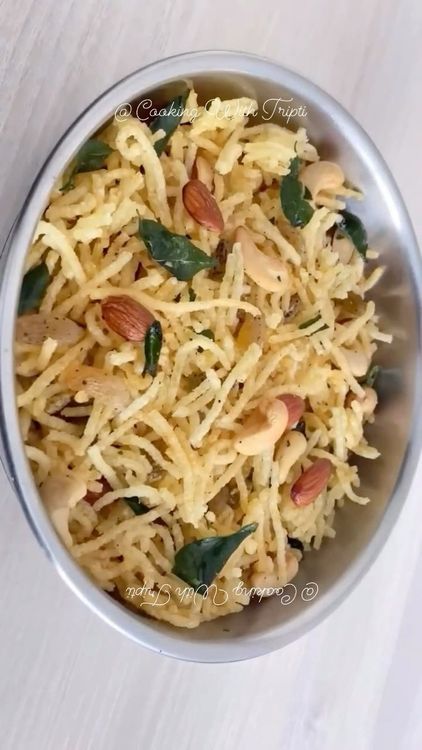
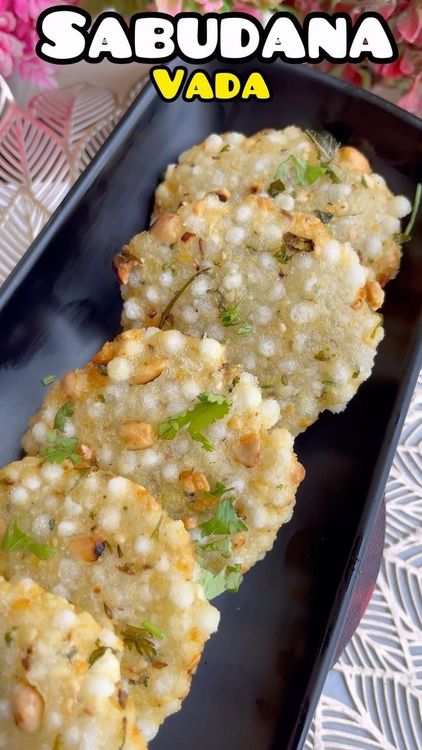
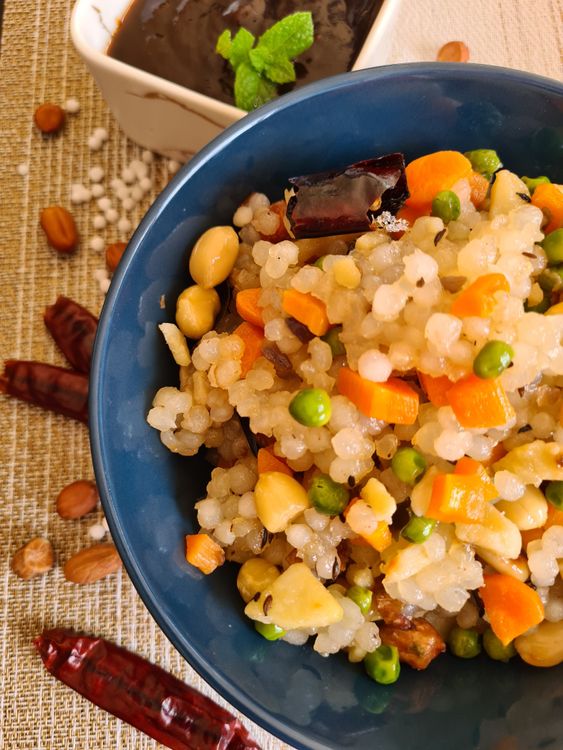
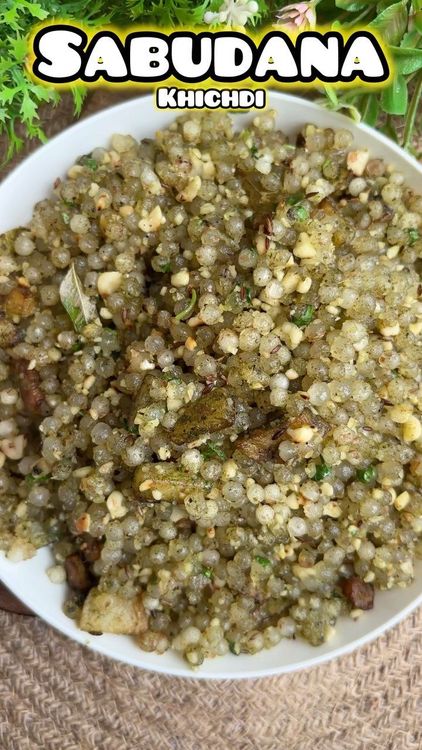
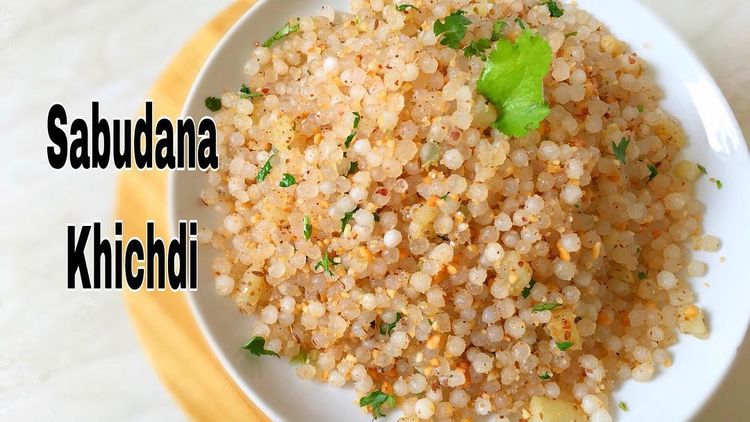
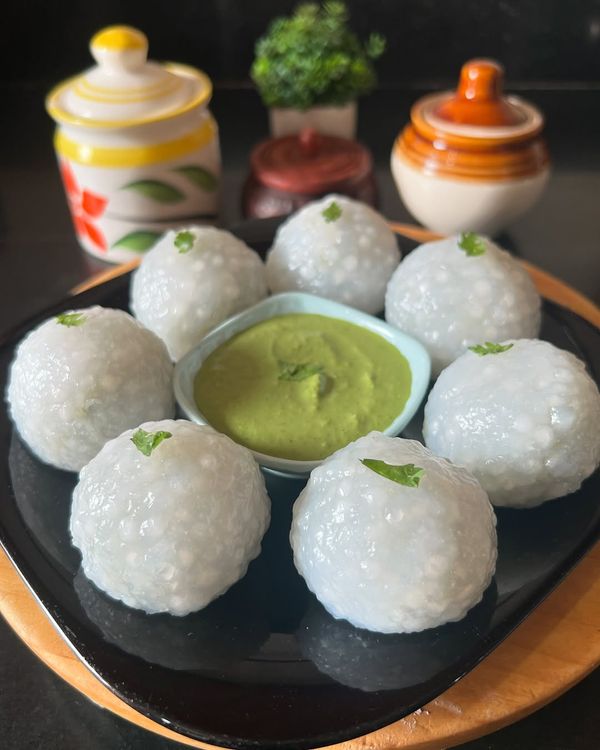
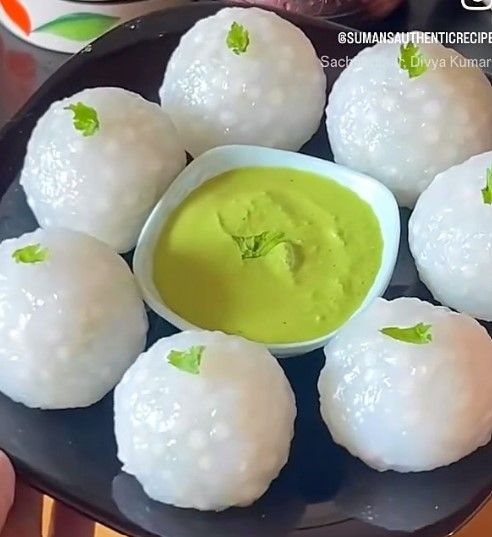
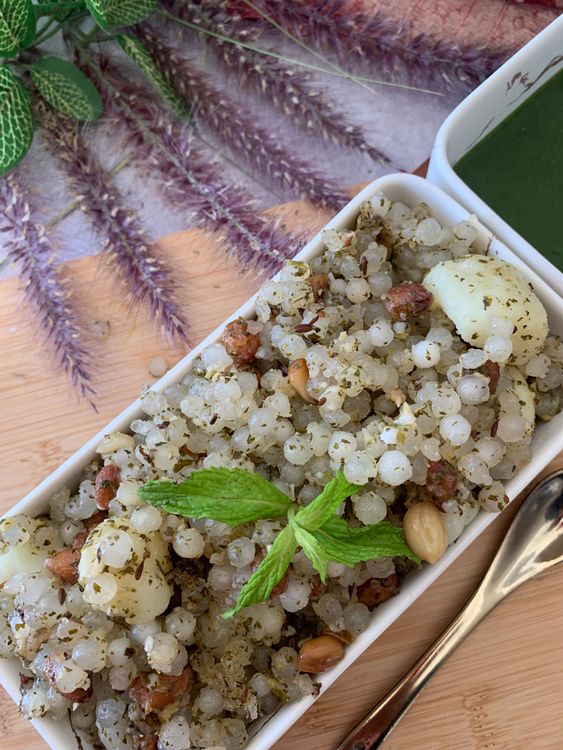
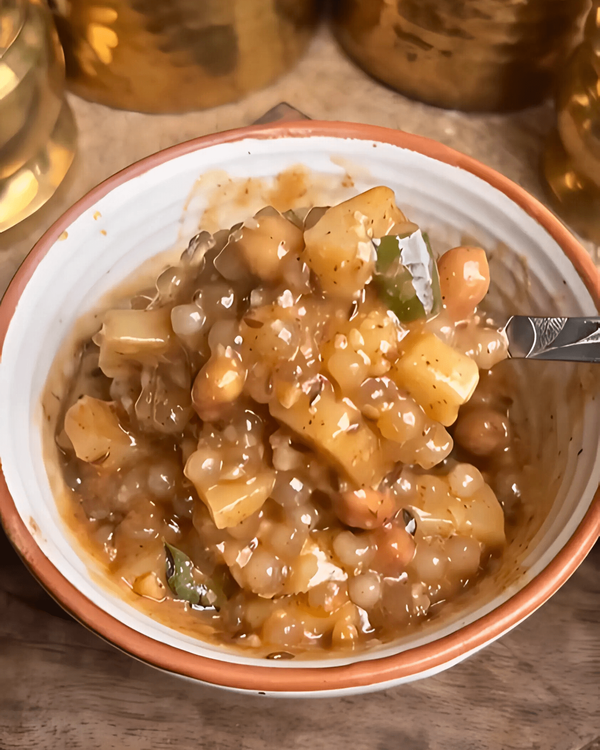
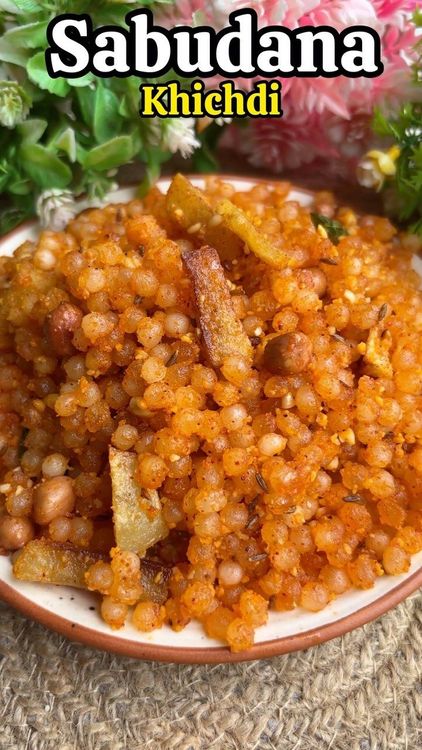
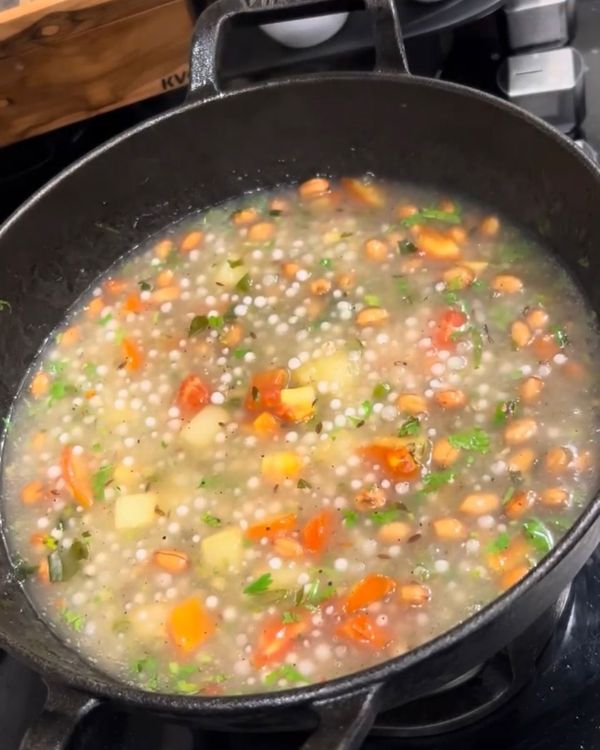
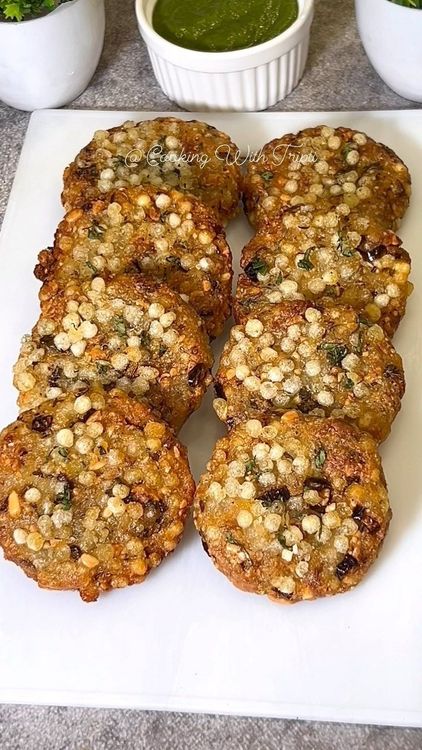
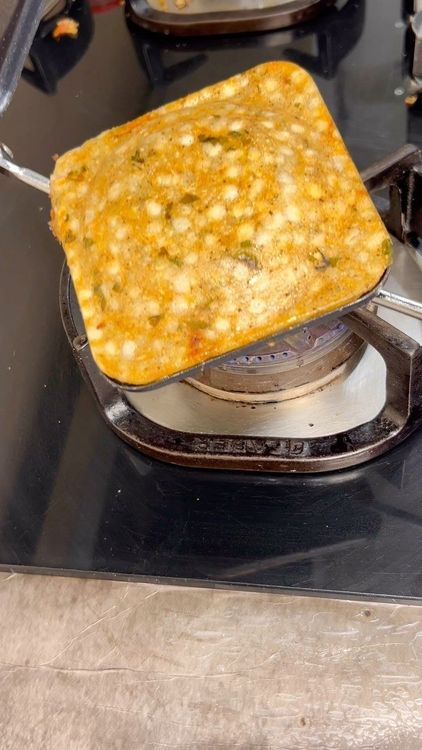
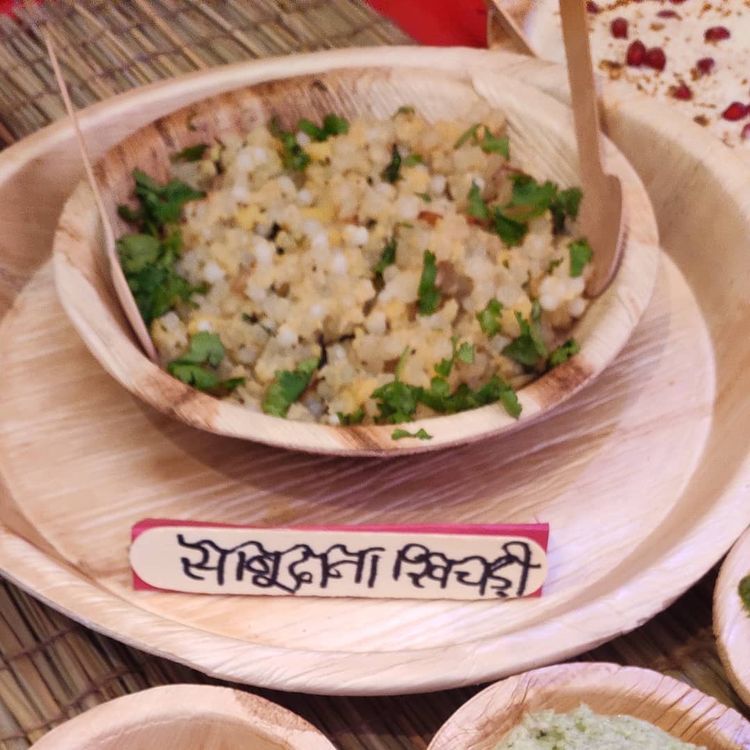
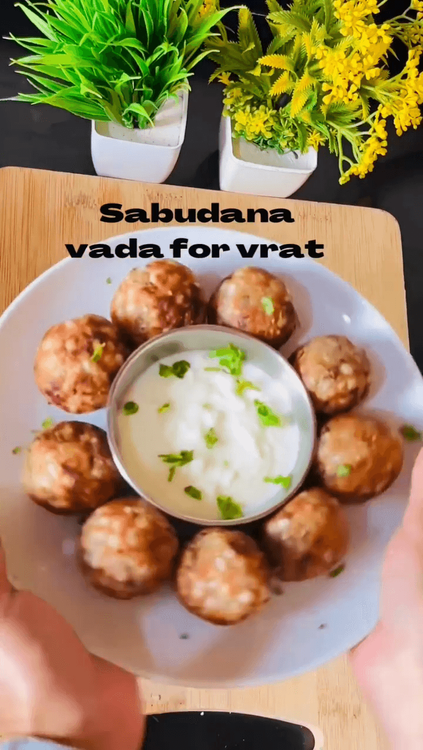
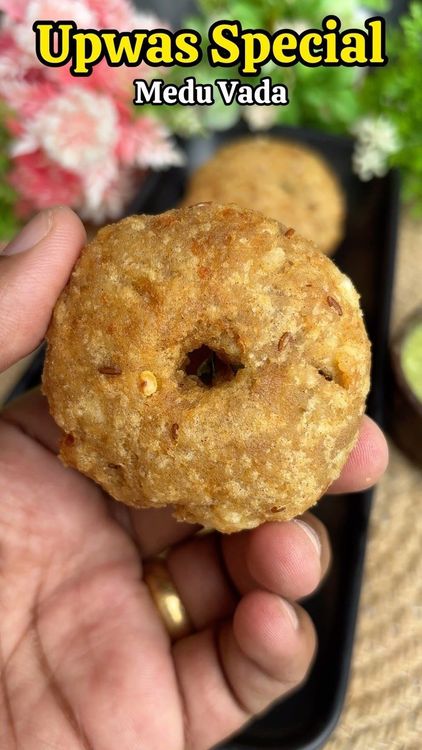
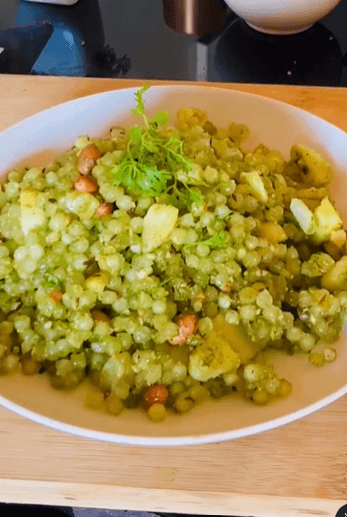
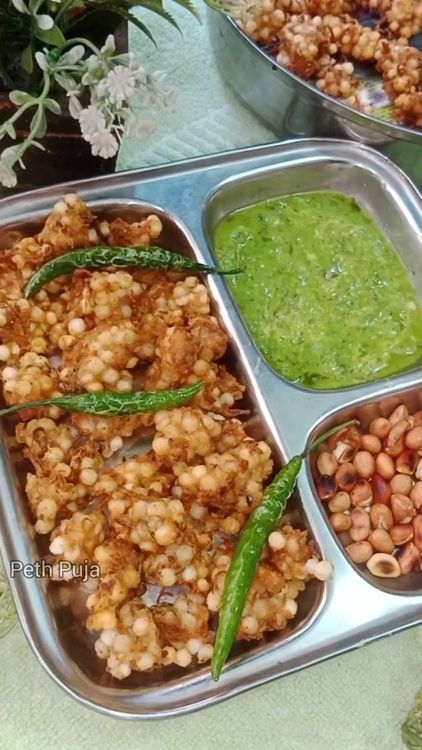
Sabudana carries the fast, and every dish here lives or dies on the soak. Rinse the pearls until the water runs clear, cover them by barely a finger's width, and leave them five to eight hours. Press one between your nails: it should crush cleanly, with no white core and no mush. Then drain in a colander for twenty minutes before it ever meets a hot pan. Do that and khichdi comes out separate, vada comes out hollow, and nobody has to discuss glue. Nothing else in the Navratri pantry rewards patience quite this much.

- Indian
- Vegan
- Appetiser
- Indian
- Vegan
- Breakfast

- Indian
- Vegan
- Breakfast
- Indian
- Vegan
- Snack

- Indian
- Vegan
- Breakfast
- Indian
- Vegetarian
- Breakfast


- Breakfast
- Indian
- Vegan
- Breakfast
- Indian
- Vegan
- Breakfast
- Indian
- Vegan
- Breakfast
- Indian
- Vegan
- Breakfast
- Indian
- Vegan
- Breakfast
- Indian
- Vegan
- Appetiser
- Indian
- Vegan
- Appetiser
- Indian
- Vegan
- Breakfast
- Indian
- Vegetarian
- Breakfast
- Indian
- Vegan
- Breakfast
- Indian
- Vegetarian
- Breakfast
- Indian
- Vegetarian
- Breakfast
- Indian
- Vegan
- Snack
- Indian
- Vegetarian
- Breakfast
- Indian
- Vegetarian
- Main Course
- Indian
- Vegan
- Snack
- Indian
- Vegan
- Appetiser
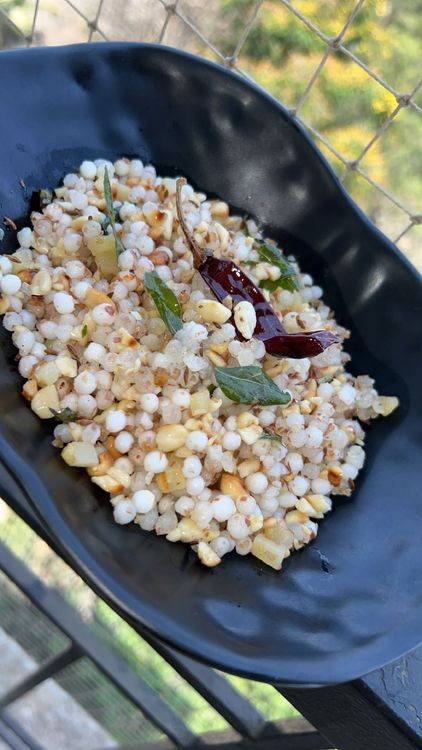

- Indian
- Vegetarian
- Breakfast
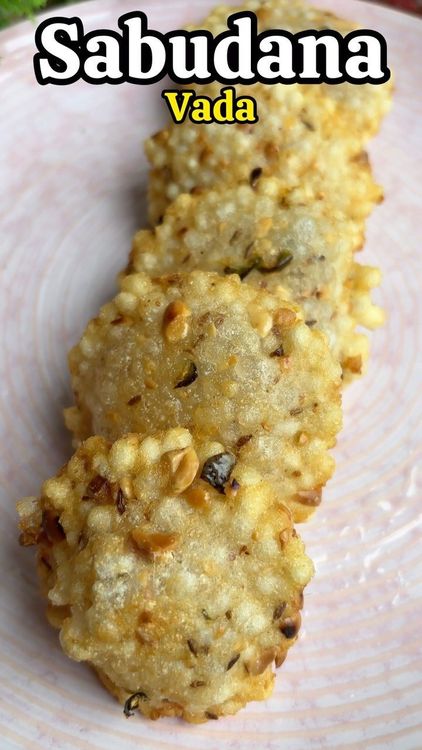
- Indian
- Vegan
- Snack
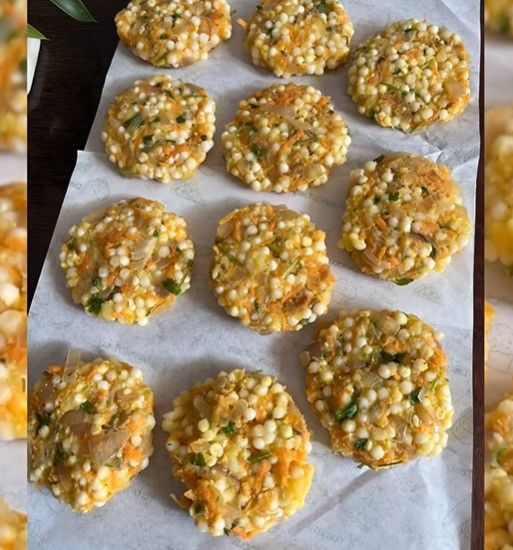

- Indian
- Vegan
- Appetiser
Kuttu, Singhara, Rajgira and Samak: Vrat Flour and Grain Dishes
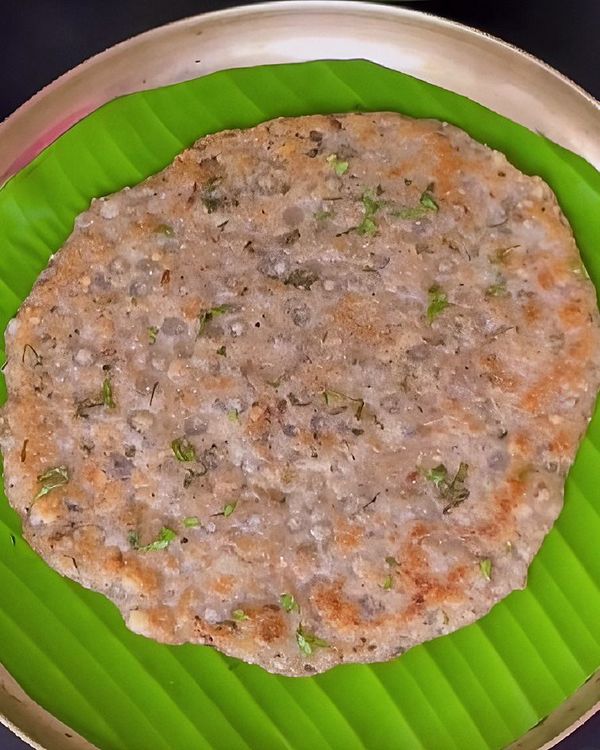
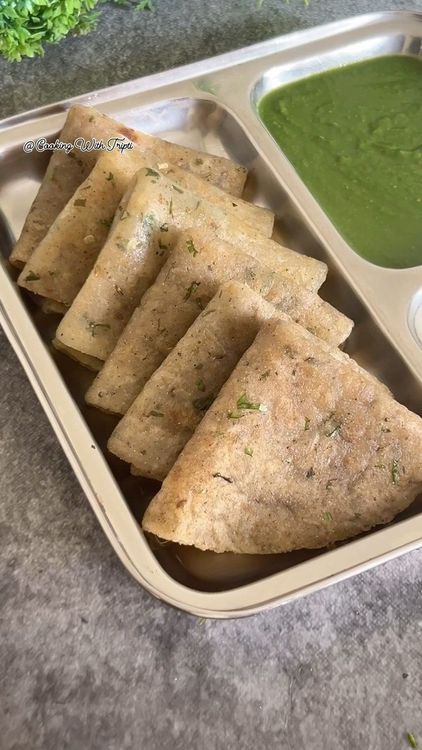
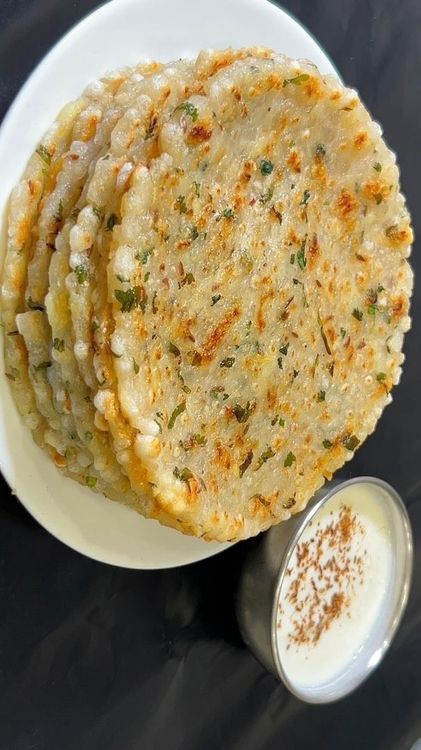
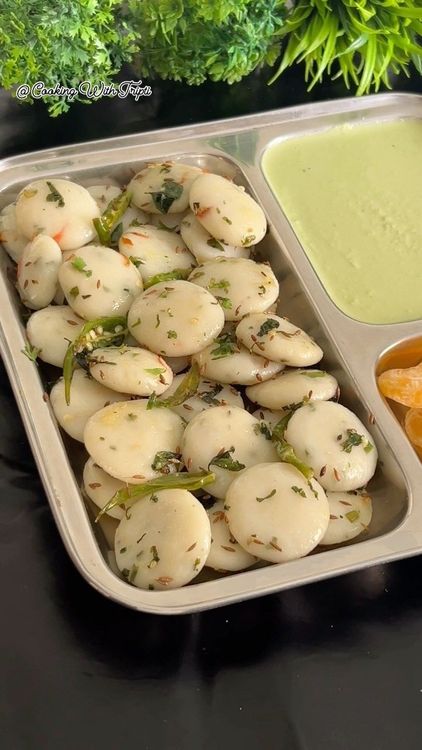
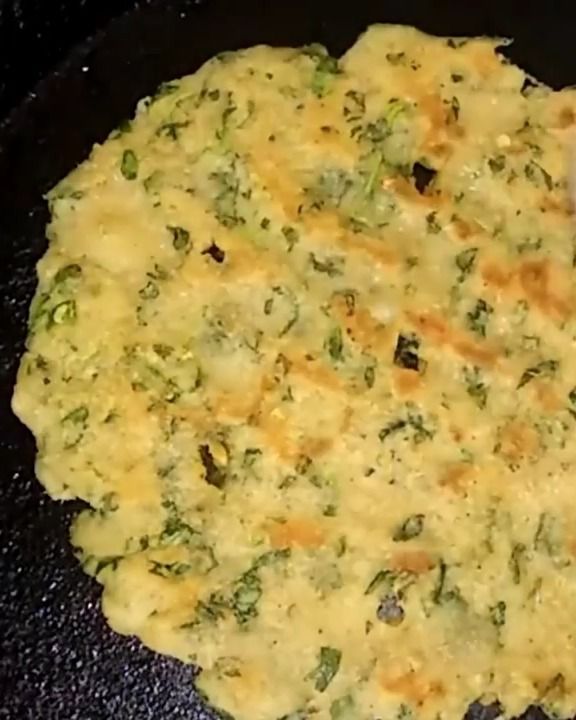
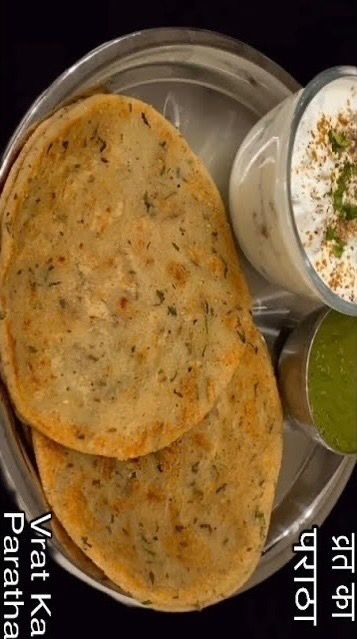
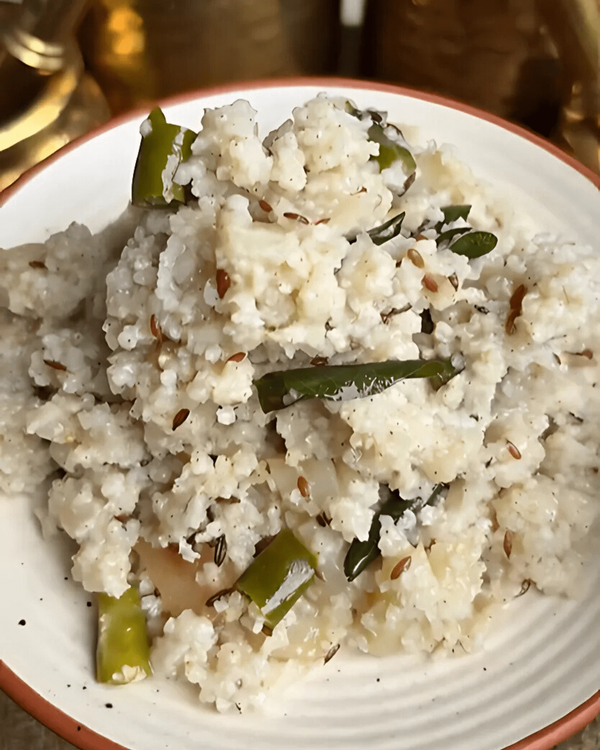
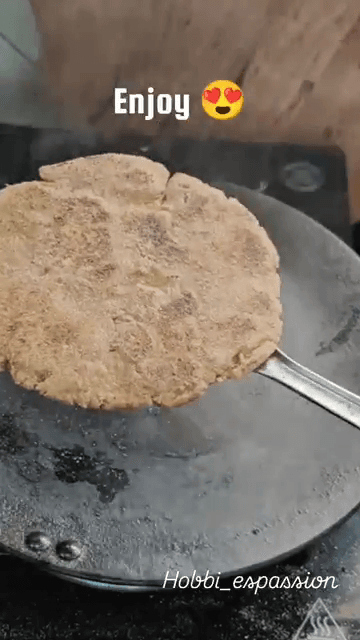
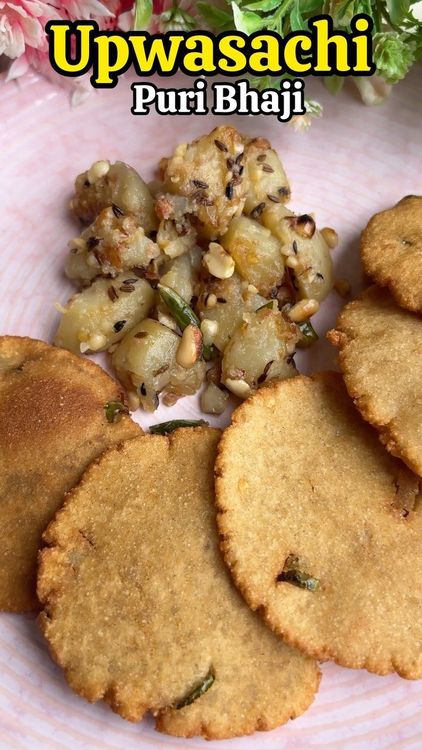
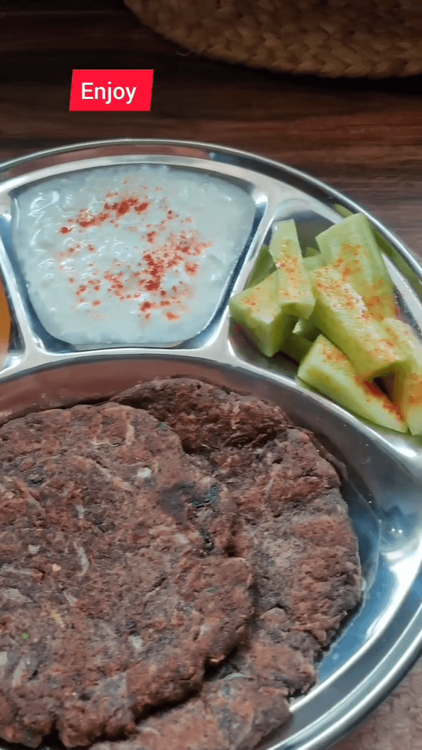
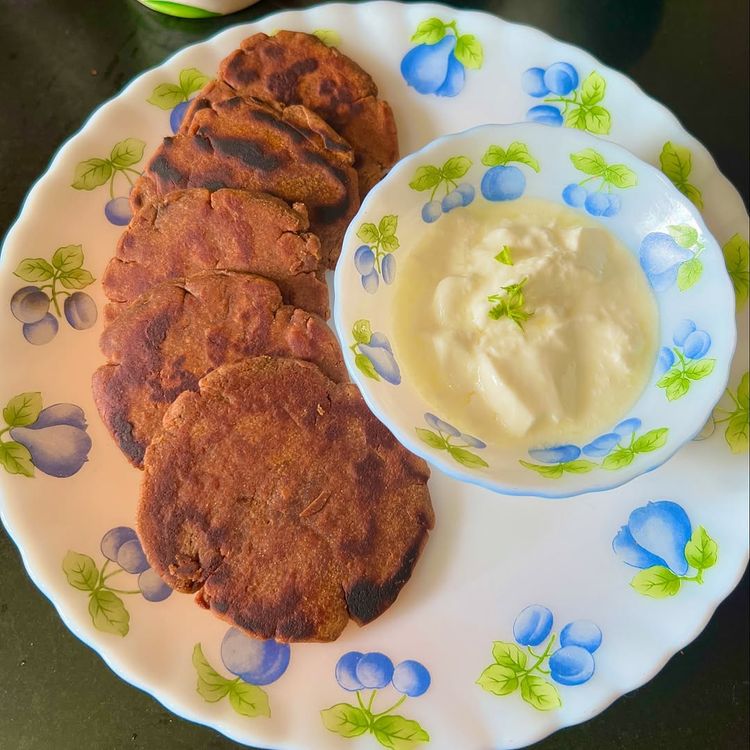
None of these flours have gluten, so stop treating them like atta. Kuttu is earthy and strong, singhara is milder and more brittle, rajgira is the nuttiest of the three, and samak or bhagar are millets that cook like a coarse, forgiving rice. Bind the doughs with mashed potato or a spoon of curd, rest them ten minutes, and roll between two greased sheets rather than on a floured board. Cook hot and eat hot, because every one of these goes leathery as it cools. These are the navratri vrat recipes to master if you want a plate that is not fried.

- Indian
- Vegetarian
- Breakfast
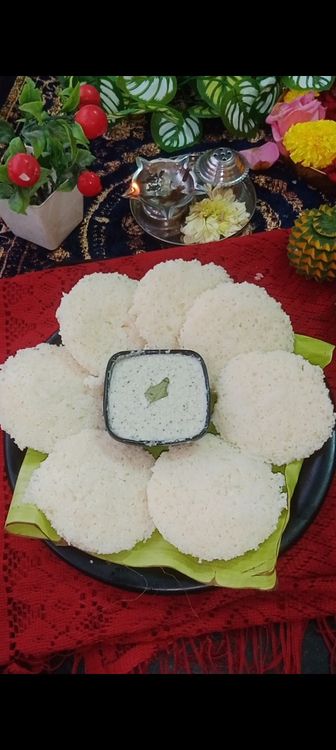
- Indian
- Vegetarian
- Breakfast
- Indian
- Vegetarian
- Breakfast
- Indian
- Vegetarian
- Breakfast
- Indian
- Vegetarian
- Breakfast
- Indian
- Vegan
- Lunch

- Indian
- Vegan
- Lunch
- Indian
- Vegan
- Breakfast
- Indian
- Vegan
- Snack
- Indian
- Vegetarian
- Snack

- Indian
- Vegetarian
- Breakfast
- Indian
- Vegan
- Breakfast
- Indian
- Vegan
- Lunch
- Indian
- Vegetarian
- Appetiser
Falahari Snacks, Chaat, Raita and Everyday Vrat Sides
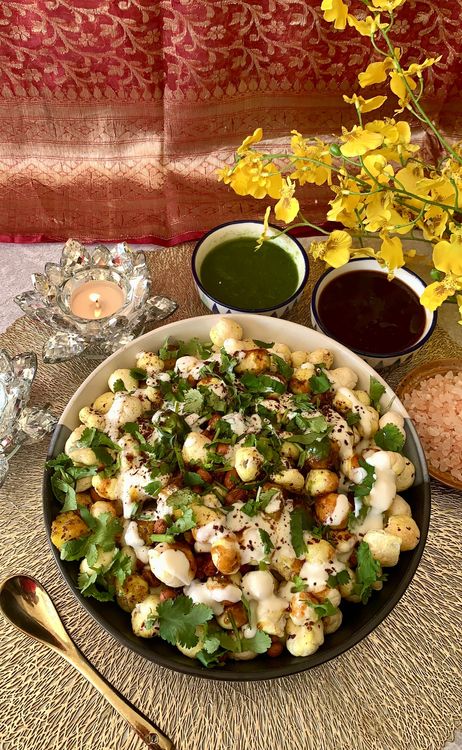
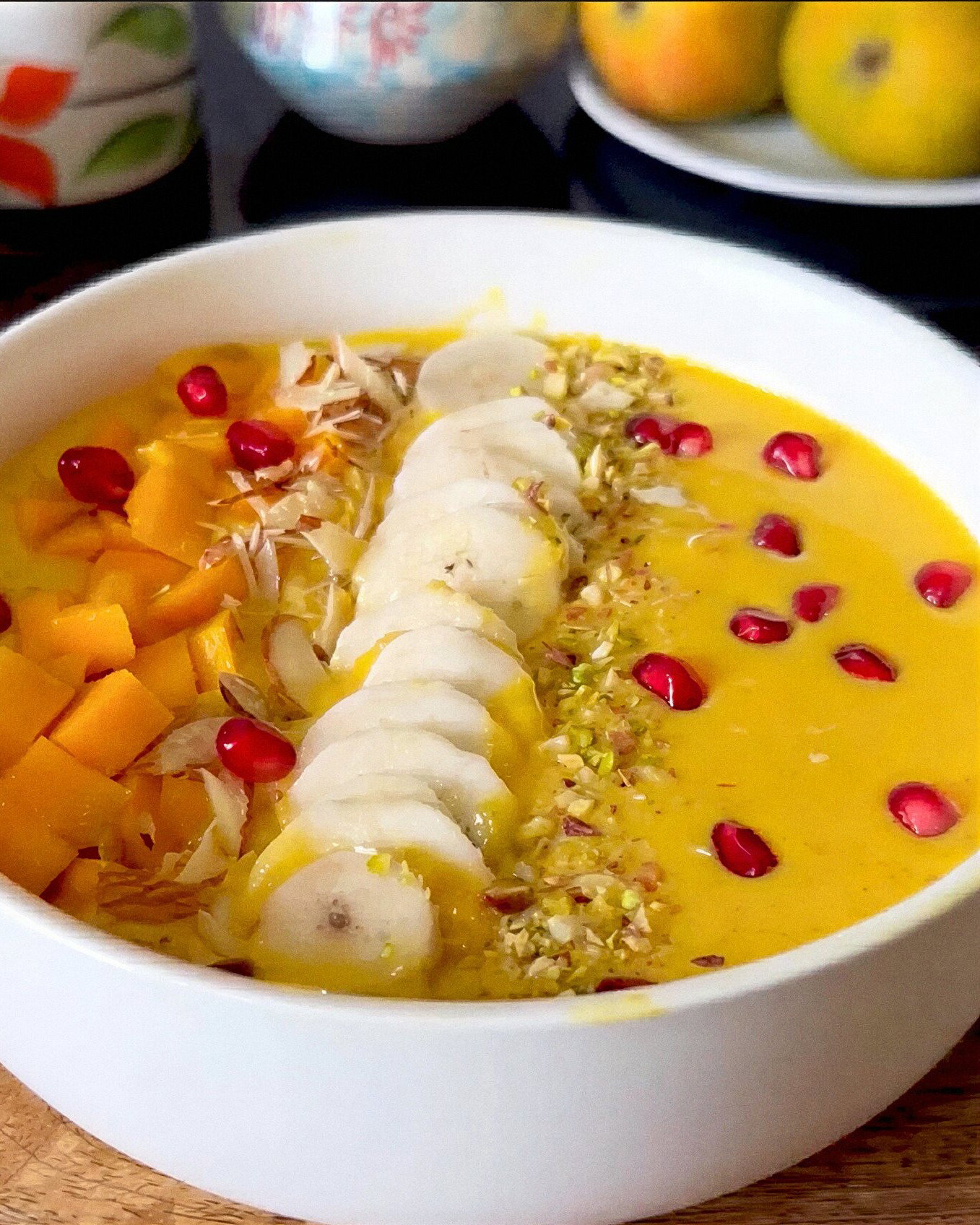
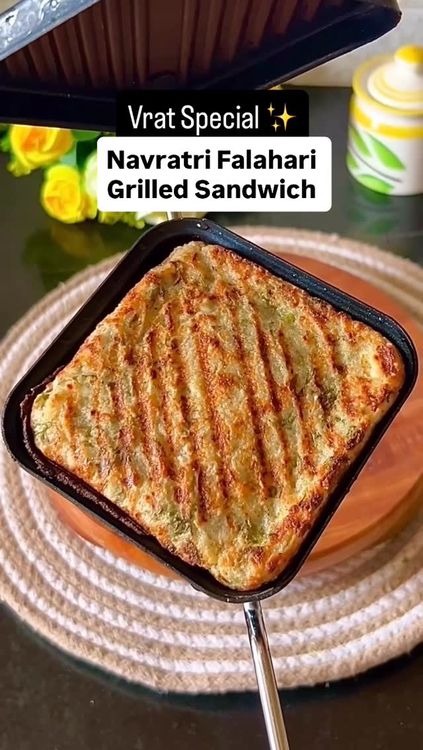
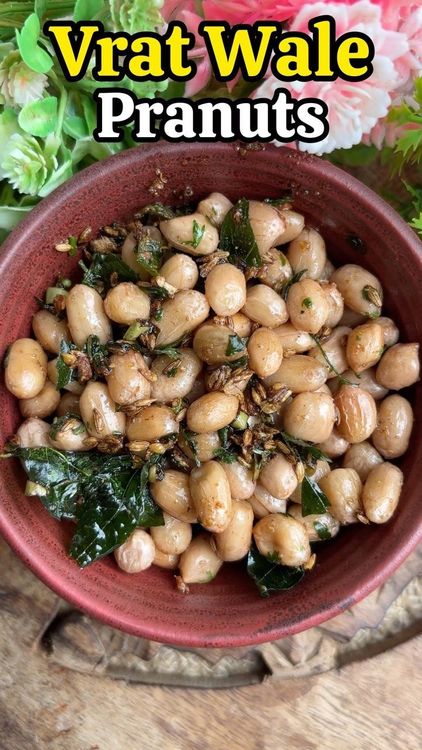
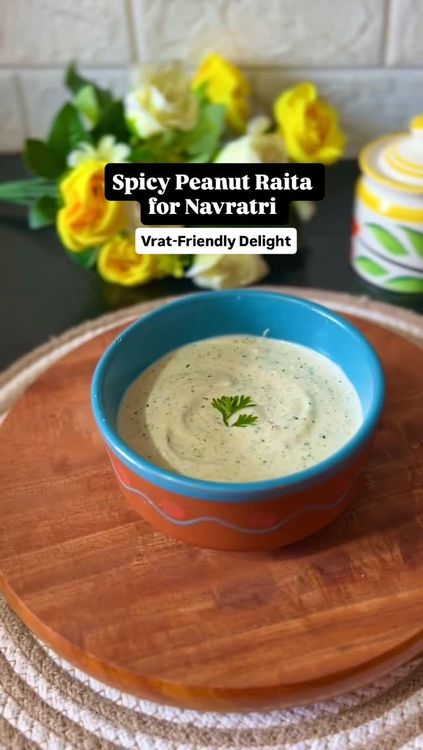
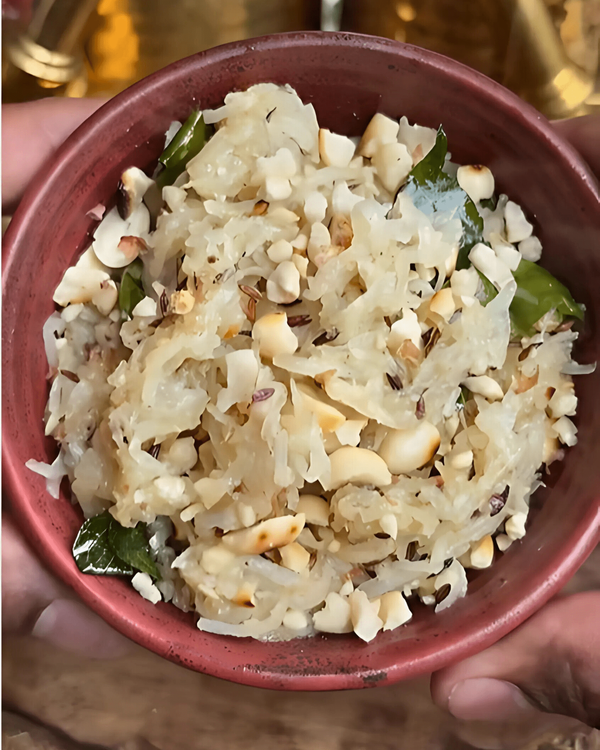
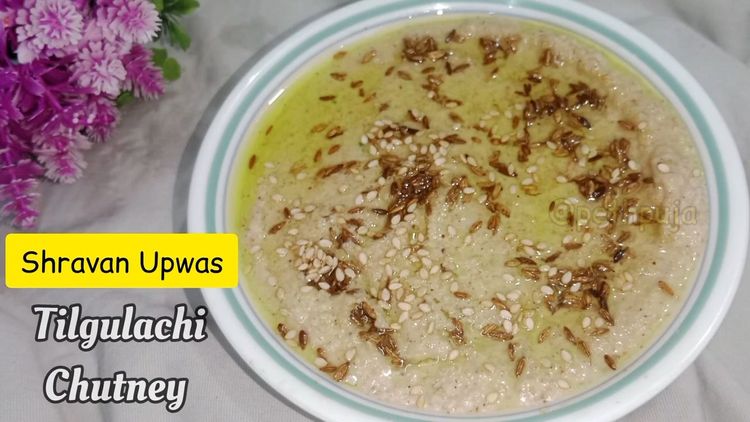
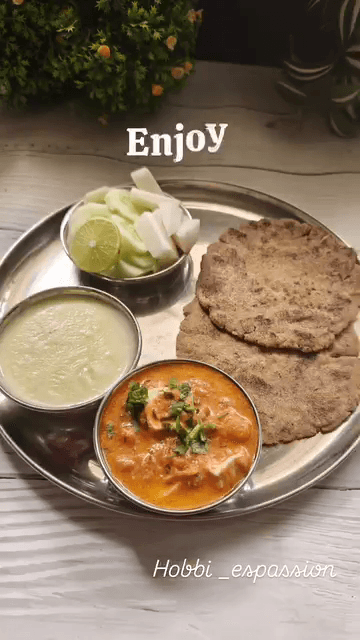
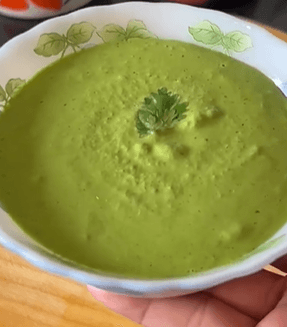
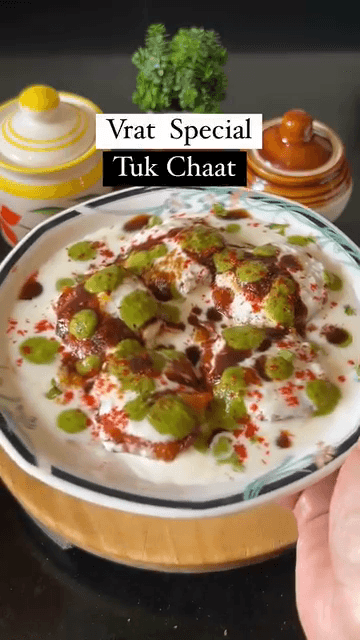
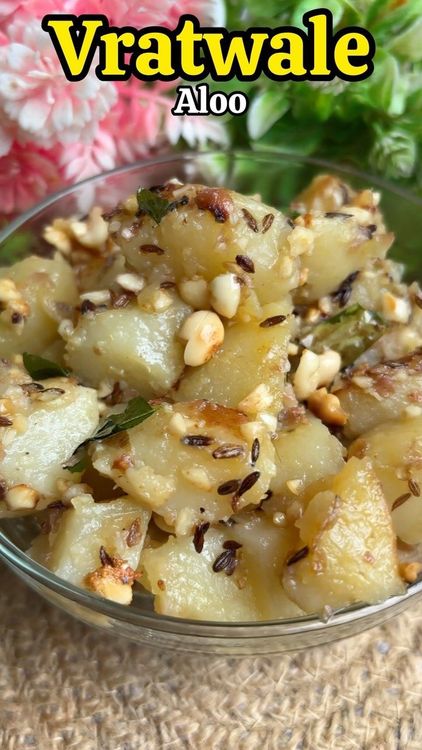
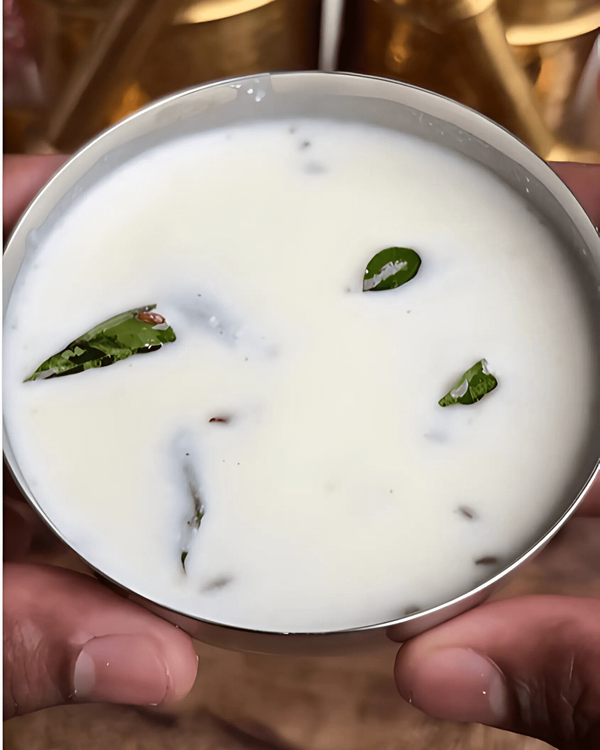
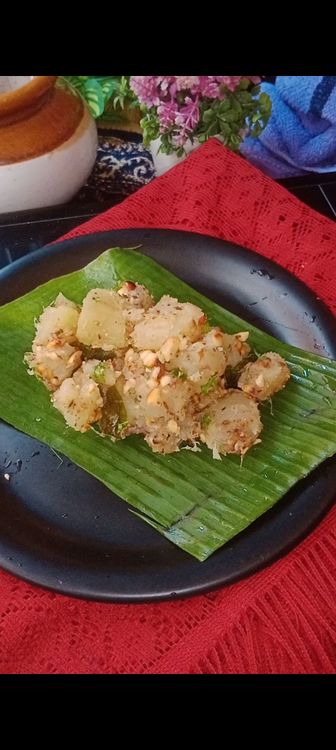
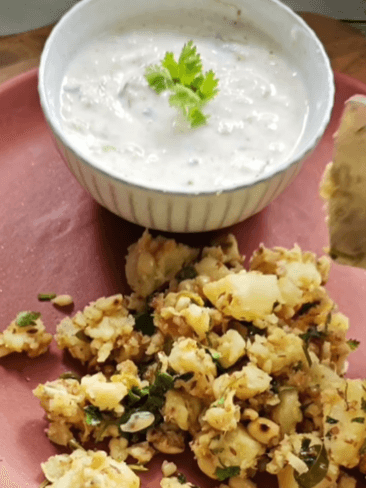
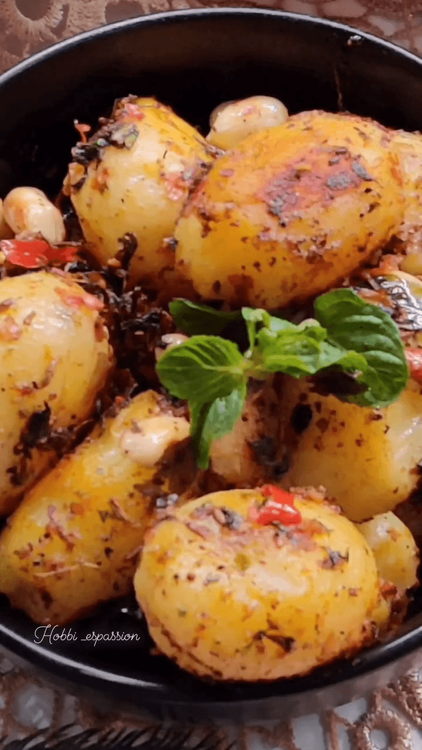
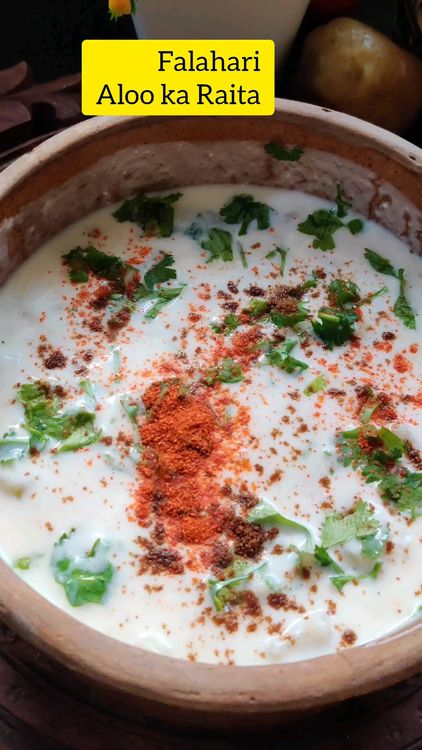
This is where nine days are actually won. A pan of jeera-tempered potatoes, a jar of roasted peanuts, a green chutney in the fridge and a bowl of raita will carry more meals than any showpiece dish. Most of these falahari recipes need under half an hour and no special flour at all. Season with sendha namak, keep the lemon coming, and go lighter on chilli than you would in an ordinary week, because heat reads much sharper on an empty stomach. This is the quiet middle of navratri fasting food: unglamorous, repeatable, and what you will actually eat.
- Indian
- Vegetarian
- Appetiser

- Vegetarian
- Snack
- Indian
- Vegetarian
- Breakfast
- Indian
- Vegetarian
- Breakfast
- American
- Vegan
- Appetiser
- Indian
- Vegetarian
- Snack
- Indian
- Vegetarian
- Sauce & Condiment
- Maharashtrian
- Vegetarian
- Snack

- Indian
- Vegetarian
- Breakfast
- Indian
- Vegetarian
- Side Dish
- Indian
- Vegetarian
- Lunch
- Indian
- Vegan
- Breakfast
- Indian
- Vegetarian
- Snack
- Indian
- Vegetarian
- Appetiser
- Indian
- Vegan
- Snack
- Indian
- Vegetarian
- Side Dish
- Indian
- Vegetarian
- Breakfast
- Indian
- Vegetarian
- Snack
- Indian
- Vegan
- Snack
- Indian
- Vegan
- Snack
- Indian
- Vegetarian
- Lunch

- Indian
- Vegan
- Appetiser
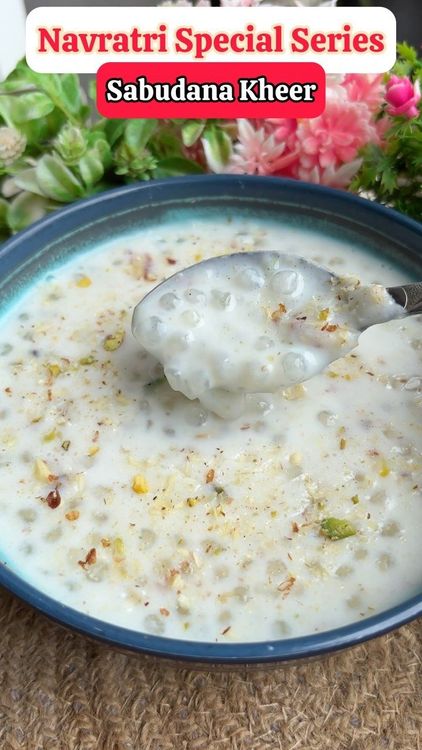
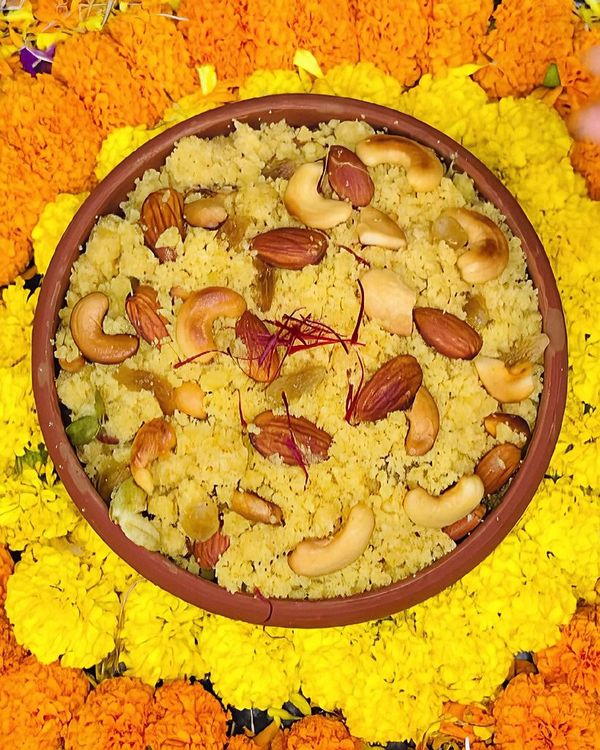
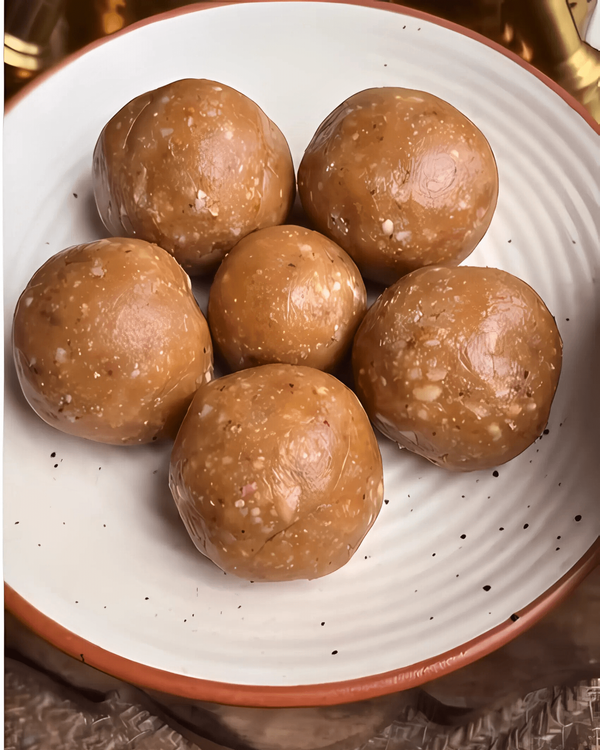
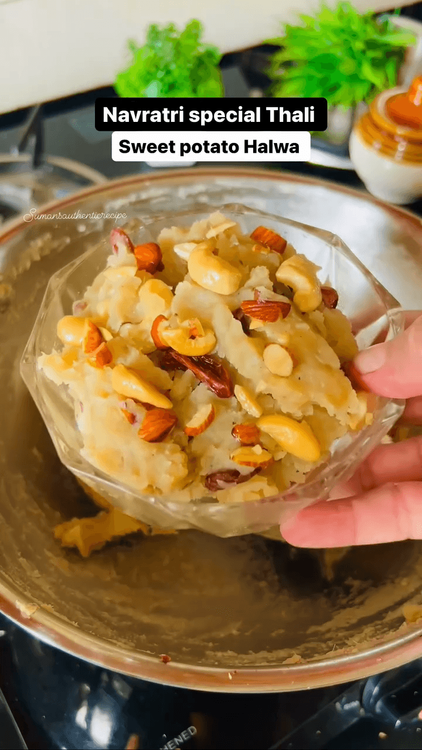
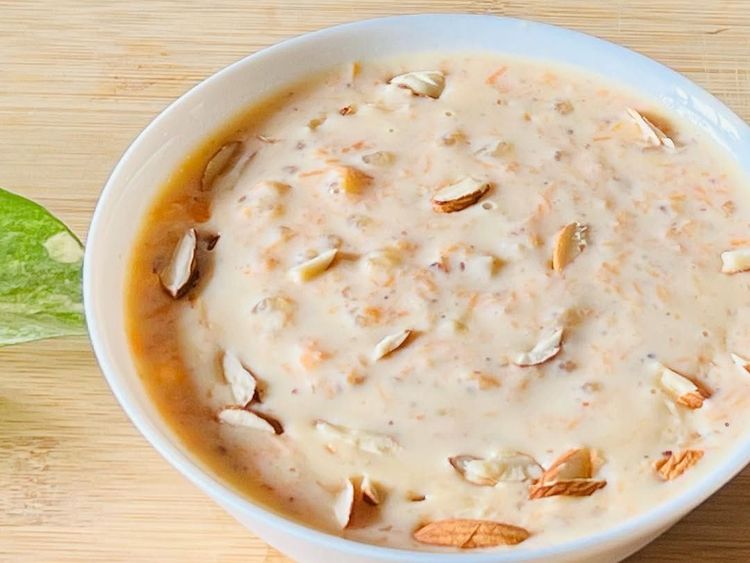
Vrat Sweets, Kheer and Halwa
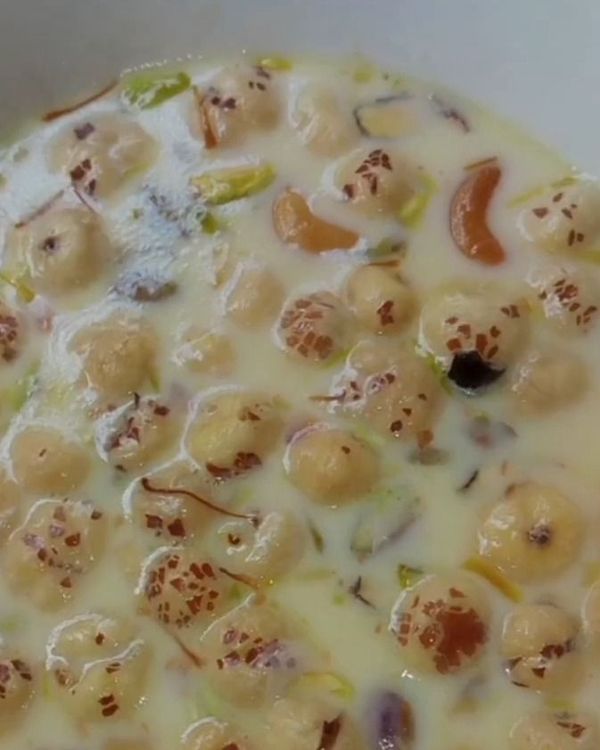
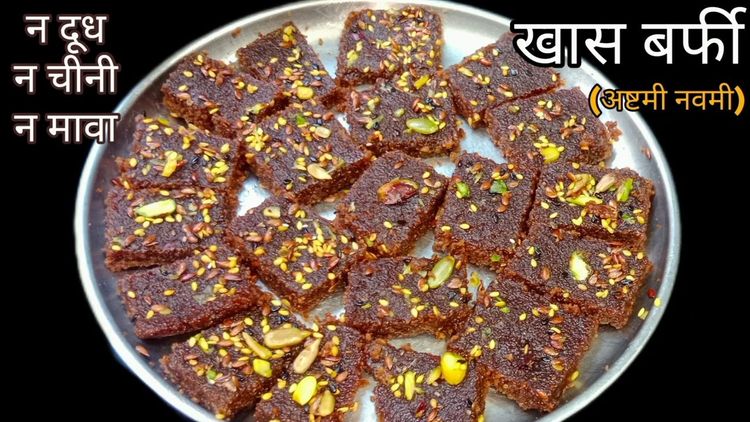
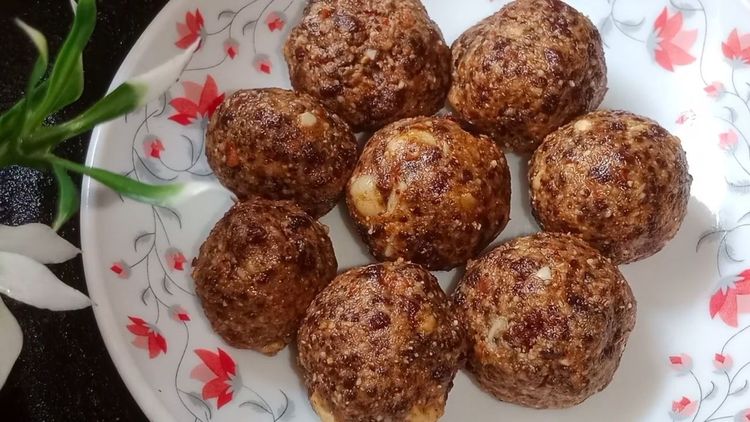
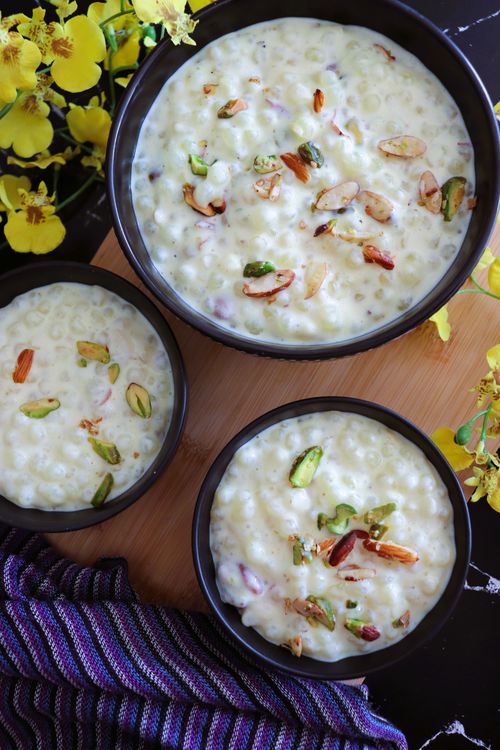
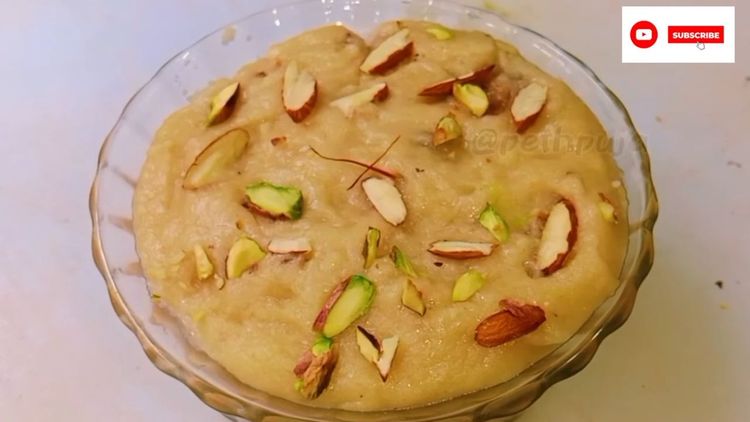
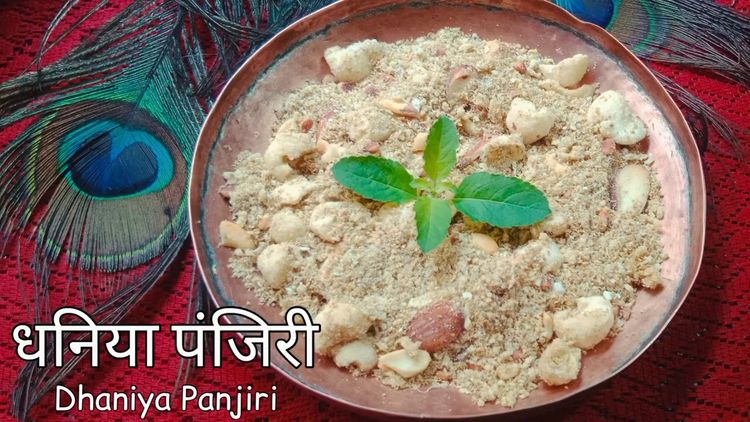
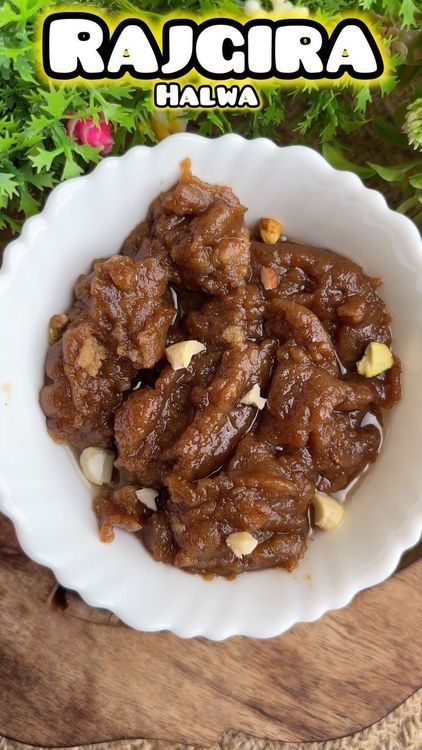
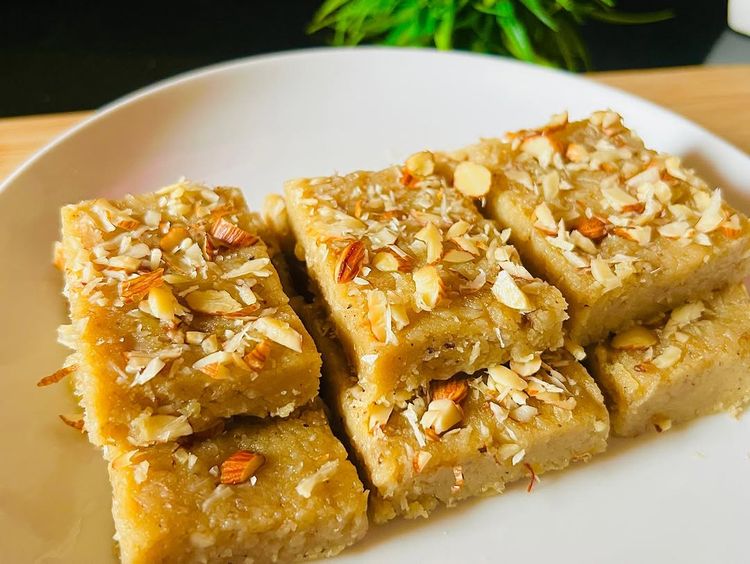
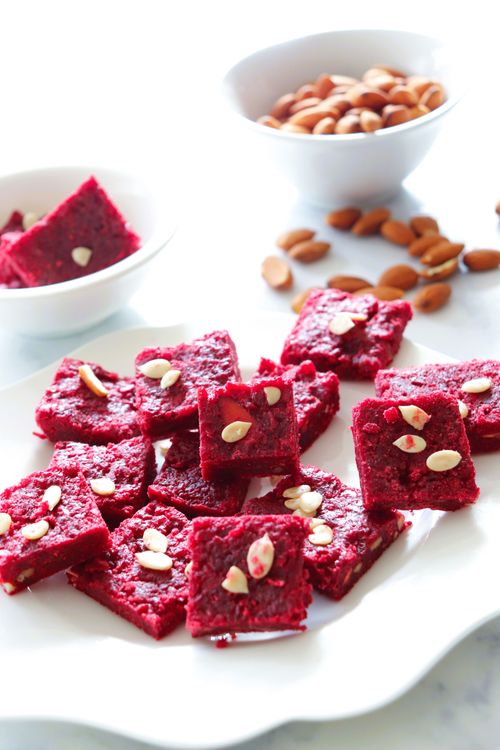
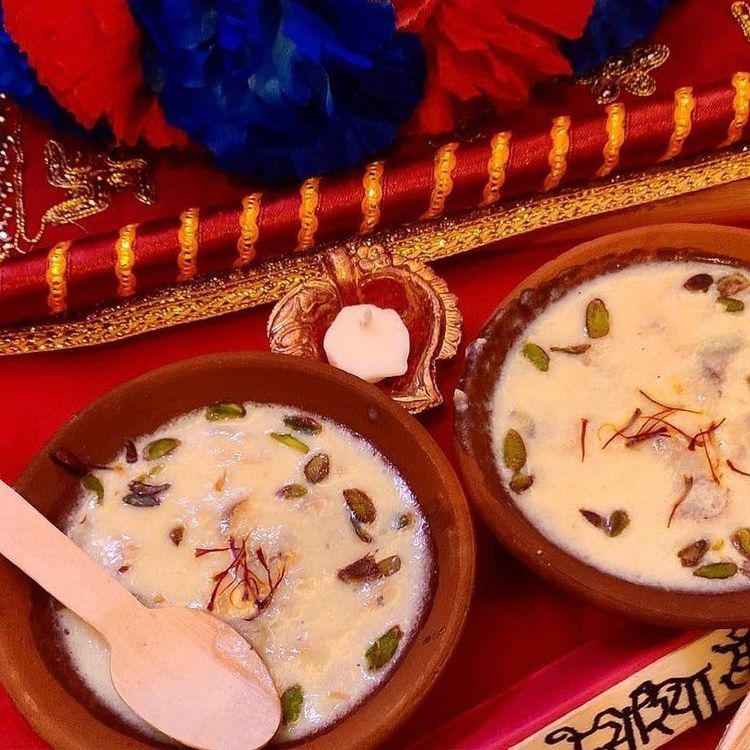
Fasting sweets are easier than everyday ones, because the awkward ingredient has already been removed for you. What is left is milk, ghee, jaggery, coconut, makhana, dry fruit and the vrat flours, and all of them want low heat and patience. These are the fasting recipes that need the least improvisation. Reduce milk on a wide pan rather than a deep one. Roast rajgira and makhana until they smell nutty before anything wet goes in. Taste for sweetness only at the end, because jaggery varies wildly from batch to batch, and sweets are how most Navratri days end.
- Indian
- Vegetarian
- Dessert
- Traditional
- Vegetarian
- Dessert
- Indian
- Vegetarian
- Dessert
- Indian
- Vegetarian
- Dessert
- Indian
- Vegetarian
- Dessert

- Indian
- Vegetarian
- Dessert
- Indian
- Vegetarian
- Snack
- Indian
- Vegetarian
- Dessert

- Indian
- Vegetarian
- Dessert
- Indian
- Vegetarian
- Snack
- Indian
- Vegetarian
- Dessert
- Indian
- Vegetarian
- Dessert
- Indian
- Vegetarian
- Snack
- Indian
- Vegetarian
- Dessert
- Indian
- Vegetarian
- Dessert
- Indian
- Vegetarian
- Snack
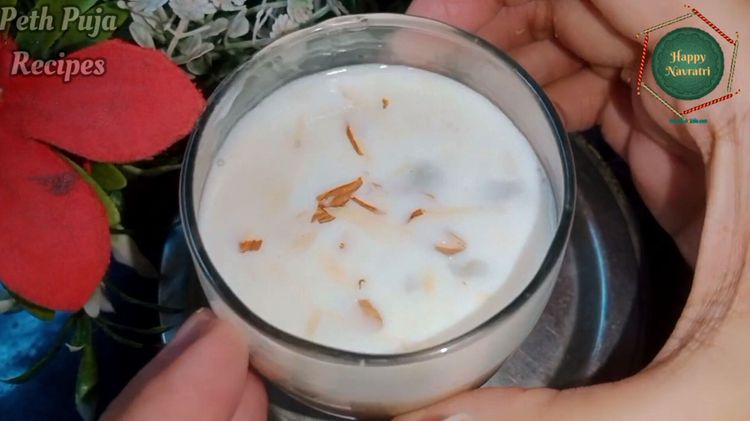
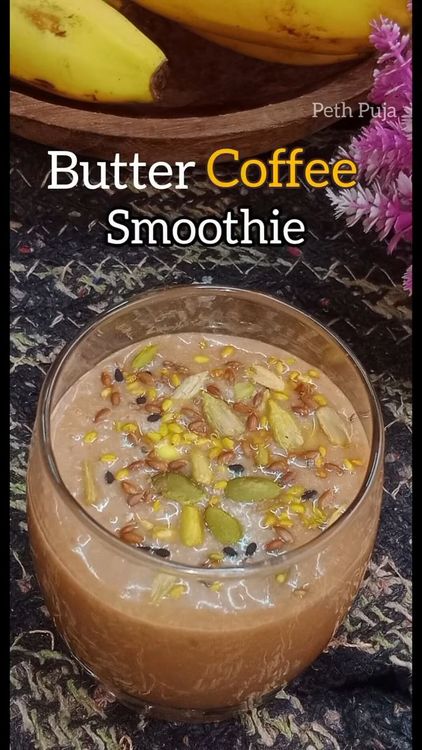
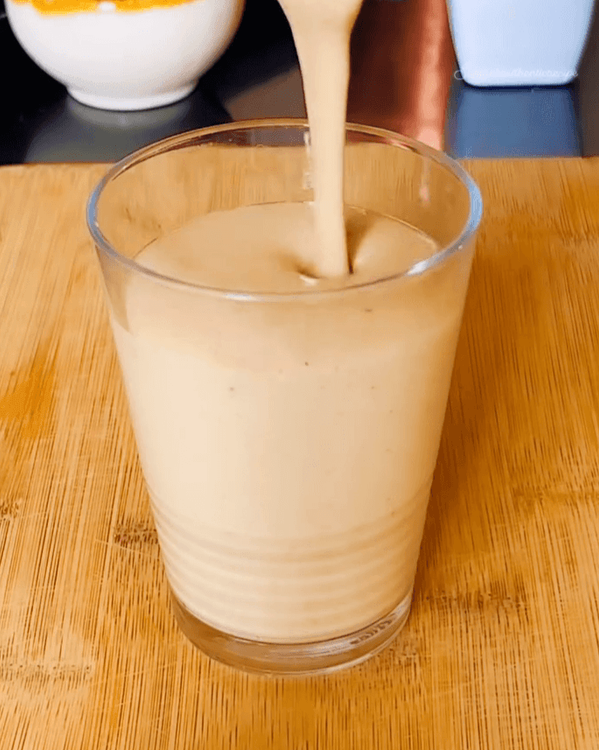
Fasting Drinks, Smoothies and No-Cook Falahari
By day four the fast stops being about hunger and starts being about energy, and vrat ka khana does not have to arrive on a plate. These five are the answer: milk, makhana, almonds, dates and ripe fruit, blended cold or warmed gently, ready in five to fifteen minutes. Drink one mid-morning rather than waiting until you feel light-headed at four in the afternoon. Full-fat milk holds you far longer than skimmed, and if your household avoids coffee through the nine nights of Navratri, skip the one smoothie here that leans on it.
- Traditional
- Vegan
- Beverage

- Indian
- Vegetarian
- Dessert
- Fusion
- Vegetarian
- Breakfast

- Indian
- Vegetarian
- Breakfast
- Indian
- Vegetarian
- Breakfast
Sattvic Prasad and Ashtami Feast Dishes (Not Falahari)
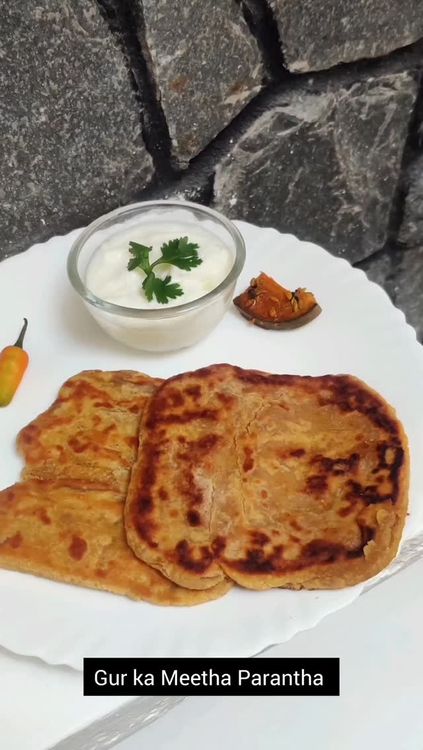
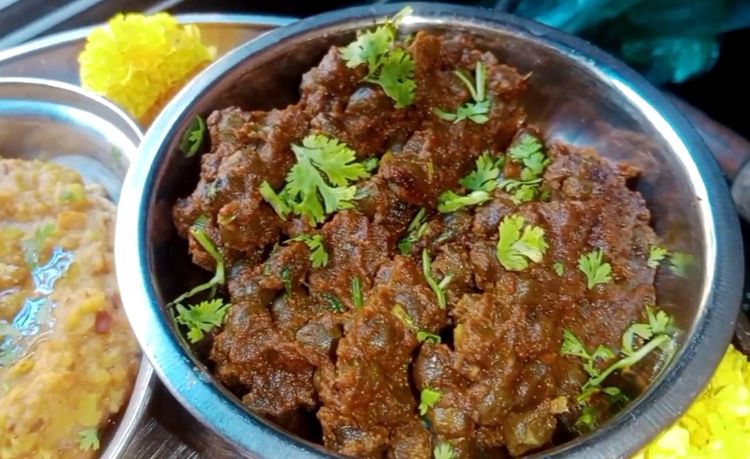
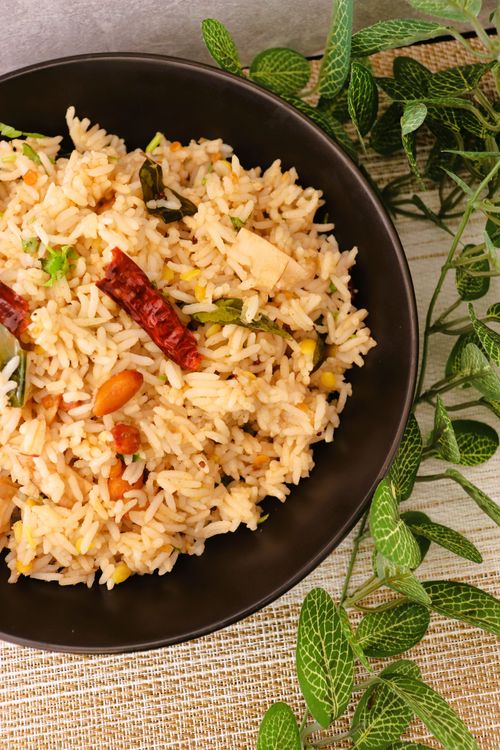
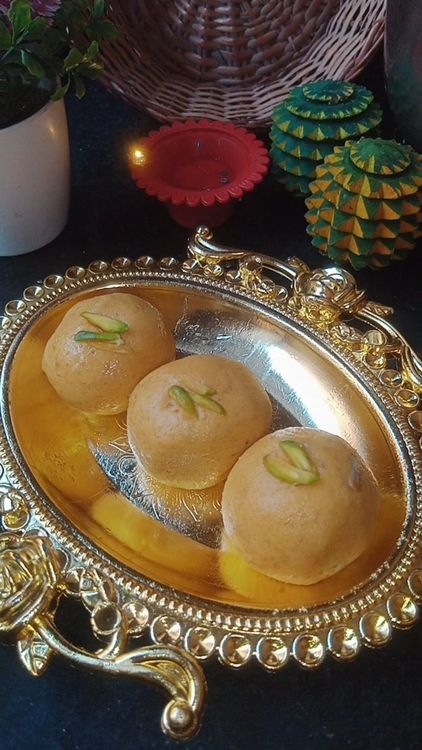
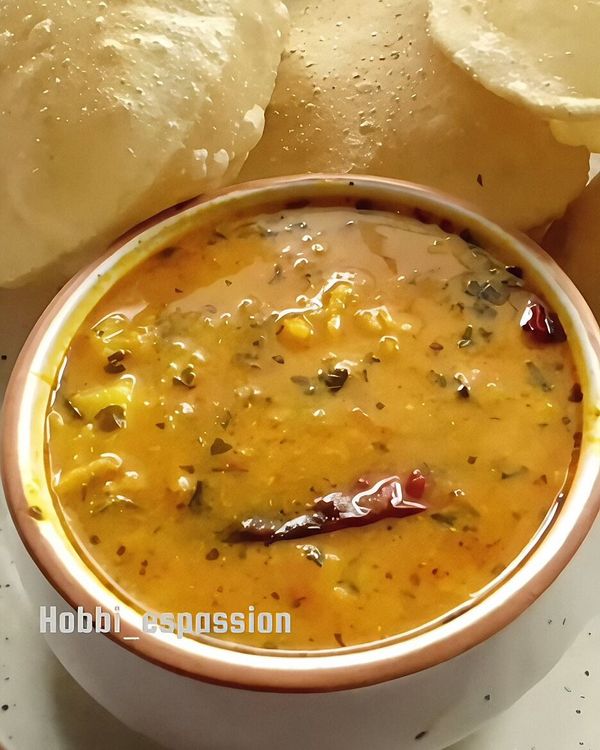
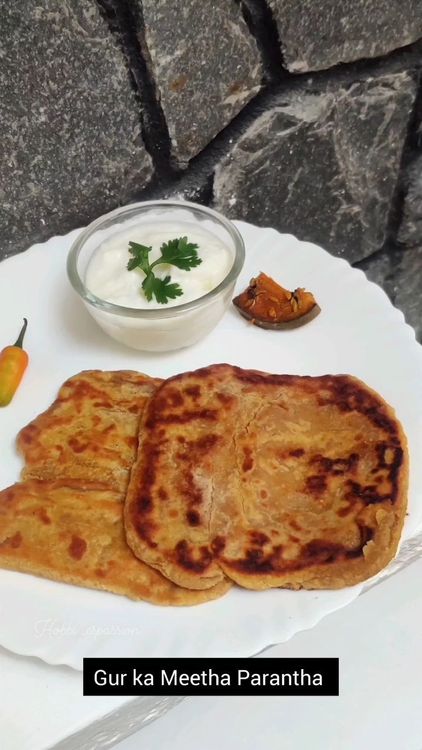
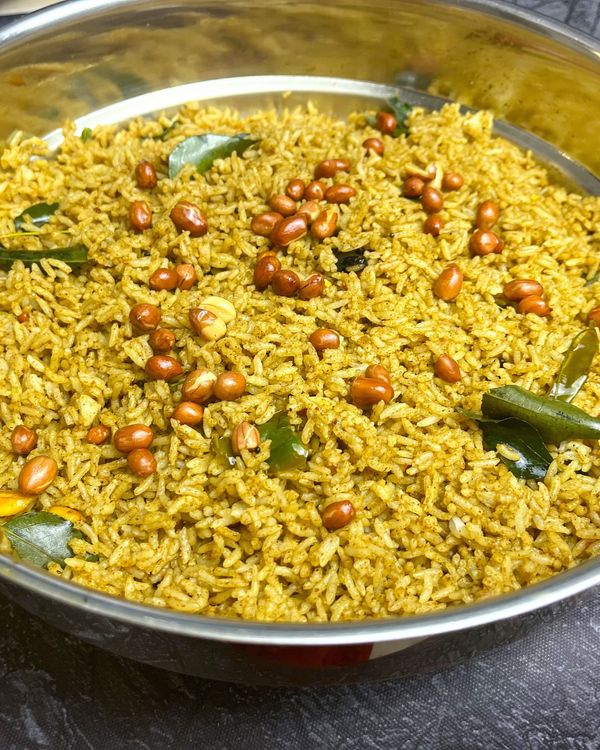
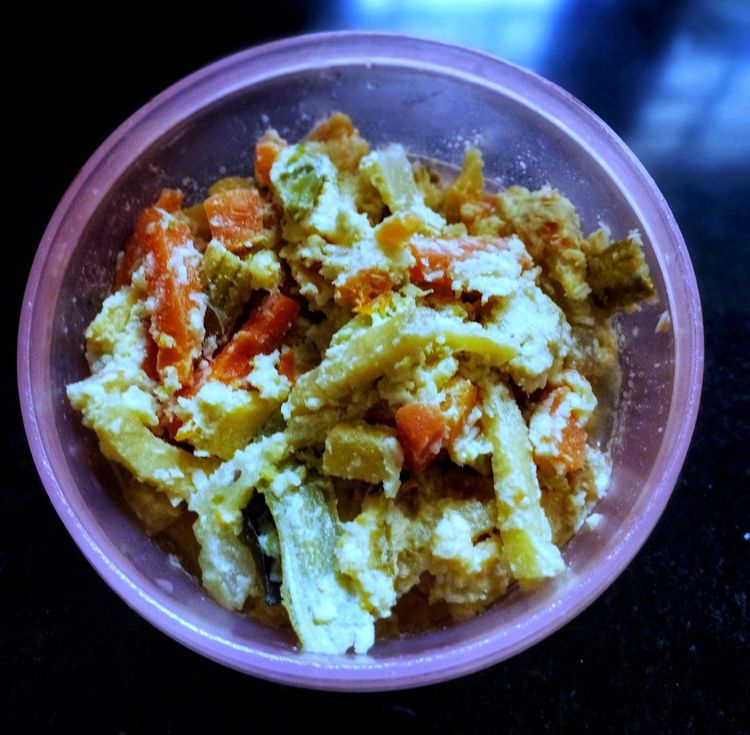
Not everything on a Navratri table is fasting food. These are the sattvic feast dishes, no onion and no garlic, for Ashtami, Kanya Bhoj, temple prasad and the evening you finally break the fast: green chana masala, tamarind rice, avial, koottu curry, besan ladoo, jaggery parathas. Several of them use rice, wheat or lentils, which rules them out of a strict vrat but puts them exactly where they belong on the ninth night. Treat this section as the counterweight to the falahari recipes above. The reason is flagged in each blurb below.
- Indian
- Vegetarian
- Snack
- Indian
- Vegan
- Lunch
- Indian
- Vegan
- Lunch
- Bengali
- Vegetarian
- Snack
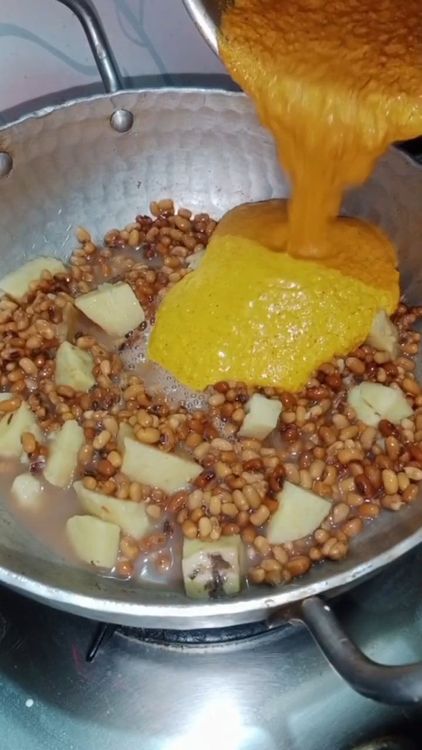
- Indian
- Vegan
- Lunch
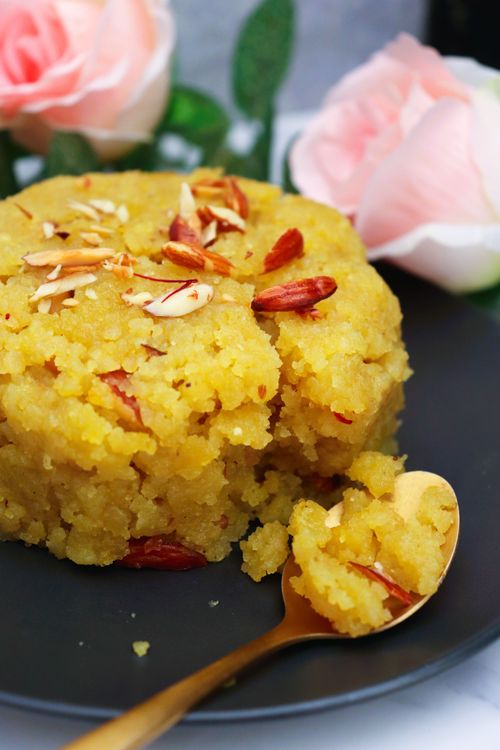
- Indian
- Vegetarian
- Dessert
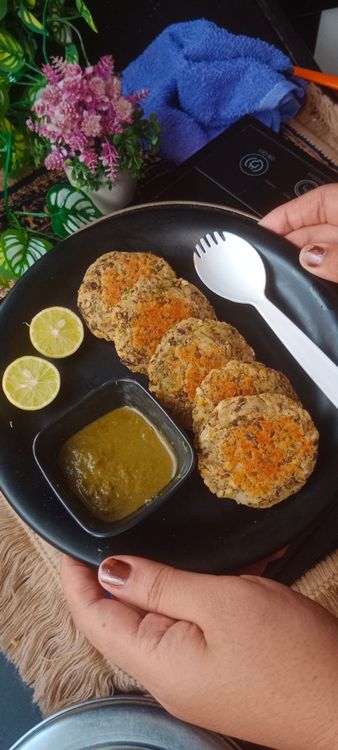
- Middle Eastern
- Vegetarian
- Appetiser
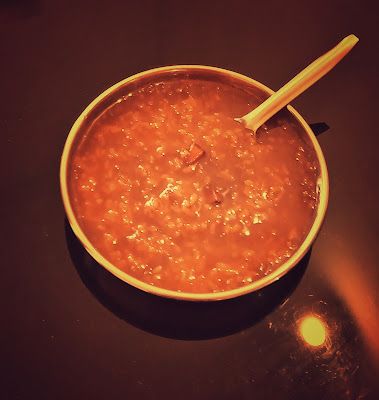
- Indian
- Vegetarian
- Dessert
- Indian
- Vegetarian
- Snack
- Punjabi
- Vegetarian
- Lunch
- Punjabi
- Vegetarian
- Snack

- South Indian
- Vegan
- Lunch
- Kerala
- Vegan
- Sauce & Condiment
- Indian
- Non-Vegetarian
- Side Dish
- Indian
- Vegan
- Side Dish
What You Can and Cannot Eat During Navratri Vrat
Navratri fasting food is defined by what it excludes, so start with the out-list. The rules are regional and family-specific, so treat this as the common floor, not the last word. Out: wheat, rice, semolina, maida, corn, millets other than samak, all lentils and pulses (including besan), onion, garlic, and ordinary iodised table salt. In: sabudana, kuttu, singhara, rajgira, samak or bhagar, potato, sweet potato, arbi, pumpkin, bottle gourd, cucumber, makhana, peanuts, all fruit, milk, curd, paneer, ghee, and sendha namak in place of salt.
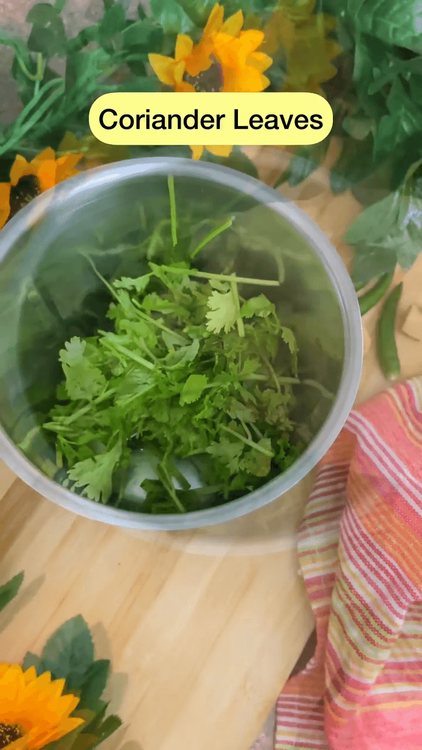
The disputed middle is where most Navratri arguments happen. Cumin, black pepper, green chilli, ginger, lemon and fresh coriander are accepted almost everywhere. Turmeric, mustard seeds, asafoetida and dried red chilli are not. Tomato is genuinely contested: plenty of families use it freely, plenty keep it off the plate entirely. Most upvas recipes on this page avoid the contested items, and where one does not, the blurb says so.
Ask the person in your family who keeps the strictest fast, then cook to their line. Nobody is offended by food that is more careful than needed. The safest vrat ka khana is the food your grandmother would recognise on sight. Navratri vrat recipes are best judged by what they leave out, not by the tag on the box, so read the ingredient list, not the label.
Sendha Namak and Vrat Flours Explained
Sendha namak is rock salt, mined as halite and barely processed, which is why it is permitted when refined table salt is not. Two practical consequences follow. It is coarse, so by volume it is less salty than fine table salt: use roughly half again as much, added gradually and tasted. And it carries no iodine, which matters not at all across nine days but is worth knowing if you cook this way habitually. It is the one non-negotiable purchase of Navratri.
The flours behave nothing like atta, because not one of them has gluten. Kuttu is buckwheat, botanically a seed rather than a grain: strong, earthy, dark, and oily enough to go rancid quickly, so buy small packets and smell before you pay. Singhara is water chestnut flour: paler, sweeter, more brittle, better in tikkis than rotis. Rajgira is amaranth, the nuttiest of the three and the best of them in halwa. Samak or bhagar is barnyard millet and cooks like a coarse, forgiving rice at roughly one part grain to two parts water.
For any dough, mashed potato is the binder that never fails, with a spoon of curd for softness. Rest it ten minutes, roll it between two greased sheets, and cook it hot. Get these four flours right and most navratri vrat recipes stop being difficult.
Pro Tips for the Nine Days
- Soak sabudana in water that only just covers the pearls, about a finger's depth above the surface and no more. Drown them and you will get glue no matter how carefully you fry. Sabudana is the backbone of navratri vrat recipes, and this is the only step that really decides the outcome.
- Sendha namak is coarse and less salty by volume than table salt. Add half again as much as your instinct suggests, then taste, then adjust once more at the end.
- Buy kuttu atta in small packets and smell it before you pay. It carries oil and turns rancid faster than any other flour in your kitchen, and rancid kuttu ruins a whole day of Navratri cooking.
- Vrat flours have no gluten. Roll them between two sheets of greased plastic and peel the top sheet off, and you will never fight a torn roti again.
- Crush your own roasted peanuts, coarsely. Shop-bought powder is milled too fine and turns sabudana khichdi pasty instead of leaving it nubbly and dry.
- Cook a big pan of jeera-tempered potatoes on the first day. It becomes raita, tikki, chaat and paratha filling across the rest of the week, and cuts your daily cooking in half.
Frequently Asked Questions
Which navratri recipes are safe if I keep a strict fast?
Anything built only on sabudana, samak, kuttu, singhara, rajgira, potato, sweet potato, makhana, peanuts, fruit, milk, curd and sendha namak. That covers most of this page. Skip the final section entirely, since those dishes use rice, wheat or lentils, and skip anything using tomato, turmeric or asafoetida if your family avoids them.
Can I use normal salt during the fast?
No. Refined iodised table salt is processed, and the tradition permits only sendha namak, the unrefined rock salt sold in coarse crystals or ground fine. Black salt and sea salt are also off the list in most households. Buy a full packet before the fast begins, because the whole nine days of fasting recipes depend on it.
Why does my sabudana khichdi always turn sticky?
Too much soaking water, almost every time. The water should sit only a finger's width above the pearls, and after five to eight hours it should all be absorbed. Drain in a colander for twenty minutes, then press a pearl: it must crush with no white core. Fry on medium heat and stop stirring once they turn glassy. It is the most common Navratri kitchen failure by a distance.
Is sabudana actually allowed during vrat?
Yes, in nearly every tradition. Sabudana is tapioca starch pearled from cassava root, so it is technically a tuber product rather than a grain, which is why it sits alongside potato on the permitted list. A few very strict households avoid it on processing grounds, but it remains the backbone of vrat ka khana across Maharashtra and the north.
Can I eat tomato, ginger and coriander during upvas?
Ginger, green chilli, lemon, cumin, black pepper and fresh coriander are accepted almost universally. Tomato is genuinely contested, with many families using it freely and many others keeping it off the plate as a fruit-vegetable that is not traditional. Turmeric, mustard seeds and asafoetida are avoided by most strict households. Most upvas recipes here sidestep the argument entirely, but ask before you cook for someone else.
What is the difference between kuttu, singhara and rajgira atta?
Kuttu is buckwheat: dark, earthy, strong-flavoured and quick to go rancid. Singhara is water chestnut flour, paler, sweeter and more brittle, which suits tikkis better than rotis. Rajgira is amaranth, the nuttiest, and unbeatable in halwa. None has gluten, so all three need mashed potato or curd to bind and a greased sheet to roll on. Stock kuttu and rajgira before Navratri begins; both vanish from shelves by day two.
How do I get through nine days without frying something every night?
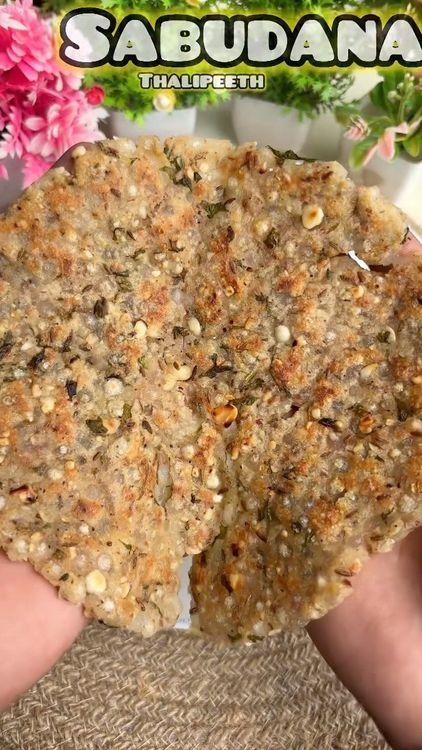
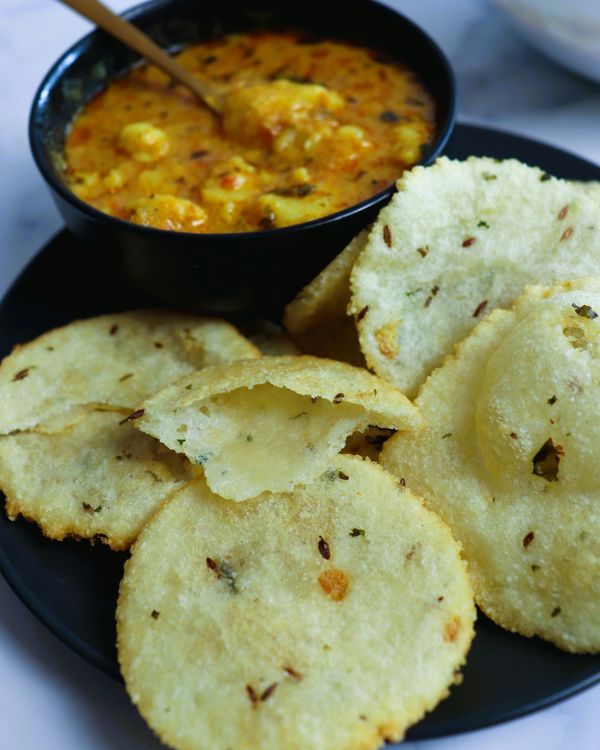
Rotate the format, not just the dish. Steam the idlis and dumplings, griddle the thalipeeth and chillas, air-fry the vada, and lean on raita, chutney, chaat and smoothies that need no cooking at all. Cooking one pan of jeera aloo and one jar of roasted peanuts up front makes navratri fasting food far less repetitive.
Nine days is long enough to get properly bored, which is really why this list runs to a hundred navratri recipes rather than ten. Cook the sabudana khichdi correctly once, keep jeera aloo and roasted peanuts ready in the fridge, and the rest of the fast largely cooks itself. Read the honest flags before you plan the Ashtami plate. That is really all Navratri asks of a cook.
Related
- vrat recipes
- falahari
- sabudana
- sendha namak
- kuttu atta
- upvas
Popular Searches
- Best navratri recipes
- Easy navratri recipes
- Quick navratri recipes
- Healthy navratri recipes
- Simple navratri recipes
- Homemade navratri recipes
- Delicious navratri recipes
- Popular navratri recipes
- navratri vrat recipes
- fasting recipes
- vrat ka khana
- navratri fasting food
Marnirni-apinthi Building, Lot Fourteen,
North Terrace, Adelaide, South Australia, 5000
Australia
