
Top 67 Crock Pot Recipes: Chicken, Beef, Soups and More
Updated June 29, 2026 · Curated by Chefadora
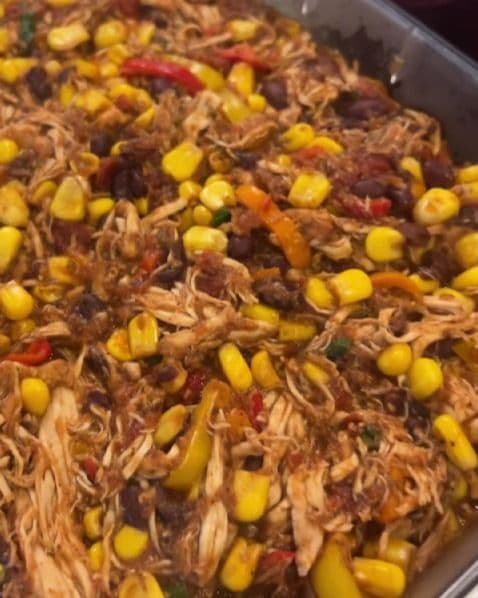
Crock pot recipes are the backbone of unhurried, hands-off cooking: you load the pot in the morning, walk away, and come home to a meal that has been quietly building flavour for eight hours. The dishes gathered here were chosen to show the full range of the slow cooker rather than ten variations on the same stew — juicy shredded chicken, fall-apart pot roast, deeply savoury soups and chilis, plus the dips and desserts that prove the pot earns its counter space well beyond the main course.
What makes the crock pot special is the kind of cooking it does best. Low, steady, moist heat over many hours is exactly what tough, inexpensive cuts of meat want: the collagen that makes a chuck roast or a pork shoulder chewy on the grill slowly melts into gelatin, basting the meat from the inside and thickening the liquid into something glossy. Lean cuts and delicate vegetables, by contrast, can overcook into mush, so a lot of good slow cooking is simply knowing what to put in early and what to add at the end.
You will find four clusters below: chicken and poultry, the beef-and-pork roasts that the machine was designed for, the big group of soups, stews and chilis, and a final run of dips, sides and sweet things. The underlying moves are shared across all of them — brown your aromatics, build a flavoured base, set the right temperature, and resist the urge to lift the lid — so once you have cooked a few successfully, the rest become variations on a rhythm you already know.
Treat this as a working reference rather than a one-time read. Every recipe links to full ingredients and steps on Chefadora, and the guides further down cover the decisions that actually decide whether dinner is tender and seasoned or watery and bland: when searing is worth the extra pan, how low and high differ, how much liquid a sealed pot really needs, and how to thicken and finish a sauce that has gone thin.
Crock Pot Chicken & Poultry
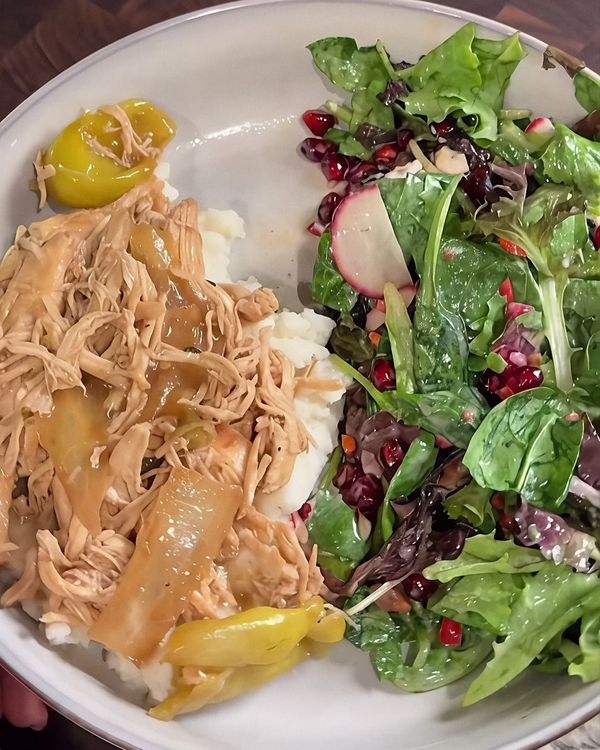
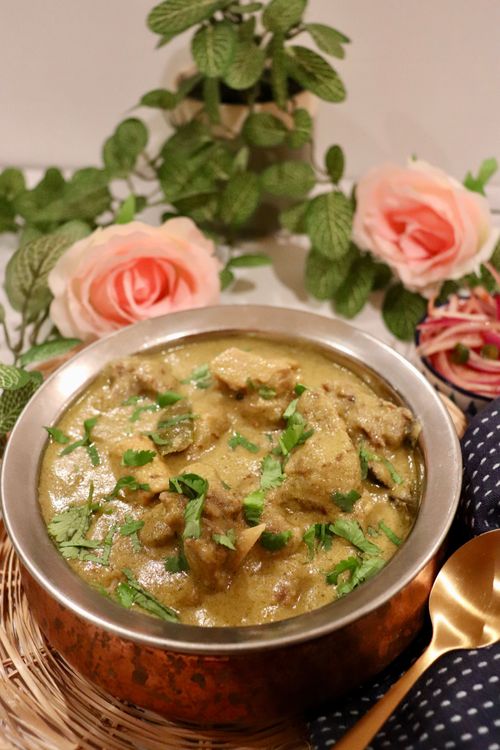
Chicken is the most forgiving thing you can hand a slow cooker, which is why it anchors so many crock pot dinners. The secret is choosing the right cut: bone-in, skin-on thighs and drumsticks stay juicy across a long cook and shred into silky, flavour-soaked meat, while lean breasts can dry into stringy threads if you forget about them, so if you must use breasts, check them earlier and pull them the moment they hit temperature. Keep the liquid modest, because chicken throws off a surprising amount of its own moisture under the sealed lid, and a flooded pot dilutes everything. Build a base worth soaking up first, whether that is salsa, a curry sauce, or stock with garlic and herbs, then let the meat go low and slow until it falls apart at the nudge of a fork. The defining move at the end is to shred the chicken with two forks and stir it back into its own juices, so every strand drinks up the seasoning rather than sitting in plain liquid. Finish with fresh herbs, a squeeze of lime, or a quick rest under the grill if you want sticky, caramelised edges. Standouts here include Easy Salsa Chicken and Slow Cooker Chicken and Biscuits, plus Nizami Chicken Masala (One-Pot Recipe).
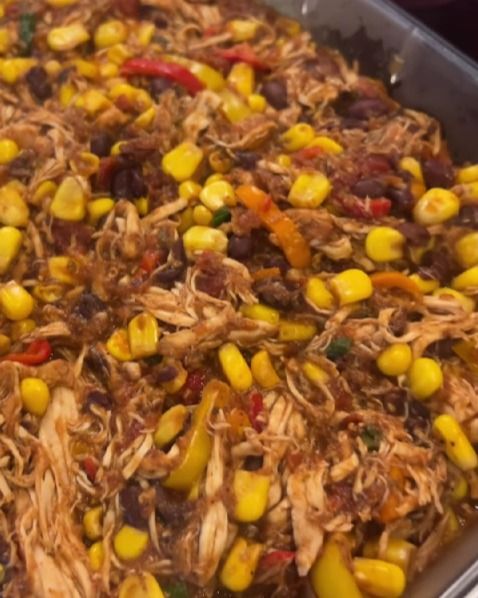

- Mexican
- Non-Vegetarian
- Lunch

- American
- Non-Vegetarian
- Dinner


- Gluten-Free
- Dinner

- American
- Non-Vegetarian
- Dinner
- American
- Non-Vegetarian
- Lunch
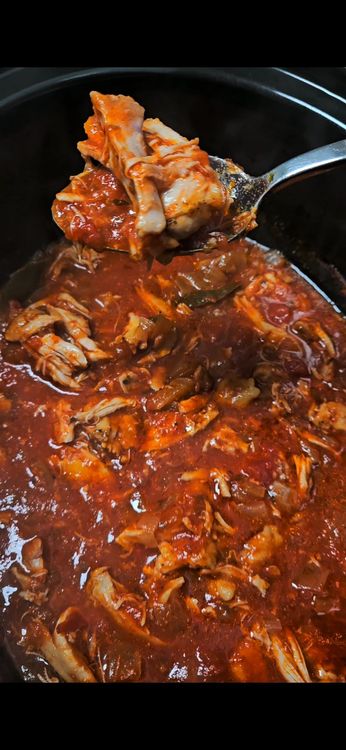
- American
- Non-Vegetarian
- Dinner
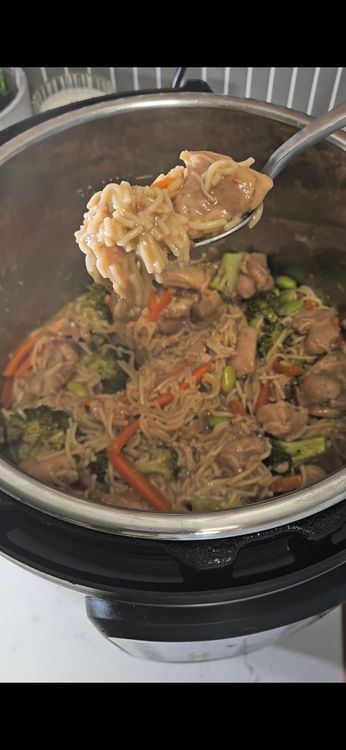
- Asian
- Non-Vegetarian
- Lunch
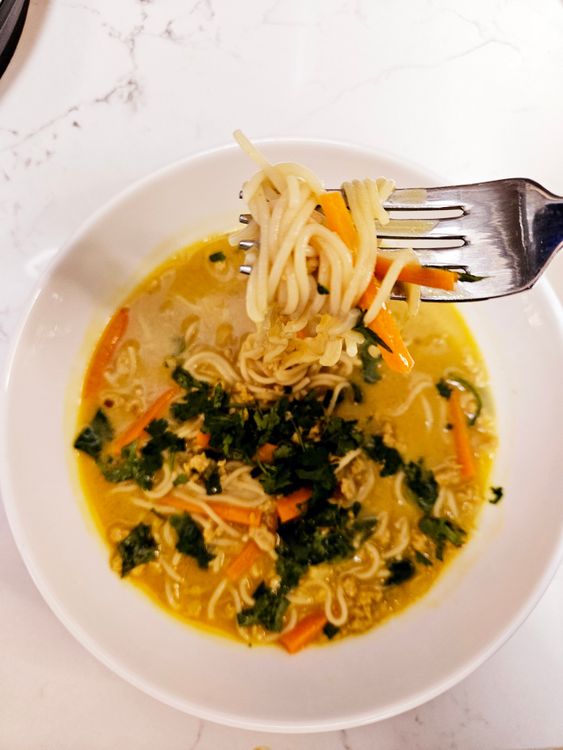
- Asian
- Non-Vegetarian
- Lunch
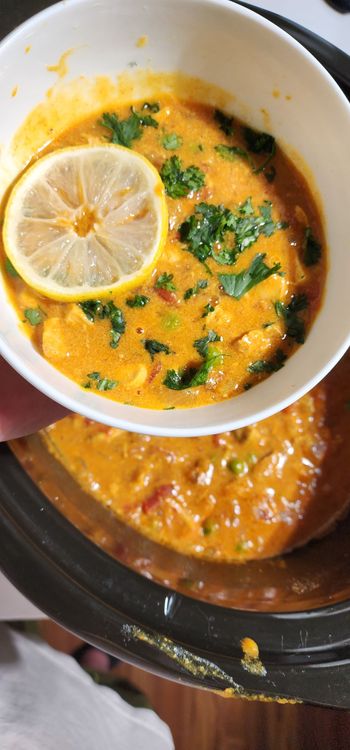
- Indian
- Non-Vegetarian
- Dinner
- American
- Non-Vegetarian
- Dinner
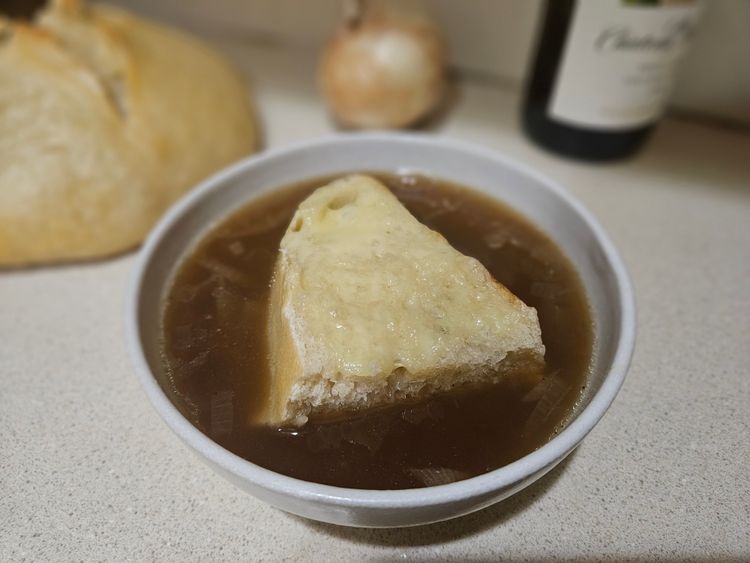
Pot Roast, Beef & Pork
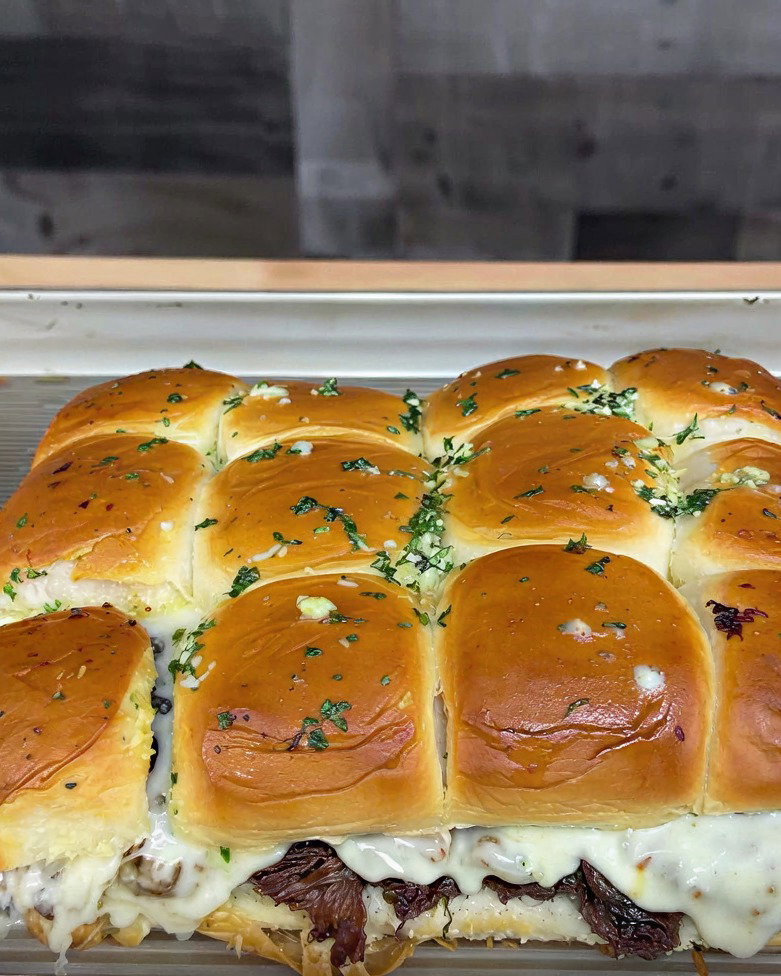
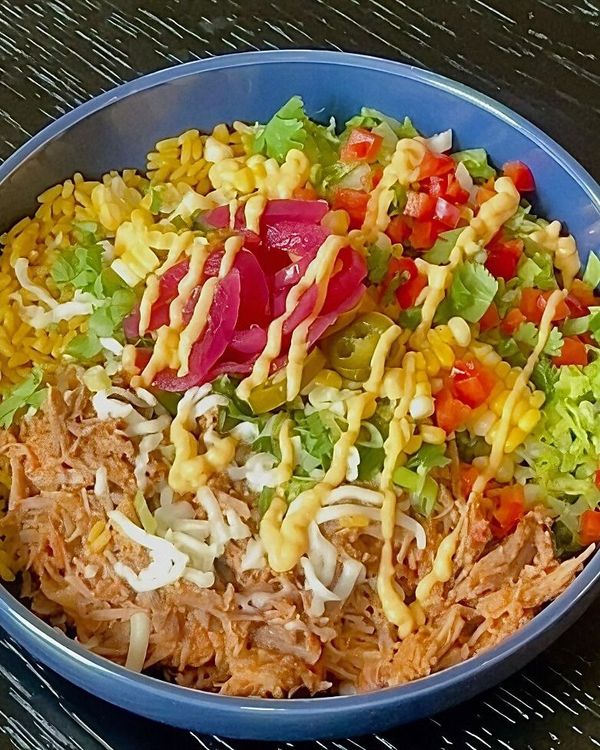
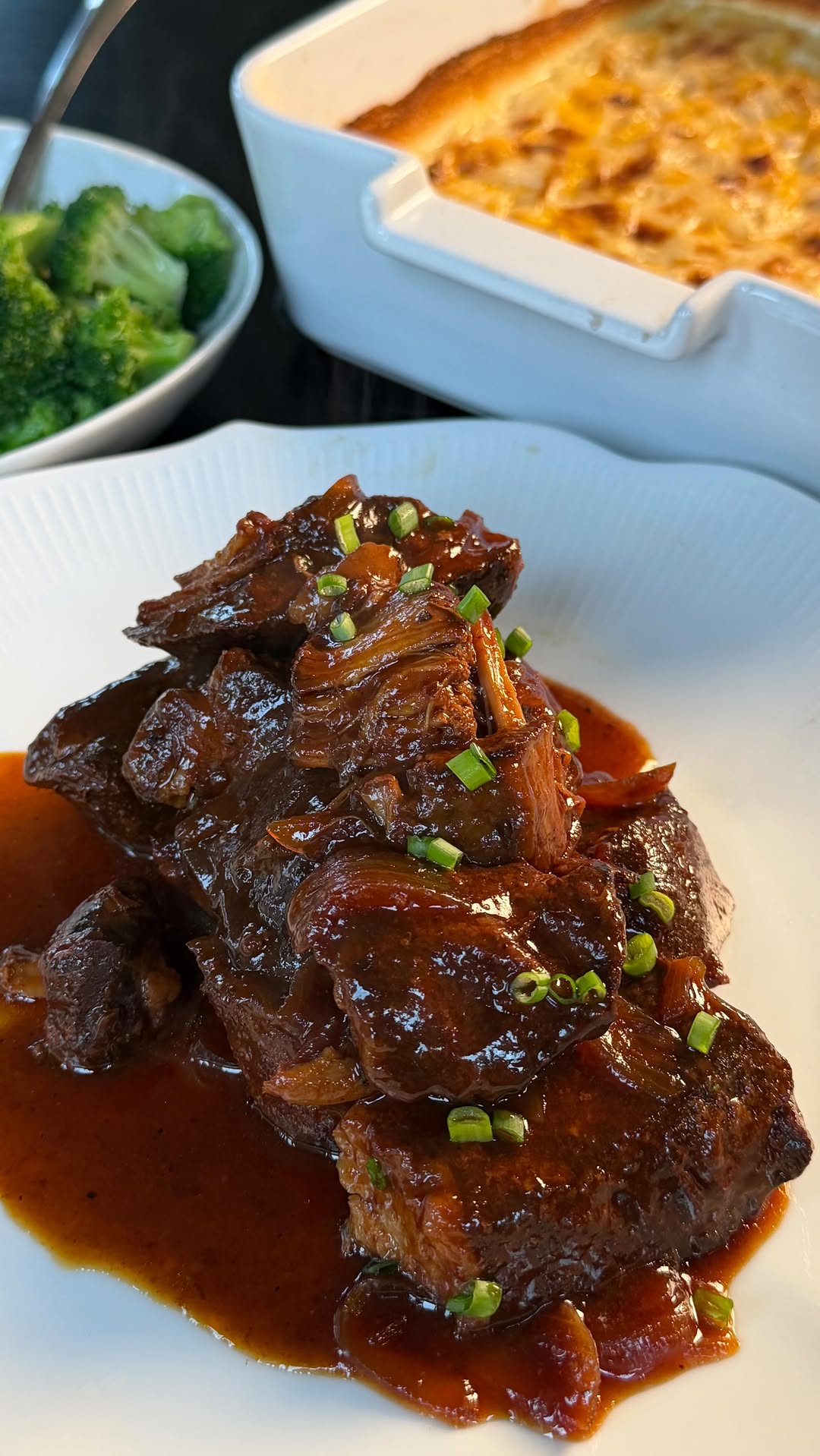
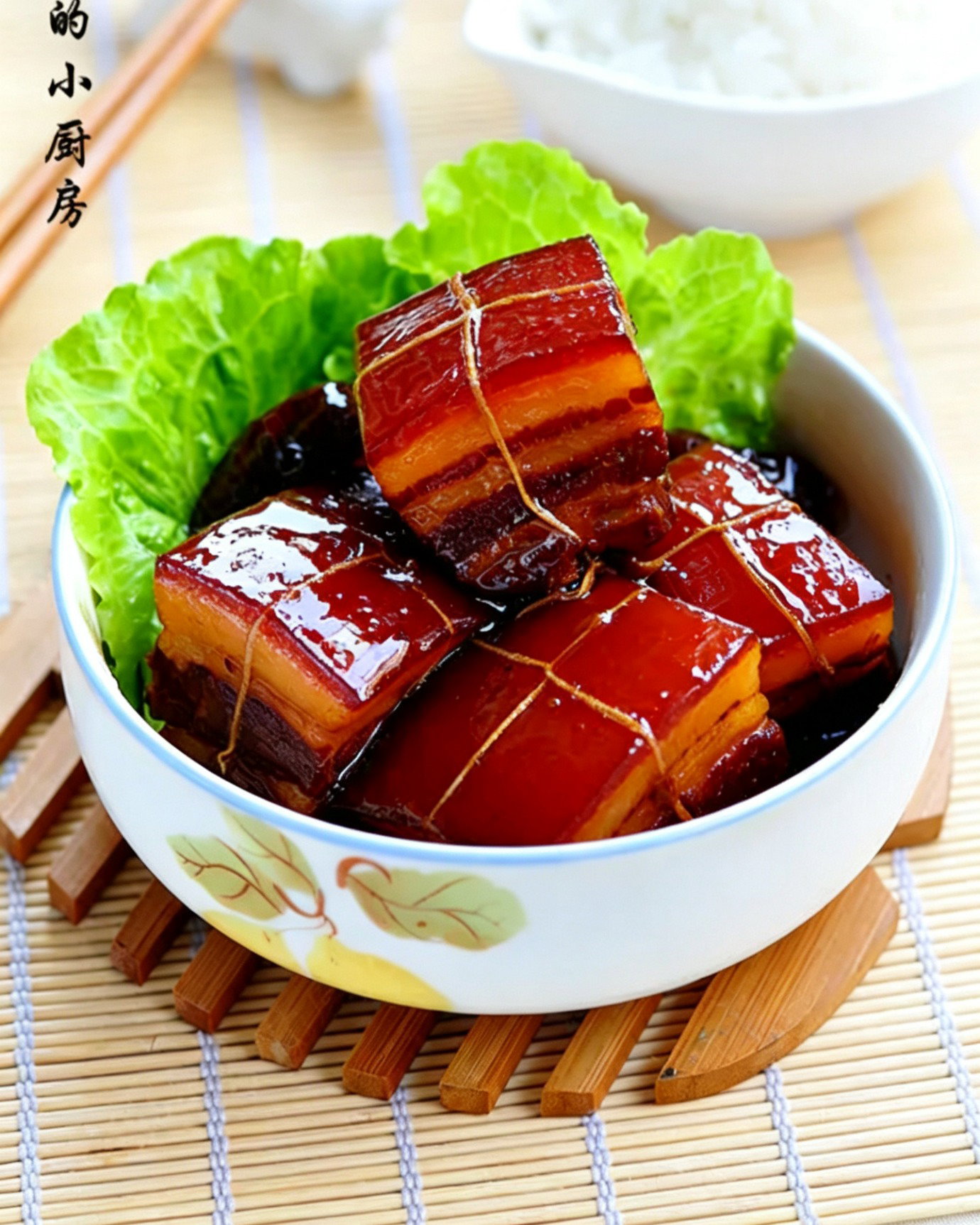
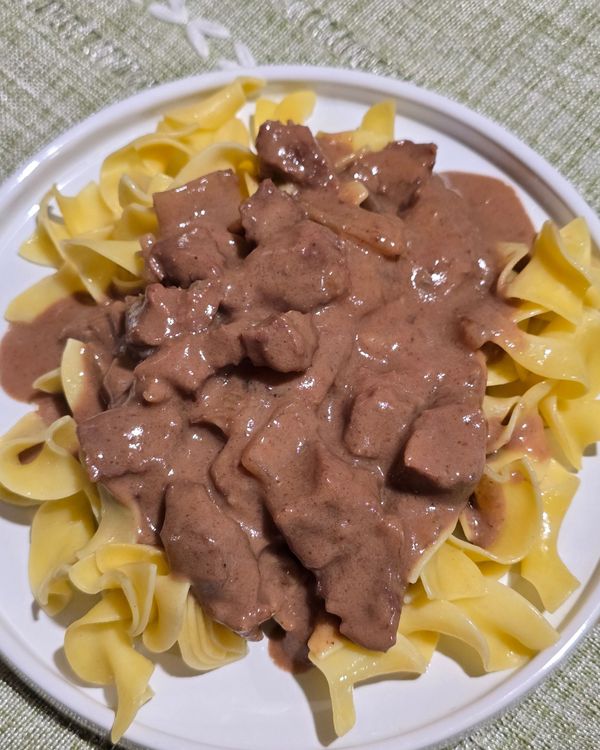
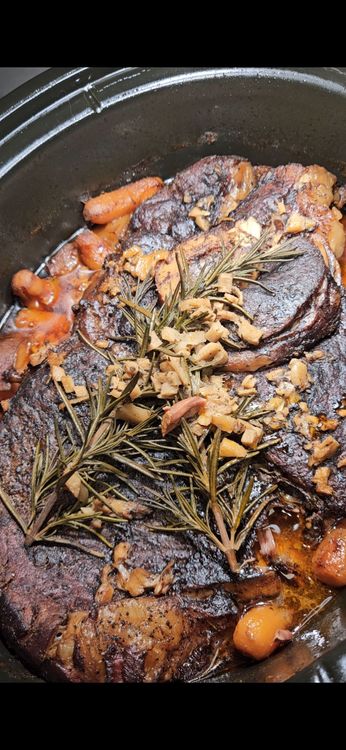
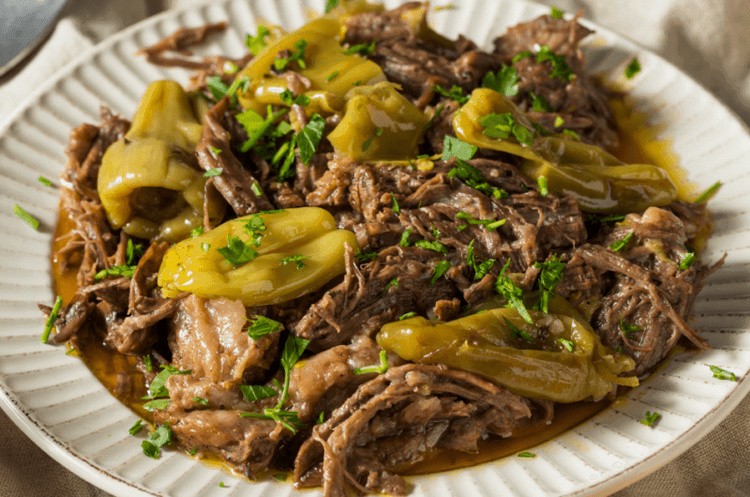
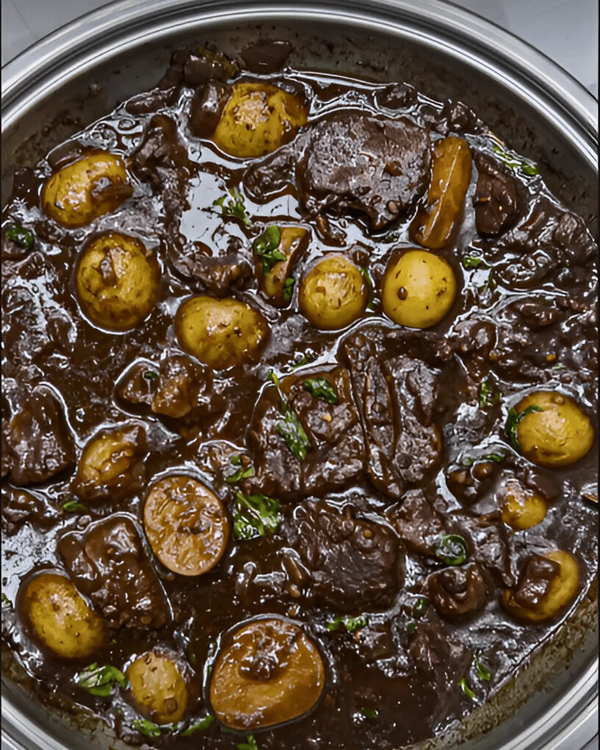
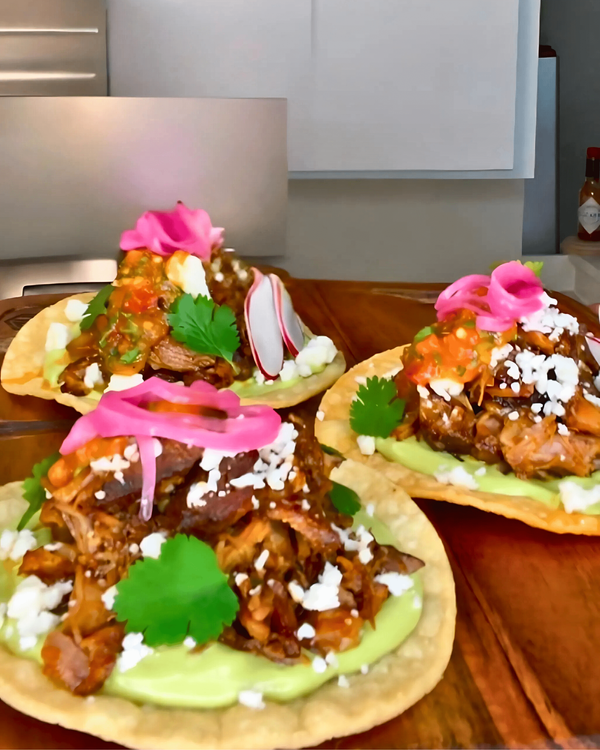
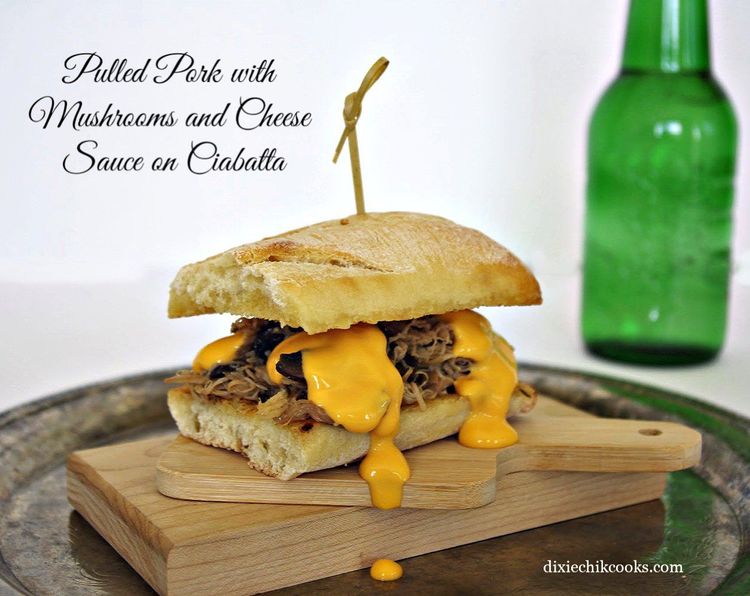
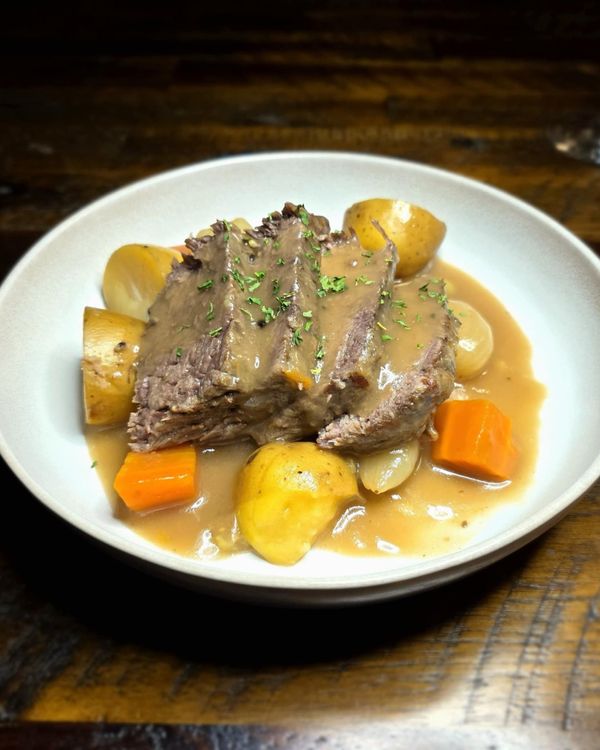
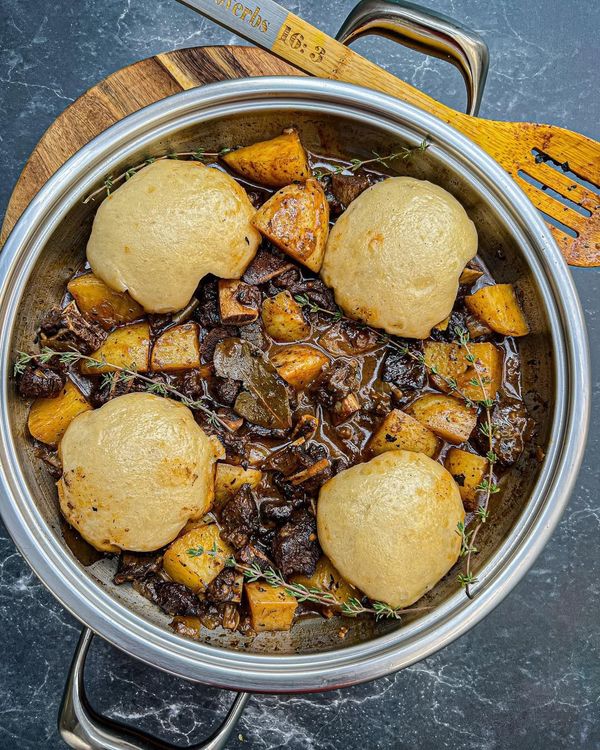
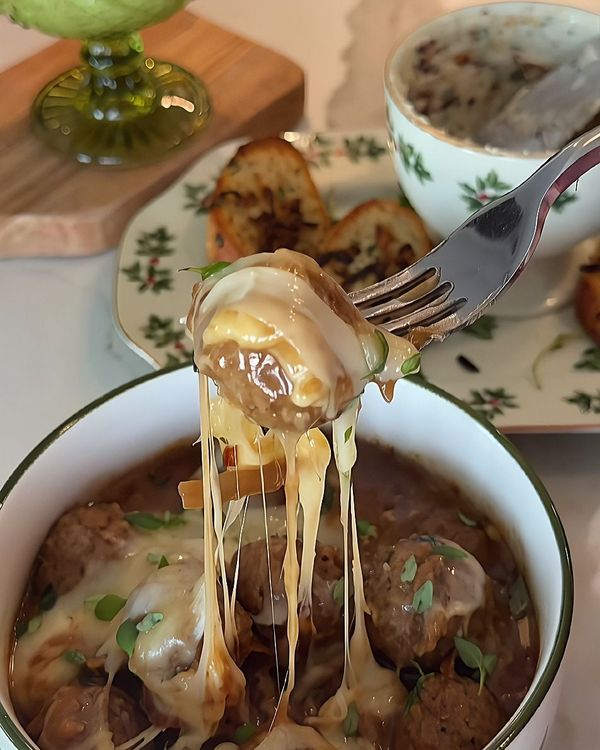
These tough, collagen-rich cuts are exactly what the crock pot was invented for, and they reward patience like nothing else. Beef chuck, brisket and short rib, along with pork shoulder and butt, are sinewy and chewy when cooked fast, but over many gentle hours their connective tissue melts into gelatin that bastes the meat from within and turns the cooking liquid glossy. The first move that separates a great roast from a grey, boiled one is searing: pat the meat dry, season it well, and brown it hard on every side before it goes in, then deglaze the pan with a splash of stock or wine and scrape that fond into the pot. Go easy on the liquid — an inch in the bottom is usually enough, since the meat releases plenty of its own. Cook low rather than high whenever you can, because the long, slow window is what gives collagen time to break down into something you can pull apart with a fork. When it is done, rest the meat before shredding or slicing, skim excess fat from the surface, and reduce or thicken the juices into a sauce worth spooning over everything. Standouts here include French Onion Shredded Beef Sliders (Claypot) and Easy Crockpot Carnitas Bowls, plus Slow Cooked Beef Stew with Cabbage.

- Gluten-Free
- Main Course
- Mexican
- Non-Vegetarian
- Lunch

- American
- Gluten-Free
- Dinner
- American
- Non-Vegetarian
- Dinner


- American
- Non-Vegetarian
- Dinner

- Gluten-Free
- Main Course

- American
- Non-Vegetarian
- Dinner
- American
- Non-Vegetarian
- Dinner

- American
- Non-Vegetarian
- Lunch
- American
- Non-Vegetarian
- Dinner
- Italian
- Non-Vegetarian
- Dinner

- Indian
- Eggetarian
- Dinner
- American
- Non-Vegetarian
- Dinner
- Mexican
- Non-Vegetarian
- Dinner
- American
- Non-Vegetarian
- Lunch

- American
- Non-Vegetarian
- Dinner
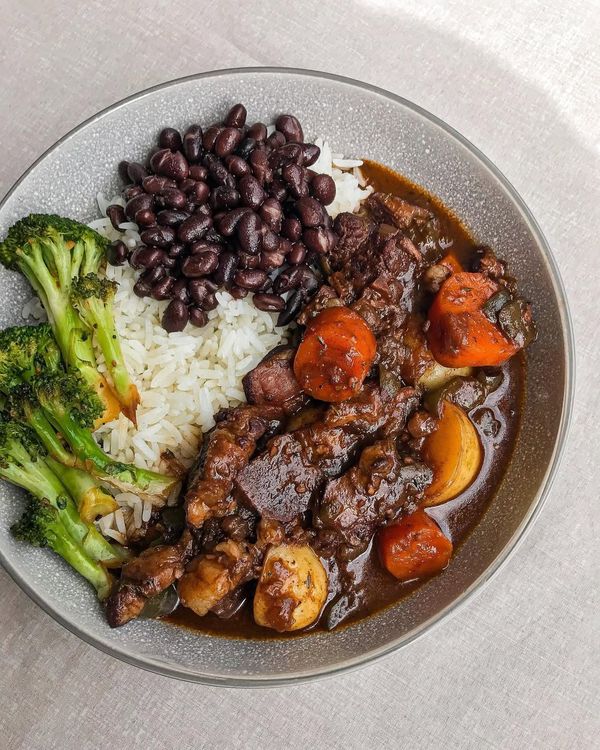
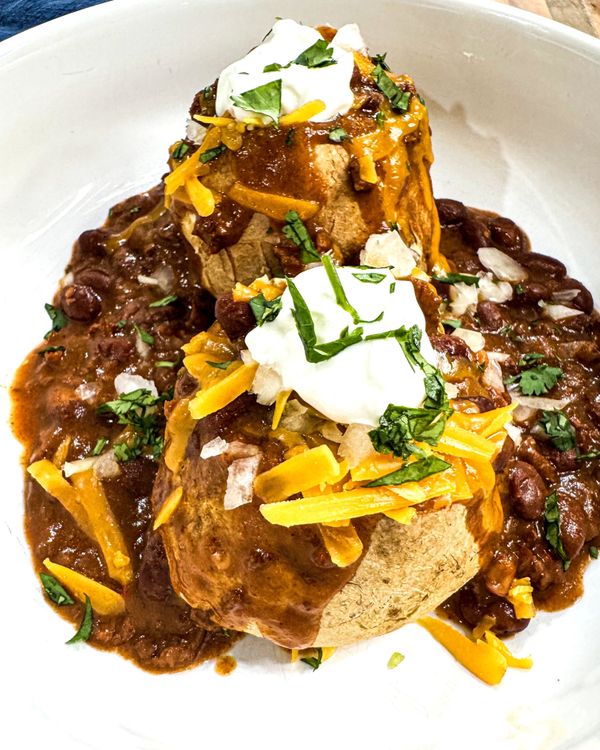
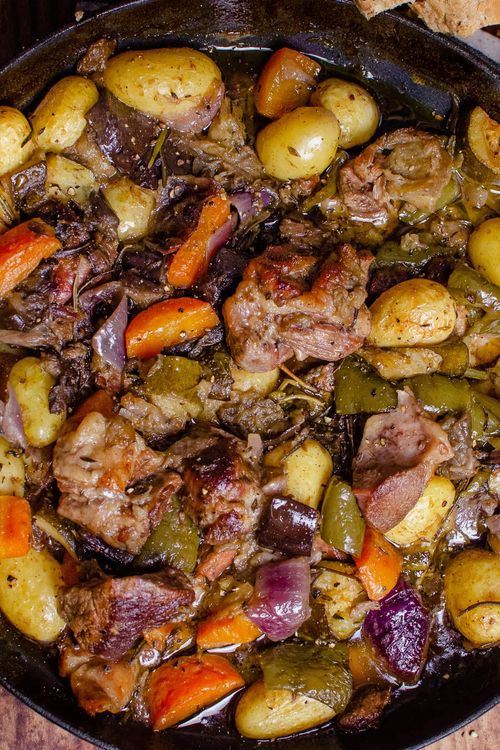
Soups, Stews & Chili
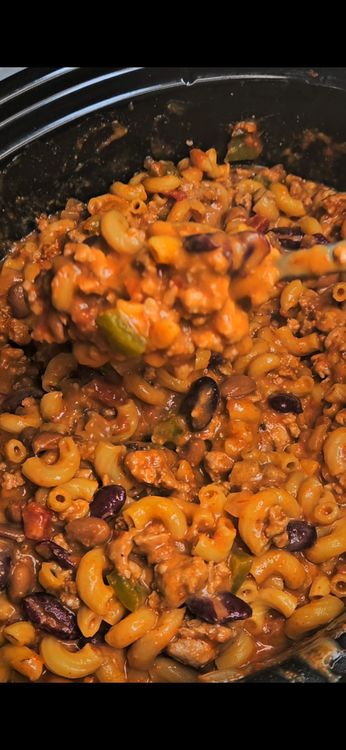
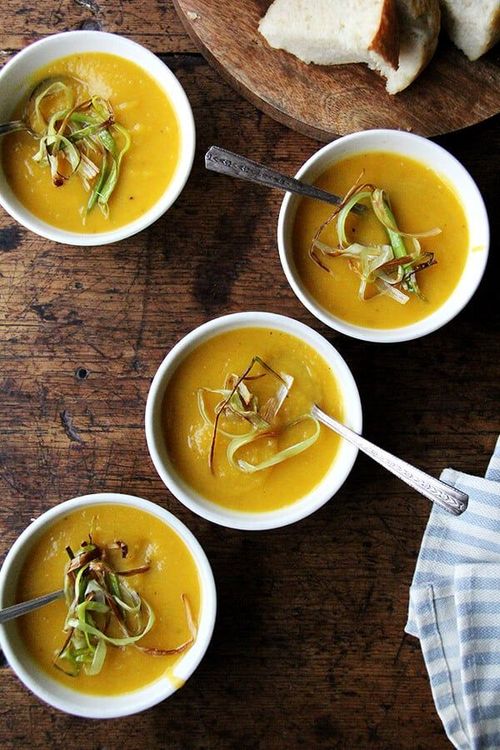
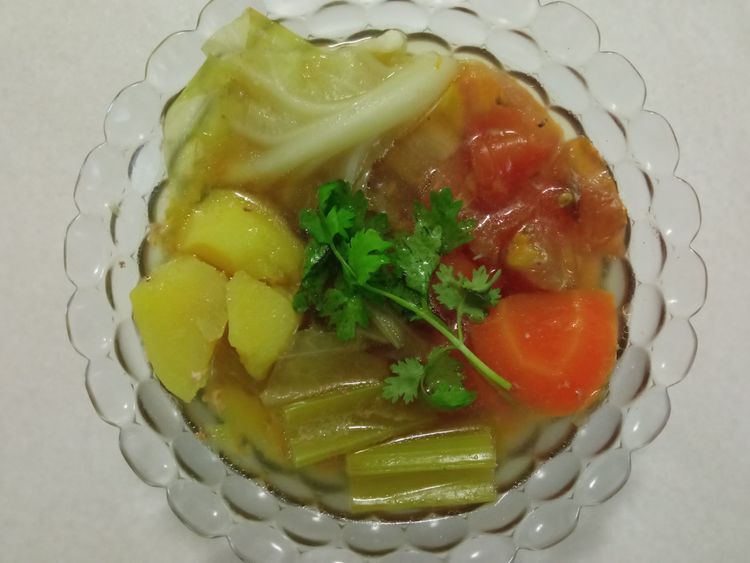
Long, gentle heat is the whole reason slow-cooker soups, stews and chilis taste so deep, and the technique is mostly about sequencing. Start by browning the meat and sweating the aromatics in a pan so the base carries roasted, savoury flavour rather than tasting watery, then deglaze and tip everything into the pot together with your stock, tomatoes or beans. Hardy ingredients — root vegetables, dried beans soaked and pre-cooked, whole spices and bay leaves — go in at the start, where the hours of simmering coax flavour out of them. The mistake to avoid is dumping in everything at once: dairy can split, pasta turns to glue, and tender greens or fresh herbs go drab if they cook the whole time. Stir cream, milk, quick vegetables and fresh herbs in only during the final hour. Resist lifting the lid while it works, since each peek costs twenty to thirty minutes of recovery. If the result is thin, mash a few cooked beans or potatoes into the broth, stir in a cornflour slurry, or cook uncovered on high at the end, then taste and brighten with salt, acid and fresh herbs before serving. Standouts here include Crockpot Hot Dog Chili and Slow Cooker Butternut Squash Soup, plus ABC Soup.

- American
- Non-Vegetarian
- Snack
- American
- Vegan
- Lunch
- Malaysian
- Non-Vegetarian
- Side Dish
- American
- Non-Vegetarian
- Dinner
- Mediterranean
- Non-Vegetarian
- Dinner
- French
- Non-Vegetarian
- Lunch

- American
- Vegetarian
- Lunch
- Mediterranean
- Non-Vegetarian
- Dinner
Dips, Sides & Sweet Things
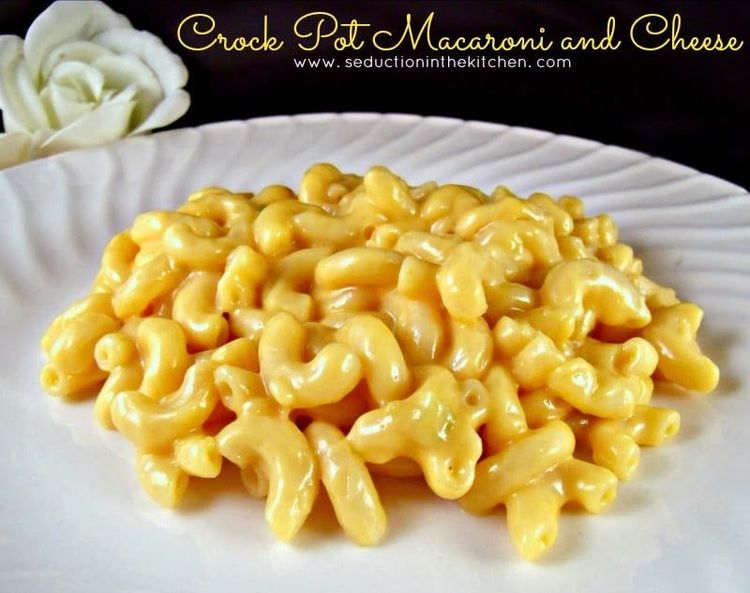
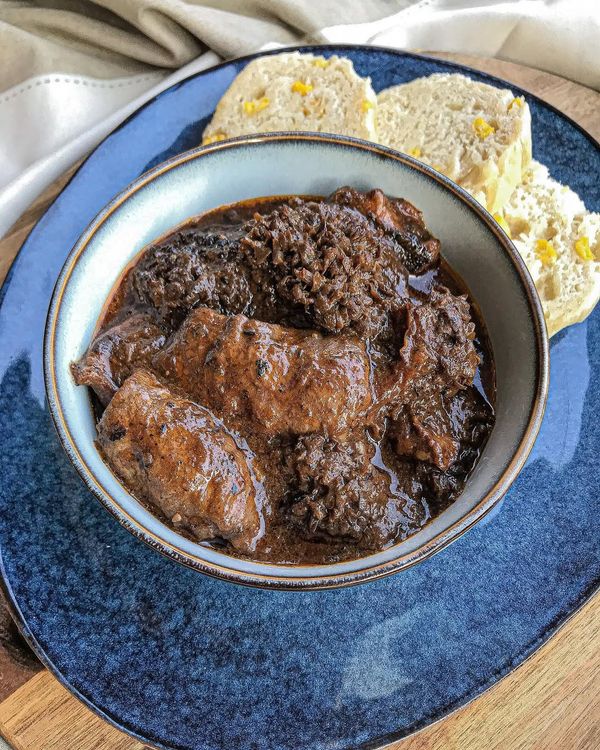
The crock pot quietly doubles as a party machine and a second oven, and this group is where that becomes obvious. Cheesy dips and queso are the classic case: the gentle, even heat melts cheese smoothly without scorching and, crucially, keeps the dip hot and dippable for hours through a gathering, so nothing seizes into a cold, rubbery puck halfway through the night. Stir occasionally if you can, add the cheese in handfuls so it emulsifies, and a splash of milk loosens anything that thickens too far. For sides, the pot frees up your oven on a busy holiday — mashed potatoes hold beautifully on warm, baked beans deepen over hours, and stuffing or mac and cheese cook hands-off while the main event roasts elsewhere. The surprise is dessert: cobblers, fruit crisps, bread puddings and even cakes bake gently in the moist environment, often with a tea towel under the lid to catch condensation so the top does not turn soggy. Keep sweet bakes on the shorter side and check for a set edge and a just-springy centre. Across all of them, the appeal is the same — set it going, walk away, and let the pot handle the part of the meal you would otherwise be hovering over. Standouts here include Crock Pot Macaroni and Cheese and Three Pear Dessert Recipes, plus South African Mogodu with Carrot Pap and Flavourful Sides.
- American
- Non-Vegetarian
- Lunch

- Vegetarian
- Dessert


- South African
- Non-Vegetarian
- Dinner
More Crock Pot Favourites
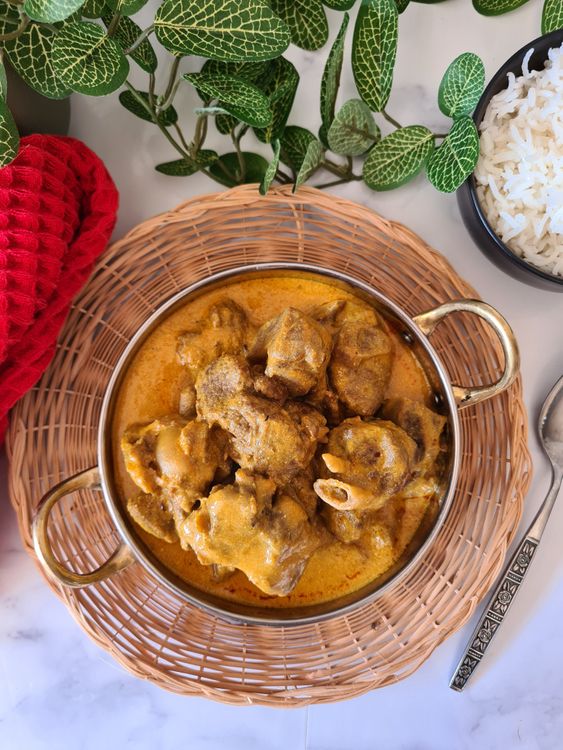
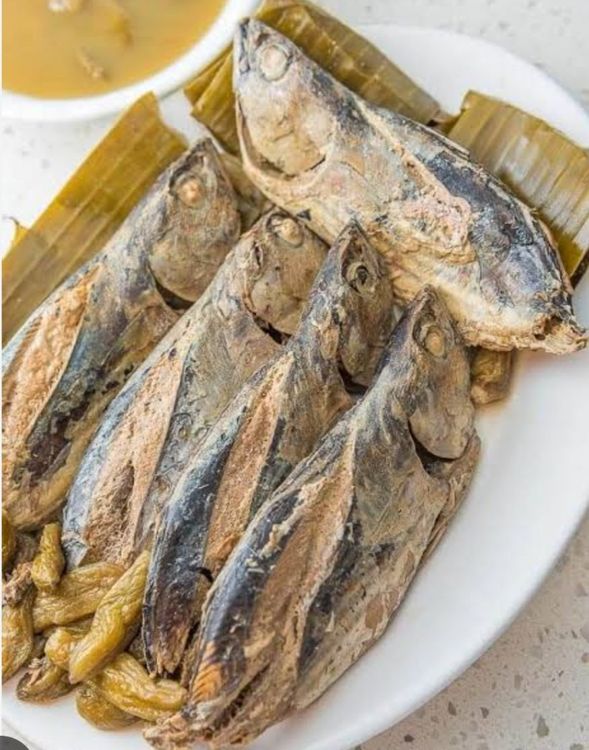
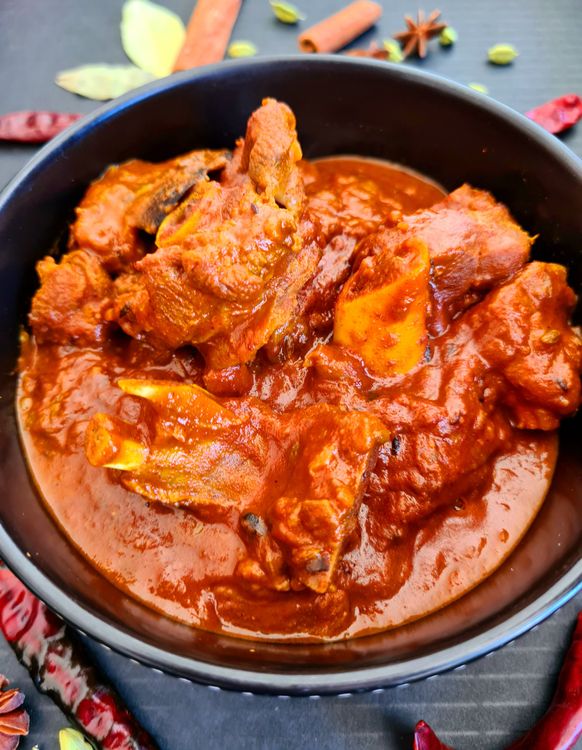
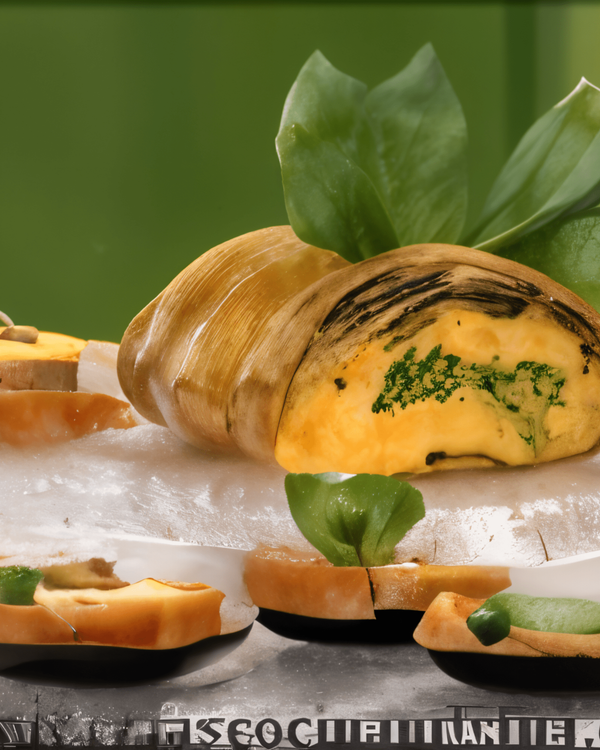
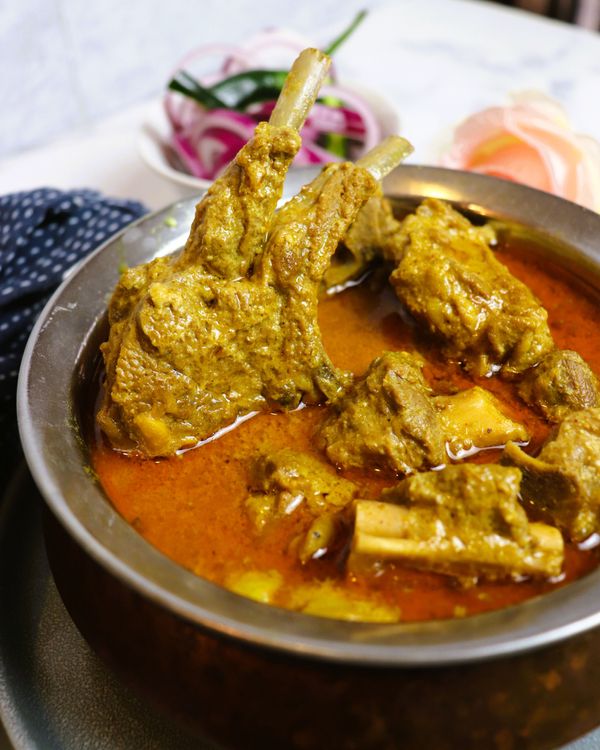
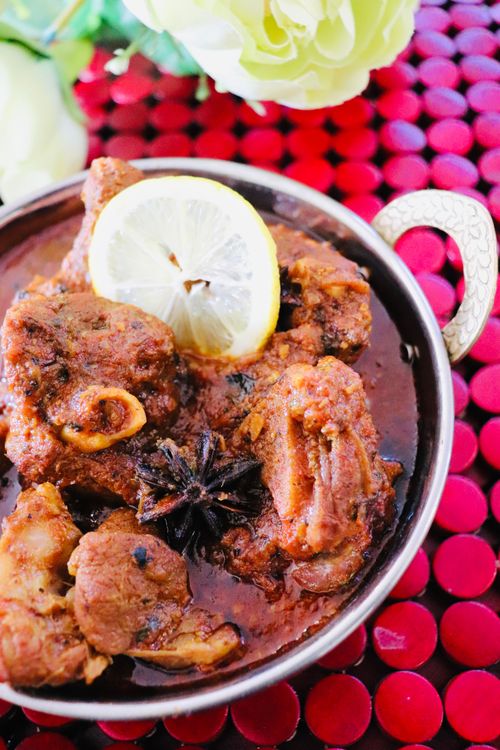
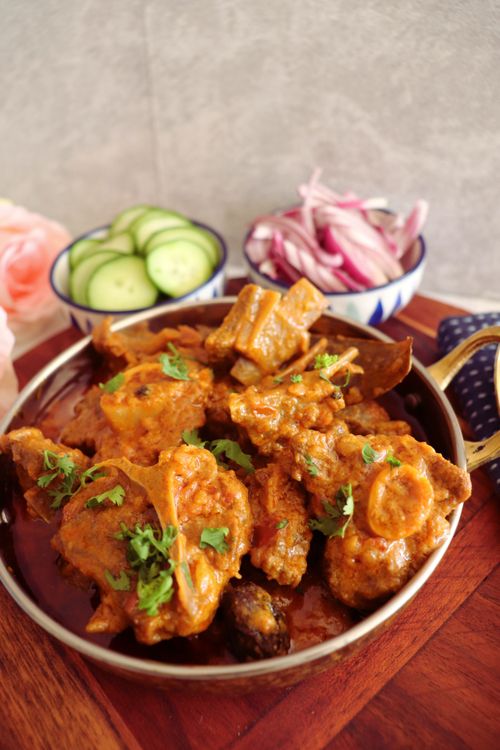
A handful of dishes never quite fit one category, and these are the ones worth keeping in your back pocket once the staples feel routine. They lean on the same dependable moves you already know — brown before you build, keep the liquid modest, set the right temperature, and leave the lid alone — but steer the pot toward different cuisines, proteins and textures so dinner never tastes the same twice. Picking your next one is mostly about matching effort to your evening: reach for a true dump-and-go chili or a pot of shredded chicken on a hectic morning when you want flavour with five minutes of work, and save the sear-first roasts and layered braises for a weekend when you can give the base the attention it rewards. Pay attention to the cut and the cook time above all, since a forgiving, collagen-rich piece of meat will wait happily for you while a lean one will not. Think of this group as the natural next step after the classics, the recipes that quietly earn a permanent spot in the rotation once you have tried them, and a reminder that the same machine on the counter can carry you from a weeknight bowl to a holiday spread. Standouts here include Chha Gosht and Lahori Karahi Mutton, plus Sinaing na Tulingan Recipe – Batangas-Style.
- Indian
- Non-Vegetarian
- Lunch

- Indian
- Non-Vegetarian
- Lunch

- Filipino
- Non-Vegetarian
- Lunch
- Indian
- Non-Vegetarian
- Lunch

- Indian
- Vegetarian
- Lunch
- Indian
- Vegetarian
- Lunch
- American
- Non-Vegetarian
- Dinner

- Royal
- Pescatarian
- Dinner
- American
- Non-Vegetarian
- Appetiser

- Vegetarian
- Breakfast
- Argentinian
- Eggetarian
- Lunch
- Indian
- Non-Vegetarian
- Lunch
- American
- Vegetarian
- Breakfast
- Indian
- Non-Vegetarian
- Lunch
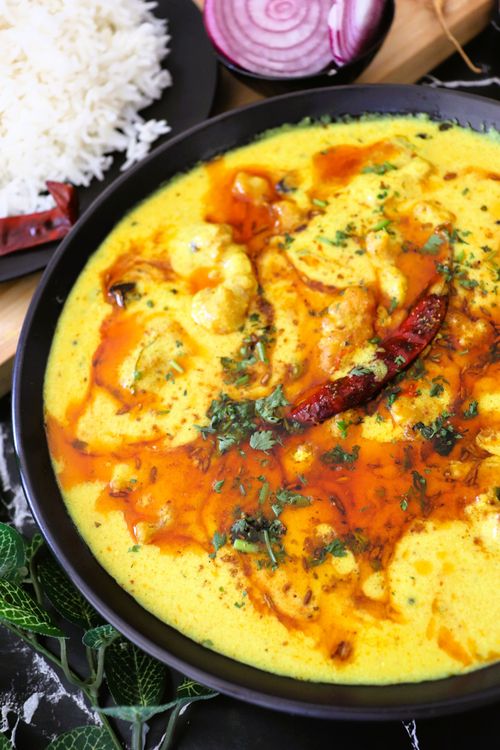
- Punjabi
- Vegetarian
- Lunch
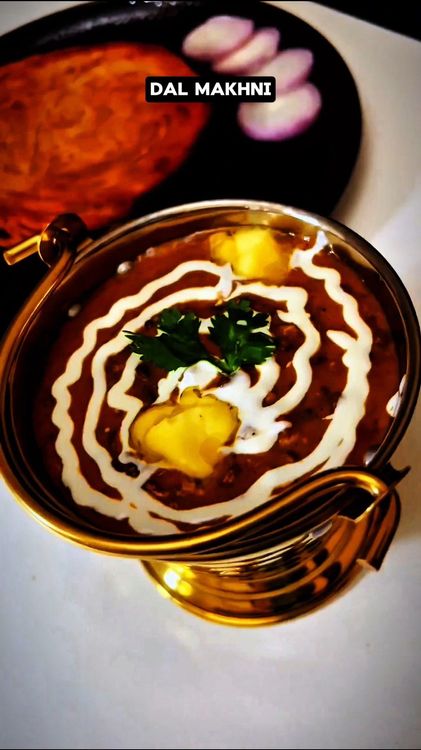
- Indian
- Vegetarian
- Lunch

- Non-Vegetarian
- Appetiser
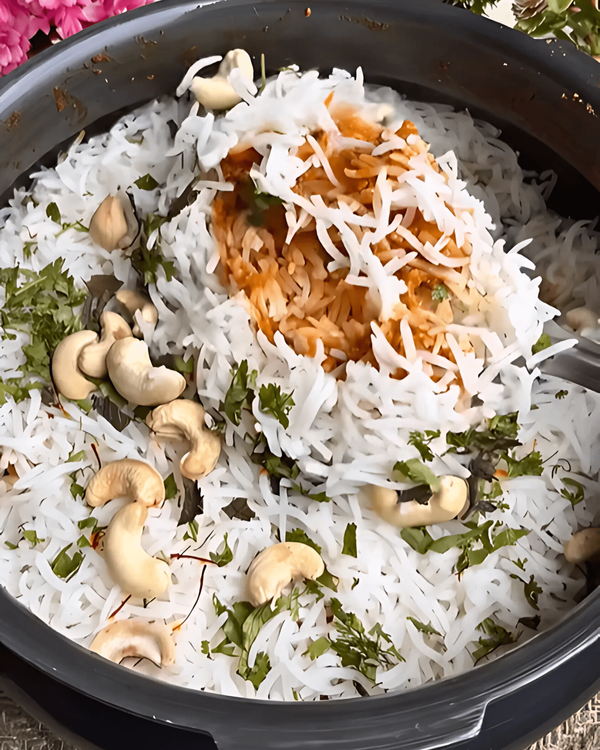

- Indian
- Vegetarian
- Lunch
- Mexican
- Vegan
- Lunch
- Indian
- Non-Vegetarian
- Lunch

- Indian
- Non-Vegetarian
- Dinner
- Italian
- Vegetarian
- Dinner
- Indian
- Non-Vegetarian
- Lunch
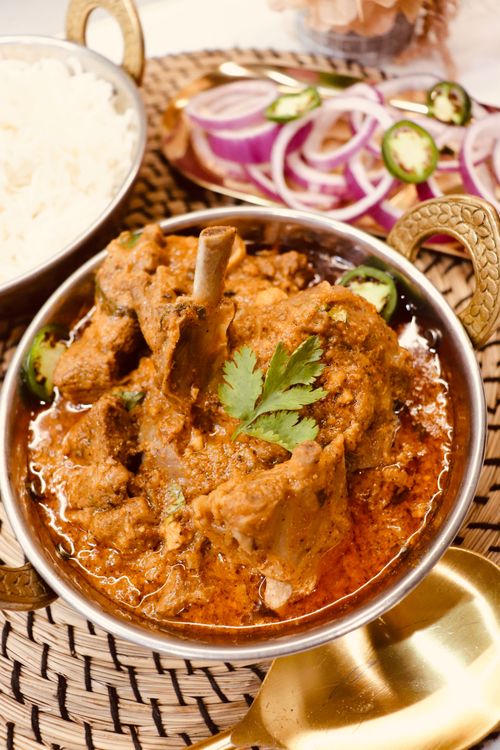
- Indian
- Non-Vegetarian
- Dinner
- Guatemalan
- Non-Vegetarian
- Lunch
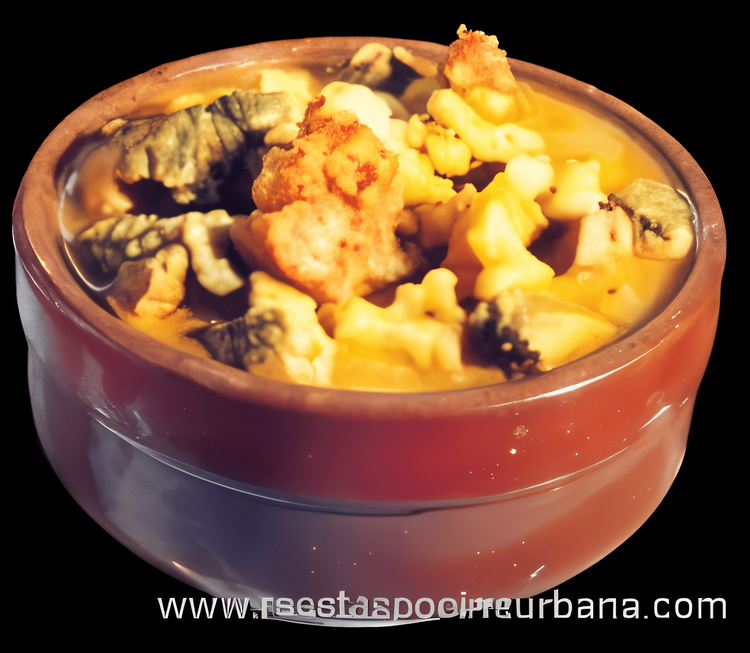
- Argentine
- Non-Vegetarian
- Lunch
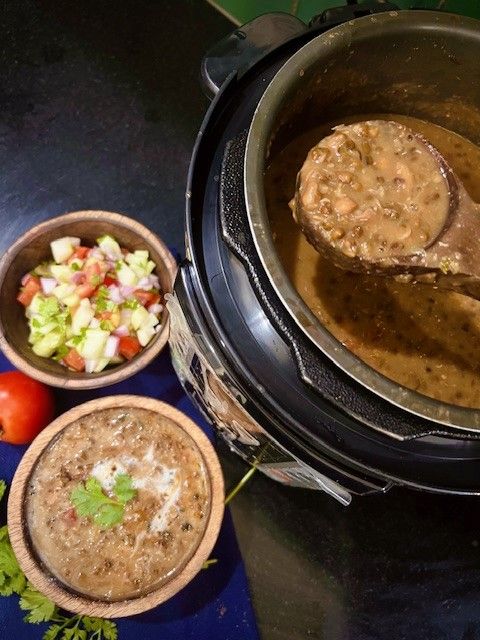
- Indian
- Vegetarian
- Lunch
- South African
- Non-Vegetarian
- Lunch
- Croatian
- Non-Vegetarian
- Dinner
- Italian
- Non-Vegetarian
- Dinner
Choosing Cuts and the Low-vs-High Decision
The single biggest factor in a great slow-cooker dish is the cut of meat. Reach for tough, well-marbled, collagen-heavy cuts — beef chuck, brisket and short rib; pork shoulder and butt; chicken thighs and drumsticks. These are cheap precisely because they need long, slow cooking, and that is exactly what the crock pot provides. Lean cuts like chicken breast, pork tenderloin or top round will cook through, but they have little connective tissue to melt and tend to dry out or turn stringy over a full day, so save them for shorter cooks or add them later.
Low and high are not just fast and slow versions of the same thing. Both settings level off around the same simmering temperature; high simply gets there sooner and bubbles a touch more aggressively. As a rough guide, a recipe that takes seven to eight hours on low will be done in about three to four on high. For tough cuts that need time to break down, low is almost always the better choice — the gentler heat gives collagen the long window it needs to turn silky. Use high when you are short on time or cooking something forgiving like a bean chili.
Fill the pot between half and two-thirds full for even, safe cooking; much less and food can scorch at the edges, much more and the centre may not come up to temperature in time. Cut vegetables and meat into similar sizes so they finish together, and put dense root vegetables like potatoes and carrots at the bottom, where the heat is most direct, with the meat on top. If you are home and able, a quick stir or a cut-side check partway through a high cook helps everything cook evenly.
Searing, Layering and Building Flavour
The most common complaint about slow-cooker food — that it tastes flat or boiled — almost always traces back to skipping the browning step. A few minutes spent searing the meat in a hot pan before it goes in the pot creates the deep, roasted, savoury flavour that long wet cooking on its own cannot. Pat the meat dry, season it, and brown it hard on all sides in a little oil until a real crust forms. Sweating the onions, garlic and any spices in the same pan afterwards builds a second layer of flavour and lets ground spices bloom rather than taste raw.
Deglazing is the step that ties searing to the pot. After browning, pour a splash of stock, wine or even water into the hot pan and scrape up the browned bits stuck to the bottom — that fond is concentrated flavour, and tipping it into the crock pot carries the whole sear with it. If you genuinely have no time, a true dump-and-go still works for forgiving recipes like chili or pulled chicken, but for a pot roast or a stew the difference between seared and not is the difference between memorable and merely fine.
Layer with the cooking environment in mind. Aromatics and a flavoured liquid go in first as the base, dense vegetables next, then the meat, then more delicate ingredients on top. Whole spices, bay leaves and hardy herbs like thyme and rosemary can go in early; fresh, tender herbs such as parsley, coriander and basil should be stirred in at the very end so they stay bright. Salt with a slightly lighter hand than usual at the start, because the liquid reduces less in a sealed pot, and taste to adjust before serving.
Liquid, Lid Discipline and Thickening
Slow cookers need far less liquid than stovetop cooking, and this trips up almost everyone at first. The lid traps steam, the meat and vegetables release their own moisture, and almost nothing evaporates, so a pot that looks alarmingly dry when you assemble it will often be swimming by the end. Use roughly half the liquid a conventional braise calls for, and for something like a pot roast, an inch of stock in the bottom is usually plenty. If you have adapted a stovetop recipe and the result is watery, that extra liquid is why.
Lid discipline matters more than it seems. Every time you lift the lid you release a cloud of steam and drop the internal temperature sharply, and it can take twenty to thirty minutes to recover — so resist the urge to peek and stir. A good rule is to leave it alone entirely until the last hour, when you might check seasoning or add quick-cooking ingredients. If a recipe does not ask you to stir, do not, especially on low, where a lost half hour can be the difference between done and underdone at dinnertime.
To fix a thin sauce, you have a few reliable options at the end. Remove the lid and cook on high for the final thirty to forty-five minutes to let some liquid steam off, or whisk a tablespoon of cornflour into a little cold water and stir the slurry in, then give it fifteen minutes on high to thicken. Mashing a few of the cooked potatoes or beans into the liquid thickens a stew naturally, and pulling the meat out to rest while you reduce the sauce also concentrates flavour. For glossy braises, a final swirl of butter off the heat rounds everything out.
Food Safety, Make-Ahead and Reheating
A few safety habits keep slow cooking genuinely safe. Always thaw frozen meat fully in the fridge before it goes in — a crock pot warms too gradually to bring frozen meat through the danger zone quickly enough. If you brown or assemble ingredients the night before, refrigerate the components separately and only combine them in a cold insert in the morning; do not leave a loaded pot sitting out, and never refrigerate the food inside the ceramic crock and then drop the cold crock onto a hot heating element, which can crack it. Cook poultry to 74C/165F and let larger roasts rest before shredding.
The crock pot is a make-ahead dream because almost everything it cooks improves overnight. Stews, chilis and braised meats taste deeper the next day as the flavours meld, and they freeze beautifully. Prep is easy to stage: chop vegetables and trim and season the meat the evening before, store them covered in the fridge, and you have a five-minute morning assembly. For freezer meals, combine raw marinade-and-meat or chopped chili ingredients in a bag, freeze flat, then thaw fully in the fridge before tipping into the pot.
Reheat gently to protect texture. Soups, chilis and saucy braises warm well on the stovetop over medium heat with an occasional stir, or in the microwave under a cover with a splash of stock to loosen them. Shredded meats are best reheated in some of their own cooking liquid so they do not dry out. Cooked dishes keep three to four days in the fridge or up to three months frozen; cool them reasonably quickly before storing, and bring leftovers back to a proper steaming heat all the way through before serving.
Pro Tips from the Test Kitchen
- Reach for tough, collagen-rich cuts — chuck, brisket, pork shoulder, chicken thighs — and save lean breasts and tenderloin for shorter cooks.
- Sear the meat and sweat the aromatics in a hot pan first; browning is what stops slow-cooker food tasting boiled.
- Use about half the liquid you would on the stovetop — almost nothing evaporates under the sealed lid.
- Put dense potatoes and carrots at the bottom near the heat and lay the meat on top.
- Resist lifting the lid; each peek costs 20–30 minutes of recovery time.
- Roughly: 7–8 hours on low equals about 3–4 hours on high for the same dish.
- Thicken a thin sauce with a cornflour slurry, or cook uncovered on high for the last 30–45 minutes.
- Add dairy, fresh herbs and quick-cooking vegetables only in the final hour so they stay fresh.
- Thaw frozen meat fully in the fridge before it goes in — never cook it from frozen.
- Fill the pot between half and two-thirds for even, safe cooking, and shred meat back into its own juices.
Frequently Asked Questions
Is a crock pot the same as a slow cooker?
Effectively yes. Crock-Pot is a brand name that became the everyday term for the appliance, much like Hoover or Band-Aid, while slow cooker is the generic description. They work identically: a ceramic insert sits in a housing with a low-wattage heating element that cooks food gently for many hours. Any recipe written for one works in the other, so you can use the two terms interchangeably.
Should I brown the meat before putting it in the crock pot?
For the best flavour, yes. Searing the meat in a hot pan and sweating the aromatics first builds the deep, roasted savour that slow wet cooking alone cannot produce. It is the main reason some slow-cooker food tastes flat. That said, for forgiving recipes like chili or shredded chicken you can dump and go and still eat well. For pot roast and stews, the extra ten minutes is worth it.
How much liquid does a crock pot need?
Far less than stovetop cooking — roughly half what a conventional braise calls for. The sealed lid traps steam and the ingredients release their own moisture, so very little evaporates. A pot that looks dry at the start often ends up too wet. For a pot roast, an inch of stock in the bottom is usually plenty. If your adapted recipe comes out watery, too much liquid is almost always the cause.
What is the difference between the low and high settings?
Both settings reach about the same simmering temperature; high just gets there faster and bubbles more. A dish that needs seven to eight hours on low will usually be done in three to four on high. For tough cuts that must break down slowly, low is better because it gives collagen the long window it needs. Use high when you are short on time or cooking something forgiving like a bean chili.
Can I leave a crock pot on all day while I am out?
Yes — that is exactly what it is designed for. A properly working slow cooker on low is safe to run unattended for the length of a normal recipe, typically six to ten hours. Set it on a heat-safe surface away from walls, do not overfill it, and use the right cook time rather than letting food sit on warm for many extra hours. Many models switch to a keep-warm setting automatically.
Why is my crock pot food watery or bland?
Usually two things. Watery results come from adding too much liquid, since nothing evaporates under the lid — cut the liquid or thicken at the end with a cornflour slurry or by cooking uncovered on high. Bland results almost always come from skipping the sear and under-seasoning. Brown the meat, bloom the spices, salt to taste near the end, and finish with fresh herbs or a splash of acid to lift it.
Can you put raw chicken in a crock pot?
Yes, raw chicken cooks safely in a slow cooker as long as it reaches 74C/165F, which it easily does over a normal cook. Browning it first improves flavour and colour but is not required for safety. Thighs hold up far better than breasts over long cooks; if you use breasts, check them earlier so they do not dry out. Never start with frozen chicken — thaw it fully in the fridge first.
Why is my crock pot meat dry or tough?
Two opposite causes. Lean cuts like chicken breast or pork tenderloin dry out because they have little fat or connective tissue to keep them moist over hours, so switch to thighs or shoulder. Tough results usually mean the meat has not cooked long enough for the collagen to break down — counterintuitively, a still-tough roast often needs more time, not less. Keep tough cuts in their liquid and cook until fork-tender.
Do I need to thaw meat before slow cooking?
Always. A crock pot heats too gradually to move frozen meat through the bacterial danger zone quickly enough, leaving it too long at unsafe temperatures. Thaw meat fully in the fridge before it goes in. The same applies to freezer slow-cooker meals: let the bag thaw completely in the refrigerator before tipping it into the pot. Frozen vegetables are fine to add directly, but stir them in toward the end.
Can I cook pasta or rice in a crock pot?
You can, but add them late. Dry pasta and rice cooked for the full duration turn to mush, so stir pasta in for the last thirty to forty-five minutes on high, or cook it separately and combine at the end. Rice does better stirred in during the final hour with a little extra liquid, or served alongside. Quick-cooking dairy, cream and tender vegetables follow the same rule: add them near the finish.
The thread running through every crock pot recipe here is the same: gentle, patient heat that transforms cheap, tough ingredients into something tender and deeply flavoured while you get on with your day. Master the handful of moves in the guides — pick the right cut, brown before you build, go easy on the liquid, leave the lid alone, and thicken at the end — and chicken dinners, pot roasts, soups and even desserts all fall into place.
Pick three to cook this week — a shredded chicken for tacos, a Sunday pot roast and a big pot of chili — and save your favourites to a Chefadora cookbook. Then work through the dips, sides and sweets, which quietly prove the pot is worth its counter space. This page is built to be the slow-cooker reference you actually come back to.
Related
- Crock Pot
- Slow Cooker
- Easy
- Make Ahead
- Comfort Food
- Dinner
- One Pot
- Family
Popular Searches
- Best crock pot recipes
- Easy crock pot recipes
- Quick crock pot recipes
- Healthy crock pot recipes
- Simple crock pot recipes
- Homemade crock pot recipes
- Delicious crock pot recipes
- Popular crock pot recipes
- crock pot chicken recipes
- crock pot meals
- crock pot slow cooker recipes
Marnirni-apinthi Building, Lot Fourteen,
North Terrace, Adelaide, South Australia, 5000
Australia
