
Top 65 Healthy Meals For Dinner Recipes: Lean Protein, Bowls, Sheet-Pan and More
Updated June 29, 2026 · Curated by Chefadora
Healthy meals for dinner do not have to mean a sad pile of steamed vegetables or a chicken breast cooked to the texture of an eraser. The dishes in this collection were chosen to prove the opposite: that a wholesome, genuinely nutritious dinner can taste like something you actually look forward to. The thread running through all of them is real flavor built with technique rather than fat and sugar, so the food stays light without tasting like a compromise.
What makes a dinner both healthy and satisfying is balance on the plate. You want a lean protein to keep you full, a generous load of vegetables for fiber and color, and a smart carbohydrate like a whole grain or beans rather than a refined one. Get those three working together and you have a meal that nourishes without leaving you hungry an hour later. Almost every recipe here is built on that simple framework, just dressed up four different ways.
You will find four clusters: lean protein and fish dinners, veggie-forward plates and grain bowls, sheet-pan and roasted one-tray meals, and main-course soups and salads hearty enough to be dinner on their own. The cooking moves repeat across all of them, so a few techniques learned in one cluster carry straight over to the next and make the whole rotation easier.
Treat this as a working reference for the weeknight grind. Each recipe links to full ingredients and steps on Chefadora, and the guides below cover the decisions that actually determine whether a healthy dinner tastes great or flat — how to keep lean protein juicy, how to build flavor without heavy fat, how to roast vegetables until they caramelize, and how to meal-prep so the healthy choice is also the easy one.
Lean Protein & Fish Dinners
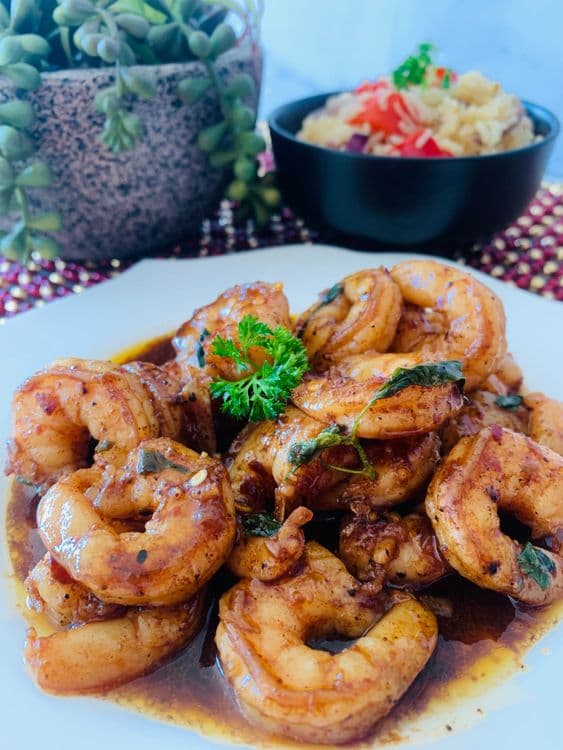
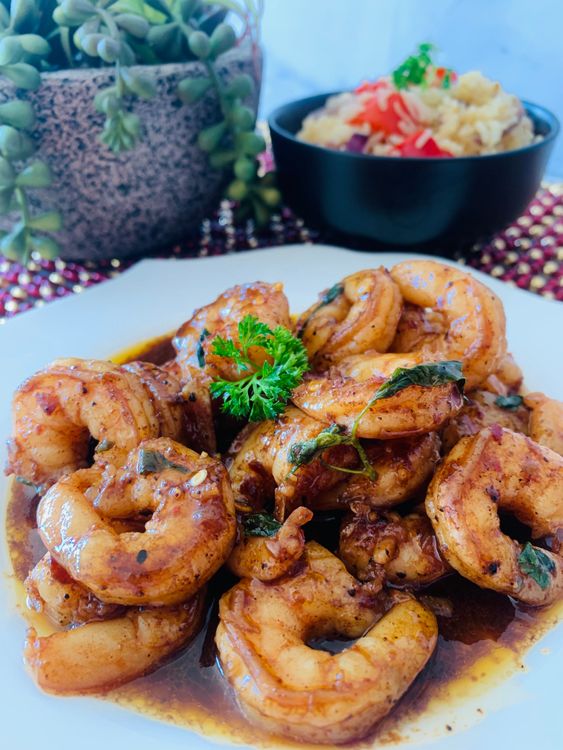
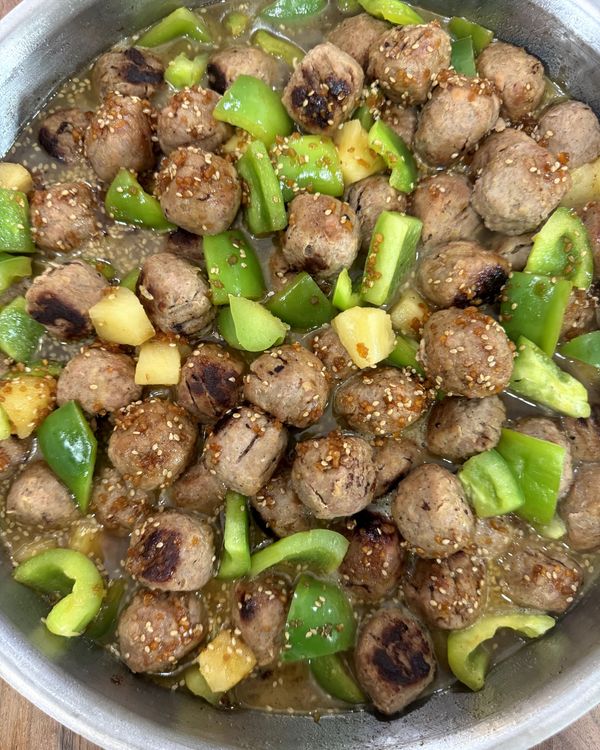
Lean protein is the backbone of a satisfying healthy dinner, and the whole challenge is keeping it juicy when there is little fat to protect it. Chicken breast, turkey, white fish and shellfish all sit on a knife edge between tender and dry, so cook them to temperature rather than by the clock: an instant-read thermometer is worth more than any recipe timer here. Pull chicken at 74C/165F, fish at 60C/140F, and let it rest so the juices settle back through the meat. Give lean cuts a head start with a quick brine or a yogurt-and-citrus marinade, which seasons them through and helps them hold moisture without adding heavy fat. Pat the surface dry so it browns instead of steaming, get your pan or grill genuinely hot, and give each piece room to sear. The classic mistake is overcooking out of caution, which turns a lovely fillet into something chalky and grey. Lean on lemon, fresh herbs, garlic and a smart spice rub for flavor, and pull everything a touch early to let carryover heat finish the job gently. Standouts here include Balsamic Glazed Prawns and Quick and Healthy Chicken Teriyaki Pineapple Meatballs, plus Healthy Mediterranean Chicken Lavash Wrap with Lemon Herb Slaw & Creamy Tahini Sauce.

- Italian
- Pescatarian
- Lunch

- Asian
- Non-Vegetarian
- Dinner


- Asian
- Non-Vegetarian
- Dinner
- Fusion
- Non-Vegetarian
- Appetiser
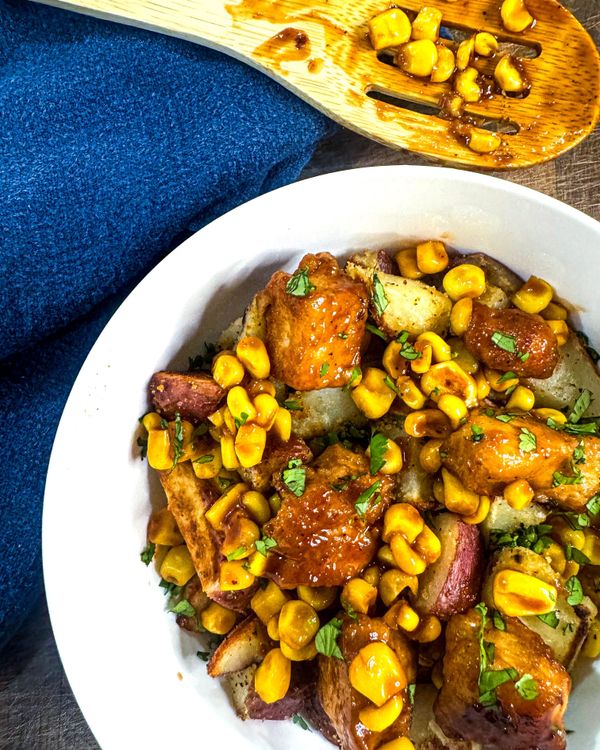
- American
- Non-Vegetarian
- Dinner
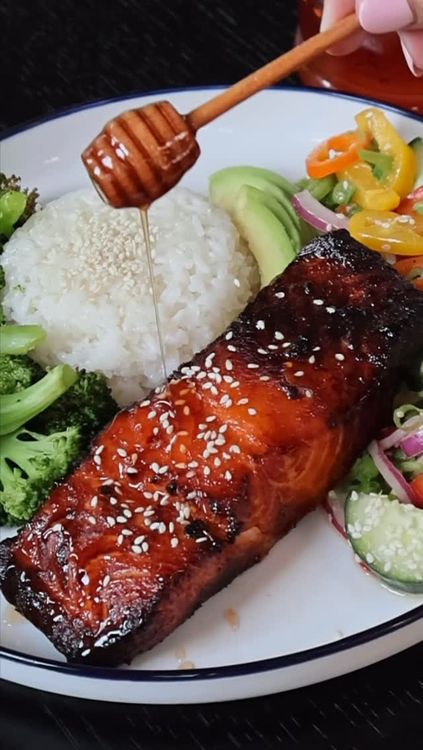
- American
- Pescatarian
- Dinner
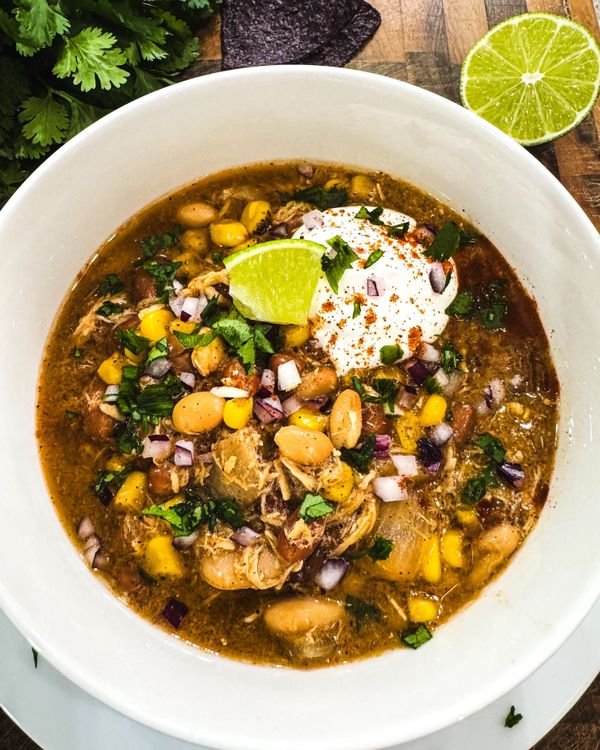
- American
- Non-Vegetarian
- Lunch
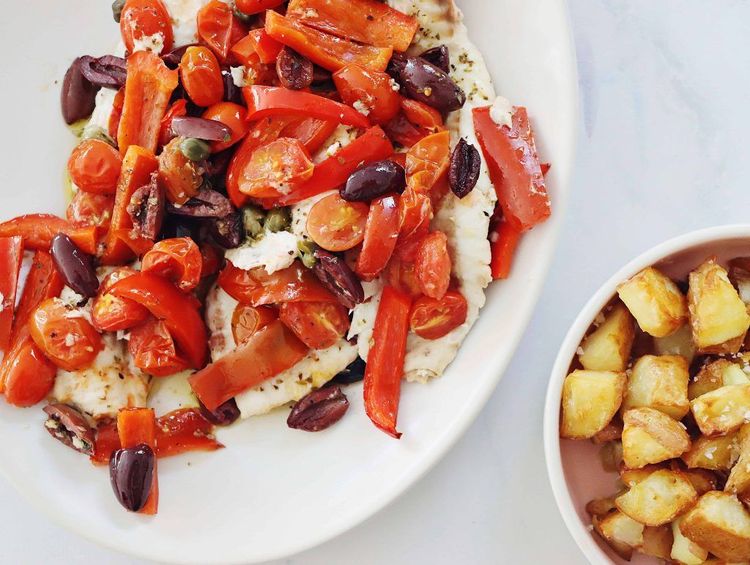
- Mediterranean
- Pescatarian
- Dinner
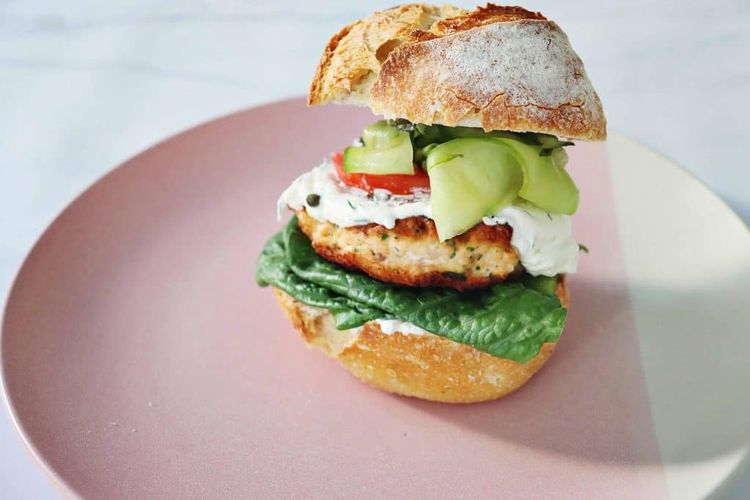
- Mediterranean
- Pescatarian
- Lunch
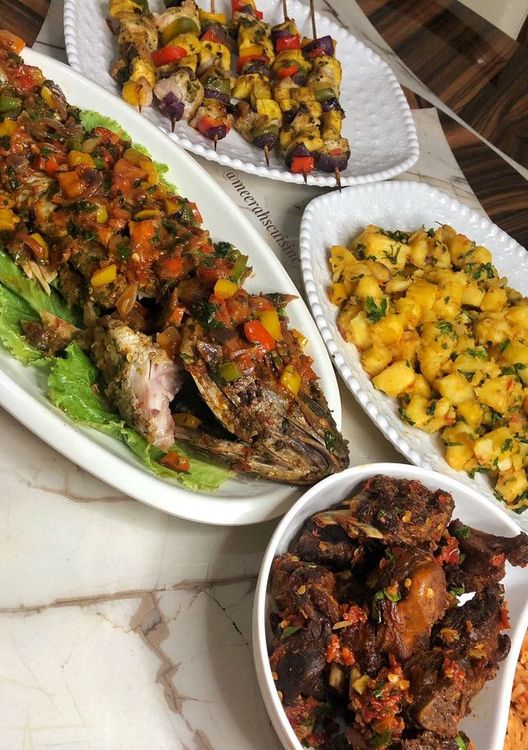

- African
- Pescatarian
- Lunch
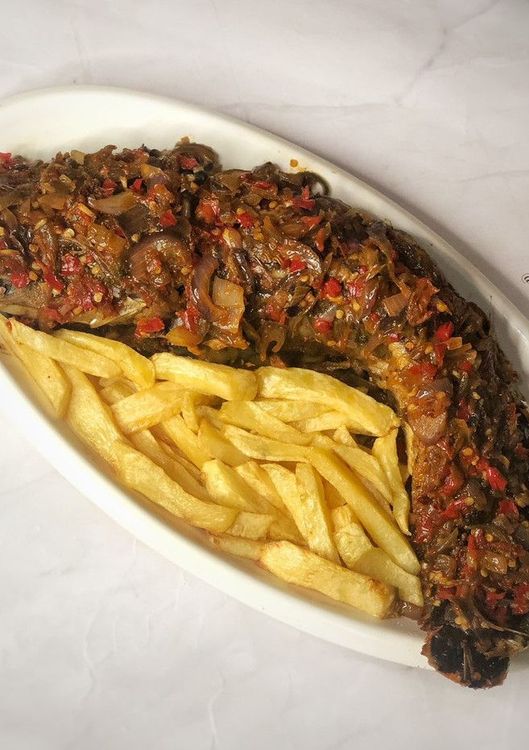
- African
- Pescatarian
- Lunch
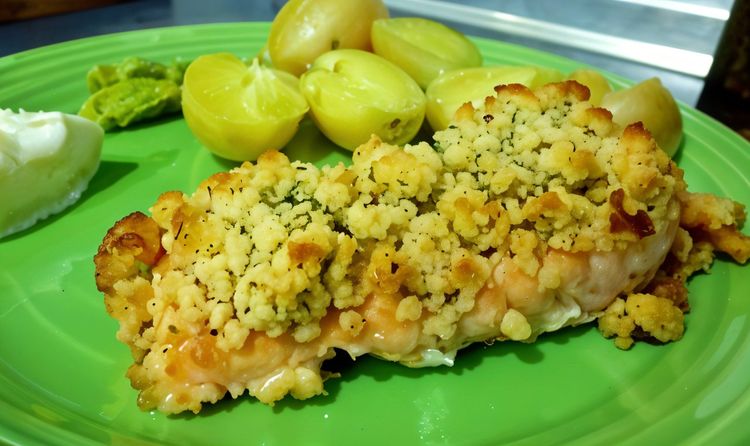
- European
- Pescatarian
- Dinner
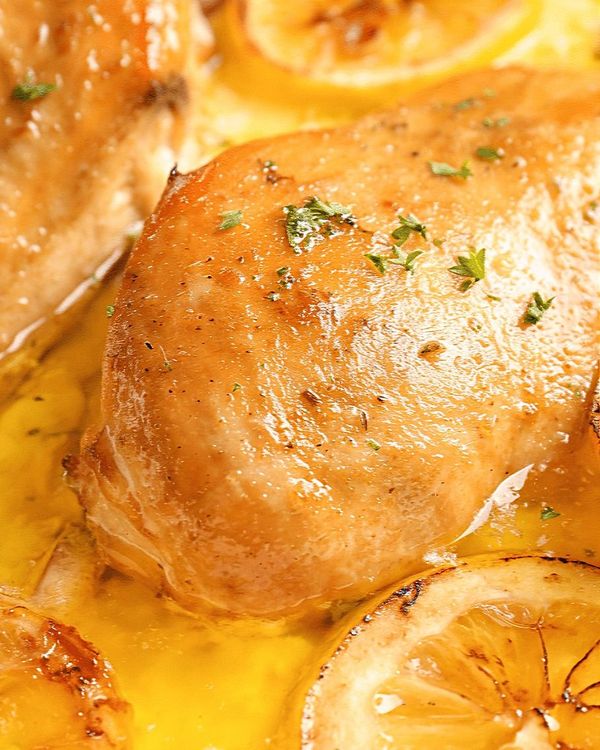
- American
- Non-Vegetarian
- Lunch
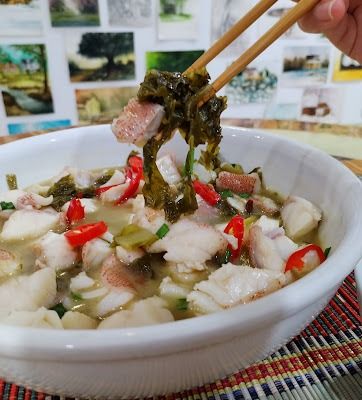
- Asian
- Pescatarian
- Lunch
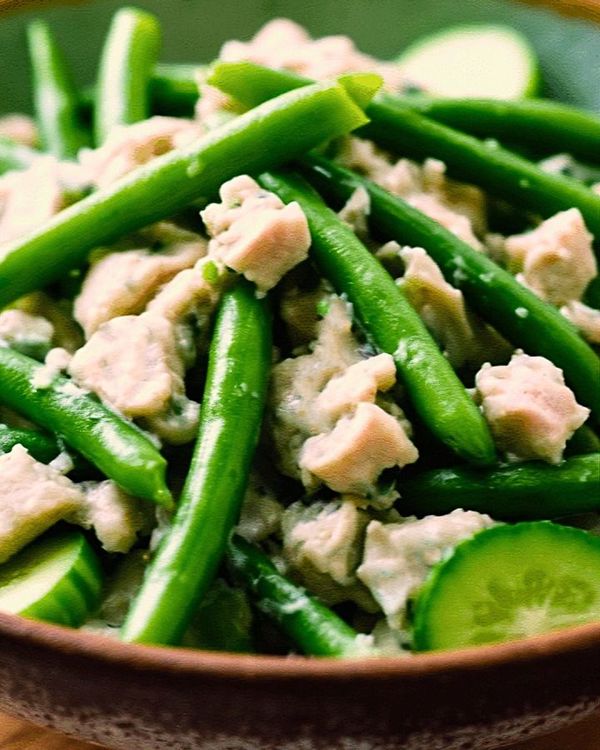
- Mediterranean
- Pescatarian
- Lunch
- Mexican
- Non-Vegetarian
- Salad
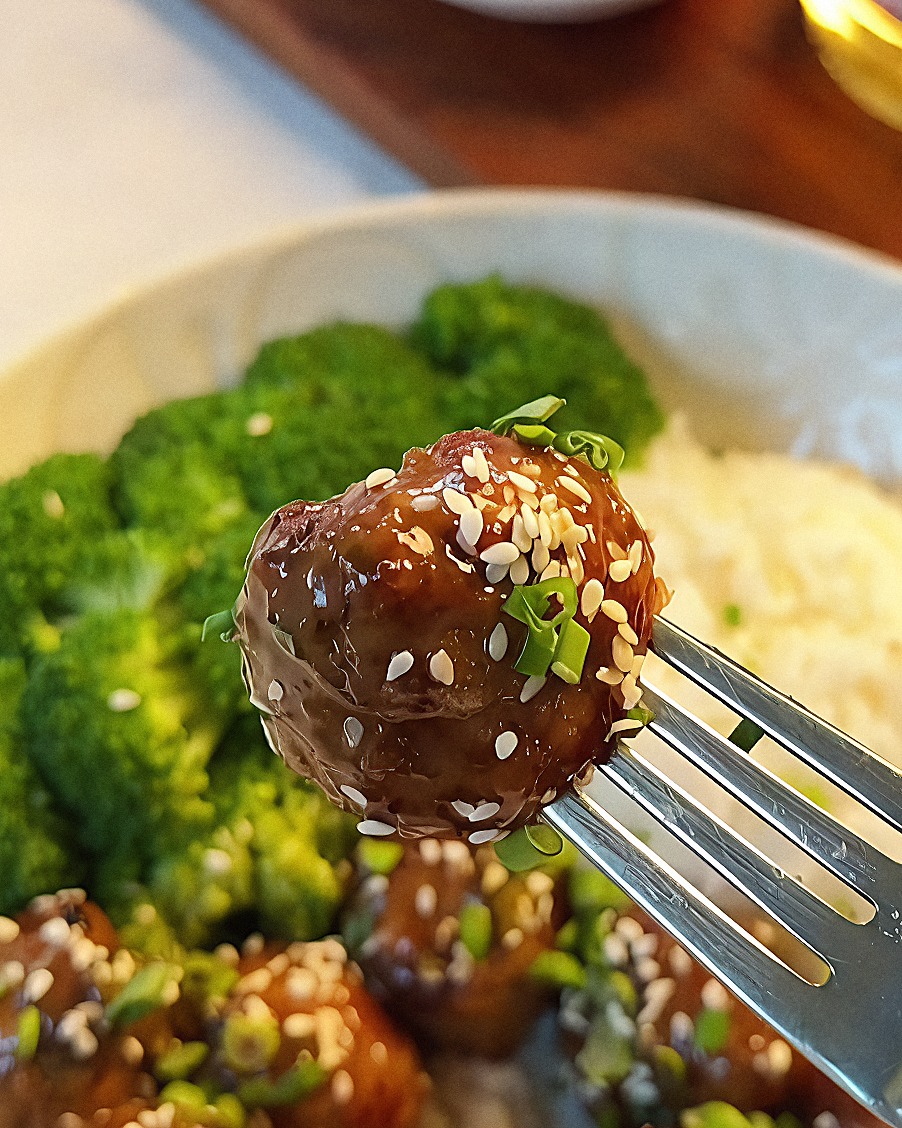
- Asian
- Non-Vegetarian
- Dinner
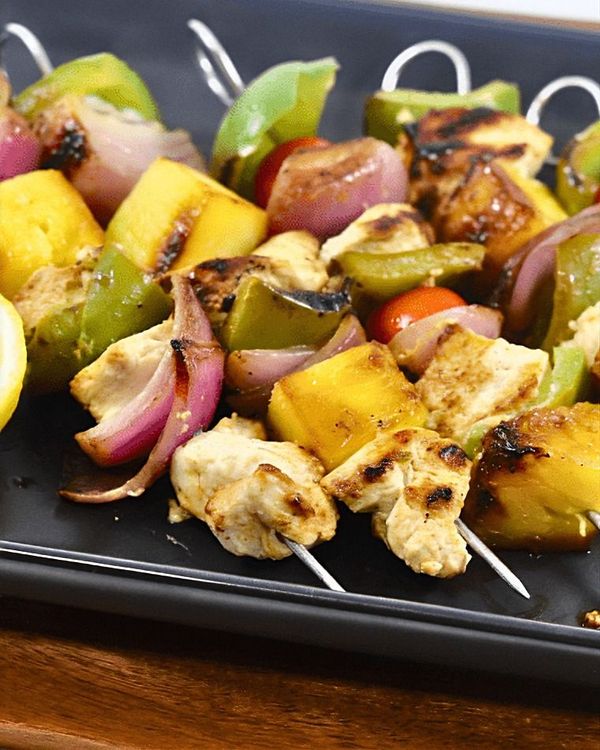
- International
- Non-Vegetarian
- Dinner
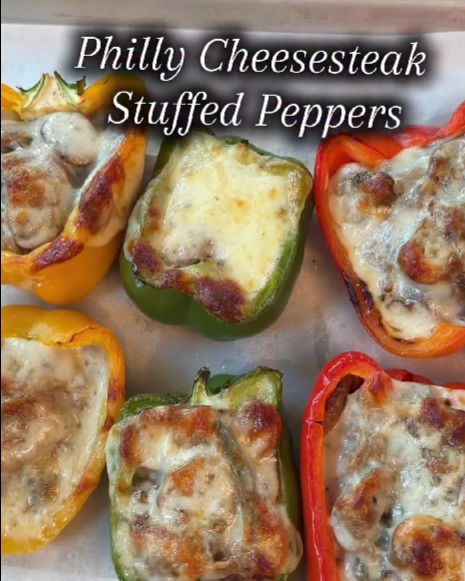
- American
- Non-Vegetarian
- Dinner
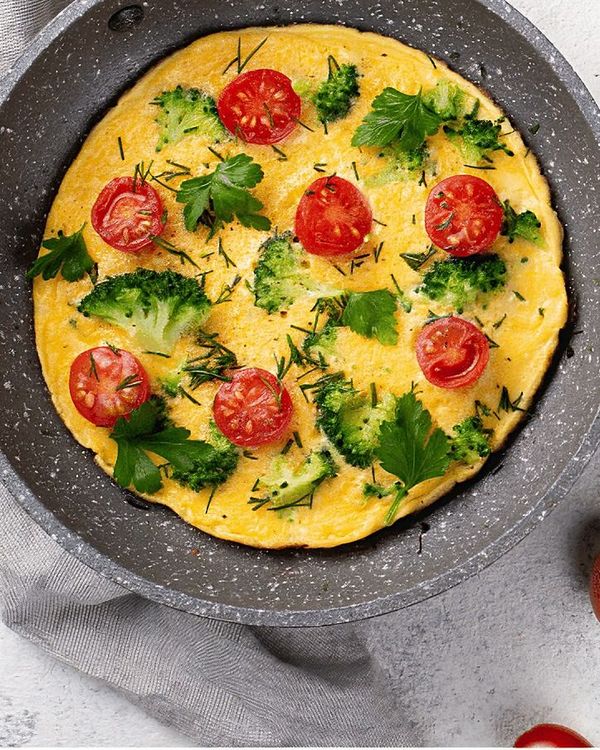
- International
- Eggetarian
- Dinner
Veggie-Forward Plates & Grain Bowls
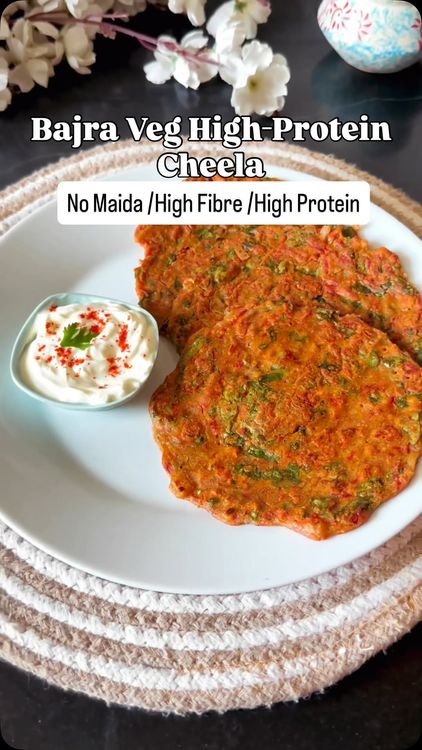
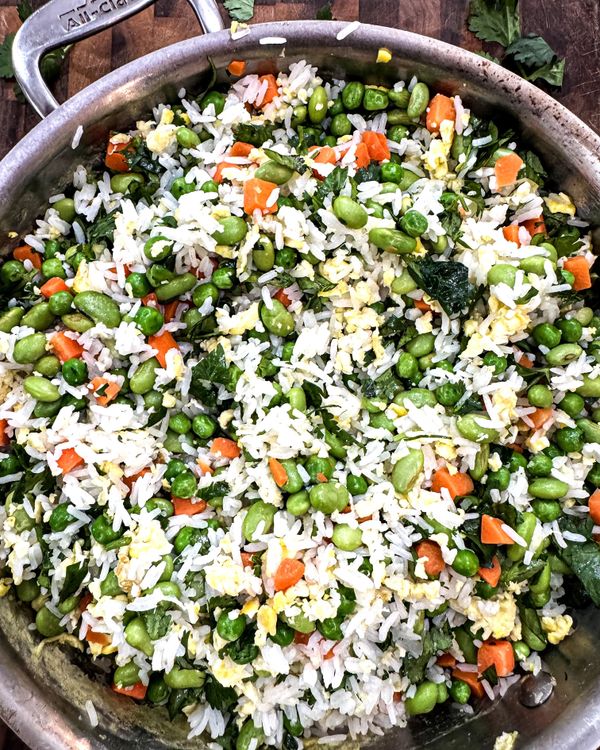
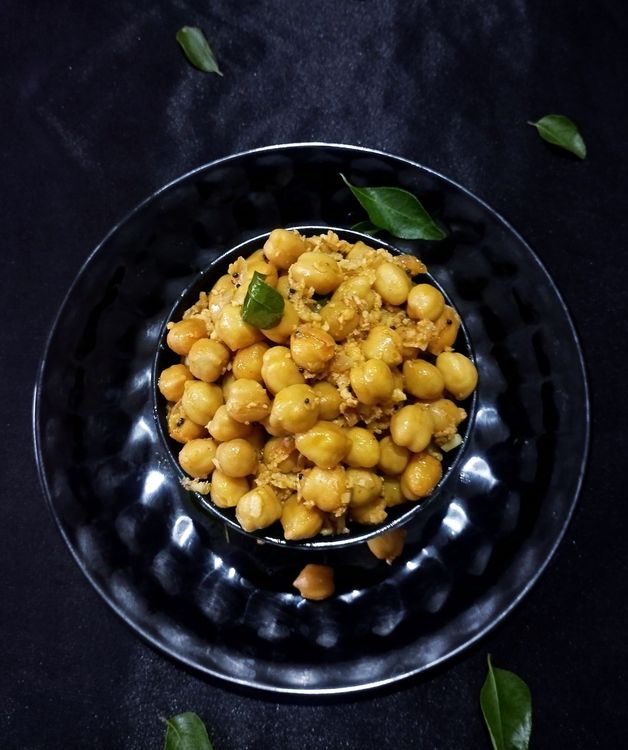
Veg-forward plates and grain bowls are where you discover you do not actually miss the meat, provided you build them with intention. The framework is simple: a base of whole grains like quinoa, brown rice or farro, a generous load of vegetables, a protein boost from beans, lentils, tofu or tempeh, and a punchy dressing to tie it all together. The secret to a bowl that satisfies rather than bores is contrast — pair something creamy with something crunchy, something warm with something fresh, something soft with something with bite. Brown your tofu hard so it firms into golden cubes instead of crumbling, and roast or sear your vegetables for caramelized edges rather than steaming them limp. Season every component as you go rather than hoping the dressing will carry the whole bowl. The common stumble is a pale, under-seasoned pile of healthy ingredients with nothing to pull it together; the fix is a bold dressing, a hit of acid, and toasted seeds or nuts for texture. Build the components separately and assemble fresh, and the same handful of elements becomes a different dinner every night. Standouts here include Masoor Dal (Brown Lentil Curry) and Minced Cauliflower (Gobi Keema), plus Rajgira Curd Bowl | Vrat Special Healthy Meal.
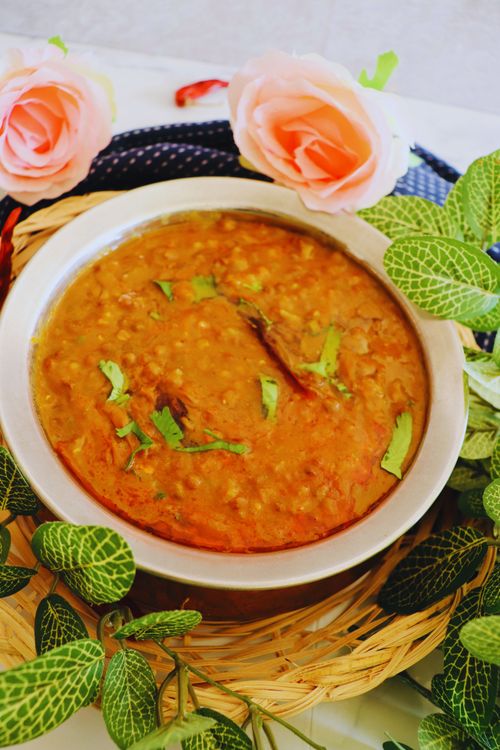
- Indian
- Vegetarian
- Lunch
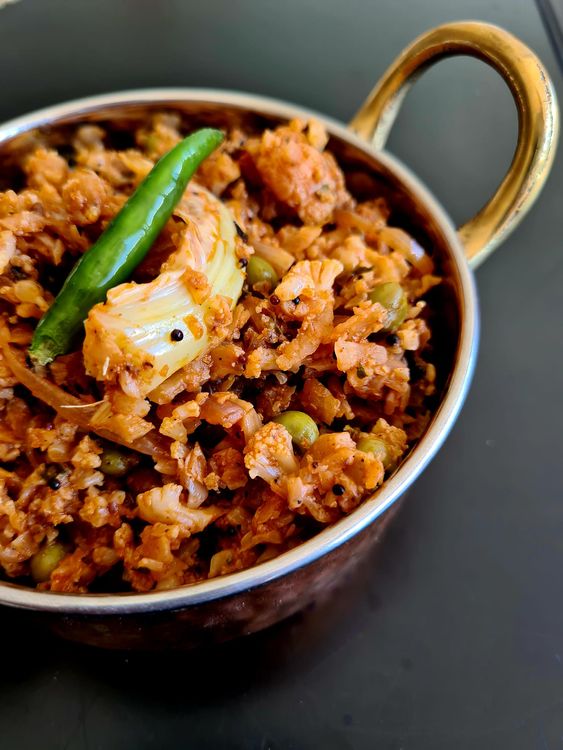
- Indian
- Vegan
- Lunch

- Indian
- Vegetarian
- Dinner
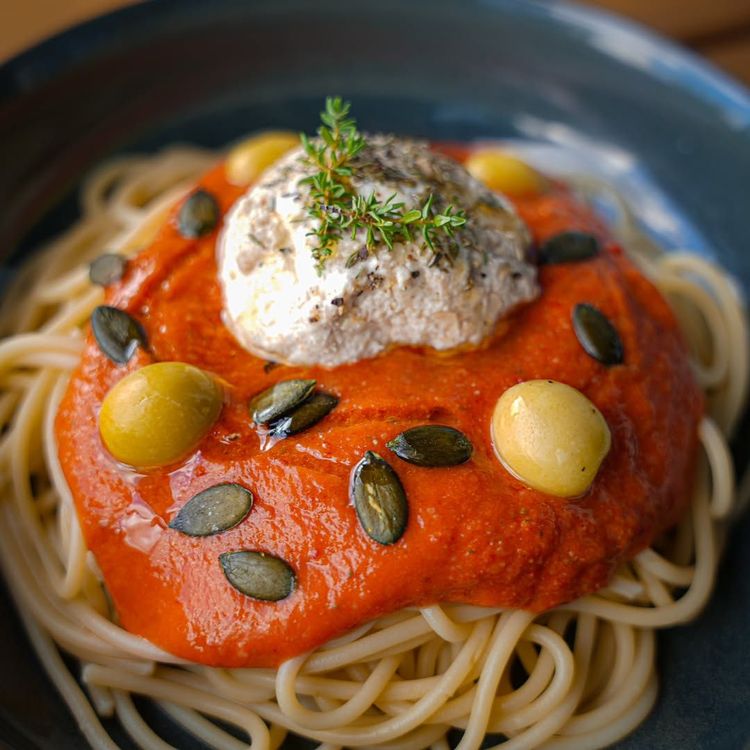
- French
- Vegetarian
- Lunch
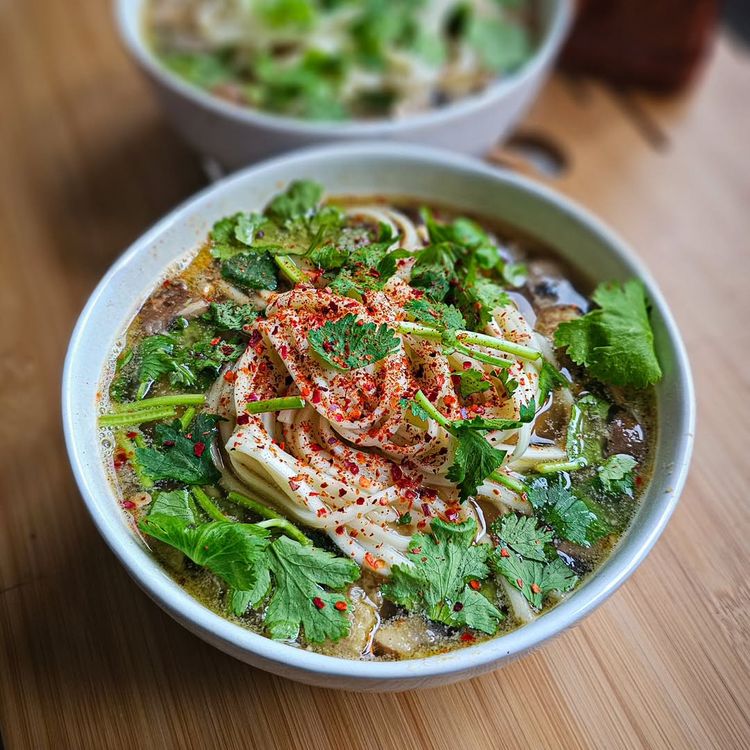
- Japanese
- Vegan
- Lunch
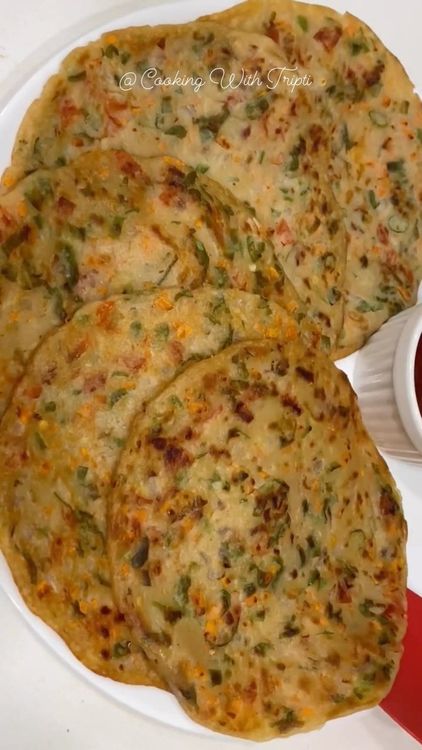
- Indian
- Vegan
- Breakfast
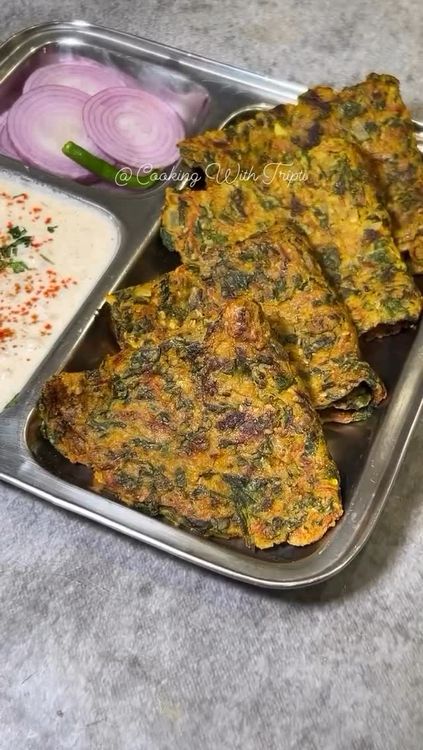
- Indian
- Vegetarian
- Breakfast
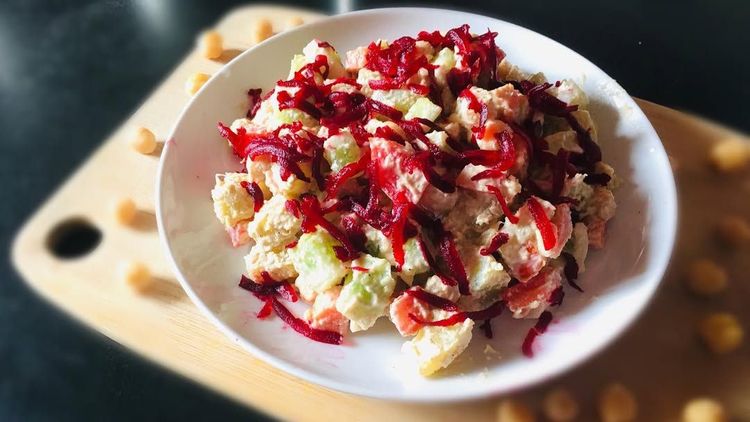
- Indian
- Vegan
- Lunch
- Indian
- Vegetarian
- Breakfast
- Fusion
- Eggetarian
- Dinner
- Indian
- Vegan
- Lunch
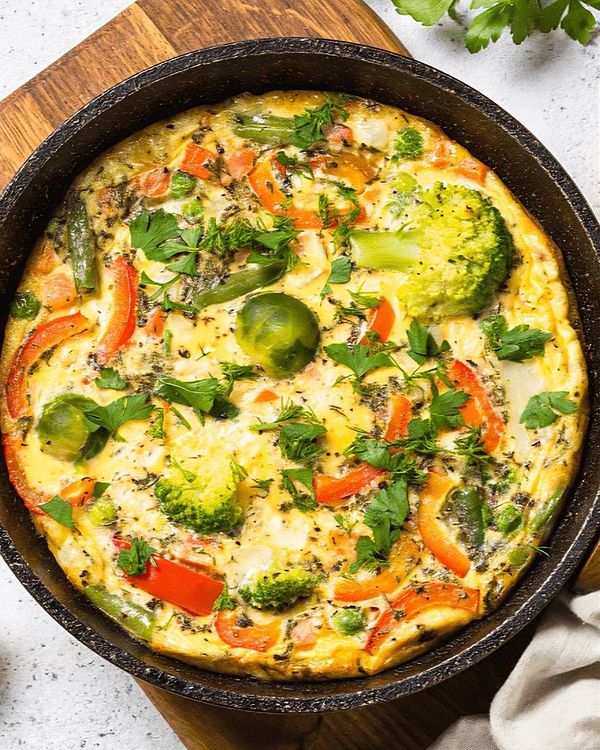
- Mediterranean
- Eggetarian
- Breakfast
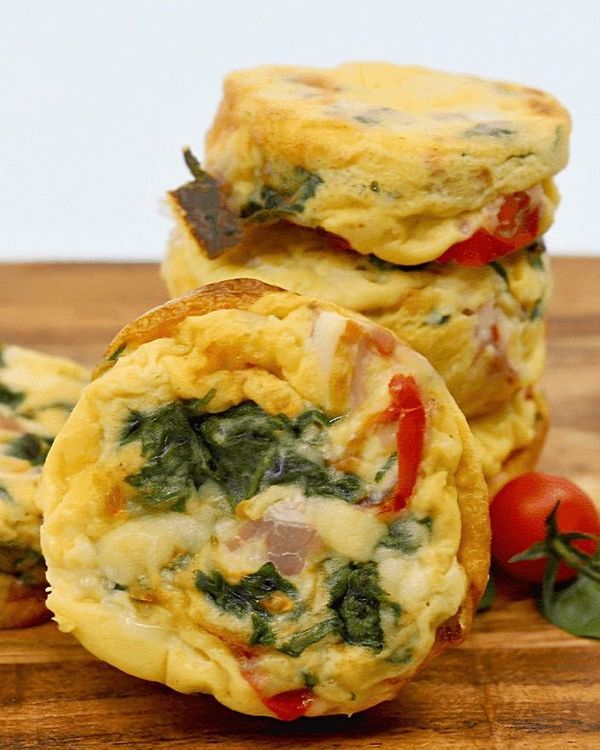
- Western
- Eggetarian
- Breakfast
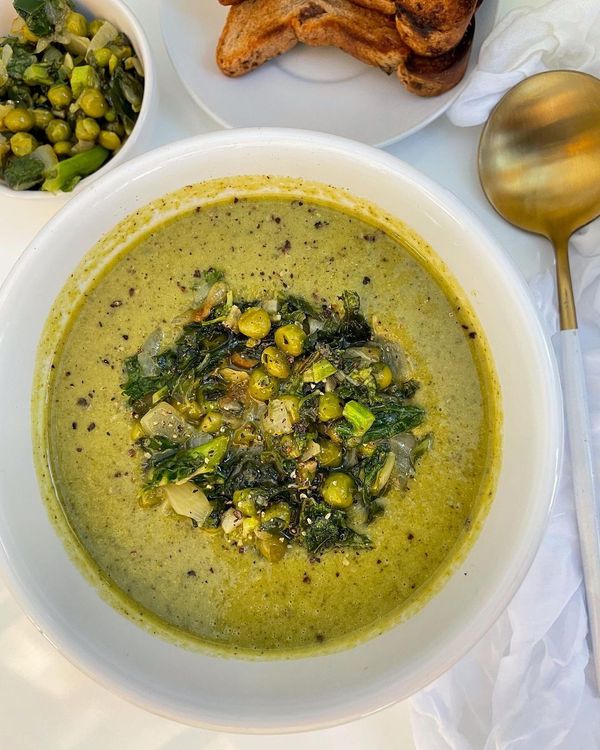
- Mediterranean
- Non-Vegetarian
- Breakfast
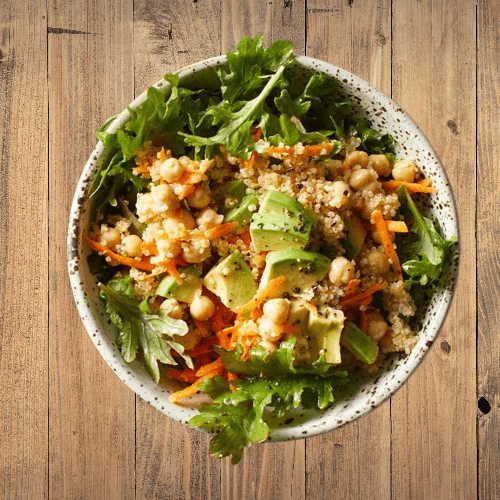
- Mediterranean
- Vegetarian
- Lunch
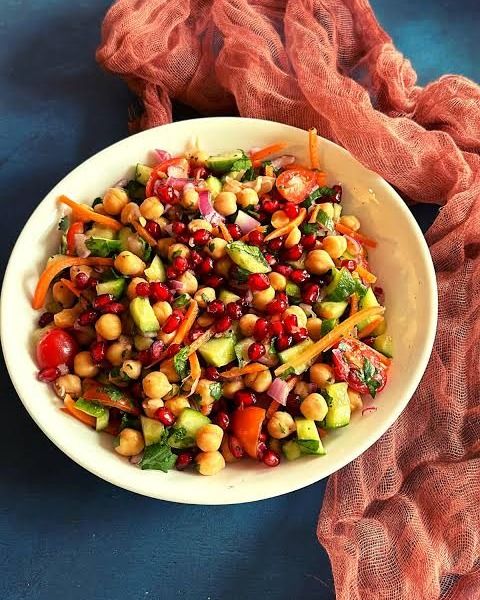
- International
- Vegetarian
- Lunch
Main-Course Soups & Salads
Soups and salads earn a spot at dinner when they are built to be the whole meal rather than a polite starter, and the trick is bulking them up so a bowl genuinely fills you. For soups, layer flavor and let time do the work: brown your aromatics or protein first to build a savory base, then simmer beans, lentils and tough cuts gently until creamy and tender, adding quick-cooking chicken or fish near the end so it stays juicy. A parmesan rind, a splash of soy or a final hit of acid lifts the whole pot, and most hearty soups taste even better the next day. For salads to work as dinner, they need a real anchor — grilled chicken, salmon, chickpeas, a grain like quinoa or farro — plus good fats from avocado, nuts or a proper olive oil dressing so they actually satisfy. Dress sturdy leaves and grains just before eating so nothing goes soggy, and keep crunchy elements separate until serving. The common error with both is timidity: a watery soup or a bland salad almost always needs more seasoning, more acid and a more generous protein, not more apologizing. Standouts here include 5 min Egg Salad 🥗 | Healthy Egg Salad and Classic Avocado Salad, plus Chilled Tomato Soup.


- Indian
- Eggetarian
- Snack
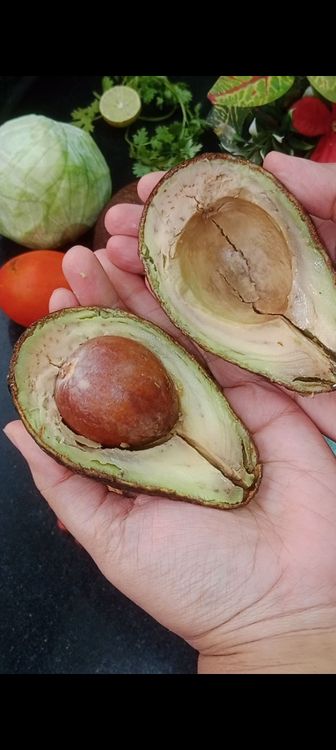
- Mexican
- Vegan
- Side Dish
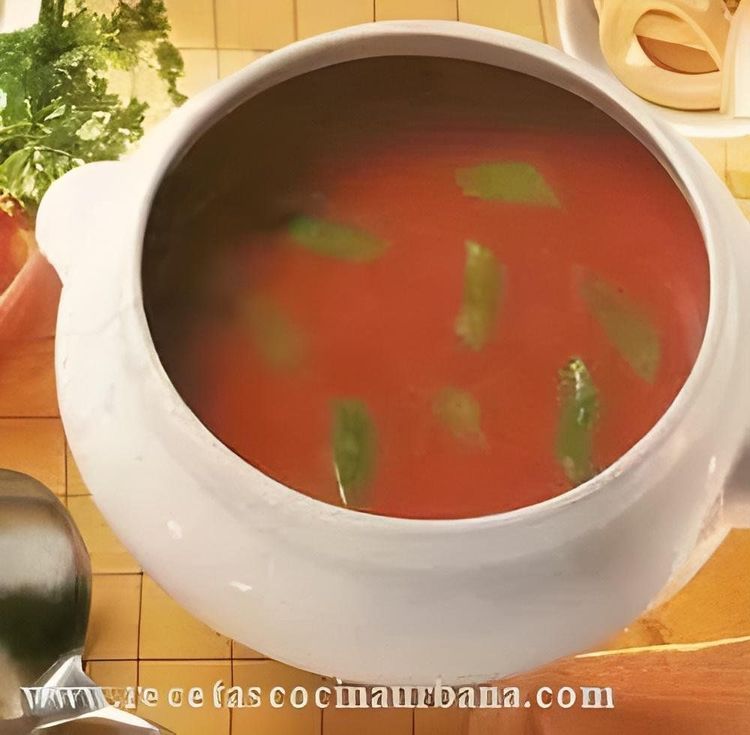
- Mediterranean
- Vegan
- Lunch
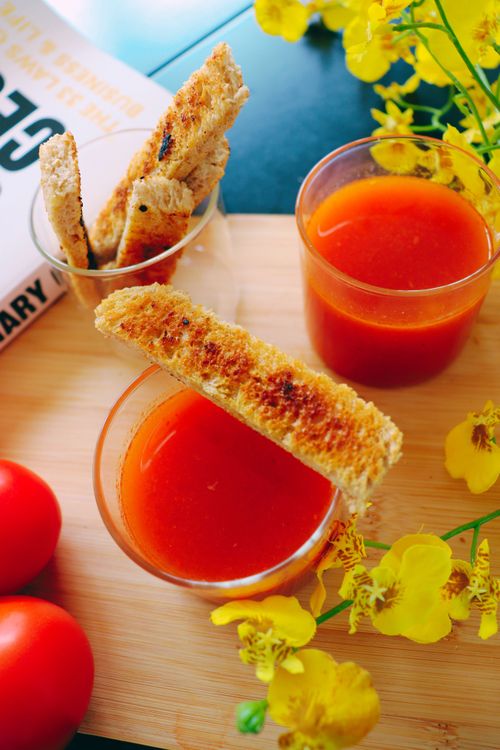
- International
- Vegetarian
- Lunch
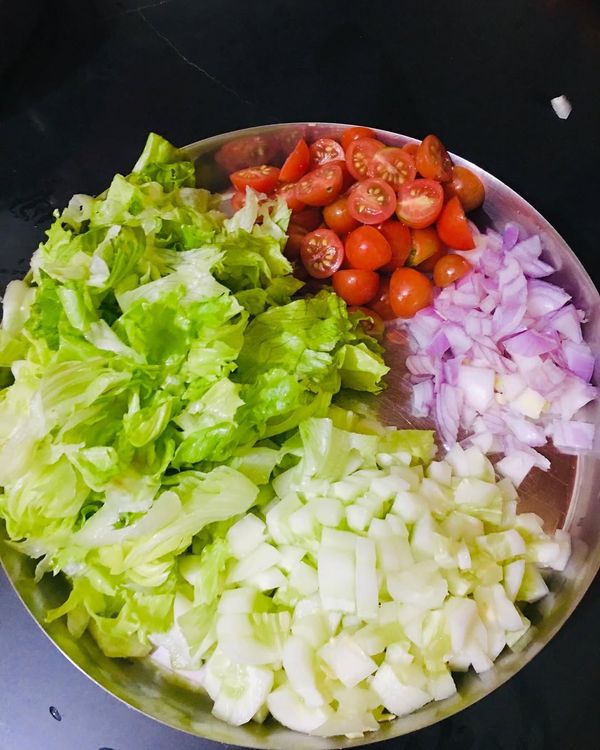
- Mediterranean
- Vegan
- Lunch
More Healthy Dinner Favourites
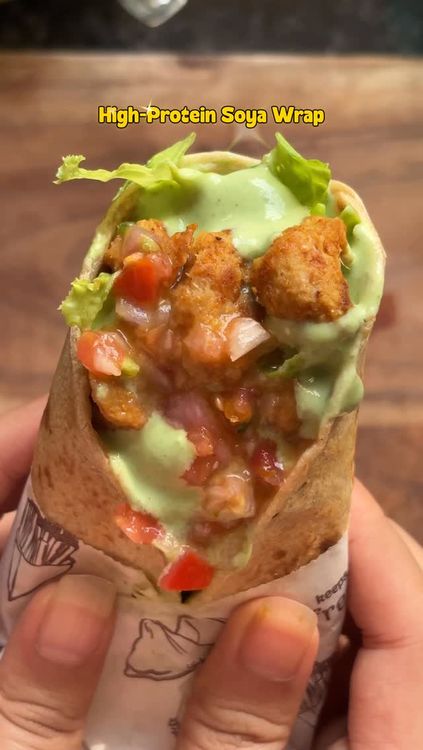
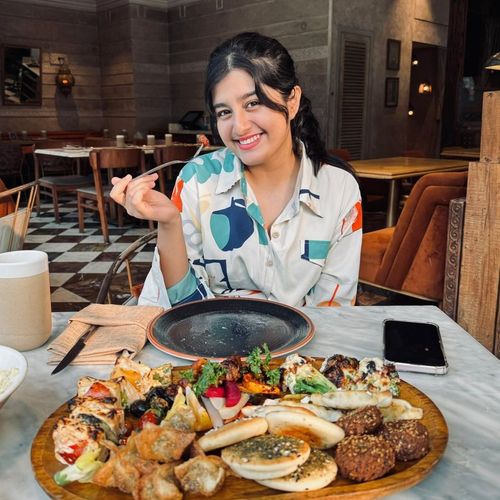
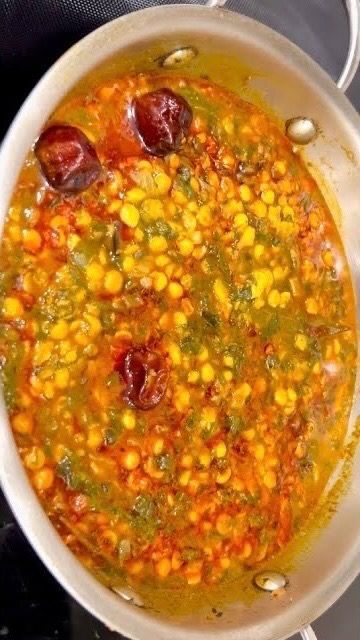
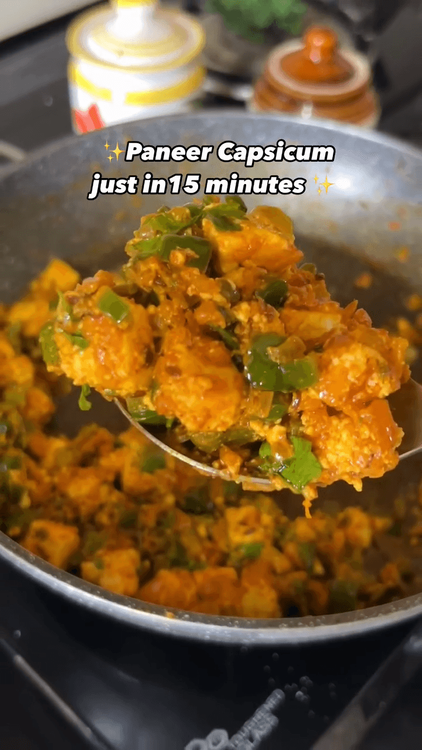
A few healthy dinners never quite settle into a single category, and these are the ones worth keeping in your back pocket once the staples feel routine. They lean on the same handful of moves you already know — a confident sear, a hot roast, a bright dressing, a patient simmer — but steer them toward different cuisines, textures and flavor profiles so dinner never tastes the same twice. Picking your next one is mostly about matching effort to your evening: reach for a quick stir-fry, a grain bowl or a sheet-pan tray on a busy night, and save the slow-simmered soups or the multi-component plates for when you have a little more time and counter space. Across all of them, the same principles that govern the rest of this collection still apply: keep lean protein juicy by cooking to temperature, build flavor with acid, herbs and good browning rather than heavy fat, give vegetables real heat and room to caramelize, and balance the plate so it genuinely fills you up. Think of this group as the natural next step after the basics — the recipes that quietly earn a regular spot in the rotation once you have tried them. Standouts here include Arhar Dal Tadka and Healthy Boondi Raita, plus Easy Palak Paneer Bhurji .
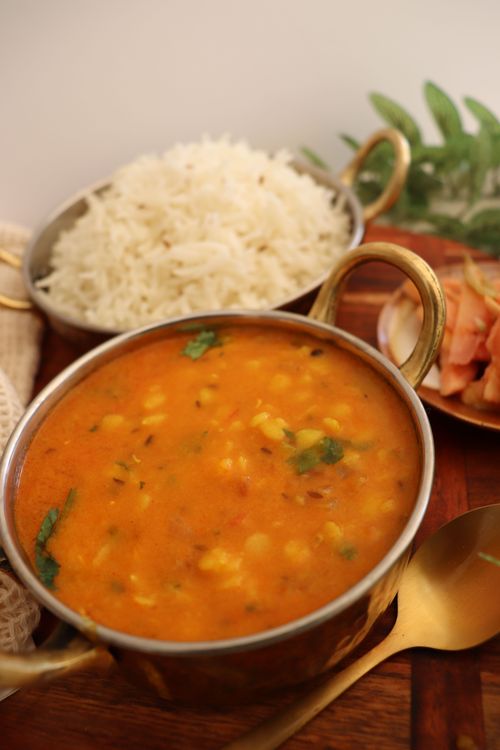
- Indian
- Vegetarian
- Lunch
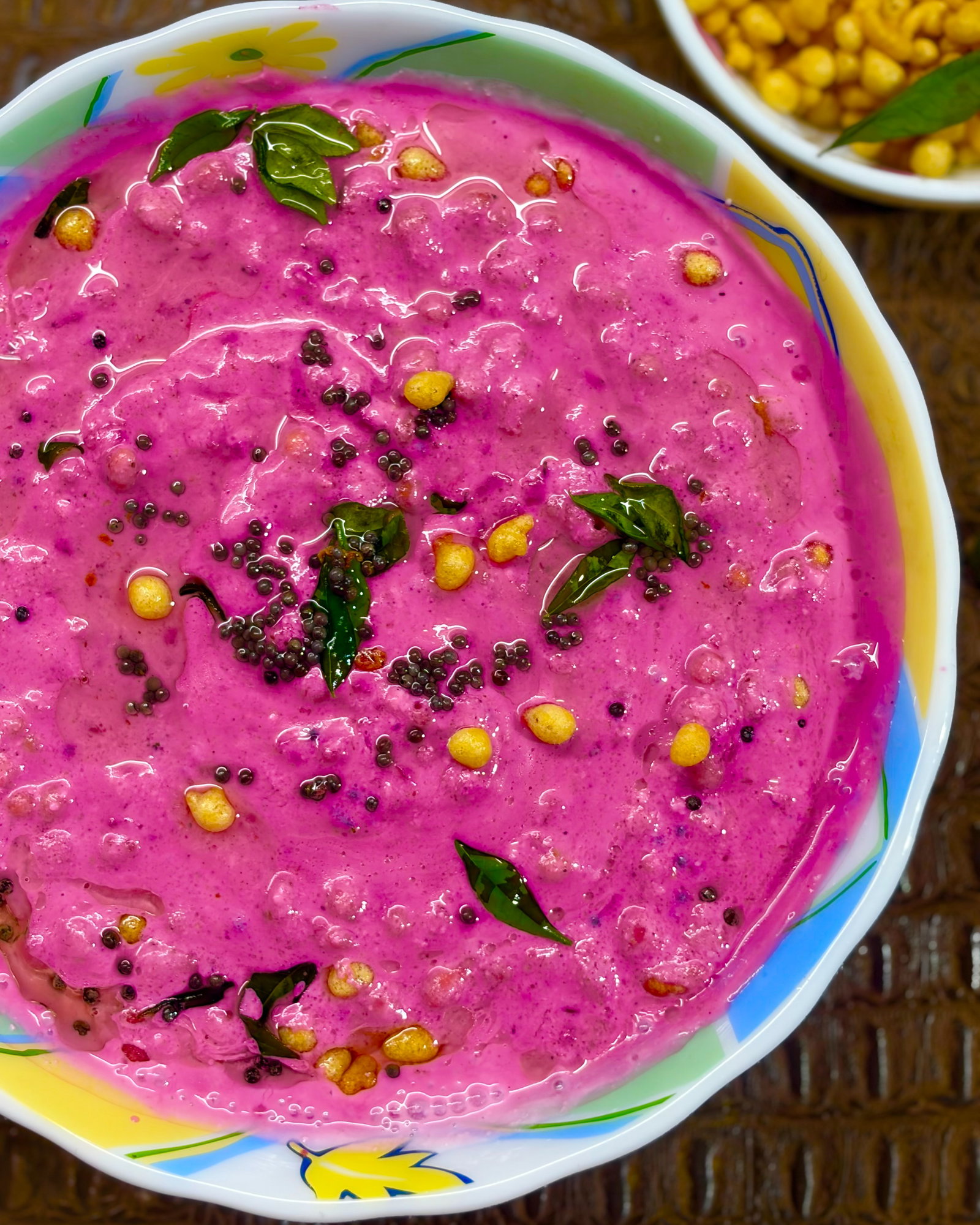
- Indian
- Vegetarian
- Snack

- Indian
- Vegetarian
- Dinner

- Indian
- Vegetarian
- Side Dish
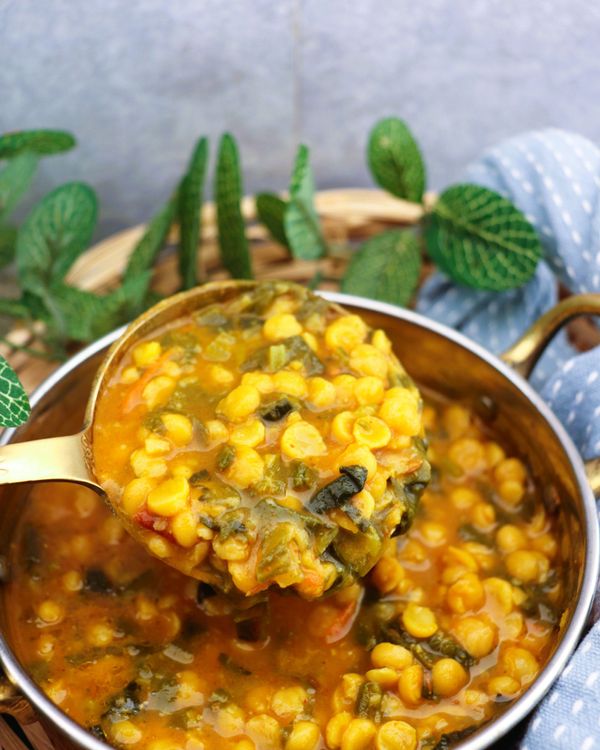
- Indian
- Vegetarian
- Lunch


- Fusion
- Vegetarian
- Lunch

- Italian
- Non-Vegetarian
- Dinner
- Fusion
- Vegan
- Lunch
- Indian
- Vegetarian
- Breakfast
- Indian
- Vegan
- Lunch
- Indian
- Vegetarian
- Lunch
- Indian
- Vegan
- Lunch
- Arabian
- Vegan
- Lunch
- Indian
- Vegan
- Lunch
- Indian
- Vegan
- Lunch
- Asian
- Vegetarian
- Lunch

- Indian
- Vegan
- Lunch
- North Indian
- Vegetarian
- Lunch
- Middle Eastern
- Vegetarian
- Lunch

- Indian
- Vegetarian
- Breakfast
- American
- Vegan
- Lunch

- Indian
- Vegan
- Dinner
- American
- Non-Vegetarian
- Dinner
Keeping Lean Protein Juicy
Lean cuts like chicken breast, turkey and white fish have little fat to protect them, so the margin between juicy and dry is thin and timing is everything. The single most useful tool here is an instant-read thermometer: pull chicken breast at 74C/165F, fish at 60C/140F, and rest it a few minutes so the residual heat finishes the job and the juices redistribute. Cooking by the clock alone is how lean protein ends up tough, because thickness varies far more than a recipe can predict.
Before it ever hits the heat, give lean protein a little help. A quick brine — even fifteen minutes in salted water — seasons chicken and turkey through and helps them hold moisture, while a yogurt or citrus marinade tenderizes and carries flavor deep without adding much fat. Pat the surface dry before cooking so it browns instead of steaming, and let it come up toward room temperature so it cooks evenly rather than searing outside while staying cold within.
Match the cut to the method. Thin fillets and shrimp want fast, high heat so they color before they overcook; thicker breasts do better seared then finished gently in the oven so the center catches up without the outside drying. White fish is the most delicate of all and goes from perfect to chalky in under a minute, so start checking early and pull it the moment it flakes. When in doubt, undercook slightly and let carryover heat take it the rest of the way.
Building Flavor Without Heavy Fat
A healthy dinner tastes dull only when you strip out the fat and put nothing back in its place. The fix is to lean on the flavor builders that cost you almost nothing nutritionally: acid, aromatics, herbs and spice. A squeeze of lemon or a splash of vinegar at the end wakes up a whole plate, garlic and ginger bloomed in a little oil give depth, and a handful of fresh herbs stirred in off the heat adds the brightness that heavy cream would otherwise provide. Season in layers as you cook rather than only at the end.
Browning is your other free flavor source. The Maillard reaction — the deep, savory crust that forms when protein or vegetables hit a genuinely hot, dry surface — delivers more taste than any amount of butter, and it needs only a thin film of oil. Get the pan hot before food goes in, give each piece room so it sears rather than steams, and resist the urge to move things around. That dark, caramelized edge on a chicken thigh or a roasted floret is where the satisfaction lives.
Smart condiments and pantry staples do a lot of work for very little. A spoon of miso, a dash of soy or fish sauce, a smear of harissa or a sprinkle of smoked paprika add deep umami and complexity that read as richness without the calories. Toasted seeds and nuts bring crunch and good fats; a tangy yogurt dressing or a salsa verde replaces a creamy sauce with a fraction of the heaviness. Build a small arsenal of these and no healthy dinner ever has to taste plain.
Roasting Vegetables Until They Caramelize
Roasting is the technique that turns vegetables from an obligation into the best thing on the plate, and it hinges on two things: high heat and breathing room. Set the oven hot, around 220C/425F, so the surface caramelizes before the inside turns to mush. Toss the vegetables in just enough oil to coat each piece with a thin sheen rather than a puddle, and season aggressively, because the dry heat mellows salt and spice as it cooks.
Spacing is what separates roasted from steamed. Crowd a tray and the vegetables release moisture that has nowhere to go, so they stew pale and soft instead of browning. Spread them in a single layer with gaps between pieces, and use two trays rather than piling one high. Cut everything to a uniform size so it finishes together, and remember that dense vegetables like potatoes, carrots and squash need a head start over quick ones like peppers, zucchini and asparagus.
Let them go further than feels comfortable. The best roasted vegetables have genuinely charred, crisp edges and a sweet, tender center, and that takes longer than most people give it — flip or toss once partway through for even color and pull them only when the edges are deeply browned. Finish with a hit of acid, a scatter of fresh herbs, or a sprinkle of flaky salt and a grating of lemon zest, and a humble tray of vegetables becomes a meal in its own right.
Meal Prep, Portions and Make-Ahead
The healthy dinner you actually eat is the one that is ready when you are tired, so a little prep on a quiet day pays off all week. Cook a batch of a whole grain like quinoa, brown rice or farro, roast a couple of trays of vegetables, and prep a protein or two, then store the components separately. Keeping elements apart rather than pre-assembling lets you build a different bowl, salad or plate each night and keeps everything fresher than a single combined container would.
Portioning protects you from the two traps of healthy eating: too little and you are raiding the cupboard by nine, too much and the calories quietly creep up. A useful plate guide is to fill half with vegetables, a quarter with lean protein and a quarter with a whole grain or beans. Dress salads and grain bowls just before eating rather than in advance, since greens wilt and grains drink up dressing, and keep crunchy toppings separate until serving so they stay crisp.
Storage and reheating decide whether leftovers are a pleasure or a chore. Most soups, stews and grain bowls keep three to four days in the fridge and many taste better the next day as the flavors settle; cooked lean protein is best gently reheated or, better still, eaten cold over a salad so it does not dry out. Freeze soups and chilis in single portions for the nights you have nothing planned. Loosen reheated grains and soups with a splash of water or stock, and brighten anything that tastes tired with a fresh squeeze of lemon.
Pro Tips from the Test Kitchen
- Use an instant-read thermometer — pull chicken breast at 74C/165F and fish at 60C/140F, then rest it so it stays juicy.
- Brine lean chicken or turkey for even 15 minutes in salted water to season it through and help it hold moisture.
- Pat protein and vegetables dry before cooking so they brown and caramelize instead of steaming grey.
- Roast vegetables hot (around 220C/425F) in a single layer with space between pieces for crisp, caramelized edges.
- Finish a healthy plate with acid — a squeeze of lemon or splash of vinegar lifts everything without adding calories.
- Add fresh herbs off the heat at the end so they stay bright and bring the freshness heavy sauces would.
- Use a thin film of oil, not a puddle; just enough to coat each piece is all roasting and searing need.
- Lean on miso, soy, smoked paprika or harissa for deep umami and richness without the heaviness.
- Cook grains and roast vegetables in batches on a quiet day, store components separately, and build fresh bowls all week.
- Fill half your plate with vegetables, a quarter with lean protein and a quarter with whole grains or beans for balance.
Frequently Asked Questions
What makes a dinner actually healthy?
Balance more than any single ingredient. A genuinely healthy dinner pairs a lean protein to keep you full, a generous load of vegetables for fiber and nutrients, and a smart carbohydrate like a whole grain or beans instead of a refined one. Cooking method matters too: roasting, grilling, baking and steaming keep things light, while deep-frying and heavy cream sauces quietly undo the rest. Get the plate balanced and the flavor built with technique, and you have a meal that nourishes without leaving you hungry.
How do I keep chicken breast from drying out?
Lean chicken breast has almost no fat to protect it, so cook it to temperature, not by the clock — pull it at 74C/165F with an instant-read thermometer and rest it a few minutes so the juices redistribute. A quick brine or a yogurt marinade helps it hold moisture and season through. Sear it to build flavor, then finish thicker pieces gently in the oven so the center cooks before the outside toughens.
What are quick healthy dinners for busy weeknights?
A sheet-pan dinner is the fastest route: toss protein and vegetables on one tray, roast hot, and dinner cooks itself with barely any cleanup. Grain bowls built from pre-cooked components, a fast stir-fry, a piece of baked fish with roasted veg, or a hearty main-course salad all come together in well under thirty minutes. Doing a little prep ahead — cooked grains, roasted vegetables, a ready protein — turns most of these into a five-minute assembly job.
Are healthy dinners filling enough?
They are when you build them right. The reason a healthy dinner sometimes leaves you hungry is usually too little protein or fiber, not too few calories. Anchor the plate with a solid portion of lean protein, bulk it with vegetables and a whole grain or beans, and add good fats like a drizzle of olive oil, avocado, nuts or seeds. Protein and fiber are what create lasting fullness, so a well-built bowl or salad satisfies just as much as a heavier meal.
How do I make vegetables taste good without lots of butter?
Roast them. High, dry heat caramelizes the natural sugars in vegetables and gives them a sweet, deeply savory edge that needs only a thin film of oil. Season aggressively, give the pieces room on the tray so they brown instead of steaming, and let them go until the edges are genuinely charred. Finish with acid, fresh herbs, a sprinkle of flaky salt or a grating of lemon zest, and roasted vegetables become the best thing on the plate.
Is fish a good choice for a healthy dinner?
Excellent. Fish is high in quality protein and low in saturated fat, and oily fish like salmon, mackerel and trout deliver omega-3 fats that support heart health. White fish such as cod, haddock and tilapia is lean and mild, perfect for quick baking or pan-searing. The main thing is not to overcook it — fish goes from moist to chalky fast, so pull it the moment it flakes and lean on lemon, herbs and a light marinade for flavor.
Can vegetarian dinners be as satisfying as meat ones?
Absolutely, as long as you build in enough protein and texture. Beans, lentils, chickpeas, tofu, tempeh and whole grains all bring protein and fiber that keep you full, and combining a grain with a legume gives you complete protein. The key is contrast: pair something creamy with something crunchy, layer a punchy dressing or sauce, and brown your tofu or vegetables properly. A well-built grain bowl or veg-forward plate is every bit as satisfying as a meat-based one.
What is the best way to meal-prep healthy dinners?
Prep components, not finished meals. On a quiet day, cook a batch of a whole grain, roast a couple of trays of vegetables, and prepare a protein or two, then store each element separately. That way you can assemble a different bowl, salad or plate each night and everything stays fresher. Dress salads and bowls just before eating, keep crunchy toppings separate, and freeze soups and chilis in single portions for the nights you have nothing planned.
How do I add flavor to healthy food without adding calories?
Lean on the flavor builders that cost almost nothing nutritionally: acid, aromatics, herbs and spice. A squeeze of lemon or splash of vinegar at the end brightens a whole plate, garlic and ginger bloomed in a little oil add depth, and fresh herbs bring brightness that cream would otherwise provide. Browning protein and vegetables on high, dry heat creates deep flavor for free, and pantry staples like miso, soy, smoked paprika and harissa add rich umami without the heaviness.
What should I eat for dinner to lose weight?
Focus on protein and vegetables, and be mindful of portions rather than cutting out whole food groups. A plate that is half vegetables, a quarter lean protein and a quarter whole grain or beans keeps you full on fewer calories because protein and fiber are so satisfying. Choose cooking methods like roasting, grilling and baking over frying, go easy on heavy sauces and oil, and dress salads lightly. Consistency with balanced, genuinely tasty dinners beats any restrictive crash approach.
The thread through every dinner here is the same: a healthy meal becomes a great meal through technique, not deprivation. Keep your lean protein juicy by cooking to temperature, roast your vegetables until they caramelize, build flavor with acid, herbs and good browning rather than heavy fat, and balance the plate so it genuinely fills you up. Get those few moves down and a wholesome dinner stops being a chore and becomes the food you actually want.
Pick three to cook this week — a lean protein dinner, a veg-forward grain bowl and a sheet-pan tray or a main-course soup — and save your favorites to a Chefadora cookbook. Then work through the rest at your own pace; this page is built to be the healthy-dinner reference you keep coming back to when you want something nourishing that does not taste like a compromise.
Related
- Healthy
- Dinner
- High Protein
- Low Calorie
- Sheet Pan
- Grain Bowls
- Fish
- Vegetarian
Popular Searches
- Best healthy meals for dinner
- Easy healthy meals for dinner
- Quick healthy meals for dinner
- Healthy healthy meals for dinner
- Simple healthy meals for dinner
- Homemade healthy meals for dinner
- Delicious healthy meals for dinner
- Popular healthy meals for dinner
- healthy dinner ideas
- easy dinner healthy meals
- healthy meals
Marnirni-apinthi Building, Lot Fourteen,
North Terrace, Adelaide, South Australia, 5000
Australia
