
Top 45 Middle Eastern Recipes: Hummus, Falafel and Shawarma
Updated July 2, 2026 · Curated by Chefadora
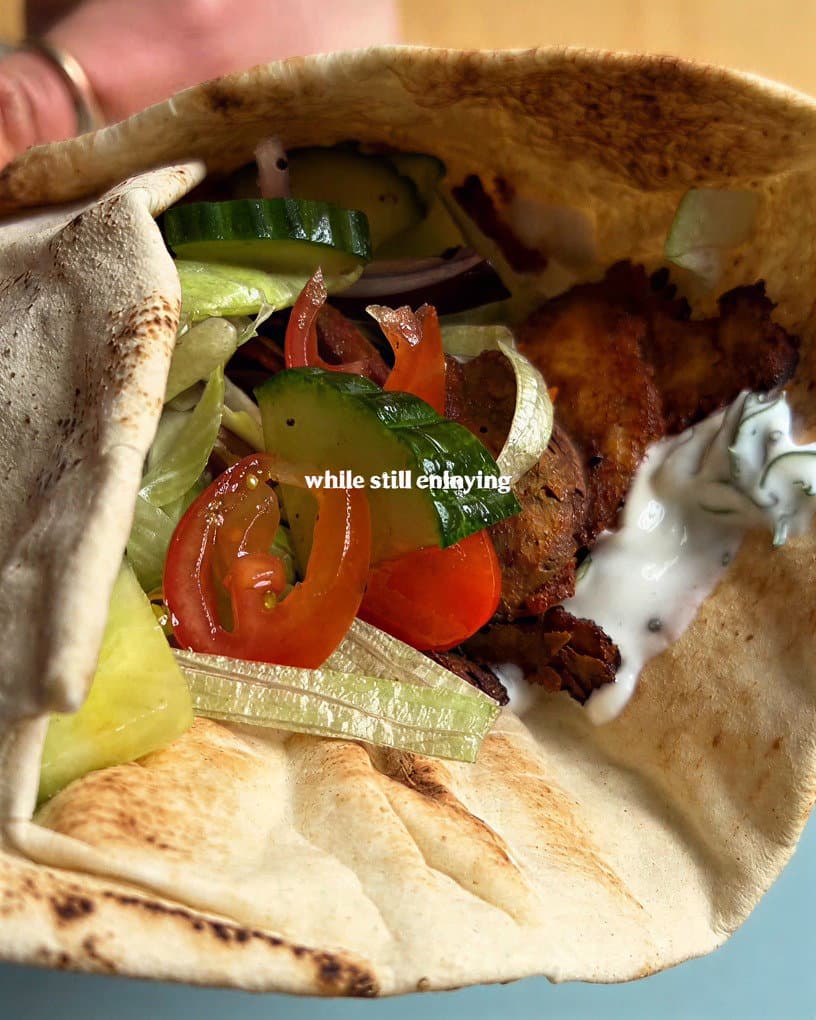
Middle Eastern recipes are built around big, shareable flavor — garlicky hummus, warm spiced falafel, char-grilled shawarma and eggs simmered in a rich tomato sauce. This collection gathers the dishes people search for most, from silky dips to full wraps, and shows how a handful of pantry staples — chickpeas, tahini, cumin, garlic, good olive oil — turn into a genuinely varied table.
What unites the region cooking, despite huge variation from Lebanon to Israel to Egypt to the wider Levant, is a love of fresh herbs, citrus, and dishes built to share. A meal here rarely means one plate in front of one person; it means a spread of small dishes, warm bread, and something bright to cut through the richer items. That format is exactly what makes this cuisine so approachable to cook at home — you can build a full meal from four or five relatively simple recipes.
The four groups below cover shawarma and wraps, shakshuka and egg dishes, falafel, and the wide world of hummus, dips and mezze. Together they represent the dishes people cook most often at home — quick weeknight wraps, a lazy weekend breakfast of eggs in sauce, and the dips and small plates that turn any of it into a proper spread.
Use this page as a working reference rather than a single read-through. Every recipe links to full ingredients and instructions on Chefadora, and the guides below cover the techniques that separate a good version of these dishes from a great one — building a smooth hummus, getting falafel to hold together and fry crisp, layering a shawarma marinade, and getting shakshuka's sauce properly thick before the eggs go in.
Shawarma & Wraps
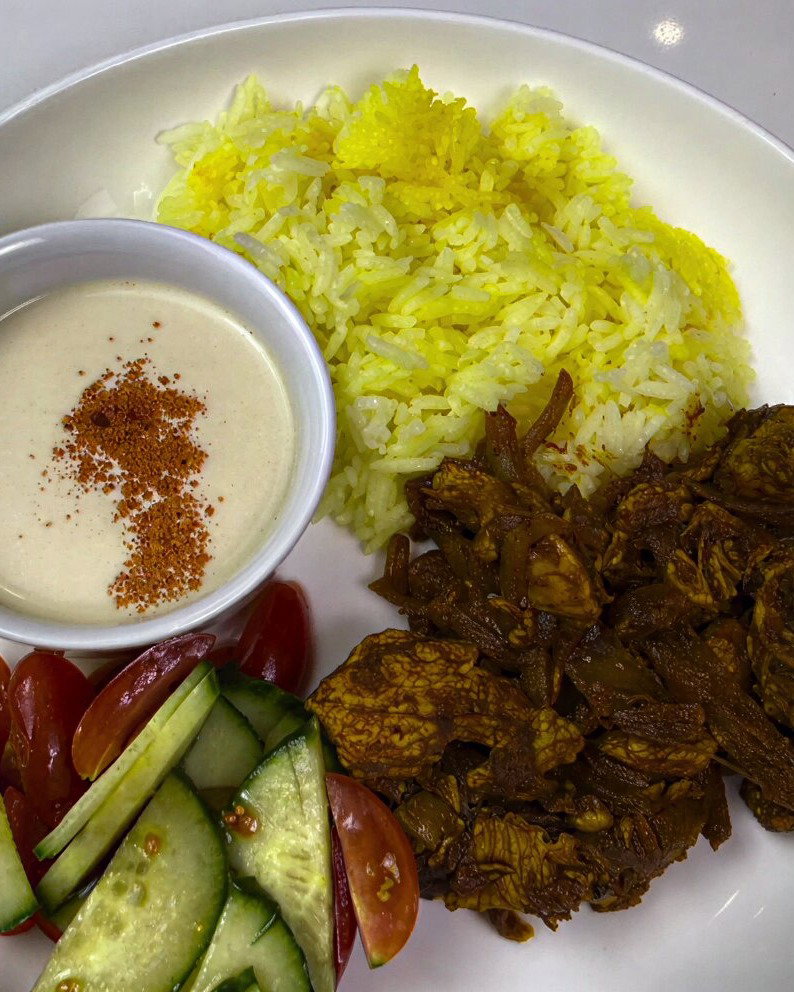
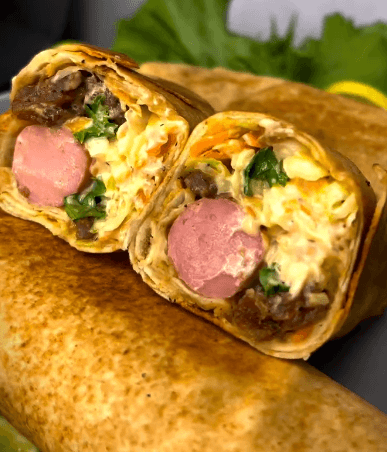
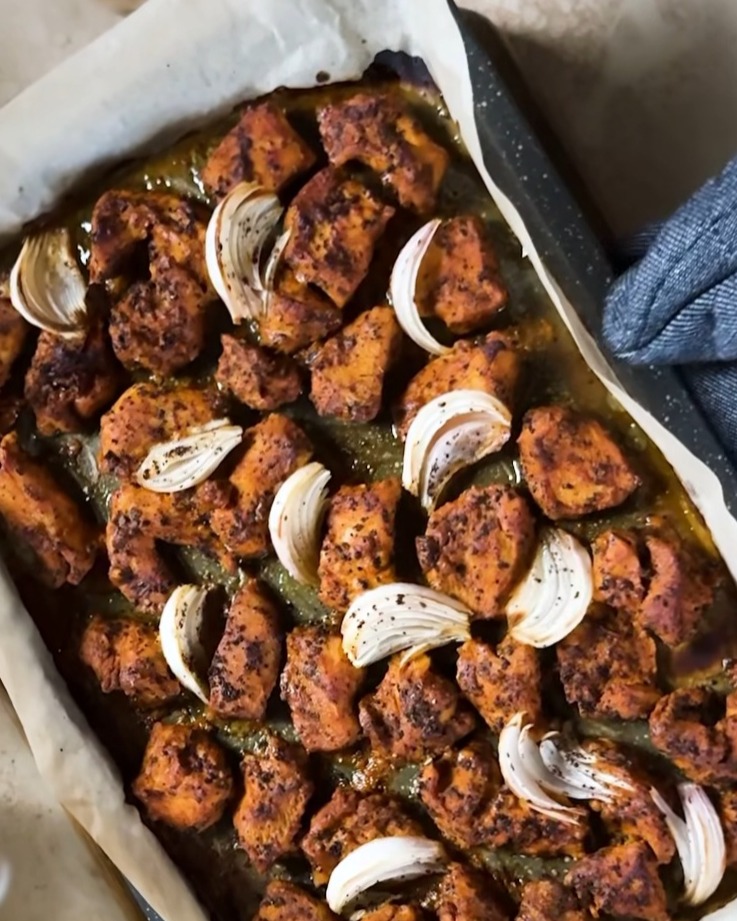
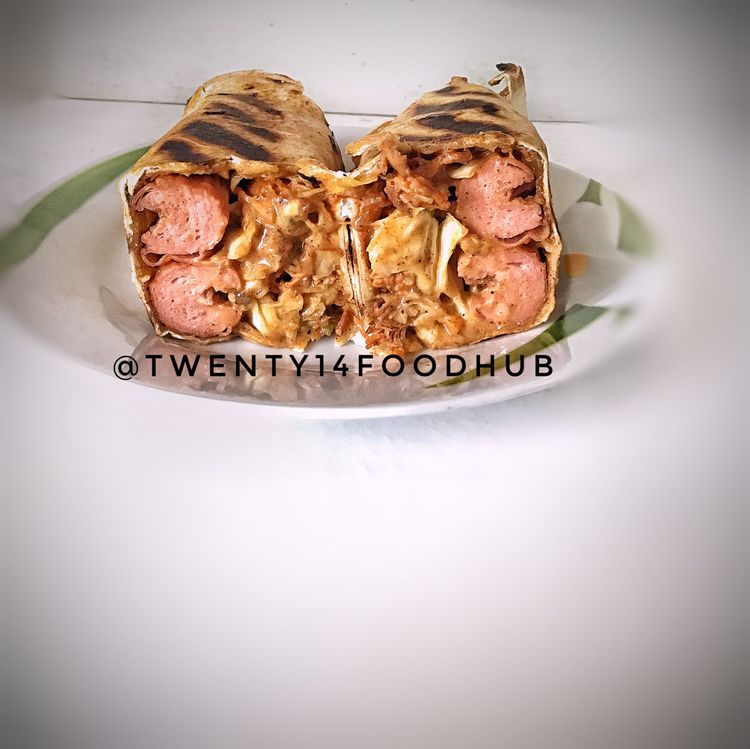
Shawarma turns simply marinated meat into one of the most recognizable street foods in the world, and the appeal is entirely in the layering: a yogurt-and-spice marinade given real time, meat cooked hot and fast until the edges char slightly, then sliced thin and piled into warm bread with something acidic to cut through the richness. While the traditional version is built on a vertical spit that shaves off crisp, spice-crusted layers as it turns, the same character comes through well from a hot cast-iron pan or a broiler at home, especially if the meat is cut thin before marinating so it picks up more flavor and cooks through quickly. These recipes range from classic chicken shawarma wraps to lighter bowls and even a tofu version for a plant-based take on the same spice blend, along with the flatbreads and pitas built to hold it all. The through-line across every version is the marinade: cumin, coriander, paprika, cinnamon and garlic, given time to actually penetrate the meat rather than sitting on the surface. Building your own spice blend from whole, freshly toasted spices rather than reaching for a generic pre-mixed shawarma seasoning makes a noticeable difference here, since so much of the dish's character comes from that single marinade doing real work over several hours. Standouts here include Tofu Shawarma and Crispy Chicken Shawarma Wrap, plus Chicken Shawarma Flatbread.


- Vegetarian
- Lunch


- Middle Eastern
- Non-Vegetarian
- Dinner


- Non-Vegetarian
- Street Food

- Non-Vegetarian
- Dinner

- Middle Eastern
- Non-Vegetarian
- Dinner

- Middle Eastern
- Non-Vegetarian
- Lunch
Shakshuka & Egg Dishes
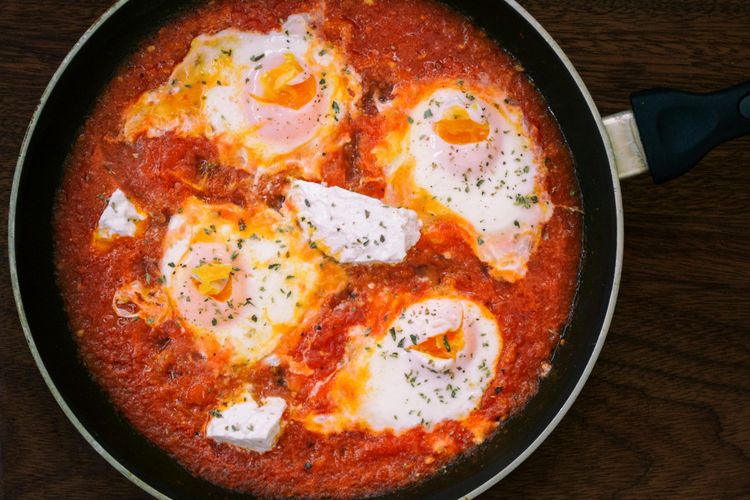
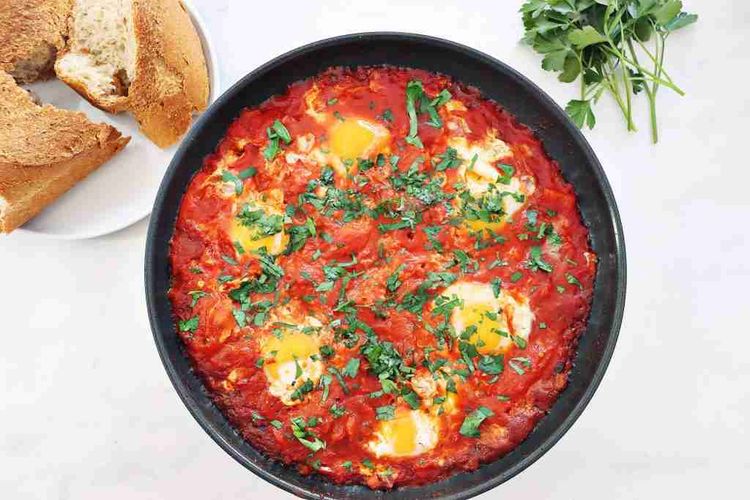
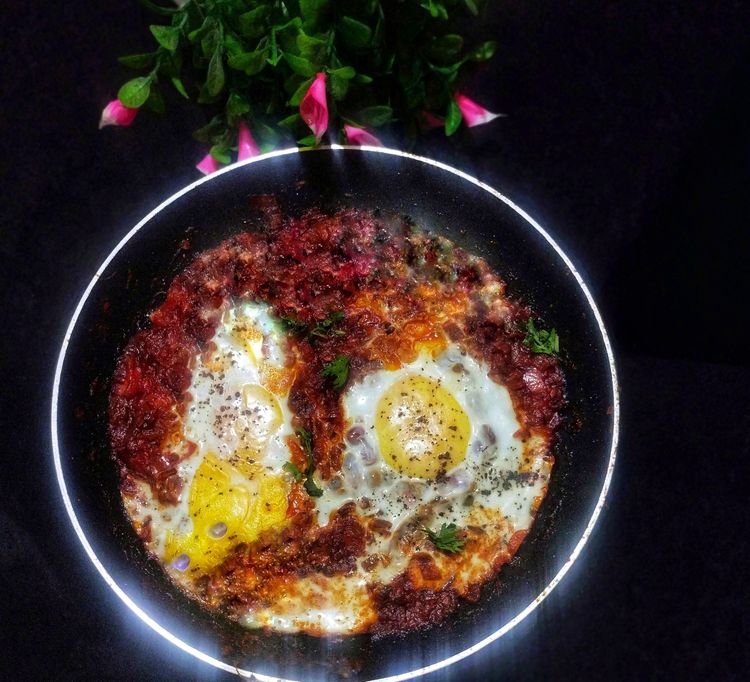
Shakshuka is one of the most forgiving dishes in this whole collection, which is part of why it has become such a popular weekend breakfast far beyond its North African and Levantine roots. The idea is simple — eggs poached directly in a thick, well-seasoned tomato sauce — but the sauce is where all the actual cooking happens, and it needs real time on the heat to reduce and deepen before the eggs go anywhere near it. Classic versions lean on cumin, paprika and a good long simmer of tomatoes, peppers and onions, while feta-topped versions add a salty, creamy contrast, and green shakshuka swaps the tomato base for herbs and leafy greens for a completely different but equally good result. What all the versions share is a single pan, minimal cleanup, and a dish that goes straight from stovetop to table, scooped up with warm bread rather than plated formally. It is one of the easiest dishes in this whole cuisine to get right on the first try, provided the sauce gets the time it needs before the eggs are added. The sauce itself can be made well ahead and refrigerated for a couple of days, which makes shakshuka a genuinely practical option for entertaining a crowd at breakfast without last-minute cooking. Standouts here include Shakshuka and Shakshuka with Feta Cheese, plus Shakshuka.


- Vegetarian
- Breakfast
- Middle Eastern
- Eggetarian
- Breakfast
- Middle Eastern
- Eggetarian
- Breakfast

- Middle Eastern
- Eggetarian
- Breakfast
Falafel
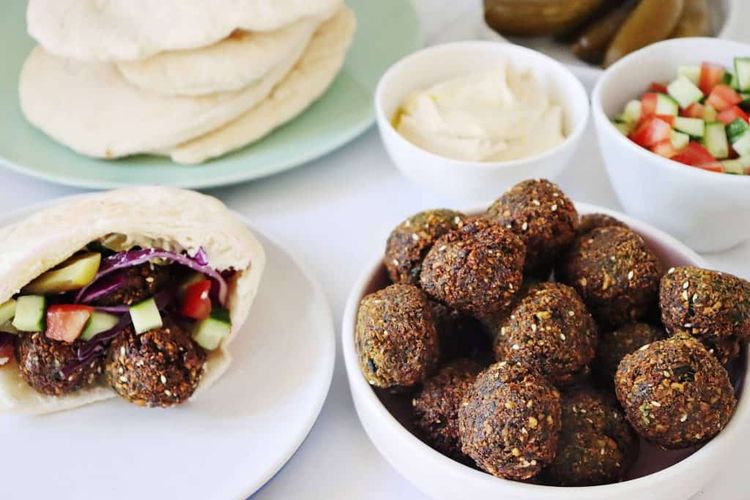
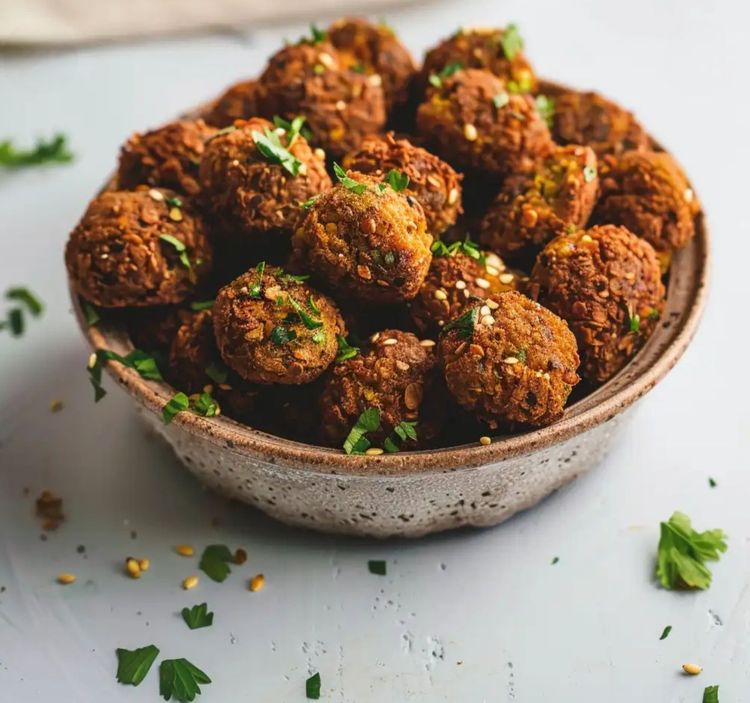
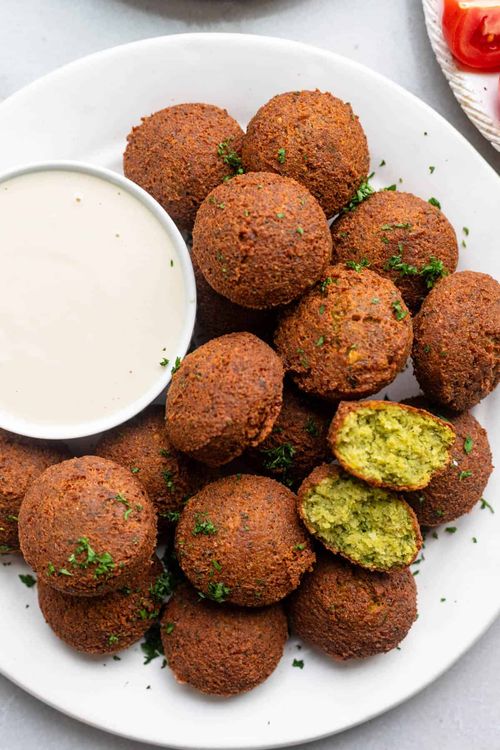
Falafel is deceptively simple on paper — blended chickpeas, herbs, garlic and spices, shaped and fried — but getting it right depends on a handful of details that are easy to skip. Dried chickpeas soaked overnight, not canned ones, are non-negotiable; canned chickpeas carry too much water for a mixture that needs to hold its shape in hot oil. Beyond that, the balance of herbs matters enormously — a generous amount of parsley and cilantro is what gives falafel its bright green interior and fresh, herbaceous flavor rather than a flat, beige one. These recipes cover the classic fried ball or patty in several forms, including a few built with additional vegetables like carrot or split pea folded into the base for texture and flavor. Serve any of them the same way: tucked into warm pita with tahini sauce, pickles and a crunchy salad, or piled onto a plate with hummus and baba ganoush for a full mezze spread. Falafel loses its crisp shell quickly once fried, so this is a dish worth cooking to order rather than far ahead. If you want to prep in advance without losing that texture, shape the mixture into balls and freeze them raw on a tray, then fry straight from frozen, adding a minute or two to the cooking time. Standouts here include Falafel and Beetroot Hummus & Falafel Plate, plus Carrot & Split Pea Falafels.
- Middle Eastern
- Vegan
- Lunch
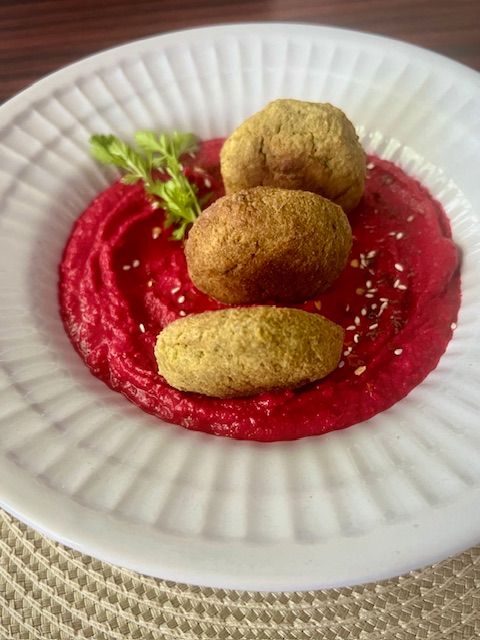

- Middle Eastern
- Vegetarian
- Lunch
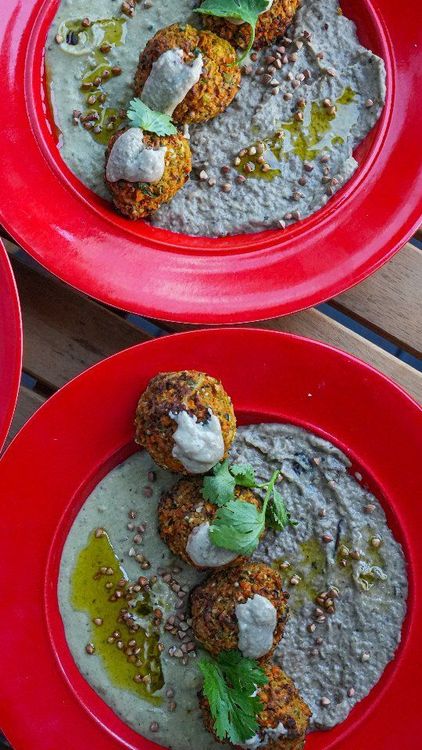
- Lebanese
- Vegan
- Appetiser
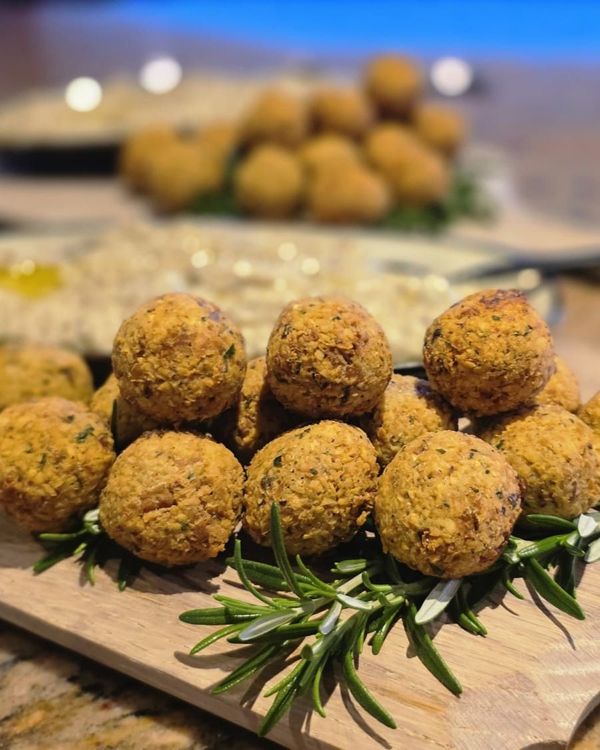

- Middle Eastern
- Vegan
- Lunch


- Middle Eastern
- Vegan
- Appetiser
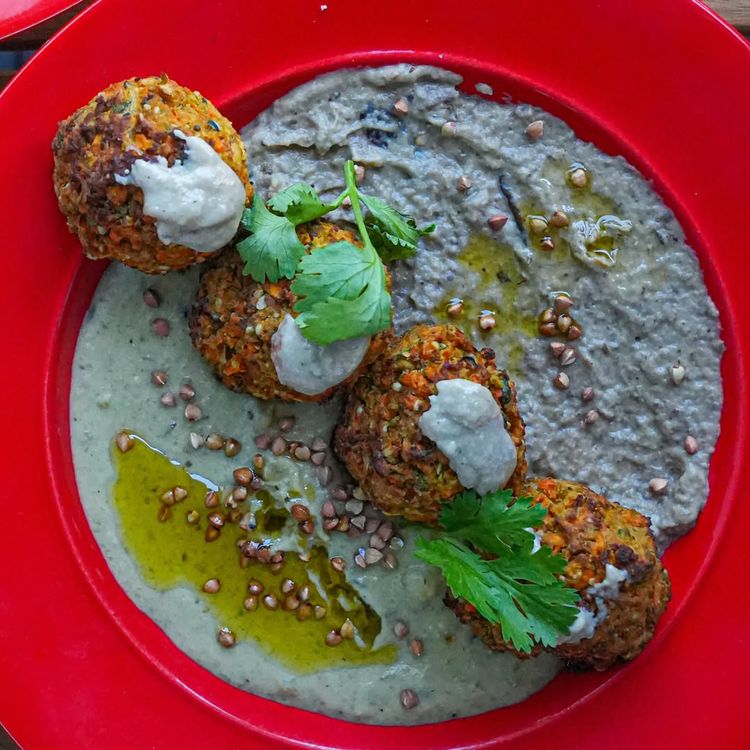
- Lebanese
- Vegan
- Appetiser

- Middle Eastern
- Vegan
- Appetiser
Hummus, Dips & Mezze
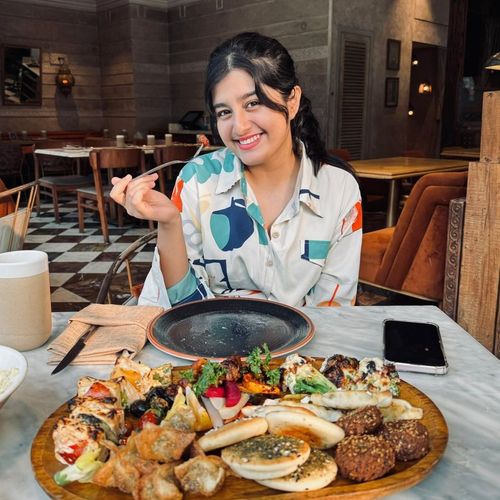
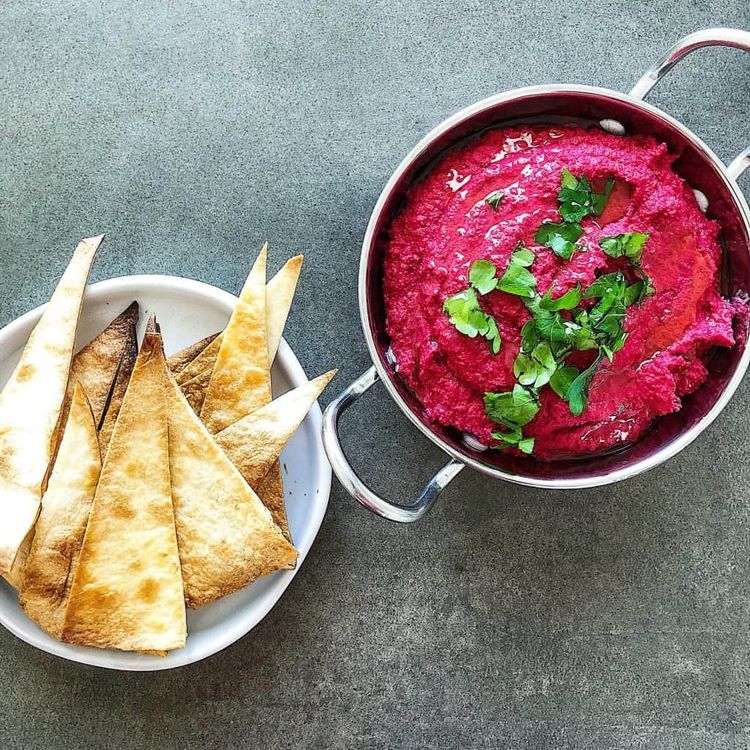
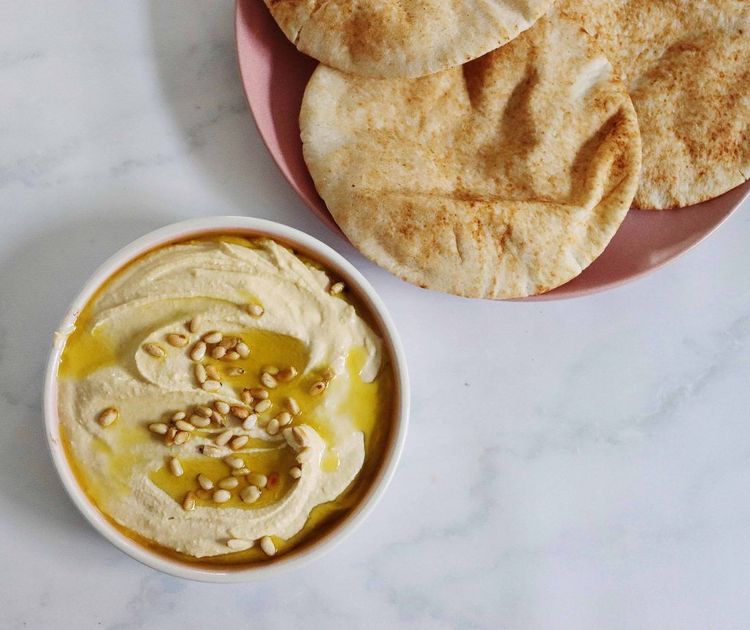
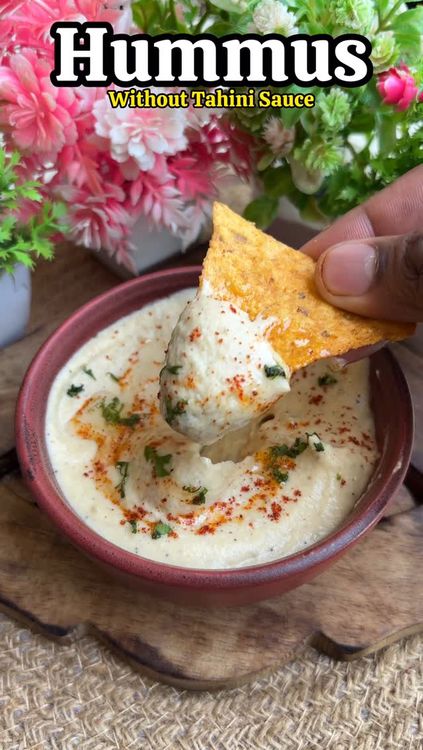
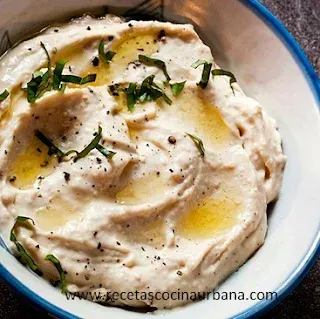
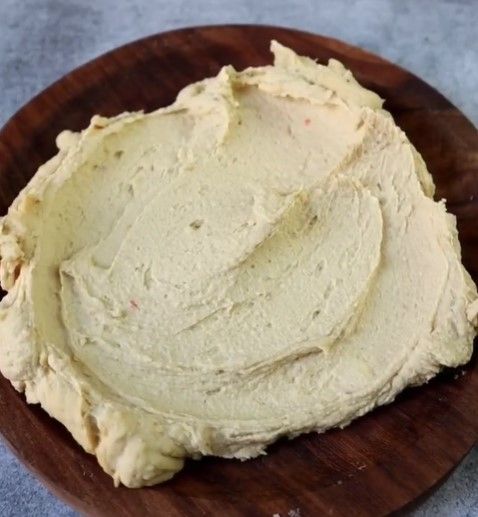
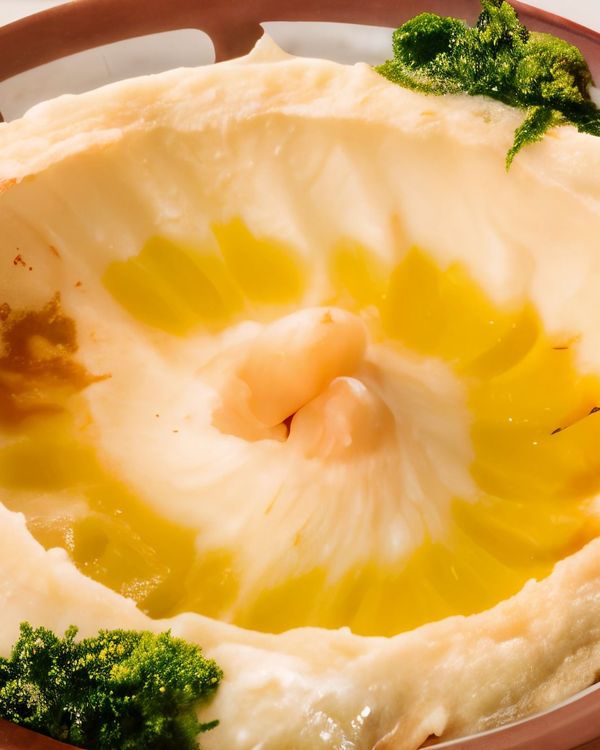
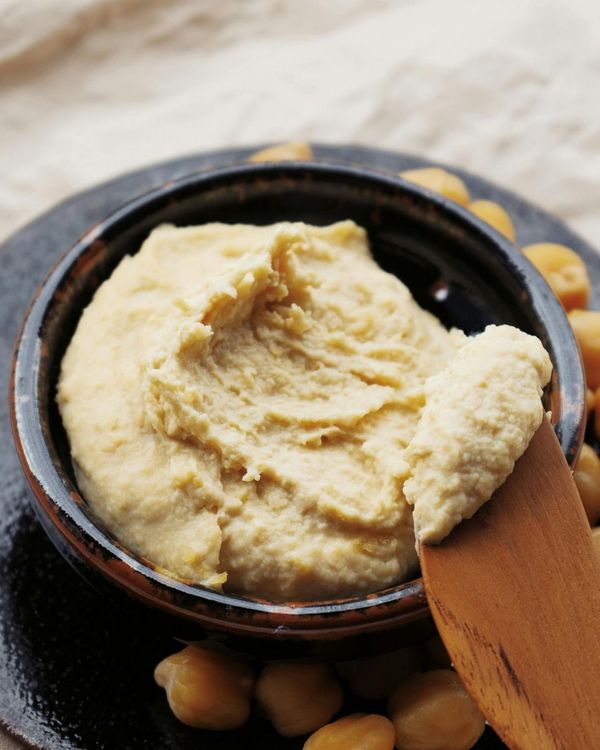
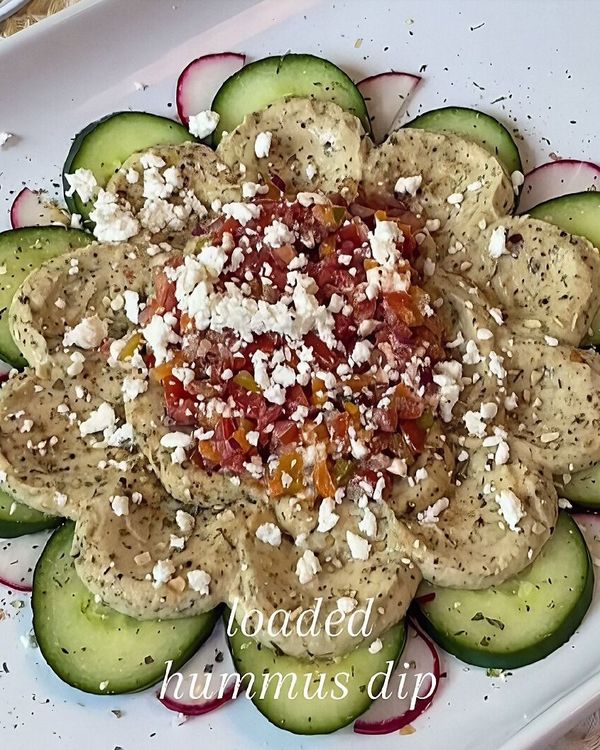
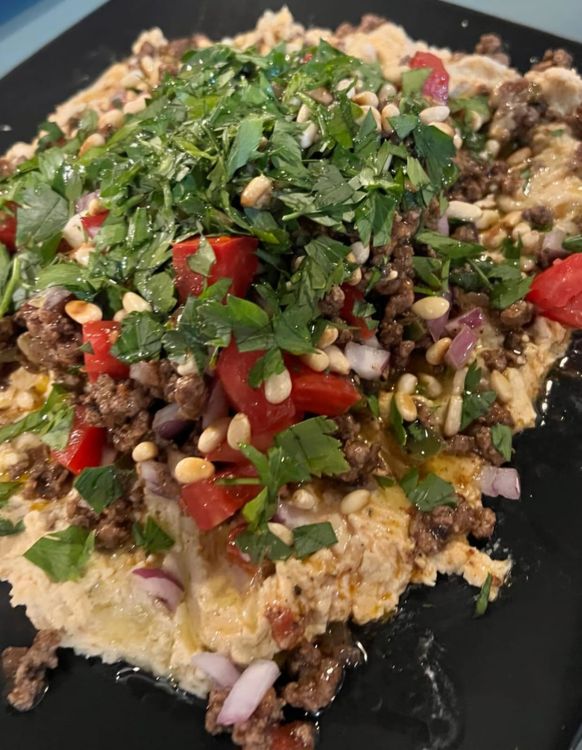
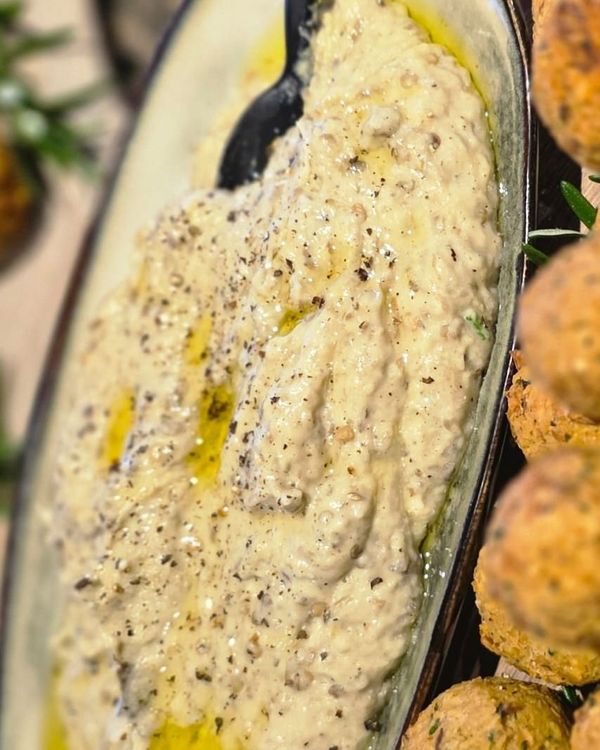
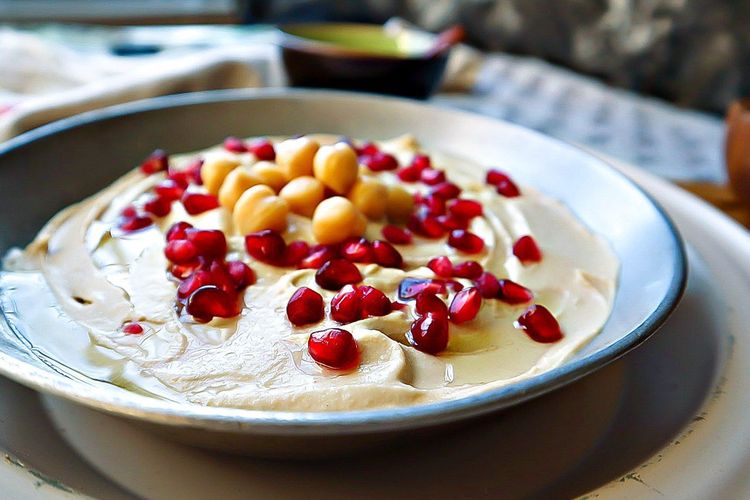
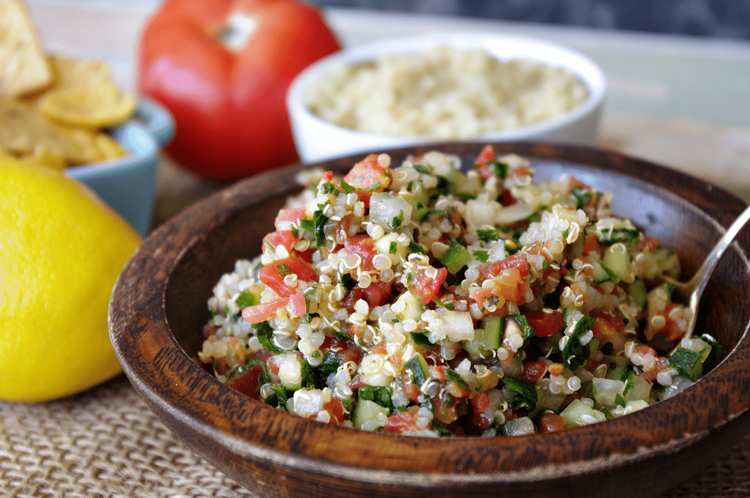
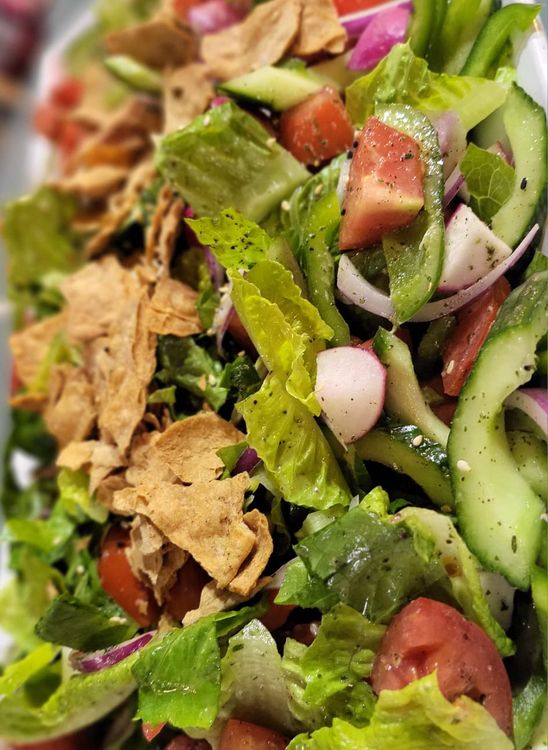
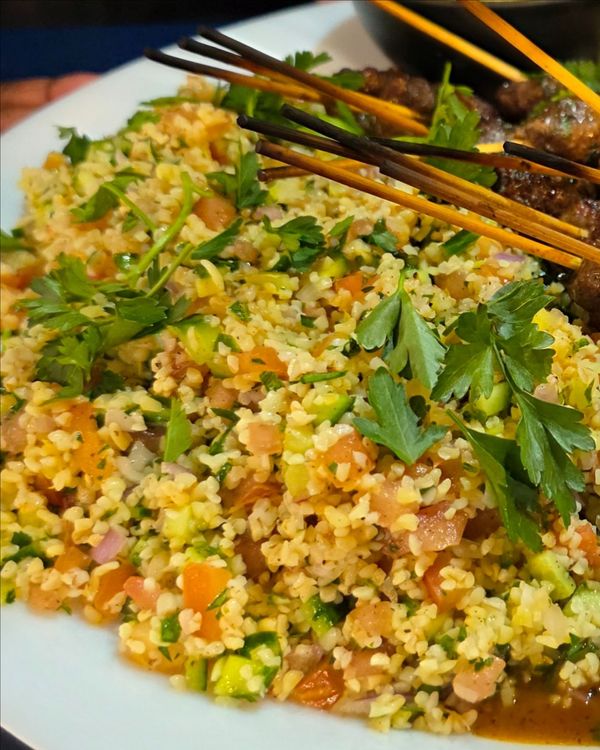
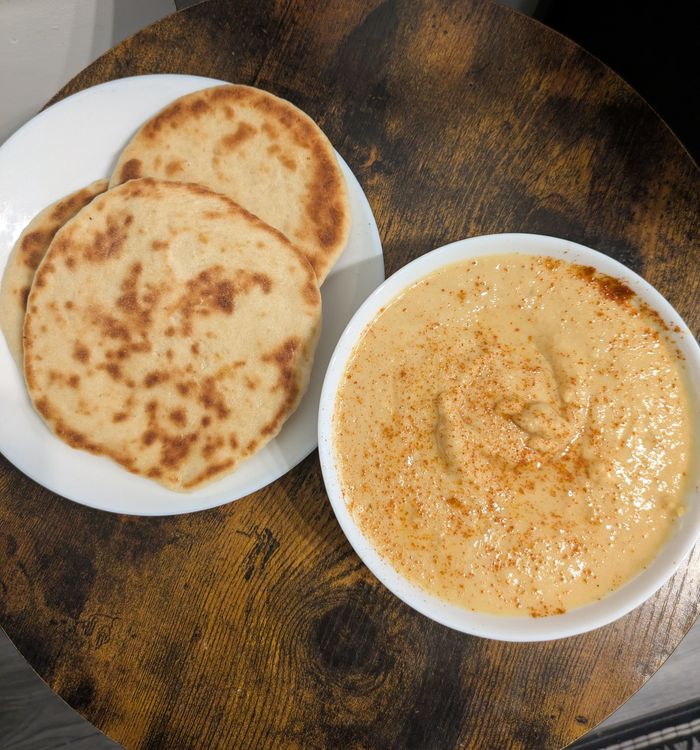
This is the largest and most varied group on the page, and for good reason — mezze culture is built on variety, with a handful of dips, salads and small plates covering the table rather than one dominant dish. Hummus leads the way here in more forms than most people realize: classic, roasted garlic, beetroot for color, pomegranate for sweetness, and versions made without tahini for anyone avoiding sesame. Alongside it sit tabbouleh and fattoush, two salads that show off the region's love of fresh herbs and bright acidity — tabbouleh in particular is more parsley than grain, which surprises people used to a bulgur-heavy version. Baba ganoush, warm pita and a handful of composed platters round out the group, all built to be eaten together rather than as single, separate courses. If you are building a spread for a gathering, this cluster is the place to start — pick three or four, add warm bread, and you have a proper Middle Eastern table with very little active cooking. Most of these dips also keep well for several days refrigerated, which makes this cluster especially useful for meal prep — a big batch of hummus or baba ganoush covers lunches all week with almost no repeated effort. Standouts here include Mini Pita Round Garlic Dippers and Hummus Platter with Garden Vegetables, plus Oil-Free Red Beet Hummus.


- Vegan
- Snack
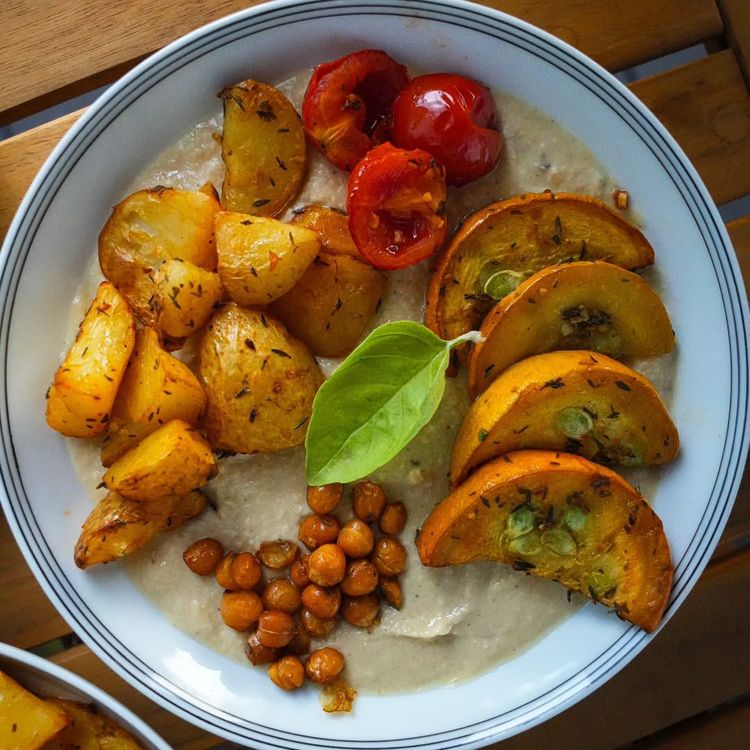
- Middle Eastern
- Vegan
- Appetiser
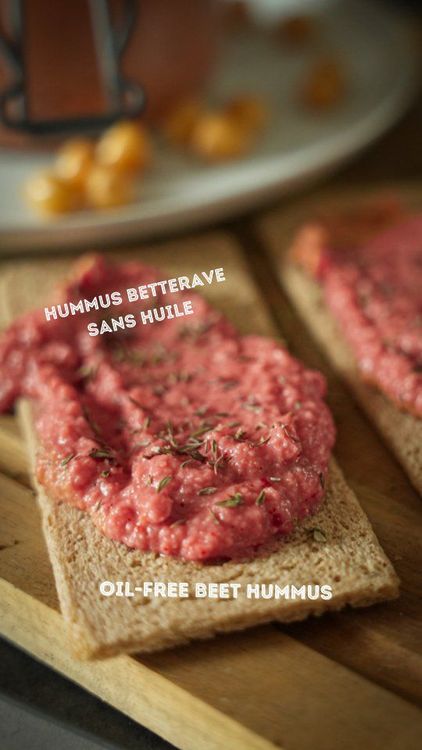
- Mediterranean
- Vegan
- Appetiser
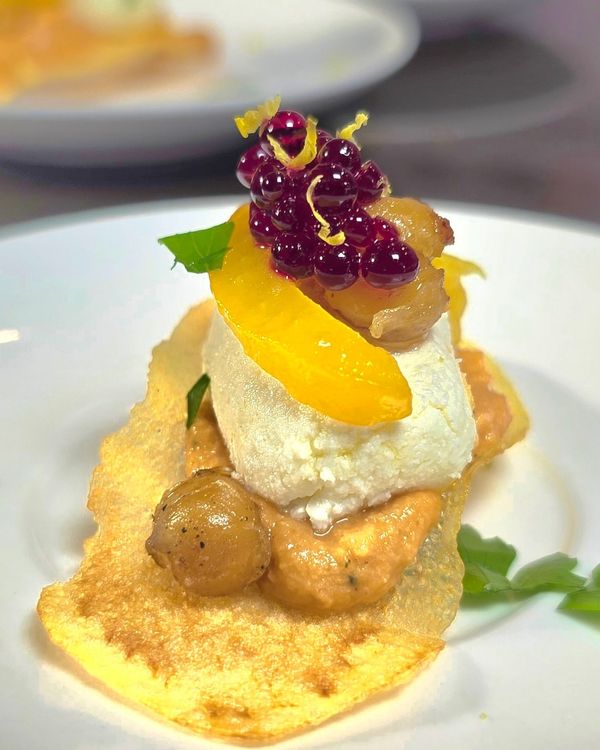
- Fusion
- Vegetarian
- Appetiser


- Vegan
- Appetiser
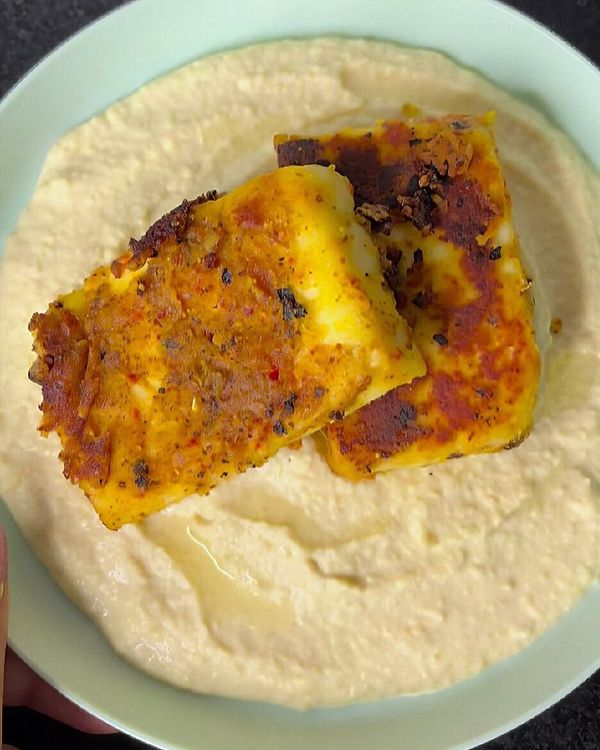
- Fusion
- Vegetarian
- Snack
- Mediterranean
- Vegan
- Appetiser
- Middle Eastern
- Vegan
- Appetiser

- Middle Eastern
- Vegetarian
- Sauce & Condiment
- Arabic
- Vegan
- Appetiser

- Middle Eastern
- Vegan
- Appetiser
- Middle Eastern
- Vegan
- Appetiser
- Middle Eastern
- Vegan
- Appetiser

- Mediterranean
- Vegetarian
- Appetiser
- Middle Eastern
- Non-Vegetarian
- Appetiser
- Middle Eastern
- Vegan
- Appetiser

- Mediterranean
- Vegan
- Appetiser
- Mediterranean
- Vegan
- Lunch
- Middle Eastern
- Vegan
- Salad
- Mediterranean
- Vegan
- Salad
- Mediterranean
- Nut-Free
- Dinner
- Middle Eastern
- Vegan
- Appetiser


- Mediterranean
- Non-Vegetarian
- Dinner
Making Silky, Smooth Hummus
The single biggest change you can make to homemade hummus is peeling the chickpeas. It sounds fussy, but rubbing cooked or canned chickpeas between your palms or in a bowl of water to loosen and remove the skins takes maybe five minutes and makes an enormous difference to smoothness — the skins are what leave hummus grainy no matter how long you blend it.
Blend the tahini and lemon juice together first, before adding chickpeas — this seems backwards but it emulsifies the tahini and makes it noticeably lighter and creamier, closer to whipped than paste-like. Add the chickpeas afterward along with garlic, salt and cold water, and blend far longer than feels necessary, scraping down the sides repeatedly; a proper food processor run of three to four minutes is what gets restaurant-style smoothness, not thirty seconds.
Ice-cold water, added a tablespoon at a time while the processor runs, is what gives hummus its light, whipped texture rather than a dense paste. Taste and adjust at the end — hummus needs more salt and lemon than most people expect. Finish in the bowl with a swirl of olive oil, a few whole chickpeas, and whatever topping suits the dish, whether that is beetroot, roasted garlic or a scattering of paprika.
Getting Falafel to Hold Together and Fry Crisp
Real falafel starts with dried chickpeas soaked overnight, never canned or cooked chickpeas — cooked chickpeas hold too much water and make a mixture that falls apart in the fryer no matter what you add to bind it. Soak for at least twelve hours, drain very well, and process the raw, soaked chickpeas with herbs, garlic, onion and spices until the mixture just holds together when pressed, not until it turns to a smooth paste.
Rest the mixture in the fridge for at least thirty minutes before shaping — this lets the mixture firm up and the baking soda or powder, if using, start working, which helps the falafel puff slightly as it fries. Shape with wetted hands or a falafel scoop into even balls or patties; uneven sizes cook unevenly, with small ones drying out before big ones cook through.
Fry in oil around 175-180C, in a pan or pot deep enough that the falafel can float and turn without touching the bottom. Do not crowd the pot — too many at once drops the oil temperature and the falafel absorb oil instead of sealing quickly. Drain on a wire rack, and serve immediately; falafel loses its crisp shell fast and is best eaten within minutes of frying, tucked into pita with tahini sauce and salad.
Building a Proper Shawarma Marinade
Shawarma's flavor comes almost entirely from the marinade, so give it real time — at least four hours, ideally overnight. A base of yogurt tenderizes the meat and helps spices cling, while a mix of cumin, coriander, paprika, cinnamon, garlic and lemon juice builds the layered warmth that makes shawarma taste unmistakably different from a plain grilled chicken.
Cut the meat into thin strips or flatten it before marinating — thinner cuts pick up more marinade surface area and cook through faster over high heat, closer to how shawarma is shaved off a vertical spit in a restaurant. If cooking indoors, a hot cast-iron pan or a very hot oven with the broiler on for the last few minutes gets you closer to that charred, slightly crisp edge than gentle stovetop cooking.
Rest the cooked meat for a few minutes before slicing thinly against the grain, which keeps it tender rather than stringy. Pile it into warm pita or flatbread with a bright, acidic element — pickled turnip, a squeeze of lemon, a garlicky white sauce — to cut through the richness of the spiced meat. The same marinade and technique work well on tofu or chickpeas for a vegetarian version.
Getting Shakshuka's Sauce Right
Shakshuka's sauce needs real time on the heat before the eggs go in — rushing this step is the most common reason home versions taste thin and watery instead of rich and jammy. Cook onions and peppers down until properly soft, add garlic and spices like cumin and paprika and let them bloom in the oil, then add tomatoes and simmer uncovered for fifteen to twenty minutes until the sauce reduces and thickens noticeably.
The sauce should be thick enough to hold a slight well when you make space for the eggs — too thin and the eggs spread and overcook before the whites set; too thick and they will not cook evenly. Make wells with the back of a spoon, crack the eggs directly into them, then cover the pan so the tops of the eggs steam and set without needing to flip or baste.
Cook just until the whites are set and the yolks are still soft, then pull the pan off the heat immediately — residual heat keeps cooking the eggs even off the burner, so slightly underdone is safer than slightly overdone. Finish with fresh herbs, a crumble of feta and good bread for scooping. Green shakshuka, built on herbs and greens instead of tomato, follows the same core method of a properly reduced base before the eggs go in.
Pro Tips from the Test Kitchen
- Peel the skins off chickpeas before blending hummus — it is the single biggest fix for grainy texture.
- Blend tahini and lemon juice together before adding chickpeas; it emulsifies the tahini and lightens the whole batch.
- Soak dried chickpeas overnight for falafel — canned chickpeas hold too much water and the mixture will not hold together.
- Rest falafel mixture in the fridge for at least 30 minutes before shaping and frying.
- Marinate shawarma meat for at least 4 hours, ideally overnight, in a yogurt-and-spice base for real depth.
- Slice cooked shawarma meat thinly against the grain to keep it tender rather than stringy.
- Simmer shakshuka's tomato sauce uncovered for 15-20 minutes before adding eggs — a rushed sauce tastes thin.
- Pull shakshuka off the heat while the yolks are still soft; residual heat finishes the cooking.
- Add ice-cold water a tablespoon at a time when blending hummus for a lighter, whipped texture.
- Fry falafel in small batches at 175-180C so the oil temperature does not drop and the falafel turns greasy.
Frequently Asked Questions
What's the difference between hummus and baba ganoush?
Hummus is made from blended chickpeas, tahini, lemon and garlic, giving it a lighter, nuttier flavor and pale color. Baba ganoush is made from roasted or charred eggplant blended with similar aromatics, which gives it a smokier, richer flavor and a slightly grayer color. Both are usually served the same way, scooped up with warm pita or vegetables, but they are distinct dishes rather than variations on each other.
Can you make falafel without a deep fryer?
Yes — a heavy pot or deep pan with a few inches of oil works just as well, as long as you can keep the temperature steady around 175-180C with a thermometer. Falafel can also be baked or air-fried for a lighter version, though the texture will be firmer and less crisp than deep-fried. Whichever method you use, do not skip the overnight soak of dried chickpeas — that step matters more than the frying method.
Why does my hummus taste bitter?
Bitterness usually comes from tahini that has gone rancid or from too much raw garlic overwhelming the other flavors. Taste your tahini on its own before using it — it should taste nutty and slightly sweet, not sharp or chemical. If garlic is the culprit, start with less than you think you need and add gradually; pre-minced garlic tends to run more bitter than fresh cloves.
Is shawarma the same as gyro or doner kebab?
They are close cousins rather than the same dish. All three involve meat stacked and roasted on a vertical spit and shaved off in strips, but shawarma is typically Levantine and seasoned with a distinct blend of cumin, coriander, cinnamon and other warm spices, gyro is Greek and often uses oregano and lemon, and doner is Turkish in origin. The cooking method is shared; the spice profile and typical accompaniments differ.
What can I use instead of tahini in hummus?
Tahini gives hummus its characteristic nutty depth, but if you do not have any, a spoonful of another nut or seed butter, or simply more olive oil and a touch of ground cumin, will get you a reasonable substitute. The texture and flavor will be different — less rounded and slightly sweeter — but the dish will still work. True tahini-free hummus is common enough that it is worth trying on its own terms rather than as just a substitute.
Why did my falafel fall apart in the oil?
The most common cause is using canned or cooked chickpeas instead of dried, soaked ones — cooked chickpeas carry too much moisture for the mixture to bind. Other causes include not resting the mixture before shaping, or a food processor blend that is too smooth rather than a coarse, slightly textured paste. If your mixture already feels wet, adding a spoonful of chickpea flour can help rescue a batch before frying.
What is the best way to reheat shakshuka?
Gently, on the stovetop over low heat with a lid on, is best — this warms the sauce through without overcooking the eggs further. Microwaving works in a pinch but tends to make the eggs rubbery. If you are making shakshuka ahead, it is often better to cook the tomato base fully, refrigerate it, then reheat the sauce and cook the eggs fresh just before serving.
Is Middle Eastern food generally healthy?
Much of it is, built around vegetables, legumes, olive oil and grilled meats rather than heavy cream or butter sauces. Hummus and falafel both center on chickpeas, a good source of plant protein and fiber, and shakshuka is largely vegetables and eggs. As with any cuisine, portion and preparation matter — fried falafel and oil-heavy dips are still calorie-dense, so balance them with the many naturally lighter dishes in the same tradition.
What's a good vegetarian Middle Eastern meal?
Falafel, hummus, a bright tabbouleh or fattoush salad and warm pita make a complete, satisfying vegetarian meal with no substitutions needed — these are not "adapted" versions of meat dishes but genuine staples in their own right. Shakshuka, vegetarian by nature, works well for the same spread at breakfast or brunch. Together they show how central plant-based cooking already is to this cuisine.
What spices define Middle Eastern cooking?
Cumin, coriander, sumac, za'atar, cinnamon, allspice and paprika appear across the region's savory dishes, often layered rather than used one at a time. Sumac's tartness and za'atar's herby, sesame-forward blend are especially distinctive and worth keeping stocked, since they show up in everything from salad dressings to bread toppings. Fresh herbs — parsley, mint, cilantro — are used generously too, often as a main ingredient rather than a garnish. Buying whole spices and toasting them briefly before grinding, rather than relying on pre-ground jars that have sat on a shelf for months, makes a bigger difference here than most home cooks expect.
Middle Eastern cooking rewards a handful of well-practiced techniques more than an exotic pantry: a properly blended hummus, chickpeas soaked long enough for falafel to hold its shape, a marinade given real time, a sauce reduced properly before the eggs go in. Get those right and the rest of the cuisine opens up quickly.
Start with whichever dish is calling to you most — a bowl of hummus for snacking, a tray of falafel for the weekend, or a pan of shakshuka for a lazy breakfast — and save the ones you love to a Chefadora cookbook as you go. This page is built to be the reference you come back to each time you want a proper Middle Eastern spread.
Related
- Middle Eastern
- Mediterranean
- Vegetarian
- Chickpeas
- Mezze
- Dinner
- Healthy
Popular Searches
- Best middle eastern recipes
- Easy middle eastern recipes
- Quick middle eastern recipes
- Healthy middle eastern recipes
- Simple middle eastern recipes
- Homemade middle eastern recipes
- Delicious middle eastern recipes
- Popular middle eastern recipes
- middle eastern food
- hummus recipe
- falafel recipe
Marnirni-apinthi Building, Lot Fourteen,
North Terrace, Adelaide, South Australia, 5000
Australia
