
Top 45 Ice Cream Maker Recipes: Classic Scoops, Kulfi, Sorbet and More
Updated June 30, 2026 · Curated by Chefadora
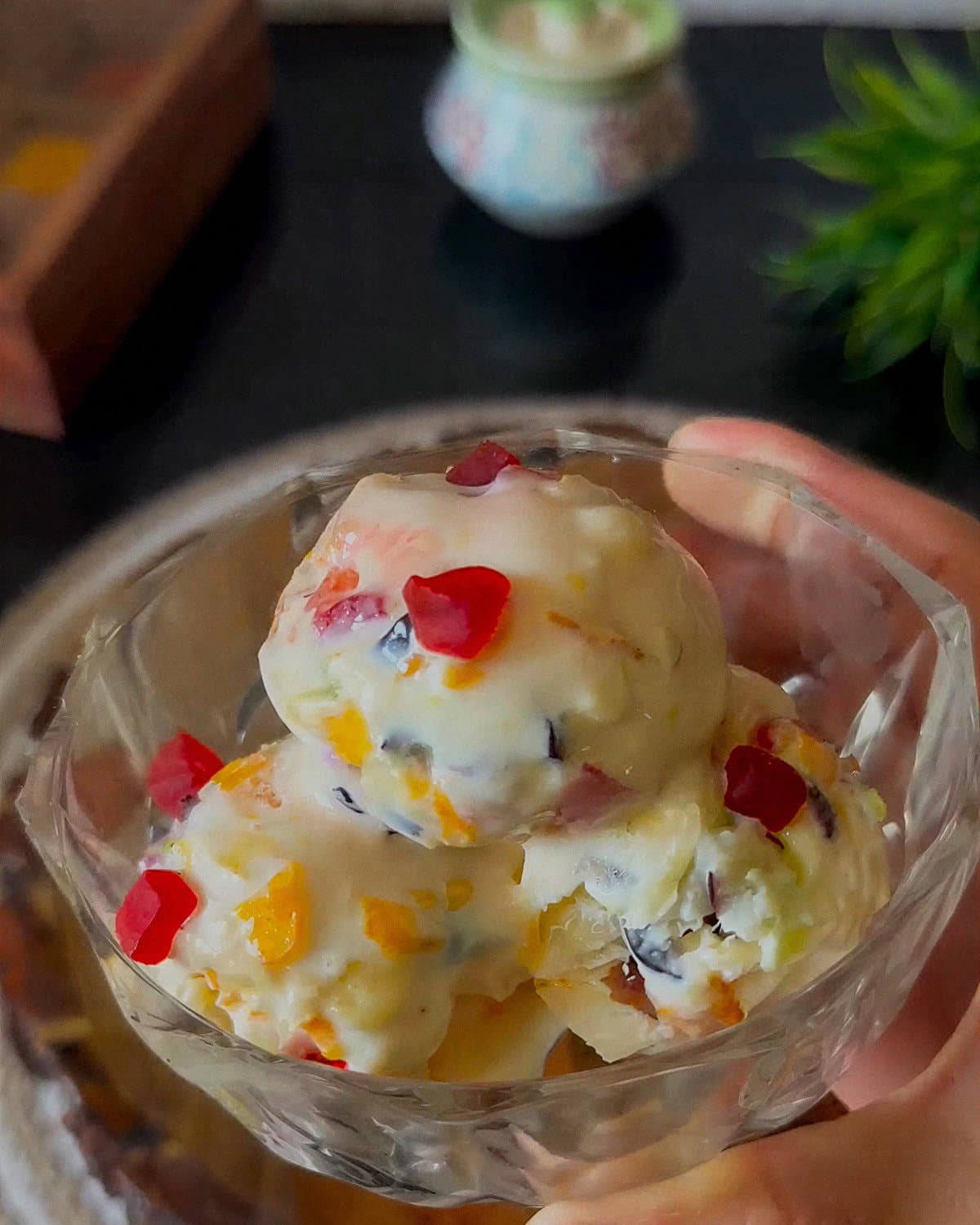
Ice cream maker recipes are one of those kitchen projects that seem harder than they are right up until the first time you do it — after that, making homemade ice cream feels natural and the store-bought stuff starts to taste thin. The collection here covers everything from straight-ahead vanilla and chocolate to kulfi, semifreddo, fruit sorbets and high-protein alternatives that use a machine or the freezer itself as the main tool.
What separates a homemade scoop from a commercial one is control: you choose the cream-to-milk ratio, the amount of sugar, whether there are egg yolks for richness or a lighter base made with just cream and a good flavour. That freedom is what makes homemade ice cream so satisfying to make, and why the results are almost always better than the price point equivalent in a tub.
You will find four clusters here: classic flavours that earn their place (vanilla, chocolate, strawberry, cinnamon), frozen desserts from other traditions including kulfi and semifreddo, protein-forward and lower-calorie alternatives for health-conscious days, and sundaes, sandwiches and quick-fix methods for when you want an ice cream experience without a long churning session. All the recipes link to full method and ingredients on Chefadora.
The guides below cover the technique decisions that matter most: how to make a custard base without scrambling the eggs, why fat content determines scoopability, how to churn correctly and how to store without ice crystals forming. Get those four things right and any flavour you try will come out well.
Classic Ice Cream Flavours
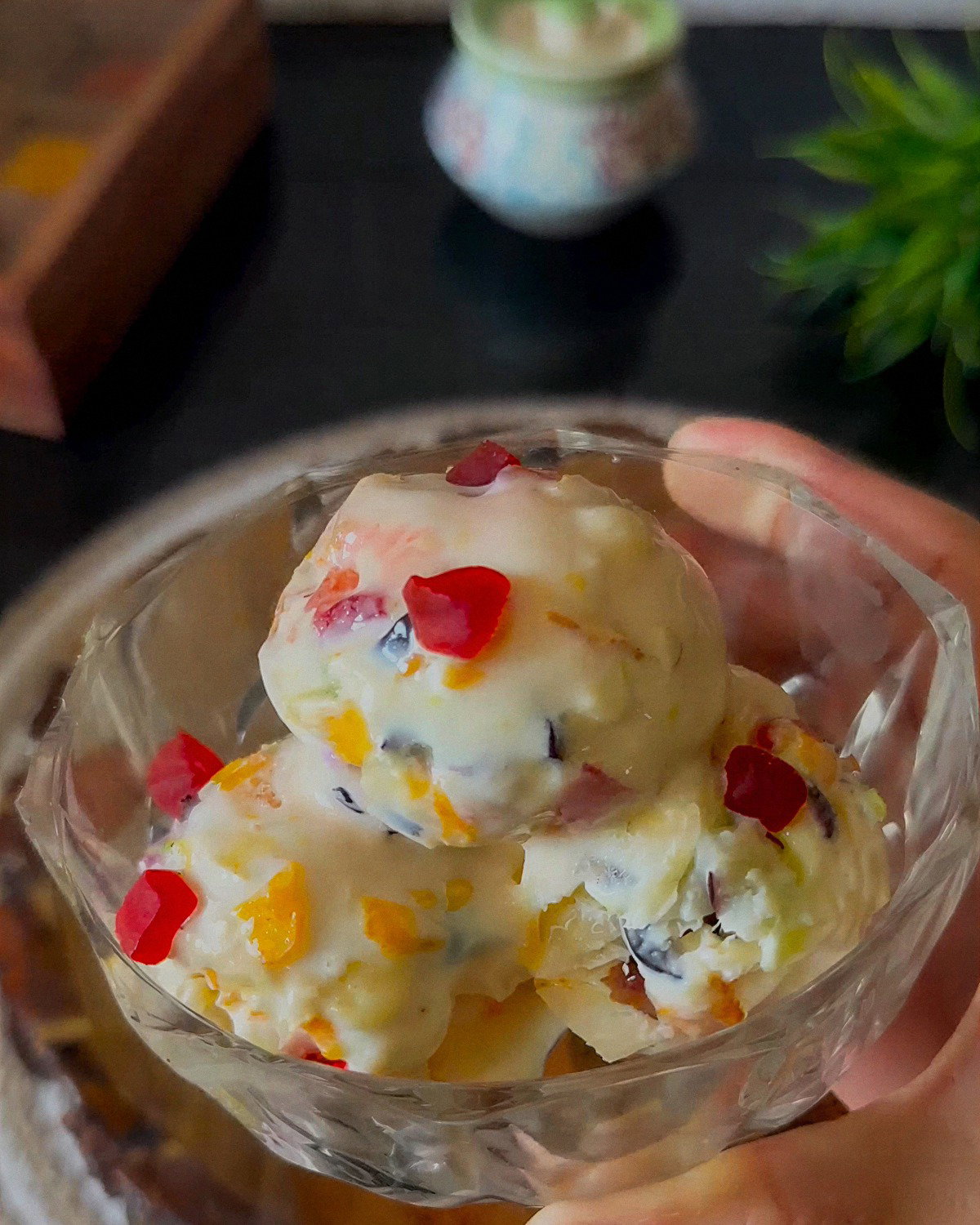
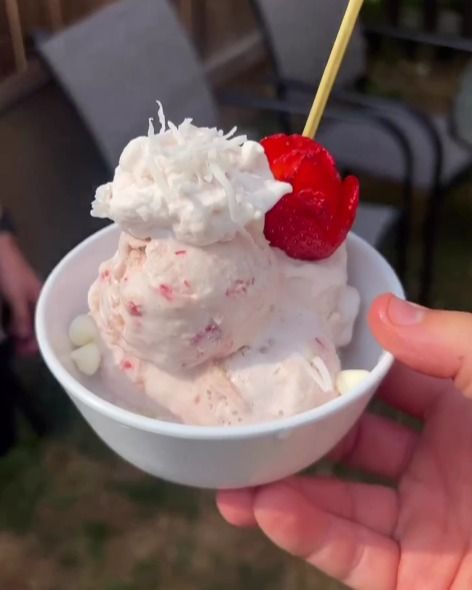
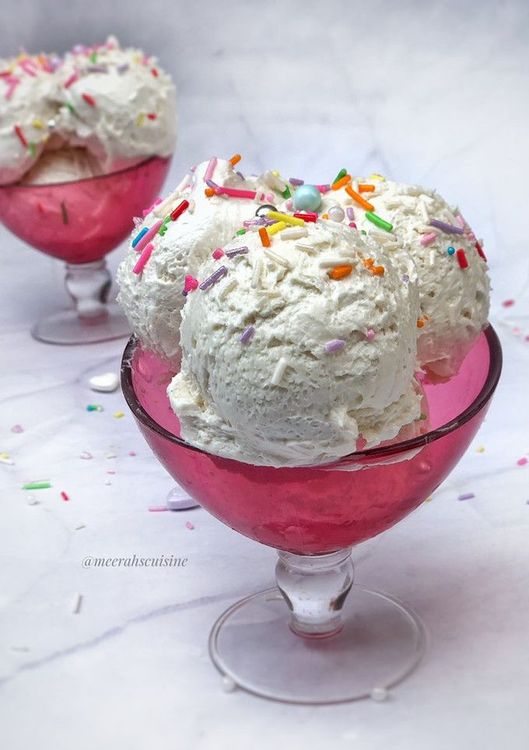
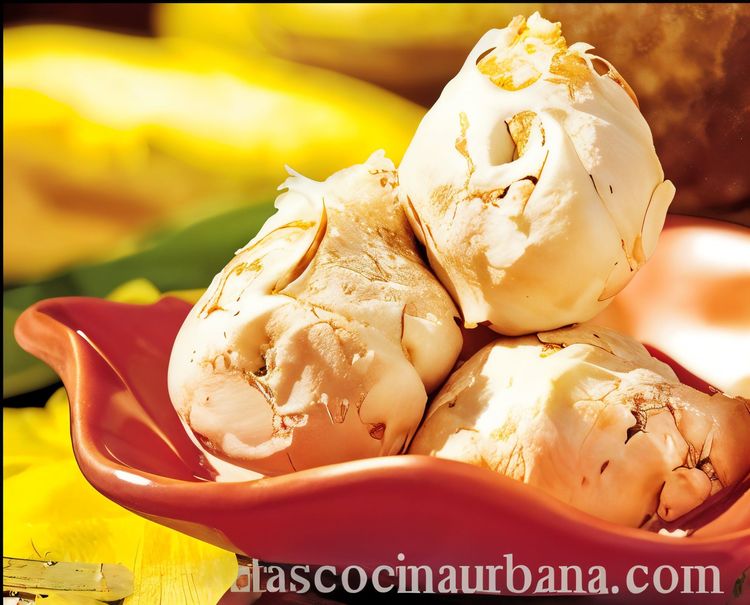
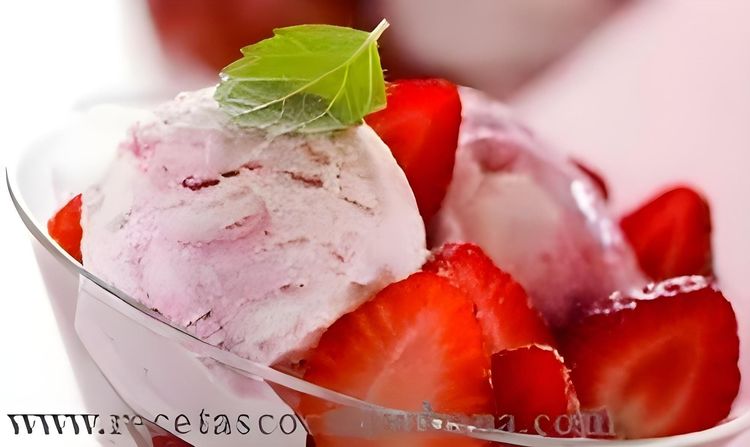
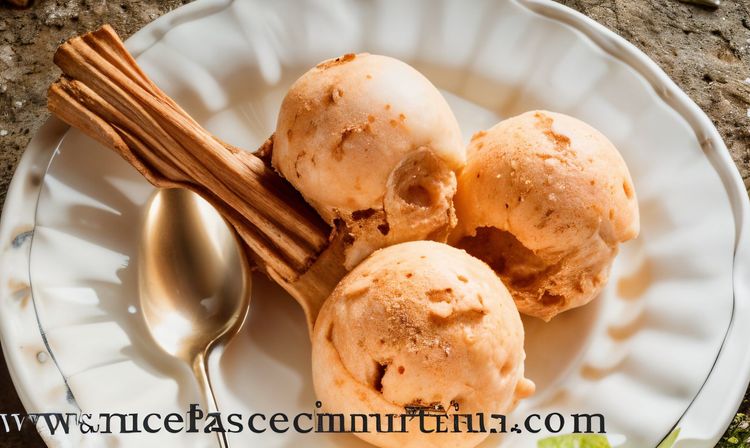
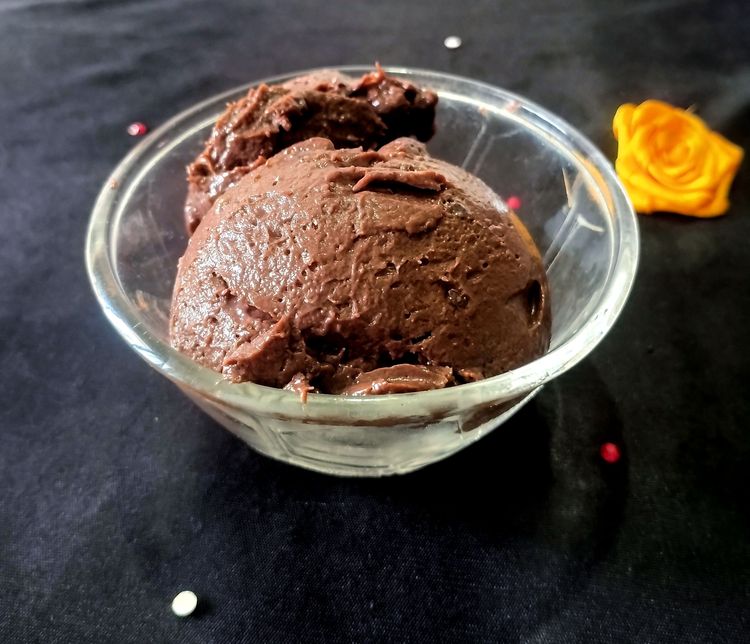
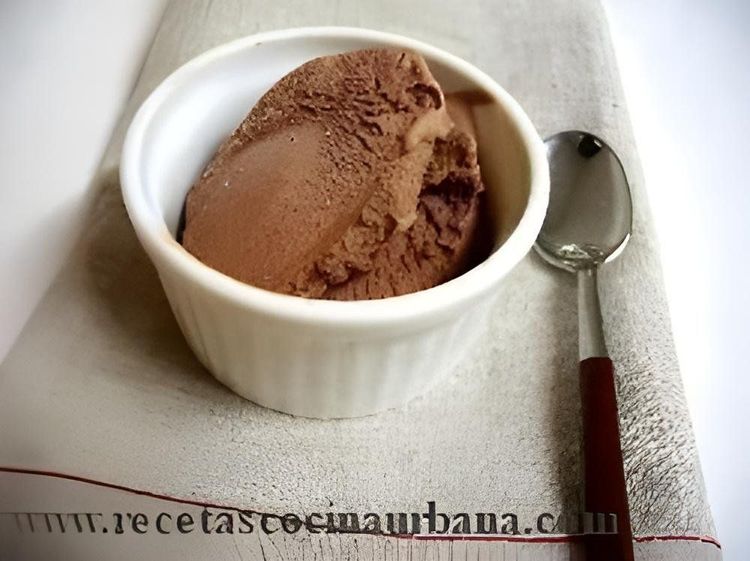
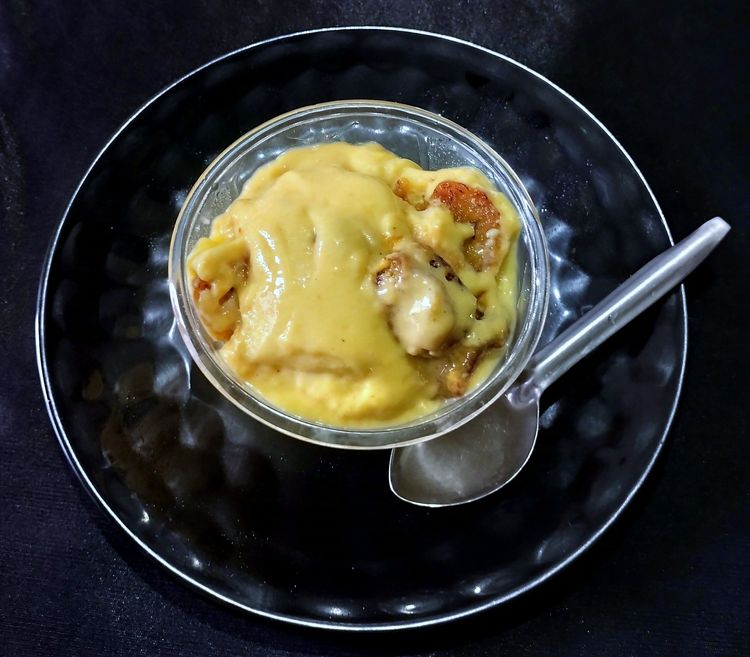
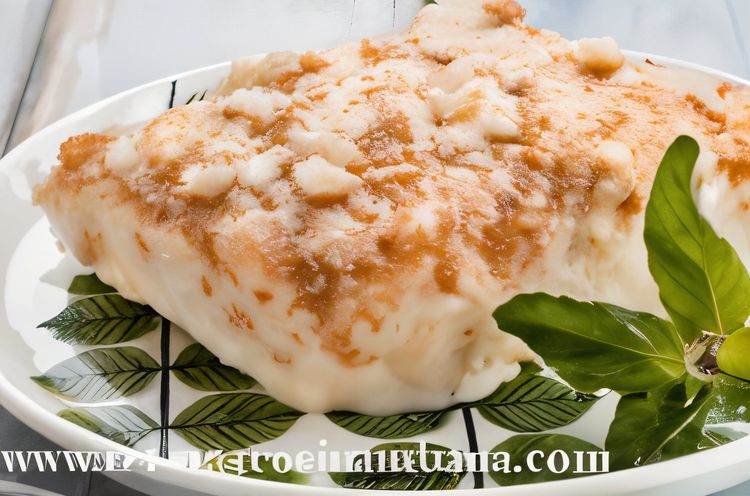
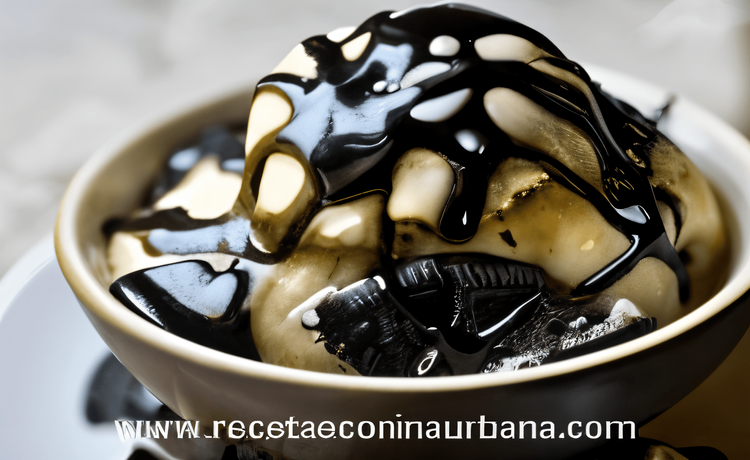
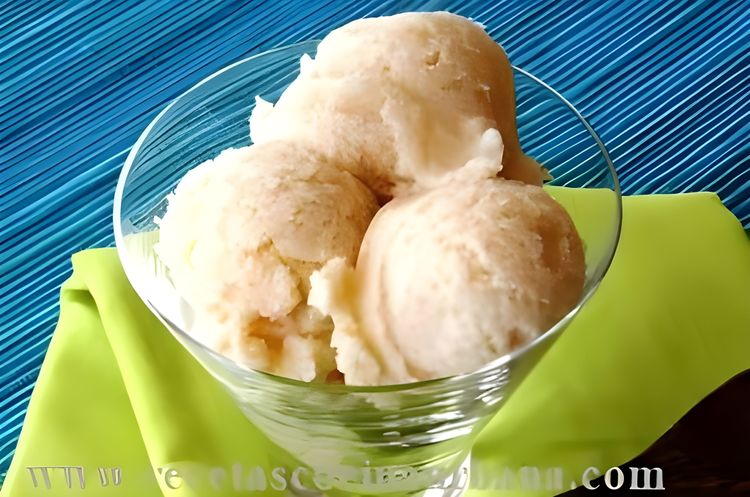
Classic ice cream flavours — vanilla, chocolate, strawberry, cinnamon, banana — are classics because they are technically demanding in the best way: there is nowhere to hide if the base is poorly made, the ratio is wrong or the churn is insufficient. A great vanilla ice cream made with a proper custard base, real vanilla beans and a long overnight rest before churning will outperform any commercial equivalent. These are the recipes worth mastering first because everything you learn translating one of these recipes into a great scoop — tempering eggs, reducing ice crystals, achieving the right scoopability straight from the freezer — transfers to every other flavour you make. Start with the most familiar flavour you love; once you have made a great version of it, other recipes feel straightforward. Strawberry ice cream is a good second project because it introduces fruit add-ins and the balance between fruit acidity and cream richness. Cinnamon and avocado ice creams are good for experienced makers who want to push into more unusual territory without leaving the classic register. Standouts here include Under 10 Minutes Sweet Recipe - Mixed Fruit Ice Cream and Caramelized Pears with Cinnamon Croutons and Hazelnut Ice Cream, plus Basic Ice Cream Recipe.
- Vegetarian
- Dessert

- Vegetarian
- Dessert

- European
- Eggetarian
- Dessert


- Vegetarian
- Dessert

- Indian
- Vegetarian
- Dessert
- International
- Vegan
- Snack
- American
- Vegetarian
- Snack

- Italian
- Eggetarian
- Dessert

- International
- Vegetarian
- Dessert
- Global
- Vegetarian
- Snack

- American
- Vegetarian
- Snack
- International
- Eggetarian
- Snack
- International
- Eggetarian
- Snack
- International
- Eggetarian
- Dessert

- Fusion
- Vegan
- Snack
- American
- Vegan
- Snack
- Italian
- Eggetarian
- Dessert
- Indian
- Vegetarian
- Snack
- International
- Eggetarian
- Dessert
- International
- Vegetarian
- Snack
- American
- Eggetarian
- Snack
- International
- Vegetarian
- Dessert
- Peruvian
- Eggetarian
- Dessert
- Italian
- Eggetarian
- Dessert
Kulfi, Semifreddo & Other Frozen Desserts
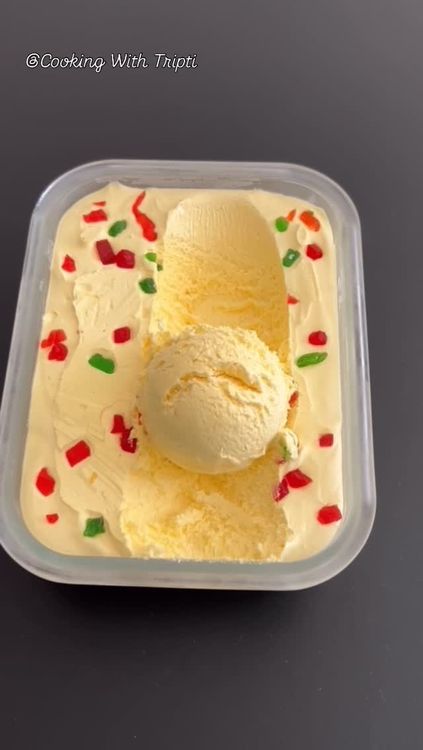
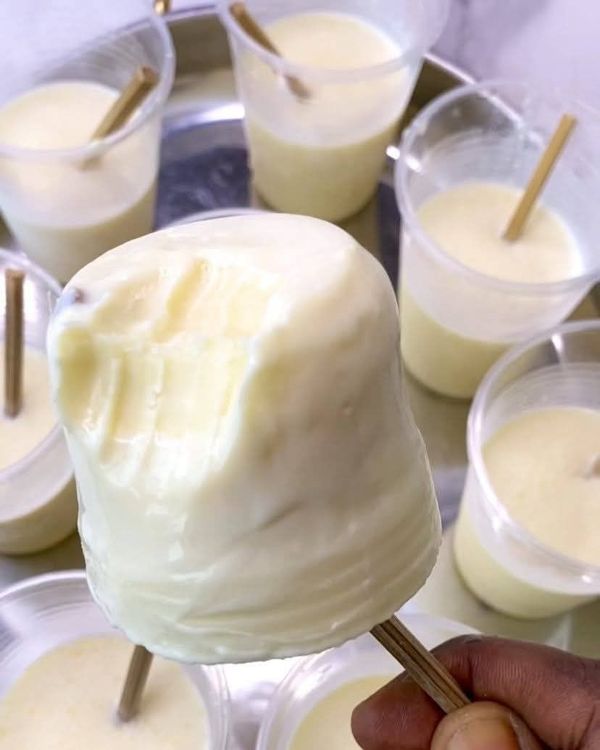
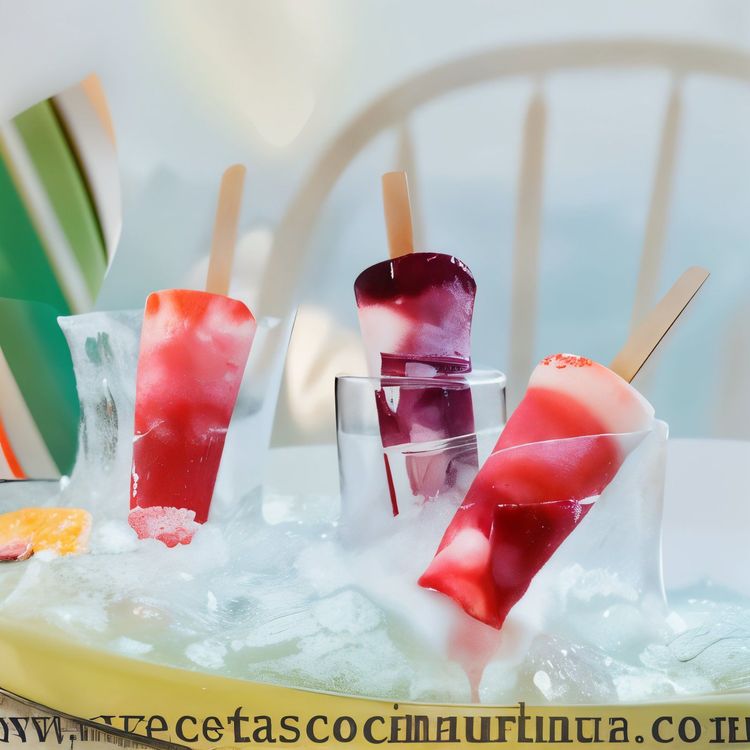
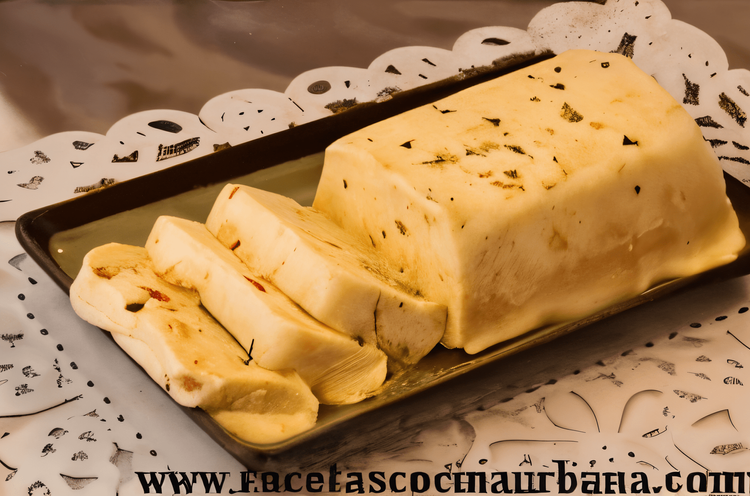
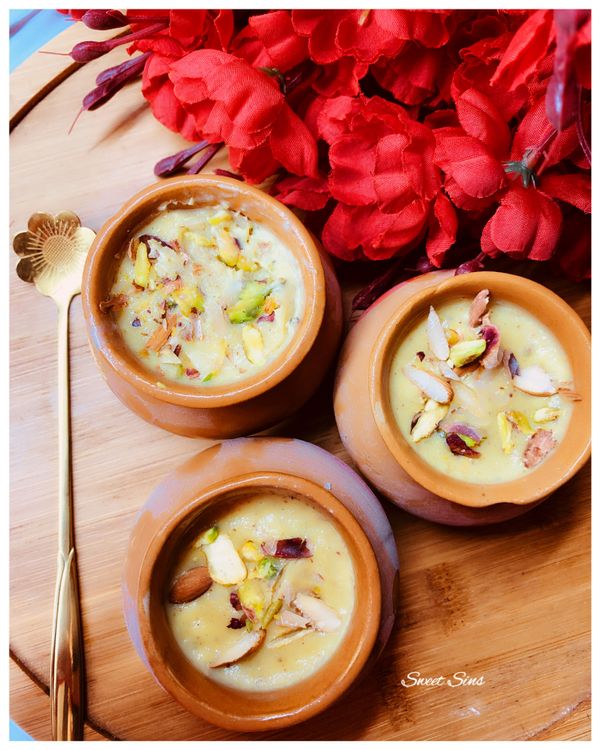
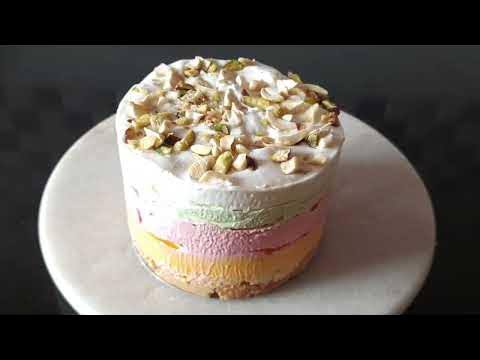
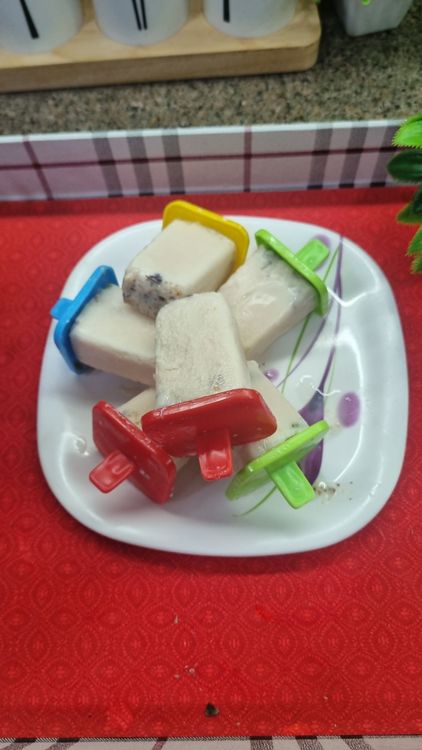
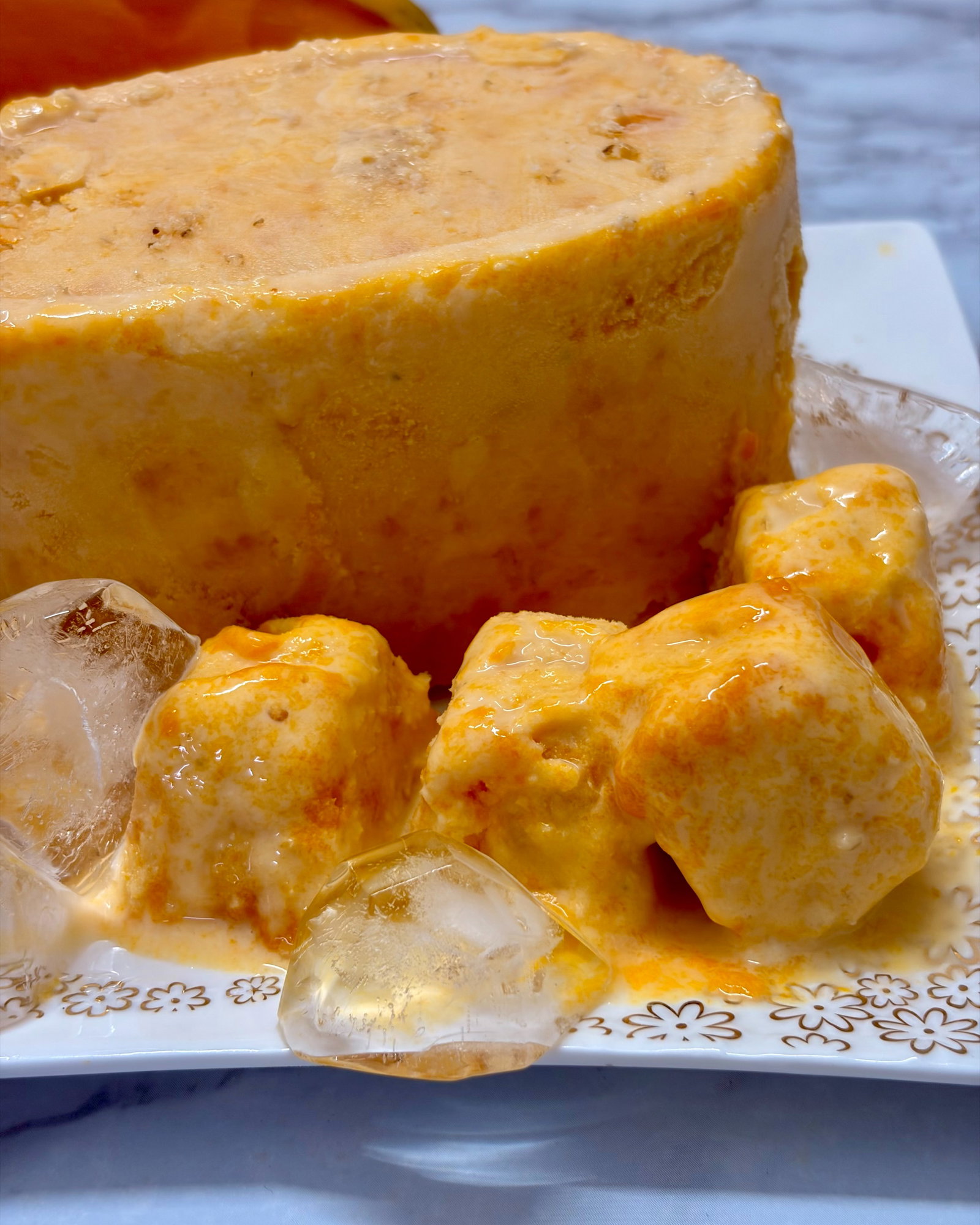
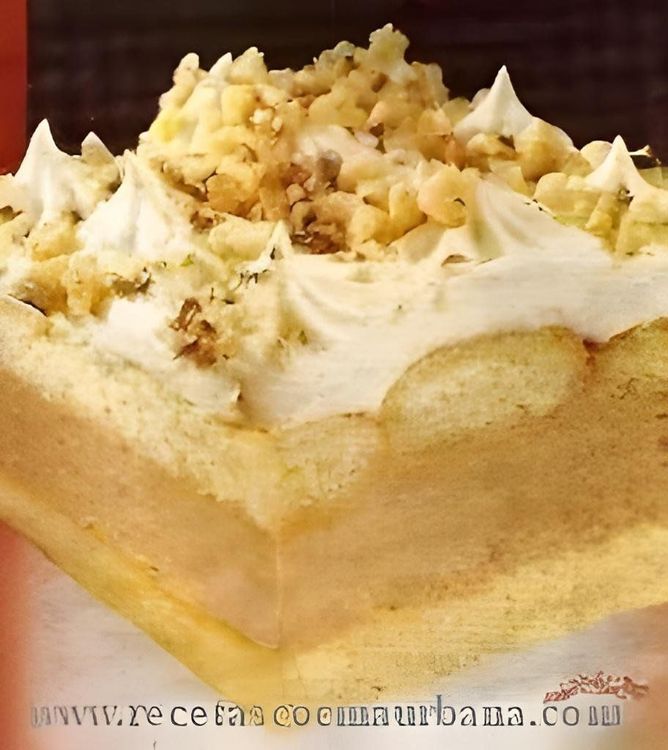
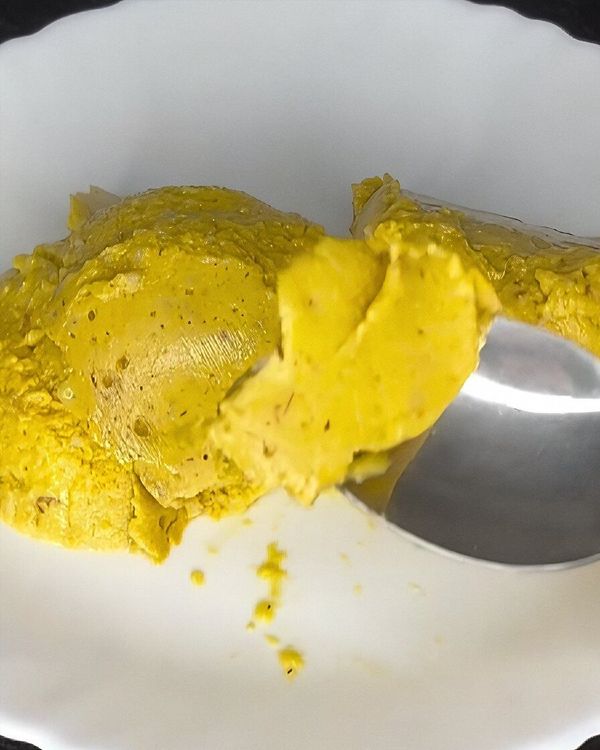
Kulfi, semifreddo and sorbet sit beside ice cream rather than competing with it — each one uses a different technique and produces a different texture. Kulfi is made by reducing full-fat milk on the stove until concentrated and rich, then freezing in moulds without churning; the result is dense, slow-melting and intensely milky, not creamy like churned ice cream. It is a better candidate for intense flavours like cardamom, mango and rose than for delicate ones. Semifreddo is the opposite in texture — airy, light and mousse-like, made by folding meringue and whipped cream into a base and freezing without churning. Sorbet has no dairy at all: just fruit puree, water and sugar churned until smooth. The skill in sorbet is the sugar ratio, which controls both sweetness and the softness of the scoop. Too little sugar and it freezes solid; too much and it will not set firm enough to scoop. These desserts expand your frozen repertoire considerably — serving kulfi alongside Indian food, semifreddo at a dinner party and sorbet in summer gives you a frozen dessert for every occasion. Standouts here include MATKA KULFI and Cassata ice cream 🍦 , plus Kulfi .

- Indian
- Vegetarian
- Dessert
- Vegetarian
- Dessert

- Indian
- Vegetarian
- Snack

- Vegetarian
- Dessert

- Vegetarian
- Dessert
- Italian
- Eggetarian
- Dessert
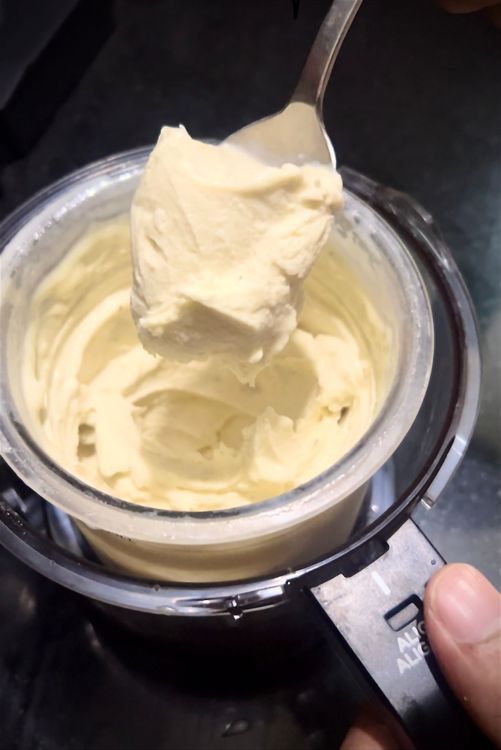
- Continental
- Vegetarian
- Dessert
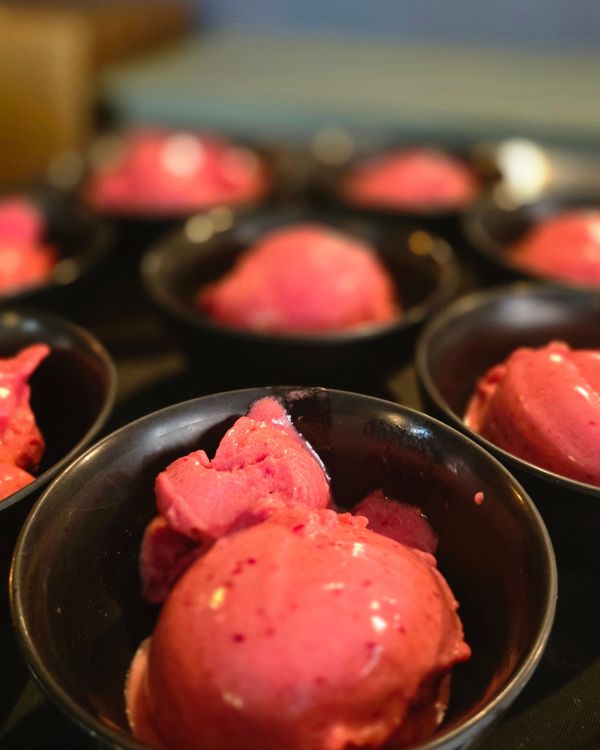

- International
- Vegan
- Snack
Protein-Packed & Healthier Frozen Treats
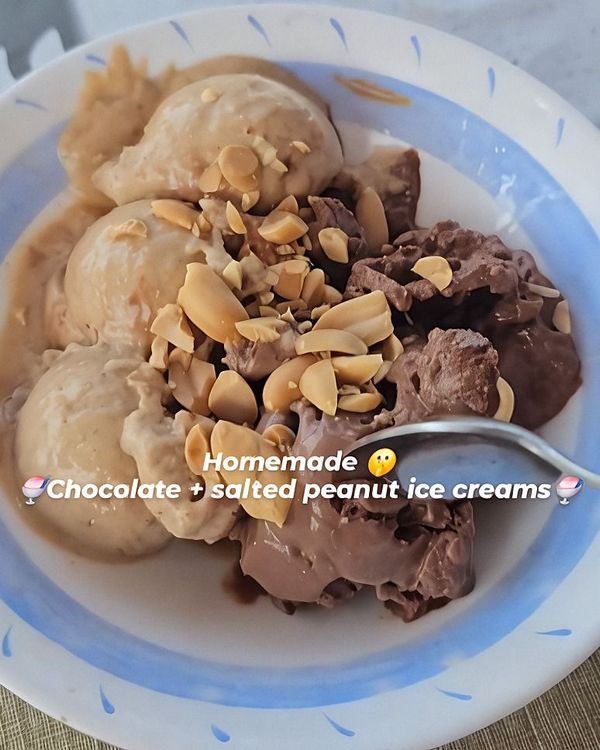
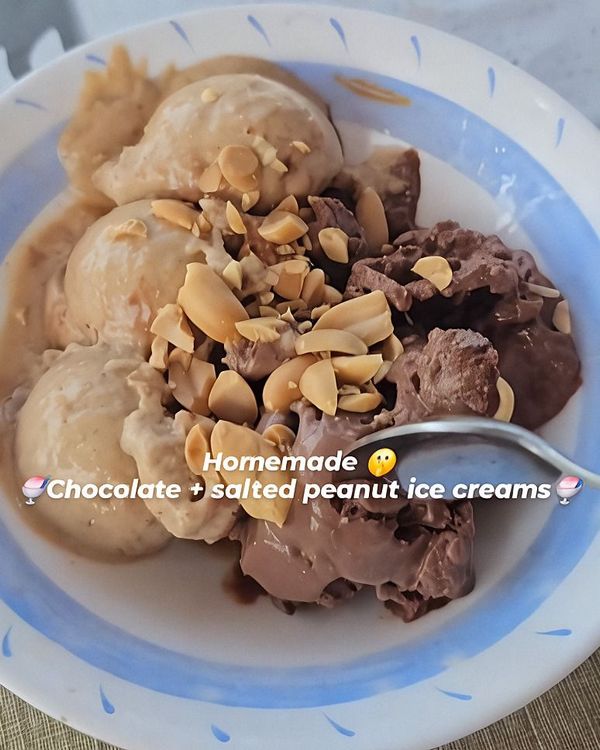
Protein-forward ice cream occupies a growing space between health food and proper dessert — and the best of it does not taste like a compromise. The key is choosing the right base: Greek yogurt and cottage cheese both churn into a smooth, tangy result that is high in protein and lower in fat than a cream-based scoop. Coconut milk ice cream is naturally dairy-free and just as satisfying as dairy equivalents when made with full-fat coconut cream. The Ninja Creami and similar piston-style machines have changed this category considerably, making it possible to process high-protein, low-fat bases into genuinely smooth ice creams that would have been icy and grainy in a traditional churn. Flavour-forward additions — cocoa powder, vanilla, espresso, peanut butter — do the heavy lifting in these recipes because leaner bases taste flat without a confident flavour profile. Do not under-sweeten: a protein ice cream with too little sugar freezes too hard and lacks the textural pleasure that makes ice cream satisfying. Standouts here include Vegan Coconut Ice Cream and Almond + Protein Ice Cream, plus Salted Peanut Ice Cream.
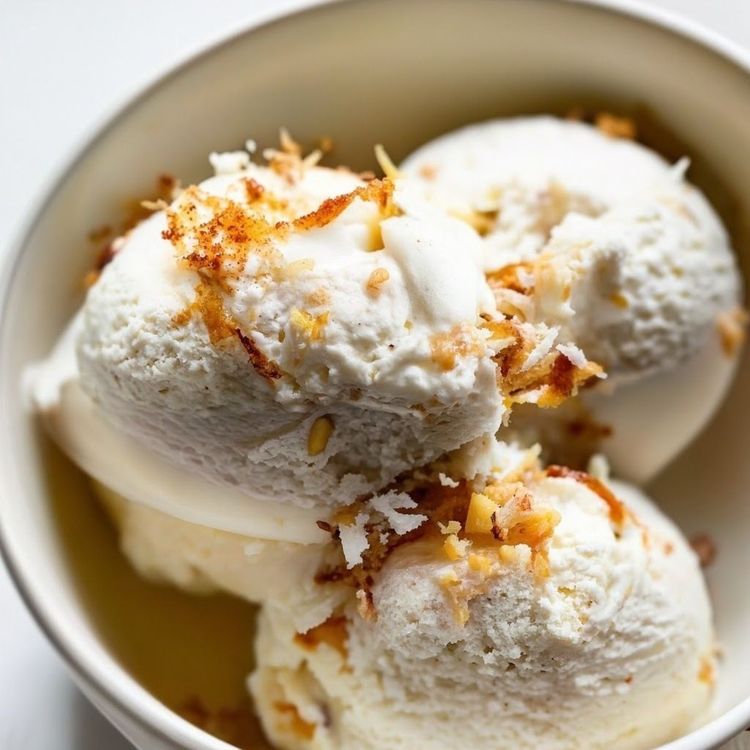

- Thai
- Vegan
- Dessert
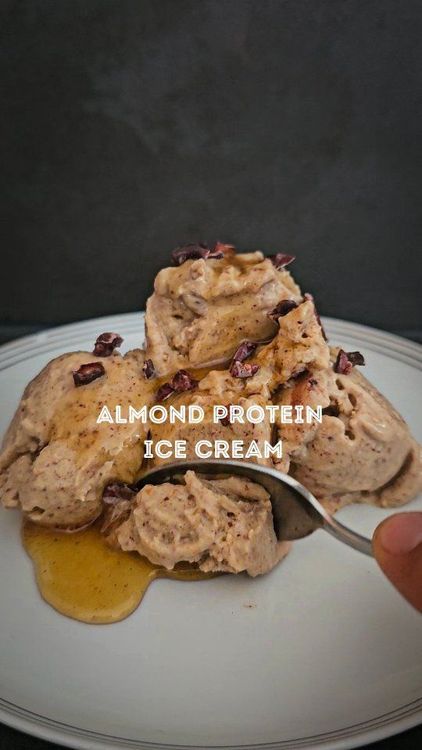
- International
- Vegetarian
- Snack
- International
- Vegan
- Dessert


- Vegetarian
- Dessert

- Indian
- Vegetarian
- Snack

- American
- Vegetarian
- Snack
Ice Cream Sundaes, Sandwiches & Quick Fixes
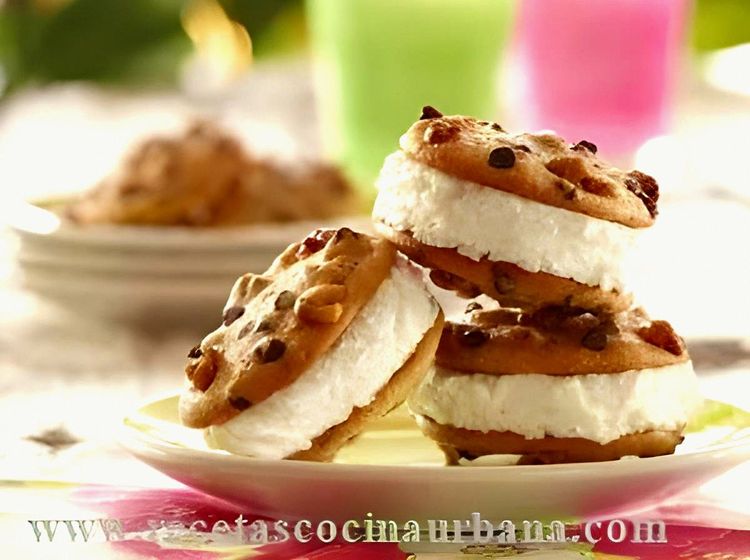
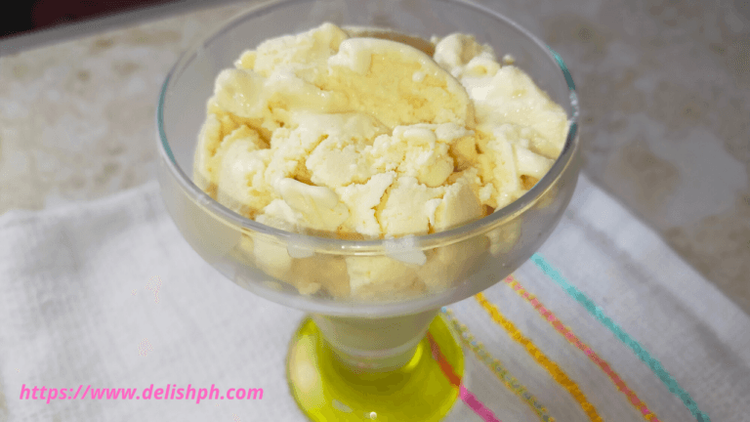
Ice cream sandwiches, sundaes and assembled desserts are where ice cream becomes more of a component than the whole dish — the scoop is still central but the experience is built around what surrounds it. Homemade ice cream sandwiches with good cookies (walnut, chocolate chip, oatmeal) are vastly better than any commercial equivalent because you control the cookie-to-ice-cream ratio and use ice cream you made yourself. Sundaes with caramelised fruit, hazelnut praline, nougat pieces or a drizzle of dulce de leche turn a simple scoop into a composed dessert. Five-minute methods — blending frozen banana, stirring cream with condensed milk, or using a simple no-machine method — belong here because the point is the result rather than the process. These recipes are good for using up ice cream that has gone slightly crystalline: sandwich it between two cookies and the texture issue becomes invisible, or blend it into a milkshake-style dessert drink. Standouts here include 5-Minute Ice Cream (No Freezing Required) and Nectarine Pancakes with Blueberry Jam Ice Cream, plus 5-Minute Ice Cream Sandwiches.
- Philippine
- Vegetarian
- Dessert
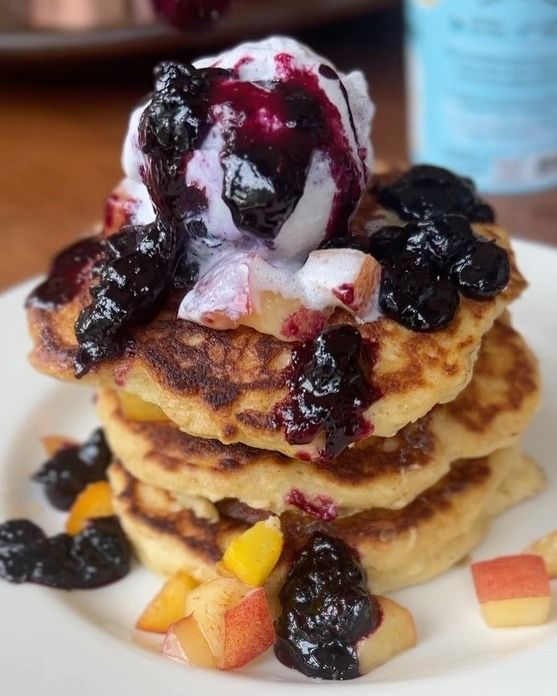
- American
- Eggetarian
- Breakfast
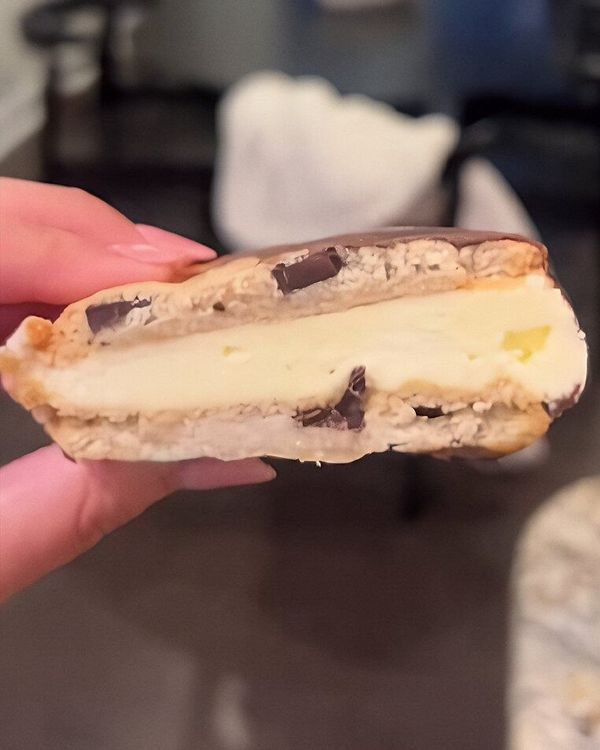

- American
- Vegetarian
- Snack
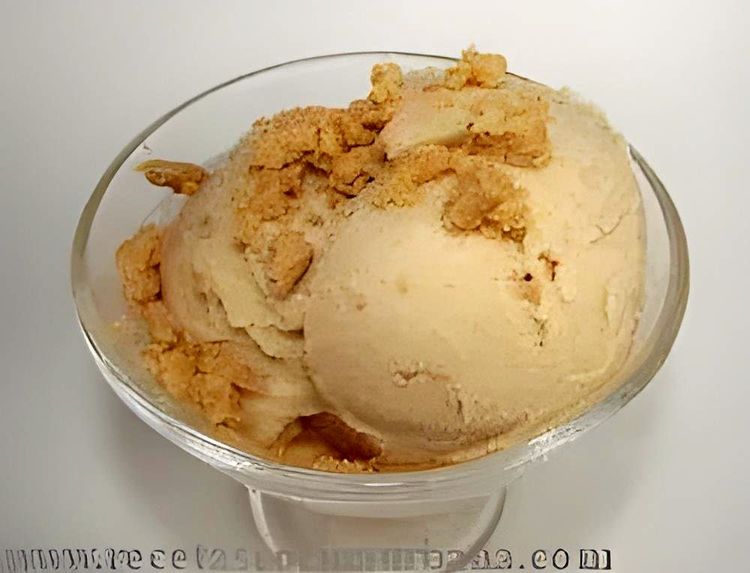
- Spanish
- Eggetarian
- Dessert
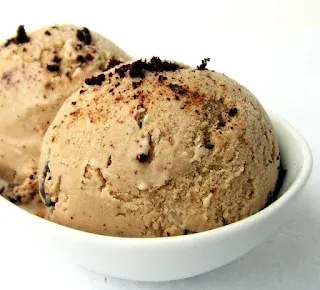
- International
- Vegetarian
- Snack
More Ice Cream Favourites
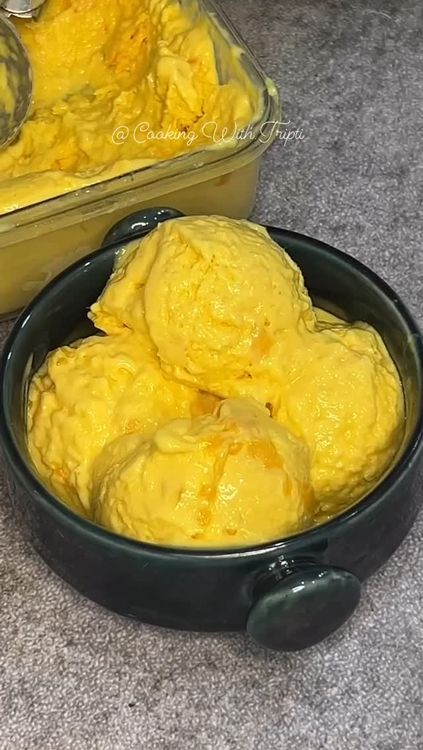
A few more dishes worth a place in your rotation — same techniques, different results. Standouts here include Mango Ice Cream and Ice Cream.
- Indian
- Vegetarian
- Snack

- Vegetarian
- Dessert
Custard vs No-Custard Ice Cream Bases
The two main types of ice cream base are custard (egg yolks cooked with milk and sugar) and Philadelphia-style (no eggs, just cream, milk and sugar). Custard-based ice cream is richer, creamier and scoops more easily straight from the freezer because the egg yolks add emulsifying fat. The catch is that you need to cook the custard carefully — heat too fast and the yolks scramble.
To make a custard base safely: heat the milk and sugar until steaming but not boiling, then pour it slowly into whisked yolks, a ladle at a time, to temper them. Return the mixture to the pan and cook over medium-low heat, stirring constantly, until it coats the back of a spoon (around 75–80°C / 167–176°F). Strain and chill completely before churning. Chilling the base overnight improves the finished texture.
Philadelphia-style bases are faster and work well for fruity, tangy or light flavours where you want the add-ins to shine rather than a rich eggy background. Simply heat the cream and sugar, dissolve the sugar, add flavourings and chill before churning. These bases are also better for lower-fat recipes — yogurt, coconut milk or a mix of milk and cream can replace heavy cream without the mixture splitting the way a custard might.
Fat, Sugar and Why Both Control Texture
Fat and sugar are not just flavour components in ice cream — they are the texture architects. Fat from cream coats ice crystals as they form during churning, keeping them small and giving the finished scoop its smooth, creamy mouthfeel. More fat means a creamier scoop; less fat and you get more ice-crystal bite, which is actually desirable in sorbet or granita but not in a scoop you want to eat like a restaurant ice cream.
Sugar lowers the freezing point of the mixture, which keeps the ice cream soft and scoopable even at freezer temperature. Too little sugar and the ice cream freezes rock-solid; too much and it stays so soft it melts in seconds after scooping. Most recipes balance around 150–200 g of sugar per litre of base. Swapping some of that sugar for honey, maple syrup or glucose syrup (which contains different sugar molecules) can improve softness and reduce crystallisation over time.
For add-ins — chocolate chips, nuts, cookie pieces, fruit — fold them in during the last two minutes of churning, not at the start. Added too early, they sink, break apart or get pulverised by the paddle. Frozen fruit should be cut small and tossed in a little sugar before adding so it does not seize into icy chunks in the finished scoop.
Churning and No-Churn Techniques
If you have an ice cream maker, pre-freeze the bowl for at least twenty-four hours and churn the ice cream base straight from the fridge while it is cold. A cold base churns faster and produces smaller ice crystals. Most home machines take twenty to thirty minutes to reach a soft-serve consistency. Transfer to a container, press clingfilm directly onto the surface, and freeze for at least four hours for a scoopable result.
No-churn ice cream works on a different principle: whipped cream (or whipped coconut cream) is folded into a sweetened condensed milk base and frozen without stirring. The air beaten into the cream substitutes for what a machine would introduce through churning. The texture is slightly denser and icier than churned ice cream, but for flavour-forward recipes — mint chocolate chip, cookies and cream, mango — the difference is minor.
For a Ninja Creami or similar piston-style machine, the process is reversed: freeze the base solid in the included pots, then process from frozen. This gives an extraordinarily smooth texture from a base that would normally be rock-solid. The technique works well with high-protein bases (cottage cheese, Greek yogurt) that would separate in a traditional churn.
Storage, Scooping and Preventing Ice Crystals
The enemy of stored ice cream is large ice crystals, which form when the surface temperature fluctuates — every time you open the freezer lid, or when the compressor cycles. Press clingfilm or baking parchment directly onto the surface of the ice cream before fitting the lid. This prevents the top layer from being exposed to the air inside the container, which is where crystals form first.
Store ice cream at the back of the freezer, not the door — the temperature at the door swings with every opening. Homemade ice cream, without commercial stabilisers, keeps well for two to three weeks before texture degrades noticeably. After that, crystals become grainy and the flavour dulls. Make smaller batches more often rather than a large batch you will eat over a month.
Scoop straight from the freezer with a warm, dry scoop (run it under hot water and dry it between scoops). A warm scoop glides through the ice cream without dragging. If the ice cream is rock-solid after a long freeze, leave the container at room temperature for five to ten minutes to temper. Moving it from freezer to fridge thirty minutes before serving works even better — the slow temper gives a creamy, even texture throughout.
Pro Tips from the Test Kitchen
- Chill your ice cream base completely — at least four hours, preferably overnight — before churning for the smallest ice crystals and creamiest result.
- Press clingfilm directly onto the surface of churned ice cream before putting the lid on to prevent ice crystals forming on top.
- Temper custard slowly by pouring hot milk into eggs a ladle at a time — never add eggs directly to boiling liquid.
- Add mix-ins (chips, cookie pieces, fruit) in the last two minutes of churning so they stay intact and distribute evenly.
- For a softer scoop straight from the freezer, replace some of the sugar with glucose syrup or honey, which lower the freezing point differently.
- Pre-freeze your machine bowl for a full twenty-four hours before use — an under-frozen bowl produces a slushy, under-set result.
- Salt in the base (even for sweet ice cream) at about a quarter teaspoon per litre sharpens flavour and rounds sweetness.
- Strain your custard before chilling it — this catches any cooked egg bits that would show up as lumps in the finished ice cream.
- For no-churn ice cream, fold whipped cream into condensed milk very gently to keep the air in and the texture light.
- Store ice cream at the back of the freezer, not the door, where temperature is most stable.
Frequently Asked Questions
Do I need an ice cream maker to make good ice cream at home?
No, but the method changes. With a machine, you churn a liquid base into a creamy, smooth-textured ice cream. Without one, the most reliable route is the no-churn method: fold whipped cream into sweetened condensed milk, add flavourings and freeze for six or more hours. The texture is slightly denser but genuinely delicious, especially for strongly flavoured varieties like coffee, mango or chocolate.
Why does homemade ice cream go hard in the freezer?
Commercial ice cream contains stabilisers and emulsifiers that keep it soft; homemade does not. The main fixes: use a higher ratio of cream to milk (more fat), include egg yolks (they emulsify and improve scoopability), add a little alcohol (it lowers the freezing point), or swap some sugar for glucose syrup or honey. Tempering the container at room temperature for five to ten minutes before scooping also helps considerably.
What is the difference between ice cream, gelato and kulfi?
Ice cream has a high cream-to-milk ratio and is churned with air incorporated; gelato uses more milk, less cream and less air (churned slower), giving a denser, more intensely flavoured result served slightly warmer. Kulfi is an Indian frozen dessert made by reducing full-fat milk until concentrated, then freezing without churning — this gives an extremely dense, slow-melting texture closer to a frozen milk solid than a scooped cream.
How long does homemade ice cream last in the freezer?
At its best for two to three weeks stored with clingfilm pressed directly onto the surface and a tight lid. After about a month the texture degrades — larger ice crystals form and the flavour dulls. Because homemade ice cream has no stabilisers, it does not keep as long as commercial. Making smaller, more frequent batches gives a better result than one large tub eaten over weeks.
Can I make ice cream without eggs?
Yes. Philadelphia-style ice cream uses only cream, milk and sugar — no eggs. The texture is slightly less smooth and creamy than a custard-based version but the flavour is cleaner and the method faster. It works particularly well for fruity, herbal or mint flavours where a rich eggy background would compete. No-churn recipes also typically have no eggs, using condensed milk as the sweetener and stabiliser instead.
What cream should I use for ice cream?
Heavy (double) cream with at least 35% fat gives the richest, most scoopable result. Single cream has too little fat and produces an icy, less creamy texture. For a lighter ice cream, you can use half heavy cream and half whole milk — this is the standard base for most home recipes. Full-fat coconut cream is an excellent dairy-free substitute that also produces a rich, scoopable scoop.
How do I stop ice cream from becoming icy and grainy?
Press clingfilm directly onto the ice cream surface before putting the lid on. Store at the back of the freezer where temperature is most stable. Churn from a well-chilled base. Use a high enough fat content. And avoid repeatedly opening the container, which causes the surface to melt and refreeze into crystals. Eating homemade ice cream within two weeks prevents the long-term crystal growth that makes texture grainy.
Can I make dairy-free or vegan ice cream?
Yes. Full-fat coconut milk or coconut cream is the most reliable dairy-free base — it has enough fat to churn smoothly and a neutral flavour that works with most add-ins. Cashew milk blended from soaked cashews gives a creamy, slightly sweeter result. Oat or almond milk works but produces a slightly icier texture because of the lower fat content. Replace egg yolks with a spoonful of tapioca starch or a little coconut cream to add body.
What flavours work best for homemade ice cream?
Vanilla, chocolate, strawberry, coffee and caramel are classics for good reason — they translate reliably from base to scoop. Fruit sorbets (mango, raspberry, lemon) are among the easiest to make and the most impressive. More unusual flavours like brown butter, salted caramel, roasted banana or cardamom are where homemade really outshines commercial, because those flavours rarely appear in shops in quality versions.
Why is my ice cream base lumpy after cooking?
Lumps in a custard base are cooked egg protein — the yolks were added to liquid that was too hot, or the base was stirred too vigorously over too high a heat. Always temper the eggs by adding hot milk to them gradually, and cook the finished custard at medium-low heat, stirring constantly. If lumps form, strain the base through a fine mesh sieve while it is still warm — this catches the cooked bits before they ruin the finished texture.
Every recipe in this collection comes back to the same principle: cold fat, dissolved sugar and enough air make a scoop that is worth making. Whether you use a machine, a no-churn method or a kulfi mould, the technique decisions in the guides above — base type, fat ratio, churning approach, storage — are what separate a creamy, scoopable result from a block of flavoured ice.
Start with a classic vanilla or chocolate to calibrate your machine and your palate, then work through the sorbets, the Indian-style kulfi and the high-protein alternatives. Save your favourites to a Chefadora cookbook and come back to this page each season — fruit ice cream in summer, spiced custards in autumn, rich chocolate and nougat in winter.
Related
- Ice Cream
- Frozen Desserts
- Summer
- Dessert
- No-Churn
- Dairy-Free
- High Protein
Popular Searches
- Best ice cream maker recipes
- Easy ice cream maker recipes
- Quick ice cream maker recipes
- Healthy ice cream maker recipes
- Simple ice cream maker recipes
- Homemade ice cream maker recipes
- Delicious ice cream maker recipes
- Popular ice cream maker recipes
- homemade ice cream
- ice cream recipes
- no churn ice cream
Marnirni-apinthi Building, Lot Fourteen,
North Terrace, Adelaide, South Australia, 5000
Australia
