
Top 45 Bbq Recipes: Grilled Chicken, Ribs, Skewers and Sides
Updated June 30, 2026 · Curated by Chefadora
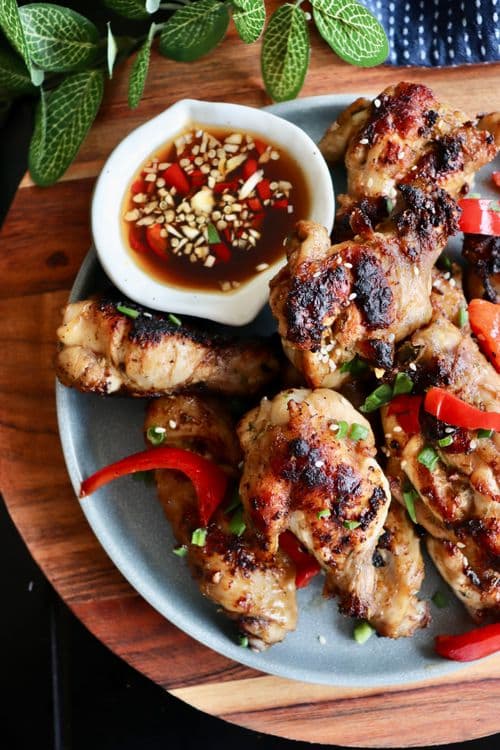
BBQ recipes have one thing in common regardless of whether they come from Kansas City, Karachi, Lagos or Buenos Aires: fire transforms them. The grill is a cooking tool unlike any other — it adds char, smoke and caramelisation simultaneously, and it does things to chicken wings, lamb chops, fish fillets and corn that an oven simply cannot replicate. This collection draws from that global tradition, from slow-cooked American ribs to South Asian spiced tikka to Vietnamese lemongrass wings.
What most people miss about good grilling is that the preparation happens long before the food hits the fire. A marinade needs time — ideally overnight — to season meat all the way through rather than just coating the surface. Meat that goes onto the grill cold from the fridge cooks unevenly; it needs twenty to thirty minutes at room temperature first. Oiling the grate, not the food, prevents sticking. These are small habits that compound into the difference between good and great results.
You will find four sections here: grilled chicken and poultry, which covers wings, kebabs, tikka and whole pieces; ribs, pork and beef for the slow-cook devotees; sides and salads that hold a BBQ spread together; and grilled fish, lamb and skewers for variety beyond the usual. The guides below cover the technique in detail — two-zone fires, marinades, timing and how to handle the inevitable flare-up.
BBQ food is inherently communal and relaxed, which is part of its appeal. Most of the recipes in this collection are naturally suited to feeding a group — they scale up without much extra effort, many components can be made ahead, and the grill is a social centrepiece that keeps everyone nearby while the food cooks. Use this page as a menu-planning reference: pick one protein, two sides and a sauce, and you have a complete spread.
Grilled Chicken & Poultry
Grilled chicken is the easiest entry point into outdoor cooking and also one of the hardest to do really well — the gap between a charred, juicy wing and a pale, undercooked one comes down to a handful of small decisions. Marinade time matters most: the difference between an hour and overnight is the difference between flavored surfaces and seasoned-all-the-way-through meat. Yogurt-based marinades (tikka, hariyali) tenderize gently and can safely go overnight; acid-forward marinades (citrus, vinegar) work faster and should not exceed a few hours or they make the exterior mushy. The two-zone fire is the other critical move for anything larger than a wing: high direct heat for colour, then indirect heat with the lid down to cook through. Lemongrass wings, balsamic glazed wings, hariyali tikka, peri-peri chicken and herb-garlic pieces each bring different flavor profiles to the same fundamental technique. Standouts here include Lemongrass Chicken Wings and Herbs & Garlic Chicken, plus Balsamic Glazed Chicken Wings .
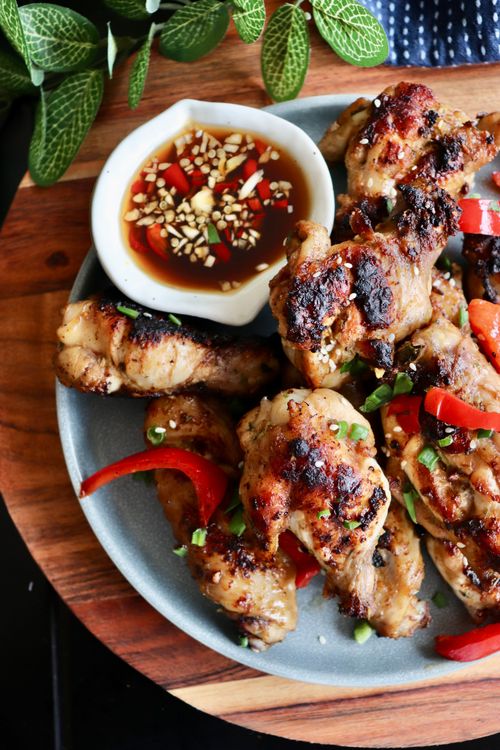

- Vietnamese
- Non-Vegetarian
- Appetiser
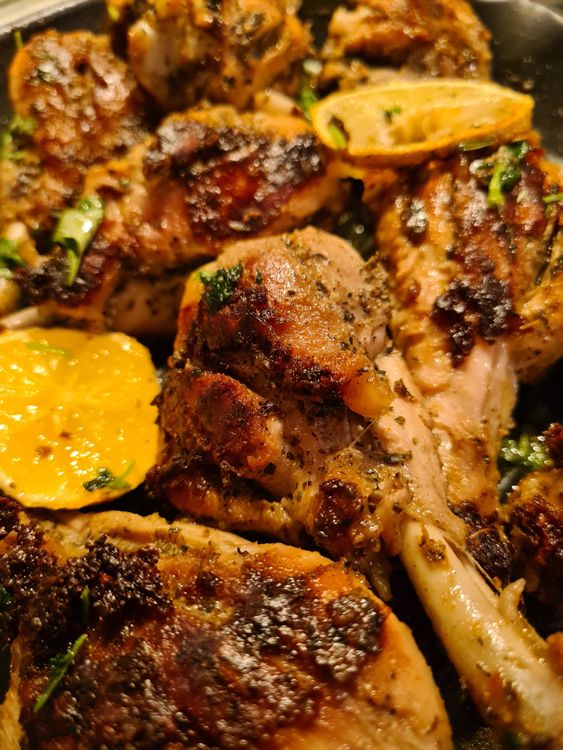
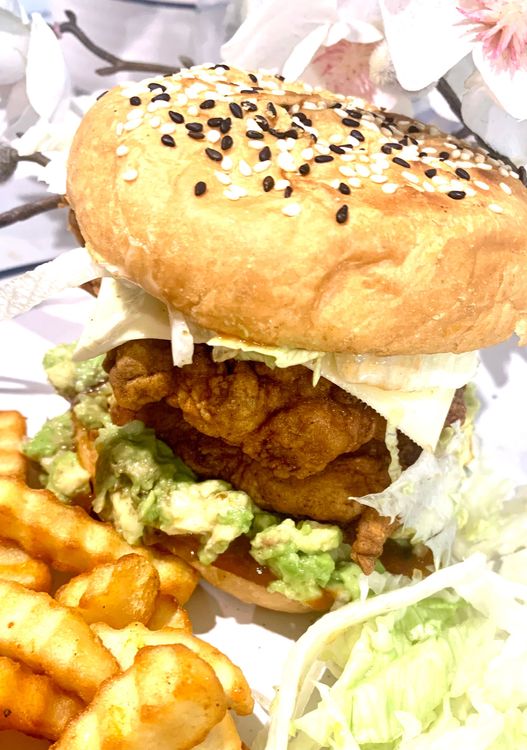
- Australian
- Non-Vegetarian
- Snack
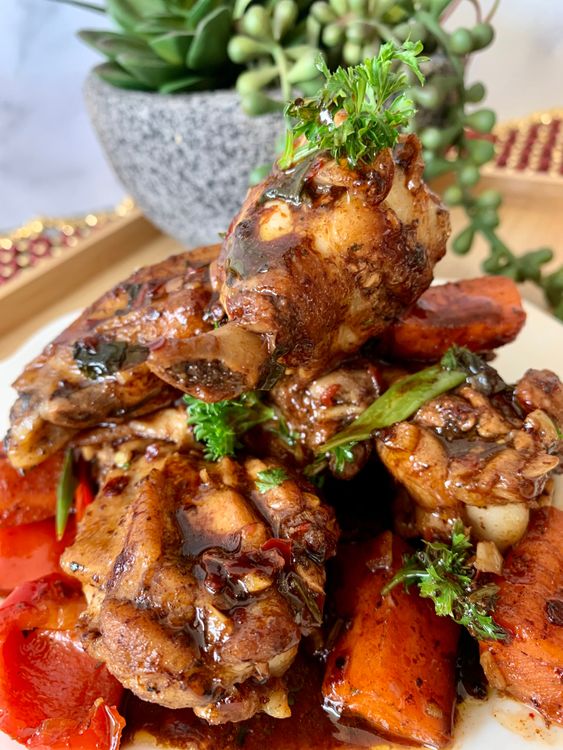
- Italian
- Non-Vegetarian
- Lunch
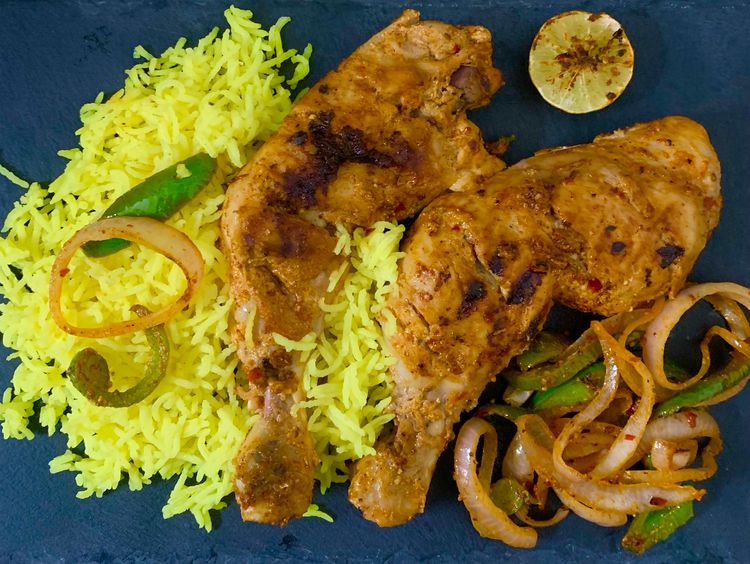
- Indian
- Non-Vegetarian
- Breakfast
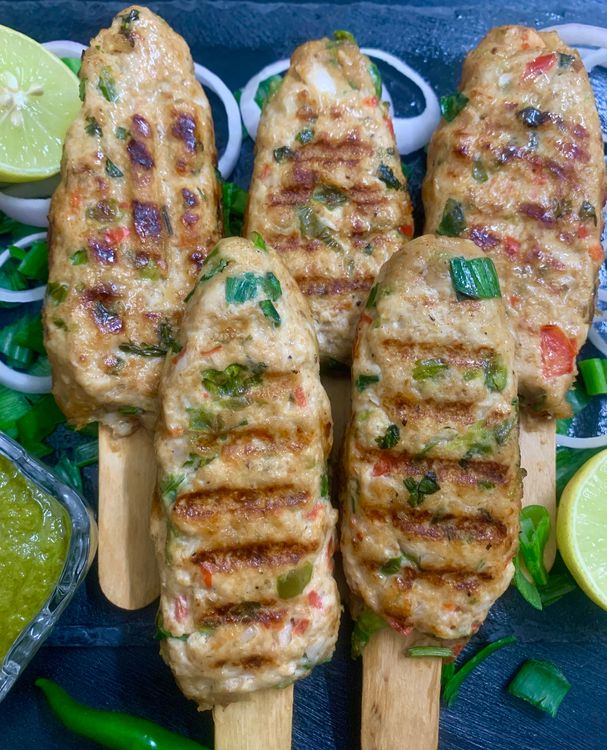
- Indian
- Non-Vegetarian
- Lunch
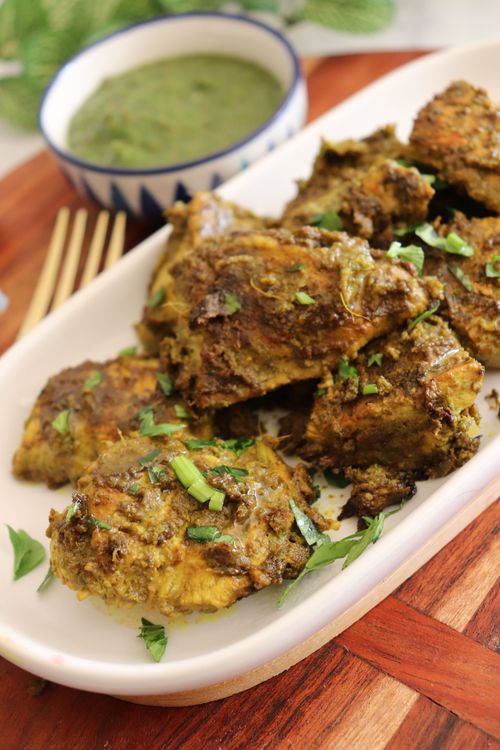
- Indian
- Non-Vegetarian
- Appetiser
- Indian
- Gluten-Free
- Appetiser
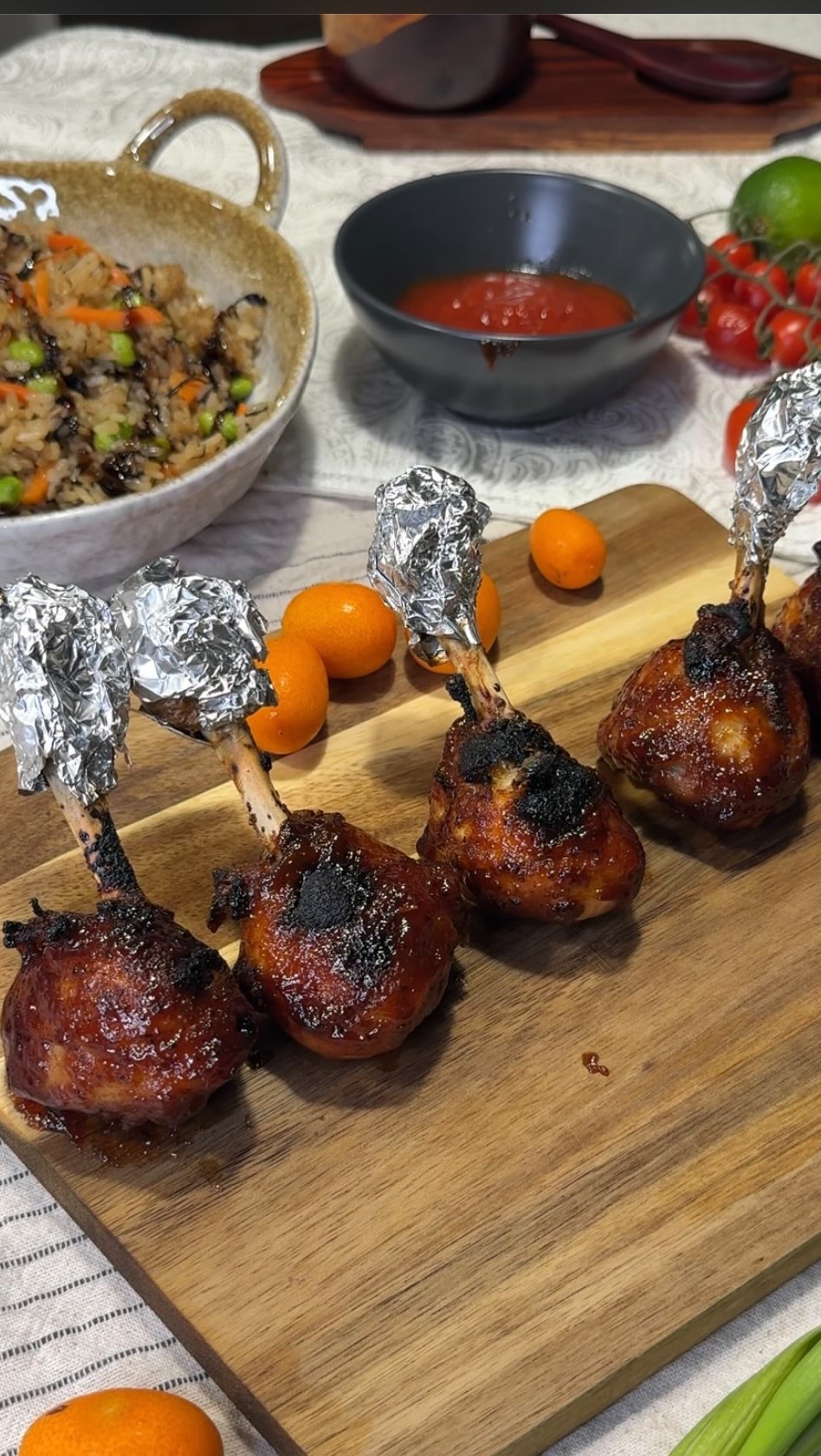

- Non-Vegetarian
- Snack
- International
- Non-Vegetarian
- Lunch
Ribs, Pork & Beef
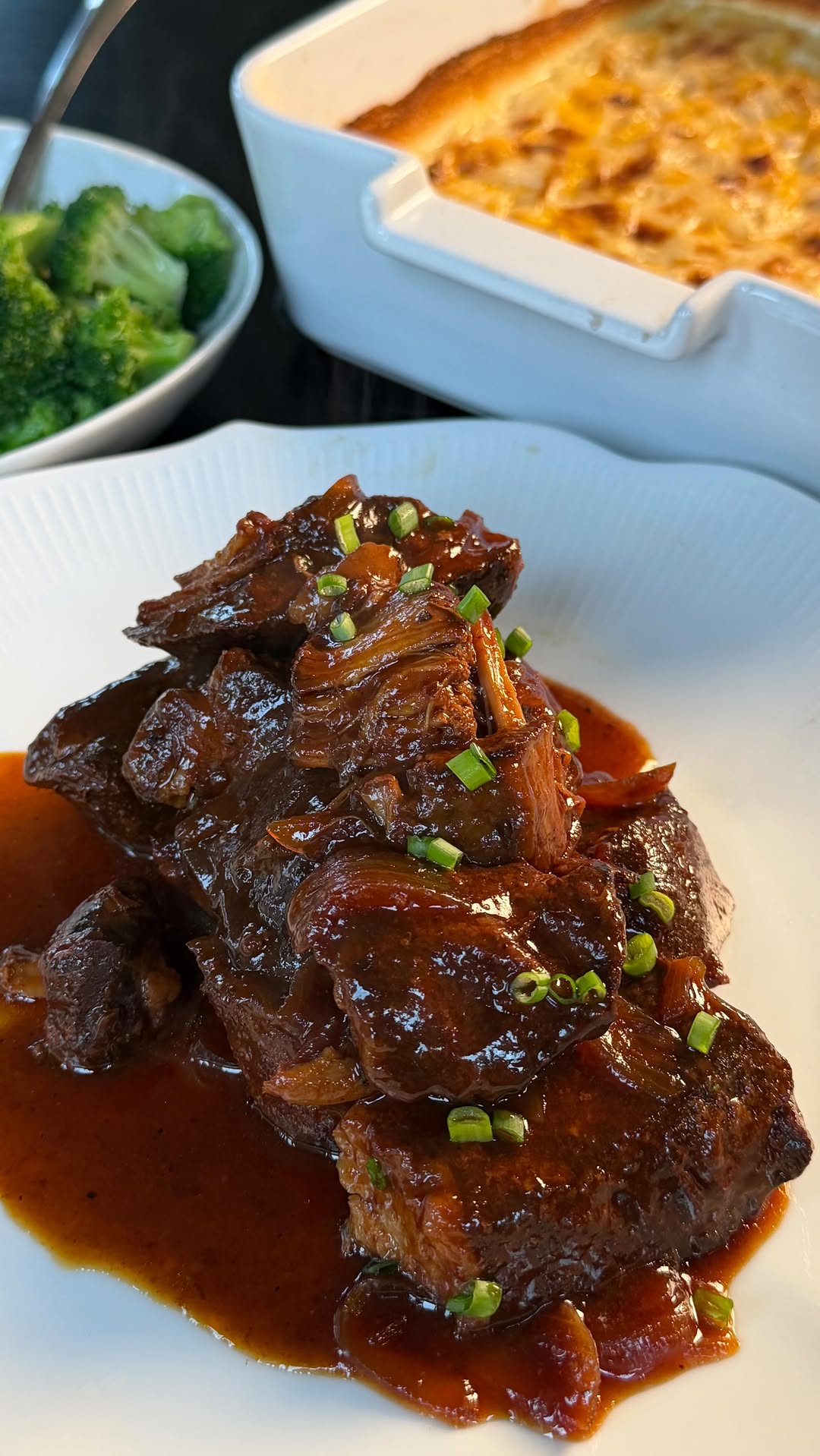
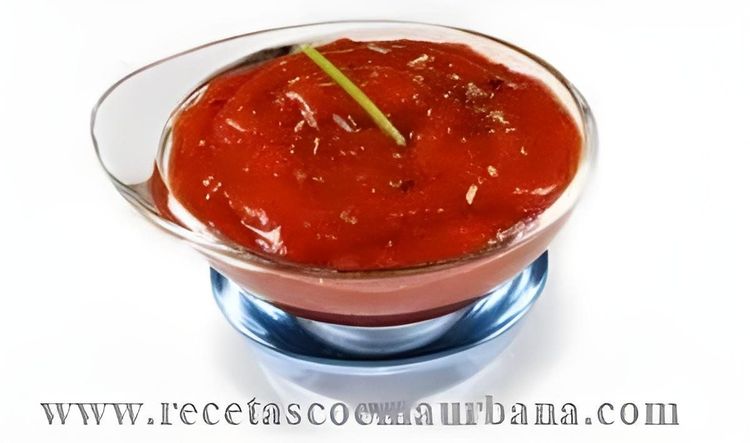
Ribs, brisket and slow-cooked pork are the pinnacle of BBQ in many traditions — dishes that reward patience and low heat in ways that fast grilling cannot replicate. The transformation that makes ribs fall-off-the-bone tender is collagen dissolving into gelatin, which only happens over time at sustained temperatures above 70 °C. Rushing this — high heat for a shorter time — gives you tough, chewy meat with a charred exterior. The practical approach for a home cook is to use the oven for most of the cooking (low, slow, often wrapped in foil) and the grill only for the final caramelisation and char. Homemade BBQ sauce and ketchup made from scratch bring a freshness and balance that bottled versions rarely match. Slow cooker ribs are a particularly low-effort option for a crowd: start them the morning before, finish on the grill for ten minutes and they are done. Standouts here include Pork Ribs and Beer Brisket, plus Slow Cooker Sweet Barbecue Pork Ribs.
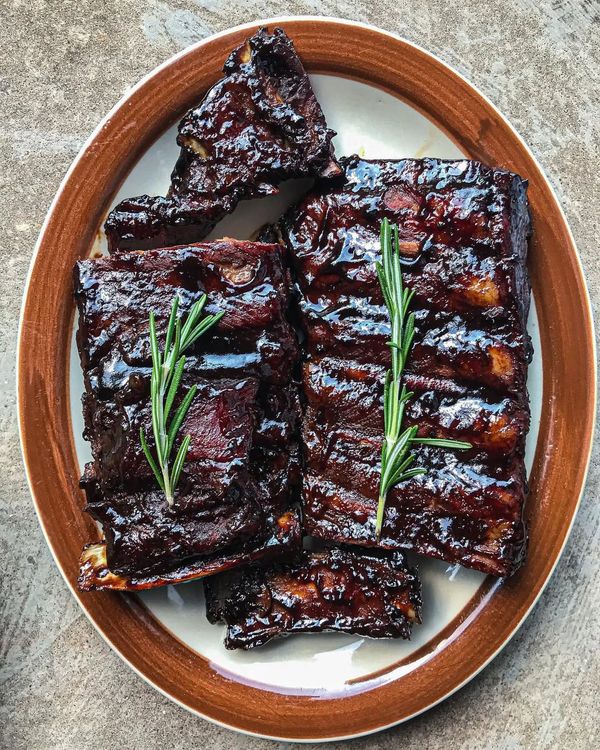
- American
- Non-Vegetarian
- Dinner
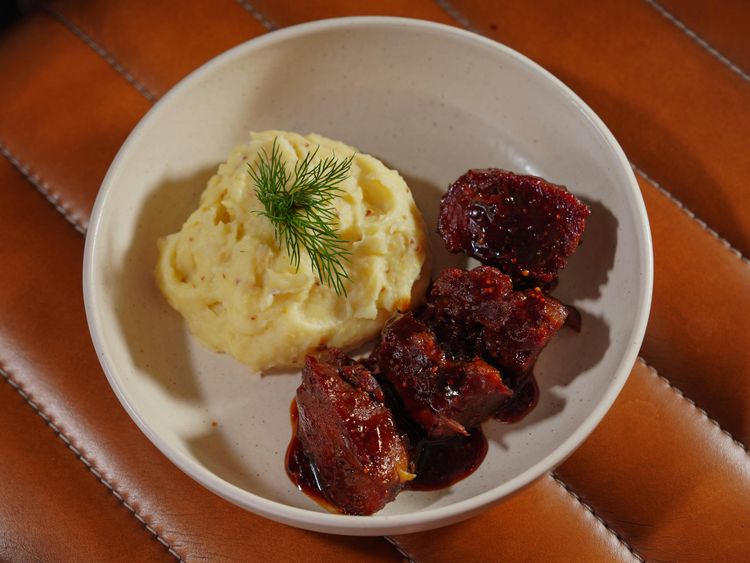
- American
- Non-Vegetarian
- Dinner

- American
- Non-Vegetarian
- Dinner

- Southeast Asian
- Vegetarian
- Snack
- International
- Vegetarian
- Sauce & Condiment
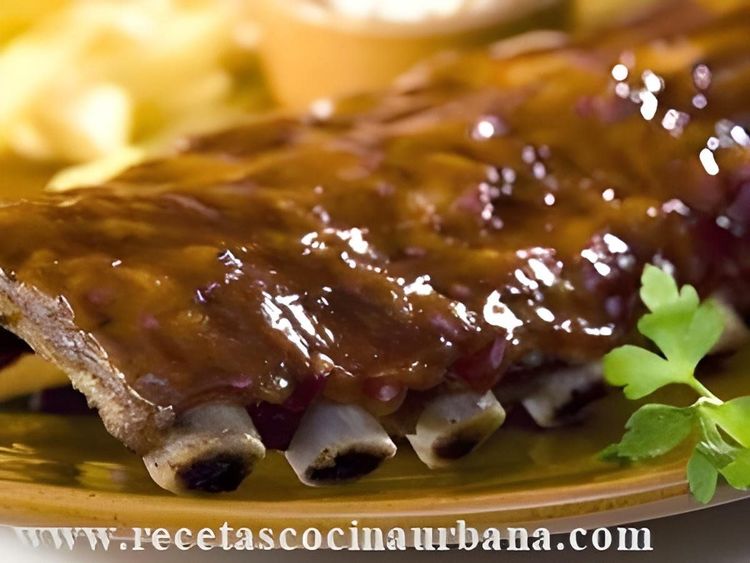
- American
- Non-Vegetarian
- Lunch
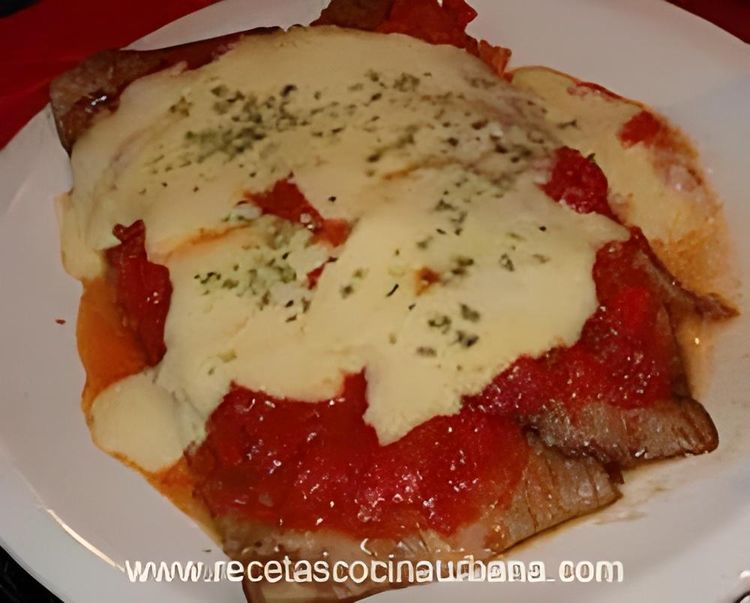
- Argentine
- Non-Vegetarian
- Dinner
BBQ Sides & Salads
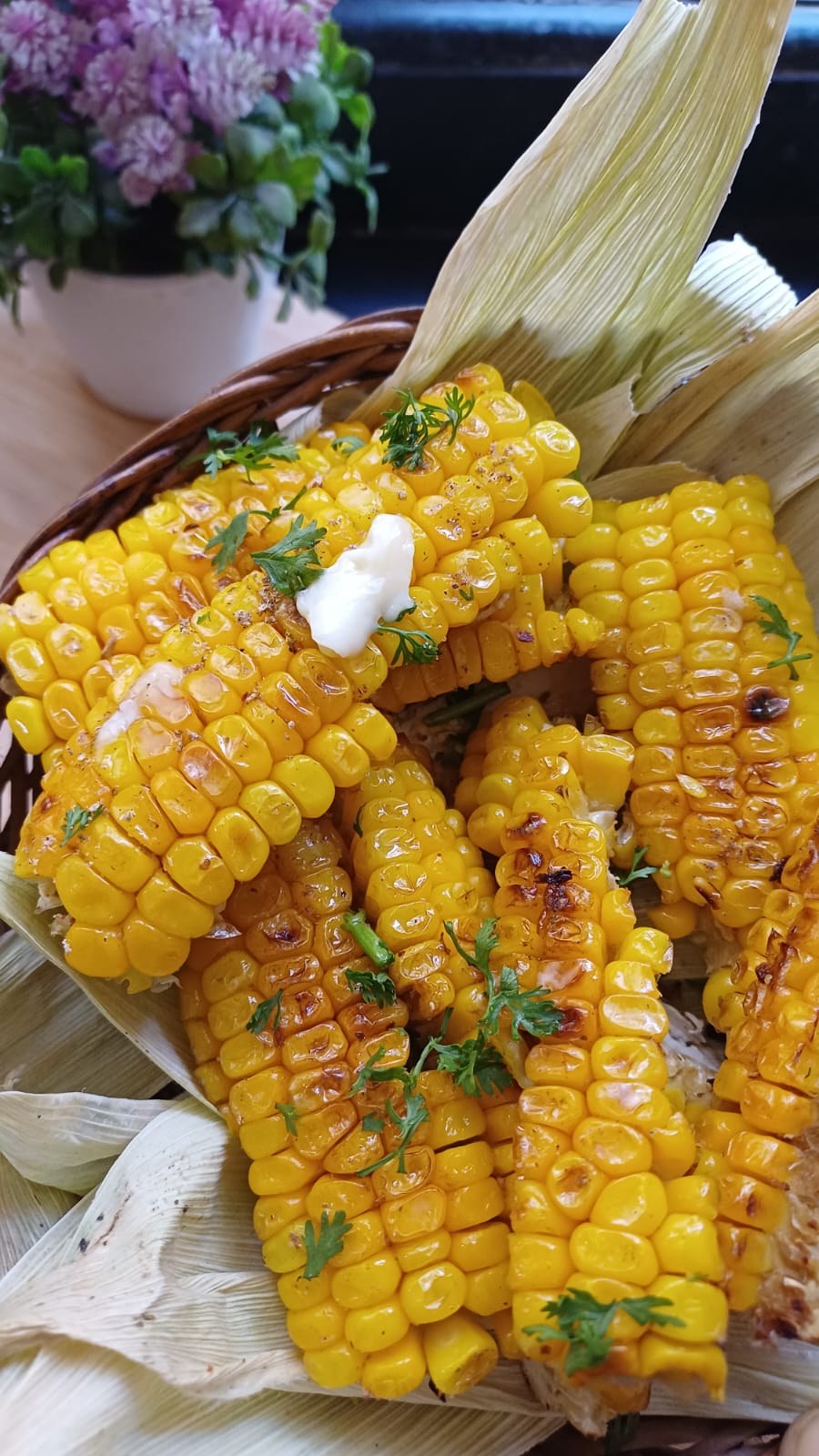
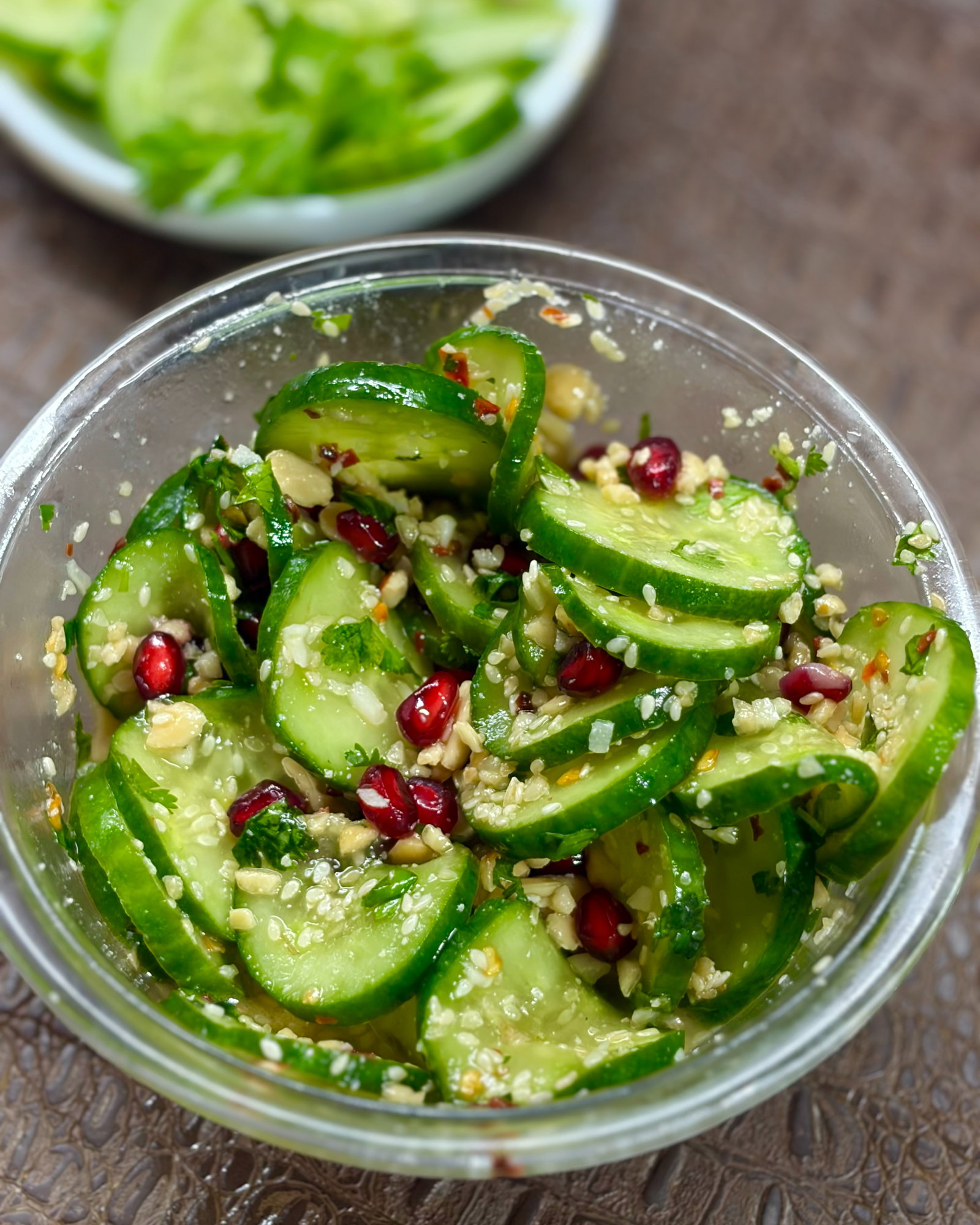
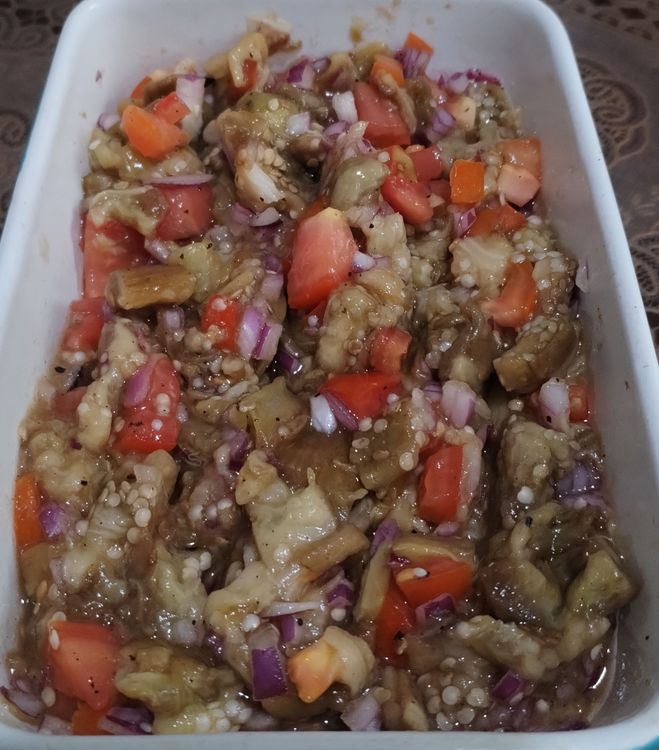
A BBQ spread without good sides is just a pile of meat, and the sides are often what guests remember most. The defining quality of a great BBQ side is that it contrasts with the main event: something cooling to balance heat, something acidic to cut through fat, something crunchy to break up soft textures. Corn dishes — grilled, spiced, or in a salad — are the natural partner for any outdoor cook. Chickpea salads, pasta salads and noodle salads provide substance and soak dressing beautifully when made ahead. Tzatziki, cucumber salad and pickled peppers provide the cooling, acidic element. The practical advantage of these sides is that every single one is better made at least a few hours ahead — the dressing soaks in, the flavors settle and the whole thing comes together more fully. Set them out before the guests arrive so the table looks full before a single piece of meat comes off the grill. Standouts here include Chickpea and Corn Salad and Quick & Easy Peri Peri Corn Salad, plus Mexican Corn & Bean Salsa.
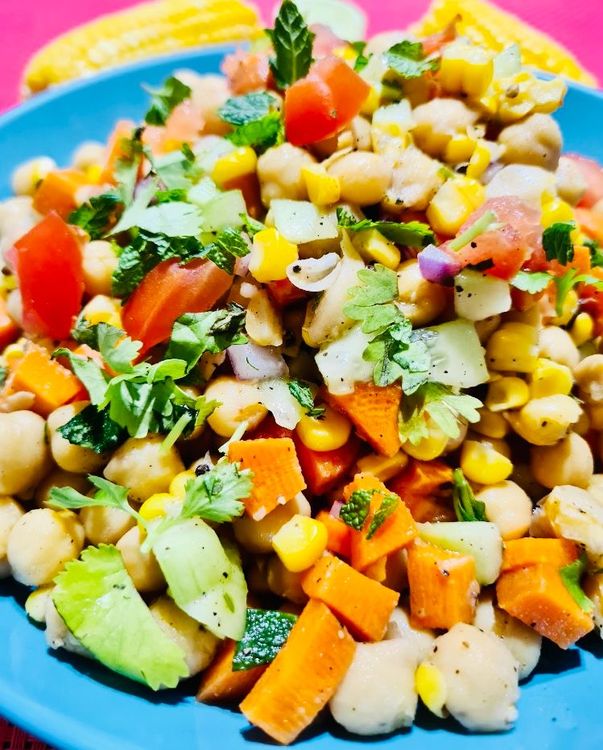
- Vegan
- Appetiser
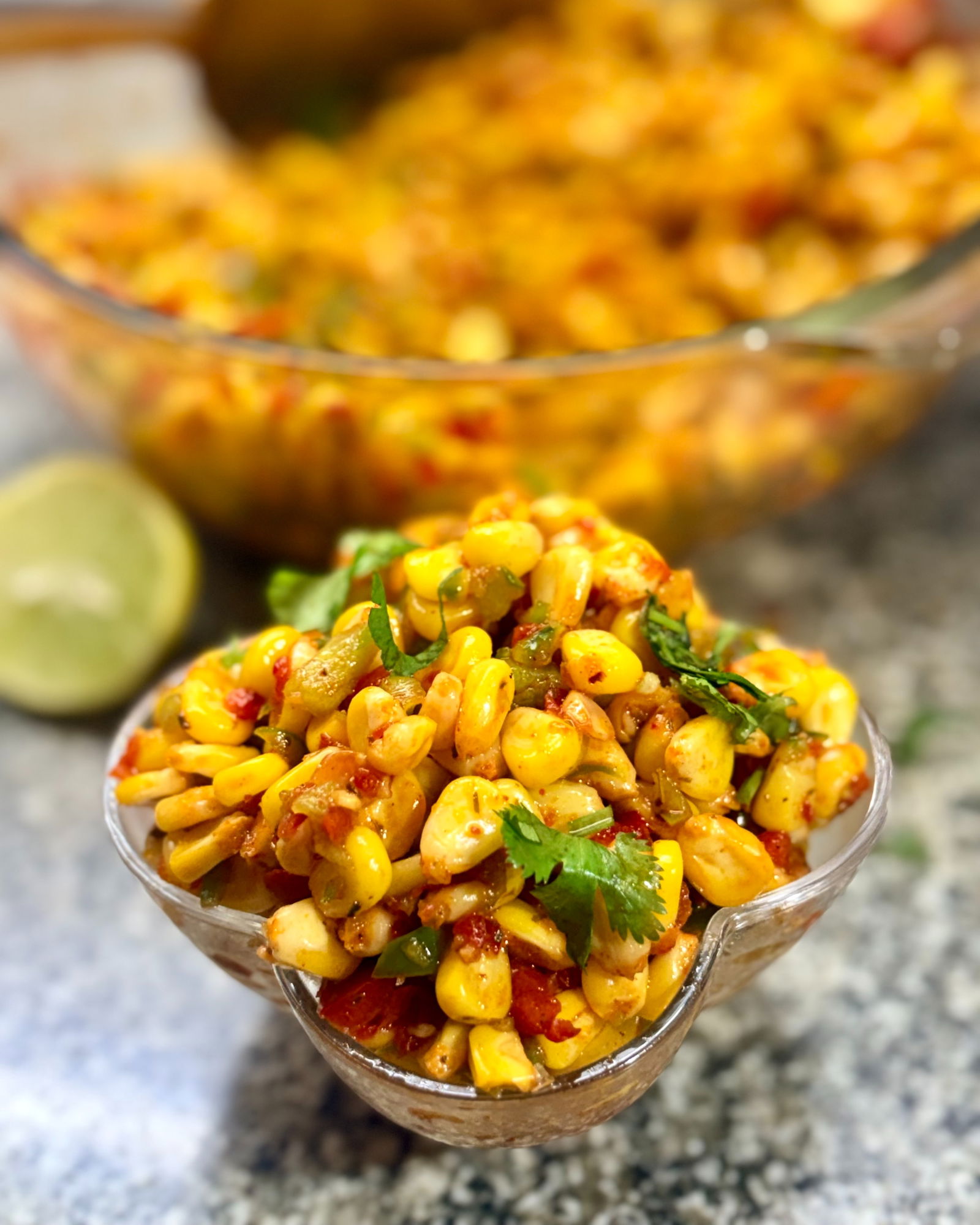
- Fusion
- Vegetarian
- Snack
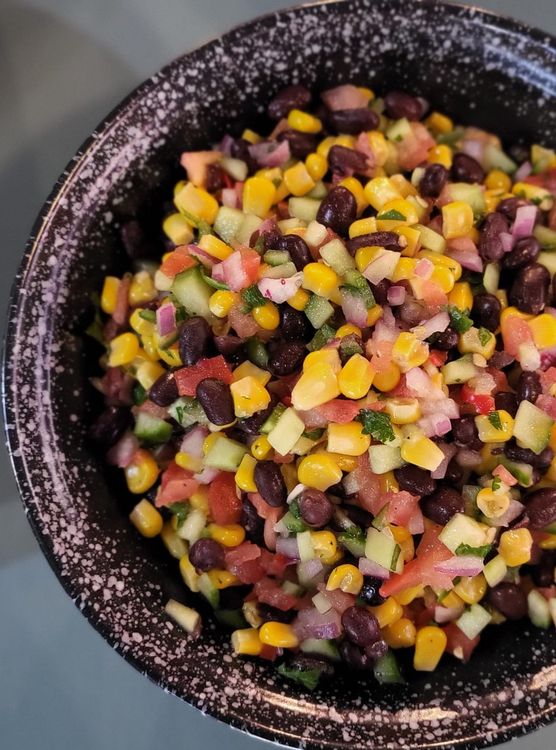

- Mexican
- Vegan
- Snack
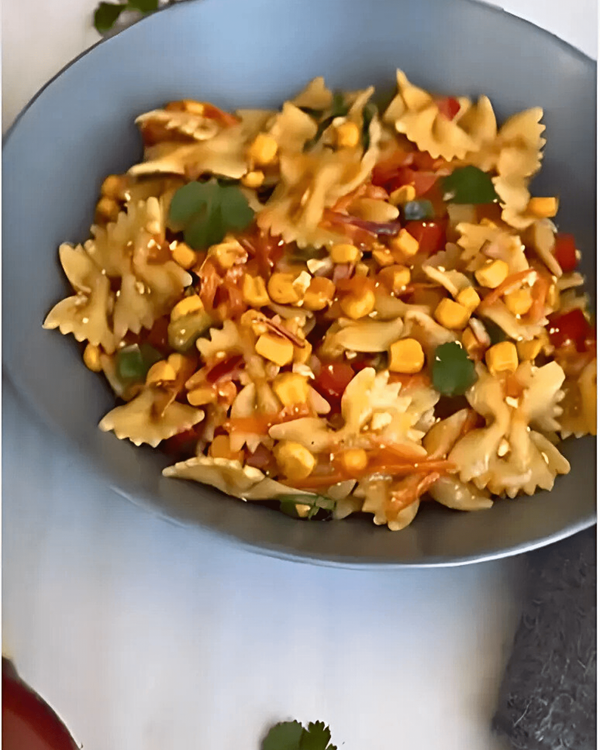
- South African
- Vegetarian
- Snack
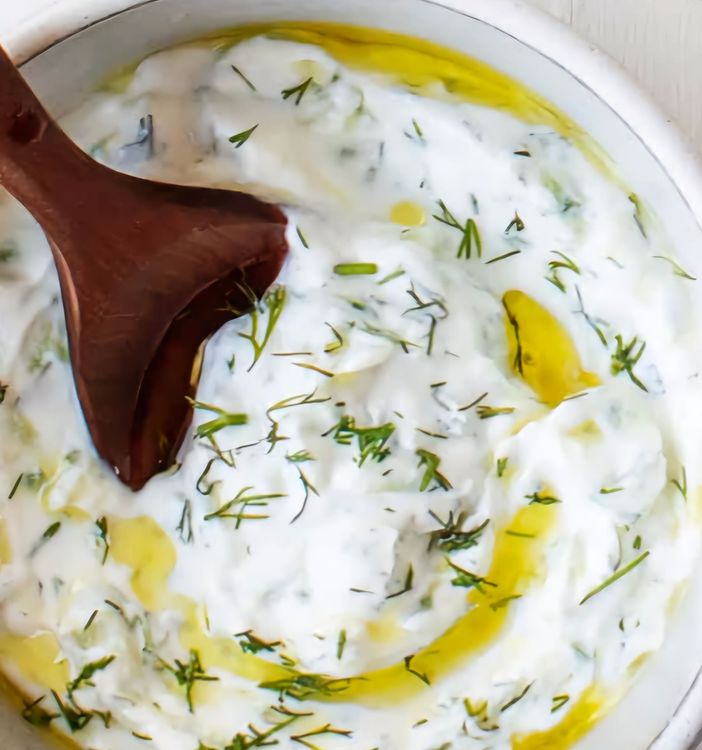
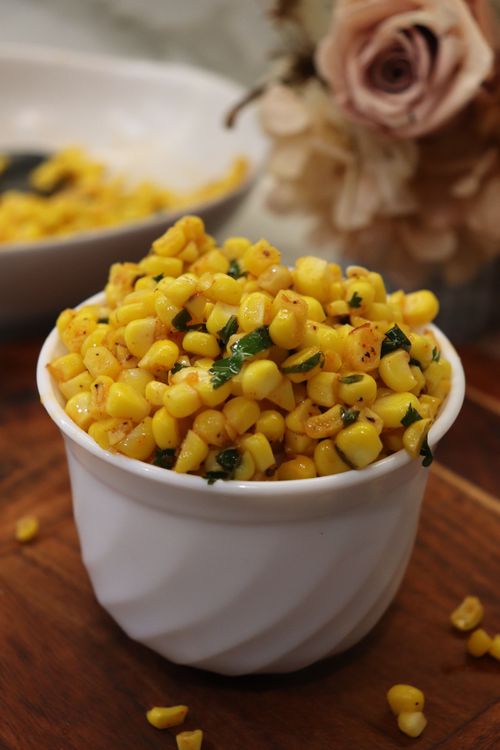
- Indian
- Vegetarian
- Snack


- Non-Vegetarian
- Side Dish
- Vegetarian
- Side Dish

- Vegetarian
- Salad
- Filipino
- Vegan
- Side Dish
- Russian
- Eggetarian
- Side Dish
- International
- Vegan
- Appetiser
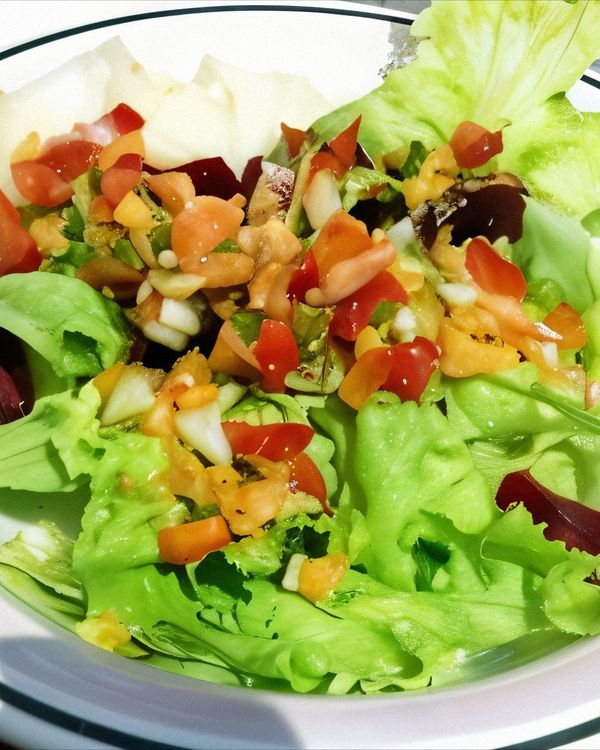
- International
- Vegetarian
- Side Dish
Grilled Fish, Lamb & Skewers
Fish and lamb are the underused stars of the BBQ spread — both grill fast, both take bold seasoning beautifully and both offer a change of pace from the usual chicken and pork. Fish is the most perishable and the most technically demanding: it needs a very clean, very hot, very well-oiled grate, and it will stick and fall apart if moved before it is ready to release on its own. Pat it dry, bring it to room temperature and leave it alone for the first two to three minutes — when it is ready, it lifts cleanly. Amritsari-style fish brings the North Indian tradition of gram-flour-spiced fillets to the grill. Lamb chops and skewers are far more forgiving: they love aggressive spicing, a short but hot sear and five minutes of rest. Iberico presa with chimichurri and matambre a la pizza represent the Argentine tradition of treating the whole animal as grill fodder, with little more than good seasoning and fire. Standouts here include Spiced Lamb Chops and Amritsari Fish, plus Grilled Fish.
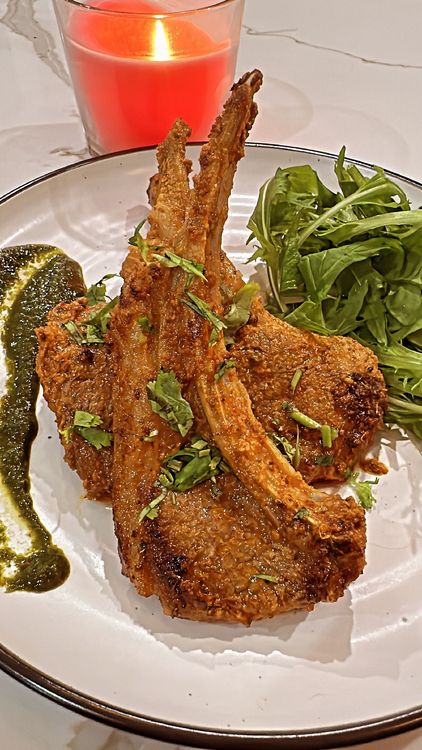
- Indian
- Non-Vegetarian
- Appetiser
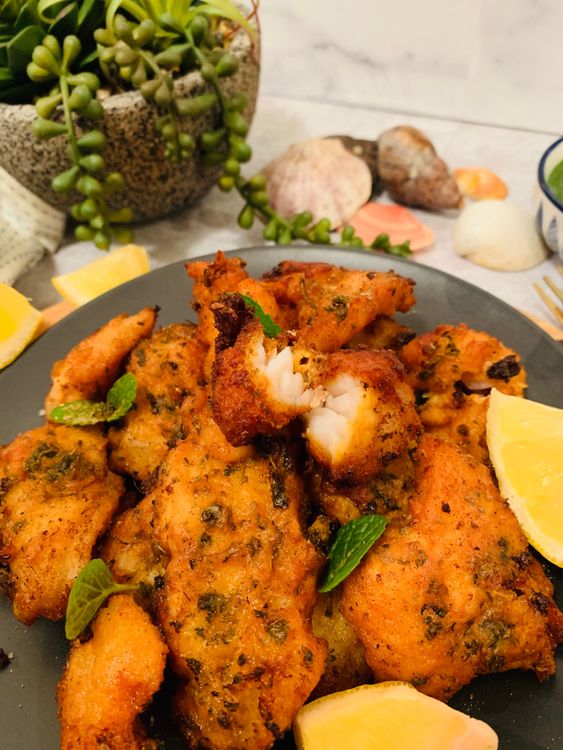
- Indian
- Gluten-Free
- Appetiser
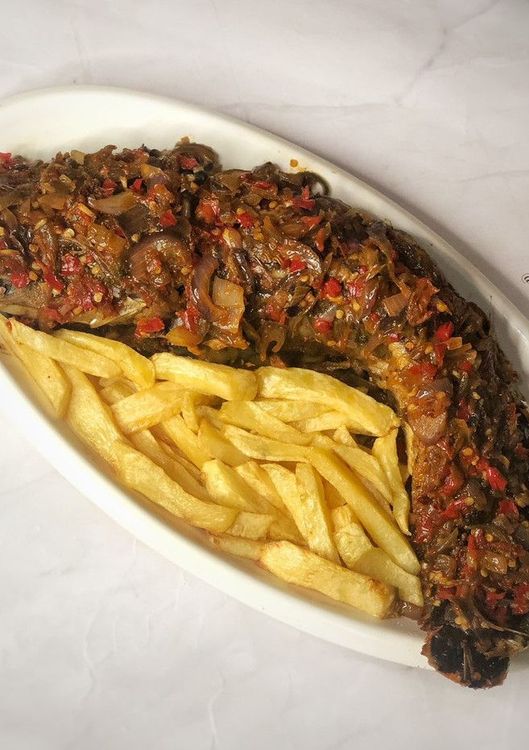

- African
- Pescatarian
- Lunch
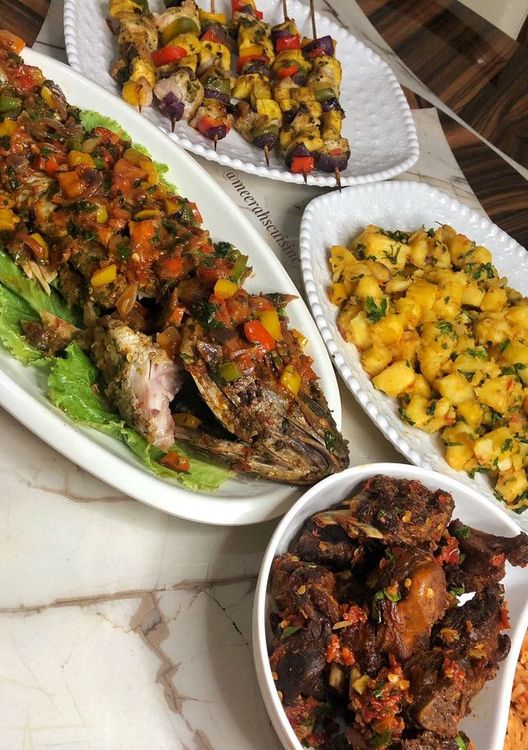
- African
- Pescatarian
- Lunch
More BBQ Favourites
A few more dishes worth a place in your rotation — same techniques, different results. Standouts here include Paruppu Vadai/Masala Vadai and Rajasthani Mirchi Vada, plus Vegan Coconut Ice Cream.
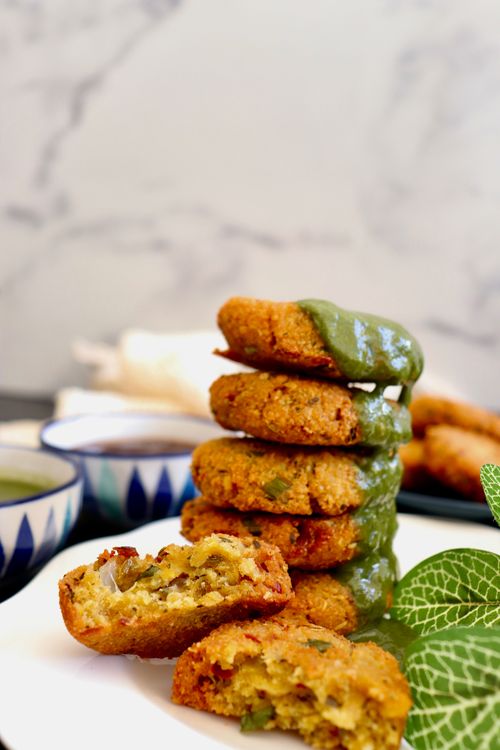
- Indian
- Vegan
- Snack
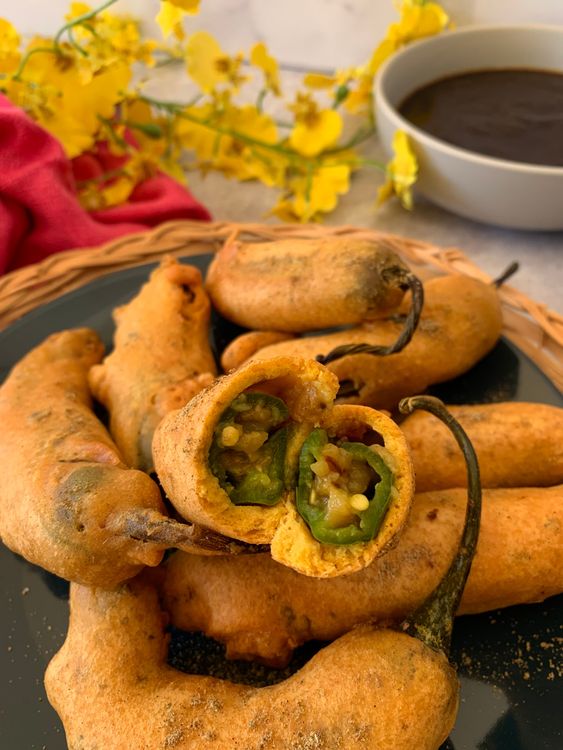
- Indian
- Vegan
- Appetiser
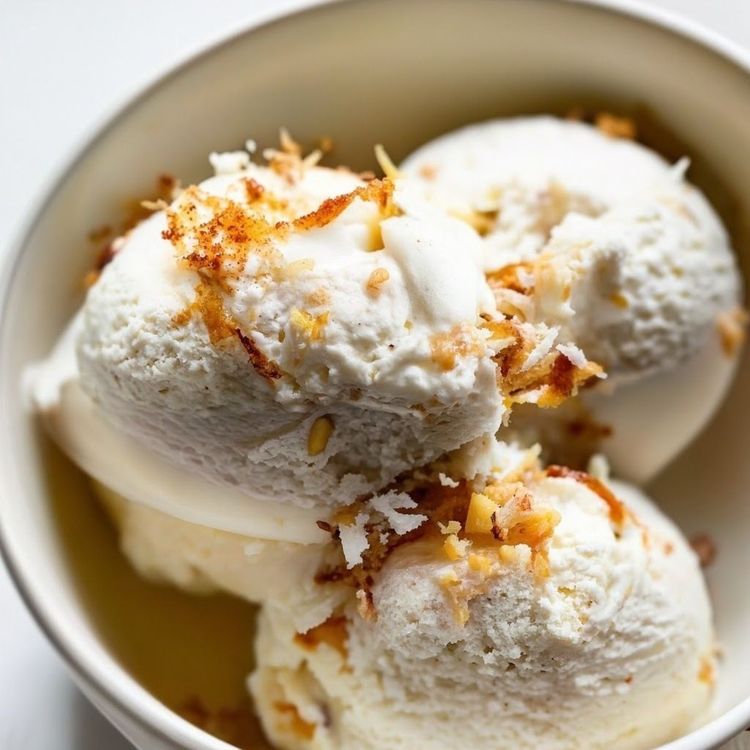

- Thai
- Vegan
- Dessert
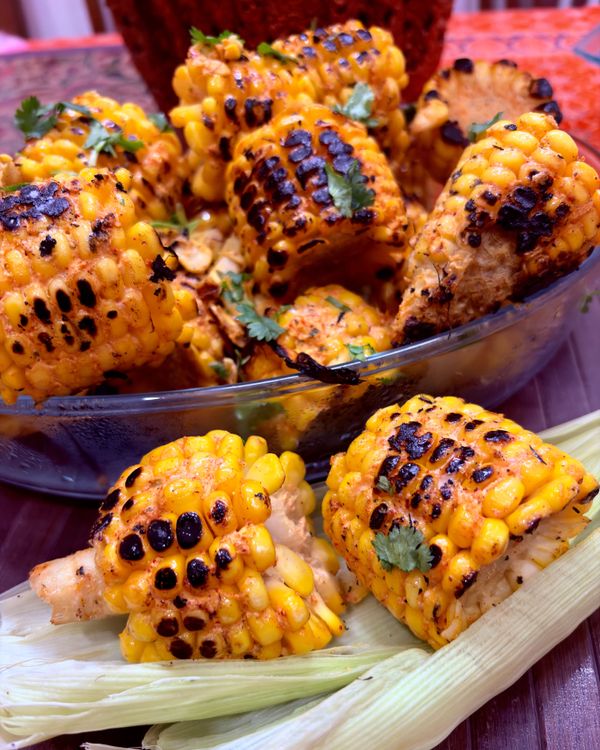
- Indian
- Vegetarian
- Snack
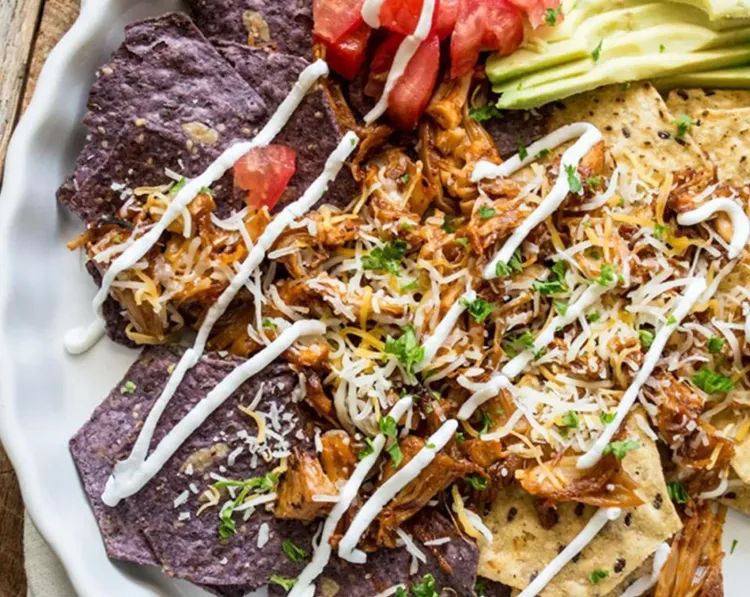
- Mexican
- Vegetarian
- Appetiser
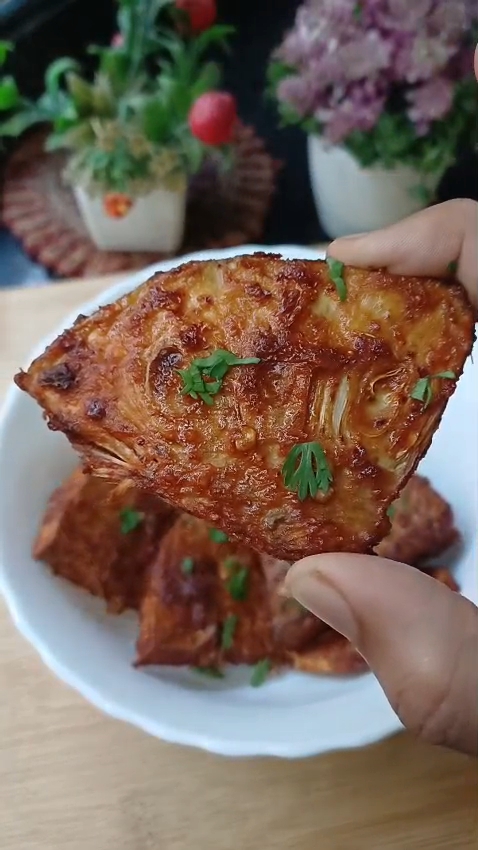
- Indian
- Vegan
- Snack


- Nigerian
- Vegan
- Breakfast
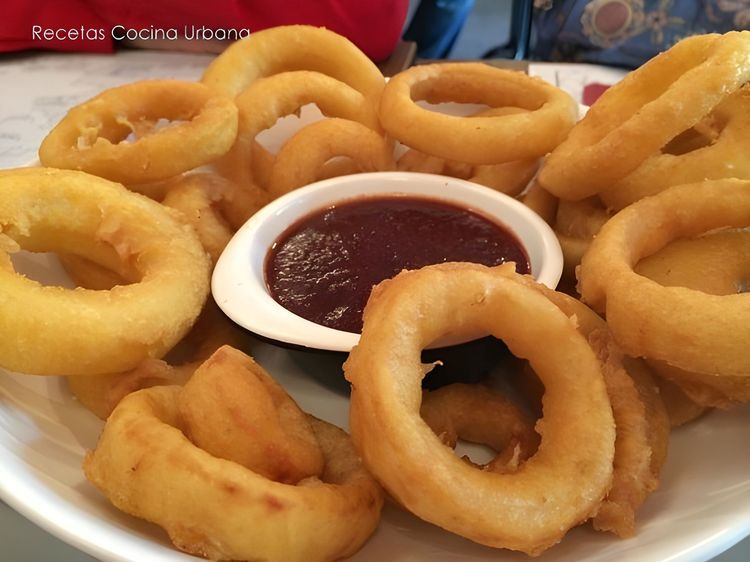
- American
- Eggetarian
- Appetiser
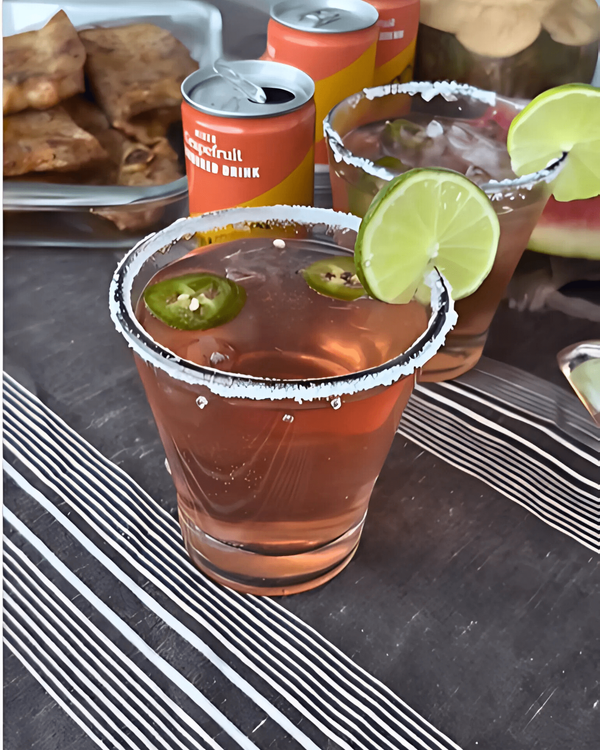
- Mexican
- Vegan
- Beverage
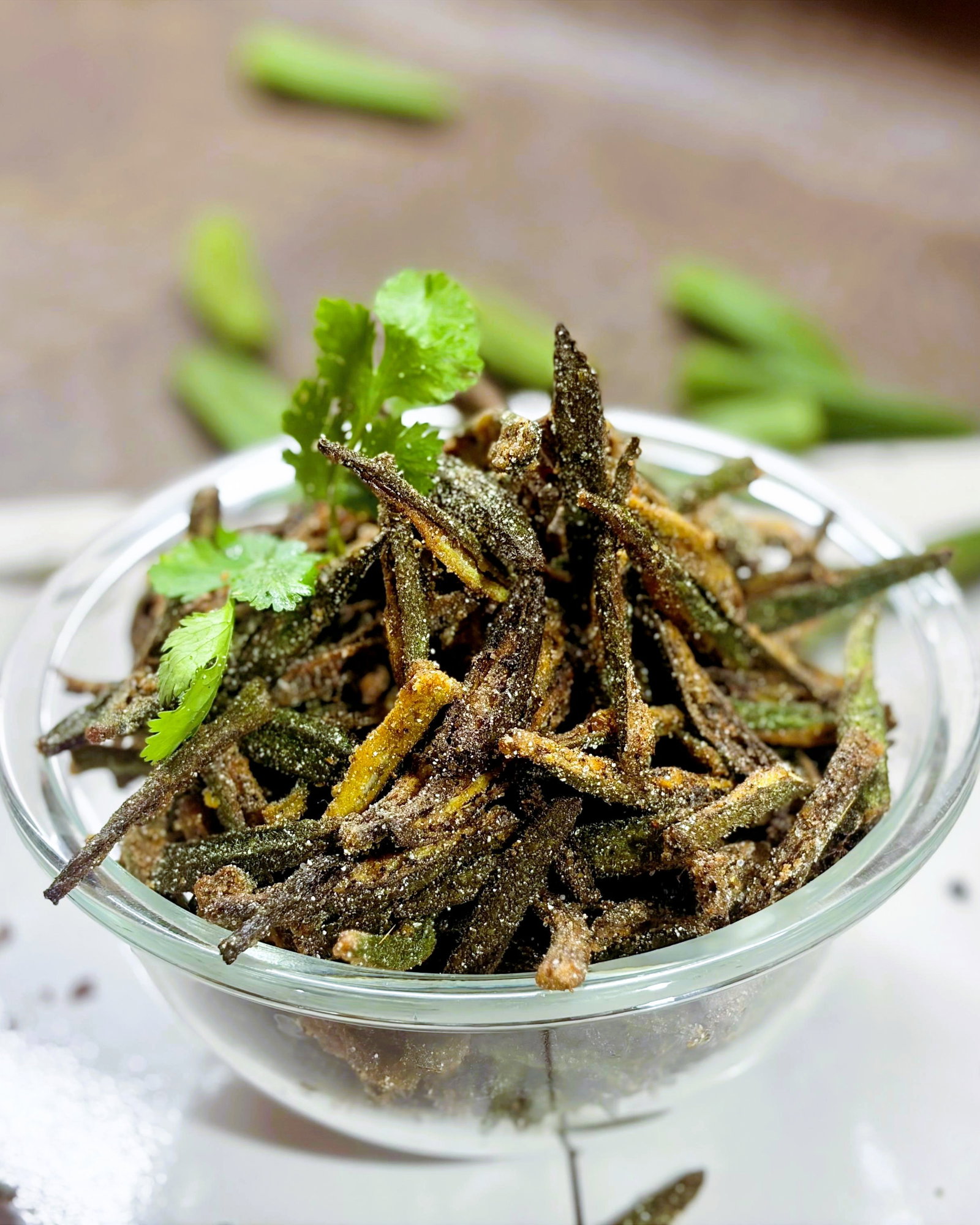
- Indian
- Vegetarian
- Snack
Marinades, Rubs and How Long to Use Them
A marinade does two things: it flavors the surface of meat and, if it contains acid (citrus, vinegar, yogurt), it begins to denature the outer proteins, which can tenderize slightly. The acid works quickly — thirty minutes is usually enough for thin cuts like wings or chops. Beyond a few hours, acid starts to break down the texture in a way that makes chicken mushy rather than tender. Overnight marinades work best for larger, tougher cuts like brisket or pork shoulder, where the flavor needs more time to penetrate.
A dry rub works differently: it draws out moisture initially through osmosis, then that moisture dissolves the rub and gets reabsorbed, seasoning deeper into the meat. Apply a rub at least an hour before cooking, or the night before for large cuts. Salt in the rub is particularly important — unlike a marinade, salt from a dry rub genuinely penetrates all the way through given enough time, which is why dry-brined or rub-salted meat tastes seasoned throughout rather than just at the surface.
For both marinades and rubs, the balance of fat, salt, acid and aromatics is the recipe. Fat carries fat-soluble flavors (garlic, spices, herbs) and helps the exterior brown and char. Salt seasons and draws. Acid tenderizes and brightens. Aromatics — chilli, ginger, garlic, lemongrass, cumin — are where the character comes from. Change the aromatics and you change the cuisine entirely; the underlying logic is the same from jerk chicken to hariyali tikka to peri-peri wings.
Mastering Two-Zone Grilling
Two-zone grilling is the most useful technique in outdoor cooking and the one most home grillers skip. The idea is simple: arrange the coals or burners so one side of the grill is hot (direct heat) and the other side has no heat underneath (indirect heat). Direct heat sears and chars; indirect heat cooks through without burning the surface. Most proteins — chicken pieces, thick chops, ribs — need both: start over direct heat for colour, then move to indirect heat to finish cooking to the centre.
Without indirect heat, the outside of thick cuts burns before the inside reaches temperature. This is why chicken on a single hot grill so often has a charred exterior and pink, undercooked interior. The fix is to get colour quickly over high direct heat (two to three minutes per side for wings, three to four for thighs), then slide everything to the cool side, close the lid and let convective heat finish the job. For thick pork ribs or brisket, you may cook almost entirely on indirect heat for an hour or more and only add direct heat at the very end for char.
For gas grills, two-zone setup means running one or two burners on high and leaving the adjacent burner off. For charcoal, pile the coals to one side. The principle works on any grill with enough space. Keep a lid nearby — closing it turns the grill into a convection oven on the indirect side, which dramatically accelerates cooking and adds a hint of smoke from the meat's own dripping fat.
Getting Ribs and Slow-Cooked Cuts Right
Great ribs are built on patience and low heat. The connective tissue in pork ribs — primarily collagen — does not start to melt into gelatin until about 70 °C, and it takes sustained time at that temperature, not just reaching it briefly, to become tender. The 3-2-1 method is a reliable framework: three hours unwrapped in smoke or indirect heat, two hours wrapped tightly in foil to braise in their own steam, one hour unwrapped to firm and caramelise with sauce. Adapt the timing to your grill temperature.
Brisket and pork shoulder follow a similar logic at even longer timescales. The "stall" — when the internal temperature plateaus between 65–75 °C for sometimes hours — is caused by evaporative cooling as moisture escapes the surface. Do not be alarmed; push through it, or speed it by wrapping. A good probe thermometer is not optional for slow cooking — it is the only way to know when collagen has converted and the meat will actually be tender.
Sauce goes on last, always. The sugar in BBQ sauce burns black at the high temperatures needed to develop a crust, so brushing it on too early produces a bitter, charred coating rather than a glossy lacquer. Apply in the final ten to fifteen minutes of direct heat, brush generously, let it set and char at the edges, flip once, and serve. The exception is a thin, vinegar-forward sauce with no added sugar — that can go on earlier as it is the acid, not the sugar, doing the work.
Making Sides and Salads That Improve With Time
The best BBQ sides share one quality: they are better made ahead. Corn and chickpea salads need time for the dressing to soak in and the flavors to settle; a salad made thirty minutes before serving will always be sharper and more vibrant than one made five days earlier but noticeably better than one dressed and served immediately. The same is true of pasta and noodle salads, coleslaw and anything with pickled vegetables. A four-hour minimum, and overnight in the fridge, is often ideal.
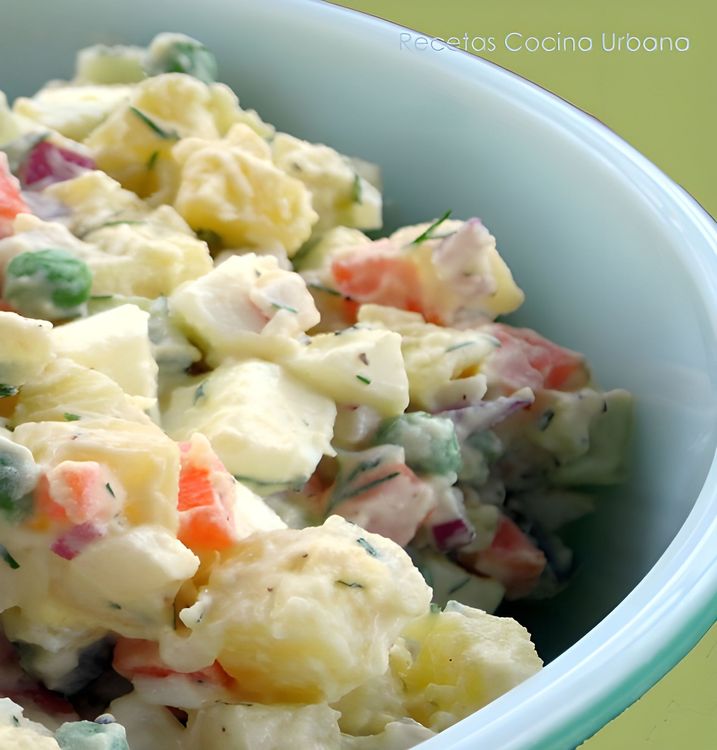
Cold sides provide textural contrast and temperature relief at a BBQ, which is why they matter beyond just filling the table. After charred meat and bread, something cool, acidic and crunchy resets the palate. Build your sides with this in mind: include something creamy (yogurt sauce, tzatziki, Russian salad), something sharp and pickled, something with crunch (fresh corn, toasted seeds, fried onion rings) and something fresh and green. Four sides that each hit a different note are more satisfying than four variations on the same theme.
For a practical BBQ timeline: make all cold sides and salads the evening before and refrigerate. Take them out of the fridge thirty minutes before serving so they are cool rather than fridge-cold. Set them out before anyone arrives so the table feels full before the meat is done. The grill is the centrepiece; the sides are what make it a complete meal rather than just a pile of meat.
Pro Tips from the Test Kitchen
- Bring meat to room temperature for 20–30 minutes before it hits the grill — cold meat cooks unevenly and steams rather than sears.
- Oil the grill grate, not the food, to prevent sticking without causing flare-ups from fat dripping onto the coals.
- Set up a two-zone fire: direct heat for searing and color, indirect heat for cooking large pieces through without burning.
- Apply BBQ sauce in the last 10–15 minutes only — sugar burns black long before the meat finishes cooking.
- Marinade thin cuts like wings for 30 minutes to a few hours; overnight marinades work for large, tough cuts like brisket.
- A dry rub salted hours or overnight before cooking seasons deeper into the meat than a last-minute application.
- Rest all grilled meat for at least five minutes before cutting — the juices redistribute and the interior firms up for cleaner slicing.
- For genuinely tender ribs, keep the heat low and consistent; a thermometer probe is more reliable than timing alone.
- Make all cold salads and sides the night before — they improve with time and take the pressure off the morning of the cook.
- Close the grill lid when cooking thick cuts on indirect heat — it turns the grill into a convection oven and speeds cooking significantly.
Frequently Asked Questions
What are the best BBQ recipes for a crowd?
The most practical BBQ recipes for groups are things that scale easily and can be served at room temperature or warm without precise timing. Chicken wings and thighs are easier than whole pieces; ribs can be cooked ahead and finished on the grill just before serving. Salads, sides and sauces scale up without effort. For a crowd, pick one or two proteins, make them in quantity, and spend the rest of your energy on two or three good sides — that structure handles numbers better than six different mains.
What is the difference between BBQ and grilling?
Grilling uses direct, high heat for relatively short cooking times — steaks, chops, fish fillets, vegetables. True BBQ (in the American tradition) uses indirect, low heat and often smoke over long periods — hours for brisket, ribs and pork shoulder. In everyday use the terms overlap, and "BBQ" in most of the world simply means cooking outdoors over fire of any kind. This collection uses the broader meaning: anything cooked on a grill or intended for an outdoor spread.
How long should I marinate chicken before grilling?
For wings and pieces with bone: two to four hours is good, overnight in the fridge is better. The acid in a marinade (citrus, yogurt, vinegar) starts to break down the surface texture after about eight to twelve hours for chicken, so very long marinades can make the exterior slightly mushy. For tikka and similar dishes, the yogurt-based marinade is gentler and can safely go overnight. Always marinate in the fridge, not at room temperature.
How do you stop BBQ chicken from burning on the outside before cooking through?
Two-zone grilling is the solution. Sear the chicken over direct high heat for two to three minutes per side to get colour and char, then move every piece to the indirect (no-heat) side of the grill, close the lid and let it finish cooking through — another ten to twenty minutes depending on thickness. This sequence gives a charred exterior without a raw interior. A meat thermometer reading of 74 °C at the thickest part, not touching bone, confirms doneness.
Can BBQ food be made ahead?
Yes, substantially. Marinades, rubs and sauces can be made days ahead. Salads and sides are best made the night before. Ribs and larger cuts can be cooked low and slow in the oven the day before and finished on the grill for char on the day — this is a particularly useful strategy for a big spread where grill space is limited. Grilled chicken is best cooked fresh, but marinated and portioned the day before so only the actual cooking happens on the day.
What sides go with BBQ?
The best BBQ sides provide contrast to the rich, smoky, fatty main proteins. Corn salad, chickpea salad, and fresh slaws provide crunch and acidity. Tzatziki and yogurt-based dips add coolness and creaminess. Pasta or noodle salad adds substance. Pickled peppers and onions cut through fat. Grilled or butter corn is a natural pair for grilled meat. The general principle is to include something creamy, something sharp, something crunchy and something fresh — mix and match from those categories.
What wood or fuel gives the best flavour for BBQ?
Hardwoods and wood chips give the most flavor. Fruit woods (apple, cherry) are mild and sweet, good for chicken and pork. Oak is the classic choice for brisket and beef — medium smoke, slightly earthy. Hickory is stronger and pairs well with ribs. Avoid softwoods like pine; the resin creates acrid, bitter smoke. Charcoal grills give noticeably more flavor than gas; if you use gas, a smoker box with chips or a foil packet with holes achieves some of the same result.
How do you know when grilled meat is cooked?
A probe thermometer is the only reliable method: chicken should reach 74 °C at the thickest point; pork 63–70 °C; lamb chops 63 °C for medium; beef steaks to your preference (55 °C rare, 60 °C medium-rare, 65 °C medium). Cutting and looking is a destructive test that also releases juices. Pressing and guessing works with experience but is not reliable for thick cuts or the less experienced cook. A good thermometer costs little and removes all the guesswork.
What vegetarian options work at a BBQ?
Several of the recipes on this page are vegetarian or easily adapted. Corn dishes — spiced buttered corn, corn salad, BBQ jackfruit nachos — are crowd-pleasers at any grill. Grilled vegetables (bell peppers, aubergine, corn, courgette) take high heat beautifully. Paneer and halloumi are natural choices that behave like meat on a grill. Jackfruit prepared with BBQ sauce is a popular meat-free centrepiece. Salads and cold sides round out the table without anyone noticing an absence of meat.
How do you prevent fish from sticking to the grill?
The most important steps are a clean, very hot grate and generous oiling of the grate (not the fish) immediately before cooking. Fish sticks to a dirty, cool grate almost every time. Let the fish come to room temperature, pat it dry so the surface is not wet, and place it on the grill without moving it for at least two to three minutes — a sticking piece of fish is usually not ready to release yet. When it is ready, it will lift cleanly. A fish basket or grilling mat is a practical alternative for delicate fillets.
The thread through every recipe here is fire and time. Whether it is a two-minute char on fish, a four-hour slow cook on ribs or a thirty-second sear on spiced lamb chops, the grill rewards preparation and patience more than any other form of cooking. Get the marinade right, set up two zones, rest the meat and make the sides the night before — those four habits carry across every recipe on this page.
Pick a protein, two sides and a sauce, and you have a complete spread. Save the combinations that work for your table to a Chefadora cookbook, and use this page as the menu-planning reference you return to every time the weather and the occasion call for an outdoor cook.
Related
- Grilling
- Outdoor
- Chicken
- Pork
- Summer
- Crowd pleaser
- Dinner party
Popular Searches
- Best bbq recipes
- Easy bbq recipes
- Quick bbq recipes
- Healthy bbq recipes
- Simple bbq recipes
- Homemade bbq recipes
- Delicious bbq recipes
- Popular bbq recipes
- barbecue recipes
- bbq ideas
- grilling recipes
Marnirni-apinthi Building, Lot Fourteen,
North Terrace, Adelaide, South Australia, 5000
Australia
