
Top 42 Leftover Ham Recipes: Soups, Casseroles, Breakfasts and More
Updated June 29, 2026 · Curated by Chefadora

Leftover ham recipes are the reason a holiday ham keeps paying off long after the main meal is cleared. A glazed half ham feeds a crowd once, but the real value is in the days after: a fridge stocked with savory, smoky, fully cooked meat that drops into soups, bakes, eggs and sandwiches with barely any effort. The dishes below were chosen to spread that ham across a whole week of different meals rather than serving the same cold slices three nights running.
What makes ham such a generous leftover is that the work is already done. It is cured, cooked and seasoned, so every recipe here is really about reheating it gently and letting its smoke and salt flavor everything around it. That same quality is its one catch: ham is salty, so the trick across all of these dishes is to season the rest of the pot lightly and taste at the end, letting the meat carry the salt rather than doubling up on it.
You will find four clusters: long-simmered soups and stews that lean on the bone, creamy casseroles and bakes, breakfast dishes built on eggs, and quick sandwiches, salads and pasta for lunch. The same diced ham moves between all of them, so once you have broken the leftovers down into a few useful shapes, the week of meals more or less plans itself.
Treat this as a working reference for the post-holiday fridge. Each recipe links to full ingredients and steps on Chefadora, and the guides below cover the decisions that matter most: how to break down and store the ham, how to coax every drop of flavor from the bone, how to keep reheated ham moist instead of dry and tough, and how to handle the saltiness so each dish stays balanced.
Ham Soups & Stews
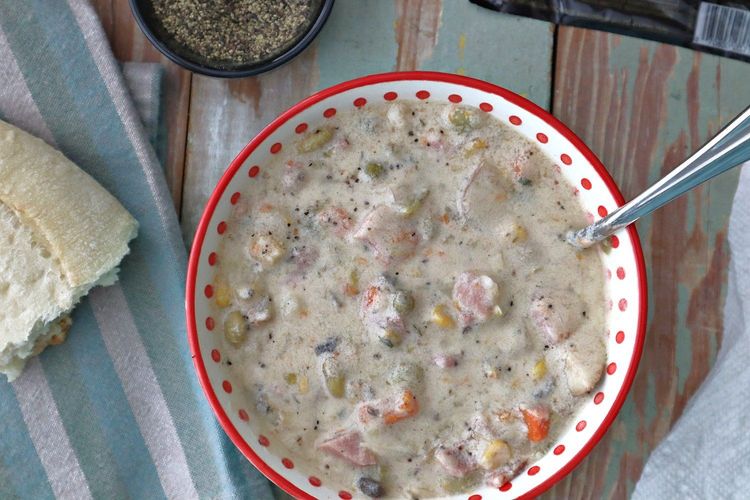
This is where leftover ham earns its keep, and the secret ingredient is the bone you were about to throw away. Drop it into a pot with soaked beans or split peas, plus onion, carrot, celery and a bay leaf, cover with water or unsalted stock, and bring it to a bare simmer rather than a rolling boil. Over an hour and a half to two hours the marrow, gelatin and smoke seep out and turn plain legumes into something that tastes like it cooked all day, because it did. The single most common mistake is salting early; between the bone, the clinging meat and any leftover glaze, the broth seasons itself far harder than you expect, so wait until the very end and you will rarely need much. Once the legumes are soft, fish out the bone, pull off any tender scraps to stir back in, and skim the fat. Finish with a crack of pepper and a splash of vinegar to lift the whole pot, and you have a deeply savory soup that only tastes better the next day. Standouts here include Post-Holiday Ham Glow-Up Soup and Cheesy Ham Chowder.


- Non-Vegetarian
- Soup

- American
- Non-Vegetarian
- Lunch
Ham Casseroles & Bakes
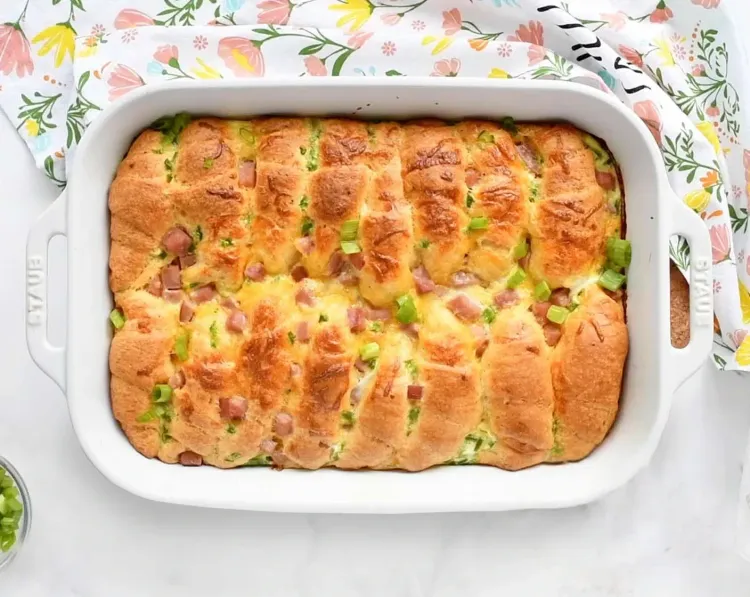
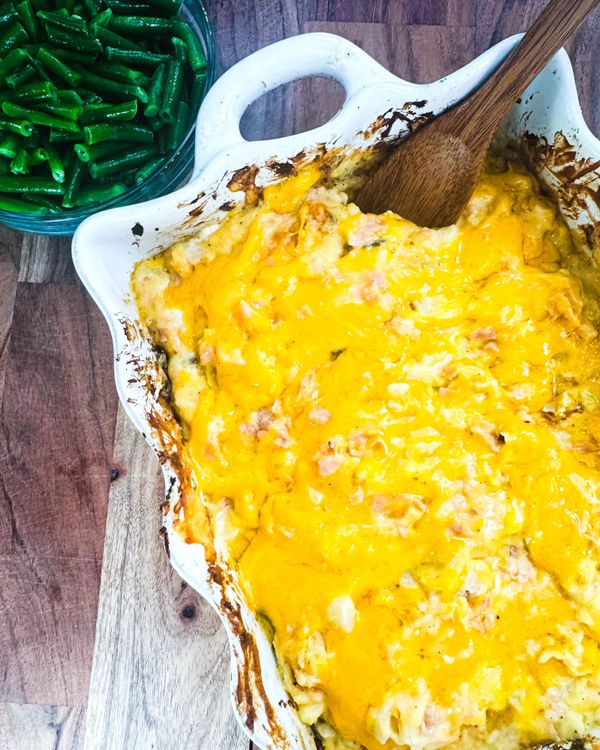
Folding diced ham into a creamy, cheesy bake is the most comforting way to clear the platter, and starchy partners like potatoes and pasta are exactly what tame the meat's saltiness. Scalloped potatoes, au gratin, mac and cheese and pasta bakes all welcome a generous scatter of half-inch cubes, but the move that keeps the dish balanced is to season the sauce and starch lightly and let the ham do the salting. Build a proper base first: a roux cooked until it loses its raw flour smell, milk or cream whisked in slowly to a smooth bechamel, then cheese melted off the heat so it stays glossy instead of grainy. Fold the ham in near the end so it warms through without drying out and toughening, then top with more cheese or buttered crumbs for a golden, bubbling crust. The frequent stumble is overbaking, which dries both the ham and the sauce; pull it the moment the top is browned and the edges bubble. Let it rest ten minutes so the sauce sets enough to serve in tidy, generous squares. Standouts here include Ham and Cheese Crescent Roll Casserole and Sunday Supper Ham and Potato Bake.

- American
- Non-Vegetarian
- Breakfast

- American
- Non-Vegetarian
- Dinner
Ham Breakfasts: Quiche, Frittata & Hash
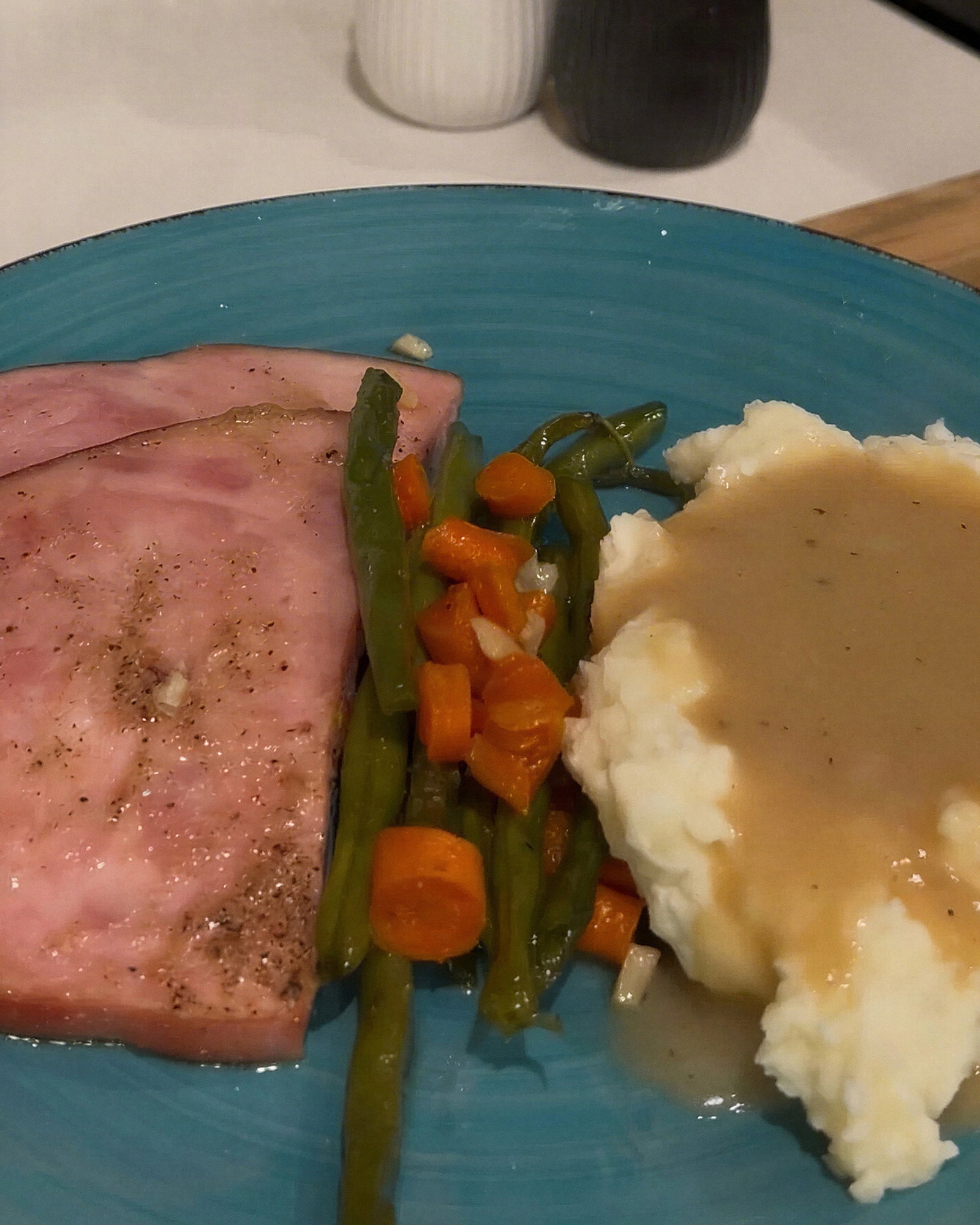
Ham was practically made for the morning, because it crisps beautifully in a hot pan and seasons a plate of eggs without you reaching for the salt at all. For quiche and frittata, render the diced ham first in a dry skillet until the edges brown — that quick sear concentrates its smoke and drives off surface moisture so it does not water down the custard. Whisk eggs with a little cream for a tender set, fold in the ham and a melting cheese like Gruyère or sharp cheddar, and bake gently; a low, even heat is what keeps the eggs silky rather than rubbery and weeping. For a hash, cube leftover potatoes and ham, press them into a hot, oiled pan and resist the urge to stir, letting a real crust form before you flip. The usual error is overcrowding the pan, which steams everything pale and soft instead of crisping it, so give the pieces room and work in batches if you must. Top a hash with a runny egg, scatter chives over a frittata, and a humble fridge of leftovers becomes a breakfast worth waking up for. Standouts here include Brown Sugar Ham Steaks with Veggies and Congee with Preserved Egg & Ham, plus Quail Eggs on Serrano Ham and Potato Nests.

- American
- Non-Vegetarian
- Dinner


- Gluten-Free
- Breakfast

- Spanish
- Non-Vegetarian
- Appetiser

- International
- Non-Vegetarian
- Lunch
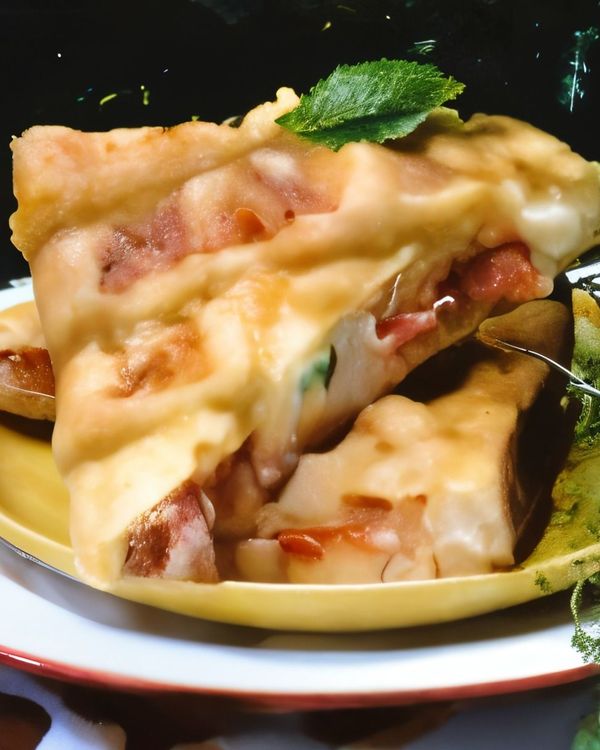
- French
- Non-Vegetarian
- Lunch
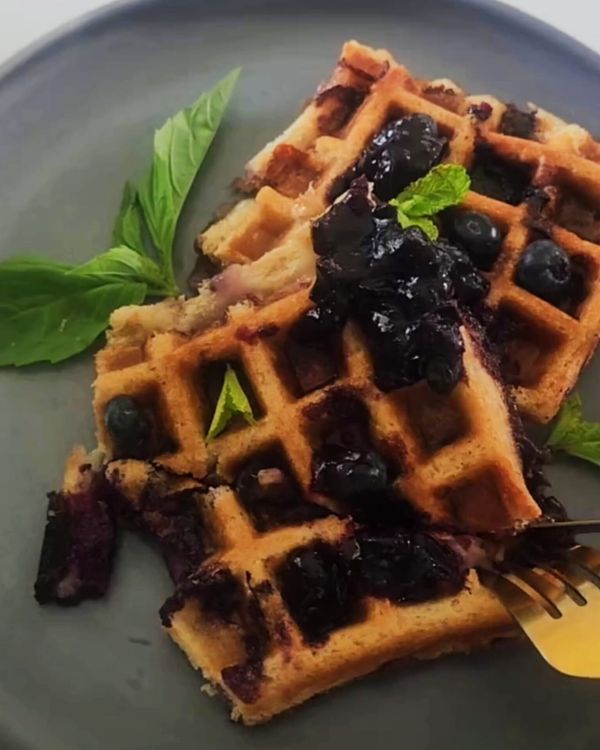

- American
- Non-Vegetarian
- Lunch
Ham Sandwiches, Salads & Pasta
When you want a real meal in minutes, leftover ham is the fastest protein in the fridge, because it is already cooked and tastes best at cool room temperature. For sandwiches, skip reheating entirely and lean on contrast instead: sharp cheddar or Swiss, a smear of grainy Dijon, crisp lettuce and a soft roll let the ham shine, while a quick griddle turns the same stack into a melt or panini with a crisp, buttery crust. For pasta, diced ham slides into carbonara, a creamy pea-and-ham penne or a quick alfredo in the time it takes the noodles to boil — toss it in off the heat so it warms through without toughening, and reserve a little starchy pasta water to loosen the sauce to a silky coat. Salads and grain bowls love ham too: cube it over a pasta salad, a chopped salad or a bowl of rice, and let a bright vinaigrette or a squeeze of lemon balance its salt. The thing to remember across all of these is restraint with seasoning, since the ham brings the salt, so taste before you reach for the shaker. Standouts here include Ham and Cheese Sandwiches and Ham and Cheese Rolls, plus Ham and Cheese Panini.
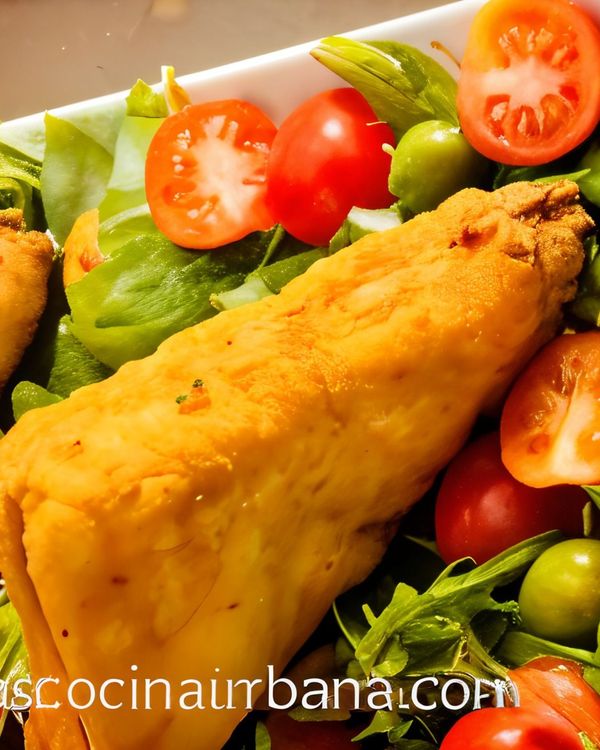
- International
- Non-Vegetarian
- Appetiser

- International
- Non-Vegetarian
- Appetiser

- American
- Non-Vegetarian
- Lunch
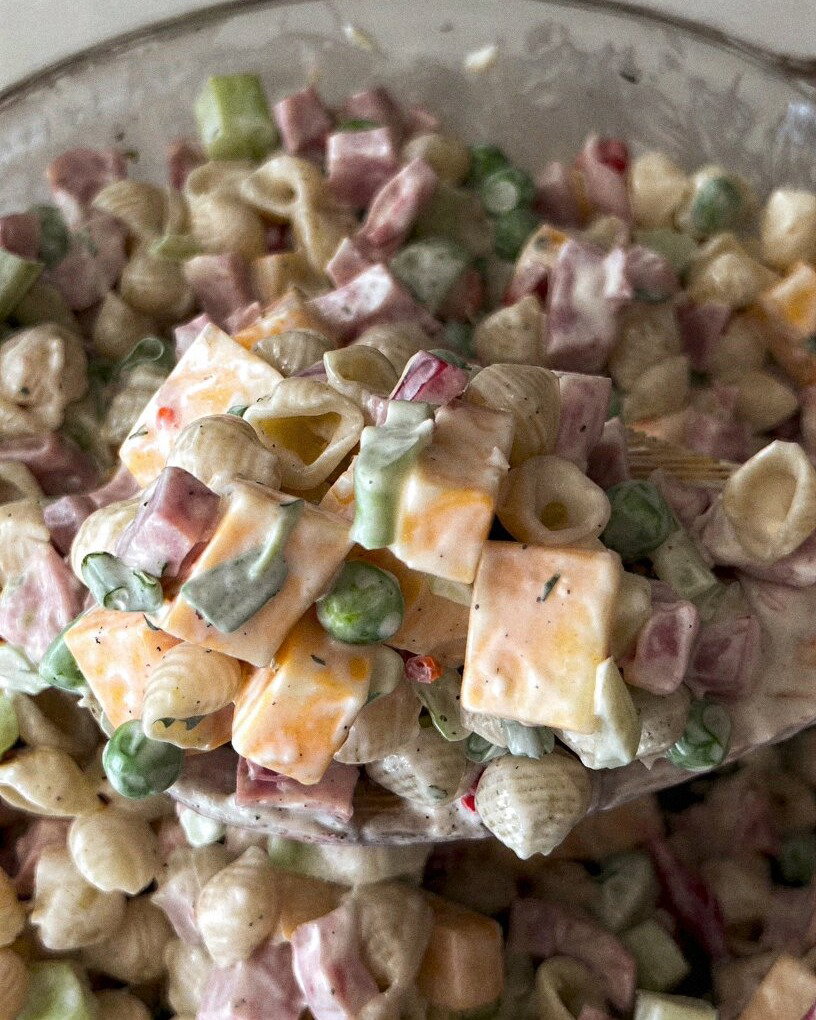
- American
- Non-Vegetarian
- Snack

- American
- Non-Vegetarian
- Lunch
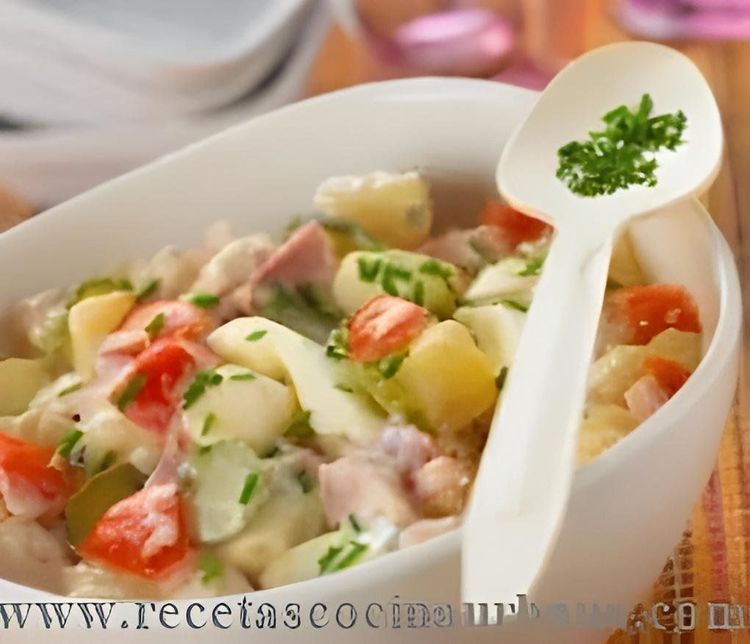
- International
- Non-Vegetarian
- Salad
- Non-Vegetarian
- Lunch
More Leftover Ham Favourites
A few ham dishes never quite fit a single category, and these are the ones worth keeping in your back pocket once the soups and bakes feel routine. They lean on the same handful of moves you already know — render the meat to crisp it, warm it gently to keep it juicy, and balance its salt with something sweet, sharp or starchy — but point them at different textures and cuisines, so the leftovers never taste the same twice. Think ham fried rice with day-old grains and a hit of soy, a smoky pot of baked beans, ham and cheese sliders for a crowd, a quesadilla or a flatbread pizza scattered with cubes. Picking your next one is mostly about matching effort to what you have on hand and how much time you want to spend: a fried rice or quesadilla turns leftovers into dinner in fifteen minutes, while slow baked beans or a savory bread pudding reward an unhurried afternoon. Pay attention to how finely you cut the meat, too, since smaller dice spreads its flavor and salt evenly through a dish while larger chunks give you meatier, more satisfying bites. Treat this group as the natural next step once the classics are second nature, the recipes that quietly earn a permanent spot in the post-holiday rotation. Standouts here include Ham and Cheese Soufflé and Ham and Cheese Stuffed Milanesas, plus Ham and Cheese Croquettes.

- French
- Non-Vegetarian
- Lunch

- Argentinian
- Non-Vegetarian
- Lunch

- European
- Non-Vegetarian
- Appetiser
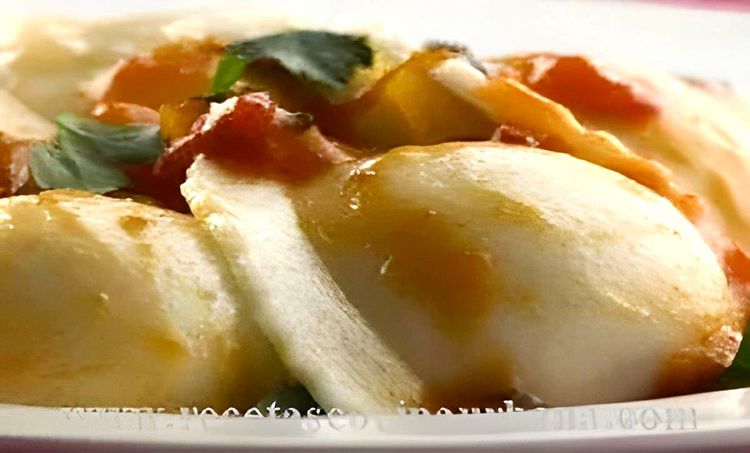
- Italian
- Non-Vegetarian
- Lunch
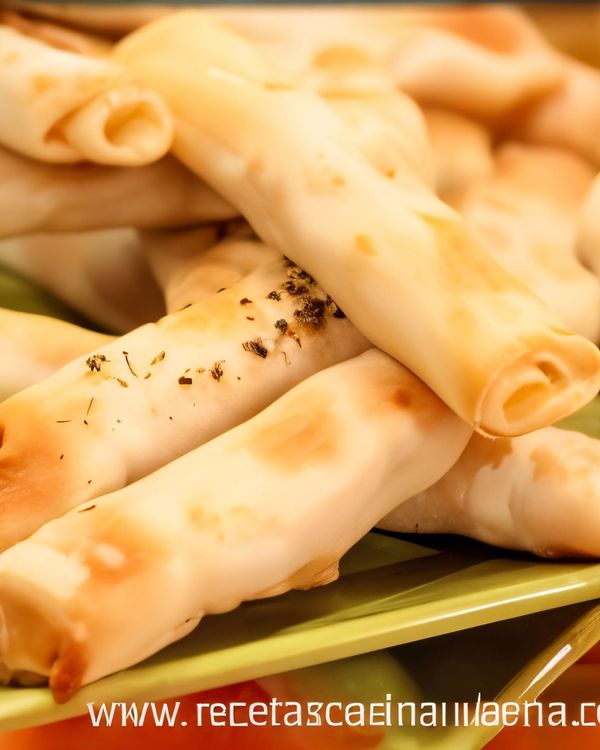
- International
- Non-Vegetarian
- Appetiser

- International
- Non-Vegetarian
- Lunch
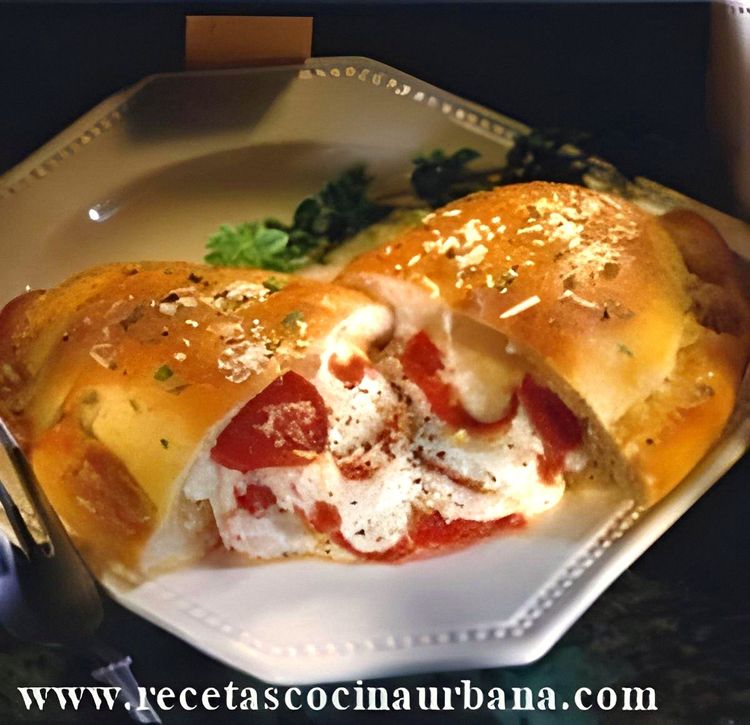
- Italian
- Non-Vegetarian
- Lunch
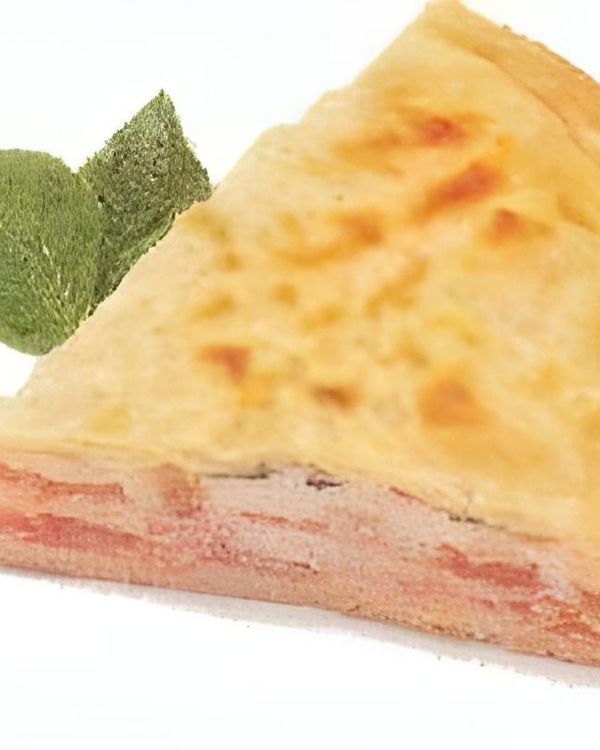
- French
- Non-Vegetarian
- Lunch

- Non-Vegetarian
- Snack

- American
- Non-Vegetarian
- Appetiser

- French
- Non-Vegetarian
- Lunch
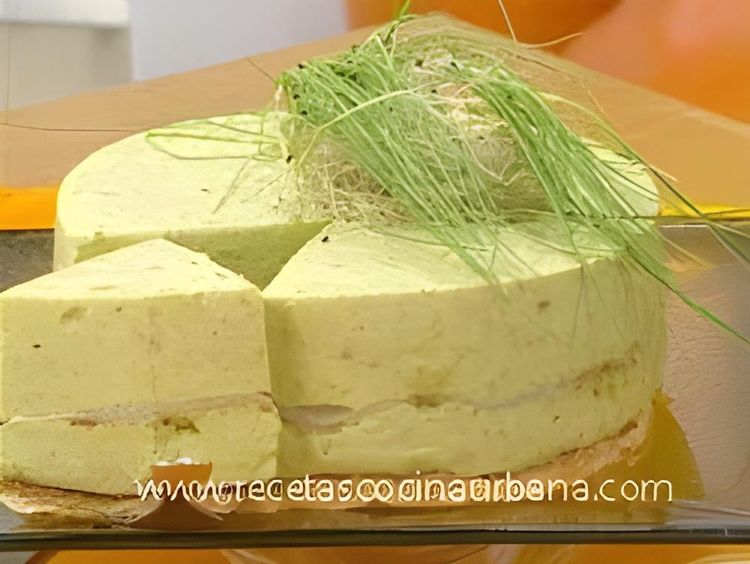
- Mexican
- Non-Vegetarian
- Appetiser

- Spanish
- Non-Vegetarian
- Appetiser
- Italian
- Non-Vegetarian
- Dinner
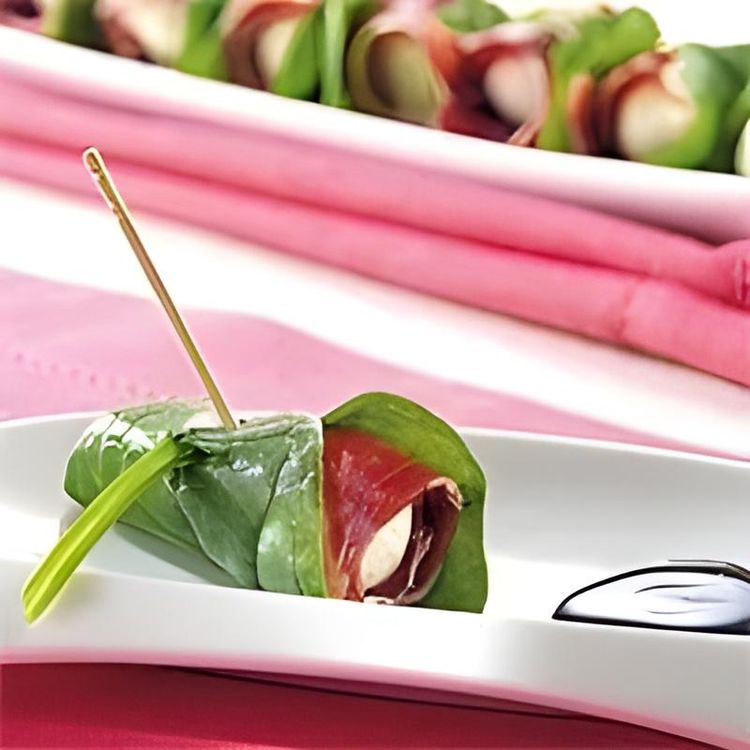
- Spanish
- Non-Vegetarian
- Appetiser

- American
- Non-Vegetarian
- Dinner


- Italian
- Non-Vegetarian
- Appetiser
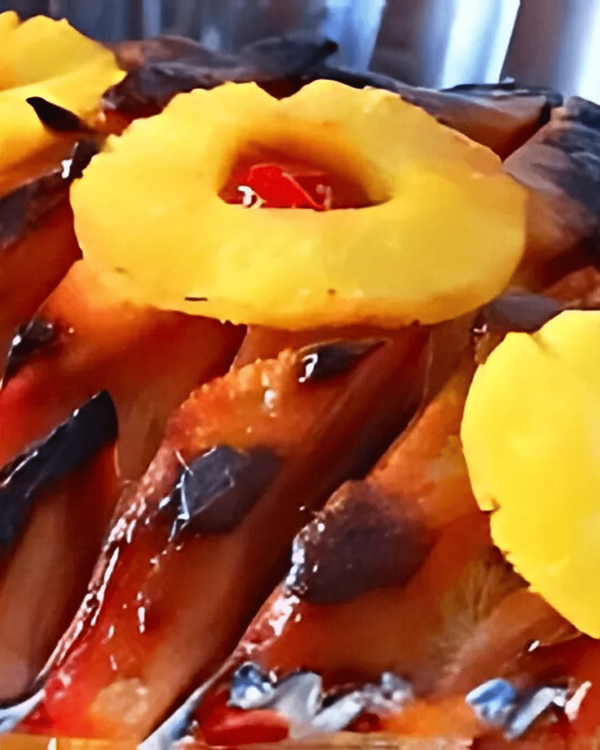
- American
- Non-Vegetarian
- Dinner
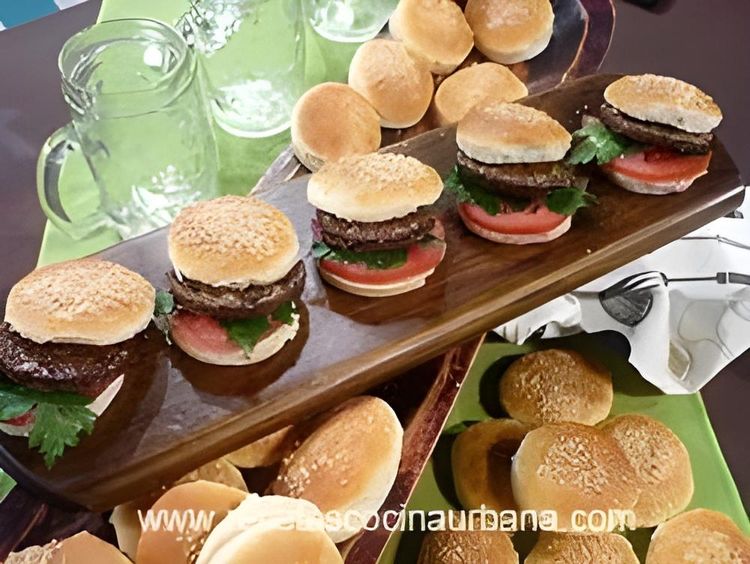
- International
- Non-Vegetarian
- Appetiser


- American
- Non-Vegetarian
- Lunch

- Spanish
- Non-Vegetarian
- Appetiser
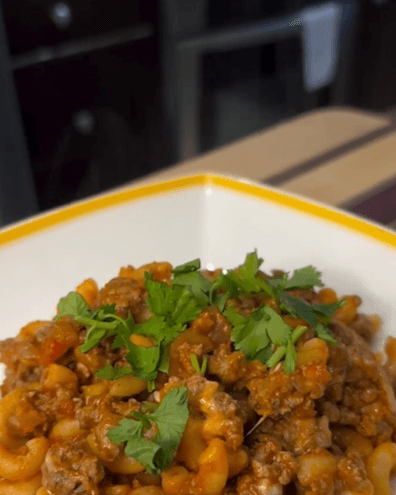

- American
- Non-Vegetarian
- Main Course
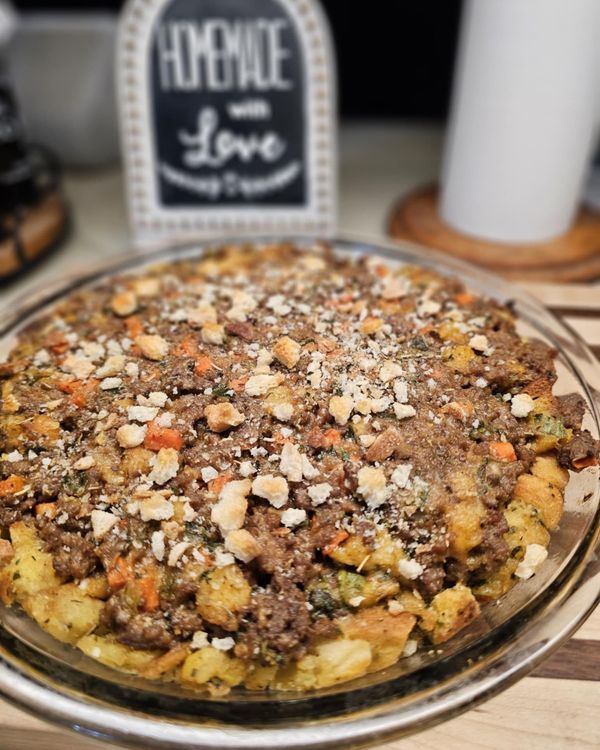
- American
- Non-Vegetarian
- Dinner
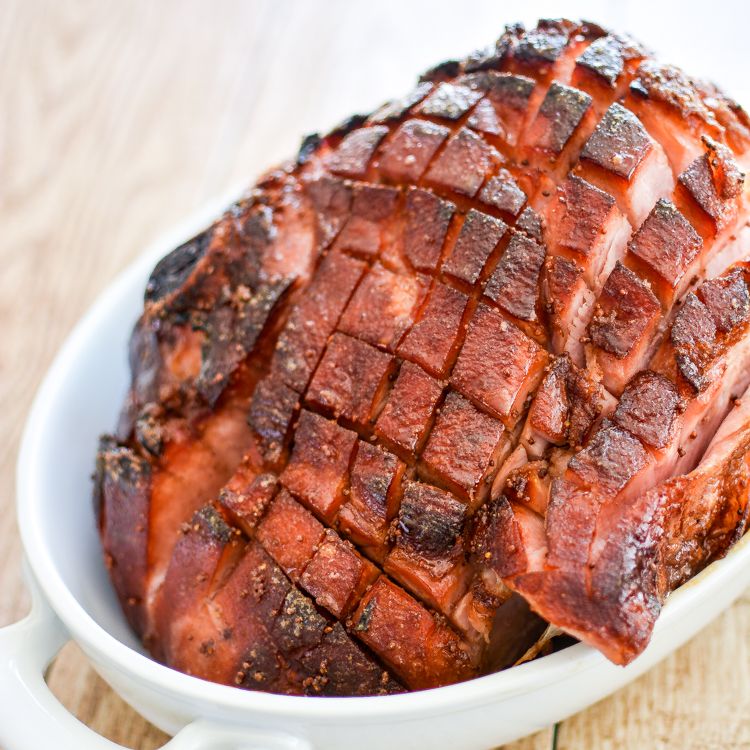
- American
- Non-Vegetarian
- Dinner
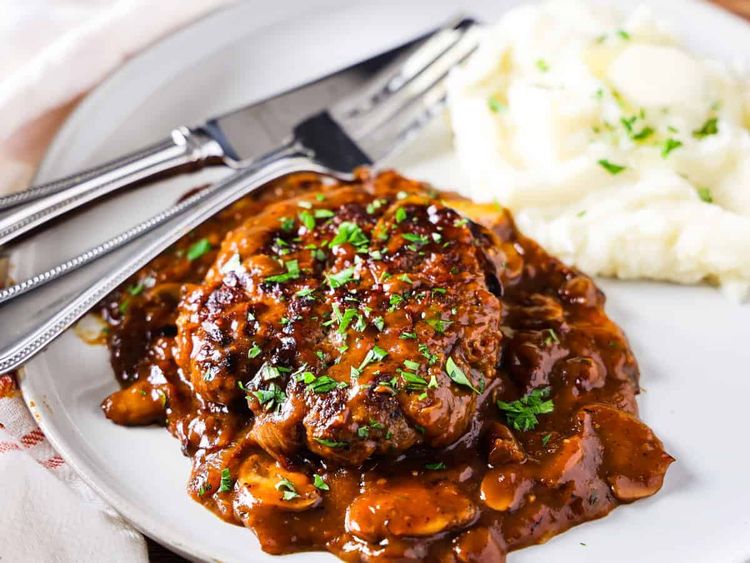
- American
- Non-Vegetarian
- Dinner
Breaking Down and Storing the Ham
Start by carving the ham into a few useful shapes before it ever goes in the fridge. Slice the cleanest part into sandwich-thickness pieces, cut the rest into half-inch dice for soups, bakes and eggs, and reserve any small, ragged scraps and fatty trim separately — those scraps are pure flavor for a soup pot. Doing this once, while you have the board out, saves you fighting a cold lump of ham every day that follows.
Keep the bone. A meaty ham bone is the single most valuable thing on the platter for cooking, so wrap it well and refrigerate or freeze it for a pot of beans or split pea soup. Strip off any large chunks of meat still clinging to it for your diced pile, but leave enough on the bone to flavor the broth. If you bought a boneless ham, save a generous handful of the diced meat and the trim to play that role instead.
Cooked ham keeps three to four days in the fridge in an airtight container, and freezes well for one to two months. Portion it before freezing — a cup or two of diced ham per bag — so you can pull exactly what a recipe needs without thawing the whole lot. Press the air out, label with the date, and lay the bags flat to freeze so they stack and thaw quickly. Diced ham thaws in minutes and can often go into a soup or bake straight from frozen.
Getting the Most From the Ham Bone
The ham bone is what turns a humble pot of beans or split peas into something that tastes like it simmered all day, because it has. Put the bone in a large pot with your soaked or rinsed legumes, aromatics like onion, carrot, celery and bay, and enough water or unsalted stock to cover generously. Bring it to a boil, then drop to a bare simmer — a gentle one or two bubbles at a time — and let it go for an hour and a half to two hours so the marrow, gelatin and smoke leach into the broth.
Hold the salt at the start. Between the bone, the meat and any glaze residue, a ham broth seasons itself far more than you expect, and salting early is how people end up with a soup that is too sharp to eat. Let the legumes soften fully first, then fish out the bone, pull off any tender meat to stir back in, discard the fat and cartilage, and only then taste and adjust. Often a crack of pepper and a splash of vinegar do more than salt at that point.
If you do not have a bone, smoked ham hocks or a generous cup of diced ham plus the fatty trim will get you most of the way there; brown the trim first to render its fat and deepen the flavor. Either way, the broth is better the next day, so these soups are ideal make-ahead. Cool the pot quickly, refrigerate, and lift off any solid fat from the top before reheating for a cleaner, lighter result.
Reheating Ham Without Drying It Out
Ham is already fully cooked, so every time you reheat it you are walking a line between warm and dried out. The cardinal rule is gentle heat and moisture. For folding into casseroles, soups and bakes, add the diced ham toward the end and let the surrounding sauce or broth warm it through rather than blasting it on its own — a few minutes is plenty, and it keeps the meat tender and juicy instead of leathery.
When you do want crisp ham — for a hash, a frittata or to scatter on a salad — render it hard and fast in a hot, dry skillet. The fat in the ham is usually enough that you need no extra oil; let the pieces sit undisturbed until the edges brown and crisp, then toss and pull them. That same browning is a quick way to revive ham that has gone a little flat in the fridge, concentrating its smoke and salt and waking up the flavor.
Avoid the microwave for anything more than a quick warm-through; it tends to dry the edges and toughen the meat unevenly. If you must use it, cover the ham with a damp paper towel and use short bursts at half power. For sandwiches and salads, skip reheating entirely — ham is delicious cold, and gentle room-temperature meat actually carries more flavor than something just yanked from the fridge.
Handling Saltiness and Balancing Dishes
Salt is the one thing to plan around with leftover ham. Because the meat is cured, it brings its own seasoning to every dish, so build the rest of the recipe under-salted and correct at the very end after the ham is in. This single habit — season last, not first — is what separates a balanced ham soup or bake from one that makes you reach for a glass of water.
Lean on ingredients that soak up and soften salt. Potatoes, beans, rice, pasta and a generous splash of cream or unsalted stock all blunt the edge, which is exactly why ham pairs so naturally with starchy, creamy dishes. If a pot does come out too salty, simmer a peeled potato in it for ten minutes to draw some out, add more unsalted liquid, or stir in a little acid — lemon, vinegar or a spoon of mustard — to trick the palate into reading it as balanced rather than salty.
Think about contrast, too. Ham loves a counterweight: the sweetness of peas, corn, pineapple or a touch of maple; the sharpness of Dijon, cheddar or Gruyère; the freshness of parsley, chives, scallion or a bright vinaigrette. Building a little sweetness or acidity into each dish keeps the smoky, salty meat from feeling one-note, and turns simple leftovers into something you actually look forward to.
Pro Tips from the Test Kitchen
- Carve the ham into sandwich slices, half-inch dice and a pile of fatty scraps in one go — it makes every following meal faster.
- Always save the ham bone; it turns a pot of beans or split peas into deeply savory soup for almost no effort.
- Hold the salt until the end of any ham dish — the cured meat seasons the pot more than you expect.
- Add diced ham near the end of soups and bakes so it warms through and stays juicy instead of toughening.
- For crisp ham in a hash or frittata, render it in a hot, dry skillet — the meat has enough fat to brown on its own.
- Portion and freeze diced ham in one- to two-cup bags so you can grab exactly what a recipe needs.
- If a soup turns out too salty, simmer a peeled potato in it for ten minutes to draw some salt out.
- Pair ham with sweet notes — peas, corn, pineapple, maple — and sharp ones like Dijon or Gruyère to balance the salt.
- Brown the fatty trim first when building a soup; rendering it deepens the smoke and adds body to the broth.
- Skip reheating for sandwiches and salads — ham tastes best at cool room temperature, where its flavor reads fuller.
Frequently Asked Questions
What can I make with leftover ham?
Almost anything savory. The four biggest categories are soups and stews built on the ham bone (bean and split pea especially), creamy casseroles and bakes like scalloped potatoes and au gratin, breakfast dishes such as quiche, frittata and hash, and quick lunches like sandwiches, pasta and fried rice. Diced ham slips into all of them, so a single leftover ham easily covers a week of varied meals.
How long does leftover ham last in the fridge?
Cooked ham keeps three to four days in the fridge in an airtight container. For anything longer, freeze it: portioned and well-wrapped, ham holds its quality for one to two months. Always cool it down promptly after the meal rather than leaving it out, and trust your nose — if it smells sour or turns slimy or tacky, throw it out.
Can you freeze leftover ham?
Yes, and it freezes well. Cut it into the shapes you will actually use — sandwich slices and half-inch dice — then portion into one- to two-cup bags, press out the air, label with the date and freeze flat. It keeps one to two months. Diced ham often goes straight from the freezer into a soup or bake, while slices are best thawed overnight in the fridge.
Should I save the ham bone?
Absolutely. The bone is the most valuable thing on the platter for cooking. Simmered with beans, split peas or lentils plus aromatics, it releases marrow, gelatin and smoke that flavor the whole pot. Wrap and refrigerate it for a few days or freeze it for later. If your ham was boneless, a handful of diced meat plus the fatty trim does a similar job.
Why is my leftover ham dry and tough?
Ham is already fully cooked, so reheating is really about warming it gently rather than cooking it again. High, prolonged heat — especially the microwave — drives out moisture and toughens the meat. Add diced ham to soups and bakes near the end so the sauce warms it through, and when you want it crisp, render it fast in a hot skillet and pull it the moment the edges brown.
How do I keep ham dishes from being too salty?
Season everything else lightly and taste only after the ham is in, since cured meat brings plenty of salt on its own. Starchy and creamy ingredients like potatoes, beans, pasta, rice and cream blunt the edge. If a dish is already too salty, simmer a peeled potato in it, add unsalted stock or water, or stir in a little acid such as lemon, vinegar or mustard to rebalance.
What soups can I make with a ham bone?
The classics are ham and bean soup, split pea soup and lentil soup, but a ham bone also enriches potato chowder, navy bean, collard greens and a smoky vegetable soup. Simmer the bone with your legumes and aromatics for an hour and a half to two hours, then pull off the meat to stir back in. Hold the salt until the end, as the bone seasons the broth heavily.
Can I use leftover ham in place of bacon?
In many dishes, yes. Diced ham brings the same smoky, salty, savory note to carbonara, fried rice, quiche, baked beans, soups and salads, and because it is meatier than bacon it adds more substance. The main difference is fat: ham renders less, so add a little oil or butter when you want it to crisp, and adjust salt downward since ham can be saltier than you expect.
What goes well with ham flavor-wise?
Ham loves contrast. Sweet partners — peas, corn, pineapple, maple, sweet potato — play off its salt, while sharp ones cut through its richness: Dijon mustard, cheddar, Gruyère and Swiss are naturals. Aromatics like onion, leek and garlic build a savory base, and fresh herbs such as parsley, chives and scallion brighten the finish. A splash of acid at the end keeps the smoky meat from tasting one-note.
How much ham should I plan to use per dish?
For most soups, casseroles and breakfast bakes, a cup or two of diced ham flavors a dish for four to six people without overwhelming it — remember the meat is salty, so more is not always better. Sandwiches and salads can carry more, since the ham is the star there. When you portion leftovers for the freezer, one- to two-cup bags line up neatly with what a single recipe usually calls for.
The thread running through every recipe here is the same: a fully cooked, smoky, salty meat that asks only to be reheated gently and balanced with a little sweetness, acidity or starch. Save the bone, dice the rest, season the pot last, and a single holiday ham quietly becomes a soup, a bake, a tray of breakfast and a stack of sandwiches across the week.
Pick three to cook from what is in your fridge right now — a bean soup from the bone, a creamy bake and something fast for lunch — and save your favorites to a Chefadora cookbook. Then keep this page handy for the next holiday, when the platter is cleared and you are looking at the leftovers wondering where to start.
Related
- Ham
- Leftovers
- Holiday
- Soup
- Casserole
- Breakfast
- Easy
- Dinner
Popular Searches
- Best leftover ham recipes
- Easy leftover ham recipes
- Quick leftover ham recipes
- Healthy leftover ham recipes
- Simple leftover ham recipes
- Homemade leftover ham recipes
- Delicious leftover ham recipes
- Popular leftover ham recipes
- recipes for using leftover ham
- leftover ham ideas
- what to do with leftover ham
Marnirni-apinthi Building, Lot Fourteen,
North Terrace, Adelaide, South Australia, 5000
Australia
