
Top 25 Salad Recipes: Greens, Protein Bowls, Fruit and Grains
Updated June 24, 2026 · Curated by Chefadora
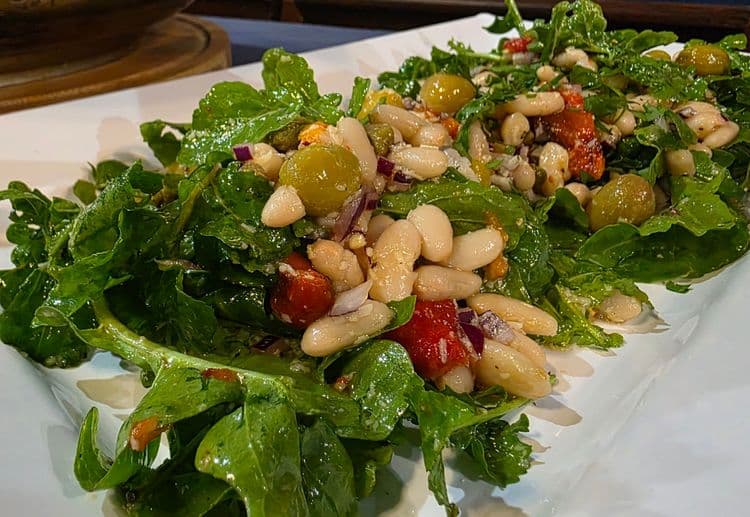
Salad recipes cover far more ground than a side bowl of leaves — they range from crisp green and vegetable salads to hearty protein bowls, juicy fruit salads, and filling grain, noodle and global plates that eat as a full meal. The collection below shows that whole spread, from a quick kachumber or caesar to a grilled chicken bowl, a watermelon-and-feta plate, and a Thai noodle salad. Fresh, fast, and endlessly adaptable to whatever the fridge holds.
What separates a great salad from a sad one is mostly texture and seasoning. Wash and dry your leaves thoroughly, because water clinging to greens dilutes the dressing and turns everything limp; a salad spinner or a clean towel earns its keep here. Salt draws moisture out of cut vegetables and fruit, so season with intent and dress sturdy salads early but delicate leaves at the last minute. A good dressing balanced across fat, acid, salt and a little sweetness is what ties the whole bowl together.
You will find the collection grouped into clusters — green and vegetable salads, protein and hearty salads, fruit and sweet salads, and grain, noodle and global salads. Standout dishes range from a classic Kachumber and a Caesar Salad to a Chickpea Quinoa Bowl, a Watermelon Feta Salad and a Thai Noodle Salad, each built on the fundamentals the guides below lay out.
Treat this as a working reference. Each recipe links to full ingredients and steps on Chefadora, and the guides below cover what actually decides whether a salad is crisp and bright or limp and bland — building a balanced dressing, keeping greens and vegetables crisp, and turning a salad into a satisfying, well-textured meal that holds up on the plate.
Green & Vegetable Salads
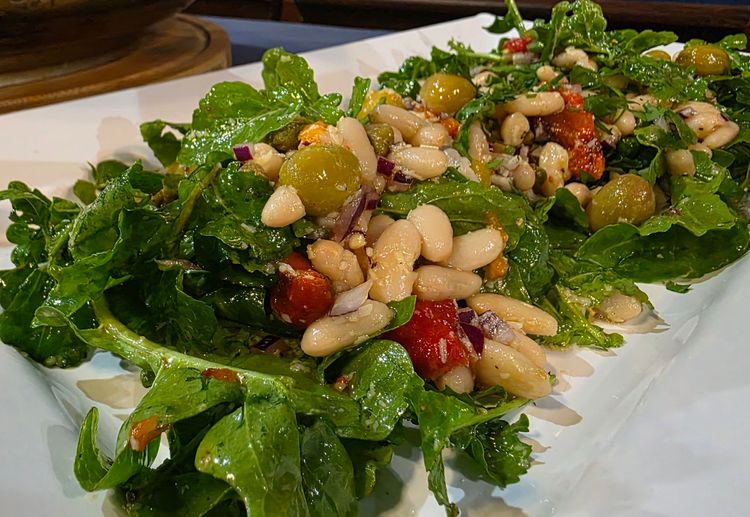
Green and vegetable salads are where most cooks start, and they reward a little discipline more than any other kind. The whole game is crisp, dry leaves and a dressing that clings without drowning them. Wash your greens in cold water to wake them up and rinse off grit, then dry them properly in a spinner or a clean towel, because water left on the leaves dilutes the dressing and turns a bowl limp within minutes. For raw vegetables like cucumber, cabbage and onion, a light salting thirty minutes ahead followed by a squeeze pulls out the water that would otherwise puddle on the plate, so the slaw or kachumber stays genuinely crunchy. Dress tender leaves only at the last second and only enough to lightly coat, tossing with your hands so you can feel the coating; an under-dressed salad you can add to always beats a soggy, over-dressed one. Soak sharp raw onion in cold water or a little lemon to soften its bite, cut everything to an even size so the salad reads as deliberate, and keep crunchy extras like croutons and toasted seeds aside until serving. Standouts here include a classic Kachumber, a Caesar Salad, a crunchy Coleslaw and a fresh Cucumber Salad. Standouts here include Italian Green Salad and Roasted Beet Salad with Goat Cheese and Walnuts, plus Brussels Sprouts and Kale Salad.

- Italian
- Vegetarian
- Salad


- Vegetarian
- Salad


- Vegetarian
- Salad

- Non-Vegetarian
- Salad

- Vegetarian
- Salad
Protein & Hearty Salads
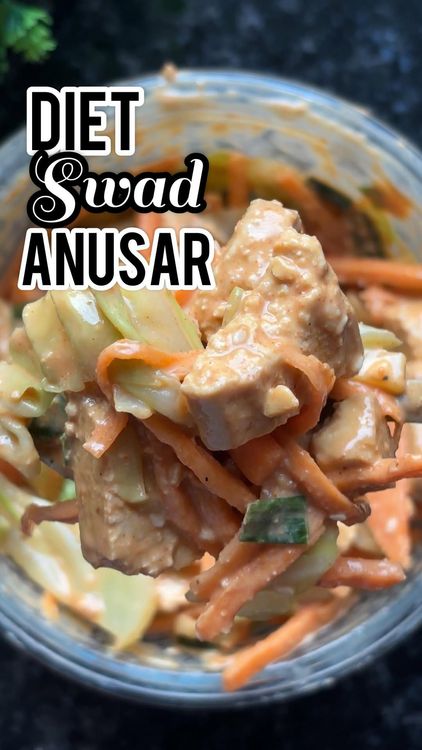
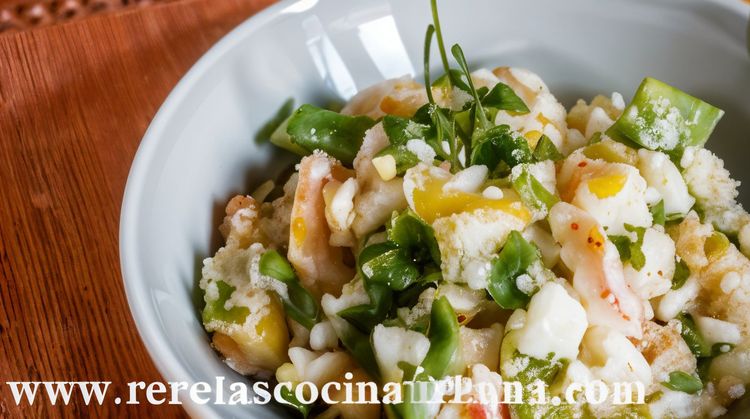
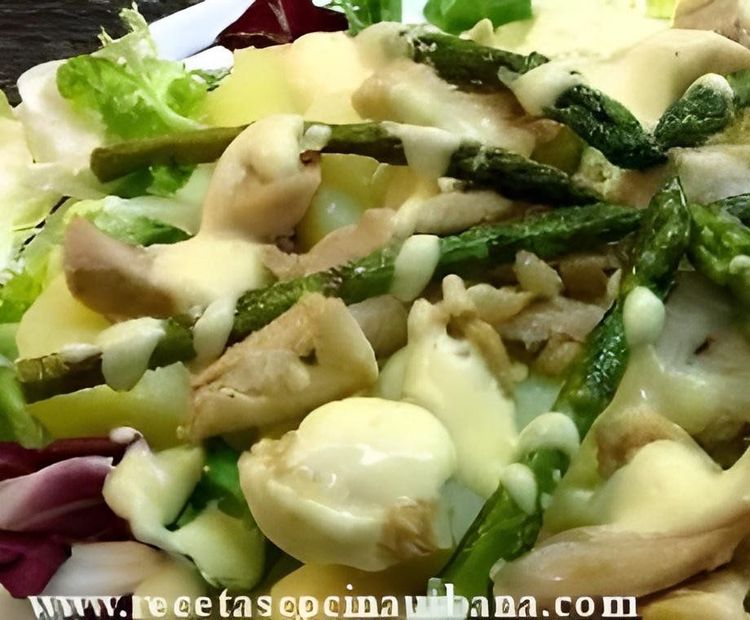
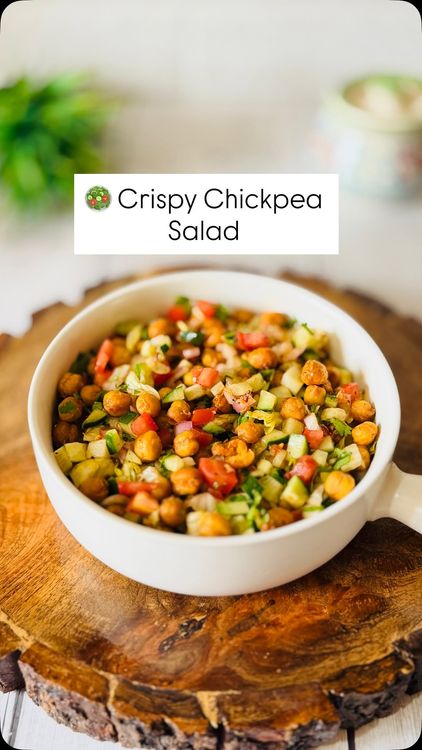
Protein and hearty salads are the ones that turn a side bowl into a proper meal, and the difference comes down to treating the protein as the star rather than a garnish. Grill or sear chicken and season it well, roast or pan-crisp paneer and tofu until golden, fold in chickpeas, beans or lentils, or add a jammy boiled egg, and let that element anchor the bowl. Slicing or shredding warm protein over the greens is a quiet trick worth knowing: its heat and juices lightly wilt the leaves and melt into the dressing, which is exactly what makes a warm salad feel substantial and satisfying rather than thrown together. Build the rest of the bowl for contrast, hitting creamy, crunchy, chewy and bright notes so every forkful stays interesting. Cooked grains like quinoa add body and stretch the salad to feed more people; cool them and dress them while just warm so they drink in flavour instead of tasting like washed-out filler. Season in layers, salting the protein, the grains and the dressing each in turn, and taste at the end. Standouts here include a Grilled Chicken Salad, a Chickpea Quinoa Bowl, an Egg Salad and a Paneer Salad. Standouts here include High Protein Korean Tofu Salad and Vegetable Salad with Quinoa, plus Chicken and Asparagus Salad.

- Korean
- Vegetarian
- Salad
- Mediterranean
- Vegetarian
- Salad
- International
- Non-Vegetarian
- Salad
- International
- Non-Vegetarian
- Salad
- International
- Vegan
- Salad
Fruit & Sweet Salads
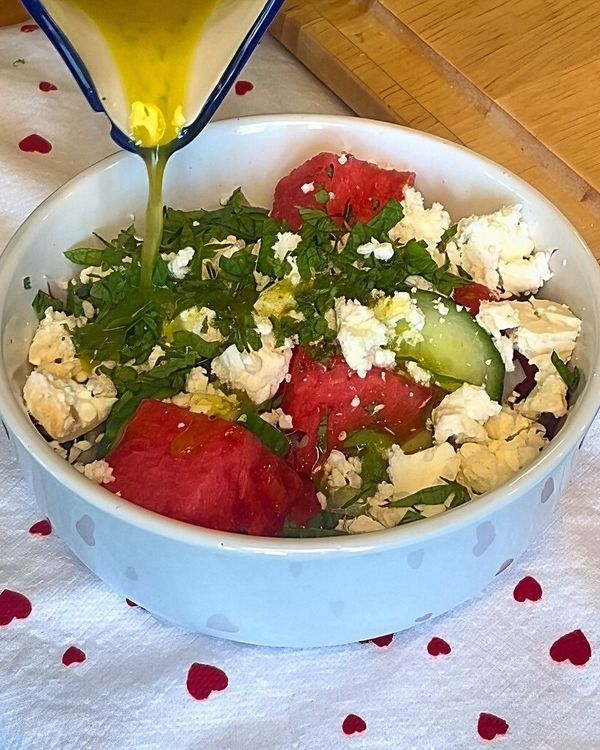
Fruit and sweet salads are the brightest, fastest corner of the collection, and they live on ripe fruit and a light, knowing hand with seasoning. The single move that lifts a fruit salad from pleasant to memorable is a pinch of salt and a squeeze of citrus, which sharpens and deepens the fruit so it tastes more of itself rather than just sweet. Lime over mango and watermelon, lemon over berries and apple, a little orange juice to keep cut apple from browning; the acid both seasons and protects. Cut everything to a similar size so the salad eats evenly, and add soft, juicy fruit like berries and melon last so it does not bruise and weep into the bowl. The savoury-sweet plates are where fruit salads turn into something you serve at dinner: watermelon with feta and mint, citrus with red onion and olives, pomegranate scattered over leaves. There the trick is balance, pairing the sweetness against salty cheese, sharp onion, peppery herbs and a restrained dressing so nothing cloys. Chill the fruit well, dress it only just before serving, and finish with fresh herbs and a crunch of nuts or seeds. Standouts here include a classic Fruit Salad, a Watermelon Feta Salad, a Citrus Salad and a Pomegranate Salad. Standouts here include Easy Strawberry Summer Salad and Watermelon Feta Salad, plus Colorful Mixed Berry Salad with Candied Pecans.


- Vegetarian
- Salad

- Mediterranean
- Vegetarian
- Side Dish

- Vegetarian
- Salad

- Vegetarian
- Salad


- Fusion
- Vegetarian
- Salad
Grain, Noodle & Global Salads
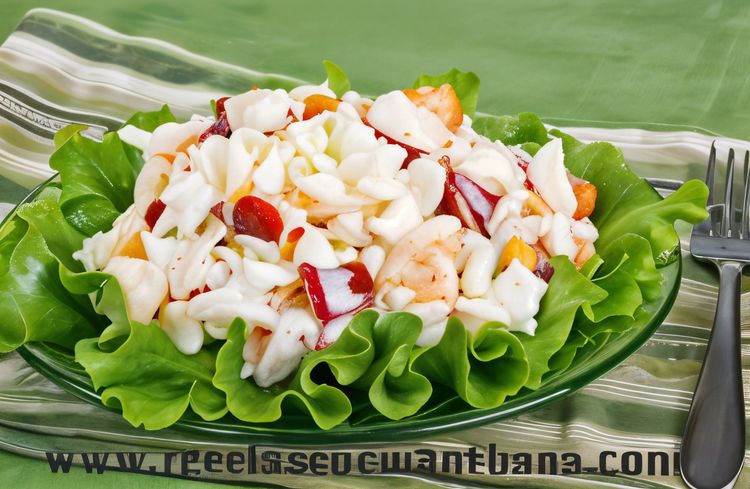
Grain, noodle and global salads are the filling, well-travelled end of the collection, the ones that carry you from a Greek village table to a Thai street stall to an Indian chaat counter in a single section. What unites them is a sturdy, cooked base — rice, couscous, noodles, corn or beans — that drinks up dressing and stays satisfying for hours, which also makes these the best salads to prep ahead. The key technique is to cool the cooked base and dress it while it is still just warm, because warm grains and noodles absorb flavour far better than cold ones, soaking up the dressing instead of tasting bland and washed out. Rinse noodles and toss them in a little oil so they do not clump, and spread cooked grains out to cool quickly and dry slightly so they stay separate rather than stodgy. From there, build big, punchy flavours suited to the style: lemon, oregano and olives for Greek, lime, fish sauce, chilli and herbs for Thai, chaat masala, lemon and chilli for Indian sprouted and chaat salads. Keep crunchy toppings and herbs aside until serving so they stay fresh and crisp against the soft base. Standouts here include a Thai Noodle Salad, a Greek Salad, a Sprouts Chaat and a Corn Salad. Standouts here include Thai Salad with Meat and Spring Couscous Salad, plus Thai Salad.
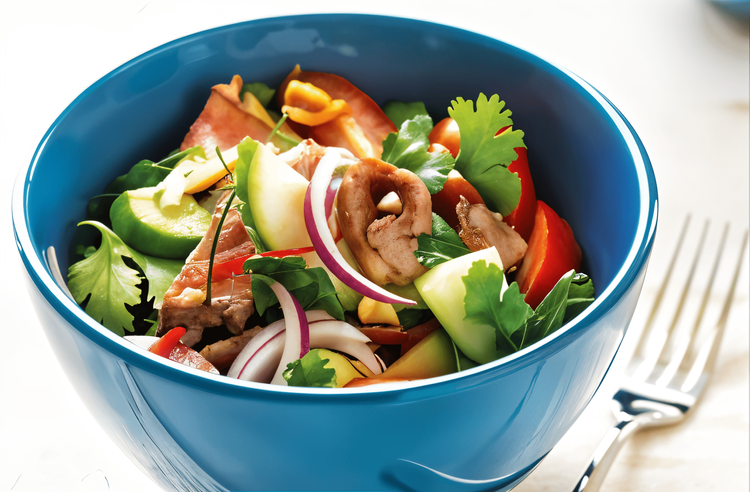
- Thai
- Non-Vegetarian
- Salad
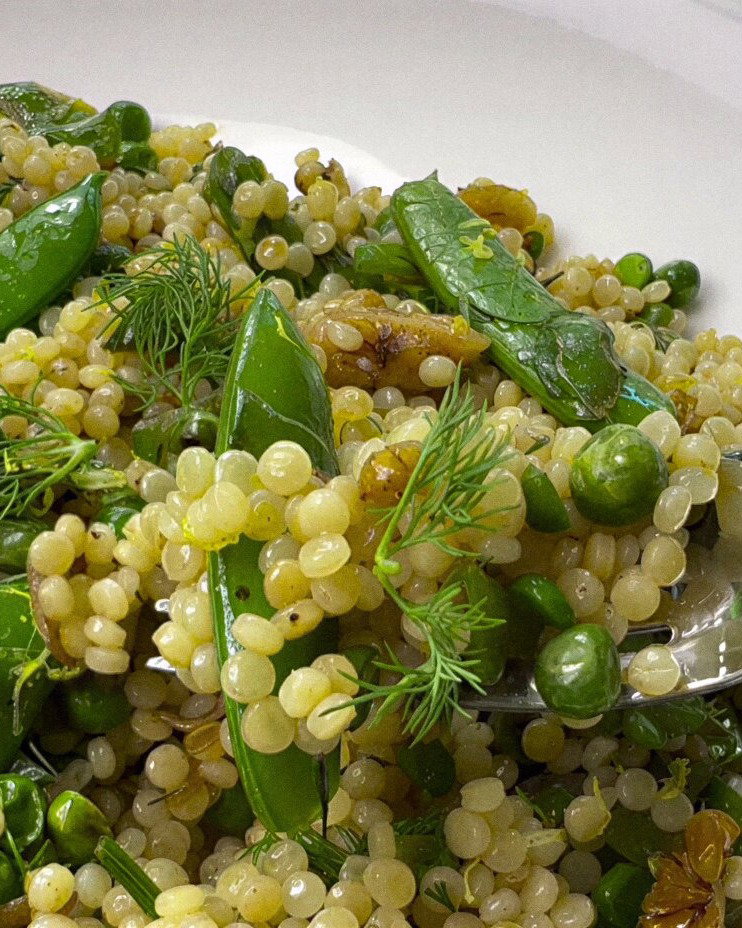
- Vegan
- Salad
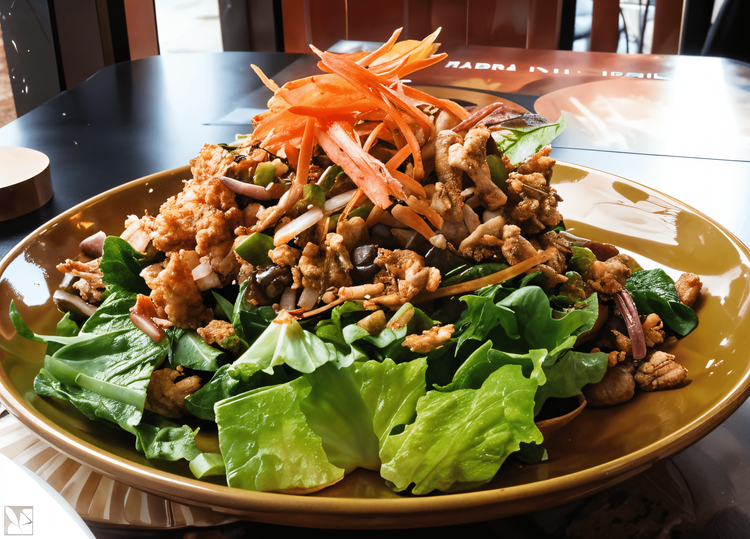
- Asian
- Non-Vegetarian
- Salad
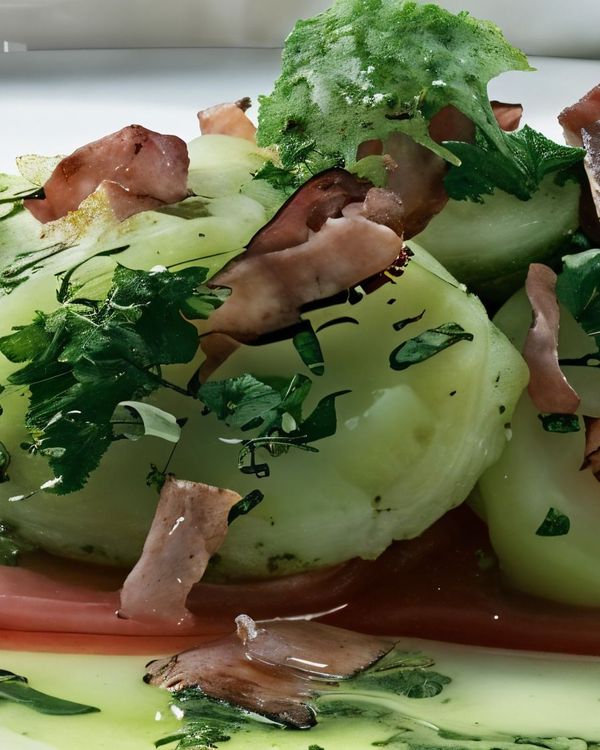
- International
- Non-Vegetarian
- Side Dish
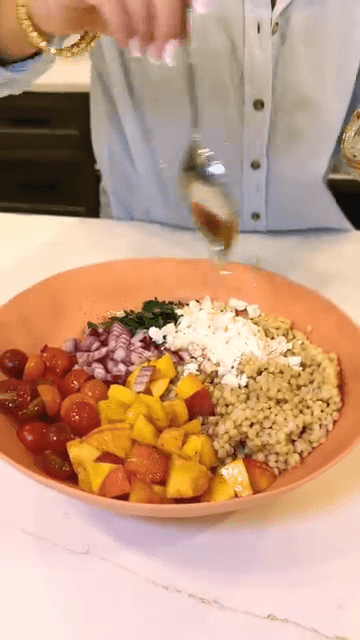

- Mediterranean
- Vegetarian
- Salad
More Salad Favourites
A few salads never settle neatly into one bucket, and these are the ones worth keeping in your back pocket once the staples feel routine. They lean on the same fundamentals the rest of the page is built on — cold, dry leaves, a balanced dressing, and crunchy elements added at the last second — but wander toward different cuisines, textures and combinations, so no two taste quite the same. Picking your next one is mostly about matching effort to mood and what the fridge holds: reach for a quick leafy salad with a lemon vinaigrette on a busy night when you want something fresh in five minutes, and save the multi-component, protein-and-grain bowls for when you have a little more time to build contrast. Pay attention to how you cut and layer, too, keeping the heaviest, dressing-hungry pieces at the base and the delicate leaves on top, then tossing only just before eating. Season in stages and taste at the end rather than the start, since a salad reveals whether it is balanced only once everything comes together. Think of this group as the natural next step after the classics, the recipes that quietly earn a regular place in your rotation once you have tried them. Standouts here include Lebanese Salad Dressing and Zucchini Carpaccio Salad, plus Post-Holiday Reset Crunch Herbs Salad.
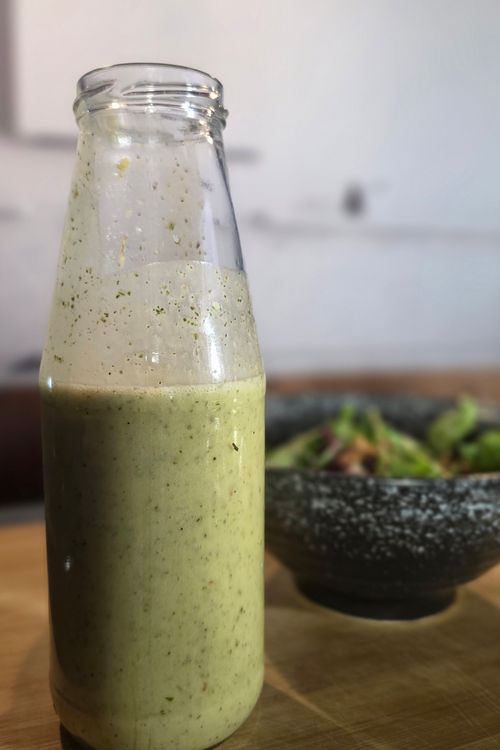
- Lebanese
- Vegetarian
- Sauce & Condiment
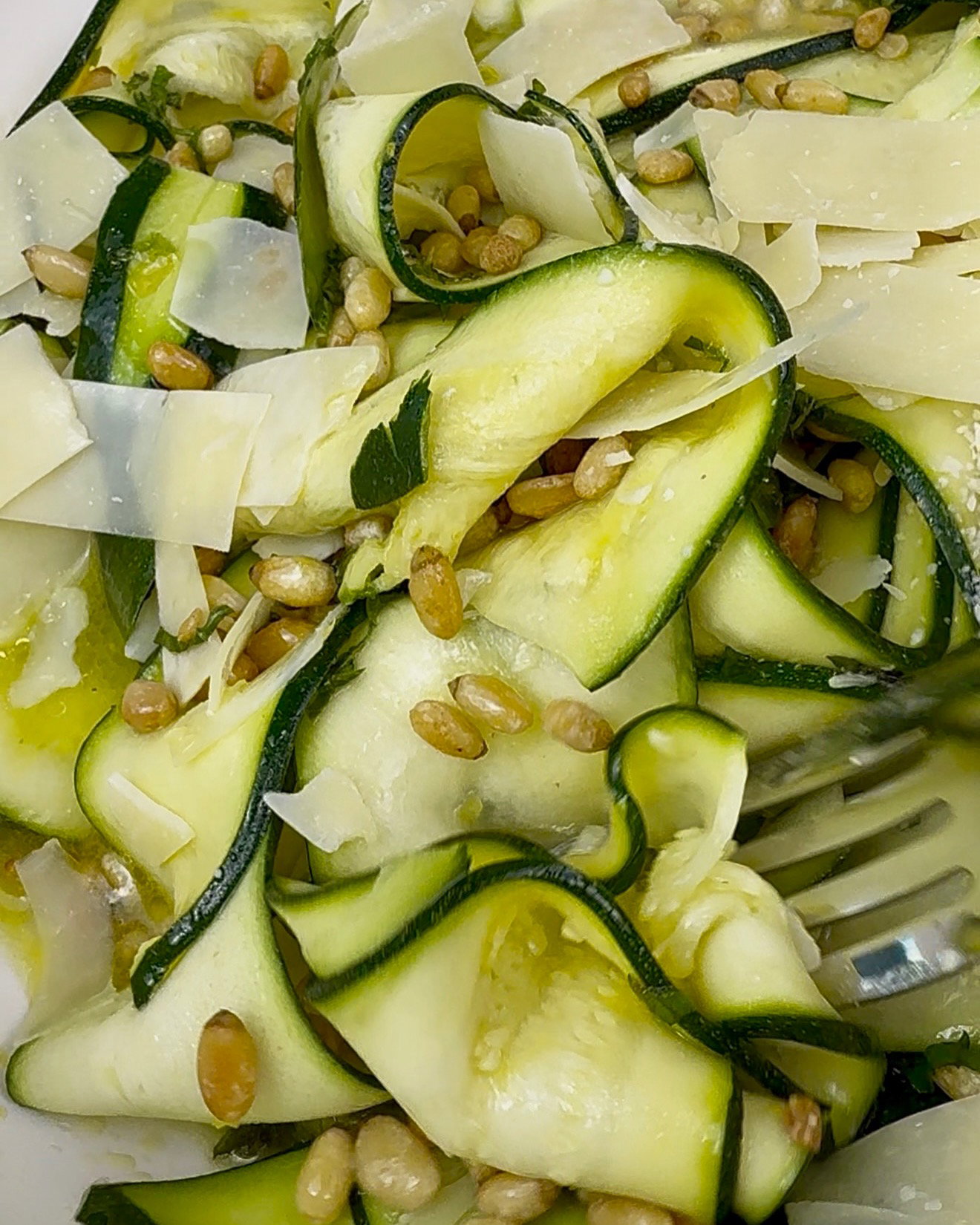
- Vegetarian
- Salad

- Vegetarian
- Salad
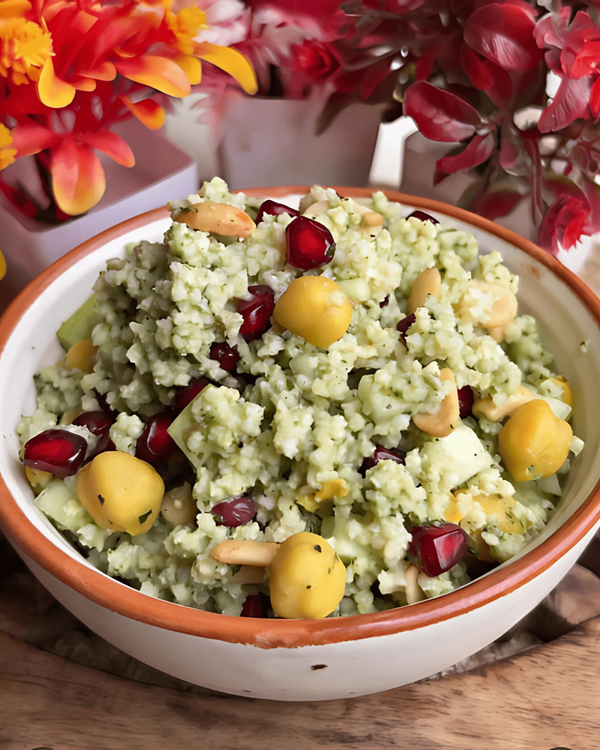

- Indian
- Vegetarian
- Salad


- General
- Vegan
- Salad
Building a Balanced Dressing
Almost every good salad rests on a dressing that gets four things right: fat, acid, salt and a touch of sweetness. The classic vinaigrette ratio is three parts oil to one part acid (lemon, vinegar or lime), but treat that as a starting point and taste as you go — a sharp, lemony salad of bitter leaves wants more acid, while a delicate one wants less. Whisk or shake the dressing hard so the oil and acid emulsify into something that clings to each leaf rather than pooling at the bottom of the bowl.
Season the dressing itself, not just the salad, so the flavour is even throughout. Salt dissolves better in the acid than on dry leaves, so add it to the dressing and let it melt in. Build depth with a teaspoon of mustard or honey to emulsify and round things out, a grating of garlic, a pinch of toasted spice, or fresh herbs blitzed in. Creamy dressings — yogurt, tahini, buttermilk — coat more heavily, so thin them with a little water or lemon to a pourable, just-clinging consistency.
Dress with restraint and at the right moment. Sturdy ingredients like beans, grains, grated carrot and cabbage drink up dressing and actually improve sitting in it for a while, so dress them early. Tender leaves wilt the instant they meet salt and acid, so dress them seconds before serving, using just enough to lightly coat — an under-dressed salad you can add to beats a drowned, soggy one. Add the dressing in stages, toss with your hands to feel the coating, and taste before the last splash.
Keeping Greens and Vegetables Crisp
Crispness starts with cold, dry leaves. Wash greens in plenty of cold water to wake them up and rinse off grit, then dry them thoroughly in a spinner or rolled in a clean towel, because any surface water both dilutes the dressing and speeds wilting. Limp leaves often revive with a soak in ice water for ten to fifteen minutes, which re-plumps the cells. Store washed greens loosely wrapped in a dry towel in the fridge so they stay crisp for days rather than turning slimy.
For raw vegetable salads — kachumber, slaw, cucumber — salt is both a seasoning and a tool. A light salting of cucumber, cabbage or onion thirty minutes ahead, then a squeeze to remove the released water, gives you a slaw or salad that stays crunchy instead of going watery on the plate. Soaking sliced raw onion in cold water or a little lemon takes the harsh edge off while keeping the bite. Cut vegetables to an even size so the salad reads as deliberate and the dressing coats evenly.
Layer for lasting crunch. Keep wet and dry elements apart until serving: croutons, nuts, seeds, fried onions and crisp noodles all go soft the moment they sit in dressing, so scatter them on at the last second. Build sturdy salads from the bottom up with the heaviest, dressing-hungry pieces at the base and the delicate leaves on top, then toss just before eating. For make-ahead bowls, keep the dressing in a separate jar and the crunchy toppings in their own container, combining only when you are ready to eat.
Turning a Salad into a Meal
A salad becomes dinner when it carries protein, and the protein has to be cooked and seasoned to stand on its own. Grill or sear chicken and season it properly, roast or pan-crisp paneer and tofu, fold in chickpeas, beans or lentils, or add a jammy boiled egg — and treat that element as the star, not a garnish. Slice or shred warm protein over the greens so its heat and juices lightly wilt the leaves and become part of the dressing, which is exactly what makes a warm bowl feel substantial.
Texture and contrast keep a meal-sized salad interesting to the last forkful. Aim to hit several notes in one bowl: creamy (avocado, cheese, a yogurt dressing), crunchy (nuts, seeds, croutons, raw vegetables), chewy (grains, roasted vegetables) and bright (herbs, pickled onion, a squeeze of citrus). Cooked grains like quinoa, couscous and rice add body and stretch a salad to feed more people; cool them and dress them while just warm so they soak up flavour rather than tasting like plain, washed-out filler.
Balance the bowl so it satisfies without tipping heavy. A rough template that always works: a base of greens or grains, a generous protein, two or three vegetables for colour and crunch, something creamy or rich, a scatter of herbs, and a dressing sharp enough to cut through it all. Season in layers — salt the protein, the grains and the dressing each in turn — and taste at the end. Built this way, a salad is a genuine, filling meal that holds up rather than leaving you hungry an hour later.
Pro Tips from the Test Kitchen
- Wash and dry leaves thoroughly — water clinging to greens dilutes the dressing and turns the salad limp.
- Start a vinaigrette at three parts oil to one part acid, then taste and adjust the acid to the leaves.
- Season the dressing itself with salt, since it dissolves in the acid and seasons the salad evenly.
- Add a little mustard or honey to a vinaigrette so it emulsifies and clings to every leaf.
- Dress sturdy salads (beans, grains, slaw) early, but tender leaves only seconds before serving.
- Salt cucumber, cabbage or onion ahead and squeeze out the water so slaws stay crunchy, not soggy.
- Soak sliced raw onion in cold water or lemon to tame its sharpness while keeping the bite.
- Keep croutons, nuts and crisp noodles separate until serving so they stay crunchy.
- Slice warm protein over greens so its heat and juices lightly wilt the leaves into the dressing.
- Build a meal-sized bowl across creamy, crunchy, chewy and bright elements for contrast in every forkful.
Frequently Asked Questions
What are the best salad recipes to start with?
Start with a few reliable wins: a crisp kachumber or cucumber salad, a classic caesar, a simple green salad with a lemon vinaigrette, or a hearty chickpea and quinoa bowl. These show off the basics — dry leaves, a balanced dressing, and good contrast of texture — without much effort. From there, build toward grilled chicken bowls, watermelon-and-feta plates, and noodle salads. A well-made vinaigrette is the single skill that makes almost any salad better.
What are some easy salad recipes for a quick meal?
For a fast meal, lean on a protein you can cook or grab quickly — tinned chickpeas, a boiled egg, leftover grilled chicken, or seared paneer — over greens or a cooked grain with a quick dressing. A chickpea salad, a chicken caesar, or a grain bowl with roasted vegetables all come together in minutes if the components are ready. Keep washed greens and a jar of dressing in the fridge, and a satisfying salad is never more than a few minutes away.
How do you make a good salad dressing?
Balance four things: fat, acid, salt and a touch of sweetness. A basic vinaigrette is roughly three parts oil to one part acid (lemon, vinegar or lime), whisked or shaken hard so it emulsifies and clings. Add a teaspoon of mustard or honey to help it emulsify and round it out, season the dressing itself with salt, and taste against a leaf. Creamy dressings made with yogurt or tahini should be thinned with a little water or lemon to a pourable consistency.
How do you keep salad greens crisp and fresh?
Wash greens in cold water, then dry them thoroughly in a spinner or a clean towel, since surface water dilutes the dressing and speeds wilting. Limp leaves often revive with a soak in ice water for ten to fifteen minutes. Store washed greens loosely wrapped in a dry towel in the fridge, and dress tender leaves only at the last minute. Keeping the leaves cold, dry and lightly dressed is what keeps a salad crisp rather than soggy.
How do you make a salad filling enough to be a meal?
Add a real protein — grilled chicken, seared paneer or tofu, beans, chickpeas, lentils or a jammy egg — and treat it as the star rather than a garnish. Build in a cooked grain like quinoa, couscous or rice for body, and aim for contrast across creamy, crunchy, chewy and bright elements. Season the protein, the grains and the dressing each in turn. Built this way, a salad is a genuine, satisfying meal that holds up rather than leaving you hungry.
How do you stop a salad from going soggy?
Dry your leaves well, dress delicate salads at the last minute, and use just enough dressing to lightly coat rather than drown. Keep crunchy elements — croutons, nuts, seeds, crisp noodles — separate until serving. For sturdy ingredients like grains and slaw, dressing early is fine and even helps, but tender greens should meet the dressing seconds before eating. For make-ahead bowls, keep the dressing in a separate jar and toss everything together only when you are ready.
Can you make salads ahead of time?
Sturdy salads keep well: grain, bean, pasta-style and slaw salads often taste better after a few hours as the flavours meld, and many hold a day or two in the fridge. Leafy salads do not, so prep the components — washed greens, cooked protein, chopped vegetables, a jar of dressing — separately and assemble just before eating. Keep crunchy toppings apart until serving. This way you get the convenience of prep without the limp, soggy result of dressing leaves too early.
What is a good salad dressing besides vinaigrette?
Beyond a basic vinaigrette, creamy dressings open up a lot of range: a yogurt-and-herb dressing, a tahini-lemon one, a buttermilk ranch, or a caesar with garlic and parmesan. For Asian-style salads, a dressing of soy, lime, a little sweetness and chilli works beautifully; for Indian chaat salads, lean on chaat masala, lemon and a touch of chilli. Whatever the base, balance fat, acid, salt and sweetness, and thin creamy dressings to a pourable consistency.
How do you make a healthy salad that still tastes good?
Flavour comes from seasoning and contrast, not heaviness. Use a bright, well-balanced dressing with enough salt and acid, lean on herbs, citrus, toasted spices and a little crunch, and let a good protein and plenty of vegetables carry the bowl. Keep dressings lighter by using yogurt or a lemony vinaigrette rather than heavy creamy ones, and watch the quantity rather than banning fat entirely — a little olive oil or avocado makes vegetables more satisfying and helps you absorb their nutrients.
The thread through every salad recipe here is the same: keep your leaves cold and dry, build a dressing balanced across fat, acid, salt and a little sweetness, and add crunchy or delicate elements at the last minute so nothing goes soggy. Master those and green salads, protein bowls, fruit plates and grain salads all turn out crisp, bright and properly seasoned rather than limp and bland.
Pick a few salad recipes to make this week — a crisp green salad, a hearty chicken or chickpea bowl, and a juicy fruit salad — and save your favourites to a Chefadora cookbook. There is a salad for every season, meal and mood, from a quick side to a full dinner; this page is built to be the salad reference you keep coming back to.
Related
- Salad
- Healthy
- Vegetarian
- Salad dressing
- Fresh
- Low carb
- Lunch
- Sides
Popular Searches
- Best salad recipes
- Easy salad recipes
- Quick salad recipes
- Healthy salad recipes
- Simple salad recipes
- Homemade salad recipes
- Delicious salad recipes
- Popular salad recipes
- healthy salad
- chicken salad
- fruit salad
- green salad
Marnirni-apinthi Building, Lot Fourteen,
North Terrace, Adelaide, South Australia, 5000
Australia
