
Top 18 Mediterranean Recipes: Mains, Bowls, Mezze and More
Updated June 29, 2026 · Curated by Chefadora
Mediterranean recipes are less a single cuisine than a way of eating shared across a whole coastline — Greece, the Levant, southern Italy, Spain, North Africa — all leaning on the same handful of ingredients: good olive oil, lemon, garlic, fresh herbs, vegetables, legumes, grains and a little grilled meat or fish. The dishes below were chosen to show that range, from charred souvlaki and lemony roast fish to layered grain bowls, silky hummus and frugal bean soups, rather than ten versions of the same plate.
What ties it all together is balance and brightness. Fat comes from olive oil rather than butter, acid from lemon and vinegar lifts almost everything, and herbs go in fresh at the end as much as dried at the start. Vegetables and legumes do the heavy lifting, with meat and fish often playing a supporting role. That is why this style of eating is as celebrated for being healthy as for being delicious — the flavor and the nutrition come from the same place.
You will find four clusters here: grilled and roasted mains, fresh bowls and salads, the dips and mezze that open every table, and the grains, sides and soups that round out a meal. The techniques repeat across all of them — a good marinade, a confident sear, a sharp dressing, a long, gentle simmer — so once you cook a few, the rest fall into an easy rhythm.
Treat this as a working reference. Each recipe links to full ingredients and steps on Chefadora, and the guides below cover the decisions that decide whether a dish tastes bright and alive or flat: choosing and using olive oil well, getting char and tenderness on grilled mains, dressing salads and bowls so they sing, and blending dips to a genuinely silky finish.
Mediterranean Mains
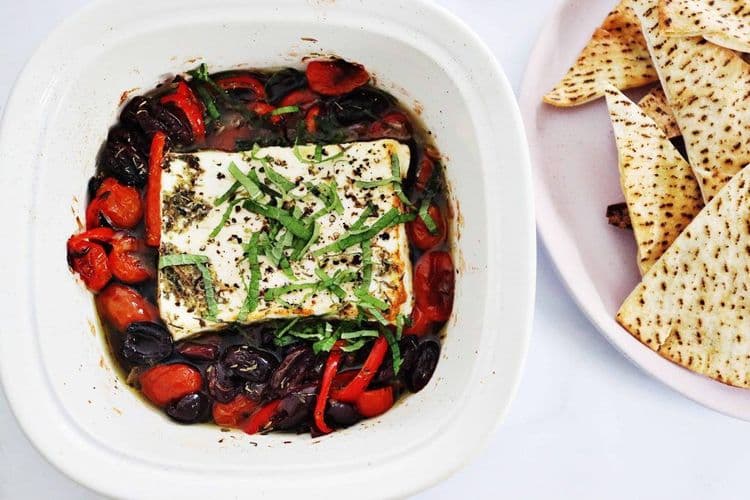
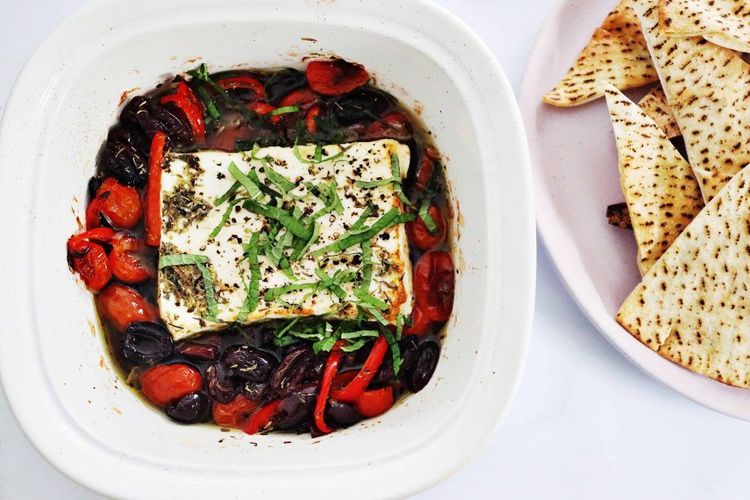
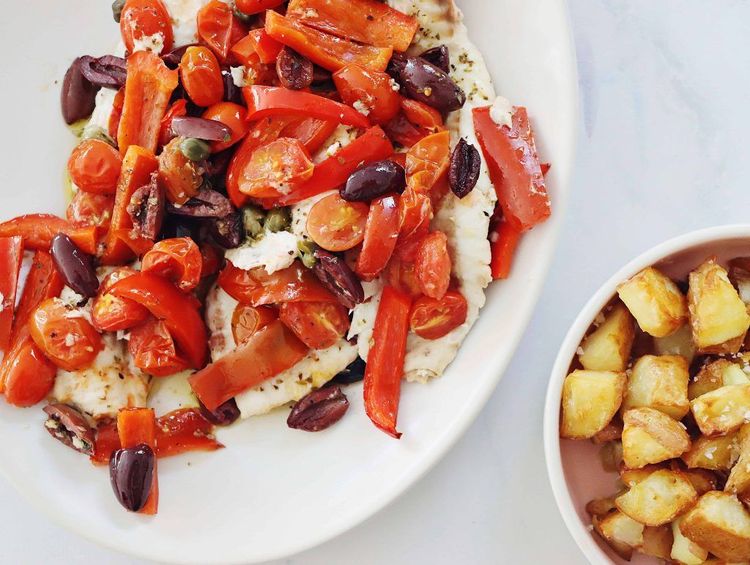
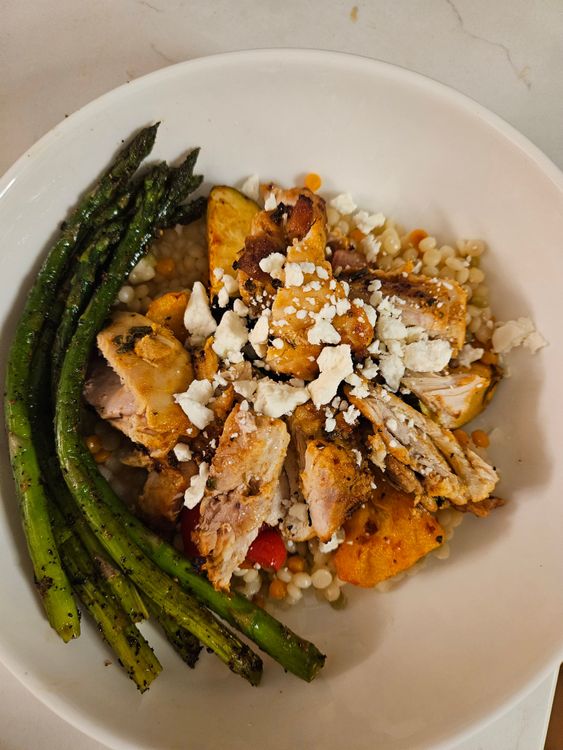
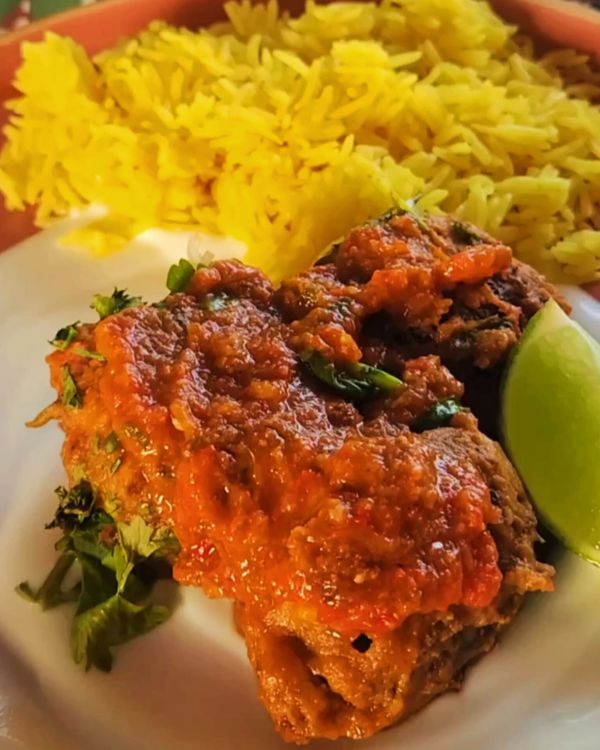
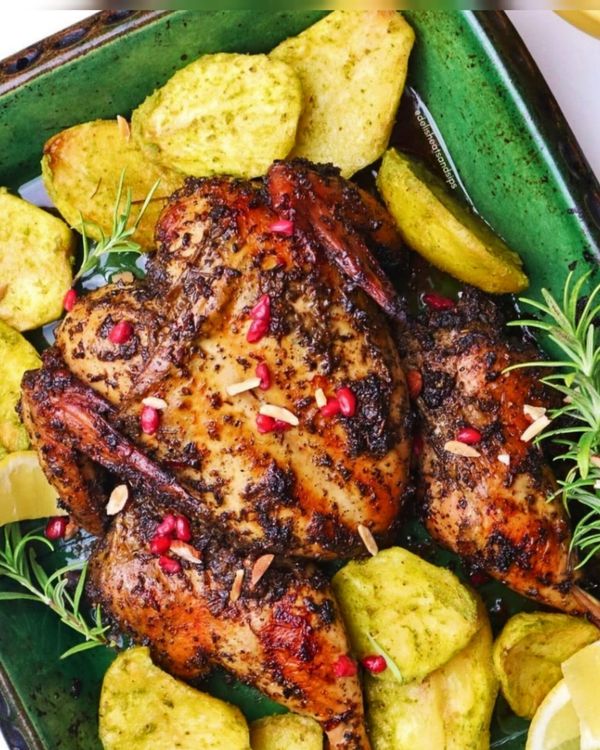
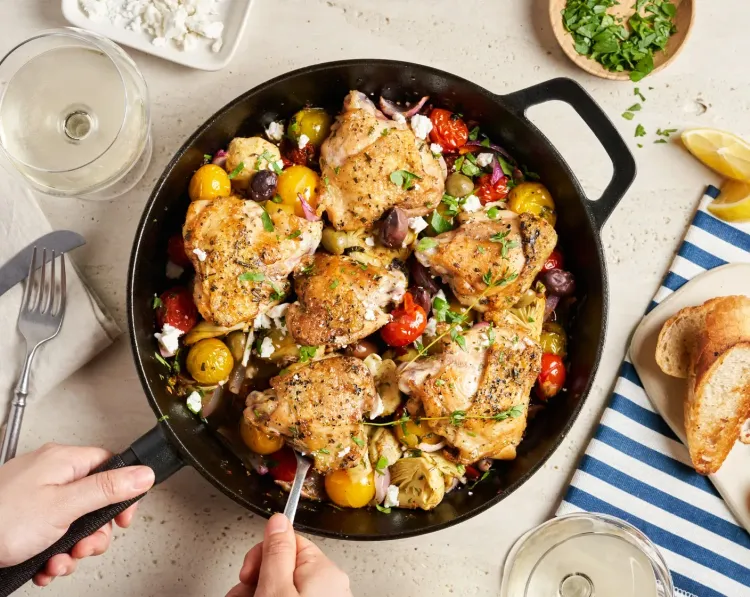
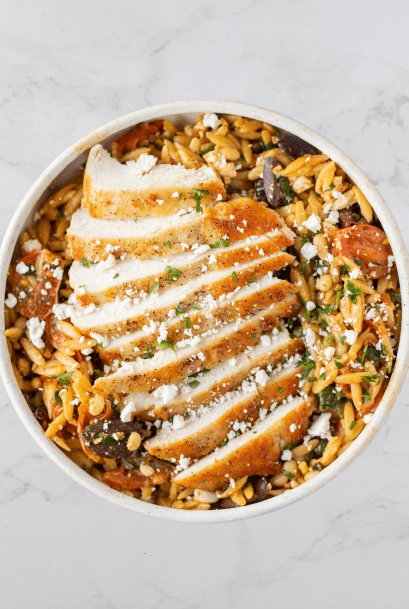
The plates a Mediterranean meal is built around almost all start the same way: a marinade of olive oil, lemon and garlic, then real heat. Whether it is chicken souvlaki, lamb kofta, a whole fish or a fillet of salmon, the move is to season deep, cook hot and finish bright. Give chicken and lamb at least an hour in the marinade so the acid and aromatics work their way in, but hold fish to thirty minutes at most, because lemon will start to break down delicate flesh and turn it mushy. When it is time to cook, get the grill, pan or oven genuinely hot and resist crowding; you want a real char, since that browned, almost-blistered surface is where most of the flavor lives. Pat everything dry first so it sears rather than steams, lay it in a single layer, and leave it alone until a crust forms before you turn. Rest meat a few minutes off the heat, but pull fish the instant it just flakes, then finish every plate the way the whole cuisine does, with a squeeze of lemon, a drizzle of good oil and a scatter of fresh herbs. Standouts here include Healthy Mediterranean Chicken Lavash Wrap with Lemon Herb Slaw & Creamy Tahini Sauce and Mediterranean Baked Feta with Pita Chips, plus Mediterranean Baked Fish.
- Mediterranean
- Vegetarian
- Appetiser
- Mediterranean
- Pescatarian
- Dinner

- Mediterranean
- Pescatarian
- Lunch

- Mediterranean
- Non-Vegetarian
- Lunch

- Mediterranean
- Non-Vegetarian
- Dinner
- Mediterranean
- Non-Vegetarian
- Dinner
- Mediterranean
- Non-Vegetarian
- Dinner
- Mediterranean
- Non-Vegetarian
- Dinner
Mediterranean Bowls & Salads
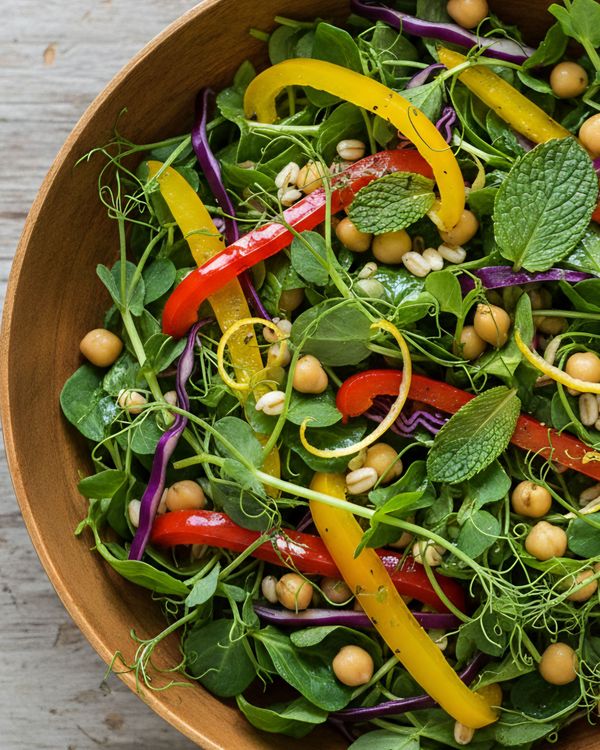
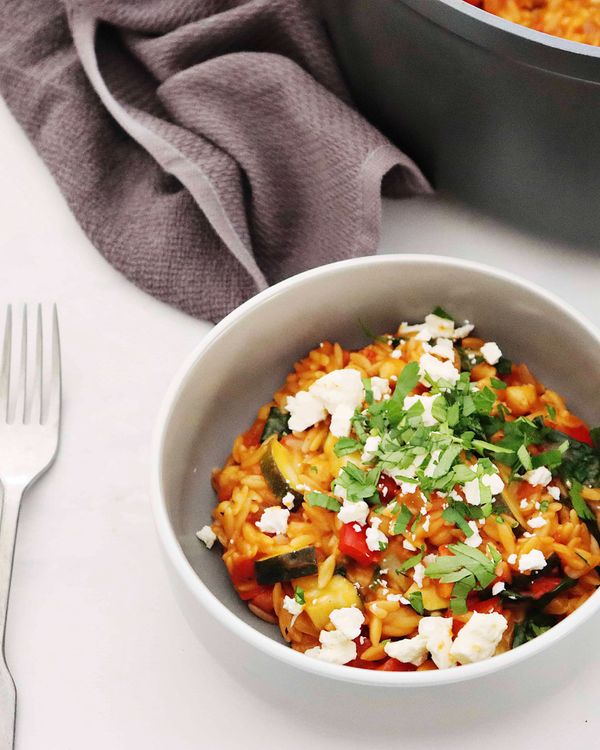
This is the bright, layered heart of Mediterranean eating, where a handful of vegetables, grains and herbs become a full meal with little more than oil and lemon. The principle is contrast in every bite: something crunchy like cucumber or toasted nuts, something creamy like feta or chickpeas, something herby and something sharp, all brought together by a confident dressing. For grain bowls built on bulgur, couscous, farro or quinoa, dress the grains while they are still warm so they drink up the vinaigrette, then layer the fresh elements on top so they stay crisp. The dressing itself is usually nothing more than good olive oil and an acid in roughly a three-to-one ratio, whisked hard with salt, a little garlic and oregano or sumac until it clings. The classic mistake is dressing too early and letting everything go limp and weepy, so season chopped salads just before serving and dress leafy ones at the last second. For a real Greek salad, skip the lettuce entirely and let ripe tomatoes, cucumber, onion, olives and a slab of feta carry the plate, dressed simply, the quality of the vegetables doing the work. Standouts here include Mediterranean Sprouted Salad and Mediterranean Orzo with Chickpeas and Vegetables, plus Mediterranean-Style Octopus Salad.

- Mediterranean
- Vegetarian
- Side Dish
- Mediterranean
- Vegetarian
- Lunch
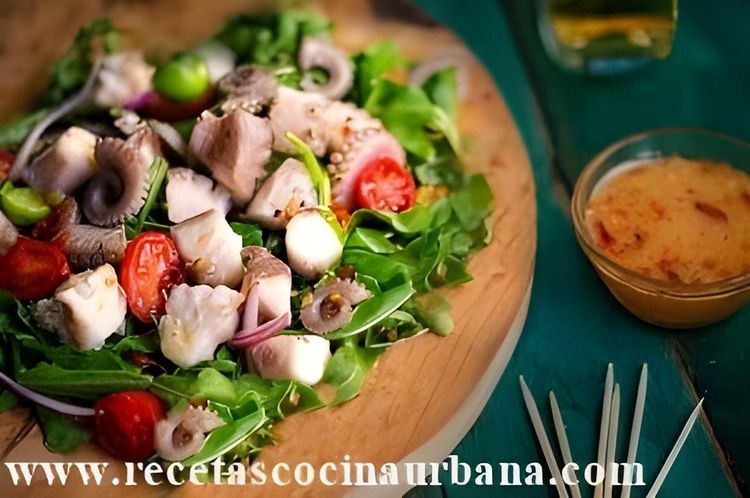
- Mediterranean
- Pescatarian
- Appetiser
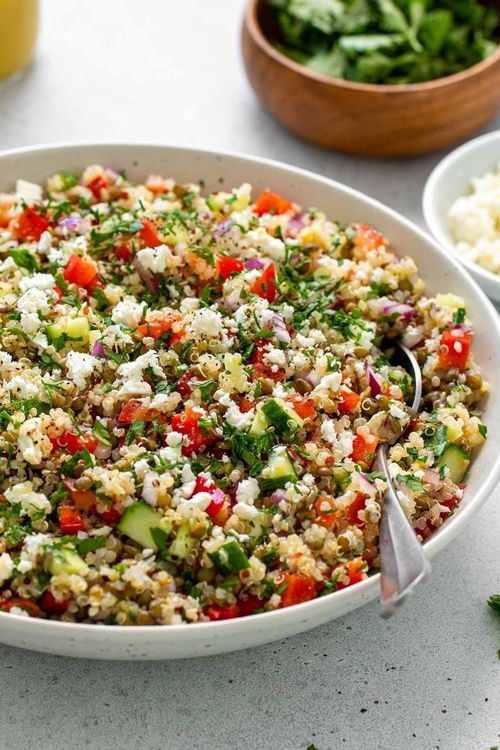
- Mediterranean
- Vegetarian
- Lunch
More Mediterranean Favourites
A few dishes never quite settle into a single category, and these are the ones worth keeping in your back pocket once the staples feel routine. They lean on the same handful of techniques you already know, a confident marinade, a hot sear, a sharp dressing and a patient simmer, but steer them toward different flavors and formats so a Mediterranean table never feels repetitive. Picking your next one is mostly about matching effort to mood: reach for a quick salad, a dip or a grilled fillet on a busy weeknight when you want something bright in twenty minutes, and save the slow-simmered stews and layered bakes like moussaka or spanakopita for a weekend when you can let things take their time. Across all of them the same instincts apply, so taste constantly and reach for lemon, salt and a raw pour of good olive oil whenever a dish tastes flat rather than reaching for more spice. Pay attention to texture and contrast, too, since the best of this cooking is about crunch against cream and tang against richness. Think of this group as the natural next step after the classics, the recipes that quietly earn a regular spot in the rotation once you have tried them. Standouts here include Savory Mediterranean Egg Bake and Ravioli with Mediterranean Sauce, plus Mediterranean Stuffed Eggplant.
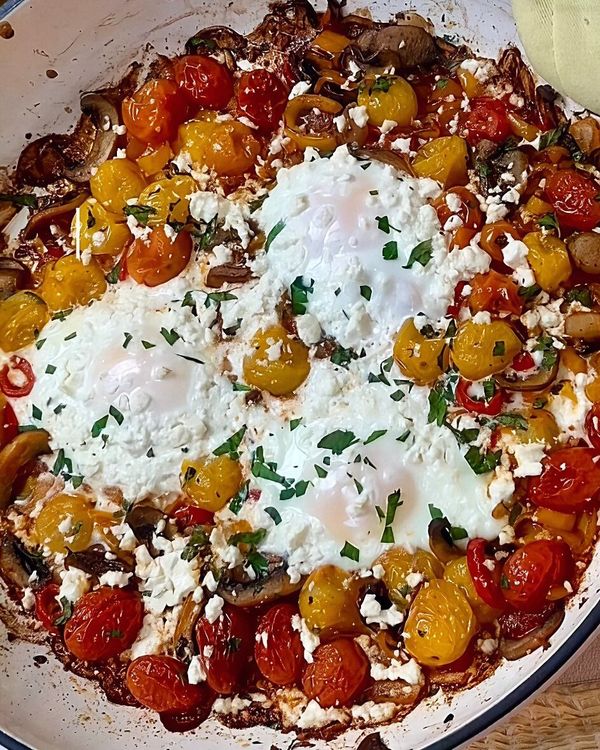

- Mediterranean
- Eggetarian
- Breakfast
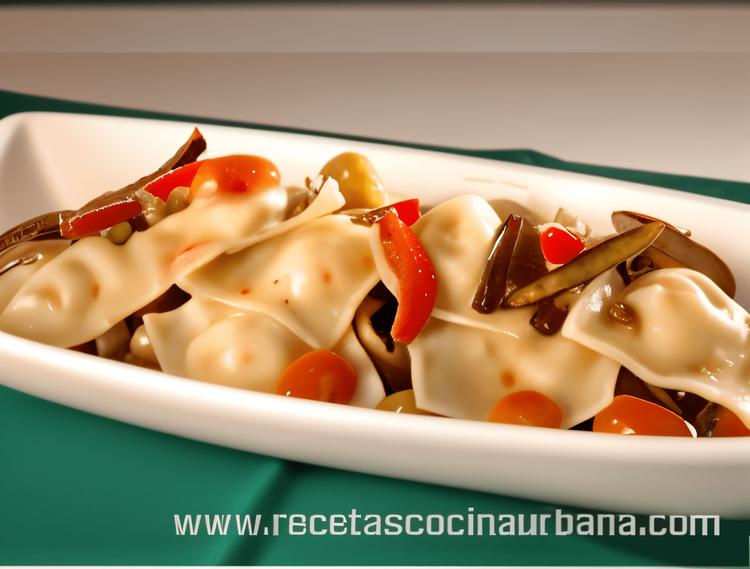
- Mediterranean
- Eggetarian
- Lunch
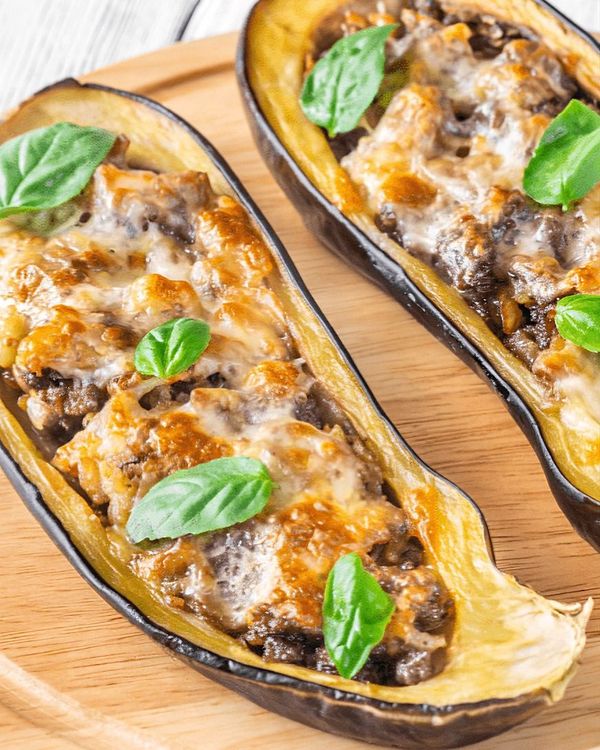
- Mediterranean
- Non-Vegetarian
- Lunch
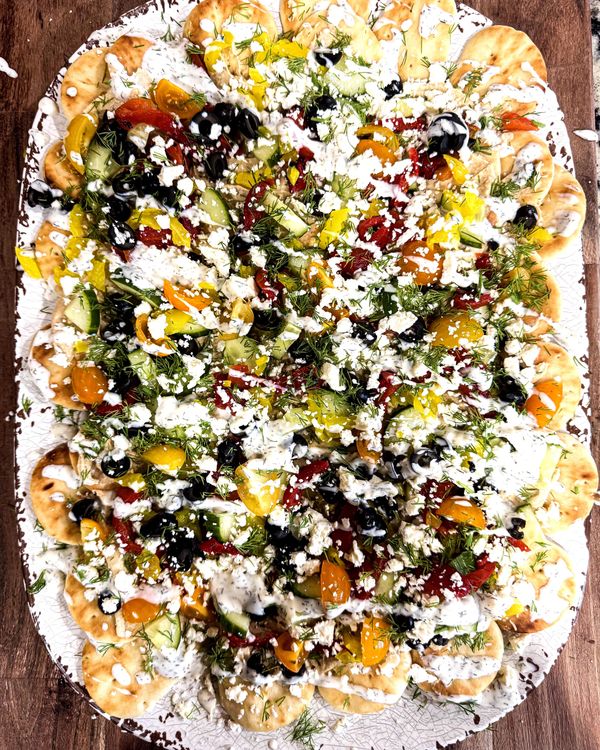

- Mediterranean
- Vegetarian
- Lunch
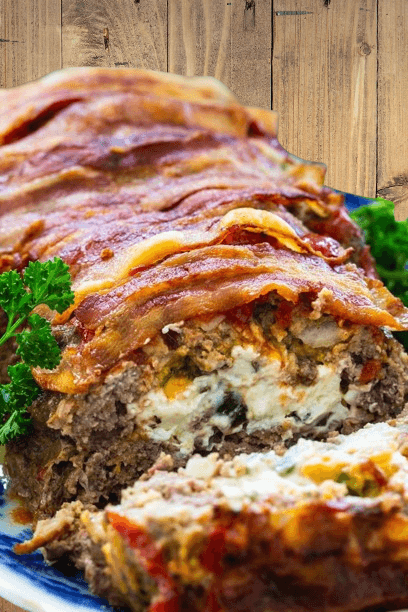
- Mediterranean
- Non-Vegetarian
- Dinner
Olive Oil, Lemon and the Mediterranean Pantry
Olive oil is the backbone, so it is worth keeping two: a workhorse oil for cooking and a good extra-virgin for finishing. Heat dulls the peppery, grassy notes of a fine oil, so cook in the cheaper one and save the expensive bottle for drizzling raw over hummus, salads, soups and grilled fish at the table. A generous raw pour at the end is not a garnish here — it is part of the seasoning, carrying flavor and rounding out acidity.
Acid is the other constant. Fresh lemon juice and zest, red wine vinegar and the brine from olives or capers all brighten and balance, and most Mediterranean dishes want more than you would expect. Keep lemons on the counter, taste as you go, and add acid at the end as well as the start. A dish that tastes flat is far more often under-acidic or under-salted than under-spiced.
Stock the pantry and half the work is done before you start: good olives, capers, canned chickpeas and white beans, tahini, dried oregano, cumin, coriander, sumac and za'atar, plus garlic, onions and whatever herbs you can keep alive on a windowsill. Toast and crush whole spices for depth, buy small quantities of dried herbs so they stay potent, and keep feta and Greek yogurt on hand — they turn pantry staples into a meal.
Grilling and Roasting Mains
Most Mediterranean mains start with a marinade built on the same trio: olive oil, lemon and garlic, plus oregano for Greek dishes, cumin and coriander for the Levant, or smoked paprika for Spanish ones. The oil carries flavor and helps char, the acid tenderizes and brightens, and the aromatics season deep. Give chicken and lamb at least an hour, fish no more than thirty minutes — too long in lemon and delicate fish flesh turns mushy and starts to "cook" in the acid.
Cook hot and do not crowd. Whether on a grill, a ridged pan or under a high oven, you want real color — the char is where the flavor lives. Pat the surface dry, let the pan or grill get properly hot, lay things in a single layer and leave them alone until they release and a crust forms before you turn. Crowding drops the heat and steams meat grey instead of searing it. Use a thermometer for larger cuts rather than guessing.
Rest meat off the heat for a few minutes so the juices redistribute, then finish the way the whole cuisine does: a squeeze of lemon, a drizzle of good oil, a scatter of fresh herbs or a spoon of yogurt sauce. Fish is the exception that wants speed — pull it the moment it just flakes and turns opaque, because carryover heat keeps cooking it on the plate. Serve mains straight away while the char is still aromatic.
Building Bowls and Dressing Salads
A great Mediterranean salad or bowl is about contrast and layering, not just tossing things together. Aim for a mix in every bite — something crunchy (cucumber, peppers, toasted nuts or croutons), something creamy (feta, chickpeas, avocado), something herby and something sharp. For grain bowls, dress the warm grains while they are still warm so they drink up the dressing, then build the rest on top so the fresh elements stay crisp.
The dressing is usually nothing more than good olive oil and an acid — lemon or red wine vinegar — in roughly a three-to-one ratio, with salt, a little garlic and oregano or sumac. Whisk it hard or shake it in a jar so it emulsifies and clings, and always taste it on a leaf before dressing the whole bowl. Make extra; it keeps for days and turns leftover grains and vegetables into lunch.
Salt and acid at the end, off the heat, is what makes these dishes pop. Season chopped salads just before serving so they do not weep and go limp, and dress leafy salads at the last second. For a classic Greek salad, skip the lettuce entirely, use ripe tomatoes, cucumber, onion, olives and a slab of feta, and dress simply with oil, oregano and a little vinegar — the quality of the vegetables and oil is the whole dish.
Silky Dips, Mezze and Make-Ahead
The secret to restaurant-smooth hummus is less about the chickpeas and more about technique: blend the tahini and lemon juice first until pale and whipped, then add the chickpeas and plenty of ice-cold water and run the processor far longer than feels necessary — two to three full minutes — scraping down, until it turns pale and airy. Warm chickpeas (or canned ones simmered a few minutes with a pinch of baking soda) blend smoother than cold, and a final raw pour of oil and a dusting of paprika finish it.
Tzatziki and other yogurt dips live or die on draining. Salt grated cucumber and squeeze out as much water as you can in a clean cloth, and use thick, strained Greek yogurt, or the dip turns watery within the hour. For baba ganoush, char the eggplant whole over flame or under a high broiler until the skin blackens and the flesh collapses — that smoke is the flavor — then drain the flesh well before blending with tahini, lemon and garlic.
Mezze is built for making ahead, which is why it is the perfect way to entertain. Most dips improve after a few hours in the fridge as the flavors meld, and keep three to four days; bring them back to room temperature and re-stir before serving, as they firm up cold. Warm pita just before the table, set out olives, feta and crudités alongside, and finish every bowl with a fresh drizzle of oil and herbs so the spread looks and tastes alive.
Pro Tips from the Test Kitchen
- Keep two olive oils — a workhorse for cooking and a good extra-virgin for drizzling raw at the end, where its flavor survives.
- Marinate fish for 30 minutes maximum; longer in lemon and the acid turns delicate flesh mushy.
- Dress warm grains while they are still warm so they drink up the dressing; layer fresh elements on top after.
- For silky hummus, whip the tahini and lemon first, then blend the chickpeas with ice water for a full 2–3 minutes.
- Salt and squeeze grated cucumber hard before it goes into tzatziki, or the dip turns watery.
- Char eggplant whole until the skin blackens for baba ganoush — the smoke is the flavor — then drain the flesh well.
- Build a vinaigrette at roughly 3 parts oil to 1 part lemon or vinegar, and taste it on a leaf before dressing.
- Skip the lettuce in a real Greek salad; lean on ripe tomatoes, cucumber, onion, olives and a slab of feta.
- Pull grilled fish the moment it just flakes — carryover heat keeps cooking it on the plate.
- If a dish tastes flat, reach for lemon and salt before more spice; under-acid is the usual culprit.
Frequently Asked Questions
What is the Mediterranean diet?
It is a way of eating based on the traditional foods of countries around the Mediterranean Sea: lots of vegetables, fruit, whole grains, legumes, nuts and olive oil, with fish and seafood a few times a week, moderate dairy and poultry, and only occasional red meat and sweets. Olive oil is the main fat. It is consistently ranked among the healthiest diets, largely because it is built on whole, minimally processed plant foods rather than any single "superfood".
What are the staple ingredients in Mediterranean cooking?
Extra-virgin olive oil, lemon, garlic and fresh herbs form the flavor base, with tomatoes, cucumbers, peppers, eggplant and leafy greens doing most of the work. Legumes like chickpeas and white beans, grains such as bulgur, couscous and rice, plus olives, capers, tahini, feta and Greek yogurt round out the pantry. Common spices include oregano, cumin, coriander, sumac and za'atar. Keep these on hand and most dishes come together quickly.
Why is olive oil so important in Mediterranean food?
It is the primary fat in place of butter, used both for cooking and, crucially, drizzled raw over finished dishes as a seasoning. A good extra-virgin oil adds peppery, grassy flavor and body to hummus, salads, soups and grilled fish, and its monounsaturated fats are a big part of why the diet is considered heart-healthy. Cook with a cheaper oil since heat dulls fine oil, and save the good bottle for finishing.
How do you make hummus really smooth?
Three things: blend the tahini and lemon juice together first until they whip pale and thick before adding anything else; use warm chickpeas, ideally simmered a few minutes with a pinch of baking soda to loosen the skins; and run the processor far longer than feels right — two to three minutes — adding ice-cold water a splash at a time until it turns pale and airy. Patience in the blender, not a secret ingredient, is the difference.
What is the difference between Greek and Mediterranean food?
Greek food is one regional expression of the broader Mediterranean style. "Mediterranean" spans many countries — Greece, Italy, Spain, Lebanon, Turkey, Morocco and more — that share ingredients like olive oil, lemon and legumes but differ in spicing and signature dishes. Greek cooking leans on oregano, feta, yogurt and lemon (souvlaki, Greek salad, tzatziki), while the Levant adds cumin, tahini and sumac, and North Africa brings warm spice blends. They overlap but are not identical.
Is Mediterranean food healthy?
Yes — it is one of the most studied and recommended ways of eating for heart health, weight management and longevity. The benefits come from the overall pattern: abundant vegetables, legumes, whole grains and olive oil, regular fish, and little processed food or red meat. It is rich in fiber, healthy fats and antioxidants. Watch portions of cheese, bread and oil-fried items if calories matter, but the core of the diet is genuinely good for you.
What can I serve as a Mediterranean mezze spread?
Start with two or three dips — hummus, tzatziki and baba ganoush are the classics — alongside warm pita, olives, feta and crisp vegetables for dipping. Add a few small plates: dolmades (stuffed vine leaves), a chopped salad like tabbouleh or fattoush, marinated peppers, and perhaps falafel or grilled halloumi. Most dips can be made a day ahead, so a generous spread is easy entertaining. Finish every bowl with a drizzle of olive oil and fresh herbs.
How do I keep tzatziki from going watery?
Drain both the cucumber and the yogurt. Grate the cucumber, toss it with a little salt, let it sit ten minutes, then squeeze out as much liquid as you can in a clean cloth or sieve. Use thick, strained Greek yogurt rather than thin natural yogurt. Combine them with garlic, lemon, a little oil, dill or mint, and chill. If it still loosens overnight, drain off any pooled liquid and re-stir before serving.
What grains are used in Mediterranean recipes?
Bulgur (the base of tabbouleh), couscous, rice, farro, freekeh and orzo are the workhorses, with bread and flatbread on nearly every table. They turn up in pilafs, grain bowls and salads, often dressed warm so they soak up lemon and oil. Quinoa, while not traditional, fits the style perfectly and is popular in modern Mediterranean bowls. Cook grains in well-salted water or stock and season them while warm for the most flavor.
What are some easy Mediterranean recipes for beginners?
Start simple: a Greek salad needs only chopping and a good dressing, hummus comes together in a food processor, and lemon-garlic chicken or roasted fish is mostly a marinade plus an oven. A pot of lentil soup or a chickpea and tomato stew is forgiving and frugal. Master a basic olive-oil-and-lemon vinaigrette and you can dress salads, grains and vegetables endlessly. Build from there — most dishes share the same handful of techniques.
The thread through every Mediterranean recipe here is the same: good olive oil, plenty of acid, fresh herbs and vegetables given the lead. Master the few moves in the guides — use your oil well, get char on the mains, dress with confidence, blend the dips properly — and grilled plates, bright bowls, silky mezze and frugal soups all come within easy reach.
Pick three to cook this week — a grilled main, a bowl or salad, and a dip to share — and save your favorites to a Chefadora cookbook. Then work through the rest; this page is built to be the Mediterranean reference you actually come back to.
Related
- Mediterranean
- Greek
- Healthy
- Olive Oil
- Vegetarian
- Seafood
- Mezze
- Dinner
Popular Searches
- Best mediterranean recipes
- Easy mediterranean recipes
- Quick mediterranean recipes
- Healthy mediterranean recipes
- Simple mediterranean recipes
- Homemade mediterranean recipes
- Delicious mediterranean recipes
- Popular mediterranean recipes
- mediterranean diet recipes
- greek recipes
- mediterranean bowl
Marnirni-apinthi Building, Lot Fourteen,
North Terrace, Adelaide, South Australia, 5000
Australia
