
Top 58 Beet Recipes: Roasted Sides, Salads, Soups and More
Updated June 29, 2026 · Curated by Chefadora
Beet recipes turn one of the most undervalued vegetables in the produce aisle into something genuinely crave-able. A beet is essentially a parcel of stored sugar wrapped in earthy minerality, and the moment you concentrate that sweetness — by roasting, by reducing it into soup, by pressing it into juice — it stops tasting like dirt and starts tasting like candy with a backbone. The recipes below were chosen to show that full range, from caramelized roasted wedges to goat-cheese salads, ruby borscht and quick refrigerator pickles, rather than ten variations on the same boiled side.
What makes the beet special in the kitchen is that almost everything about it is usable and almost everything intensifies with cooking. The root sweetens and softens; the greens cook down like chard; the juice stains everything it touches a glorious magenta. That last trait is both the beet's signature and its booby trap — the same pigment that makes a soup look spectacular will dye your hands, your board and your favorite shirt if you are careless. The guides here are built around getting the flavor while taming the mess.
You will find four clusters: roasted beets and warm sides, salads built on the beet-and-goat-cheese-and-citrus axis, soups and juices and smoothies, and the tangy world of pickles, hummus and dips. The core moves repeat across all of them — roast to concentrate, pair with acid and fat to balance, handle the color with respect — so once you have cooked a tray of beets well, every other dish on this page gets easier.
Treat this as a working reference. Each recipe links to full ingredients and steps on Chefadora, and the guides below cover the things that decide whether beets turn out sweet and silky or watery and bland — how to roast them so the skins slip off, how to handle the staining, how to balance their sugar with acid and salt, and how to use the greens you would otherwise throw away.
Roasted Beets & Sides
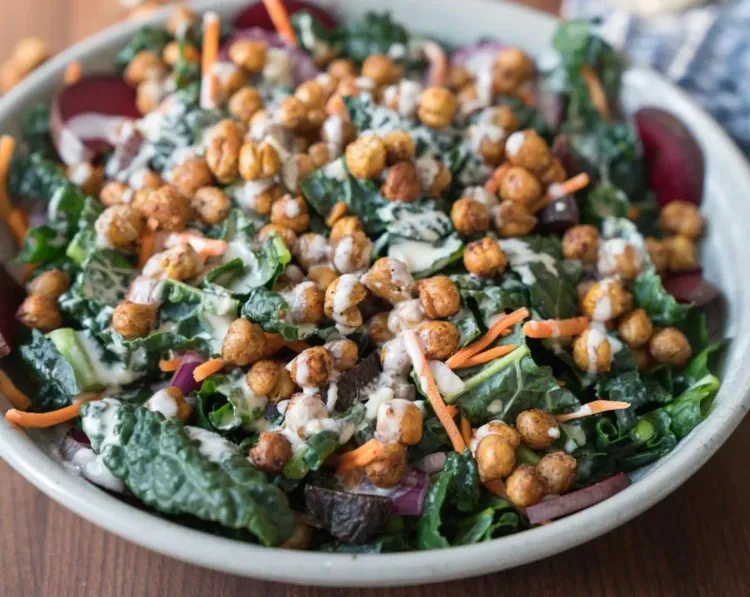
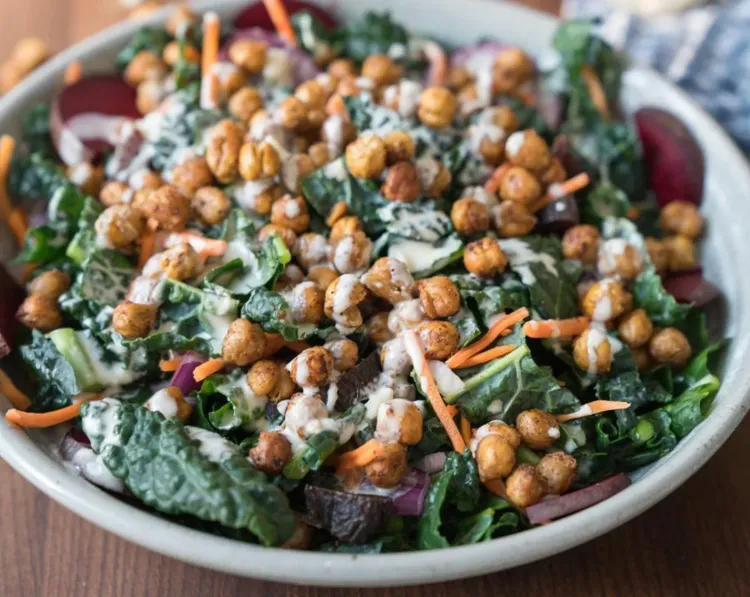
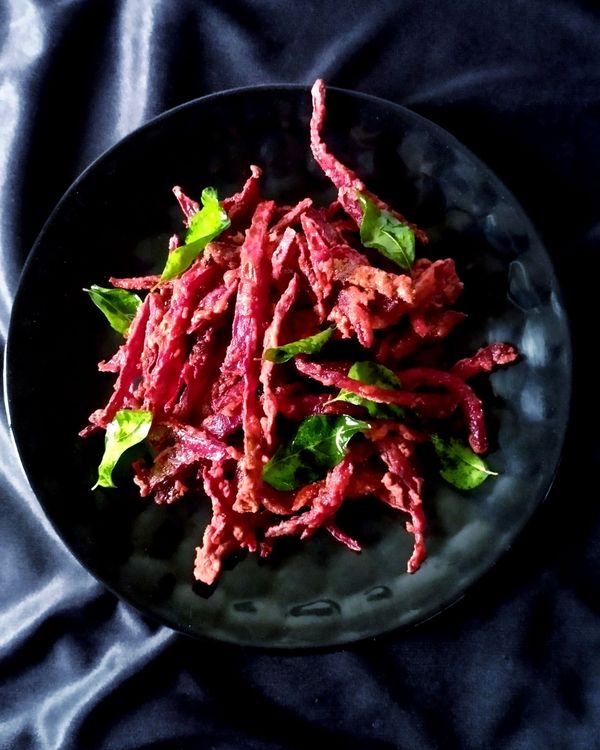
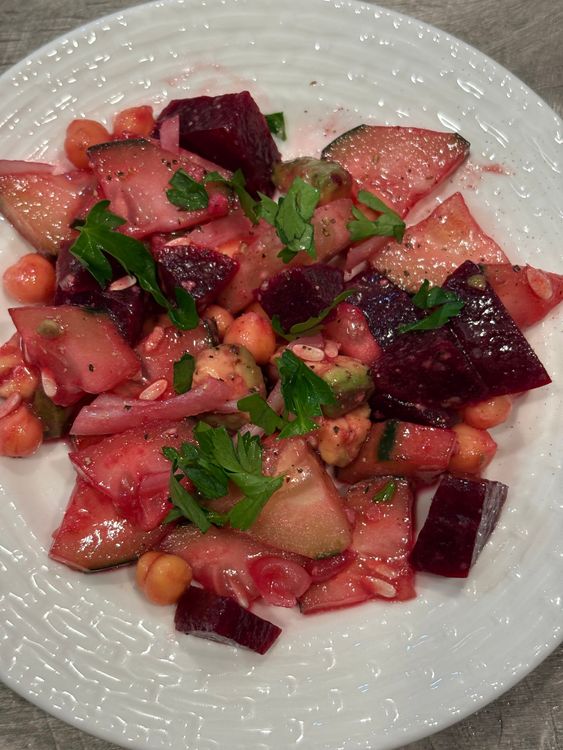
Roasting is where the beet stops being a punchline and becomes something you actively crave, because dry heat concentrates all that stored sugar into a deep, caramelized sweetness no boiling pot can match. The cleanest path is to roast them whole and unpeeled: scrub the beets, wrap them snugly in foil with a splash of water and a slick of oil, and let them go at around 200C/400F until a knife slides in with zero resistance, anywhere from forty minutes to well over an hour depending on size. The real magic comes as they cool, when the skins rub away in sheets under a paper towel, sparing you the messy chore of peeling raw. The most common mistake is pulling them while the center is still firm; a beet needs to be truly tender to turn silky. For wedges, fries or a browned tray side, switch tactics and roast peeled, cut pieces uncovered in a single layer so the edges crisp and char rather than steam. Finish with salt, a drizzle of honey or balsamic, and a scatter of herbs. Standouts here include Roasted Chickpea and Beet Salad with Tahini Dressing and Roasted Beet Salad with Goat Cheese and Walnuts, plus Beetroot Chips.
- Mediterranean
- Vegan
- Lunch


- Vegetarian
- Salad
- Indian
- Vegan
- Snack

- Vegetarian
- Salad
Beet Salads with Goat Cheese & Citrus
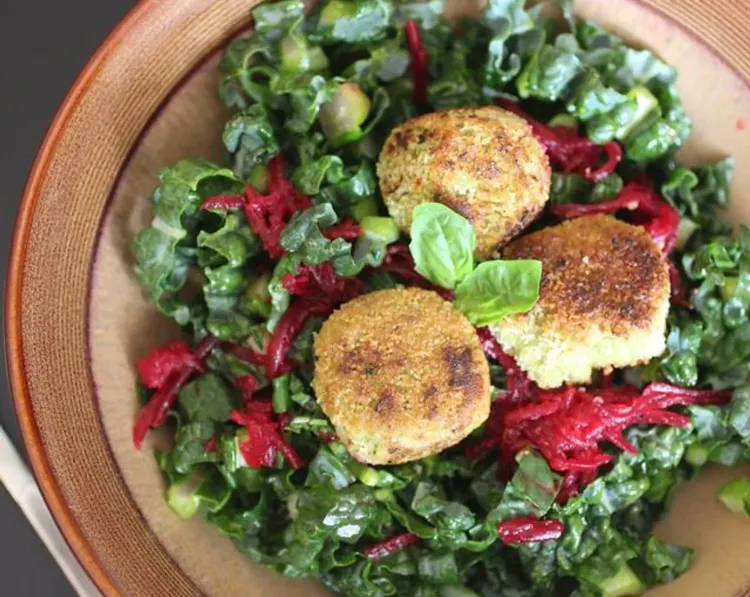
The beet-and-goat-cheese salad is a fixture for a simple, almost scientific reason: it is a near-perfect balance of opposites on a plate. Sweet, earthy roasted beets meet the sharp tang of goat cheese or feta, peppery greens like arugula add bite, toasted walnuts bring crunch, and a citrus or balsamic vinaigrette ties everything together with acid. Each element answers the beet from a different direction, which is exactly what keeps the dish from tasting flat or one-note. The single best trick is to dress the beets while they are still warm, so they drink in the vinaigrette and arrive seasoned all the way through rather than slick only on the surface. Slice or quarter them so each piece carries dressing, and use roasted beets rather than raw here for that mellow sweetness. The frequent stumble is adding the cheese and nuts too early and tossing hard, which smears everything pink and turns the crumbles to paste; instead, build the salad and scatter the goat cheese, nuts and any citrus segments on top just before serving so the colors stay distinct and the textures stay crisp. Standouts here include Vegan Cashew Cheese Balls with Kale and Beet Salad and Beet Carpaccio, plus Beet Cucumber Salad.
- Fusion
- Vegan
- Lunch


- Vegetarian
- Appetiser

- Vegan
- Lunch
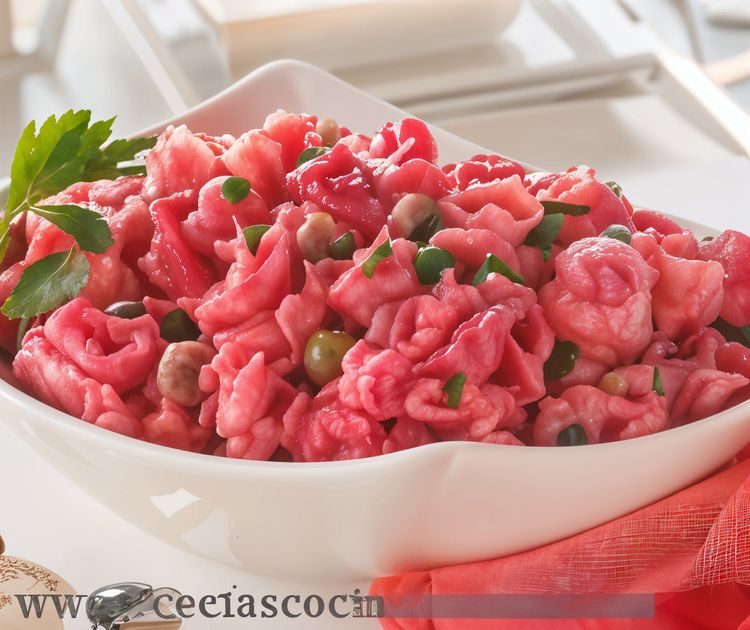
- International
- Non-Vegetarian
- Appetiser
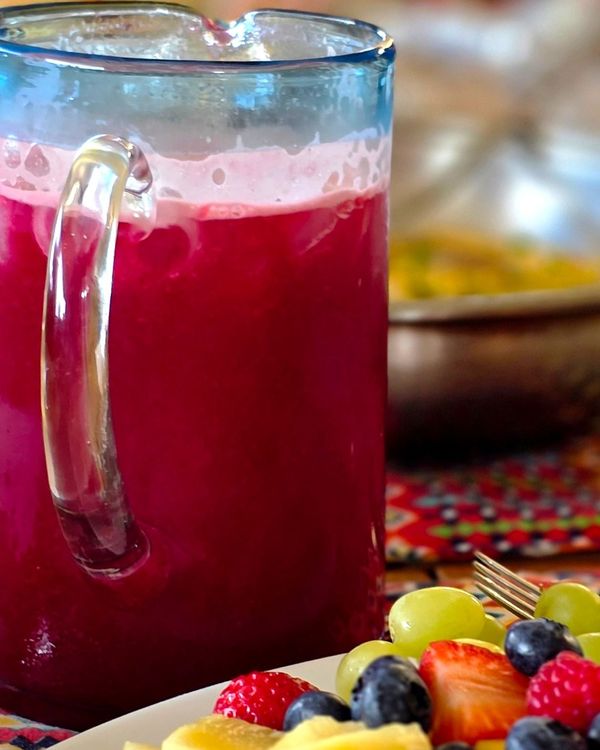

- International
- Vegan
- Breakfast

- Indian
- Vegetarian
- Lunch


- American
- Vegetarian
- Salad

- Vegetarian
- Salad


- International
- Vegan
- Salad
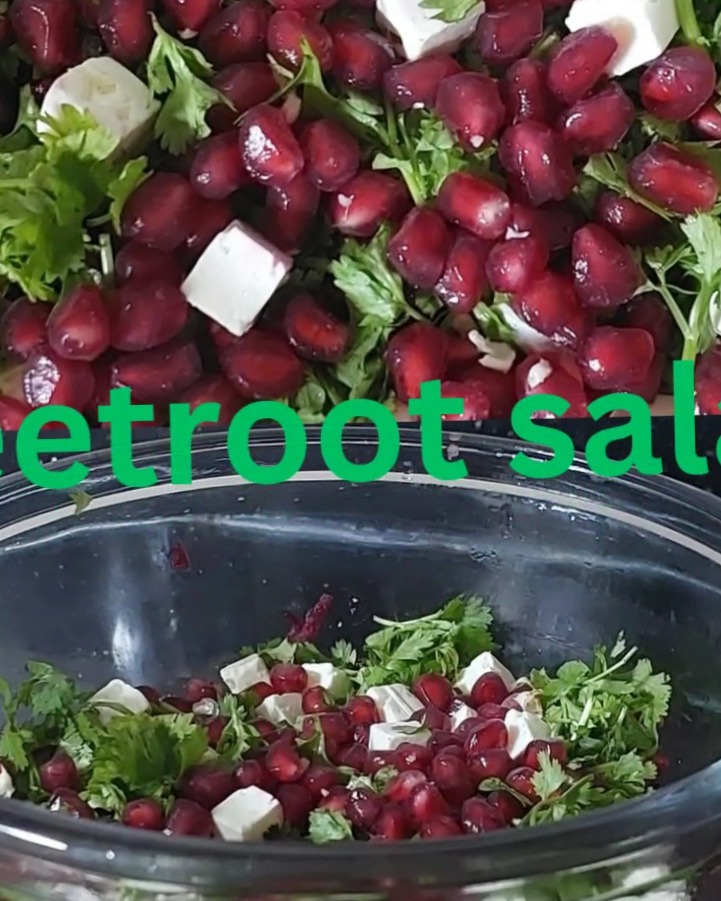
- Mediterranean
- Vegetarian
- Salad
Beet Soups, Borscht, Juices & Smoothies
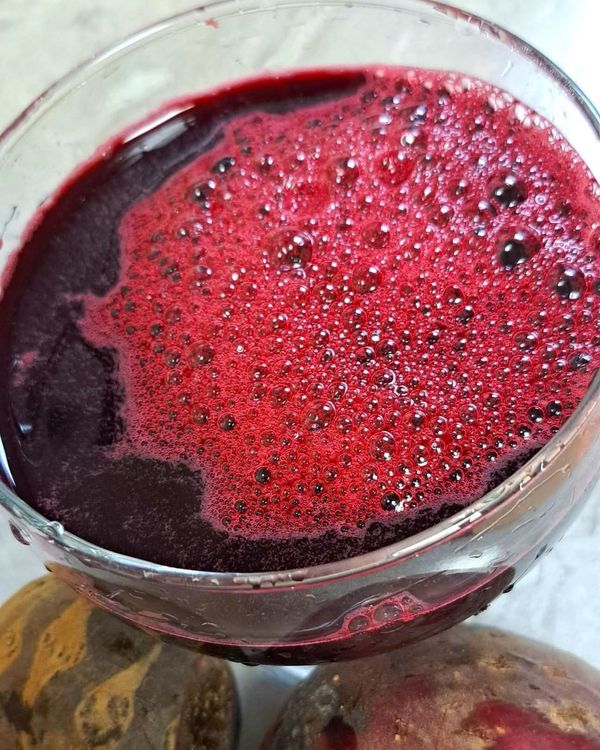
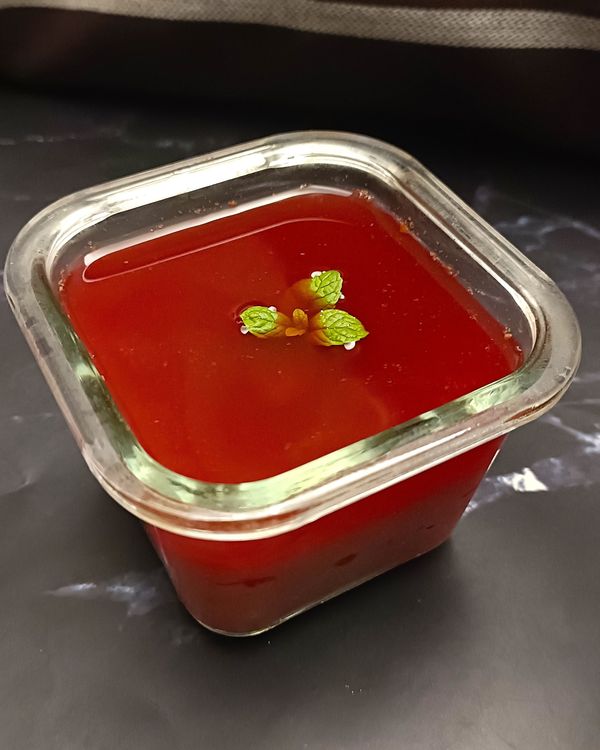
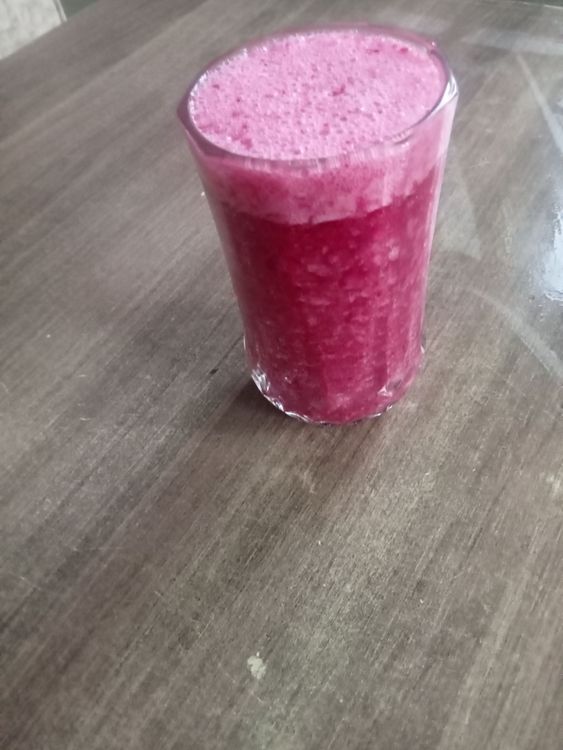
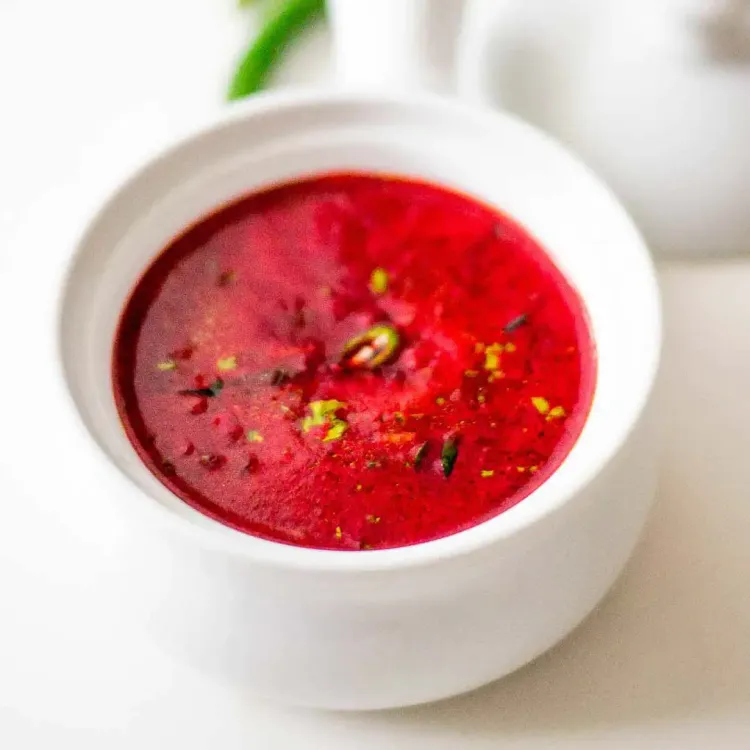
This is the beet at its most spectacular, leaning into the very pigment that makes it such a kitchen menace. A bowl of borscht is the headline act: grated or diced beets simmered with onion, carrot and often cabbage in a good stock until everything turns tender and the broth glows a deep crimson. The defining move is balance at the finish, because beets are so sweet that the soup falls flat without a sharp counterweight, so stir in a splash of vinegar or lemon to lift it, scatter fresh dill for aroma, and crown each bowl with a dollop of sour cream that melts into ribbons of pink. Serve it hot in winter or chilled in summer; like most soups it only deepens overnight. On the cold side, beets press into a jewel-bright juice or smoothie, where their earthy sweetness wants the brightness of apple, the heat of fresh ginger, and the lift of citrus to stay balanced rather than muddy. The mistake to avoid in both is treating sweetness as the goal; acid and aromatics are what turn a one-note red liquid into something genuinely delicious. Standouts here include Beetroot Soup and Kid-Friendly Healthy Beetroot Latte, plus Beetroot Juice for Blood Pressure Management.
- Global
- Vegan
- Salad

- International
- Vegetarian
- Breakfast
- Global
- Vegan
- Beverage

- Global
- Vegan
- Breakfast
Pickled Beets, Hummus & Dips
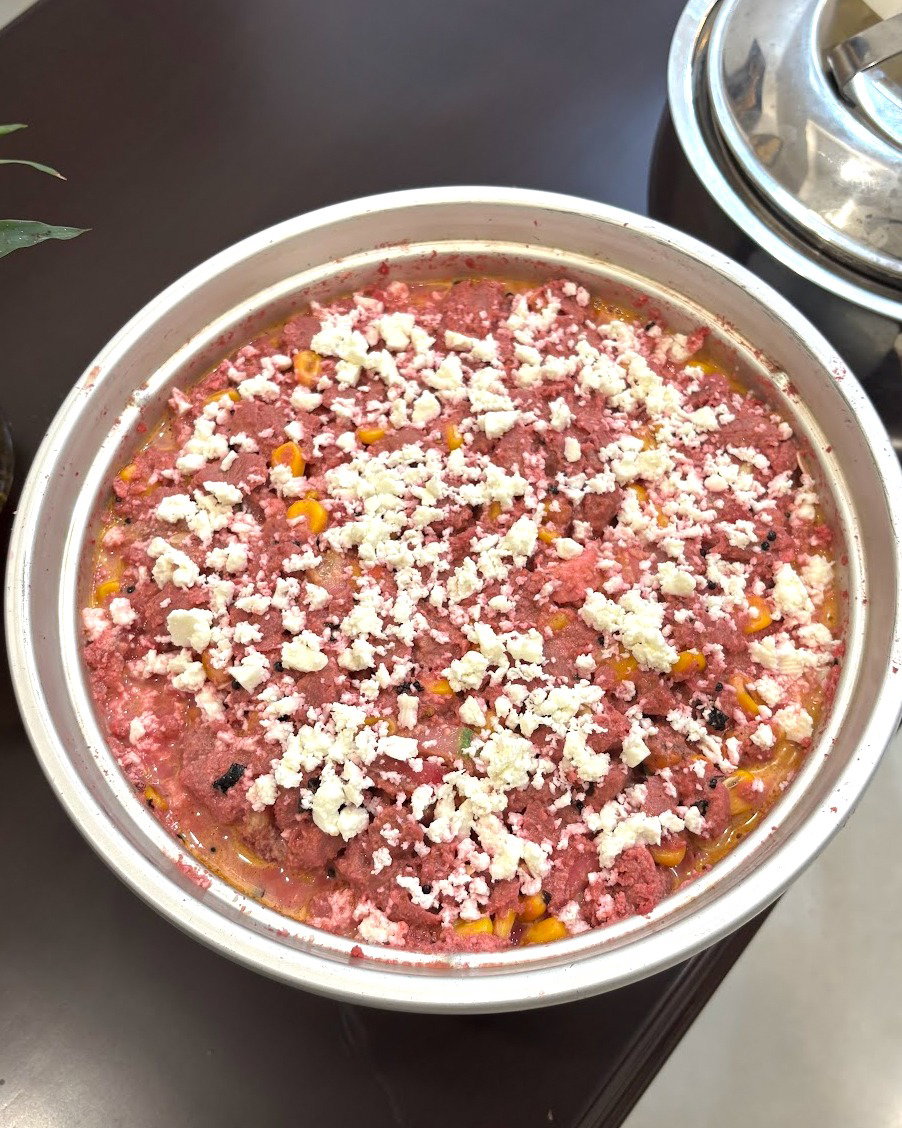
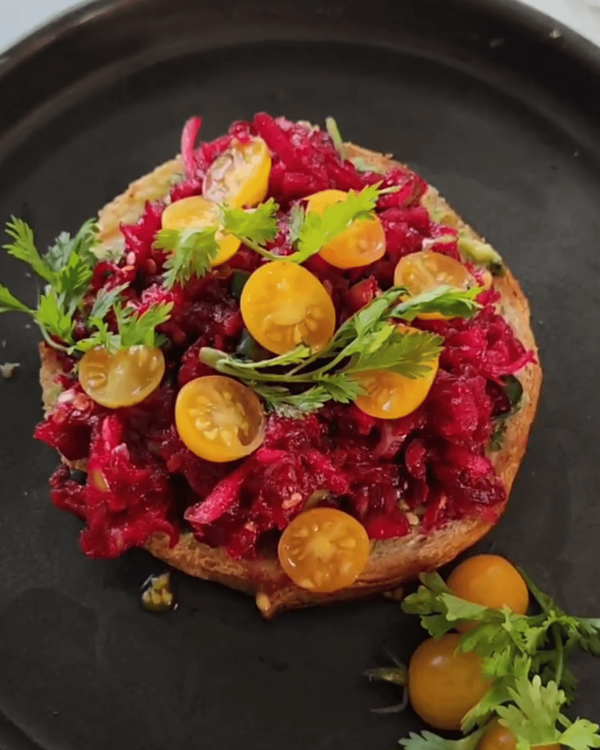
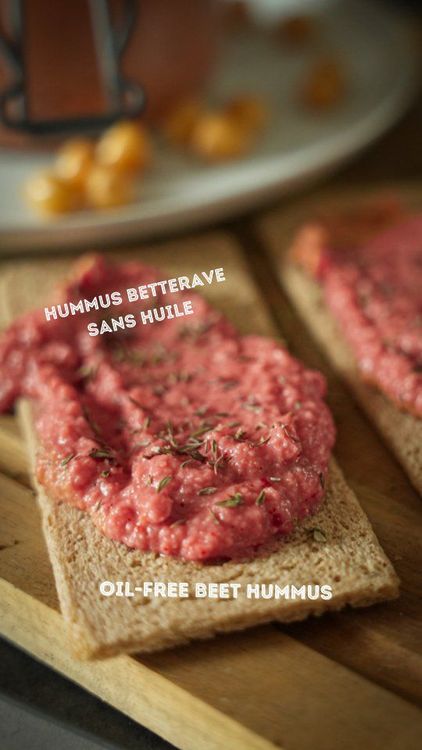
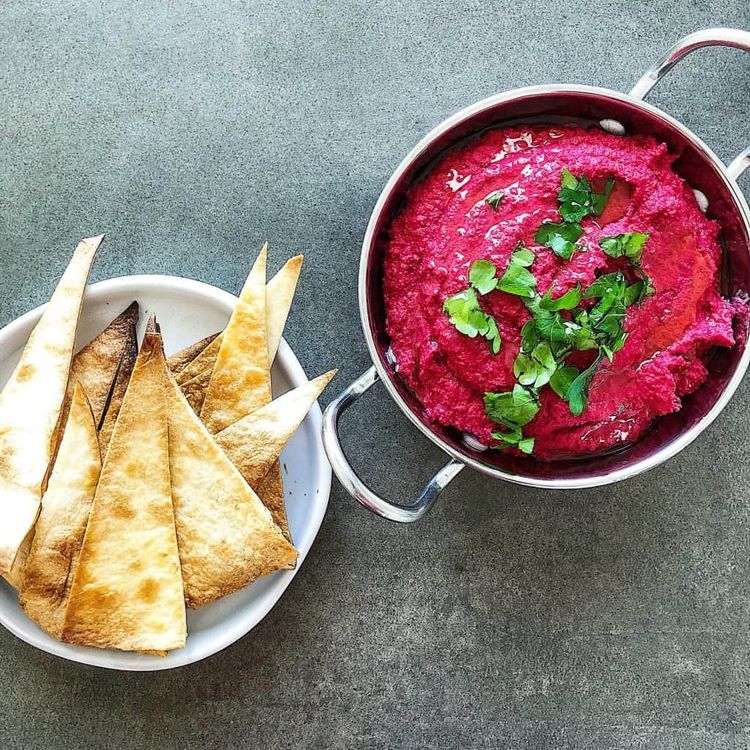
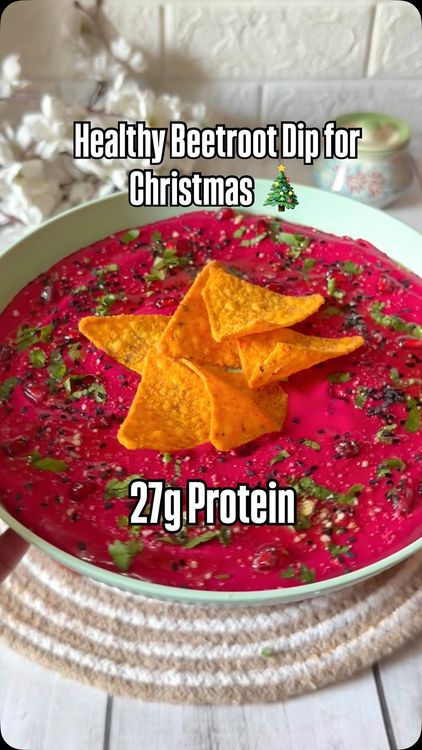
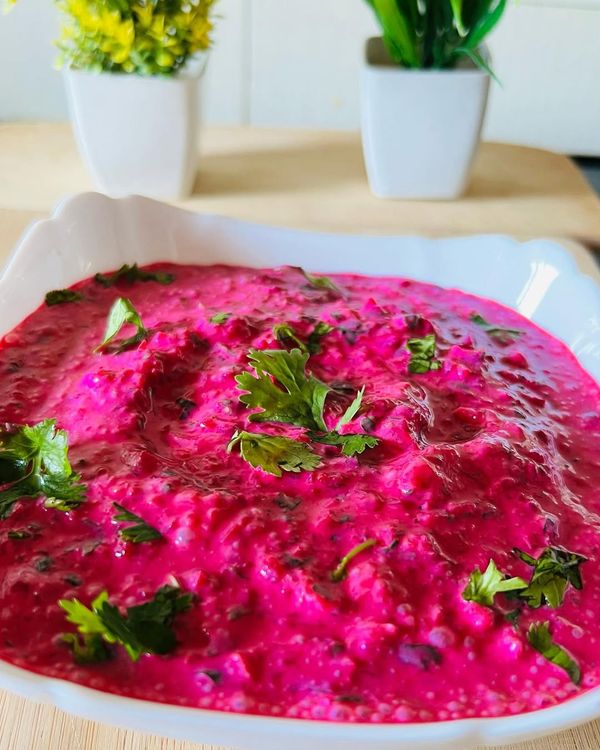
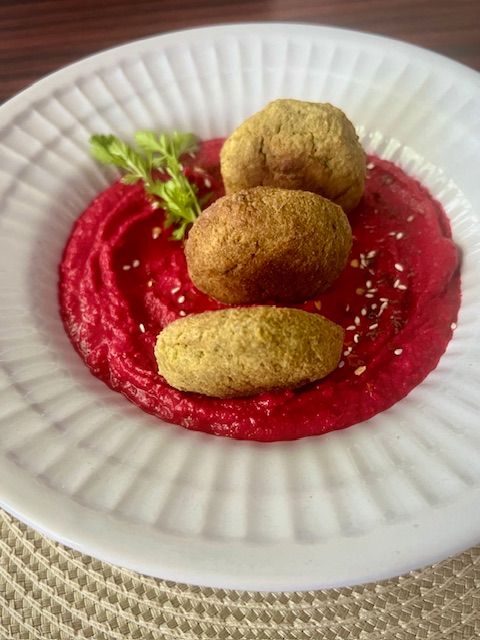
Tangy, vivid and gloriously make-ahead, this is the beet turned into a condiment you reach for all week long. Quick refrigerator pickles are the gateway: slice or dice cooked beets, pack them into a jar, and pour over a warm brine of vinegar, water, sugar, salt and whole spices, then let them sit at least overnight, since the flavor only deepens with a day or two in the fridge as the brine penetrates. The earthiness of the root is a natural match for the sharp acid-and-salt of a pickle, the same balance that makes beet hummus so addictive: roasted beets blitzed with chickpeas, tahini, garlic, lemon and cumin into a dip whose shocking magenta is half its appeal. The common error is under-seasoning these, because the beet's sugar can mute salt and acid, so taste aggressively and push the lemon and salt further than feels natural. Lean into the color here rather than fighting it, since a bright pink dip or a jar of ruby pickles is exactly the point. Serve with flatbread, crudités or alongside a cheese board, and keep a jar in the fridge as your secret weapon. Standouts here include Beetroot Raita (Vibrant & Refreshing) and Beet and Apple Relish Toasts, plus Oil-Free Red Beet Hummus.


- Indian
- Vegetarian
- Side Dish

- American
- Vegan
- Snack
- Mediterranean
- Vegan
- Appetiser
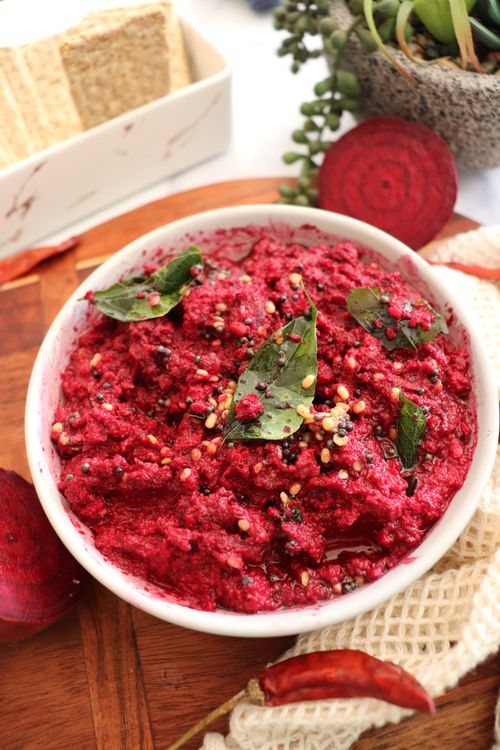
- Indian
- Vegan
- Sauce & Condiment

- Fusion
- Vegan
- Lunch
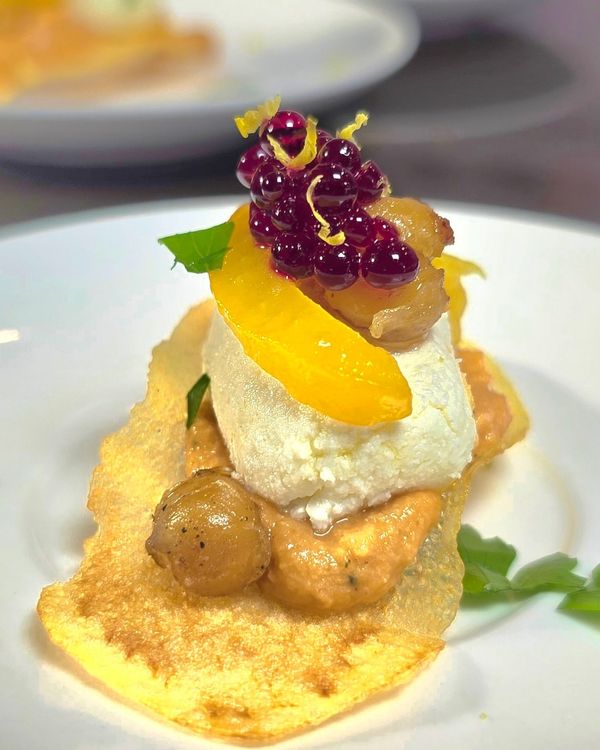
- Fusion
- Vegetarian
- Appetiser


- Indian
- Vegetarian
- Breakfast
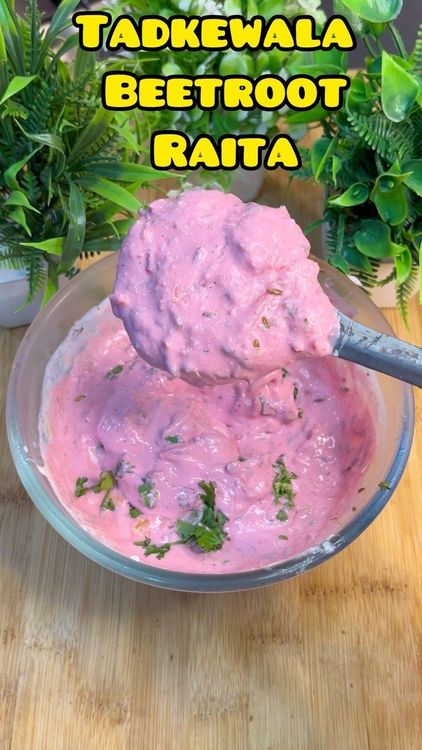

- Indian
- Vegetarian
- Snack
- Mediterranean
- Vegan
- Appetiser
- Fusion
- Vegetarian
- Appetiser
- Indian
- Vegetarian
- Sauce & Condiment

- Middle Eastern
- Vegetarian
- Lunch
More Beet Favourites
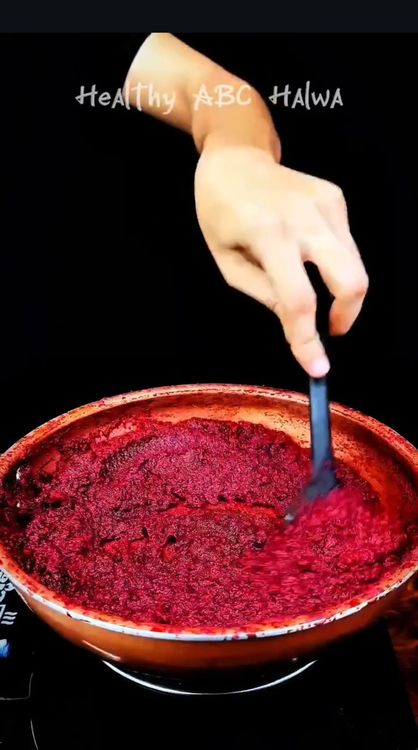
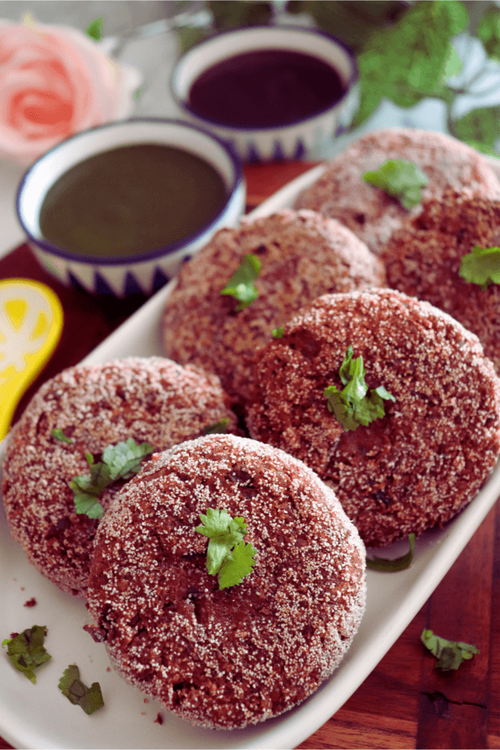
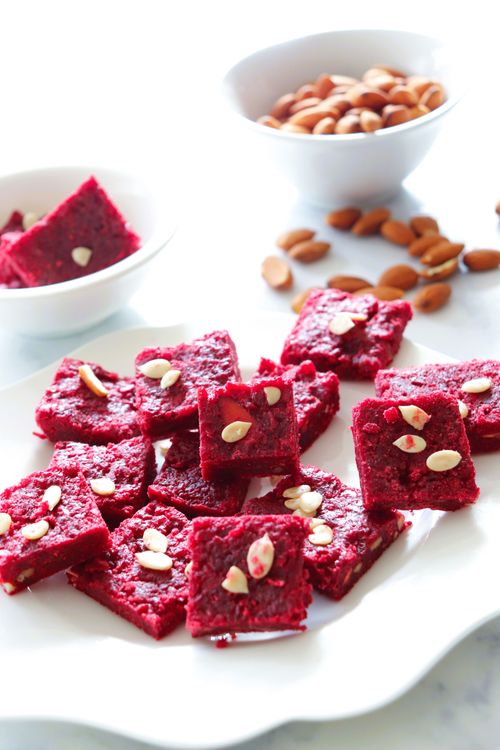
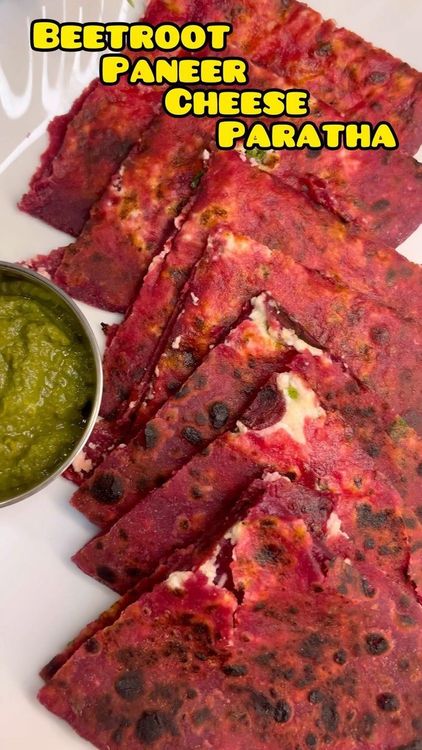
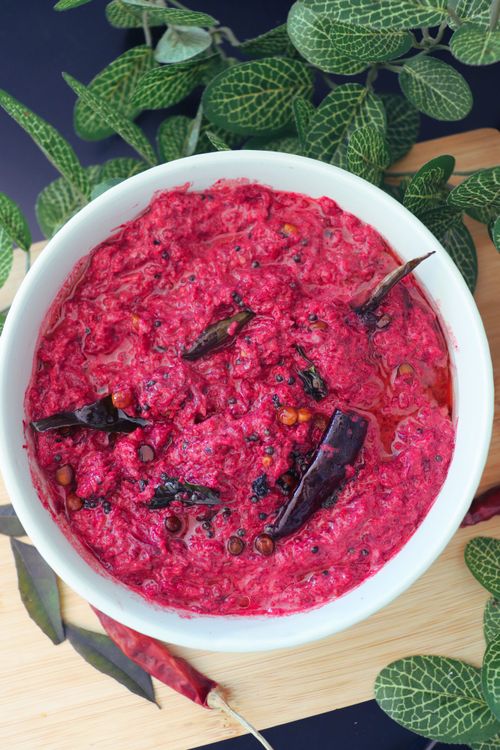
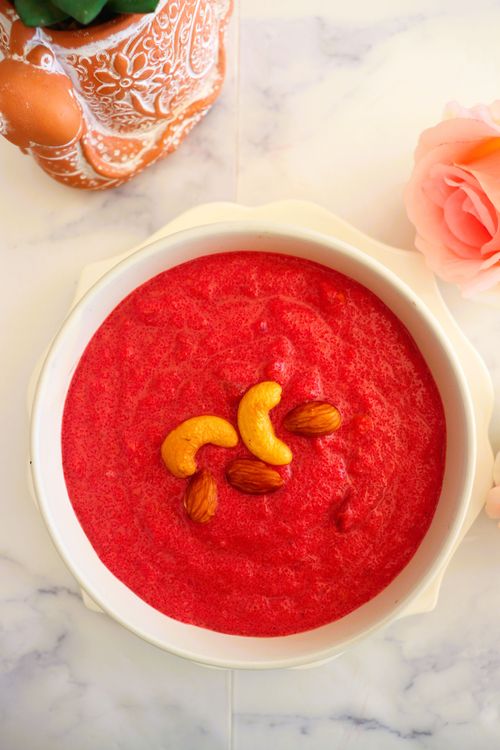
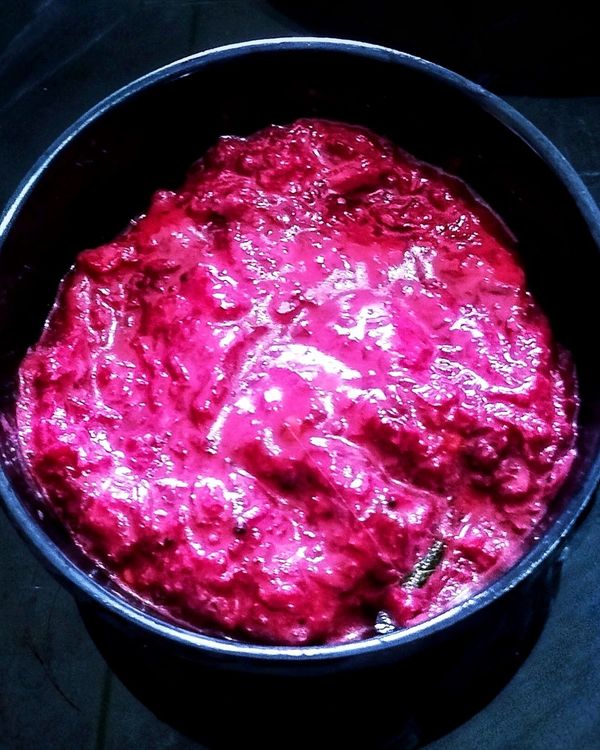
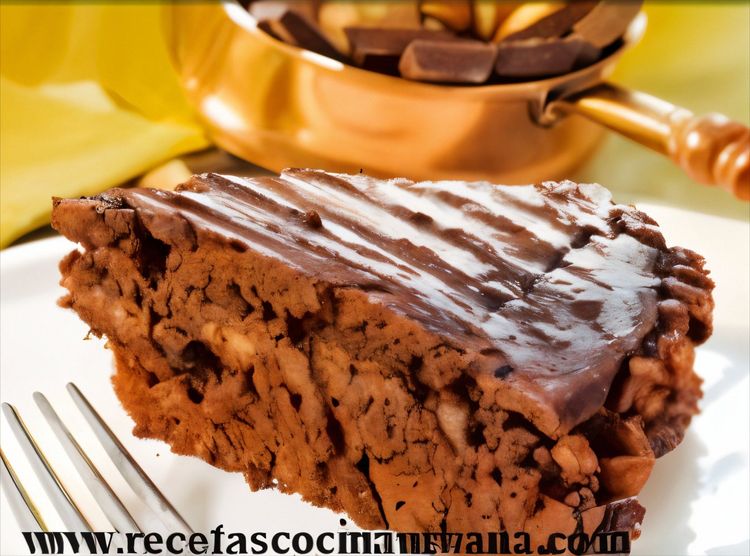
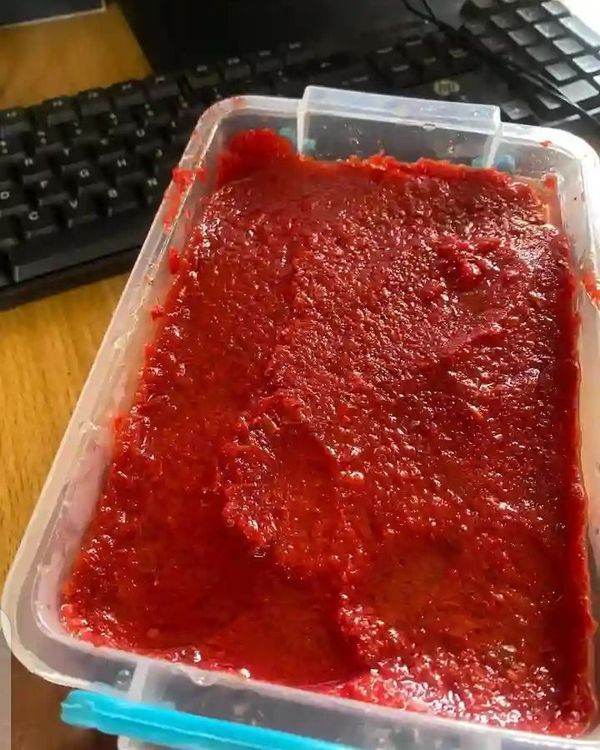
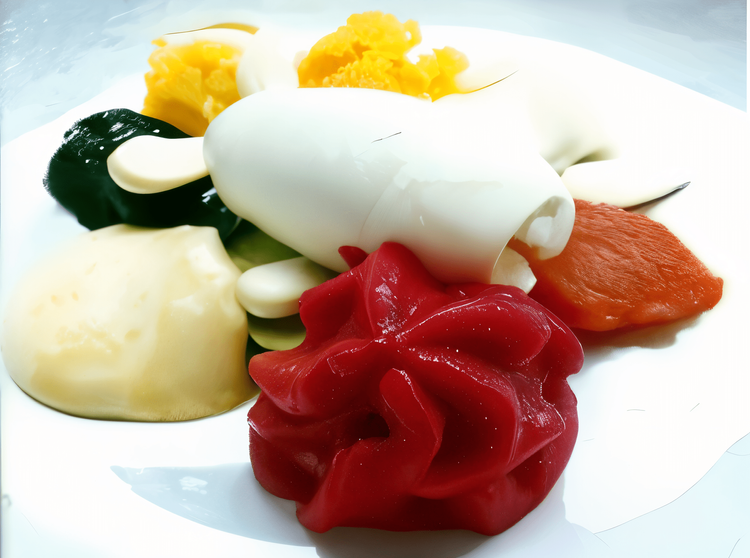
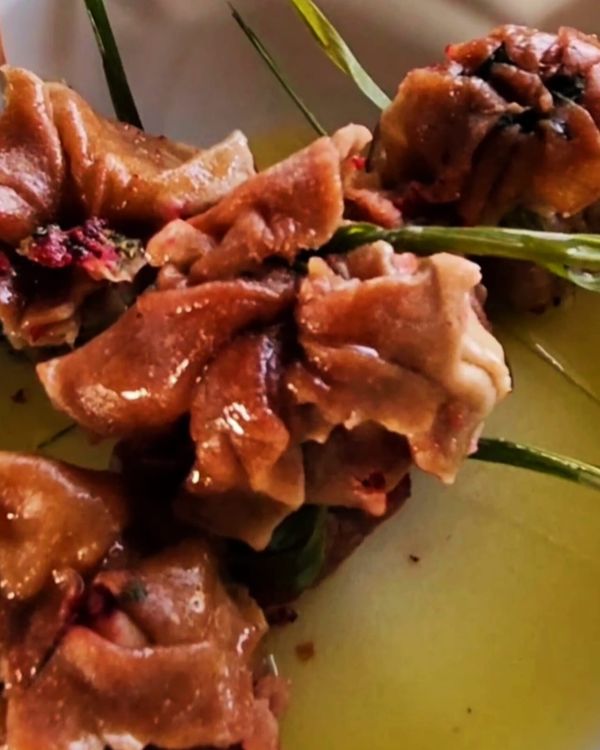
A handful of beet dishes never quite fit a single category, and these are the ones worth keeping in your back pocket once the roasting, salads and pickles feel routine. They lean on the same handful of techniques you already know — concentrate the sweetness with heat, balance it with acid and salt, and respect the stain — but steer the root toward different textures and formats, from grated raw slaws and beet-stained risotto to vivid pasta sauces, savory tarts and even chocolate beet cakes where the vegetable keeps the crumb moist and deeply colored. Picking your next one is mostly about matching effort to mood: reach for a quick raw grate or a simple sautéed-greens side on a busy night, and save the slow-roasted, multi-component dishes for a weekend when you can let the flavors build. Pay attention to how you cut the beet, too, since fine grating cooks in minutes and gives up its color fast, while large roasted chunks stay sweet and intact. Think of this group as the natural next step after the classics, the recipes that quietly earn a regular spot in the rotation once you have tried them. Standouts here include Grandma's Choice : Beetroot Sauce! and Beet Mayonnaise, plus Beet and Ricotta Rigatoni.
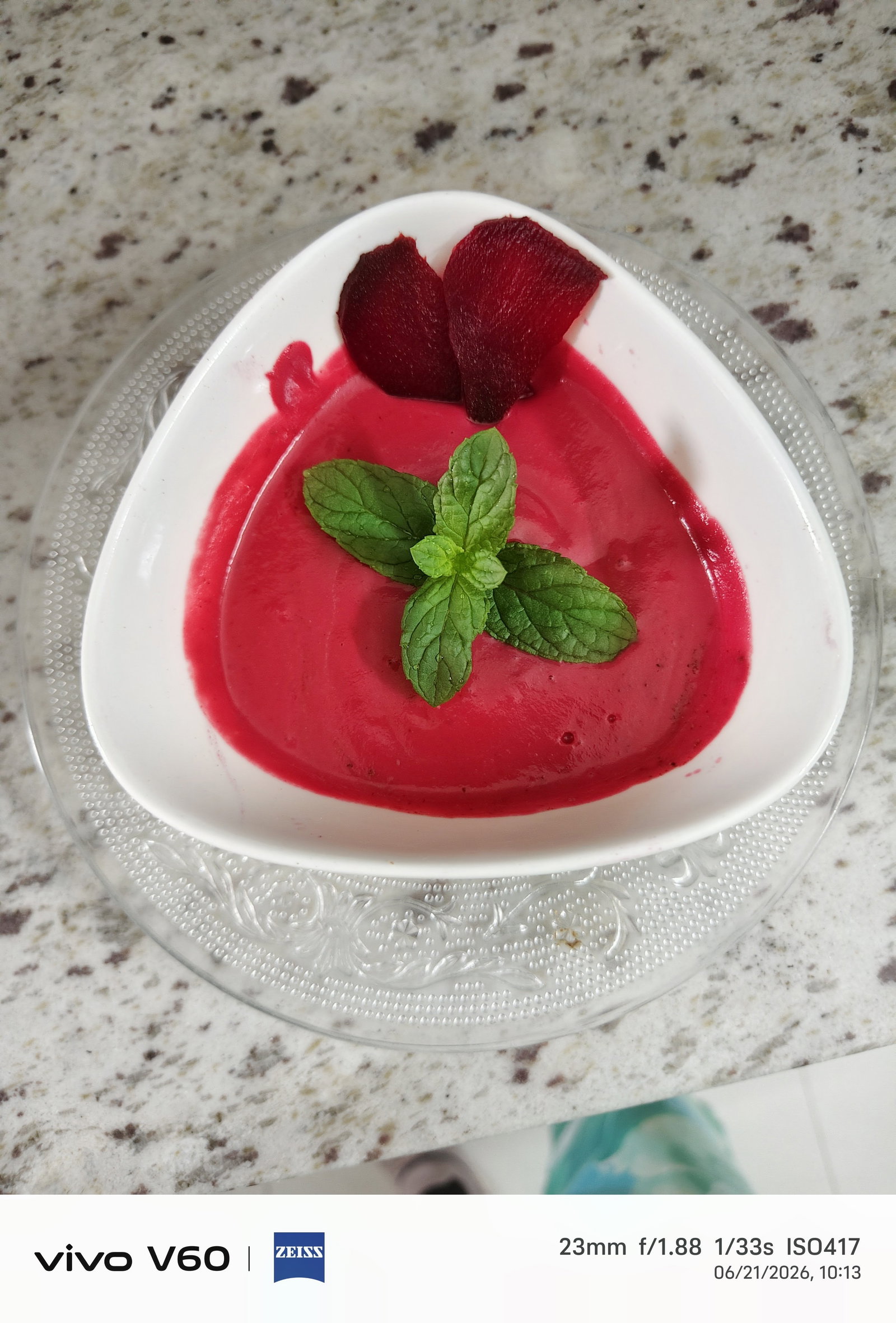

- Vegetarian
- Sauce & Condiment

- International
- Eggetarian
- Sauce & Condiment
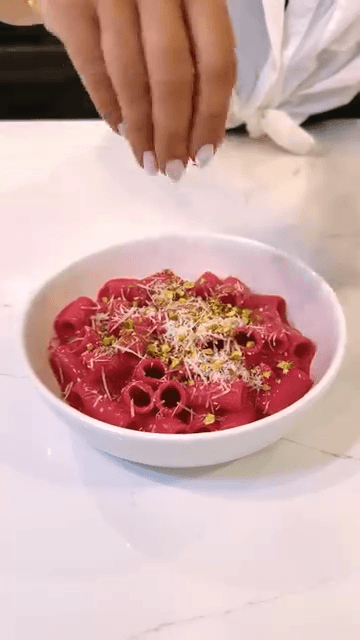

- Italian
- Vegetarian
- Dinner

- Vegetarian
- Main Course
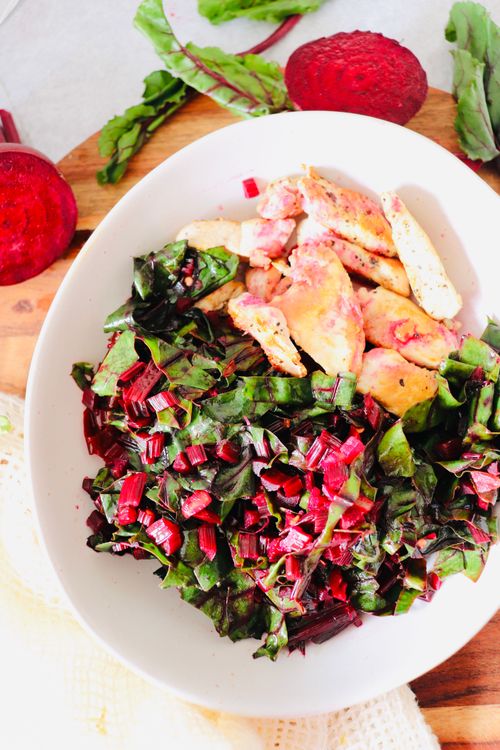
- Global
- Vegan
- Side Dish
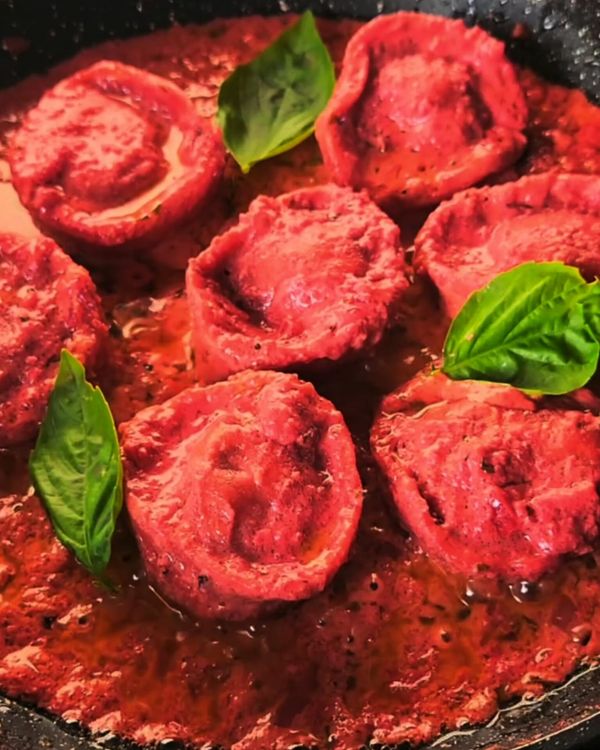
- Italian
- Eggetarian
- Dinner
- Global
- Vegan
- Breakfast


- Eggetarian
- Main Course
- Indian
- Vegan
- Appetiser
- Indian
- Vegetarian
- Dessert

- Indian
- Vegan
- Side Dish
- Indian
- Vegetarian
- Breakfast

- Indian
- Vegetarian
- Beverage
- South Indian
- Vegetarian
- Side Dish
- Indian
- Vegetarian
- Dessert
- Indian
- Vegetarian
- Side Dish
- International
- Eggetarian
- Dessert

- Vegetarian
- Main Course
- Nigerian
- Vegan
- Sauce & Condiment

- Indian
- Vegan
- Snack
- South Indian
- Vegan
- Lunch

- International
- Vegan
- Sauce & Condiment
- Indian
- Vegetarian
- Snack
- Modern European
- Vegetarian
- Appetiser

- Kenyan
- Vegan
- Snack

- South Indian
- Vegetarian
- Dinner
- Italian
- Vegetarian
- Dinner
- Indian
- Vegan
- Appetiser
Roasting Beets So the Skins Slip Off
Roasting is the technique that unlocks the beet, and the cleanest method is to roast them whole and unpeeled. Scrub them, trim the stalks to about an inch, leave the root tail on, then wrap each beet (or a few together by size) tightly in foil with a splash of water and a little oil. Roast at around 200C/400F for forty minutes to over an hour depending on size — they are done when a knife slides in with no resistance, like into a baked potato.
The payoff comes when they cool. Let the roasted beets sit until just warm, then rub the skins with a paper towel or your thumbs and they will slip off in sheets, taking all the fuss of peeling with them. Peeling raw beets with a vegetable peeler is possible but tedious and far messier; roasting whole means you handle the deepest staining only once, after the skin has done its protective job in the oven.
If you want crisp edges rather than a steamed-soft interior — for wedges, fries or a roasting-tray side — peel and cut the raw beets, toss in oil and salt, and roast them uncovered in a single layer so the surfaces caramelize. Cover-roasting gives you tender, uniform flesh for salads and purees; open-roasting gives you browned, concentrated edges. Match the method to the dish you are building.
Taming the Stain and the Mess
Beet juice is one of the strongest natural dyes in the kitchen, and the betalain pigment that makes it so will mark wood, plastic and skin on contact. The simplest defense is a barrier and a non-porous surface: work on a glass or stainless board rather than wood, and wear thin disposable gloves when peeling or slicing cooked beets. Roasting whole keeps the worst of the bleeding contained inside the skin until you are ready.
When the color does land where you do not want it, act fast and reach for acid. A scrub of lemon juice and salt, or a soak in a little vinegar, lifts fresh beet stains from hands and counters far better than soap alone, which can actually set them. For fabric, rinse in cold water immediately — hot water sets the dye — then treat before washing. The longer a beet stain sits, the more stubborn it becomes.
Embrace the color where it helps and contain it where it does not. That magenta is exactly what makes beet hummus and borscht look so striking, so lean into it on the plate. But keep a damp cloth handy while you cook, rinse your knife and board between cuts, and do not let bright juice pool on a porous surface. A little discipline up front saves a lot of scrubbing later.
Balancing Sweetness with Acid, Salt and Fat
A beet on its own is intensely sweet and earthy, which is why it can taste flat or cloying without a counterweight. The classic partners all do the same job from different angles: acid (vinegar, citrus, a sharp vinaigrette) cuts the sugar and lifts the earthiness; salt sharpens and focuses the flavor; and fat (goat cheese, olive oil, walnuts, crème fraîche) rounds the edges and carries it across the palate. Almost every great beet dish is some balance of those three against the sweetness.
This is why beets and tangy cheese are a fixture, why borscht wants a hit of vinegar and a dollop of sour cream, and why a pickle works so well — the brine is pure acid-and-salt balance for the beet's sugar. When a beet dish tastes dull, it is almost never short on beet; it is short on acid or salt. Reach for a squeeze of lemon or a pinch more salt before you reach for anything else.
Aromatics deepen rather than balance: dill is the traditional herb, especially with the Eastern European dishes, but orange zest, thyme, cumin, ginger and horseradish all pair beautifully with the root. Toast and bloom warm spices like cumin in oil before they meet the beet so they taste cooked, and add fresh herbs and citrus zest at the very end so they stay bright against the deep, sweet base.
Greens, Storage and Make-Ahead
Do not throw away the tops. Beet greens are edible and delicious — treat them like chard or spinach, sauté the leaves with garlic and a little oil, and add the colorful stalks a couple of minutes earlier since they take longer to soften. Buying beets with fresh, perky greens attached is a sign of freshness, and using both root and leaf is the thriftiest way to cook the vegetable.
Raw beets are remarkably hardy and keep for weeks: trim the greens off (they draw moisture from the root) and store the roots loose in the crisper drawer, with the greens used within a few days. Roasted beets keep four to five days in the fridge in an airtight container and are a brilliant batch-cook — roast a big tray on the weekend and you have salad, hummus and juice components ready all week.
Most beet dishes are friendly to making ahead. Pickled beets actually improve after a day or two as the brine penetrates; borscht, like most soups, deepens overnight; and roasted beets are arguably better cold than hot for salads. Dress salads only just before serving, though, so the greens and nuts stay crisp, and add goat cheese at the last moment so it stays in distinct, creamy crumbles rather than dissolving into pink.
Pro Tips from the Test Kitchen
- Roast beets whole in foil until knife-tender, cool slightly, then rub the skins off with a paper towel — far easier than peeling raw.
- Wear thin gloves and work on a glass or steel board when handling cooked beets to keep the pink stains off your hands and counter.
- Lift fresh beet stains with lemon juice and salt or a splash of vinegar — acid works where soap can set the dye.
- Balance a beet's sweetness with acid, salt and fat: citrus or vinegar, a good pinch of salt, and goat cheese or olive oil.
- For crisp, caramelized edges, peel and cut raw beets and roast them uncovered in a single layer rather than wrapped in foil.
- Dress beet salads while the beets are still warm so they soak up the vinaigrette, then add cheese and nuts just before serving.
- Do not bin the greens — sauté beet tops like chard, adding the colorful stalks a couple of minutes before the leaves.
- Add a dollop of sour cream and a hit of vinegar to borscht to balance and brighten the deep, sweet broth.
- Roast a big tray of beets at once — they keep four to five days and become salad, hummus and juice all week.
- Pair beets with dill, orange zest, cumin, ginger or horseradish to deepen the flavor beyond plain earthy sweetness.
Frequently Asked Questions
How do you roast beets so the skin comes off easily?
Roast them whole and unpeeled. Scrub the beets, wrap them in foil with a splash of water and a little oil, and roast at around 200C/400F until a knife slides in with no resistance — roughly 40 minutes to over an hour by size. Let them cool until just warm, then rub the skins with a paper towel or your thumbs and they will slip off in sheets, no peeler needed.
How do you stop beets from staining everything?
Work on a non-porous glass or stainless board rather than wood, and wear thin disposable gloves when peeling or slicing cooked beets. Roasting them whole keeps the worst bleeding contained inside the skin. If juice lands where you do not want it, scrub with lemon and salt or a splash of vinegar straight away — acid lifts beet stains, while soap and hot water can actually set them.
Do you peel beets before or after roasting?
After, if you want the easy route. Roasting whole and unpeeled means the skin protects the flesh in the oven and then slips off effortlessly once the beets cool. Peel before roasting only when you want crisp, caramelized edges — for wedges, fries or a browned tray side — in which case cut the raw beets, toss in oil and salt, and roast uncovered in a single layer.
Are beet greens edible?
Yes, and they are delicious — do not throw them away. Beet greens cook just like chard or spinach: sauté the leaves with garlic and a little oil, adding the colorful stalks a couple of minutes earlier since they need longer to soften. Fresh, perky greens are also a sign the beets are fresh. Using both root and leaf is the thriftiest way to cook the whole vegetable.
Why do beets taste like dirt, and how do I fix it?
That earthy, mineral note comes from a compound called geosmin, and it is most pronounced in raw or boiled beets. Roasting concentrates the sugars and mellows the earthiness, while a hit of acid and salt — lemon, vinegar, a sharp vinaigrette — cuts straight through it. Pairing beets with tangy goat cheese, citrus or pickling brine is exactly how cooks turn that "dirt" flavor into something balanced and crave-able.
What goes well with beets?
The classic trio is tangy cheese (goat cheese or feta), bright citrus or vinegar, and crunchy nuts like walnuts — which is why the beet salad is such a fixture. Beyond that, dill is the traditional herb, sour cream tempers borscht, and horseradish, orange, cumin and ginger all pair beautifully. The guiding principle is to balance the beet's sweetness and earthiness with acid, salt and fat.
How do you make borscht?
Borscht is a beet soup built on a base of sautéed onion, carrot and often cabbage, with grated or diced beets simmered in a good stock until everything is tender. The signature is balance: a splash of vinegar or lemon to lift the sweetness, dill for aroma, and a dollop of sour cream stirred in at the bowl. It can be served hot or chilled, and like most soups it deepens in flavor overnight.
Can you eat beets raw?
Absolutely. Raw beets are crunchy, sweet and slightly more earthy than cooked, and they shine grated into slaws and salads or pressed into juice. Peel them, then grate or shave thinly so they are tender to eat, and dress them well with acid since the raw earthiness is stronger. Carpaccio-style thin slices and raw beet-and-carrot salads are popular ways to enjoy them uncooked.
How long do cooked beets last in the fridge?
Roasted or boiled beets keep four to five days in an airtight container in the fridge, which makes them a great batch-cook — roast a tray and turn them into salads, hummus and juice through the week. Raw beets last far longer, often a few weeks in the crisper drawer; just trim the greens off first, since the leaves pull moisture from the root and shorten its life.
Are beets good for you?
Beets are nutrient-dense — a good source of fiber, folate, manganese and dietary nitrates, the last of which is why beet juice is popular with athletes for blood flow and stamina. They are naturally sweet, so they bring that without added sugar. One harmless quirk to expect: the pigment can turn urine or stool pink in some people, which is normal and not a cause for concern.
The thread through every beet recipe here is the same: a sweet, earthy root that comes alive when you concentrate it with heat and balance it with acid, salt and fat. Master the few moves in the guides — roast whole so the skins slip off, respect the stain, pair with tang and crunch, and use the greens too — and roasted sides, salads, soups and pickles all fall into place.
Pick three to cook this week — a tray of roasted beets, a goat-cheese salad and a jar of quick pickles — and save your favorites to a Chefadora cookbook. Then work through the rest; this page is built to be the beet reference you actually come back to.
Related
- Beet
- Beetroot
- Vegetarian
- Salad
- Roasted
- Healthy
- Side Dish
- Vegan
Popular Searches
- Best beet recipes
- Easy beet recipes
- Quick beet recipes
- Healthy beet recipes
- Simple beet recipes
- Homemade beet recipes
- Delicious beet recipes
- Popular beet recipes
- roasted beets
- beet salad
- pickled beets
Marnirni-apinthi Building, Lot Fourteen,
North Terrace, Adelaide, South Australia, 5000
Australia
