
Top 45 Lunch Recipes: Wraps, Salads, Dals and More
Updated June 30, 2026 · Curated by Chefadora
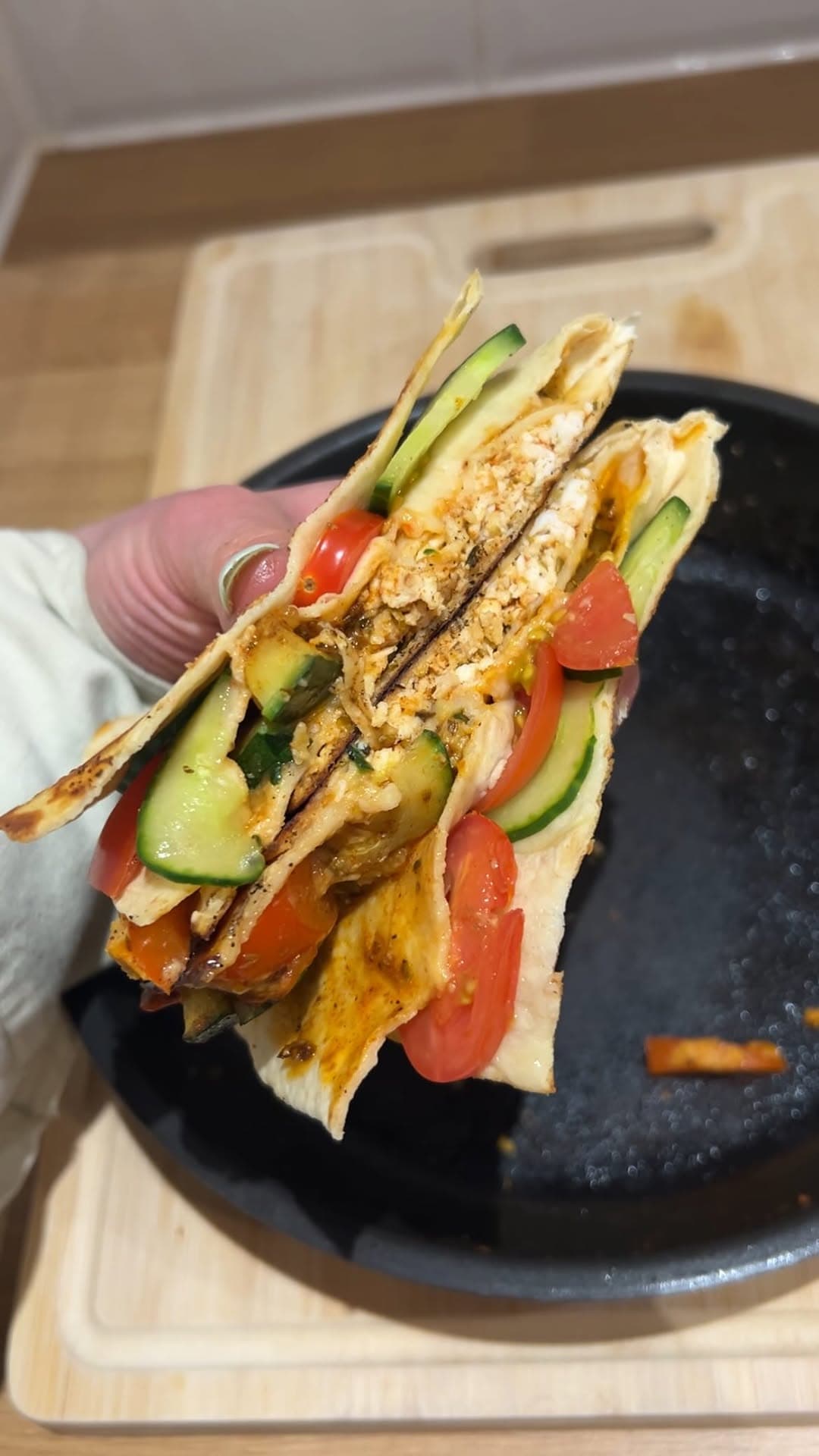
Lunch recipes occupy a peculiar middle ground in most people's cooking lives — too rushed on weekdays to think about, and strangely ignored when there is actually time. The collection here fixes that by covering every pace and appetite: fast handheld wraps and sandwiches for desk days, hearty Indian dals and thali-style meals for when lunch is the main event, and fresh salads and grain bowls that hold well in a lunchbox.
A good lunch does two things: it satisfies in the moment and sustains until dinner without a three o'clock slump. The recipes here are built around that balance — enough protein and fibre to carry you through, enough variety and flavour to make eating at noon feel like something more than a refuelling stop. You will find chicken wraps next to sushi bowls next to a proper masoor dal, because lunch is the most democratic meal of the day.
There are four clusters in this collection: handheld sandwiches and wraps, composed salads and bowls, Indian-style dals and curries that anchor a proper midday meal, and a pasta-and-noodles group for warming comfort food. The guides below cover the practical skills — building a wrap that does not collapse, making dal in under twenty minutes, cooking pasta salads that taste good cold — so the recipes are easier to execute than the ingredient lists suggest.
Use this collection as a weekly planning tool. Pick one or two dal or grain recipes to batch-cook on Sunday, keep sandwich fillings prepped in the fridge through the week, and rotate the salad section to keep lunches from becoming repetitive. The FAQs at the bottom address the most common lunch headaches — soggy containers, sad sandwiches, undercooked dal — so read them before you hit the kitchen.
Sandwiches, Wraps & Handheld Lunches
Sandwiches and wraps are the original portable meal and still the most practical for working lunches, lunchboxes and days when cooking at midday is not an option. The recipes in this cluster range from a simple chicken caesar wrap to a more elaborate open-face ribeye sandwich or a multi-layer lavash wrap with herb slaw and tahini — but they share the same structural logic: a barrier spread to prevent sogginess, a protein that is properly seasoned, a crunch element, and something acidic to balance. The most important skill in this cluster is the assembly order, because a badly ordered sandwich is a soggy sandwich. Fat-based spread on the bread first. Greens against the spread. Protein. Sauce and wet ingredients last. For wraps, tight rolling without overfilling is what keeps everything together by the time you eat. These recipes are also where marinating pays off most quickly — a chicken breast marinated in gochujang or Caesar dressing for even thirty minutes tastes significantly better on the same bread as a plain one. Build the habit of prepping proteins the night before and assembly becomes genuinely fast. Standouts here include Mediterranean Chicken Protein Wrap and Crispy Chicken Caesar Wrap, plus Gochujang Air-Fried Chicken Sandwich.


- Non-Vegetarian
- Lunch


- American
- Non-Vegetarian
- Lunch


- Non-Vegetarian
- Lunch

- Non-Vegetarian
- Lunch


- American
- Non-Vegetarian
- Lunch

- Japanese
- Pescatarian
- Lunch

- Non-Vegetarian
- Lunch

- Pescatarian
- Lunch
- American
- Vegan
- Lunch

- Pescatarian
- Lunch
- Fusion
- Vegan
- Lunch
Salads, Grain Bowls & Lighter Lunches
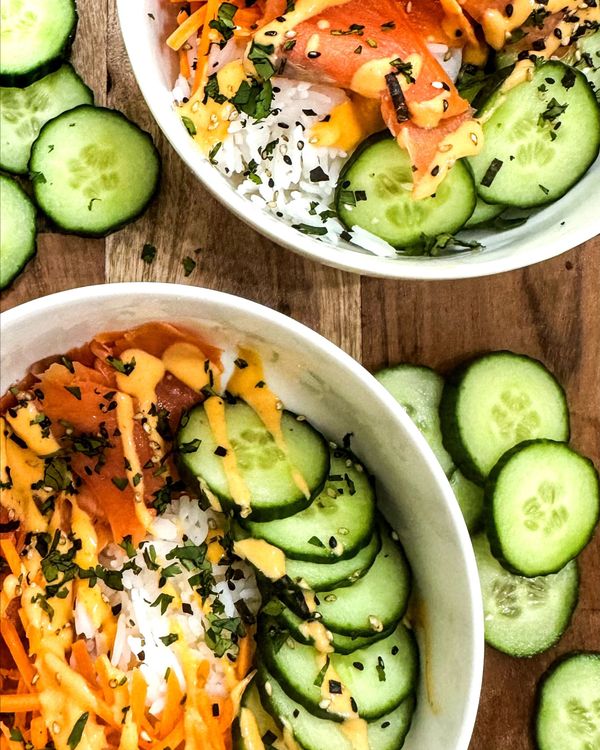
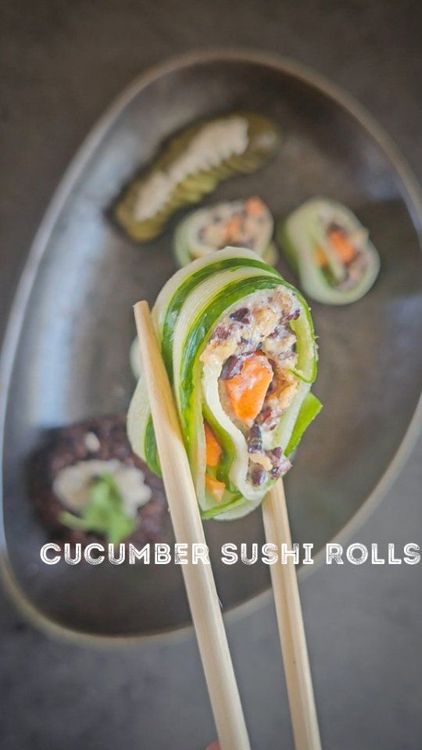
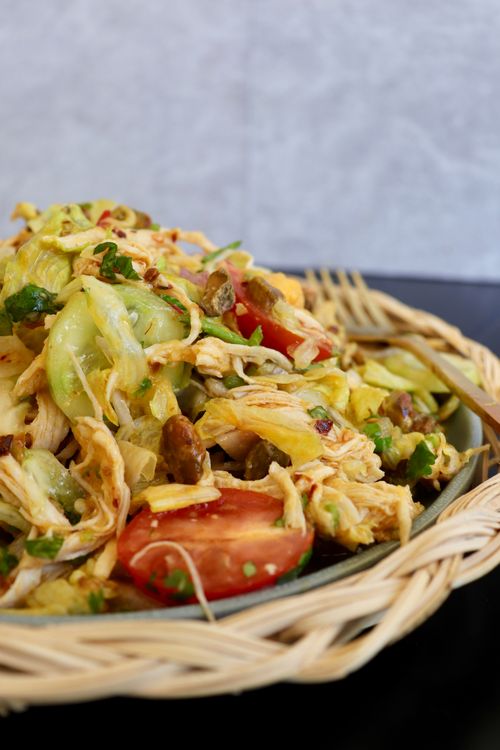
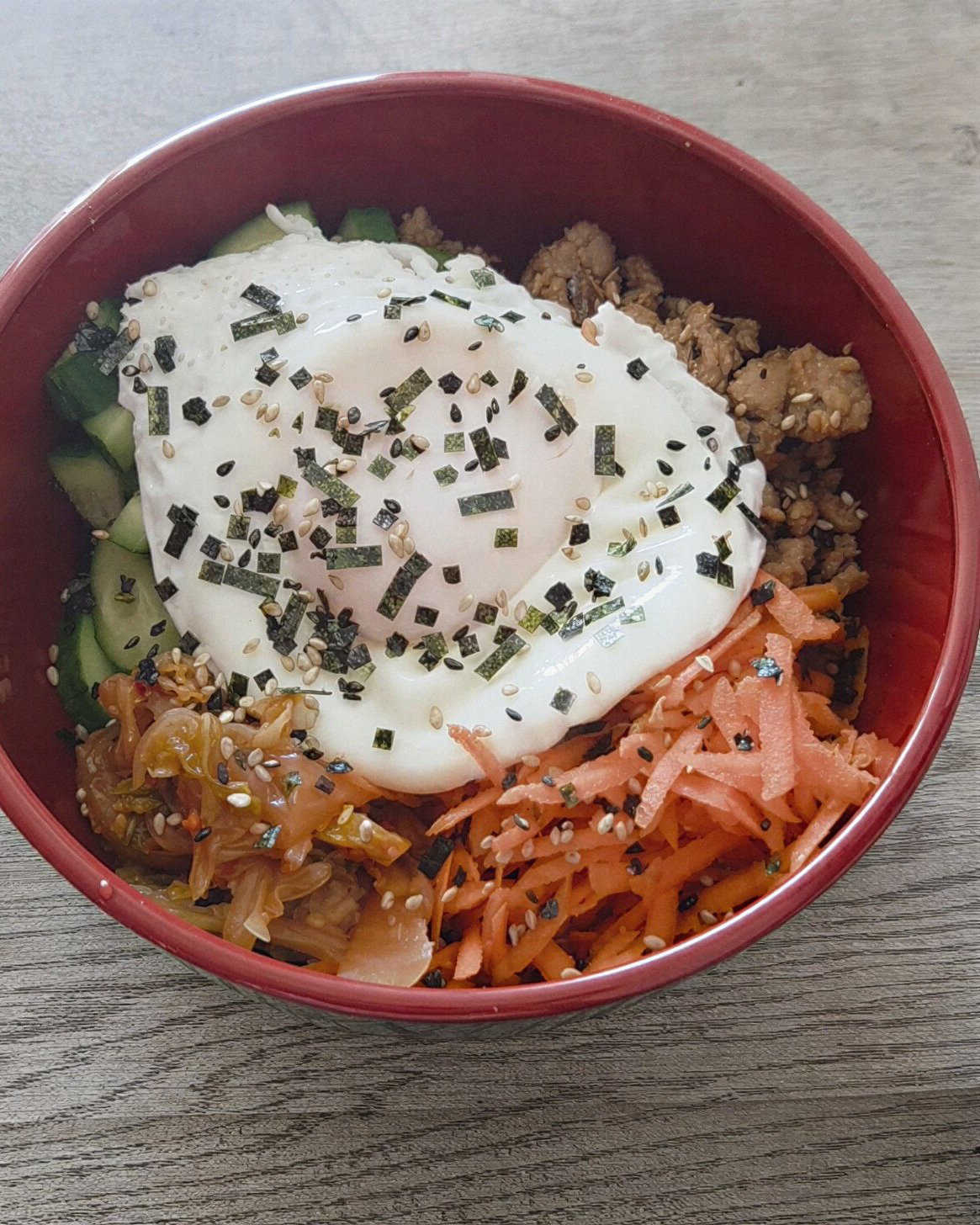
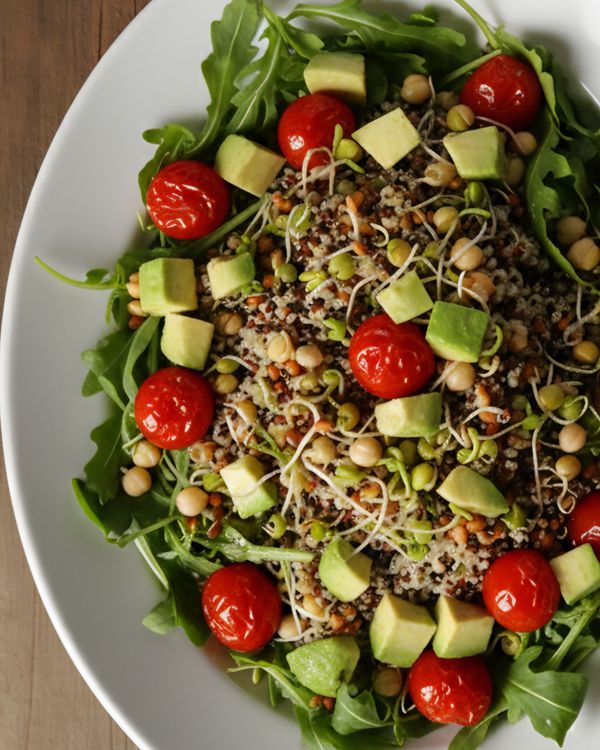
The salads and bowls in this cluster are built to be meals, not sides. They have enough protein to sustain the afternoon, enough texture to make eating at a desk or from a container actually pleasant, and dressings that are part of the flavour rather than an afterthought. The key difference between a satisfying lunch salad and a disappointing one is almost always protein: twenty grams or more per portion, from chicken, eggs, legumes, fish or a combination. Below that threshold, a salad does not carry you to dinner. Asian-style sushi bowls and kimchi bowls have the advantage of being dressed-in-advance formats — the grain and protein absorb dressing and improve as they sit, which makes them better lunchbox options than leafy salads. Chicken salads dressed in mayo or a creamy base hold well for twenty-four hours in the fridge and are often at their best the day after. The trick with mayo-dressed salads is seasoning boldly at the outset because cold dulls flavour — taste the salad cold before packing it and adjust salt, acid and seasoning accordingly. Standouts here include Quick Vegan Sushi Bowl and Thai Mango Chicken Salad , plus Chicken Kimchi Bowl.

- Dairy-Free
- Lunch

- Thai
- Non-Vegetarian
- Lunch

- Non-Vegetarian
- Lunch
- American
- Non-Vegetarian
- Lunch
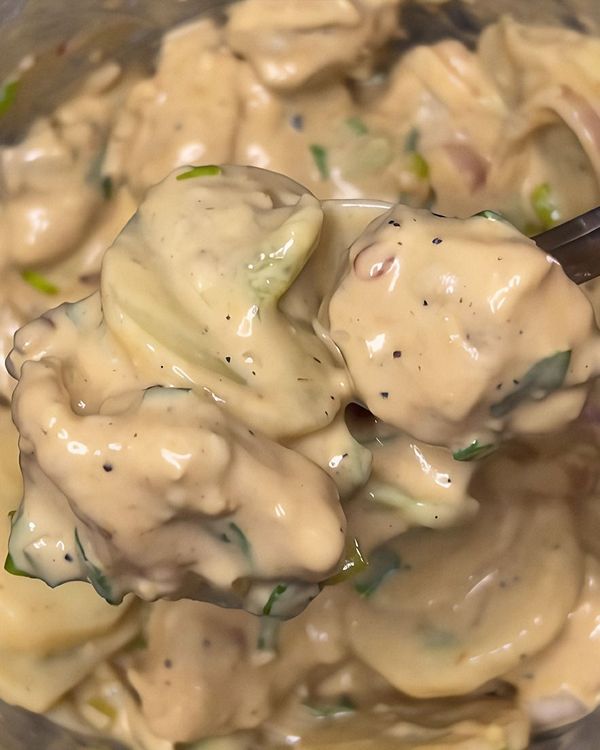
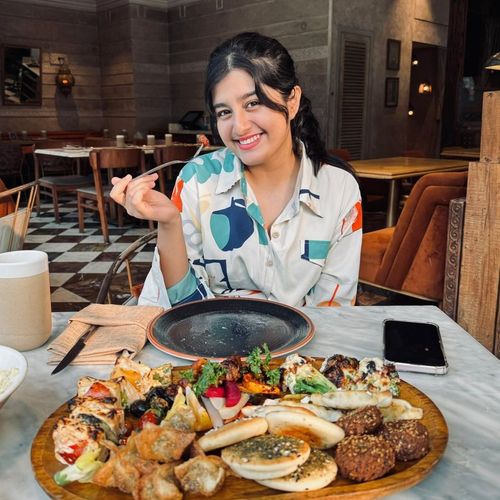
- Fusion
- Non-Vegetarian
- Lunch

- Indian
- Vegetarian
- Lunch

- American
- Non-Vegetarian
- Lunch
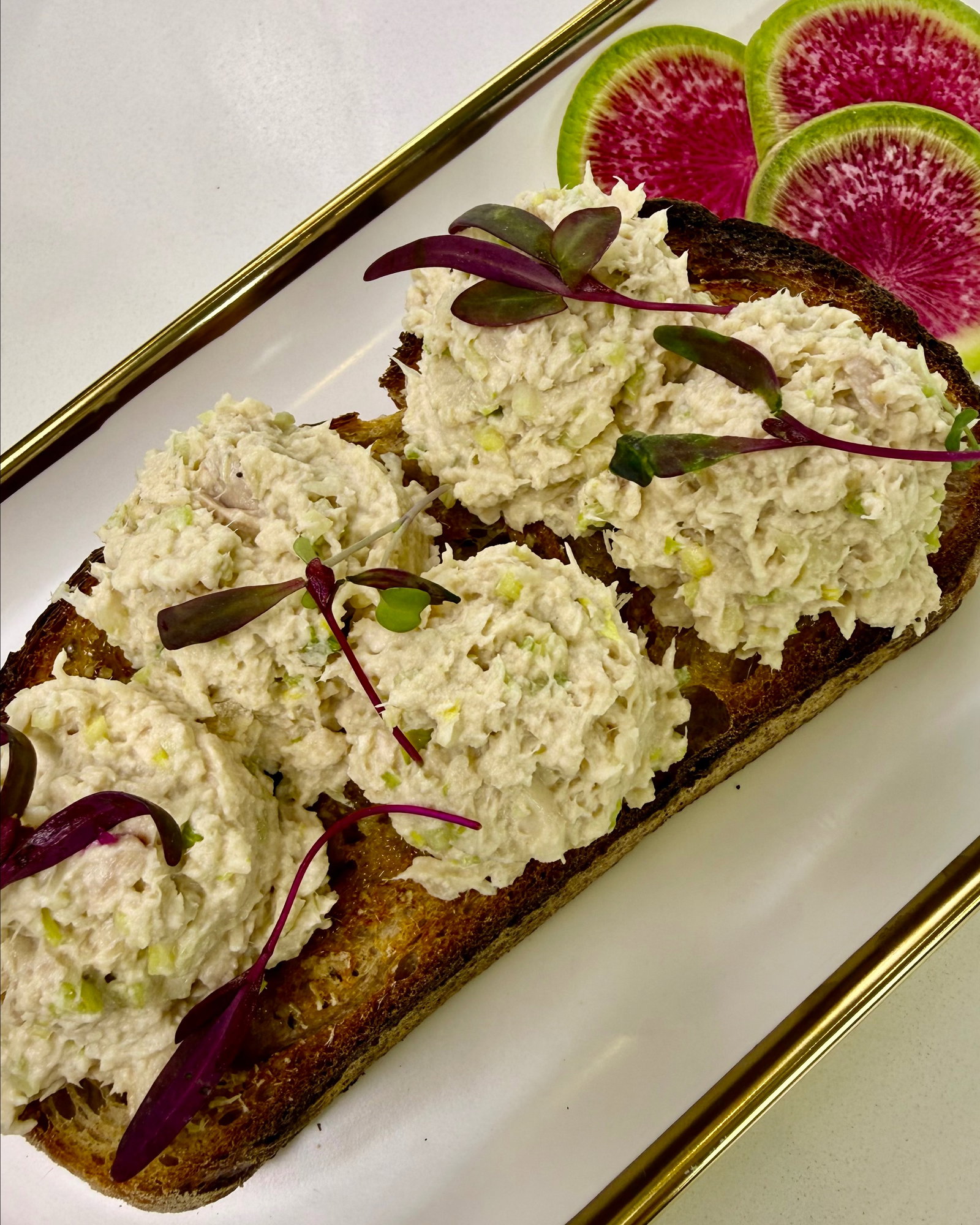
- Non-Vegetarian
- Lunch

- Non-Vegetarian
- Lunch
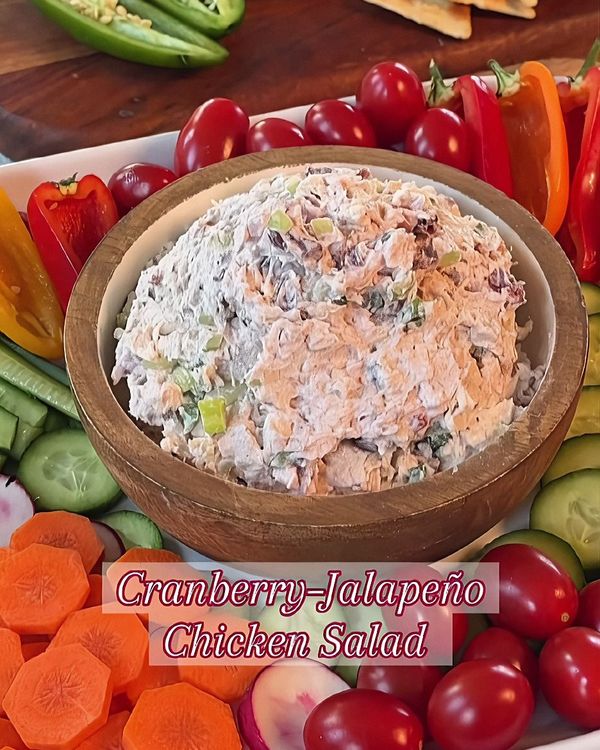
- American
- Non-Vegetarian
- Lunch

- International
- Vegetarian
- Lunch
Indian Dals, Curries & Thali-Style Lunches
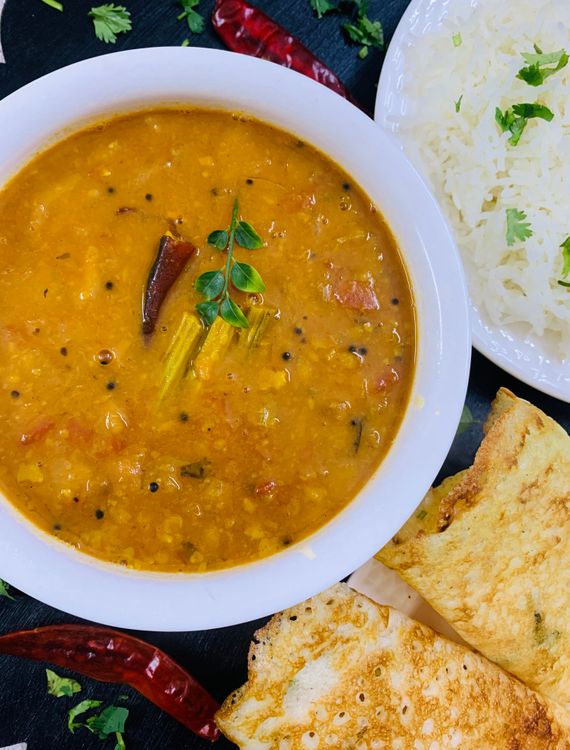
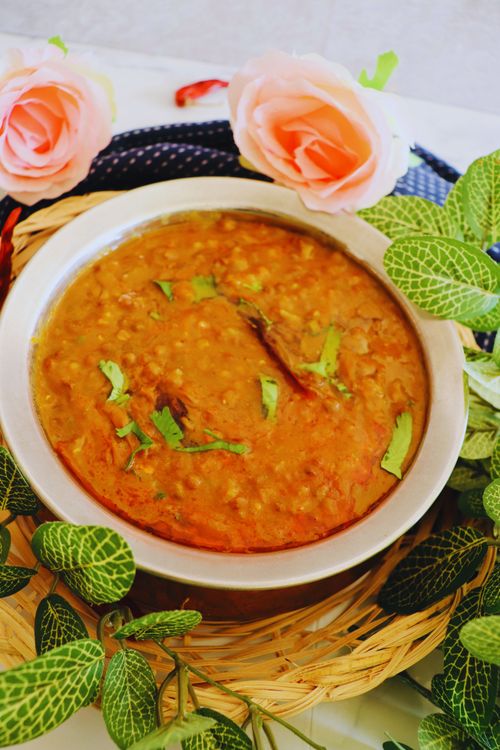
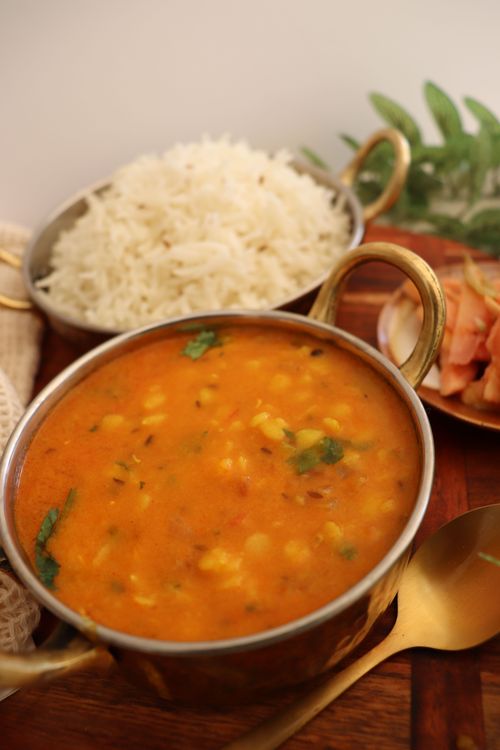
Dal and khichdi are the backbone of the Indian home lunch and among the most nutritionally complete midday meals in any cooking tradition. The recipes in this cluster cover the full range — from a ten-minute masoor dal tadka to a slow-cooked chana dal pulao and a moong dal khichdi that is one of the most comforting one-pot dishes imaginable. What they all share is the tadka: a final tempering of whole spices and aromatics in fat that is poured over the cooked lentils just before serving. This step transforms a plain lentil pot into something aromatic and alive, and skipping it is what makes home dal taste dull compared to restaurant dal. The technique is fast and forgiving: heat ghee or oil, add cumin seeds, dried chilli and curry leaves if you have them, let them crackle for thirty seconds, add garlic and onion if the recipe calls for it, cook briefly, then pour. Season generously with salt and lemon at the end. Batch-cook dal twice a week and Indian-style lunches become the lowest-effort section of this entire collection. Standouts here include Sambhar and Masoor Dal (Brown Lentil Curry), plus Arhar Dal Tadka.
- Indian
- Non-Vegetarian
- Lunch
- Indian
- Vegetarian
- Lunch
- Indian
- Vegetarian
- Lunch
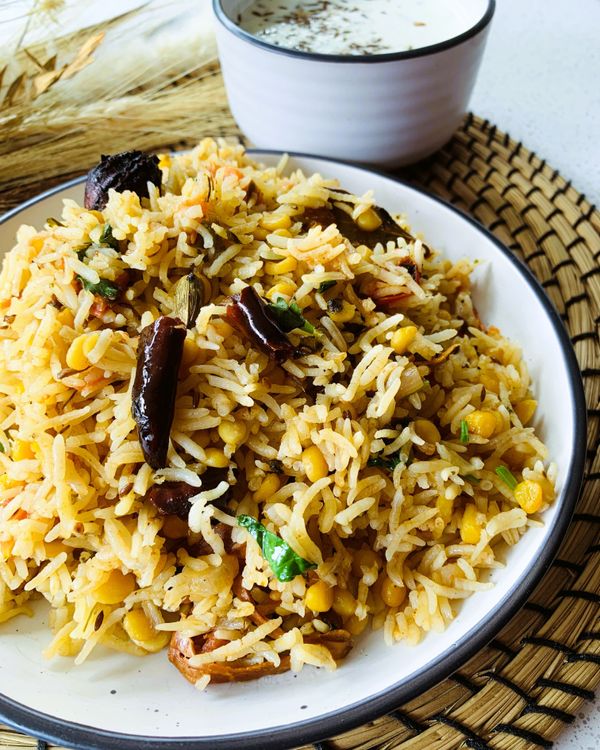
- Indian
- Vegetarian
- Lunch
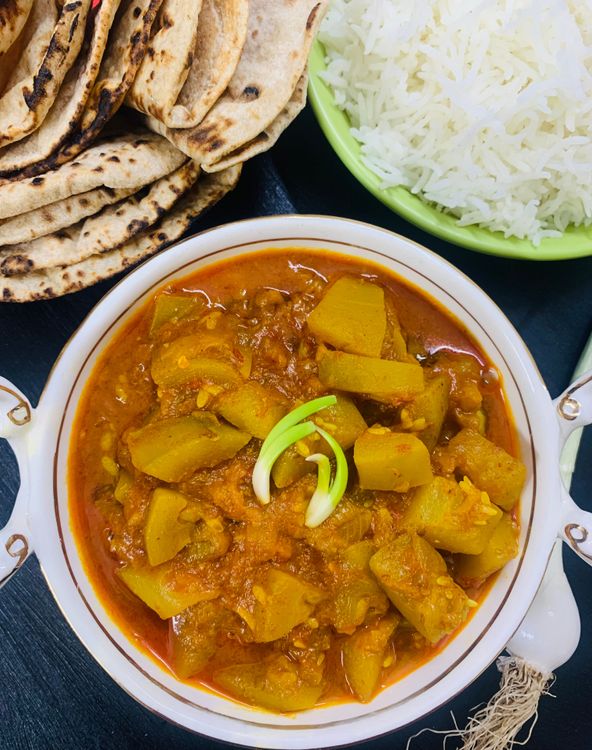
- Indian
- Vegetarian
- Lunch

- Indian
- Vegan
- Lunch
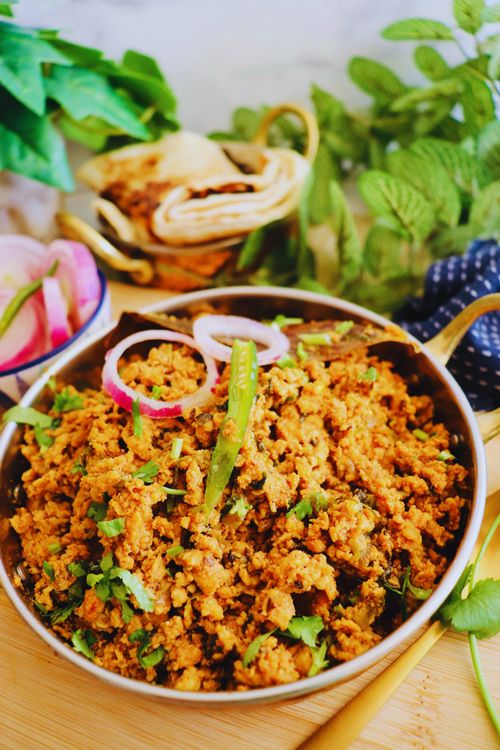
- Indian
- Non-Vegetarian
- Lunch
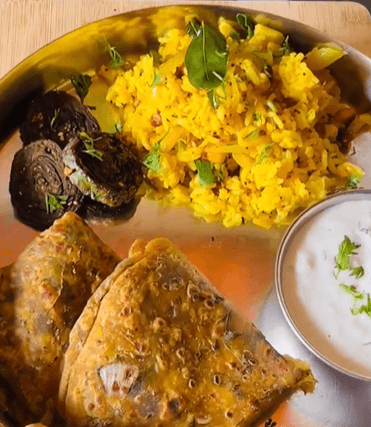
- Indian
- Vegetarian
- Lunch
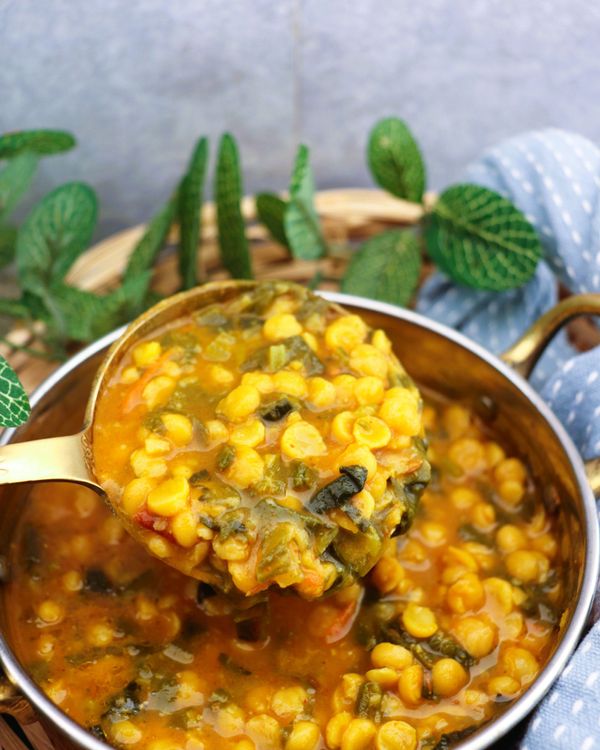
- Indian
- Vegetarian
- Lunch
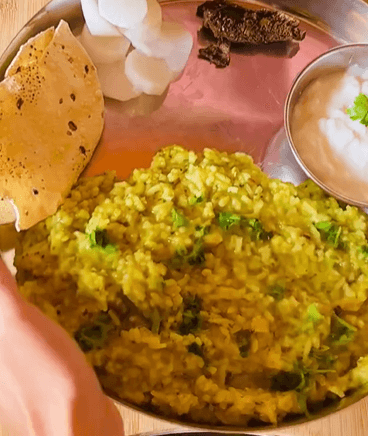
- Indian
- Vegetarian
- Lunch
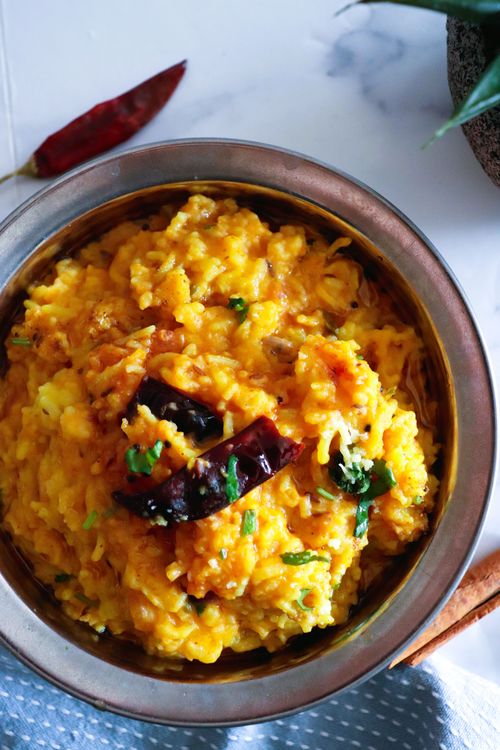
- Indian
- Vegetarian
- Lunch
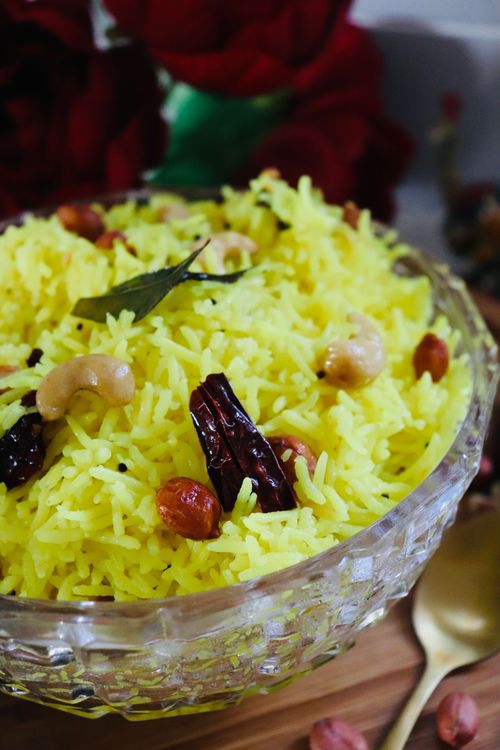
- Indian
- Vegan
- Lunch
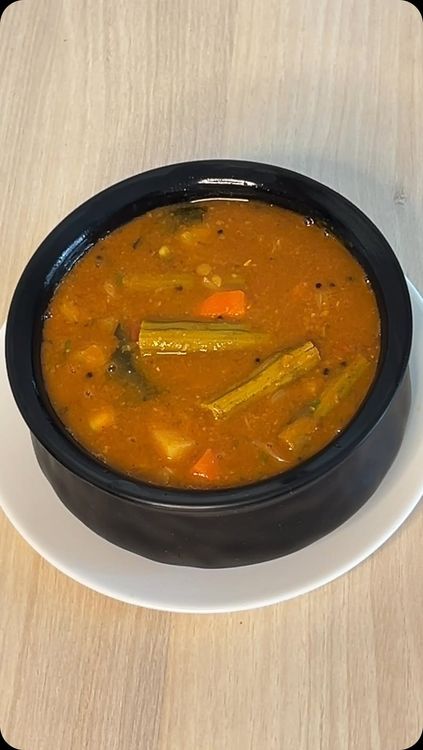
- Indian
- Vegan
- Lunch
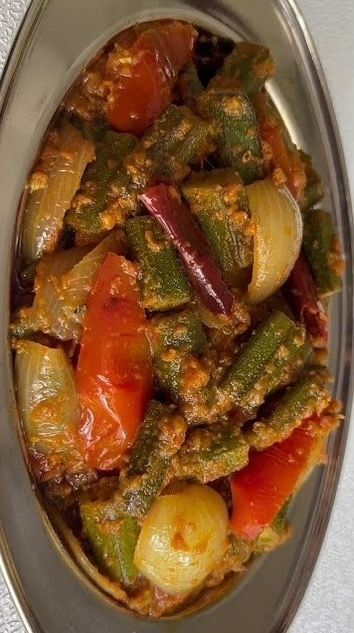
- Indian
- Vegan
- Lunch
Pasta, Noodles & Warming Soups
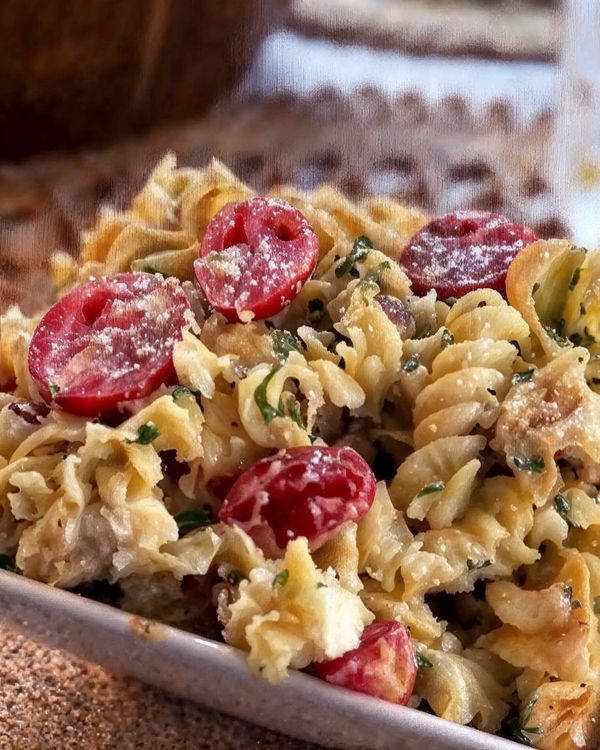
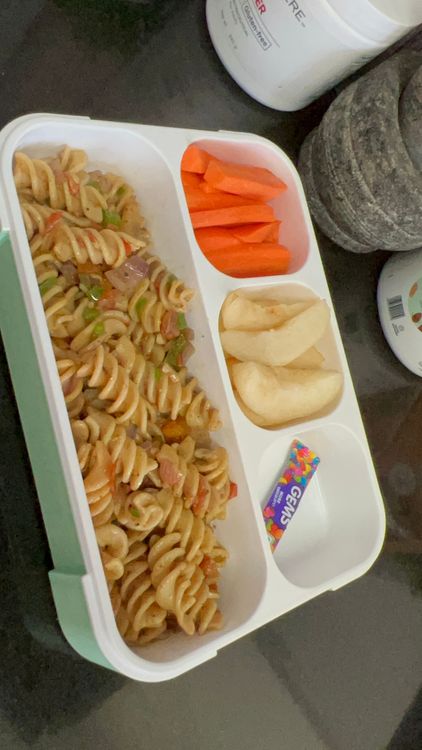
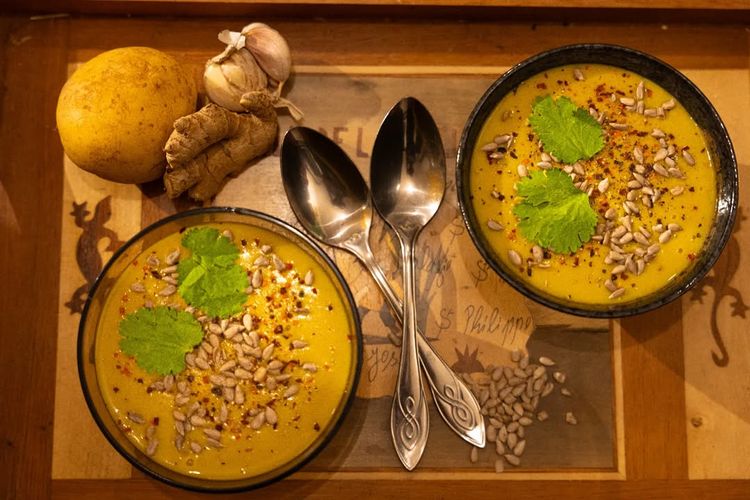
Pasta, noodles and soups at lunch occupy the warm-and-comforting end of the midday meal spectrum — the choices for grey days, cold offices and times when you need something more substantial than a salad. The recipes in this cluster share a practical advantage: most of them batch-cook exceptionally well. A creamy pasta salad dressed while hot keeps three days in the fridge; a tomato basil soup keeps four; a spicy soy noodle dish reheats quickly without losing much texture. For pasta-based lunches specifically, the oil or vinaigrette dressing approach (rather than cream or mayo) is the most lunchbox-friendly because it does not split or turn watery when cold. For warm soups, a wide-mouthed insulated flask holds them at temperature for four to five hours, making them as practical at a desk as on the sofa. The one consistent rule across this cluster: season boldly and check the seasoning cold, because refrigeration dulls salt and acid significantly. A lunch soup or pasta that tastes perfectly seasoned warm will taste flat and a little bland by lunchtime without extra salt and a squeeze of lemon. Standouts here include Creamy Tomato Basil Soup & Three-Cheese Grilled Cheese and Spicy Soy Noodles, plus Chickpea pasta .
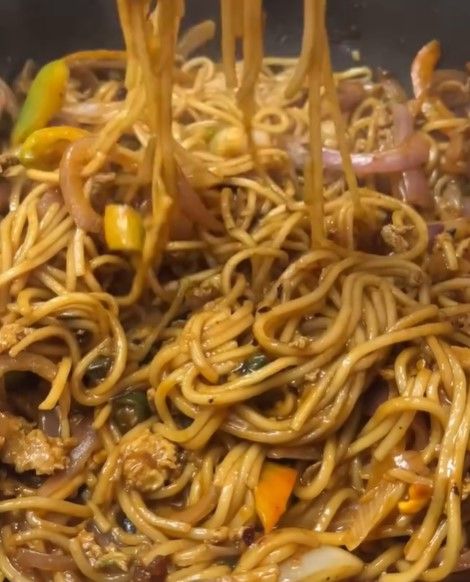
- Asian
- Non-Vegetarian
- Lunch
- Italian
- Vegetarian
- Lunch
- Fusion
- Vegetarian
- Lunch
More Lunch Favourites
A few more dishes worth a place in your rotation — same techniques, different results. Standouts here include Wheat Flour Delight and Palava sauce.
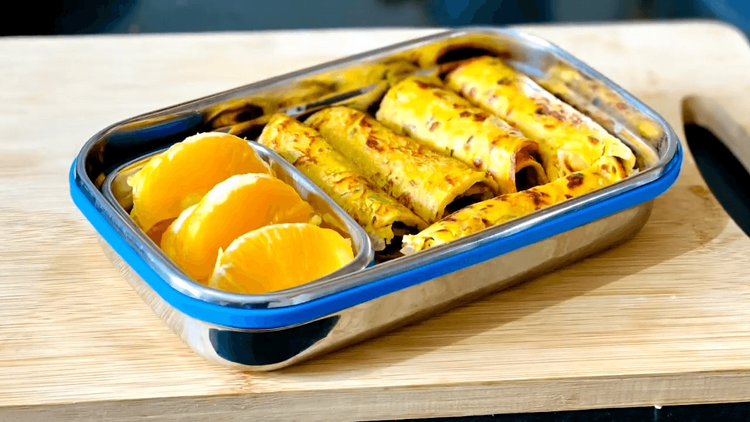
- Indian
- Vegan
- Lunch
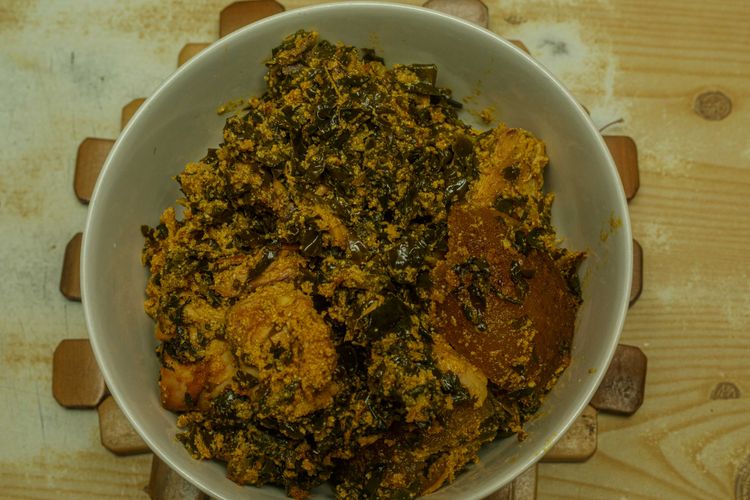

- Ghanaian
- Non-Vegetarian
- Lunch
Building a Wrap or Sandwich That Actually Holds Together
The structural enemy of any handheld lunch is moisture migrating from wet fillings into the bread. Spread a fat barrier — mayo, hummus, avocado, cream cheese, tahini — directly onto the bread surface before adding anything wet. This layer waterproofs the bread and keeps it from going soggy by the time you eat. If you are packing for later, this step is non-negotiable.
Layering order matters in a wrap: greens first against the spread (they act as an additional barrier), then protein, then sauces and anything juicy last. Rolling tightly without overfilling is what holds everything in. Tuck both ends and wrap in parchment before cutting — the paper holds the shape better than cling film and makes the cut cleaner.
For toasted or grilled sandwiches, press the assembled sandwich under a heavy pan or in a sandwich press over medium-low heat and do not rush it. Low and slow gives the cheese time to melt and the bread time to develop a deep, even golden crust. High heat burns the outside while the filling stays cold. Room-temperature cheese melts significantly faster than cold-from-the-fridge slices.
Making Salads That Hold in a Lunchbox
The dressed-in-advance salad is the lunchbox nemesis. Leafy greens collapse under acidic dressing within fifteen minutes, and watery vegetables leach into everything. Two solutions work: pack the dressing separately and add it just before eating, or build a grain- or protein-led salad where the main components are sturdy enough to marinate. Chicken salads dressed in mayo or a pasta salad dressed in oil actually improve overnight as the flavours meld.
For Asian-style bowls and sushi bowls, the dressing doubles as the seasoning — soy, sesame, rice vinegar, a little honey — and these components genuinely benefit from resting. The grain or noodle base absorbs the dressing and becomes more flavourful, not less. Top with fresh elements like avocado, cucumber or herbs only when you are about to eat.
Protein is what separates a sustaining lunch salad from a side dish. Aim for at least twenty grams per portion: grilled chicken, poached salmon, hard-boiled eggs, chickpeas, edamame or a nut-and-seed mix all work. A salad with enough protein and a fat-rich dressing is genuinely filling — without both, you will be hungry again by two.
Quick Dal: The Thirty-Minute Midday Staple
Dal is one of the most forgiving and nutritionally complete lunch dishes in any kitchen, and it comes together far faster than its reputation suggests. Masoor dal (red lentils) and moong dal (split mung beans) need no soaking and cook in fifteen to twenty minutes on a regular hob; chana dal takes thirty to forty. Pressure cooking cuts those times in half. Rinse the lentils well before cooking — cloudy soaking water carries bitterness.
The tadka (tempered oil with aromatics) that finishes a dal is what gives it depth and aroma. Heat ghee or neutral oil until shimmering, add whole spices — cumin seeds, dried chilli, a bay leaf — let them crackle for thirty seconds, then add onion, garlic and ginger if using. Cook until the onion softens and takes colour, then pour over the cooked dal. The sizzle and aroma release are the signal that the tadka is ready.
Dal for lunch keeps four to five days in the fridge and thickens as it sits — add a splash of water when reheating. It freezes well for up to three months, making it one of the best batch-cook options in any collection. Serve with plain rice, roti or as a bowl with a squeeze of lemon and fresh coriander. A dal that has been seasoned generously — salt, acid, heat — at the end never tastes flat.
Pasta Salads and Noodles That Work as Lunch
Cold pasta salad that tastes good the next day requires one key step: undercook the pasta slightly (one minute less than al dente) before draining and dressing immediately while it is hot. Hot pasta absorbs dressing rather than sitting in it, and the starch on the surface binds the sauce. Let it cool dressed, not undressed — undressed pasta clumps and goes gluey as it cools.
For noodle dishes served warm, the most common problem is clumping in the pan. Soaking dried noodles rather than boiling them — pour boiling water over rice noodles or ramen in a bowl, cover and leave for four to five minutes — gives you more control and prevents overcooking. Drain, shake dry and add directly to a hot wok or pan with sauce.
Soup-based lunches batch beautifully: most vegetable soups keep four to five days and many improve as the base develops. Lentil soups and chunky vegetable broths freeze in portions for up to three months. The only soups that do not freeze well are cream-based — they split on reheating. Reheat any soup to a proper simmer rather than just warm so the flavours come back to life.
Pro Tips from the Test Kitchen
- Spread a fat barrier (hummus, mayo, avocado) on bread before adding wet fillings to prevent sogginess.
- Dress pasta salad while hot — warm pasta absorbs dressing rather than just being coated in it.
- Pack salad dressing in a small container and add at the table, not in advance.
- Rinse lentils well before cooking; cloudy soaking water carries bitterness into the dal.
- Finish dal with a fresh tadka just before serving — it brings the dish back to life even if it was made yesterday.
- Undercook pasta by one minute when making cold pasta salad — it continues to soften as it cools.
- Protein is what makes a lunch salad sustaining: aim for at least 20 g per portion.
- Build wraps with greens against the spread first — they act as an extra moisture barrier.
- Chicken salads dressed in mayo improve overnight; make them the day before for best flavour.
- Soups and dals thicken in the fridge — add a splash of water and a squeeze of lemon when reheating.
Frequently Asked Questions
What are the healthiest lunch recipes to make at home?
Wholesome lunches combine lean protein, complex carbohydrates and plenty of vegetables in one dish. Dals and khichdi with a side salad, grain bowls built on brown rice or quinoa, and chicken salads loaded with vegetables all tick these boxes. The advantage of home cooking is control over salt, oil and portion size — restaurant meals tend to be higher in sodium and fat than they appear. Focus on variety across the week rather than perfection on any single day.
What is a good lunch to prepare the night before?
Overnight preparations that genuinely improve with time include dal, most pasta salads dressed in oil-based vinaigrette, chicken and mayo-based salads, and grain bowls. Sandwiches can be assembled the night before if you pack wet ingredients separately — add tomato and cucumber in the morning. Noodle salads dressed in soy and sesame hold well. The only things best made fresh are warm toasted sandwiches and crisp green salads.
How do I make dal in under thirty minutes?
Choose masoor dal (red lentils) or moong dal — both cook in fifteen to twenty minutes without soaking. Rinse well, add to a pan with water at roughly 1:3 ratio, bring to a boil, then simmer covered. While the lentils cook, prepare a tadka of cumin, chilli and onion in ghee. When the lentils are soft, pour the tadka over, season with salt, and finish with lemon and fresh coriander. The whole process takes twenty-five minutes with a little practice.
What can I put in a lunchbox that stays good for hours?
Grain-based dishes — dal and rice, pasta salad, quinoa bowls — travel and keep well at room temperature for a few hours. Protein-rich chicken salads and wraps keep well in an insulated bag with an ice pack. Avoid tomatoes, cucumber and watery vegetables mixed into anything that will sit long — pack them separately. Hard-boiled eggs, cubes of cheese, nuts and dried fruit are robust additions that do not require refrigeration for shorter periods.
What is a good high-protein lunch recipe?
Mediterranean chicken wraps, chicken salads with mayo, a masoor dal with yogurt, and grain bowls with a protein source all clear twenty-five to thirty grams of protein per portion. The key is ensuring the protein component is substantial rather than incidental — a wrap with one slice of chicken is not high-protein, but one with a full grilled breast or generous canned tuna is. Greek yogurt added as a dressing base adds protein without changing the flavour profile dramatically.
How do I stop sandwiches going soggy in my lunchbox?
Three steps: spread a fat barrier on both cut faces of the bread, layer greens directly against the spread before any wet ingredients, and avoid adding tomatoes and cucumbers until you are ready to eat — either remove them from the fridge at home or pack them in a separate small container. A well-assembled sandwich with a fat barrier can sit for three to four hours without becoming unpleasant. Toasted bread holds up longer than soft white bread.
Is a salad filling enough for lunch?
That depends entirely on what the salad contains. A leafy salad with cucumber and light dressing has almost no staying power. A salad built with chicken or eggs, a grain or legume, healthy fat from avocado or nuts, and a dressing with some body (tahini, mayo, olive oil) is a genuinely complete lunch. The rule of thumb: if you can see protein and fat alongside the vegetables, the salad will sustain you. If it is mostly leaves and watery vegetables, it will not.
What are quick Indian lunch ideas for a weekday?
Dal tadka with rice is the fastest — thirty minutes including the tadka. Masala bhindi (okra) cooks in ten to fifteen minutes and pairs with roti. Moong dal khichdi is a single-pot meal under thirty minutes. For minimal cooking, an Indian lunch thali assembled from a prepped dal in the fridge, yogurt raita and store-bought pickle takes five minutes to plate. The Indian pantry — lentils, rice, whole spices, ghee — is built for fast, nourishing weekday cooking.
Can I eat the same lunch every day without it becoming boring?
The trick is rotating the format while keeping your preferred base. If chicken salad is your go-to protein, vary the dressing week by week: Caesar one week, Asian sesame the next, a tahini-lemon the week after. If dal is your staple, rotate the lentil — masoor, moong, chana — and the tadka style. Small changes in spicing, acid or crunch transform the eating experience even when the core ingredient stays the same.
What are easy lunch recipes for weight loss?
High-volume, high-protein, lower-calorie lunches create the most satisfaction per calorie. Grilled chicken with a large vegetable salad, dal with a small portion of rice, Greek yogurt-based dressings instead of mayo, and broth-based soups are all effective. Wraps in lettuce leaves rather than flour tortillas cut carbohydrates without sacrificing the handheld format. The most useful approach is making lunch the protein-and-vegetable anchor of the day, then adjusting other meals around it.
The midday meal is the most underrated cooking opportunity of the week. It is when a good batch-cooked dal pays off, when a prepped salad jar justifies the Sunday ten minutes it took to build, and when a well-made sandwich reminds you that simple things done with care are almost always better than complicated things done in a rush.
Pick two or three recipes from different clusters to start — one to batch, one to build fresh, one to pack — and use the guides when something does not work as expected. Save the ones you make twice to a Chefadora cookbook and you will have a personal lunch menu that actually gets used week after week.
Related
- Lunch
- Healthy
- High Protein
- Indian
- Meal Prep
- Quick
- Vegetarian
Popular Searches
- Best lunch recipes
- Easy lunch recipes
- Quick lunch recipes
- Healthy lunch recipes
- Simple lunch recipes
- Homemade lunch recipes
- Delicious lunch recipes
- Popular lunch recipes
- lunch ideas
- healthy lunch
Marnirni-apinthi Building, Lot Fourteen,
North Terrace, Adelaide, South Australia, 5000
Australia
