
Top 33 Filipino Food Recipes: Adobo, Sinigang, Pancit and More
Updated June 29, 2026 · Curated by Chefadora
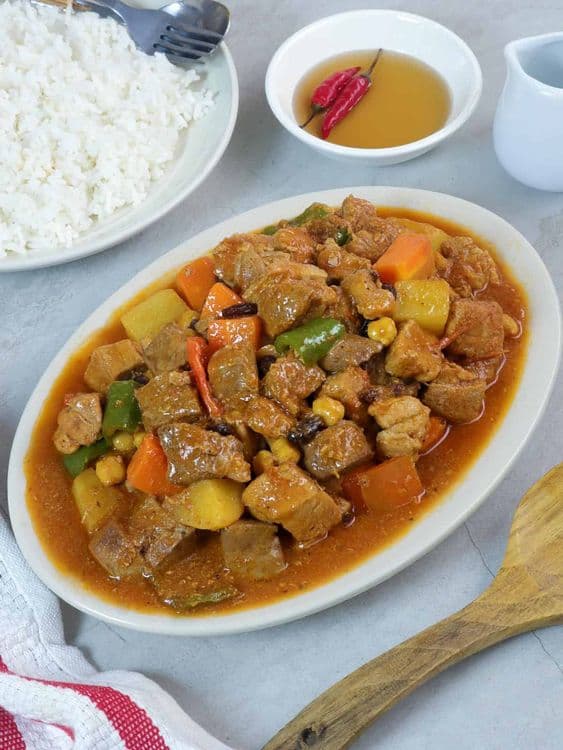
Filipino food recipes draw their character from a single idea repeated across the whole table: the deliberate balance of sour, salty and sweet, layered over garlic and a long stovetop simmer. It is a cuisine shaped by trade and migration — Malay, Chinese, Spanish and American threads woven into something unmistakably its own — and the dishes below were chosen to show that range, from the everyday glory of adobo to the bright sourness of sinigang and the silky finish of leche flan.
What ties these dishes together is technique more than any one ingredient. Vinegar is rarely just a splash; it is simmered until its harshness mellows into a rounded tang. Soy and fish sauce (patis) carry the salt. Garlic is fried until sweet and nutty rather than raw. And rice is the constant partner, soaking up every drop of sauce — which is why so many of these recipes are built around a generous, well-seasoned pot of it.
You will find four clusters here: adobo and braises, the noodle and rice plates, the soups and stews built on a defining broth, and the desserts and merienda snacks. The seasoning logic carries across all of them — taste, adjust the sour-salty-sweet balance, taste again — so once you learn to read one dish, the rest of the table starts to make sense.
Treat this as a working reference. Each recipe links to full ingredients and steps on Chefadora, and the guides below cover the decisions that decide whether a dish sings or falls flat — how to build a proper adobo, how to sour a sinigang without making it harsh, how to keep pancit from going claggy, and how to set a flan that is glassy rather than scrambled.
Adobo & Braises
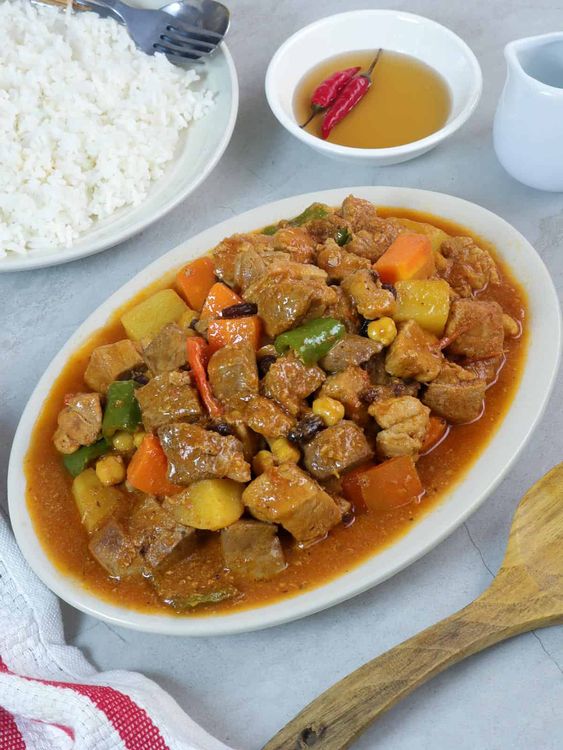
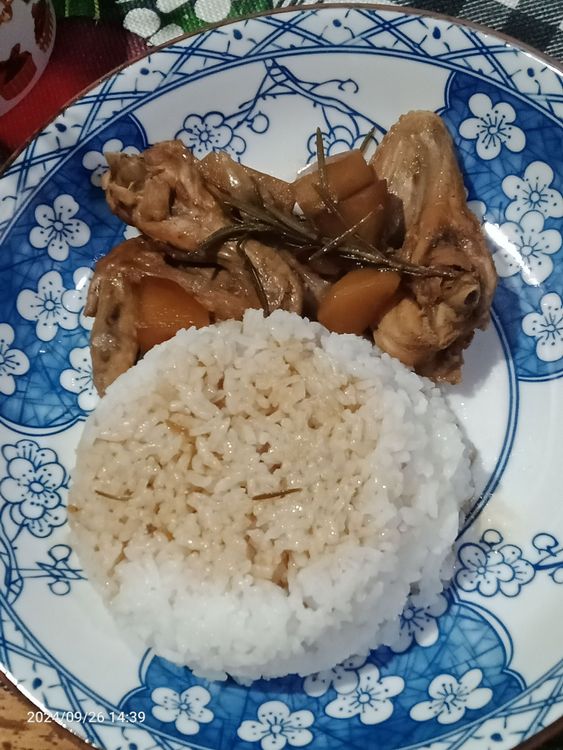
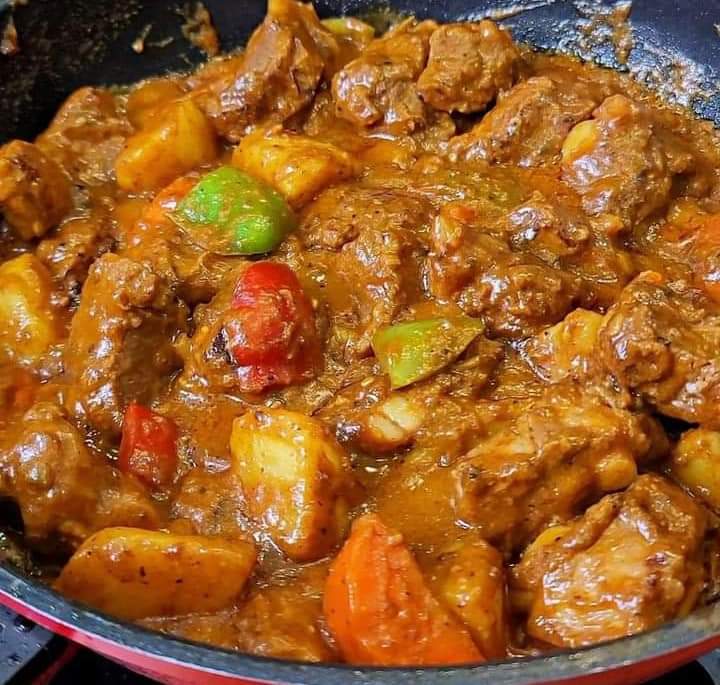
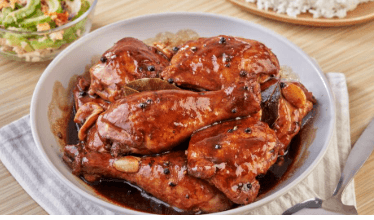
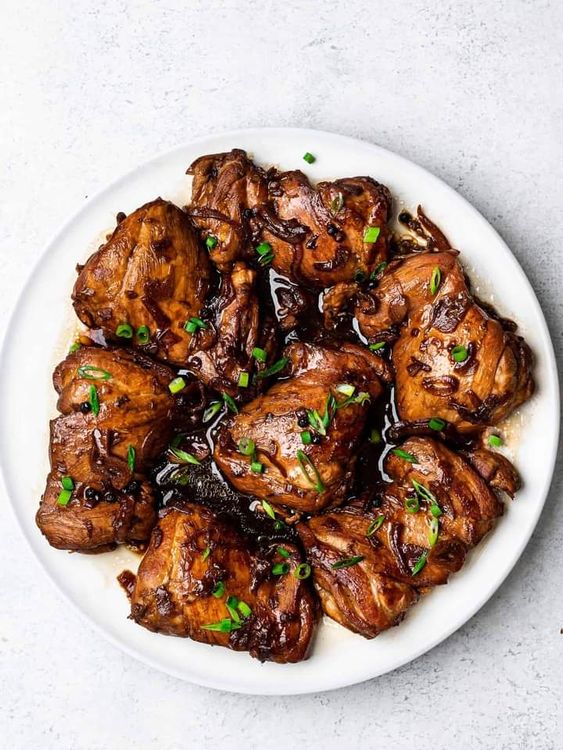
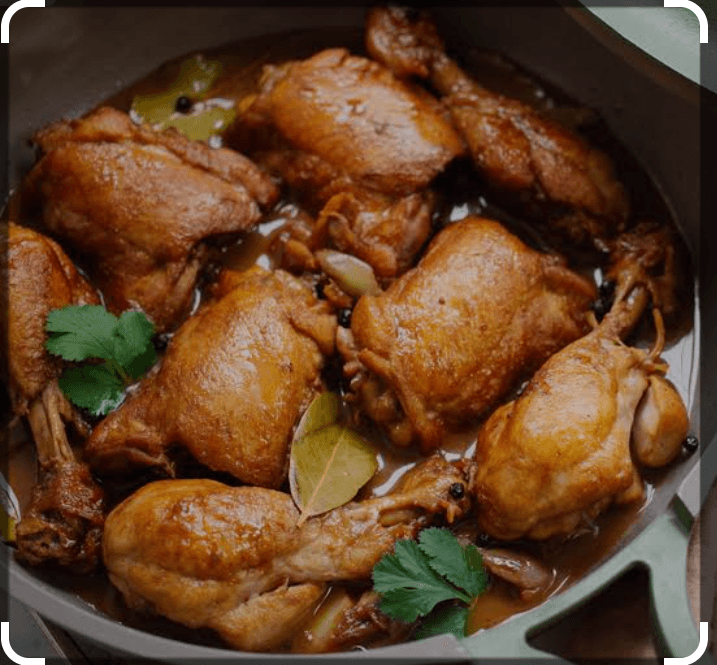
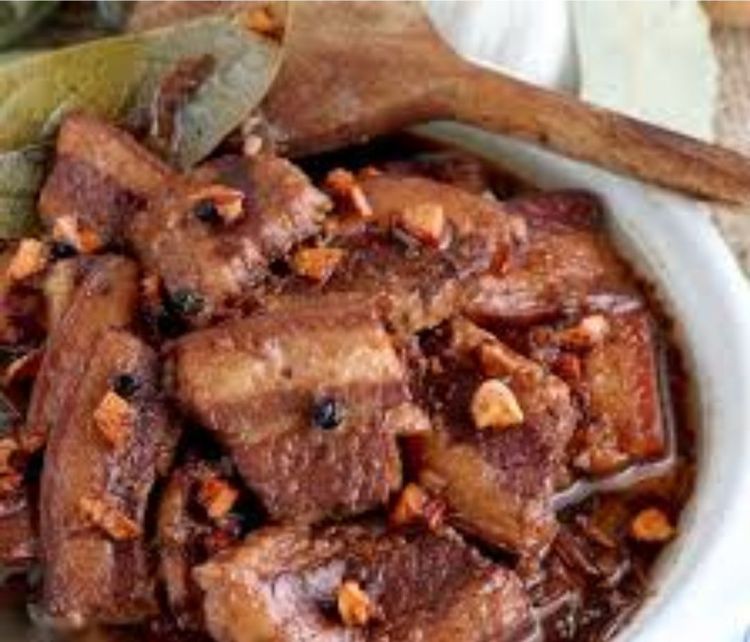
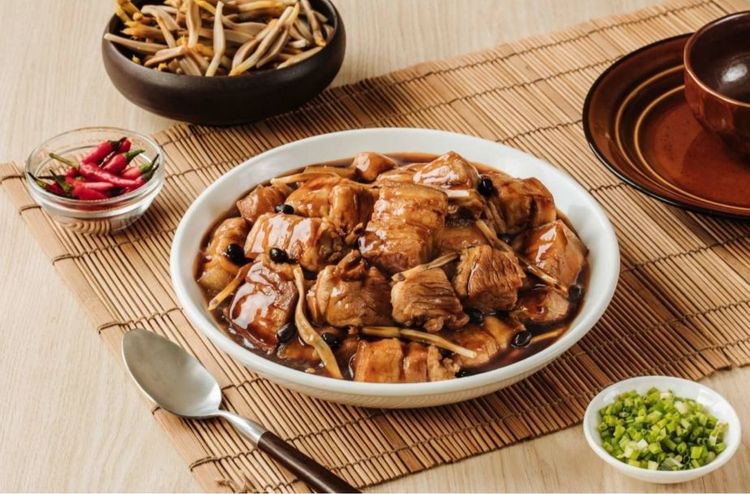
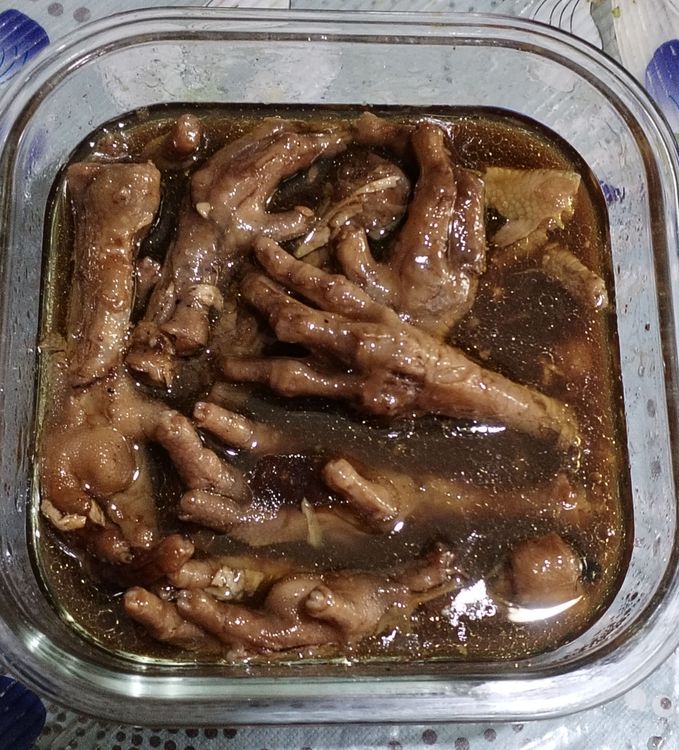
Braising is the savory engine of the Filipino table, and adobo is its purest expression: meat cooked low in vinegar, soy, garlic, bay and black pepper until it surrenders. The move that separates a great braise from a watery one is patience at both ends. When the vinegar first goes in, leave it alone for a few minutes so its raw, sharp edge simmers off and rounds into a mellow tang, then braise gently until the meat is fork-tender, anywhere from twenty-five minutes for chicken to over an hour for pork belly or oxtail. The real magic happens last: lift the lid and reduce the sauce hard until it turns glossy and clings, even frying the drained pieces in their own rendered fat for crisp edges. The same logic carries through humba, mechado, caldereta and the lechon-style roasts — build deep flavor slowly, then concentrate it. Keep roughly two parts vinegar to one part soy as your starting ratio, taste relentlessly, and remember these dishes almost always taste better the day after they are made. Standouts here include Filipino Pork Menudo and Filipino Chicken Adobo, plus Filipino Beef Caldereta.

- Filipino
- Non-Vegetarian
- Lunch

- Filipino
- Non-Vegetarian
- Lunch
- Filipino
- Non-Vegetarian
- Lunch
- Filipino
- Non-Vegetarian
- Lunch
- Filipino
- Non-Vegetarian
- Dinner

- Filipino
- Non-Vegetarian
- Lunch
- Filipino
- Non-Vegetarian
- Lunch
- Filipino
- Non-Vegetarian
- Lunch

- Filipino
- Pescatarian
- Lunch
- Filipino
- Non-Vegetarian
- Dinner
Noodles & Rice
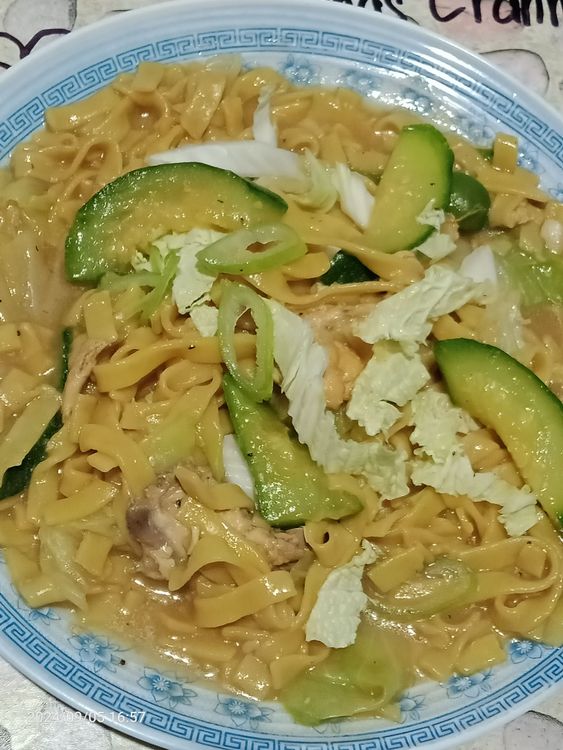
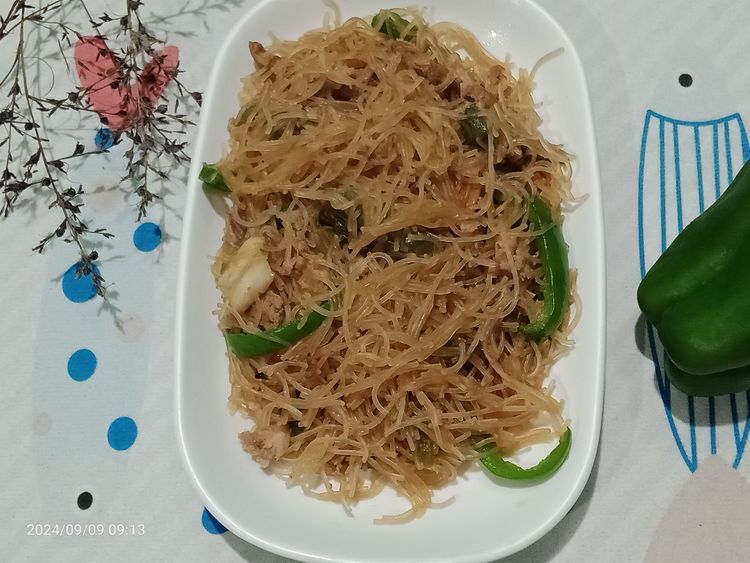
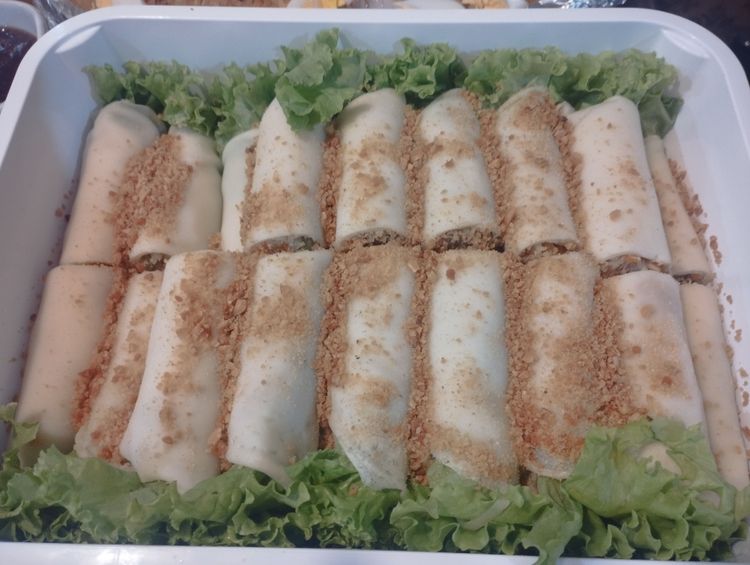
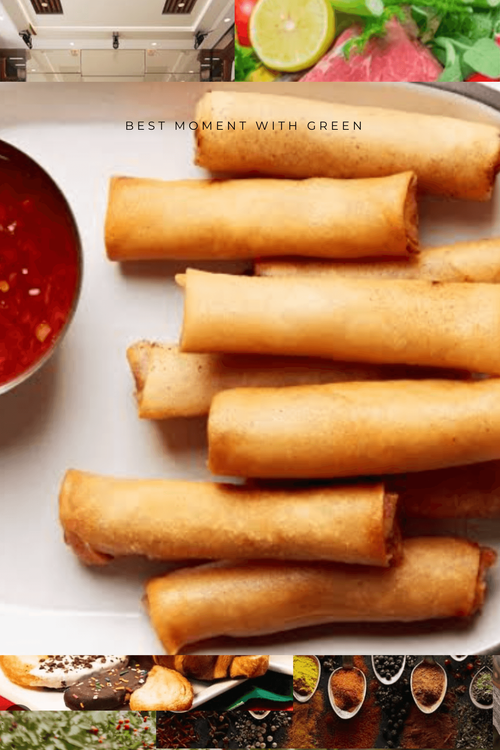
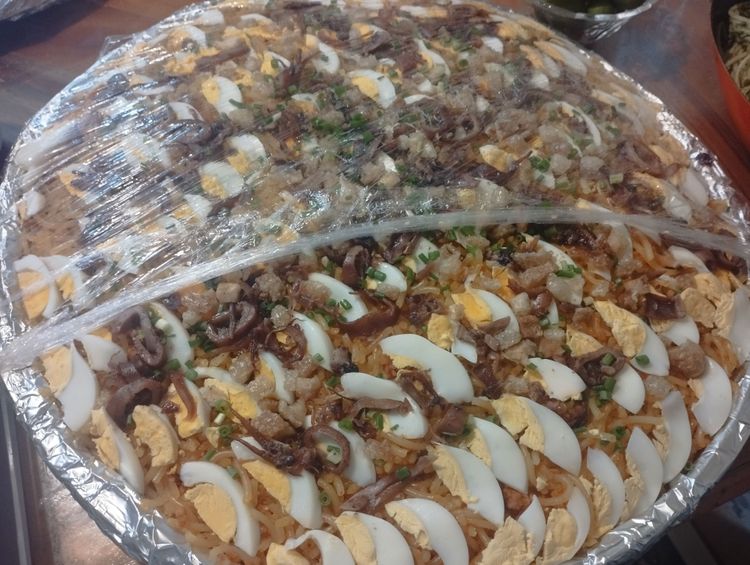
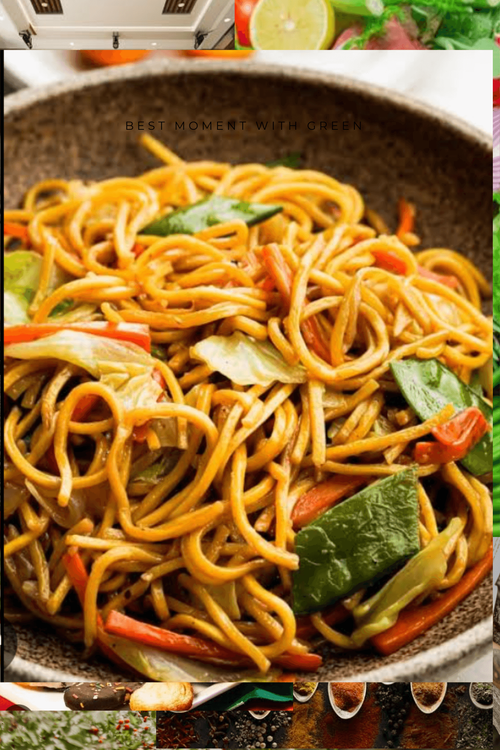
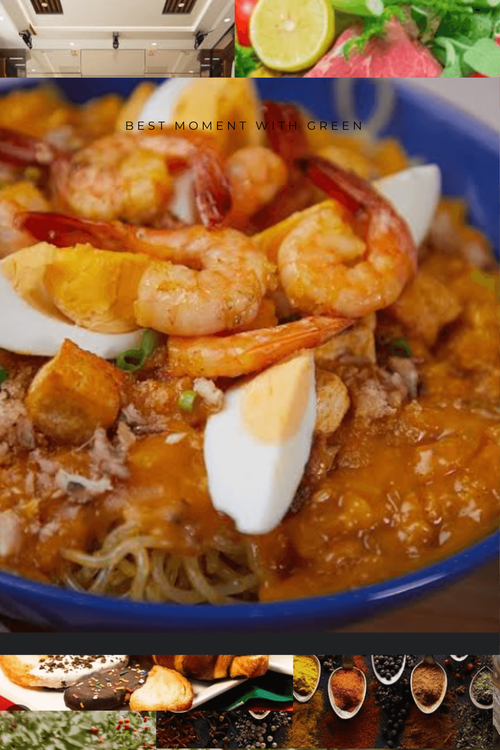
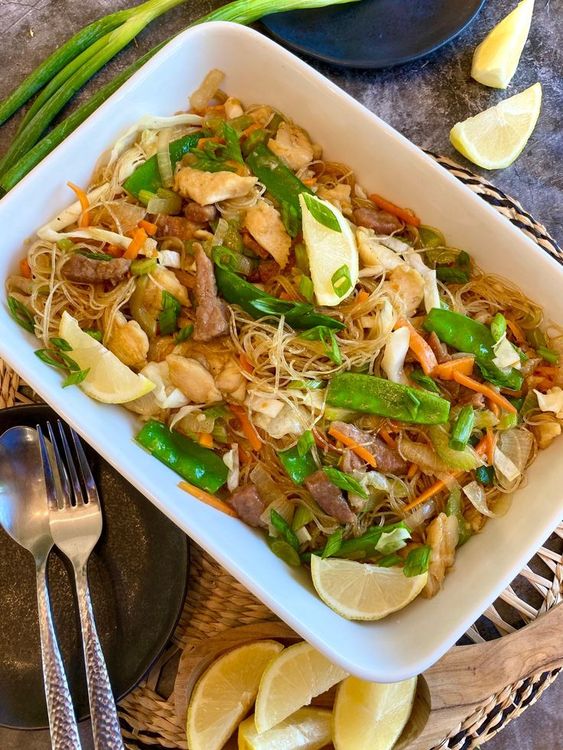
This is the fast, garlicky corner of Filipino cooking, where a hot pan and well-managed moisture matter more than any single sauce. Pancit is the centerpiece — bihon, canton, palabok and their cousins — and the trick is to soak rice noodles only until pliable, never fully soft, because they finish cooking in the pan as they drink up the seasoned broth. Build flavor first with garlic, onion, protein and vegetables in a wide, ripping-hot pan, then add the noodles and just enough stock to hydrate them, tossing constantly so they absorb rather than stew into a claggy tangle. Lumpia, the crisp spring roll, demands a dry, cooled filling and a tight roll so steam does not soften the wrapper from inside, fried hot and fast so it shatters. And sinangag, the garlic fried rice behind every silog plate, lives on day-old refrigerated rice that fries up separate instead of clumping. Bloom the garlic to gold, press the rice against the hot metal for a little char, and crown it with a fried egg. Standouts here include Pancit Bato and Pancit Bihon (A glassy noodle made from starch such as beans, potato, cassava or sweat potato), plus Lumpiang Sariwa.
- Filipino
- Non-Vegetarian
- Lunch
- Filipino
- Non-Vegetarian
- Lunch
- Filipino
- Non-Vegetarian
- Appetiser
- Filipino
- Non-Vegetarian
- Lunch
- Filipino
- Non-Vegetarian
- Appetiser
- Filipino
- Non-Vegetarian
- Lunch
- Filipino
- Non-Vegetarian
- Lunch
- Filipino
- Non-Vegetarian
- Lunch
- Filipino
- Non-Vegetarian
- Lunch
Soups & Stews
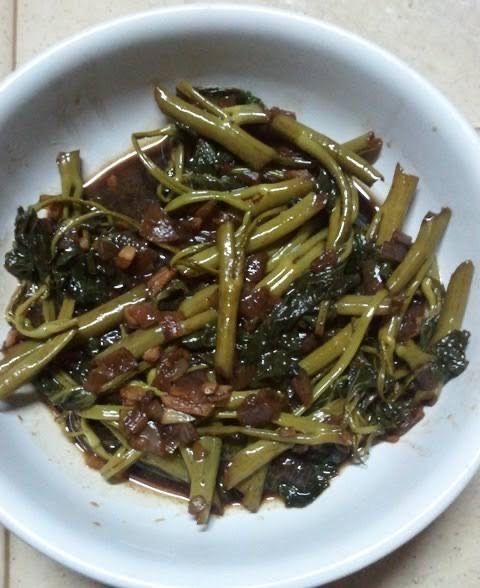
Brothy dishes anchor the Filipino comfort-food canon, and each one is defined by a single dominant note you build with care. Sinigang leans sour: simmer the protein and aromatics into a stock with body, then stir in tamarind, green mango or calamansi gradually until the broth tastes bright and salivating rather than flatly acidic, seasoning with fish sauce for salt. Kare-kare goes rich and nutty, its thick peanut sauce clinging to oxtail and vegetables, always served with salty bagoong on the side to season each bite. Tinola is the gentle one, a clear ginger broth with chicken, green papaya and chili leaves that tastes clean and restorative. The technique that unites them is staging: get the broth seasoned and the meat tender first, then add vegetables in order of how long they take, saving tender greens like kangkong or malunggay for the very end. Overcook them and the pot turns gray and muddy; pull it off the heat the moment they wilt, and the soup stays layered, lively and fresh. Standouts here include Sinigang na Hipon sa Sampalok and Sinigang na Baboy (Pork Sinigang), plus Filipino Pares (Beef Stew).
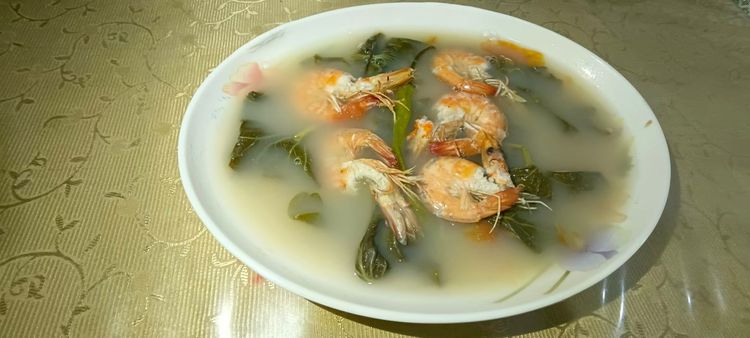

- Filipino
- Pescatarian
- Lunch
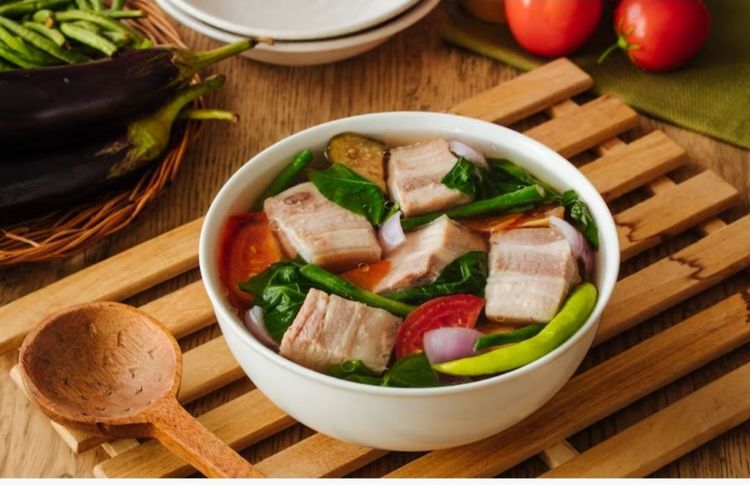
- Filipino
- Non-Vegetarian
- Lunch
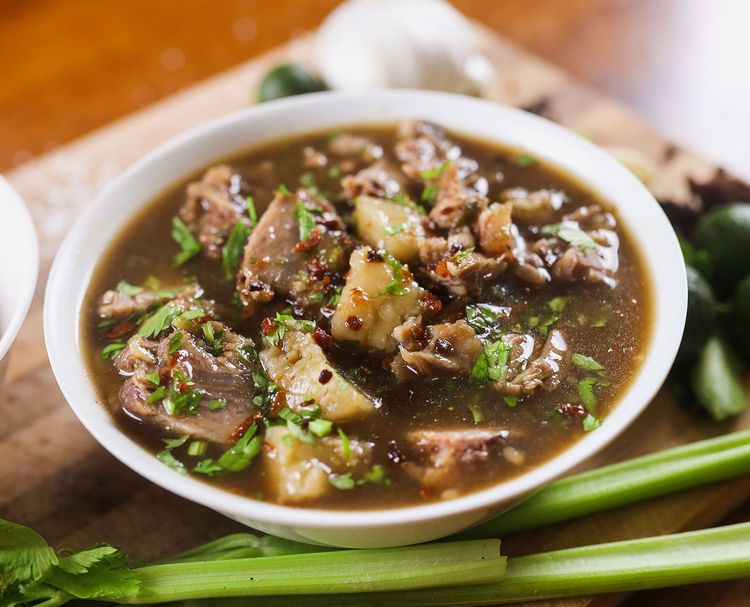

- Filipino
- Non-Vegetarian
- Lunch
- Filipino
- Non-Vegetarian
- Lunch
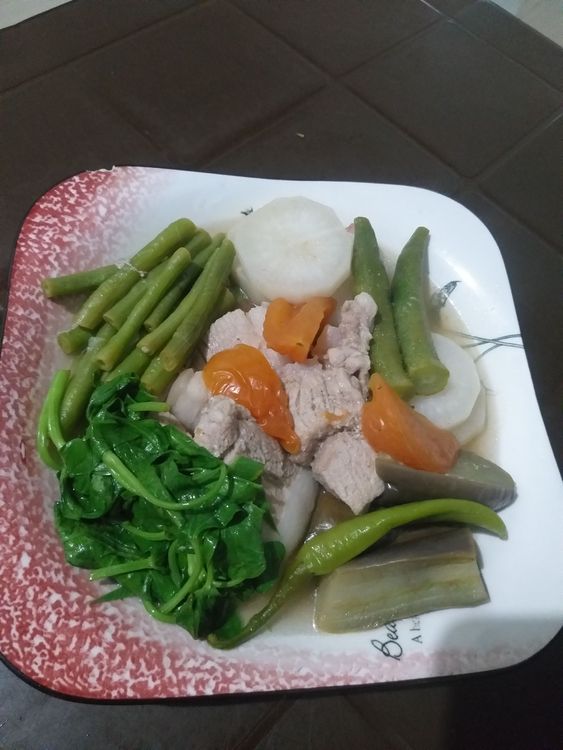
- Filipino
- Non-Vegetarian
- Lunch
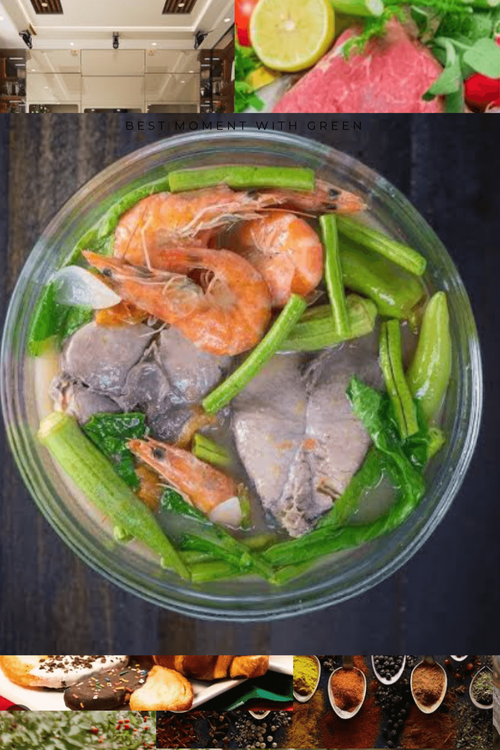
- Filipino
- Pescatarian
- Lunch
More Filipino Favourites
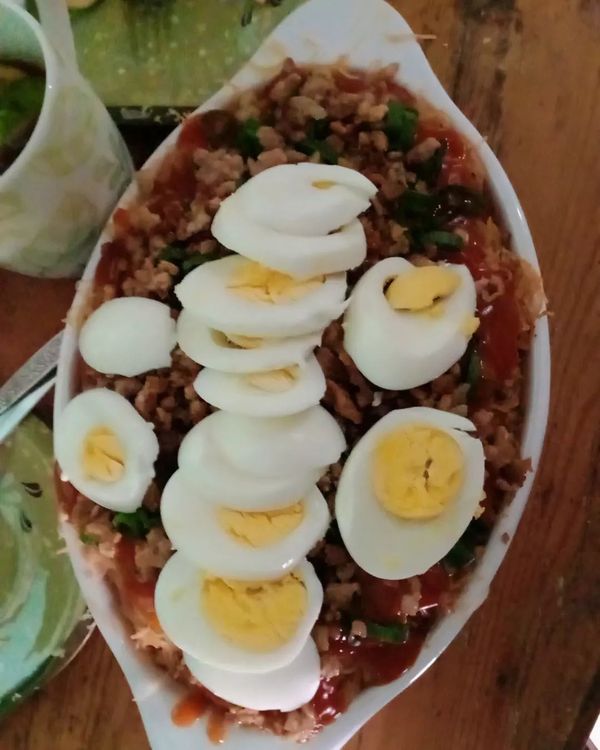
A few dishes never settle neatly into one category, and these are the ones worth keeping close once the staples feel routine. They draw on the same handful of moves you already know — a slow vinegar braise, a hot-pan noodle toss, a carefully soured broth, a gently set custard — but steer them toward different textures and occasions, so the table never tastes quite the same twice. Picking your next one is mostly about matching effort to mood and time: reach for a quick silog plate or a stir-fried pancit on a busy night when you want garlicky flavor in twenty minutes, and save the slow-braised oxtail, the peanut-thickened kare-kare or the overnight-set flan for a weekend when you can let things simmer and rest properly. Pay attention to the souring and salting agents in particular, since calamansi, tamarind, fish sauce and bagoong are what give Filipino food its unmistakable lift. Think of this group as the natural next step after the classics — the recipes that quietly earn a permanent place in your rotation once you have cooked them through. Standouts here include My Ultimate Favorite Creamy Filipino Fruit Salad and Filipino Pork Giniling with Quail Eggs, plus Filipino Misua with Meatballs.

- Filipino
- Vegetarian
- Dessert
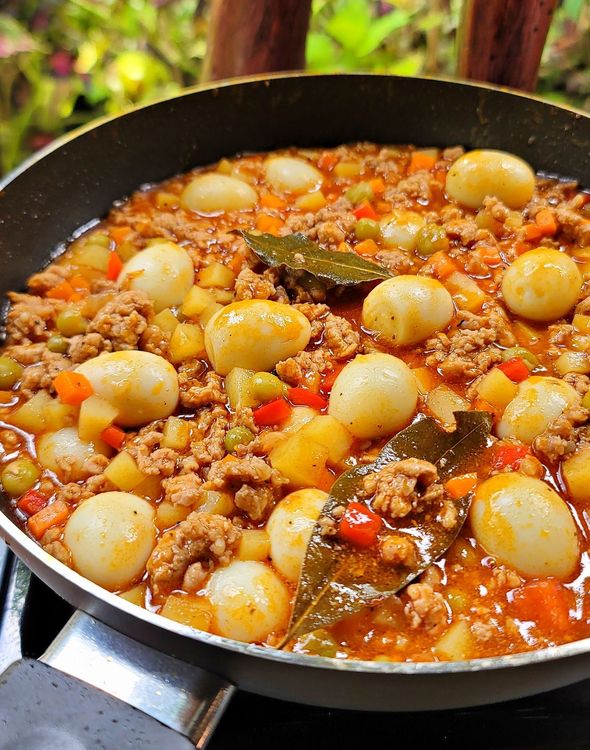
- Filipino
- Non-Vegetarian
- Lunch
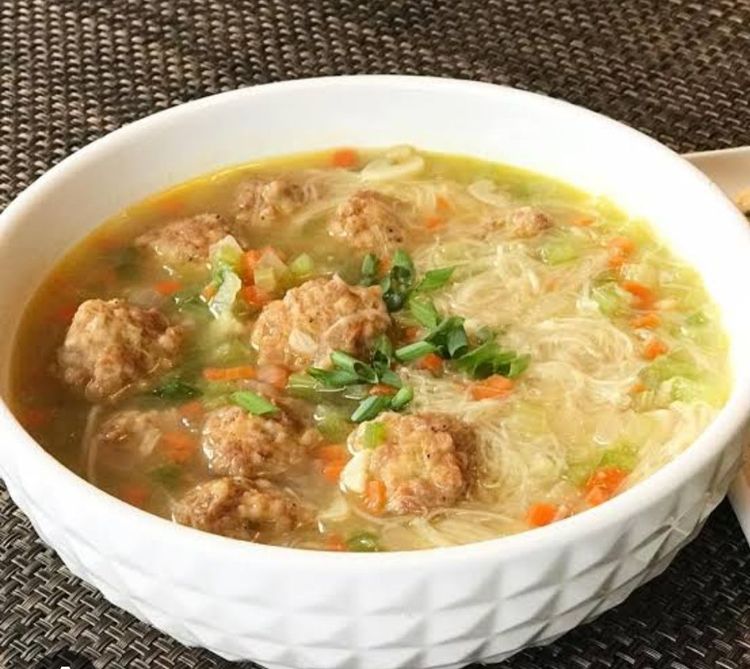
- Filipino
- Non-Vegetarian
- Lunch
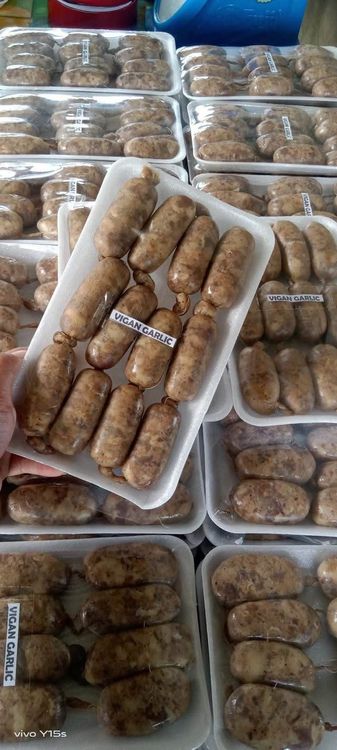

- Filipino
- Non-Vegetarian
- Breakfast
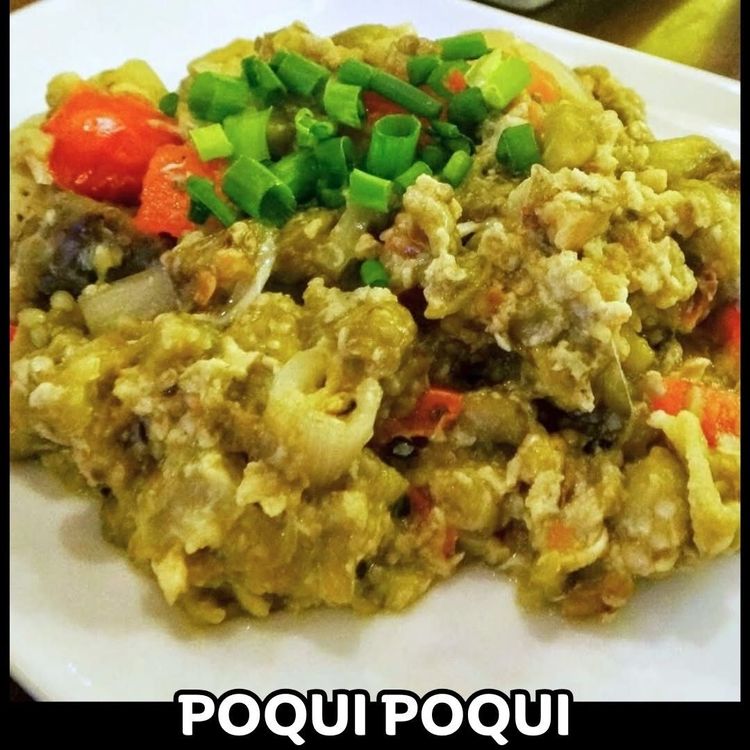
- Filipino
- Pescatarian
- Lunch
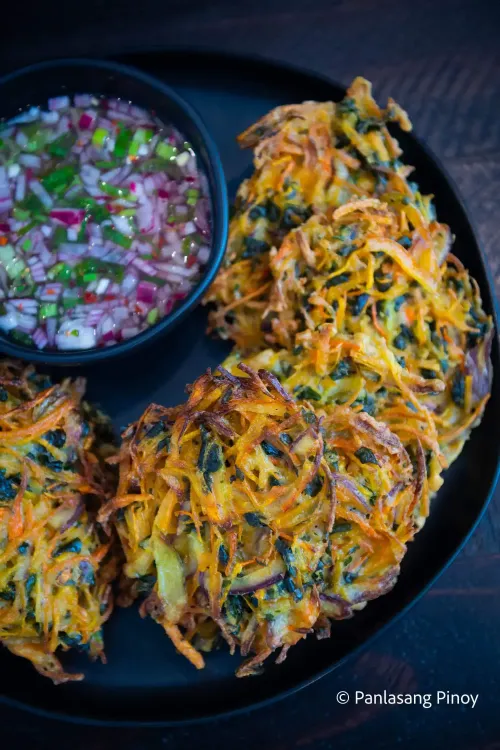
- Filipino
- Pescatarian
- Appetiser
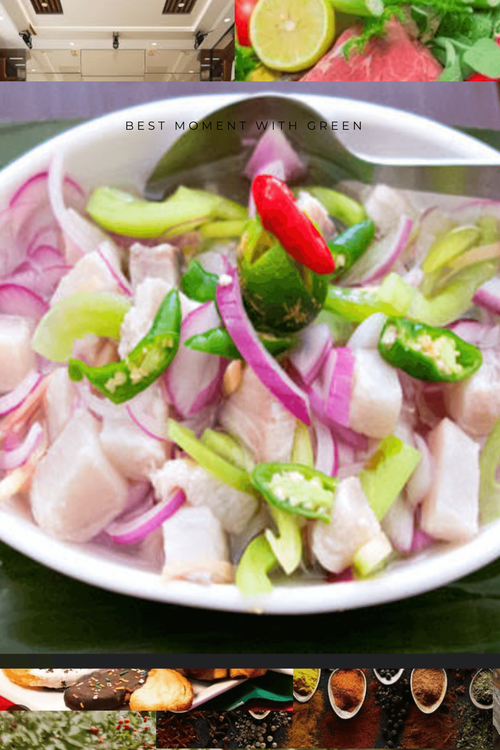
- Filipino
- Pescatarian
- Appetiser
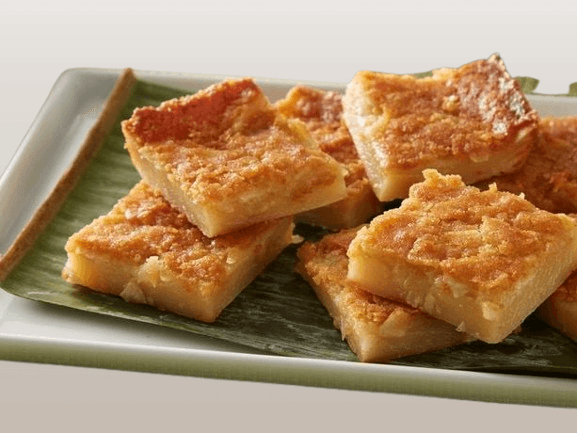
- Filipino
- Nut-Free
- Snack
Building a Proper Adobo
Adobo is the national dish and the best place to understand Filipino seasoning. At its core it is meat — usually pork, chicken or both — simmered in vinegar, soy sauce, garlic, bay leaf and plenty of cracked black pepper. The classic instruction that trips people up is to resist stirring once the vinegar goes in. Let it come up to a simmer and cook for a few minutes before you stir, so the raw, sharp edge cooks off and the acid mellows into something rounded.
Braise low and slow until the meat is fork-tender — twenty-five to forty minutes for chicken, longer for pork belly — then lift the lid and reduce the braising liquid hard at the end. This is the step that turns a watery stew into a glossy, intense adobo: the sauce thickens, the sugars caramelize slightly, and it begins to coat the meat. Many cooks then fry the drained pieces in a little of the rendered fat until the edges crisp before returning them to the sauce.
From there the variations are endless and regional. Adobong puti skips the soy for an all-vinegar, paler version; some add coconut milk for adobo sa gata; others finish with a spoon of sugar or a few crushed pig's liver for depth. The ratio to remember is roughly two parts vinegar to one part soy, adjusted to taste — and adobo, like most braises, tastes even better the next day once it has rested.
Souring Sinigang the Right Way
Sinigang is the sour soup that defines comfort food for many Filipinos, and the souring agent is everything. The traditional choice is tamarind (sampalok), simmered from the pod or stirred in as a paste, but green mango, calamansi, guava, kamias or even tomatoes all lend their own character. Whichever you use, the goal is a clean, bright sourness that makes you salivate — not a flat, vinegary sharpness — so build it gradually and taste as you go.
Start the broth with the protein — pork ribs, shrimp, milkfish or beef — and aromatics like onion and tomato, simmered until the meat is tender and the stock has body. Add the souring agent and season with fish sauce, then introduce the vegetables in order of how long they take: radish and long beans first, then eggplant and taro, and the leafy water spinach (kangkong) right at the very end so it wilts but stays green and crisp.
The most common mistake is overcooking the vegetables into a gray mush or making the broth so sour it becomes one-note. Balance the tang with fish sauce for salt and the natural sweetness of the simmered aromatics, and pull the pot off the heat the moment the kangkong goes limp. Sinigang should taste lively and layered — sour first, then savory, with the vegetables still holding their shape.
Pancit, Lumpia and Rice Without the Sog
Good pancit hinges on managing moisture. Soak rice noodles (bihon) only until pliable, never fully soft, because they finish cooking in the pan as they absorb the seasoned broth. For wheat-based canton, par-cook briefly and drain well. Then build flavor first — garlic, onion, the protein and vegetables stir-fried in a hot wide pan — before adding the noodles and just enough stock to hydrate them, tossing constantly so they drink it up rather than sitting in a puddle.
Lumpia, the Filipino spring roll, lives or dies on a dry filling and a tight roll. Cook the filling and let it cool and drain so steam does not soften the wrapper from inside, then roll firmly, sealing the edge with a dab of water or beaten egg. Fry in oil hot enough to crisp the wrapper quickly — around 350°F — so it shatters rather than absorbing grease. Fresh lumpia (lumpiang sariwa) skips the fry but still needs a well-drained filling.
For sinangag, the garlic fried rice that anchors every silog breakfast, day-old refrigerated rice is non-negotiable. Fresh rice steams and clumps; cold, dried-out grains fry up separate and toothsome. Bloom plenty of garlic in oil until golden and fragrant, add the rice and press it against the hot pan to pick up a little toasty char, then season simply with salt. Top with a fried egg and a cured meat like tocino or longganisa and you have the classic plate.
Setting Leche Flan and Coconut Sweets
Leche flan, the dense Filipino custard, is richer than its Spanish cousin because it leans on egg yolks and condensed milk. The technique that matters most is gentle, even heat: steam or bake the custard in a water bath (banyo maria) at a low temperature so it sets silky and trembling rather than curdling into a grainy, bubbly texture. Strain the mixture before pouring to remove any chalaza, and cover the mold with foil to keep condensation from pocking the surface.
Get the caramel right first. Melt sugar in the mold over low heat until it turns a deep amber — pull it before it goes bitter and black — then swirl to coat the base and let it harden while you make the custard. When you invert the chilled flan onto a plate, that caramel becomes the glossy sauce. Chill it thoroughly, ideally overnight, so it firms up and releases cleanly in one piece.
Coconut and rice run through the rest of the Filipino sweet shop, from bibingka and biko to the layered kakanin steamed in banana leaf. The recurring principle is patience with coconut milk: simmer it gently and stir so it does not split or scorch, and let rice-based sweets cook slowly so the grains turn glossy and tender. Toasted coconut, latik (coconut curds) and a dusting of cheese or salted egg are the finishes that give these their signature contrast of sweet and savory.
Pro Tips from the Test Kitchen
- When making adobo, let the vinegar simmer a few minutes before stirring so its raw sharpness cooks off into a rounded tang.
- Reduce the adobo sauce hard at the end until glossy — that step turns a watery braise into something that clings to the meat.
- Sour sinigang gradually and taste as you go; you want a bright, salivating sourness, not a flat vinegary edge.
- Add kangkong (water spinach) to sinigang at the very last moment so it wilts but stays green and crisp.
- Soak rice noodles for pancit only until pliable — they finish cooking in the pan as they soak up the broth.
- Drain and cool lumpia filling before rolling so trapped steam does not soften the wrapper from the inside.
- Use day-old refrigerated rice for sinangag; fresh rice steams and clumps instead of frying up separate.
- Season Filipino dishes with fish sauce (patis) for salt and depth, then balance with the natural sweetness of simmered aromatics.
- Steam or bake leche flan in a water bath at low heat so it sets silky rather than curdling into a grainy custard.
- Pull caramel off the heat at deep amber, before it blackens — overcooked caramel turns the whole flan bitter.
Frequently Asked Questions
What is the most popular Filipino dish?
Adobo is widely considered the unofficial national dish — meat braised in vinegar, soy sauce, garlic, bay leaf and black pepper until tender and glossy. It is endlessly variable by region and household, keeps well, and pairs with rice for an everyday meal. Sinigang, lechon and pancit are close behind, but adobo is the one most cooks learn first and the dish that best captures the cuisine's sour-salty balance.
Why should you not stir adobo right away?
When the vinegar first hits the pot it tastes sharp and raw. Letting it come to a simmer and cook undisturbed for a few minutes allows that harsh acidity to cook off and mellow into a rounded, savory tang. Stirring too early can make the dish taste flatly vinegary. Once the acid has settled, you can stir freely and continue braising the meat until it is fork-tender.
What is sinigang and what makes it sour?
Sinigang is a sour Filipino soup built around a protein — pork, shrimp, milkfish or beef — and vegetables in a tangy broth. The classic souring agent is tamarind (sampalok), but green mango, calamansi, guava, kamias or tomatoes are also used. The aim is a clean, bright sourness that whets the appetite, balanced with fish sauce for salt, rather than a one-note acidic sharpness.
What is the difference between pancit bihon and pancit canton?
Both are stir-fried Filipino noodle dishes, but the noodle differs. Pancit bihon uses thin rice vermicelli, which is soaked briefly then tossed in seasoned broth until it absorbs the liquid. Pancit canton uses thicker wheat-and-egg noodles, more like lo mein, that are par-cooked and stir-fried. Bihon is lighter and more delicate; canton is chewier and heartier. Both are loaded with vegetables, meat and a squeeze of calamansi.
Why does my pancit turn out mushy?
Usually the noodles were over-soaked or too much liquid was added at once. Rice noodles for pancit should be soaked only until pliable, not soft, because they keep cooking in the pan. Build the flavor base first, then add the noodles with just enough stock for them to absorb, tossing constantly. Adding all the liquid at once and letting the noodles sit in it is what makes pancit claggy.
What is kare-kare made of?
Kare-kare is a rich Filipino stew built on a thick peanut sauce, traditionally made with oxtail (and sometimes tripe or beef), along with vegetables like eggplant, long beans and banana heart. The sauce is thickened with ground peanuts or peanut butter and toasted rice, giving it a nutty depth and golden color. It is almost always served with bagoong, a salty fermented shrimp paste, on the side to season each bite.
How do you keep leche flan from being grainy?
Grainy, bubbly flan comes from too much heat. Cook it gently in a water bath — steamed or baked at a low temperature — so the custard sets slowly and evenly. Strain the egg mixture before pouring to remove any stringy bits, cover the mold with foil to stop condensation pocking the top, and avoid letting the water bath boil. Chill thoroughly before unmolding so it firms up and releases cleanly.
What is halo-halo?
Halo-halo is the iconic Filipino dessert — its name means "mix-mix." It layers shaved ice and evaporated milk over a colorful base of sweet beans, jellies, fruit, leche flan, ube and more, topped with ice cream. The fun is in the eating: you stir everything together so each spoonful is a shifting mix of textures and flavors. It is especially beloved in the heat as a cooling, indulgent treat.
What rice should I serve with Filipino food?
Plain steamed white rice is the standard partner for almost every savory Filipino dish, from adobo to sinigang, because it soaks up the flavorful sauces. Garlic fried rice (sinangag) is the breakfast and merienda version, especially in silog plates paired with a fried egg and cured meat. Jasmine or any long-grain rice works well; the key is having a generous pot of it, since Filipino meals are built around rice.
What ingredients define Filipino cooking?
The backbone is vinegar, soy sauce, fish sauce (patis) and garlic, with calamansi for citrus brightness and bay leaf and black pepper rounding out braises. Coconut milk (gata) enriches many stews and sweets, while bagoong (fermented shrimp paste) adds salty funk. The signature is the constant balance of sour, salty and sweet, layered over fried garlic and long simmering — a profile you will recognize across nearly every dish on this page.
The thread through every Filipino recipe here is the same restless balancing of sour, salty and sweet, anchored by fried garlic and a patient stovetop simmer. Learn to taste and adjust along the way — mellow the vinegar in an adobo, brighten the broth in a sinigang, drain the filling in a lumpia — and the whole table opens up from a handful of shared moves.
Pick three to cook this week — a glossy adobo, a sour sinigang and a sweet leche flan — and save your favorites to a Chefadora cookbook. Then work through the noodles, the peanut stews and the merienda snacks; this page is built to be the Filipino food reference you keep coming back to.
Related
- Filipino
- Adobo
- Pancit
- Sinigang
- Asian
- Comfort Food
- Rice
- Dinner
Popular Searches
- Best filipino food recipes
- Easy filipino food recipes
- Quick filipino food recipes
- Healthy filipino food recipes
- Simple filipino food recipes
- Homemade filipino food recipes
- Delicious filipino food recipes
- Popular filipino food recipes
- filipino adobo recipe
- pancit recipe
- sinigang recipe
Marnirni-apinthi Building, Lot Fourteen,
North Terrace, Adelaide, South Australia, 5000
Australia
