
Top 45 Mango Recipes: Sweet, Savoury and Everything Between
Updated July 2, 2026 · Curated by Chefadora

Mango recipes cover more ground than almost any other fruit on this site, and this collection was built to show that range rather than repeat the same fruit salad ten times over. You will find sweet drinks and smoothies, savoury curries and chutneys built on tangy raw mango, breakfast bowls that let ripe mango do most of the work, and a large cluster of desserts spanning kulfi, cake, pudding and traditional Indian sweets.
The trick to cooking with mango well is knowing which stage of ripeness you actually need. Raw, green mango is sour and firm and is what gives pickles, chutneys and many South Asian curries their sharp tang — it is treated more like a vegetable than a fruit. Fully ripe mango, soft and deeply sweet, is what goes into lassi, kulfi, cakes and most of the desserts here. Using the wrong stage for the wrong recipe is the most common mango mistake, and the guides below cover how to tell the difference and ripen fruit that is not quite there yet.
Four clusters make up this page: mango drinks and smoothies, the savoury side of curries, chutneys and pickles, mango breakfast and bowls, and mango desserts and sweets, which is by far the biggest group given how central mango is to Indian sweets in particular. Whichever mood you are cooking for, start by checking the recipe against the ripeness notes in the guides — it will save a dish that depends on sweetness from turning out sour, or vice versa.
As with the rest of this site, treat this page as a working reference rather than a single read. Every recipe links through to full ingredients and method on Chefadora, and the guides below cover the parts that decide whether a mango dish turns out right: picking and ripening fruit, cutting it efficiently, balancing a raw-mango curry or chutney, and getting a smoothie or kulfi to set or blend properly. Keep a mental note of which cluster a recipe belongs to before you shop, since a savoury curry and a sweet kulfi ask for mango at completely opposite ends of ripeness, and buying the wrong stage is the single easiest way to derail either one.
Mango Drinks and Smoothies
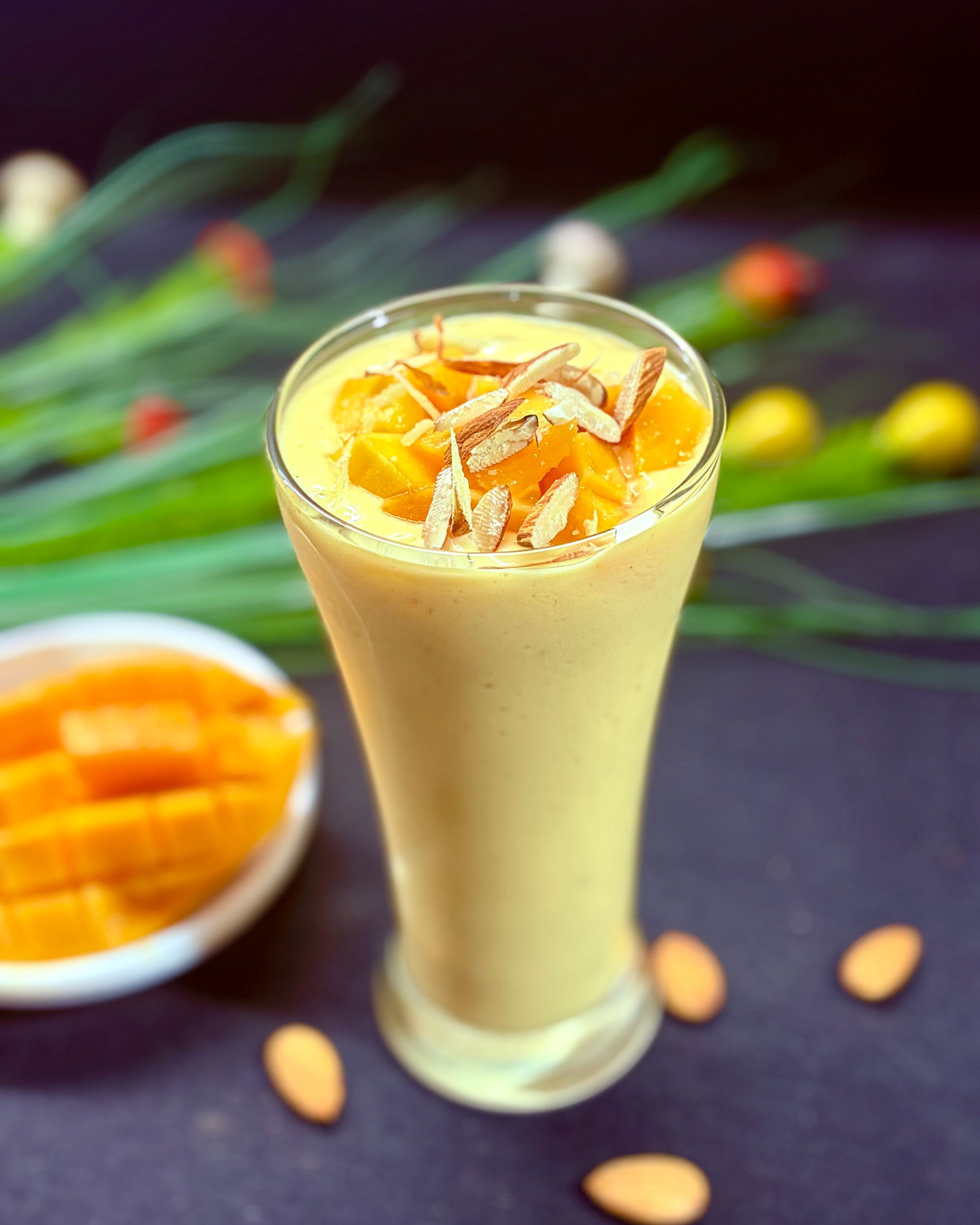
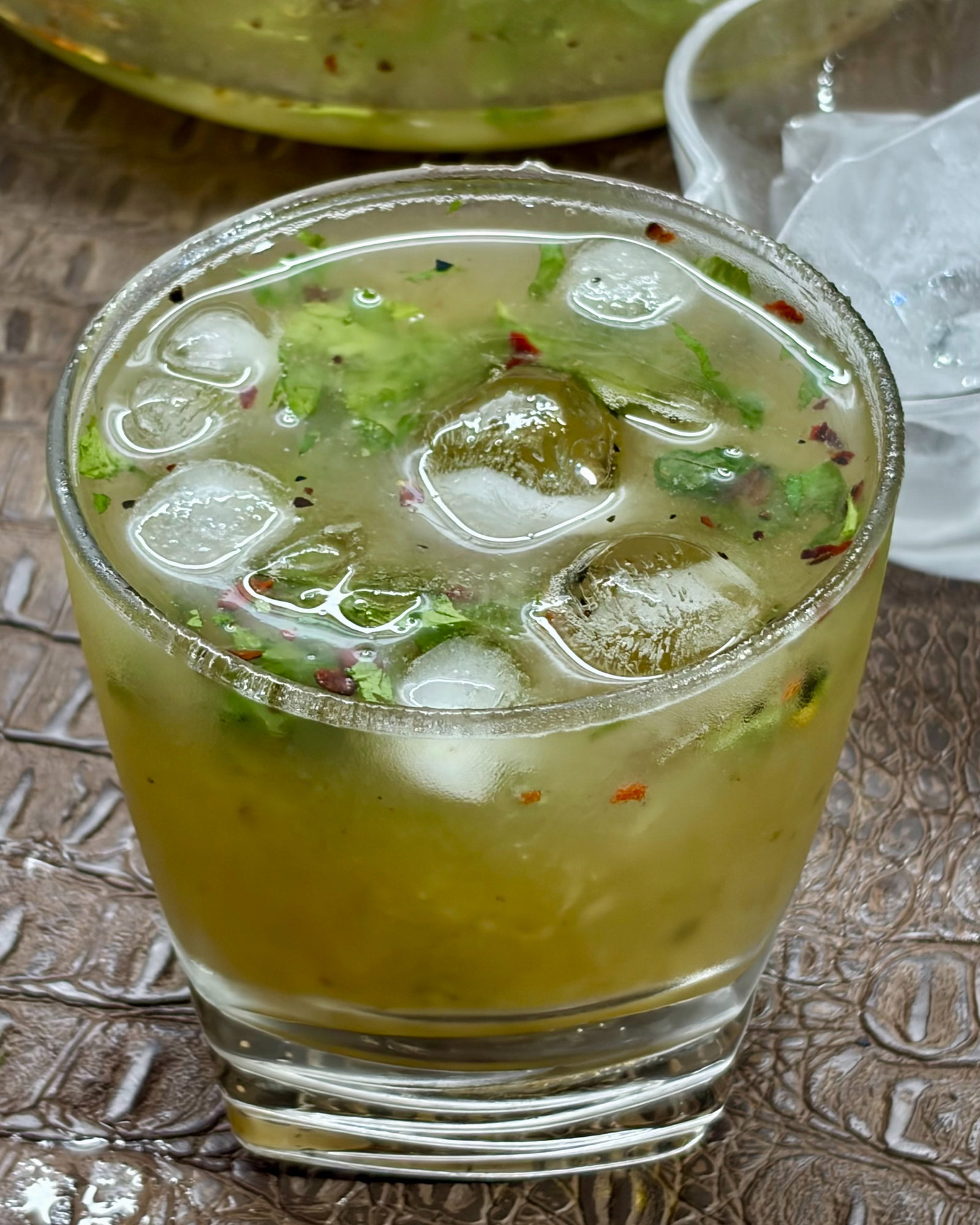
Mango and liquid go together almost effortlessly, and this cluster covers the full spread of that pairing — from a classic yogurt-based lassi to a raw, green mango panna meant to be drunk cold on a hot afternoon, plus simpler blender smoothies and shakes that need barely any technique at all. The one real trick across all of them is starting cold: chill the mango itself ahead of time rather than compensating with a handful of ice at the blending stage, since melting ice waters the flavor down fast and turns a bright, concentrated drink into something thin and pale. Ripe, well-sweetened mango is the base for most of these, though a few — the raw mango drinks in particular — deliberately use unripe, sour fruit and lean on cumin, mint or black salt instead of sugar for their flavor. A few minutes of blending and straining is usually all it takes, which makes this cluster the fastest route to a mango recipe if you are short on time but still want the fruit to be the main event. Serve these ice-cold in tall glasses rather than over crushed ice mixed straight into the drink, and taste before adding any extra sugar — a truly ripe mango often needs none at all. Standouts here include Mango Tres Leches Cake – A Tropical Twist on the Classic and Aam Panna ( Raw Mango Drink ) in winters !, plus Avocado Mango Smoothie .


- Mexican
- Eggetarian
- Dessert


- Indian
- Vegan
- Beverage

- African
- Vegetarian
- Breakfast

- Vegetarian
- Dessert

- Indian
- Vegetarian
- Dessert


- Indian
- Vegetarian
- Snack


- Indian
- Vegetarian
- Beverage
- Indian
- Vegan
- Side Dish
Savoury Mango: Curries, Chutneys and Pickles
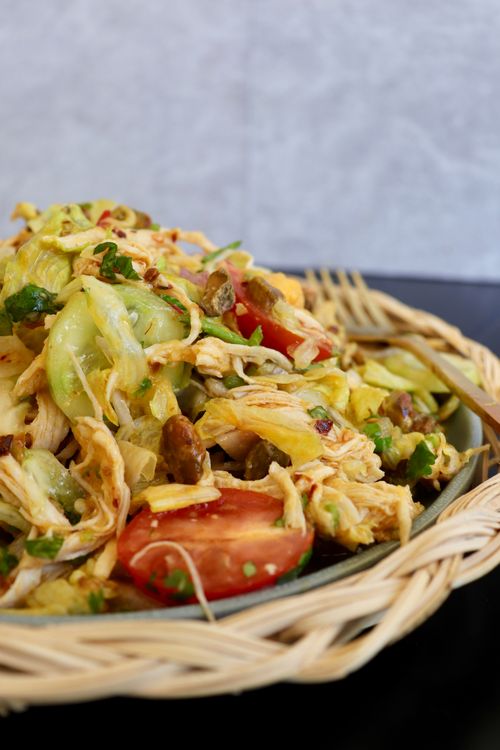
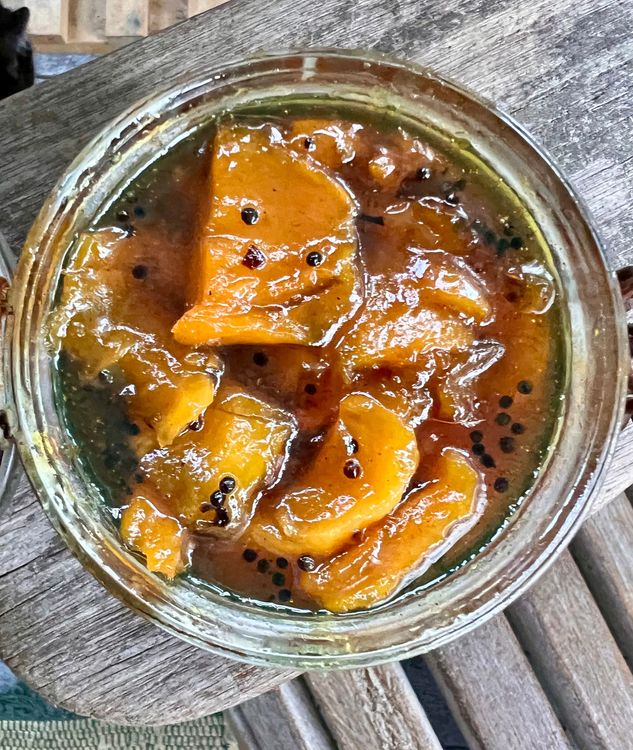
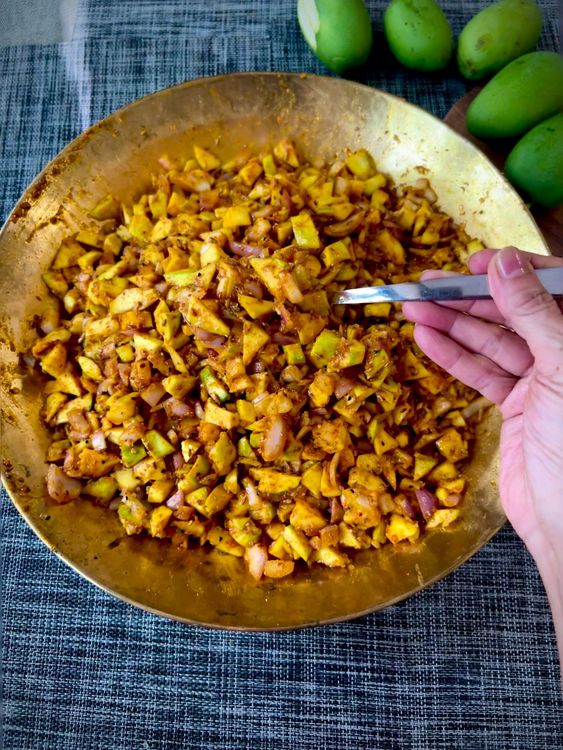
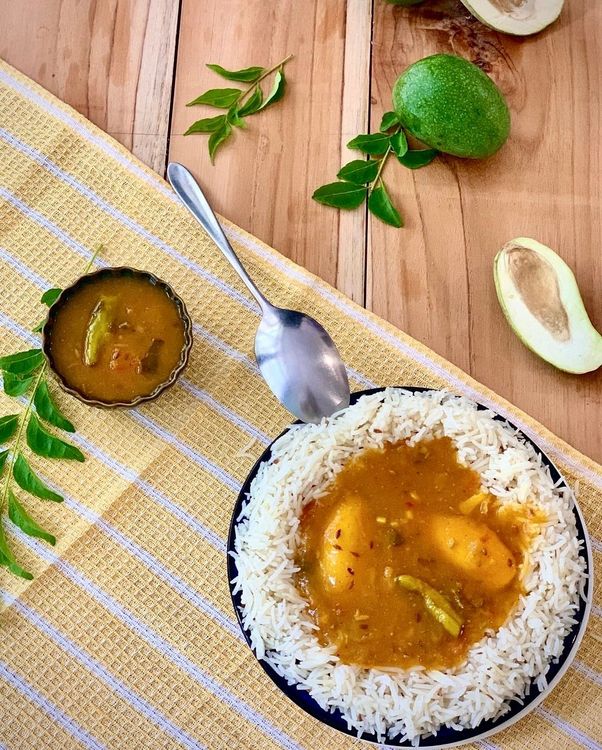
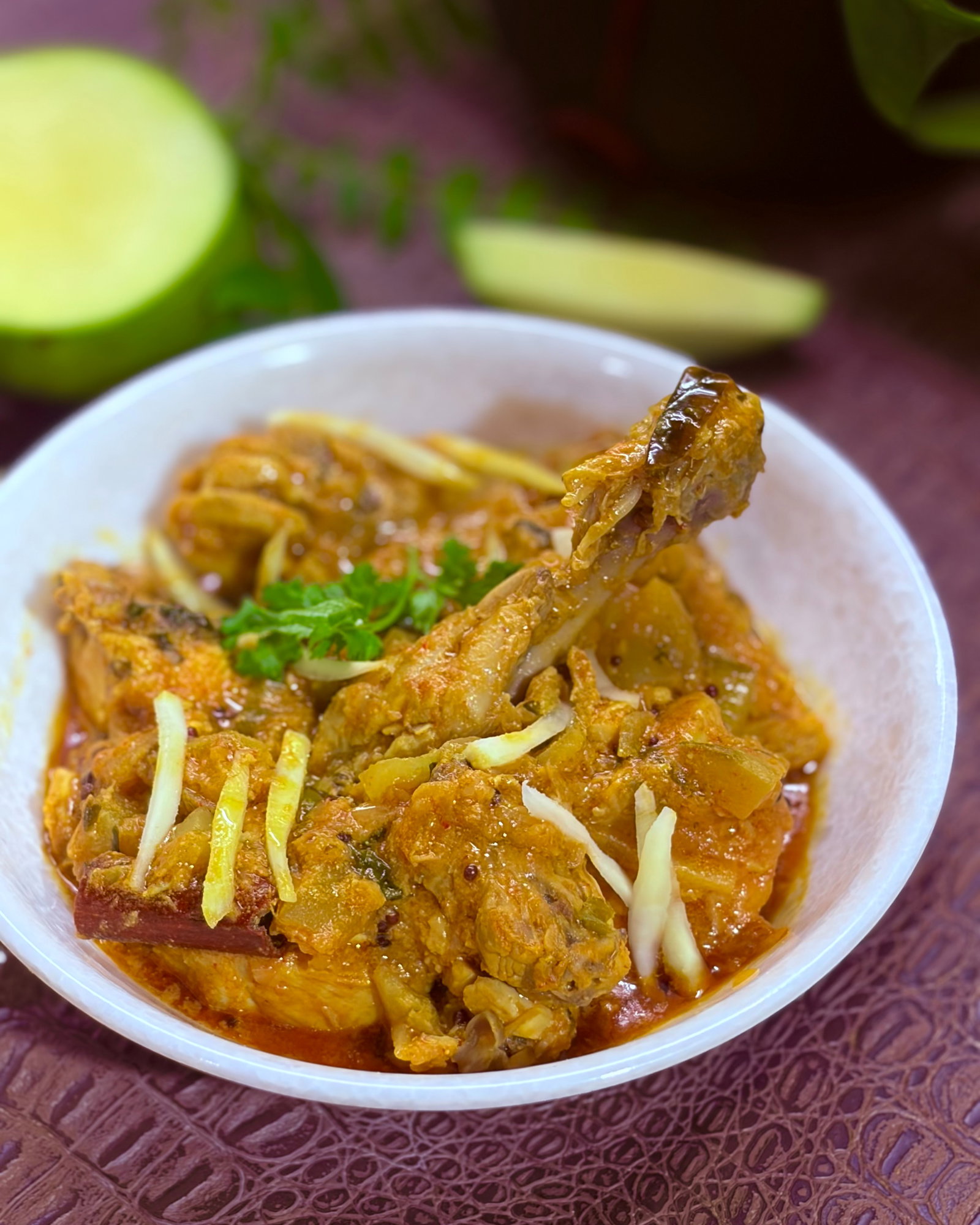
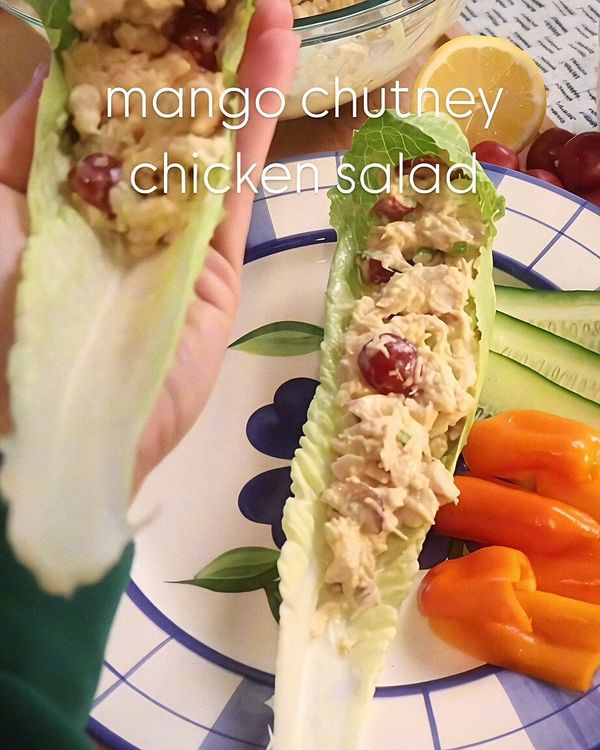
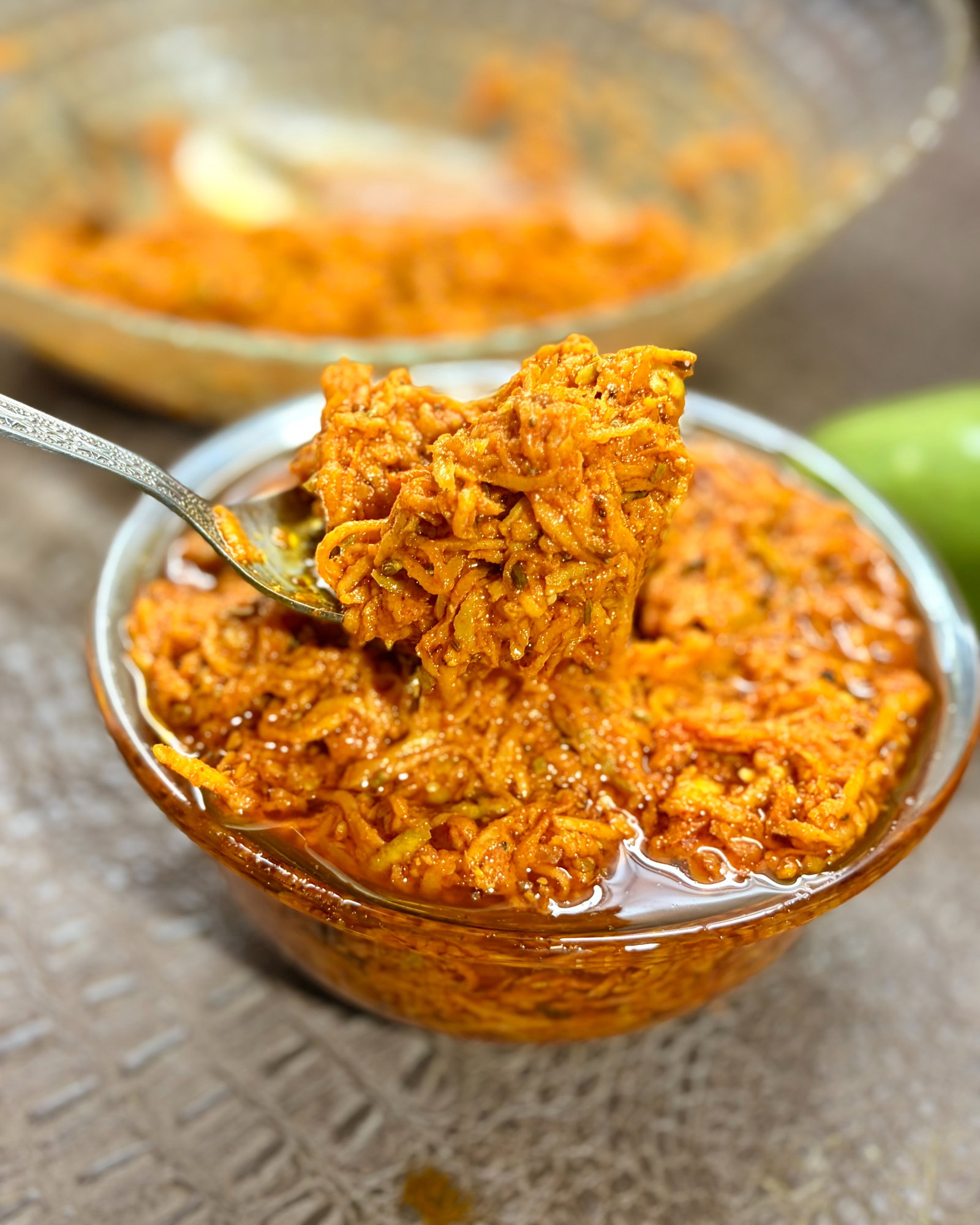
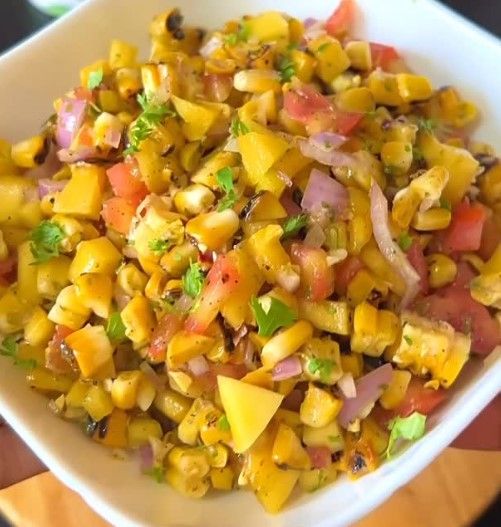
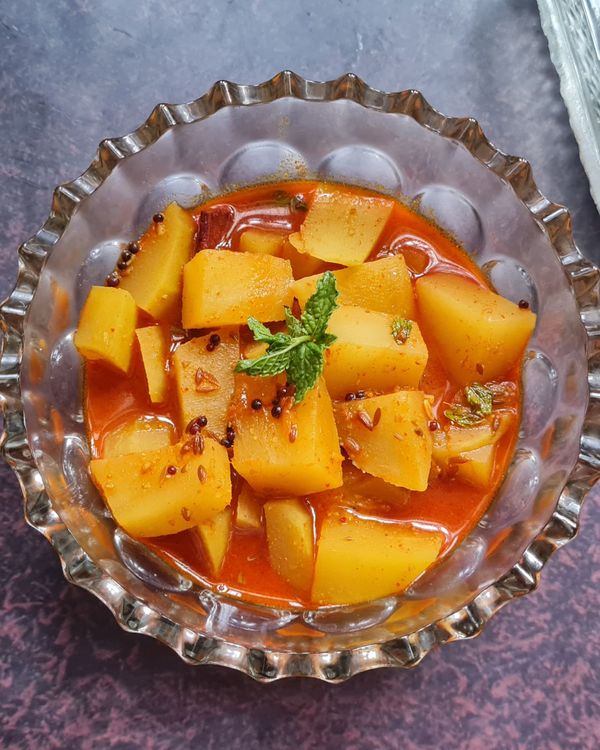
Mango's savoury side surprises people who only know it as a dessert fruit, but raw, unripe mango has a long history as a souring agent across South Asian cooking, standing in for tamarind or lemon in pickles, chutneys and curries. The recipes in this cluster range from quick pantry condiments — a chutney or grated pickle you can put together in under half an hour — to full curries where raw or ripe mango is simmered with spice into a genuine main course, plus a chicken salad that uses sweet, ripe mango to balance savoury and spicy elements instead. The common thread is temperature and balance: whole spices bloomed properly in hot oil before the mango joins the pan, and enough salt or sugar added gradually to round out whatever sourness or sweetness the particular fruit brought to the dish. These recipes reward tasting as you go far more than the sweeter clusters on this page, since raw mango varies so much in sourness from one piece of fruit to the next that no fixed spice measurement works for every batch. Most of these keep well too — a chutney or pickle from this cluster often improves after a day or two in the fridge as the spices settle into the fruit. Standouts here include Tangy Mango Rice and Thai Mango Chicken Salad , plus GSB konkani Style Ambe Upkari | Sweet Mango Curry .


- Indian
- Vegan
- Main Course
- Thai
- Non-Vegetarian
- Lunch

- Konkani
- Vegan
- Side Dish

- Indian
- Vegan
- Sauce & Condiment

- Indian
- Vegan
- Sauce & Condiment
- Indian
- Vegetarian
- Lunch
- Indian
- Non-Vegetarian
- Dinner

- Fusion
- Non-Vegetarian
- Lunch
- Vegetarian
- Sauce & Condiment

- Indian
- Vegetarian
- Side Dish
- Indian
- Vegetarian
- Appetiser

- Indian
- Vegan
- Lunch
Mango Breakfast and Bowls
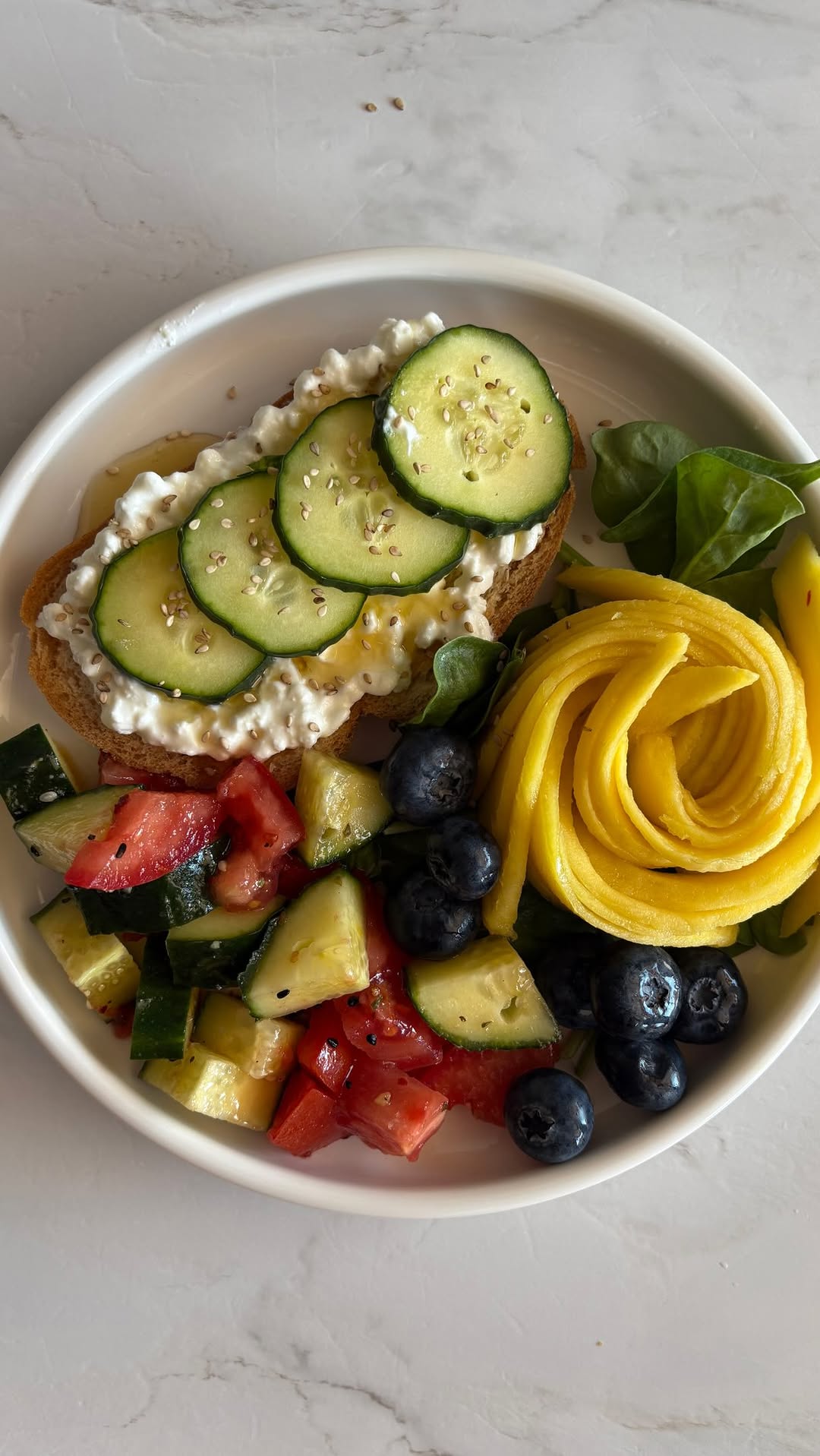
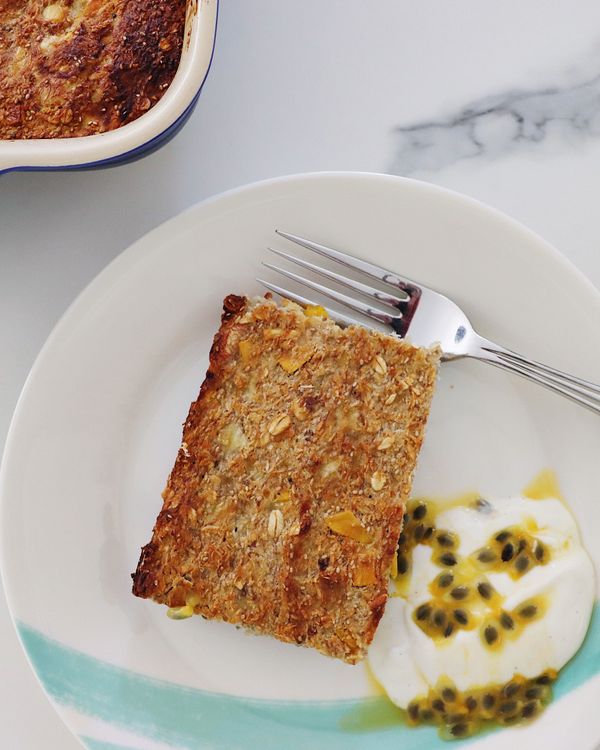
A handful of recipes on this page treat mango as a breakfast ingredient rather than a dessert one, and they are some of the simplest dishes here — mango does most of the flavor work, layered over yogurt, cottage cheese or a chia base with barely any active cooking involved. What makes these work is using genuinely ripe, sweet mango rather than reaching for whatever is in the fruit bowl regardless of ripeness, since a bland or under-ripe mango has nowhere to hide when it is the star ingredient sitting right on top of a bowl. Granola or a crunchy topping adds textural contrast against the soft fruit and creamy base, and a light drizzle of honey or a scatter of nuts rounds the whole thing out without needing much else. These are good make-ahead options too — assemble the base the night before and add the mango fresh in the morning so it does not turn watery sitting in the fridge overnight. A squeeze of lime and a pinch of chilli or black salt over the top is a small, unexpected addition that plenty of these recipes borrow from mango's savoury side, and it works better than you might expect against the sweetness. Standouts here include Mango Yogurt Bowl with Homemade Granola and Sticky Mango Rice-Inspired Yogurt Bowl, plus Pretty Breakfast with Cottage Cheese and Mango Rose.


- Vegetarian
- Breakfast

- Vegetarian
- Breakfast
- Vegetarian
- Breakfast
- Fusion
- Eggetarian
- Breakfast
Mango Desserts and Sweets
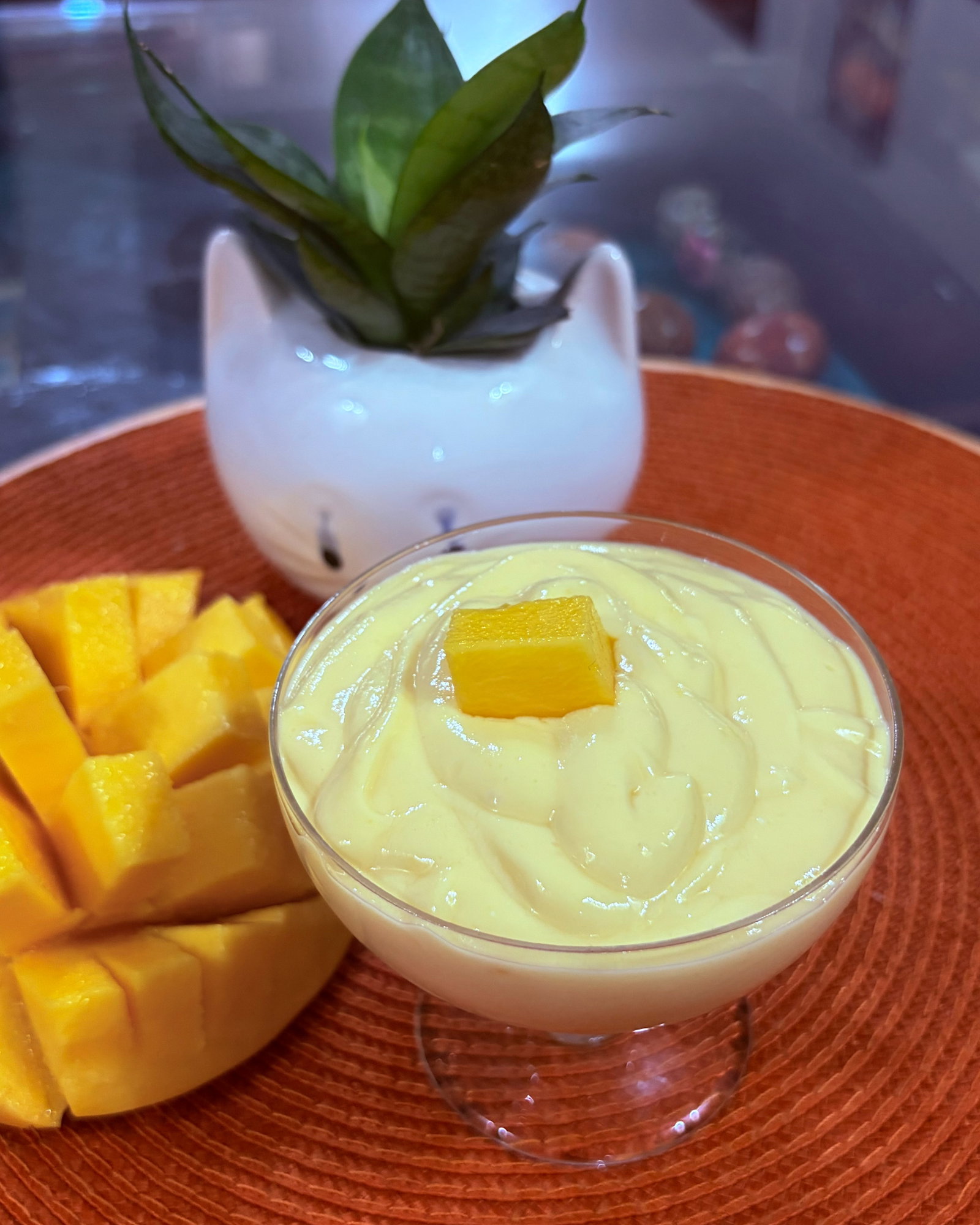
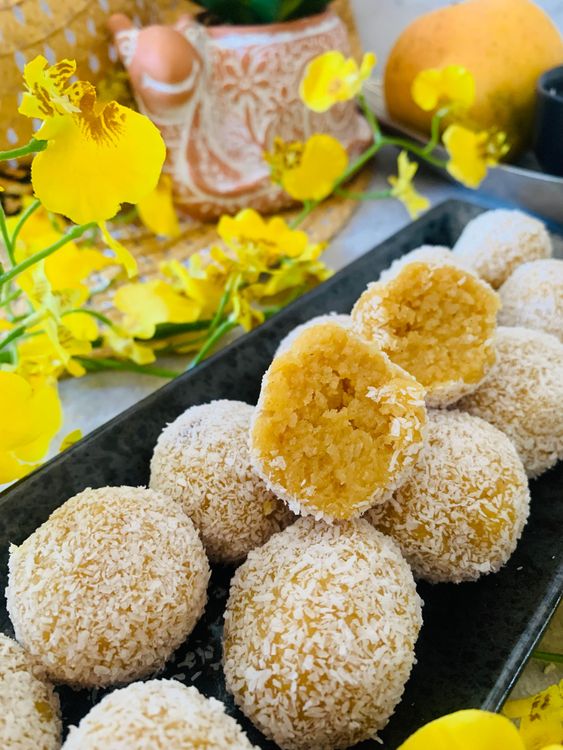
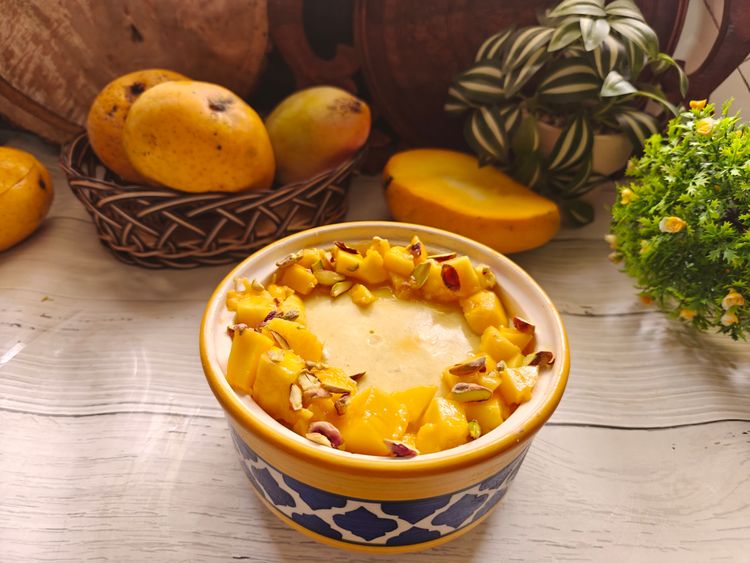
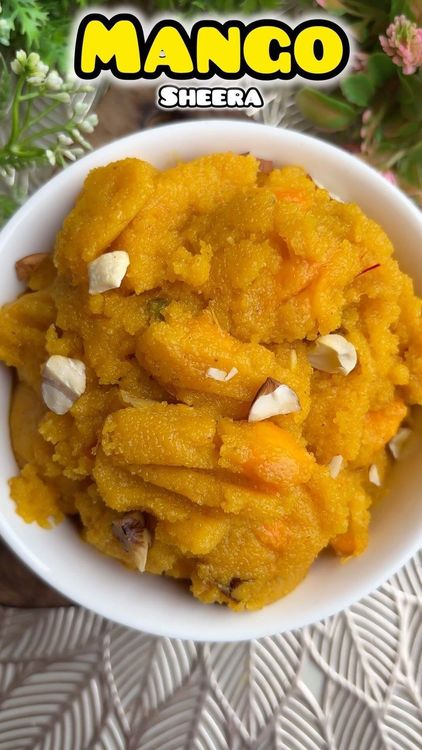
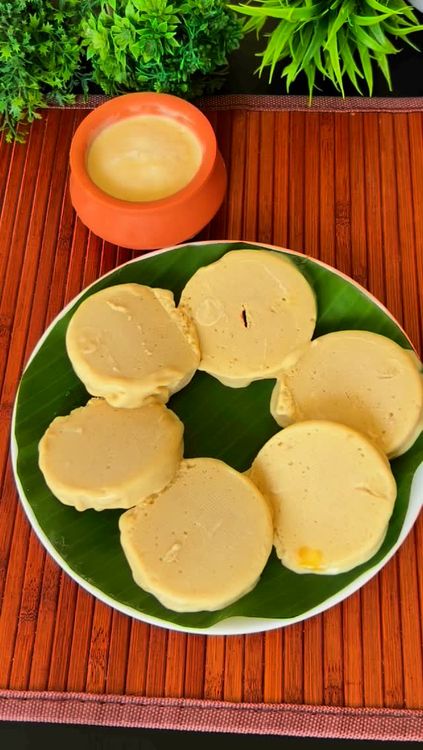
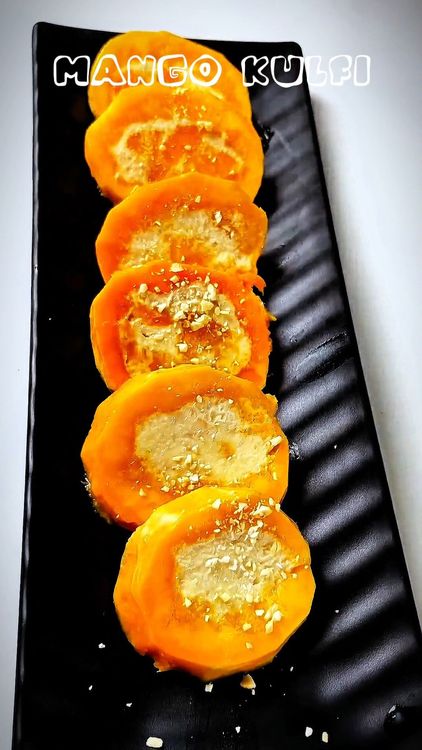
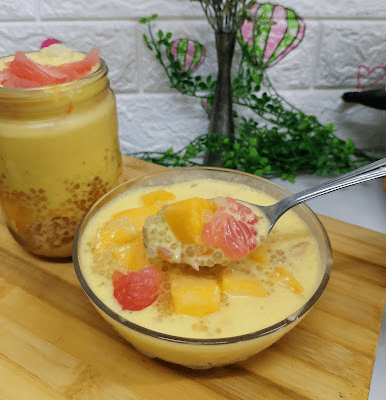
This is the biggest cluster on the page, and it reflects how central mango is to dessert-making, particularly in Indian cooking, where it shows up in everything from frozen kulfi to set puddings, traditional sweets like sheera and srikhand, and Western-leaning bakes like mango cake and tres leches. The unifying technique across most of these is reduction: a milk or cream base cooked down and concentrated before the mango puree is folded in, whether that is for a dense, creamy kulfi or a rich pudding, since skipping that step tends to leave desserts watery or icy rather than smooth. Ripe, well-sweetened mango is essential here — taste your puree before adding sugar, since fruit sweetness varies considerably and an overly sweet mango needs far less added sugar than a milder one. Because mango carries so much flavor on its own, most of these desserts use it as the headline ingredient rather than one flavor among many, so fruit quality matters more here than in almost any other cluster on this page. Many of these are also traditional festival and celebration foods in their regions of origin, worth making even outside a special occasion once you have the reduction technique down. Standouts here include Easy Mango Srikhand (Aamrakhand) and Sweet & Masala Aam Papad (Mango Leather), plus Mango Coconut Ladoo.
- Vegetarian
- Dessert

- Vegetarian
- Snack
- Indian
- Vegetarian
- Dessert
- Chinese
- Vegetarian
- Beverage
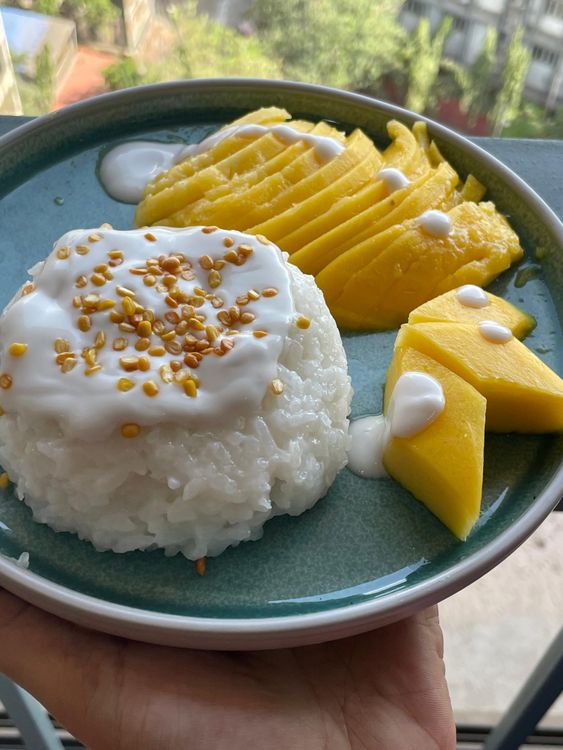

- Thai
- Vegan
- Dessert
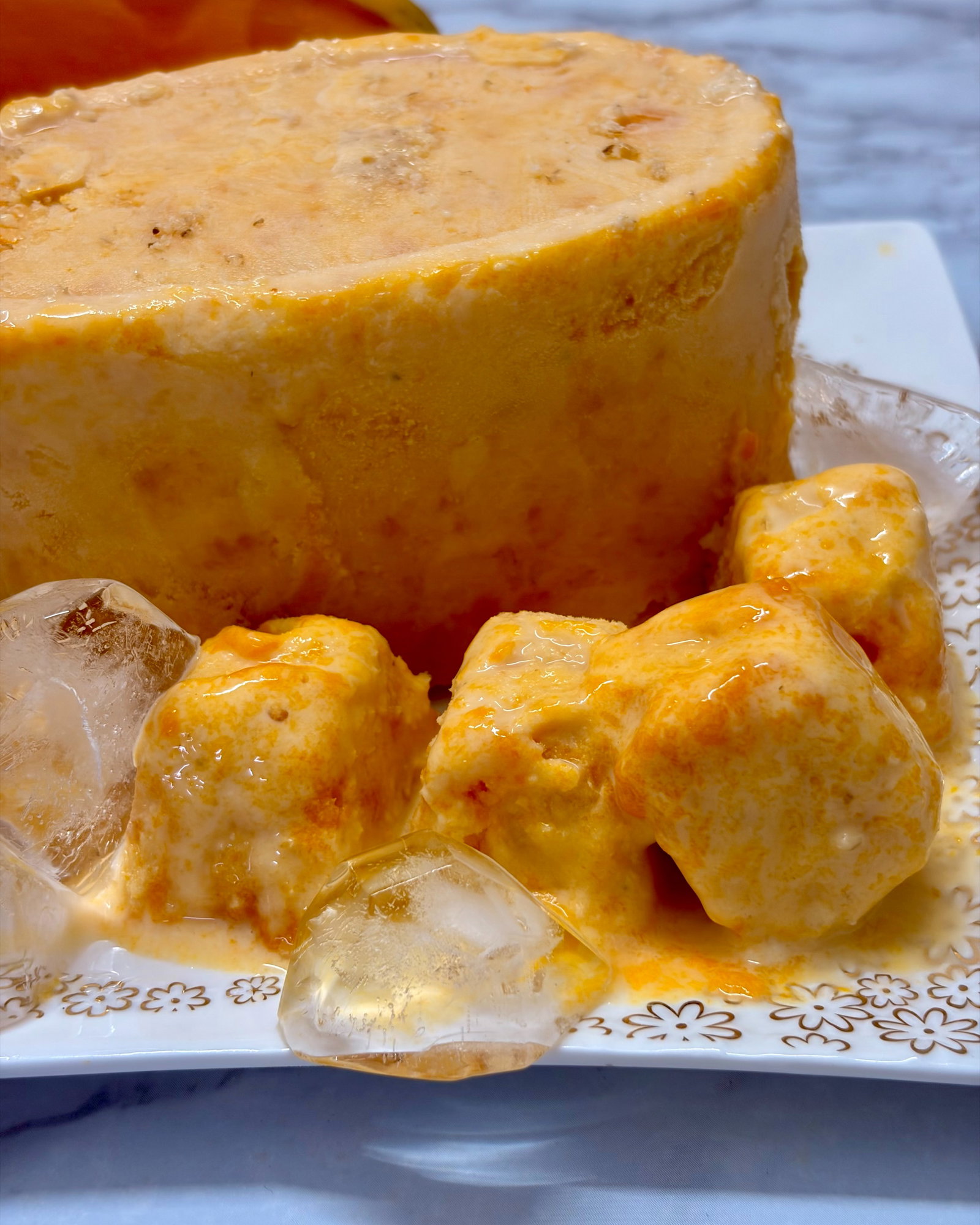
- Vegetarian
- Dessert

- Indian Fusion
- Vegetarian
- Dessert

- Indian
- Vegetarian
- Dessert
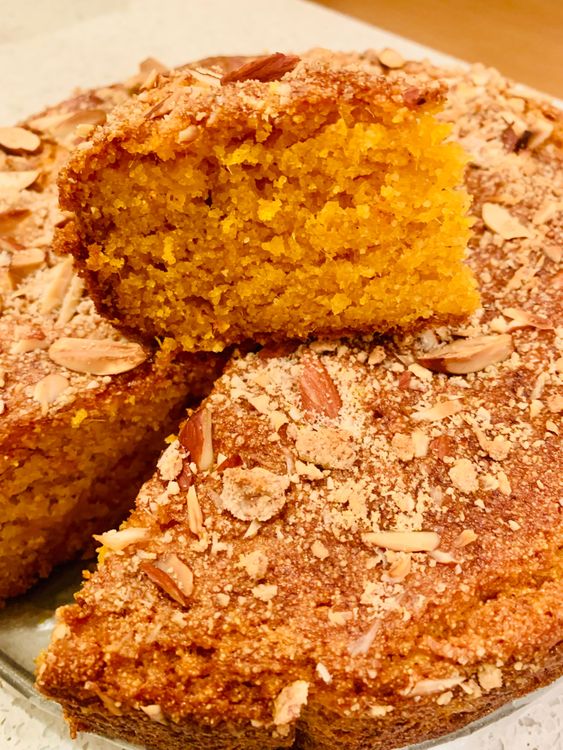
- Indian
- Vegetarian
- Snack
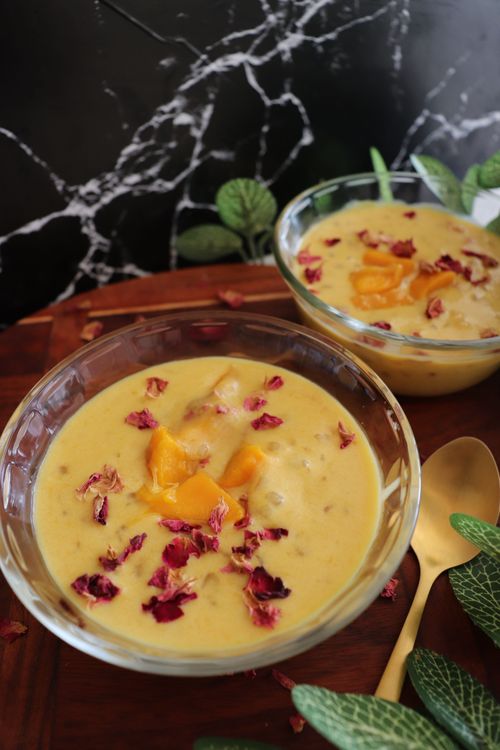
- Asian
- Vegetarian
- Dessert

- Indian
- Vegetarian
- Breakfast

- Indian
- Vegetarian
- Snack

- Indian
- Vegetarian
- Dessert


- Vegetarian
- Breakfast

- Indian
- Vegetarian
- Dessert
- Indian
- Vegetarian
- Dessert
- Indian
- Vegetarian
- Dessert
- Indian
- Vegetarian
- Snack

- Indian
- Vegetarian
- Snack
- Asian
- Vegetarian
- Snack
Picking and Ripening Mango
A ripe mango should give slightly to gentle pressure near the stem end, the way a ripe peach or avocado does, and it should smell fruity and sweet at that same end rather than nothing at all. Color is a poor indicator on its own — some varieties stay green even fully ripe, while others blush red without being ready — so lean on smell and gentle give over how the skin looks.
If your mango is still firm, leave it at room temperature in a paper bag, which traps the ethylene gas the fruit gives off and speeds ripening; adding a banana to the bag speeds it up further. This usually takes two to four days depending on how unripe it started. Once ripe, move it to the fridge to slow things down, where it will keep for a further few days before it starts to turn.
For raw-mango recipes — pickles, chutneys, tangy curries — you want the opposite: firm, green and distinctly sour fruit, picked or bought before it has started to soften or sweeten. These two categories are not interchangeable, so check what a recipe actually calls for before you reach for whatever mango happens to be on the counter. Buying a mix of both at the market — a few firm and green, a few soft and fragrant — is a reasonable way to cover both categories without a second trip later in the week.
Cutting and Prepping Mango Efficiently
The cleanest method is the hedgehog cut: slice off the two 'cheeks' as close to the flat central seed as you can manage, score the flesh in a grid down to but not through the skin, then push the skin inside-out and slice or scoop the cubes free. It is fast, low-waste and works for both diced and sliced needs.
For juice, puree or drinks, skip the careful cubing — cut the cheeks off, score roughly, and scoop the flesh straight into a blender with a spoon, then trim any remaining flesh off the seed for a cook's snack. A ripe mango's skin can be bitter, so peel it fully away rather than leaving any attached when the recipe calls for pure flesh.
Raw, unripe mango is firmer and easier to grate or dice small and even for pickles and chutneys — a box grater or the coarse side of a mandoline speeds this up considerably compared to hand-chopping. Wear an apron or work over the sink; raw mango juice stains as readily as the ripe version, and the fruit tends to be more slippery to hold while cutting.
Balancing a Raw-Mango Curry, Chutney or Pickle
Raw mango brings sharp, clean sourness rather than sweetness, and most curries and chutneys built on it need at least a little sugar or jaggery to round that acidity out — how much depends entirely on how sour your particular mango is, so add it gradually and taste as you go rather than trusting a fixed quantity. Salt does similar rounding work and should go in early enough to actually dissolve and integrate.
Spice choices matter more here than in a ripe-mango dessert: mustard seeds, curry leaves, fenugreek, chilli and turmeric are the backbone of most South Asian raw-mango dishes, and blooming whole spices in hot oil before the mango goes in builds real depth rather than a raw, dusty spice flavor sitting on top. A pickle in particular benefits from a properly tempered oil base, since that oil is also what preserves it.
For pickles specifically, make sure the mango pieces are fully dry before they meet the oil and salt — any residual water is what causes a pickle to spoil early rather than keep for weeks or months at room temperature or in the fridge. A sterilized, fully dry jar matters just as much as the mango prep itself.
Getting Mango Drinks, Kulfi and Desserts Right
For a smooth lassi, smoothie or shake, use fully ripe, well-chilled mango and blend it with cold yogurt or milk rather than adding ice directly to the blender, which dilutes the flavor — chill the fruit itself in advance instead. A touch of cardamom or a pinch of saffron lifts a traditional lassi or piyush without overpowering the mango.
Kulfi and similar frozen desserts rely on a properly reduced, thickened base — condensed or reduced milk needs enough time on the stove to concentrate before the mango puree and cream go in, otherwise the kulfi sets icy and grainy rather than dense and creamy. Fold the mango in once the base has cooled slightly, so the fruit's fresh flavor and color survive the process.
For cakes, puddings and other baked or set mango desserts, fold pureed mango in gently rather than overmixing, which can make a cake dense or a pudding grainy. Taste your mango puree before adding sugar in any dessert recipe — riper, sweeter mango needs less added sugar, and adjusting to the fruit rather than blindly following a fixed quantity is the difference between a balanced dessert and an overly sweet one.
Pro Tips from the Test Kitchen
- Judge ripeness by gentle give and fruity smell near the stem, not by skin color — some ripe mangoes stay green.
- Ripen mango faster in a paper bag with a banana; it traps ethylene gas and speeds things up by a day or two.
- Use the hedgehog cut — score the flesh in the skin, then push it inside-out — for fast, low-waste cubing.
- Keep raw and ripe mango recipes separate: raw for pickles, chutneys and tangy curries, ripe for drinks and desserts.
- Add sugar or jaggery to a raw-mango dish gradually and taste as you go — sourness varies a lot between fruit.
- Bloom mustard seeds, curry leaves and spices in hot oil before adding raw mango for real depth, not raw spice flavor.
- Dry mango pieces fully before pickling — leftover moisture is the main reason homemade pickles spoil early.
- Chill mango before blending a lassi or smoothie instead of adding ice, which waters down the flavor.
- Reduce the milk base for kulfi properly before folding in mango puree, or it will set icy rather than creamy.
- Taste your mango puree before adding sugar to any dessert — riper fruit needs far less added sweetness.
Frequently Asked Questions
How do you know when a mango is ripe?
Press gently near the stem end — a ripe mango gives slightly, the way a ripe peach does, and it should smell fruity and sweet at that same spot. Skin color is not a reliable guide on its own, since some varieties stay green even when fully ripe. If it is rock-hard with no smell, it needs a few more days.
What is the difference between raw and ripe mango in cooking?
Raw, unripe mango is firm, green and distinctly sour, and it is used more like a vegetable — in pickles, chutneys and tangy South Asian curries. Ripe mango is soft, fragrant and sweet, and goes into drinks, kulfi, cakes and most desserts. The two are not interchangeable, so always check which stage a recipe calls for.
How do you cut a mango easily?
The hedgehog method is fastest: slice the two rounded cheeks off close to the flat central seed, score the flesh in a grid without cutting through the skin, then push the skin inside-out so the cubes pop up for easy slicing or scooping. Trim any remaining flesh off the seed separately.
How can I ripen a mango quickly?
Put it in a paper bag at room temperature, ideally with a banana, which releases ethylene gas and speeds ripening — this usually takes two to four days depending on how unripe it started. Avoid the fridge until it is ripe, since cold slows ripening down rather than helping it along.
What can I make with unripe or raw mango?
Raw mango is the base for pickles, chutneys, tangy curries and dishes like raw mango salad or chutney with onion — its sourness stands in for lemon or tamarind in many South Asian recipes. It needs cooking or preserving with salt, oil and spice rather than being eaten as fresh fruit, since raw mango on its own is quite sour and firm.
What desserts can I make with mango?
Mango kulfi, mango cake, mango sago pudding, ladoo, sheera and srikhand are all classic options, alongside simpler ideas like mango ice cream or a mango tres leches cake. Ripe, well-sweetened mango works into almost any dessert format — frozen, baked or set — so long as you taste the fruit and adjust added sugar accordingly.
How do I make a good mango lassi or smoothie?
Use fully ripe, chilled mango blended with cold yogurt or milk rather than adding ice directly, which dilutes the flavor — chill the mango itself ahead of time instead. A touch of cardamom, a pinch of saffron or a spoon of honey rounds it out, and blending until completely smooth gives the best texture.
Can you freeze mango?
Yes — peel, cube and freeze ripe mango in a single layer on a tray before transferring to a bag, which keeps the pieces from clumping together. Frozen mango is ideal for smoothies and shakes and keeps well for several months, though the texture softens too much for it to work well in fresh salads once thawed.
Is mango good for you?
Mango is a good source of vitamin C, vitamin A and fiber, and it is naturally fat-free, though it is higher in natural sugar than many other fruits, so portion matters if you are watching sugar intake. Raw mango, used in pickles and chutneys, is lower in sugar than ripe fruit and brings its own vitamin C boost.
What spices pair well with mango?
Cardamom, saffron and a little black salt work beautifully with sweet, ripe mango in drinks and desserts. On the savoury side, mustard seeds, curry leaves, fenugreek, chilli and turmeric are the classic pairing for raw mango in pickles and curries. Mint and chilli both cut through mango's sweetness nicely in salads and salsas too.
Mango rewards knowing which stage of the fruit you are working with — sour and firm for pickles, chutneys and curries, or soft and deeply sweet for drinks, kulfi and cake. Once that distinction is second nature, the rest of these recipes come together quickly, since the same handful of techniques — ripening, cutting, balancing sourness or sweetness — repeats across almost every dish on this page.
Start with whichever mood matches the season: a cooling lassi or smoothie in the heat, a tangy pickle when raw mangoes show up at the market, or a proper kulfi or cake when you want something to make an occasion of. Save your favorites to a Chefadora cookbook as you go, and keep this page as the reference to come back to whenever a mango lands on your counter. However you use it, a good mango rarely needs much dressing up — the fruit itself is usually doing most of the work, and the best recipes here know when to get out of its way.
Related
- Mango
- Indian
- Summer
- Dessert
- Vegetarian
- Drinks
- Sweets
Popular Searches
- Best mango recipes
- Easy mango recipes
- Quick mango recipes
- Healthy mango recipes
- Simple mango recipes
- Homemade mango recipes
- Delicious mango recipes
- Popular mango recipes
- mango dessert recipes
- fresh mango recipes
- what to make with mango
Marnirni-apinthi Building, Lot Fourteen,
North Terrace, Adelaide, South Australia, 5000
Australia
