
41 Kerala Recipes That Taste Like a Malayali Home Kitchen
Updated July 16, 2026 · Curated by Chefadora
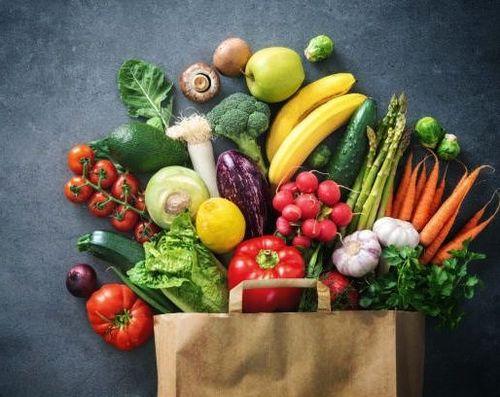
The first thing you notice in a Malayali kitchen is the sound: mustard seeds cracking in coconut oil, then a fistful of curry leaves hitting the pan and going quiet. That single gesture starts most of the 41 Kerala recipes on this page. I have grouped them the way a home cook actually thinks about the day — breakfast first, then whatever came up from the backwaters, then the vegetables, then something sweet.
The state is long and thin, and it does not cook as one place. Up north in Malabar you get pathiri, ghee-slicked meat, and the old Arab spice trade sitting quietly in the masala tin. Down in Travancore, jaggery and the smoky sourness of kudampuli take over, and the Syrian Christian tables add their own beef and duck. Kerala food is really several kitchens sharing one coconut tree.
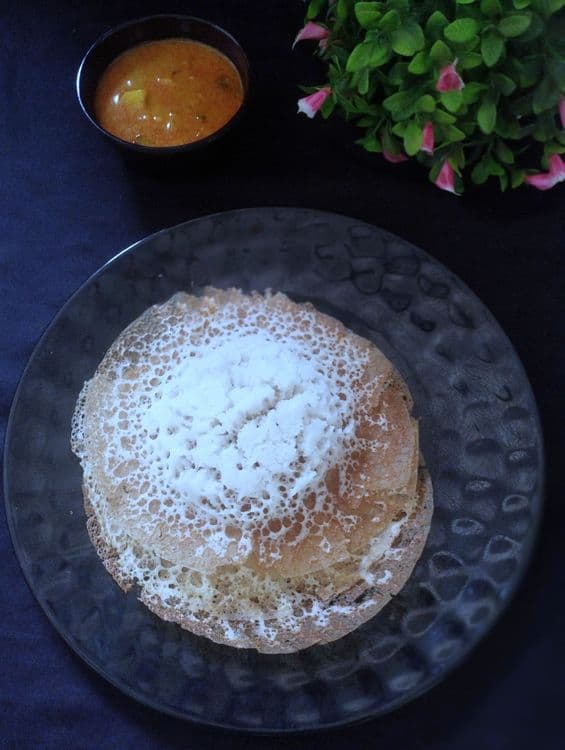
Nothing here needs a specialist shop beyond coconut, a bag of rice flour, and some patience with a batter. Start with the palappam. Everything else follows from it.
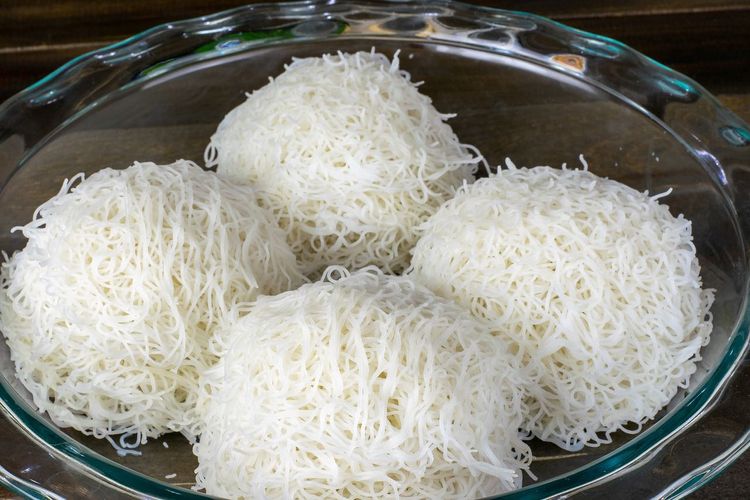
Kerala Recipes for Breakfast: Appam, Puttu and Idiyappam
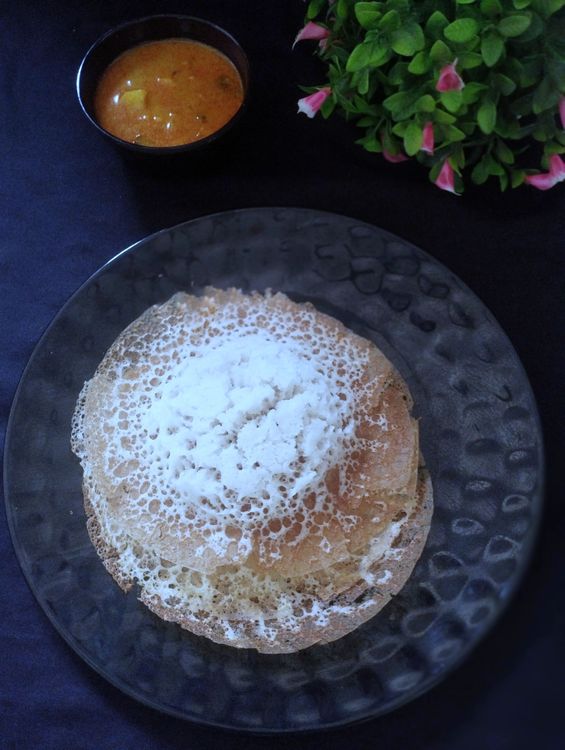
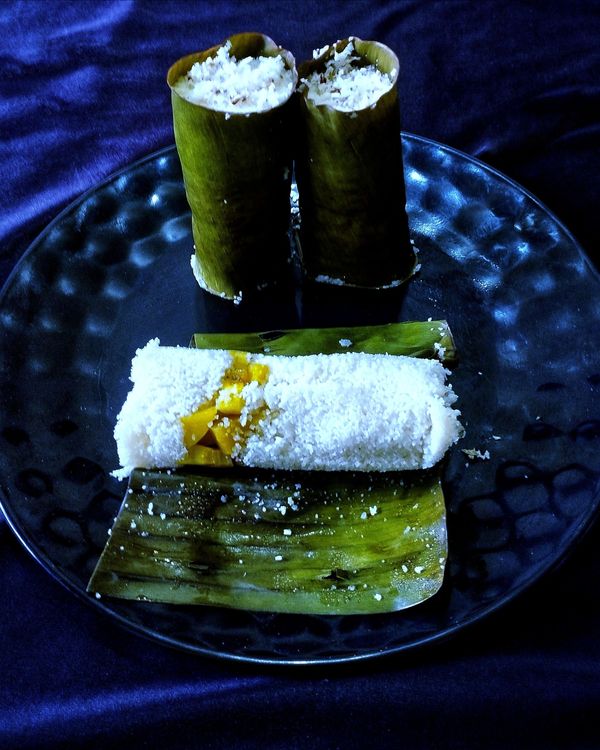
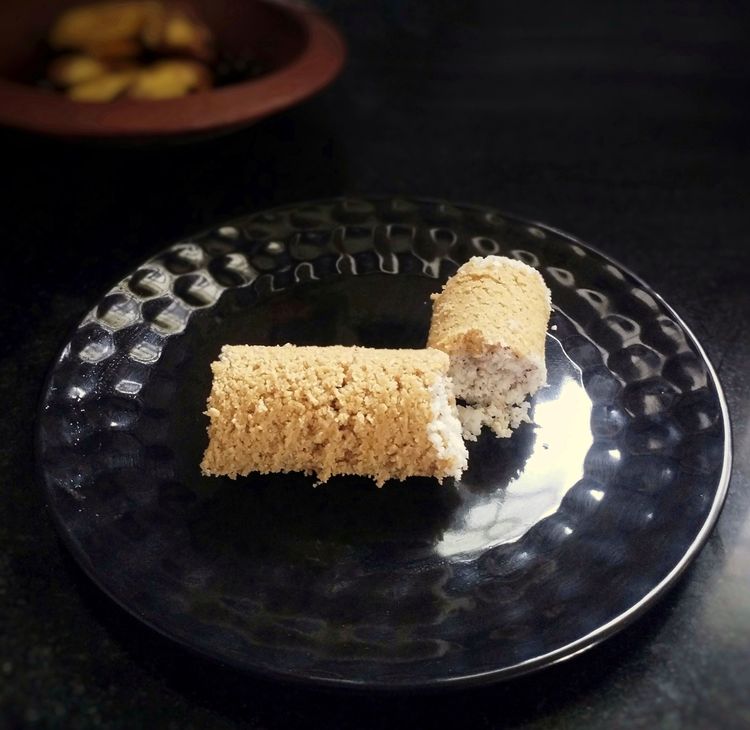
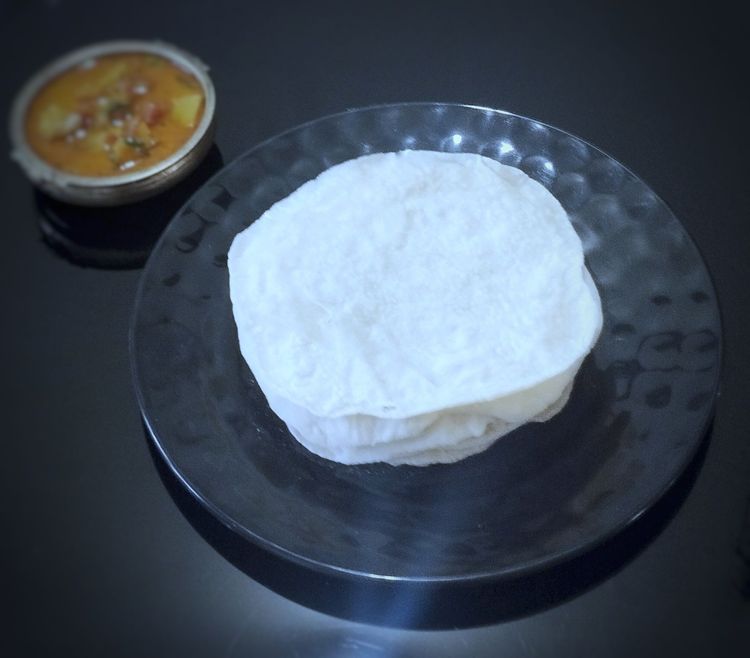
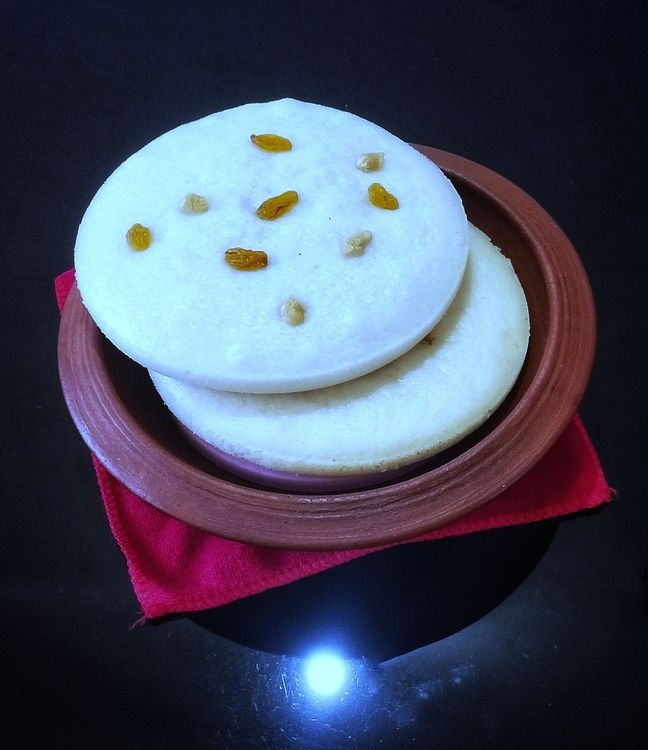
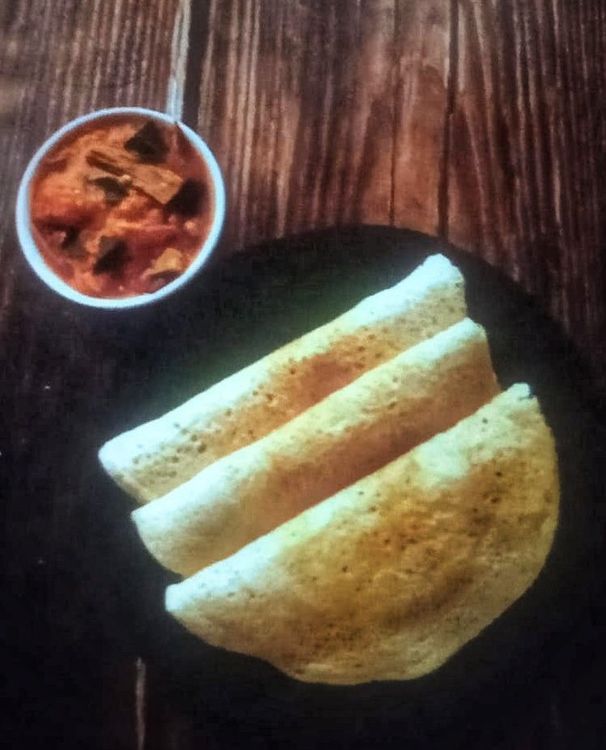
A proper Kerala breakfast is built in pairs: something steamed or fermented, and something wet to dunk it into. Palappam wants a batter that has risen until it smells faintly of toddy, then one confident swirl of the pan so the middle stays spongy and the rim goes lacy. Puttu wants coarse flour damp enough to clump when you squeeze it but crumble when you poke it — any wetter and you steam a brick. Get the moisture right and the rest is easy.
- Kerala
- Vegan
- Breakfast


- Vegan
- Breakfast
- Kerala
- Vegan
- Breakfast
- Indian
- Vegan
- Breakfast
- South Indian
- Vegetarian
- Breakfast
- Vegetarian
- Main Course
- Kerala
- Vegan
- Lunch
- Indian
- Vegan
- Snack
- Indian
- Vegan
- Lunch
Fish and Seafood from the Backwaters
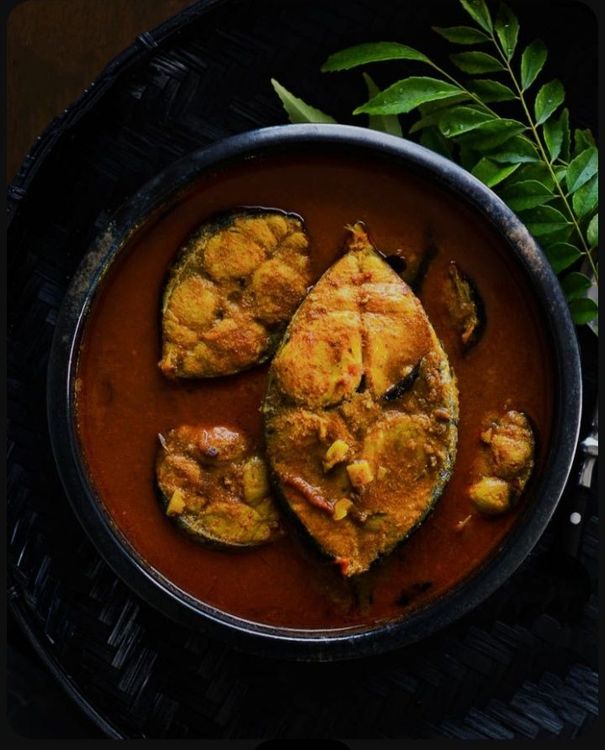
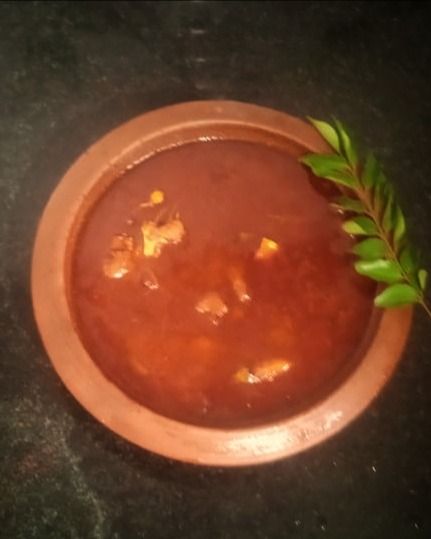
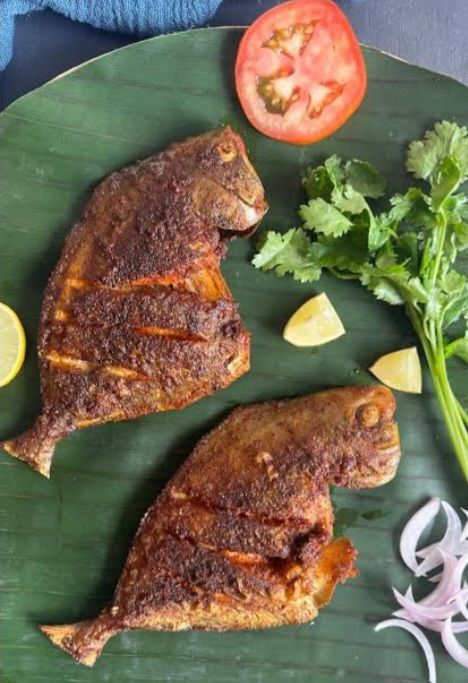
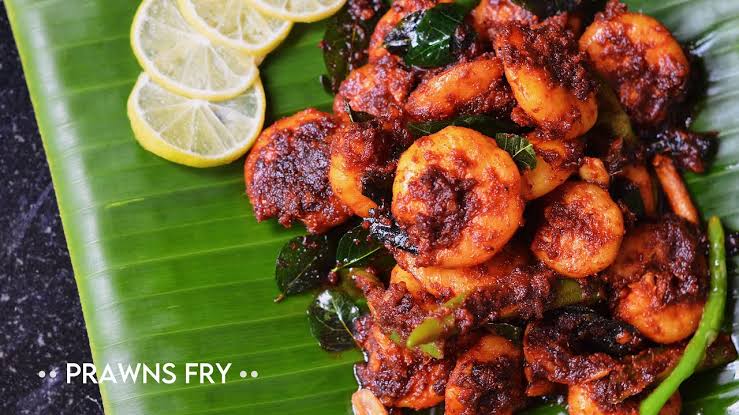
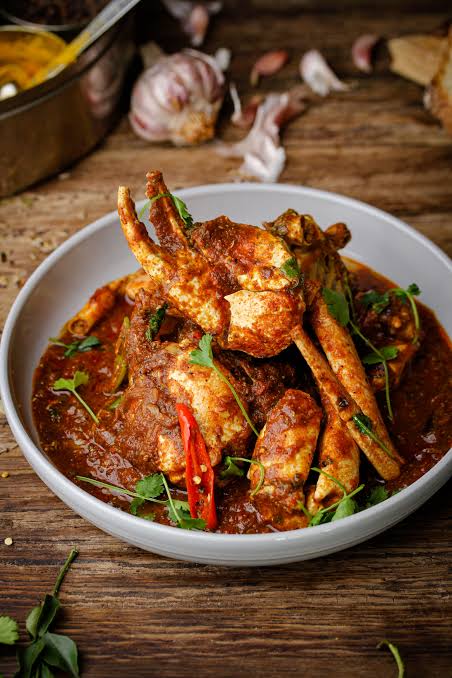
Coastal cooking here is sour before it is spicy. Kudampuli — smoked fish tamarind — is what makes a red fish curry taste of the coast rather than of a generic gravy; soak two petals in warm water and add them along with their soaking liquid, not at the end. Use a clay meen chatti if you own one, never stir with a spoon (swirl the pan instead), and let the pot sit overnight. This is the corner of Kerala cuisine that genuinely improves by morning.
- Indian
- Pescatarian
- Lunch
- Indian
- Pescatarian
- Lunch

- Indian
- Pescatarian
- Lunch
- Pescatarian
- Lunch
- Pescatarian
- Main Course
Meat, Eggs and Toddy Shop Favourites
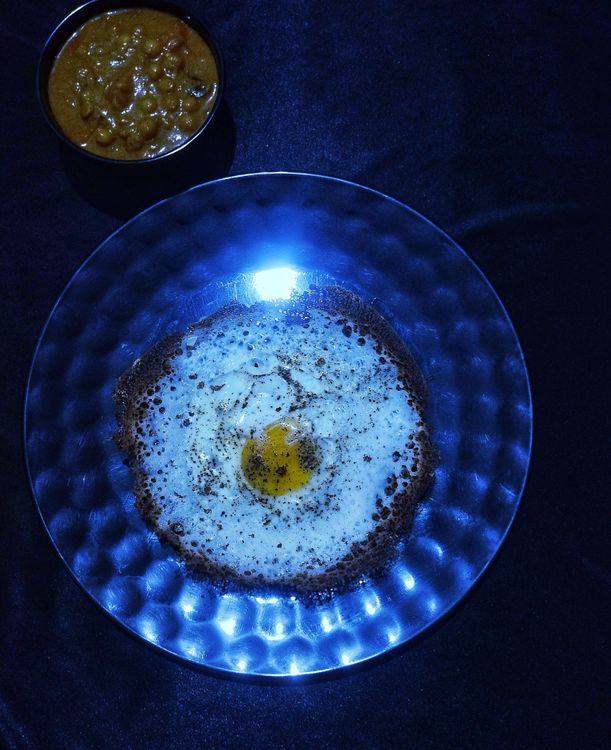
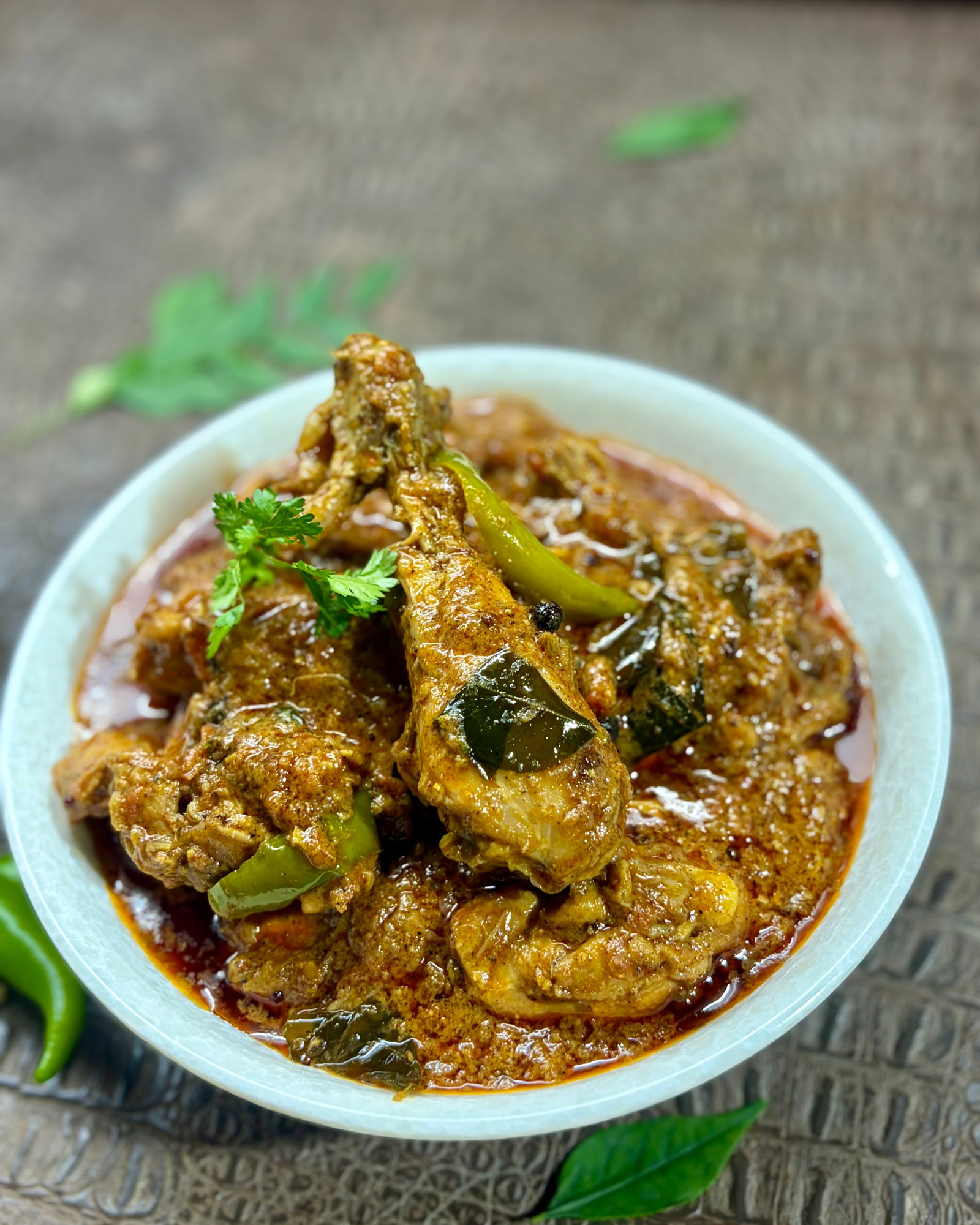
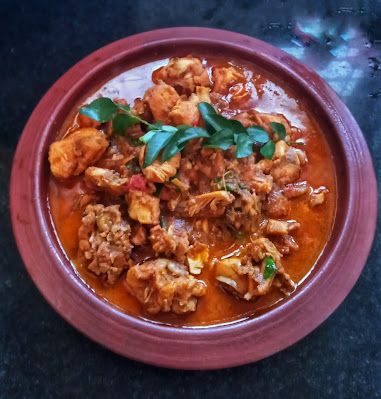
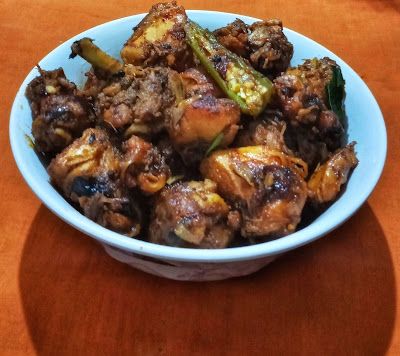
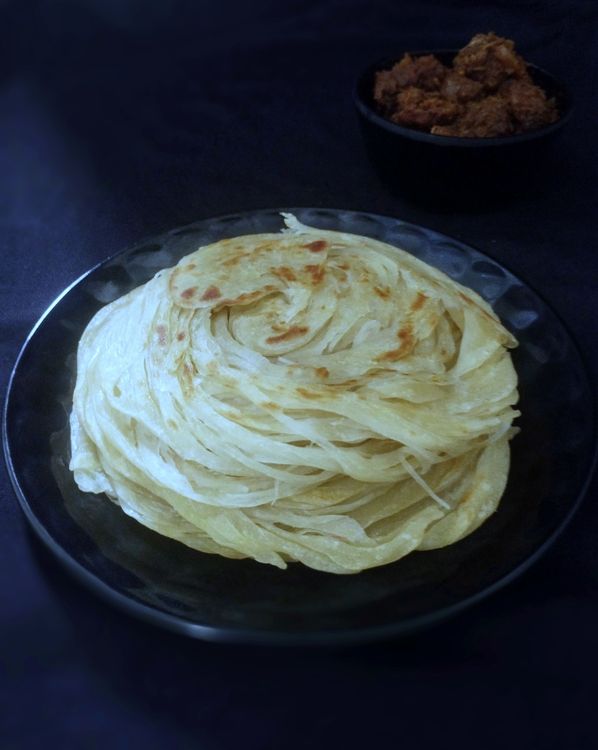
Toddy shops — kallu shappu — are where the loud end of Kerala cuisine grew up: black pepper, coconut slivers fried until nutty, and gravy thick enough to cling to torn parotta. Varutharacha means the grated coconut is dry-roasted dark before grinding, and it is the one technique separating a flat chicken curry from a great one. Roast it low, past golden, until it smells like cocoa. Malabar recipes lean instead on ghee and fried shallots, sweeter and rounder.

- Indian
- Gluten-Free
- Dinner
- Indian
- Non-Vegetarian
- Lunch
- Indian
- Non-Vegetarian
- Lunch

- Eggetarian
- Main Course
- Indian
- Eggetarian
- Main Course
- Indian
- Vegetarian
- Lunch

- Indian
- Vegetarian
- Snack
- South Indian
- Vegan
- Snack
Thoran, Avial and the Sadya Side Dishes
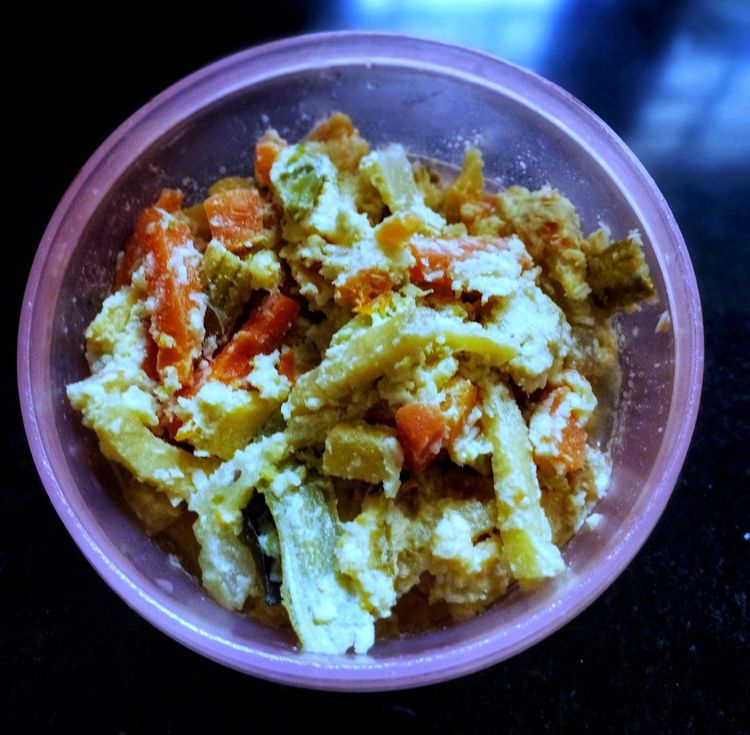
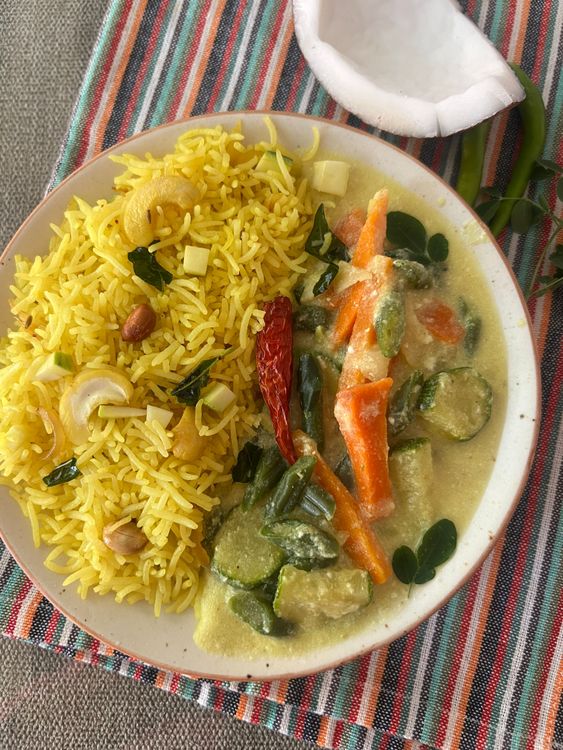
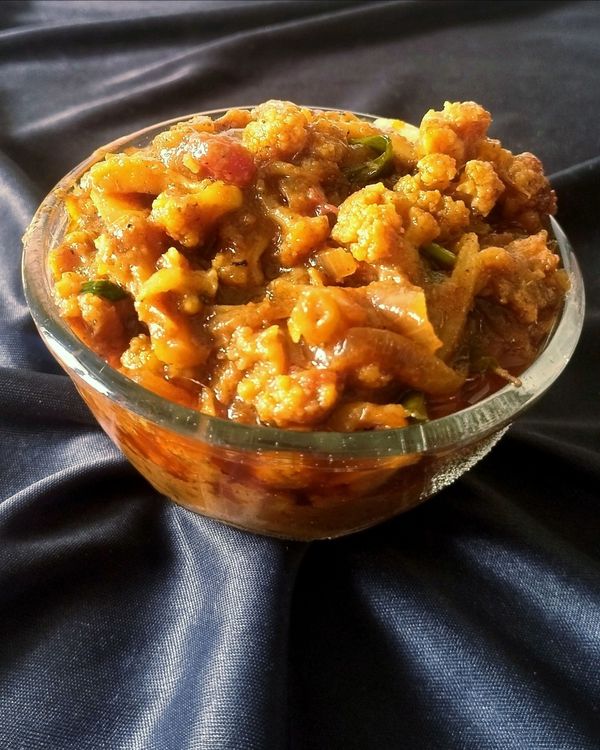
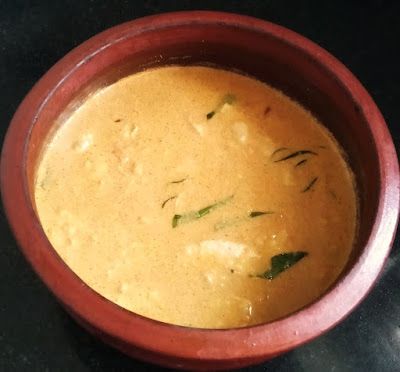
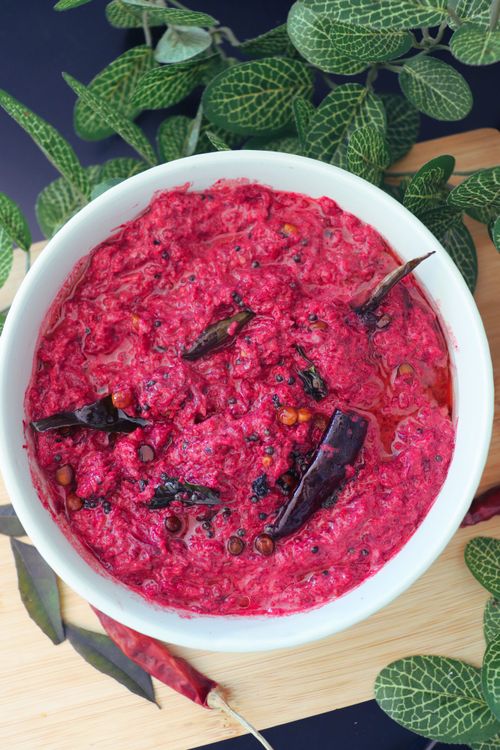
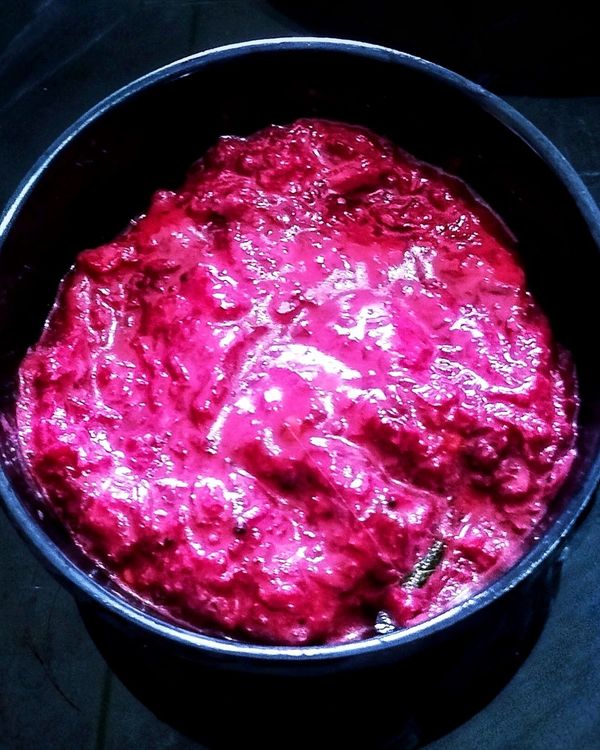
Vegetable cooking splits into three moves. Thoran is dry: chopped vegetables tossed with grated coconut, green chilli and cumin crushed together, cooked uncovered so nothing weeps. Avial is the wet cousin, thick with coconut and yogurt, finished with raw coconut oil off the heat — that raw drizzle is not a garnish, it is the whole flavour. Pachadi is yogurt-based and sweet-sour. Between them they fill most of a Kerala sadya, and all three reward cutting your vegetables to the same length.
- Indian
- Non-Vegetarian
- Side Dish

- South Indian
- Vegetarian
- Main Course
- South Indian
- Vegan
- Lunch
- Indian
- Vegan
- Lunch
- Indian
- Vegan
- Lunch
- South Indian
- Vegetarian
- Side Dish
- Indian
- Vegetarian
- Side Dish
- Kerala
- Vegan
- Sauce & Condiment
- Indian
- Vegan
- Sauce & Condiment
- Indian
- Vegan
- Sauce & Condiment
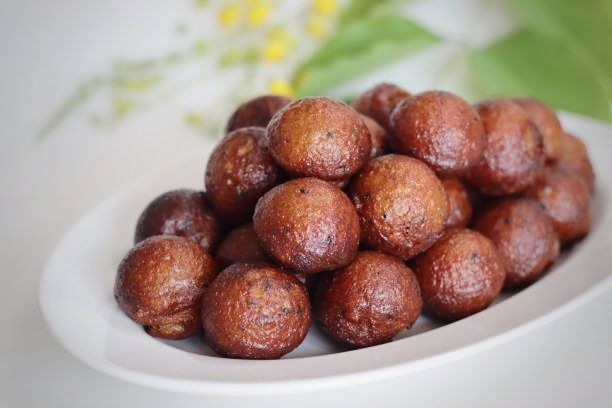
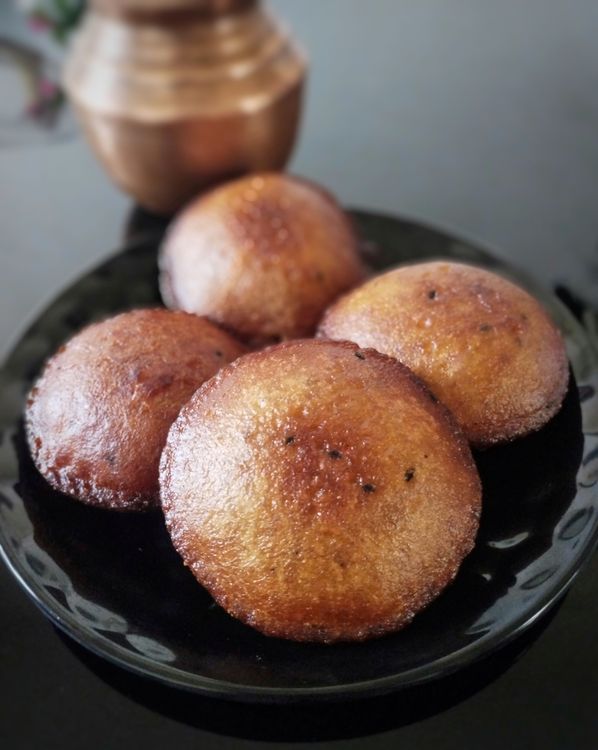
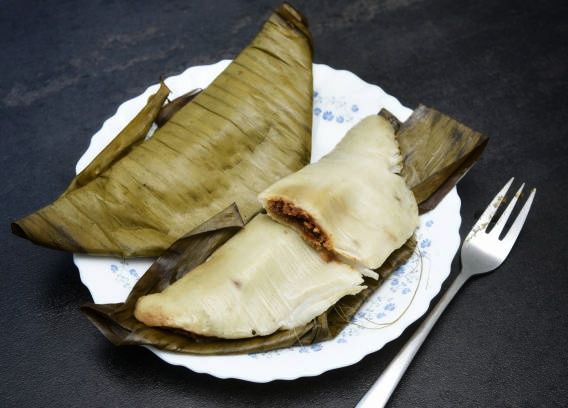
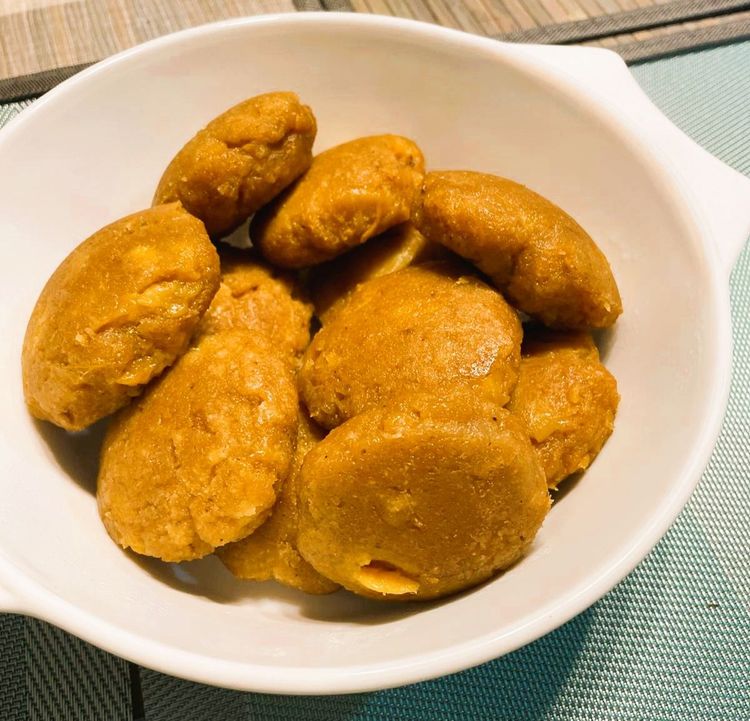
Payasam, Pradhaman and Sweet Ada
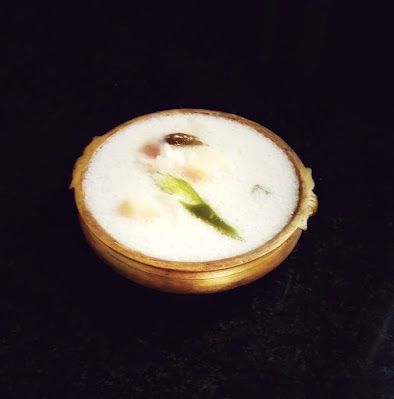
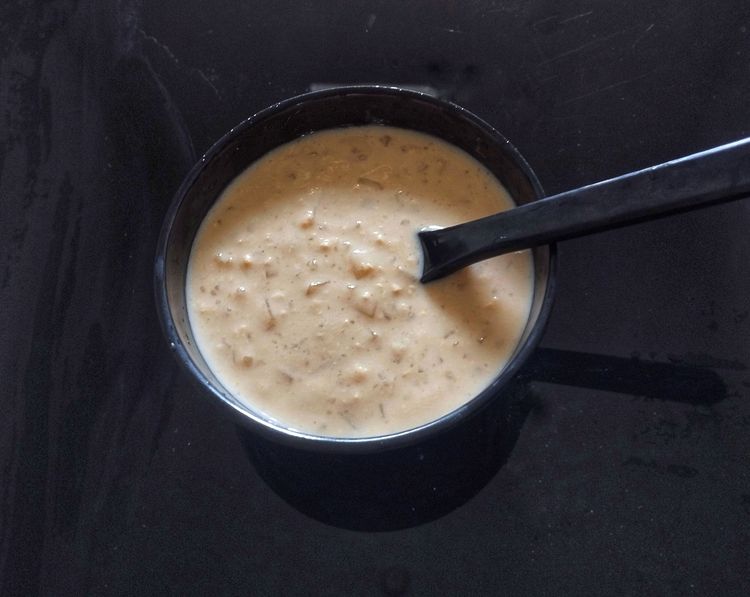
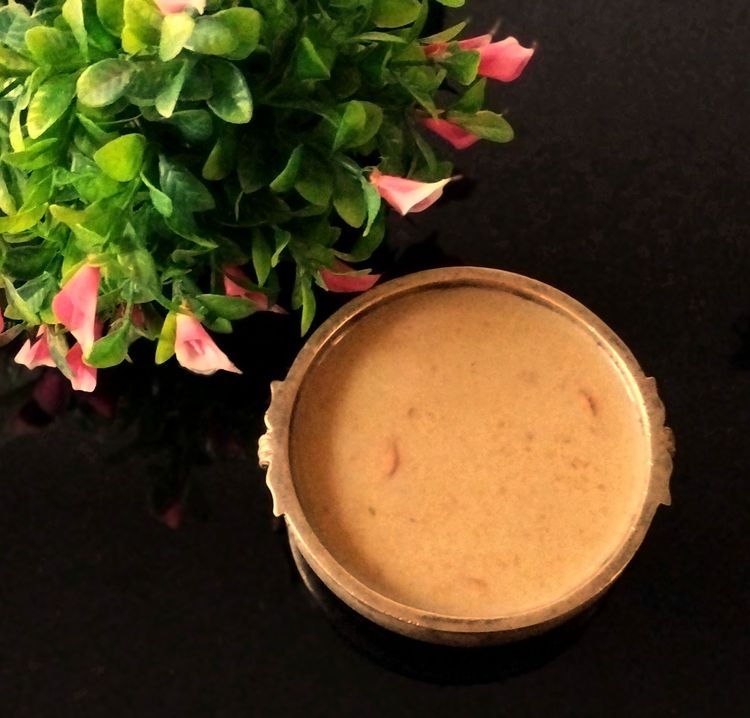
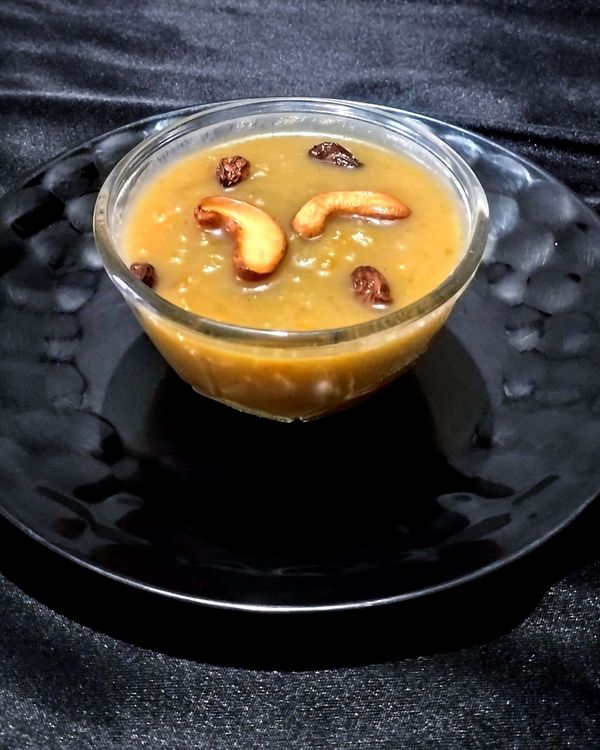
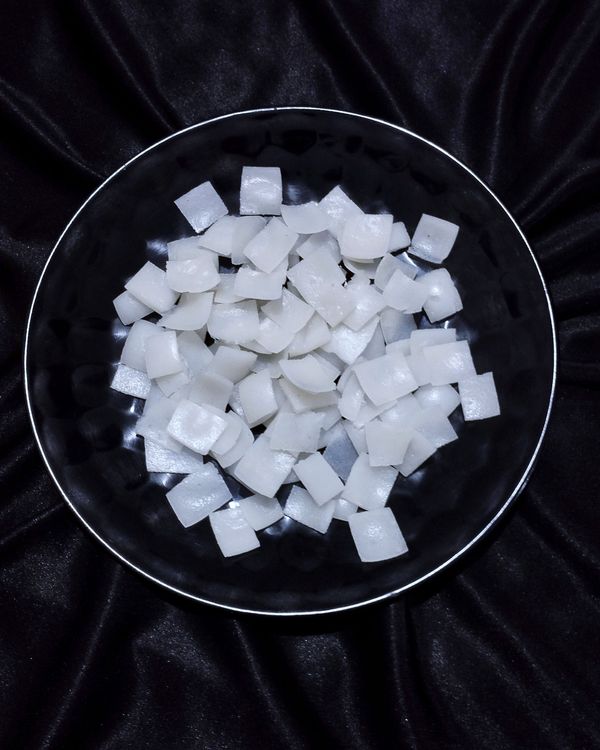
Sweets are where Kerala food gets patient. The difference between payasam and pradhaman is what carries the sugar: milk for payasam, thick coconut milk plus jaggery for pradhaman. Melt jaggery separately, strain out the grit, and add it only once your ada or lentils are already soft — sugar in any form stops starch cooking further, and a grainy payasam is almost always this mistake. Finish with cashews and raisins fried in ghee until the raisins puff, which takes about fifteen seconds.
- Indian
- Vegetarian
- Dessert
- Kerala
- Vegetarian
- Dessert
- South Indian
- Vegetarian
- Dessert
- Kerala
- Vegetarian
- Dessert
- Indian
- Vegetarian
- Snack
- Indian
- Vegetarian
- Snack

- Indian
- Vegetarian
- Snack
Coconut in Every Form: Oil, Milk, Grated
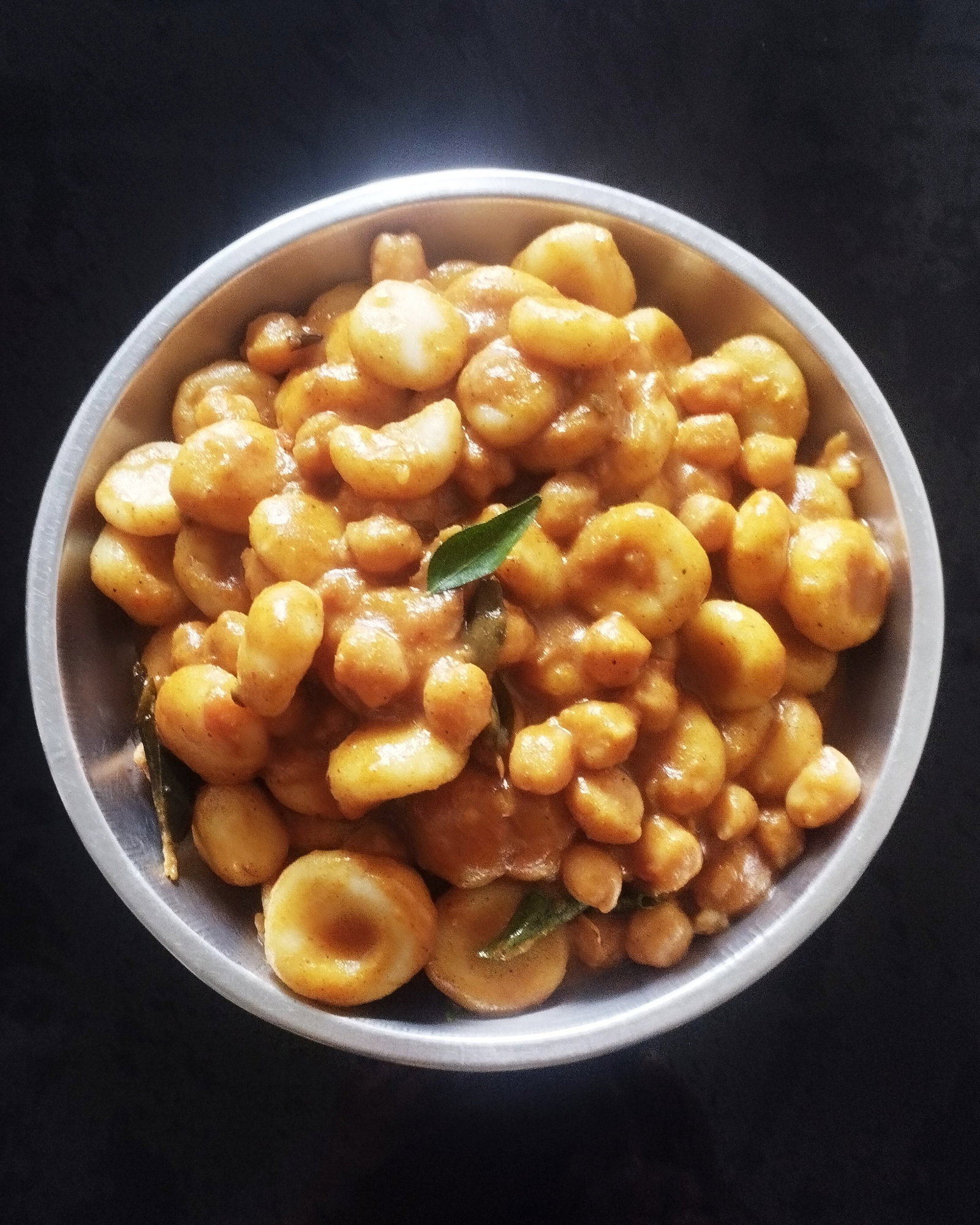
Coconut is not one ingredient in Kerala cuisine, it is four, and swapping one for another changes the dish completely. Grated fresh coconut goes into thoran and into the wet masala you grind for avial — it should be white, moist and never the sweetened desiccated flakes from a baking aisle. If frozen grated coconut is all you can get, thaw it and sprinkle a spoon of warm water over it before grinding. Coconut milk comes in two strengths that matter: thick first-press, onnam paal, and thin second- or third-press, randam paal. Vegetables simmer in the thin milk; the thick milk goes in at the very end, off the boil, because it splits the moment you push it.
Coconut oil is the third form, and it is the one people try to skip. Don't. Use unrefined, cold-pressed oil that actually smells like coconut — the flavour is the point, and the peppery, faintly sweet note running through a fish curry comes straight from it. The fourth form is roasted coconut, varutharacha. You dry-roast the grated coconut in a heavy pan over low heat, stirring almost constantly for fifteen minutes, watching it go from white to sand to a deep glossy brown, then grind it with a splash of water into a smooth dark paste. It is the backbone of the heaviest curries in Kerala food, and burning it is unforgivable: the whole pot turns bitter and there is no rescue.
The Onam Sadya Explained
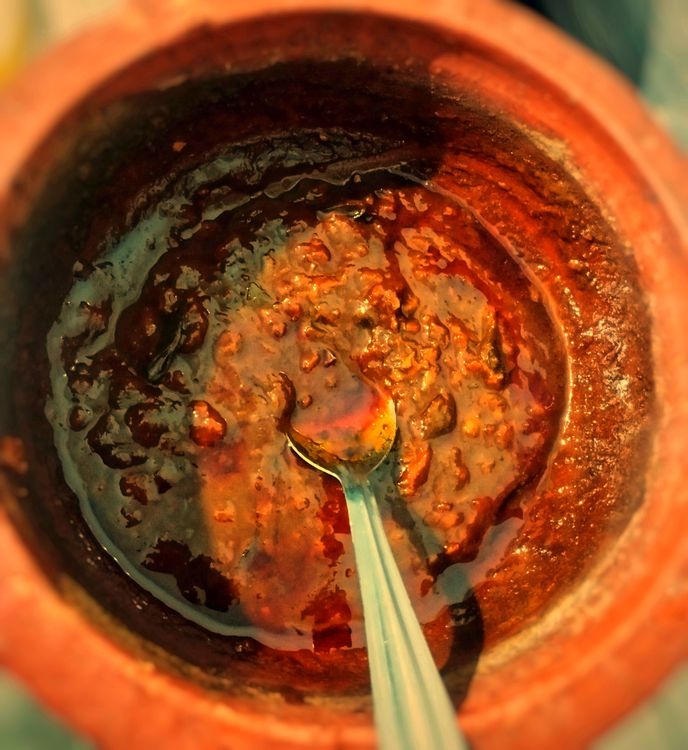
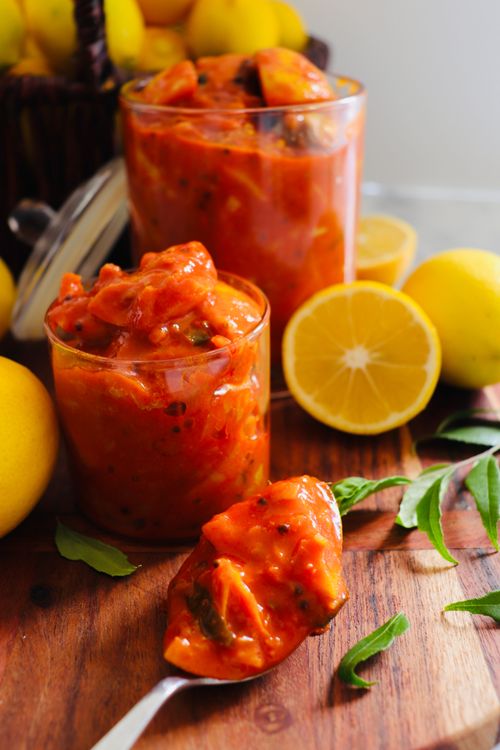
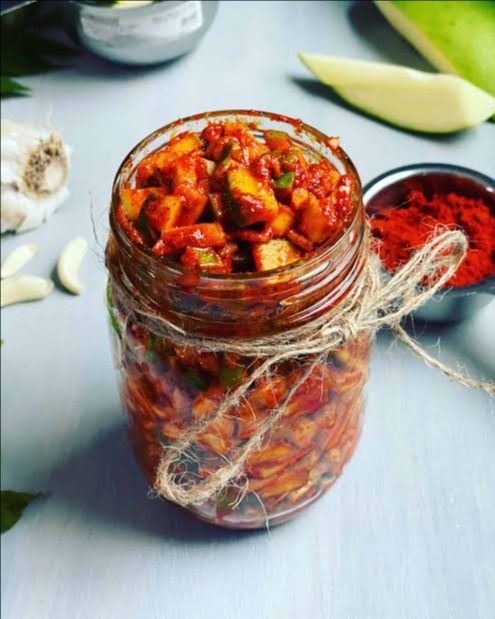
Onam is the harvest festival, and the sadya is its feast, served on a banana leaf with the narrow end pointing to your left. Everything has a fixed address. Pickles and puli inji sit top-left, then the salted and sweet-sour sides, then thoran and avial along the top edge; rice is heaped on the wide lower half, papadam goes on top of the rice, and payasam arrives last, poured straight into the leaf, which is the moment first-timers quietly panic. You eat with your right hand. When you are finished you fold the leaf toward yourself — folding it away is a complaint. Strictly, a Kerala sadya carries no meat, no onion and no garlic; the flavour comes from coconut, ginger, curry leaves and jaggery instead, which is why so much of the best vegetarian Kerala food lives inside this one meal.
Order matters more than most people realise. Parippu with ghee comes first, then sambar, then rasam, and the courses get progressively thinner so your appetite is walked down rather than dropped. Puli inji, that sticky ginger-tamarind-jaggery relish, is the one non-negotiable — veterans will forgive a missing thoran but never that. If you are cooking a home version of a Kerala sadya, make the pickles and puli inji two days ahead, the pachadi the night before, and leave only the thoran and avial for the morning itself. A dozen dishes is a respectable spread; twenty-six is traditional and ambitious.
Curry Leaves, Mustard and the Kerala Tadka
The tempering — thaalikkuka — is the last ten seconds of most dishes here, and it decides whether they taste finished. Heat coconut oil until one test mustard seed spins and pops within two seconds, then add the rest and cover the pan, or they will fire out of it. When the popping slows to a crackle, add urad dal or broken red chillies and let them turn pale gold. Curry leaves go in last, and they must be dry — a single drop of water on a leaf and the oil erupts. They crisp and go translucent in about four seconds, releasing that citrus-and-resin smell nothing else makes.
Buy curry leaves on the stem and store them wrapped in a dry paper towel, not loose in a bag where they blacken within three days. They freeze well and fry straight from frozen. Do not substitute bay leaf; the two are unrelated and the swap tastes of nothing. Shallots — small, pink, aggressive — do the aromatic work that onions do elsewhere, and sliced thin they fry faster and sweeter. Malabar recipes often add fennel seed to the same tempering, which is the northern coast showing you where its spice route ran. Kerala cuisine also uses a second tempering position: some dishes are tempered at the start, some at the end, and a few, like a good pachadi, get it at both ends. When in doubt, temper at the end. It is louder.
Pro Tips
- Grind your coconut masala with cold water in short pulses. A hot mixie jar cooks the paste before it ever reaches the pan, and the ground coconut turns dull and faintly stale.
- Never boil thick coconut milk. Add it off the heat, swirl the pan, and if you must warm it further keep it below a shiver — a rolling boil splits it into grease and grain in seconds.
- Kudampuli is not tamarind. Rinse the petals, soak them in warm water for ten minutes, and start with two for half a kilo of fish; the sourness deepens noticeably as the curry sits.
- For puttu, work the moistened flour through your fingers and then push it through a sieve. The sieve is the whole secret — it breaks the lumps that otherwise steam into hard little pellets.
- Palappam batter needs warmth, not more yeast. Eight hours at around 28°C beats four hours plus an extra spoon of yeast, which only gives you sourness without the honeycomb.
- Jaggery varies wildly, so taste it before you commit. Dark palm jaggery is smoky and far less sweet than the pale cane blocks, and a payasam built for one will taste wrong made with the other.
Frequently Asked Questions
What are the easiest Kerala recipes for a beginner?
Start with the vegetable stew and the avial. Both are forgiving, both are done inside forty minutes, and between them they teach the two coconut milk grades and the raw-oil finish that almost everything else on this page depends on. Fish curry comes next. Save the dry-roasted coconut curries for your fourth or fifth attempt.
What is the difference between appam and palappam?
Very little, honestly. Palappam is the fermented rice-and-coconut batter cooked in a round-bottomed appachatti, giving lacy edges and a thick spongy middle, and it is the backbone of a Kerala breakfast. The word appam itself is far broader, covering steamed, fried and sweet cousins from vattayappam to unniyappam to neyyappam, which share only rice and a name.
Can I cook Kerala food without coconut oil?
You can, but you will notice. Coconut oil carries a peppery sweetness that sunflower or canola simply cannot fake, and in a fish curry or a thoran it is doing roughly half the flavour work. If the smell puts you off, cook in refined coconut oil and drizzle a teaspoon of the unrefined stuff over the finished dish instead.
How many dishes go into a home Onam sadya?
A traditional feast can run to twenty-six items, but a home version of a Kerala sadya with eight to ten reads as generous: rice, parippu with ghee, sambar, rasam, avial, a thoran, a pachadi, puli inji, one pickle, papadam and a payasam. Cook the pickles two days ahead and leave only the wet sides for the morning.
What is toddy shop food?
Kallu shappu are the palm-wine bars scattered along the backwaters, and their kitchens produced the loudest cooking in the state: pepper-heavy meat, crab and duck roasts, fried fish, tapioca mashed with chilli, and torn parotta to mop it all up. The seasoning is deliberately aggressive because it was built to be eaten alongside a drink.
How is Malabar cooking different from the south of the state?
The north carries centuries of Arab spice trade, so Malabar recipes lean on ghee, fennel, fried shallots, cashew and a gentler sweetness — pathiri, biryani and layered pastries. Travancore in the south runs sourer and sharper, driven by kudampuli, tamarind and coconut oil, with Syrian Christian kitchens adding beef and duck to the picture.
What can I use instead of kudampuli?
Nothing quite matches its smoky sourness, but tamarind pulp is the workable substitute: use about a teaspoon of concentrate for every two petals, and add it a little earlier since it needs less time to release. Do not reach for vinegar or lemon. The curry will taste sour rather than tasting of the coast, which is a different thing entirely.
Which of these dishes are best for meal prep?
Pickles, puli inji and the roasted-coconut curries all improve after a night in the fridge, and fish curry is genuinely better on day two once the kudampuli has spread through it. Avial, sambar and the stew reheat well across three days. Anything steamed — the puttu, idiyappam and pathiri of a Kerala breakfast — should be eaten the day it is made.
Cook two or three of these Kerala recipes and the underlying logic starts to show itself: coconut in four forms, sour fruit standing in for tomato, and a tempering that lands at the very last second. Begin with palappam and the stew on a slow Sunday morning, and the rest of this page will make sense by dinner.
Related
- Onam sadya
- coconut curry
- payasam
- toddy shop food
- South Indian breakfast
- Malabar cooking
Popular Searches
- Best kerala recipes
- Easy kerala recipes
- Quick kerala recipes
- Healthy kerala recipes
- Simple kerala recipes
- Homemade kerala recipes
- Delicious kerala recipes
- Popular kerala recipes
- kerala food
- kerala cuisine
- kerala sadya
- malabar recipes
Marnirni-apinthi Building, Lot Fourteen,
North Terrace, Adelaide, South Australia, 5000
Australia
