
Top 99 Coconut Recipes: Cakes, Curries, Drinks and More
Updated June 29, 2026 · Curated by Chefadora
Coconut recipes span nearly every course and cuisine, which is exactly why a coconut is one of the most useful things you can keep in the kitchen. The same fruit gives you four distinct ingredients — sweet shredded flesh, rich coconut milk, thick coconut cream and clear coconut water — and each one cooks differently. The recipes below were chosen to show that range: moist cakes and chewy macaroons, silky simmered curries, fragrant rice and soups, and the quick drinks and no-bake treats that take minutes.
The single most useful thing to learn about coconut is which form does what. Shredded or desiccated coconut adds texture, chew and toasty flavor to bakes and dry sides. Coconut milk — the pressed, water-thinned liquid in the can — is the simmering medium for curries and rice. Coconut cream is the thick, fatty top of that same can, the secret to richness in desserts and luxe sauces. Coconut water is the thin, drinking liquid from inside a young nut. Reach for the wrong one and the dish falls flat.
You will find four clusters here: cakes, macaroons and bakes; coconut-milk curries and seared mains; coconut rice, soups and sides; and the drinks, balls and no-bake treats. They draw on the same handful of ingredients in different ways, so once you understand how toasting changes shredded coconut, or why coconut milk splits if you boil it hard, every recipe on the page gets easier to cook well. The techniques carry across clusters, which is the real reward of learning them.
Treat this as a working reference rather than a list to scroll past once. Each recipe links to full ingredients and steps on Chefadora, and the guides below cover the decisions that decide whether a coconut dish sings or disappoints — how to handle a fresh nut, when to toast versus when to leave coconut pale, how to keep coconut milk from curdling in a hot pan, and how to coax a stubborn can of cream into a stable, glossy finish you can whip or fold.
Coconut Cakes, Macaroons & Bakes
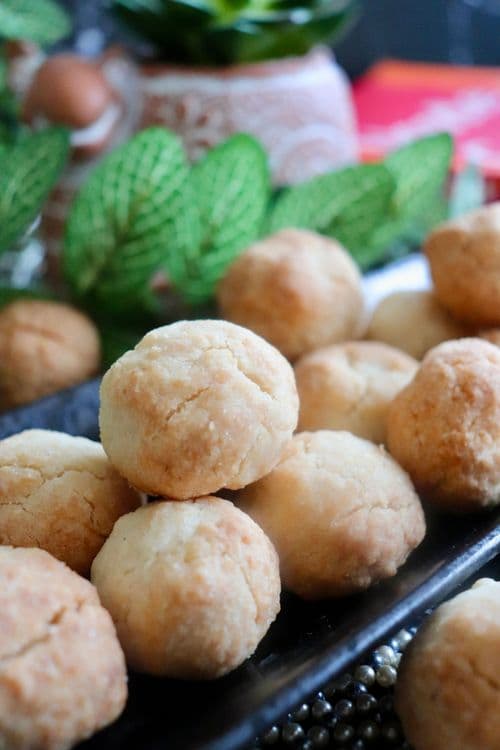
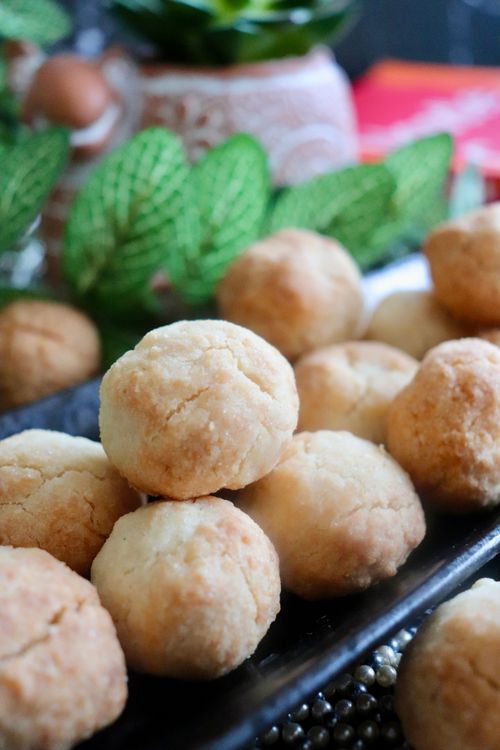
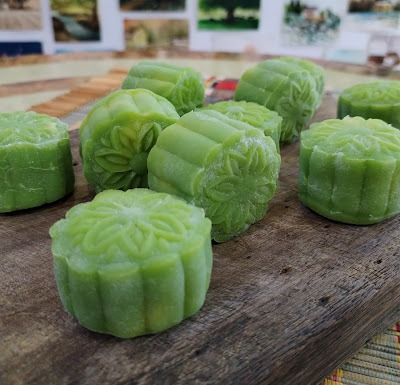
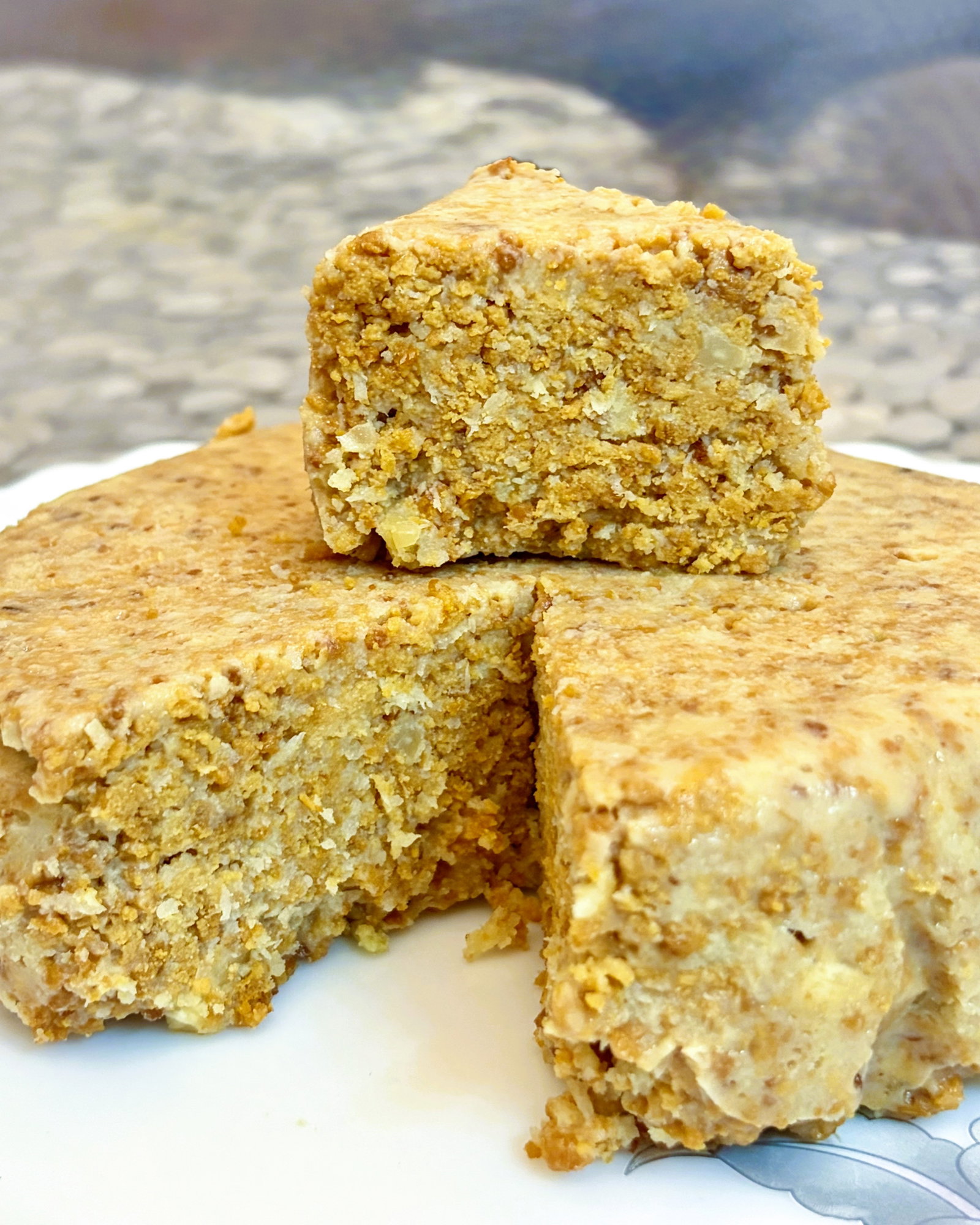
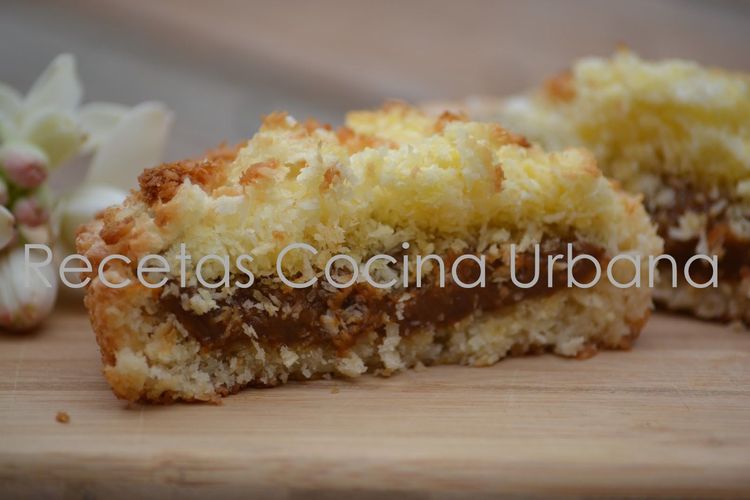
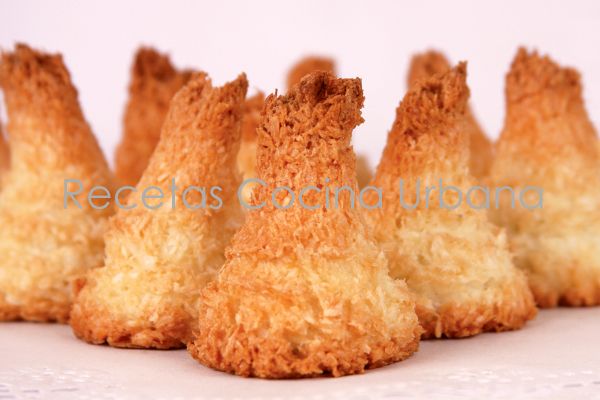
This is where shredded coconut does its best work, and the first thing to decide is whether to toast it. Toasted coconut turns golden and nutty and brings real crunch to a topping or a crumb; left pale, it melts softly into a batter and keeps a cake tender. Because coconut is high in fat and sugar it scorches in seconds, so toast it in a dry pan over medium heat, stir constantly, and pull it at light honey since it keeps darkening off the heat. The other thing to know is that shredded coconut quietly dries a bake as it sits, absorbing moisture from the crumb, so build that back in with extra fat, an additional egg, or a brush of coconut milk over the warm cake. Macaroons are their own small craft: bind the coconut with just enough egg white or condensed milk to clump, mound it high so the outside crisps while the center stays chewy, and never overbake or they turn hard and dry. Sweetened coconut suits these American-style bakes; reach for unsweetened when you want to control the sugar yourself. Standouts here include Homemade Coconut Cookies and Coconut Tart, plus Pandan Coconut Snowy Mooncakes.

- International
- Vegan
- Snack


- Malaysian
- Eggetarian
- Snack
- Chinese
- Nut-Free
- Snack


- Australian
- Vegan
- Snack
- Indian
- Vegetarian
- Dessert
- Vegetarian
- Dessert
- Caribbean
- Vegetarian
- Dessert
- North American
- Eggetarian
- Breakfast
- Latin American
- Eggetarian
- Dessert
- Indian
- Eggetarian
- Dessert
- Indian
- Vegetarian
- Dessert


- Fusion
- Eggetarian
- Dessert

- Indian
- Vegetarian
- Snack

- Eggetarian
- Dessert
- Latin American
- Vegetarian
- Snack
- Global
- Vegan
- Snack
- International
- Vegetarian
- Snack
- Fusion
- Eggetarian
- Snack
Coconut-Milk Curries & Mains
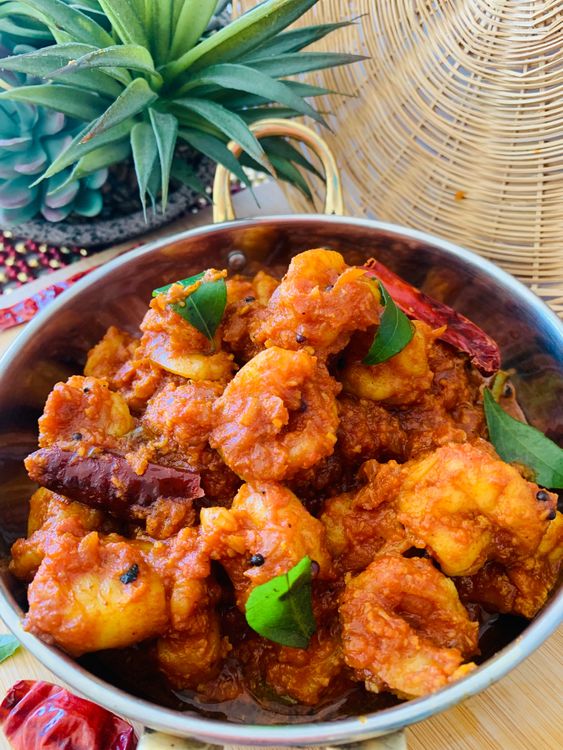
The savory heart of coconut cooking is the can of coconut milk, and the whole game is keeping its emulsion of fat and water intact. Treat it like cream: bring a coconut-milk sauce only to a gentle simmer, never a hard boil, stir often so the fat stays suspended, and add the milk toward the end rather than reducing it hard for an hour. A pinch of salt and a little starch or ground nut help hold it together, and a low, patient heat keeps it silky rather than split into a greasy slick. Shake the can before opening, because the cream and water separate on the shelf; for most curries you want them combined, but a Thai-style curry deliberately cracks the thick cream first and fries the paste in the rendered fat for depth before the thin liquid goes in. Because coconut milk is rich and faintly sweet, it will mute spice and salt, so season boldly and brighten the finish with lime, tamarind or lemon and fresh herbs off the heat. Add prawns and fish late so they stay tender; let chicken and tougher cuts simmer gently. The same logic carries the seared, coconut-crusted mains, where shredded coconut becomes a golden, crunchy coating. Standouts here include Coconut Prawn Masala and Coconut Lemon Chicken Curry, plus Coconut Egg Curry .
- Indian
- Gluten-Free
- Lunch
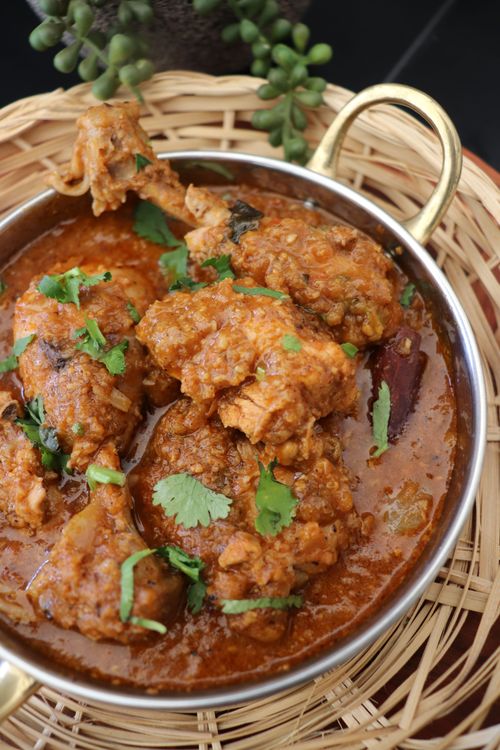
- Indian
- Non-Vegetarian
- Lunch
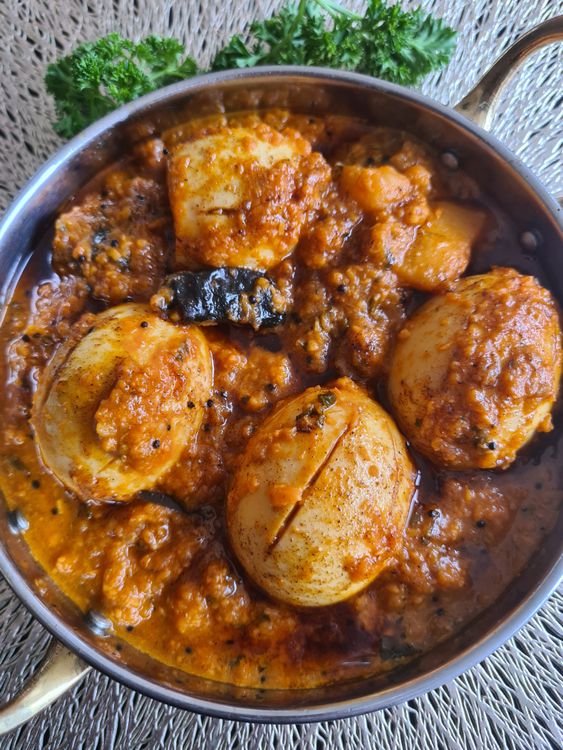
- Indian
- Eggetarian
- Lunch
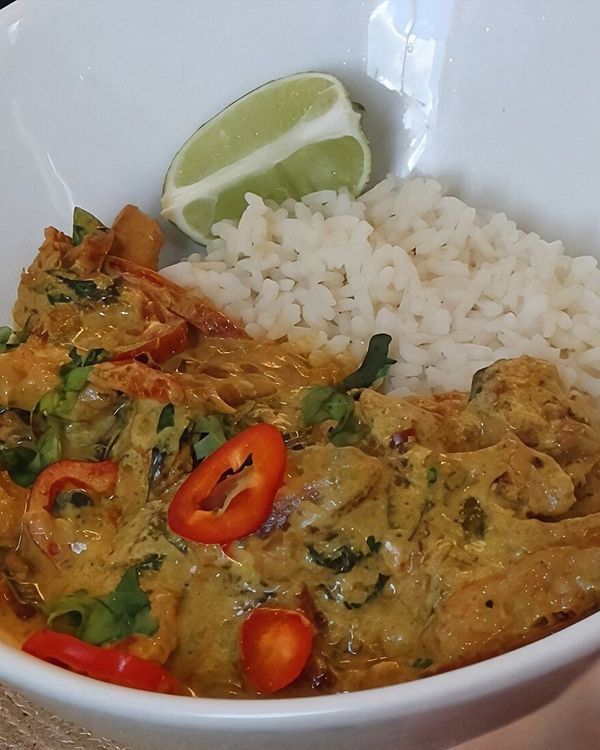

- Thai
- Non-Vegetarian
- Lunch
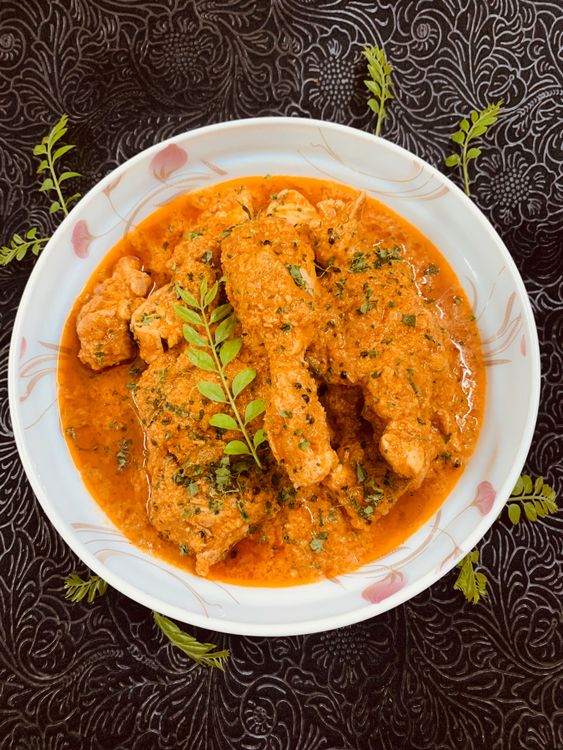
- Indian
- Non-Vegetarian
- Lunch

- Indian
- Vegetarian
- Dessert
- Chinese
- Vegetarian
- Global
- Vegetarian
- Snack
- American
- Pescatarian
- Appetiser

- Fusion
- Eggetarian
- Breakfast

- Indian
- Vegetarian
- Lunch
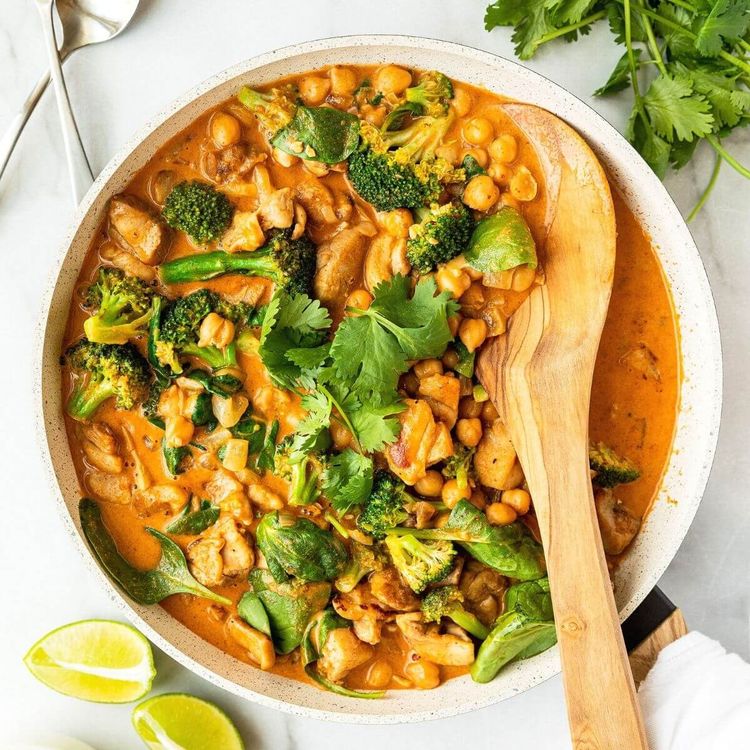

- Indian
- Non-Vegetarian
- Dinner
- Fusion
- Vegetarian
- Dessert
Coconut Rice, Soups & Sides
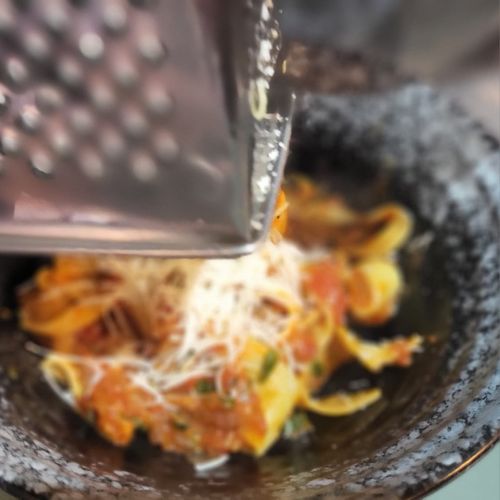
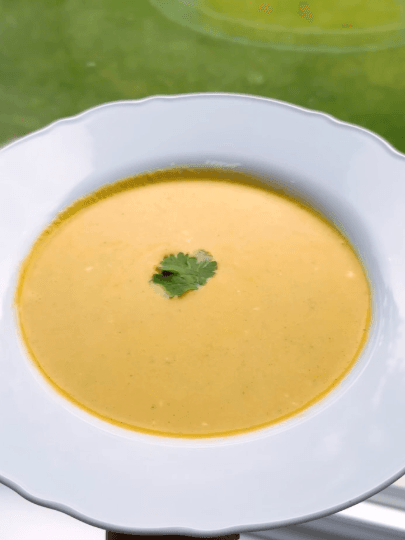
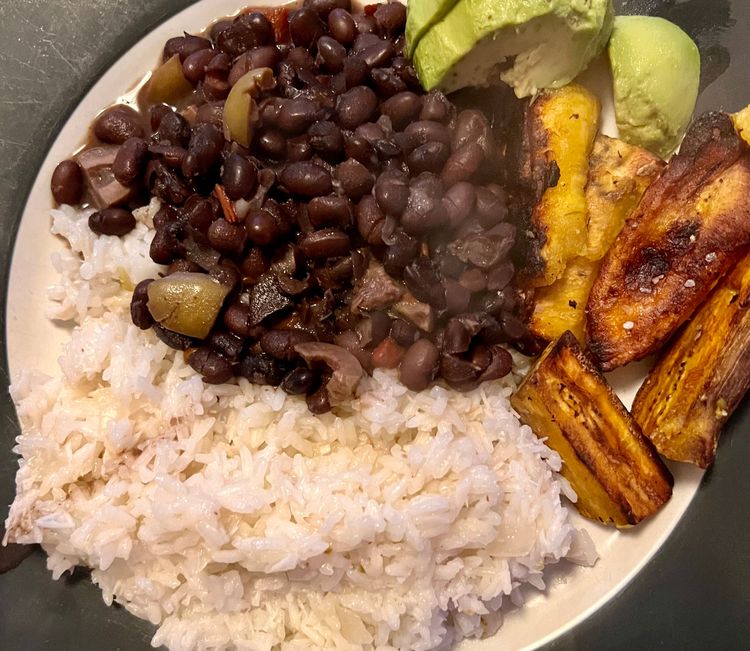
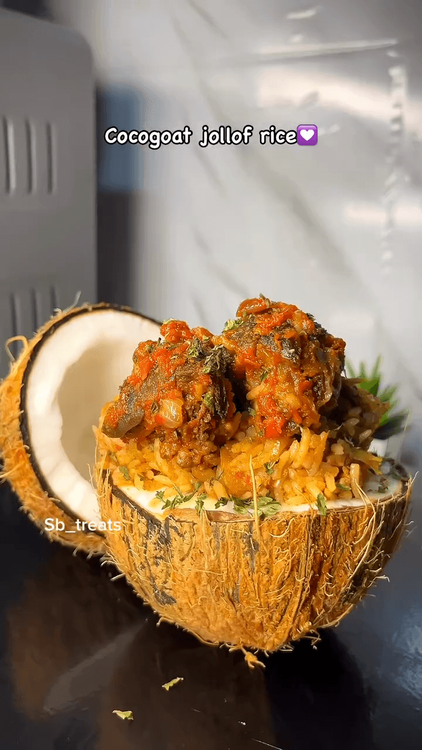
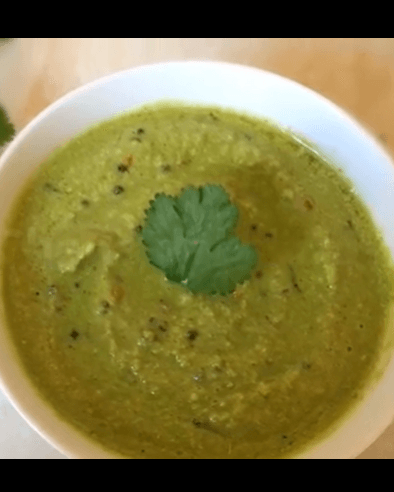
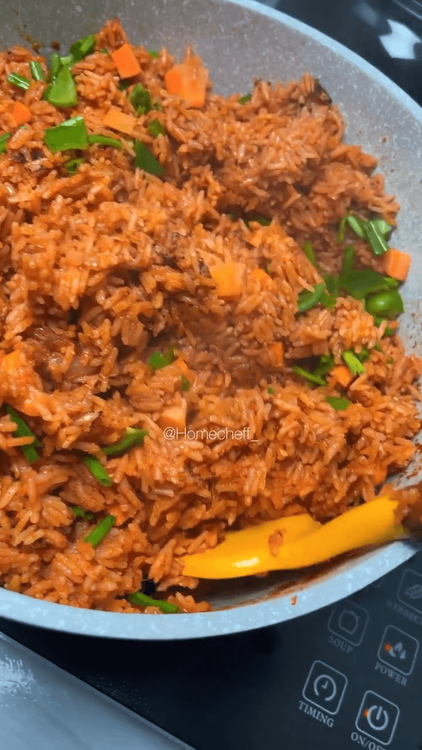
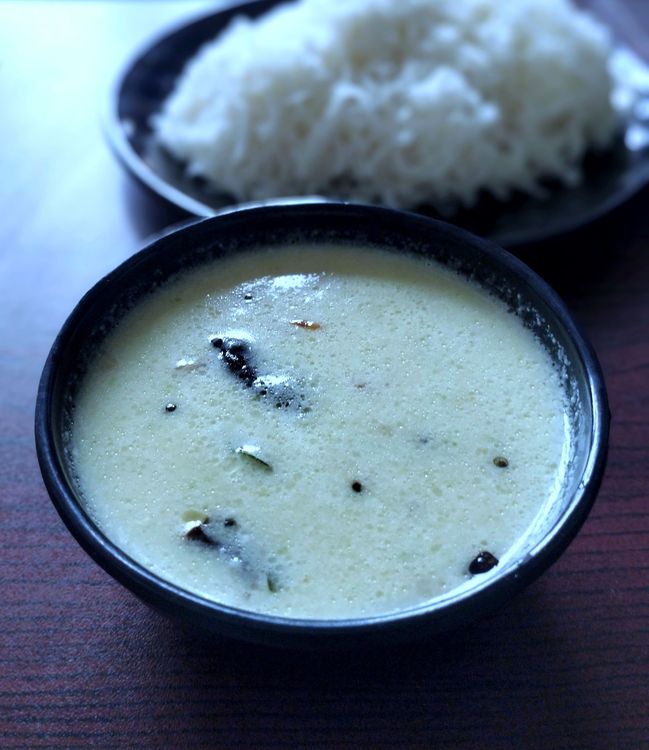
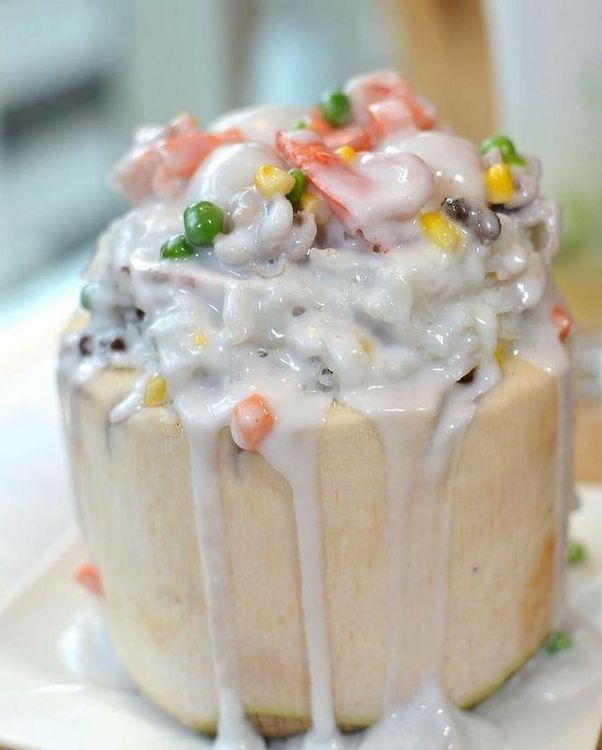
Coconut runs quietly through the supporting plates, and here both fresh and desiccated coconut earn their place depending on the dish. For fragrant coconut rice, cook the grains in coconut milk thinned with water rather than all milk, which can scorch and turn the pot gluey; toast a few flakes for garnish and keep the simmer gentle so the bottom does not catch. South Indian sides lean on fresh grated coconut and a tempering of mustard seeds and curry leaves crackled in hot oil — a thoran or poriyal wants the coconut stirred in near the end so it stays bright and barely warmed rather than fried to nothing. Coconut chutney follows the same instinct: grind fresh coconut with green chilli, ginger and a little water, then finish with that sizzling tempering poured over the top. Brothy coconut soups, from a light rasam to a Thai-leaning bowl, want the milk added late and the seasoning balanced with acid so the richness does not turn flat. Across all of them the rule holds — coconut is mild and sweet, so it needs salt, heat and a squeeze of something sour to come alive on the plate rather than fade into the background. Standouts here include Coconut Tamarind Rice and Instant Coconut Chutney, plus Fried Coconut rice.
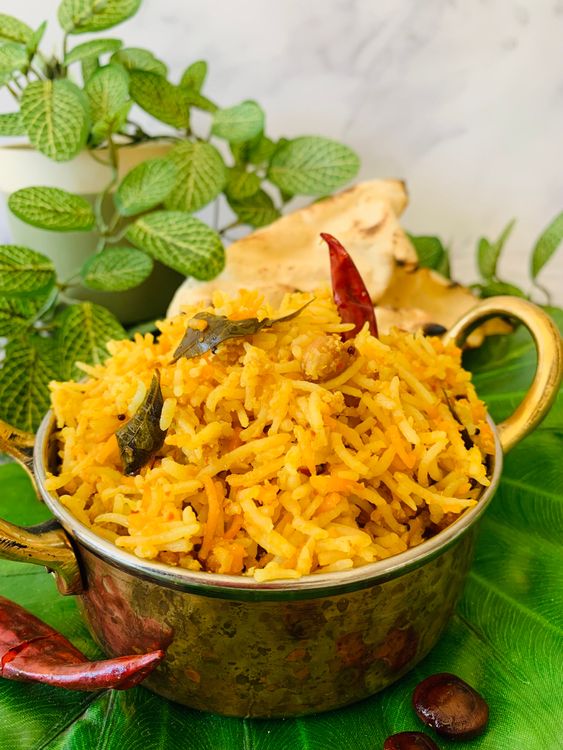
- Indian
- Vegan
- Lunch
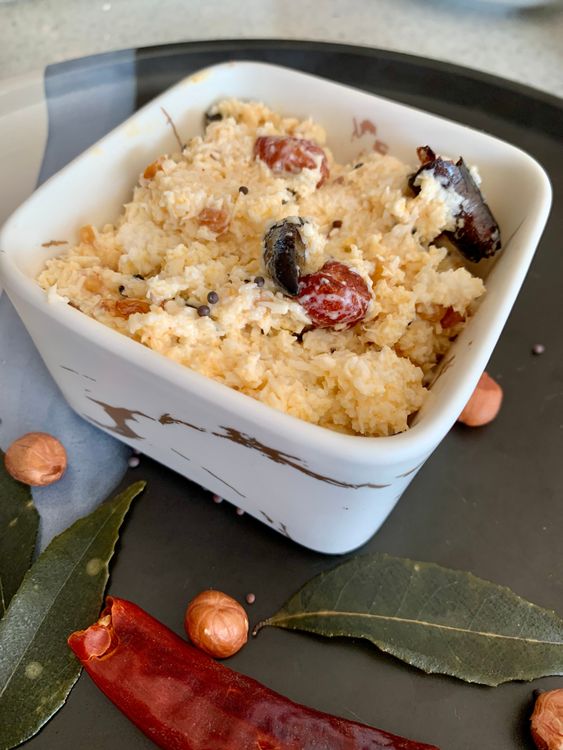
- Indian
- Vegetarian
- Side Dish
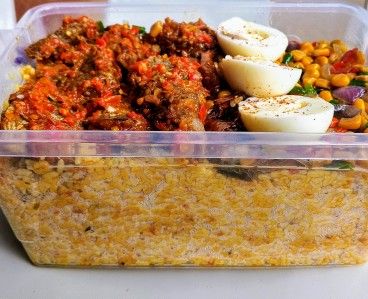

- Nigerian
- Non-Vegetarian
- Main Course
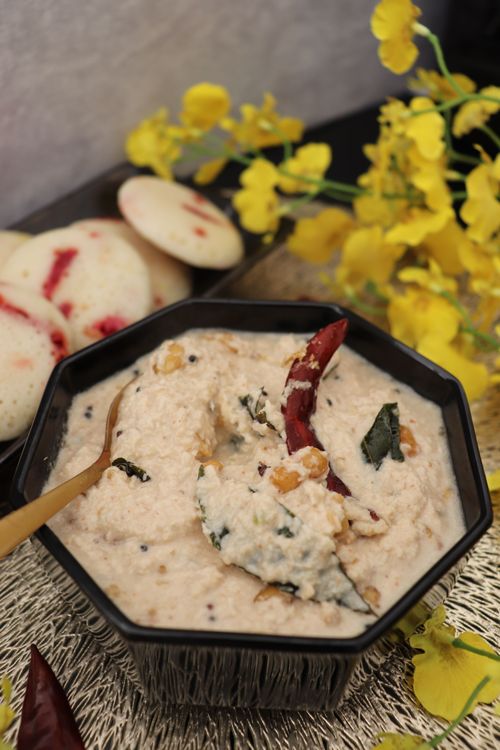
- South Indian
- Vegetarian
- Side Dish
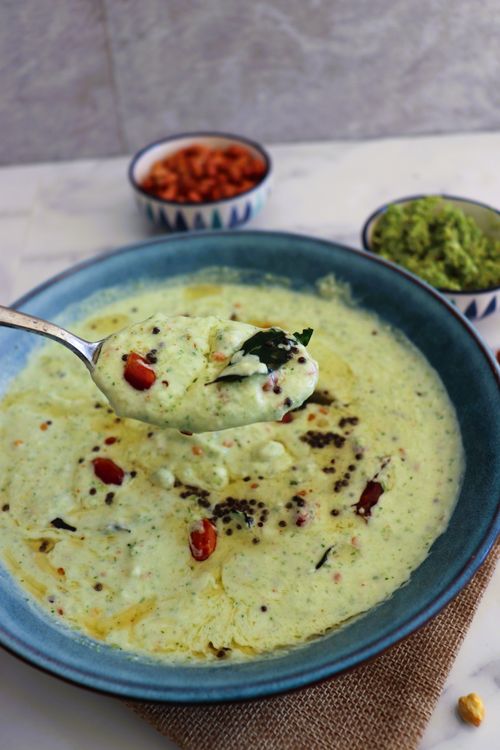
- Indian
- Vegetarian
- Side Dish
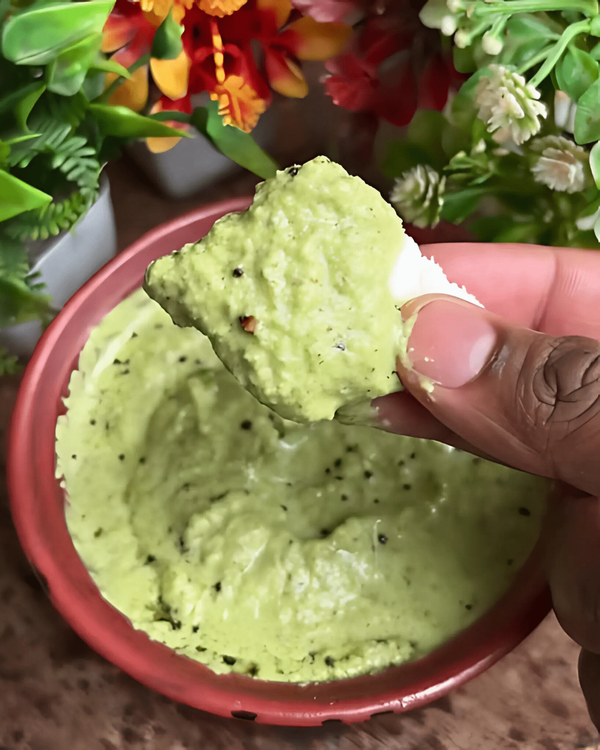
- South Indian
- Vegan
- Sauce & Condiment

- South Indian
- Vegan
- Sauce & Condiment


- Vegan
- Side Dish

- Asian
- Non-Vegetarian
- Lunch

- Caribbean
- Vegan
- Side Dish

- Nigerian
- Non-Vegetarian
- Main Course
- Indian
- Vegan
- Sauce & Condiment

- African
- Vegan
- Main Course

- South Indian
- Vegan
- Sauce & Condiment

- Nigerian
- Non-Vegetarian
- Lunch

- Asian
- Pescatarian
- Lunch
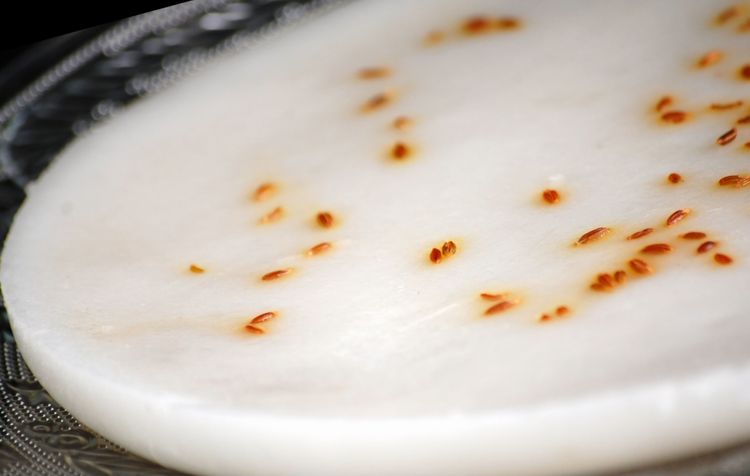
- Indian
- Vegetarian
- Dessert
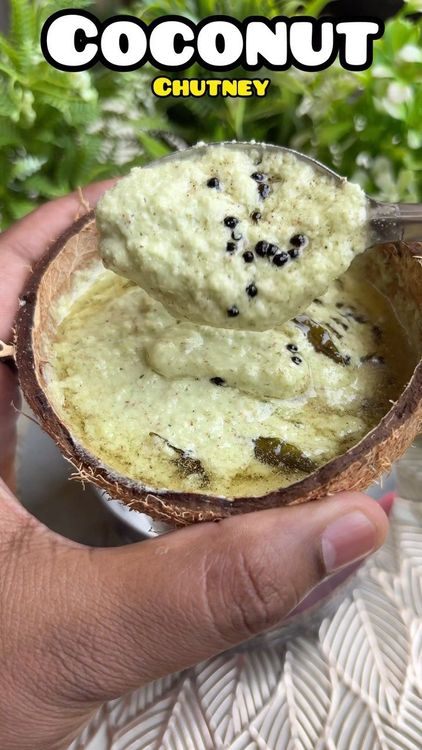
- South Indian
- Vegan
- Sauce & Condiment
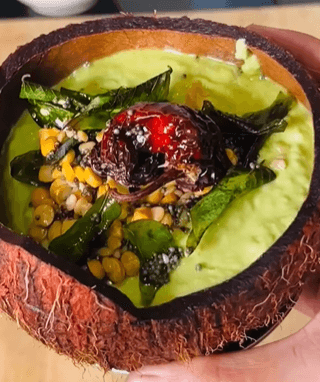
- South Indian
- Vegan
- Side Dish
Coconut Drinks, Balls & No-Bake Treats
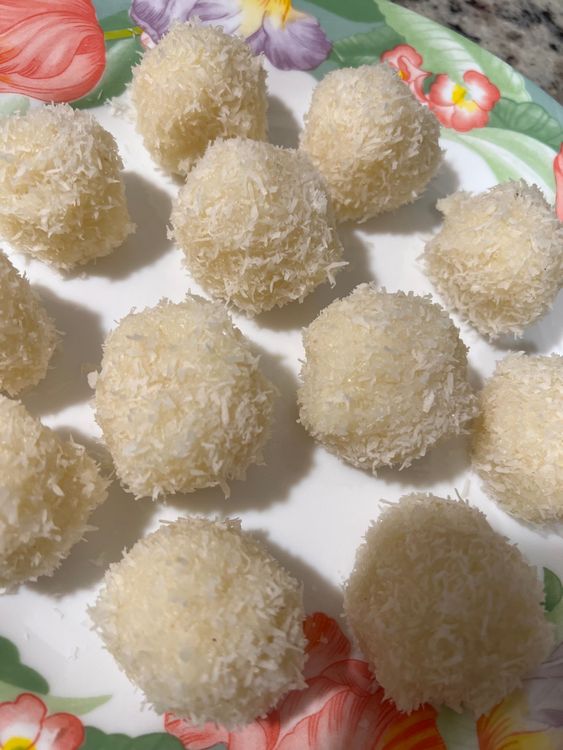
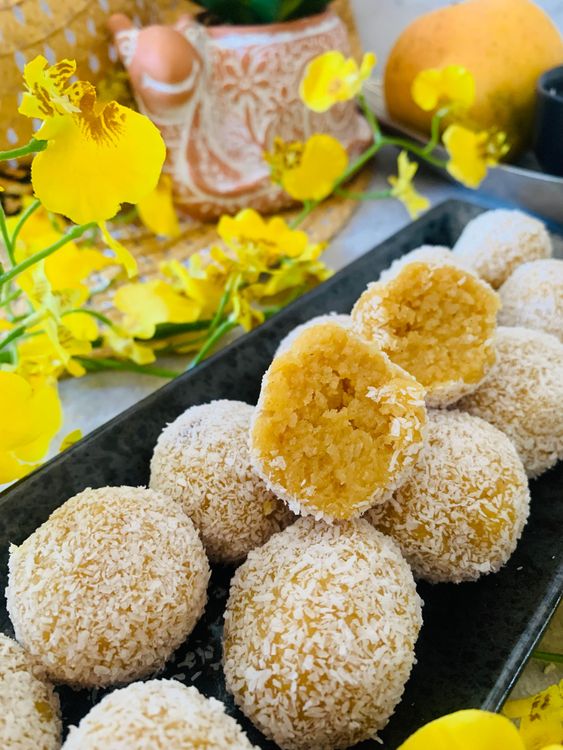
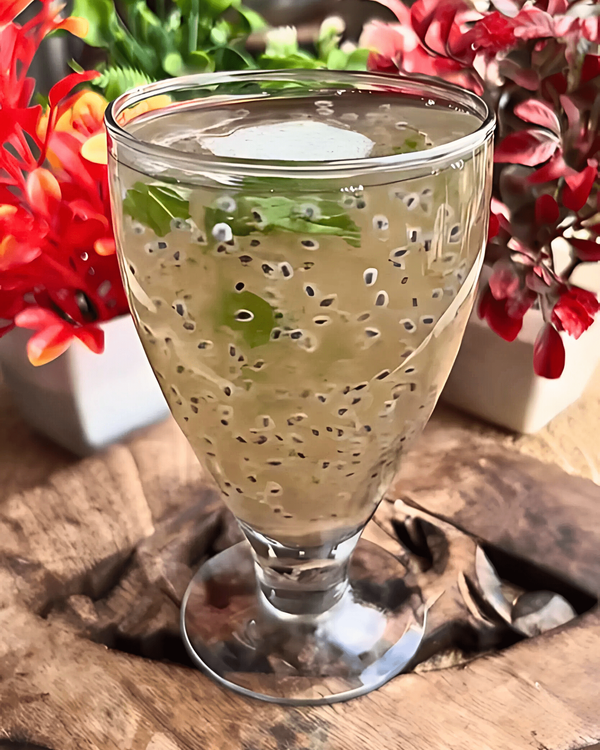
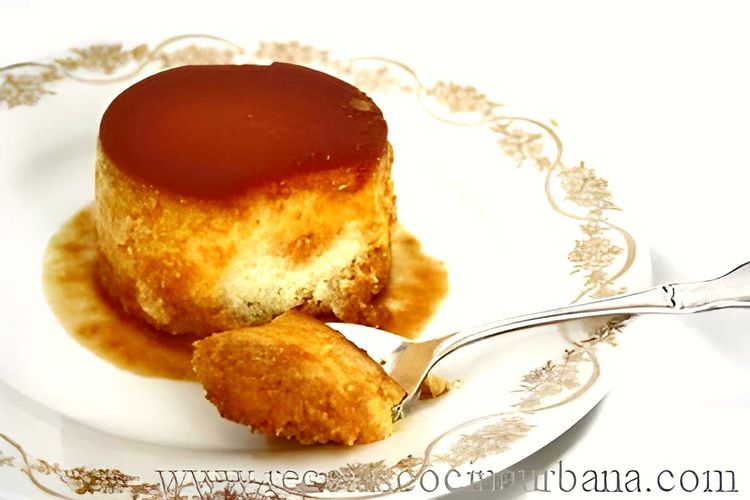
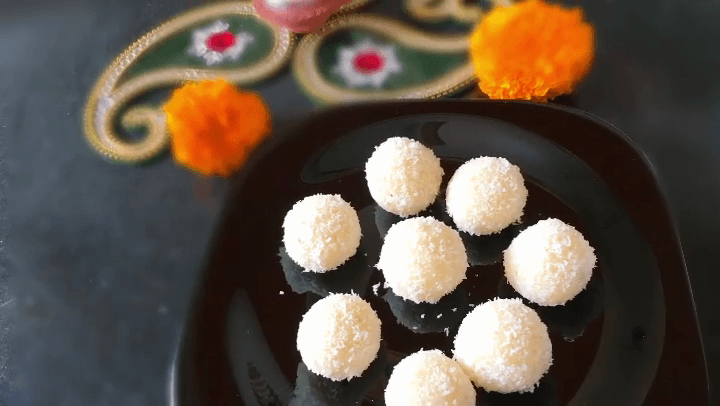
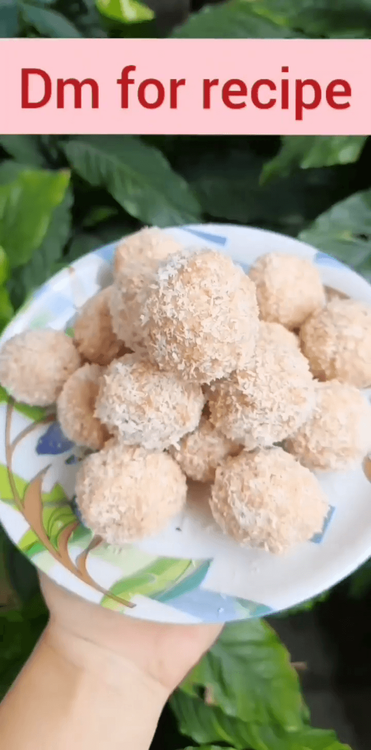
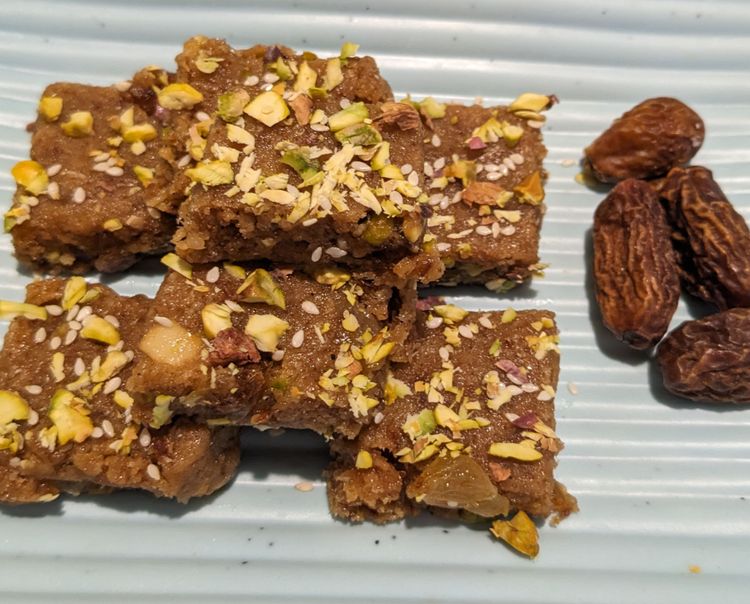
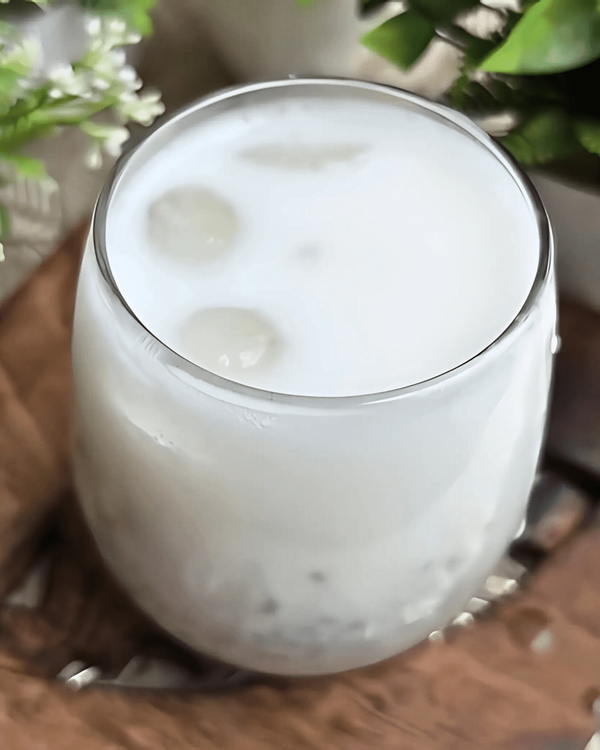
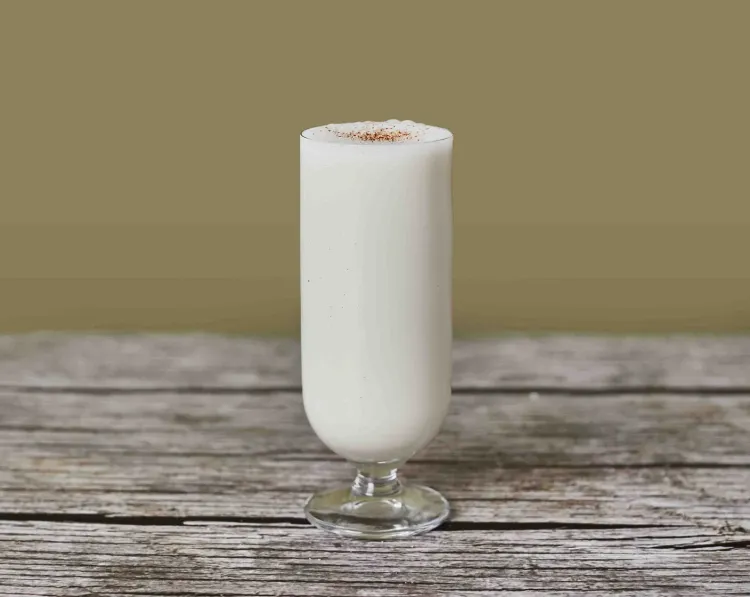
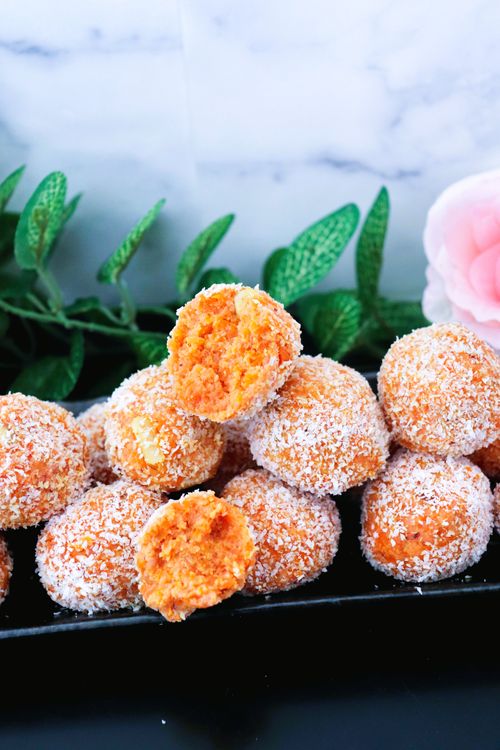
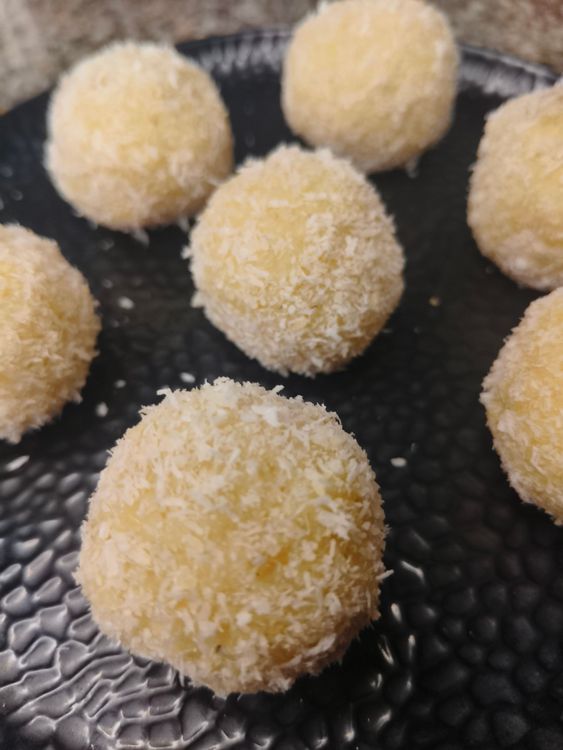
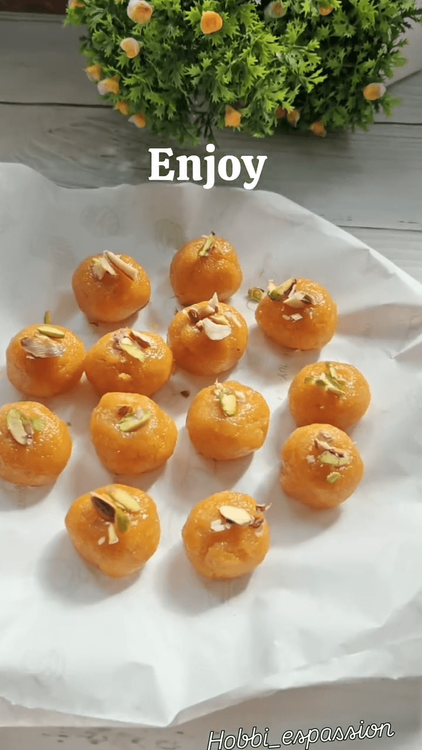
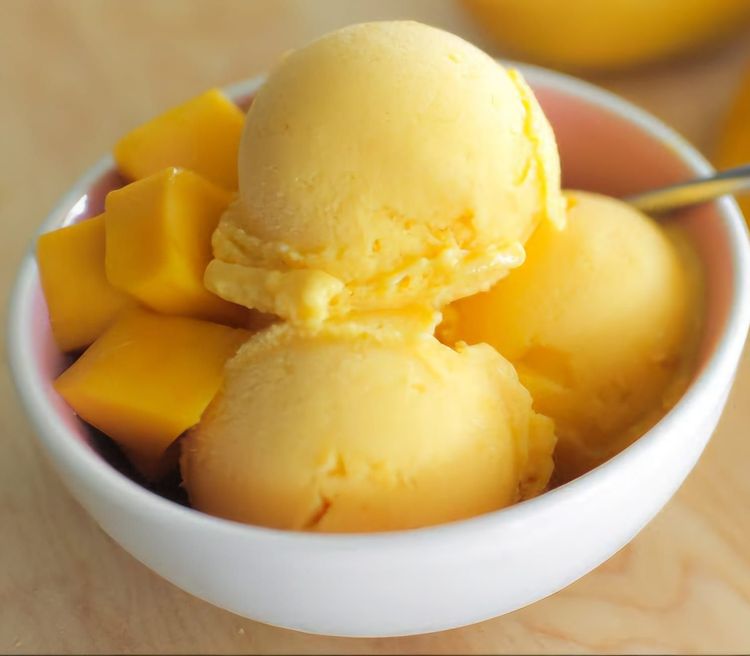
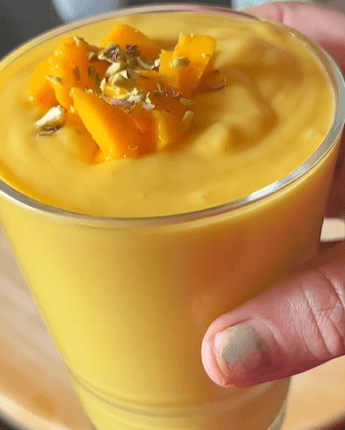
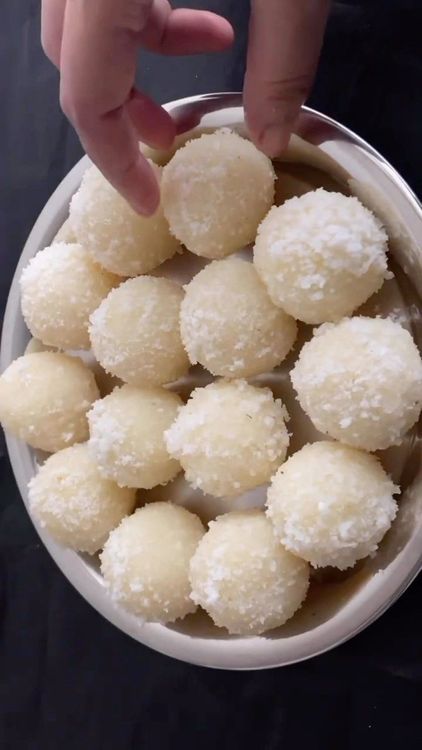
This is coconut at its quickest, where coconut cream and condensed milk do most of the heavy lifting and almost nothing needs the oven. Rolled treats like coconut ladoo come together in minutes: cook desiccated coconut briefly with condensed milk or thickened milk until the mixture pulls away from the pan, let it cool just enough to handle, then roll into balls and dust with more coconut — the warm mixture binds as it cools, so do not overcook it or the balls turn dry and crumbly. Chilled no-bake slices and fudge set on the same principle, relying on the fat in coconut cream and the sugar in condensed milk to firm up in the fridge rather than in heat, so press them into a lined tin and give them a few hours to set before cutting. On the drinks side, coconut water is for light, refreshing coolers straight from a young nut, while coconut milk and cream build thicker shakes, lassi and smoothies — blend with frozen fruit or banana for body, and a pinch of salt to round the sweetness. Keep these in the fridge in an airtight box and they hold for days, which makes them the easiest way to use up half a can. Standouts here include Vegan Coconut Ice Cream and Coconut Laddu, plus Mango Coconut Ladoo.
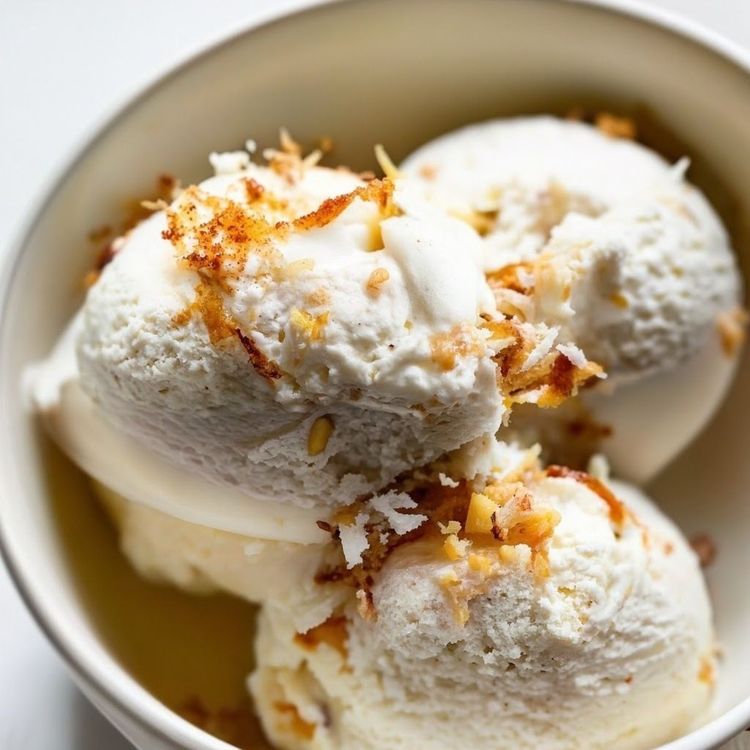

- Thai
- Vegan
- Dessert

- Indian
- Vegetarian
- Dessert
- Indian
- Vegetarian
- Dessert

- International
- Vegan
- Snack


- Italian
- Vegetarian
- Dessert
- Indian
- Vegan
- Beverage

- Indian
- Vegan
- Snack

- Indian
- Vegan
- Beverage


- African
- Vegetarian
- Snack
- Latin American
- Eggetarian
- Dessert

- Indian
- Vegan
- Beverage
- Indian
- Vegetarian
- Snack

- Indian
- Vegetarian
- Snack
- Indian
- Vegetarian
- Dessert
- Indian
- Vegan
- Beverage
- International
- Vegan
- Beverage
- Indian
- Vegetarian
- Snack

- Indian
- Vegetarian
- Snack

- Indian
- Vegetarian
- Snack

- Thai
- Vegan
- Dessert
- Indian
- Vegetarian
- Snack
More Coconut Favourites
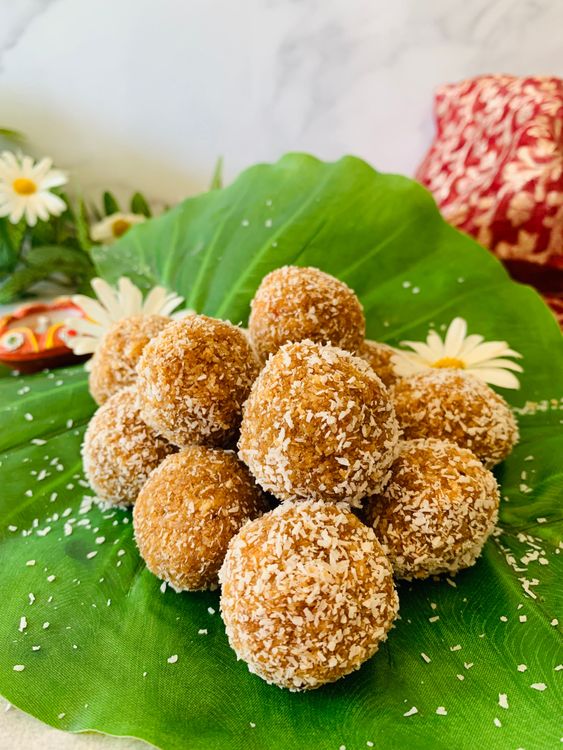
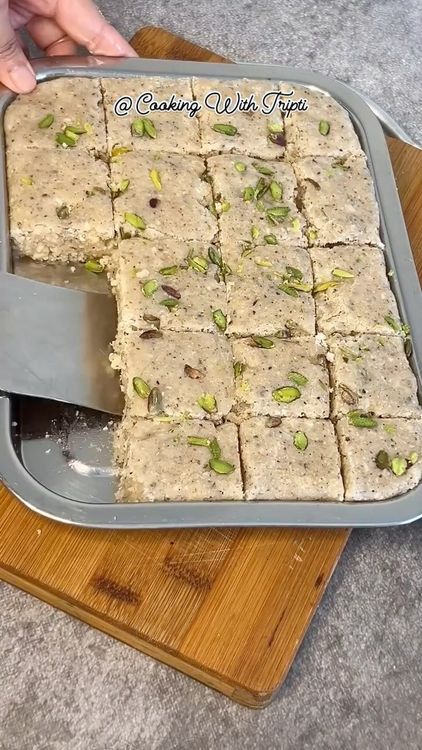
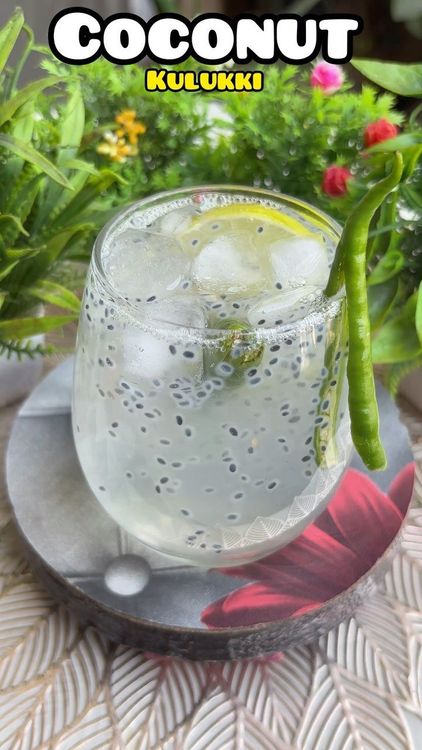
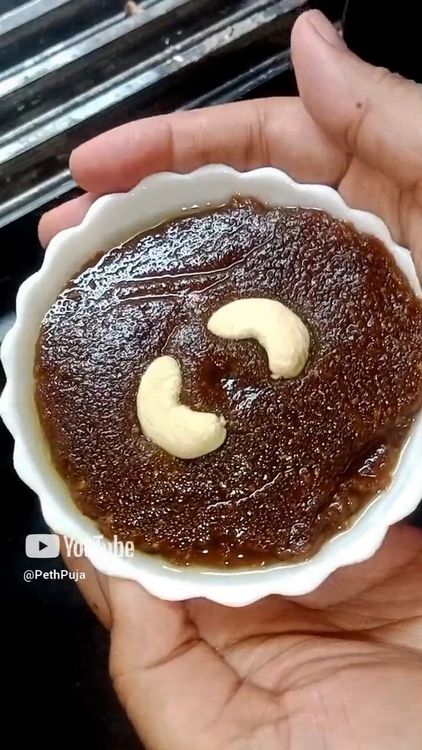
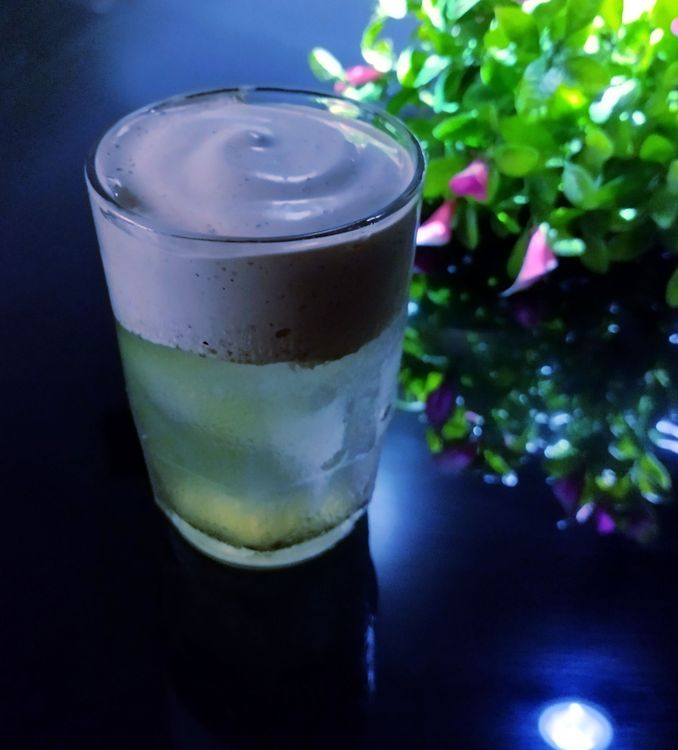
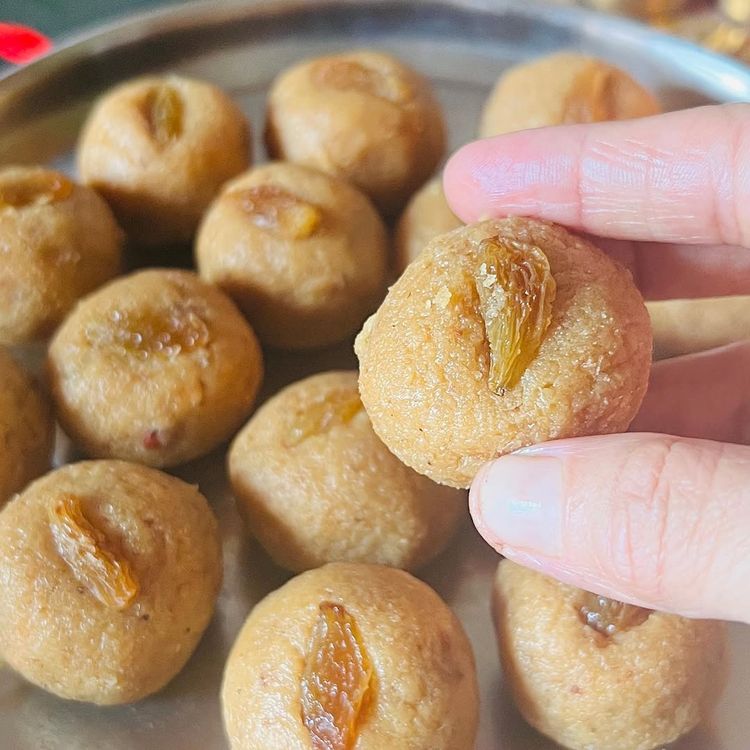
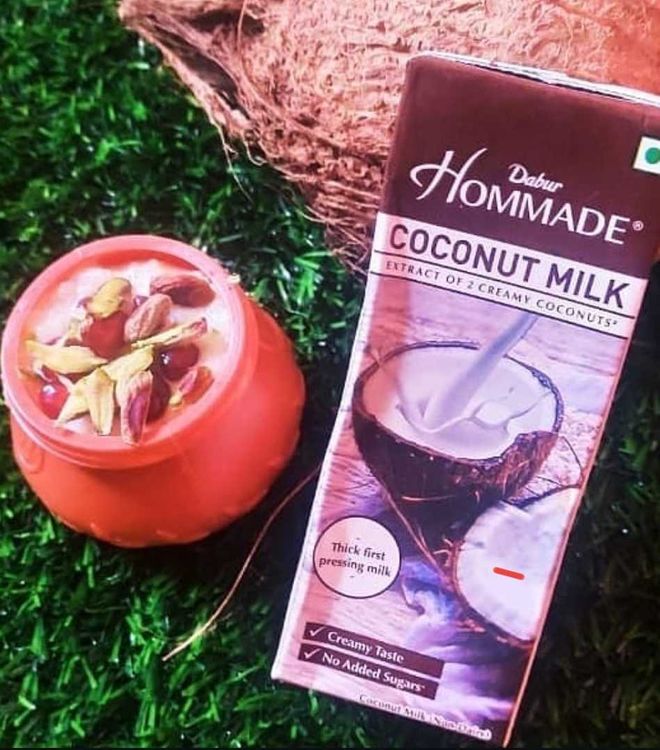
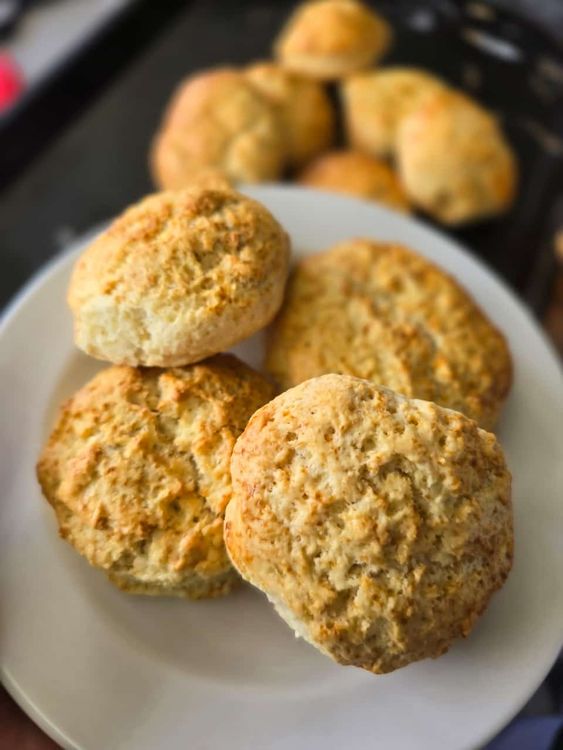
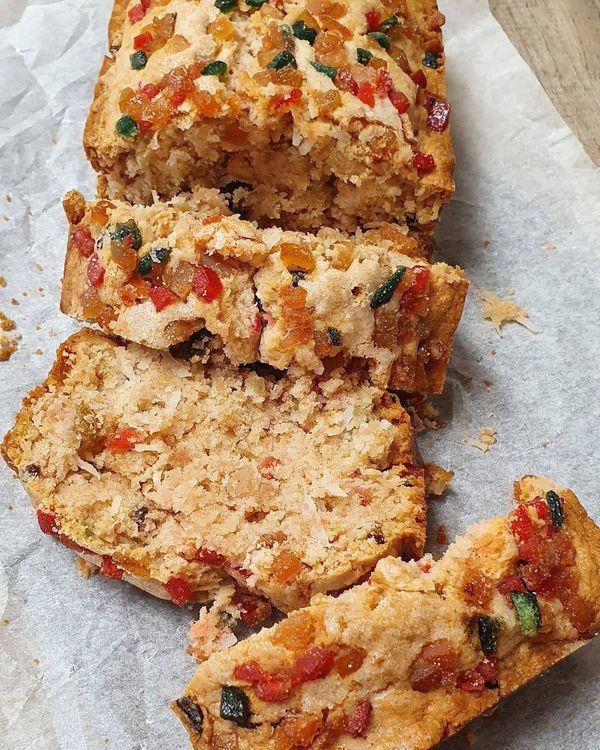
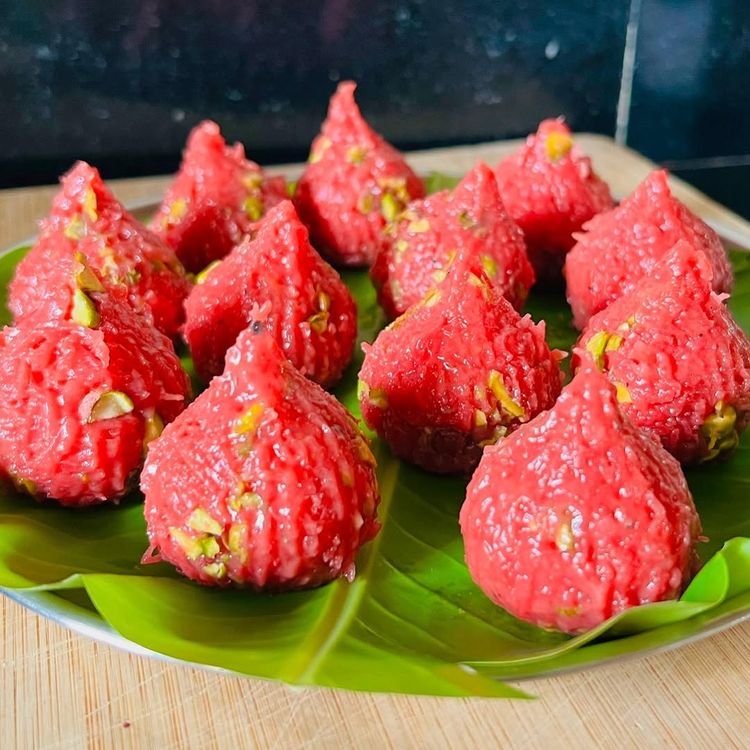
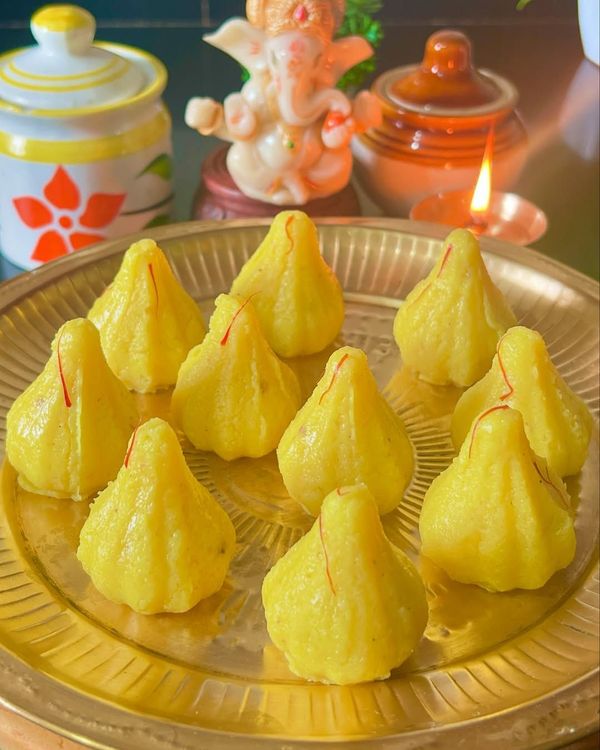
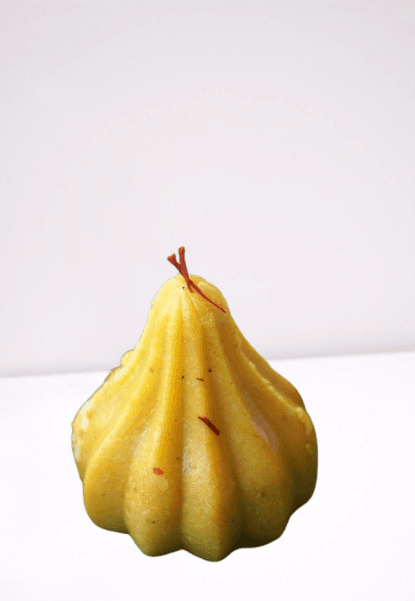
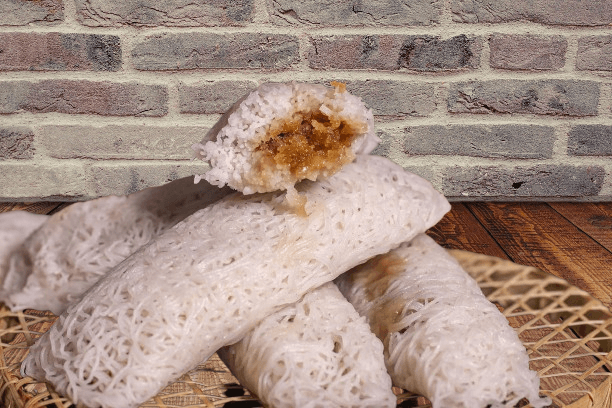
A handful of coconut dishes never quite fit a single category, and these are the ones worth keeping once the staples feel routine. They lean on the same few techniques you already know — toasting shredded coconut for flavor, simmering coconut milk gently so it never splits, scooping the thick cream for richness — but steer them toward different textures and cuisines, so coconut never tastes the same twice. Picking your next one is mostly about matching effort to mood and to which form you have open: reach for a quick no-bake or a blended drink when a half-used can needs finishing, and save the slow-simmered curries and layered bakes for a weekend when you can let the spices bloom and a cake cool properly. Pay attention to whether a recipe wants sweetened or unsweetened coconut, full-fat or light milk, since those choices change the finished texture more than any spice does. Remember too that coconut is mild and rich by nature, so almost every one of these rewards a bold hand with salt, heat or acid to keep it from tasting flat. Think of this group as the natural next step after the classics — the recipes that quietly earn a regular spot in the rotation once you have tried them. Standouts here include Coconut Jaggery Bites and Coconut Mandazi, plus C03 : Coconut Bun Filling.
- Indian
- Vegan
- Dessert


- African
- Eggetarian
- Snack

- Asian
- Eggetarian
- Snack

- Vegetarian
- Breakfast
- Indian
- Vegetarian
- Snack
- Indian
- Vegan
- Beverage
- South Indian
- Vegetarian
- Dessert
- Indian
- Vegetarian
- Dessert
- Indian
- Vegan
- Lunch

- Argentinian
- Eggetarian
- Snack
- Latin American
- Vegetarian
- Snack
- Venezuelan
- Eggetarian
- Dessert

- International
- Vegetarian
- Dessert
- Fusion
- Vegetarian
- Snack
- Indian
- Vegetarian
- Snack
- Indian
- Vegan
- Dessert
- British
- Eggetarian
- Breakfast

- Italian
- Vegetarian
- Lunch

- Caribbean
- Eggetarian
- Snack
- Bengali
- Vegan
- Snack
- Indian
- Vegetarian
- Snack
- Indian
- Vegetarian
- Dessert
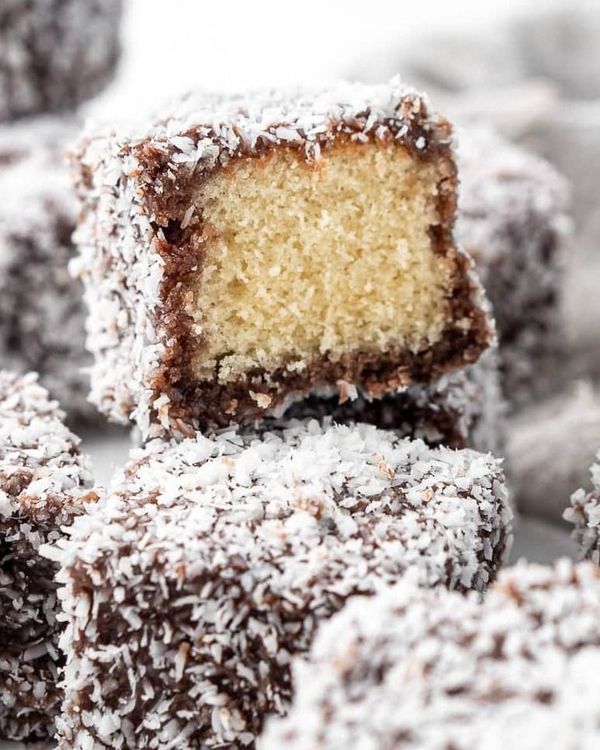

- Australian
- Vegetarian
- Snack
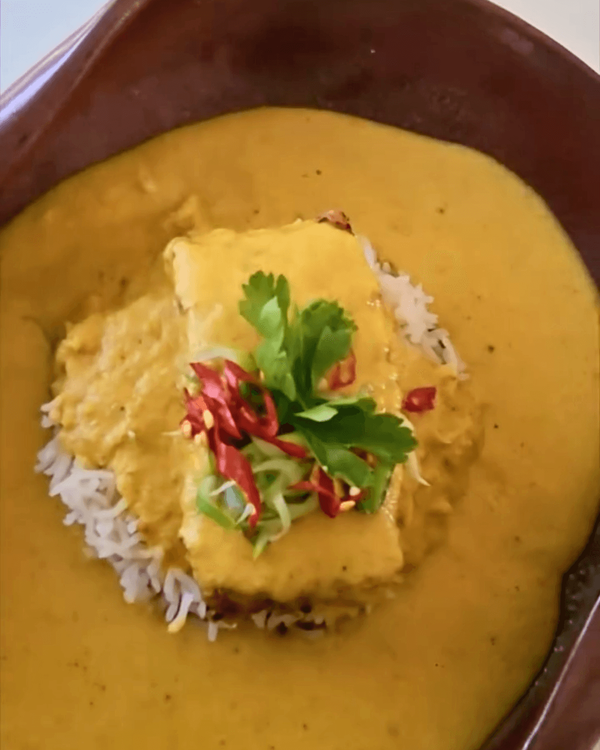

- Fusion
- Vegan
- Sauce & Condiment
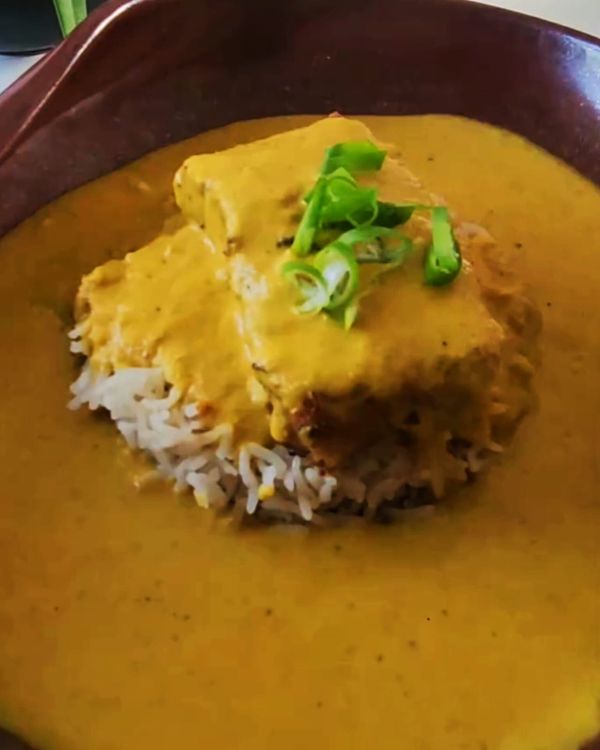
- Fusion
- Vegan
- Sauce & Condiment
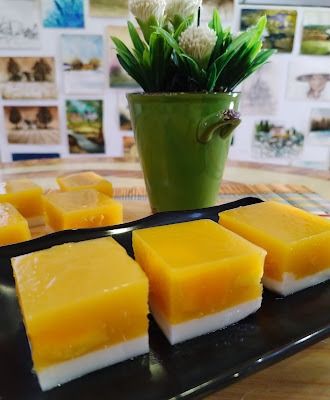
- Asian
- Vegan
- Snack
- Indian
- Vegetarian
- Dessert
- Fusion
- Vegetarian
- Snack
Knowing Your Coconut: Shredded, Milk and Cream
Start by separating the four forms in your head. Shredded or desiccated coconut is the dried, grated flesh — fine or flaked, sweetened or unsweetened — and it is what goes into macaroons, cakes and dry sides for chew and texture. Coconut milk is the canned liquid made by blending grated flesh with water and pressing it; full-fat is for curries and desserts, light is thinner and best in drinks and soups. Buy the form a recipe names rather than assuming they swap.
Coconut cream is the thick, concentrated layer that rises to the top of a can of full-fat coconut milk, or it is sold separately as a denser product. It is your tool for richness without extra water: spoon it off a chilled can for whipping, or stir it into a sauce at the end for body. Coconut water is the clear liquid sloshing inside a young green coconut — for drinking and light coolers, not for cooking down, because it is thin and faintly sweet, not creamy.
For the freshest flavor, a whole mature coconut beats anything from a packet. Pierce the soft eye and drain the water, then crack the shell with the back of a heavy knife or a few sharp taps around its equator. Pry the white flesh from the shell, peel off the brown skin, and grate or blitz it. Fresh grated coconut is sweeter and more fragrant than desiccated, and it freezes well, so process a whole nut at once and bag what you do not use.
Toasting and Using Shredded Coconut
Toasting is the lever that changes shredded coconut from soft and mild to golden and nutty. Spread it in a dry pan over medium heat or on a tray in a moderate oven, and stir or shake constantly — coconut is high in fat and sugar and goes from pale to scorched in seconds, with the edges always coloring first. Pull it the moment it turns the color of light honey; it keeps darkening off the heat. Toast when you want flavor and crunch on top of a cake or in granola, and leave it untoasted when you want it to melt softly into a batter.
Sweetened and unsweetened shredded coconut are not interchangeable. Sweetened (moist, sticky) is built for macaroons and American-style coconut cakes, where its extra sugar and moisture help the bind. Unsweetened (drier, often desiccated) is the default for Indian sweets, savory sides and anywhere you control the sugar yourself. If a recipe assumes one and you have the other, adjust the sugar and the liquid to compensate, because that moisture difference shows up in the finished texture.
In bakes, shredded coconut both flavors and dries the crumb, since it absorbs moisture as it sits. Counter that with extra fat, an additional egg, or a soak of coconut milk brushed over a warm cake to keep it moist. For macaroons, the bind comes from egg white or sweetened condensed milk holding the coconut together — mix just enough to coat, mound the clumps high so the outside crisps while the inside stays chewy, and do not overbake or they turn dry and hard.
Cooking with Coconut Milk Without Splitting It
Coconut milk is an emulsion of fat and water, and like cream it can split into a greasy slick and watery curds if you treat it roughly. The fix is heat control: bring a coconut-milk sauce to a gentle simmer, never a hard rolling boil, and keep it there. Stir often so the fat stays suspended, and add the milk toward the end of cooking rather than boiling it for ages. A pinch of salt and a little starch or ground nut in the sauce also help hold the emulsion together.
Shake the can before opening, because the cream and water separate on the shelf. For most curries you want them combined; but some recipes, like a Thai curry, deliberately crack the thick cream first — simmer the solid top of the can until the fat separates and the paste fries in it, which builds deep flavor before the thinner liquid goes in. Knowing when separation is the enemy and when it is the technique is half of cooking well with coconut milk.
Balance is everything in a coconut-milk dish, because the milk is rich, mild and faintly sweet, and it will mute spice and salt if you let it. Season assertively, and brighten the finish with acid — lime, tamarind or a squeeze of lemon — plus fresh herbs like coriander or Thai basil added off the heat. Fish, prawns and chicken all love this medium; add quick-cooking seafood late so it stays tender, and let tougher cuts simmer gently until they give.
Coconut Cream, Whipping and Make-Ahead
Coconut cream is the dessert workhorse. To whip it into a dairy-free cream, chill a can of full-fat coconut milk (or coconut cream) overnight, scoop only the solid white top into a cold bowl, leaving the watery liquid behind, and whip with a little sugar and vanilla until soft peaks form. It will not hold as stiffly as dairy cream, so use it soon and keep it cold. For sauces and curries, stir cream in at the end for a glossy, rich finish that thin coconut milk cannot give.
Coconut-milk curries and rice keep well and many taste better the next day as the spices settle, but reheat them gently — a hard boil on reheating can split the sauce just as it can during cooking. Loosen a thickened curry with a splash of water or extra coconut milk, warm it slowly, and finish again with fresh herbs and acid to wake it up. No-bake treats and ladoo keep for days in the fridge in an airtight box; bakes with shredded coconut stay moist longest when wrapped well.
Storage of the raw ingredients matters too. An opened can of coconut milk lasts only three to four days in the fridge, but freezes well in portions for curries (it may look grainy when thawed — whisk or blend it smooth). Desiccated coconut keeps for months in a sealed jar but, being fatty, can go rancid, so smell it before use and store it cool and dark. Fresh grated coconut is best frozen the day you process the nut.
Pro Tips from the Test Kitchen
- Match the form to the job: shredded for texture and bakes, coconut milk for simmering, cream for richness, water for drinking.
- Toast shredded coconut in a dry pan and stir constantly — it scorches in seconds, so pull it at light honey.
- Shake the can before opening; coconut cream and water separate on the shelf.
- Never hard-boil coconut milk — keep it at a gentle simmer and stir so the fat stays emulsified and does not split.
- Add coconut milk toward the end of cooking rather than reducing it hard for a long time.
- For Thai-style curries, crack the thick cream first and fry the paste in the rendered fat before adding the thin liquid.
- Brighten rich coconut sauces with lime, tamarind or lemon and fresh herbs off the heat, or they taste flat.
- Brush a warm coconut cake with coconut milk to keep the crumb moist as the shredded coconut dries it out.
- For dairy-free whipped cream, chill a can overnight, scoop only the solid top, and whip cold.
- Reheat coconut curries slowly with a splash of water or milk; a hard boil will curdle the sauce.
Frequently Asked Questions
What is the difference between coconut milk and coconut cream?
Both come from pressing grated coconut flesh with water, but cream is far more concentrated. Coconut milk is thinner and used as the simmering liquid for curries, rice and soups. Coconut cream is the thick, fatty layer that rises to the top of a can (or sold separately), used for richness — whipped into a dairy-free topping or stirred into sauces and desserts at the end. Both differ from coconut water, the thin drinking liquid from a young nut.
Can I substitute shredded coconut for coconut milk?
Not directly — they do different jobs. Shredded coconut adds texture and chew to bakes and dry sides; coconut milk is a liquid for simmering. In a pinch you can make a rough coconut milk by blending shredded coconut with hot water and straining it, but the result is thinner and less rich than the canned product. For a curry or coconut rice, buy the milk; for a macaroon or cake, use the shredded.
Why does my coconut milk curdle or split in curry?
Coconut milk is an emulsion of fat and water that breaks under harsh heat, just like dairy cream. Hard boiling, or simmering it too long, causes the fat to separate into a greasy slick and watery curds. Keep the sauce at a gentle simmer, stir often, add the milk toward the end, and use full-fat milk with a little salt and starch to help hold it together. Reheat gently for the same reason.
How do you toast shredded coconut?
Spread it in a dry pan over medium heat or on a tray in a moderate oven, and stir or shake almost constantly. Because coconut is high in fat and sugar, it goes from pale to burnt in seconds, with the edges coloring first. Pull it the instant it reaches a light golden honey color, since it keeps darkening off the heat. Toast for nutty flavor and crunch; leave it pale when you want it to melt softly into a batter.
How do you whip coconut cream into a dairy-free topping?
Chill a can of full-fat coconut milk or coconut cream overnight so the fat sets firm. Scoop only the solid white top into a cold bowl, leaving the watery liquid behind, then whip with a little sugar and vanilla until soft peaks form. It will not hold as stiffly as dairy whipped cream and softens at room temperature, so make it just before serving and keep it cold. A splash of the reserved liquid can loosen it if needed.
Is coconut milk healthy?
Coconut milk is plant-based and lactose-free, which makes it valuable for dairy-free and vegan cooking, and it brings richness and satiety to a dish. It is also high in saturated fat and calorie-dense, especially full-fat versions, so portion sensibly. Light coconut milk is thinner and lower in fat for everyday soups and drinks. As with most things, it is best enjoyed as part of a balanced diet rather than poured freely into everything.
How do you open and grate a fresh coconut?
Pierce the softest of the three eyes with a screwdriver or skewer and drain the water. Then crack the shell by tapping firmly around its middle (the equator) with the back of a heavy knife or a hammer until it splits. Pry the white flesh from the shell with a blunt knife, peel off the thin brown skin with a peeler, and grate or blitz the flesh. Fresh coconut is sweeter than desiccated and freezes well.
What can I use instead of coconut cream?
For richness in a sauce, the thick top scooped from a chilled can of full-fat coconut milk is the closest match, or reduce regular coconut milk to thicken it. In dairy-friendly cooking, heavy cream works in savory dishes though it loses the coconut flavor. For whipping, only well-chilled coconut cream or the solid top of a full-fat can will hold peaks — light coconut milk has too little fat to whip.
How do you keep a coconut cake moist?
Shredded coconut absorbs moisture as a cake sits, which can dry the crumb. Counter it by adding extra fat or an egg to the batter, not overbaking, and brushing the warm cake with a little coconut milk or simple syrup so it soaks in. Storing the cake well-wrapped or frosted (coconut pairs beautifully with a cream-cheese or coconut buttercream) also seals in moisture. A layer of coconut cream in the filling keeps things lush.
Can you freeze coconut milk and shredded coconut?
Yes to both. Leftover canned coconut milk freezes well in portions for future curries — it may look grainy when thawed, so whisk or blend it smooth before using. Fresh grated coconut also freezes beautifully, so process a whole nut and bag what you do not need that day. Desiccated coconut keeps for months in a sealed jar at room temperature but, being fatty, can turn rancid, so store it cool and dark and smell it before use.
The thread through every coconut recipe here is the same: knowing which form you are reaching for and treating it accordingly. Toast shredded coconut for flavor and fold it gently into bakes; simmer coconut milk low so it never splits; save the thick cream for richness at the finish. Get those moves right and cakes, curries, rice and treats all fall into place from one humble nut.
Pick three to cook this week — a creamy curry, a chewy macaroon and a quick no-bake treat — and save your favorites to a Chefadora cookbook. Then work through the rest; this page is built to be the coconut reference you actually come back to.
Related
- Coconut
- Coconut Milk
- Dairy Free
- Vegan
- Dessert
- Curry
- South Indian
- Tropical
Popular Searches
- Best coconut recipes
- Easy coconut recipes
- Quick coconut recipes
- Healthy coconut recipes
- Simple coconut recipes
- Homemade coconut recipes
- Delicious coconut recipes
- Popular coconut recipes
- coconut milk curry
- coconut cake
- coconut shrimp
Marnirni-apinthi Building, Lot Fourteen,
North Terrace, Adelaide, South Australia, 5000
Australia
