
Top 70 Fried Rice Recipes: Egg, Protein, Veggie and Global Twists
Updated June 29, 2026 · Curated by Chefadora
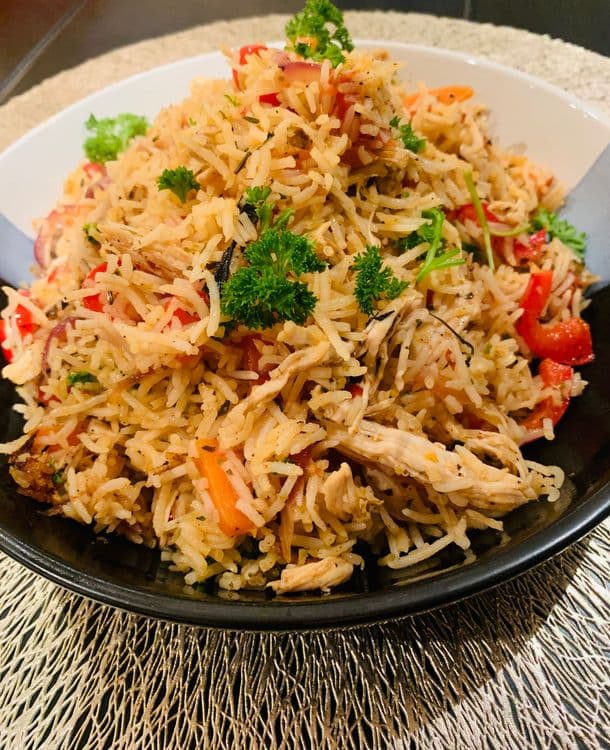
Fried rice recipes are the ultimate proof that great cooking is mostly technique and timing rather than a long shopping list. At its heart this is a way to turn yesterday’s leftover rice and whatever sits in the fridge into a fast, smoky, deeply satisfying meal — one that tastes far better than the sum of its parts. The dishes below were chosen to show the real range of the style: a plain egg version you can cook in ten minutes, protein-packed plates, vegetable and vegan options, and the bolder global twists that take the same pan somewhere new.
What separates a brilliant plate of fried rice from a sad, soggy clump is almost entirely how you handle two things: the rice and the heat. You want grains that are dry and separate enough to fry rather than steam, and a pan hot enough to char them lightly instead of stewing them in their own moisture. Get those two right and everything else — the egg, the sauce, the vegetables — falls into place around them.
You will find four clusters here: classic and egg fried rice, protein-led plates built on chicken, shrimp or pork, vegetable and vegan versions, and a run of global twists from kimchi-bokkeum-bap to pineapple and Thai basil. The base method is shared across every one of them, so once you have cooked a good plain egg version you already know how to cook all the rest — you are simply swapping the add-ins and the finishing seasonings.
Treat this page as a working reference. Each recipe links to full ingredients and steps on Chefadora, and the guides below cover the decisions that actually make or break the dish — why day-old cold rice matters so much, how to get a genuinely hot pan and a touch of wok hei at home, how to seal the rice so it stays separate, and how to season at the end so every grain is coated rather than swimming in sauce.
Classic & Egg Fried Rice
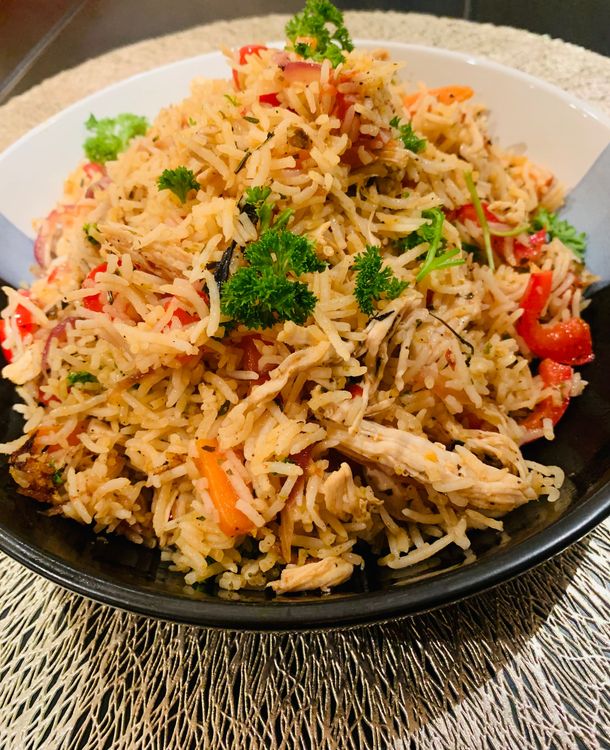
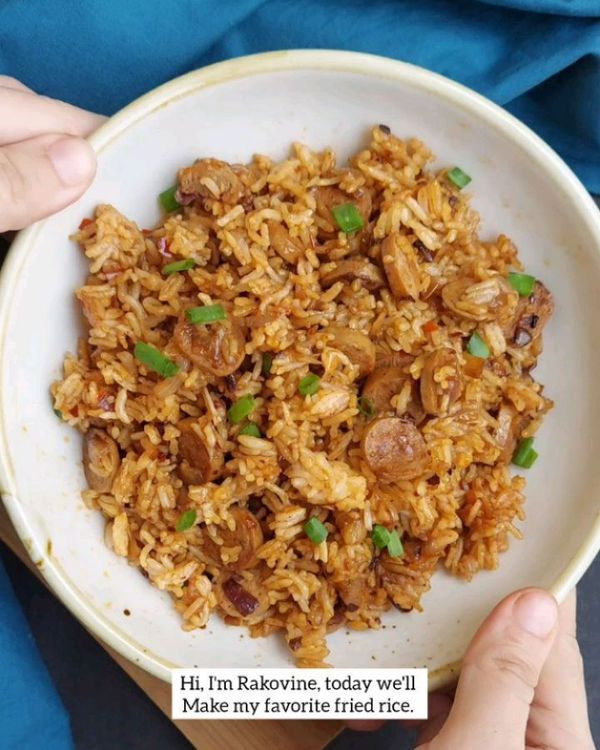
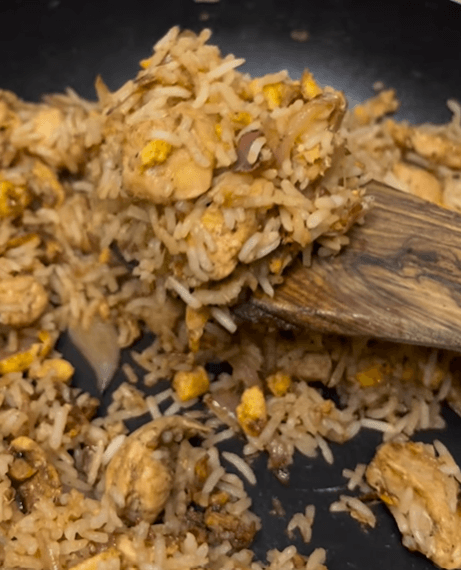
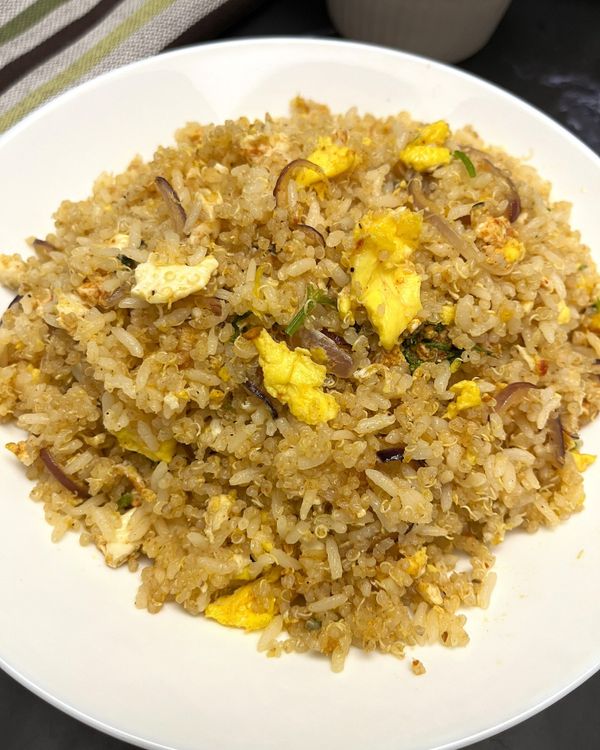
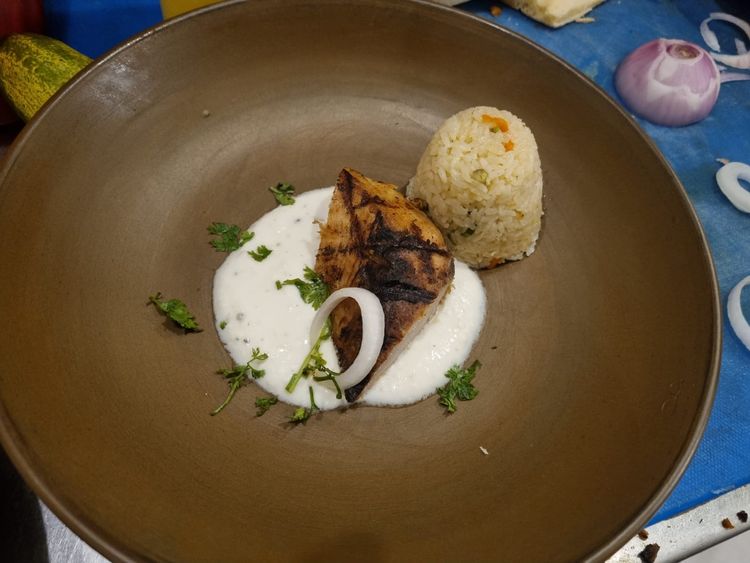
Everything else on this page is a variation on what happens here, so this is the cluster to master first. Plain egg fried rice and the simple takeout-style classics strip the dish back to its essentials: day-old cold rice, hot oil, a scramble of egg, a hit of aromatics and a careful, end-of-cook splash of soy. Because there is nowhere to hide, technique is everything. Use rice that has spent a night in the fridge so the grains are dry and separate, break up every clump with your fingers before it goes near the heat, and get the pan genuinely ripping hot before the oil shimmers. Scramble the egg first and pull it early so it stays soft, then toast the rice by pressing it against the hot metal in stages rather than stirring it to death. Season last and season lightly — a little soy for salt, a dash of dark soy for color, a few drops of sesame oil at the finish. Done right, a plate of plain egg fried rice with nothing but spring onion is as good as any version dressed up with meat. Standouts here include Garlic Chicken Fried Rice and Egg Pepper Fried Rice | Street Style, plus Spicy Korean Cod with Garlic Fried Rice.

- Indian
- Non-Vegetarian
- Lunch


- Indo-Chinese
- Eggetarian
- Lunch


- Pescatarian
- Dinner

- Nut-Free
- Dinner

- Chinese
- Eggetarian
- Lunch
- Chinese
- Non-Vegetarian
- Dinner

- Asian
- Vegetarian
- Lunch
- Chinese-Indian Fusion
- Vegetarian
- Dinner
- Chinese
- Vegetarian
- Lunch
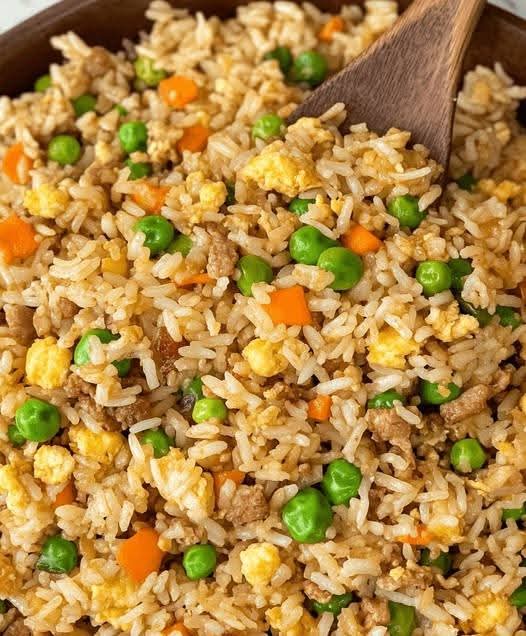
- Asian
- Eggetarian
- Lunch
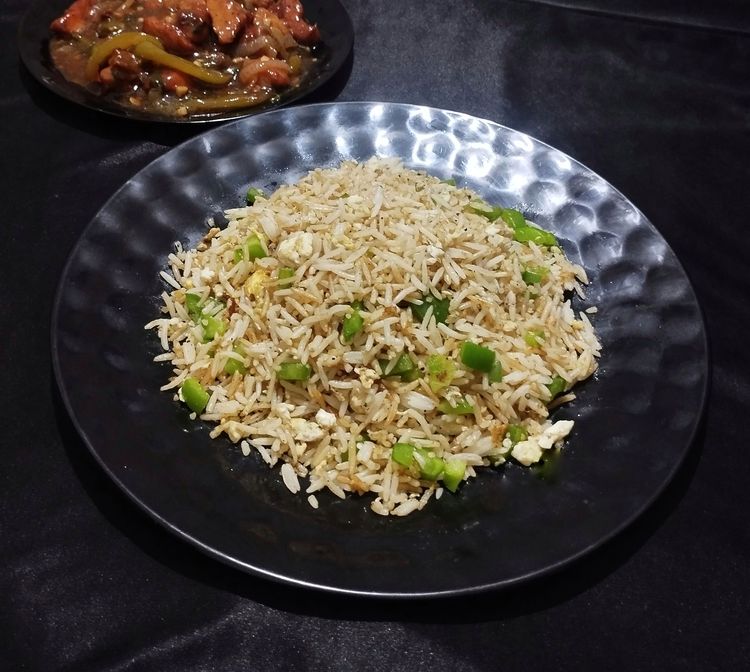
- Asian
- Eggetarian
- Lunch
- Indian
- Non-Vegetarian
- Breakfast
- Asian
- Non-Vegetarian
- Dinner

- Asian
- Eggetarian
- Lunch
- Indian
- Eggetarian
- Lunch
- Filipino
- Non-Vegetarian
- Lunch
- Asian
- Eggetarian
- Lunch

- Nigerian
- Non-Vegetarian
- Main Course
- Chinese
- Pescatarian
- Lunch
Chicken, Shrimp & Pork Fried Rice
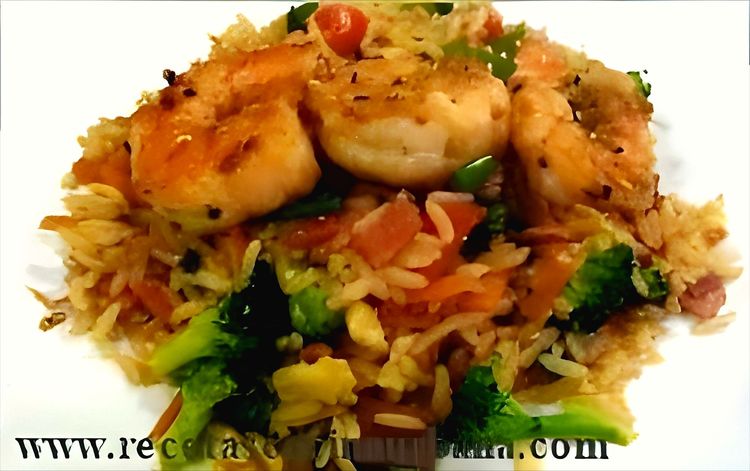
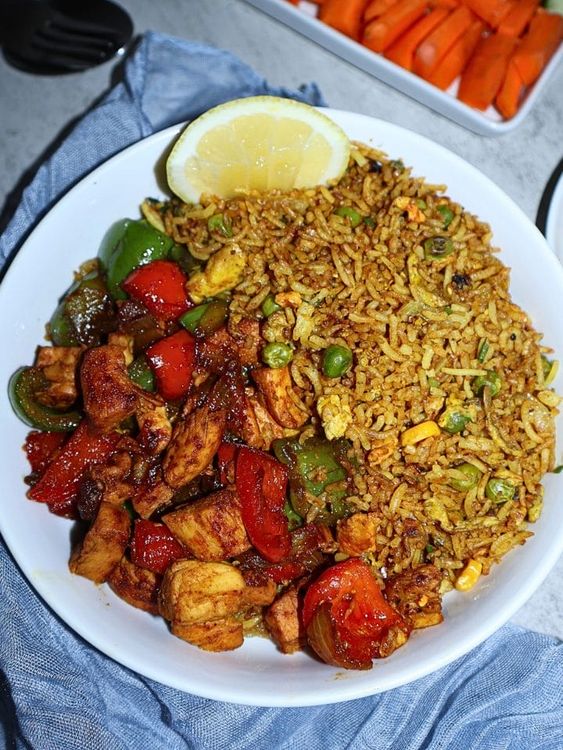
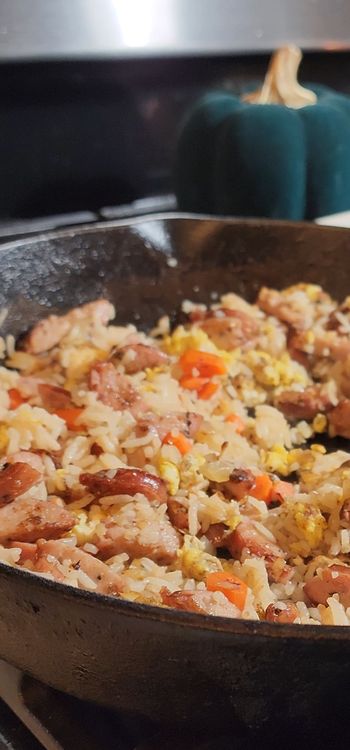
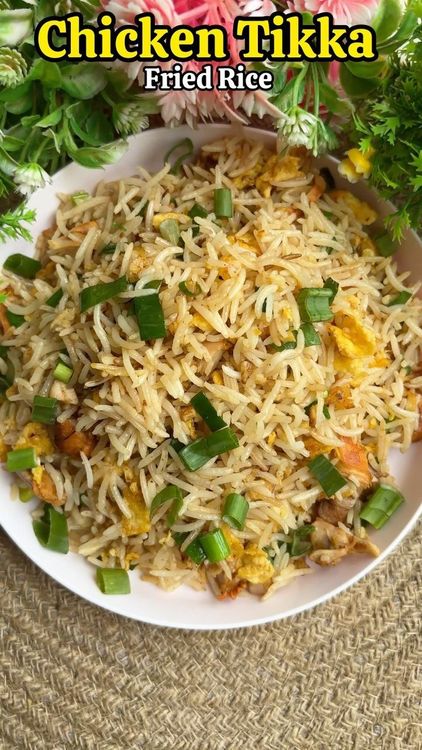
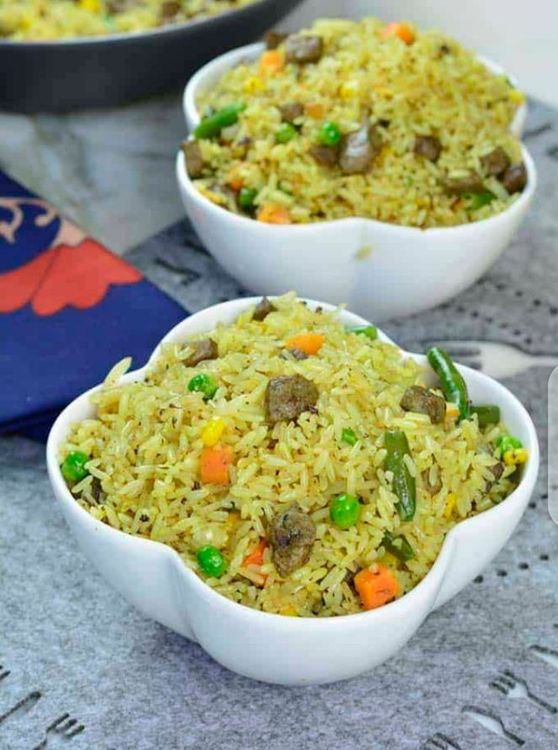
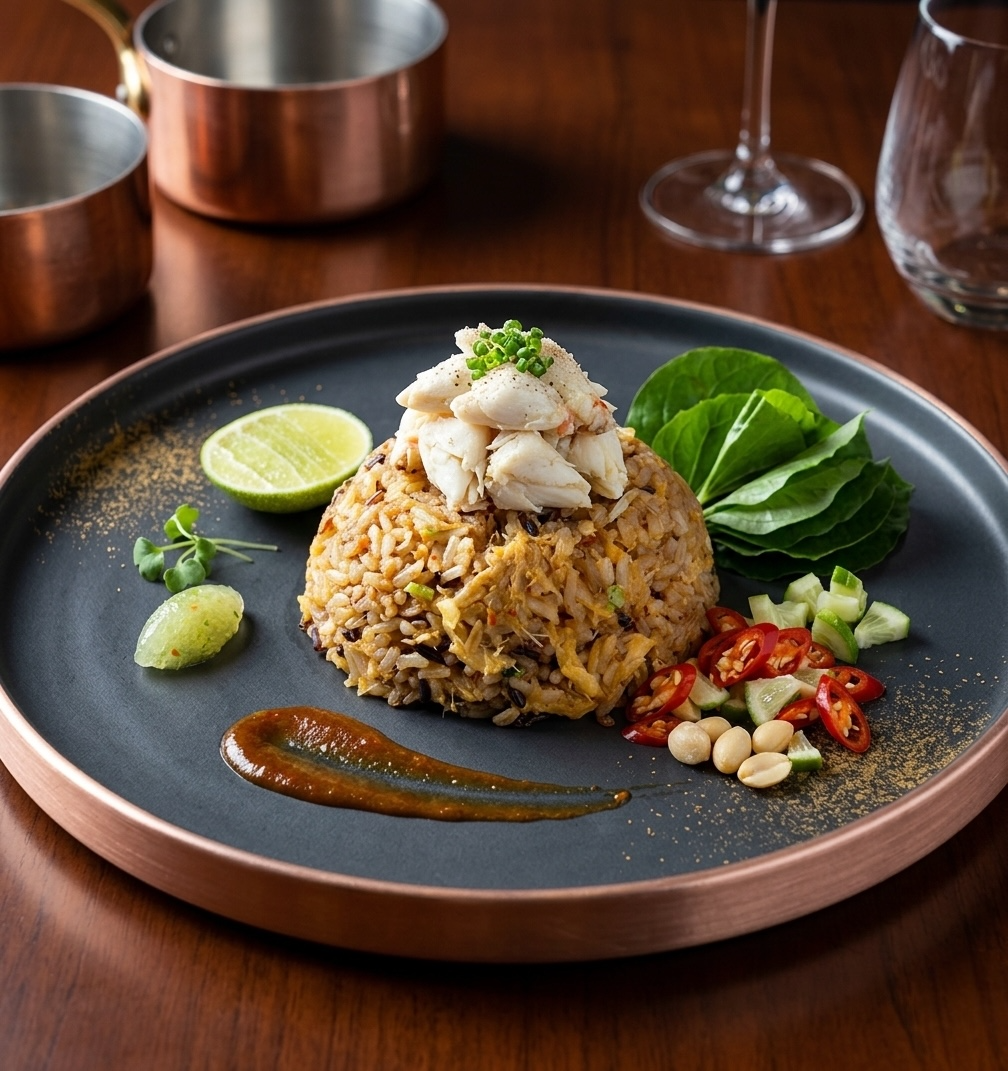
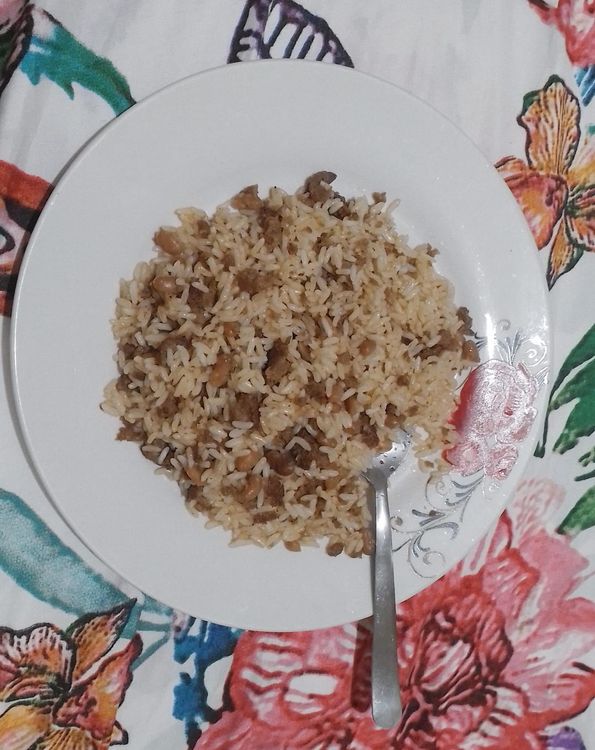
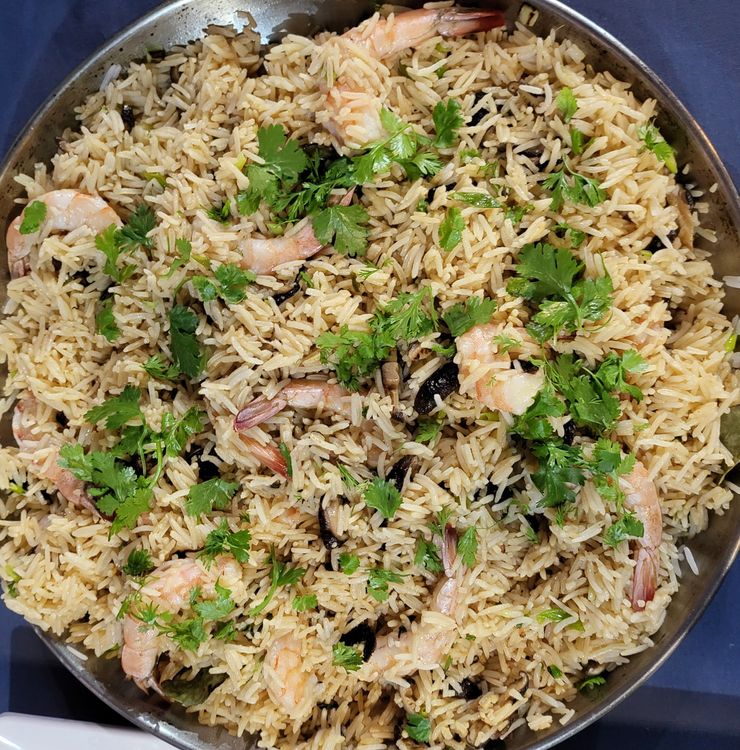
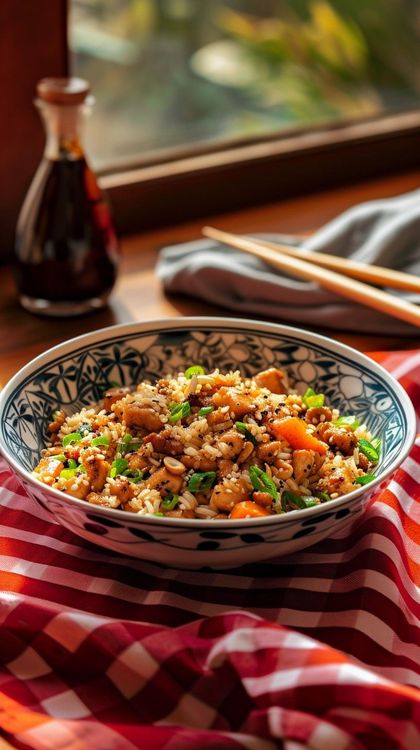
When fried rice becomes dinner rather than a side, this is the cluster you reach for. Chicken, shrimp and pork all turn a quick plate into a complete, satisfying meal, but each rewards a slightly different touch. The unifying rule is to cook the protein first, hot and fast in the ripping pan, then set it aside and fold it back in only at the very end so it never overcooks while the rice gets its sear. Slice chicken thin so it cooks through in moments and stays juicy; sear pork or char siu until the edges caramelise; and treat shrimp with real care, because they curl and turn rubbery within a minute or two — add them barely cooked and let the residual heat finish them. Marinate chicken briefly in soy, a little cornflour and a splash of oil for silky, velveted meat that stays tender at high heat. Pat everything bone-dry before it hits the pan so it sears rather than steams, and never crowd the surface, which leeches juices and grey-boils the lot. Build the rice around the seared protein and you get a one-pan meal that genuinely earns its place in the weeknight rotation. Standouts here include One Pot Prawns Fried Rice and Chicken Fried Rice (Umami flavoured), plus Chicken Sausage Fried Rice.

- Pescatarian
- Main Course
- Asian
- Non-Vegetarian
- Lunch

- Asian
- Non-Vegetarian
- Lunch
- Indian
- Non-Vegetarian
- Lunch

- Nigerian
- Non-Vegetarian
- Lunch

- Pescatarian
- Lunch
- Fusion
- Non-Vegetarian
- Lunch
Vegetable & Vegan Fried Rice
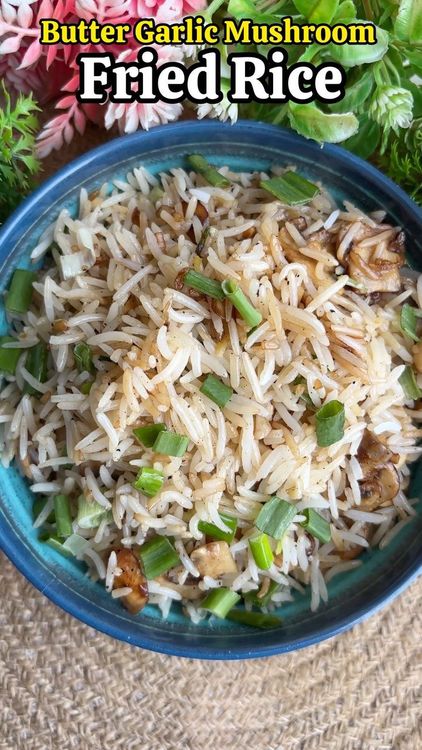
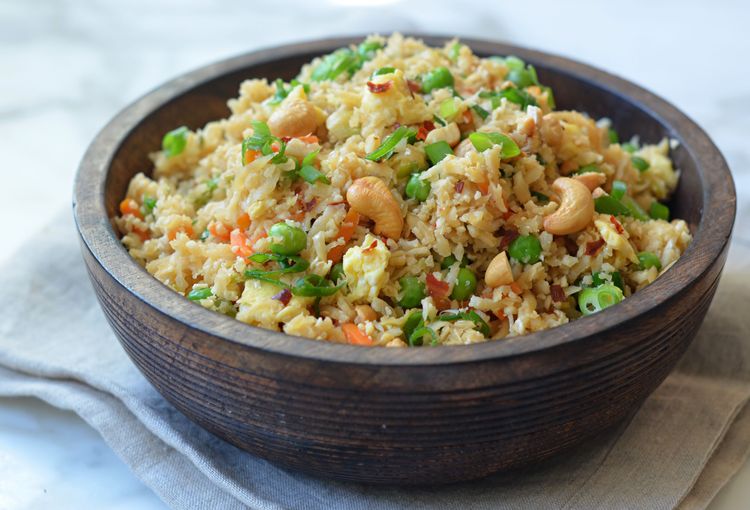
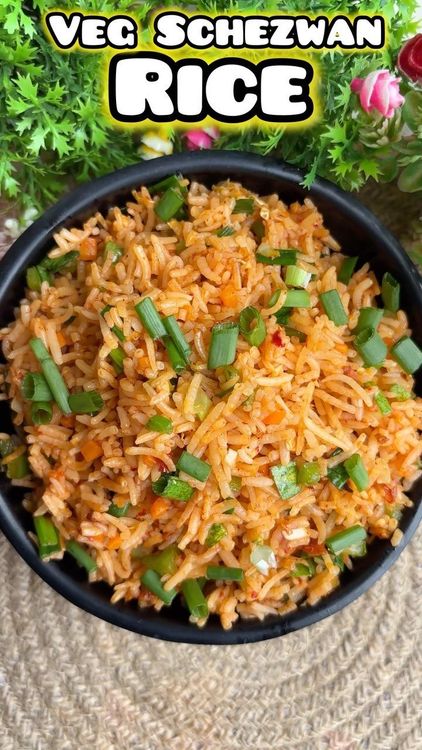
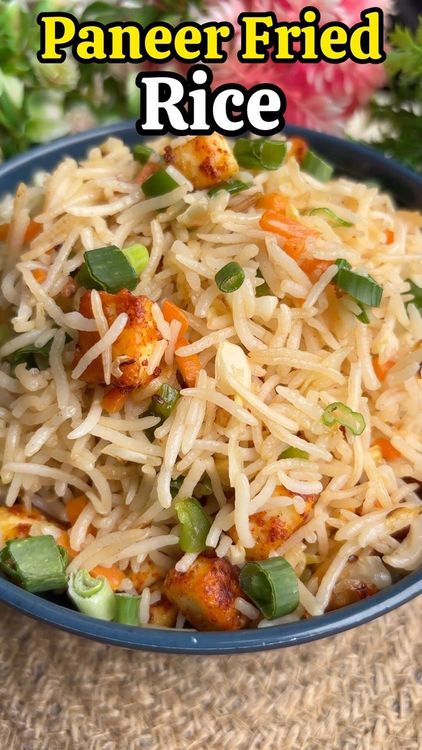
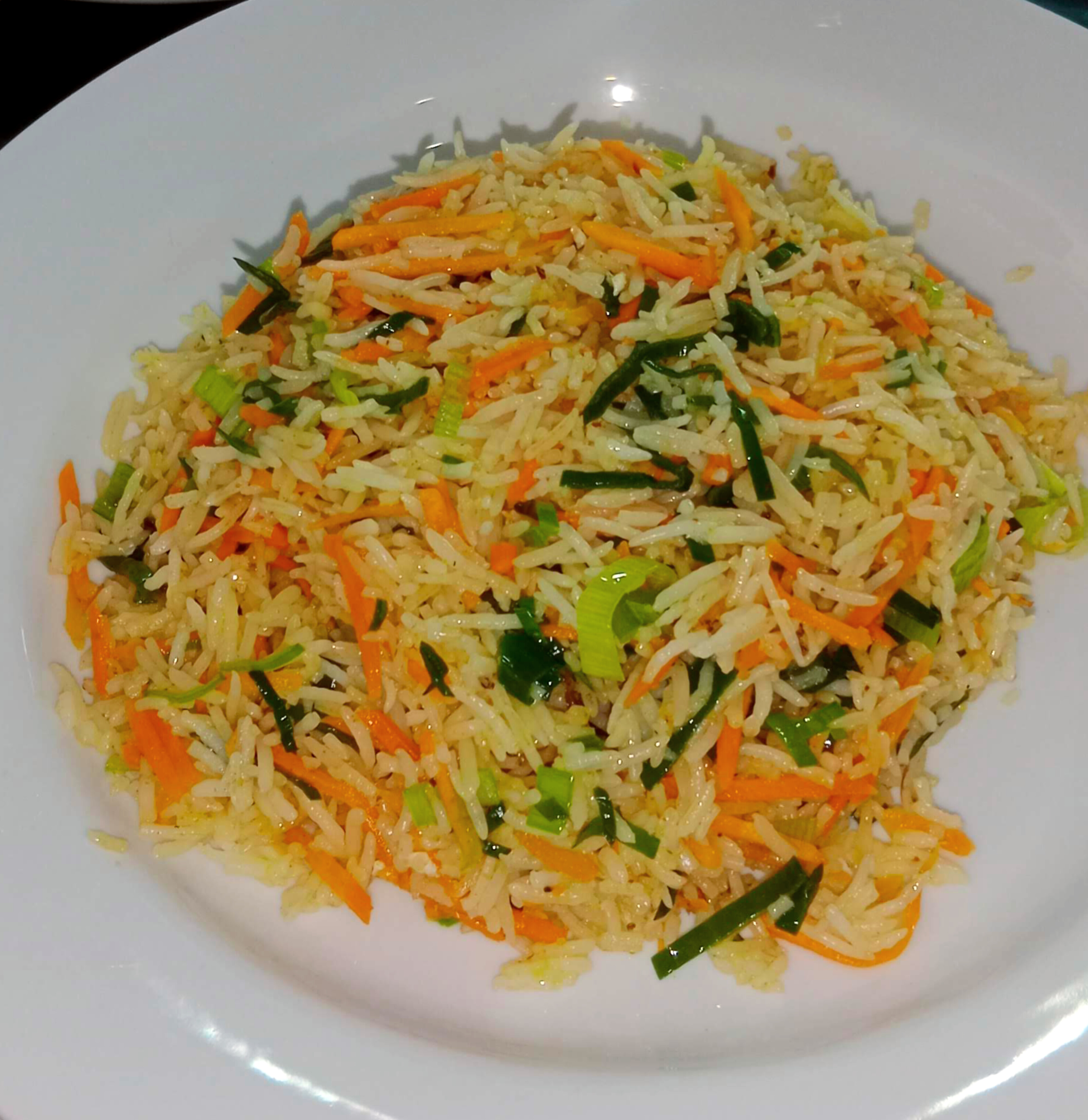
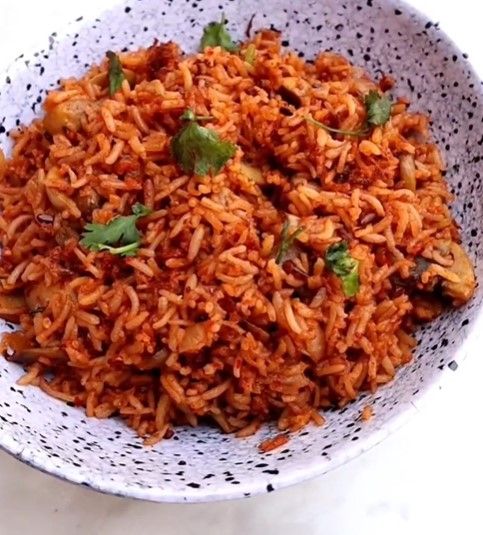
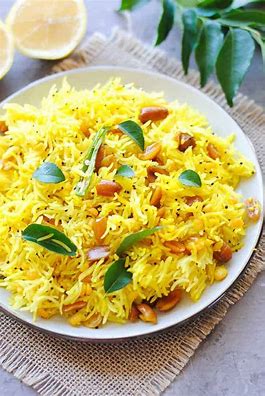
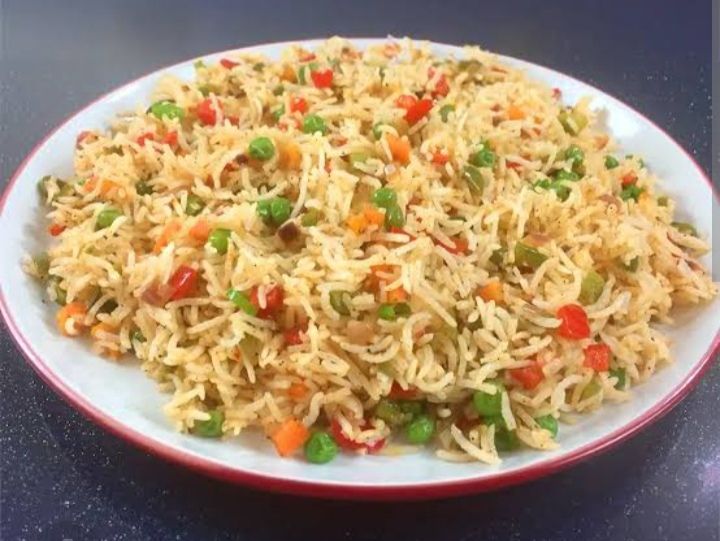
You do not need egg or meat to make a fried rice worth craving, and this cluster proves it — what these plates demand instead is attention to texture and a confident sear. Pressed tofu, seared hard before it meets the rice, gives you golden, savory cubes; mushrooms cooked until their water boils off and they brown add a deep, almost meaty richness; and a generous pile of crisp-tender vegetables carries the whole dish. The key is order and heat. Cook hard vegetables like carrots, beans and bell pepper first so they soften, then add tender ones such as peas, sweetcorn and spring onion greens at the very end so they keep their bite and bright color. Lean hard on aromatics — garlic, ginger and chilli bloomed in hot oil — because that is where the backbone flavor comes from when there is no meat. For a vegan plate, skip the egg or use crumbled scrambled tofu in its place, and swap oyster sauce for a vegetarian mushroom version, finishing with soy, a touch of sesame oil and white pepper. Keep the pan hot, the rice dry and the vegetables just-cooked, and a meat-free version stands proudly alongside any other on this page. Standouts here include Veg. Schezwan Fried Rice and Paneer Fried Rice, plus Carrot Fried Rice.
- Chinese
- Vegan
- Lunch
- Chinese
- Vegetarian
- Lunch
- Indian
- Vegan
- Lunch
- Asian
- Vegan
- Lunch
- Indian
- Vegan
- Lunch

- Asian
- Eggetarian
- Lunch
Global Twists: Kimchi, Pineapple & Thai
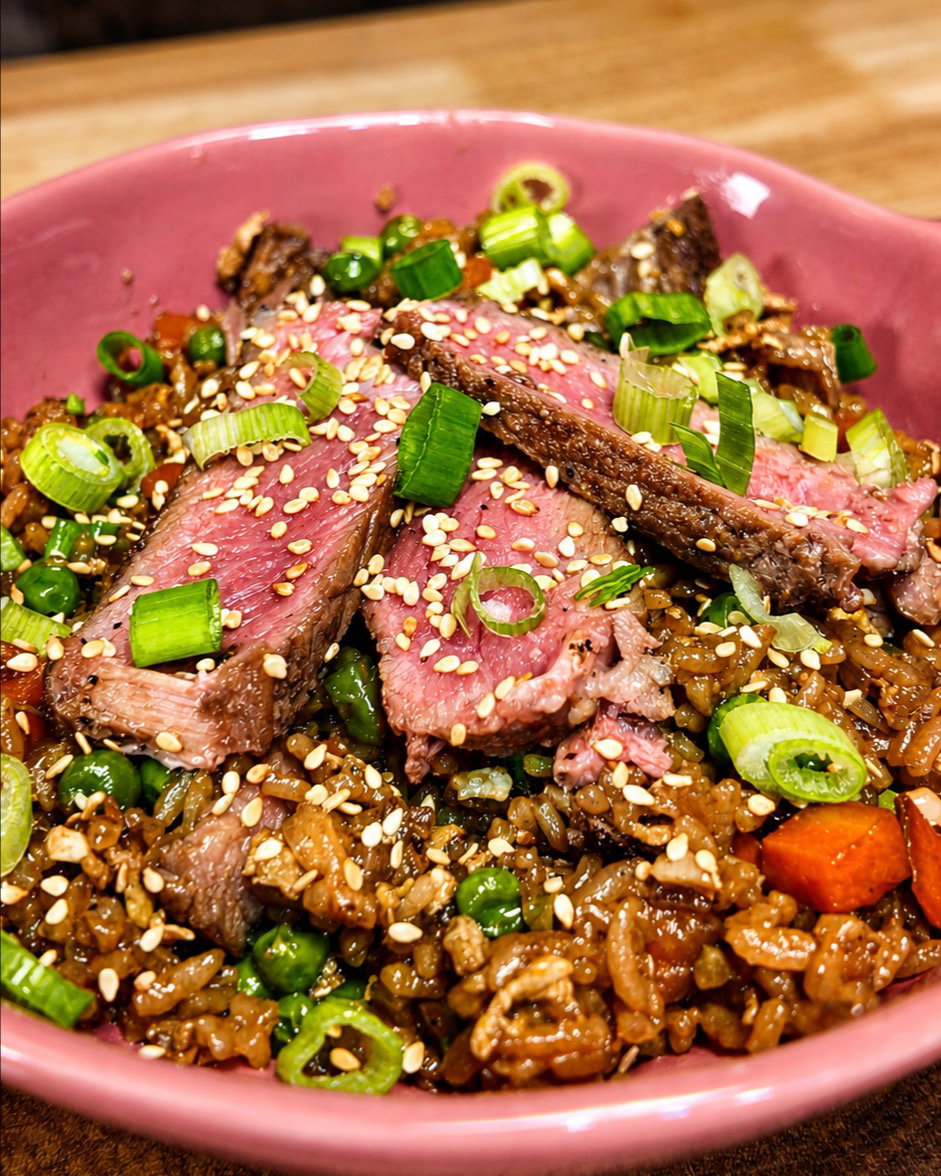
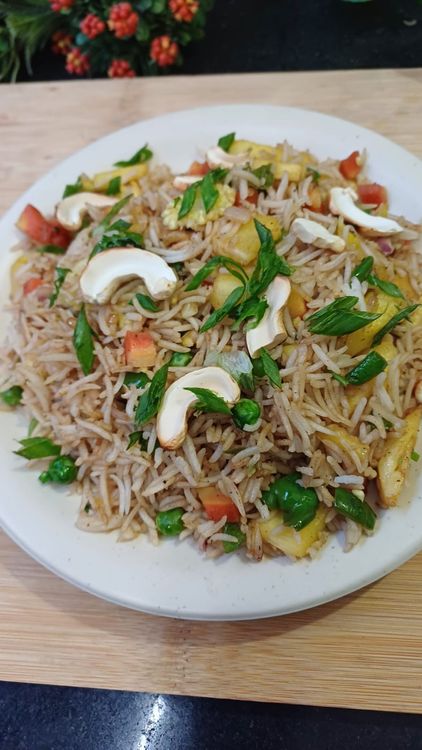
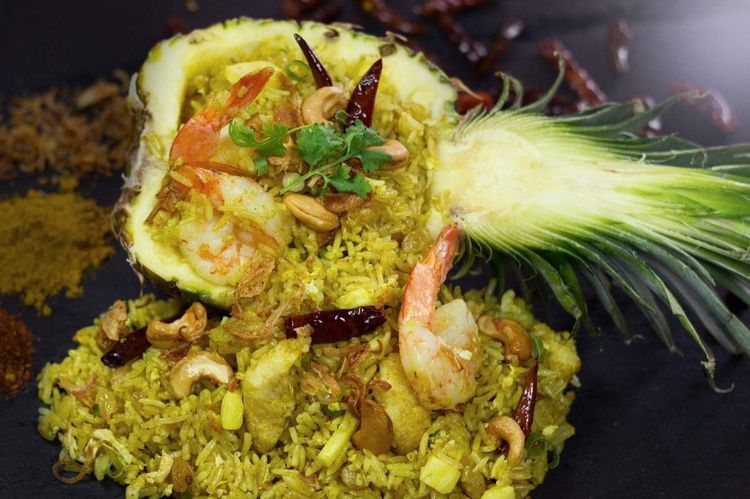
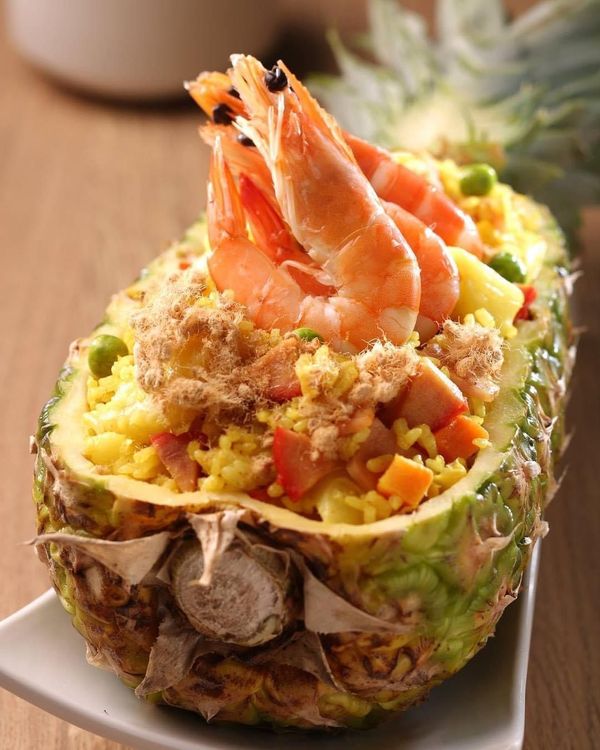
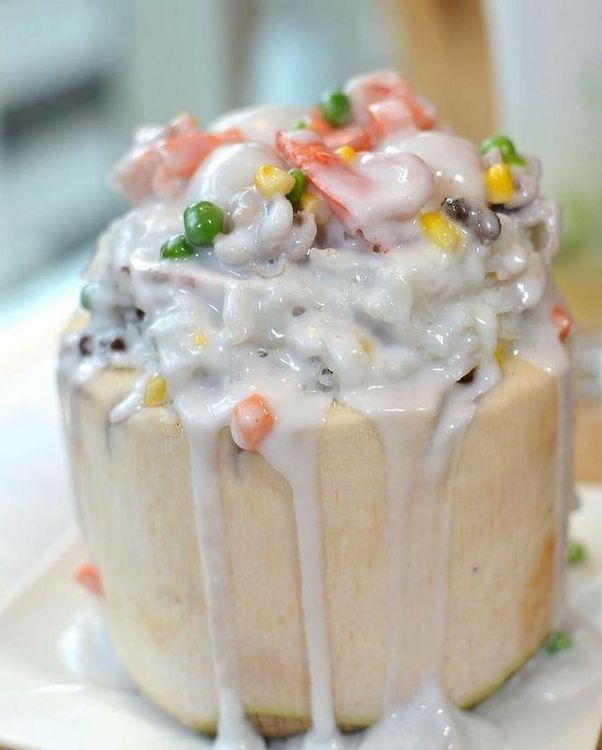
Fried rice belongs to half of Asia, and this is where the same core technique heads off in bolder, more distinctive directions. Korean kimchi-bokkeum-bap fries chopped, well-fermented kimchi until its edges caramelise, then folds it through the rice with a spoon of gochujang and crowns the bowl with a runny fried egg. Thai-style plates lean on fish sauce, garlic and a fistful of holy basil torn in at the last second, often with a squeeze of lime and a wedge of cucumber on the side. Pineapple fried rice plays sweet against savory, the fruit added late so it warms without collapsing, frequently served in the hollowed shell for drama. Indonesian nasi goreng brings sweet, dark kecap manis and a punchy sambal, almost always topped with a fried egg. What ties them together is exactly what ties the rest of this page together — dry day-old rice, a screaming-hot pan, restraint with the sauce — but the finishing accents change the whole personality of the plate. Pick the flavor profile you are craving and lean into it boldly; this is the cluster where fried rice stops being a template and becomes a destination. Standouts here include Kimchi Fried Rice and High Protein Spicy Korean Fried Rice, plus Thai Pineapple Fried Rice.


- Eggetarian
- Lunch

- Korean
- Non-Vegetarian
- Dinner
- Thai
- Vegan
- Lunch
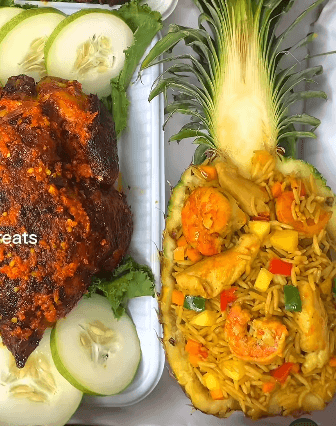

- African
- Non-Vegetarian
- Dinner
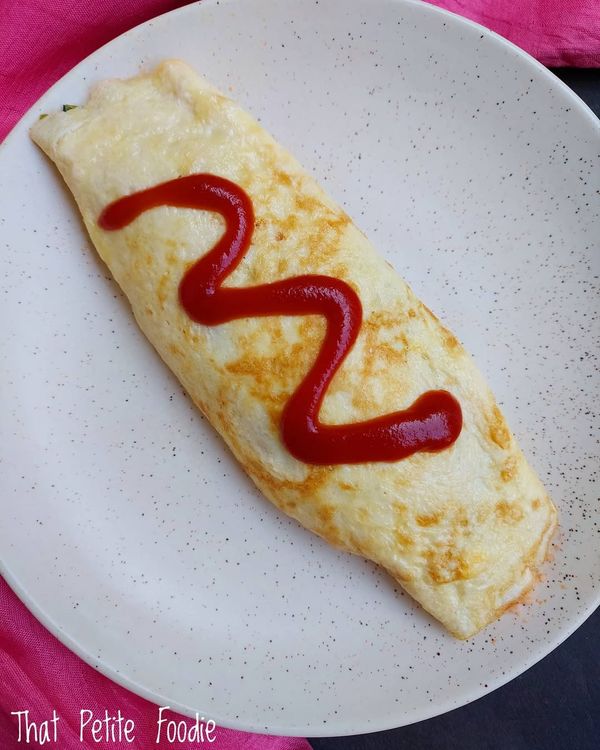
- Japanese
- Eggetarian
- Dinner
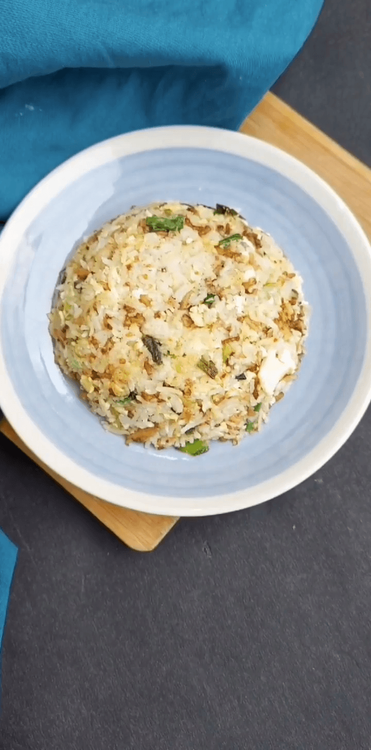
- Korean
- Eggetarian
- Lunch
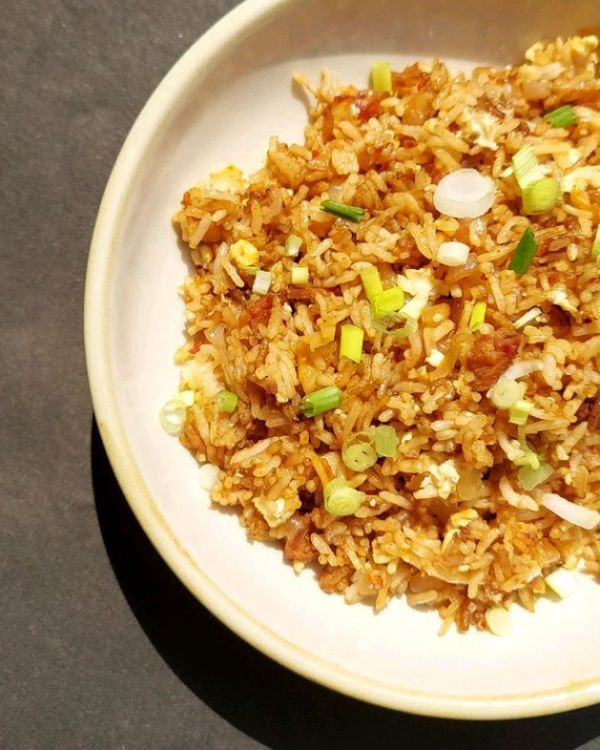
- Korean
- Vegan
- Breakfast

- Thai
- Pescatarian
- Lunch
- Thai
- Pescatarian
- Lunch
- Thai
- Non-Vegetarian
- Lunch
More Fried Rice Favourites
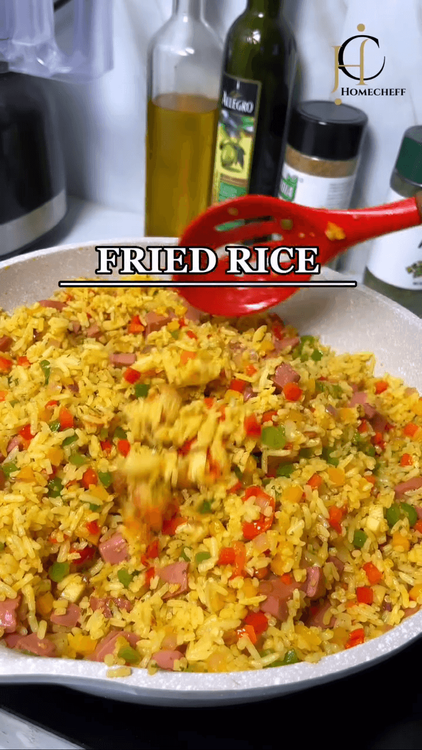
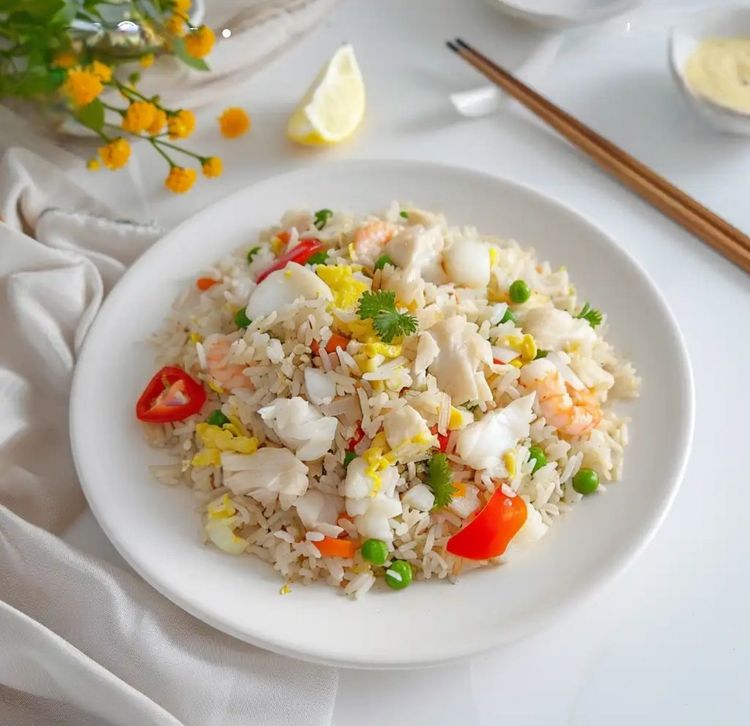
A few plates never sit neatly in one category, and these are the ones worth keeping in your back pocket once the staples feel routine. They lean on exactly the same handful of techniques you already know — dry day-old rice, a ripping-hot pan, ingredients built in the right order, and a light hand with the sauce at the finish — but steer the dish toward different textures and flavor accents so it never tastes quite the same twice. Picking your next one is mostly about matching effort to mood. On a busy night, reach for a quick egg-and-spring-onion plate that comes together in ten minutes from whatever is in the fridge; when you have a little more time, build out a multi-component version with a seared protein, a tangle of vegetables and a more ambitious finishing sauce. Pay attention to how you cut the add-ins, too, since a small, even dice folds through the grains far better than chunky pieces that throw off the balance of every bite. Think of this group as the natural next step after the classics — the recipes that quietly earn a regular spot in the rotation once you have cooked the fundamentals enough times that the rhythm is second nature. Standouts here include Fried Rice and Fried Rice, plus Fried Rice.

- Asian
- Non-Vegetarian
- Dinner
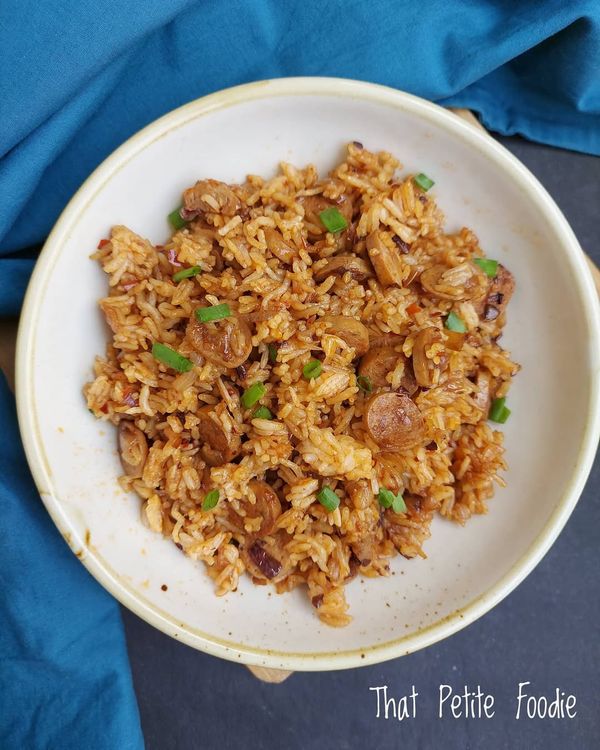
- Chinese
- Eggetarian
- Breakfast
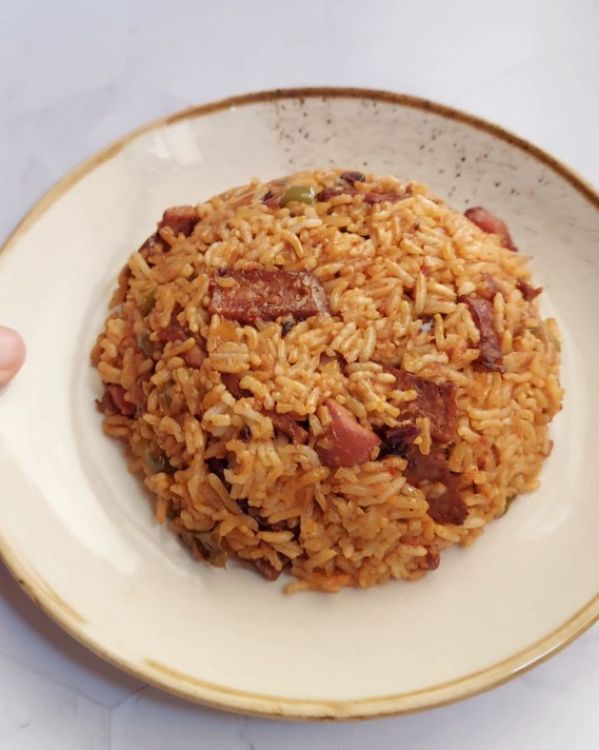
- Indian
- Vegan
- Dinner
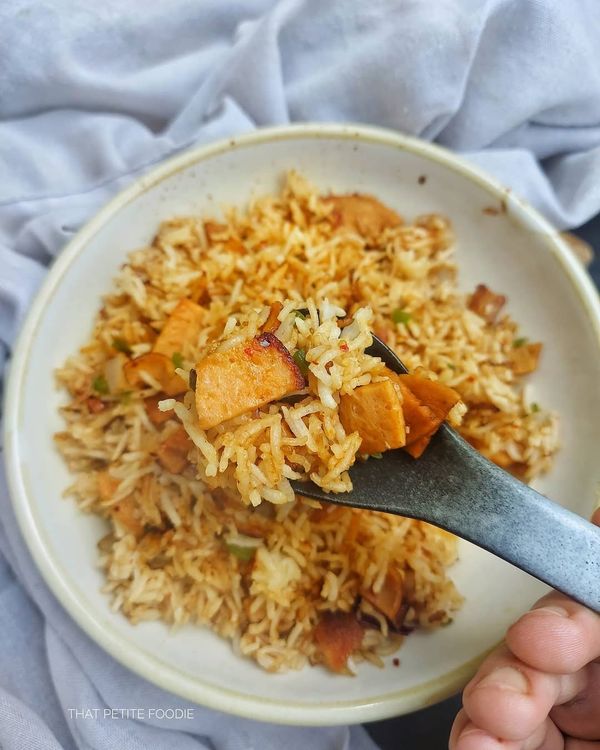
- Asian
- Eggetarian
- Breakfast
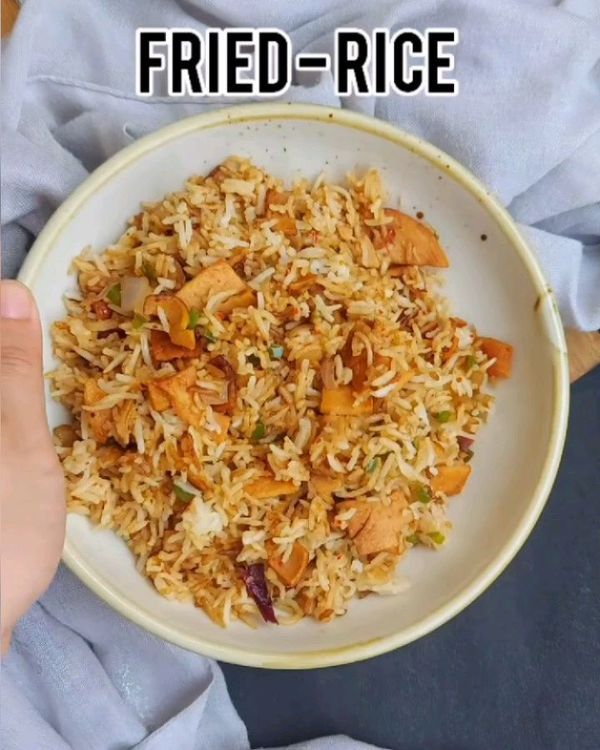
- Indian
- Vegan
- Breakfast
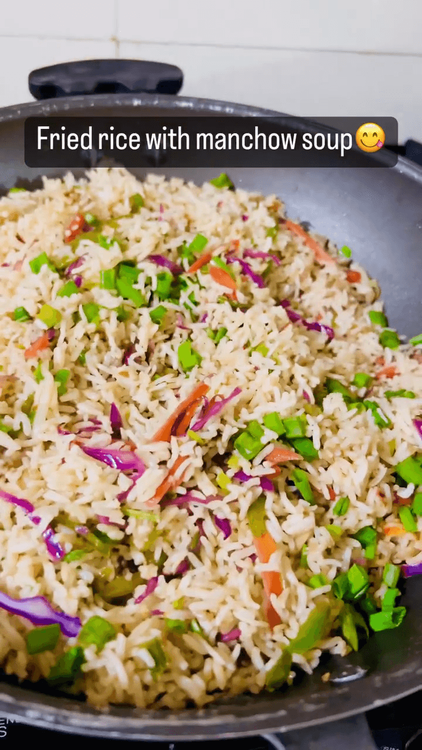
- Chinese
- Eggetarian
- Dinner
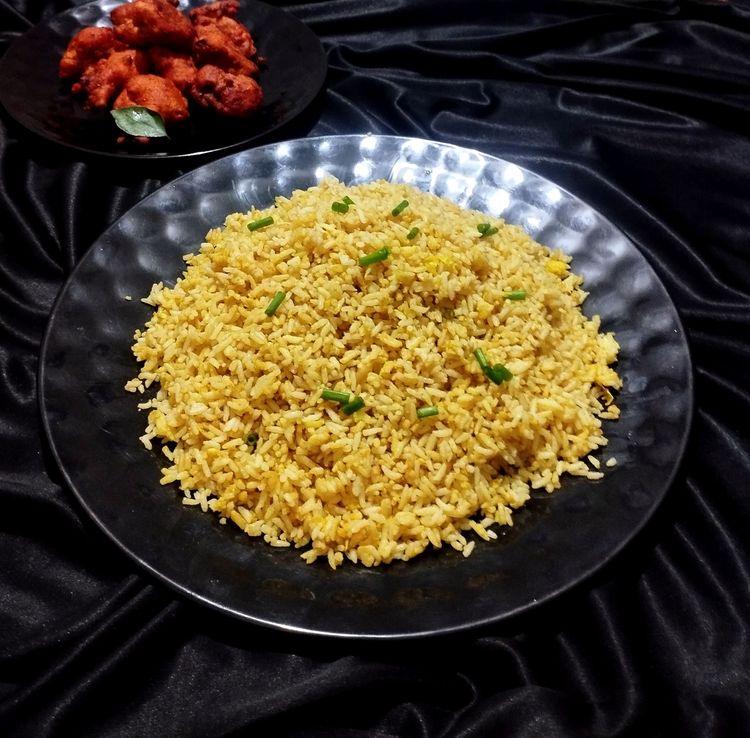
- Chinese
- Eggetarian
- Lunch
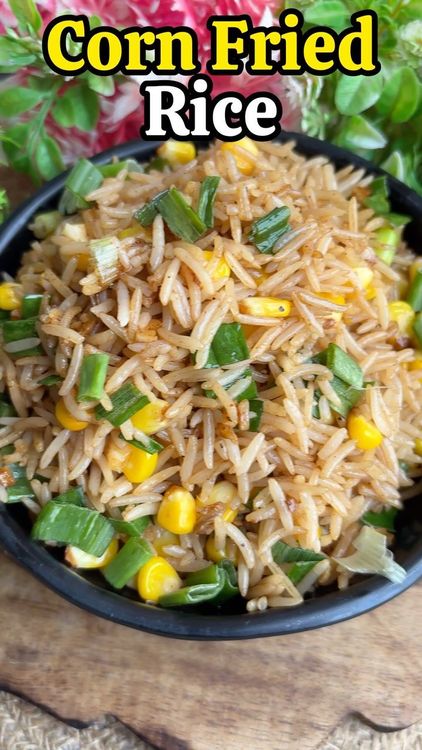
- Chinese
- Vegan
- Lunch
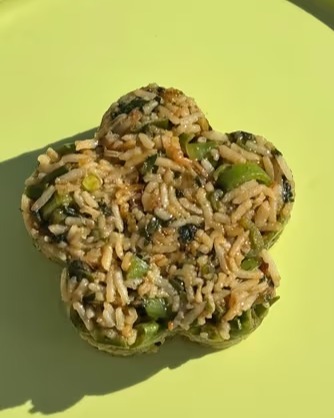
- Asian
- Eggetarian
- Dinner
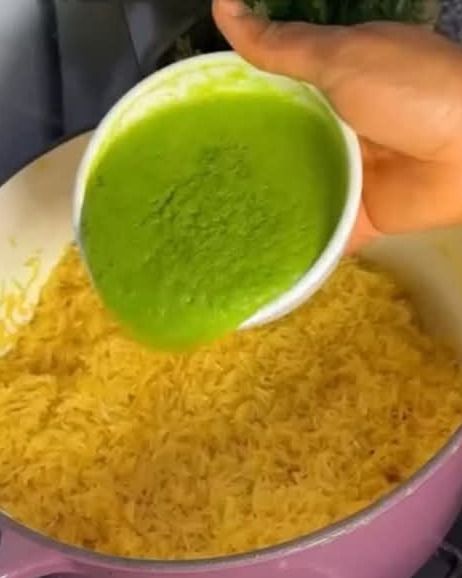
- Fusion
- Vegan
- Lunch
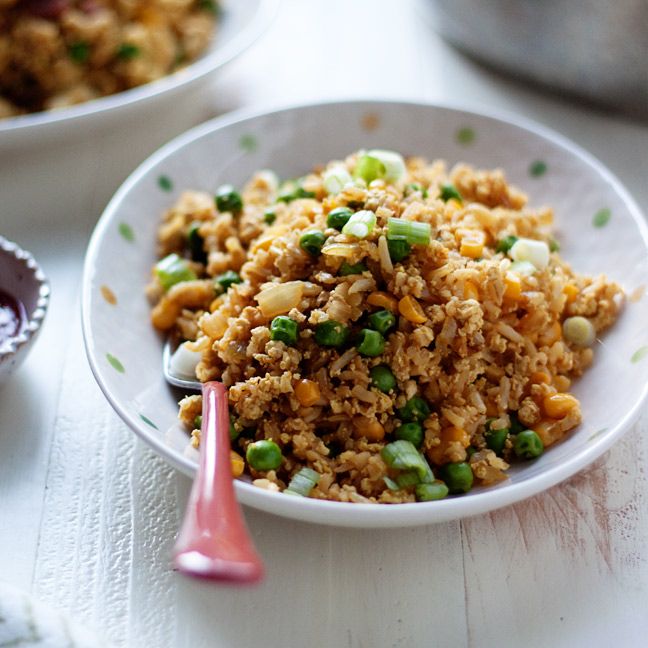
- Asian
- Eggetarian
- Lunch
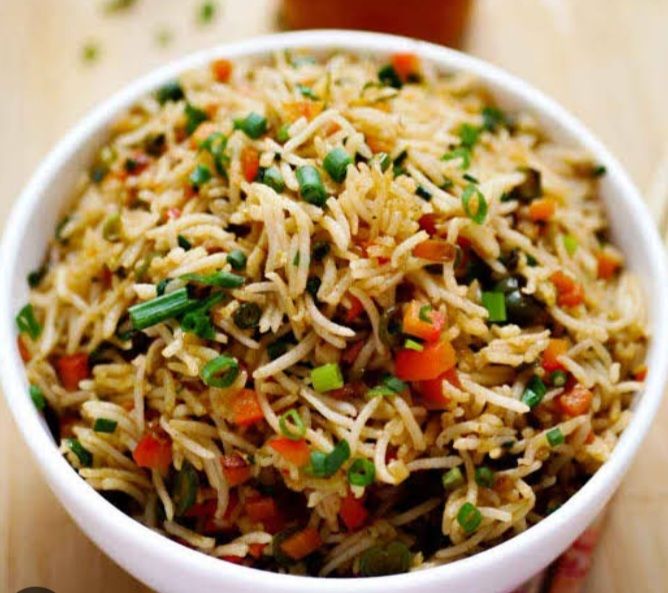
- Chinese
- Pescatarian
- Lunch
- Indo-Chinese
- Vegetarian
- Lunch
- Asian
- Non-Vegetarian
- Lunch
- Asian
- Non-Vegetarian
- Main Course
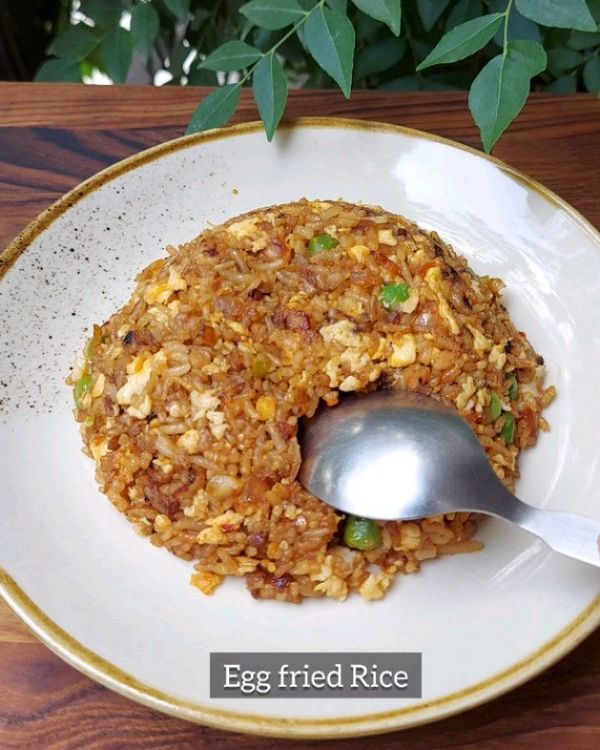
- Indian
- Eggetarian
- Breakfast
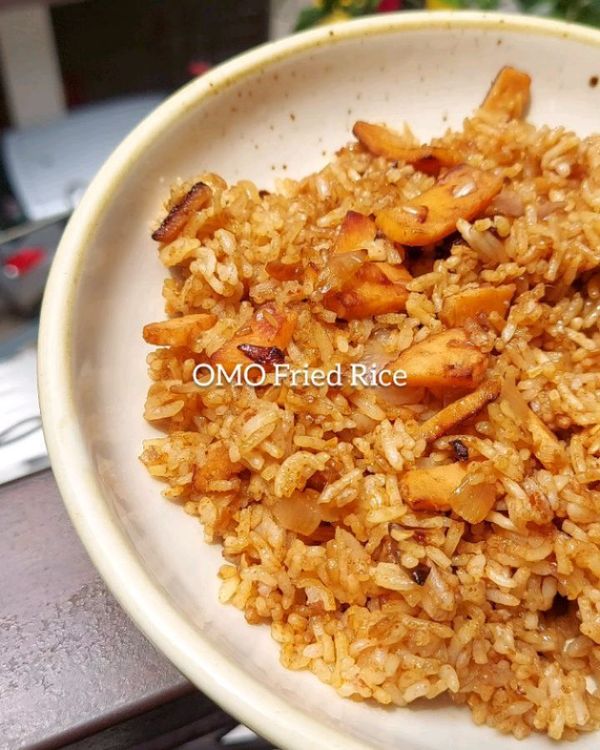
- Indian
- Vegan
- Breakfast
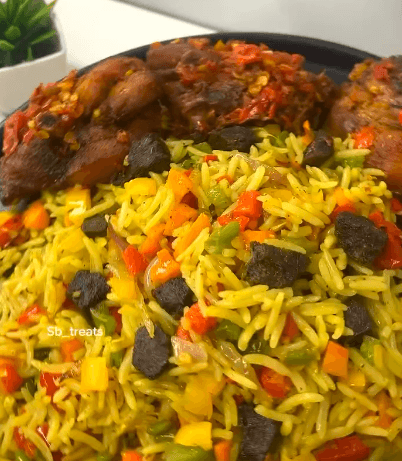
- Nigerian
- Non-Vegetarian
- Dinner
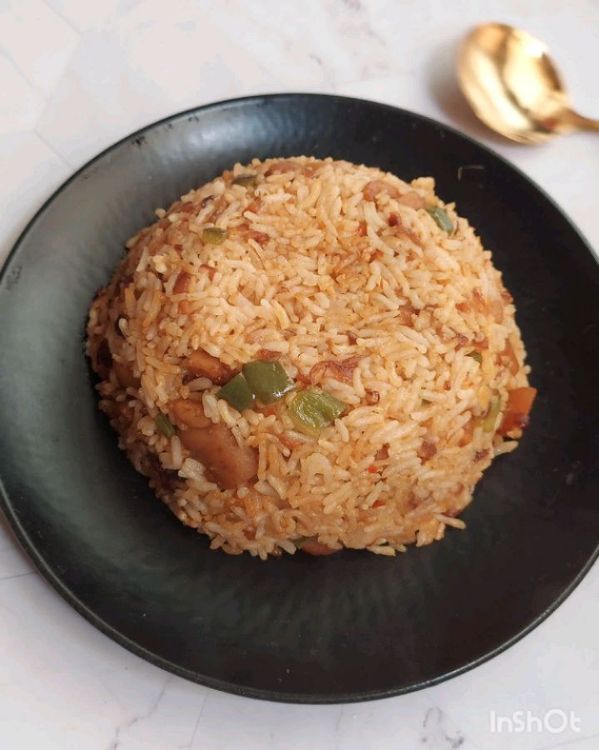
- Vegan
- Vegan
- Lunch
- Asian
- Vegan
- Lunch
- Asian
- Eggetarian
- Lunch
- Nigerian
- Non-Vegetarian
- Lunch

- Asian
- Eggetarian
- Lunch

- Asian
- Pescatarian
- Lunch
- Indian
- Pescatarian
- Dinner
- Asian
- Non-Vegetarian
- Side Dish
- Asian
- Pescatarian
- Lunch
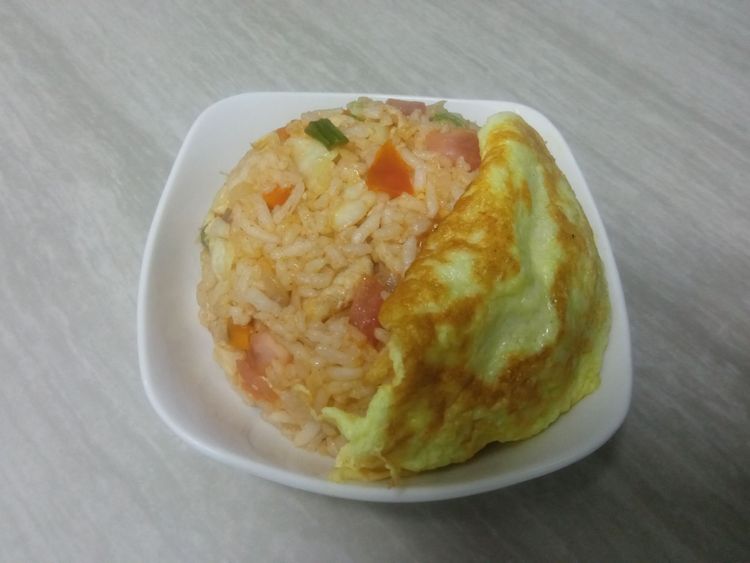
- Malaysian
- Non-Vegetarian
- Dinner
The Rice: Why Day-Old and Cold Is Everything
The single most important rule of fried rice is to use day-old, fridge-cold rice. Freshly cooked rice is full of surface moisture and still soft, so the moment it hits the pan it clumps, steams and turns to mush. A night in the fridge dries the grains out and firms their starch, so they fry up loose, toothsome and separate. Long-grain rice — jasmine or a good Thai long grain — works best because it is naturally drier and less sticky than short-grain or sushi rice.
No leftover rice? You can fake it. Cook the rice with slightly less water than usual so it comes out on the firm, dry side, then spread it in a thin layer on a tray and chill it uncovered in the fridge for at least an hour, or in the freezer for twenty to thirty minutes. The goal is the same: drive off the surface steam and let the grains firm up. Fluff and break up any clumps with your fingers before it goes anywhere near the heat.
Whatever rice you use, separate the grains before cooking. Cold rice from the fridge sets into a solid brick, so massage it gently with wet hands or the back of a spoon until the clumps fall apart into individual grains. Lumps that go into the pan whole will steam from the inside and never crisp. A few minutes of prep here is the difference between glossy, separate grains and a gummy paste — it is worth doing properly every single time.
High Heat, the Right Pan and a Little Wok Hei
Fried rice wants the hottest pan you can manage. The smoky, faintly charred flavor that defines a great plate — what Cantonese cooks call wok hei, the “breath of the wok” — only develops when the metal is ripping hot and the rice gets pressed against it long enough to toast. A carbon-steel wok is ideal because it takes and holds fierce heat, but a wide, heavy skillet works too. Preheat it until a drop of water vaporises on contact before you add any oil.
Use an oil with a high smoke point — a neutral vegetable, peanut or grapeseed oil — so it can take the heat without burning, and add it in a thin film rather than a puddle. The biggest mistake home cooks make is crowding the pan: too much rice at once drops the temperature and the whole thing steams grey instead of frying. If you are cooking for more than two, work in batches, or accept a softer result. A hot pan with a little space beats a cool pan piled high.
Keep the rice moving, but not constantly. Toss and stir to coat everything, then let the rice sit pressed against the hot surface for ten to fifteen seconds at a time so it picks up those toasty, slightly crisp bits before you toss again. Home burners rarely match a restaurant’s roaring jet, so lean into longer presses and smaller batches to make up for it. Resist the urge to stir endlessly — that just steams the grains and you never get any color.
Eggs, Aromatics and Building in the Right Order
Order matters more than any recipe lets on. Scramble the eggs first in the hot oiled pan until just set but still soft, then scoop them out and set them aside — overcooked eggs go rubbery if they sit in the pan through the whole cook. Next bloom your aromatics: garlic, ginger, the white parts of spring onion and any chilli, fried fast in the hot oil for thirty seconds until fragrant but not burnt. This is where the backbone flavor comes from.
If you are adding a protein, cook it now, after the aromatics, until it is seared and nearly done, then push it to the side or remove it. Only then does the rice go in. Add it to the hot pan, break up any remaining clumps, and press it against the metal to toast before tossing. Folding the egg and protein back in near the end means nothing overcooks: the egg stays tender, the chicken stays juicy and the shrimp stays plump instead of turning to rubber.
Hard, sturdy vegetables like carrots and beans go in with or just after the aromatics so they cook through; quick, tender ones like peas, spring onion greens and bean sprouts go in at the very end so they keep their bite and color. Think of the pan as a relay: each ingredient goes in when its cooking time says so, and comes back together only at the finish. That sequencing is what keeps a single pan from turning into a uniform, overcooked mush.
Seasoning, Finishing and Make-Ahead
Season at the end and season sparingly. The classic error is flooding the pan with soy sauce early, which drops the temperature and stews the rice soggy and brown. Instead, drizzle soy (a light soy for saltiness, a dash of dark soy for color), a splash of oyster or fish sauce, a few drops of toasted sesame oil and a pinch of white pepper around the edge of the hot pan in the last minute, tossing hard so every grain gets coated rather than wet. Taste and adjust before you plate — fried rice should taste savory and toasty, not salty and slick.
For texture and freshness, finish off the heat: a scatter of sliced spring onion greens, maybe a handful of bean sprouts tossed through for crunch, and for some styles a fried egg on top with a runny yolk to fold through at the table. A few drops of chilli oil or a spoon of crisp fried shallots lift a simple plate into something special. These last-second additions are cheap, fast and do more for the finished dish than any amount of extra sauce ever could.
Fried rice is best eaten the moment it leaves the pan, while the grains are hot and the edges still crisp. It does keep three to four days in the fridge, but reheat it hard and fast in a hot pan with a few drops of oil rather than in the microwave, which steams it limp. Because the dish itself is built on day-old rice, it makes a brilliant use of leftovers — cook a little extra plain rice tonight and you are halfway to dinner tomorrow. Never leave cooked rice sitting at room temperature for long, though: cool leftovers quickly and refrigerate within an hour or two.
Pro Tips from the Test Kitchen
- Always use day-old, fridge-cold rice — fresh rice steams and clumps, while chilled grains fry up dry and separate.
- No leftovers? Spread freshly cooked rice on a tray and chill it uncovered for an hour (or freeze 20–30 minutes) to dry it out.
- Break the cold rice into individual grains with wet hands before cooking; lumps steam from the inside and never crisp.
- Get the pan genuinely ripping hot before the oil goes in — that high heat is what gives you smoky wok hei.
- Use a neutral, high-smoke-point oil (vegetable, peanut or grapeseed) so it takes the heat without burning.
- Do not crowd the pan; cook in batches for more than two servings, or the rice steams grey instead of frying.
- Scramble the eggs first and set them aside, then fold them back in at the end so they stay soft, not rubbery.
- Press the rice against the hot metal for 10–15 seconds at a time instead of stirring constantly, to toast the grains.
- Season at the very end and around the edge of the pan; soy added early stews the rice soggy and brown.
- Add tender vegetables like peas and spring onion greens last so they keep their color and crunch.
Frequently Asked Questions
Why does my fried rice come out mushy?
Almost always because the rice was too fresh and the pan too cool. Freshly cooked rice carries surface moisture that steams the moment it hits the heat, and a crowded or lukewarm pan makes it worse. Use day-old, fridge-cold long-grain rice, break it into separate grains, get the pan genuinely hot, and cook in batches if needed. Season at the end so soy sauce does not flood and stew the grains.
What is the best rice for fried rice?
Long-grain rice such as jasmine or Thai long grain is ideal because it cooks up drier and less sticky than short-grain or sushi rice. More important than the variety, though, is the age and temperature: day-old rice that has been chilled in the fridge has dried out and firmed up, so it fries into separate, toothsome grains rather than a gummy clump. Cold and a day old beats any particular type.
Can I use freshly cooked rice for fried rice?
You can, but you have to dry it out first. Cook it with slightly less water than usual so it is on the firm side, then spread it in a thin layer on a tray and chill it uncovered in the fridge for at least an hour, or the freezer for twenty to thirty minutes. The aim is to drive off surface steam and firm the grains. Fluff and separate it before cooking, and the results come close to true day-old rice.
What is wok hei and can I get it at home?
Wok hei is the smoky, faintly charred “breath of the wok” flavor that defines restaurant fried rice, created when very high heat toasts the rice and lightly chars the seasonings. Home burners rarely match a restaurant jet, but you can get close: use a carbon-steel wok or heavy skillet, preheat it until it is ripping hot, cook in small batches, and press the rice against the metal in stages instead of stirring constantly so it picks up that toasty char.
When should I add the soy sauce?
At the very end, and not too much. Adding soy sauce early floods the pan, drops the temperature and stews the rice into a soggy, uniformly brown mass. Instead, drizzle a little light soy for salt and a dash of dark soy for color around the edge of the hot pan in the last minute, tossing hard so every grain gets coated rather than wet. Taste and adjust before plating — it should be savory and toasty, not salty and slick.
In what order do I add the ingredients?
Scramble the eggs first and set them aside, then bloom the aromatics (garlic, ginger, spring onion whites). Cook any protein next until nearly done and remove it. Add the rice and toast it against the hot pan, then return the egg and protein near the end. Sturdy vegetables go in early with the aromatics; tender ones like peas and spring onion greens go in last. This relay keeps each thing from overcooking while the rice gets its sear.
How do I keep the egg from going rubbery?
Cook it first, separately, and pull it early. Scramble the beaten egg in the hot oiled pan until it is just set but still soft and slightly glossy, then scoop it out and set it aside. If the egg stays in the pan through the whole cook it dries out and turns rubbery. Fold it back in during the last minute so it warms through and breaks into tender curds among the grains rather than overcooking.
Can I make fried rice vegan?
Easily. Skip the egg or replace it with crumbled scrambled tofu, sear pressed tofu or mushrooms for a savory, protein-rich base, and lean on aromatics and plenty of vegetables. Swap oyster sauce for a vegetarian mushroom “oyster” sauce and use soy sauce, a little sesame oil and white pepper to season. The core technique — cold rice, hot pan, season at the end — is identical, so a vegan plate is every bit as good as one with egg or meat.
What vegetables work best in fried rice?
A classic mix is peas, carrots and spring onion, but fried rice is forgiving and welcomes almost anything in the crisper drawer. Add hard vegetables like carrots, beans and bell pepper early so they cook through, and tender ones like peas, bean sprouts, sweetcorn and spring onion greens at the end so they keep their bite. Cut everything to a small, even dice so it cooks at the same rate as the grains and folds through evenly.
How do I store and reheat leftover fried rice?
Cool it quickly and refrigerate within an hour or two — cooked rice should not sit at room temperature for long, as that risks the bacteria that cause food poisoning. It keeps three to four days in an airtight container. To reheat, fry it hard and fast in a hot pan with a few drops of oil so it crisps again, or microwave it covered with a splash of water if you must. Make sure it is piping hot all the way through, and only reheat it once.
The thread running through every fried rice recipe here is the same handful of moves: start with dry, day-old cold rice, get the pan genuinely hot, build the ingredients in the right order, and season lightly at the very end. Get those right and the rest is just choice — egg or chicken, shrimp or tofu, a quiet weeknight plate or a bold kimchi or pineapple twist. The technique never changes; only the add-ins do.
Cook a plain egg version first to learn the rhythm, then branch into a protein plate, a vegetable one and a global twist, and save your favorites to a Chefadora cookbook. Cook a little extra rice tonight, chill it overnight, and you are already halfway to tomorrow’s dinner. This page is built to be the fried rice reference you keep coming back to.
Related
- Fried Rice
- Rice
- Asian
- Chinese
- Quick Dinner
- One Pan
- Leftovers
- Weeknight
Popular Searches
- Best fried rice recipes
- Easy fried rice recipes
- Quick fried rice recipes
- Healthy fried rice recipes
- Simple fried rice recipes
- Homemade fried rice recipes
- Delicious fried rice recipes
- Popular fried rice recipes
- chicken fried rice
- egg fried rice
- vegetable fried rice
Marnirni-apinthi Building, Lot Fourteen,
North Terrace, Adelaide, South Australia, 5000
Australia
