
Top 62 Indian Recipes: Authentic Food from India
Updated June 29, 2026 · Curated by Chefadora
Indian food is less a single cuisine than a continent of them, stitched together by a shared instinct for spice. From the cream-rich gravies of the north to the tamarind-bright stews of the south, the thread running through every region is the same: whole and ground spices, bloomed in hot fat and built in layers, so that even a handful of pantry staples turns into something deep and crave-able. This page is a broad map of that world rather than a deep dive into any one corner.
The recipes here are grouped into the four things an Indian meal is actually made of: the curries and gravies that anchor the plate, the rice and breads that carry it, the snacks and street food eaten between meals, and the dals and sides that quietly complete a thali. Cooking across all four is how you learn the cuisine — the same handful of techniques keeps reappearing, just dressed in different spices.
What surprises people most is how much of Indian cooking is method, not mystery. There is no secret ingredient behind a great butter chicken or a fragrant biryani; there is a properly cooked onion-tomato base, spices toasted until they smell cooked rather than raw, and the patience to let flavors marry. Learn those moves once and they transfer from a curry to a dal to a street-food chaat.
Treat this as a working reference for real Indian home cooking. Each recipe links to full ingredients and steps on Chefadora, and the guides below cover the decisions that separate flat from fragrant — how to build a spice pantry, how to bloom a tempering, how to cook rice and bread that turn out right, and how to balance a finished dish so it sings.
Indian Curries & Gravies
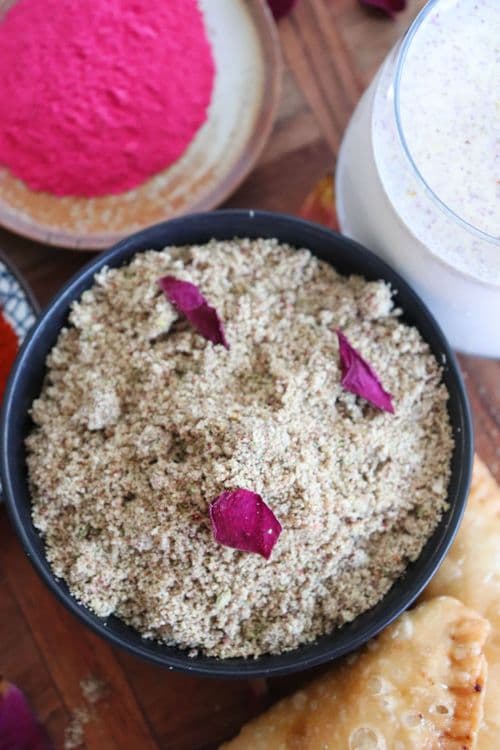
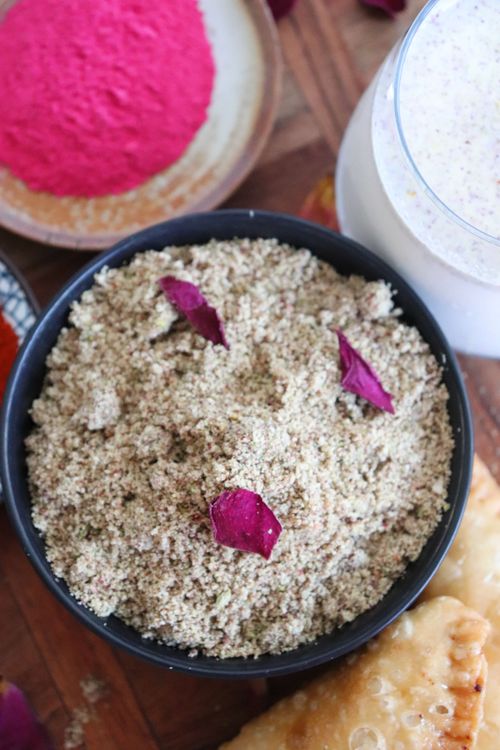
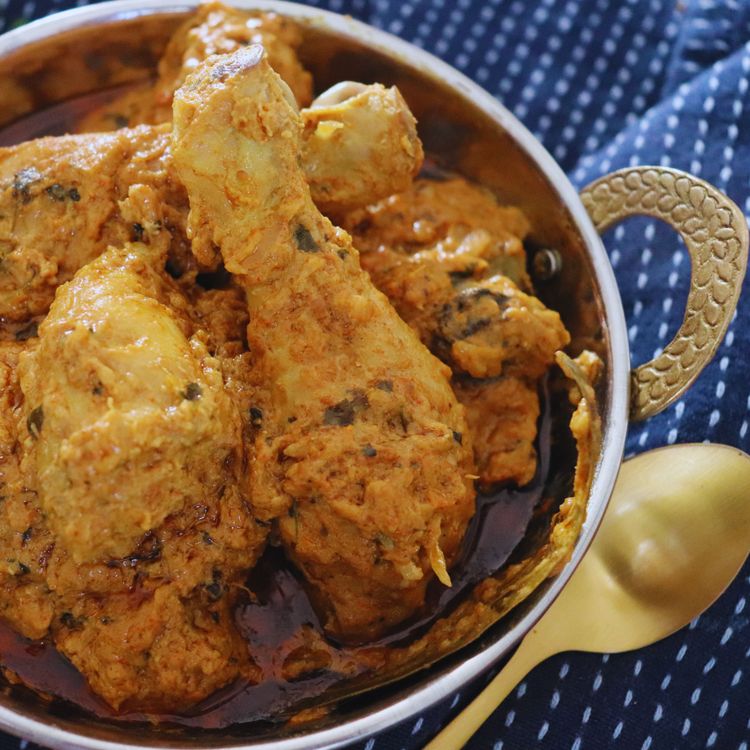
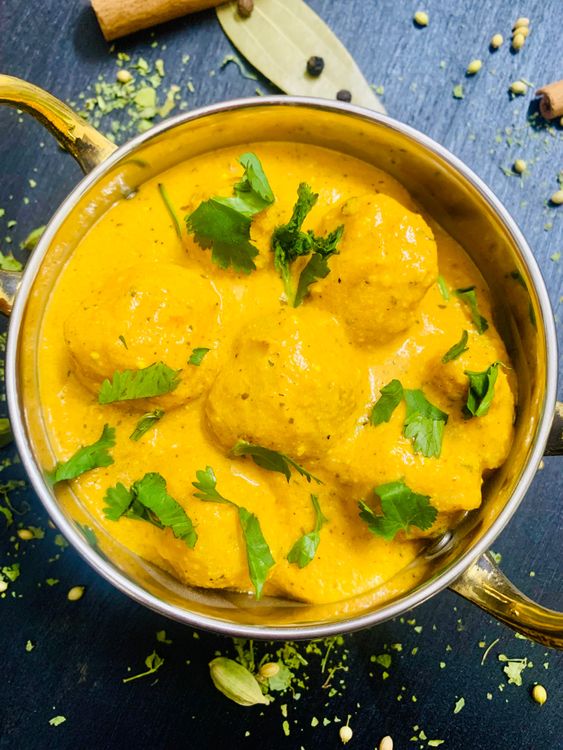
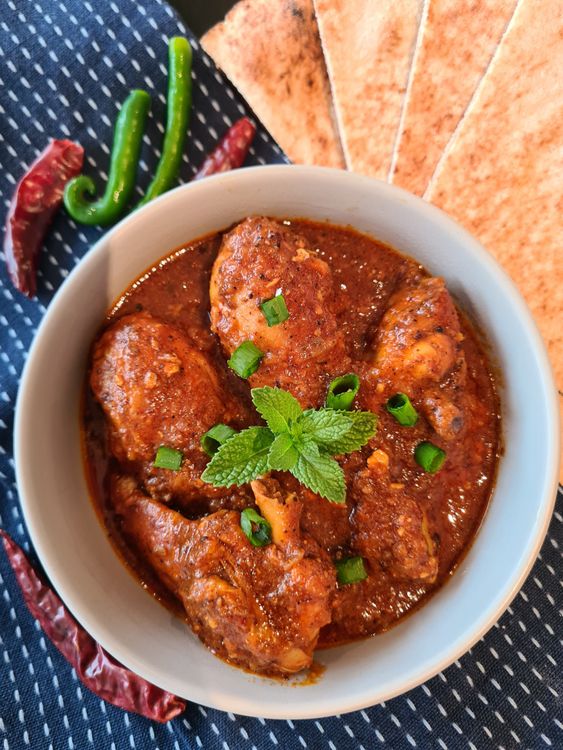
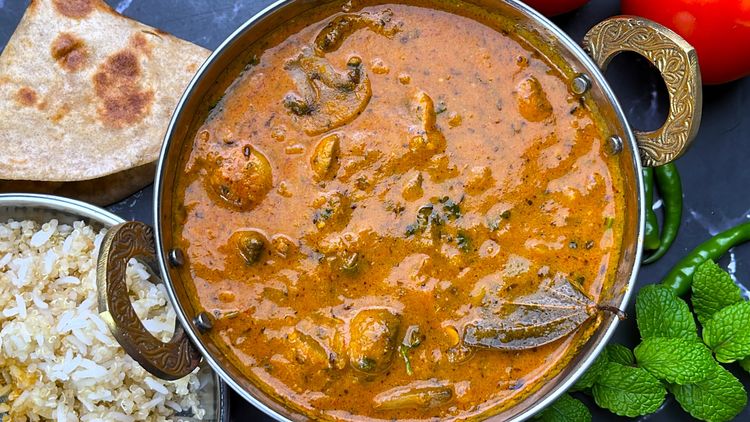
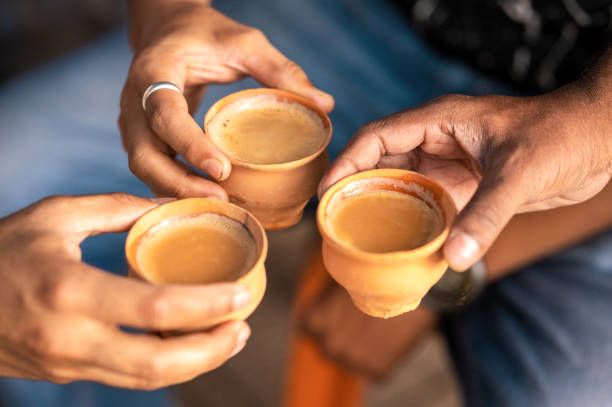
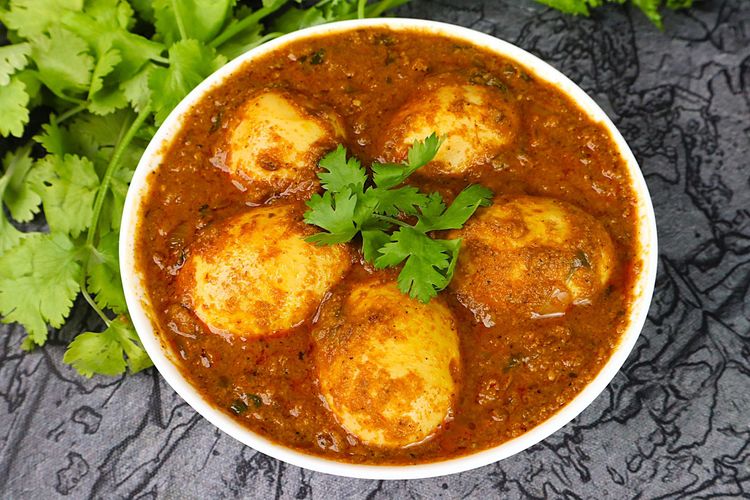
Curries are the centre of gravity on an Indian table, and almost all of them are built the same way before they branch off into their regional identities. You start with a base: onions cooked down slowly to deep gold, ginger and garlic cooked out until the raw bite goes, then tomatoes reduced until the oil separates and pools at the edge of the pan. That oil breaking free is your signal the base is genuinely cooked rather than raw and harsh, and skipping it is the number-one reason a home curry tastes thin. Only then do the ground spices go in, bloomed for half a minute in the fat so they taste toasted, not dusty, before any liquid joins. From there the dish chooses its character: cream and cashew for a silky makhani, whisked yogurt for a gentle korma, coconut and curry leaves for the south, or simply water and the protein for an everyday sabzi. Add delicate ingredients like paneer or prawns near the end so they stay tender, simmer gently rather than boiling hard, and balance off the heat with salt, a pinch of sugar, kasuri methi and a squeeze of acid. Get the base right and every curry that follows is easier. Standouts here include Sugarfree Thandai Masala and Anardana Chicken (Dry Pomegranate Chicken Curry), plus Creamy Baby Potato Curry (Dum Aloo).

- Indian
- Vegan
- Beverage
- Indian
- Non-Vegetarian
- Lunch
- Indian
- Vegetarian
- Lunch
- Indian
- Vegetarian
- Lunch
- Indian
- Vegan
- Sauce & Condiment
- Indian
- Non-Vegetarian
- Lunch
- Indian
- Non-Vegetarian
- Lunch
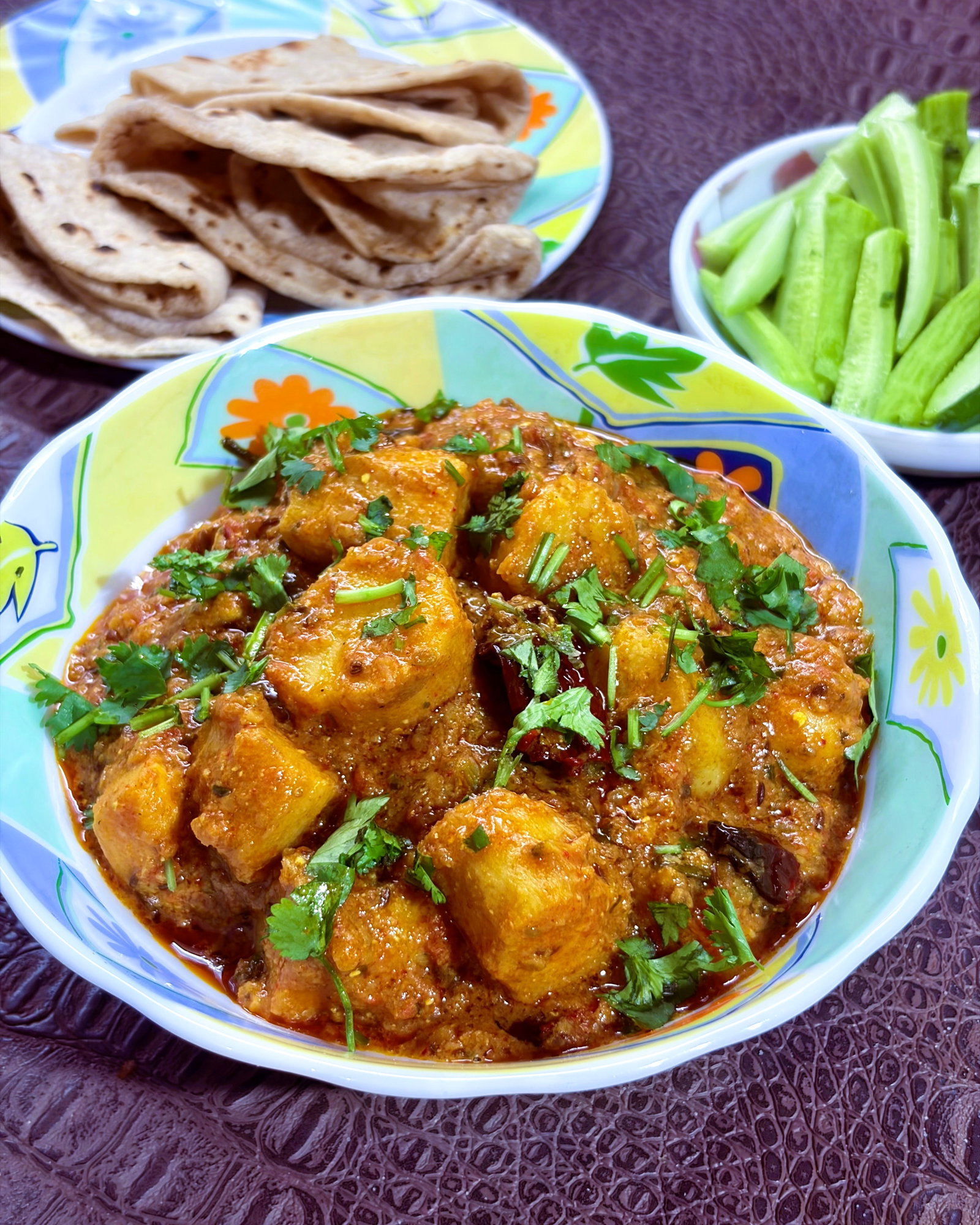
- Indian
- Vegetarian
- Dinner

- Indian
- Vegetarian
- Dinner
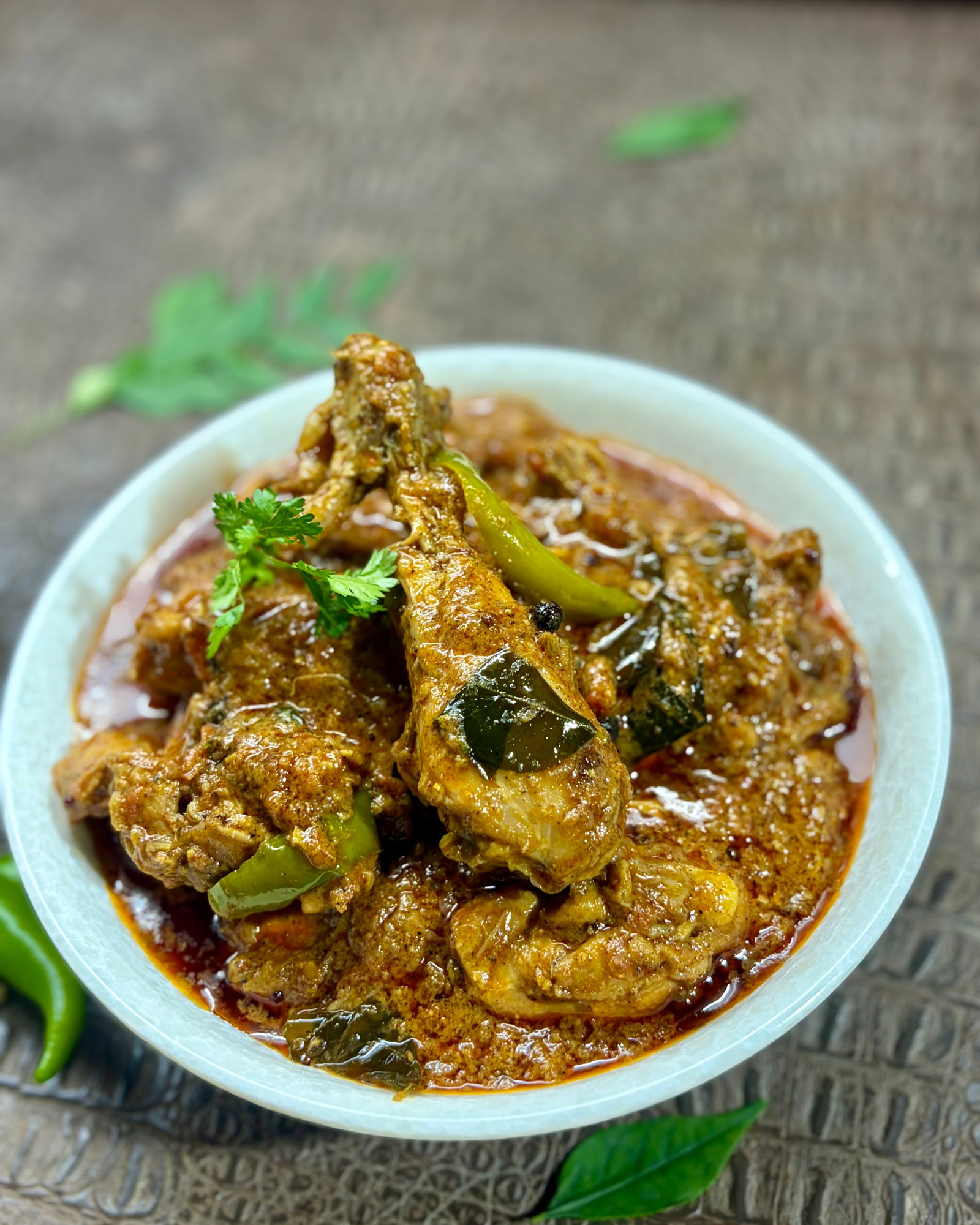
- Indian
- Gluten-Free
- Dinner
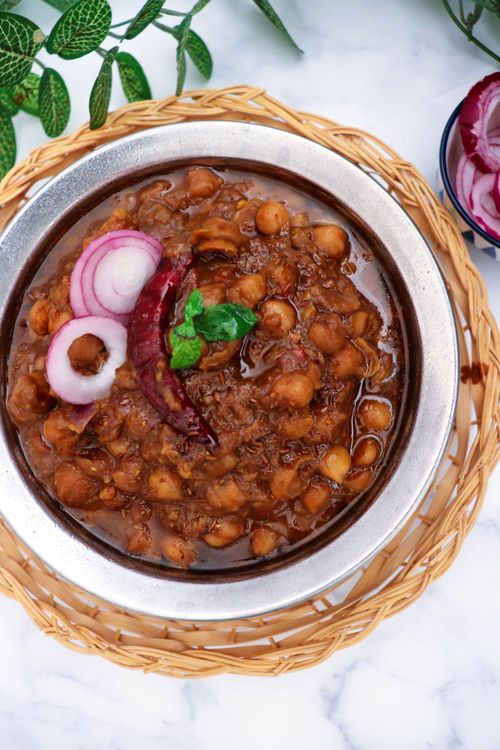
- Indian
- Vegetarian
- Dinner

- Indian
- Vegetarian
- Dinner

- Indian
- Vegan
- Dinner
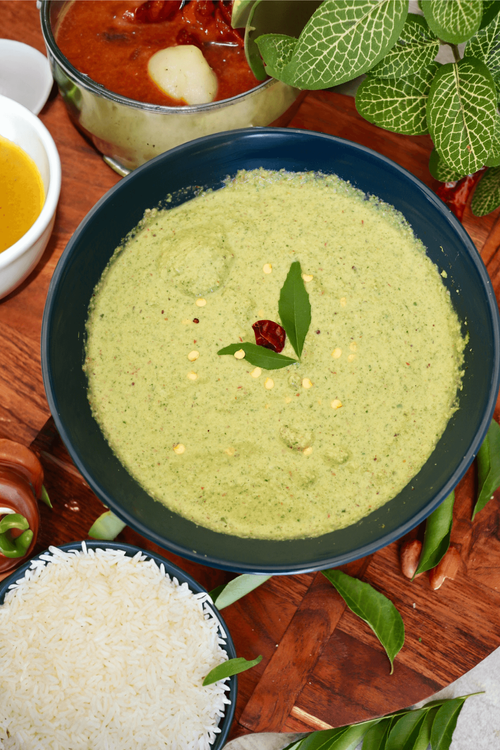
- Indian
- Vegetarian
- Appetiser
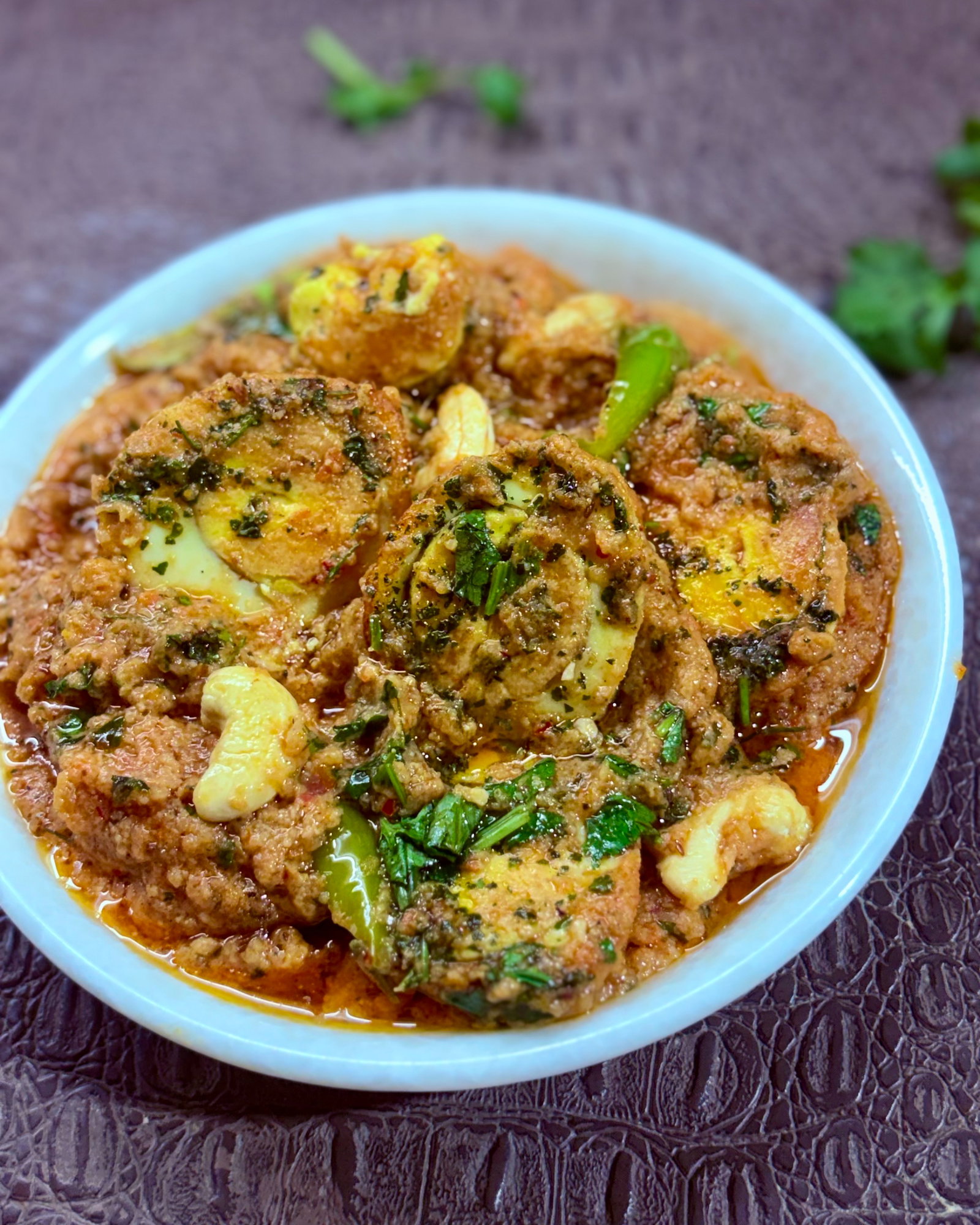
- Indian
- Eggetarian
- Dinner

- Indian
- Vegan
- Lunch

- Indian
- Eggetarian
- Dinner
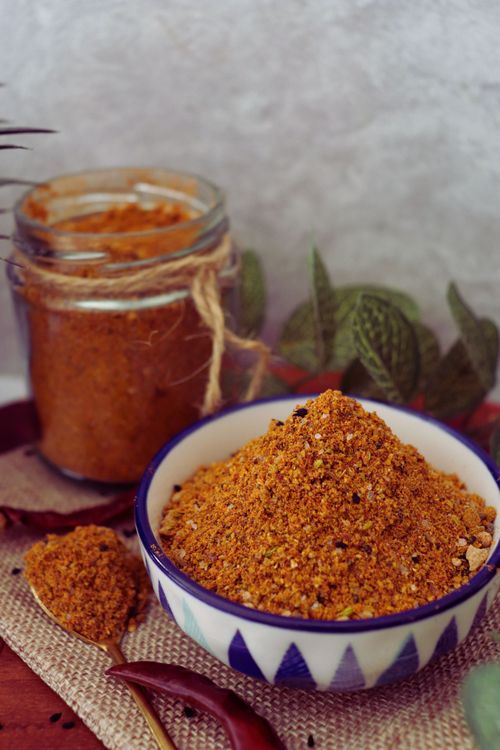
- Indian
- Vegan
- Sauce & Condiment
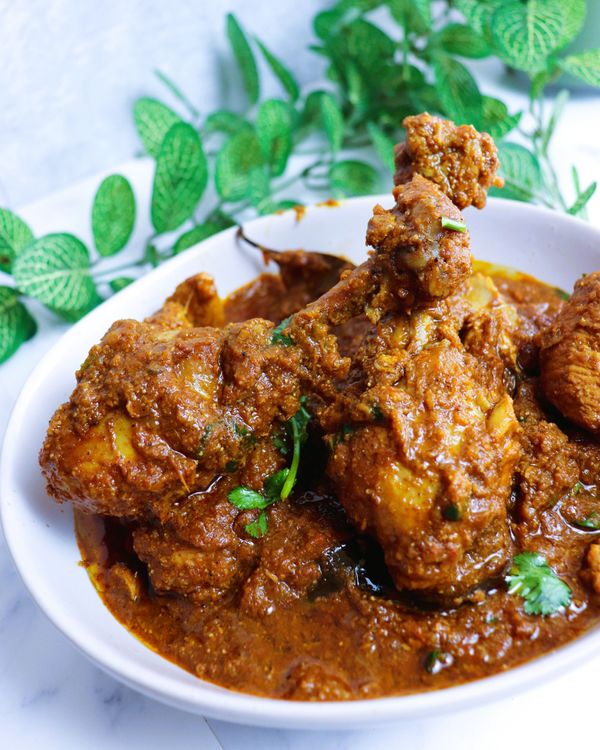
- Indian
- Non-Vegetarian
- Lunch
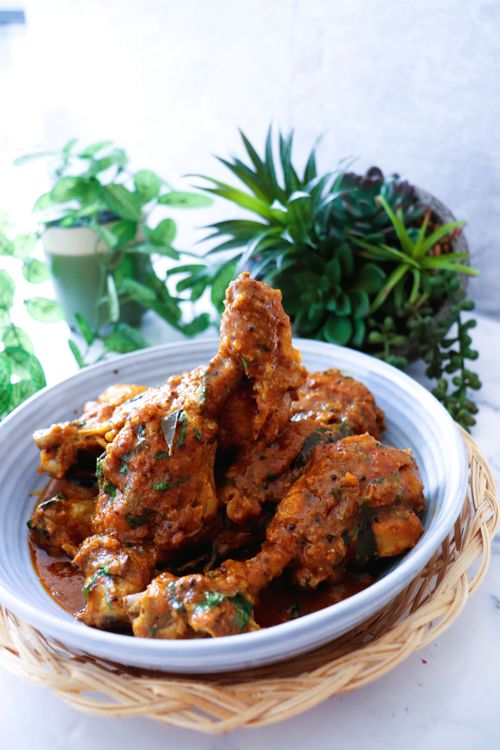
- Indian
- Non-Vegetarian
- Lunch
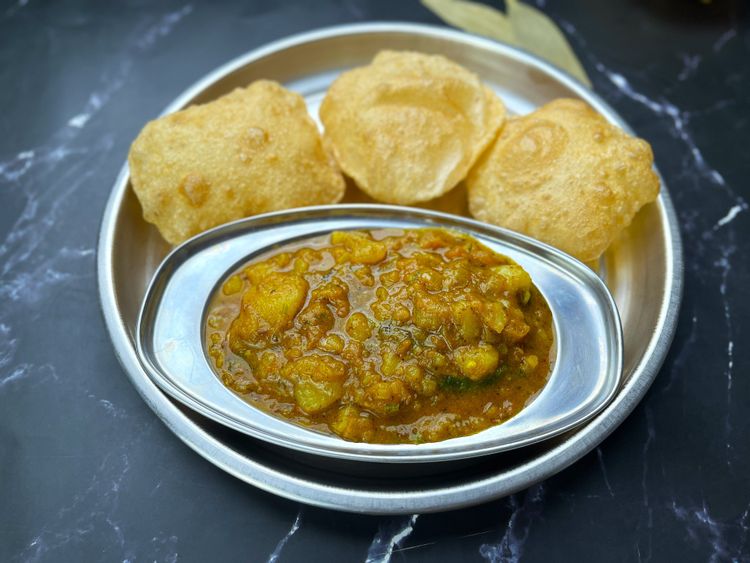

- Indian
- Vegan
- Breakfast
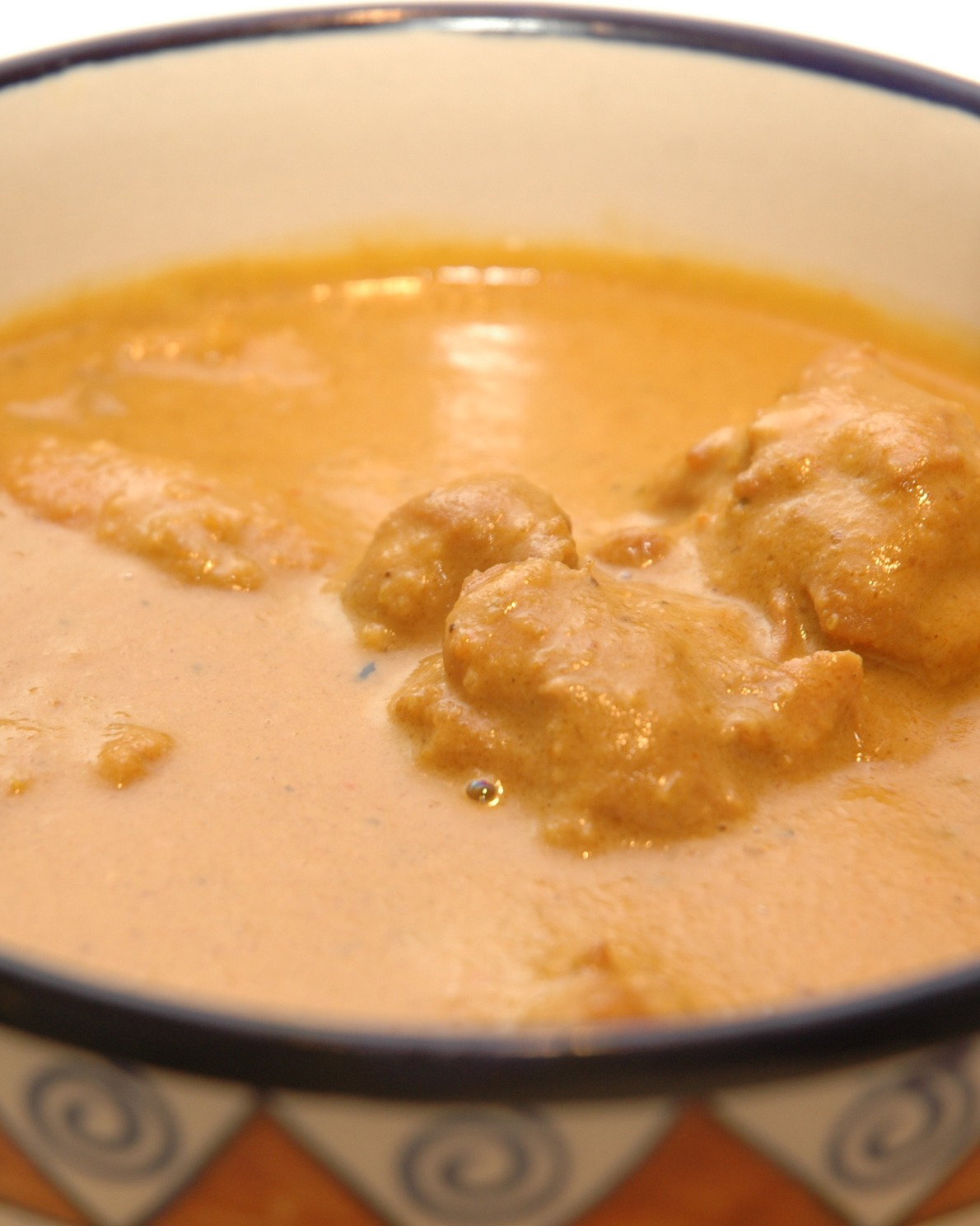
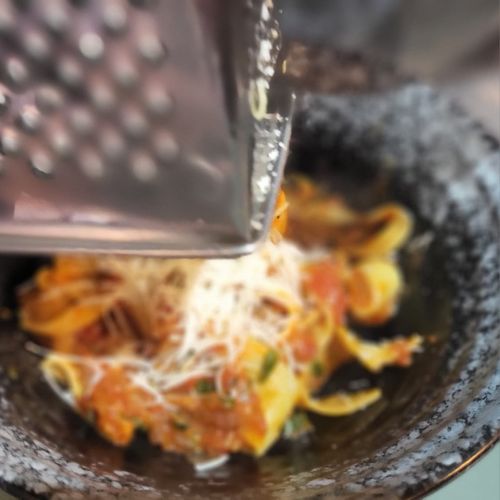
- Indian
- Vegetarian
- Dinner
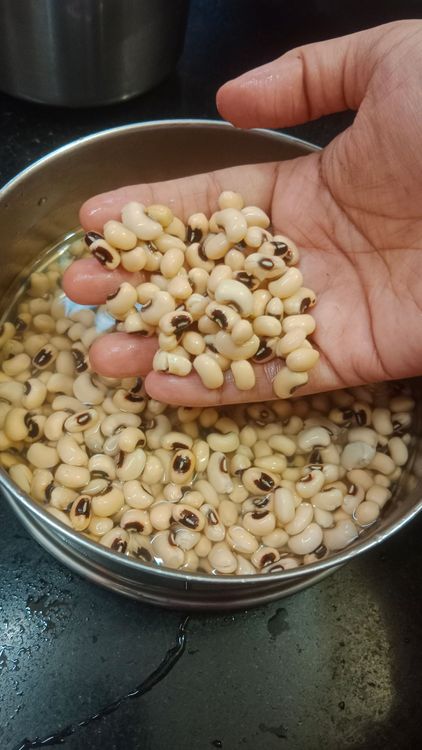

- Indian
- Vegan
- Lunch
- Indian
- Vegan
- Lunch
- Indian
- Vegetarian
- Beverage
- Indian
- Eggetarian
- Lunch
Rice & Breads: Biryani, Naan & Roti
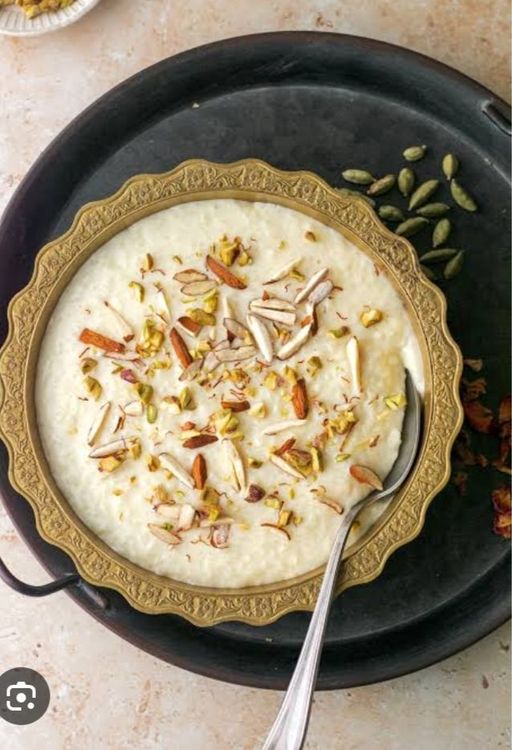
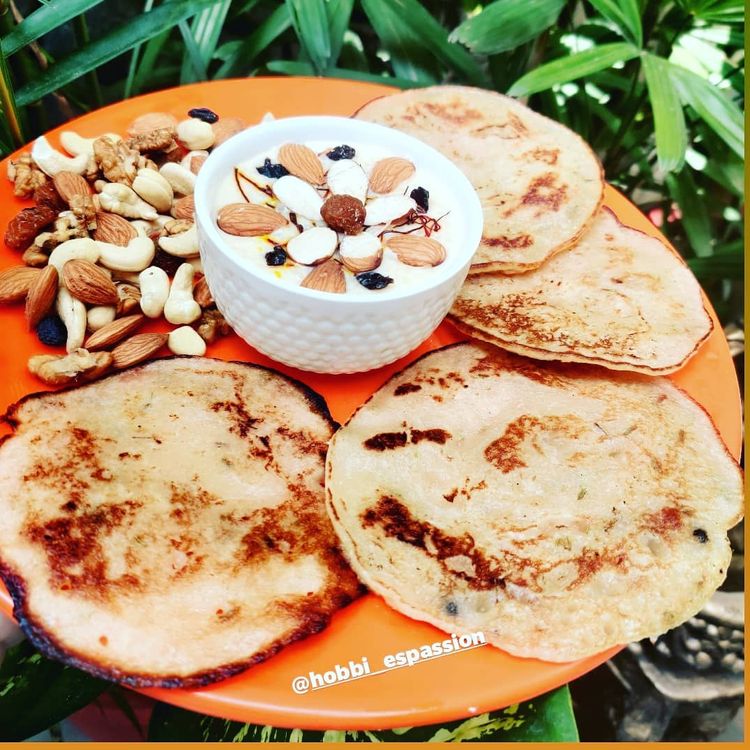
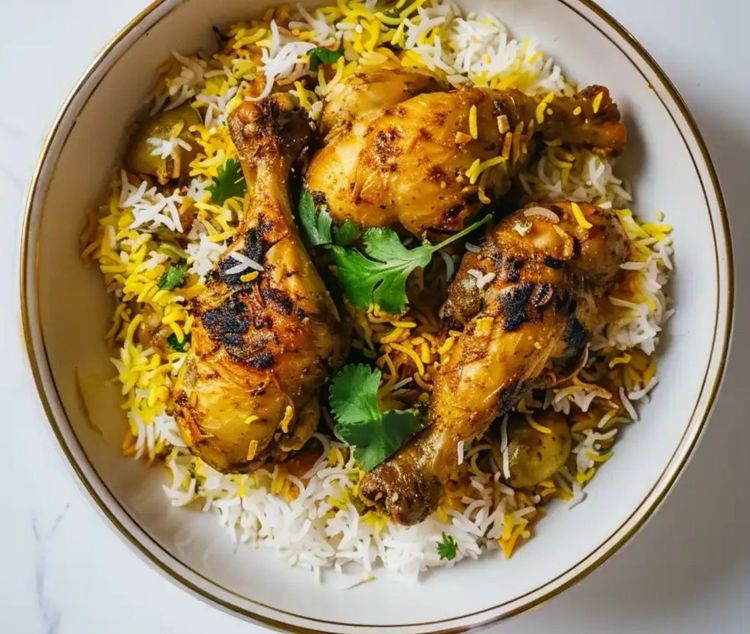
Rice and bread are what turn a bowl of curry into a meal, and both reward a little patience over any special equipment. For rice, the whole game is starch and hydration: rinse basmati until the water runs clear to wash off the loose surface starch that makes grains clump, then soak it twenty to thirty minutes so it cooks up long and separate instead of breaking. For a biryani or pulao, par-cook the grains to only about seventy percent — still firm at the core — because they keep steaming under a sealed lid, and fully cooked rice layered in turns to mush. Breads run on a soft, well-rested dough. Knead roti or paratha dough smooth, then let it sit under a damp cloth for half an hour so the gluten relaxes and rolls thin without snapping back. The other half of bread is heat: a properly hot tawa sets the underside fast and traps steam so a roti puffs, while a lukewarm griddle gives you pale, leathery discs. Layered parathas get smeared with ghee and folded so the fat traps flaky sheets; naan wants an enriched, risen dough slapped onto something screaming hot to blister. Serve every bread straight off the heat with a brush of ghee. Standouts here include Kheer Recipe (Indian Rice Pudding) and Rice Kheer with Malpude (Indian Pancakes), plus Indian Chicken Biryani.
- Indian
- Vegetarian
- Dessert

- Indian
- Vegetarian
- Dessert

- Indian
- Non-Vegetarian
- Lunch
- Indian
- Pescatarian
- Dinner
- Indian
- Vegan
- Lunch
Dals & Sides
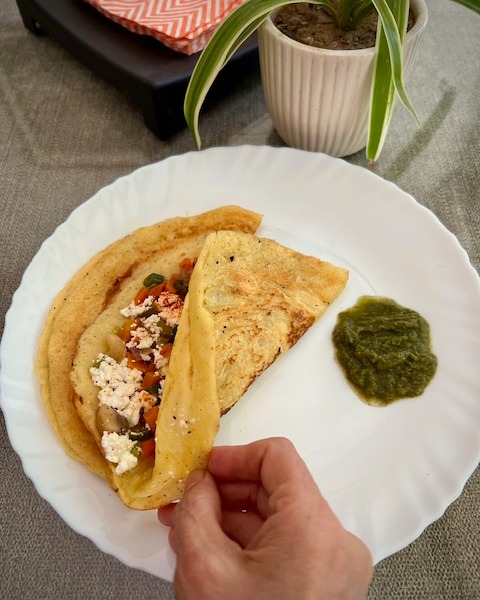
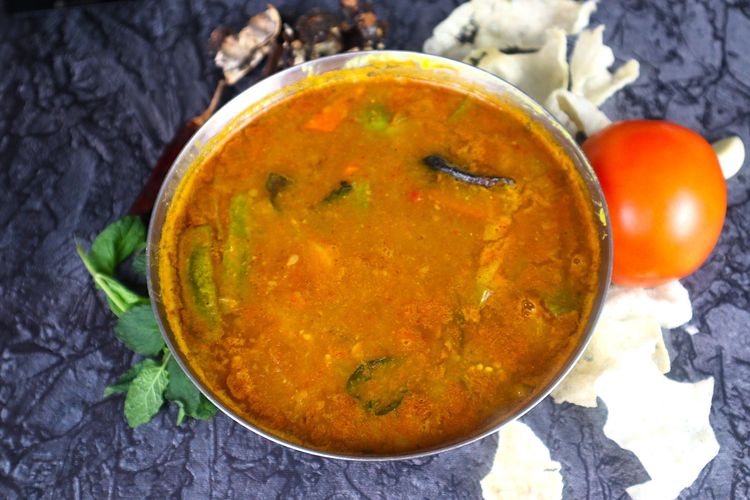
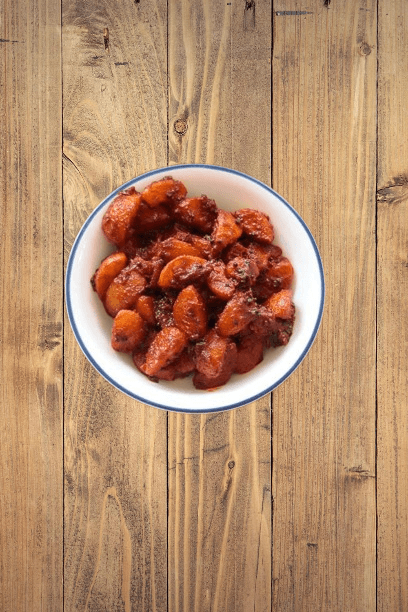
If curries are the showpiece, dals and sides are the quiet machinery that makes an Indian meal feel complete and balanced. A dal is mostly two acts: simmer split lentils — moong, masoor or toor for everyday pots, soaked whole urad or rajma for the rich, slow ones — until they collapse to the texture you like, then finish with a tadka of whole spices, garlic and chilli crackled in hot ghee and poured sizzling over the top. That tempering is where the flavor lives, so heat the fat properly, bloom the spices until fragrant, and pull the garlic at gold before it turns bitter. Salt whole pulses only after they soften, since early salt can toughen the skins. The sides do the balancing: a cool, cumin-flecked raita to soothe a fiery curry, a sharp pickle or fresh chutney for contrast, and quick vegetable sabzis — aloo gobi, bhindi, baingan — seasoned boldly because vegetables can take it. None of these are afterthoughts; the contrast they provide is the whole logic of the thali. A great Indian meal is rarely one perfect dish but several modest ones that taste better together. Standouts here include Arhar Dal Tadka and Kurkuri Bhindi (Crispy Indian Fried Okra), plus Amla Chutney (Indian Gooseberry).
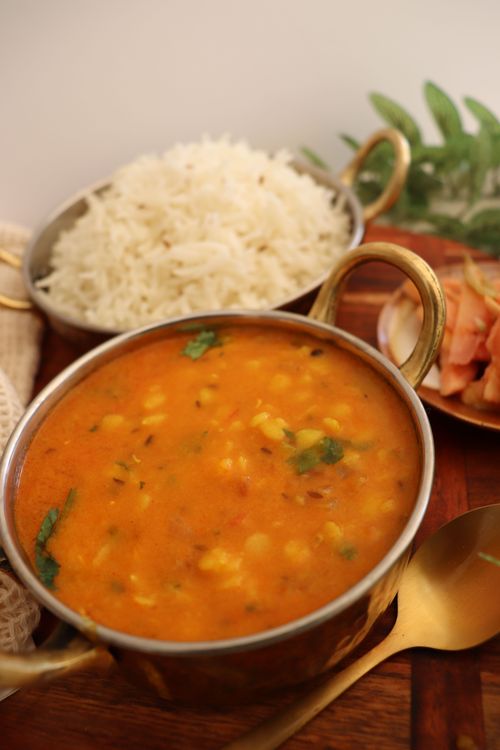
- Indian
- Vegetarian
- Lunch
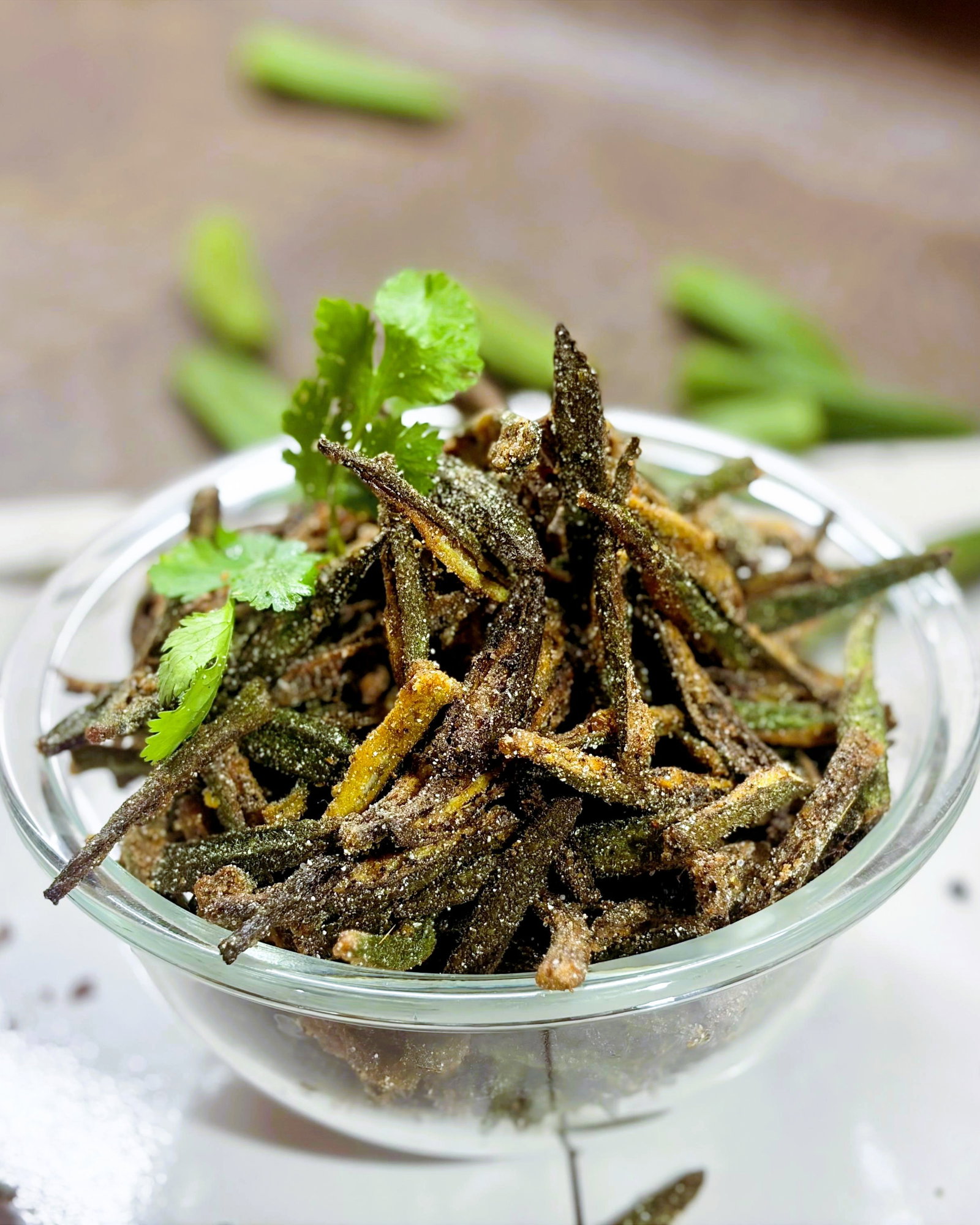
- Indian
- Vegetarian
- Snack

- Indian
- Vegan
- Sauce & Condiment
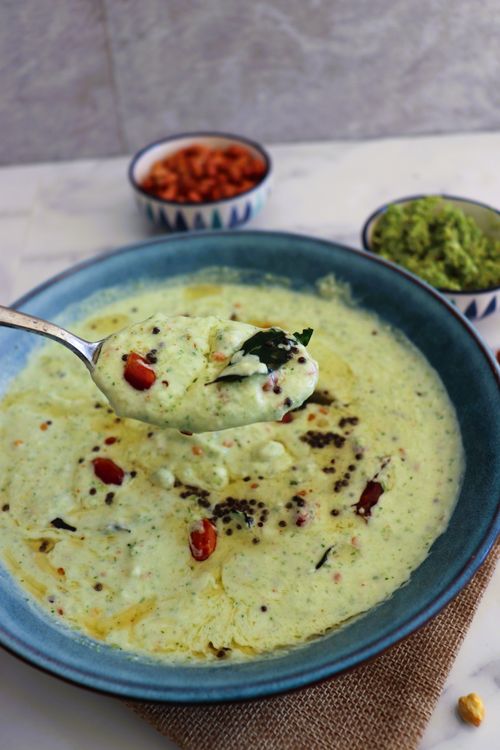
- Indian
- Vegetarian
- Side Dish
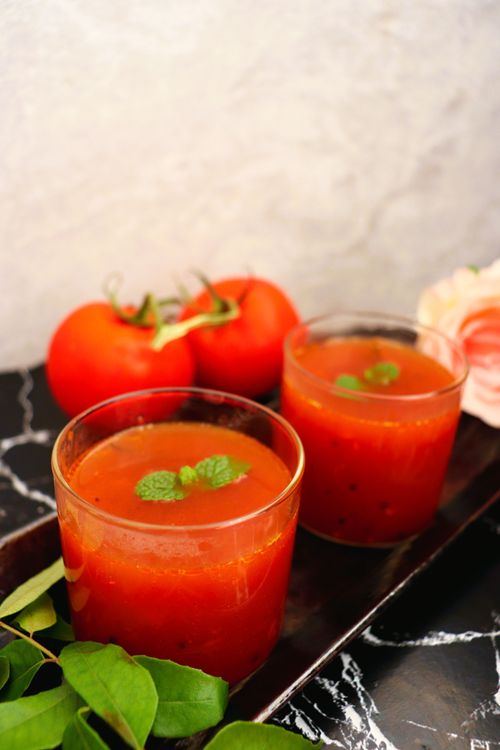
- Indian
- Vegan
- Main Course

- Indian
- Vegetarian
- Breakfast
- Indian
- Vegan
- Lunch
- Indian
- Vegan
- Side Dish
More Indian Favourites
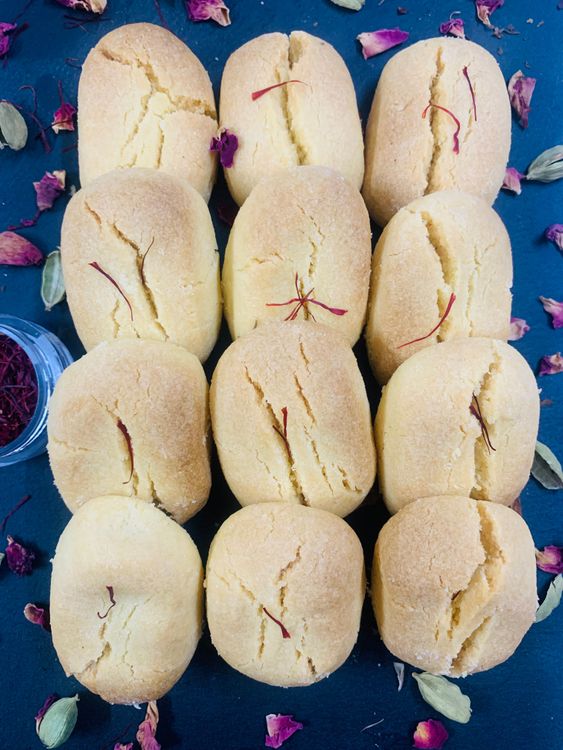
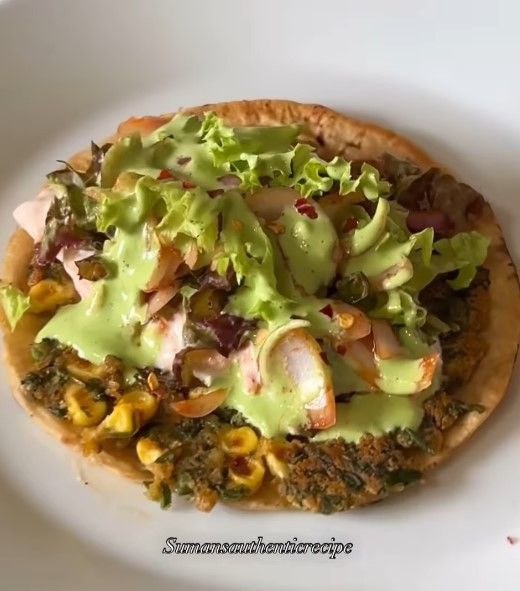
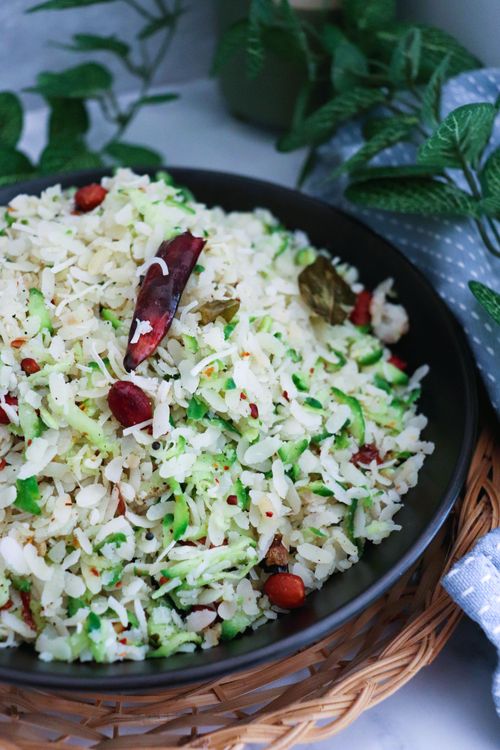
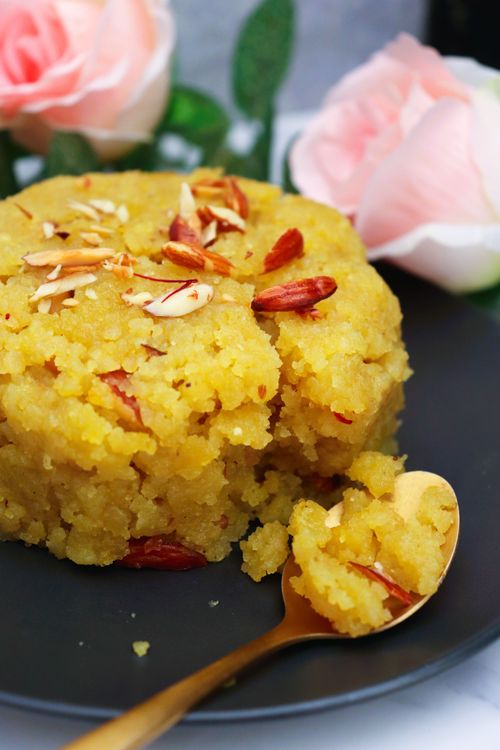
A few dishes never sit neatly in a single category, and these are the ones worth keeping in your back pocket once the staples feel routine. They lean on the same handful of moves you already know — a properly cooked base, spices bloomed in fat, a sizzling tadka, rice and bread handled with restraint — but steer them toward different regions, textures and occasions, from festive sweets to fusion plates to slow weekend projects. Picking your next one is mostly about matching effort to mood: reach for a quick tempered dish or a tawa snack on a busy night when you want flavor in fifteen minutes, and save the layered biryanis, slow-simmered gravies and syrup-soaked sweets for a weekend when you can let things take their time. Pay attention to how the cuisine balances a whole plate rather than chasing one perfect dish — a little sweet against sour, cool against hot, soft against crisp — and these extras slot naturally into a meal you have already built. Think of this group as the natural next step after the classics, the recipes that quietly earn a regular spot in the rotation and pull you deeper into the regional collections worth exploring next. Standouts here include Nankhatai (Indian Shortbread Cookies) and Amritsari Paneer Bhurji (Cottage cheese) , plus Indian Tiranga Cheese Toast.
- Indian
- Vegan
- Snack
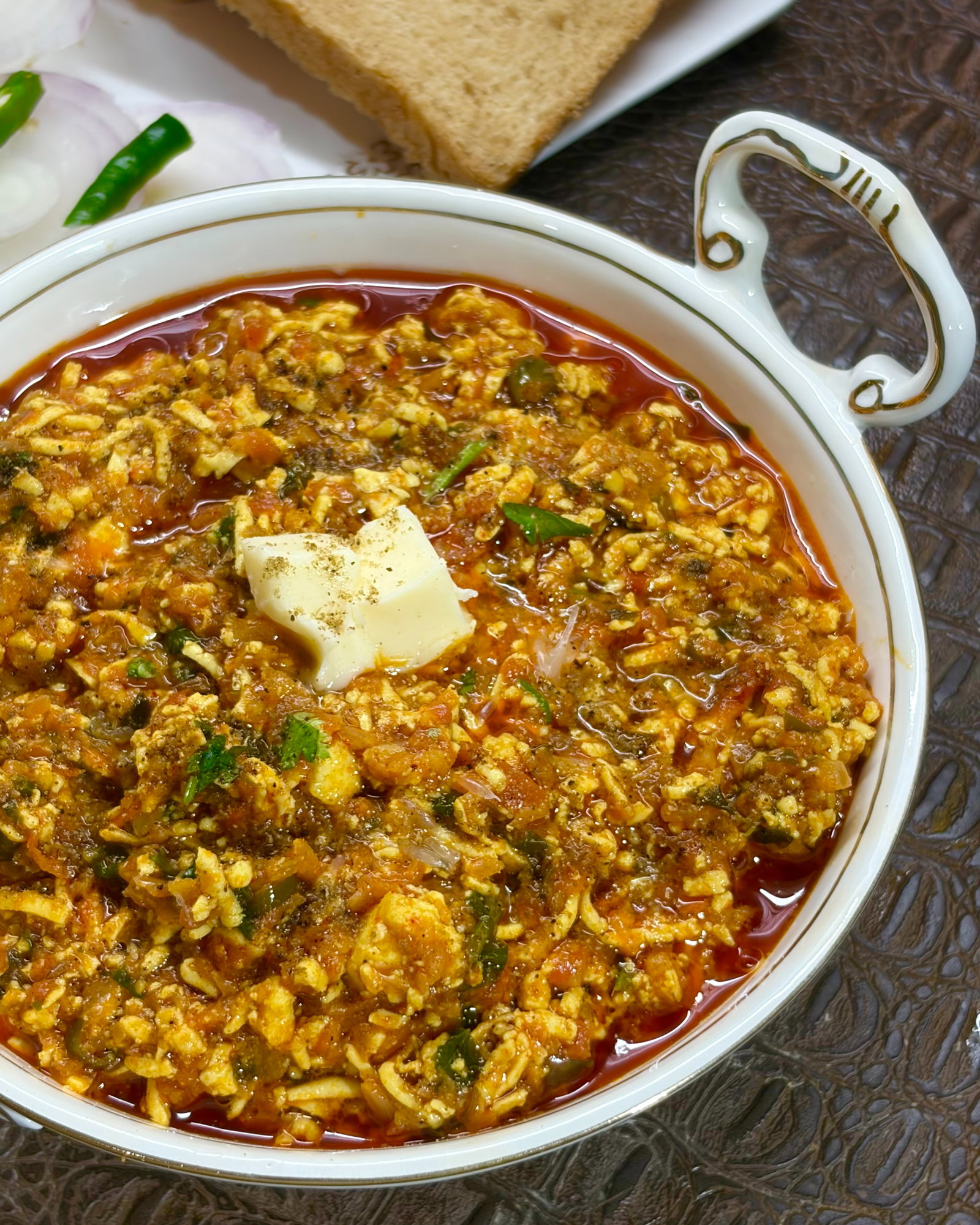
- Indian
- Vegetarian
- Breakfast

- Indian
- Vegetarian
- Breakfast
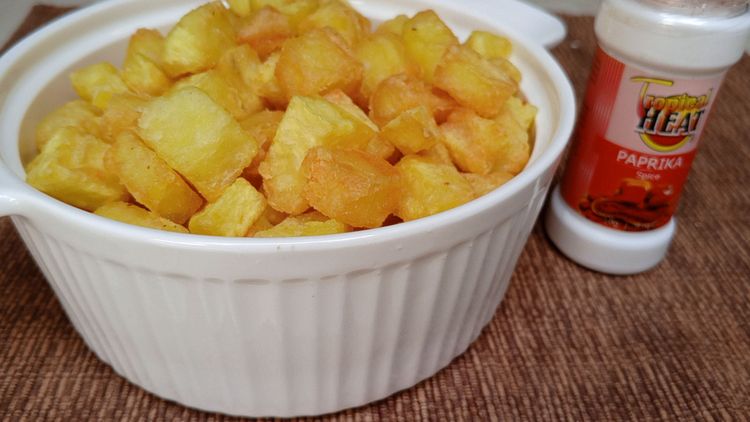
- Indian
- Vegan
- Appetiser
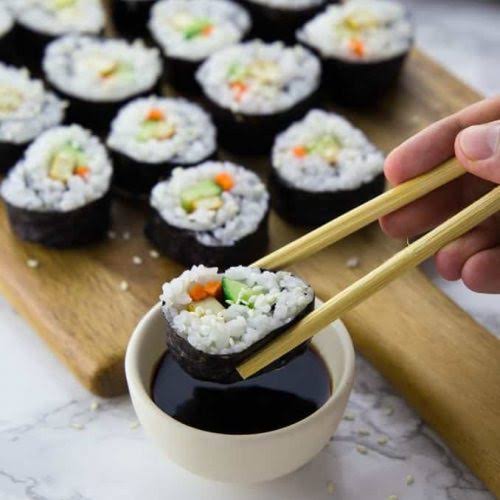
- Indian
- Vegetarian
- Appetiser
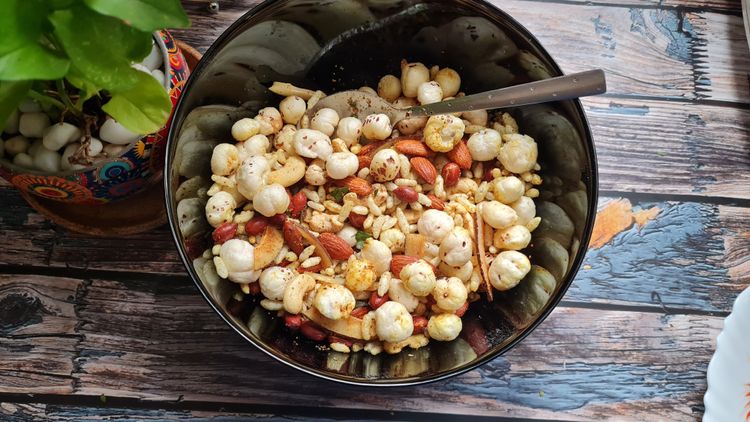

- Indian
- Vegan
- Snack
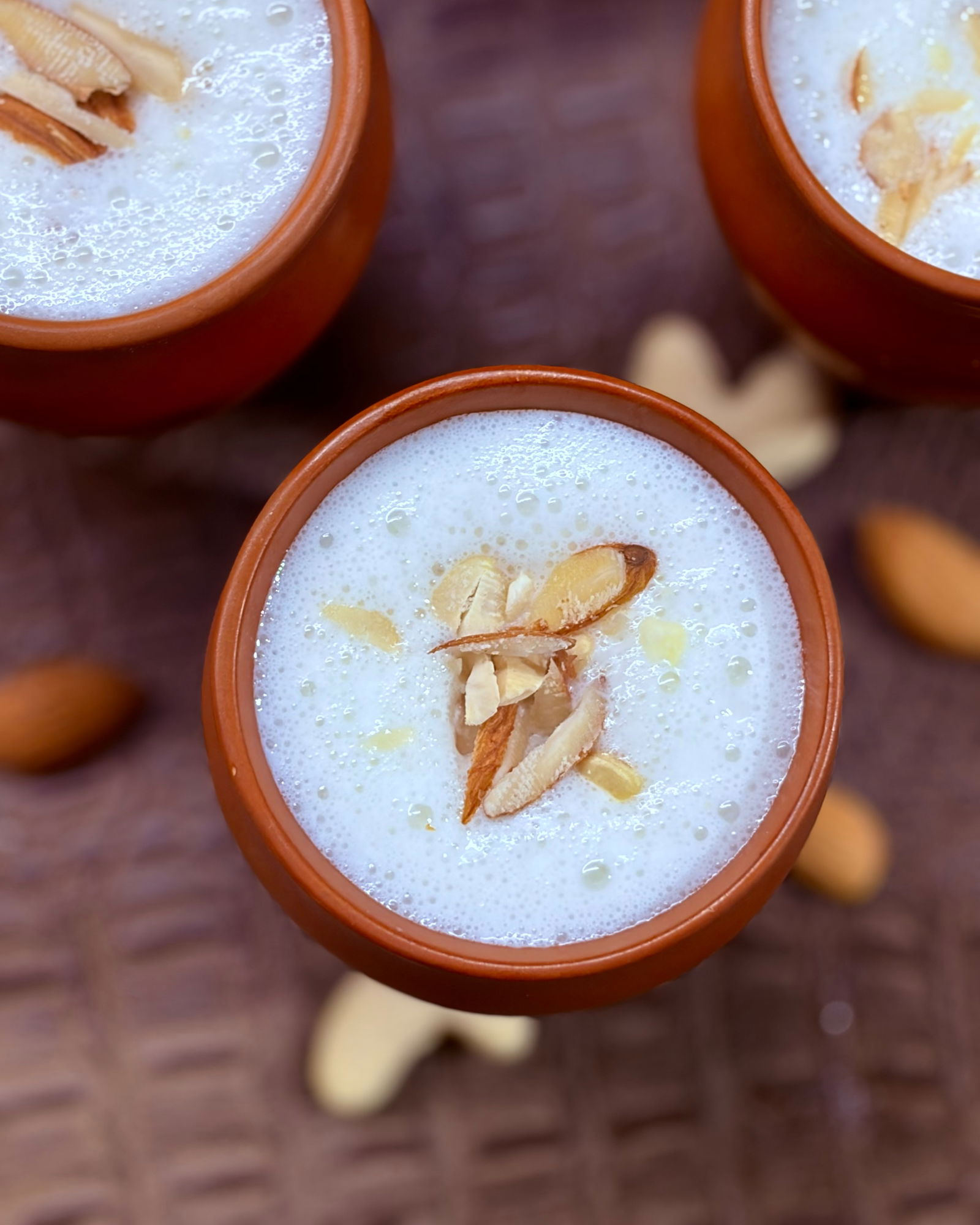
- Indian
- Vegetarian
- Beverage
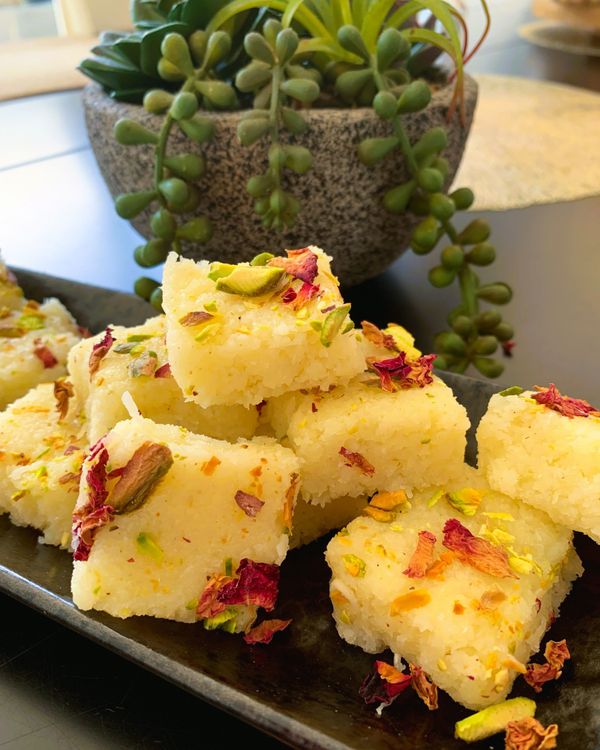
- Indian
- Vegetarian
- Dessert
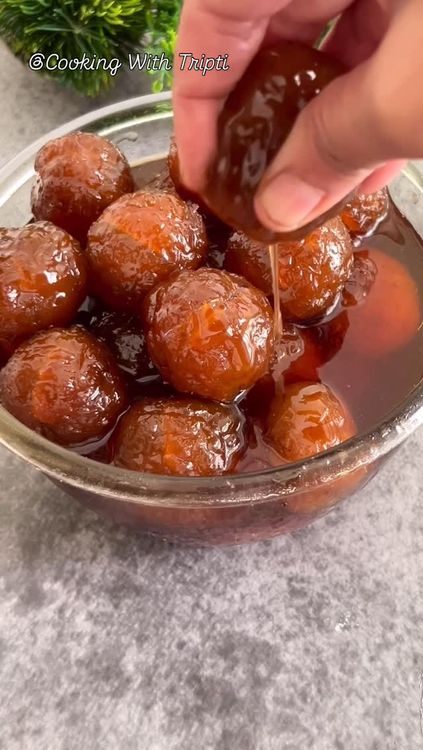

- Indian
- Vegan
- Snack
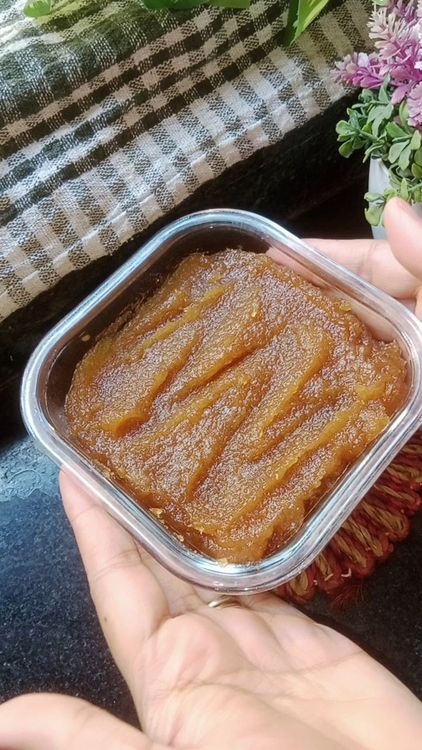
- Indian
- Vegetarian
- Bread & Baking
- Indian
- Vegetarian
- Lunch
- Indian
- Vegan
- Breakfast
- Indian
- Vegetarian
- Dessert
- Indian
- Non-Vegetarian
- Lunch
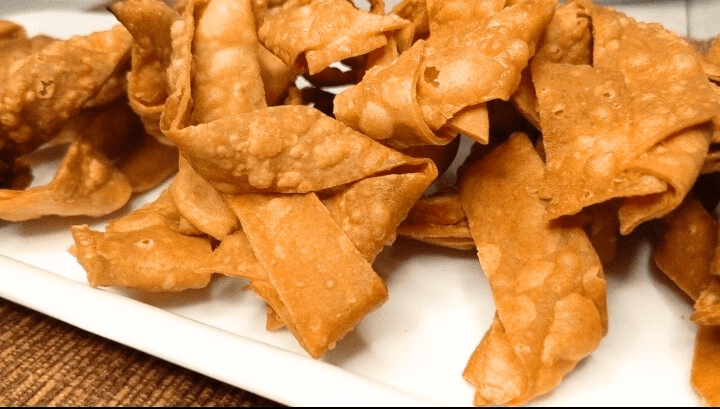
- Indian
- Vegetarian
- Snack
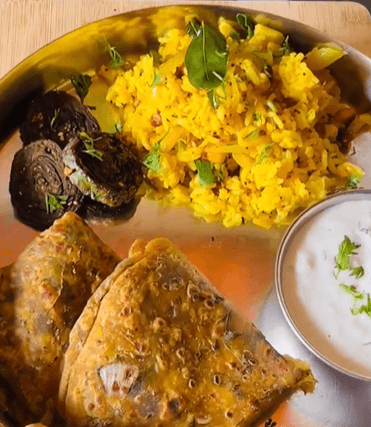
- Indian
- Vegetarian
- Lunch
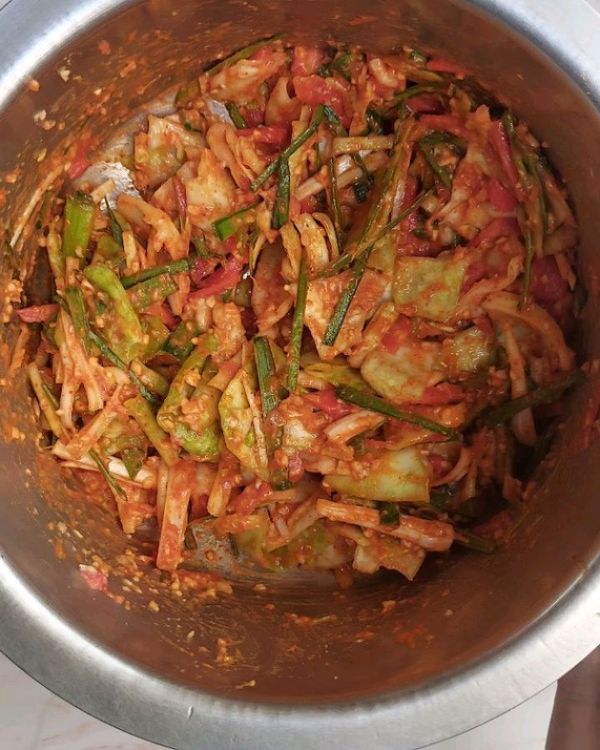
- Indian
- Vegetarian
- Main Course
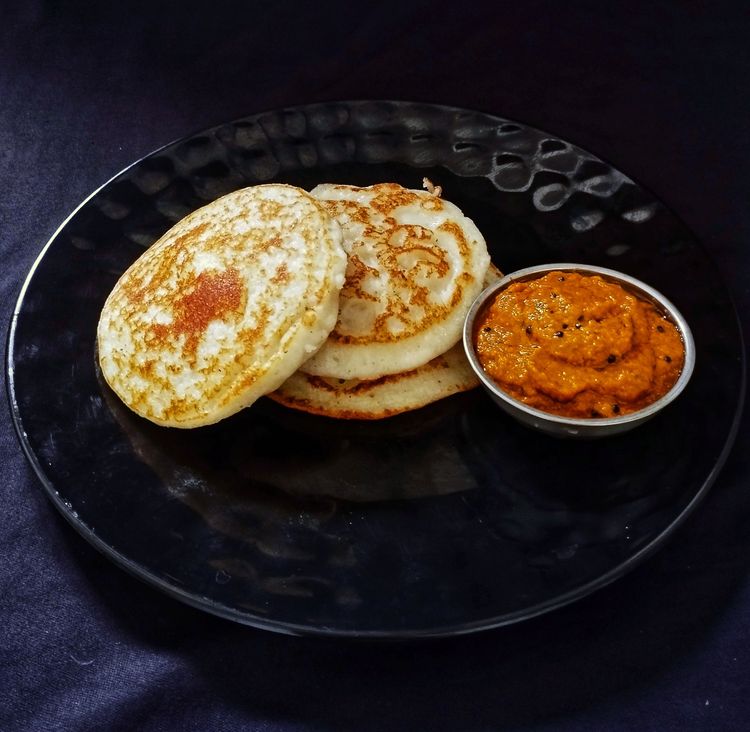
- Indian
- Vegan
- Breakfast
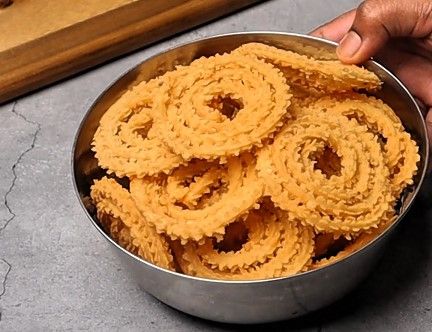
- Indian
- Vegetarian
- Snack
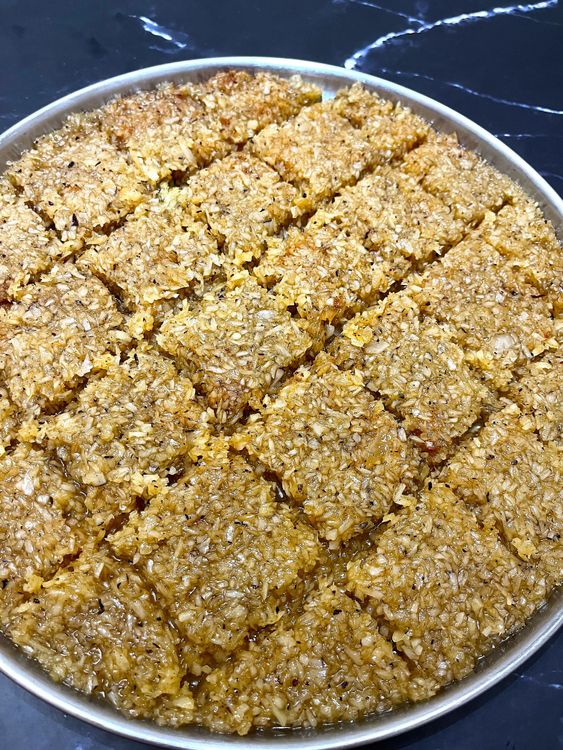
- Indian
- Vegetarian
- Snack
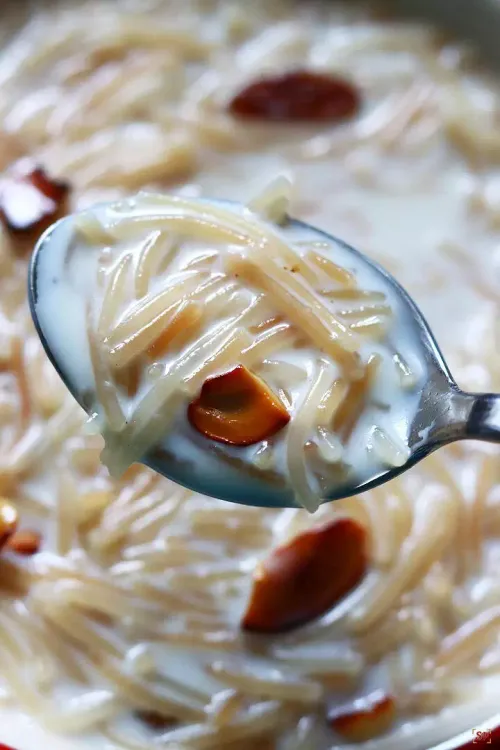

- Indian
- Vegetarian
- Dessert
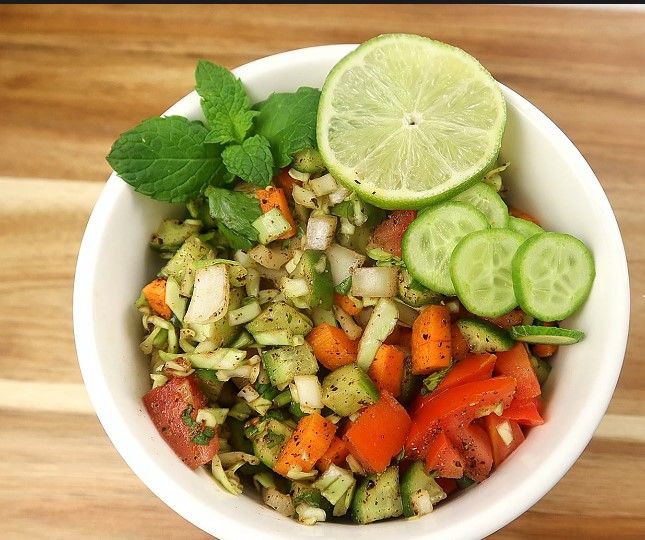
- Indian
- Vegan
- Snack
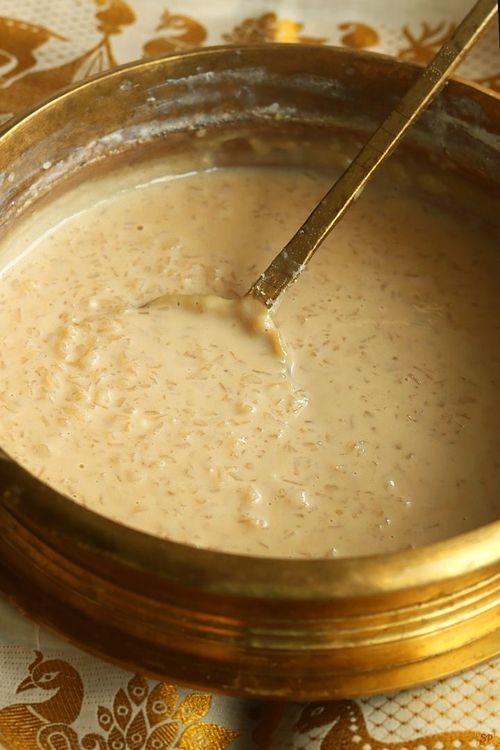
- Indian
- Vegetarian
- Dessert
Building an Indian Spice Pantry
A handful of spices unlocks most of this cuisine. Stock cumin and coriander (both seeds and ground), turmeric, Kashmiri red chilli for color without ferocious heat, garam masala, mustard seeds and dried red chillies, plus asafoetida (hing) and curry leaves for southern and everyday tempering. Add cardamom, cloves, cinnamon and bay for biryanis and richer gravies. Buy whole where you can and grind in small batches — whole spices keep their oils far longer than pre-ground.
Toasting is the cheapest upgrade in Indian cooking. Dry-roast whole spices in a hot pan for a minute until they darken a shade and smell nutty, then grind — this is how you make a garam masala or sambar powder that beats anything from a jar. Ground spices, by contrast, should be added to hot fat off the direct flame and only briefly, because they scorch in seconds and turn a dish bitter rather than fragrant.
Fresh aromatics matter as much as the dried ones. Ginger-garlic paste is the base of countless gravies, so keep a jar in the fridge or blend a batch and freeze it in cubes. Onions, tomatoes, green chillies and fresh coriander are the working trio behind north Indian curries, while curry leaves, coconut and tamarind define the south. With this pantry on hand, most recipes on this page are a matter of assembly rather than a special shop.
The Tadka and the Onion-Tomato Base
Two foundations carry most Indian dishes. The first is the tadka (also tarka or chhonk): whole spices crackled in hot ghee or oil so their aroma blooms into the fat, then poured over a dal or stirred into the start of a curry. Heat the fat until it shimmers, add cumin or mustard seeds and let them sizzle and pop, drop in garlic, dried chilli and a pinch of hing, and pull it the instant the garlic turns gold. Past gold it goes acrid and takes the whole pot with it.
The second foundation is the onion-tomato masala behind northern gravies. Cook sliced or pureed onion slowly to deep golden, add ginger-garlic and cook out the raw edge, then tomatoes, and reduce the whole thing until the oil separates and pools at the sides of the pan. That visual cue — oil breaking free — is the signal that the base is properly cooked and no longer tastes raw. Rushing this step is the single most common reason a home curry tastes flat and thin.
Ground spices go in once the base is ready, bloomed for thirty seconds in the fat before any liquid joins, so they taste cooked rather than dusty. From here the dish branches: cream and cashew for a rich makhani, yogurt for a korma, coconut for a southern curry, or just water and the protein for an everyday sabzi. Master these two foundations and you have effectively learned the grammar of the entire cuisine.
Rice and Bread That Turn Out Right
Good basmati is mostly about restraint. Rinse it until the water runs clear to wash off loose starch, soak it for twenty to thirty minutes so the grains hydrate and elongate, then cook it in plenty of salted water and drain — or use a measured 1:1.5 absorption method. For biryani, par-cook the rice to only about 70 percent, still firm at the core, because it keeps steaming under the dum; fully cooked rice layered into a biryani turns to mush every time.
Flatbreads run on a soft, well-rested dough. Knead roti or paratha dough until smooth, then let it rest under a damp cloth for at least twenty to thirty minutes so the gluten relaxes and rolls out without springing back. Cook on a properly hot tawa: a roti puffs when the griddle is hot enough to set the bottom fast, trapping steam inside. For layered parathas, smear the rolled dough with ghee, fold and re-roll gently so the fat traps flaky sheets.
Naan wants a different approach — a soft, slightly enriched dough with yogurt, given time to rise, then slapped onto a screaming tandoor or cast-iron pan so it blisters and chars in spots. The common thread across all of them is heat and timing: under-hot surfaces give you pale, leathery bread, while a genuinely hot tawa or oven gives you the freckled, pliable result you actually want. Serve breads straight off the heat, brushed with ghee.
Balancing Spice, Heat and Tang
Heat and flavor are not the same thing, and conflating them is a classic beginner trap. Kashmiri chilli gives deep red color with mild heat; green chillies bring fresh, sharp fire; black pepper and dried red chilli a slower burn. Build color and aroma from the gentle spices and add the genuinely hot ones to taste, so a dish is fragrant first and fiery only as much as you want. You can always add more heat at the table; you cannot take it back out of the pot.
Most Indian dishes are balanced at the finish, off the heat. A pinch of sugar or a little cream rounds sharp tomatoes; salt is adjusted last; a squeeze of lemon or a spoon of tamarind or yogurt lifts a heavy gravy; and kasuri methi, crushed between the palms, adds the signature aroma to northern curries. Southern dishes lean on a deliberate hit of tamarind or tomato for sourness. Tasting and correcting at the end is what turns a competent dish into a memorable one.
Garnish and accompaniment are part of the cooking, not decoration. Fresh coriander, a swirl of cream, fried onions or a tempering poured over the top all add a final layer of aroma. And the meal is built to balance itself — a cooling raita against a fiery curry, a tangy pickle against a rich dal, a crunchy salad against soft rice. Think about the whole plate, and each dish tastes better than it would alone.
Pro Tips from the Test Kitchen
- Cook the onion-tomato base until the oil separates before adding spices — this is what makes a curry taste cooked, not raw.
- Toast and grind whole spices in small batches; they keep their aroma far longer than pre-ground.
- Bloom ground spices in hot fat off the direct flame for 30 seconds — they scorch and turn bitter in seconds.
- In a tadka, crackle whole spices first and pull the garlic at gold; past gold it goes acrid.
- Rinse basmati until the water runs clear and soak it 20–30 minutes so the grains elongate and stay separate.
- For biryani, par-cook the rice to only 70% (firm core); it finishes under the dum.
- Rest roti and paratha dough under a damp cloth at least 20 minutes so it rolls out without springing back.
- Build color with Kashmiri chilli and add green chilli for heat — color and heat are separate dials.
- Crush kasuri methi between your palms and add at the end for that signature north Indian aroma.
- Balance off the heat: salt, a pinch of sugar, and a squeeze of lemon or spoon of yogurt to finish.
Frequently Asked Questions
What spices do I need to start cooking Indian food?
A short core list goes a long way: cumin and coriander, turmeric, Kashmiri red chilli, garam masala, mustard seeds and dried red chillies, plus asafoetida and curry leaves. Add cardamom, cloves and cinnamon for biryani and richer gravies. Ginger, garlic, onion, tomato and fresh coriander are the working aromatics. Buy whole spices where you can and grind small batches for the freshest flavor.
Why does my Indian curry taste flat compared to a restaurant?
Almost always an under-cooked base. The onion, ginger, garlic and tomato need to be cooked down slowly until the oil separates and pools at the edges of the pan, which can take ten to fifteen minutes. Spices should be bloomed in fat rather than stirred in raw. Restaurants also balance at the end with cream, sugar, salt, kasuri methi and a little acid — season as you finish, not only at the start.
Is all Indian food spicy?
No. Indian food is heavily spiced, meaning aromatic, but not necessarily hot. Heat comes from chillies and pepper, which you can dial up or down independently of flavor. Many classics — butter chicken, korma, dal makhani — are mild and creamy, while others are deliberately fiery. Use Kashmiri chilli for color and mild warmth, and add green or hot chilli to taste. You control the heat entirely.
What rice is best for Indian cooking?
Aged, long-grain basmati for biryani, pulao and most rice plates — it cooks up dry, long and separate when rinsed and soaked first. For everyday plain rice the same basmati works beautifully. For South Indian dishes like idli, dosa and some pongal, short-grain or parboiled rice is traditional. Rinse until the water runs clear and soak basmati 20–30 minutes for the best texture.
What is the difference between North and South Indian food?
Broadly, the north leans on wheat breads (roti, naan, paratha), dairy (paneer, cream, ghee) and rich, often creamy gravies built on onion and tomato. The south leans on rice, lentils, coconut and tamarind, with brighter, tangier, often spicier dishes and fermented staples like dosa and idli. Both share a spice-and-tempering foundation, but the staple grain, fat and souring agent differ.
Can I make Indian food without a tandoor?
Yes — almost everything adapts to a regular kitchen. Tandoori chicken and tikka cook well under a hot grill, in an oven on high with the broiler, or in an air fryer; naan blisters on a screaming-hot cast-iron pan or under the broiler. The marinade and high, fast heat matter more than the clay oven itself. A heavy pan, a hot oven and a grill cover most of what a tandoor does.
How do I make Indian food less oily?
Restaurant gravies often float in oil partly to show the base is cooked; at home you can use less and still get the flavor. Cook the base properly so spices bloom even with modest fat, use yogurt or blended cashews for body instead of large amounts of cream, and choose grilled or tempered dishes over deep-fried snacks. Dals, sabzis and tandoori-style dishes are naturally lighter than rich makhani gravies.
What is a tadka?
A tadka (also called tarka or chhonk) is a tempering: whole spices, garlic, dried chilli and aromatics sizzled in hot ghee or oil so their aroma blooms into the fat, then poured over a finished dal or stirred into the start of a curry. It is the single biggest source of flavor in many Indian dishes. Heat the fat until it shimmers, crackle the spices, and pull it before the garlic browns past gold.
What should I serve with an Indian meal?
A typical plate balances a main gravy with rice or bread, a dal, a vegetable side (sabzi), and cooling, tangy accompaniments — raita, pickle, chutney and a simple onion-lemon salad. The idea is contrast: cool yogurt against a fiery curry, sour pickle against a rich dal, soft rice against a crisp papad. You do not need every element, but a couple of contrasting sides make the meal feel complete.
Are there a lot of vegetarian Indian dishes?
Indian cuisine is one of the most vegetarian-friendly in the world. Whole regions cook largely without meat, and dals, paneer dishes, vegetable sabzis, chana and rajma, dosa, biryani and countless snacks are vegetarian by default. Lentils and dairy supply protein, and the spice-forward technique means vegetarian dishes are full-flavored rather than an afterthought. Many recipes on this page are naturally meat-free.
The thread through every Indian recipe here is the same small set of moves: spices bloomed in fat, an onion-tomato base cooked until the oil breaks free, rice and bread handled with restraint, and a dish balanced for salt, heat and tang at the finish. Learn those once and the cuisine opens up, because a curry, a dal and a street-food chaat are all variations on the same grammar.
Pick four dishes to cook this week — a gravy, a rice or bread, a snack and a dal — and save your favorites to a Chefadora cookbook. Then work outward into the regional specialities and the deeper curry, paneer and biryani collections. This page is built to be the Indian-cooking reference you actually keep coming back to.
Related
- Indian
- Curry
- Vegetarian
- North Indian
- South Indian
- Street Food
- Dinner
- Rice
Popular Searches
- Best indian recipes
- Easy indian recipes
- Quick indian recipes
- Healthy indian recipes
- Simple indian recipes
- Homemade indian recipes
- Delicious indian recipes
- Popular indian recipes
- indian food
- recipes from india
- authentic indian food
Marnirni-apinthi Building, Lot Fourteen,
North Terrace, Adelaide, South Australia, 5000
Australia
