
Top 45 Curry Recipes: Chicken, Vegetable, Seafood and More
Updated July 2, 2026 · Curated by Chefadora
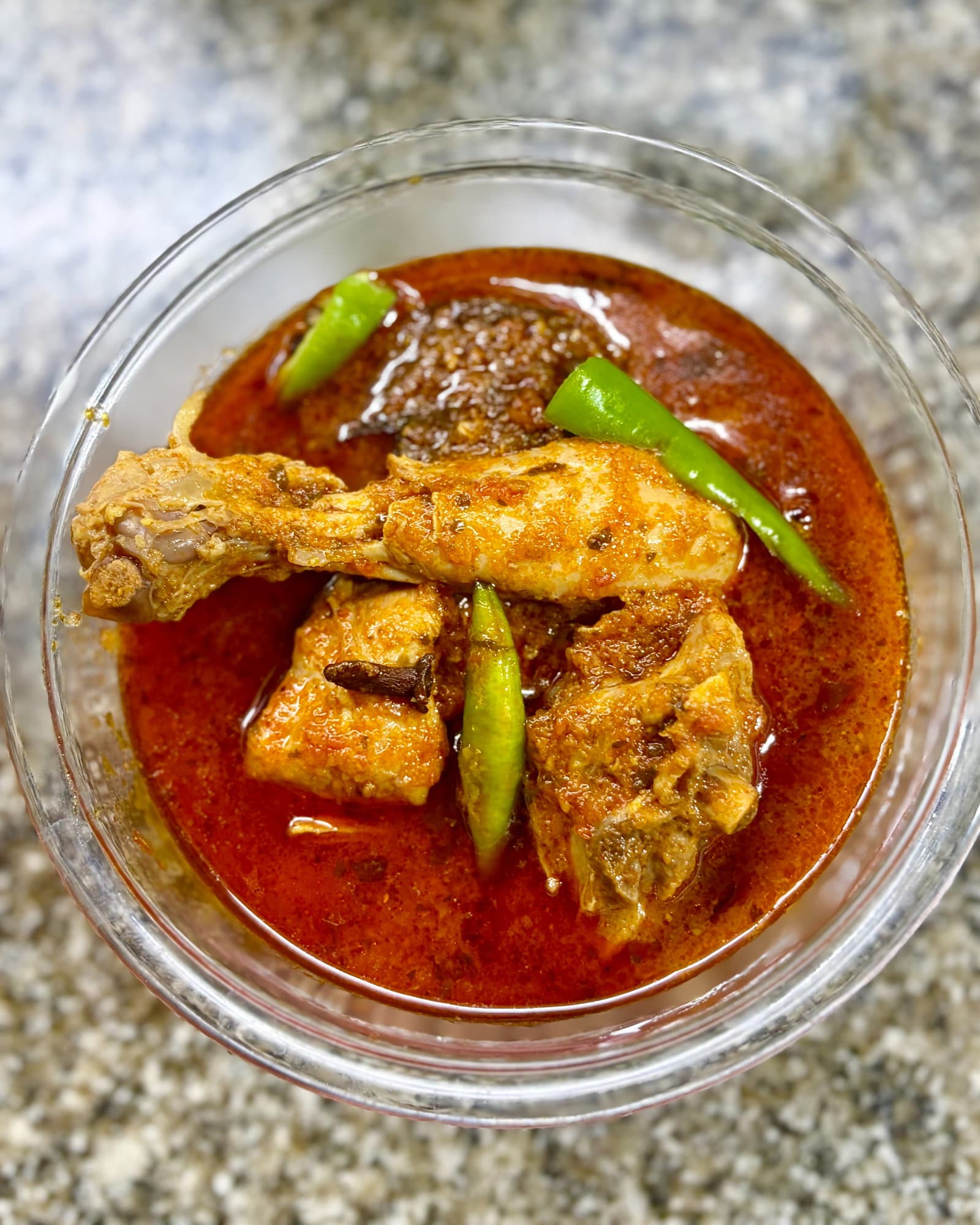
Curry recipes cover more ground than almost any other category in home cooking — a spiced, saucy dish built around whatever protein or vegetable is on hand, cooked low and slow until the flavours knit together. This collection pulls together chicken curries, vegetable and lentil curries, seafood and egg curries, plus a run of mutton, goat and other favourites, so you always have a starting point whether you are after a quick weeknight pot or a Sunday dish worth the extra hour.
What ties every good curry together is the base: onions cooked down properly, ginger and garlic softened rather than raw, tomatoes reduced until the oil separates, and spices bloomed in hot fat so they taste rounded instead of dusty. Once that base is right, almost any protein or vegetable can go in and come out tasting like it belongs. Skip the base and even the best cut of meat or freshest vegetable ends up bland.
You will find four groups here: chicken curries for the everyday pot, vegetable and lentil curries for meat-free nights, seafood and egg curries for something lighter and quicker, and mutton, goat and other heartier options for when you want to slow-cook. Each cluster shares its own quirks — chicken wants a shorter simmer, lentils want patience, seafood wants a short blast of heat, mutton wants real time — and the guides below walk through the differences so you are not guessing at timing from one cluster to the next.
Treat this page as a working reference rather than a one-time read. Every recipe links through to full ingredients and method on Chefadora, and the guides cover the parts that actually decide whether a curry tastes home-cooked or restaurant-good — building the base, choosing whole versus ground spice, getting the consistency right, and storing leftovers so they taste just as good the next day.
Chicken Curries
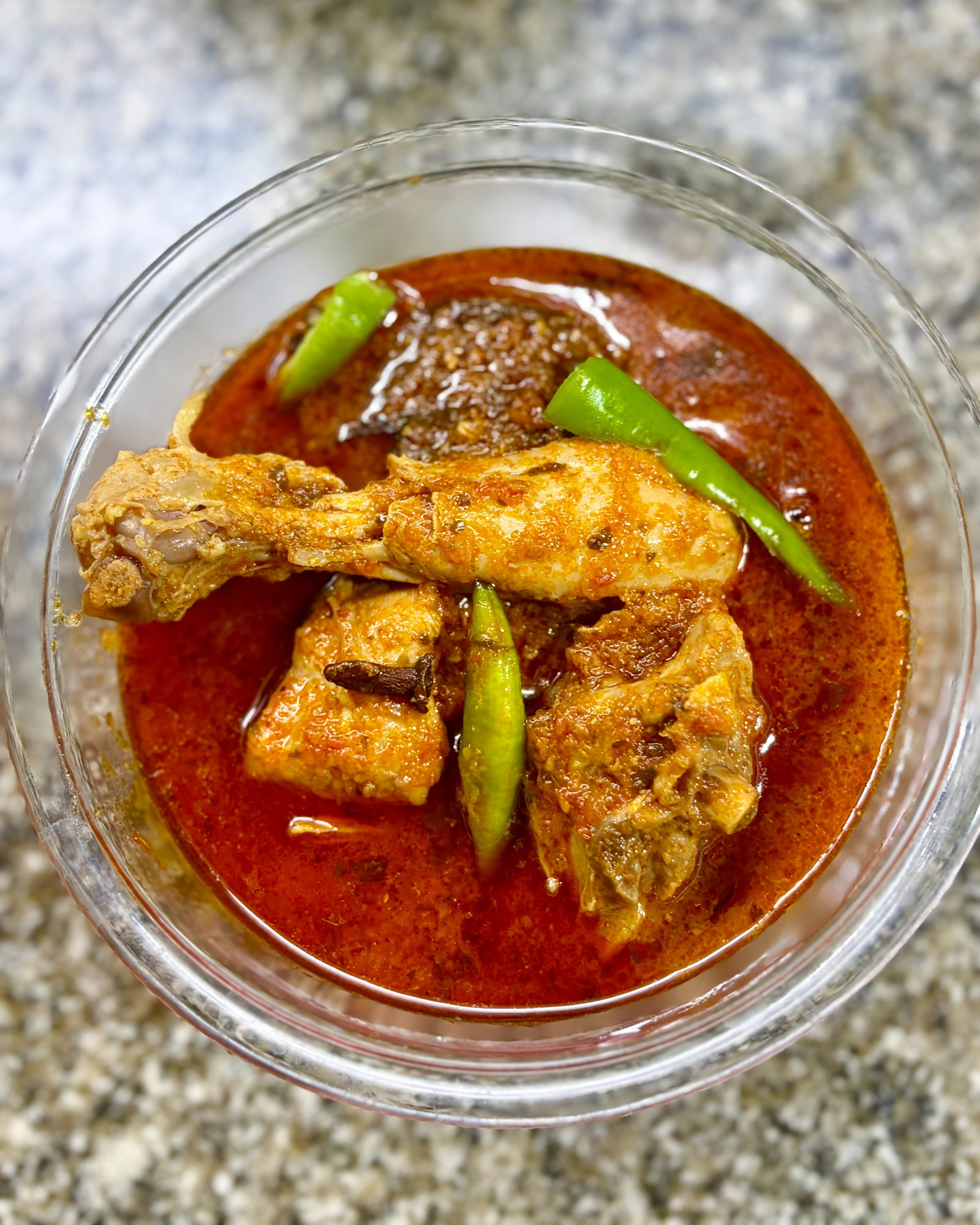
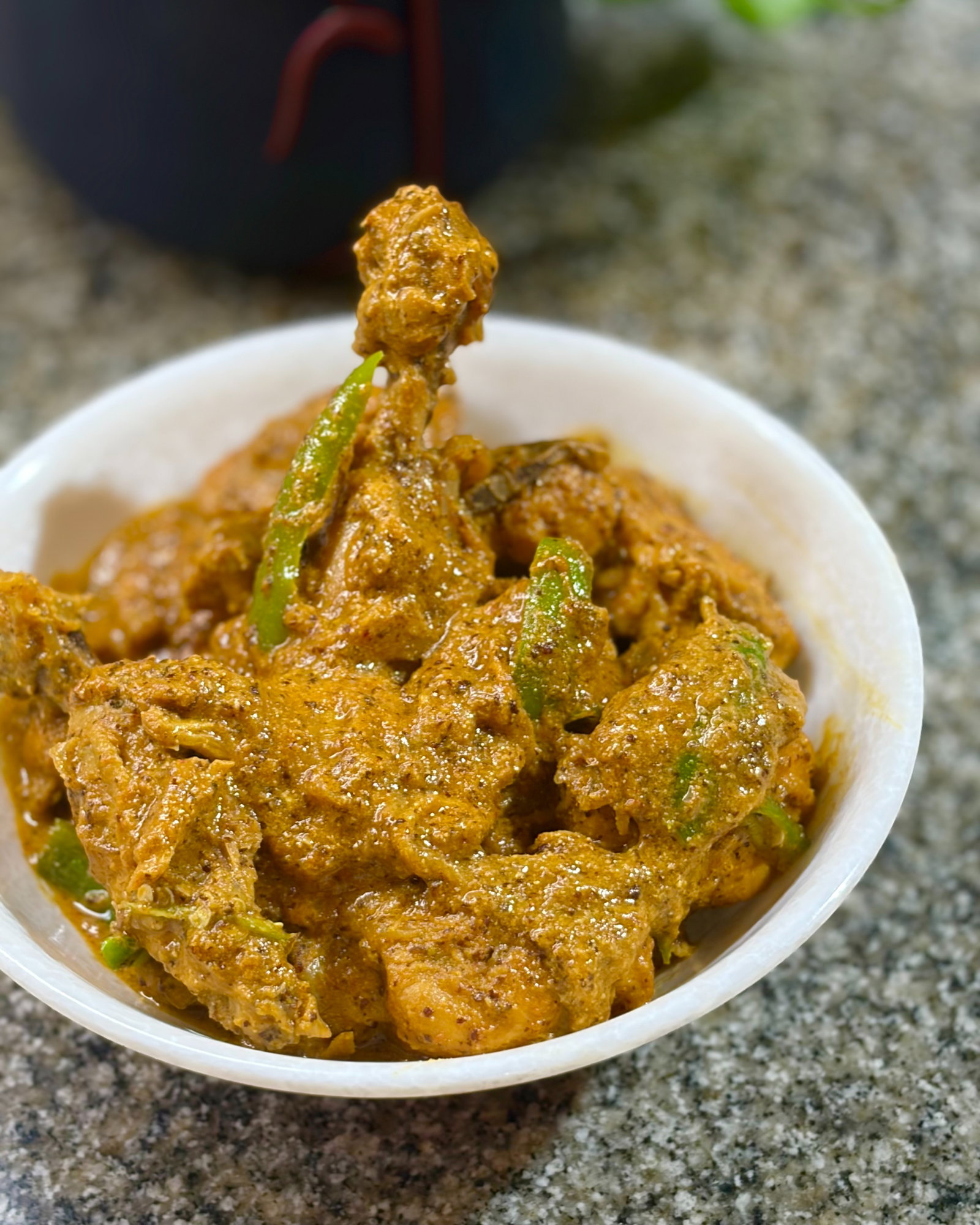
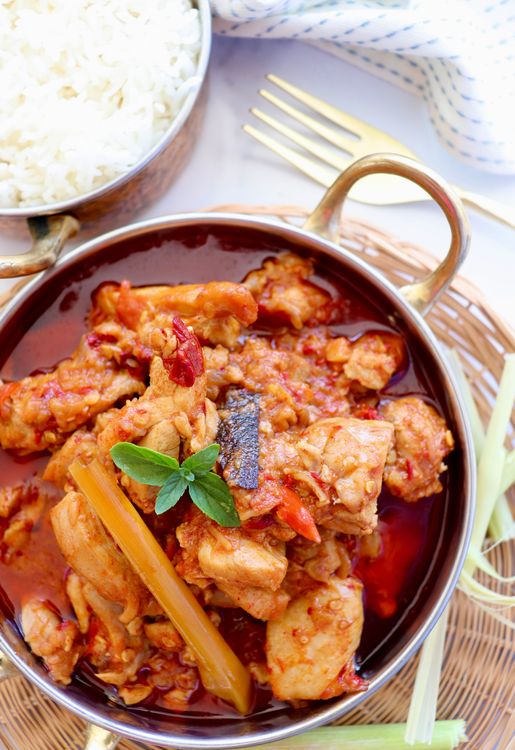
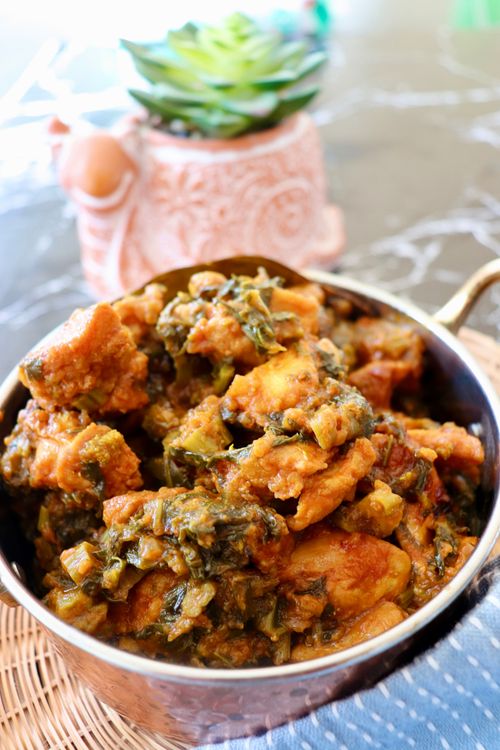
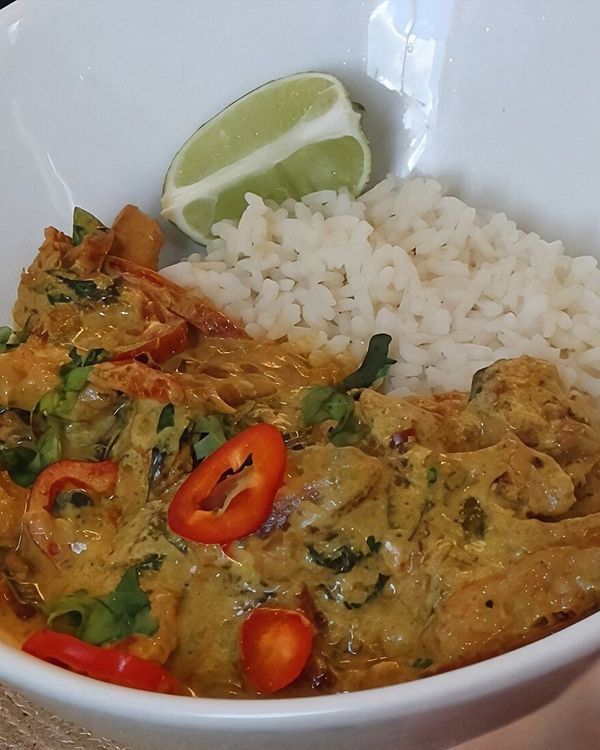
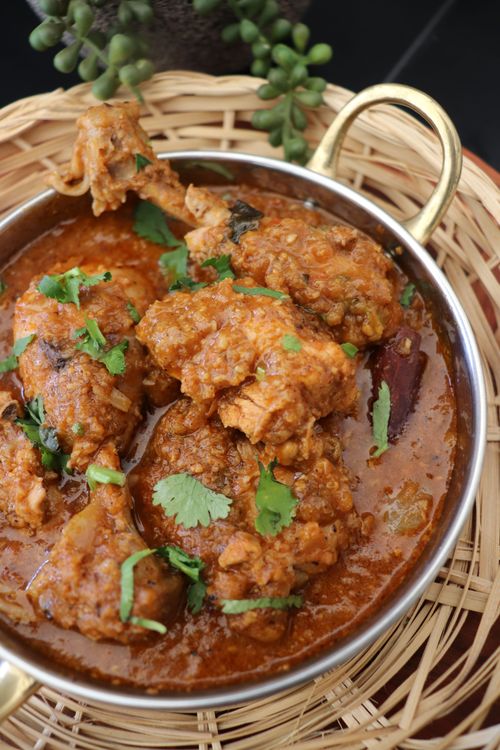
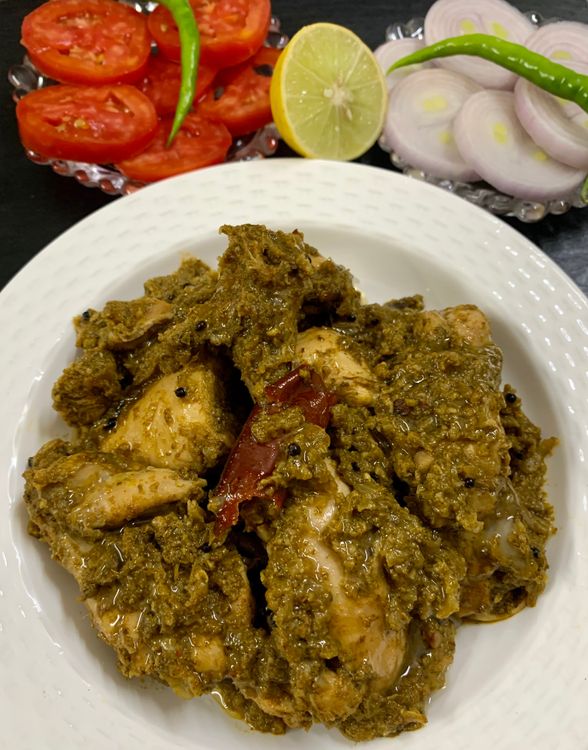
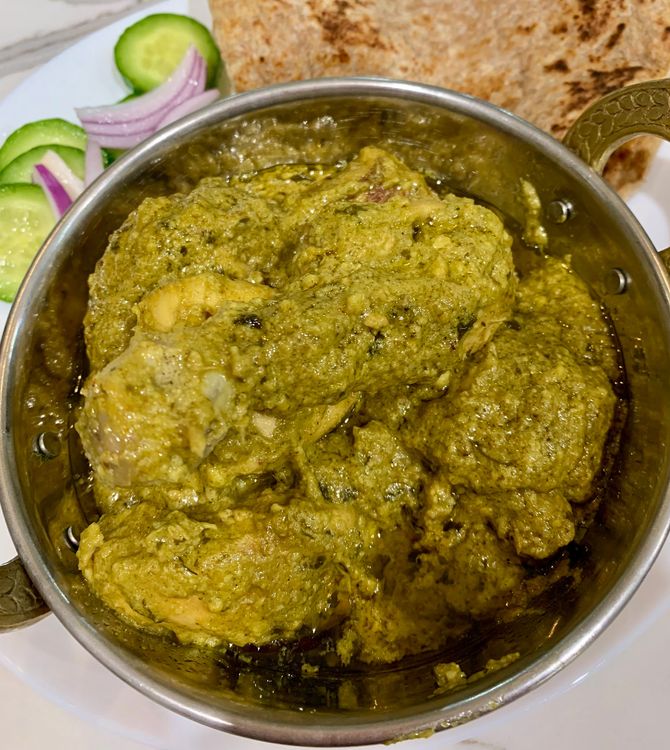
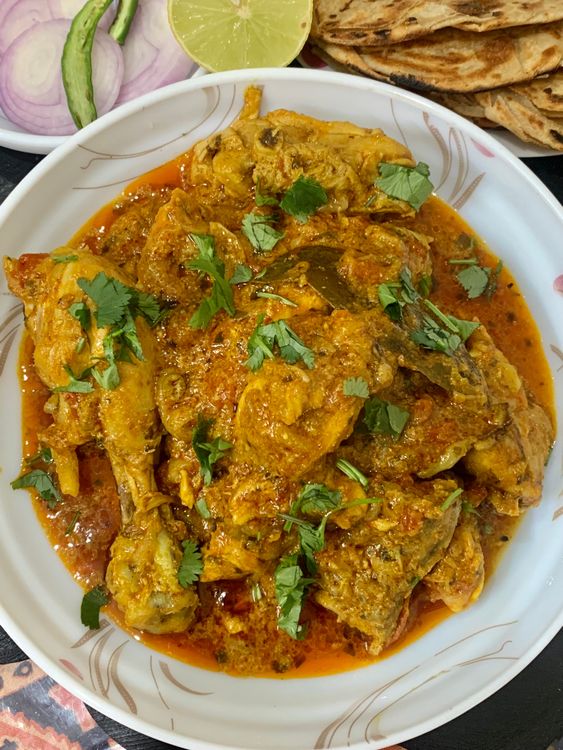
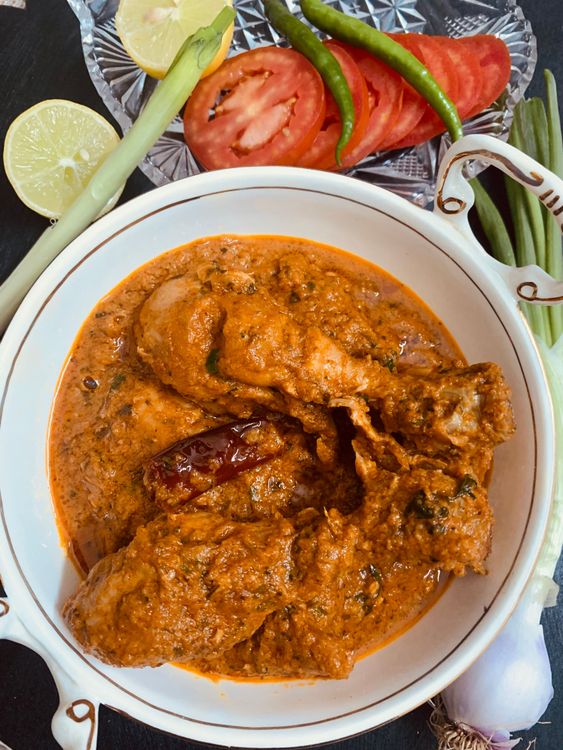
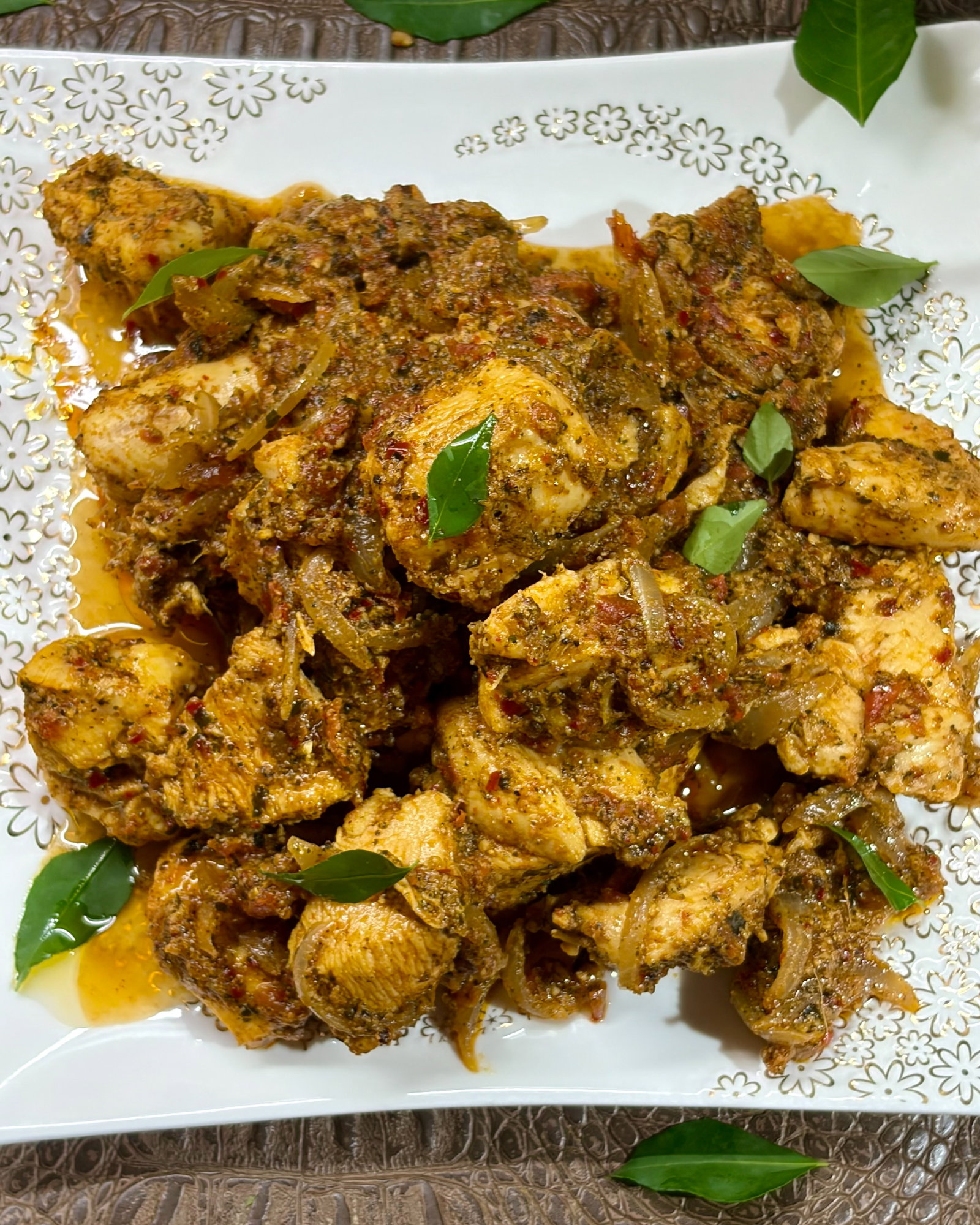
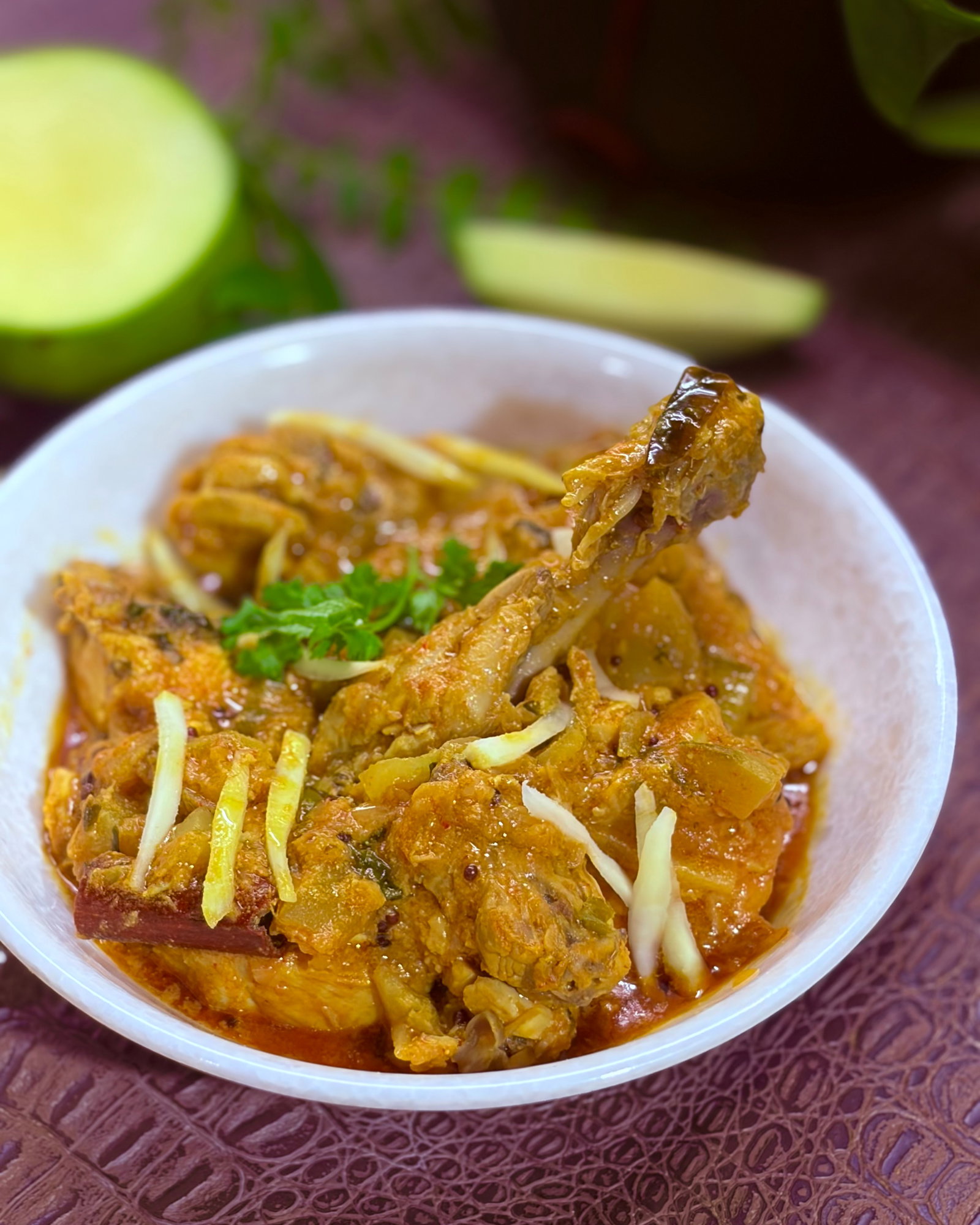
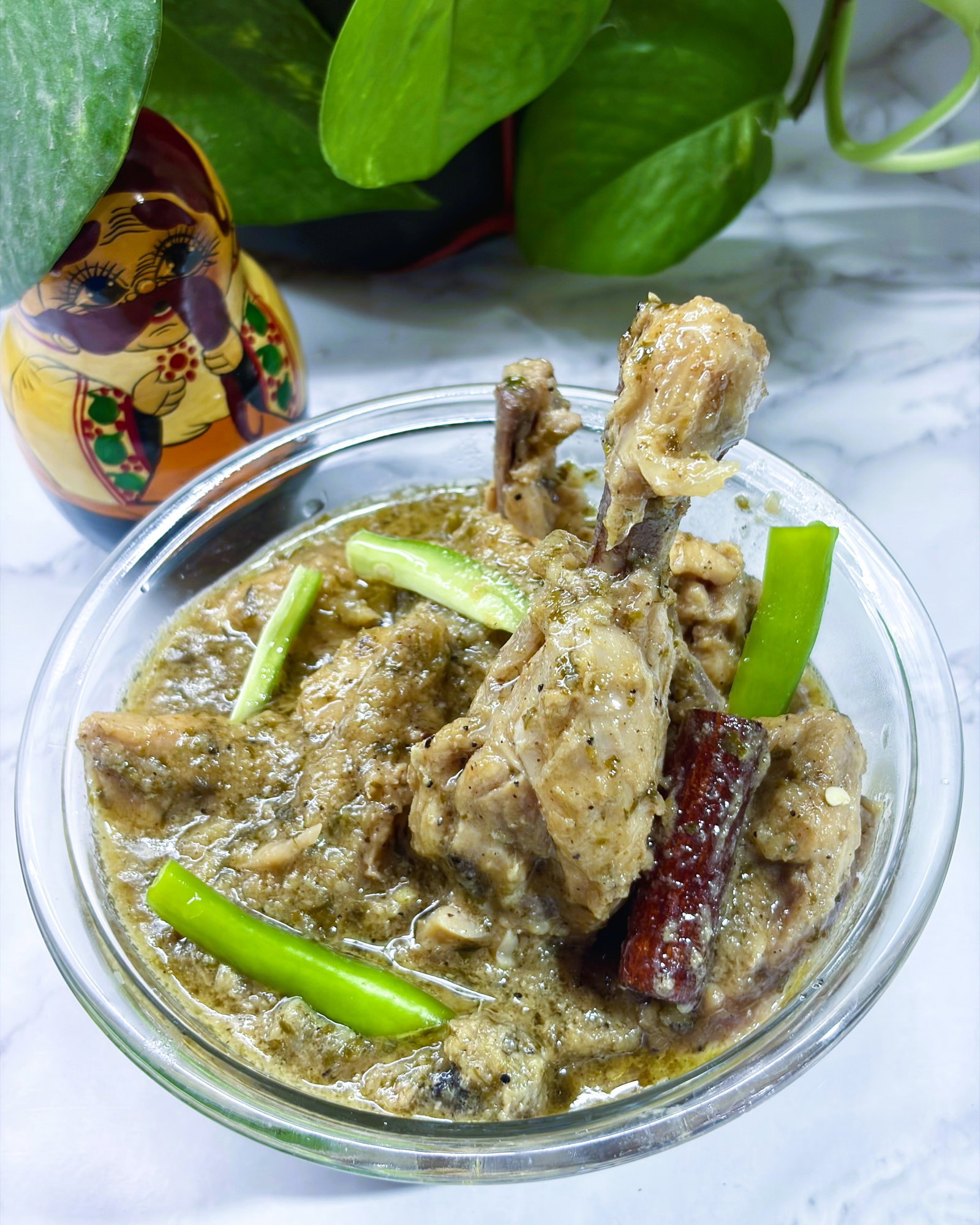
Chicken is the most cooked protein in this collection, and for good reason — it takes to almost any spice profile and cooks fast enough for a weeknight. The dishes gathered here range from quick one-pot pressure-cooked curries to slow-simmered classics built on a proper onion-tomato base, plus regional variations like Kerala-style coconut curries, mustard-spiced Bengali versions, and Thai-influenced coconut curries that borrow lemongrass and chilli. What unites them is timing: chicken curries cook faster than meat or lentil curries, so the base needs to be fully developed before the chicken goes in, since there is not much simmer time left to fix an underseasoned sauce. Bone-in pieces give more flavour to the gravy but need slightly longer cooking; boneless thigh is the most forgiving cut for beginners since it stays tender even if slightly overcooked, while breast meat turns dry fast and rewards a shorter simmer. Whichever version you choose, add the chicken once the base is properly cooked down, and resist the urge to rush the last simmer — that final ten minutes is when the meat actually absorbs the sauce around it. Standouts here include One-Pot Chicken Curry (Pressure Cooked) and Shorshe Chicken (Mustard Chicken Curry), plus Lemongrass Chicken Curry.

- Non-Vegetarian
- Lunch
- Gluten-Free
- Lunch
- Indian
- Non-Vegetarian
- Lunch
- Indian
- Non-Vegetarian
- Lunch

- Thai
- Non-Vegetarian
- Lunch
- Indian
- Non-Vegetarian
- Lunch
- Indian
- Non-Vegetarian
- Lunch
- Indian
- Non-Vegetarian
- Lunch
- Indian
- Non-Vegetarian
- Lunch
- Indian
- Non-Vegetarian
- Lunch
- Indian
- Non-Vegetarian
- Lunch
- Gluten-Free
- Main Course
- Indian
- Non-Vegetarian
- Dinner
- Gluten-Free
- Dinner
- Indian
- Gluten-Free
- Dinner
- Gluten-Free
- Main Course
Seafood & Egg Curries
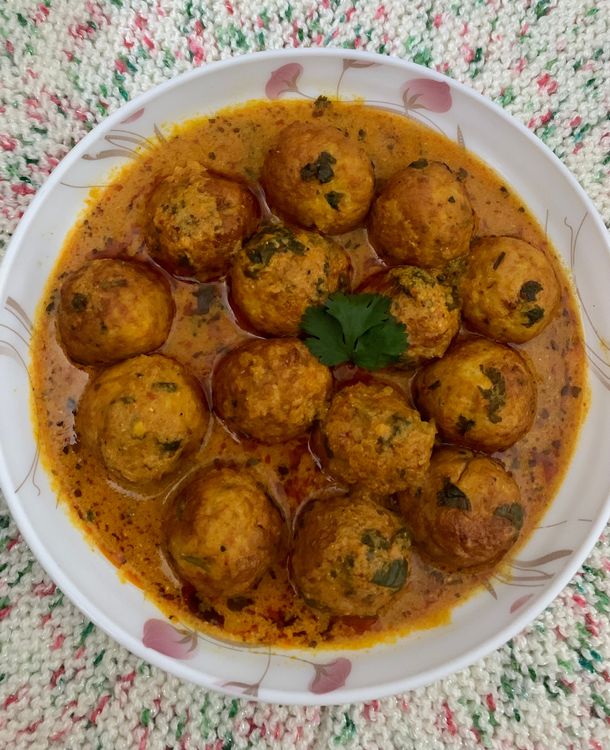
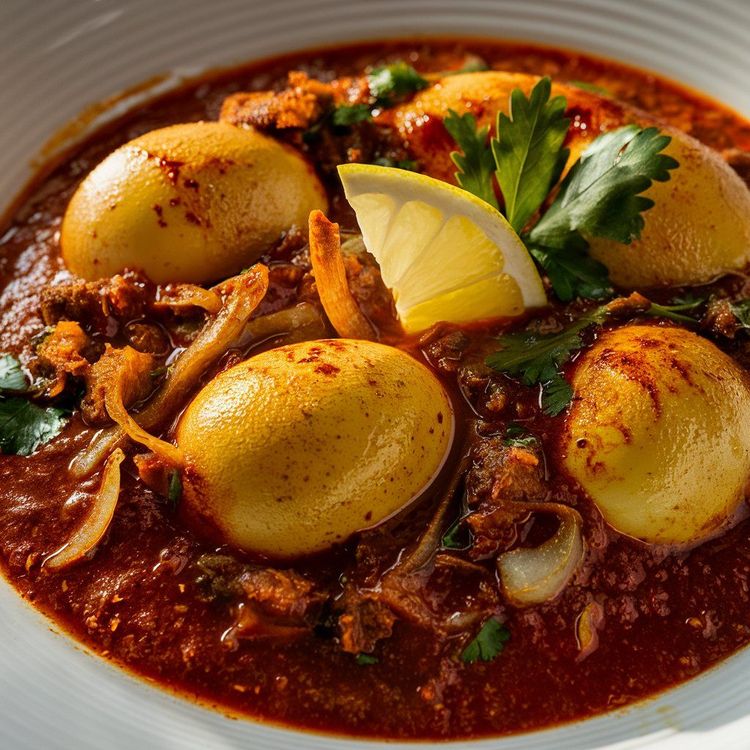
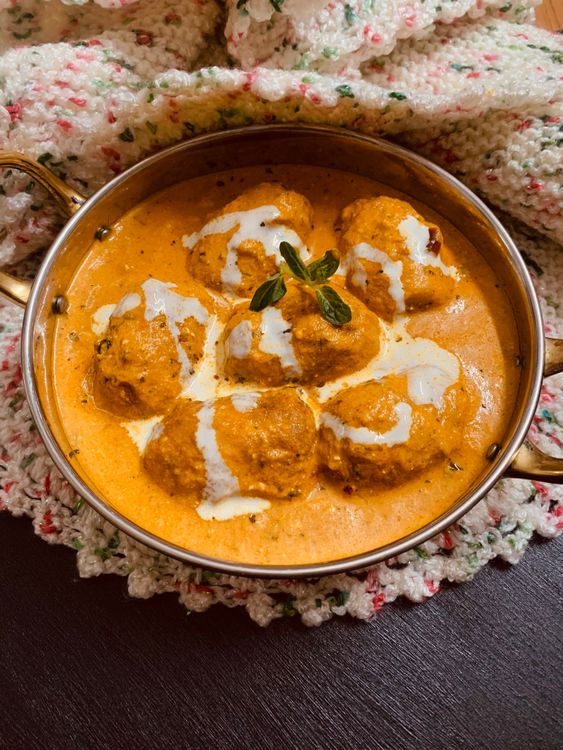
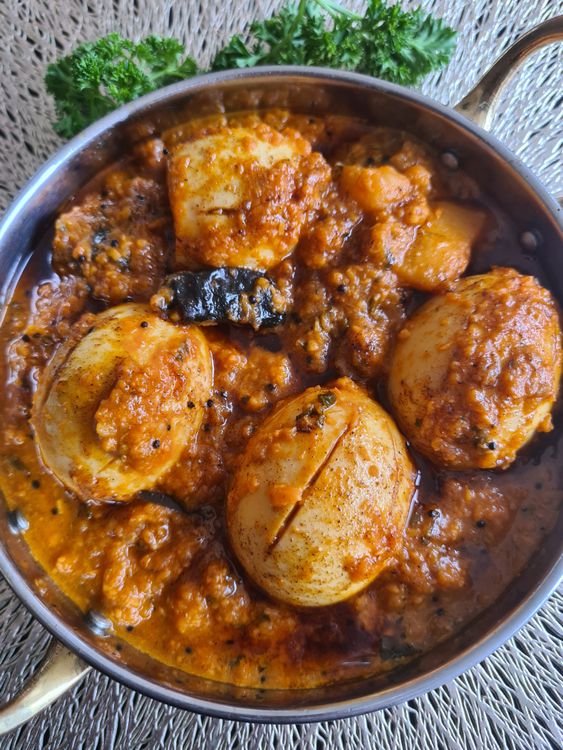
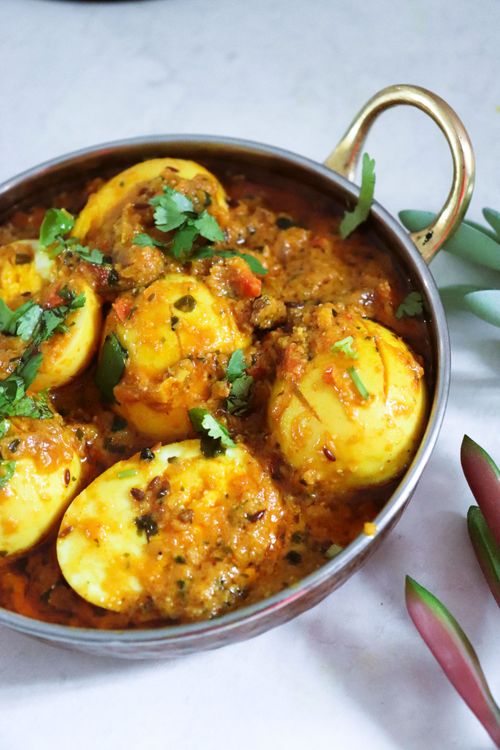
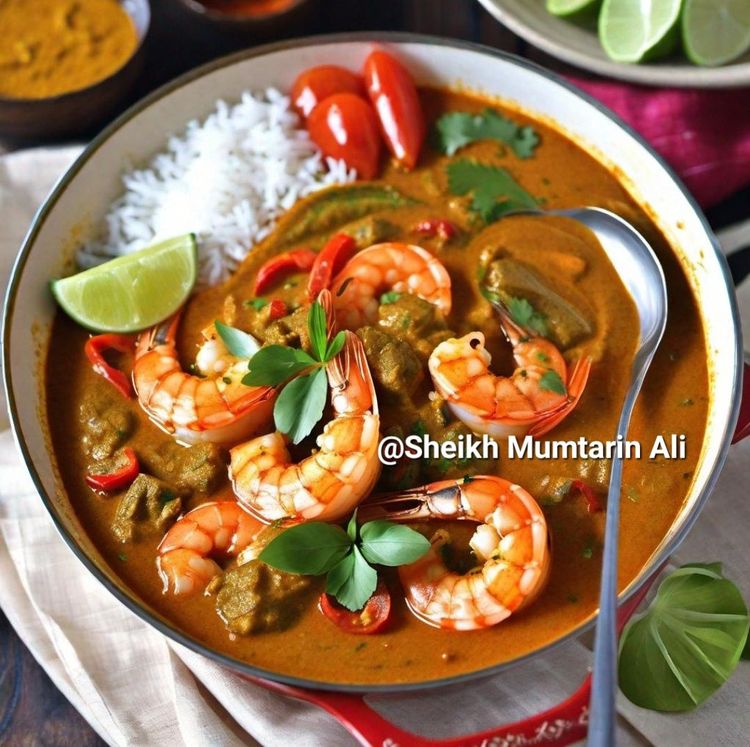
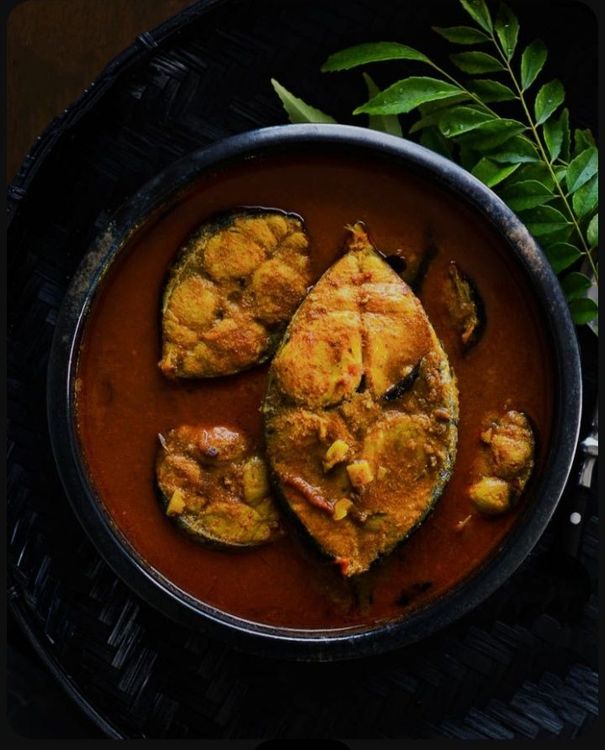
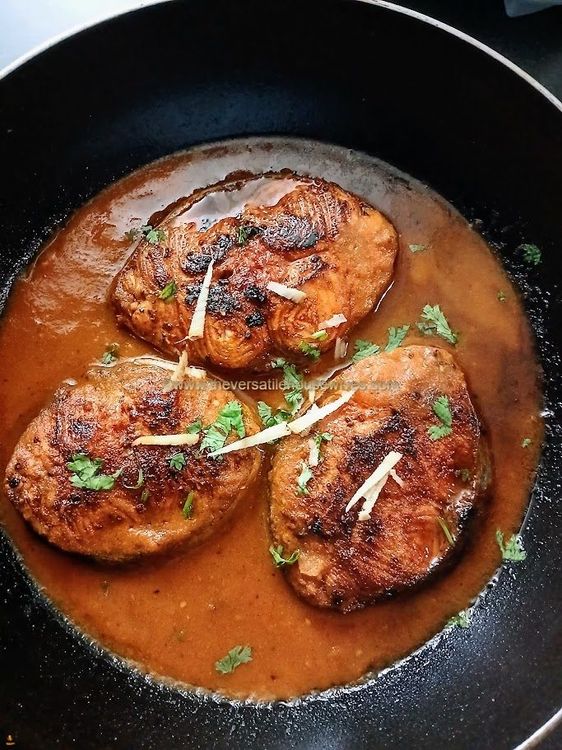
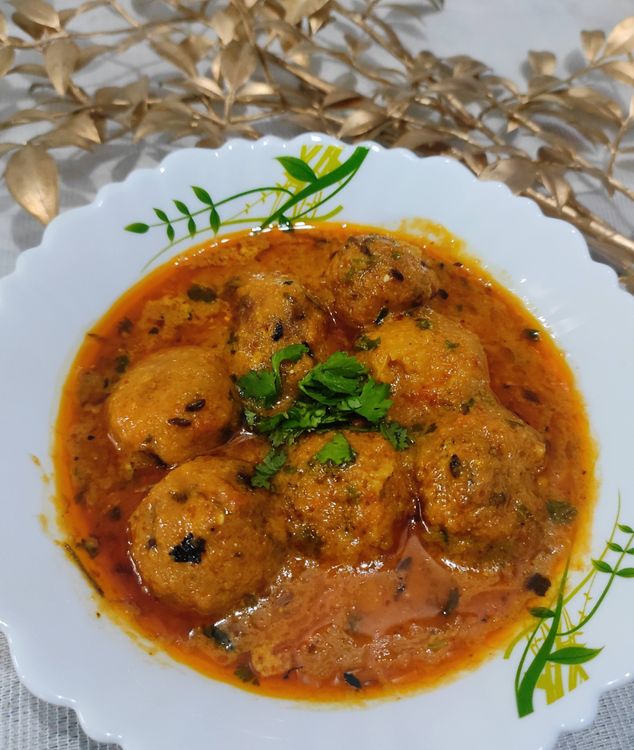
Seafood and egg curries move at a different pace to everything else on this page — they are built for speed rather than a long simmer, since prawns, fish and eggs all turn rubbery or chalky if they sit in hot liquid too long. This cluster includes coastal classics like Kerala fish curry and prawn malai curry alongside egg curries built on the same onion-tomato base used throughout Indian cooking, plus a coconut-forward Malvani-style shark curry that shows just how far the category stretches. The common thread is to build the gravy completely first — reduce it, season it, get the consistency right — and only add the seafood or eggs in the last few minutes of cooking, sometimes off the heat entirely with just residual warmth to finish them. Coconut milk or grated coconut appears often here, since its sweetness balances the natural brininess of prawns and fish particularly well. If a recipe calls for frying fish or prawns before they go into the curry, do it separately and add them right before serving, so the crust stays distinct rather than dissolving into the sauce. Standouts here include Baby Shark Indian Curry - Malvani Style and Egg Ghee Roast Curry, plus Paneer Veggie Kofta Curry.


- Seafood
- Pescatarian
- Lunch

- Indian
- Eggetarian
- Lunch
- Indian
- Vegetarian
- Lunch
- Indian
- Vegan
- Lunch
- Indian
- Eggetarian
- Lunch
- Indian
- Eggetarian
- Main Course

- Malaysian
- Pescatarian
- Lunch
- Indian
- Pescatarian
- Lunch
- Indian
- Pescatarian
- Lunch

- Indian
- Pescatarian
- Dinner
Vegetable, Lentil & Paneer Curries
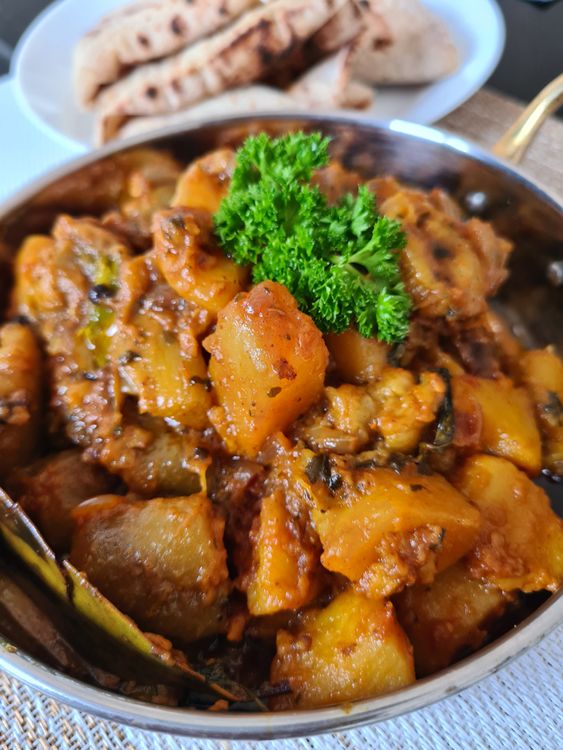
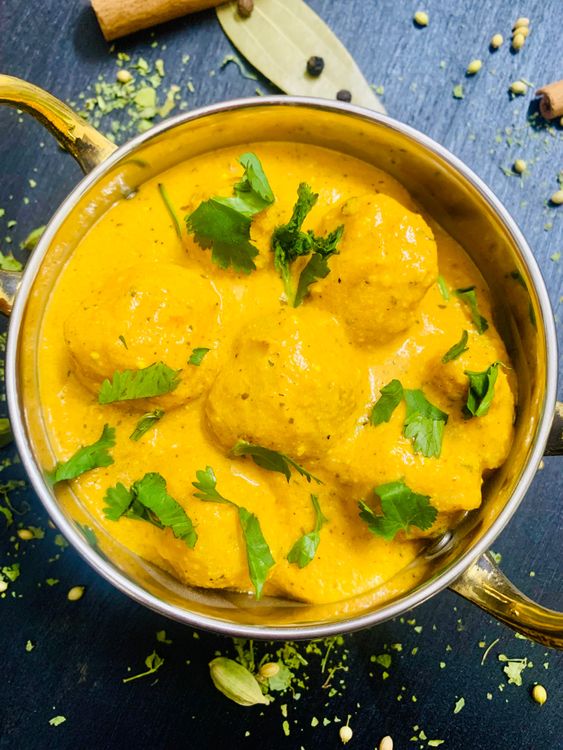
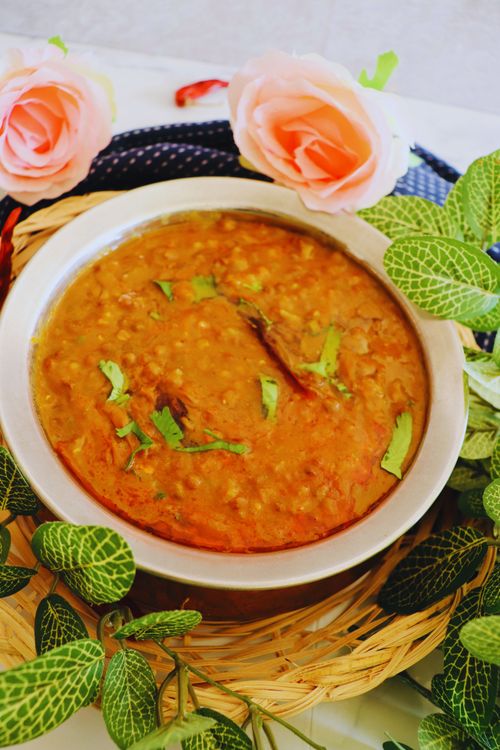
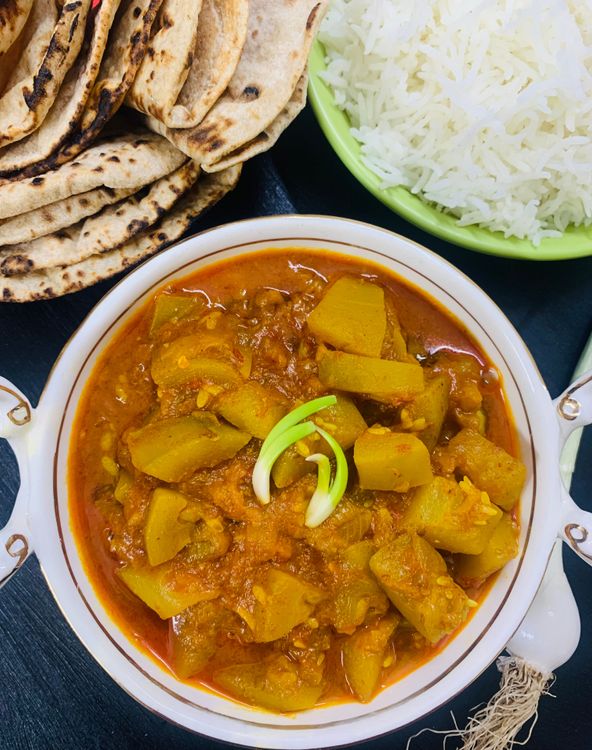
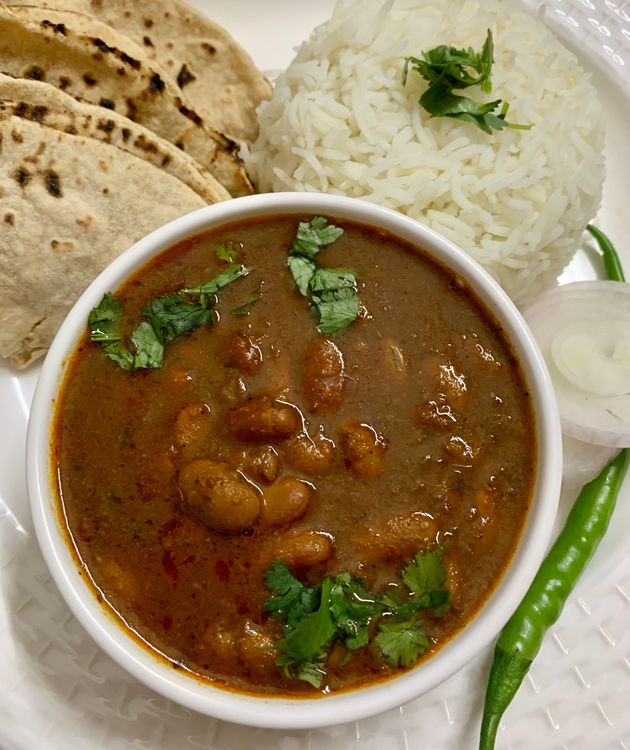
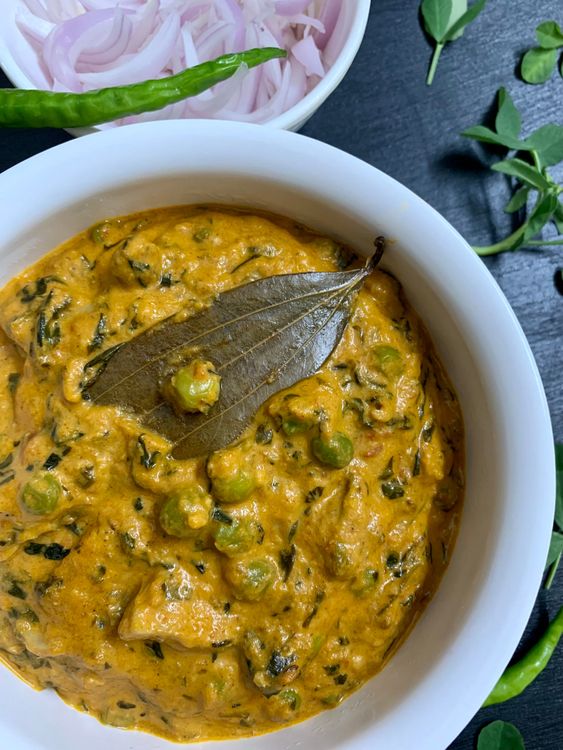
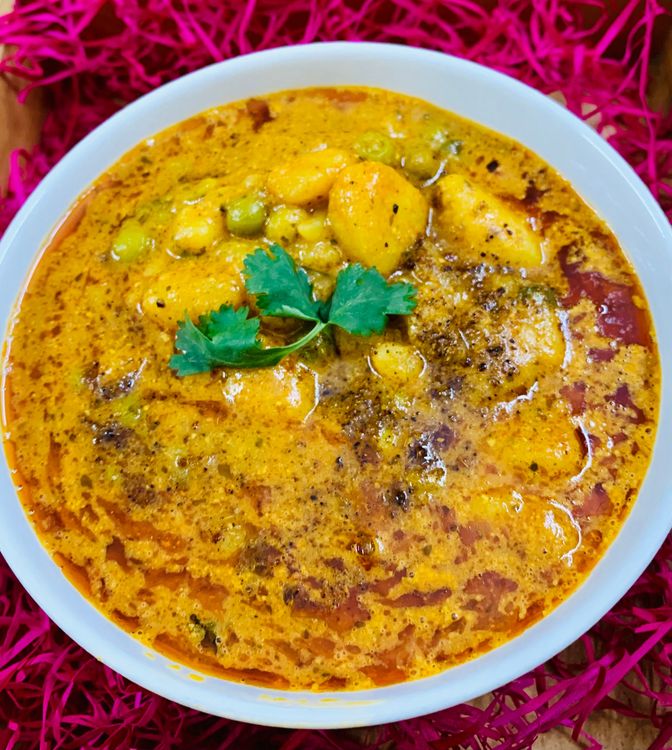
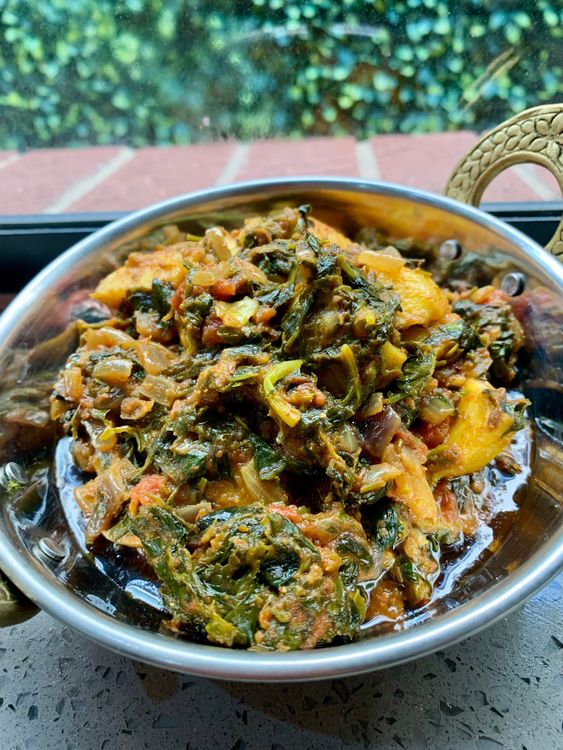
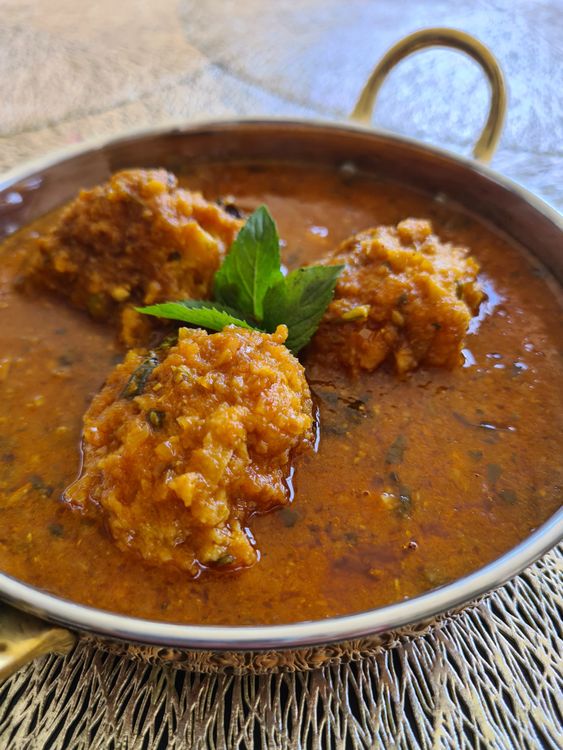
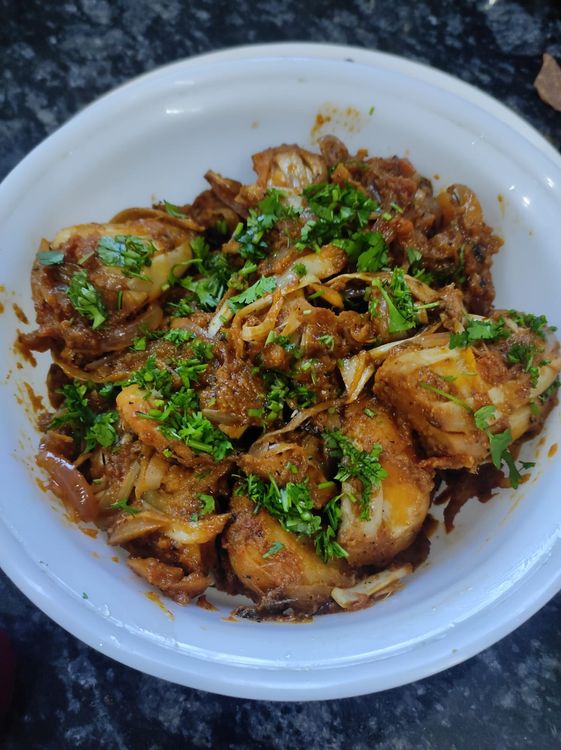
This is the largest and most varied cluster on the page, spanning creamy potato curries, slow-cooked lentils like masoor dal, bean curries such as rajma, and vegetable koftas where grated vegetables are formed into dumplings before going into a spiced gravy. Vegetable and lentil curries reward patience in a different way to meat: there is no risk of overcooking a protein, but there is real value in letting dal simmer until it turns creamy rather than staying separate and grainy, and in letting root vegetables cook through fully so they take on the sauce rather than staying firm and bland in the middle. Many of these curries are naturally vegan, built on oil rather than ghee and finished without cream, which makes this cluster the easiest place to start if you are cooking meat-free. A few, like the paneer-based kofta curry here, bring in a soft, mild dairy element that plays well against a well-spiced gravy. Whichever vegetable or lentil you are working with, give the base the same full ten to fifteen minutes it would get in a meat curry — it matters just as much here. Standouts here include Creamy Baby Potato Curry (Dum Aloo) and Masoor Dal (Brown Lentil Curry), plus Bottle Gourd Curry (Lauki Sabzi) .
- Indian
- Vegetarian
- Lunch
- Indian
- Vegetarian
- Lunch
- Indian
- Vegetarian
- Lunch
- Indian
- Vegan
- Lunch
- Indian
- Vegetarian
- Lunch
- Indian
- Vegetarian
- Lunch
- Indian
- Vegan
- Side Dish
- Indian
- Vegan
- Lunch

- Indian
- Vegetarian
- Lunch
- Indian
- Vegan
- Lunch

- Indian
- Vegan
- Dinner
Mutton, Goat & Other Meat Curries
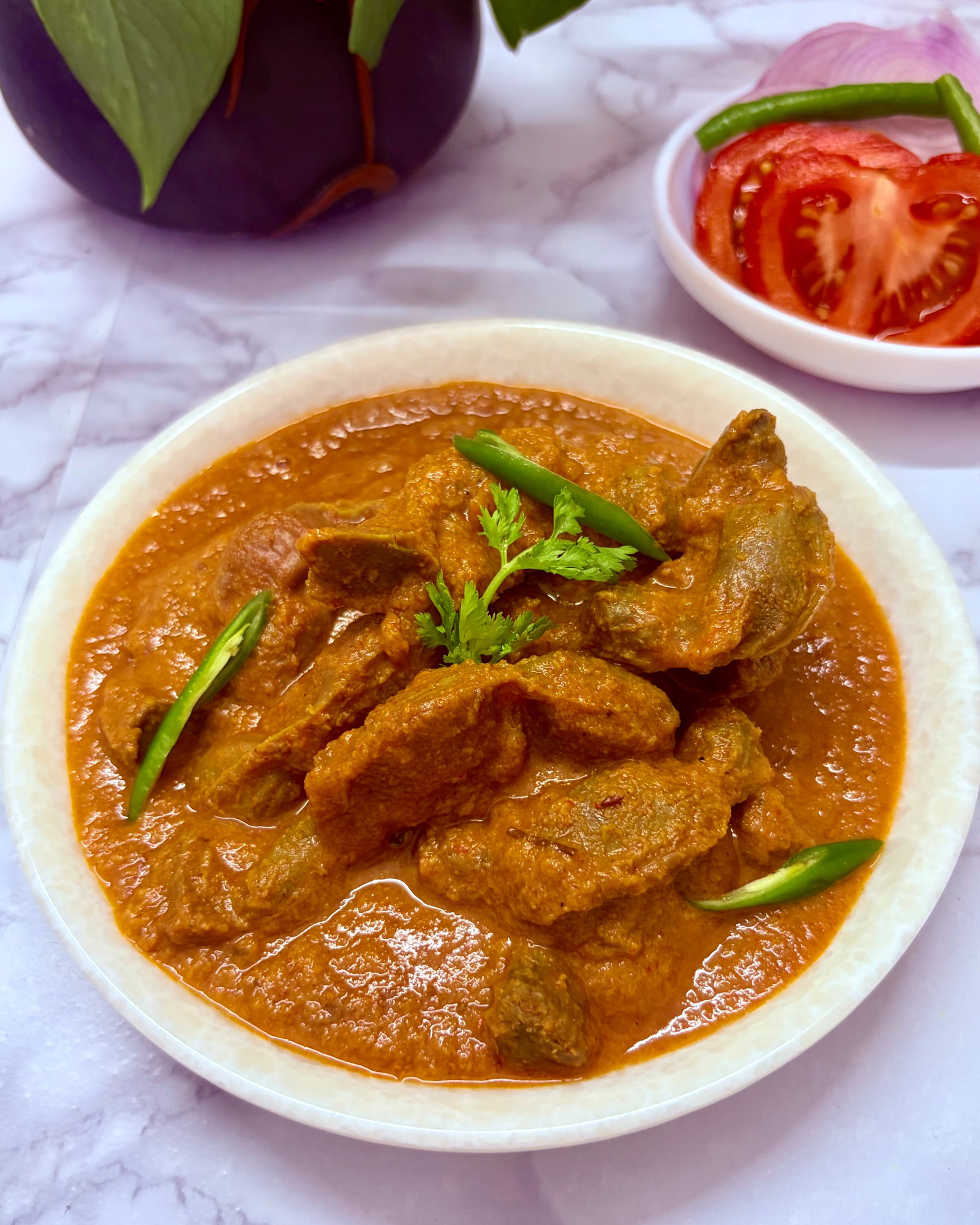
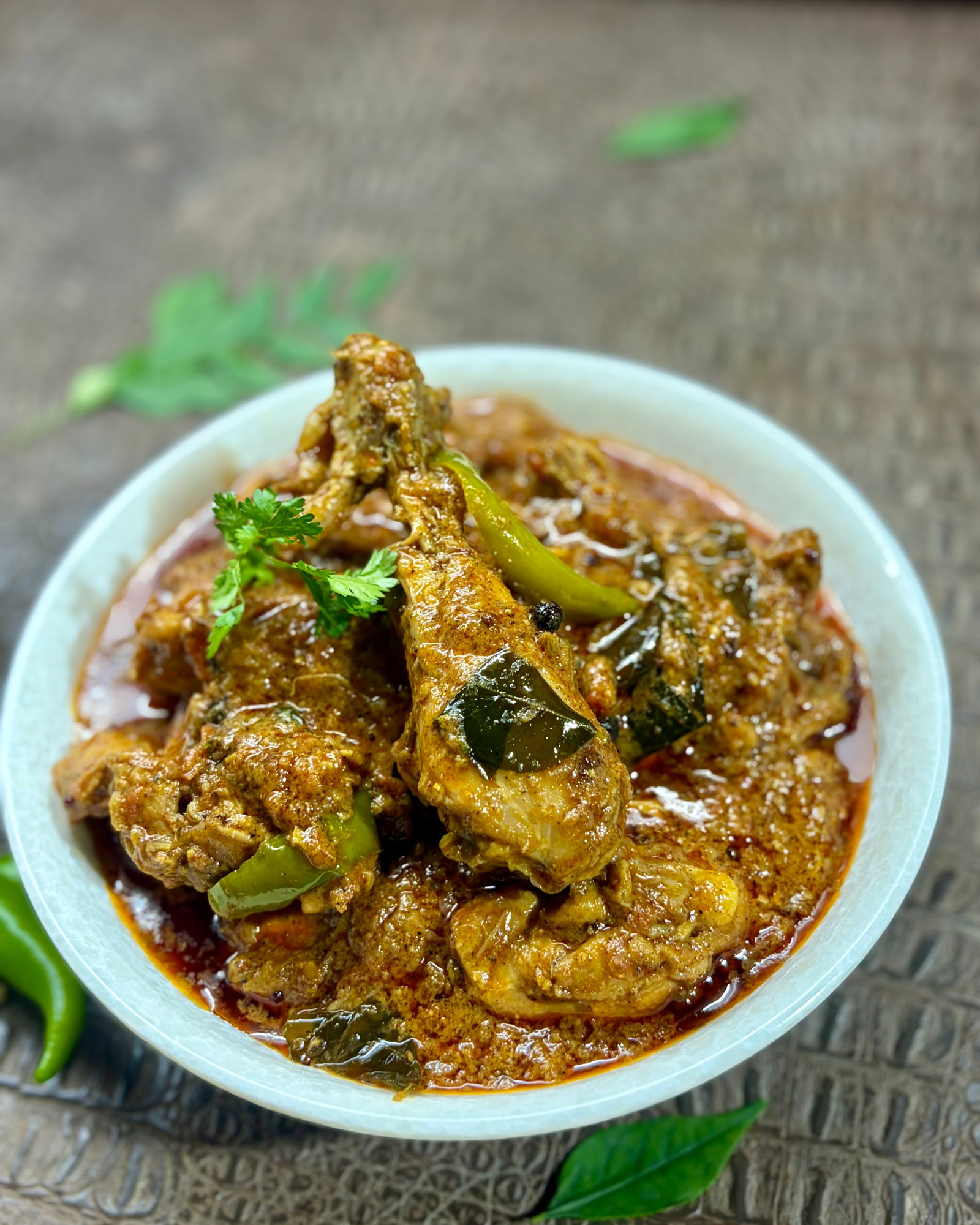
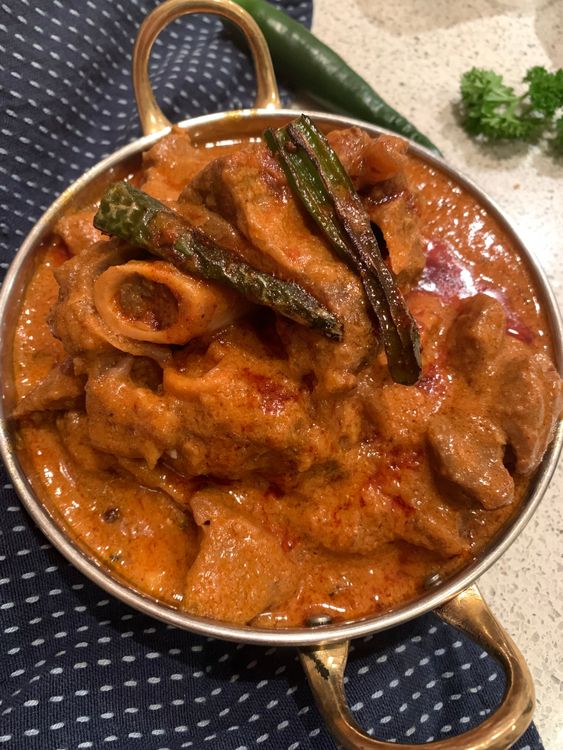
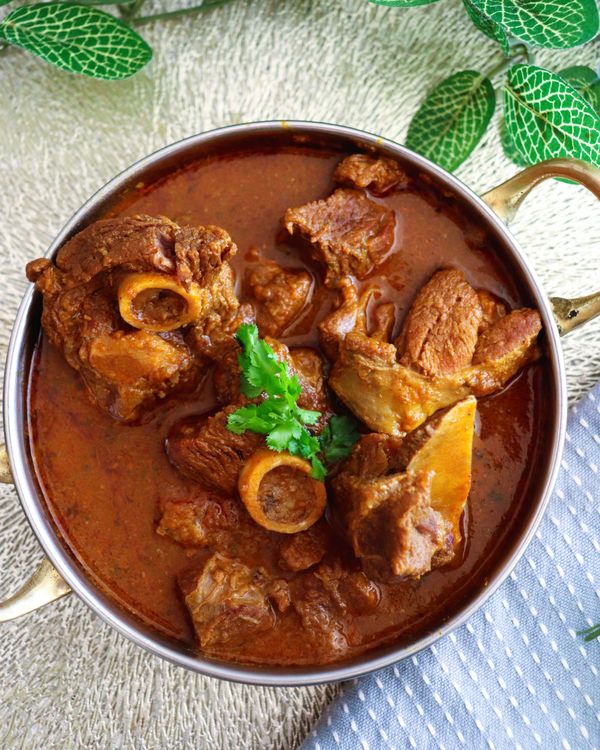
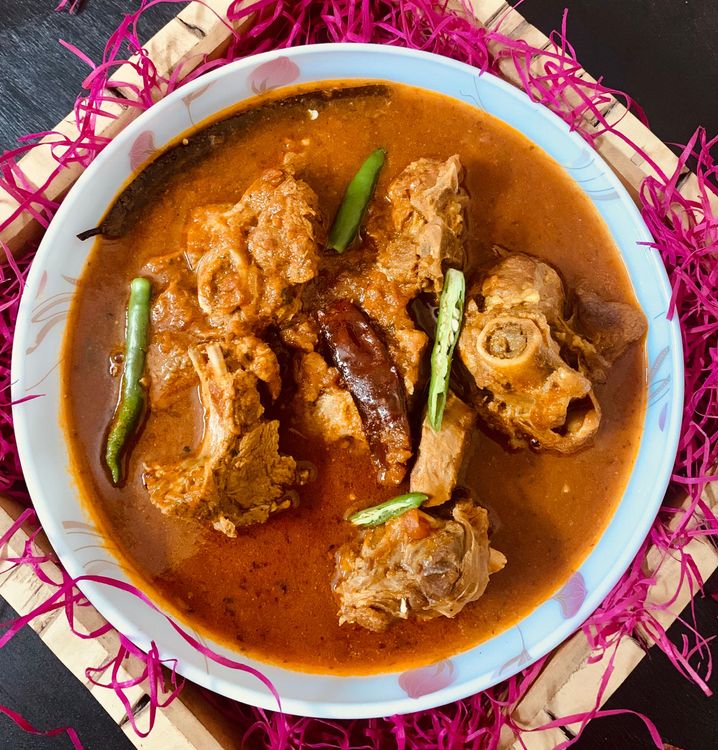
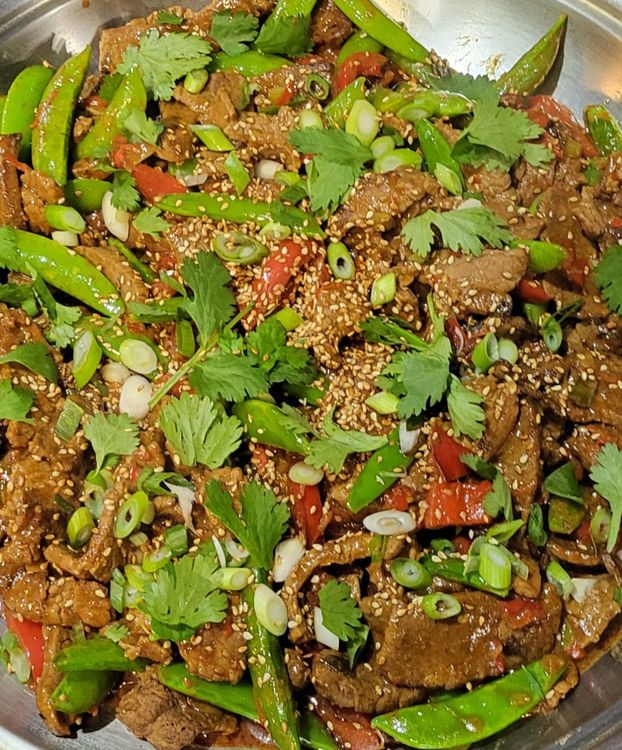
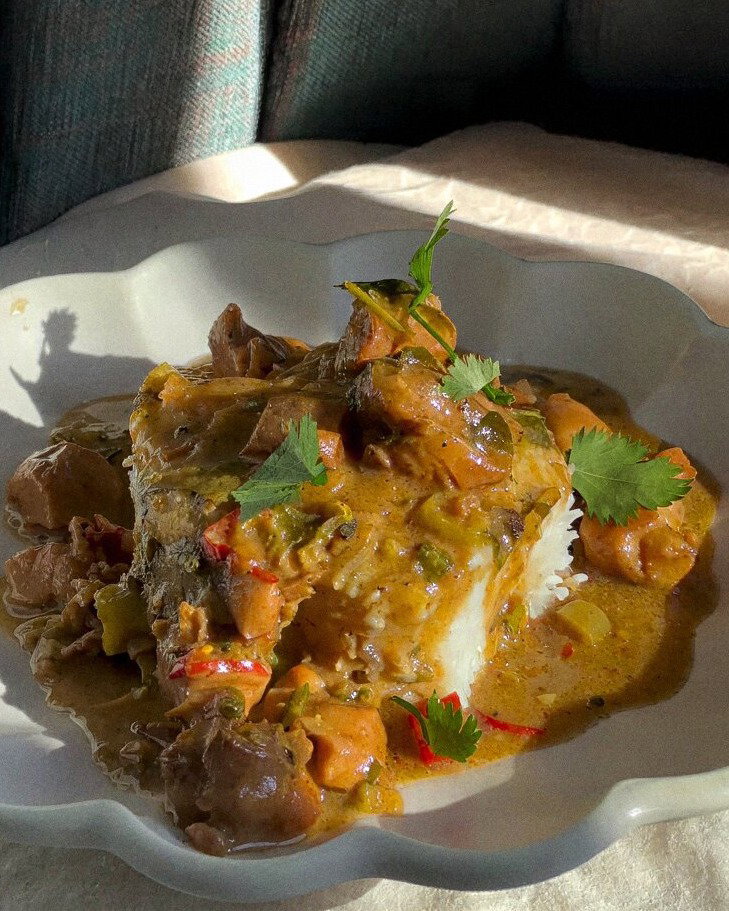
Mutton, goat and the handful of other meat curries gathered here are the slow end of the spectrum — tougher cuts that need time, not high heat, to turn tender. A pressure cooker cuts the cooking time significantly and is genuinely worth using if you have one, though a heavy pot on low heat over an hour or two gets you there too, with a deeper, more developed sauce as a trade-off. These curries lean on bone-in pieces for extra flavour and body in the gravy, and on a longer marination — yoghurt, ginger-garlic paste and spices left to sit for at least thirty minutes, ideally longer — to help tenderise the meat before it even reaches the pan. The base for these curries can afford to cook a little longer and harder than a chicken curry base, since there is more simmer time ahead for it to meld with the meat. Whether you are making a classic goat curry or trying the Korean-influenced beef version in this cluster, resist checking for doneness too early — tough cuts often look ready before they are actually fall-apart tender, and pulling them early is the most common mistake. Standouts here include Balti Gosht (Goat Curry) and Dhaba-Style Mutton Curry (Goat Curry) , plus Easy Goat Curry .
- Indian
- Non-Vegetarian
- Lunch
- Indian
- Non-Vegetarian
- Lunch
- Indian
- Non-Vegetarian
- Dinner

- Korean
- Non-Vegetarian
- Dinner
More Curry Favourites
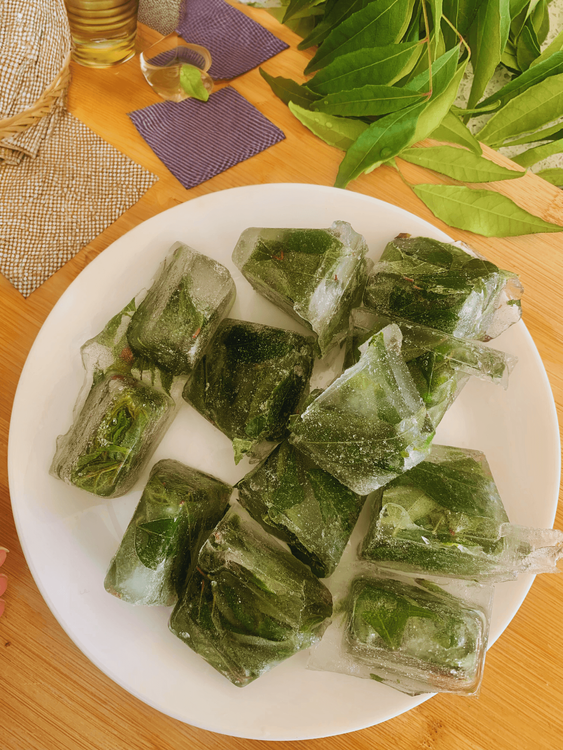
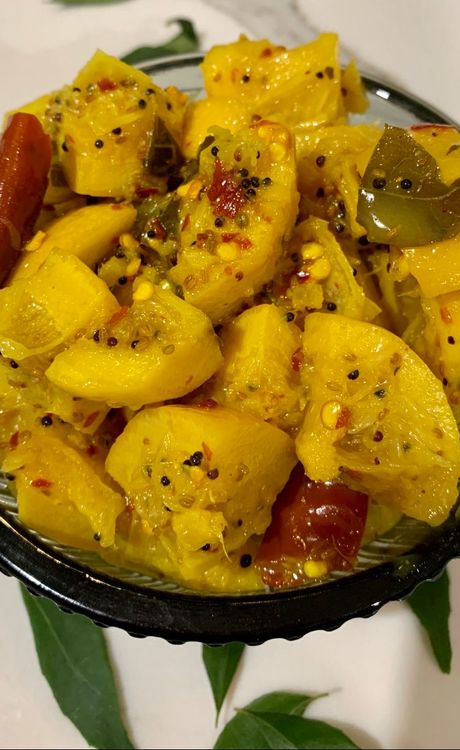
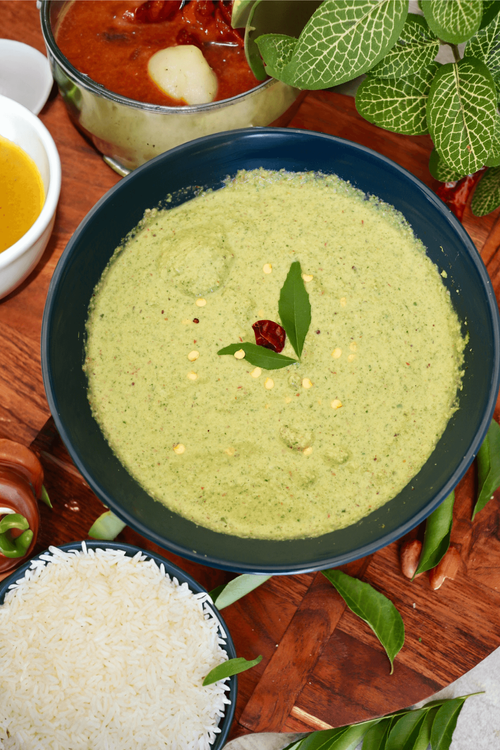
A few more dishes worth a place in your rotation — same techniques, different results. Standouts here include How to store Curry Leaves and Curry Leaf infused Lemon Pickle , plus Curry Leaves Chutney.
- Indian
- Vegan
- Sauce & Condiment
- Indian
- Vegan
- Sauce & Condiment
- Indian
- Vegetarian
- Appetiser

- Thai
- Non-Vegetarian
- Dinner
Building the Onion-Tomato Base
Almost every curry recipe here starts with the same foundation: finely chopped or blended onions cooked in oil or ghee until they turn a deep golden brown, not just soft and translucent. This step alone can take ten to fifteen minutes and there is no real shortcut — rushed onions leave a raw, sharp edge that no amount of spice can cover later.
Ginger and garlic go in once the onions have colour, cooked just until the raw smell fades, followed by tomatoes simmered down until the oil visibly separates and pools at the edges of the pan. That separation is the signal the base is actually cooked through rather than just heated, and it is the single biggest difference between a curry that tastes deep and one that tastes flat.
Ground spices — turmeric, chilli, coriander, cumin — go in once the base is ready, cooked for thirty seconds to a minute in the residual oil so they bloom rather than scorch. Add a splash of water if the pan looks dry. This base freezes well in batches, so doubling it and freezing half is one of the easiest ways to get a weeknight curry on the table fast.
Whole Spices, Ground Spices and Tempering
Whole spices — cumin seeds, mustard seeds, cardamom, cinnamon, bay leaf, cloves — are usually the first thing into hot oil, given a few seconds to crackle and release their fragrance before anything else joins the pan. This is called tempering or tadka, and it is what gives many curries their background aroma rather than a single dominant flavour.
Ground spices behave differently: they scorch fast in dry heat, so they need moisture or fat to cushion them, which is why they typically go in once onions or tomatoes are already in the pan. Buying whole spices and grinding small batches as needed keeps flavour noticeably brighter than pre-ground jars that have sat in a cupboard for months.
Garam masala is the exception to the early-cooking rule — it is usually stirred in at the very end, off the heat, so its more delicate, warming notes stay intact instead of cooking off. The same goes for kasuri methi (dried fenugreek), crushed between your palms and added in the last minute for the aroma that defines many North Indian curries.
Getting the Consistency Right
Curry consistency is a choice, not an accident, and it depends mostly on how much of the base you reduce and how you finish the sauce. For a thick, clinging gravy, reduce the tomato base further and finish uncovered so excess liquid evaporates. For a thinner, more soup-like curry, add stock or water and simmer with the lid on.
Vegetable and lentil curries generally want a looser consistency since starches like potato or lentils continue to thicken as they sit, while seafood curries should stay on the thinner side since they cook fast and do not benefit from long reduction. Meat curries fall in between — most people prefer a gravy thick enough to coat a spoon.
If a curry turns out thinner than you want, simmer it uncovered a little longer or stir through a spoonful of besan (chickpea flour) toasted separately in a dry pan. If it turns out too thick, loosen it with hot water or stock rather than cold, which can shock the sauce and split any cream or yoghurt in it. Adjust gradually, a splash at a time, since it is much easier to thin a curry further than to undo too much liquid.
Storing, Freezing and Reheating Curry
Most curries improve overnight as the spices continue to meld, which makes this whole category excellent for cooking ahead. Cool the curry fully before refrigerating in an airtight container, where it will keep well for three to four days. Seafood and egg curries are the exception — eat those within a day or two for the best texture.
For longer storage, curry bases and most meat and vegetable curries freeze well for up to three months. Freeze in flat, labelled portions so they thaw quickly, and leave out any dairy or cream until you reheat, since cream-based sauces can split after freezing. Thaw overnight in the fridge rather than at room temperature.
Reheat gently on the stove over medium-low heat, adding a splash of water or stock if the sauce has thickened too much in the fridge. Stir occasionally so it heats evenly rather than scorching at the base. Curries reheated this way, rather than blasted in a microwave, tend to hold their texture and flavour far better.
Pro Tips from the Test Kitchen
- Cook the onion base until it is deep golden and the tomatoes release visible oil — this is what separates a flat curry from a rich one.
- Add garam masala and crushed kasuri methi at the very end, off the heat, so their aroma stays bright instead of cooking off.
- Temper whole spices in hot oil for just a few seconds before anything else goes in the pan — this builds background aroma.
- Simmer seafood and egg curries briefly; long cooking toughens prawns, fish and eggs alike.
- Reduce the base further for a thick, clinging gravy; add stock and keep the lid on for a thinner, soupier curry.
- Bring meat to room temperature before it hits the pan so it browns evenly instead of steaming.
- Toast a spoonful of besan in a dry pan and stir it in to thicken a thin curry without diluting the flavour.
- Freeze curry bases in flat portions and thaw overnight in the fridge for the fastest weeknight curry.
- Loosen a curry with hot water, not cold, so cream or yoghurt-based sauces do not split.
- Taste and adjust salt and acid — a squeeze of lemon or a pinch of sugar — right at the end, not just at the start.
Frequently Asked Questions
What is the secret to a good curry?
The base matters more than the spice blend. Cook onions until deep golden, soften ginger and garlic properly, and reduce the tomatoes until the oil separates before any spice goes in. Skipping or rushing this step is the most common reason home curries taste flat compared with restaurant versions. Once the base is right, almost any protein or vegetable will taste good in it.
What is the difference between curry powder and garam masala?
Curry powder is a Western invention, a fixed blend usually including turmeric, coriander, cumin and chilli, used throughout cooking. Garam masala is a warming blend of ground spices — cardamom, cinnamon, cloves, black pepper among others — traditionally stirred in at the end of cooking for aroma rather than base flavour. They are not interchangeable, though both can appear in the same pot.
How do I make curry less watery?
Simmer it uncovered so excess liquid evaporates and the base reduces further, which thickens the sauce naturally. A spoonful of besan toasted separately in a dry pan and stirred in also thickens curry quickly without diluting flavour. Avoid adding extra water early in cooking — you can always loosen a curry later, but it is harder to thicken one that started too thin.
Can I make curry ahead of time?
Yes, and most curries actually taste better the next day once the spices have had time to meld. Cool fully and refrigerate for up to three to four days, or freeze meat and vegetable curries for up to three months. Seafood and egg curries are best eaten within a day or two, since prolonged storage affects their texture more than flavour.
What vegetables work best in curry?
Sturdy vegetables that hold their shape hold up best — potato, cauliflower, bottle gourd, eggplant and beans among them. Leafy greens like spinach cook down fast and are usually blended into the sauce itself. Lentils and legumes like rajma or chana are treated as their own category of curry, simmered until soft rather than briefly cooked.
How spicy should a curry be?
Heat is entirely adjustable and should not be confused with flavour — a curry can be deeply spiced without being fiery. Kashmiri chilli powder gives colour with relatively mild heat, while fresh green chillies or regular chilli powder bring more punch. Start lighter than you think you want; it is easy to add more heat at the end but hard to remove it.
Do I need a pressure cooker for curry?
No, though it speeds up meat and lentil curries considerably by tenderising tough cuts and legumes in a fraction of the stovetop time. Most chicken, vegetable, seafood and egg curries cook fine in a regular pot within thirty to forty minutes. A pressure cooker is most useful for mutton, goat and dense lentils that would otherwise need a long, slow simmer.
Why does my curry taste bland even with lots of spices?
Usually the base was rushed, or the spices were added too early or too late. Onions need real time to caramelise, tomatoes need to cook until the oil separates, and salt needs adjusting throughout rather than only at the start. A squeeze of lemon or a pinch of sugar at the end can also fix a curry that tastes one-note.
What is the best oil for curry?
Neutral oils like sunflower or vegetable oil work for most curries, while ghee adds richness that suits North Indian gravies particularly well. Coconut oil is traditional for many South Indian and coastal curries, including several seafood and egg curries in this collection, and brings its own distinct flavour that is worth keeping rather than substituting away.
Can curry recipes be made vegan?
Many already are, especially lentil, chickpea and vegetable curries that use coconut milk or a plain onion-tomato base rather than cream or yoghurt. For richer gravies built around cream, cashew paste or coconut milk are both reliable substitutes that keep the texture silky without any dairy.
Every curry in this collection comes back to the same handful of moves: a properly cooked base, spices added at the right moment, and a simmer long enough for everything to come together without overcooking the main ingredient. Once those basics are second nature, moving between a quick prawn curry and a slow mutton curry becomes a matter of timing rather than a different skill altogether.
Start with whichever cluster matches what is in your fridge tonight, then work through the others over the following weeks. Save your favourites to a Chefadora cookbook as you go — this page is built to be the curry reference you keep coming back to, not a list you read once.
Related
- Curry
- Indian
- Chicken
- Vegetarian
- Seafood
- Mutton
- Dinner
Popular Searches
- Best curry recipes
- Easy curry recipes
- Quick curry recipes
- Healthy curry recipes
- Simple curry recipes
- Homemade curry recipes
- Delicious curry recipes
- Popular curry recipes
- curry recipe
- vegetable curry
Marnirni-apinthi Building, Lot Fourteen,
North Terrace, Adelaide, South Australia, 5000
Australia
