
Top 45 Chutney Recipes: Coconut, Green, Mango and Garlic Varieties
Updated July 2, 2026 · Curated by Chefadora
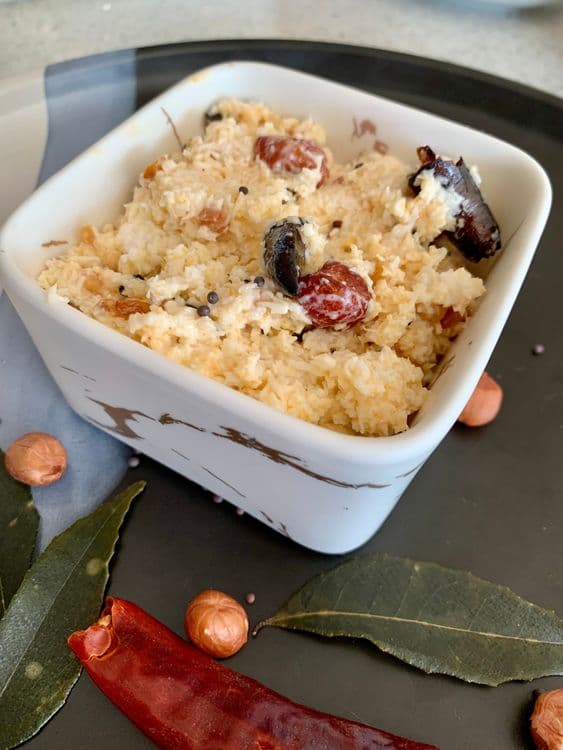
Chutney recipes are the difference between a good Indian meal and a forgettable one — the small bowl on the side that ties together a plate of dosa, a stack of pakoras or a simple dal and rice. This collection pulls together the ones worth keeping on repeat: coconut chutney ground fresh for a South Indian breakfast, bright green chutney for snacks and sandwiches, sweet-tangy mango and tamarind versions, and the sharper garlic and red chilli dips street food runs on.
What most chutneys share is speed and balance. A blender, a handful of fresh ingredients and a quick tempering of mustard seeds and curry leaves in hot oil is often all it takes, and the real skill is in getting sour, sweet, spicy and salty to sit together rather than one note shouting over the rest. Get that balance right and even a five-minute chutney tastes considered.
The recipes below split into four clear groups: the coconut and lentil chutneys that belong with dosa and idli, the green herb chutneys built for everyday dipping, the cooked sweet-tangy chutneys made with fruit, and the punchier garlic and chilli dips. Between them they cover almost every use a chutney gets put to, from breakfast table to snack platter to the condiment tray at a big meal.
Treat this page as a working reference rather than a one-off read. Each recipe links through to full ingredients and method on Chefadora, and the guides further down cover the things that actually decide how a chutney turns out — what to grind and in what order, how to get a tempering right, and how to store a batch so it keeps its color and flavor for days rather than hours.
South Indian & Coconut Chutneys
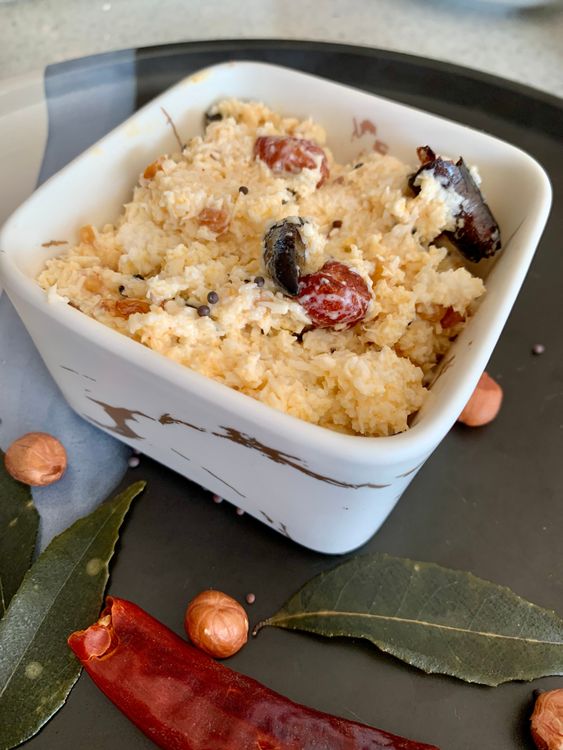
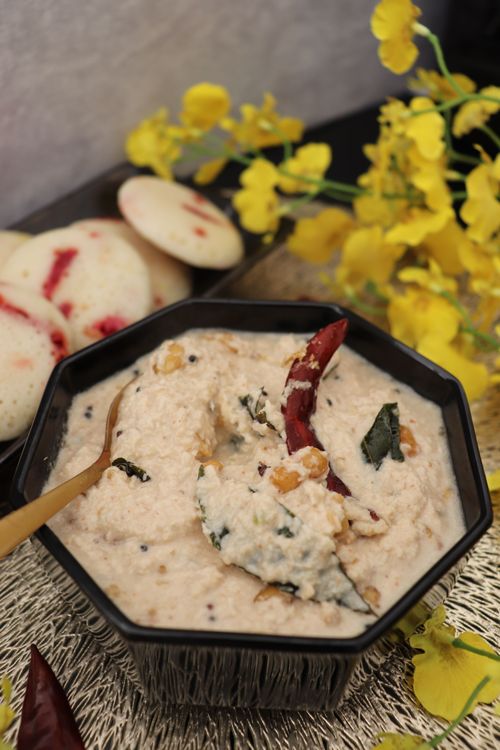
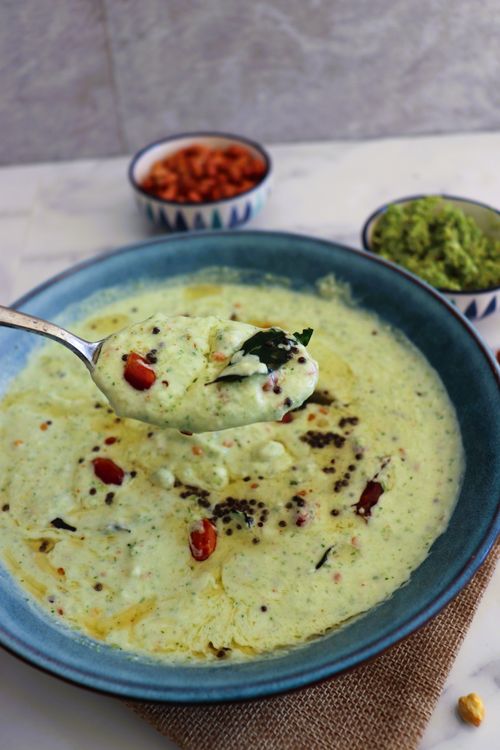
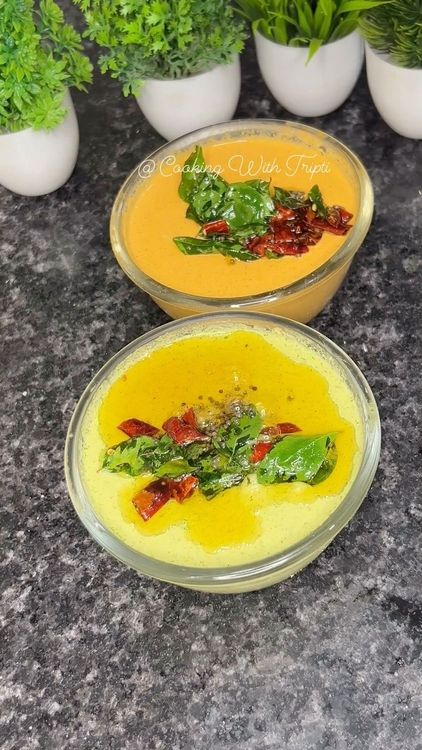
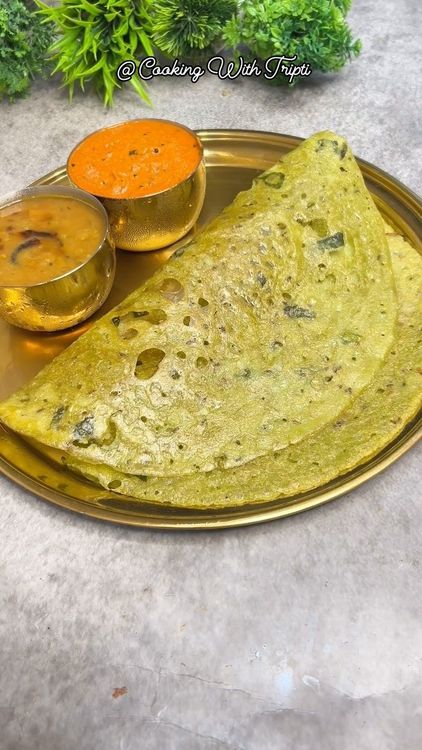
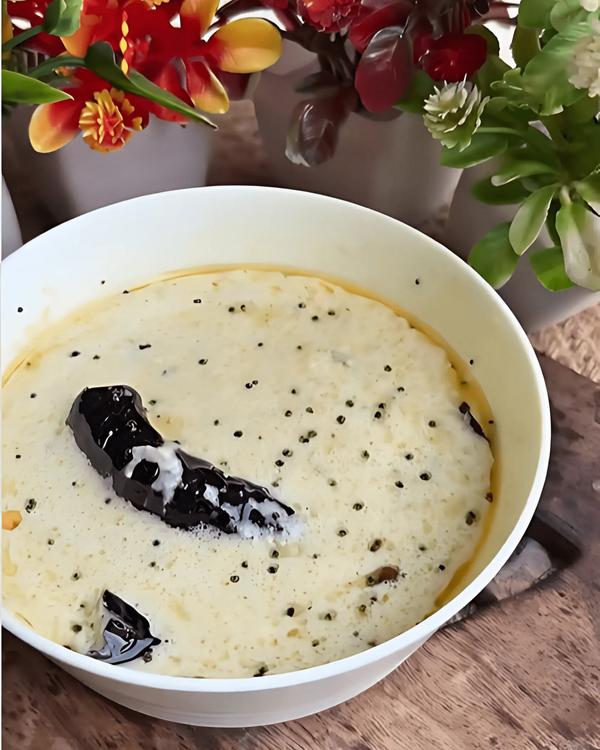
South Indian chutneys are built around freshness and speed — coconut ground with roasted lentils and green chilli, curry leaves blitzed into a dry powder, or a quick coconut-curd version soured with yogurt instead of tamarind. What unites them is the tempering: a spoon of oil heated until mustard seeds pop, curry leaves added until they crackle, then poured hot over the ground paste right before serving. Skip this step and even a well-balanced chutney tastes unfinished. These are the chutneys built specifically to sit beside dosa, idli, vada and uttapam, so they are usually kept smooth and pourable rather than chunky, and mild enough that a spoonful with every bite of breakfast does not overwhelm it. Roasted chana dal or urad dal is often blended in alongside the coconut, which adds body and a faint nuttiness without needing extra thickener. The most common mistake is over-blending, which heats the coconut and turns the chutney slightly oily and separated. Blend in short bursts with cold water, taste for salt and tang, and finish with the tempering just before the bowl reaches the table — coconut chutney is best made fresh rather than stored for days. Standouts here include Instant Coconut Chutney and Toor Dal Chutney | Side Dish for Idli Dosa, plus Curry Leaves Chutney.

- Indian
- Vegetarian
- Side Dish


- Indian
- Vegan
- Side Dish
- Indian
- Vegetarian
- Appetiser

- Vegan
- Side Dish
- South Indian
- Vegetarian
- Side Dish
- Indian
- Vegetarian
- Side Dish


- South Indian
- Vegetarian
- Breakfast

- Indian
- Vegan
- Snack
- South Indian
- Vegan
- Breakfast
- South Indian
- Vegan
- Breakfast

- Indian
- Vegetarian
- Breakfast

- South Indian
- Vegetarian
- Breakfast
- South Indian
- Vegan
- Snack
Green & Herb Chutneys
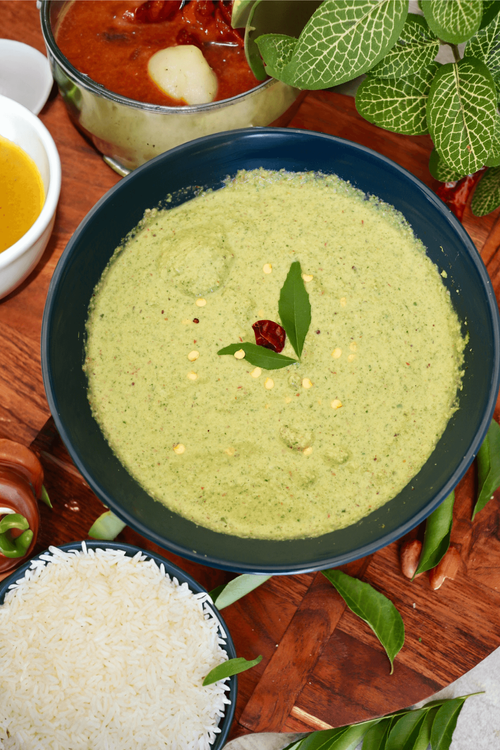
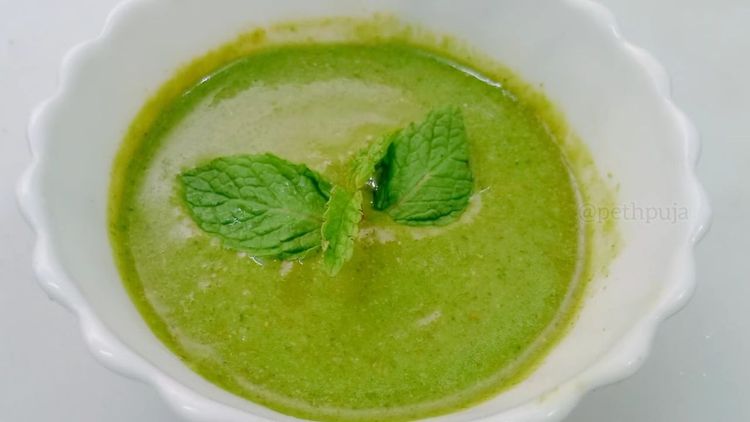
Green chutney is the fastest condiment in Indian cooking and arguably the most versatile — coriander, mint, green chilli and ginger blended with a squeeze of lemon into a paste that works as a sandwich spread, a pakora dip, a marinade base and a garnish all at once. The ratio of coriander to mint is a matter of taste: more mint gives a cooling, sweeter edge, while coriander-heavy versions taste sharper and more herbal. What separates a good green chutney from a flat one is acid and salt added early enough to actually season the herbs, not just sprinkled on top at the end. A pinch of roasted cumin or chaat masala rounds out the flavor without overpowering the freshness that makes green chutney what it is. Because there is no cooking involved, the quality of the raw ingredients matters more here than almost anywhere else in the chutney family. Green chutney oxidizes and browns faster than most other varieties, so make it close to serving time where possible, or store it with a film of oil on top and lemon juice mixed through to help hold the color for a day or two in the fridge. Standouts here include Sandwich Green Chutney and Green Chutney Recipe (Hari Chutney for Snacks), plus Rice Potato Rolls with Mint-Coriander Chutney.
- Indian
- Vegan
- Sandwich

- Indian
- Vegan
- Sauce & Condiment

- Indian
- Vegan
- Side Dish

- Indian
- Vegan
- Snack
Sweet & Tangy Fruit Chutneys
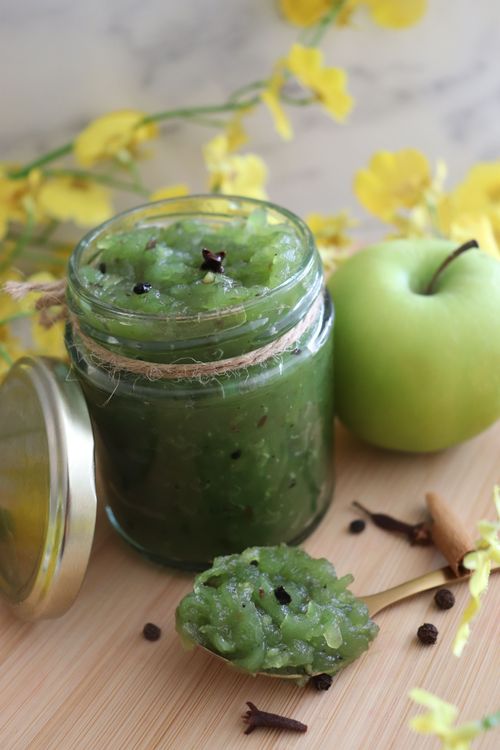
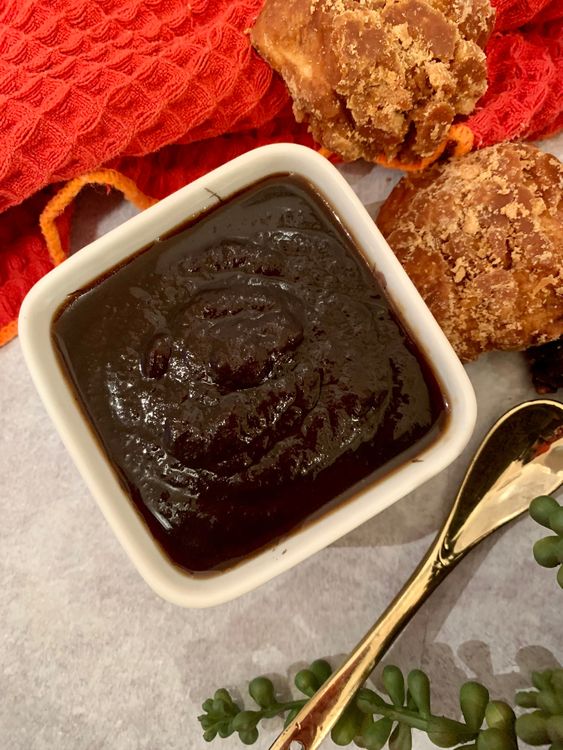
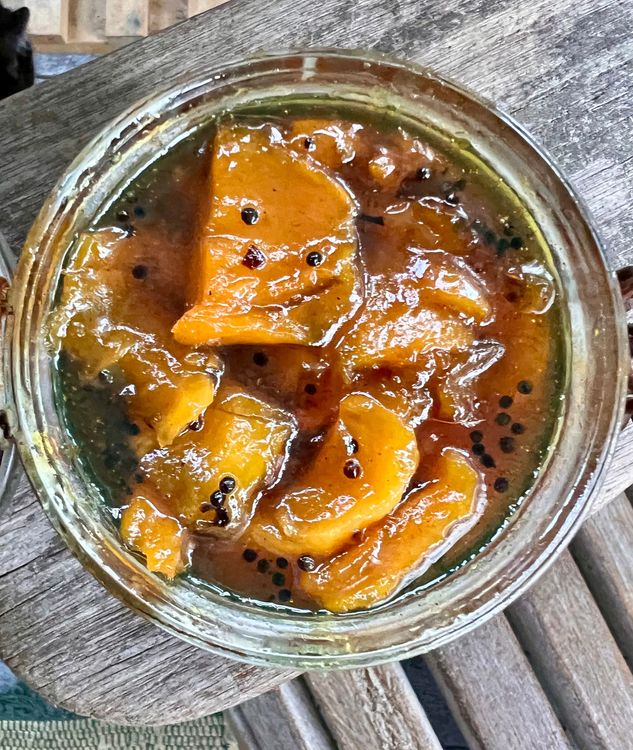
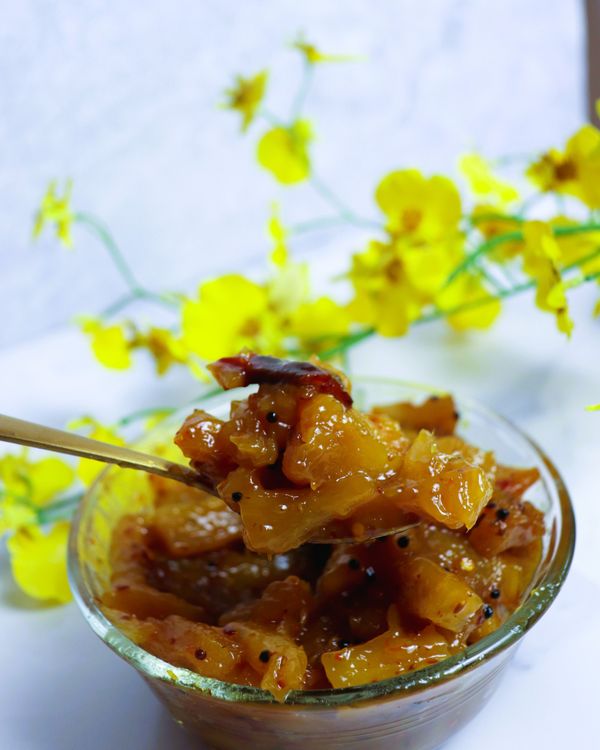
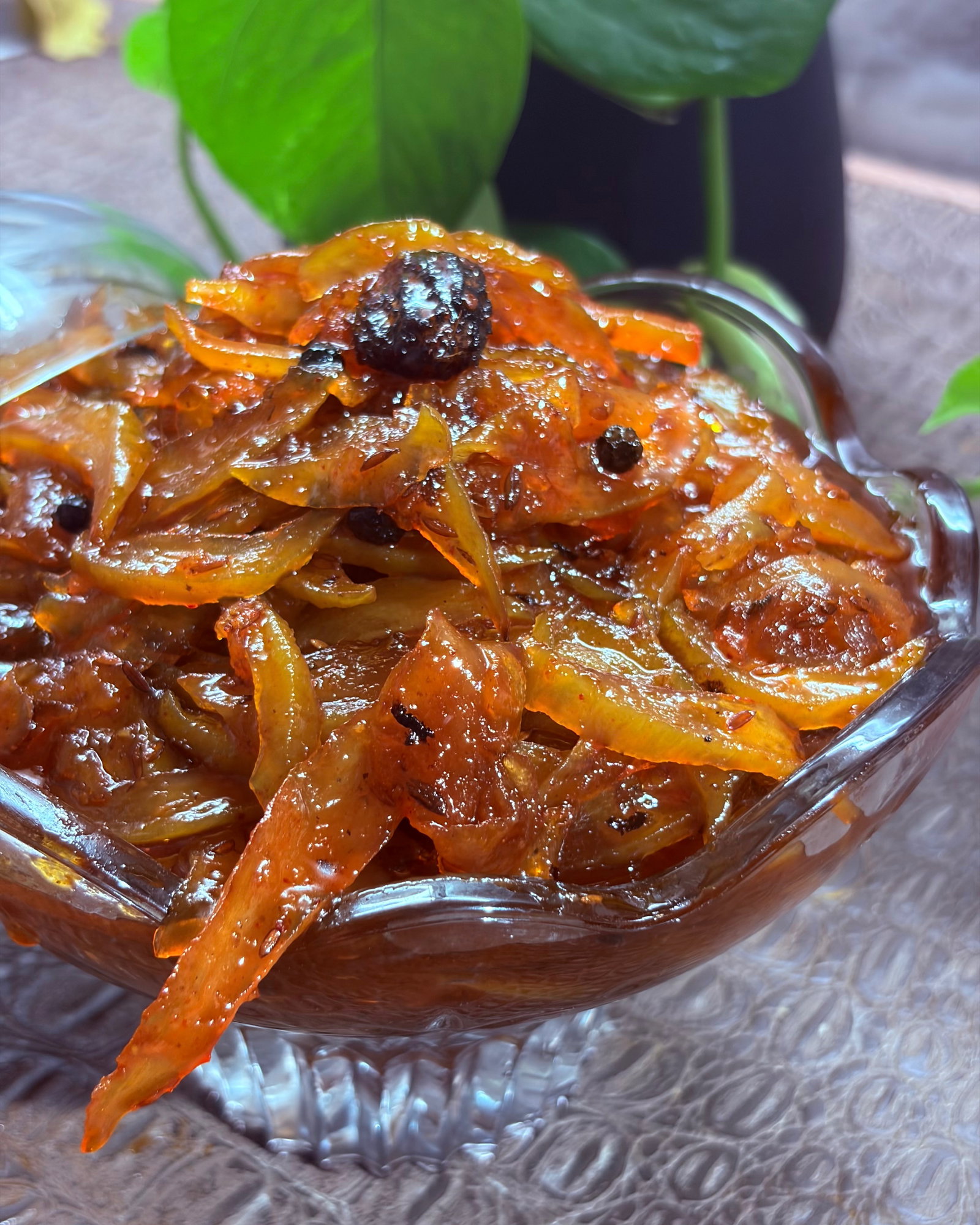
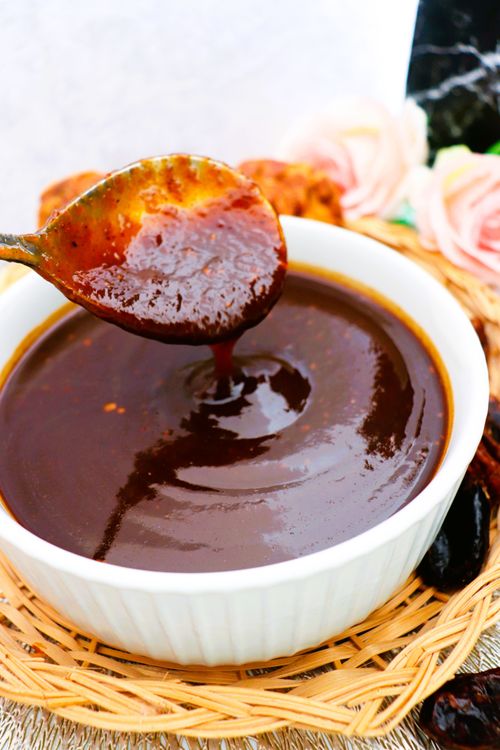
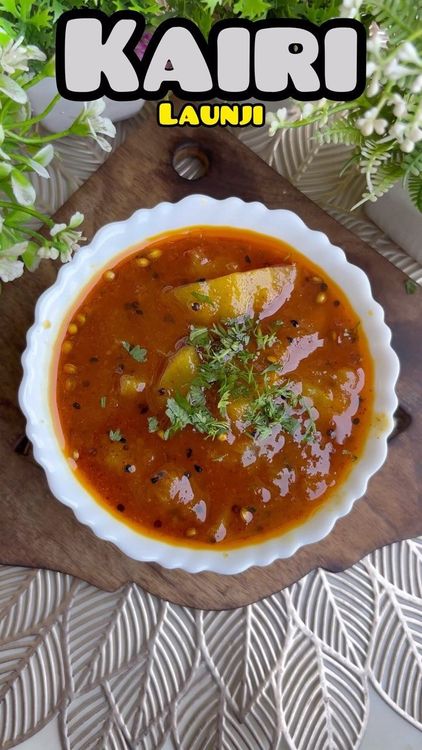
Sweet-tangy chutneys are the cooked branch of the family — mango, tamarind, apple, pineapple and date simmered slowly with sugar or jaggery until the fruit breaks down into something jammy and concentrated. Unlike fresh green or coconut chutneys, these are built to keep for weeks, which is why they lean on more sugar and acid, both of which act as natural preservatives once the mixture is properly cooked and cooled. The technique differs from grinding: whole spices like fennel, nigella or mustard seed are usually bloomed in oil first, then the fruit and sweetener go into the same pan and reduce slowly over medium-low heat. Rushing this step on high heat scorches the sugar before the fruit has had a chance to soften, which is the most common reason a homemade sweet-tangy chutney turns out patchy or burnt at the edges. The finished chutney should hit sweet, sour and a background warmth from chilli or ginger all at once, not read as simple fruit jam. These are the chutneys that belong next to a stuffed paratha, a plate of samosas, or even a cheese board — the sugar and acid make them surprisingly good outside a strictly Indian meal too. Standouts here include Green Apple Chutney - Sweet & Tangy! and Imli Chutney (Tamarind Chutney) , plus Mango Chutney.
- Indian
- Vegan
- Sauce & Condiment
- Indian
- Vegan
- Sauce & Condiment

- Indian
- Vegan
- Sauce & Condiment

- Indian
- Vegetarian
- Side Dish
- Indian
- Vegan
- Side Dish
- Indian
- Vegan
- Sauce & Condiment
- Indian
- Vegan
- Sauce & Condiment


- Fusion
- Non-Vegetarian
- Lunch
- Indian
- Vegan
- Snack

- Indian
- Vegan
- Sauce & Condiment
- Indian
- Vegan
- Snack

- Indian
- Vegan
- Breakfast
Spicy, Garlic & Snack-Side Dips
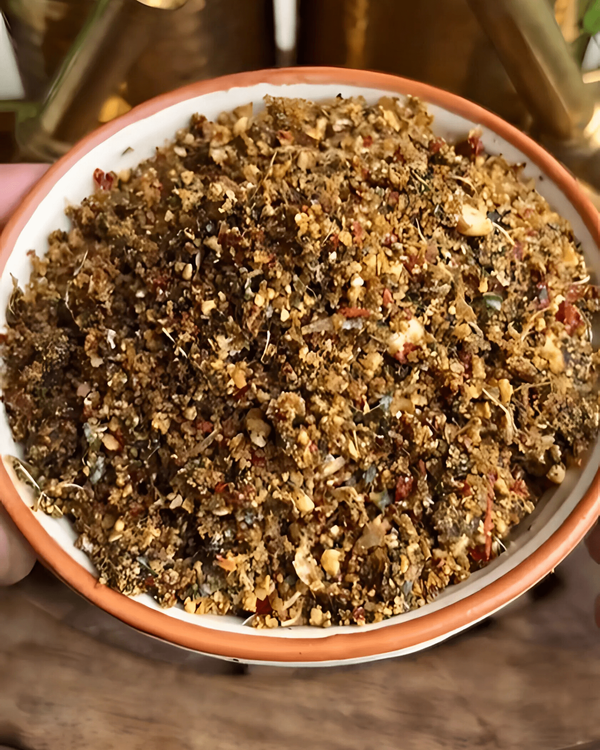
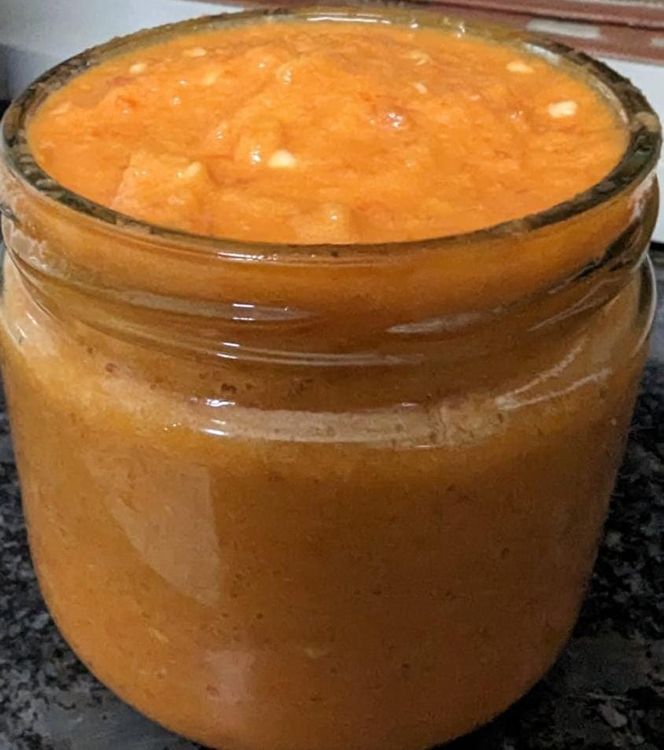
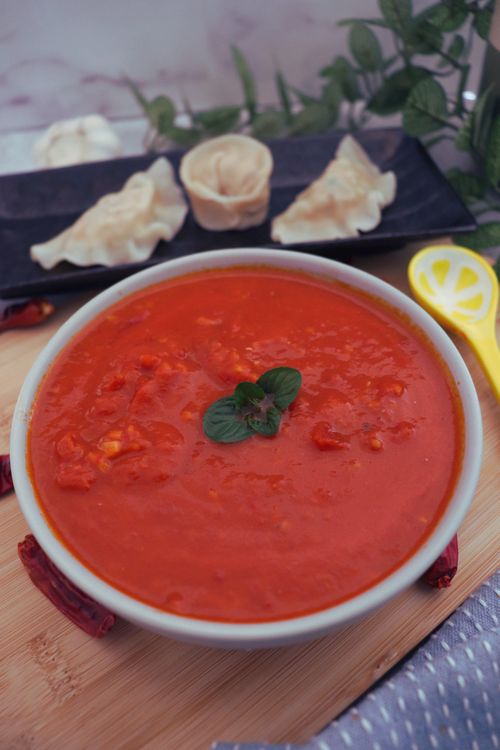
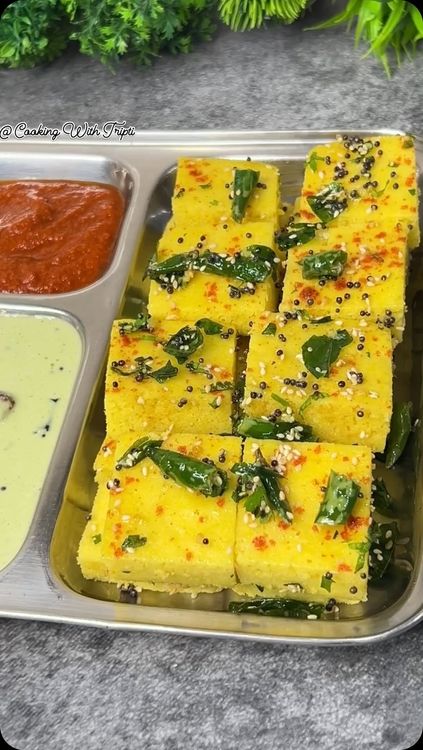
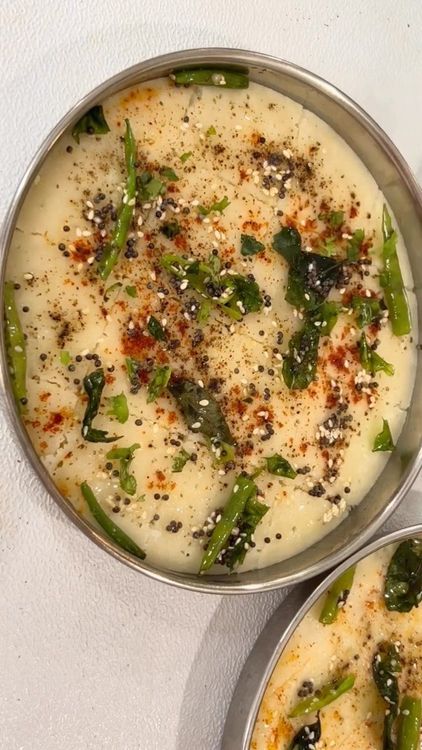
This is the punchier end of the chutney spectrum — dry garlic chutney ground with red chilli for vada pav, a sharp red chutney served alongside momos, and the dhokla-stall dips built purely for dunking rather than accompanying a full meal. Garlic and red chilli are the backbone here, often toasted or fried briefly before grinding to soften garlic's raw bite and deepen the chilli's flavor rather than leaving it purely sharp. Some of these chutneys, like dry lasun chutney, are ground without any liquid at all and kept as a coarse powder that is sprinkled rather than spooned — a format built for shelf life and portability, since a dry chutney easily keeps for weeks in an airtight jar without refrigeration. Others, like momo chutney, are ground wet with tomato as a base and taste closer to a thin, fiery salsa. Because these chutneys are built to be hot, taste as you grind and hold back on chilli until you are sure of the heat level — it is far easier to add more than to fix an overly fiery batch. Serve them in small quantities alongside fried snacks, where their sharpness cuts through the oil. Standouts here include Red Chutney and Red chilli garlic and lemon chutney, plus Dry Lasun Chutney (Garlic Chutney Powder for Vada Pav).


- Vegetarian

- Indian
- Vegan
- Sauce & Condiment

- Indian
- Vegan
- Sauce & Condiment
- Indian
- Vegetarian
- Appetiser

- Vegetarian
- Appetiser

- Indian
- Vegan
- Breakfast
- Indian
- Vegetarian
- Side Dish

- Indian
- Vegan
- Sauce & Condiment
- Indian
- Vegetarian
- Appetiser
More Chutney Favourites
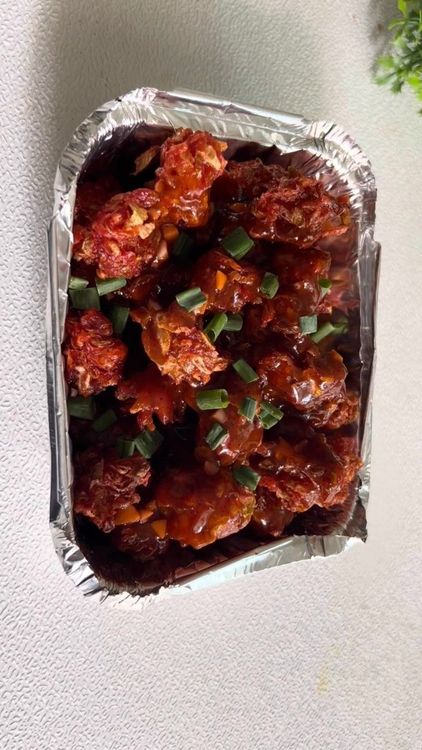
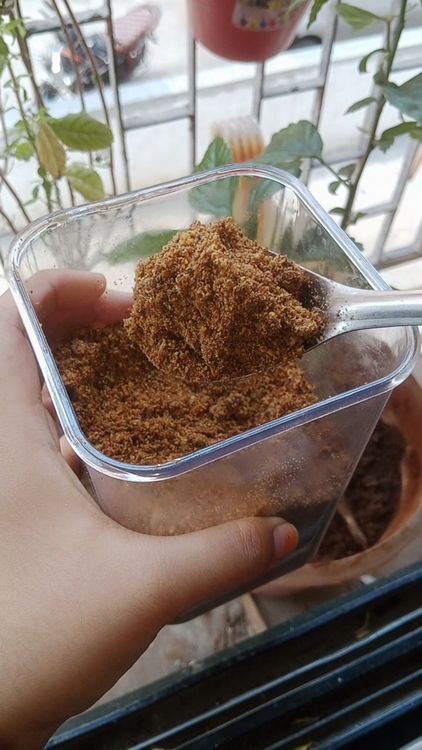
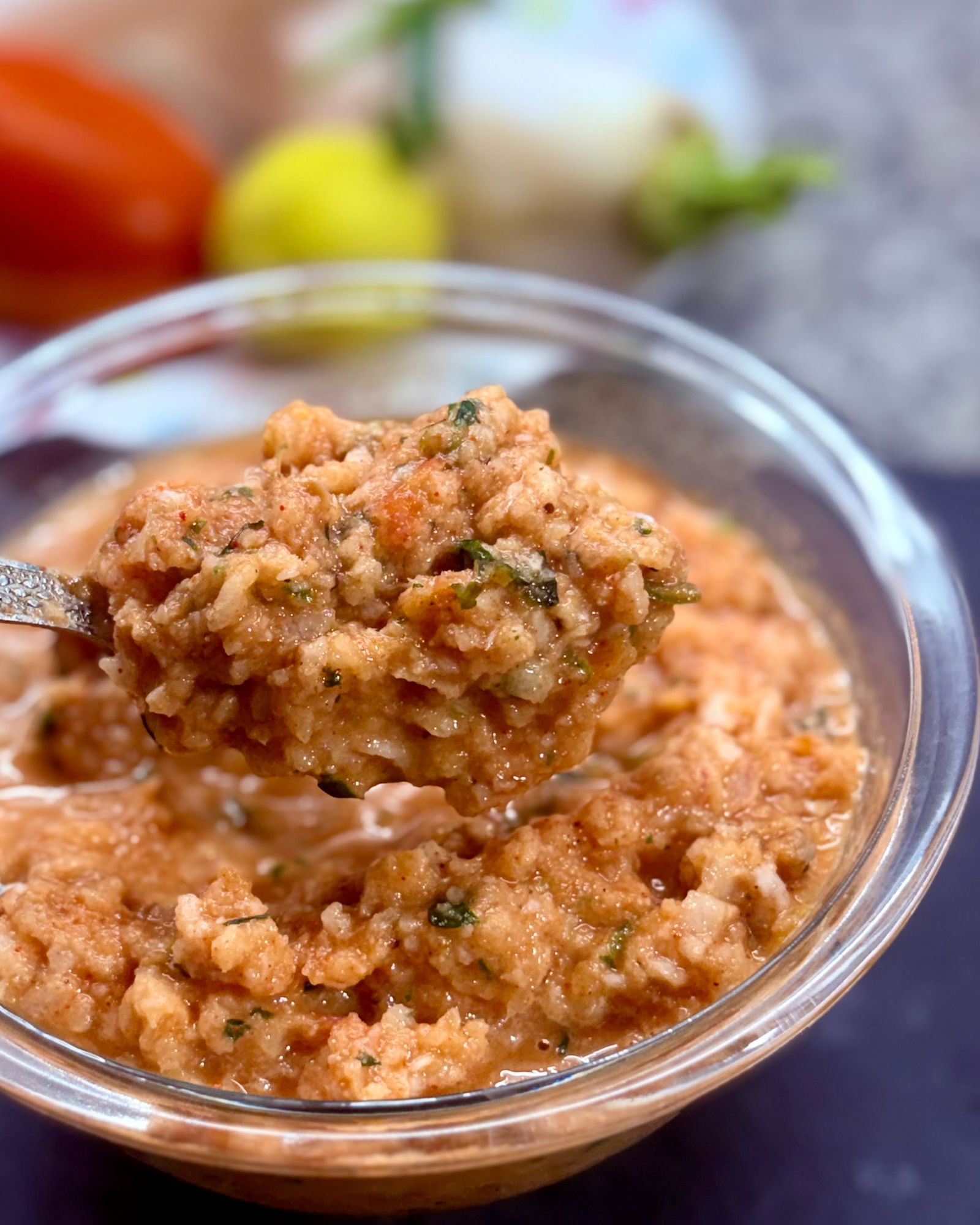
A few more dishes worth a place in your rotation — same techniques, different results. Standouts here include Chinese Pakoda with Chutney and Healthy Flaxseed Chutney for Winters , plus Mooli Tamatar ki Chutney (Radish Tomato Chutney).
- Indo-Chinese
- Vegan
- Snack
- Indian
- Vegan
- Sauce & Condiment
- Indian
- Vegan
- Side Dish

- Indian
- Vegetarian
- Appetiser

- Indian
- Vegan
- Breakfast
- Indian
- Vegan
- Breakfast

- Indian
- Vegetarian
- Snack
Grinding a Chutney That Balances Right
Most fresh chutneys start the same way: a base ingredient — coconut, coriander, mint or raw mango — blended with green chilli, ginger and a souring agent like lemon, tamarind or yogurt. Add liquid gradually rather than all at once; a thick paste blends smoother and you can always thin it after, but a watery mix never grinds fine. A splash of cold water also keeps a blender from heating the herbs and dulling their color. A high-speed blender jar that has been chilled briefly in the freezer beforehand also helps keep delicate herbs like coriander and mint from wilting under the friction heat generated during blending.
Taste as you go rather than only at the end. Salt needs to be added early enough to actually dissolve and season the paste, while a final squeeze of lemon or a pinch of sugar is best adjusted right before serving, once you can taste the finished balance. If a chutney tastes flat, it is almost always missing acid or salt, not chilli — reach for lemon before you reach for more heat.
For a silkier texture, strain the blended chutney through a sieve, pressing the pulp through with the back of a spoon; skins and fiber left in a food processor are what make some green chutneys taste grassy rather than clean. For a chunkier, more rustic chutney — the kind eaten with idli — pulse rather than blend continuously, so you keep some texture instead of a uniform puree.
Getting the Tempering Right
A tempering, or tadka, is what turns a plain ground paste into a proper South Indian-style chutney. Heat a spoon of oil until it shimmers, then add mustard seeds and let them pop fully before adding anything else — an unpopped mustard seed tastes bitter and raw. Curry leaves go in right after; they will splutter, so add them carefully and off the direct heat if needed.
Dried red chillies and a pinch of asafoetida usually follow the mustard and curry leaves, cooked for only a few seconds since spices burn fast in hot oil. Pour the whole sizzling tempering, oil and all, straight over the finished chutney and stir it through while it is still hot — this is what carries the aroma into the chutney rather than leaving it sitting on top.
Not every chutney needs a tempering — sandwich-style green chutney and most fruit chutneys skip it entirely — but for coconut, curry leaf and lentil-based chutneys it is close to essential. If you are short on time, a thirty-second tempering is still worth doing; it is the fastest way to lift a chutney from fine to genuinely good.
Cooking Sweet-Tangy Chutneys Low and Slow
Fruit chutneys made with mango, tamarind or apple work differently from fresh ground ones — they are simmered, not blended raw, so the fruit breaks down and the sugar has time to caramelize slightly. Start with the fruit, sugar or jaggery and a splash of water over medium-low heat, and resist the urge to rush it on high heat, which scorches the sugar before the fruit has softened.
Whole spices like fennel, nigella or mustard seed are often bloomed in a little oil first, then the fruit and sweetener added to the same pan — this builds a deeper flavor than adding spices at the end. Stir occasionally as the mixture reduces, and expect it to thicken further as it cools, so pull it off the heat slightly runnier than you want the final texture.
Balance is again the goal: taste near the end and adjust with more jaggery for sweetness, tamarind or lemon for sourness, or a pinch of salt to round everything out. A good sweet-tangy chutney should hit all three — sweet, sour and a background warmth from chilli or ginger — rather than reading as simply a fruit jam.
Storing Chutney So It Stays Fresh
Fresh green and coconut chutneys are at their best within a day or two — the color fades and the flavor flattens the longer they sit, even refrigerated. Store them in an airtight container with a thin film of oil poured over the top, which slows oxidation and helps a green chutney hold its bright color for an extra day or so.
Cooked sweet-tangy chutneys keep far longer, often two to three weeks refrigerated and up to several months if bottled properly, because the sugar and acid act as natural preservatives. For longer storage, make sure the chutney is fully cooled before sealing it in a clean, dry jar, and always use a dry spoon to serve — any moisture introduced into the jar shortens its shelf life fast.
Most chutneys also freeze well, particularly coconut and green varieties. Freeze in small portions or an ice-cube tray so you can thaw only what you need, and give a frozen chutney a fresh squeeze of lemon and a taste-check once thawed, since freezing can mute the acidity slightly. Thaw in the fridge rather than at room temperature to keep the texture and color intact.
Pro Tips from the Test Kitchen
- Add liquid gradually while blending — a thick paste grinds smoother than a watery one and you can always loosen it after.
- Let mustard seeds pop fully in hot oil before adding curry leaves or chilli; an unpopped seed tastes bitter.
- Pour a sizzling tempering straight over the finished chutney while it is still hot to carry the aroma through.
- If a chutney tastes flat, reach for lemon or salt before reaching for more chilli.
- Strain ground green chutney through a sieve for a smoother, restaurant-style texture.
- Cook sweet-tangy fruit chutneys on medium-low heat — high heat scorches the sugar before the fruit softens.
- Cover the surface of green or coconut chutney with a thin film of oil to help it hold its color longer in the fridge.
- Taste and re-season sweet-tangy chutneys near the end, once you can judge the balance of sweet, sour and heat together.
- Freeze chutney in an ice-cube tray so you can thaw only a spoonful at a time.
- Use a dry spoon every time you serve from a jar of stored chutney — moisture shortens its shelf life fast.
Frequently Asked Questions
How long does homemade chutney last in the fridge?
Fresh green and coconut chutneys are best within one to two days, though a thin layer of oil on top and an airtight container can stretch that to three or four. Cooked sweet-tangy chutneys made with sugar or jaggery last far longer — typically two to three weeks refrigerated, since the sugar and acid act as natural preservatives.
Can you freeze chutney?
Yes, most chutneys freeze well, especially green and coconut varieties. Portion into small containers or an ice-cube tray so you can thaw only what you need, and thaw in the fridge rather than at room temperature. A fresh squeeze of lemon after thawing helps bring back any acidity lost in the freezer.
Why does my green chutney turn brown?
Oxidation from air exposure is the main cause, along with over-blending, which heats the herbs and dulls their color. Blend quickly with cold water, add a squeeze of lemon which helps preserve the green, and store the chutney in an airtight container with a thin layer of oil poured over the surface to slow browning.
What is the difference between chutney and pickle?
Chutney is typically fresher, ground or cooked quickly and eaten within days to weeks, while a pickle (achaar) is cured longer in oil, salt or vinegar and can keep for months. Chutneys tend to be milder and more balanced across sweet, sour and spicy, whereas pickles are usually more intensely salty, sour or oily.
What goes into a basic coconut chutney?
Fresh grated coconut, roasted gram or soaked lentils, green chilli, ginger and a little water are blended to a smooth paste, then finished with a mustard seed and curry leaf tempering. Tamarind or yogurt is sometimes added for extra tang. It is the standard South Indian accompaniment to dosa, idli and vada.
Can chutney be made without coconut?
Yes — plenty of popular chutneys, including green coriander-mint chutney, tamarind chutney and most fruit-based chutneys, contain no coconut at all. Coconut chutney is just one branch of a much wider family; the common thread across all chutneys is balancing a base ingredient against chilli, acid and salt, not any single ingredient.
Is chutney the same as sauce?
Not quite. Chutney is usually served as a small side condiment in a modest portion, meant to be dabbed or dipped rather than poured over a dish, and it leans more concentrated in flavor as a result. Sauces tend to be used more liberally and often form part of the cooking of a dish rather than an accompaniment to it.
What can I use instead of tamarind in chutney?
Lemon or lime juice is the easiest substitute for tang, though it will not add tamarind's fruity depth. Amchur (dry mango powder) or a splash of vinegar also work in a pinch. Start with less than the tamarind quantity called for, since these substitutes are usually sharper, and adjust to taste.
Why is my chutney too watery?
Too much liquid added while blending is the usual cause. Add water a tablespoon at a time rather than all at once, and remember a chutney will loosen slightly further once salt draws out moisture from any vegetables in it. If it is already too thin, simmer it briefly on low heat to reduce, or stir in a spoon of roasted gram flour to thicken.
What is the best way to serve chutney at a meal?
Serve fresh chutneys cold or at room temperature in small bowls alongside the main dish, rather than warmed. Coconut and green chutneys pair naturally with dosa, idli, pakoras and sandwiches, while sweet-tangy chutneys work well next to parathas, samosas or a cheese board. A little goes a long way, so keep portions modest.
The thread through every chutney here is balance — sour against sweet, heat kept in check by salt, a fresh ingredient carried further by a hot tempering. Once you have the basic moves down — grinding to the right consistency, popping mustard seeds properly, cooking a fruit chutney low and slow — the whole category opens up and a fresh batch takes barely ten minutes.
Start with one from each cluster — a coconut chutney for breakfast, a green chutney for snacks, a sweet-tangy one to keep in the fridge — and build out from there. Save your favorites to a Chefadora cookbook and this page becomes the chutney reference you keep coming back to rather than a one-time read.
Related
- Chutney
- Indian
- Condiments
- Vegetarian
- South Indian
- Snacks
- Vegan
Popular Searches
- Best chutney recipes
- Easy chutney recipes
- Quick chutney recipes
- Healthy chutney recipes
- Simple chutney recipes
- Homemade chutney recipes
- Delicious chutney recipes
- Popular chutney recipes
- chutney recipe
- indian chutney
- green chutney
Marnirni-apinthi Building, Lot Fourteen,
North Terrace, Adelaide, South Australia, 5000
Australia
