
Top 20 Burger Recipes: Veg, Paneer, Chicken and Sliders
Updated June 25, 2026 · Curated by Chefadora
Burger recipes are weeknight comfort and weekend treat in one, and the collection below leans into the versions a home cook actually wants to make: crisp aloo tikki and spiced veg patties, paneer and bean burgers, juicy chicken and fish fillets, party sliders, and the buns, sauces and loaded stacks that tie it all together. One soft bun, a hot patty and a smart sauce, and you have a meal that beats any takeaway from your own kitchen.
What decides whether a burger works is mostly the patty and the moisture around it. A good patty needs structure — enough binder and a proper chill so it holds its shape and develops a crust rather than crumbling or steaming in the pan. Veg and paneer patties want a firm, well-seasoned mix that has been pressed and rested; chicken and fish want to stay juicy under a coating that crisps. Toast the bun and sauce both halves, and the build stops going soggy.
You will find the collection grouped into clusters — veg and paneer burgers, chicken and fish burgers, sliders and mini burgers, and buns, sauces and loaded stacks. Standout dishes range from a classic Aloo Tikki Burger and a Paneer Tikka Burger to a Crispy Chicken Zinger, party-sized Sliders and a Loaded Double Cheese Burger, each built on the fundamentals the guides below lay out.
Treat this as a working reference. Each recipe links to full ingredients and steps on Chefadora, and the guides below cover what actually decides whether a burger holds together or falls apart, stays juicy or dries out, and crisps or goes soggy — binding and shaping the patty, cooking it for a real crust, and building the bun so every bite is balanced.
Veg & Paneer Burgers
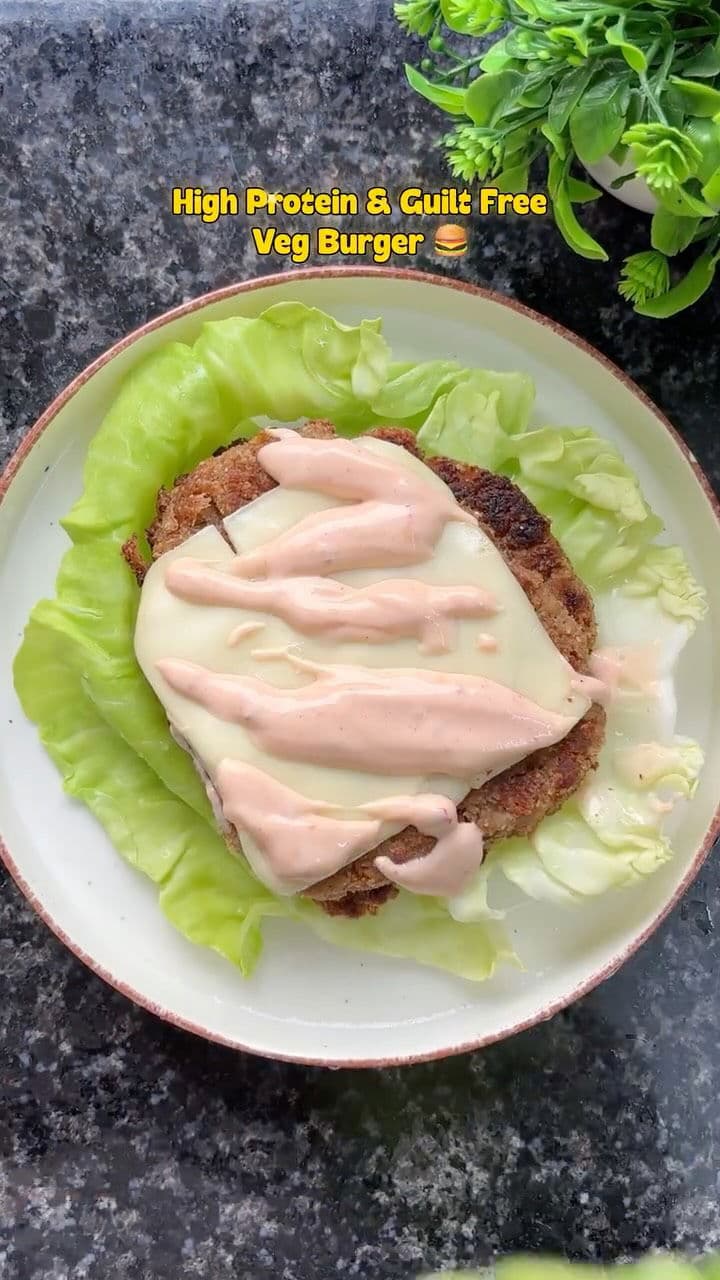
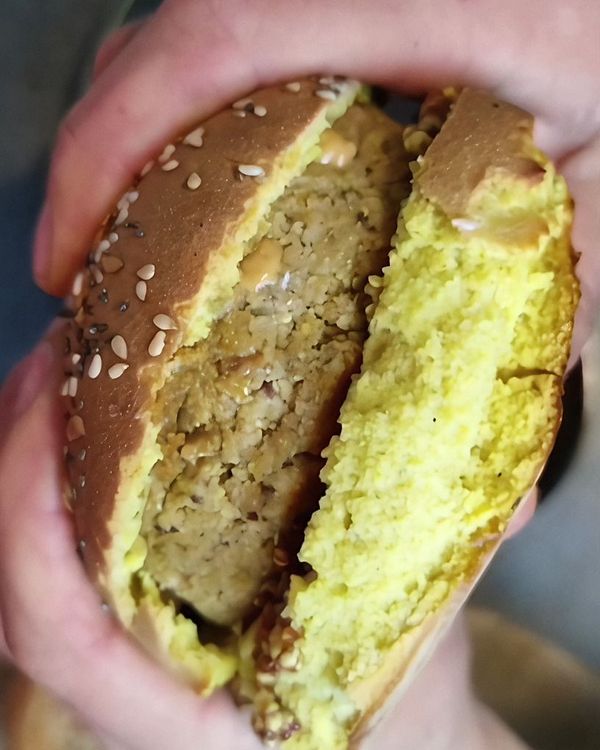
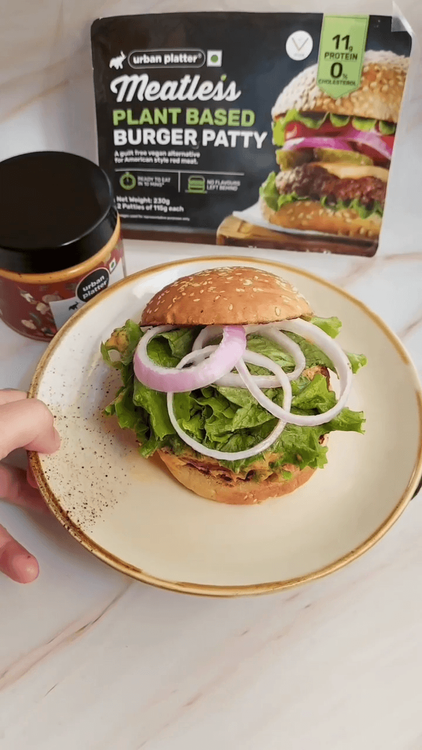
Vegetarian burgers are where most home cooks should start, because a well-built veg or paneer patty is more forgiving than people expect and genuinely satisfying. The whole game is moisture control and binding: whatever you use, boiled potato, beans, chickpeas, lentils, grated mixed vegetables or crumbled paneer, the mix has to be dry enough and bound well enough to hold a patty that crisps rather than crumbles. Squeeze grated vegetables hard in a clean towel, mash starchy bases until smooth, and add a binder that sets with heat, breadcrumbs, a little besan, mashed potato or oats. Season aggressively, because a bland patty makes a bland burger, and always taste-fry a teaspoon of the mix before shaping the rest. Shape the patties slightly wider than the bun, then chill them for at least thirty minutes so they firm up and keep their shape in the pan. Cook a cold patty on a properly hot, lightly oiled tawa and leave it undisturbed so a crust forms before you flip. An aloo tikki burger leans on spiced potato and a crunchy shell; a paneer burger wants a quick marinade and a fast sear; bean and falafel-style patties bring a nuttier, herby depth. Standouts here include a classic Aloo Tikki Burger, a Paneer Tikka Burger and a smoky Mushroom-Bean Burger. Standouts here include High Protein & Guilt-free Veg Burgers and Guilt-Free Burger Tikki, plus High-Protein Veg Burger at Home.


- fusion
- Vegetarian
- Dinner

- Indian
- Vegetarian
- Snack

- Indian
- Vegetarian
- Lunch
- International
- Vegan
- Lunch

- American
- Non-Vegetarian
- Lunch
Chicken & Fish Burgers
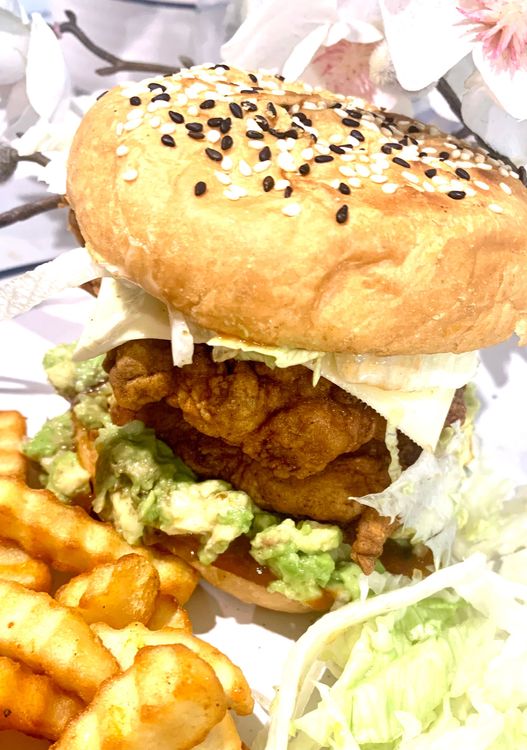
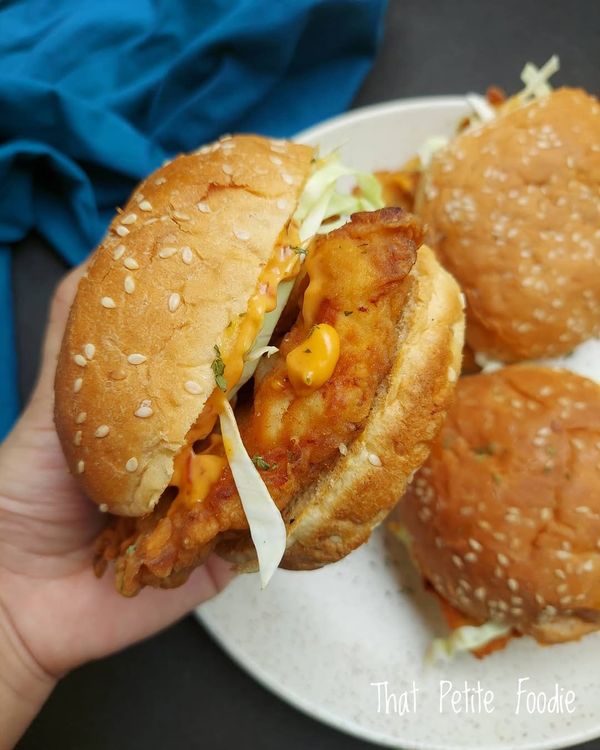
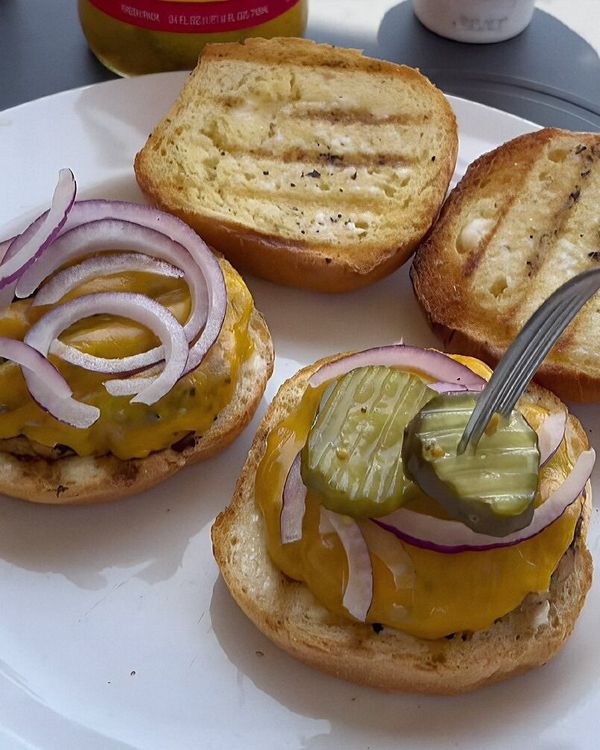
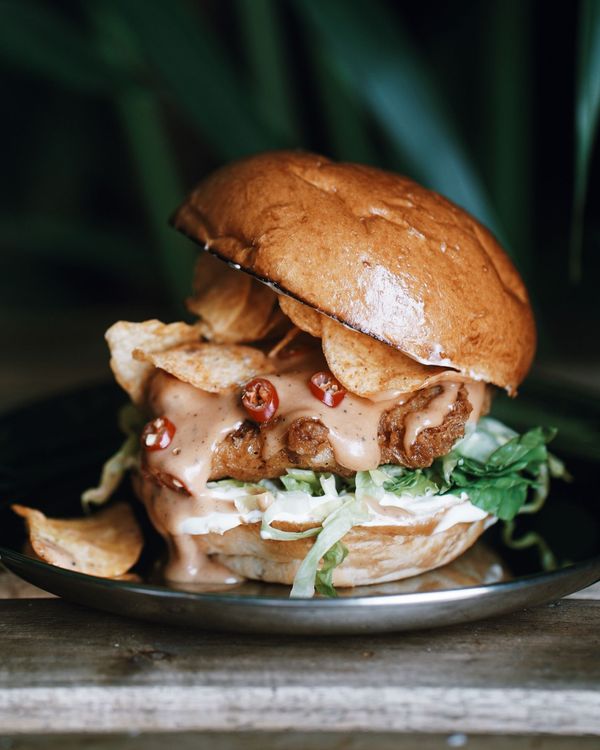
Chicken and fish burgers reward attention to one thing above all: keeping the protein juicy while building a surface that crisps. For chicken, thigh meat beats breast for tenderness, and a short yogurt or buttermilk marinade keeps even lean mince moist while helping a coating cling. Handle the mix gently, since overworking meat makes a dense, rubbery patty, and bind it with just enough breadcrumb and aromatics to hold its shape. Chill shaped patties before they hit the pan so they keep their form and develop a crust. Cook to just done, chicken to 74C/165F, fish until it just flakes, and no further, then rest the patty a couple of minutes so the juices settle into the meat rather than running into the bun. For the crispy, zinger-style burgers everyone loves, build a coating that shatters: dredge in seasoned flour, then egg, then crumbs or a spiced batter, pressing it on firmly, and fry in oil held around 170 to 180C so the crust sets before the inside overcooks. Drain on a rack, not paper, so steam escapes and the coating stays crunchy. Tandoori-spiced grilled patties, crisp fried fillets and egg-topped stacks all live here. Standouts include a Crispy Chicken Zinger, a Tandoori Chicken Burger and a golden Fish Fillet Burger. Standouts here include Crispy Chicken Burger and Korean Inspired Chicken Burger, plus Crispy Juicy Burger.

- Indian
- Non-Vegetarian
- Breakfast


- Non-Vegetarian
- Lunch
- American
- Non-Vegetarian
- Snack

- American
- Non-Vegetarian
- Lunch

- Fusion
- Non-Vegetarian
- Lunch
Buns, Sauces & Loaded Burgers
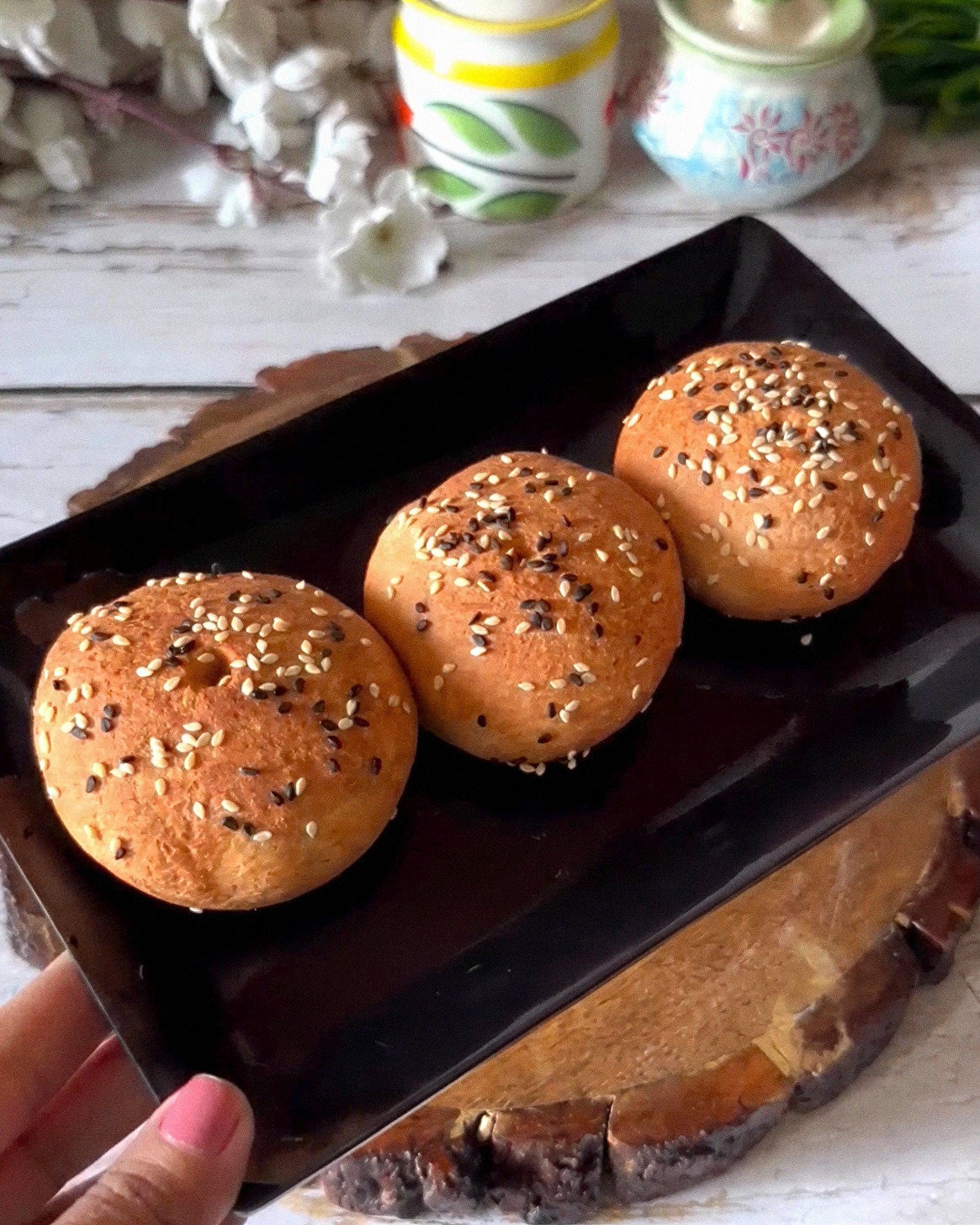
This is the cluster about the build, and it is where a homemade burger genuinely overtakes takeaway. Start with the bun: a soft, slightly sweet brioche, potato or pav roll cradles the patty without fighting it, and toasting the cut sides in butter both adds flavour and creates a water-resistant layer that stops the sauce turning the bread to mush. Then the sauce, which does more than any topping. A quick burger sauce, mayonnaise loosened with ketchup, mustard, chopped pickle and a pinch of spice, beats plain ketchup, and a spiced or garlicky mayo or a mint-coriander chutney suits Indian-style burgers. Spread it on the toasted bun, not loose in the middle, so it grips. Loaded and double burgers are about smart stacking rather than just piling on: build from the bottom up so the wettest elements sit away from the patty crust, melt the cheese under a lid in the last minute, and for a smash burger press a loose ball thin onto a screaming-hot surface once so it forms those craggy, lacy edges. Keep it tidy enough to hold in the hand. Standouts here include a Loaded Double Cheese Burger, a Smash-Style Veg Burger and a build-your-own special with homemade burger sauce. Standouts here include Brioche Buns for Burgers and Smash Burger, plus Smash Burger Tortilla Tacos.

- Nut-Free
- Bread & Baking


- American
- Non-Vegetarian
- Dinner


- Non-Vegetarian
- Dinner

- Non-Vegetarian
- Main Course
- fusion
- Vegetarian
- Breakfast
More Burger Favourites
Beyond the headline clusters sit the burgers that do not fit neatly into one box, and they are worth a place in the rotation once the basics feel automatic. These lean on the same handful of skills you already know, binding and chilling a patty, cooking it on a hot surface for a crust, toasting and saucing the bun, but push them toward different flavours and formats: a fusion patty that borrows a curry or a chaat masala, an open-faced or lettuce-wrapped low-carb build, a breakfast burger with an egg, or a regional twist on the spicing. Choosing your next one is mostly about matching effort to mood. Reach for a quick shaped-and-chilled veg patty on a busy night when you want dinner in twenty minutes, and save the multi-component loaded and double stacks for a weekend when you have time to toast buns, whisk a sauce and build properly. Pay attention to the patty-to-bun ratio so nothing overwhelms the build, keep wet toppings away from the crust, and assemble at the last minute so everything stays crisp. Think of this group as the natural next step after the classics, the burgers that quietly earn a regular spot once you have tried them. Standouts here include Crunchy Open Burger and Zucchini Burger, plus Lettuce-Wrapped Beef Burger.
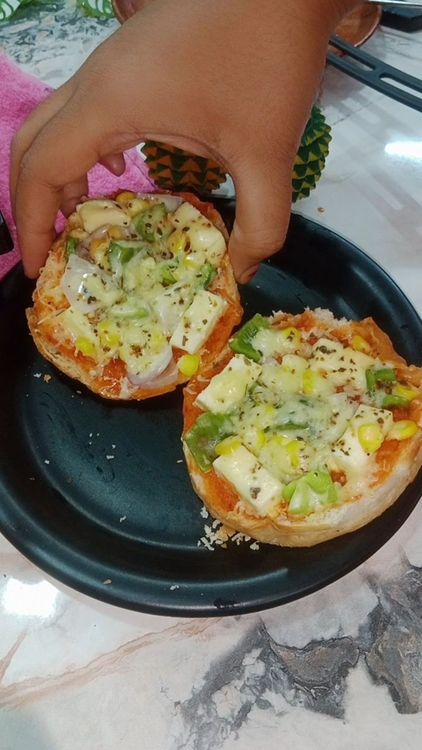

- Indian
- Vegetarian
- Breakfast
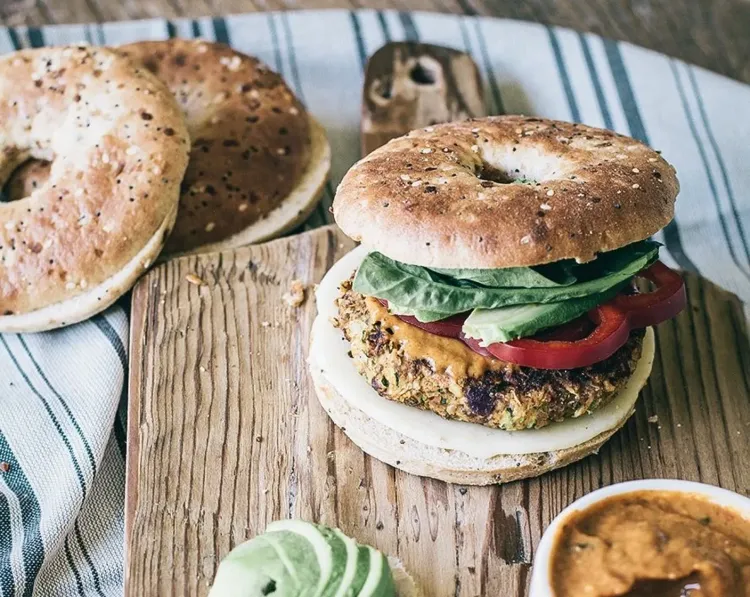

- American
- Vegetarian
- Lunch
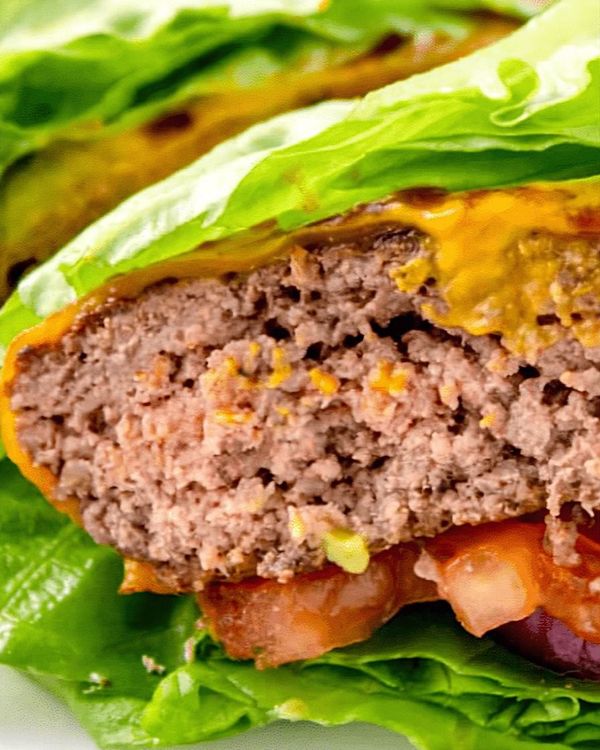
- American
- Non-Vegetarian
- Lunch
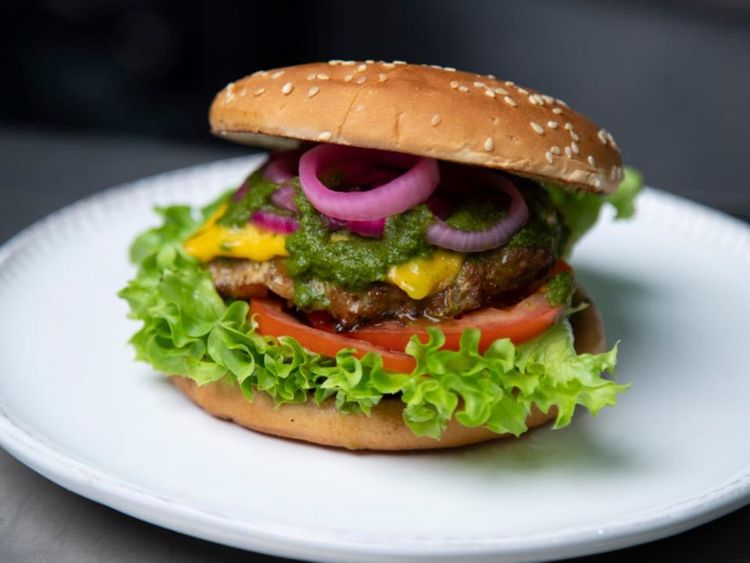
- Pakistani
- Non-Vegetarian
- Appetiser
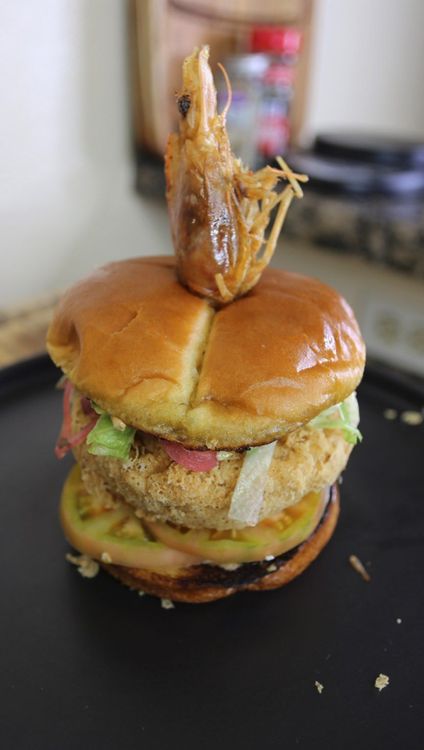
- Cajun
- Gluten-Free
- Lunch
Building a Patty That Holds Together
Veg and paneer patties fall apart for one reason: too much moisture and not enough binder. Squeeze grated or boiled vegetables genuinely dry, mash boiled potato or beans until smooth, and add a binder that absorbs water and sets when heated — breadcrumbs, a little besan, mashed potato, or oats work better than egg alone for vegetarian mixes. Season the mix hard, since a bland patty makes a bland burger, and taste-fry a small piece before shaping the rest.
Shape the patties slightly wider than the bun, because they shrink and puff as they cook, and press a shallow dimple into the centre of meat patties so they cook flat instead of doming. Then chill them: thirty minutes in the fridge (or a few minutes in the freezer) firms the mix so it keeps its shape and builds a crust rather than spreading. A cold patty into a hot pan is the single biggest fix for both veg and chicken burgers that otherwise crumble or stick.
For chicken and fish, the goal is structure without toughness. Mince or finely chop the meat, mix in just enough breadcrumb and aromatics to bind, and handle it gently — overworking meat makes it dense and rubbery. Fish patties are the most delicate, so keep them cold, bind them firmly, and chill before cooking so they survive the flip. Coat anything you want shatteringly crisp in seasoned flour, then egg, then crumbs, pressing the crumb on well so it grips and crisps evenly.
Cooking for a Crust Without Drying Out
A burger wants a hot surface and patience. Get the pan or tawa properly hot with a thin film of oil before the patty goes in, and then leave it alone — moving or pressing it stops the crust from forming and, for meat, squeezes out the juices that keep it tender. Two to four minutes a side is usually enough for a thin patty; let each face brown deeply before you flip, and flip only once if you can.
Keep moisture where it belongs. Chicken and fish patties dry out fast, so cook them to just done and no further — chicken to 74C/165F, fish until it just flakes — and pull them off the heat to rest a couple of minutes so the juices settle rather than running out into the bun. Thighs stay juicier than breast, and a yogurt or buttermilk marinade keeps lean meat tender. For crispy coated patties, hold the oil around 170 to 180C so the crust sets before the inside overcooks.
Cheese and crispness are timing tricks. Lay cheese on the patty in the last minute and cover the pan with a lid for thirty seconds so the trapped steam melts it without overcooking the patty beneath. For the craggy edges of a smash-style burger, press a loose ball of meat thin onto a screaming-hot surface once, let it form a lacy crust, then flip. Across every style, salt the patty just before it cooks, since salting too early draws out water and firms the texture.
Buns, Sauces and the Build
The bun does more work than people give it credit for. A soft, slightly sweet bun — brioche, potato or a good pav — cradles the patty without fighting it, and toasting the cut sides in a little butter does two things: it adds flavour and, crucially, creates a water-resistant layer so the sauce and patty juices do not turn the bread to mush. Warm the bun through rather than drying it out, and butter or sauce both halves.
Sauce is where a homemade burger pulls ahead. A quick burger sauce — mayonnaise loosened with ketchup, a little mustard, chopped pickle and a pinch of spice — beats plain ketchup every time, and for Indian-style burgers a mint-coriander chutney or a garlicky spiced mayo does the same job. Spread sauce on the toasted bun, not loose in the middle, so it grips the bread. A little goes a long way; drowning the patty just makes everything slide apart.
Layering is engineering. Build from the bottom up so the wettest elements sit away from the patty crust: bottom bun, sauce, a leaf of lettuce or sliced onion as a moisture barrier, then the patty and cheese, then tomato, pickles and the top bun. Put juicy tomato above the patty rather than against the bread, keep fillings tidy so nothing slides out, and assemble just before eating so the bun stays crisp and the stack holds together in the hand.
Pro Tips from the Test Kitchen
- Squeeze grated or boiled veg genuinely dry and bind with breadcrumbs, besan or mashed potato so the patty holds together.
- Taste-fry a small piece of the patty mix and adjust the salt and spice before shaping the rest.
- Shape patties slightly wider than the bun, as they shrink and puff while cooking.
- Press a shallow dimple into meat patties so they cook flat instead of doming.
- Chill shaped patties for 30 minutes before cooking so they keep their shape and build a crust.
- Get the pan hot and leave the patty alone — moving or pressing it stops the crust forming and dries meat out.
- Cook chicken to 74C/165F and fish until it just flakes, then rest a couple of minutes before assembling.
- Melt cheese by adding it in the last minute and covering the pan with a lid for 30 seconds.
- Toast the cut sides of the bun in butter so it stays crisp and resists going soggy under the sauce.
- Spread sauce on the toasted bun and build wet elements like tomato away from the patty crust.
Frequently Asked Questions
What are the best burger recipes to start with at home?
Begin with a forgiving veg patty: a spiced aloo tikki burger, a bean or chickpea burger, or a paneer burger all bind easily and crisp up well. From there, try a juicy chicken patty or a crispy fish fillet burger. The skills carry across — bind the mix, chill it, cook on a hot pan for a crust, toast the bun, and add a proper sauce. Master those and any burger on this page comes together.
How do you make veg or paneer burger patties that do not fall apart?
Moisture is the enemy. Squeeze grated or boiled vegetables genuinely dry, mash potatoes or beans smooth, and add a binder that sets with heat — breadcrumbs, a little besan, mashed potato or oats. Season the mix well, shape the patties, then chill them for at least 30 minutes so they firm up. Cook a cold patty in a properly hot, lightly oiled pan and leave it undisturbed so a crust forms before you flip. That combination keeps it whole.
What are good easy burger recipes for a quick weeknight dinner?
Lean on patties you can shape ahead and cook fast. A spiced bean or chickpea burger, a paneer tikka burger, or a simple chicken patty all cook in minutes once the mix is made, and you can freeze shaped patties for later. Keep the build simple — toasted bun, a quick mayo-based sauce, lettuce, onion and tomato — and you have a balanced burger on the table in well under half an hour with almost no fuss.
How do you keep a chicken burger juicy?
Use thigh meat rather than breast where you can, since it stays far more tender, and do not overwork the mince, which makes patties dense and dry. A short yogurt or buttermilk marinade keeps lean meat moist and helps a coating cling. Cook to just done — 74C/165F and no further — then rest the patty a couple of minutes off the heat so the juices settle into the meat instead of running out into the bun when you bite in.
How do you stop a burger bun going soggy?
Toast the cut sides of the bun in a little butter before building; that browned surface acts as a water-resistant barrier against the sauce and patty juices. Spread sauce onto the toasted bun rather than leaving it loose, and use a leaf of lettuce or a slice of onion just above the bottom bun as a moisture barrier. Put juicy tomato above the patty, keep sauces controlled, and assemble the burger just before you eat it.
What is a good homemade burger sauce?
A quick burger sauce is mayonnaise loosened with a little ketchup and mustard, plus finely chopped pickle, a pinch of paprika or chilli, and a touch of salt and sugar to balance. It beats plain ketchup and clings to the bun. For Indian-style burgers, a mint-coriander chutney or a garlicky spiced mayo does the same job. Whisk it smooth, taste and adjust, and spread it on the toasted bun so it grips the bread rather than sliding out.
Can you make burger patties ahead of time or freeze them?
Yes, and it makes burgers a fast meal. Shape veg, paneer, chicken or fish patties, then layer them between sheets of baking paper and refrigerate for a day or freeze for up to a month. Chilling also helps them hold their shape when cooked. Cook chilled patties straight from the fridge, or cook frozen ones from frozen over slightly lower heat so the centre warms through before the outside overbrowns. Sauces and toppings keep well separately too.
How do you make a crispy chicken or fish burger like a zinger?
Build a coating that shatters. Pat the chicken or fish dry, dredge it in seasoned flour, then beaten egg, then crumbs or a spiced flour batter, pressing the coating on firmly so it grips. Fry in oil held steady around 170 to 180C — too cool and it drinks oil and goes greasy, too hot and the crust burns before the inside cooks. Drain on a rack, not paper, so steam escapes and the coating stays crunchy under the bun.
What goes well with burgers?
Crisp, contrasting sides balance a soft, rich burger. Fries, wedges or sweet potato fries are the classic match; a fresh slaw, a green salad or grilled corn lighten the plate; and onion rings or a few pickles add crunch and tang. For a party, a tray of sliders alongside a couple of dips works well. Keep the sides simple so the burger stays the star, and offer a sharp sauce on the side for dipping.
The thread through every burger recipe here is the same: build a patty with enough binder and a proper chill so it holds together, cook it on a hot surface for a real crust without drying it out, and assemble on a toasted, sauced bun so every bite is balanced rather than soggy. Master those and veg, paneer, chicken, fish and slider burgers all turn out crisp, juicy and stacked exactly as intended.
Pick a few burger recipes to cook this week — a spiced aloo tikki or paneer burger, a juicy chicken patty, and a tray of party sliders — and save your favourites to a Chefadora cookbook. There is a burger for every appetite and occasion; this page is built to be the homemade burger reference you keep coming back to.
Related
- Burger
- Vegetarian
- Paneer
- Chicken
- Snacks
- Party food
- Comfort food
- Indian
Popular Searches
- Best burger recipes
- Easy burger recipes
- Quick burger recipes
- Healthy burger recipes
- Simple burger recipes
- Homemade burger recipes
- Delicious burger recipes
- Popular burger recipes
- veg burger
- aloo tikki burger
- paneer burger
- chicken burger
Marnirni-apinthi Building, Lot Fourteen,
North Terrace, Adelaide, South Australia, 5000
Australia
