
Top 100 Lemon Recipes: Cakes, Bars, Tarts and More
Updated June 29, 2026 · Curated by Chefadora

Lemon recipes are the brightest tool in a baker's kit: a single fruit that can lift a heavy crumb, cut through cream, and turn pantry staples into something that tastes like spring. The dishes below were chosen to show that range — moist drizzle cakes, gooey bars, silky tarts, quick cookies and a run of savory plates and drinks — rather than ten variations on the same lemon loaf. Cheap, available year-round and endlessly forgiving, lemon is the ingredient that rescues a dull dessert and the one that makes a simple roast chicken sing, which is exactly why it earns a page of its own.
What makes lemon special is that it works on two fronts at once. The zest carries fragrant oils that perfume a batter, while the juice brings the sharp acidity that balances sugar and stops a dessert from cloying. Used together — and used late, so neither cooks away — they give you that unmistakable clean, mouth-watering tang that no bottled flavoring can fake. Get either one wrong and a lemon dish falls flat: too little zest and it tastes only sour, too much heat on the juice and the brightness vanishes. The recipes and guides here are built around getting both into the dish at full strength.
You will find four clusters: tender cakes and loaves, the bars-pies-and-tarts family built on buttery bases and set curd, quick cookies and no-bake treats, and a savory-and-drinks group that runs from lemon chicken to lemonade and the lemon drop. Some lean sweet, some sharp, but the same handful of techniques — zesting before juicing, balancing tart against sweet, cooking curd to the wobble — carries across all of them. Learn those few moves once and every recipe on this page, dessert or dinner, gets noticeably easier and more reliable.
Treat this as a working reference. Each recipe links to full ingredients and steps on Chefadora, and the guides below cover the things that decide whether lemon tastes vivid and balanced or flat and one-note — how to zest and juice for maximum flavor, how to make and set a curd that slices clean, and how to keep that fresh brightness from baking away in the oven. Read the guides once, then come back to whichever cluster matches what you feel like making, from a weekend tart to a glass of lemonade.
Lemon Cakes & Loaves
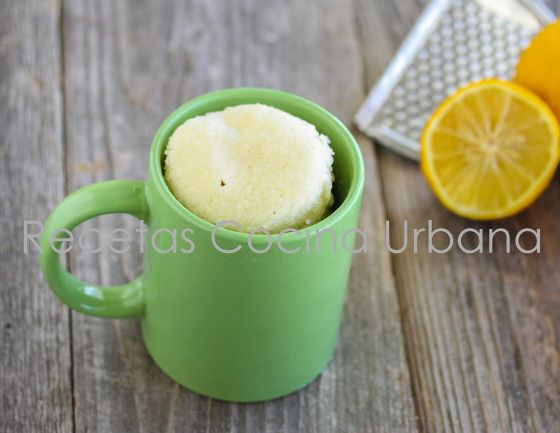
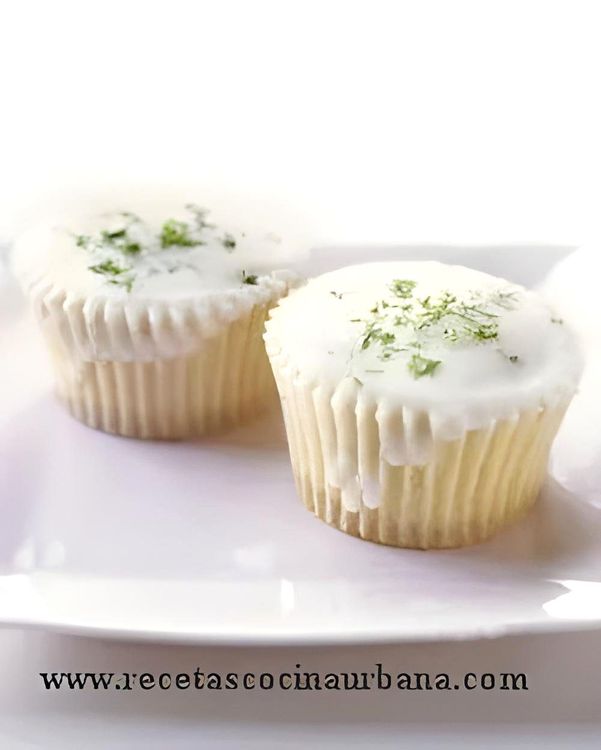
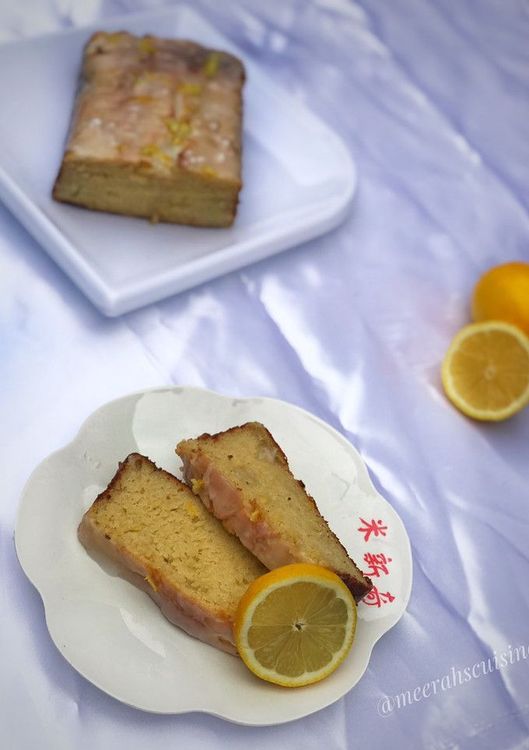
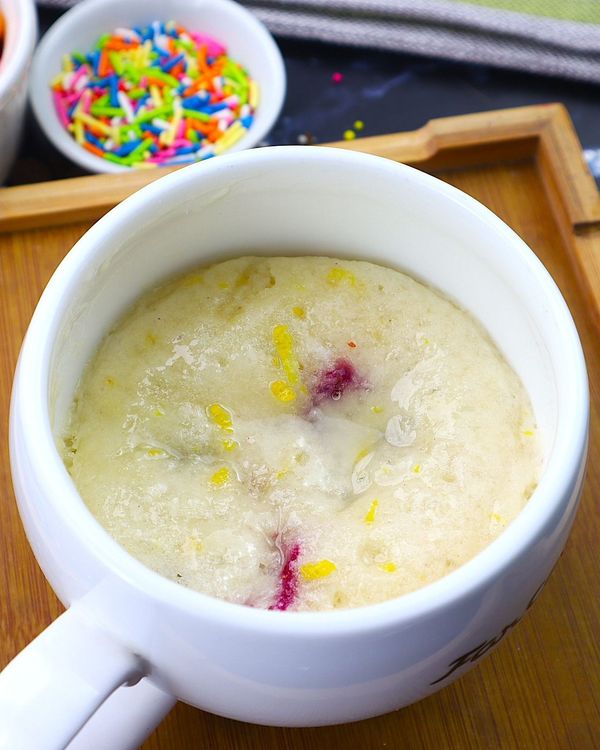
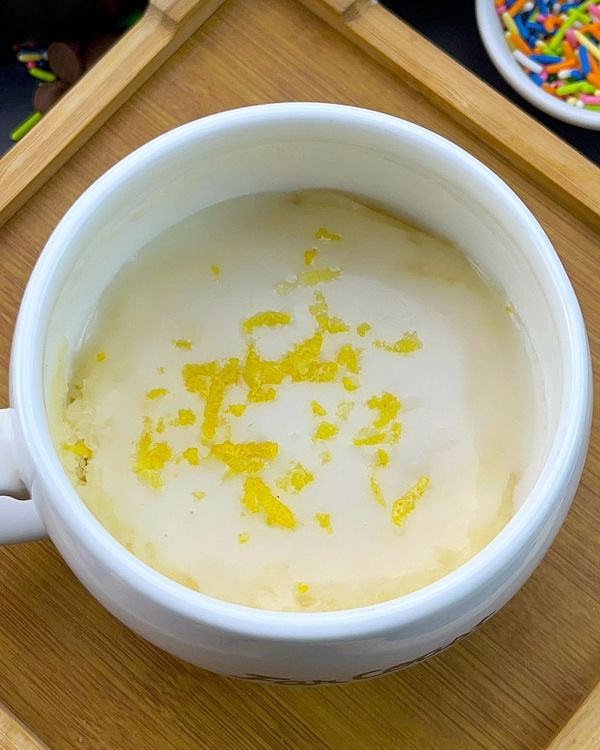
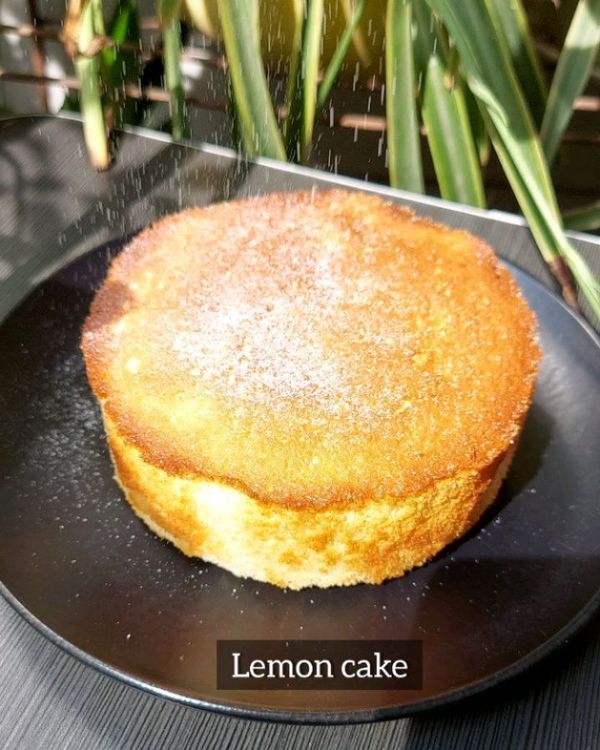
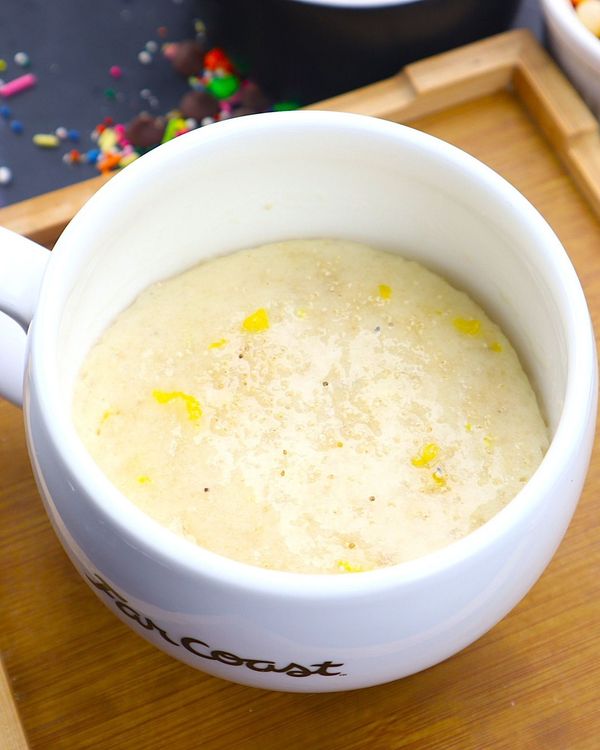
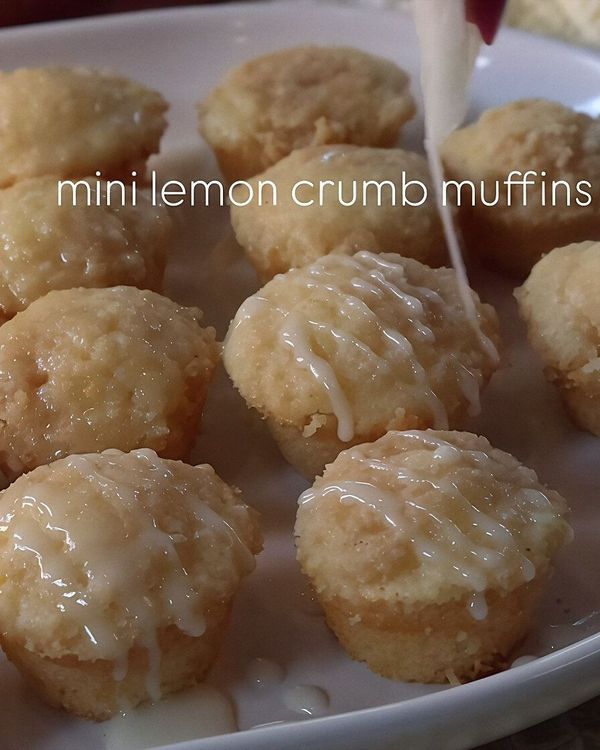
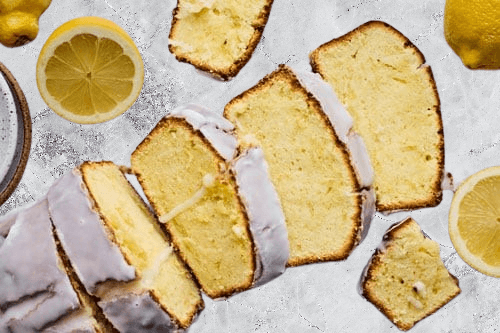
Lemon is at its most generous in a cake, where the zest perfumes the crumb and a tart glaze or syrup keeps every slice moist for days. The single biggest upgrade you can make is to rub the zest into the sugar with your fingertips before you start creaming — work it until the sugar turns pale yellow and smells intensely of lemon, releasing the fragrant oils that would otherwise stay locked in the peel. That lemon sugar carries flavor through the whole batter far better than zest stirred in at the end. Bake until a skewer comes out clean but the crumb is still tender, then, while the cake is warm, spoon over a syrup made from juice and sugar so it soaks in rather than sitting on top. Finish cooled loaves with a thick juice glaze — never water — for a sharp, crackling top. Whether it is a classic drizzle loaf, a poppy seed cake, an olive oil cake or a ricotta sponge, the rule holds: zest for fragrance, juice for the bright finish, and a soak to keep it from ever drying out. Standouts here include Lemon Cheesecake Overnight Oats and Lemon Mug Cake, plus Lemon Ricotta Stuffed Shells.


- Vegetarian
- Breakfast
- American
- Eggetarian
- Snack


- Italian
- Pescatarian
- Dinner


- American
- Eggetarian
- Breakfast
- American
- Eggetarian
- Snack

- American
- Eggetarian
- Snack

- Italian
- Eggetarian
- Dessert

- International
- Eggetarian
- Snack
- Chilean
- Eggetarian
- Breakfast

- American
- Vegetarian
- Snack
- American
- Vegetarian
- Snack


- American
- Eggetarian
- Snack
- Indian
- Dairy-Free
- Snack

- American
- Pescatarian
- Lunch
- American
- Eggetarian
- Snack
- American
- Vegetarian
- Breakfast

- American
- Eggetarian
- Breakfast

- American
- Vegetarian
- Snack
- Fusion
- Eggetarian
- Snack

- American
- Eggetarian
- Dessert
- American
- Eggetarian
- Snack
- American
- Eggetarian
- Snack


- American
- Eggetarian
- Dessert

- American
- Eggetarian
- Breakfast
Lemon Bars, Pies & Tarts
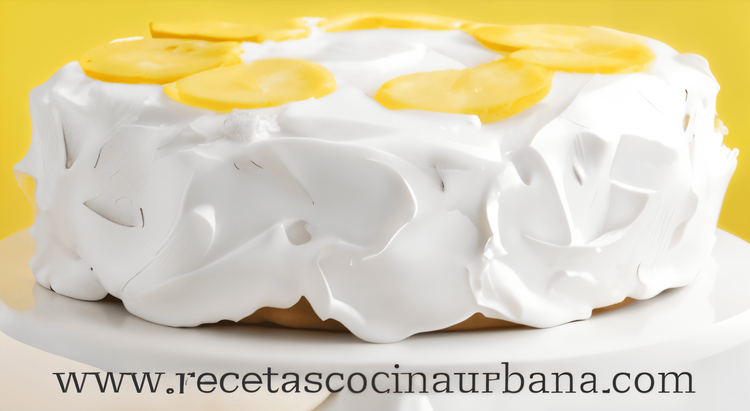
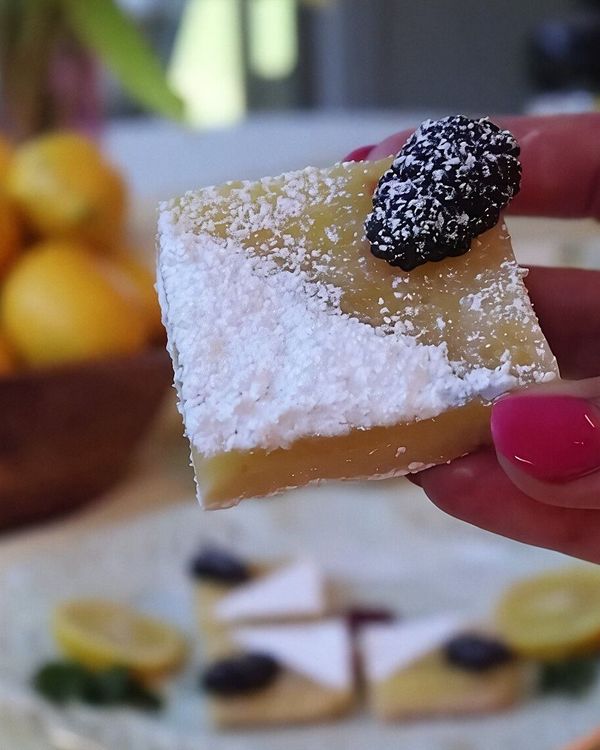
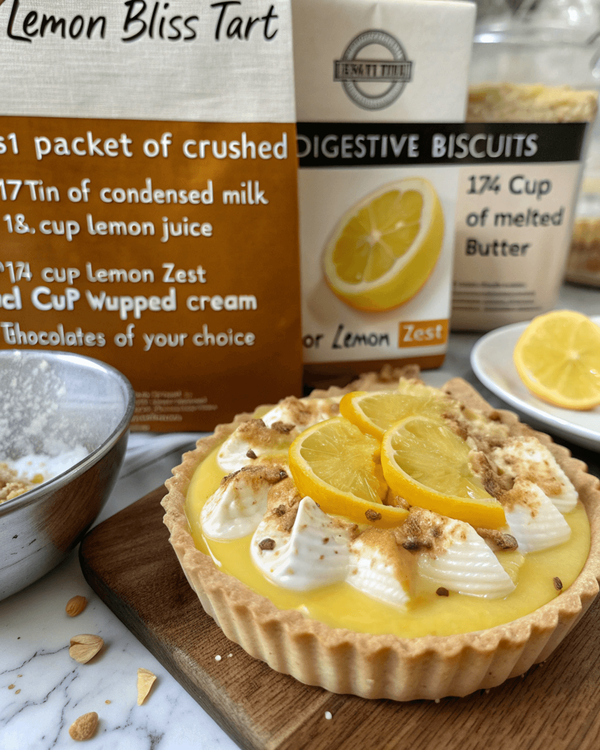
This is the family built on contrast: a buttery, crisp base beneath a sharp, just-set lemon custard, and getting both right is what separates a great bar from a sad, weepy one. Start with the crust — press a shortbread base firmly and blind-bake it until pale gold so it can stand up to the wet filling without going soggy, and for tarts, blind-bake fully and patch any cracks before the curd goes in. The filling is essentially lemon curd, so cook or bake it only to the wobble: it should look barely set in the center and will firm up considerably as it cools and chills. Cutting too soon, while the filling is still warm, is the most common reason bars look like they never set, so be patient and chill them fully first. Lean tart with the lemon, because the sweet base and a dusting of powdered sugar will mellow each bite, and a pinch of salt in the filling makes the citrus pop. From lemon meringue pie to curd tarts, posset and lemon cheesecake, the move is the same — crisp base, sharp set custard, clean slices. Standouts here include Lemon Tartlets and 3-Ingredient Lemon Posset, plus Lemon Tart.


- French
- Eggetarian
- Snack


- Vegetarian
- Dessert
- French
- Eggetarian
- Dessert

- International
- Eggetarian
- Dessert
- American
- Eggetarian
- Snack
- American
- Eggetarian
- Dessert

- International
- Vegetarian
- Dessert

- Fusion
- Vegetarian
- Dessert
Lemon Cookies & No-Bake Treats
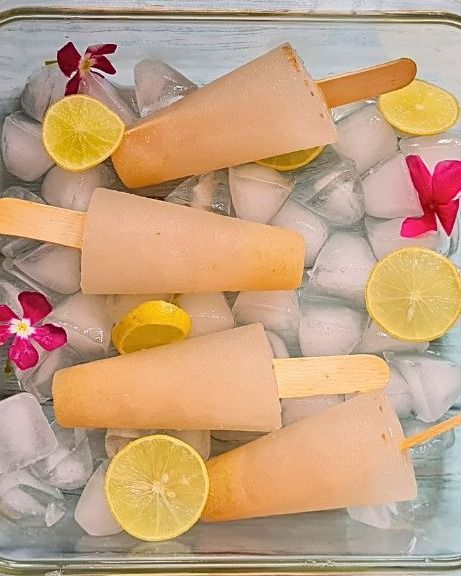
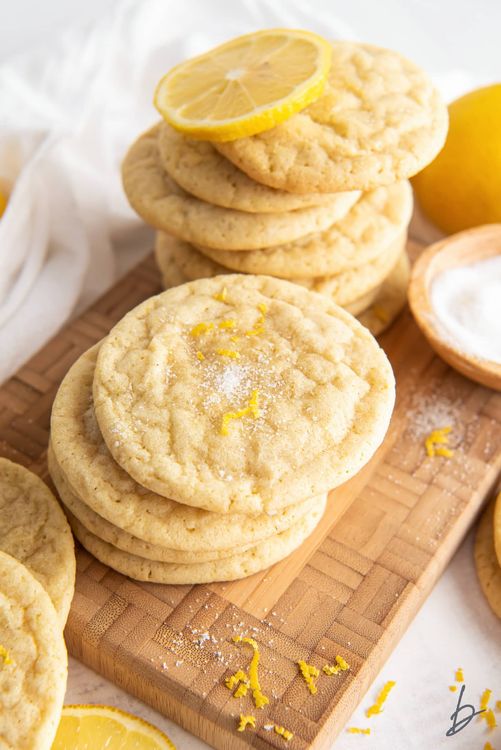
These are the quick wins: crisp-edged cookies, chewy crinkles and chilled, set-in-the-fridge sweets that need little or no oven time. For baked cookies, the key to keeping the lemon bright is to put zest in the dough rather than relying on juice, which can throw off the texture, and to glaze or roll them in sugar after baking so the citrus reads fresh instead of flat. Crinkles get their crackle from a roll in powdered sugar before they hit the heat; shortbread stays tender if you barely work the dough. For no-bake treats — cheesecake bites, truffles, posset cups, panna cotta, sorbet and granita — lemon's acidity does double duty, brightening the sweetness and helping set cream-based mixtures. Chill these fully so they hold their shape, and for frozen sweets like sorbet and granita, the high acid keeps the texture from freezing rock-solid. Across both the baked and the chilled, finish with fresh zest or a squeeze of juice right at the end, because that last bright note is what makes a simple lemon treat taste like more than sugar. Standouts here include Lemon Curd Cookies and Lemon Ginger Popsicles, plus Lemon Mousse with Lemon Curd & Tennis Biscuit Base.

- Eggetarian
- Dessert

- International
- Vegan
- Snack


- Eggetarian
- Dessert
- Mexican
- Eggetarian
- Dessert
- American
- Eggetarian
- Dessert
Savory Lemon Dishes & Drinks
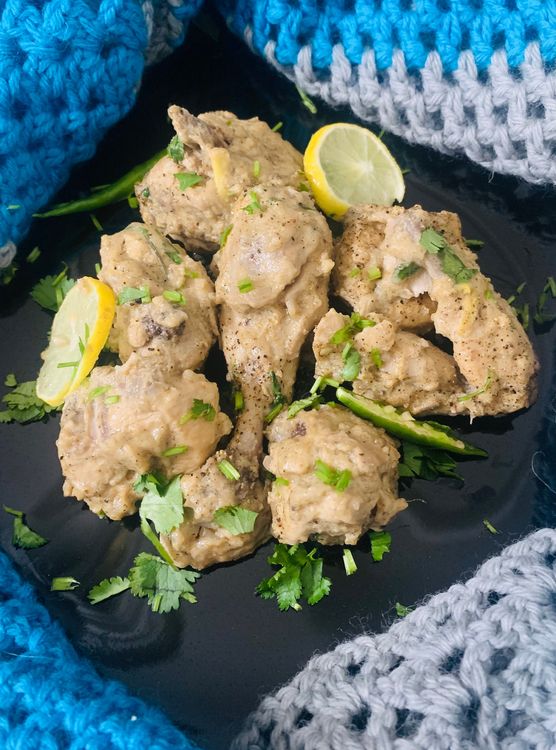
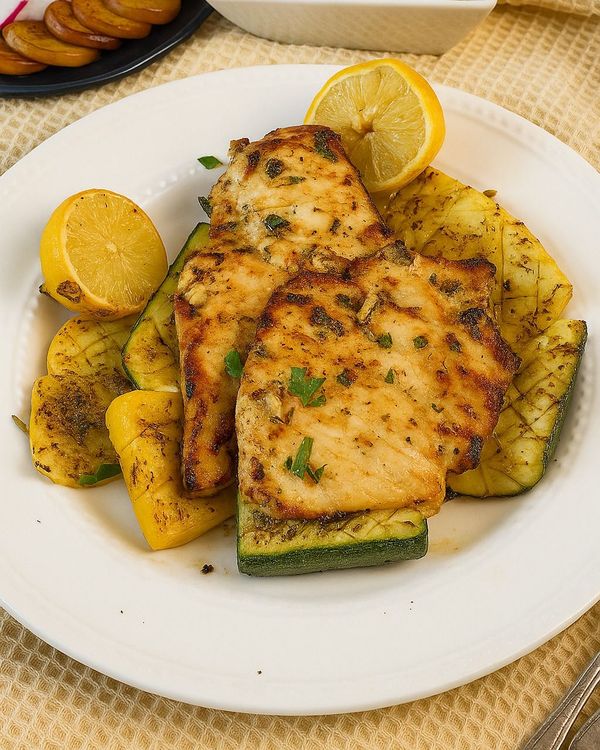
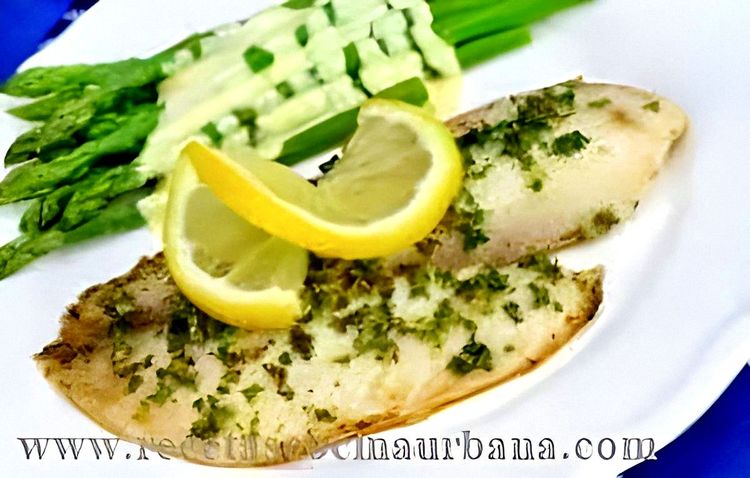
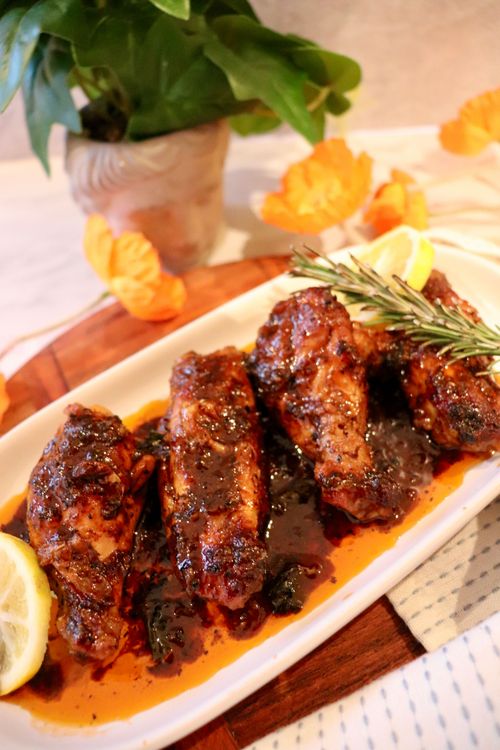
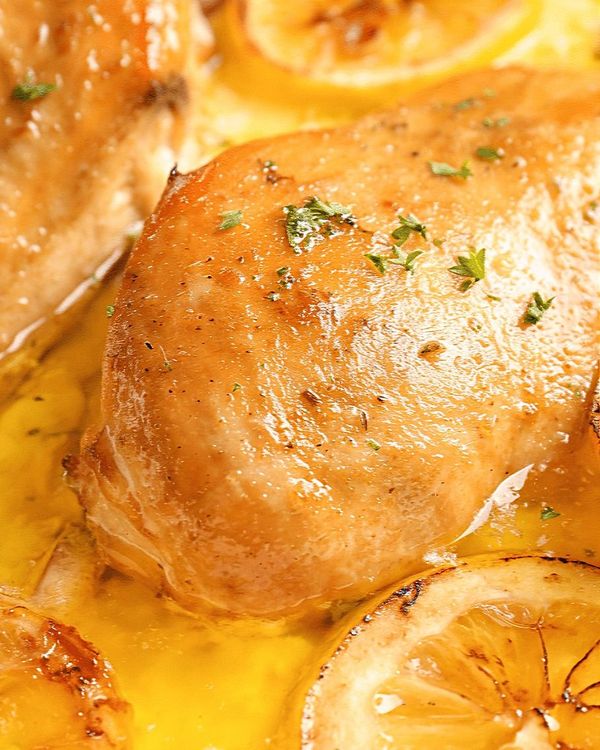
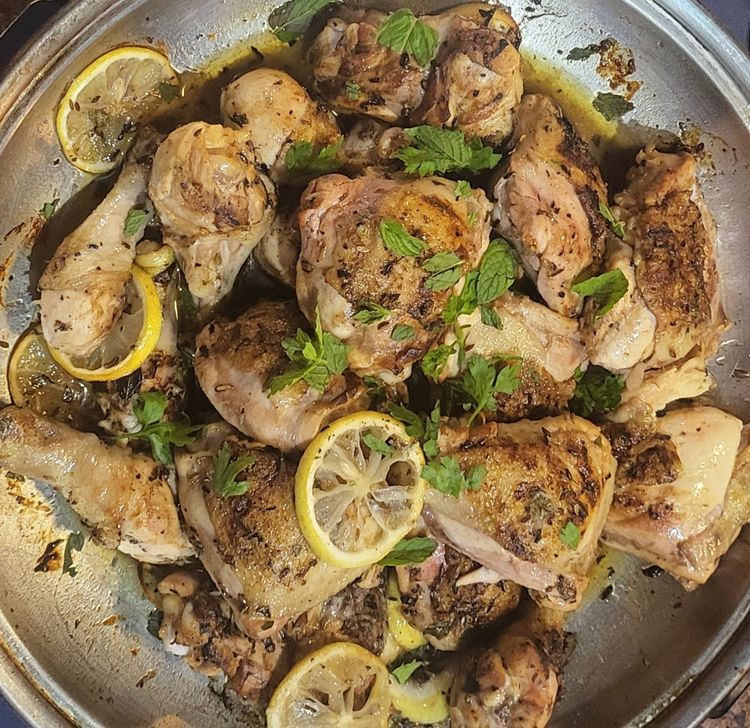
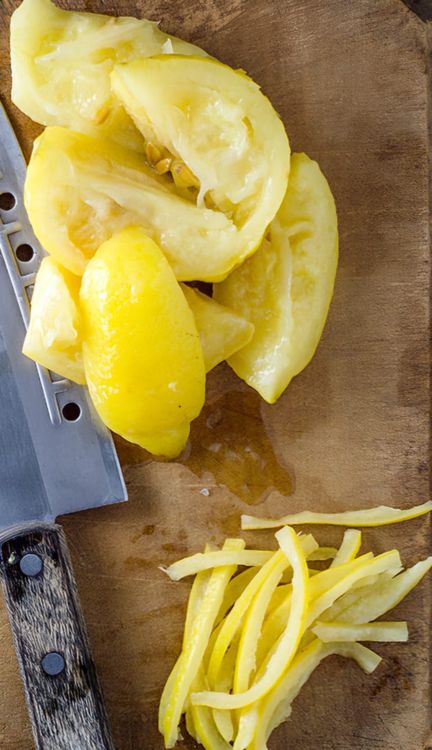
Lemon is not only for dessert — beyond the sweet shop it brightens chicken, fish, pasta and dressings, and anchors the best drinks. In savory cooking the golden rule is to add the juice at the very end, off the heat, so its fresh acidity lifts the dish rather than cooking away to a dull, sour note. A squeeze over roast chicken or grilled salmon, a splash deglazing the pan for piccata, zest folded through a lemon-orzo or risotto, or a sharp vinaigrette whisked with juice and good oil — in each, the lemon wakes everything up. For marinades, the acid tenderizes, but keep it brief on delicate fish so it does not turn the flesh mushy. Preserved lemons and a little zest add depth where you want lemon to linger. For drinks, fresh is everything: squeeze and strain at the last minute for lemonade with plenty of ice, and for a proper lemon drop, shake fresh juice with vodka and a touch of sweetness, then taste and balance so it lands tart but not harsh. Squeeze ahead and the flavor dulls, so finish drinks the moment before they reach the glass. Standouts here include Lemon Chicken and Tangy Lemon Chicken, plus Coconut Lemon Chicken Curry.


- Indian
- Non-Vegetarian
- Appetiser
- Indian
- Non-Vegetarian
- Lunch

- Indian
- Non-Vegetarian
- Lunch
- American
- Non-Vegetarian
- Lunch

- American
- Pescatarian
- Dinner

- Vegetarian
- Lunch


- Non-Vegetarian
- Dinner


- American
- Non-Vegetarian
- Dinner

- American
- Non-Vegetarian
- Dinner

- Non-Vegetarian
- Dinner

- International
- Non-Vegetarian
- Dinner

- International
- Non-Vegetarian
- Lunch
- Mediterranean
- Pescatarian
- Lunch
- Asian
- Non-Vegetarian
- Lunch


- Western
- Pescatarian
- Dinner

- Gluten-Free
- Dinner

- Non-Vegetarian
- Dinner


- Asian
- Vegan
- Appetiser


- Greek
- Non-Vegetarian
- Lunch

- Non-Vegetarian
- Main Course
- Fusion
- Non-Vegetarian
- Appetiser
- American
- Non-Vegetarian
- Lunch
- Greek
- Non-Vegetarian
- Dinner
- Middle Eastern
- Vegan
- Sauce & Condiment
More Lemon Favourites
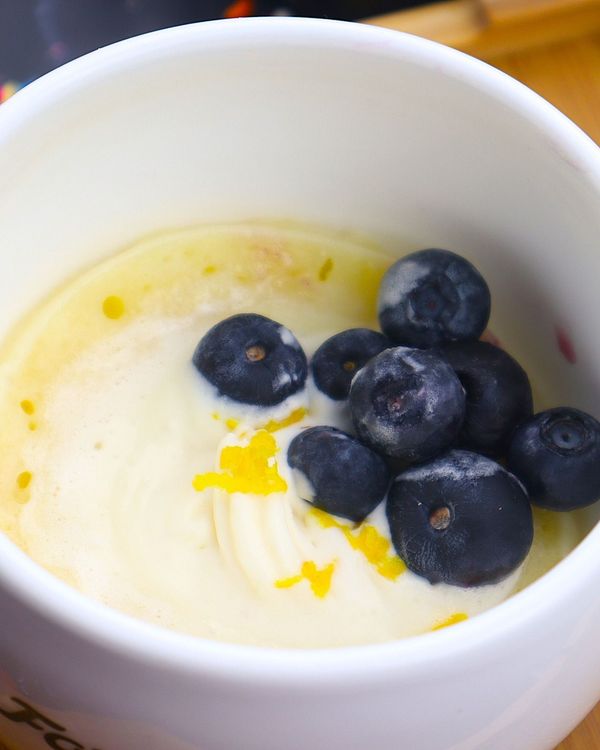
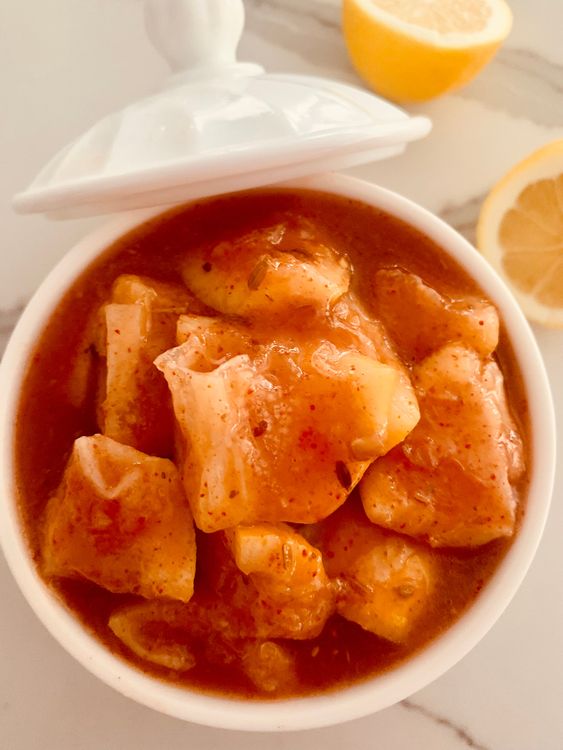
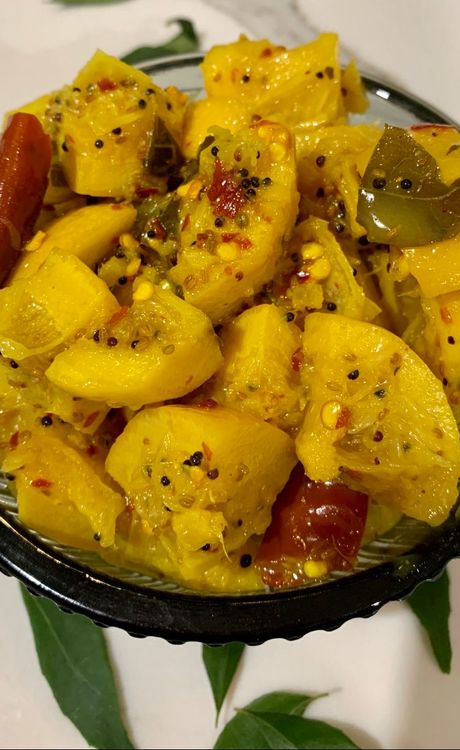
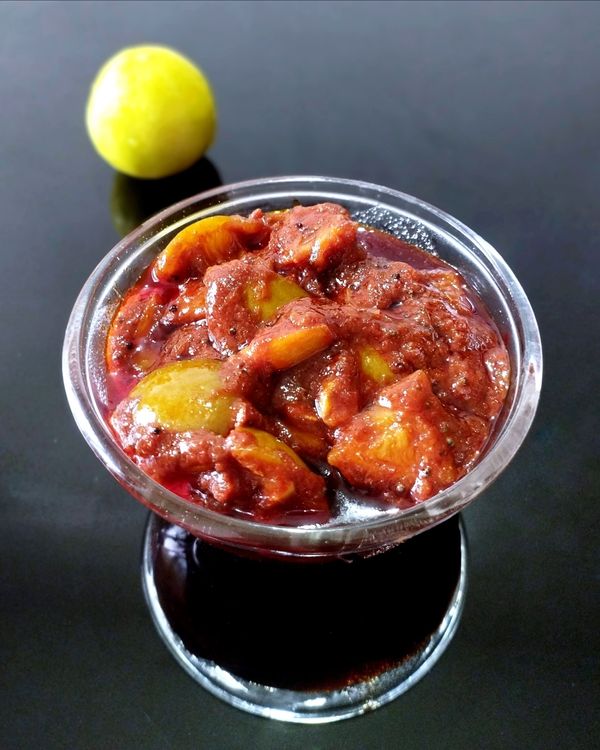
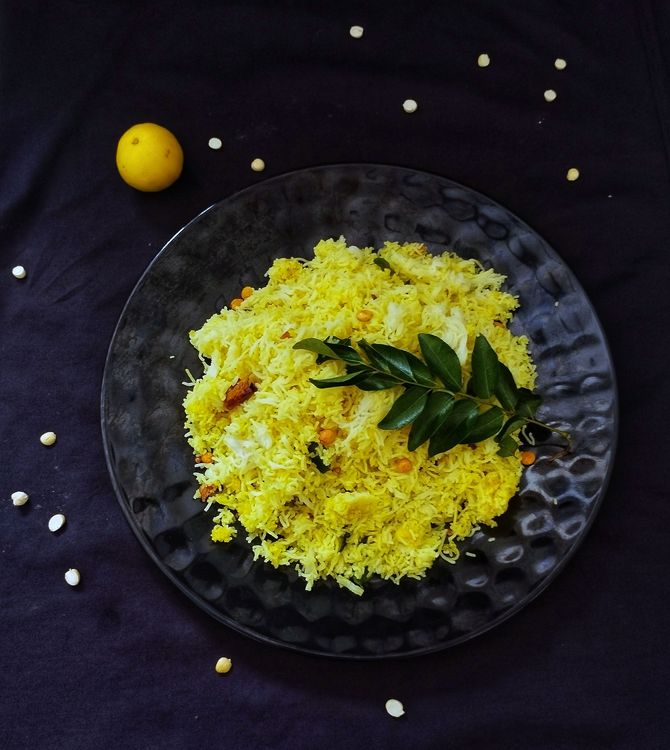
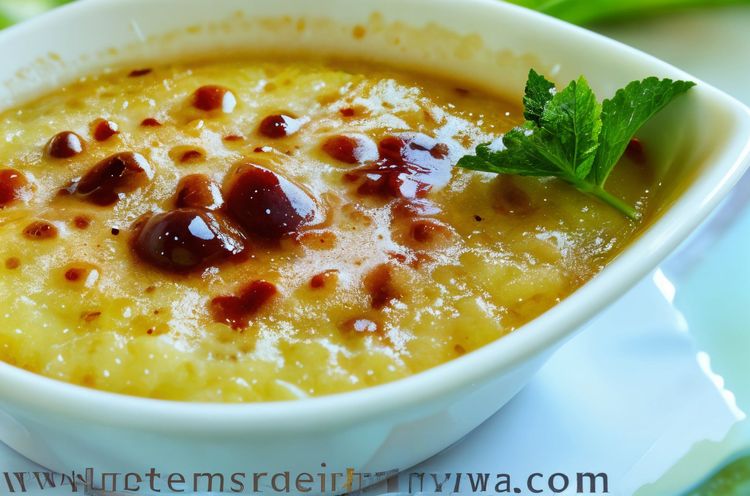
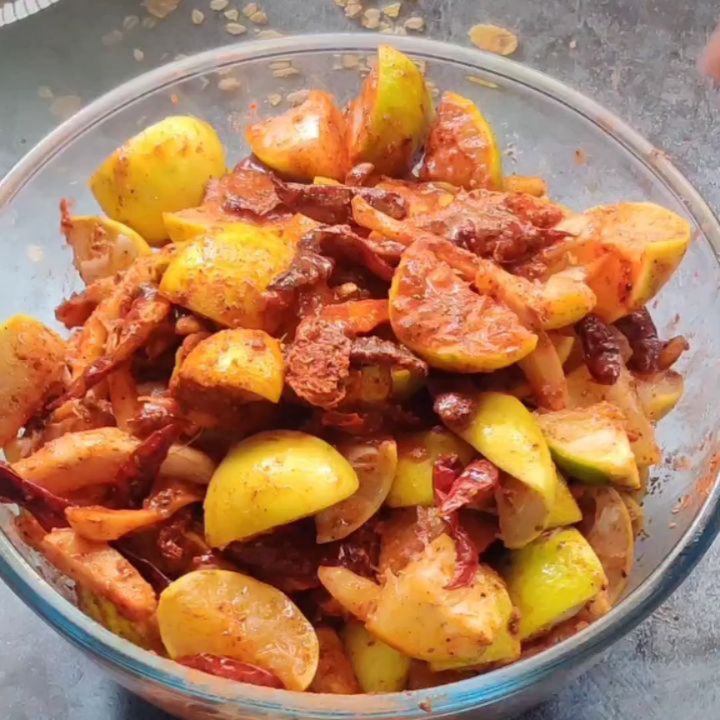
A few lemon dishes never quite fit a single category, and these are the ones worth keeping in your back pocket once the classics feel routine. They lean on the same handful of techniques you already know — zesting before juicing, cooking curd to the wobble, balancing tart against sweet and salt, finishing with fresh juice — but steer them toward different textures and uses, so lemon never tastes the same twice. Picking your next one is mostly about matching effort to mood: reach for a quick glaze-and-go cookie or a stirred-together lemonade on a busy day, and save the blind-baked tart or the slow-cooked curd for a weekend when you can give it proper attention. Pay attention to how strong you want the citrus, too, since more zest brings fragrance without extra sourness while more juice sharpens the edge. Think of this group as the natural next step after the staples — the recipes that quietly earn a regular spot in the rotation once you have made them, and that prove a single bright fruit can carry a whole page of cooking. Standouts here include Lemon Blueberry Chia Pudding and Sweet and Tangy Lemon Pickle, plus Curry Leaf infused Lemon Pickle .

- Vegetarian
- Breakfast
- Indian
- Vegan
- Side Dish
- Indian
- Vegan
- Sauce & Condiment


- African
- Eggetarian
- Snack

- Mediterranean
- Vegetarian
- Appetiser

- Indian
- Vegan
- Lunch
- Vegetarian
- Appetiser

- South Indian
- Vegan
- Lunch

- American
- Eggetarian
- Snack

- Fusion
- Vegan
- Lunch

- European
- Eggetarian
- Dessert

- Mediterranean
- Vegan
- Sauce & Condiment
- Indian
- Vegan
- Sauce & Condiment
- International
- Vegetarian
- Dessert
- International
- Eggetarian
- Dessert

- French
- Eggetarian
- Breakfast

- Global
- Vegan
- Beverage
- English
- Eggetarian
- Snack

- Italian
- Nut-Free
- Dinner
- American
- Vegetarian
- Snack


- American
- Vegetarian
- Snack

- American
- Eggetarian
- Snack
- Mediterranean
- Vegetarian
- Snack


- Indian
- Vegan
- Breakfast
- Kenyan
- Eggetarian
- Breakfast
- Italian
- Eggetarian
- Snack
- Indian
- Vegan
- Sauce & Condiment

- French
- Eggetarian
- Dessert
- Indian
- Vegetarian
- Breakfast

- South Indian
- Vegan
- Dinner

- Indian
- Vegan
- Snack


- Indian
- Vegan
- Side Dish
- International
- Eggetarian
- Dessert


- Punjabi
- Vegan
- Sauce & Condiment

- Filipino
- Non-Vegetarian
- Lunch
- Punjabi
- Vegan
- Sauce & Condiment

- American
- Non-Vegetarian
- Appetiser

- American
- Non-Vegetarian
- Lunch

- International
- Vegan
- Beverage
Zesting and Juicing for Maximum Flavor
Always zest before you juice. A whole lemon is far easier to grip and grate than a squeezed-out half, so take the colored skin off first while the fruit is firm and round. Use a microplane and turn the lemon as you go, taking only the bright yellow layer — the white pith underneath is bitter and adds nothing but harshness. That fine zest is where most of a lemon's perfume lives, so do not skip it even when a recipe only lists juice.
To get the most juice, start with room-temperature fruit and roll it firmly under your palm on the counter for a few seconds to break the internal membranes. A quick fifteen seconds in the microwave does the same thing for a cold lemon. Cut across the equator rather than pole to pole, and squeeze cut-side up over a sieve so the pips stay behind. One medium lemon gives you roughly two to three tablespoons of juice and about a tablespoon of zest.
Flavor fades fast once a lemon is cut, so zest and juice as close to using as you can. To pull every bit of oil from the zest, rub it into the recipe's sugar with your fingertips until the sugar turns pale yellow and smells intense — this "lemon sugar" perfumes a cake far better than zest stirred into finished batter. Unwaxed lemons are worth seeking out whenever the peel is going into the dish.
Making and Setting Lemon Curd
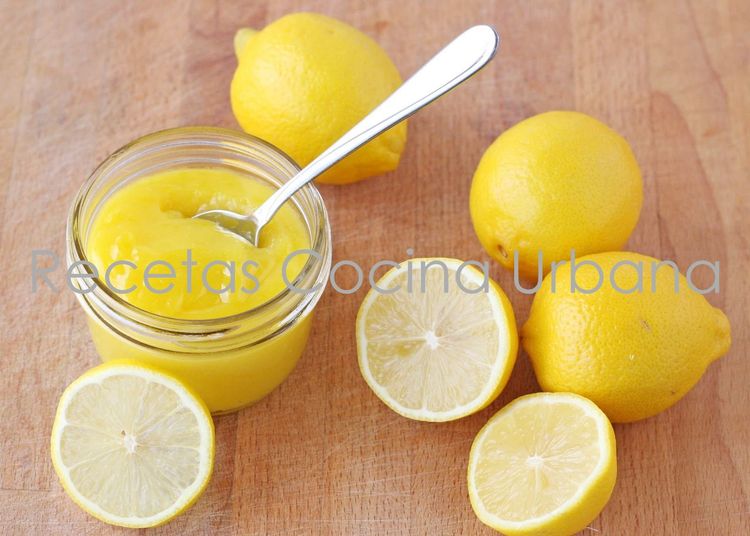
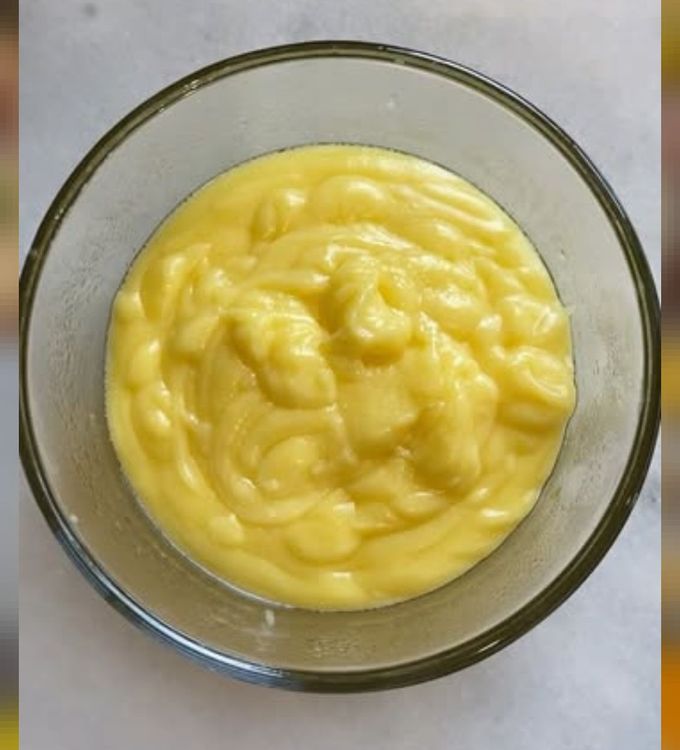
Curd is just yolks, sugar, lemon and butter cooked gently until thick, and it is the heart of half the desserts on this page. Whisk the yolks and sugar first so the sugar protects the eggs, then add juice and zest and cook over low-to-medium heat, stirring constantly with a spatula that reaches the corners. A double boiler is the safe route; a heavy saucepan over gentle heat works if you never stop stirring. Rushing it on high heat is the fastest way to scramble the eggs.
It is done when the curd coats the back of a spoon and a finger drawn through leaves a clear path — roughly when it reaches 170°F (77°C). It will look loose and pourable while hot and set firm only as it chills, so do not keep cooking it to thicken further. Pull it off the heat, beat in cold butter a cube at a time for gloss and richness, then strain through a sieve to catch any cooked egg and the zest if you want it silky.
Press cling film directly onto the surface so a skin does not form, and chill for at least a couple of hours before using. Curd keeps a week in the fridge and freezes for months. For a lemon-meringue or curd tart, the same mixture goes into a blind-baked shell and sets as it cools — the trick is taking it just to the wobble so it slices clean rather than running or rubbery.
Balancing Tart, Sweet and Texture
A great lemon dessert tastes sharp and rounded at once, not just sweet with a squeeze on top. Build the acidity in layers: zest for fragrance, juice for the clean sour edge, and a pinch of salt to make both pop. Taste as you go and trust that a curd or filling should taste a touch too tart on its own, because the buttery base, cream or sugar around it will mellow the finished bite considerably.
Sweetness is the counterweight, and where it comes from changes the result. Granulated sugar gives a crisp, clean sweetness; a spoon of honey or a little white chocolate softens the sharpness and adds body. If a filling tastes harsh, the fix is usually more salt or a touch more sugar rather than less lemon — pulling the lemon back just leaves it flat. A dusting of powdered sugar or a glaze made with juice, not water, keeps the tang front and center.
Texture is the other half of balance. The contrast of crisp shortbread against soft curd, or a tight crumb against a wet glaze, is what makes these desserts moreish. Soak warm cakes with a sugar-and-juice syrup so the crumb stays damp; chill bars and tarts fully before cutting so the layers stay distinct; and finish with something fresh — a few berries, a curl of zest — to echo the brightness on the plate.
Storing, Glazing and Serving
Most lemon bakes are better the day they are made but keep well with a little care. Glaze cakes and loaves while just warm so the glaze soaks in and sets to a thin crackle; an airtight tin then keeps the crumb moist for three to four days. Bars, tarts and anything with curd or cream belong in the fridge, where they hold three to four days — bring them back toward room temperature for twenty minutes before serving so the flavor opens up.
Glaze is the simplest way to add a final hit of lemon. Whisk powdered sugar with fresh juice (never water) to a thick but pourable consistency, and add it only once the bake is cool enough not to melt it to nothing. For a sharper finish, a drizzle icing with a higher proportion of juice gives a translucent, tangy crackle; for a sweeter one, more sugar gives an opaque white set. Always glaze over a rack or tray to catch the drips.
Serve cakes plain or with lightly whipped cream and berries; tarts cold with a dusting of sugar; cookies and no-bakes straight from the tin. For drinks, lemonade and cocktails are best with fresh juice strained at the last minute and plenty of ice — squeeze them ahead and the flavor dulls. As with all lemon cooking, the brightest results come from finishing with fresh juice and zest just before it reaches the table.
Pro Tips from the Test Kitchen
- Always zest before you juice — a whole firm lemon is far easier to grate than a squeezed-out half.
- Rub zest into the recipe's sugar with your fingertips until it turns yellow and fragrant; "lemon sugar" perfumes a bake far better than zest stirred into batter.
- Take only the yellow skin when zesting — the white pith underneath is bitter.
- Roll lemons firmly on the counter or microwave 15 seconds before juicing to get more out of them.
- Cook lemon curd low and slow, stirring constantly, and pull it at 170°F when it coats a spoon — high heat scrambles the yolks.
- Curd sets firm only as it chills, so do not keep cooking it to thicken; strain it for silkiness and press film onto the surface.
- Soak warm lemon cakes with a sugar-and-juice syrup so the crumb stays moist for days.
- Make glazes with fresh lemon juice instead of water to keep the tang front and center.
- A pinch of salt sharpens lemon flavor more than extra juice does — season fillings to taste.
- Add lemon juice to savory dishes at the very end, off the heat, so its fresh brightness survives.
Frequently Asked Questions
Should you zest or juice a lemon first?
Always zest first. A whole, firm lemon is far easier to grip and grate than a soft, squeezed-out half, and the zest holds most of the fruit's fragrant oils. Take off only the bright yellow layer with a microplane, turning the lemon as you go, then cut and juice it. Doing it in this order means you never waste the peel or fight with a collapsed lemon.
How do you keep lemon flavor from fading when baking?
Use both zest and juice, and concentrate the zest. Rub the zest into the recipe's sugar until it turns yellow and fragrant so the oils carry through the batter, and lean on a fresh-juice glaze or syrup applied after baking, since heat dulls raw juice. Adding a little extra zest and finishing with a tart glaze keeps that bright, mouth-watering lemon taste from cooking flat.
Why is my lemon curd runny?
Curd sets as it chills, so it should look loose and pourable while hot — runny straight off the stove is normal. If it stays thin after a few hours in the fridge, it was undercooked: it needs to reach about 170°F and coat the back of a spoon, leaving a clear path when you draw a finger through. Return it to gentle heat and stir until it thickens, never letting it boil.
Why are my lemon bars not setting?
Usually too little egg, too much liquid, or underbaking. The filling sets from the eggs cooking, so bake until the center is just barely jiggly, not liquid, then let the bars cool completely and chill before cutting — they firm up considerably as they cool. A flour or cornstarch in the filling helps it hold. Cutting while warm is the most common reason they look like they never set.
Can you use bottled lemon juice instead of fresh?
For baking and drinks, fresh is noticeably better — bottled juice tastes flat and slightly bitter, and it gives you none of the zest where most of the perfume lives. Bottled is acceptable in a pinch for a marinade or a sauce where lemon is a background note. For anything where lemon is the star, like curd, bars or lemonade, squeeze fresh and zest the peel for the brightest flavor.
How do you make lemon flavor stronger without it being too sour?
Add zest and a pinch of salt rather than more juice. Zest brings fragrant lemon flavor without extra acidity, and salt makes the existing lemon pop while rounding the sweetness. If a filling tastes harsh, a touch more sugar or salt balances it better than cutting the lemon, which just leaves it dull. A fresh-juice glaze on top adds a final hit of brightness.
What desserts can you make with lemon curd?
Curd is endlessly useful: spoon it into a blind-baked shell for a lemon tart, layer it between sponge for a cake filling, swirl it through cheesecake or mousse, sandwich it in cookies, or fold it into whipped cream for a quick fool. It also tops scones, pancakes and yogurt. Because it keeps a week chilled and freezes well, a single batch stretches across several desserts.
Are lemon and Meyer lemon interchangeable?
Mostly, with a small adjustment. Meyer lemons are sweeter, less acidic and more floral than regular lemons, so they shine in delicate desserts and drinks. If you swap them into a recipe built for standard lemons, you may want a little less sugar and a touch more juice to keep the expected tartness. For sharp, classic lemon bars or curd, ordinary lemons give the cleaner, brighter result.
How long do lemon desserts keep?
Glazed cakes and loaves keep three to four days in an airtight tin at room temperature. Bars, tarts, and anything with curd or cream should be refrigerated and used within three to four days. Lemon curd itself keeps about a week chilled and several months frozen. Bring chilled desserts toward room temperature for twenty minutes before serving so the flavor and texture open back up.
How do you balance tartness in lemon recipes?
Treat acidity and sweetness as a pair you tune together. Build lemon flavor in layers — zest for fragrance, juice for sharpness, salt to lift both — and counter it with enough sugar or a little honey or white chocolate for body. A curd should taste slightly too tart on its own because the buttery base and cream around it mellow each bite. Taste as you go rather than guessing.
The thread through every lemon recipe here is the same: a fruit that works on two fronts, fragrant zest and sharp juice, and rewards you for using both at full strength. Master the few moves in the guides — zest before juicing, cook curd to the wobble, balance tart with sweet and salt, finish with fresh juice — and cakes, bars, tarts and drinks all fall into place.
Pick three to make this week — a drizzle cake, a tray of bars and something quick or cold — and save your favorites to a Chefadora cookbook. Then work through the rest; this page is built to be the lemon reference you actually come back to.
Related
- Lemon
- Citrus
- Baking
- Dessert
- Summer
- Cakes
- Drinks
Popular Searches
- Best lemon recipes
- Easy lemon recipes
- Quick lemon recipes
- Healthy lemon recipes
- Simple lemon recipes
- Homemade lemon recipes
- Delicious lemon recipes
- Popular lemon recipes
- lemon bars
- lemon curd
- lemon cake
Marnirni-apinthi Building, Lot Fourteen,
North Terrace, Adelaide, South Australia, 5000
Australia
