
63 Pickle Recipes From Indian Kitchens Worth Bottling
Updated July 15, 2026 · Curated by Chefadora
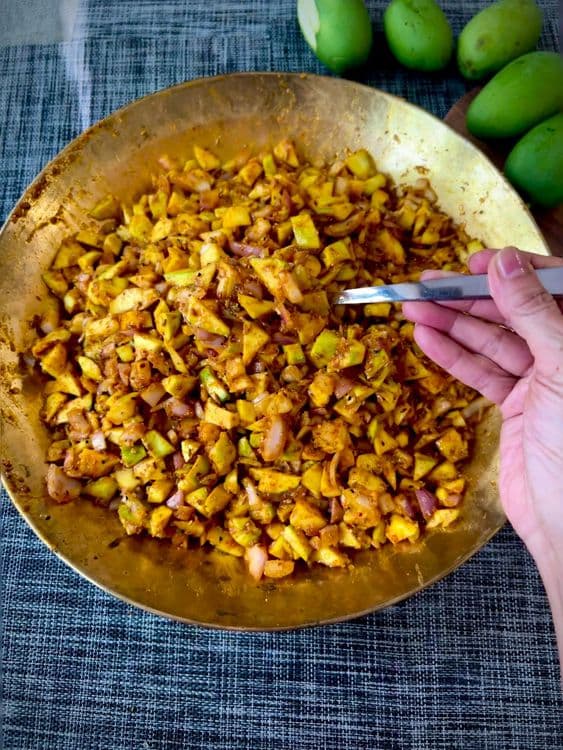
A good jar earns its shelf space. These 63 pickle recipes come from Chefadora cooks who still cut mangoes on newspaper in April and still argue about whether the mustard oil should smoke first. Some are ready in fifteen minutes; others ask you to wait three days while salt does the slow work. All of them are the kind of thing you reach for when the dal is plain and the roti is a day old.
I have sorted them the way an Indian kitchen actually thinks about achar — by what is in season and what is in the jar. Raw mango in summer, amla and mooli when it turns cold, hari mirch year-round because chillies never really stop. There are instant versions for a Tuesday and slow, sun-cured ones for a weekend.
You will also find achari masala to blend yourself, curries built on that same sour-spice logic, and a few outliers — dill soup from Poland, a Newari timoor jar from Nepal. Start where your produce is, not where the list begins.
Mango Pickle Recipes for Peak Summer
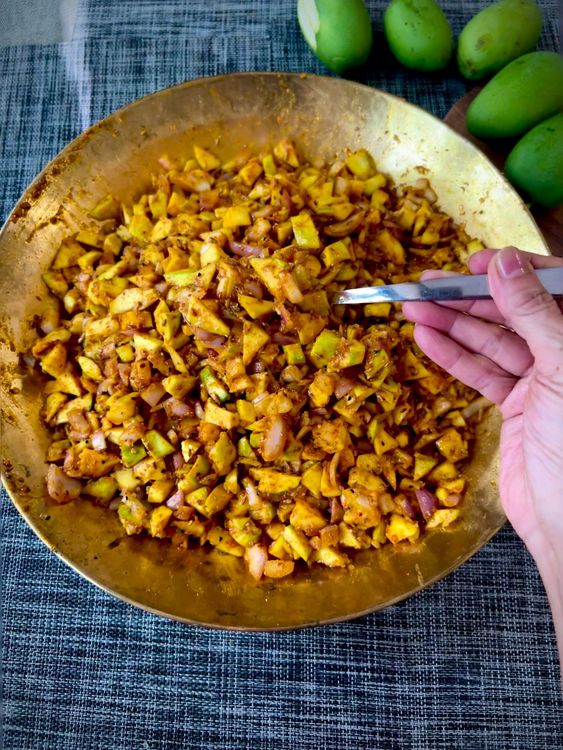
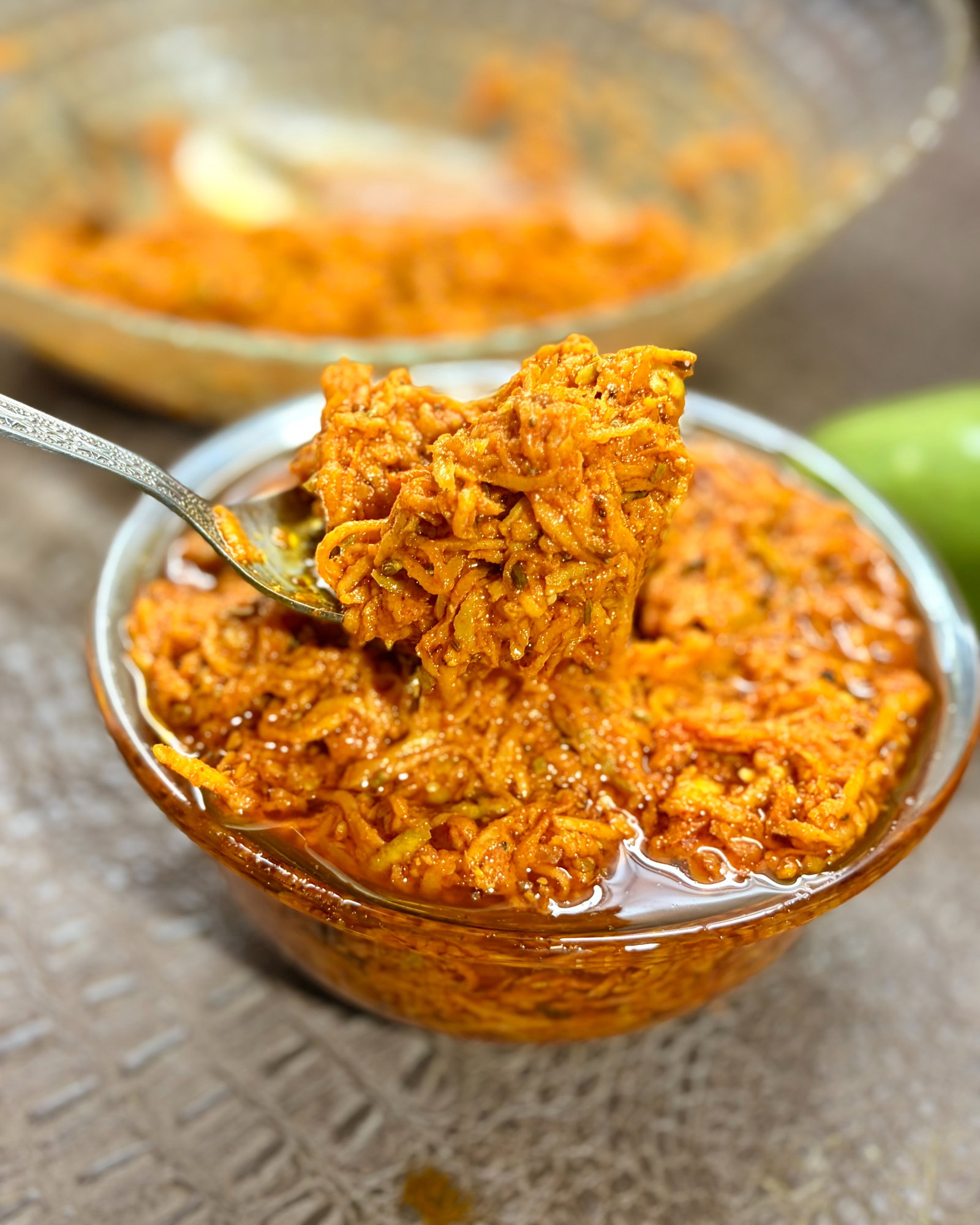
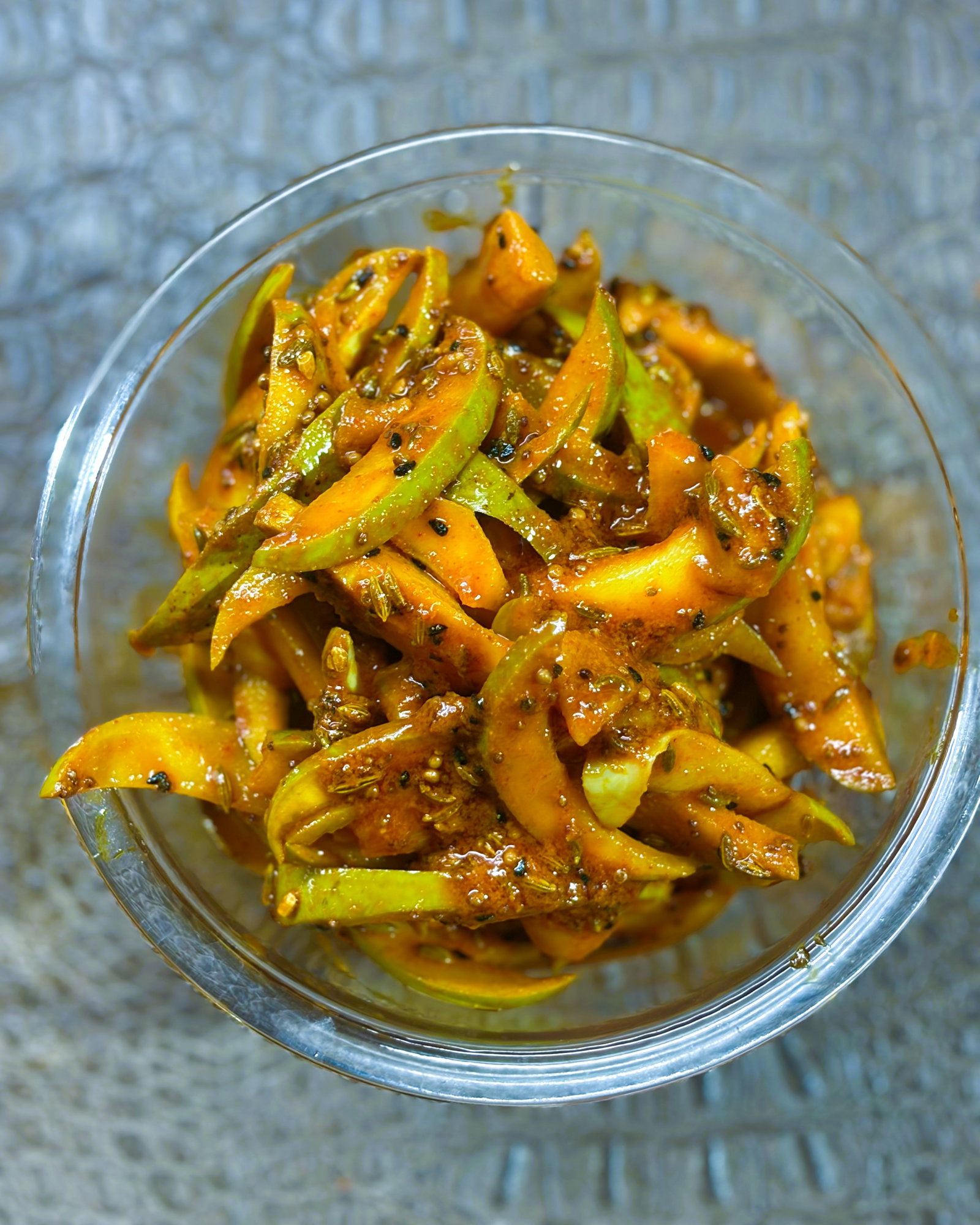
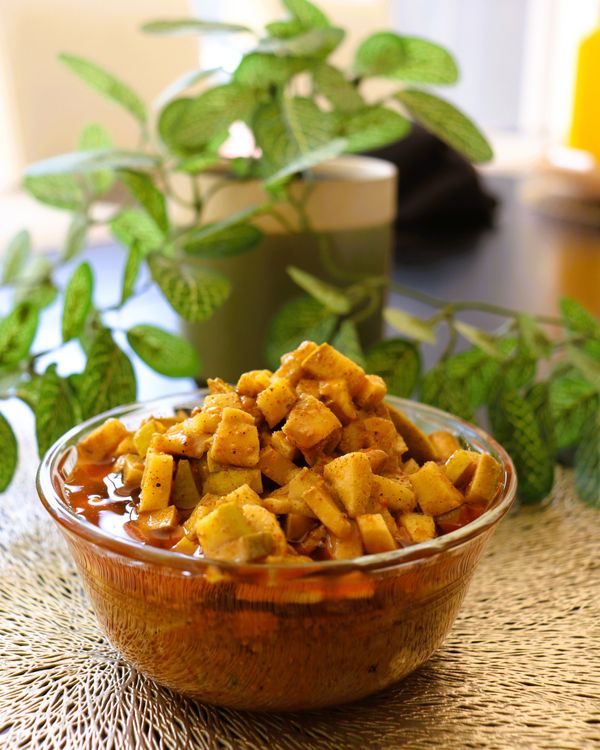
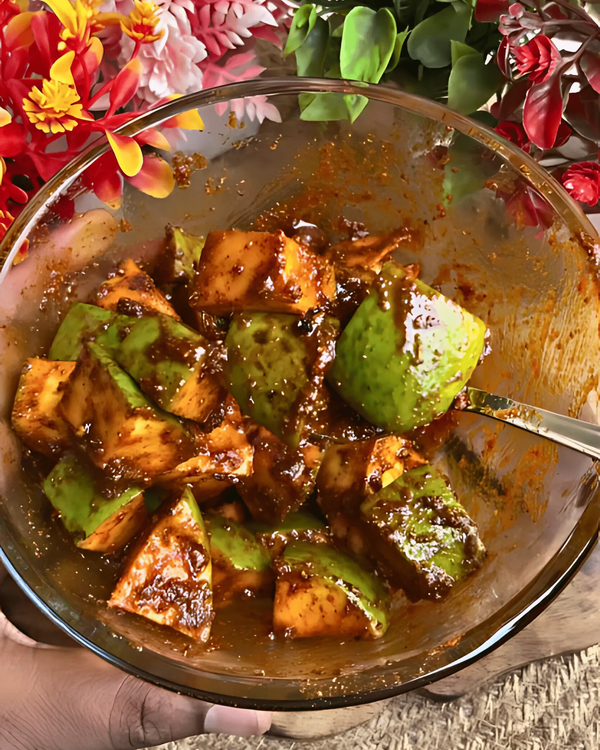
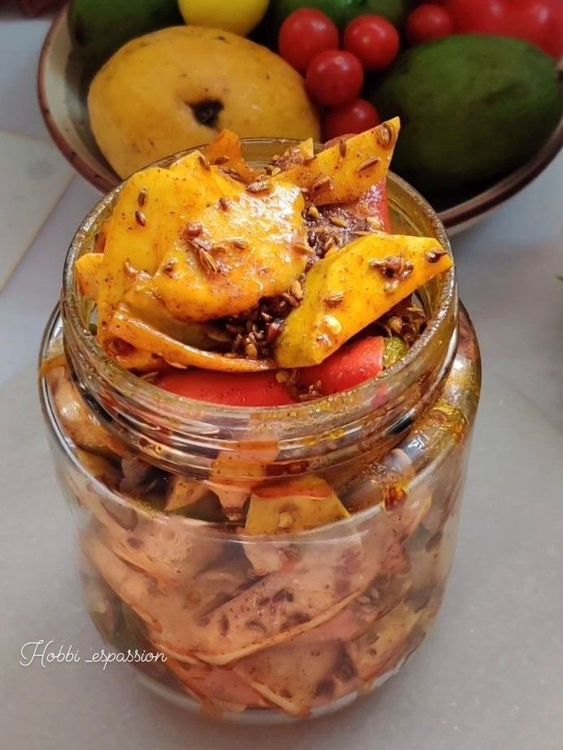
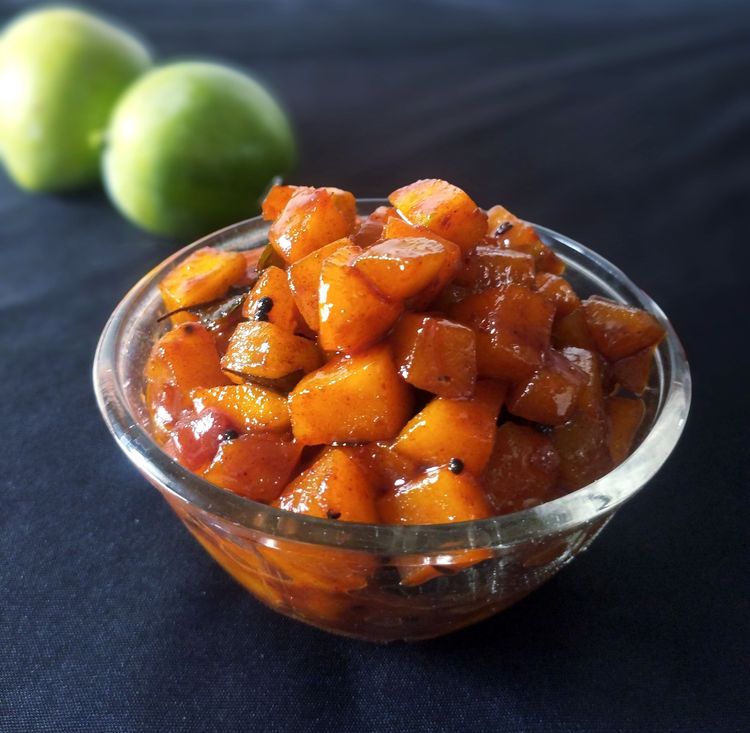
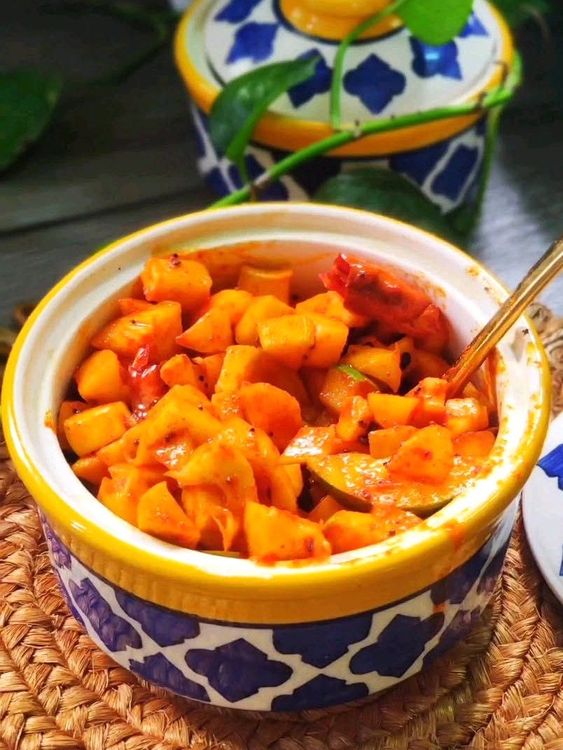
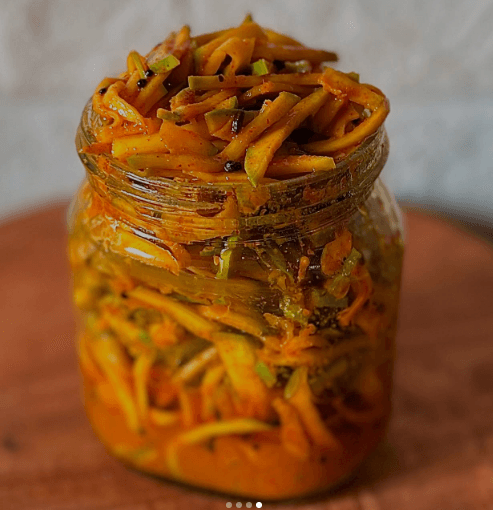
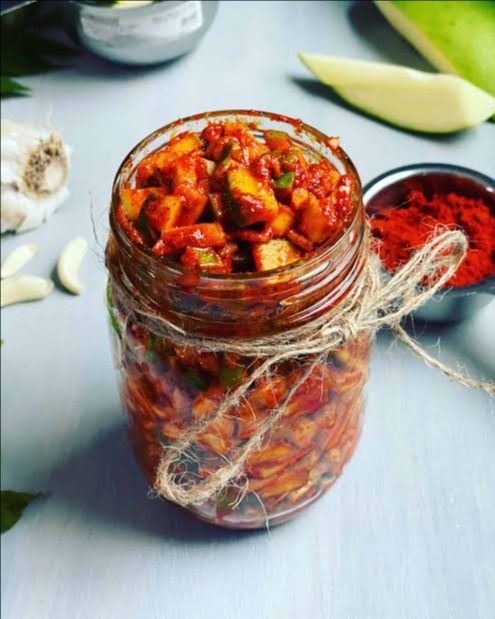
Raw mango season is short and unforgiving — six weeks where the fruit is firm, sour and cheap, and then it is gone. Every jar here starts with kachha aam, but they diverge fast: Punjabi versions lean on mustard oil and kalonji, Kerala ones on curry leaves and gingelly oil, Maharashtrian on a jaggery-sweet finish. Grate the fruit for a same-day batch; cut it into fat wedges if you want something that lasts until winter.

- Indian
- Vegan
- Sauce & Condiment

- Vegetarian
- Sauce & Condiment
- Vegan
- Side Dish
- Indian
- Vegan
- Sauce & Condiment

- Indian
- Vegan
- Sauce & Condiment

- Indian
- Vegan
- Sauce & Condiment
- Punjabi
- Vegan
- Side Dish
- Indian
- Vegan
- Sauce & Condiment

- Indian
- Vegan
- Side Dish
- Indian
- Vegan
- Sauce & Condiment
- Indian
- Vegan
- Sauce & Condiment
- Indian
- Vegan
- Sauce & Condiment
- Tamil
- Vegan
- Side Dish

- Indian
- Vegan
- Sauce & Condiment
- Indian
- Vegan
- Snack
- Indian
- Vegan
- Sauce & Condiment
Nimbu, Galgal & Citrus Achar
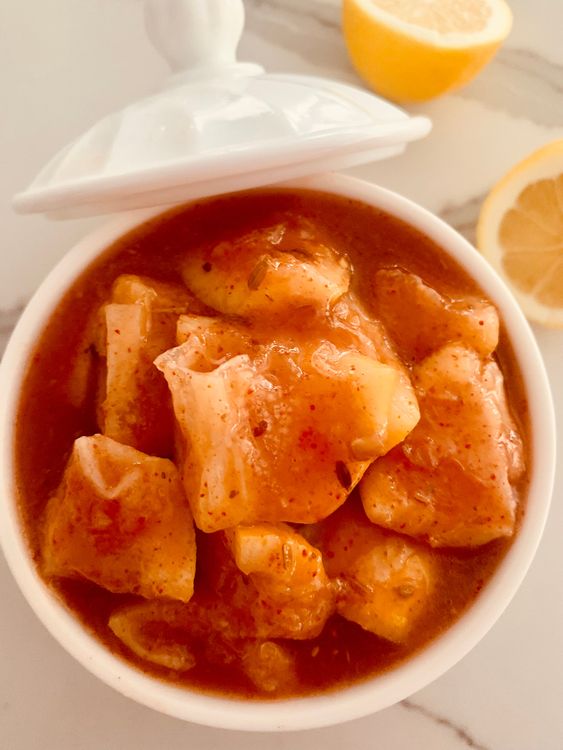
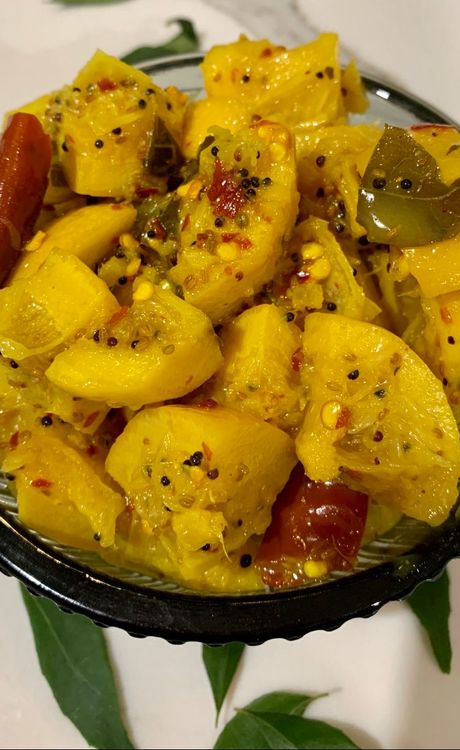
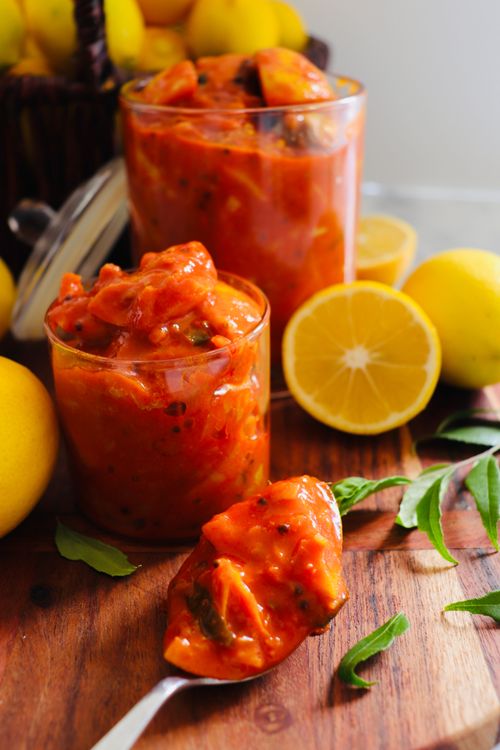
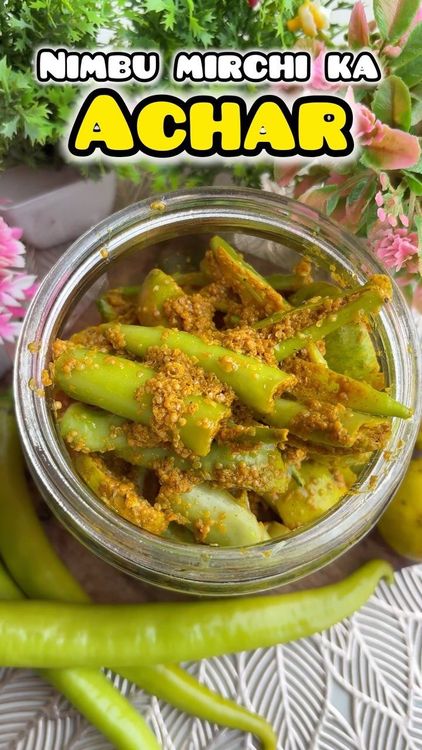
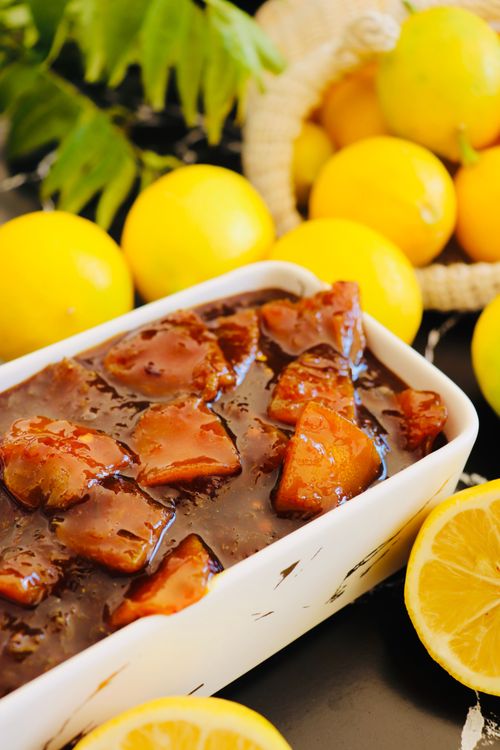
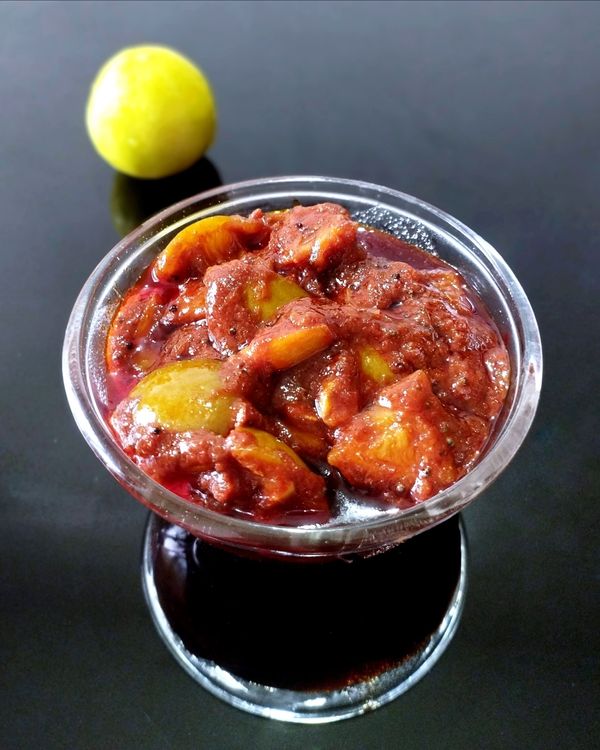
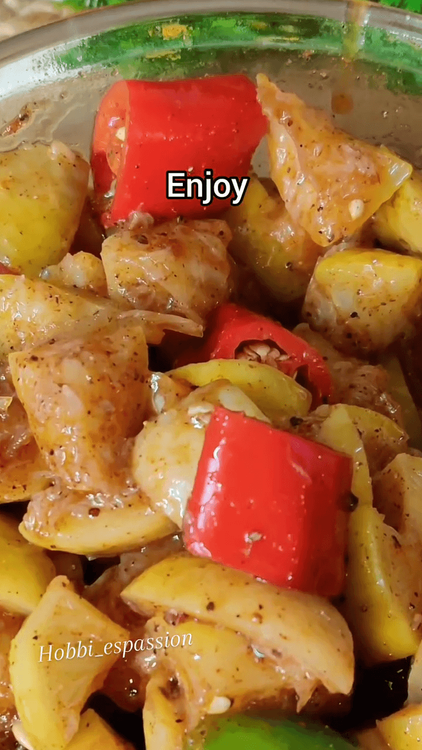
Lemons are the forgiving option — they are around all year, and their own acid does half the preservation for you. The trick is softening the rind: steam it, salt it, or simply let time do it, because a hard bitter peel is what ruins most citrus achar. Galgal, the Himalayan hill lemon, behaves the same way but sweeter. Kerala's naranga leans dark and roasted; Gujarat's goes syrupy with jaggery. Pick by how much bite you want.
- Indian
- Vegan
- Side Dish
- Indian
- Vegan
- Sauce & Condiment

- Indian
- Vegan
- Sauce & Condiment
- Indian
- Vegan
- Sauce & Condiment
- Indian
- Vegan
- Side Dish
- Indian
- Vegan
- Sauce & Condiment
- Indian
- Vegan
- Sauce & Condiment
- Punjabi
- Vegan
- Sauce & Condiment

- Punjabi
- Vegan
- Sauce & Condiment
- Indian
- Vegan
- Side Dish
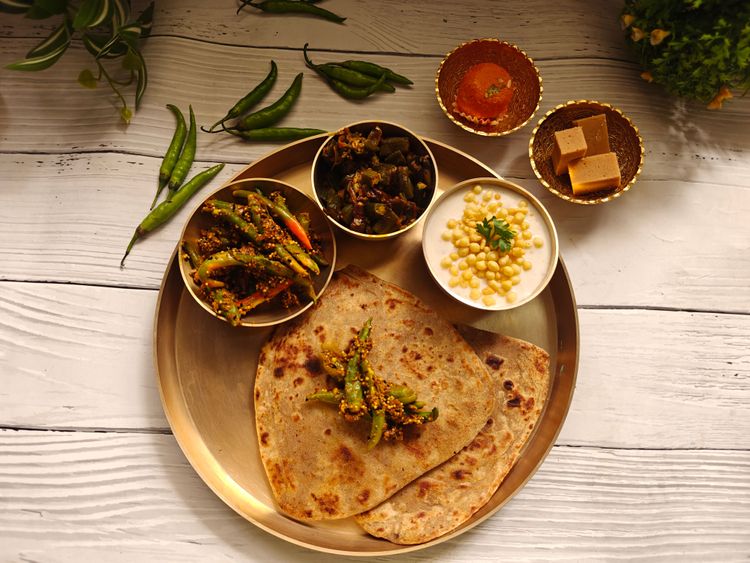
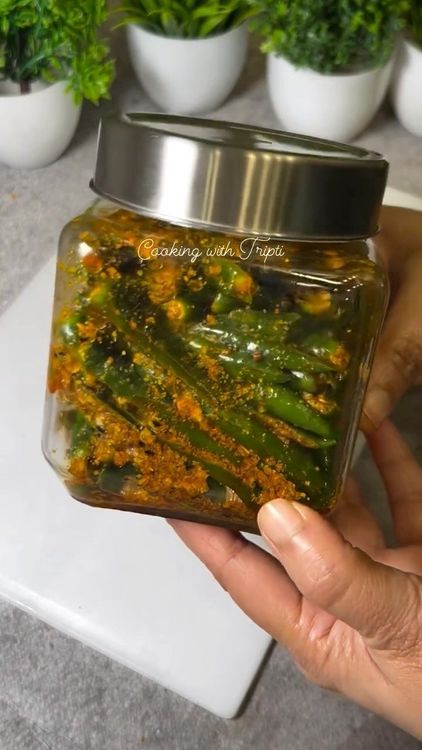
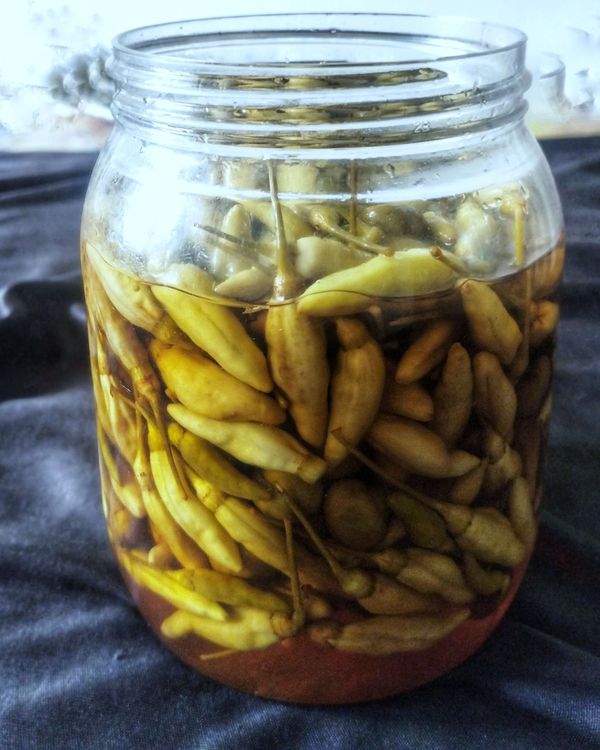
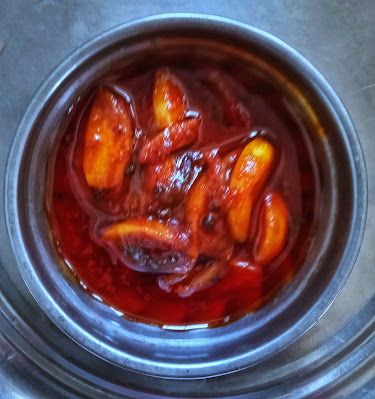
Hari Mirch & Lehsun: Jars With Real Heat
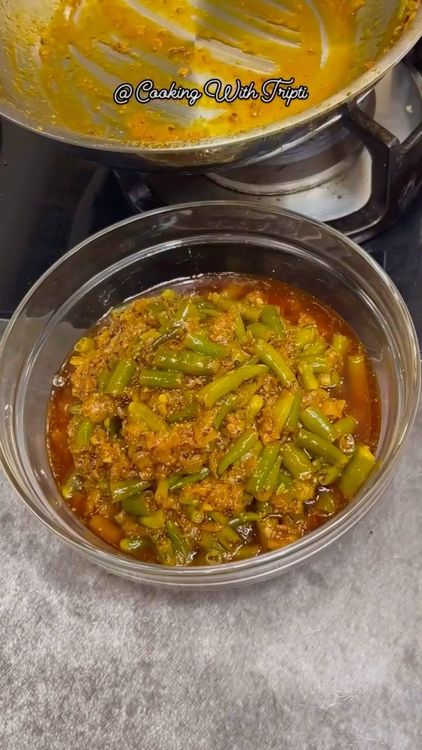
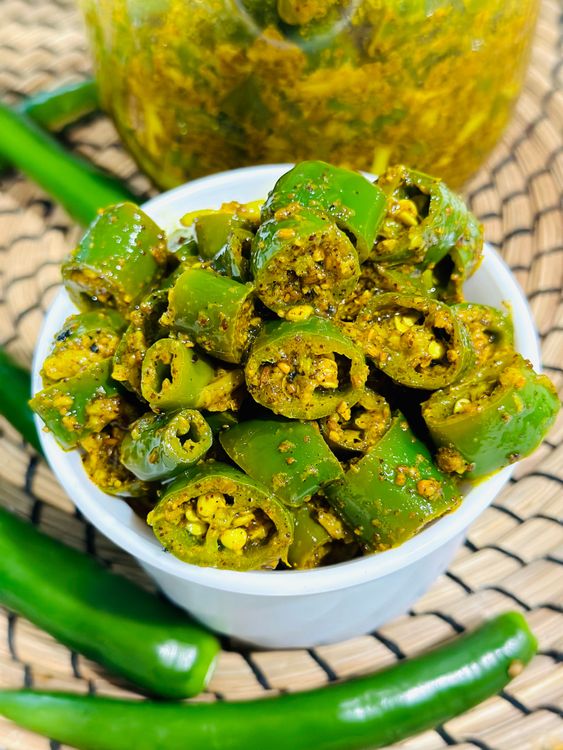
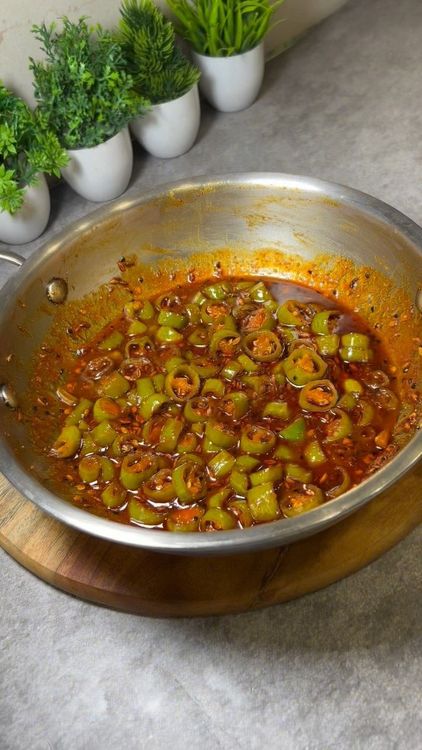
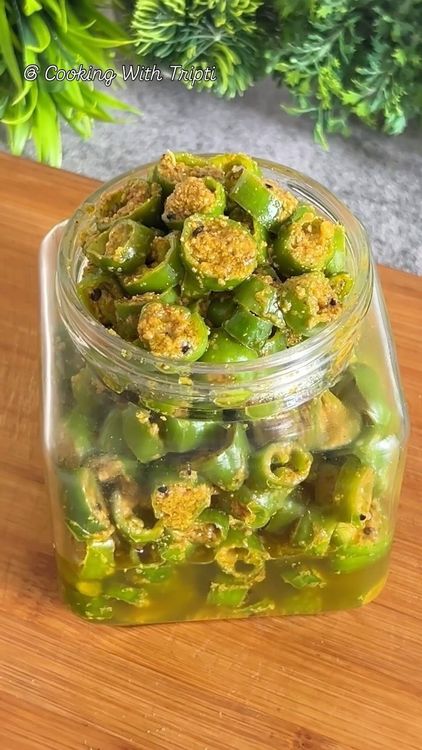
Chillies are where cooks show off. Hari mirch stuffed with ground fennel and mustard, garlic cloves that turn mellow and jammy in red masala, ginger batons that stay sharp for weeks. Heat here is less about scoville and more about oil: a thin, well-tempered oil carries spice evenly, while a stingy one leaves raw powder sitting on top. Slit the chillies rather than chopping them — they hold their shape and soak up far more masala.
- Indian
- Vegan
- Side Dish

- Indian
- Vegan
- Sauce & Condiment
- Indian
- Vegan
- Sauce & Condiment
- Indian
- Vegan
- Sauce & Condiment
- Indian
- Vegan
- Lunch
- Indian
- Vegan
- Sauce & Condiment

- Indian
- Vegan
- Sauce & Condiment
- Indian
- Vegan
- Side Dish

- Punjabi
- Vegan
- Sauce & Condiment
- Indian
- Vegan
- Sauce & Condiment
Everyday Vegetable & Root Achar
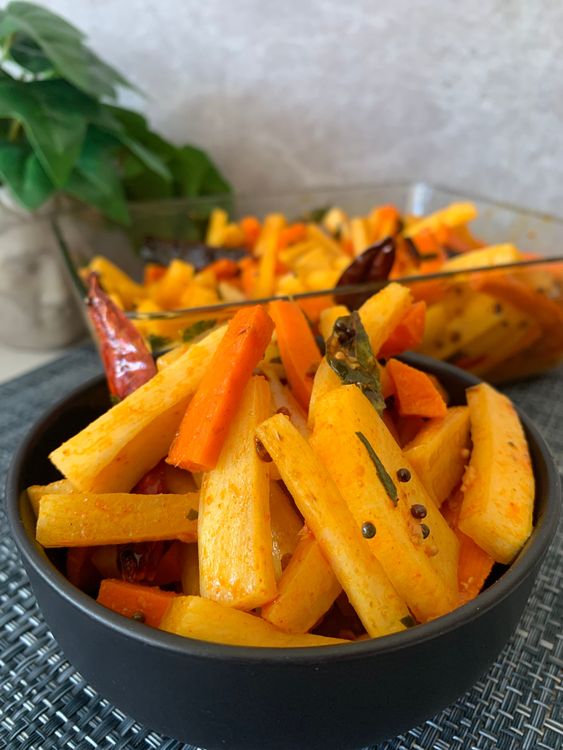
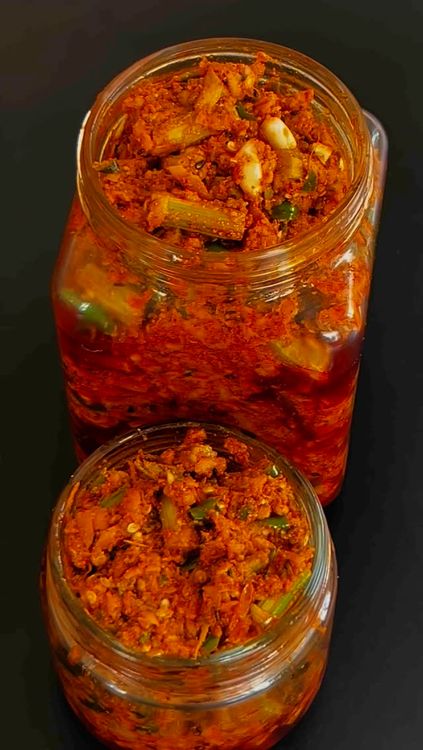
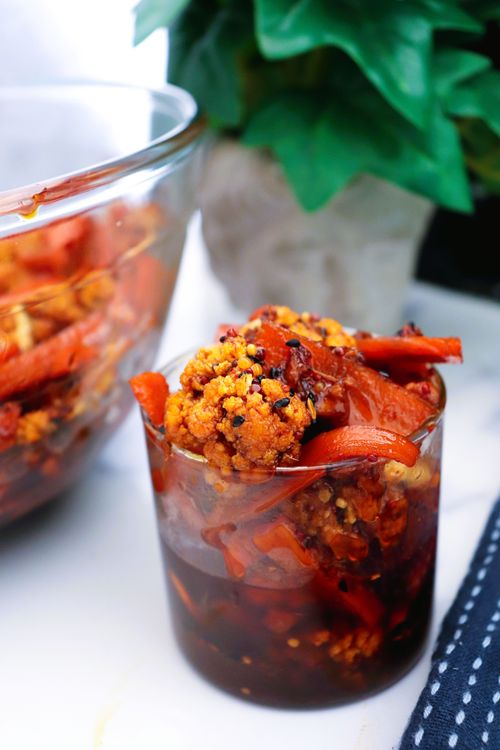
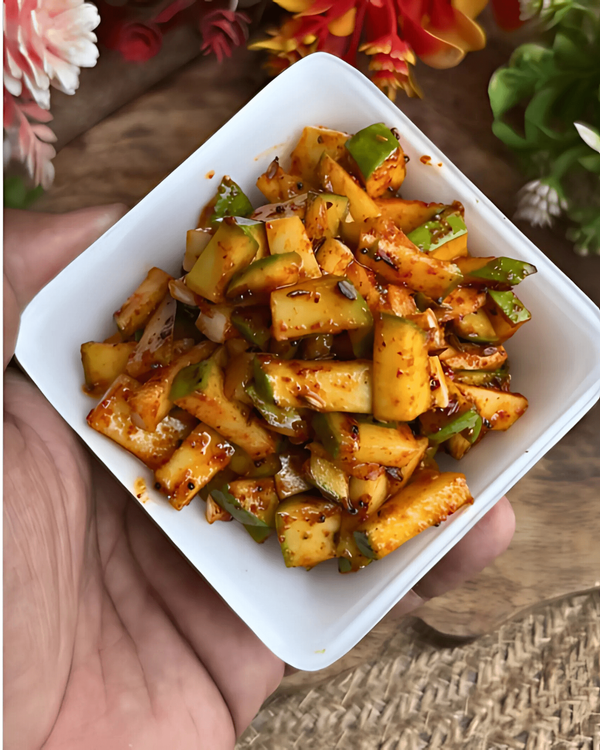
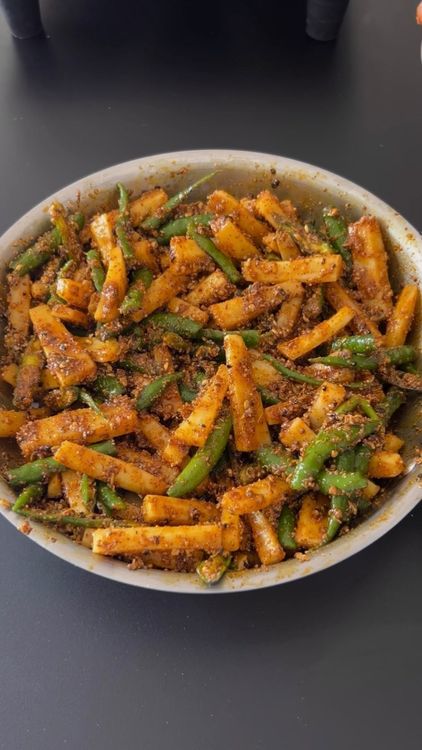
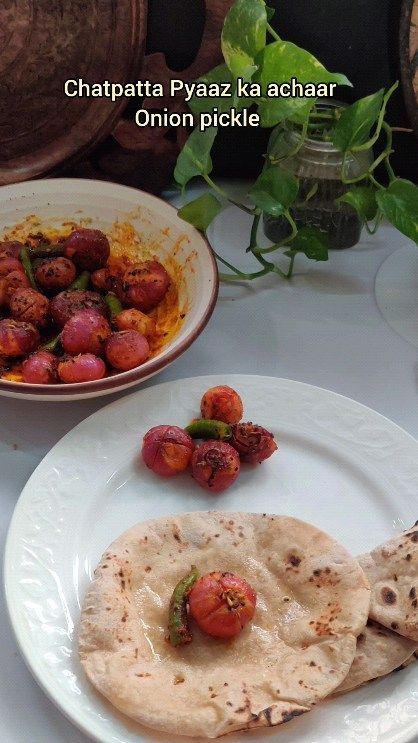
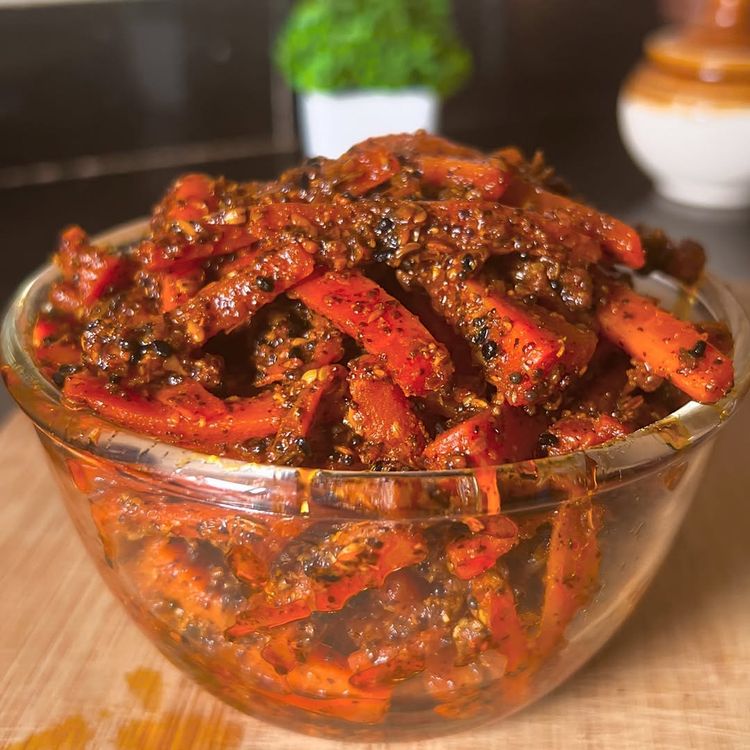
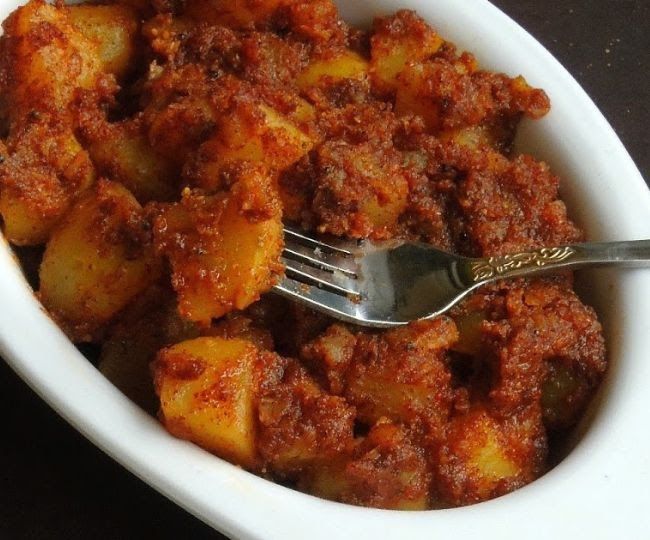
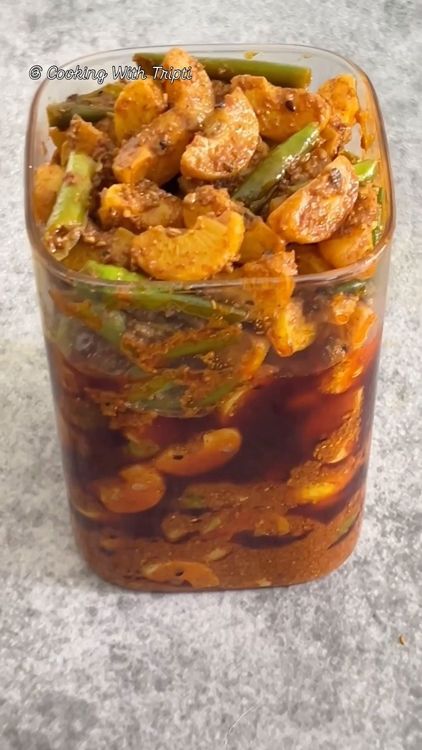
This is the everyday category — carrots, radish, cauliflower, onions, potatoes, even moringa drumsticks. Most take under half an hour and go straight into the fridge rather than onto a sunny ledge, which means less salt and a fresher crunch. Blanch hard vegetables for sixty seconds and dry them completely; residual water is the single biggest reason a fridge jar turns cloudy by day three. Eat these within a month, while the snap is still there.
- Indian
- Vegan
- Side Dish
- Indian
- Non-Vegetarian
- Sauce & Condiment
- Indian
- Vegan
- Sauce & Condiment
- Indian
- Vegan
- Sauce & Condiment
- Indian
- Vegan
- Sauce & Condiment
- Indian
- Vegan
- Side Dish

- Indian
- Vegetarian
- Breakfast


- American
- Vegan
- Sauce & Condiment
- Indian
- Vegan
- Sauce & Condiment
- Indian
- Vegan
- Side Dish
Amla, Guava & Sweet-Sour Preserves
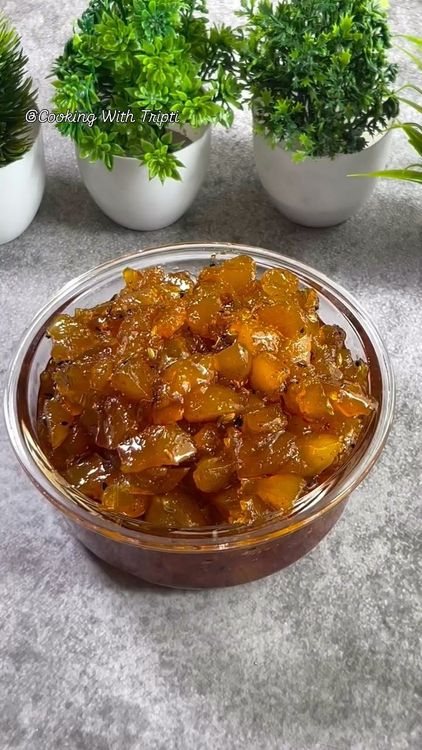
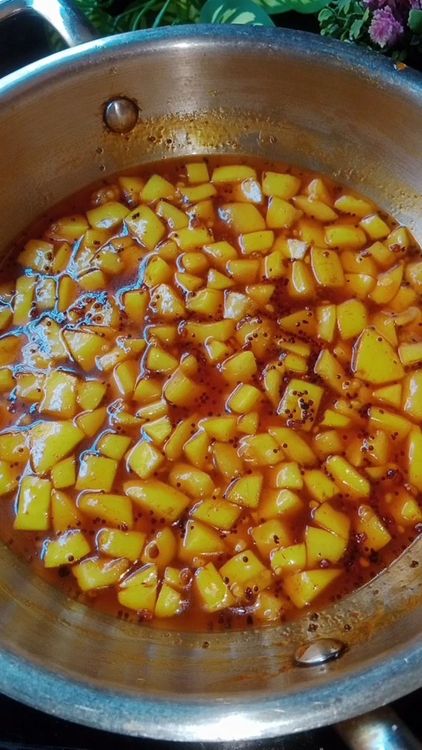
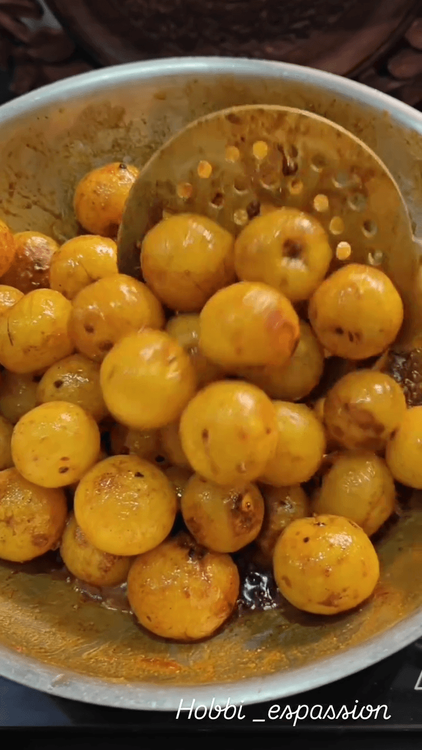
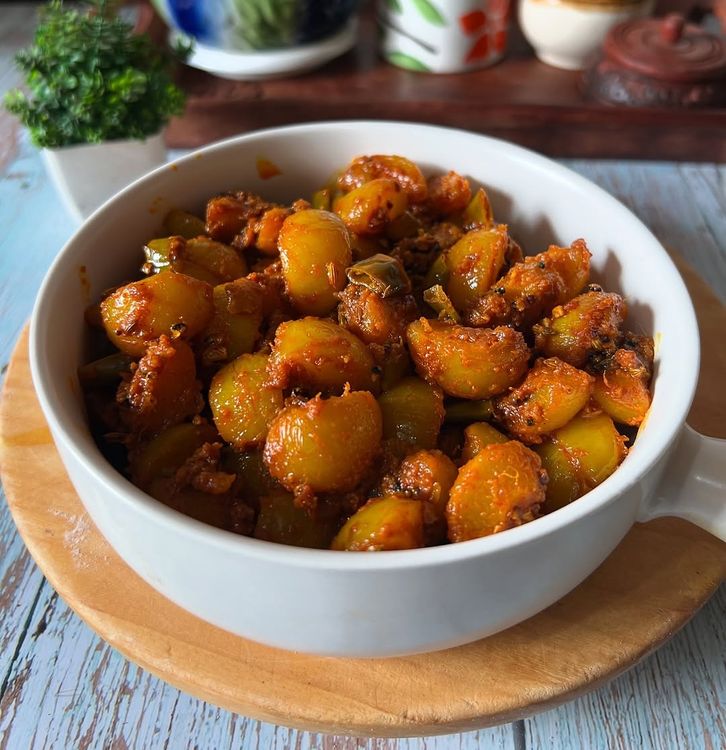
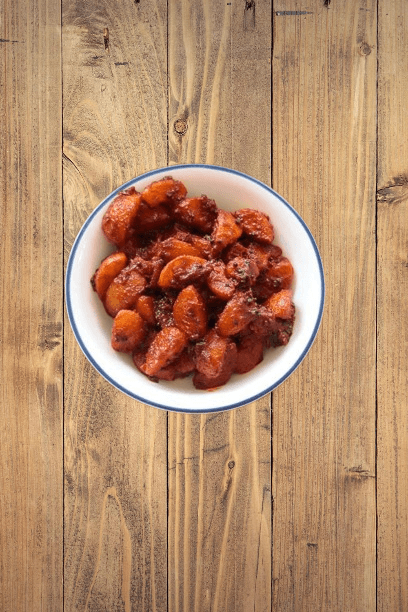
Amla arrives in winter, hard as a marble and painfully astringent, and turns into something worth waiting for. Steam the berries until a knife slips in, then break them along their natural segments instead of chopping. Guava and mango get the methamba treatment — jaggery, mustard seeds, a little turmeric — landing somewhere between chutney and preserve. Jars like these are the gateway for anyone who claims they do not like sour food.
- Indian
- Vegan
- Sauce & Condiment

- Indian
- Vegan
- Side Dish
- Punjabi
- Vegan
- Sauce & Condiment
- Indian
- Vegan
- Sauce & Condiment
- Indian
- Vegan
- Sauce & Condiment
- Indian
- Vegan
- Side Dish
Achari Masala, Meat & Fusion Plates
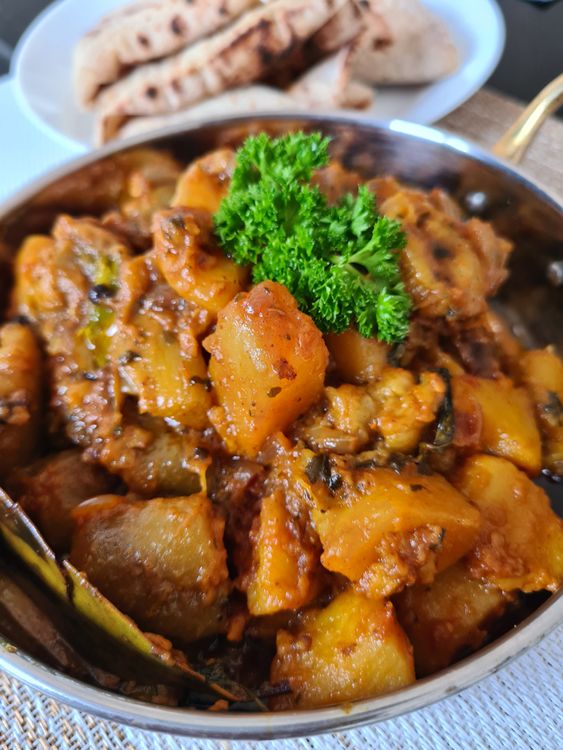
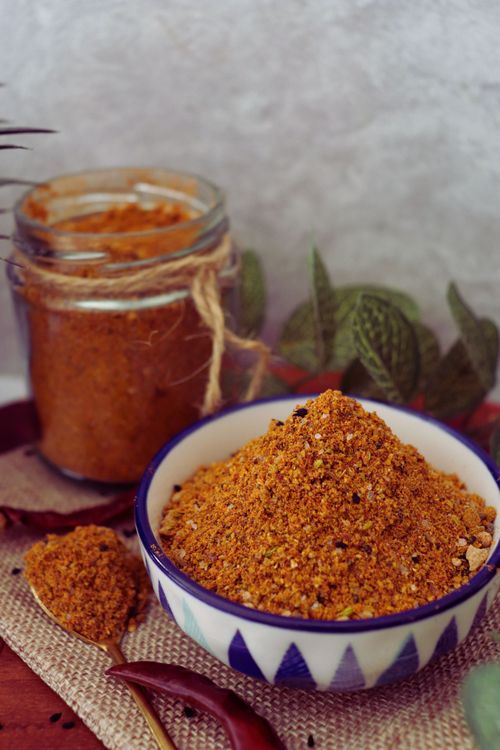
Achari flavour does not have to stay in a jar. The same masala — fennel, nigella, fenugreek, mustard — goes into curries, chicken, prawns and eggs, and it works because sourness cuts fat better than any other seasoning. Blend the spice mix yourself and you control the fenugreek, which is the first thing to turn bitter when a shop-bought powder sits too long. There is dill soup and a pizza down here too, unapologetically.
- Indian
- Vegan
- Lunch
- Indian
- Vegan
- Sauce & Condiment
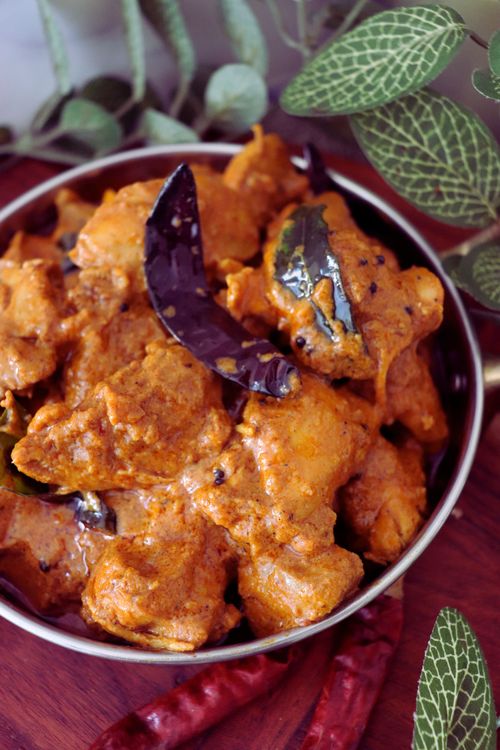
- Indian
- Non-Vegetarian
- Lunch

- Indian
- Pescatarian
- Side Dish

- Fusion
- Vegetarian
- Lunch


- American
- Vegan
- Appetiser
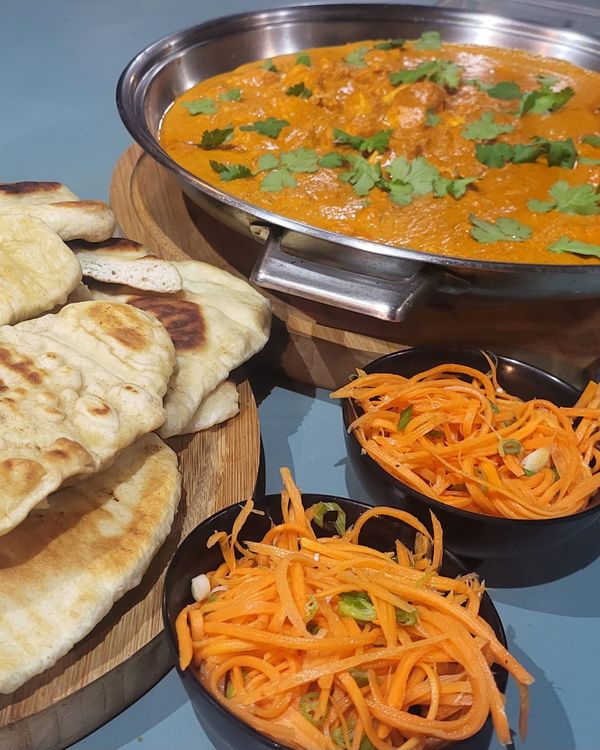

- Indian
- Non-Vegetarian
- Dinner
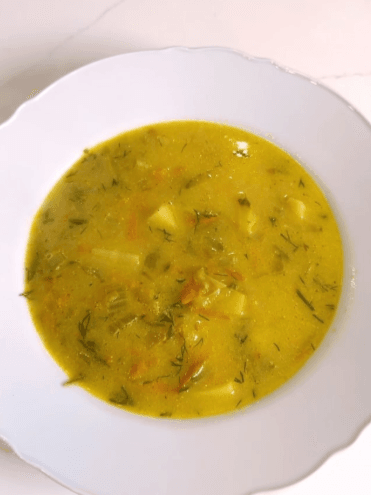

- Polish
- Non-Vegetarian
- Lunch


- American
- Vegetarian
- Snack
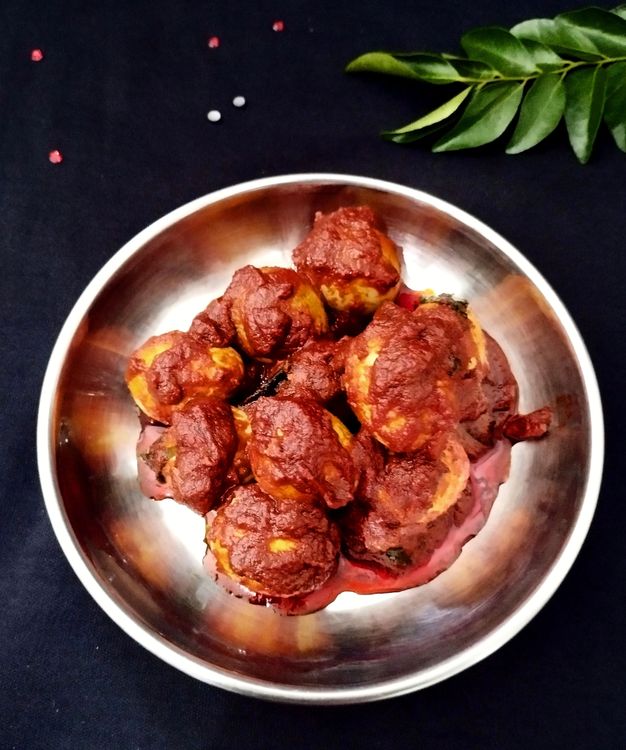
- Indian
- Eggetarian
- Side Dish


- Nepalese
- Vegan
- Side Dish
Sun-Curing & Oil/Salt Ratios
Working out how to make pickle at home? Salt is the whole game. For a traditional sun-cured jar, weigh your prepared fruit and use 8–10% salt by weight — that is 80 to 100 grams per kilo of raw mango. Less than that and you are gambling; much more and the batch turns inedible. Toss the cut fruit with salt and turmeric, cover it with muslin, and leave it in direct sun for three to five days, stirring once each morning. The fruit will release a cloudy brine, then reabsorb some of it and firm up again. That firming is the sign it is ready for masala.
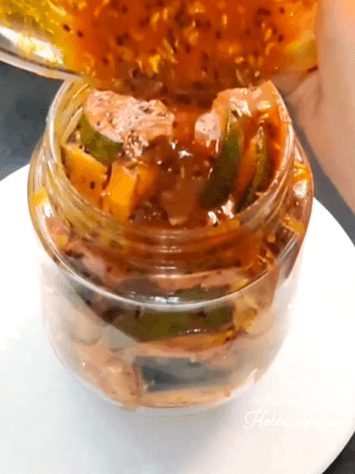
Oil comes second and it needs to win. Heat mustard oil until it smokes, cool it fully, then pour until it stands a full centimetre above the solids — roughly 250 to 300 ml per kilo. That layer is a physical seal, and anything poking above it will spoil first. Smoking matters twice over: it burns off the raw pungency and drives out water. For fridge jars you can cut the salt to 3–4% and the oil to a thin slick, because cold is doing the preserving instead. Never mix the two logics — a low-salt jar left out in the sun is how you grow mould.
Storing Pickles So They Never Spoil
Glass or ceramic, never metal, and never plastic if the jar will see sun. Sterilise properly: wash it, then dry it in a 120°C oven for ten minutes until there is no trace of moisture left, and let it cool before filling. I dry the lid separately — condensation collects there and drips straight onto the surface. Fill to about ninety per cent, leave headroom for the oil layer, and press the solids down so nothing floats.
After that it is discipline. One dry spoon, every time — a wet spoon or a stray crumb of roti introduces the yeast and mould that ruin an otherwise perfect batch. Shake or stir the jar once a week for the first month so the masala redistributes and the oil stays where it belongs. If the level drops below the solids, top it up with more smoked, cooled oil. Store away from the stove, because heat cycles are worse than steady warmth. A properly sun-cured mango jar keeps a year at room temperature; a low-salt fridge version gives you three to four weeks. White fuzz or a fermented, yeasty smell means throw it out — scraping the top is not a fix.
Pro Tips
- Weigh your salt instead of eyeballing it — a fistful varies by fifteen grams between two people, and that is the difference between a jar that keeps and one that ferments by week two.
- Dry the cut fruit on a cloth for a couple of hours before salting; surface water dilutes the brine and is the most common reason a first attempt goes wrong.
- Roast whole spices separately and grind them coarse — pre-ground achari masala loses its fennel top notes within weeks, and the fenugreek turns bitter fastest of all.
- If your mustard oil tastes harsh, you did not heat it enough; take it to a wisp of smoke, kill the flame, and let it cool right down before it touches anything.
- For instant jars, skip the sun entirely and use lemon juice or vinegar for acidity — you get the tang within an hour, at the cost of shelf life, so make small batches.
- Taste on day three, not day one; salt and masala need seventy-two hours to travel into the fruit, and a jar that seems flat at the start often lands perfectly by the weekend.
Frequently Asked Questions
How much salt does a traditional achar actually need?
Use 8–10% of the prepared fruit's weight for a sun-cured jar that lives at room temperature — that is 80 to 100 grams per kilogram. Fridge versions can drop to 3–4%, because the cold is doing the preserving for you. Weigh it rather than guessing: salt here is a safety measure, not a seasoning choice.
Which of these pickle recipes can I make without sunlight?
Any of the instant ones. Grated mango, hari mirch, ginger and carrot jars all rely on lemon juice, vinegar or a quick stovetop tempering rather than solar curing, so an instant pickle is ready within a few hours. The trade-off is shelf life — plan on three to four weeks in the fridge instead of a year on the shelf.
Why did my jar turn mouldy after a week?
Almost always water, or a wet spoon. Wash and oven-dry the jar completely, dry the cut vegetables on a cloth before salting, and keep the oil at least a centimetre above the solids. Once white fuzz appears, or the smell goes fermented rather than cleanly sour, discard the batch — skimming the top does not remove what has already grown underneath.
Can I use a different oil instead of mustard?
In the north, mustard oil is the flavour and not just the fat, so swapping it changes the character completely. Kerala and Tamil jars already use gingelly, which is sesame oil, and they taste right that way. Refined sunflower works if you cannot get either, but heat and cool it the same way, and expect a flatter, milder result.
How do I stop lemon achar from tasting bitter?
Bitterness lives in the pith and the seeds. Remove every seed, steam the fruit for eight to ten minutes so the rind softens properly, and give it two full weeks in salt before you add any spices. Sugar or jaggery rounds off whatever is left. A hard, raw rind never mellows on its own — it only gets chewier.
What is the difference between achar and chutney?
Achar is preserved: salt, oil and acid hold it for months, and it is eaten in small, sharp spoonfuls. Chutney is fresh, ground, usually finished within a few days and served in much bigger quantities. Sweet-sour methamba sits in between, keeping for weeks but spreading like a relish. Every achar recipe here leans firmly toward preserving.
How long before an Indian pickle is actually ready to eat?
Instant versions are good the same day and better by day three. A sun-cured mango jar needs three to five days of sun, then two to three more weeks resting so the masala penetrates the fruit. Amla and lemon take longest — a month at minimum. Label the jar with the date, because you will not remember.
Start with one jar, not five. Pick the produce that is cheap and good this week — mango in May, amla in December, hari mirch whenever — and work through these pickle recipes at whatever pace your kitchen allows. Get the salt right, keep the oil above the solids, use a dry spoon, and the rest is just patience.
Related
- achar
- aam ka achar
- instant achar
- indian condiments
- mustard oil
- homemade preserves
Popular Searches
- Best pickle recipes
- Easy pickle recipes
- Quick pickle recipes
- Healthy pickle recipes
- Simple pickle recipes
- Homemade pickle recipes
- Delicious pickle recipes
- Popular pickle recipes
- indian pickle
- achar recipe
- mango pickle
- lemon pickle
Marnirni-apinthi Building, Lot Fourteen,
North Terrace, Adelaide, South Australia, 5000
Australia
