
19 Vegetarian Breakfast Recipes for Busy Indian Mornings
Updated July 7, 2026 · Curated by Chefadora
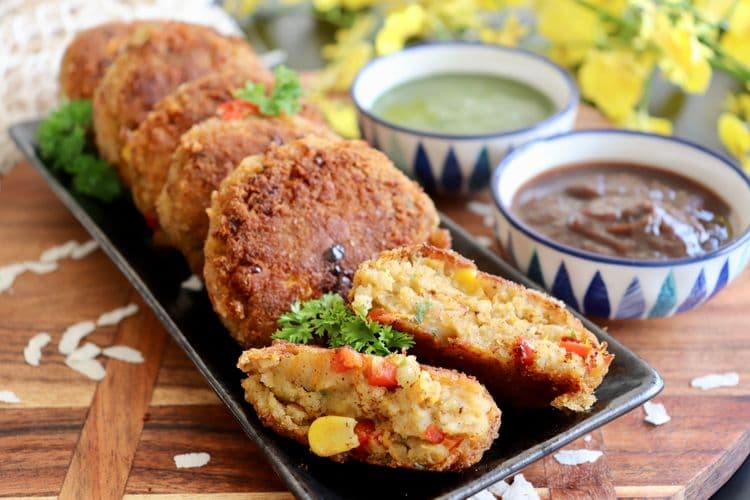
If your mornings move fast, these vegetarian breakfast recipes are built to keep up. I've gathered 19 dishes that lean on Indian kitchen staples, so every plate here is fully vegetarian, mostly quick, and satisfying enough to carry you to lunch. You'll find crunchy poha, comforting upma, protein-packed cheela, soft bun dosa, and no-cook smoothies and overnight oats for the days you barely have ten minutes to spare.
What I love about a good veg breakfast is how flexible it is. A single base like flattened rice or semolina turns into a dozen different meals depending on the tempering, the vegetables you toss in, and the chutney on the side. Most of these need one pan and pantry basics you probably already keep on hand.
I've sorted everything into four easy sections so you can jump straight to what you're craving, whether that's a warm South Indian griddle breakfast or a cold, creamy jar of oats. Ratings, timings, and honest notes are included so you know exactly what you're getting into before you turn on the stove.
Poha, Upma & Rava Breakfasts
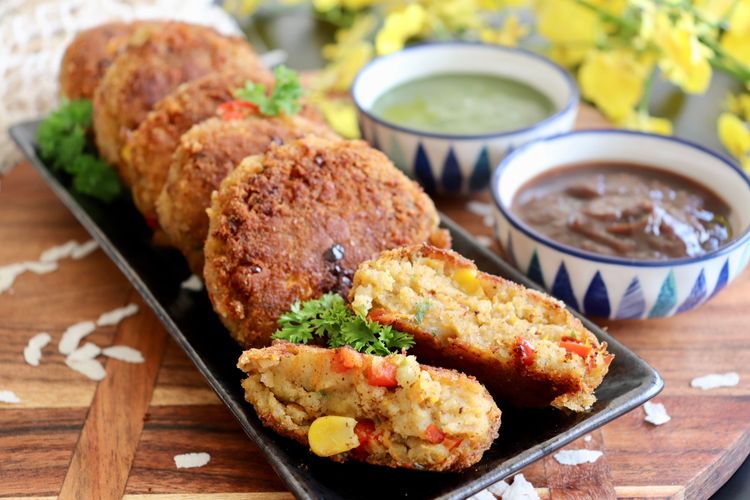
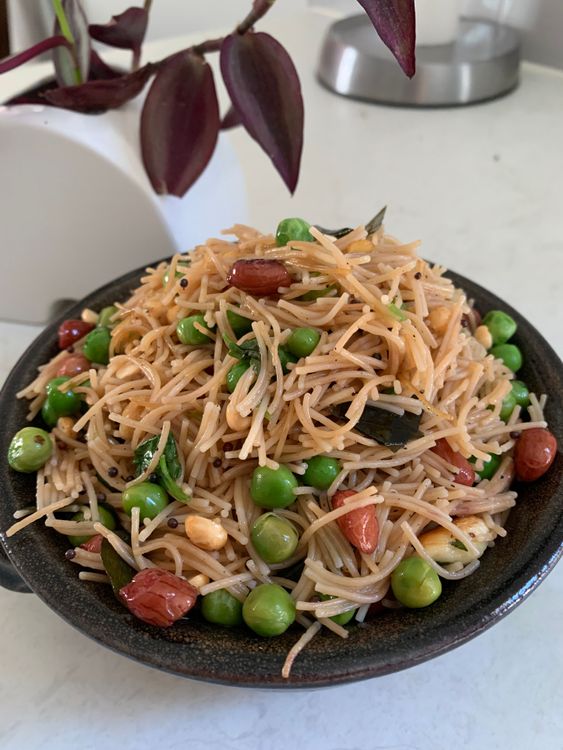
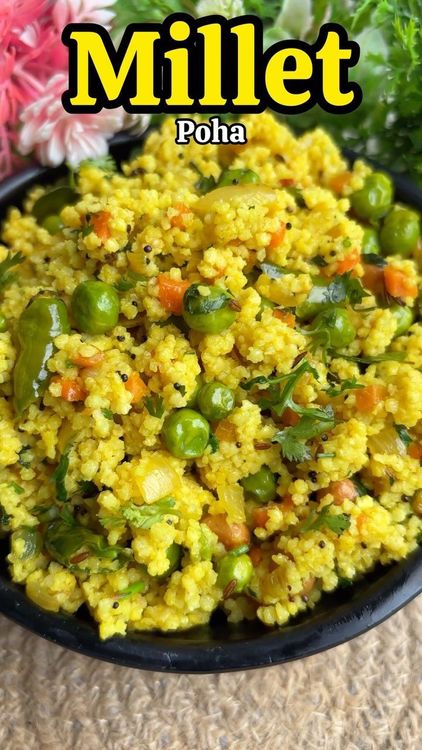
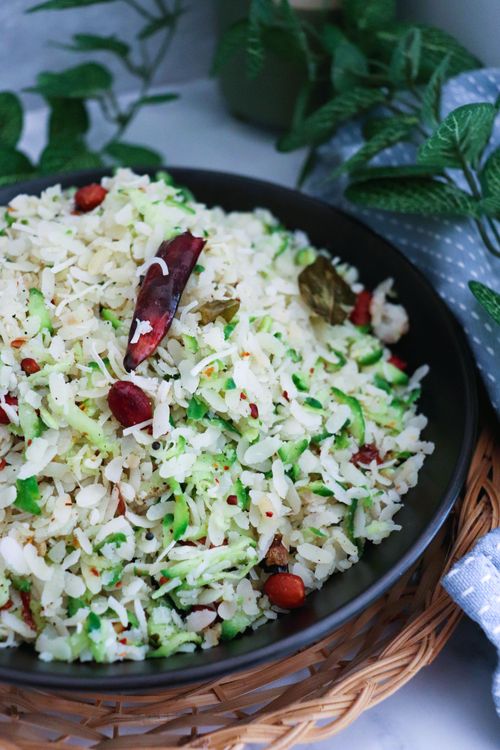
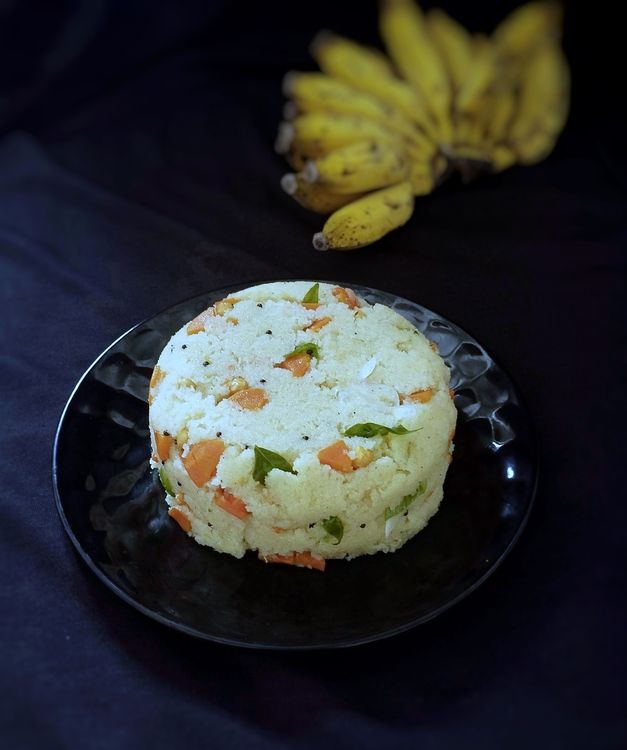
This is the heart of an Indian veg breakfast: light, savory, and ready in half an hour. Poha (flattened rice) and rava (semolina) both cook fast and soak up whatever tempering you give them, from mustard seeds and curry leaves to peanuts and green chili. I reach for these on weekday mornings because they're gentle on the stomach yet genuinely filling, and they reheat well for a lunchbox the next day. The six recipes below range from a classic cucumber poha to a nutty millet version and a comforting vermicelli upma, so you can rotate through the week without repeating yourself. Add a squeeze of lemon and fresh coriander, and every one of them wakes right up.

- Indian
- Vegetarian
- Breakfast
- Indian
- Vegetarian
- Breakfast

- Indian
- Vegan
- Breakfast
- Indian
- Vegan
- Breakfast
- Indian
- Vegetarian
- Breakfast
- South Indian
- Vegetarian
- Breakfast
Cheela, Uttapam & Savory Pancakes
When you want protein first thing, batter-based breakfasts do the heavy lifting. Cheela made from besan or moong dal is essentially a savory pancake packed with legume protein, and it comes together in the time it takes coffee to brew. Onion uttapam sits in the same family, a thick, fluffy griddle cake studded with vegetables and crisped at the edges. Both take well to whatever is wilting in your crisper drawer, so they double as a clever way to use up spinach, onions, and tomatoes. I like these because you control the thickness and the crisp yourself, and a good non-stick pan means barely any oil. Serve with coconut chutney or plain yogurt and you have a complete, protein-forward plate.


- South Indian
- Vegetarian
- Breakfast

- Indian
- Eggetarian
- Breakfast
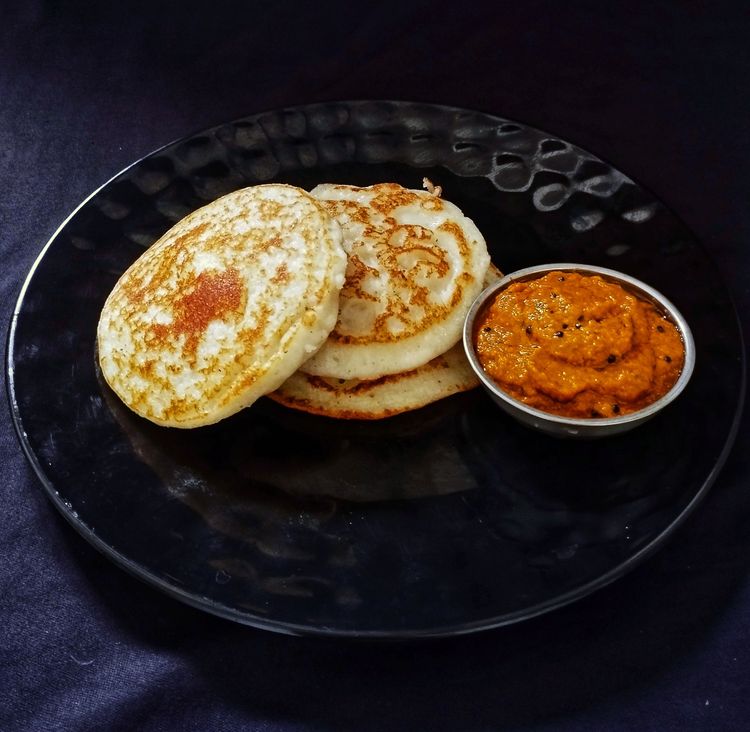
Dosa, Appe & South Indian Classics
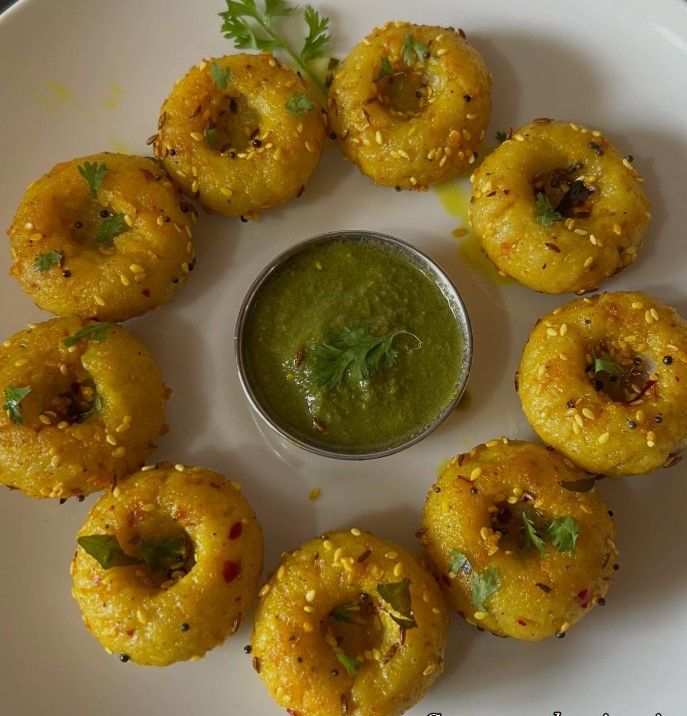
South Indian breakfasts reward a little planning, and the payoff is texture you can't fake. Bun dosa is soft and spongy rather than paper-thin, so it's forgiving for beginners and soaks up sambar beautifully. Chana dal appe are little golden domes cooked in a special appe pan, crisp outside and pillowy within, and they're a brilliant way to sneak protein into a kid-friendly bite. Both rely on a fermented or soaked batter, which means starting the night before, but the active cooking time is short and easy. If you've never fermented a batter, these two are a gentle place to begin. Pair them with a fresh coconut chutney and you'll understand why these dishes have anchored breakfast tables for generations.
- Indian
- Vegan
- Breakfast

- Indian
- Vegetarian
- Breakfast
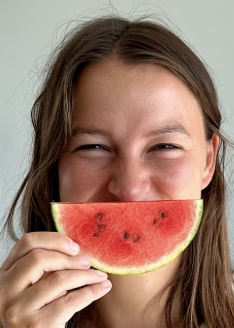
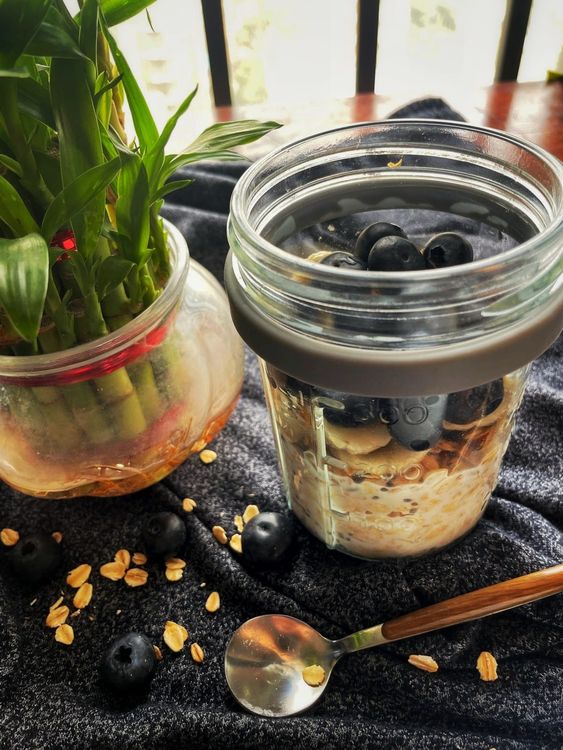
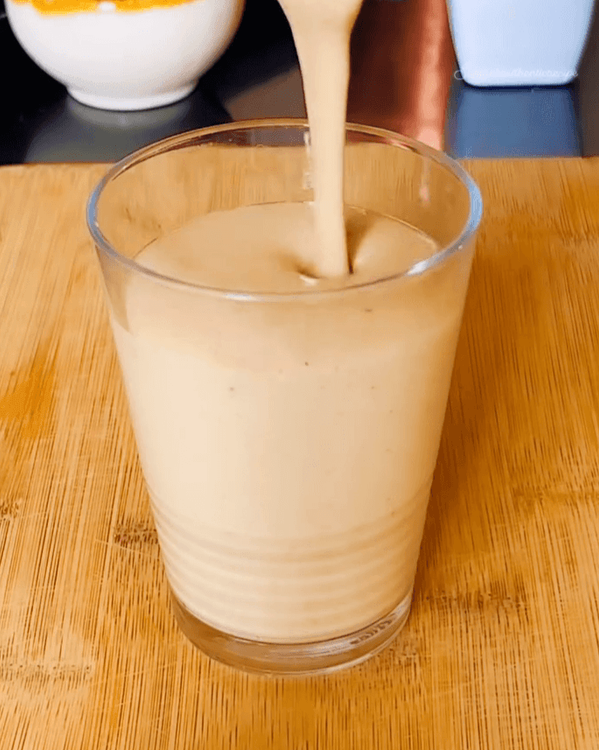
Smoothies, Oats & Light Vegetarian Breakfast Recipes
For the mornings when the stove is not happening, this is your section. Overnight oats and blended-oat bowls need zero cooking, just a jar and a fridge, and they're ready before you've finished getting dressed. The smoothies here span a chocolate-nutty blend, a high-protein shake, a cooling summer version, and a roasted almond-makhana option, so there's something for both muscle-building days and gentle recovery ones. I batch these on Sunday and grab-and-go all week without a second thought. They're naturally kid-friendly, easy to sweeten with fruit instead of refined sugar, and endlessly customizable with seeds, nut butter, or a scoop of protein powder. Nine light, mostly no-cook picks make this the busiest person's best friend on chaotic weekday mornings.

- French
- Vegetarian
- Snack

- Mexican
- Vegetarian
- Breakfast

- International
- Vegetarian
- Breakfast


- Vegetarian
- Breakfast

- European
- Vegetarian
- Breakfast

- Healthy
- Vegetarian
- Breakfast
- Indian
- Vegetarian
- Breakfast
- Indian
- Vegetarian
- Breakfast
- Fusion
- Vegetarian
- Breakfast
Building a Balanced Vegetarian Breakfast
A breakfast that actually holds you until lunch comes down to three things: a slow-burning carb, a source of protein, and something with fiber or healthy fat to slow digestion. Poha, upma, and oats give you the carb; dals, besan, yogurt, nuts, and seeds bring the protein; and vegetables plus a spoon of ghee or nut butter round it out. Miss one of those legs and you'll be hunting for a snack by ten, no matter how big the plate looked.
The easiest fix is to add rather than overhaul. Stir a handful of roasted peanuts or a scrambled crumble of paneer into your poha. Fold grated carrot, spinach, or peas into cheela and upma. Top overnight oats with chia, pumpkin seeds, and a swirl of almond butter. None of these change the cooking time in any meaningful way, but they shift the plate from a quick carb hit to a meal that keeps blood sugar steady and cravings quiet through the morning. It's the simplest upgrade you can make, and it costs almost nothing in time or money.
Pay attention to the tempering, too, because that's where flavor and digestion both live. Mustard seeds, curry leaves, cumin, and a little grated ginger aren't just for taste; they make heavier legumes and grains sit easier on the stomach. Finish with acid, a squeeze of lemon or a spoon of yogurt, which brightens everything and helps your body absorb the iron in greens and dals. Get those layers in place and almost any vegetarian breakfast becomes genuinely balanced, without extra effort, expensive supplements, or exotic ingredients you'll only use once.
Make-Ahead Veg Breakfast Prep
The single biggest reason weekday breakfast falls apart is time, so the trick is to move the work to a calmer moment. Almost everything in this collection can be prepped ahead in some form. I spend twenty focused minutes on Sunday setting myself up, and the payoff is a full week of mornings where I'm assembling rather than cooking from scratch, which is the difference between eating well and grabbing whatever's fastest.
Start with the dry work. Roast a big batch of rava or vermicelli until fragrant and store it in a jar; it keeps for weeks and shaves five minutes off every single upma. Chop onions, chilies, and coriander and refrigerate them in a sealed box so your tempering is grab-ready. For poha, pre-mix the spice base so you only need to rinse the flakes and toss them through. These small stashes remove exactly the friction that usually sends people reaching for a box of cereal instead.
For the truly hands-off options, batch your no-cook items directly. Overnight oats and chia jars can be built three or four at a time and will happily sit in the fridge for up to four days; just hold off on any crunchy toppings until serving so they stay crisp. Cheela and dosa batter can be mixed the night before and often improves with a short rest. Cooked poha and upma reheat well with a splash of water in a covered pan or microwave. Label your jars with dates, rotate the oldest first, and you'll waste far less food while eating far better and starting each day with a real, homemade meal.
High-Protein Vegetarian Breakfasts
Getting enough protein at breakfast is the part most vegetarians quietly skip, and it's the change that makes the biggest difference to energy and appetite. The good news is that Indian breakfasts are unusually well set up for it, because so many of them start from lentils and legumes rather than refined flour. A moong dal or besan cheela can deliver a serious protein hit before you've even added a single topping, which puts you ahead of most cereal-and-toast mornings.
Lean on the legume-based dishes first. Cheela, chana dal appe, and dosa built on dal batters are naturally protein-forward, and you can push them further by mixing in grated paneer, a spoon of hemp seeds, or a side of thick yogurt. For the smoothie crowd, a scoop of whey or a plant protein blends invisibly into the chocolate-nutty and high-protein shakes here, turning a light drink into a genuinely satisfying meal. Nuts, seeds, and makhana add both protein and real staying power to any bowl or glass.
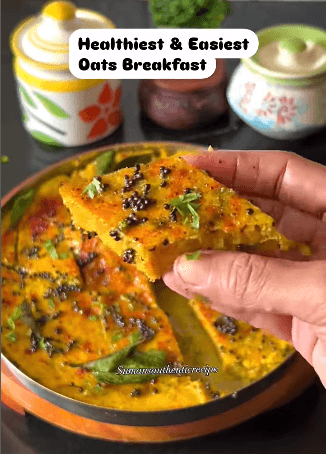
Don't overlook the quiet upgrades to your carb-based favorites, either. Stir cooked moong or a crumble of paneer into poha and upma; fold spinach and oats into cheela for iron and fiber alongside the protein, exactly the way the spinach oats cheela in this list does. A dollop of Greek yogurt or a splash of milk on your oats bumps the number up again. Aim for roughly 15 to 20 grams at breakfast and you'll notice steadier focus and fewer mid-morning cravings. It's less about any single superfood and more about making protein a default part of the plate.
Traditional Indian Breakfast Basics
If these dishes are new to you, a little vocabulary goes a long way. Poha is flattened rice that only needs a quick rinse and a toss to cook through. Rava, also called sooji or semolina, is toasted then simmered into upma. Besan is gram (chickpea) flour, the backbone of a good cheela. Dosa and appe come from fermented or soaked batters of rice and dal. Once you recognize these few building blocks, the whole cuisine opens up and smart ingredient swaps become obvious rather than intimidating.
The technique that ties most of them together is the tadka, or tempering: a spoon of hot oil or ghee bloomed with mustard seeds, cumin, curry leaves, and sometimes urad dal and a dried chili. This takes thirty seconds and is exactly where the signature aroma comes from, so don't rush or skip it. Let the mustard seeds actually pop and the curry leaves crackle before the rest of the ingredients go in. That single small step separates a flat, forgettable dish from a fragrant, restaurant-worthy one.
Chutneys and sides are the other half of the experience. A quick coconut chutney, a bright coriander-mint blend, or simply a bowl of plain yogurt turns any of these into a complete plate and adds cooling contrast to the spice. Don't stress about strict authenticity or exact regional rules; home cooks across India adapt these constantly to whatever happens to be in the kitchen that day. Start with one dish, get comfortable with the tempering and the texture, and you'll soon be improvising your own versions with whatever grains, dals, and vegetables you have on hand.
Pro Tips for Better Veg Breakfasts
- Rinse poha in a colander, not a bowl, and only until the flakes just soften; letting them sit in standing water turns them to mush every single time, so drain fast.
- Always dry-roast rava until it smells nutty and turns a shade darker before adding any liquid. Skipping this step is the number one cause of gluey, lumpy, disappointing upma.
- Let mustard seeds finish popping and curry leaves crackle in hot oil before adding anything else, so the tempering actually perfumes the whole dish instead of just sitting on top.
- Rest cheela and dosa batter for at least ten to fifteen minutes so the flour hydrates fully; you'll get noticeably softer centers and crisper, lacier, more golden edges.
- Keep a non-stick or well-seasoned cast-iron pan hot but never smoking for pancakes and dosa, and wipe it with a halved onion between rounds for even, spotless browning.
- Assemble overnight oats with a roughly one-to-one oats-to-liquid ratio, then adjust in the morning; too little liquid sets like cement, while too much leaves it thin and soupy.
- Finish savory breakfasts with fresh acid, a squeeze of lemon or a spoon of yogurt, right before serving to brighten the flavor and boost iron absorption from any greens.
Frequently Asked Questions
What are the quickest vegetarian breakfast recipes here?
The no-cook options win on speed. Overnight oats, blended oats, and every smoothie in this collection come together in five to ten minutes with nothing more than a jar or a blender. Among the cooked dishes, cucumber poha and onion uttapam are ready in about fifteen to twenty minutes, making them ideal for rushed weekday mornings when you still want something warm and savory on your plate rather than another cold bowl.
Are these vegetarian breakfast recipes suitable for weight loss?
Many are. Look for the lower-calorie, fiber-forward picks like millet poha, cucumber poha, plain overnight oats, and the summer smoothie, all tagged for weight loss or gut health. The key is portion size and toppings: sweeten with fruit instead of sugar, go easy on oil in your tempering, and add protein from dal or yogurt so you stay full longer and skip the mid-morning snacking that quietly derails most diets.
How do I add more protein to a vegetarian breakfast?
Start with legume-based dishes like moong dal or besan cheela and chana dal appe, which are protein-rich by nature. Then stack extras: stir cooked dal or crumbled paneer into poha and upma, add a scoop of protein powder or a handful of nuts and seeds to smoothies, and serve yogurt on the side. Aiming for 15 to 20 grams at breakfast keeps energy and focus steady all morning.
Can I make these Indian breakfasts ahead of time?
Yes, and it's the smartest way to eat well on busy days. Overnight oats and chia jars keep three to four days in the fridge. Roast rava or vermicelli in bulk and store it dry for weeks. Chop onions, chilies, and coriander in advance, and mix cheela or dosa batter the night before. Cooked poha and upma reheat nicely with just a splash of water in a covered pan.
What can I serve alongside these breakfasts?
Chutneys and simple sides complete the plate. Coconut chutney and coriander-mint chutney pair beautifully with dosa, appe, uttapam, and cheela, while a bowl of hot sambar turns bun dosa into a fuller meal. Plain or spiced yogurt cools down anything with chili heat and adds protein. For oats and smoothies, a scatter of fresh fruit, nuts, or seeds is really all you need on top.
Are these recipes beginner-friendly?
Most are. The majority of dishes here are tagged beginner-friendly and use everyday pantry ingredients with just one pan. Poha, upma, smoothies, and overnight oats are nearly foolproof for a first-timer. Bun dosa and chana dal appe sit at intermediate level mainly because they need a soaked or fermented batter started the night before, but the actual cooking is short and very forgiving once your batter is ready to go.
How do I keep poha and upma from turning mushy?
Texture is all about water control. For poha, rinse the flakes briefly in a colander and let them drain fully; never leave them soaking in a bowl. For upma, dry-roast the rava until fragrant before adding hot water gradually while stirring, which stops clumps from forming. Fluff with a fork rather than stirring hard, and pull the pan off the heat while the grains still look just barely moist.
Can these vegetarian breakfast recipes work for kids and lunchboxes?
Absolutely. Many dishes here are tagged kid-friendly and lunchbox-friendly, including the poha cutlets, chana dal appe, spinach oats cheela, and the smoothies. Appe and cutlets travel especially well because they hold their shape and still taste good at room temperature. Keep the spice mild, add a familiar chutney or ketchup on the side, and pack any wet chutney in a separate little pot so nothing goes soggy before the lunch bell rings.
That's 19 vegetarian breakfast recipes covering every kind of morning, from a warm, tempered plate of poha to a jar of overnight oats you build in your sleep. Pick a couple to start, prep what you can the night before, and you'll never stare into the fridge wondering what to eat again. Bookmark the page and rotate through the seasons as your cravings change.
Related
- indian breakfast
- poha recipes
- healthy vegetarian breakfast
- quick breakfast
- high protein breakfast
- overnight oats
Popular Searches
- Best vegetarian breakfast recipes
- Easy vegetarian breakfast recipes
- Quick vegetarian breakfast recipes
- Healthy vegetarian breakfast recipes
- Simple vegetarian breakfast recipes
- Homemade vegetarian breakfast recipes
- Delicious vegetarian breakfast recipes
- Popular vegetarian breakfast recipes
- indian breakfast
- healthy vegetarian breakfast
- breakfast poha
- veg breakfast ideas
Marnirni-apinthi Building, Lot Fourteen,
North Terrace, Adelaide, South Australia, 5000
Australia
