
Top 56 Egg Breakfast Recipes: Scrambles, Bakes, Poached and Beyond
Updated June 29, 2026 · Curated by Chefadora
Egg breakfast recipes are the backbone of a good morning: cheap, fast, endlessly adaptable, and packed with protein that actually keeps you going. A single carton can become soft scrambled curds one day, a golden frittata the next, a poached egg balanced on toast, or a bubbling pan of shakshuka for the weekend. The dishes gathered here were chosen to show that full range rather than ten versions of the same plate of scrambled eggs.
What makes eggs both forgiving and tricky is that they cook on a knife edge. The same heat that sets a white into something tender will, thirty seconds later, squeeze the moisture out and leave you with rubber. Almost every technique on this page comes down to managing that window: lower heat, gentler cooking, and pulling the eggs off the flame while they still look a touch underdone, because residual heat finishes the job on the plate.
You will find four clusters here. Scrambles and omelettes are the weekday speed run. Baked eggs — frittatas, casseroles, egg muffins and quiche — are the hands-off, feed-a-crowd, meal-prep options. Fried, poached and Benedict cover the single-egg classics where yolk texture is everything. And the global and sandwich group rounds it out with shakshuka, huevos rancheros and the handheld breakfasts you can eat on the run.
Treat this as a working reference rather than a list to scroll past. Each recipe links to full ingredients and steps on Chefadora, and the guides below cover the things that actually decide whether your eggs turn out silky or sad — buying and storing them, controlling heat and timing, getting a clean poach and a soft scramble, and seasoning so the eggs taste of more than just salt.
Scrambles & Omelettes
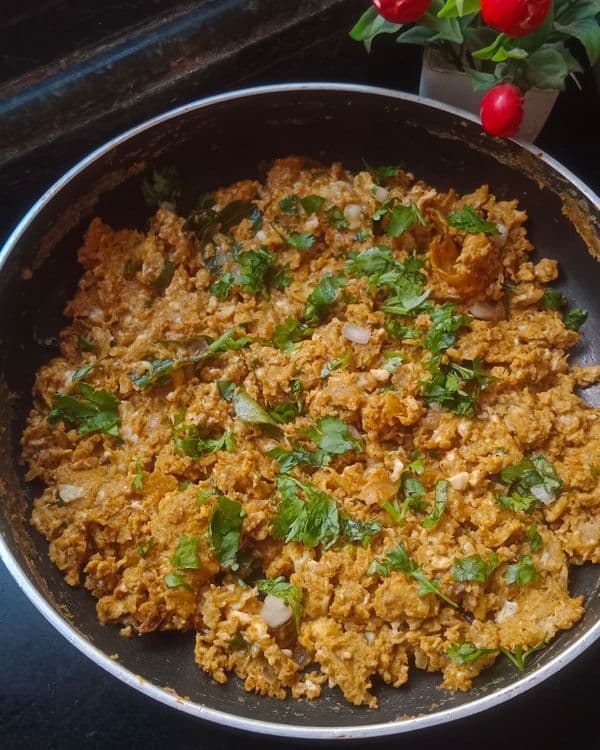
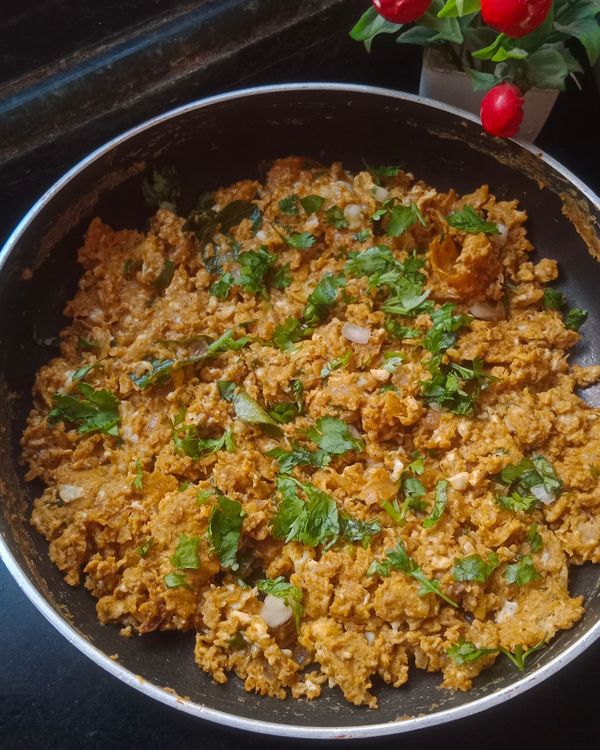
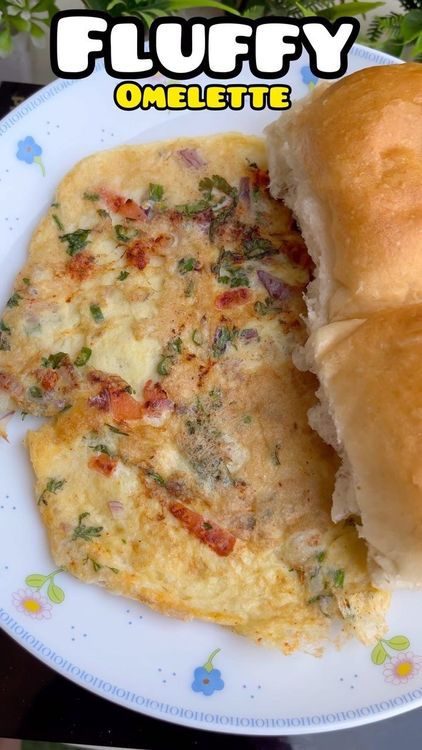
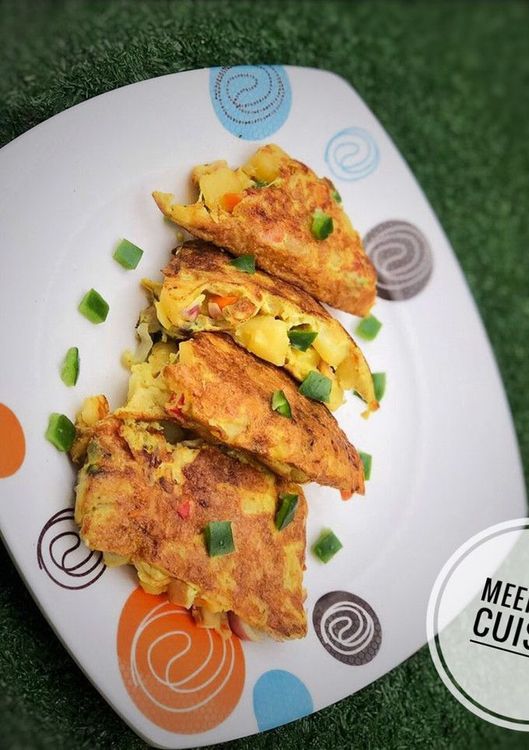
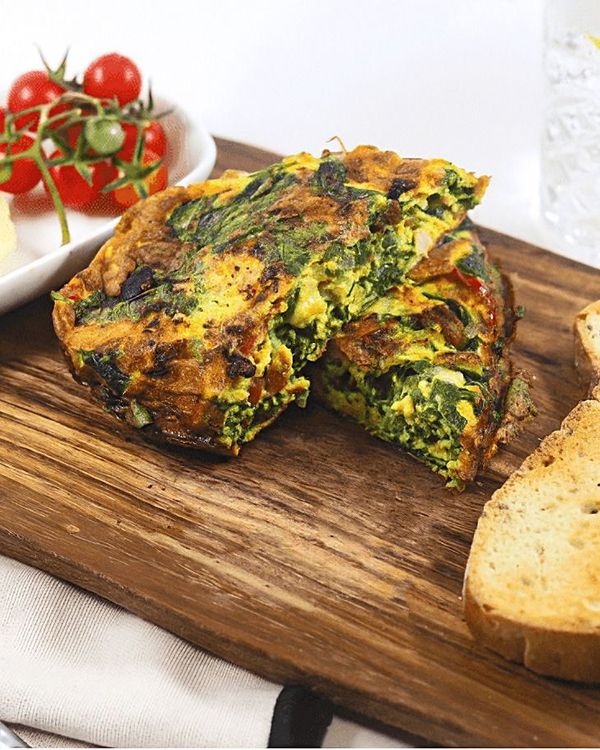
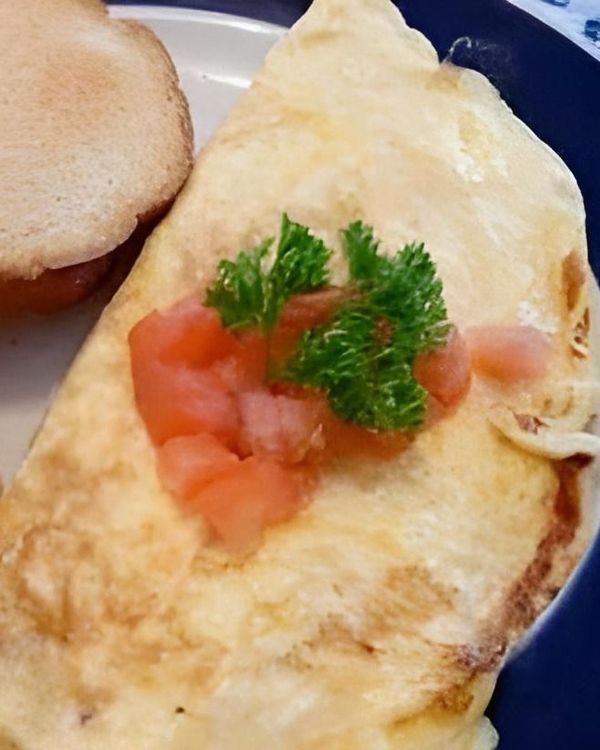
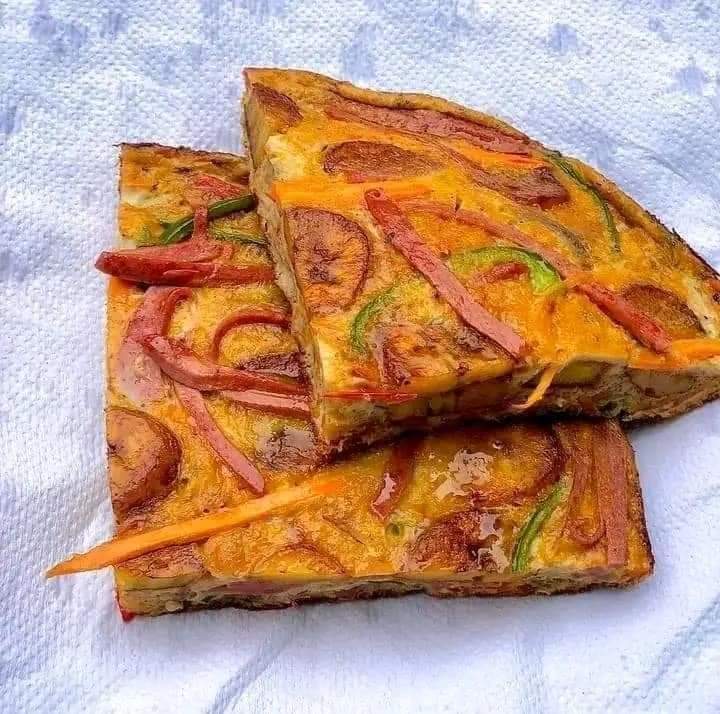
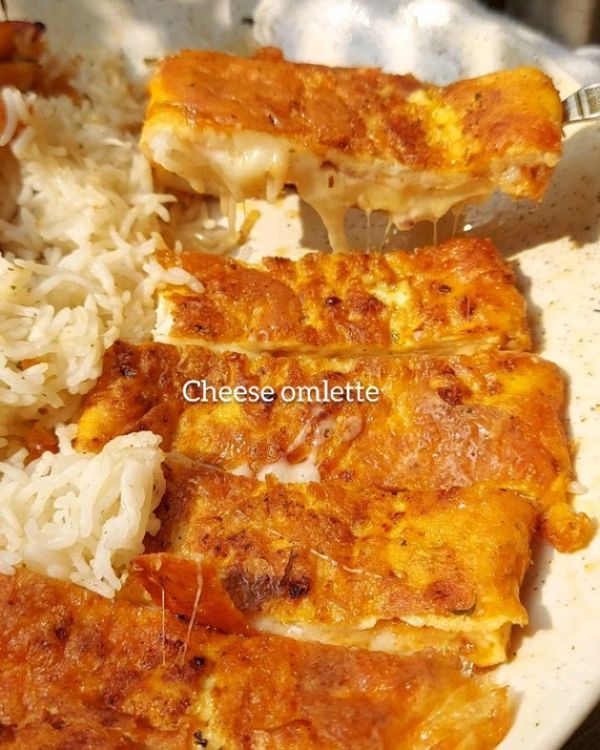
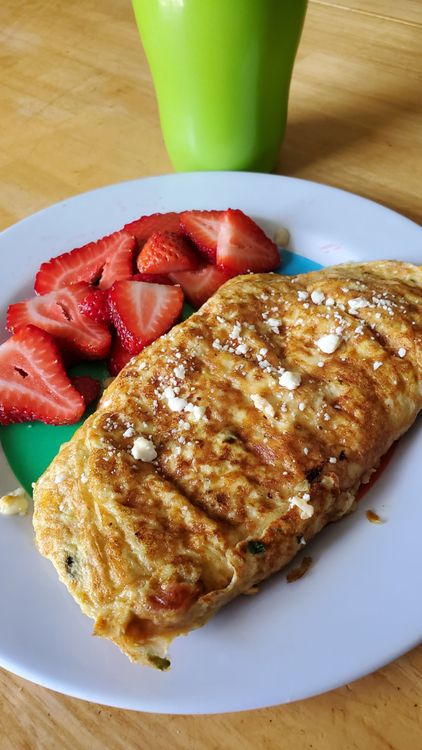
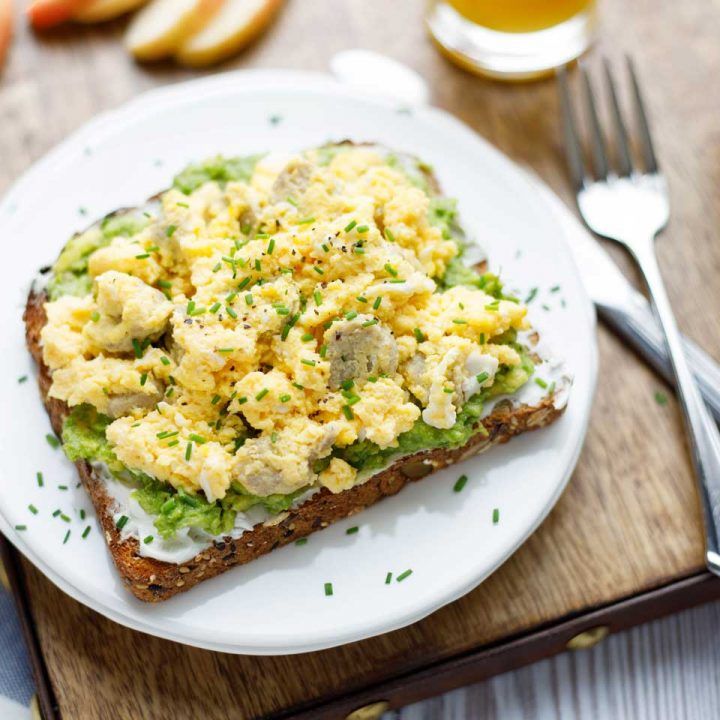
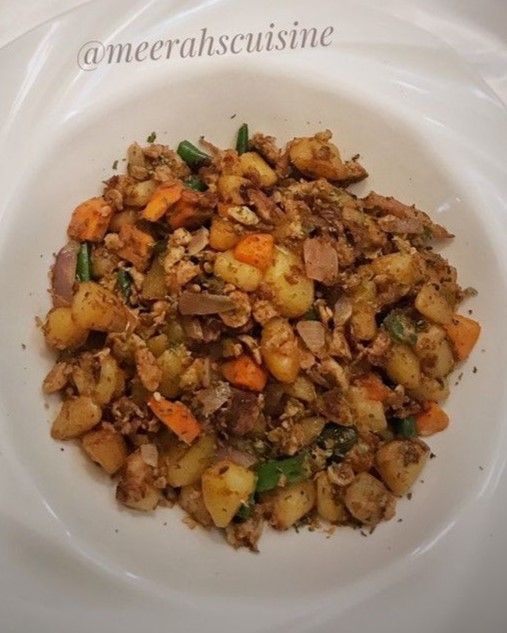
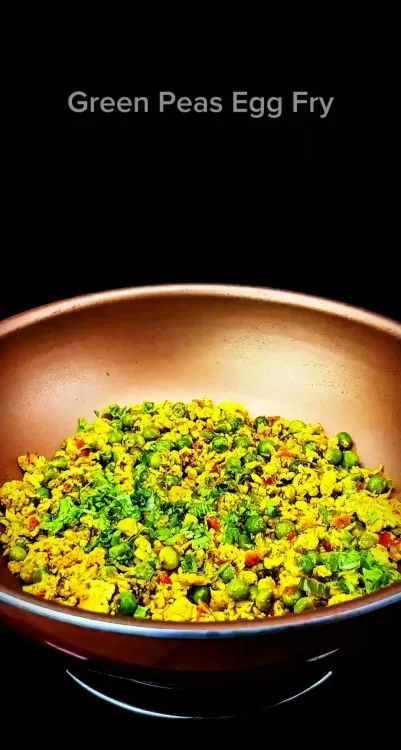
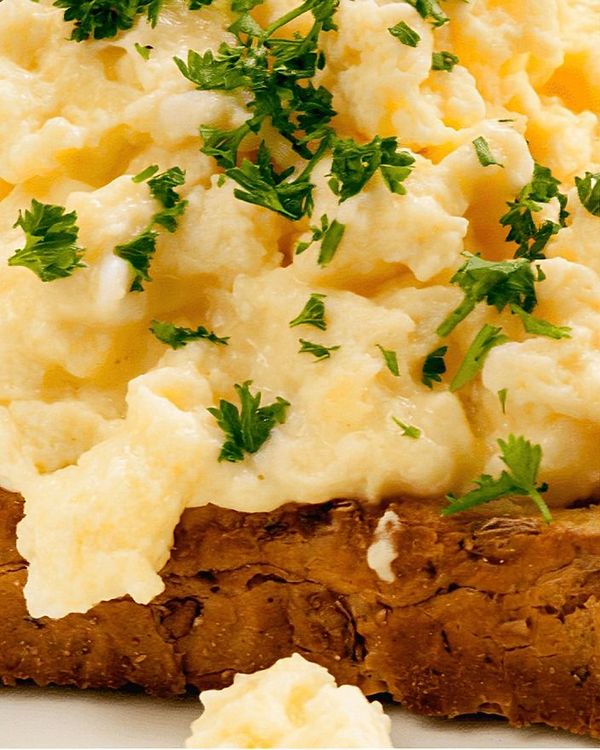
Scrambles and omelettes are the fastest egg breakfasts there are, and both reward a gentler touch than most people give them. The whole game is low, patient heat. For scrambled eggs, melt butter in a barely warm pan, pour in the beaten eggs, and stir constantly so the setting curds stay small and soft, dragging them toward the center while liquid egg flows underneath. The single most common mistake is cranking the heat to rush things, which forces moisture out and leaves you with dry, squeaky, browned eggs instead of glossy ones. Pull the pan while the eggs still look a touch wet; they finish cooking from residual heat in the seconds it takes to reach the plate. Omelettes follow the same logic but with a confident fold: set the edges, tilt the runny egg underneath, add a modest filling while the top is still slightly loose, then fold and slide it out without a hint of brown. Indian bhurji and masala scrambles lean the other way on flavor, with onion, tomato, green chilli and garam masala, but even there the eggs themselves want to stay soft. Finish any of them off the heat with a knob of cold butter, a little cream, fresh herbs and a final pinch of flaky salt. Standouts here include Scrambled Eggs - South Indian Style 🍳 and VIRAL Fluffy Omelette, plus Potatoes Omelette.

- South Indian
- Eggetarian
- Breakfast

- Global
- Eggetarian
- Breakfast

- African
- Non-Vegetarian
- Breakfast
- Indian
- Eggetarian
- Breakfast
- Mediterranean
- Eggetarian
- Breakfast
- Colombian
- Eggetarian
- Breakfast
- Western
- Non-Vegetarian
- Breakfast
- International
- Eggetarian
- Breakfast

- Eggetarian
- Breakfast
- African
- Non-Vegetarian
- Breakfast
- Japanese
- Eggetarian
- Breakfast
- Global
- Eggetarian
- Breakfast
- American
- Non-Vegetarian
- Breakfast

- American
- Non-Vegetarian
- Breakfast
- American
- Non-Vegetarian
- Breakfast
Baked Eggs: Frittatas, Casseroles, Muffins & Quiche
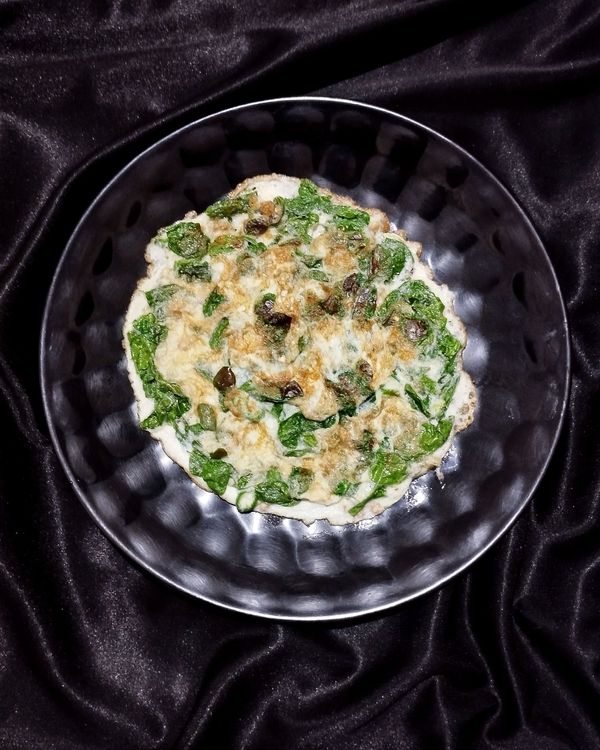
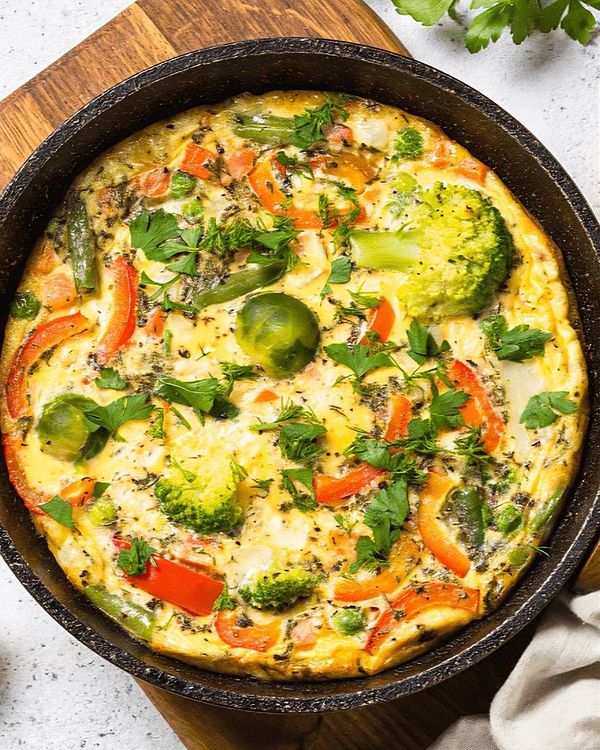
Baked eggs are the hands-off, feed-a-crowd, meal-prep end of the egg world, and they trade the constant attention of a scramble for the patience of a moderate oven. Frittatas, breakfast casseroles, egg muffins and quiche all set the eggs into a soft custard, so the rule that matters most is gentle, even heat — too hot and the eggs puff, crack, weep liquid and toughen, while a moderate oven sets them tender and creamy. Start a frittata on the stovetop to set the base, then finish it in the oven and pull it with a faint wobble still in the center, because it keeps cooking as it rests. For casseroles and stratas, let the bread or potato soak up the egg mixture before baking so the custard sets evenly throughout. Egg muffins and egg bites are the meal-prepper's friend: pour seasoned eggs and fillings into a greased tin and bake, then keep them three to four days for grab-and-go mornings. The recurring trap across all of these is watery fillings; cook down tomato, mushroom and spinach and drain off the liquid first, and pre-cook anything heartier than the eggs, so the custard sets clean rather than soggy. Season well, do not overfill, and let everything rest a few minutes before slicing. Standouts here include Cheesy Bacon and Egg Breakfast Bake and Baked Eggs with Spinach and Cheese.
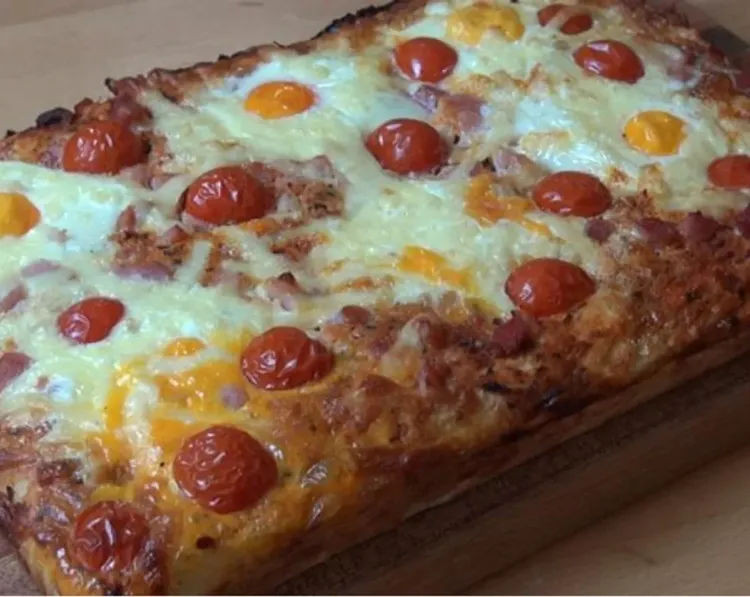
- American
- Non-Vegetarian
- Breakfast
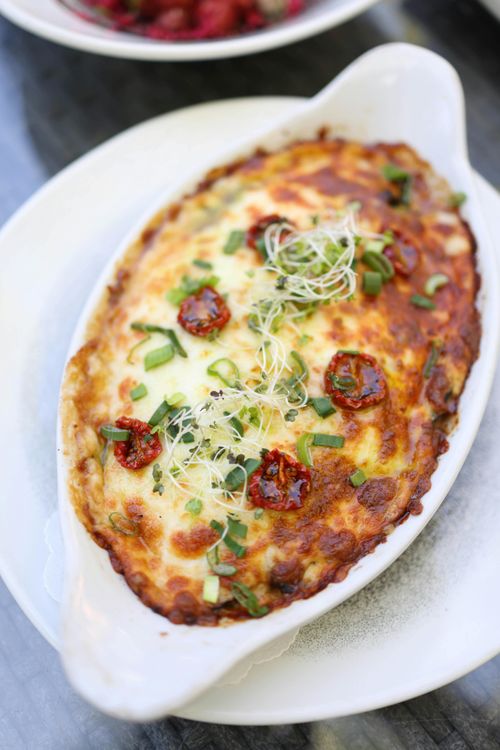
- Mediterranean
- Eggetarian
- Breakfast
Fried, Poached & Eggs Benedict
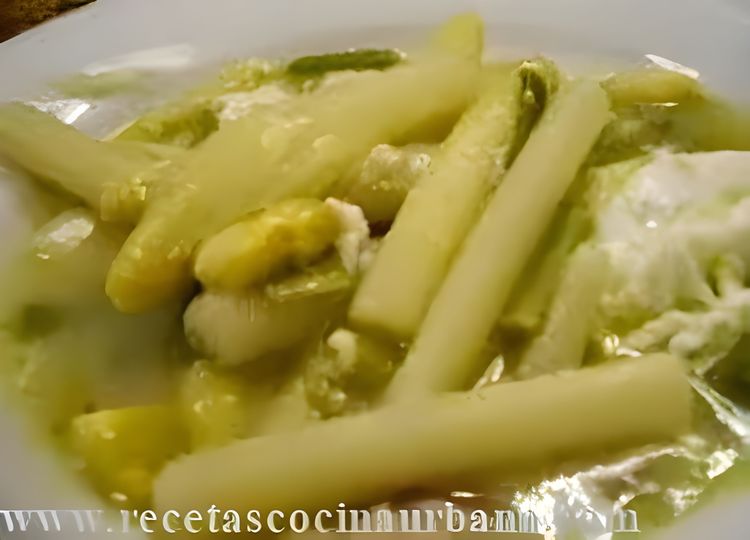
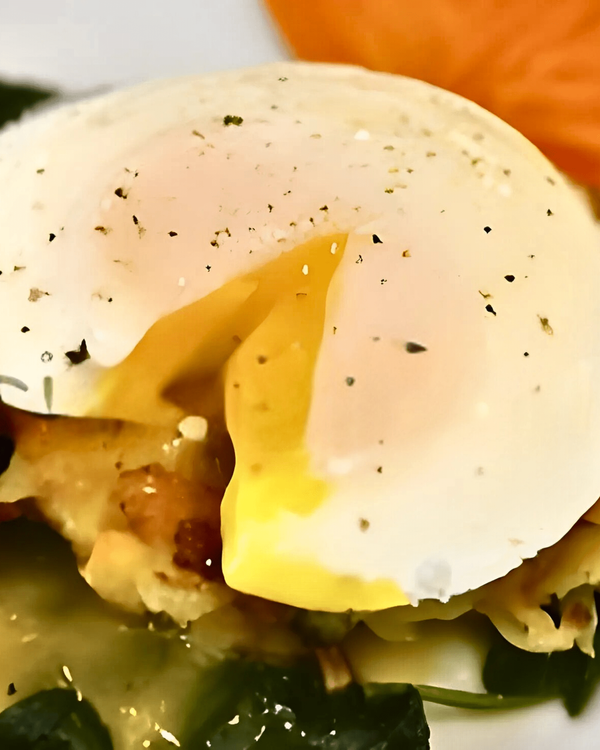
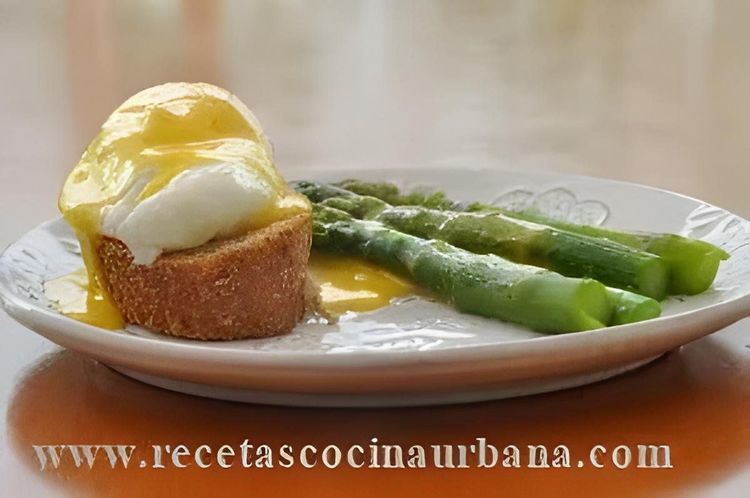
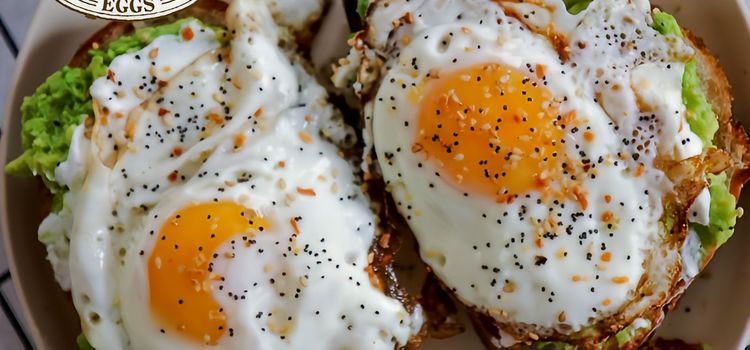
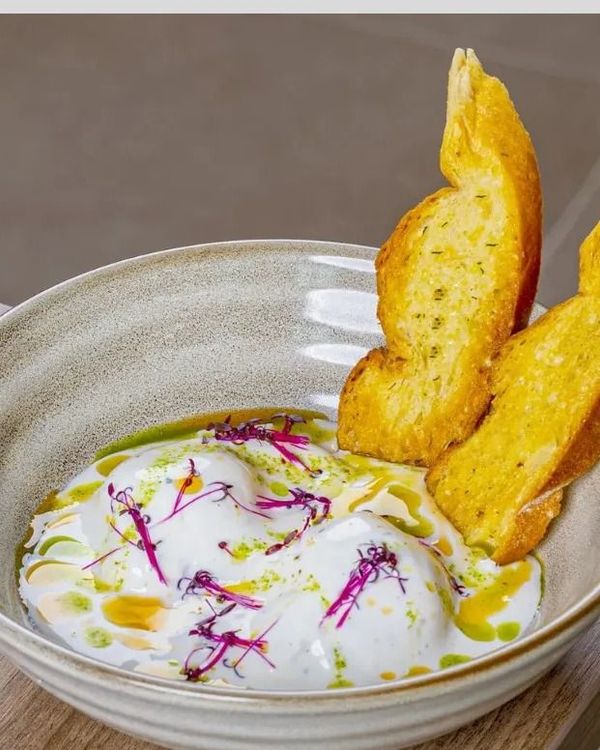
This is the cluster where a single egg, and especially its yolk, is the whole point, so technique and timing matter more than any recipe. A great fried egg actually wants a hot pan and a little extra fat — butter or oil basted over the top so the white sets and the edges crisp while the yolk stays loose and running. Choose your style and stop on time: sunny-side up left untouched, over easy flipped for a few seconds, or basted under a lid for a set white over a soft yolk. Poaching swings to the opposite extreme and needs your calmest hand. Use the freshest egg you have so the white stays tight, crack it into a cup, bring the water to a bare, barely-trembling simmer with a splash of vinegar, give it a gentle swirl, and slide the egg in so the white wraps the yolk; about three minutes gives a soft, running center. Eggs Benedict stacks a poached egg on a toasted muffin and ham under a blanket of hollandaise, and the sauce is the part people fear — keep the heat gentle, whisk the egg yolks and warm butter slowly so the emulsion thickens without scrambling, and add a squeeze of lemon to lift it. Across all three, the difference between perfect and overdone is a matter of seconds, so watch the yolk and pull early. Standouts here include Poached Eggs and Eggs Benedict, plus Poached Eggs with Vegetables.

- Eggetarian
- Breakfast
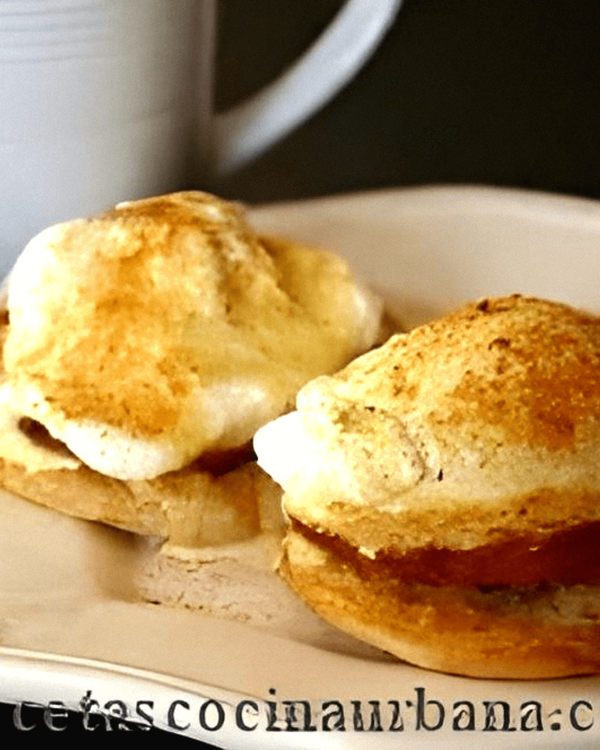
- American
- Non-Vegetarian
- Breakfast
- International
- Eggetarian
- Breakfast
- French
- Eggetarian
- Breakfast
- European
- Eggetarian
- Breakfast
- American
- Eggetarian
- Breakfast
Global Eggs & Breakfast Sandwiches
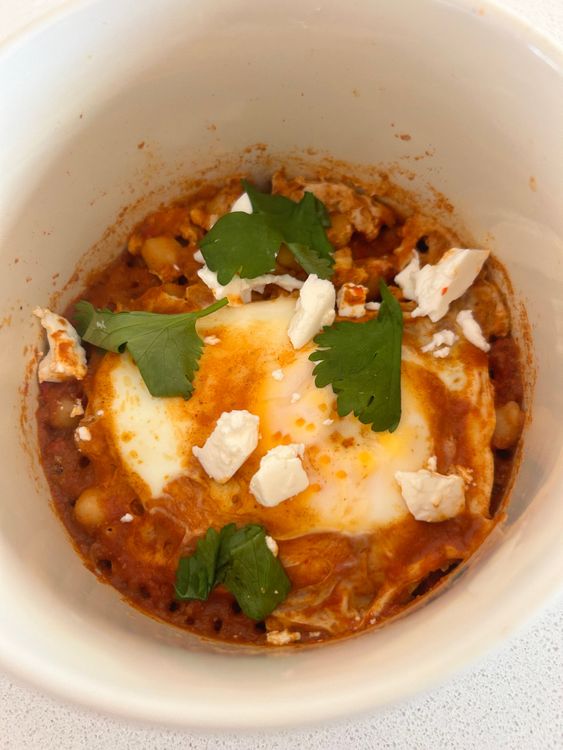
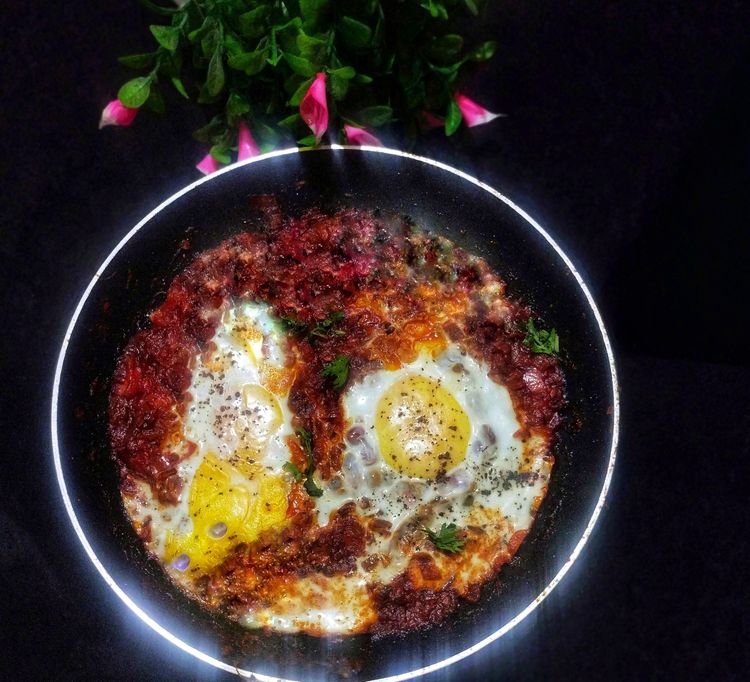
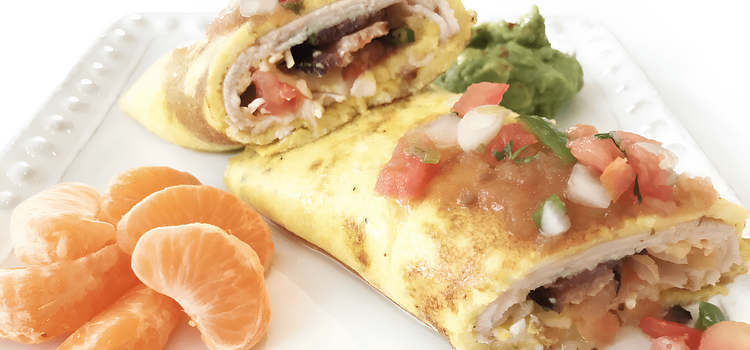
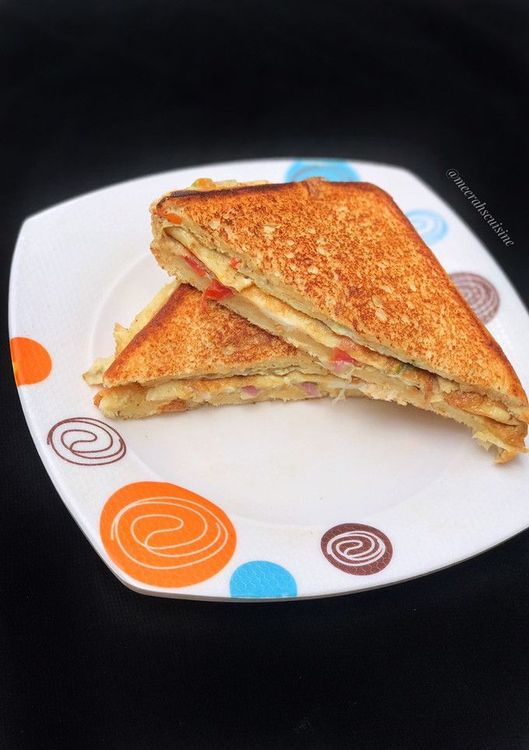
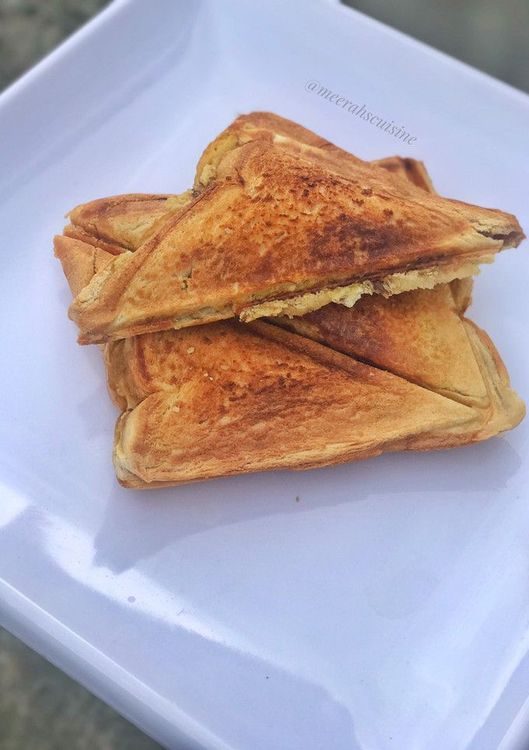
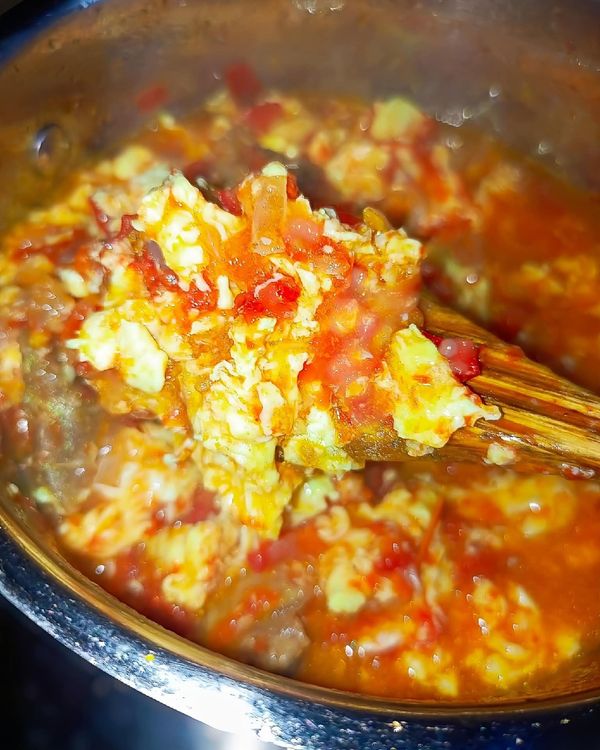
Eggs turn up at breakfast tables all over the world, and this cluster gathers the boldest of them alongside the handhelds you can eat on the move. Shakshuka leads the global group: a thick, spiced tomato and pepper sauce with eggs poached right in it, where the trick is to reduce the sauce until it is genuinely jammy before you make wells for the eggs, then cover the pan and pull it the moment the whites set but the yolks still wobble. Huevos rancheros, Spanish tortilla, Turkish menemen and other regional plates each carry their own spice and starch, but they share the same respect for not overcooking the egg. The sandwich and wrap side is about contrast and assembly: a folded or fried egg needs something savory like cheese, bacon or sausage, something fresh, and a sauce, all stacked on a toasted muffin, bagel or biscuit, or rolled into a burrito or wrap with potato and avocado. The common mistakes are a soggy base and an overstuffed roll, so toast the bread, keep fillings tidy and controlled, and build it just before eating so it stays crisp. Cook the egg to suit the format — firmer for a handheld so the yolk does not run everywhere, looser for a plate you eat with a fork. Standouts here include Shakshuka and Microwave Mug Shakshuka with Chickpeas, plus Ultimate Steak & Egg Breakfast Sandwich.


- Vegetarian
- Breakfast

- International
- Eggetarian
- Breakfast


- Eggetarian
- Breakfast
- Nigerian
- Eggetarian
- Breakfast
- American
- Non-Vegetarian
- Breakfast
More Egg Breakfast Favourites
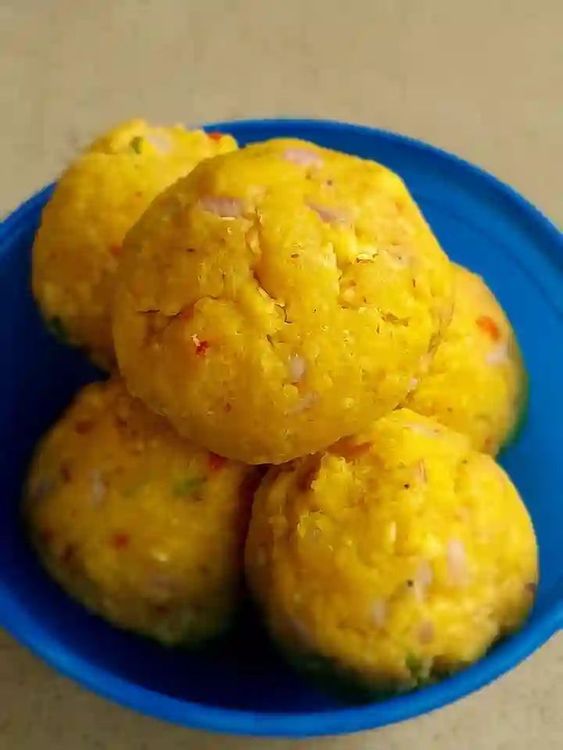
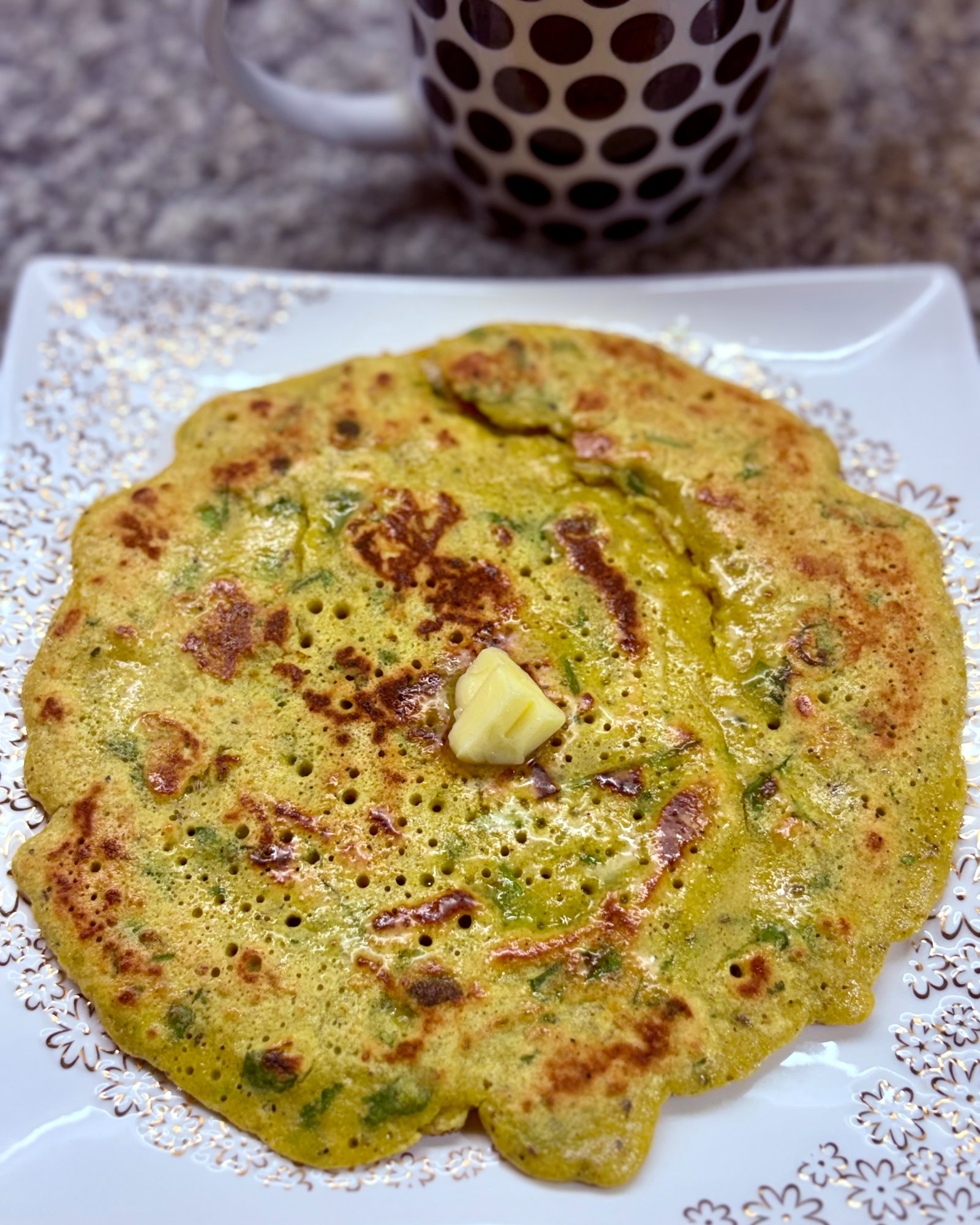
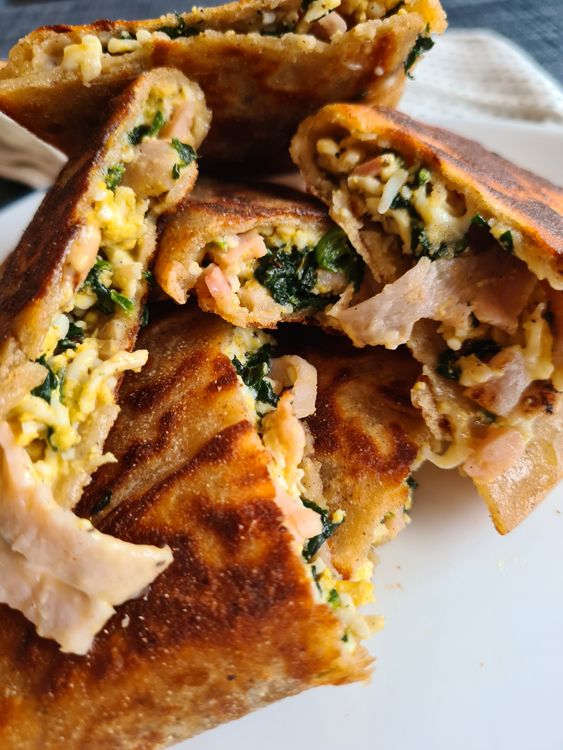
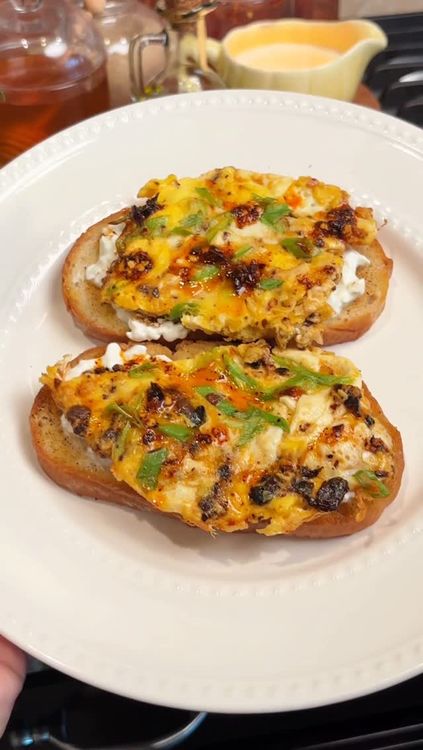
A few egg breakfasts never quite fit a single category, and these are the ones worth keeping in your back pocket once the staples feel routine. They lean on the same handful of techniques you already know — gentle heat, careful timing, and pulling the eggs a moment before they look done — but steer them toward different textures and flavors, so eggs never taste the same two mornings running. Picking your next one is mostly about matching effort to the morning: reach for a quick scramble, a fried egg on toast or a soft-boiled egg with soldiers on a busy weekday, and save the layered bakes, the Benedict and the from-scratch shakshuka for a slow weekend when you can give the eggs the attention they want. Pay attention to how each dish wants its eggs cooked — running and soft for dipping and stacking, firmer and sliceable for meal prep and lunchboxes — and season with intent, since eggs are mild and need salt, herbs, cheese, chilli or spice to truly sing. Think of this group as the natural next step after the classics, the recipes that quietly earn a regular spot in your morning rotation once you have tried them, and proof that one humble carton of eggs can carry breakfast in a dozen directions. Standouts here include Hot Honey Eggs (Gourmet Style) and Egg Besan Chilla (Protein-Rich), plus Bacon & Egg Paratha .


- Fusion
- Eggetarian
- Breakfast

- Indian
- Eggetarian
- Breakfast
- Indian
- Non-Vegetarian
- Breakfast

- Indian
- Eggetarian
- Breakfast

- Indian
- Eggetarian
- Breakfast

- Indian
- Eggetarian
- Snack
- Fusion
- Eggetarian
- Breakfast


- Gluten-Free
- Soup

- Fusion
- Eggetarian
- Breakfast
- Filipino
- Vegan
- Side Dish
- Indian
- Eggetarian
- Breakfast
- Fusion
- Non-Vegetarian
- Breakfast
- Fusion
- Pescatarian
- Breakfast
- Nigerian
- Non-Vegetarian
- Breakfast
- Indian
- Eggetarian
- Breakfast
- American
- Vegetarian
- Breakfast
- Western
- Eggetarian
- Breakfast
- Turkish
- Eggetarian
- Breakfast
- Healthy
- Vegetarian
- Breakfast
- Indian
- Vegan
- Breakfast

- American
- Eggetarian
- Breakfast
- Nigerian
- Pescatarian
- Breakfast
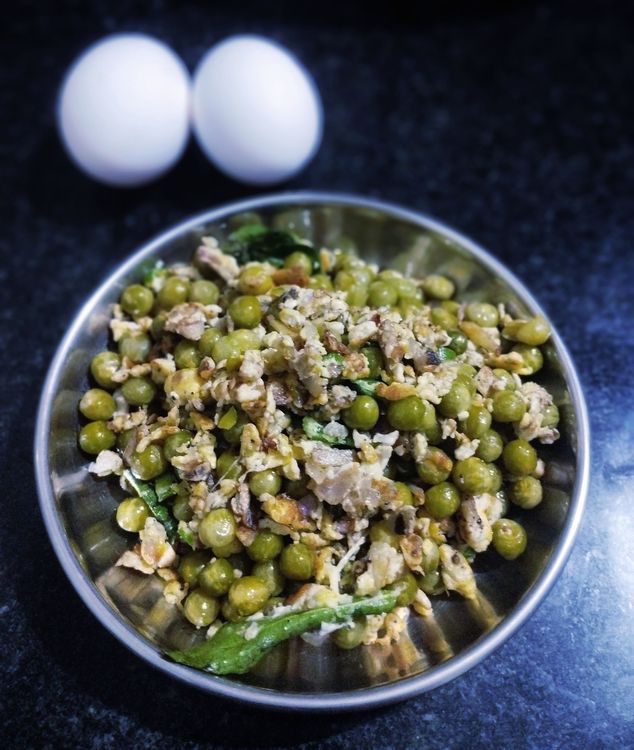
- Indian
- Eggetarian
- Snack

- Eggetarian
- Breakfast
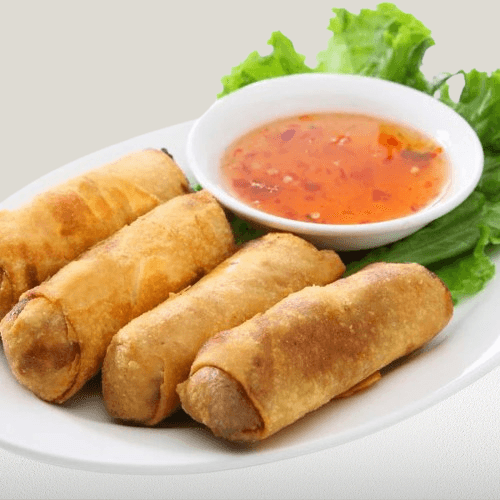
- American
- Non-Vegetarian
- Breakfast
Buying, Storing and Cracking Eggs
Freshness matters most for the dishes where the egg stands alone. A very fresh egg has a thick, tight white that holds together around the yolk, which is exactly what you want for poaching and frying — the white gathers into a neat shape instead of spreading into wispy threads. Slightly older eggs, on the other hand, are easier to peel after boiling because the membrane has loosened from the shell, so save your week-old eggs for jammy soft-boiled and your freshest for the poacher.
Store eggs in their carton in the main body of the fridge, not the door, where the temperature swings every time you open it. Keep them pointed end down so the yolk stays centered, and bring them to room temperature before cooking whenever you can. Cold eggs straight from the fridge cook unevenly, scramble into tougher curds, and are more likely to crack when dropped into hot water, so leave them on the counter for ten or fifteen minutes while you prep everything else.
Crack each egg into a small bowl rather than straight into the pan. It costs you a few seconds and saves you from fishing shell out of a hot skillet or ruining a whole batch with one off egg. A clean crack on a flat surface, rather than the rim of a bowl, drives fewer shards into the white. For scrambles and omelettes, beat the eggs thoroughly with a pinch of salt until the yolks and whites are completely uniform and slightly frothy, which gives you an even, tender set.
Heat Control: The One Skill That Matters Most
More egg breakfasts are ruined by high heat than by anything else. Eggs are mostly water held in a delicate protein web, and aggressive heat slams those proteins shut, forcing out moisture and leaving you with dry, squeaky, browned eggs. For soft scrambles and omelettes, work over low to medium-low heat and accept that it takes a couple of minutes longer. Patience here is the entire technique; there is no shortcut to creamy.
Different dishes want different heat, so match the flame to the goal. A crisp-edged fried egg genuinely benefits from a hot pan with a little extra oil or butter, basted over the top so the white sets while the yolk stays loose. Poached eggs want water at a bare, barely-trembling simmer, never a rolling boil that batters the white apart. Baked eggs and frittatas want a moderate oven so the custard sets gently and evenly rather than puffing, cracking and weeping liquid.
Learn to pull eggs early. They carry a surprising amount of residual heat, so scrambled eggs lifted from the pan while still glossy and slightly wet will finish to perfect on the plate; left until they look done in the pan, they will be overcooked by the time you sit down. The same goes for an omelette folded while the top is barely set and a frittata pulled with a faint wobble in the center. When in doubt, take the eggs off the heat sooner than feels comfortable.
Soft Scrambles, Folded Omelettes and a Clean Poach
For soft scrambled eggs, melt a knob of butter in a cold or barely warm pan, pour in the beaten eggs, and stir constantly with a spatula over low heat, dragging the setting curds toward the center so liquid egg flows underneath. Keep the curds small and the heat gentle, and take the pan off the flame while the eggs are still a little loose and shiny. A final knob of cold butter or a spoon of cream stirred in off the heat stops the cooking and adds richness.
A great omelette is about a hot enough pan, a quick set, and a confident fold. Pour the beaten eggs into a buttered non-stick pan, swirl, and as the edges set, lift them and tilt so the runny egg runs underneath. Add any fillings while the top is still slightly wet, then fold the omelette over them and slide it out. The French style stays pale and creamy and is barely cooked through; the diner style is firmer and folded over a generous filling. Either way, do not brown it.
To poach, use the freshest eggs you have, crack each into a small cup, and lower it gently into water at a bare simmer with a splash of vinegar, which helps the white set quickly around the yolk. A gentle swirl of the water before the egg goes in coaxes the white to wrap itself into a neat shape. Cook for around three minutes for a soft, running yolk, lift with a slotted spoon, and rest it briefly on a paper towel to drain before it touches the toast.
Seasoning, Add-Ins, Make-Ahead and Serving
Eggs are mild, so seasoning is what turns them from bland to crave-able. Salt the beaten eggs just before cooking — salting too far ahead can make scrambles slightly watery — and finish with cracked pepper, fresh herbs like chives, dill or coriander, and a little flaky salt at the table. Cheese, a spoon of cream, a knob of butter, or a hot sauce or chilli oil at the end all add the depth that plain egg lacks. For Indian-style bhurji and masala eggs, onion, tomato, green chilli and garam masala do the heavy lifting.
Be deliberate about add-ins. Watery vegetables like tomato, mushroom and spinach throw off liquid that turns scrambles and frittatas soggy, so cook them down first and drain off the moisture before the eggs join. Pre-cook anything that needs longer than the eggs — bacon, sausage, potato, hardy greens — and fold quick, delicate items in at the very end. Overloading an omelette or frittata is a common mistake; keep fillings modest so the eggs can still set around them.
Several egg breakfasts are genuinely make-ahead. Frittatas, quiches, breakfast casseroles and egg muffins keep three to four days in the fridge and reheat gently in a low oven or microwave, which makes them ideal for busy mornings and meal prep. Soft scrambles and poached eggs, by contrast, are best eaten the moment they are done. Serve scrambles and fried eggs hot off the pan with buttered toast; serve shakshuka straight from the skillet with bread for dipping; and assemble sandwiches and burritos just before eating so they stay crisp.
Pro Tips from the Test Kitchen
- Cook soft scrambles and omelettes over low to medium-low heat — high heat is what makes eggs dry and rubbery.
- Pull eggs off the heat while they still look slightly underdone; residual heat finishes them on the plate.
- Use your freshest eggs for poaching and frying so the white holds tight instead of spreading into threads.
- Save week-old eggs for boiling — the looser membrane makes them far easier to peel.
- Crack each egg into a small bowl first to catch shell and spot any bad ones before they hit the pan.
- Add a splash of vinegar and a gentle swirl to barely-simmering water for a neat, well-shaped poach.
- Cook watery vegetables down and drain them before adding eggs, or your scramble and frittata will go soggy.
- Stir a knob of cold butter or a spoon of cream into scrambled eggs off the heat for extra creaminess.
- Salt beaten eggs just before cooking, not long in advance, so the scramble does not turn watery.
- Frittatas, quiches, egg muffins and casseroles keep 3–4 days and reheat well — make a batch for the week.
Frequently Asked Questions
How do you make scrambled eggs soft and creamy?
Cook them low and slow. Melt butter in a barely warm pan, pour in well-beaten eggs, and stir constantly over low heat so you build small, soft curds. The key move is taking the pan off the flame while the eggs still look glossy and a little wet, because they keep cooking from residual heat. A knob of cold butter or a spoon of cream stirred in off the heat finishes them silky.
Why do my eggs turn out rubbery?
Almost always too much heat or too much time. Eggs are mostly water held in delicate proteins, and high heat forces that moisture out, leaving dry, squeaky, often browned eggs. Drop the heat to low or medium-low, stir or watch them closely, and pull them off while they still look slightly underdone. Cooking eggs until they look fully done in the pan means they are overcooked by the time you eat.
What are the healthiest ways to cook eggs for breakfast?
Poaching, soft-boiling and steaming add no extra fat, so they are the leanest options, and a poached egg on wholegrain toast is a balanced, high-protein start. Scrambles and omelettes are easily made healthier by cooking in a little oil instead of lots of butter and loading them with vegetables. Frying and rich Benedict-style dishes are fine as treats; balance them with greens or fruit on the side.
How do you poach an egg without it falling apart?
Use a very fresh egg, since its tight white holds together; older whites spread into threads. Crack it into a small cup first, bring the water to a bare, trembling simmer rather than a boil, add a splash of vinegar, and give the water a gentle swirl before sliding the egg in so the white wraps around the yolk. Cook about three minutes for a running yolk, then lift and drain it.
Can you make egg breakfasts ahead of time?
Several of them, yes. Frittatas, quiches, breakfast casseroles and egg muffins all keep three to four days in the fridge and reheat gently in a low oven or microwave, which makes them ideal for meal prep. Hard-boiled eggs keep about a week. Soft scrambles, fried eggs and poached eggs are best eaten fresh, though you can poach eggs ahead, chill them in cold water, and reheat briefly in warm water.
What is the difference between a frittata and an omelette?
Both start with beaten eggs and fillings, but the method differs. An omelette is cooked quickly on the stovetop, then folded over its filling and served soft and barely set, usually for one person. A frittata is started on the stove and finished in the oven, set firm and sliced like a cake, and it holds far more filling. The frittata is the make-ahead, feed-a-crowd version of the same idea.
How long do you cook a soft-boiled egg?
For a runny, jammy yolk, lower room-temperature eggs into already-boiling water and cook for about six to seven minutes, then transfer them straight to cold water to stop the cooking and make peeling easier. Six minutes gives a properly runny yolk; seven gives a softer-set, jammy center. Adjust by thirty seconds or so for very large or very cold eggs, and always cool them before peeling.
What can I add to eggs to make them more filling?
Pair the protein of the eggs with something hearty. Fold in cooked vegetables, beans, cheese, sausage or smoked salmon; pile scrambles into a wrap or onto buttered wholegrain toast; or build a breakfast burrito with potato and avocado. Shakshuka eaten with bread, or a loaded frittata, both make a full meal. Adding fibre and a little healthy fat alongside the eggs is what keeps you satisfied until lunch.
Is it okay to eat eggs for breakfast every day?
For most people, yes. Eggs are an inexpensive, high-quality source of protein along with vitamins and minerals, and current guidance treats an egg or two a day as fine for healthy adults. How you cook and serve them matters as much as the eggs themselves — vegetables and wholegrain toast make a better daily habit than eggs swimming in butter alongside processed meat. Variety across the week keeps things balanced and interesting.
What is shakshuka and is it hard to make?
Shakshuka is a North African and Middle Eastern dish of eggs poached in a spiced tomato and pepper sauce, usually flavored with cumin, paprika, garlic and chilli. It is genuinely easy: simmer the sauce until thick, make small wells, crack the eggs in, then cover and cook gently until the whites set but the yolks stay runny. The only trick is not overcooking the eggs — pull the pan while the yolks still wobble and serve straight from the skillet with bread.
The thread running through every egg breakfast here is the same: respect the heat and respect the timing. Whether you are folding a creamy omelette, sliding an egg into barely-simmering water, baking a frittata or cracking eggs into shakshuka, the difference between silky and rubbery comes down to a gentler flame and pulling the eggs a moment before they look ready.
Pick three to cook this week — a soft scramble for a weekday, a make-ahead frittata or batch of egg muffins, and a weekend shakshuka or Benedict — and save the ones you love to a Chefadora cookbook. Then work through the rest; this page is built to be the egg breakfast reference you actually come back to morning after morning.
Related
- Eggs
- Breakfast
- Brunch
- High protein
- Vegetarian
- Quick
- Make ahead
Popular Searches
- Best egg breakfast recipes
- Easy egg breakfast recipes
- Quick egg breakfast recipes
- Healthy egg breakfast recipes
- Simple egg breakfast recipes
- Homemade egg breakfast recipes
- Delicious egg breakfast recipes
- Popular egg breakfast recipes
- egg for breakfast
- breakfast egg recipes
- egg dishes for breakfast
- breakfast recipes with eggs
Marnirni-apinthi Building, Lot Fourteen,
North Terrace, Adelaide, South Australia, 5000
Australia
