
Top 45 Cookout Recipes: Grilled Meats, Wings, Sides and Salsas
Updated June 30, 2026 · Curated by Chefadora
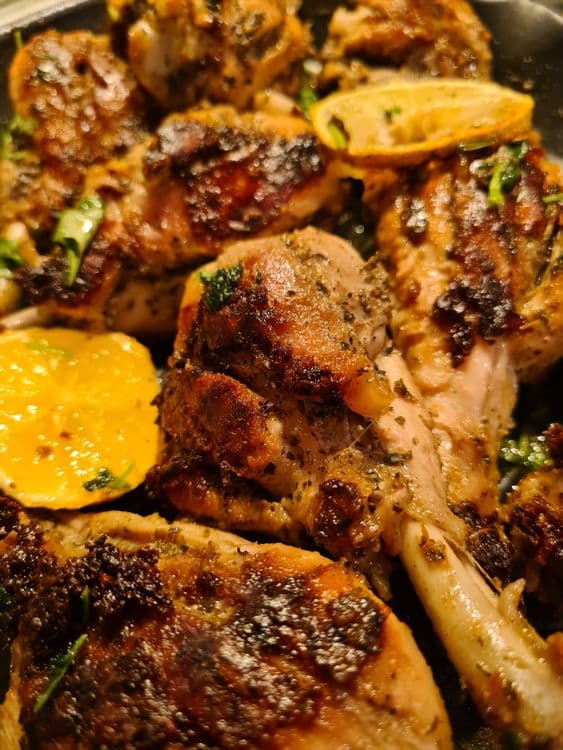
Cookout recipes are the most social food there is — built to be made in large quantities, eaten outdoors and argued over. The collection here covers the full arc of a great cookout spread: big grilled centrepieces that anchor the table, wings and skewers that keep the guests fed while the main cooks, bright salsas and corn sides that balance the richness of the grill, and a handful of BBQ and slow-cooked options for when you have more time and want that deeper, smoke-touched flavour.
What makes a cookout dish great is usually a combination of good seasoning (most grilled food is underseasoned), the right amount of heat management, and something acidic to cut through the fat. A chimichurri with a flank steak, a mango jalapeño salsa with wings, or a corn salsa alongside tikka — the contrast is as important as the main event. The recipes here are chosen for that reason: they play well together as a spread, not just as individual dishes.
You will find four clusters: grilled mains and big cuts for the centrepiece role; wings, skewers and kebabs for the quick-cook, social eating part of the meal; corn, salads and salsas for the sides; and BBQ and sauced dishes for anyone who wants to add smoky, sticky, low-and-slow options to the spread. Each cluster has its own guide section and expanded intro below.
The guides that follow cover the fundamentals of outdoor cooking — how to set up a grill for two-zone cooking, how to marinate effectively without over-tenderising, how to cook wings and skewers at pace, and how to make the salsas and sides ahead so the day of the cookout is calm rather than chaotic. Every recipe links through to Chefadora for full ingredients and method.
Grilled Mains & Big Cuts
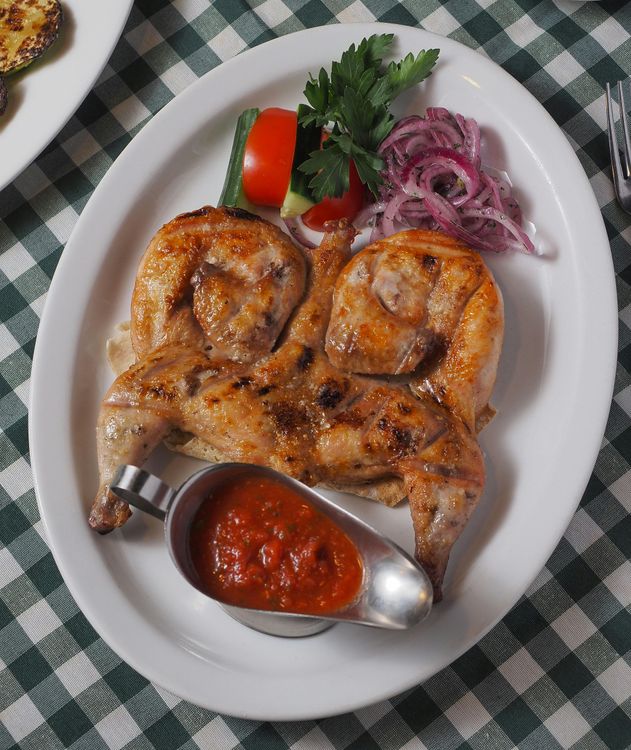
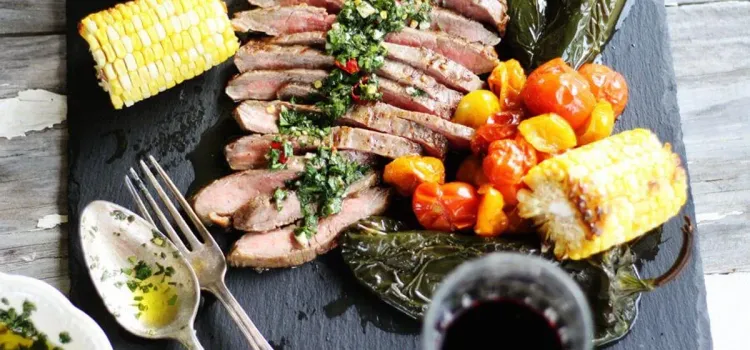
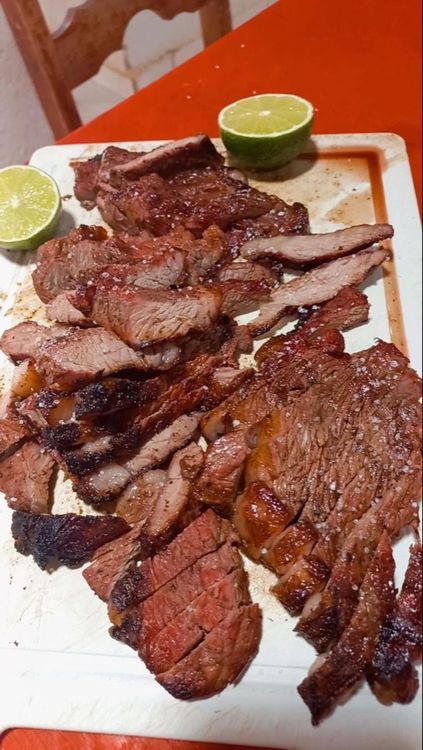
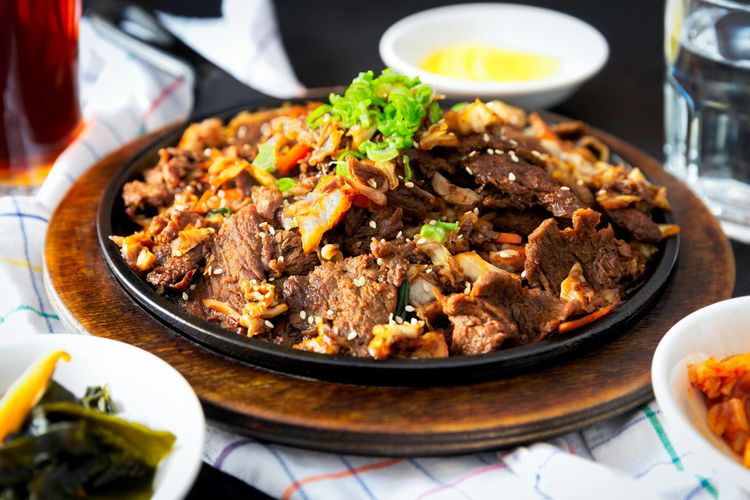
Grilled mains are the centrepiece of any cookout — the dishes that take longest, command most of the grill real estate, and set the tone for the whole spread. These are the cuts that benefit most from a two-zone fire: initial gentle cooking over indirect heat to bring them through safely without charring, then a final blast over direct heat for the crust and colour. Large cuts like brisket, pork ribs and whole chicken need indirect heat and patience — rushing them over a hot fire produces a burnt exterior and raw interior, which is the most common grilling mistake. Fish is the exception: it cooks quickly over direct medium heat and needs only watchfulness, not time. Flank steak and T-bone are direct-heat dishes but benefit from resting after cooking, as cutting too soon pushes the juices out rather than letting them redistribute through the fibres. The flavour approaches here range widely — jerk, chimichurri, peri peri, herb-and-garlic — and each represents a complete flavour philosophy. Choose one style and commit to it rather than mixing incompatible seasonings; a great cookout main is usually simple and confident. Standouts here include Herbs & Garlic Chicken and Spiced Lamb Chops, plus Grilled Chicken Kebab.
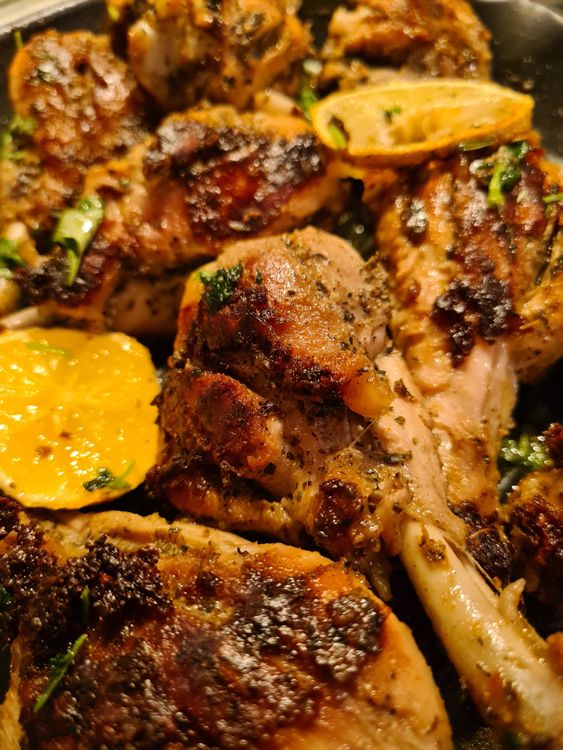

- Australian
- Non-Vegetarian
- Snack
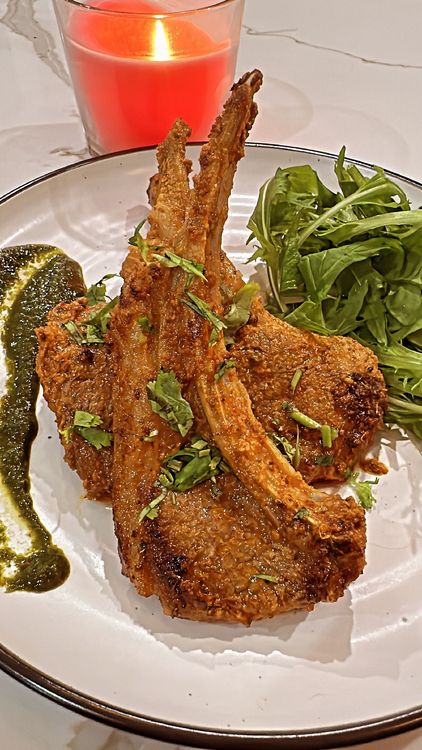
- Indian
- Non-Vegetarian
- Appetiser
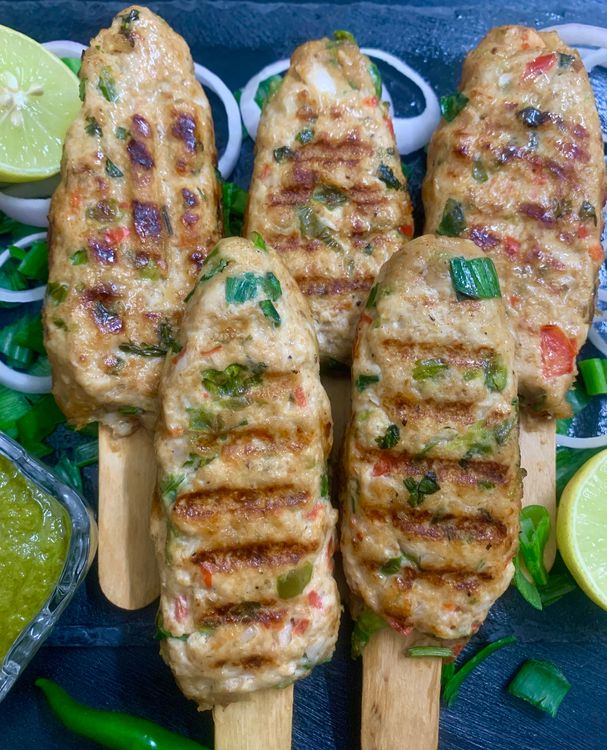
- Indian
- Non-Vegetarian
- Appetiser
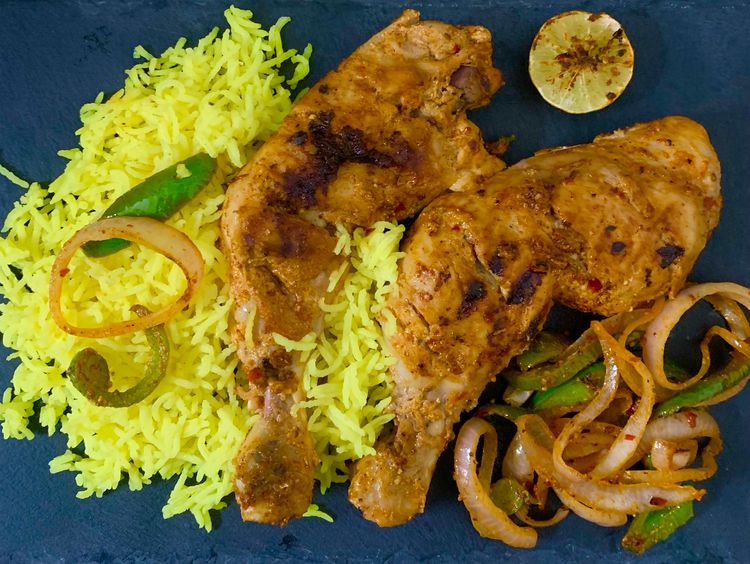
- Indian
- Non-Vegetarian
- Lunch
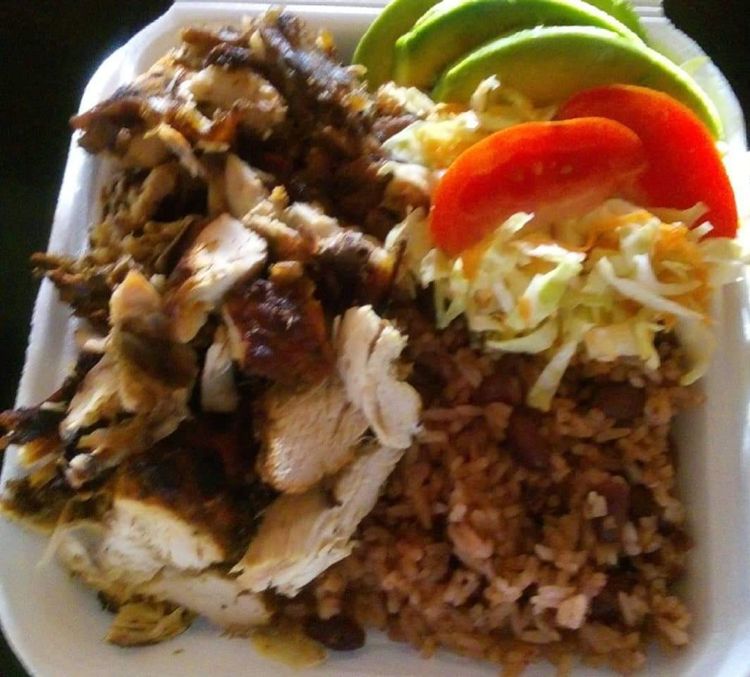

- Jamaican
- Non-Vegetarian
- Lunch
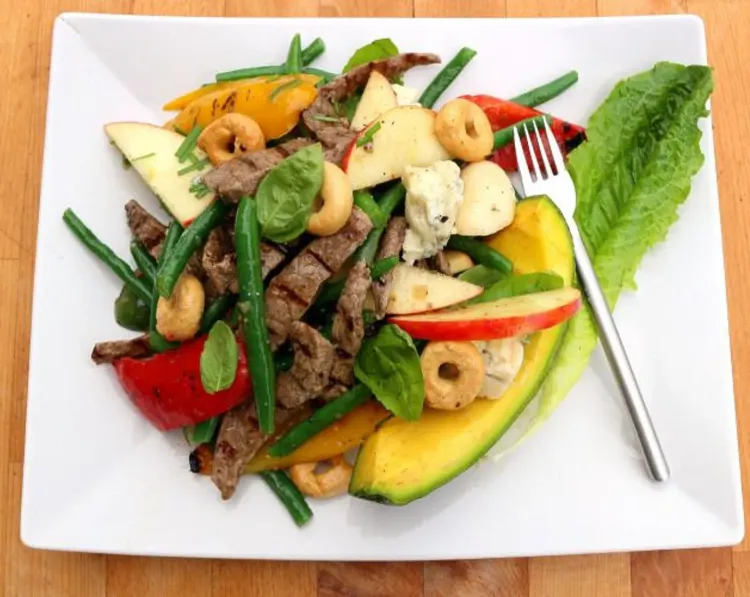
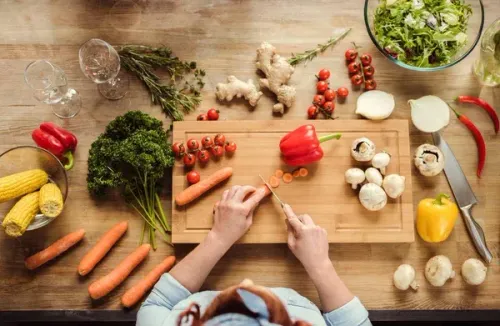
- American
- Non-Vegetarian
- Lunch
- Mediterranean
- Gluten-Free
- Dinner
- Argentinian
- Non-Vegetarian
- Dinner

- American
- Non-Vegetarian
- Dinner
- Asian
- Non-Vegetarian
- Dinner
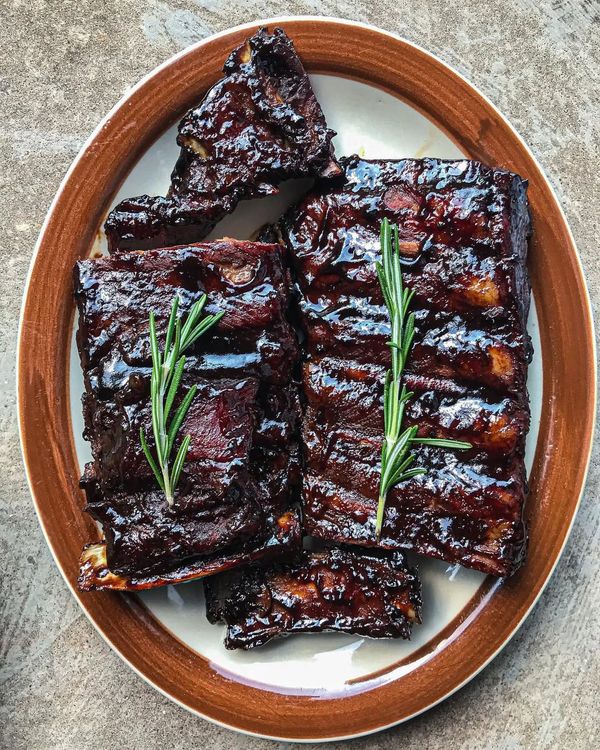
- American
- Non-Vegetarian
- Dinner
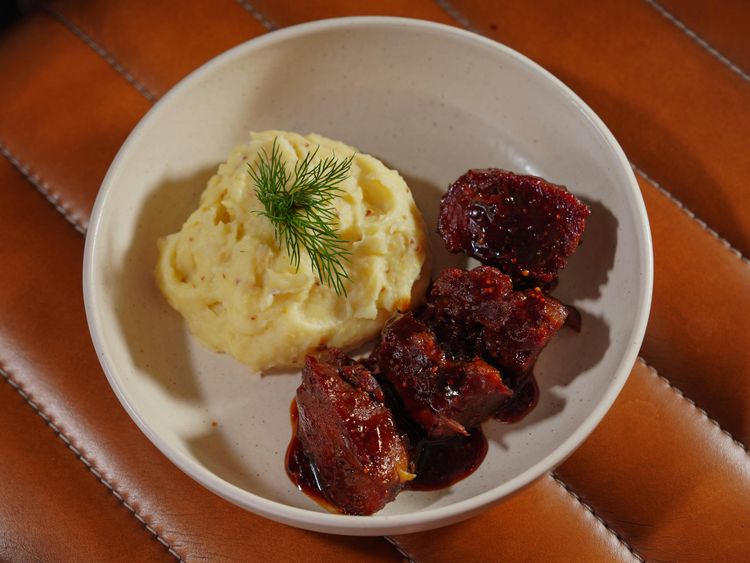
- American
- Non-Vegetarian
- Dinner
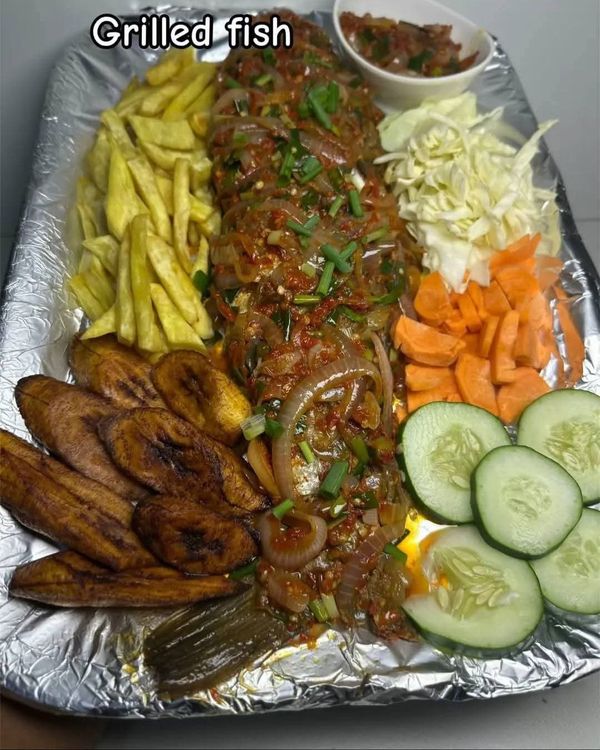
- African
- Pescatarian
- Lunch
Wings, Skewers & Kebabs
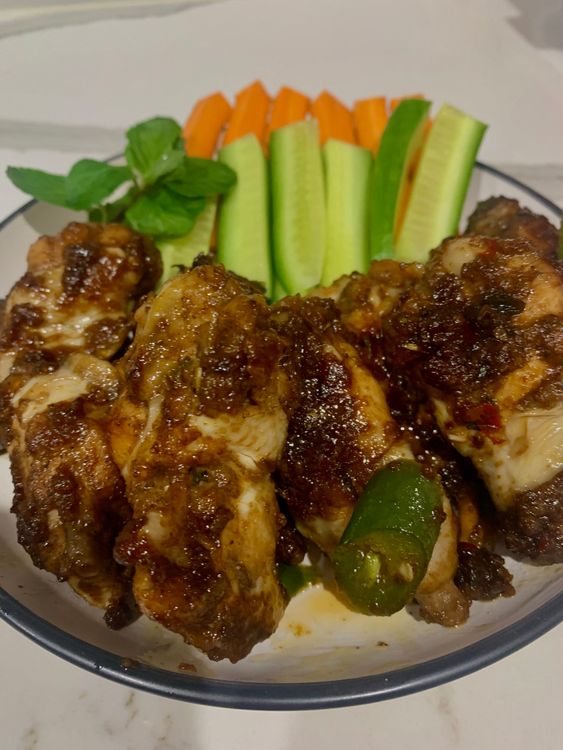
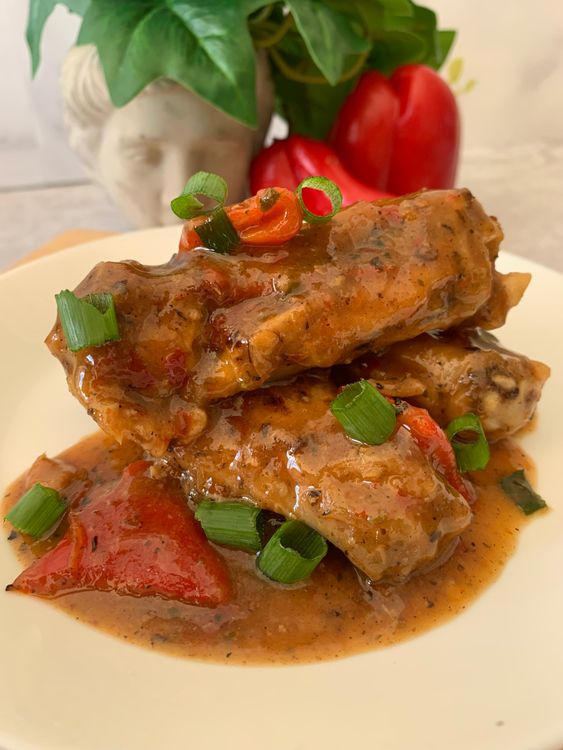
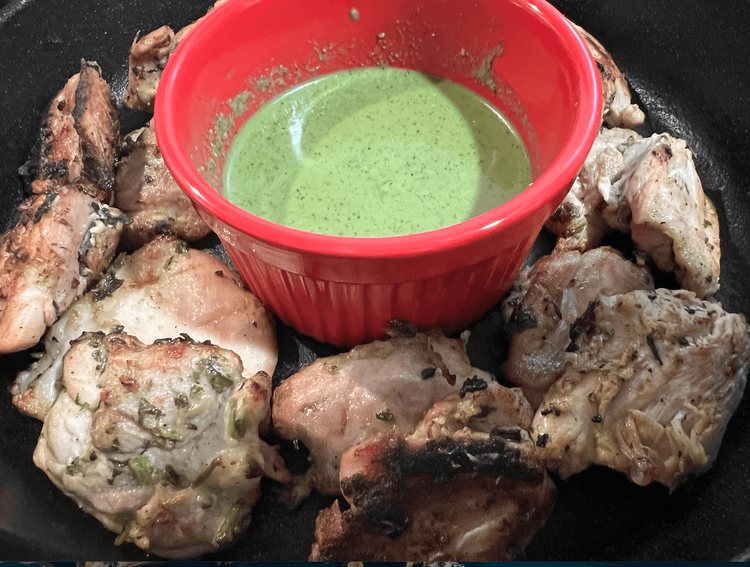
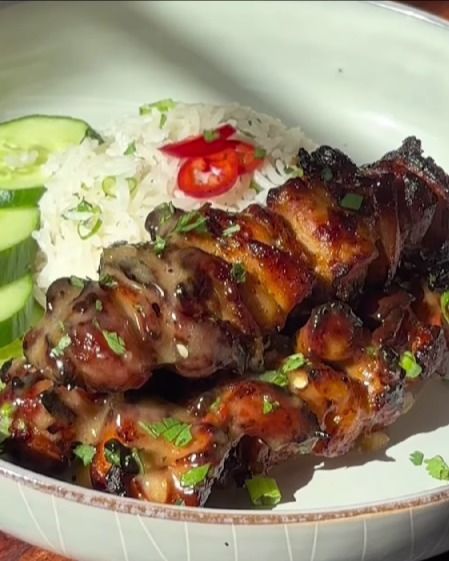
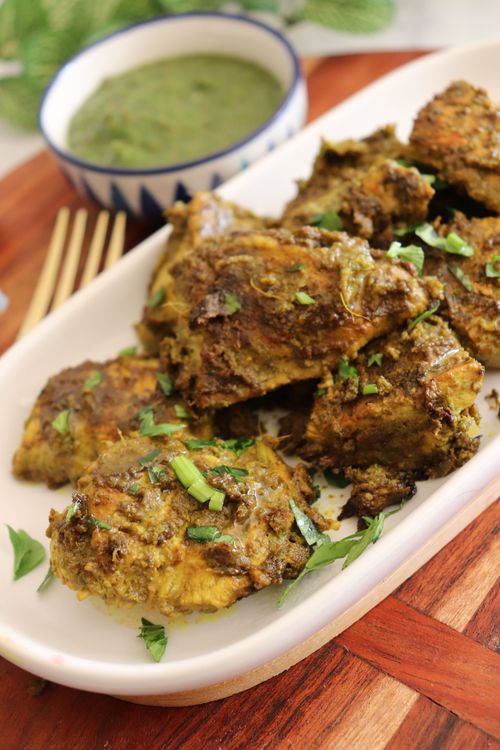
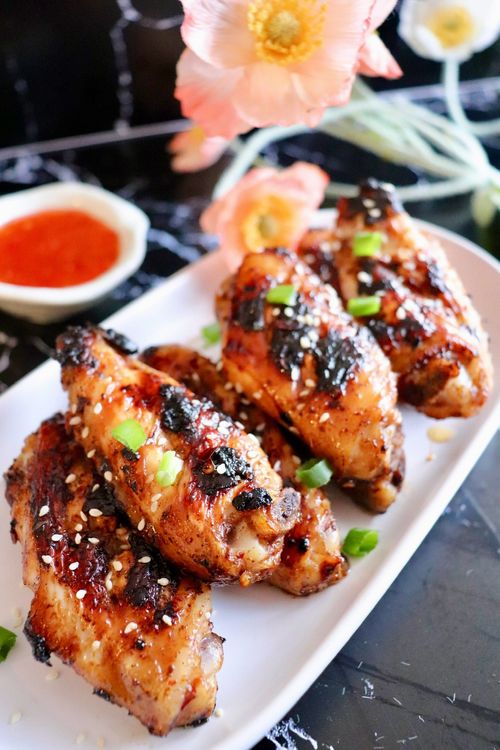
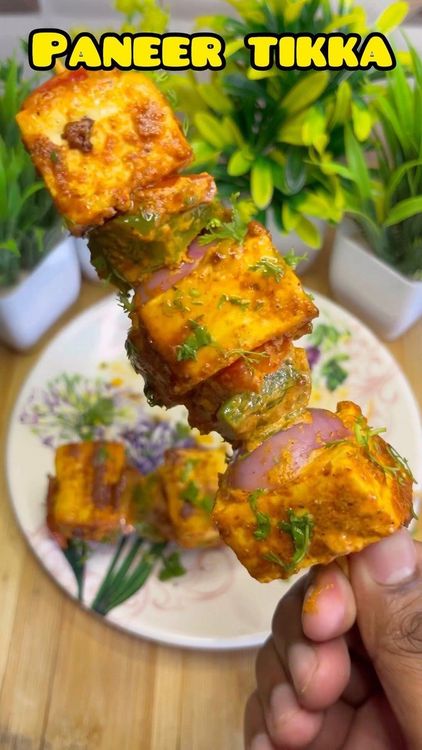
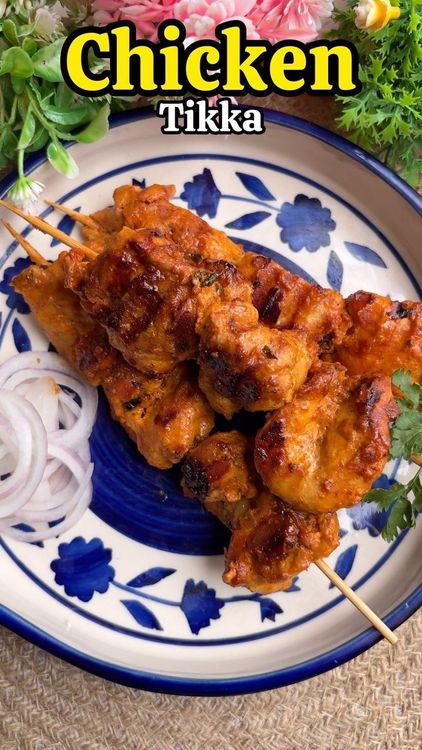
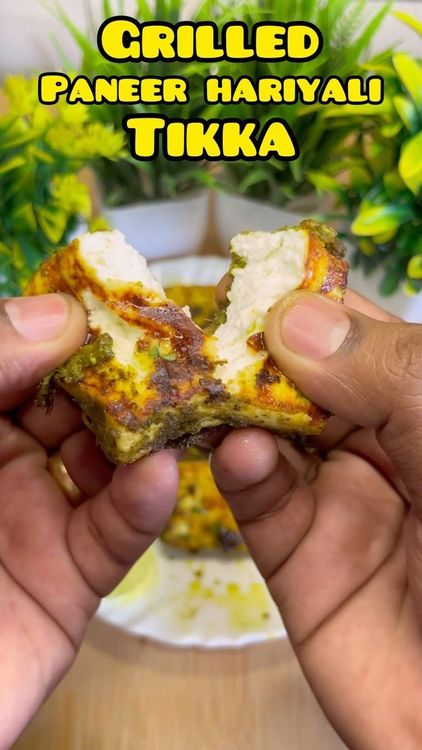
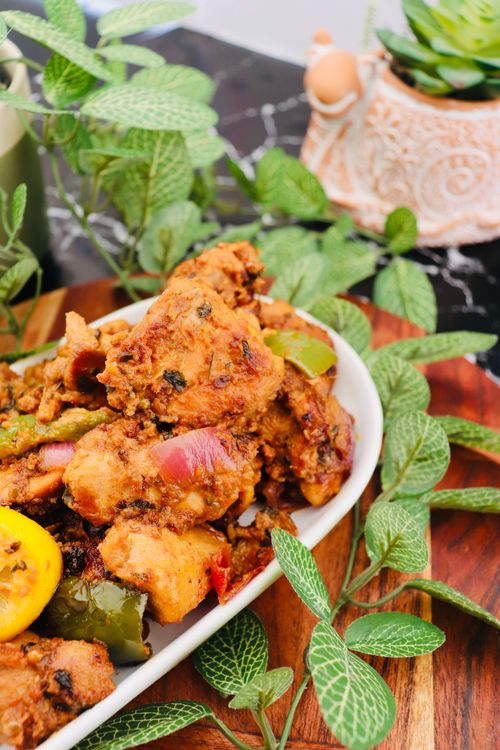
Wings, skewers and kebabs are the social engine of the cookout — they cook fast, they are eaten standing up, they pair naturally with dipping sauces, and they can be produced in batches throughout the event rather than all at once. The flavour range in this cluster is deliberately wide: lemongrass and Vietnamese-inspired, tamarind-glazed, teriyaki-sweet, bang bang-sauced, Malai cream-marinated, hariyali herb-green, and classic tikka. What unites all of them is the value of marinating ahead — most of these dishes are built around a marinade that does most of the flavour work, and spending an hour or more in that marinade (or overnight in the fridge) is the step that most home cooks skip and most restaurant versions do not. Wings need time in marinade and then a dry finish before grilling for the skin to crisp properly. Skewers cook in six to twelve minutes over direct heat and are best served immediately; they do not hold well once cooked. Standouts here include Lemongrass Chicken Wings and Sweet & Spicy Chicken Wings, plus Sweet Chilli Wings! .
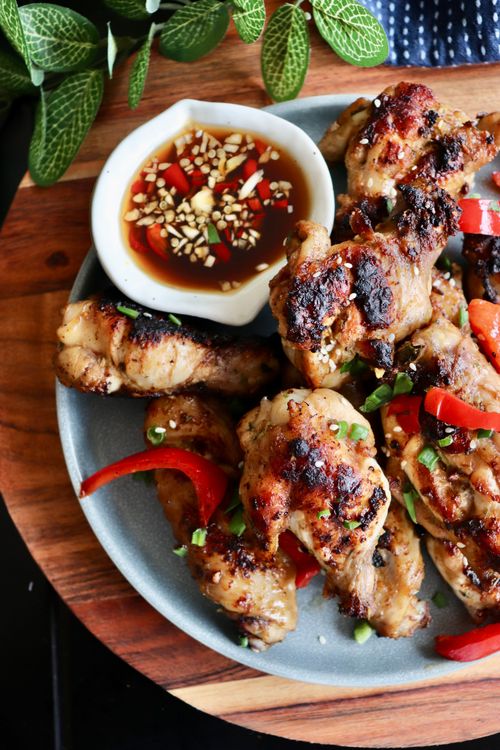
- Vietnamese
- Non-Vegetarian
- Appetiser
- Indian
- Non-Vegetarian
- Appetiser
- Indian
- Non-Vegetarian
- Appetiser
- Indian
- Vegetarian
- Snack

- Indian
- Non-Vegetarian
- Appetiser

- Asian
- Non-Vegetarian
- Dinner
- Indian
- Gluten-Free
- Appetiser
- Non-Vegetarian
- Side Dish

- Indian
- Vegetarian
- Appetiser
- Indian
- Non-Vegetarian
- Lunch
- Indian
- Non-Vegetarian
- Appetiser
- Indian
- Non-Vegetarian
- Lunch
- American
- Non-Vegetarian
- Lunch
BBQ, Sauced & Slow-Cooked
BBQ and sauced dishes are the slow lane of the cookout — they require patience but deliver the most deeply flavoured, pull-apart, sticky-fingered results. Beer brisket is the anchor of this section: a long, gentle braise or smoke that transforms a tough cut into something that falls apart at the touch of a fork, with the beer adding sweetness and body to the braising liquid. BBQ jackfruit nachos offer a vegetarian version of the same smoky, sauced, layered approach — jackfruit shredded and dressed in barbecue sauce has a texture that is surprisingly convincing as a pulled-meat substitute, and loaded on nachos with cheese and toppings it becomes a crowd-pleaser in its own right. Chicken bacon ranch sliders are the quick-assembly option: mini brioche buns, pulled or sliced grilled chicken, crispy bacon and ranch dressing — put together in minutes but tasting like far more effort. Loaded potato skins bridge the sides and mains categories: baked potatoes scooped out and filled with bacon, cheese and sour cream, then returned to a hot grill or oven until the skins are crisp and the filling bubbles. Standouts here include BBQ Jackfruit Nachos and Loaded BBQ Potato Skins, plus BBQ Chicken Bacon Ranch Mini Sliders.
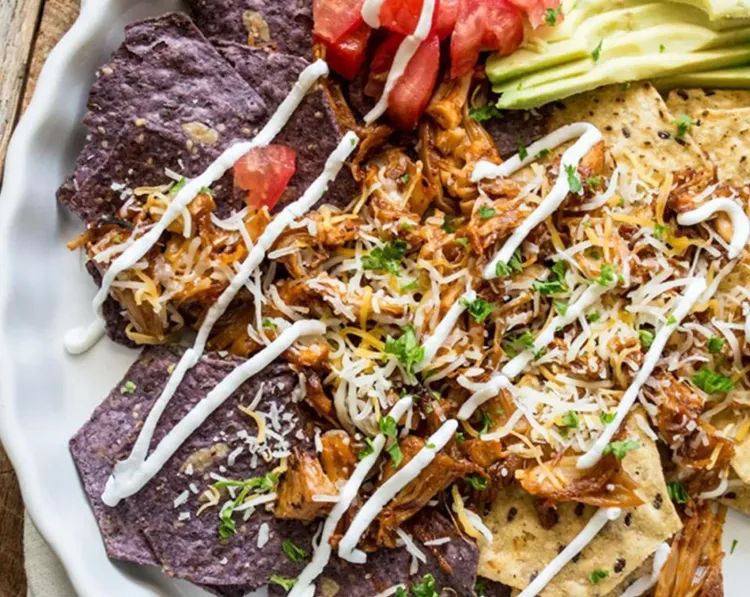
- Mexican
- Vegetarian
- Appetiser


- Gluten-Free
- Appetiser
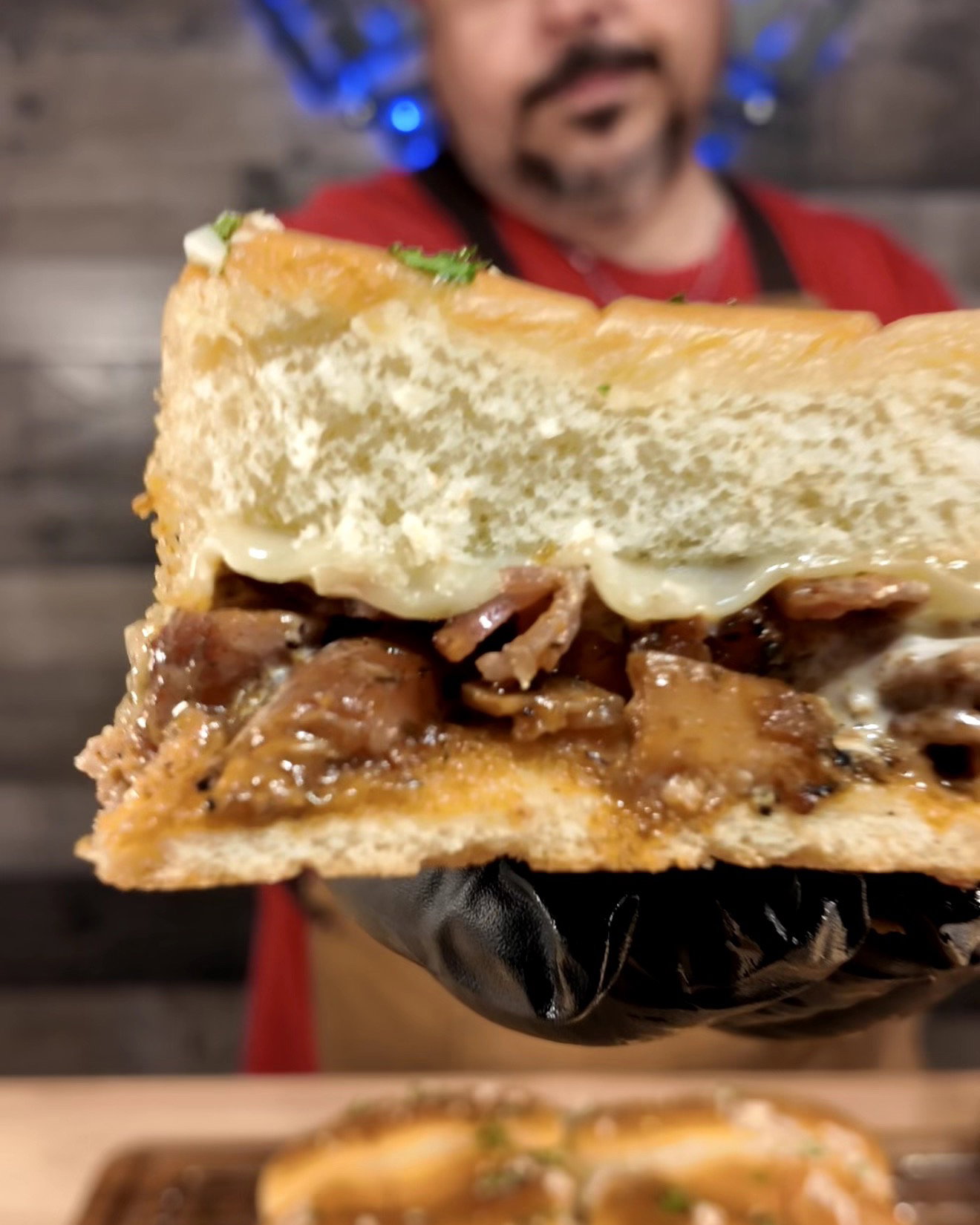
- Gluten-Free
- Lunch
Corn, Sides & Salsas
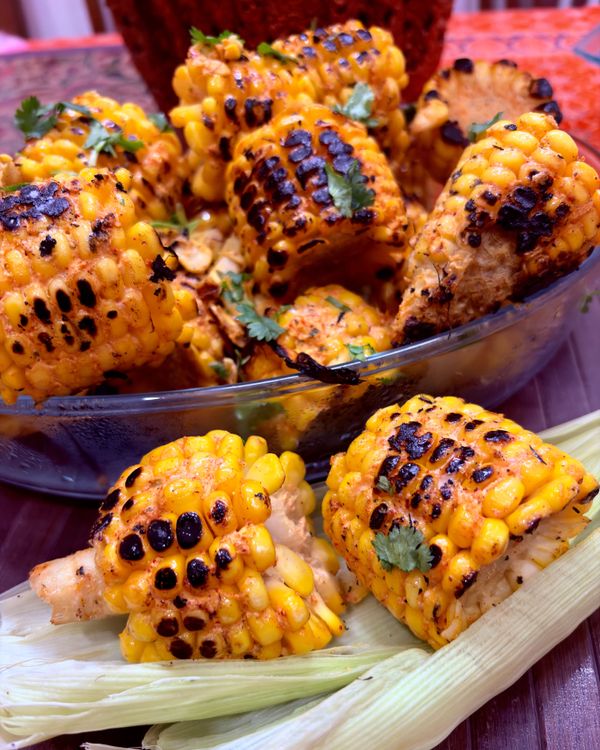
Corn, salsas and light sides are what make a cookout spread feel generous rather than just protein-heavy. Grilled corn (bhutta, as it is known in the subcontinent — here in its street-style form with spiced butter, masala or tandoori seasoning) is the most theatrical side dish: blackened husks pulled back to reveal steam-cooked kernels, finished directly over flame for grill marks and char. Salsas — tomato, mango jalapeño, corn, charred peach and basil — can all be made hours ahead, and they improve with resting time as the salt draws flavour from the produce and everything melds together. The eggplant and tomato salsa is the one cooked option in this section: the smokiness of the charred eggplant gives it a depth that raw salsas lack, and it bridges the gap between side dish and dip. Cucumber salad and zesty green salads provide freshness and crunch that cut through the richness of grilled meat. Plan to serve two or three sides alongside each grilled main, not one — variety is what makes a cookout feel abundant. Standouts here include Quesadilla Stacks with Guacamole & Sour Cream and Grilled Horse Mackerel with Salsa Verde, plus Smoky Eggplant & Tomato Salsa.
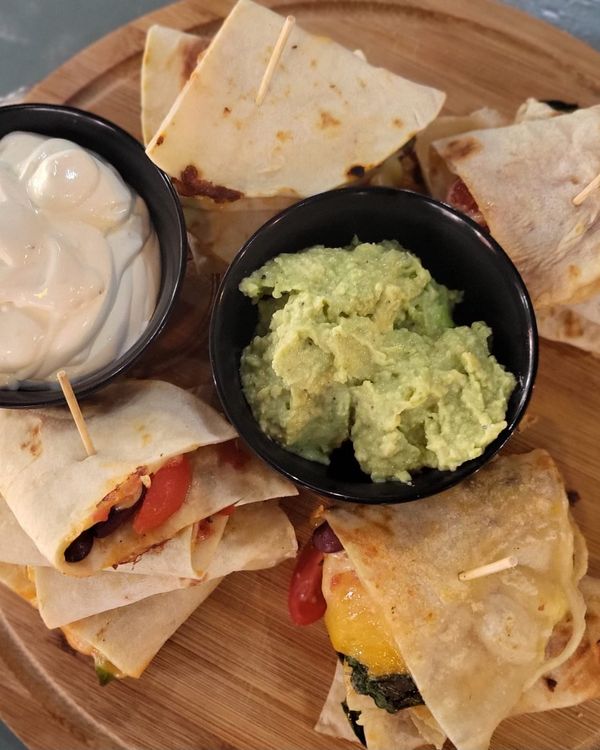

- Mexican
- Vegetarian
- Appetiser
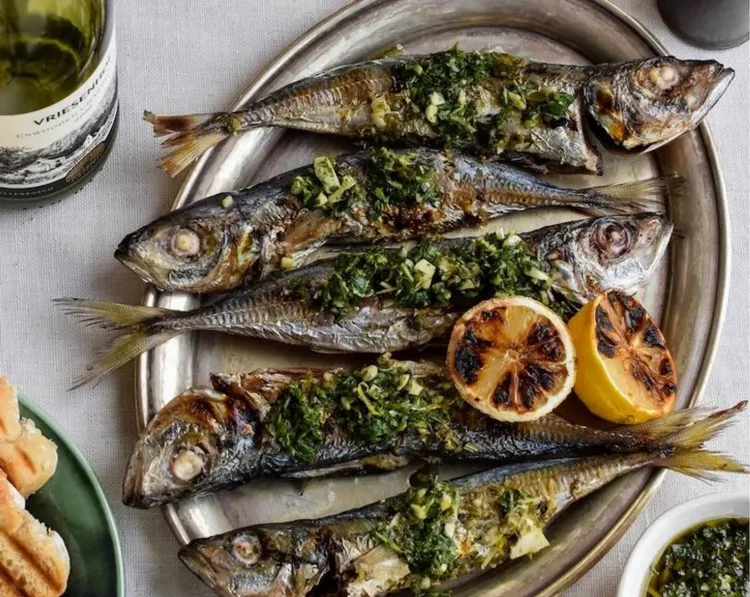
- Italian
- Pescatarian
- Dinner
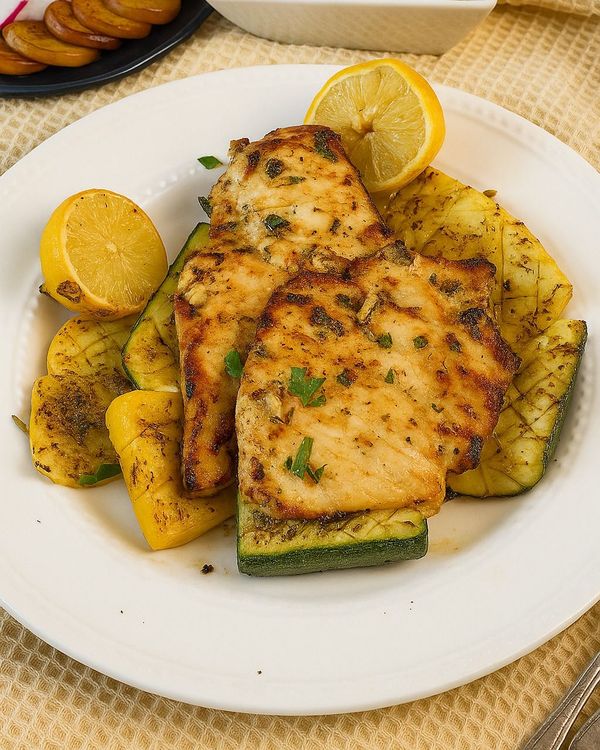
- American
- Non-Vegetarian
- Lunch
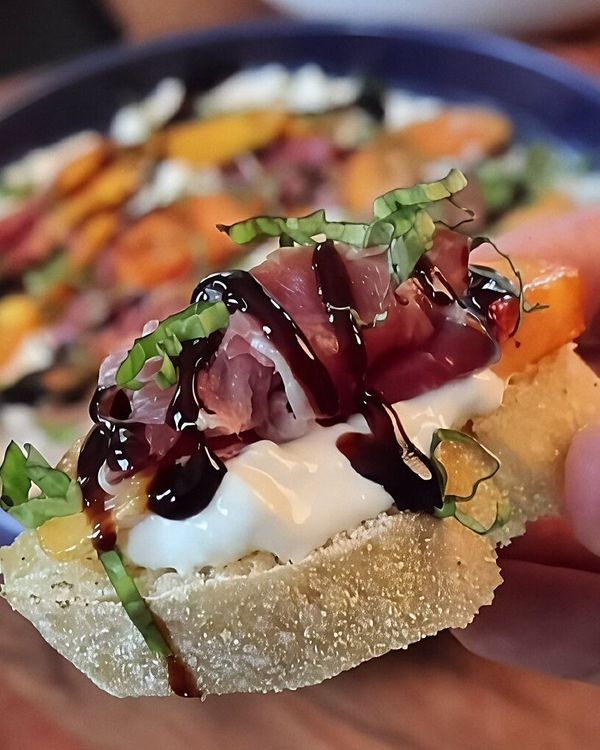
- Italian
- Non-Vegetarian
- Appetiser

- Indian
- Vegan
- Sauce & Condiment
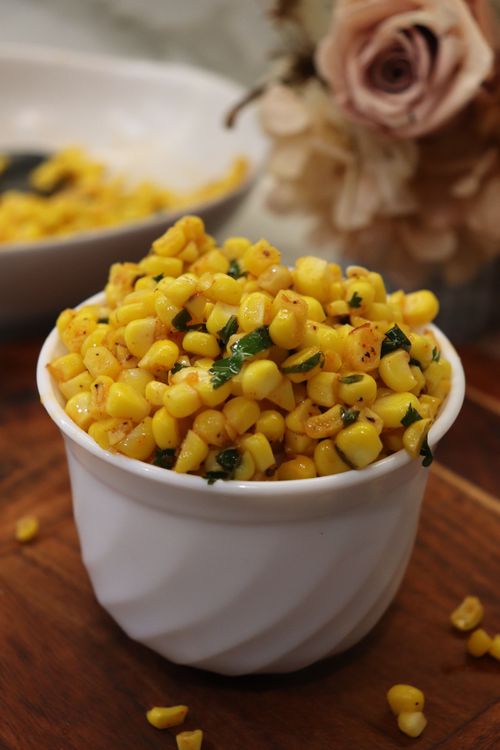
- Indian
- Vegetarian
- Snack
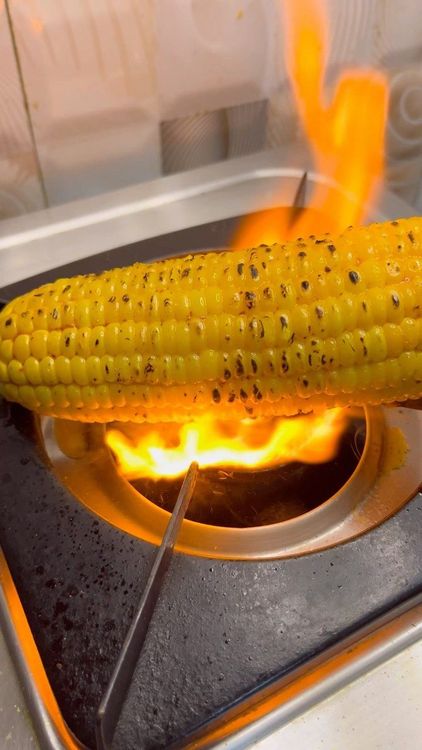
- Indian
- Vegetarian
- Snack


- North Indian
- Vegetarian
- Snack
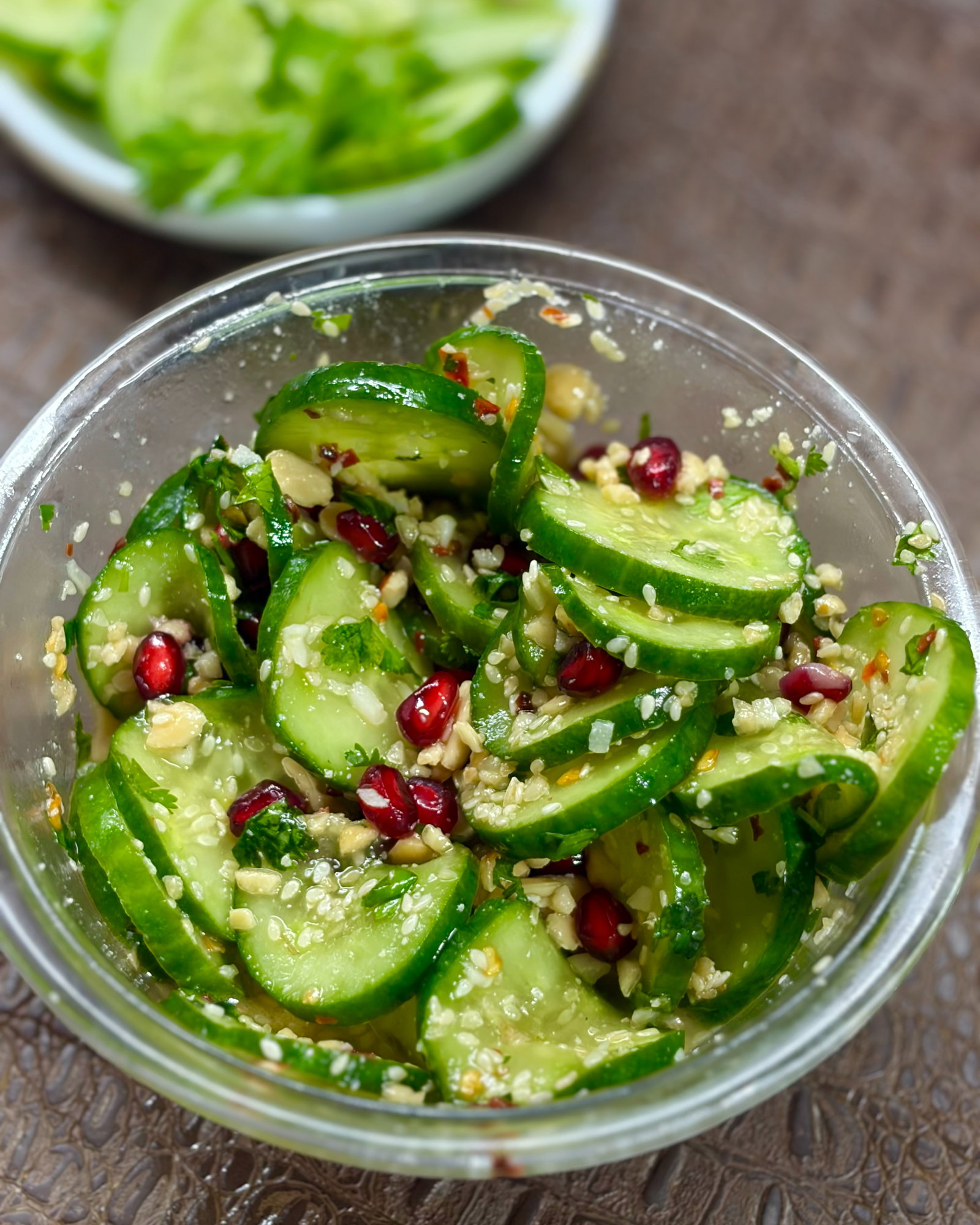
- Vegetarian
- Side Dish
More Cookout Favourites
A few more dishes worth a place in your rotation — same techniques, different results. Standouts here include Roasted Thecha Paneer and Vegan Coconut Ice Cream.
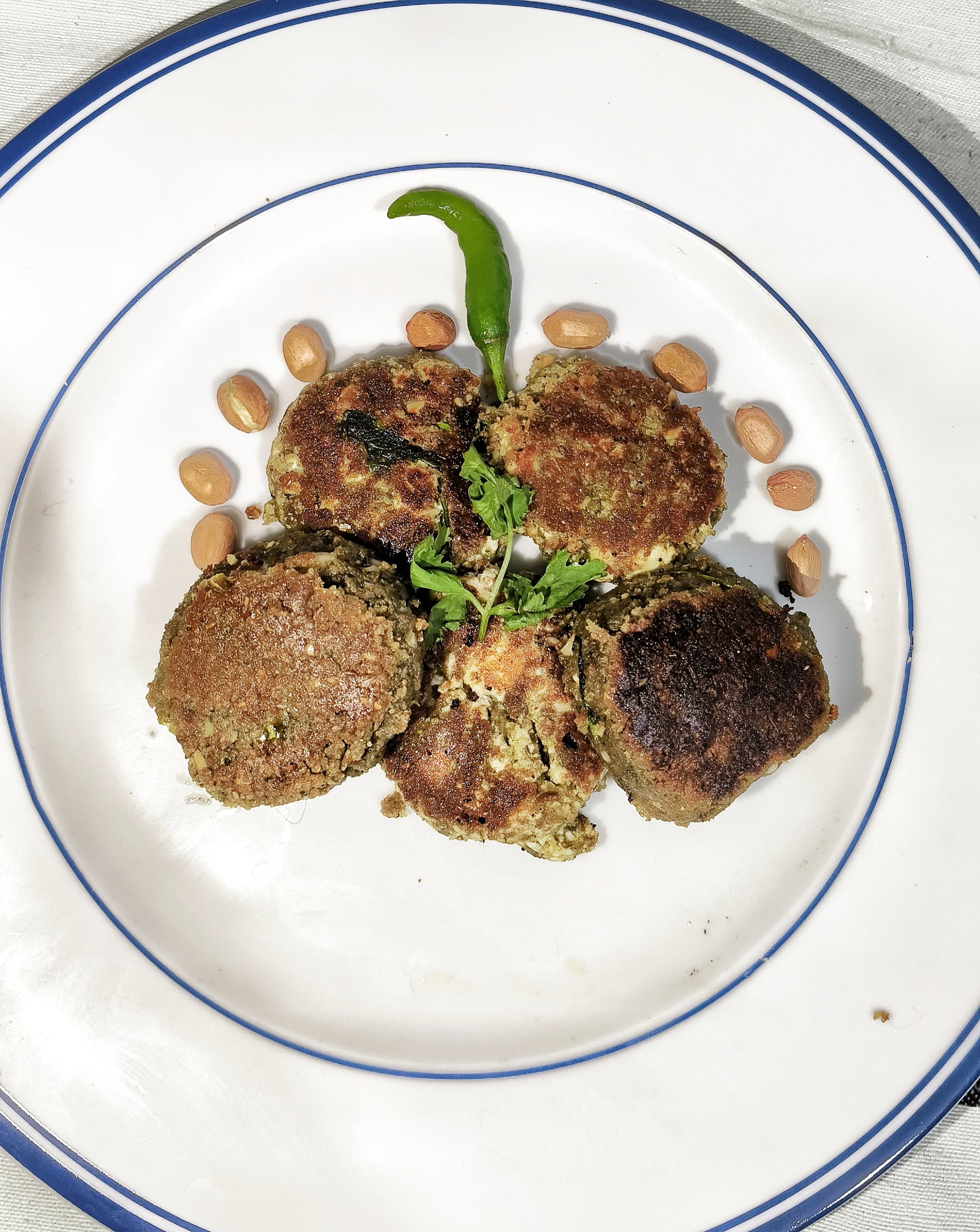
- Indian
- Vegetarian
- Main Course
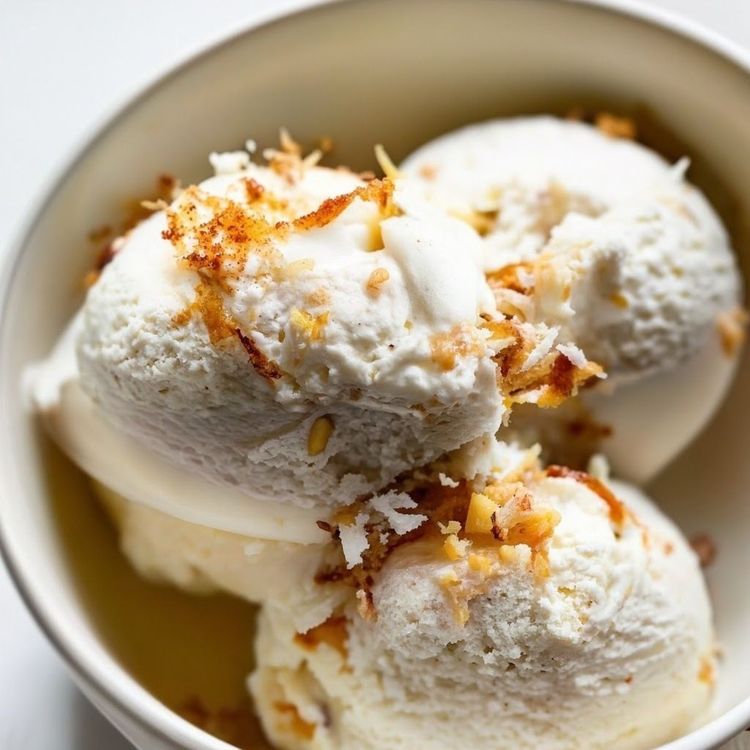

- Thai
- Vegan
- Dessert
Setting Up the Grill: Two-Zone Cooking
The single biggest upgrade most home cooks can make to their cookout is learning two-zone grilling. On a charcoal grill, pile the coals on one side to create a hot direct zone and leave the other side empty for indirect heat. On a gas grill, leave one or two burners off. This gives you a searing zone for colour and a gentler zone for cooking through without burning — exactly what large cuts of meat need.
Start big cuts (whole chicken, pork ribs, thick steak) over indirect heat to cook through, then move to direct heat at the end for the crust and caramelisation. Start thin cuts and wings over direct heat and move to indirect if they colour too fast before cooking through. The ability to shuttle food between zones removes most of the anxiety from live-fire cooking; you have a rescue zone rather than a binary choice between raw and burnt.
For charcoal, let the coals ash over fully before cooking — white-ashed coals produce steady, even heat rather than flares. A chimney starter gets charcoal ready in fifteen minutes with no lighter fluid, which means no petrochemical taste on the food. Control temperature with the vents: more open means more air, hotter fire; close them down to cool things off.
Marinades, Rubs and Getting Flavour In
Marinades do two things: add flavour and, if they contain an acid or enzyme, begin to tenderise the protein. An effective marinade has fat (carries fat-soluble aromatics into the meat), acid (lemon, lime, vinegar, yogurt — softens the surface), salt (seasons through rather than just on the surface), and aromatics (garlic, ginger, spices, fresh herbs). The ratio is roughly three parts fat, one part acid, generous salt, and as much flavouring as you want.
Time matters — but more is not always better. Chicken pieces marinate well for two to eight hours; longer and the acid can make the surface mushy. Red meat like steak benefits from four to twelve hours. Fish and shellfish need only thirty minutes to an hour, as the flesh is delicate and acid can start to "cook" it. For the dry rub approach (no liquid), apply at least an hour before cooking to let the salt penetrate, or ideally overnight in the fridge.
Always marinate in the fridge, not at room temperature, to prevent bacterial growth. Pat the protein lightly dry before grilling — a very wet surface steams rather than sears. Reserve unused marinade before it touches raw meat if you want it as a basting or serving sauce, or boil used marinade for at least two minutes to make it safe to brush on. Most cookout recipes include a basting step for exactly this reason.
Wings and Skewers: Cooking at Pace
Wings are the workhorse of the cookout because they are almost impossible to dry out — the high fat content of the skin keeps them moist even if they spend a few extra minutes over the fire. The key to crispy-skinned wings is dryness before cooking: pat them completely dry (or air-dry uncovered in the fridge overnight) and avoid saucing until the last three minutes, otherwise the sugars burn before the skin crisps.
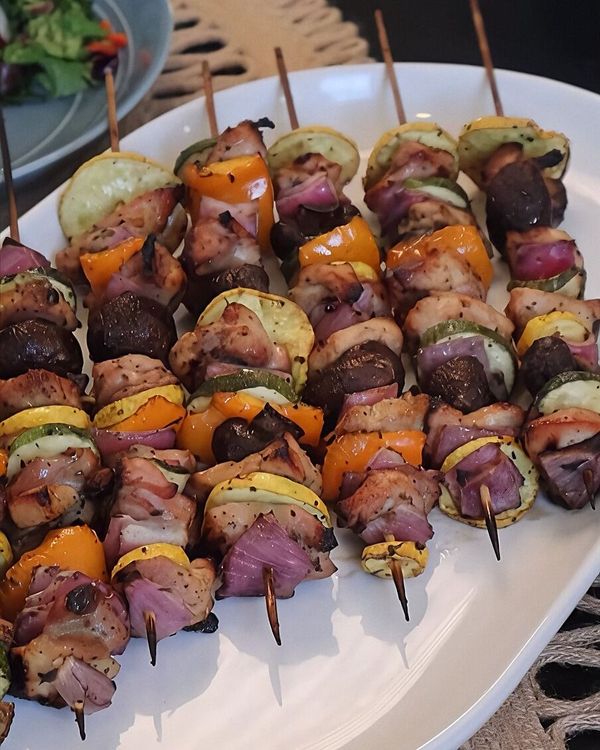
For skewers and kebabs, cut everything to a uniform size so it cooks evenly. If using wooden skewers, soak them in cold water for thirty minutes before threading to prevent scorching. Thread protein and vegetables so there is slight contact rather than gaps — meat that has space between pieces dries out at the ends. Grill over direct medium-high heat, turning every two to three minutes for even colour.
The payoff of wings and skewers is that they cook quickly — eight to twelve minutes total for wings, six to ten for small skewers — which means you can run multiple batches through the grill in the time it takes a whole chicken to finish cooking. Stage them across the grill: first batch over the hot zone, second batch waiting in the warm zone, and the cook has constant output for a crowd rather than one big hit at a time.
Make-Ahead Sides: Salsas, Corn and Salads
The best cookout sides are either made completely ahead or come together in under ten minutes at the grill with no cooking required. Tomato, corn and mango salsas all improve with thirty minutes of resting time after mixing, as the salt draws out liquid and the flavours meld — make them up to four hours ahead and refrigerate, pulling them out twenty minutes before serving so they come to room temperature. Cold salsa on hot meat is a contrast that works; fridge-cold salsa on anything is not.
Grilled corn (bhutta) is the one side that is best cooked to order, because it loses its sweetness quickly once off the cob. Soak unhusked corn in cold water for fifteen minutes before grilling to create steam inside the husk, then grill over direct heat turning regularly until the husks are charred and the corn inside is tender, about fifteen to twenty minutes. Pull back the husk and finish directly over the flame for two minutes for grill marks.
Salads that include heat-softened components (grilled peach, roasted eggplant, smoky tomato) should be assembled at room temperature rather than chilled, as cold dulls their flavour. These can be prepared an hour ahead and left covered at room temperature. Dress with acidic vinaigrette right before serving rather than in advance, as acid wilts tender leaves and draws water from tomatoes and cucumber quickly.
Pro Tips from the Test Kitchen
- Pat meat completely dry before it hits the grill — surface moisture steams the food and prevents the crust you want.
- Set up a two-zone fire: one hot side for searing, one cool side for finishing — it gives you control rather than a binary choice between raw and burnt.
- Marinate chicken for two to eight hours maximum; longer and the acid makes the surface mushy rather than tender.
- Air-dry wings uncovered in the fridge overnight for the crispiest skin — no extra prep on the day needed.
- Sauce wings in the last two to three minutes of cooking so the sugars caramelise rather than burn.
- Make salsas up to four hours ahead and refrigerate — rest time lets flavours meld; bring back to room temperature before serving.
- Soak corn on the cob in cold water for 15 minutes before grilling to create steam inside the husk and cook the kernels evenly.
- Reserve fresh marinade before it touches raw meat to use as a basting or dipping sauce — or boil used marinade for 2 minutes if you want to repurpose it safely.
- Thread skewer pieces with slight contact rather than gaps — meat with space between pieces dries out at the ends before the middle is done.
- Let large cuts rest for five to ten minutes off the heat before slicing — the juices redistribute and the meat stays moist on the plate.
Frequently Asked Questions
What food is best for a cookout?
The best cookout food is robust enough to handle fire, benefits from smoke and charred edges, and is easy to eat outdoors. Grilled chicken (whole pieces, wings, thighs), beef steaks, pork ribs, kebabs and skewers are the natural centrepieces. Corn on the cob, salsas, potato skins and light salads fill the sides role. For crowd cooking, wings and skewers are especially practical because they cook quickly and can be batched in waves while a larger cut finishes over indirect heat.
How do you keep cookout food from drying out?
The main causes of dry grilled food are overcooking, cooking at excessive heat with no indirect zone, and grilling without any marinade or basting. Use a two-zone fire so you can finish cooking gently. Marinate protein ahead of time, especially leaner cuts like chicken breast or fish. Baste during cooking with the reserved marinade or a simple oil-and-herb mixture. And rest meat for five to ten minutes off the heat before cutting — cutting too early releases all the juices onto the board.
How far in advance can you prepare cookout food?
Most cookout food is best prepared in stages over one to two days. Marinades can be made and the protein put to soak the evening before. Dry rubs are best applied the night before too. Salsas and salads can be made up to four hours ahead and refrigerated. Corn is best grilled fresh on the day. Sauces and chutneys can be made days ahead. On the day itself, if everything is pre-marinated and organised, the actual cooking is the shortest part of the process.
What is the difference between a cookout and a BBQ?
In North American usage, the terms are often used interchangeably, but technically they refer to different cooking methods. A cookout is outdoor cooking over direct high heat — what most people do with a grill: steaks, burgers, wings, fish. True BBQ (barbecue) refers specifically to low-and-slow cooking with indirect heat and smoke, typically over many hours, producing the kind of fall-off-the-bone ribs, pulled pork or brisket that require time and a closed lid. Both approaches appear in this collection.
How do you get crispy skin on grilled chicken?
Three things: dryness, medium heat and patience. Pat the chicken skin completely dry before cooking (or air-dry overnight in the fridge, uncovered). Start skin-side down over medium rather than maximum heat so the fat renders slowly before the skin sets. Do not move it — let it sit undisturbed until it releases naturally from the grate, which means the skin has crisped. Moving it too soon tears the skin and removes colour. Sauce only at the very end so sugars caramelise rather than burn.
What is chimichurri and what does it go with?
Chimichurri is an Argentinian herb sauce made from finely chopped flat-leaf parsley, garlic, red wine vinegar, olive oil, dried oregano and chilli flakes. It is uncooked and bright-tasting, which makes it one of the best accompaniments to grilled red meat — the acidity and freshness cut through the fat of a flank steak or sirloin. It also works well with grilled chicken, fish and vegetables. It keeps in the fridge for several days and the flavour deepens as it sits.
How do you stop wooden skewers from burning on the grill?
Soak them in cold water for at least thirty minutes before threading. The water absorbed into the wood slows charring enough to get through a ten to twelve minute cook without the skewers catching. For longer cooking times, metal skewers are a better option — flat metal skewers also prevent the food rotating when you turn them, which bamboo round skewers do not. If you only have bamboo and expect a longer cook, wrap the exposed ends in a small piece of foil.
What sides go with grilled meat at a cookout?
The best sides balance the richness and smokiness of grilled meat. Acidic sides like corn salsa, mango jalapeño salsa, tomato salsa or a simple green salad with vinaigrette do the work of cutting through fat and refreshing the palate. Corn on the cob is the classic cookout side for a reason — it grills well and is universally popular. Loaded potato skins, quesadillas and BBQ nachos are richer sides that complement lighter grilled proteins. Plan one acidic side and one heartier side per cookout.
What is jerk chicken?
Jerk chicken is a Jamaican dish where chicken is marinated or rubbed in a spice mixture built around scotch bonnet peppers, allspice (called pimento in Jamaica), thyme, garlic, ginger and green onions. It is traditionally cooked over pimento wood, which gives a distinctive smoky flavour, though most home versions use a charcoal grill. The result is fiery, deeply fragrant and slightly smoky, with a caramelised crust. It is one of the most flavourful grilled chicken preparations anywhere.
How long do you grill chicken wings?
Over medium-high direct heat, chicken wings take about eighteen to twenty-five minutes, turning every five to seven minutes for even colour. The skin needs to render and crisp, which takes time — wings cooked too fast on very high heat char the outside before the fat has rendered. Start them on the hotter side of a two-zone fire and move to the cooler side if they are colouring faster than they are cooking through. Internal temperature should reach 75°C / 165°F. Add any sauce only in the last two to three minutes.
The thread through every cookout recipe here is fire and contrast — the char of the grill balanced by something bright and acidic on the plate. Master the basics in the guides: set up the fire right, marinate properly, give yourself time to work in batches, and have your sides ready before the first piece of meat hits the grate. Everything else becomes easier from there.
Plan a spread of three or four dishes — one big centrepiece, one fast batch of wings or skewers, and a couple of sides — rather than trying to cook everything at once. Save your favourites to a Chefadora cookbook and build a collection that makes your cookout menu easier each time you do it.
Related
- Grilling
- BBQ
- Summer
- Chicken
- Outdoor Cooking
- Party Food
- Wings
Popular Searches
- Best cookout recipes
- Easy cookout recipes
- Quick cookout recipes
- Healthy cookout recipes
- Simple cookout recipes
- Homemade cookout recipes
- Delicious cookout recipes
- Popular cookout recipes
- cookout food ideas
- cookout sides
- summer cookout food
Marnirni-apinthi Building, Lot Fourteen,
North Terrace, Adelaide, South Australia, 5000
Australia
