
Top 45 Brunch Recipes: Pancakes, Toasts, Waffles and More
Updated June 30, 2026 · Curated by Chefadora
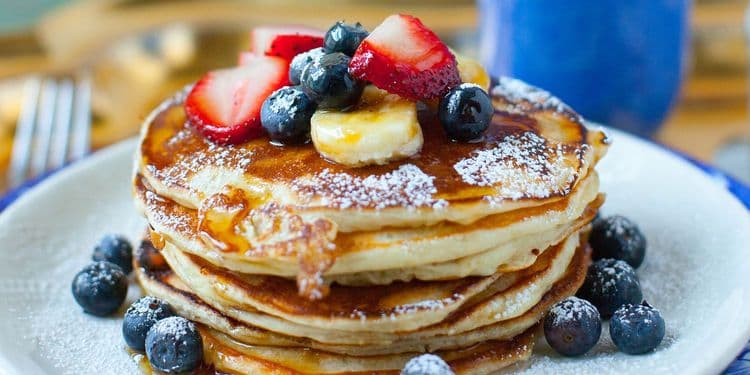
Brunch recipes occupy a happy middle ground: leisurely enough to warrant effort, but short enough on time that they cannot demand hours of prep. The best brunch dishes are the ones that reward a slightly slow morning — pancakes that come off the griddle in batches, French toast that soaks overnight, waffles that stay crisp long enough for everyone to sit down at once. This collection spans the full range of what a good brunch table needs, from fluffy stacks to lighter smoothie bowls.
What separates a great brunch from a rushed breakfast is pacing and parallelism. The cook's job is to have some things ready before anyone sits down — bread baked the night before, batter mixed and resting, fruit sliced and chilled — so that only the hot-to-order items need active attention. French toast, pancakes and waffles cook in minutes once the surface is hot and the batter is ready. Everything else can wait on a low-oven rack without losing much.
You will find three sections here: pancakes and waffles where the griddle is the star; French toast, eggs and bread where hearty, sustaining bakes and egg dishes do the heavy lifting; and smoothies, bowls and drinks for the lighter side of the table. The guides below cover the technique behind each category — how to get genuinely fluffy pancakes, how to pick bread for French toast, and how to run a brunch spread without spending the whole morning at the stove.
The recipes on this page come from across the culinary world: Japanese souffle pancakes, South Indian idli and appam, Ethiopian-inspired injera-style batters, Central American fruit drinks alongside the American fluffy stack and classic French toast. Brunch has no fixed nationality — it is a time of day and a mood, and the dishes that fit it come from everywhere.
Pancakes & Waffles
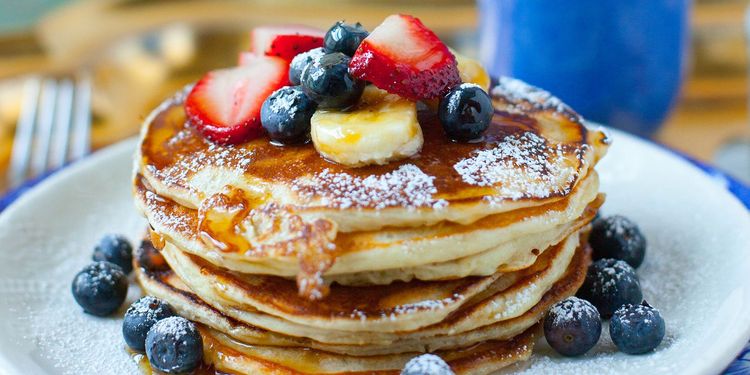
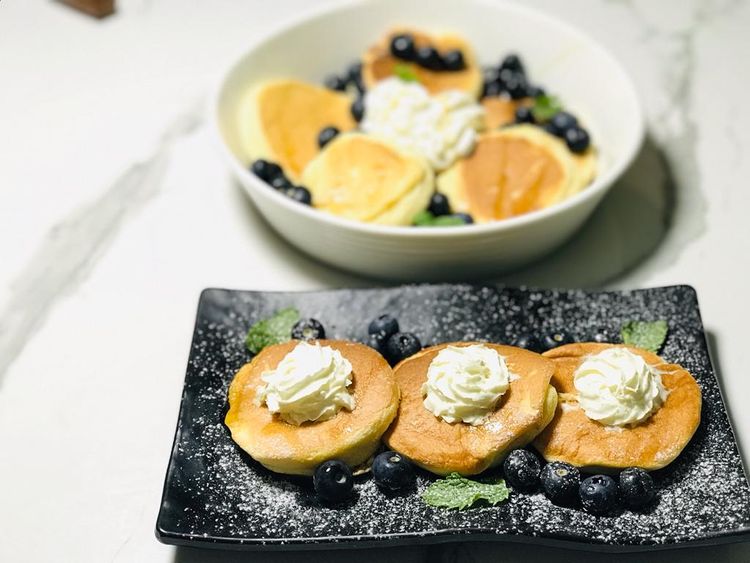
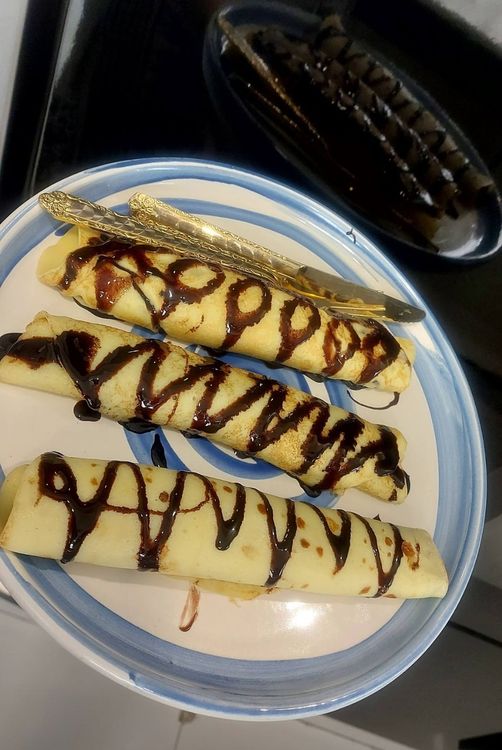
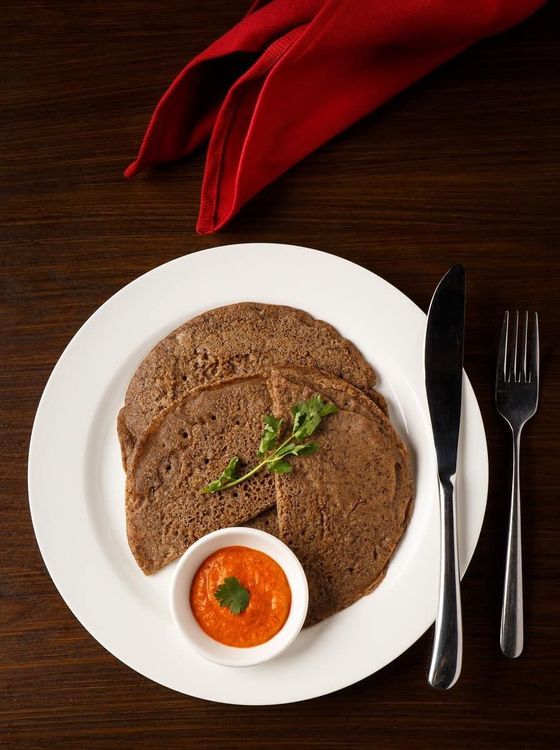
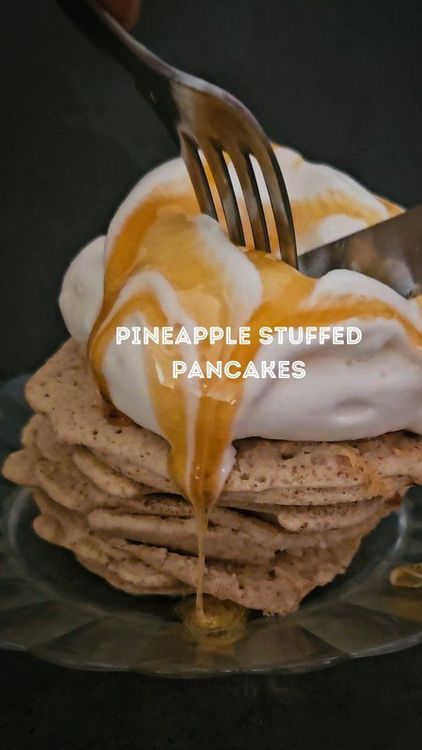
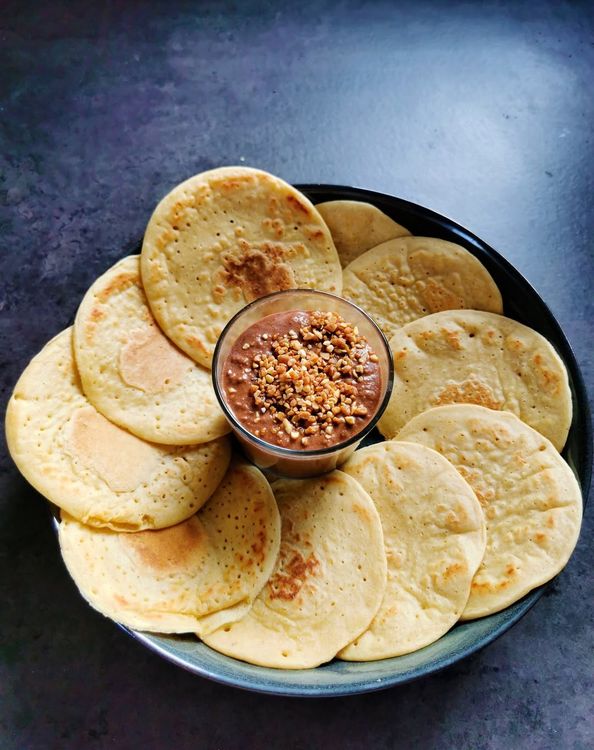
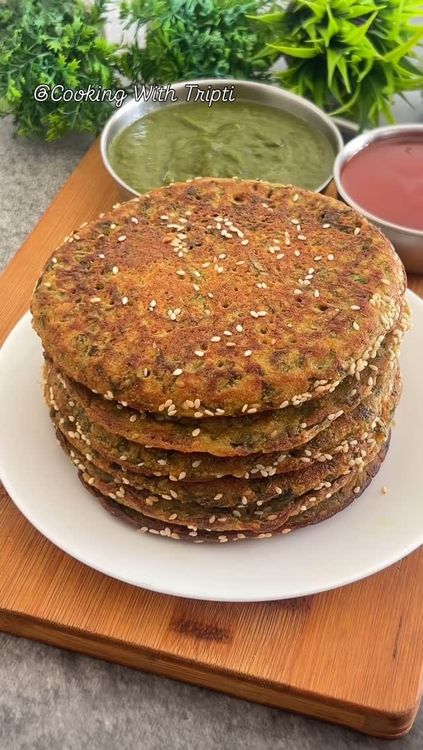
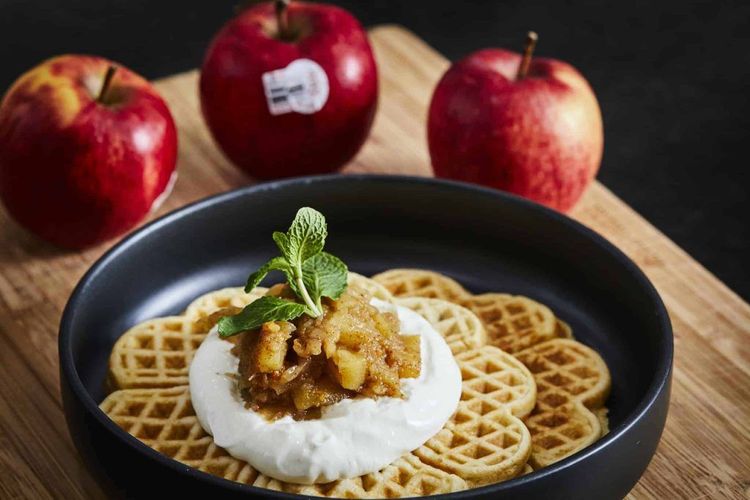
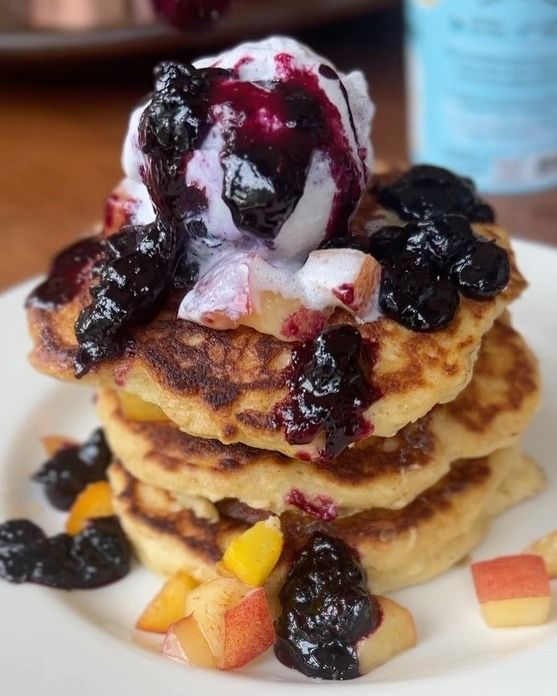
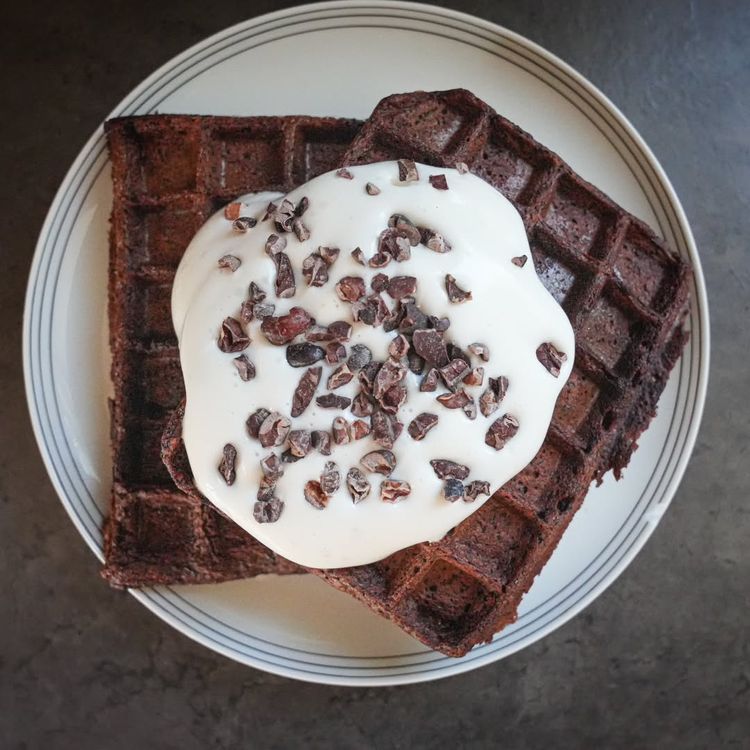
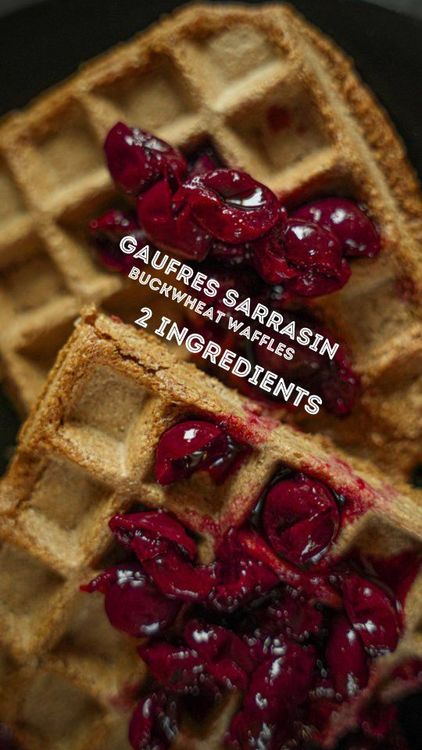
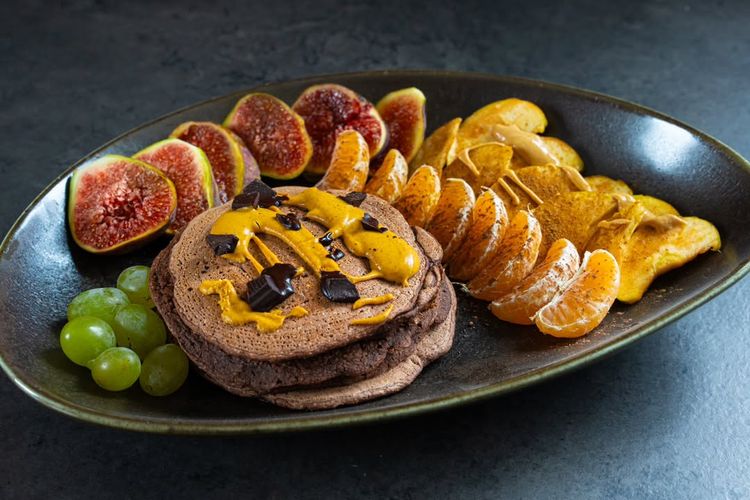
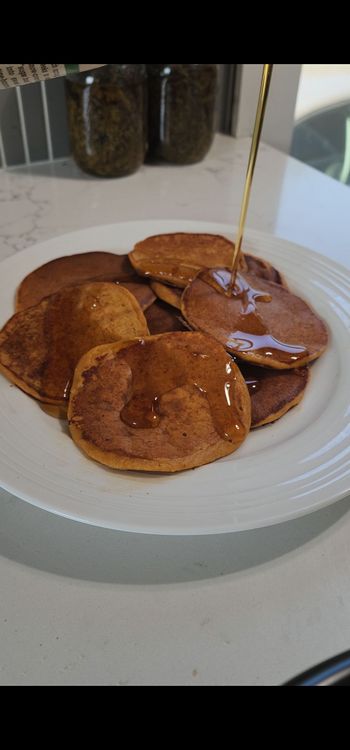
Pancakes and waffles might appear to be the same dish cooked on different surfaces, but the techniques diverge in meaningful ways. Pancake batter is thinner, cooked in a pan with no pressure — it relies entirely on leavening and resting time to build height. Waffle batter is usually thicker and richer, often with separated eggs or extra fat, and it is pressed between heated plates that simultaneously cook both surfaces and crisp the exterior. The unifying principle is the same for both: rest the batter so the leavening activates and the gluten relaxes, and cook on a properly preheated surface so the outside sets before the inside steams itself dense. This section spans the full range — classic American fluffy stacks, Japanese souffle pancakes, South Asian millet batters, whole-grain and buckwheat waffles and spelt-based versions with spiced compote. Whether you are feeding children or hosting a late-morning crowd, the technique in each dish builds on the same foundations. Standouts here include C02 : Fluffy Pancakes and Fluffy and Delicious Easy Homemade Souffle Pancake, plus Crepes.
- American
- Eggetarian
- Breakfast

- American
- Eggetarian
- Breakfast
- French
- Eggetarian
- Breakfast

- Nepalese
- Vegetarian
- Breakfast
- French
- Vegetarian
- Breakfast
- Vegan
- Vegetarian
- Breakfast


- American
- Vegan
- Breakfast

- Indian
- Vegetarian
- Breakfast
- Western
- Eggetarian
- Breakfast
- American
- Eggetarian
- Breakfast
- Fusion
- Vegan
- Breakfast
- International
- Vegan
- Breakfast
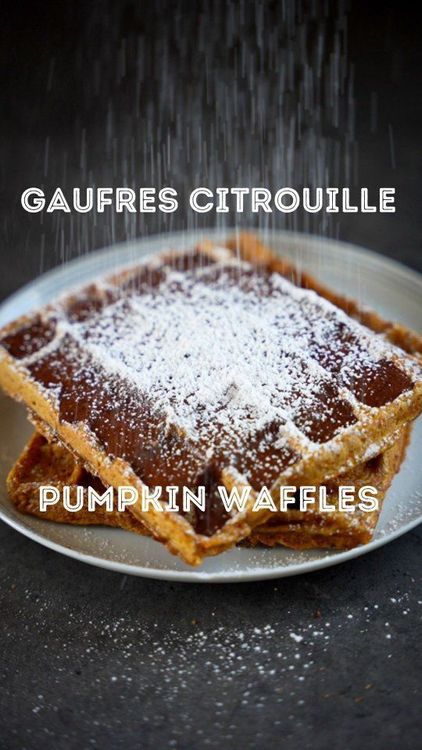
- American
- Vegan
- Breakfast
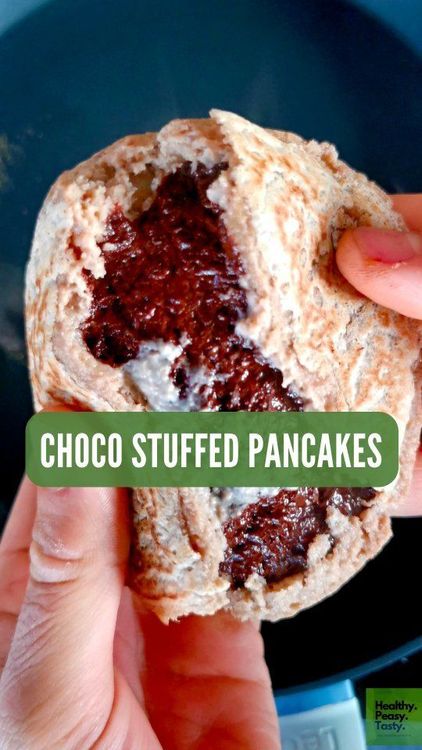
- International
- Vegan
- Breakfast
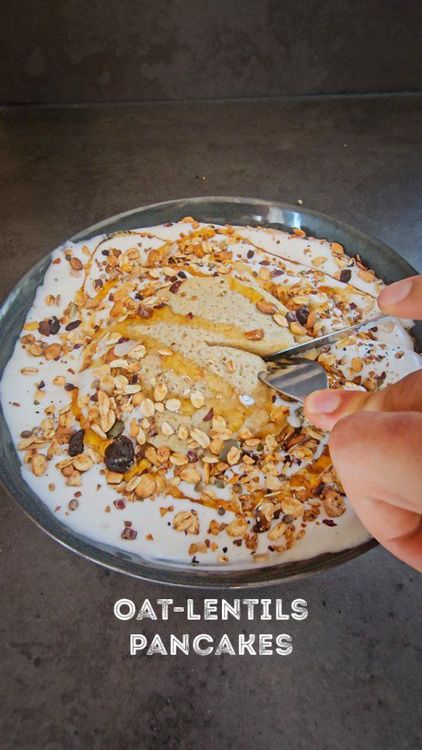
- French
- Vegan
- Breakfast
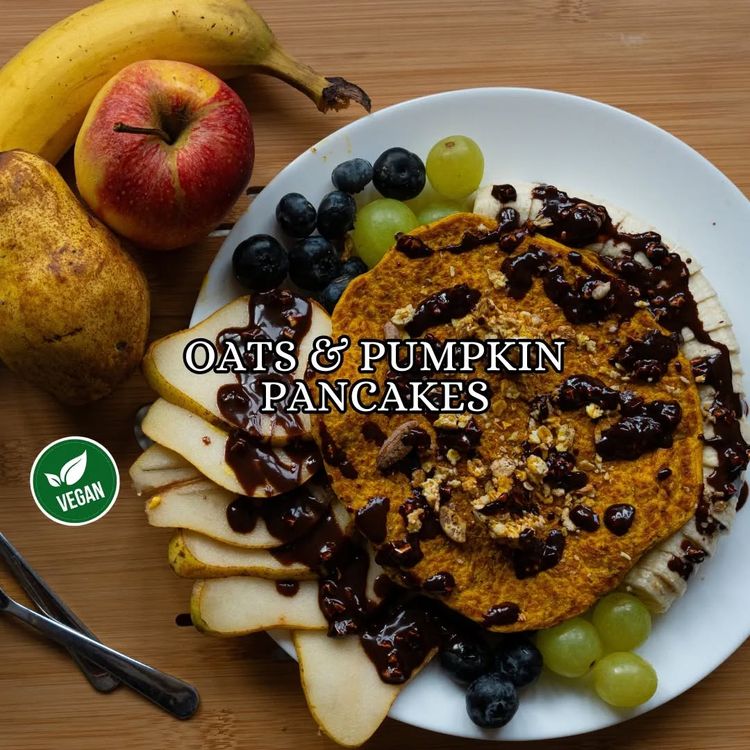
- International
- Vegetarian
- Breakfast
- Fusion
- Vegan
- Breakfast
- American
- Eggetarian
- Breakfast
French Toast, Eggs & Bread
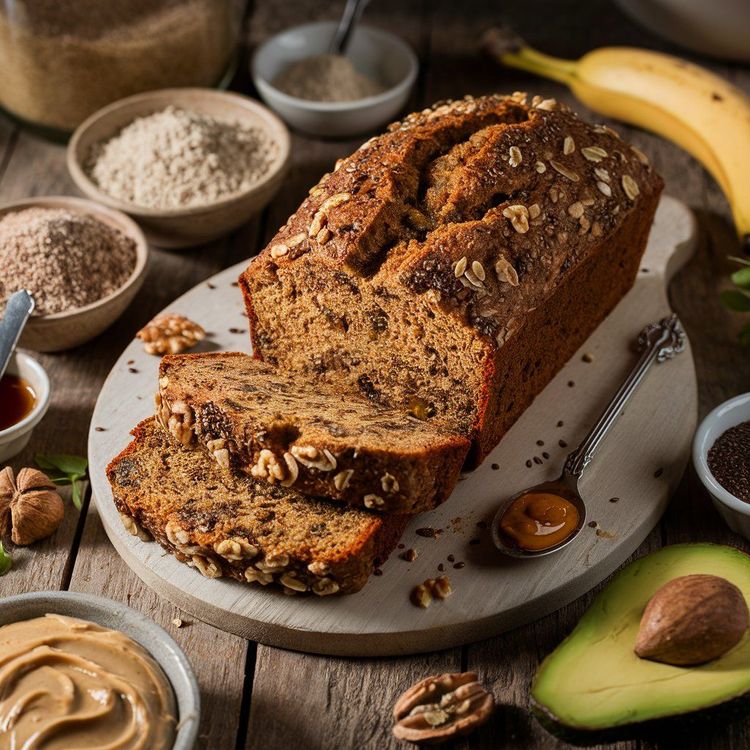
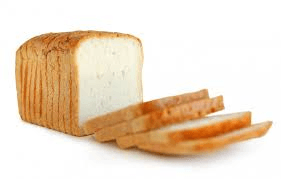
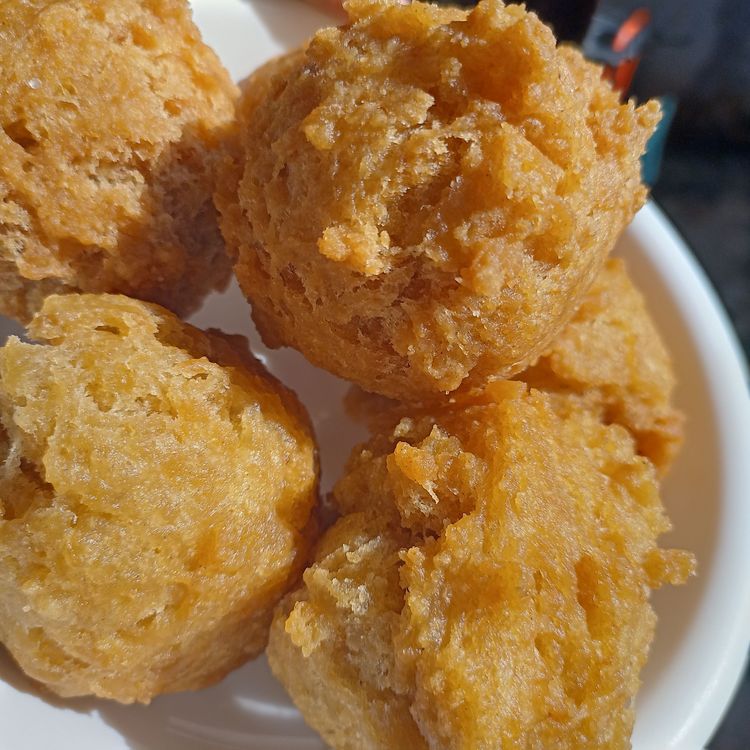
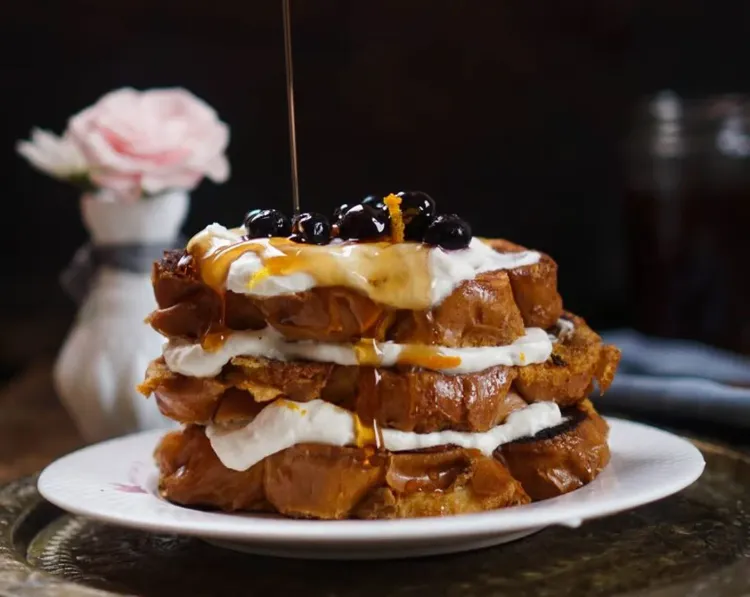
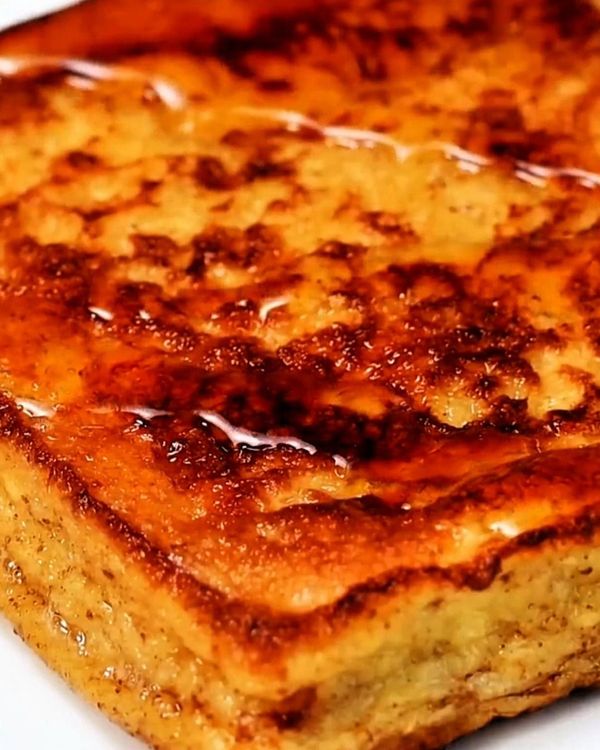
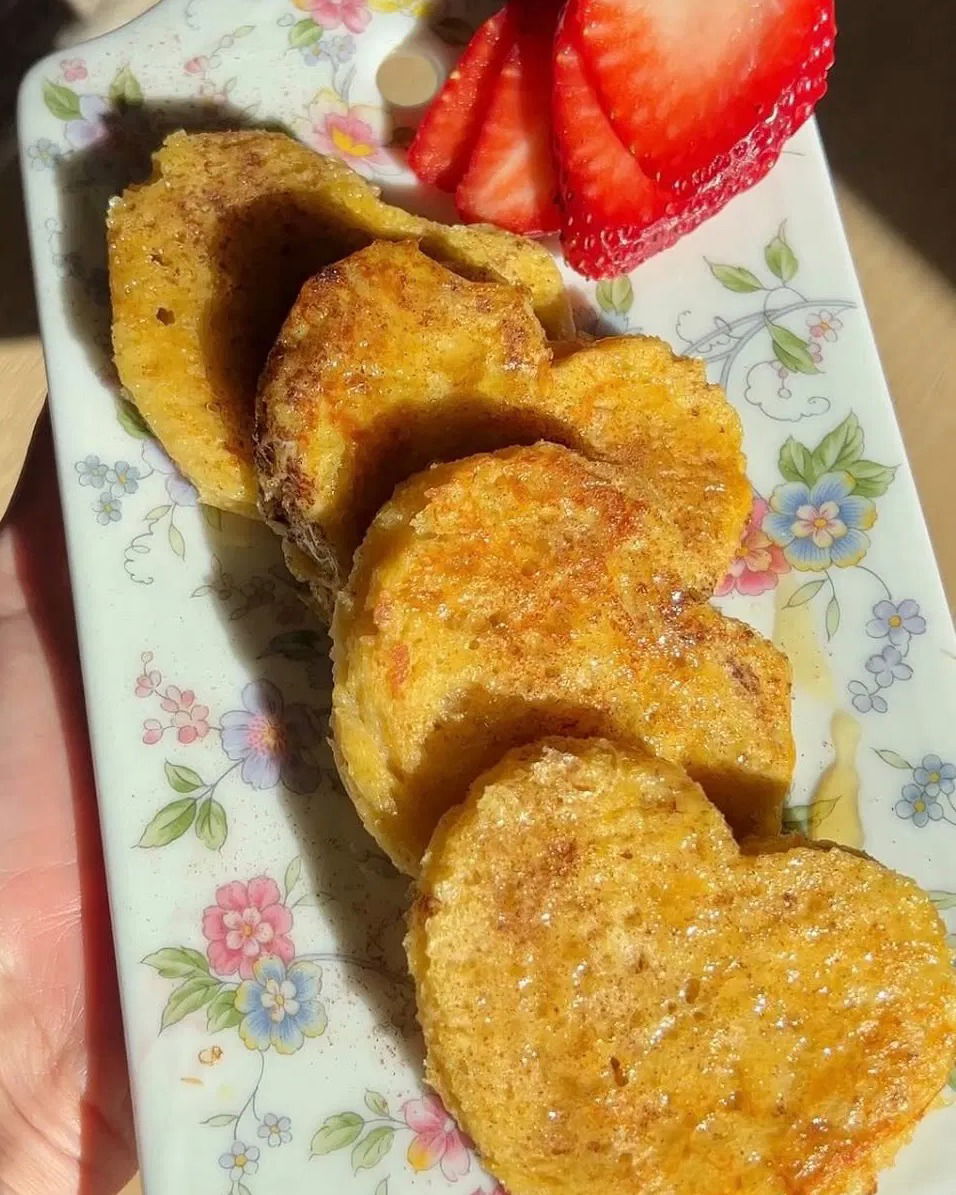
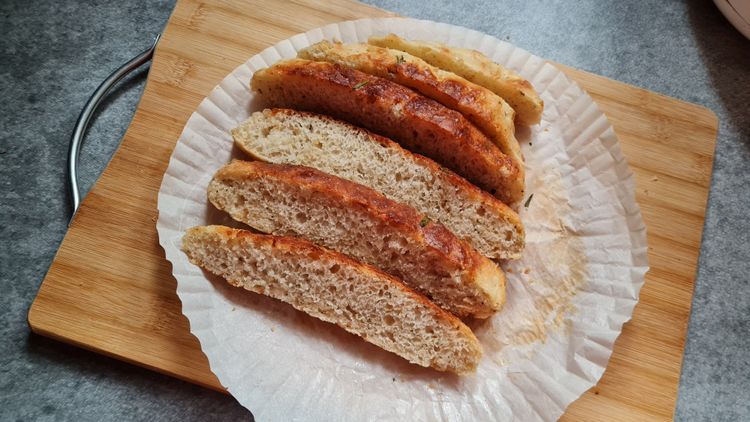
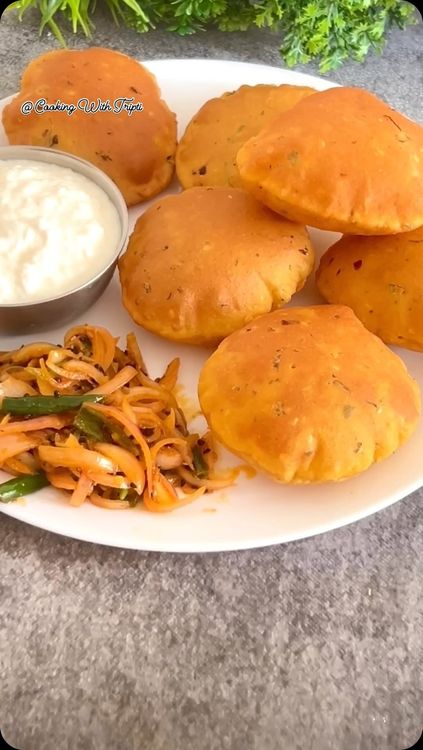
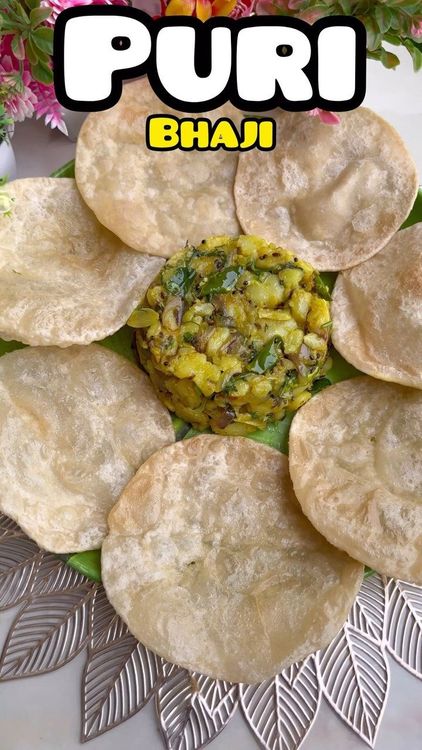
French toast, baked breads and egg-based brunch dishes are the backbone of any substantial spread — the dishes that keep people satisfied and give the cook something to work with between pancake batches. French toast rewards a careful choice of bread (thick, slightly stale, rich enough to absorb custard) and medium heat that gives the egg time to set all the way through. Baked breads — sprouted grain loaves, sourdough, homemade white bread, soft buns — are best made the night before so they are ready to slice and serve without any morning effort. The idli, appam and puri dishes in this section bring the South Indian tradition of morning fermented and fried breads, which require different technique but the same principle: a well-rested batter and a hot cooking surface. These are the dishes that anchor a brunch table and make it feel complete rather than just sweet. Standouts here include Sprouted Grain and Flaxseed Breakfast Bread and E02: WHITE LOAF BREAD, plus Delightful Homemade Buns.
- American
- Vegan
- Breakfast
- Western
- Vegetarian
- Breakfast
- Nigerian
- Eggetarian
- Breakfast
- American
- Vegetarian
- Breakfast
- French
- Eggetarian
- Breakfast


- Vegetarian
- Breakfast

- Indian
- Vegan
- Breakfast

- Vegan
- Breakfast
- French
- Eggetarian
- Breakfast

- French
- Eggetarian
- Breakfast
- International
- Vegetarian
- Breakfast
- Indian
- Vegetarian
- Breakfast

- Indian
- Vegan
- Breakfast
Smoothies, Bowls & Drinks
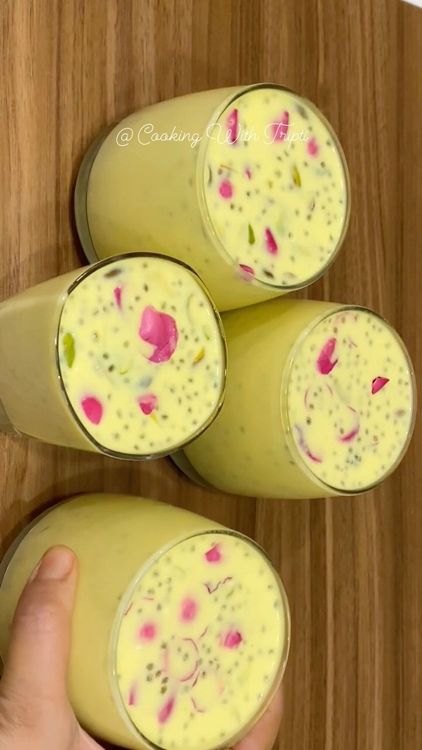
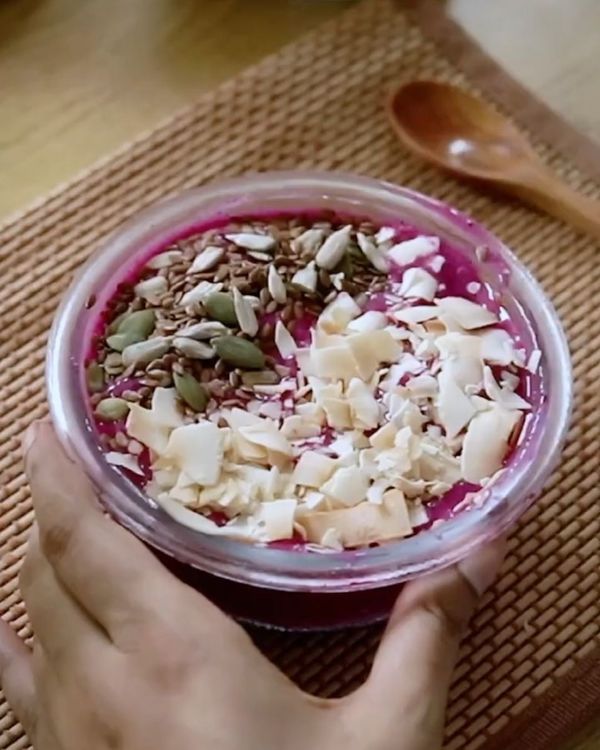
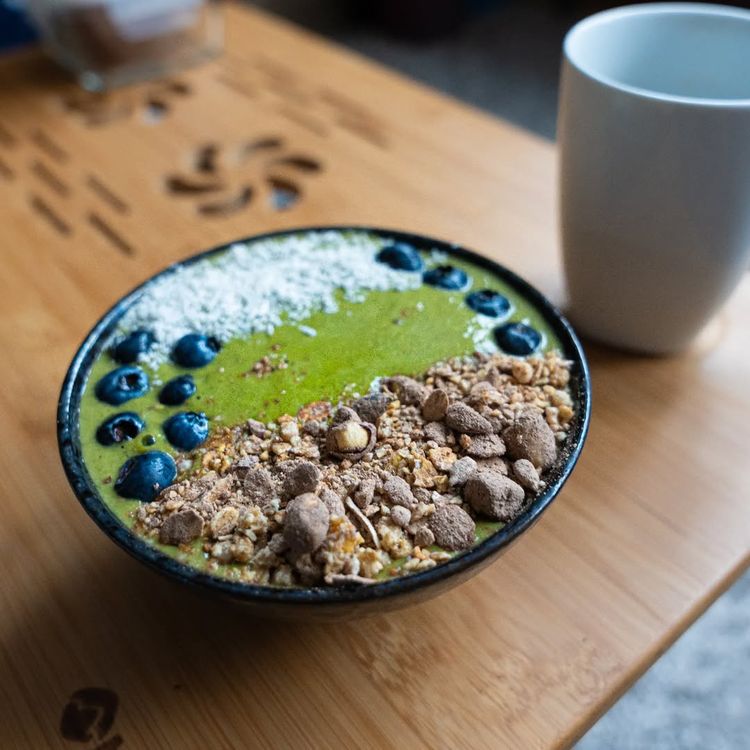
Smoothies, bowls and drinks sit at the lightest, freshest end of the brunch spectrum — the options for guests who want something cool and restorative rather than warm and filling. A smoothie bowl is simply a thick smoothie served in a bowl with toppings rather than drunk through a straw; the toppings are where the texture and interest come from, so they matter as much as the base. Fruit parfaits layer yogurt, granola and fresh fruit to create a dish that is simultaneously breakfast and dessert in feel. Drinks — watermelon lemonade, pistachio milkshake, ice apple smoothie, baked oats with yogurt — range from light and refreshing to comforting and sweet. These work well as a self-serve station at a brunch spread: set out the components in small bowls and let guests assemble their own, which removes plating pressure from the cook and gives guests a point of engagement. Make-ahead is easy here — bases can be blended and refrigerated, toppings prepped the night before. Standouts here include Ice Apple Smoothie | Tadgola Shake | Nungu and Refreshing Pistachio and Basil Seed Milkshake, plus Mocha Baked Oats.

- Indian
- Vegetarian
- Beverage
- Indian
- Vegetarian
- Snack
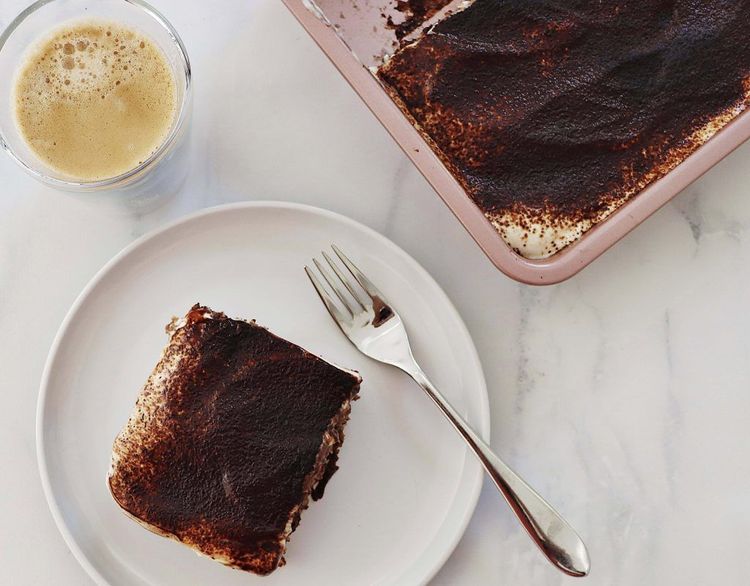
- International
- Eggetarian
- Breakfast
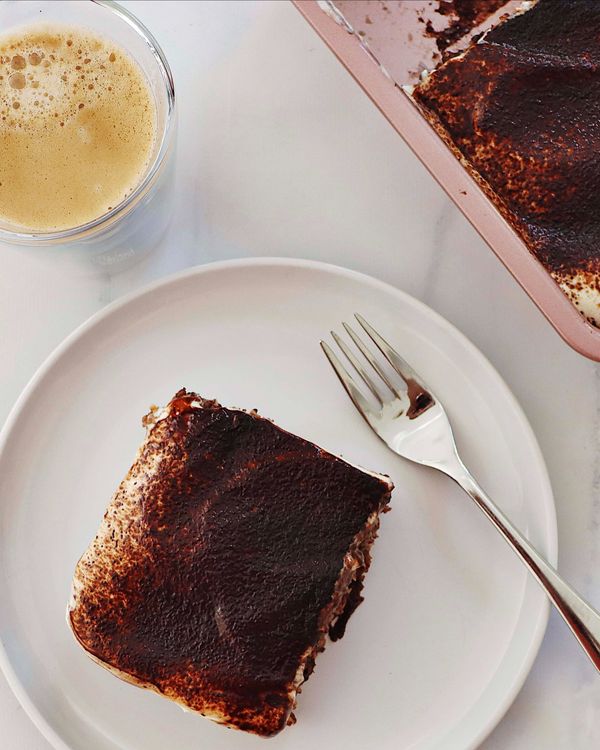
- International
- Eggetarian
- Breakfast
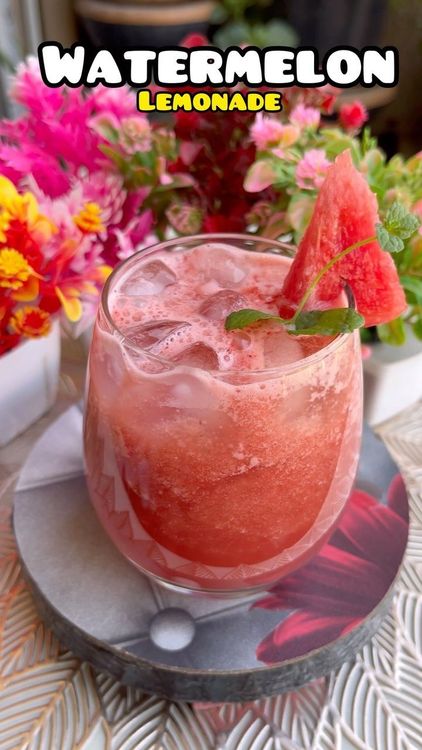
- Global
- Vegan
- Beverage
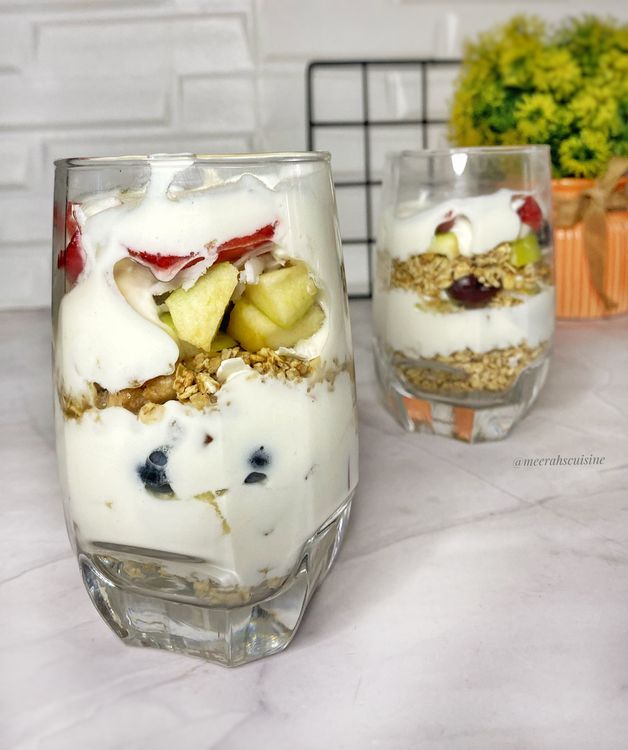

- Mediterranean
- Vegetarian
- Breakfast
- Global
- Vegetarian
- Breakfast
- French
- Vegan
- Breakfast
- Indian
- Vegetarian
- Beverage
More Brunch Favourites
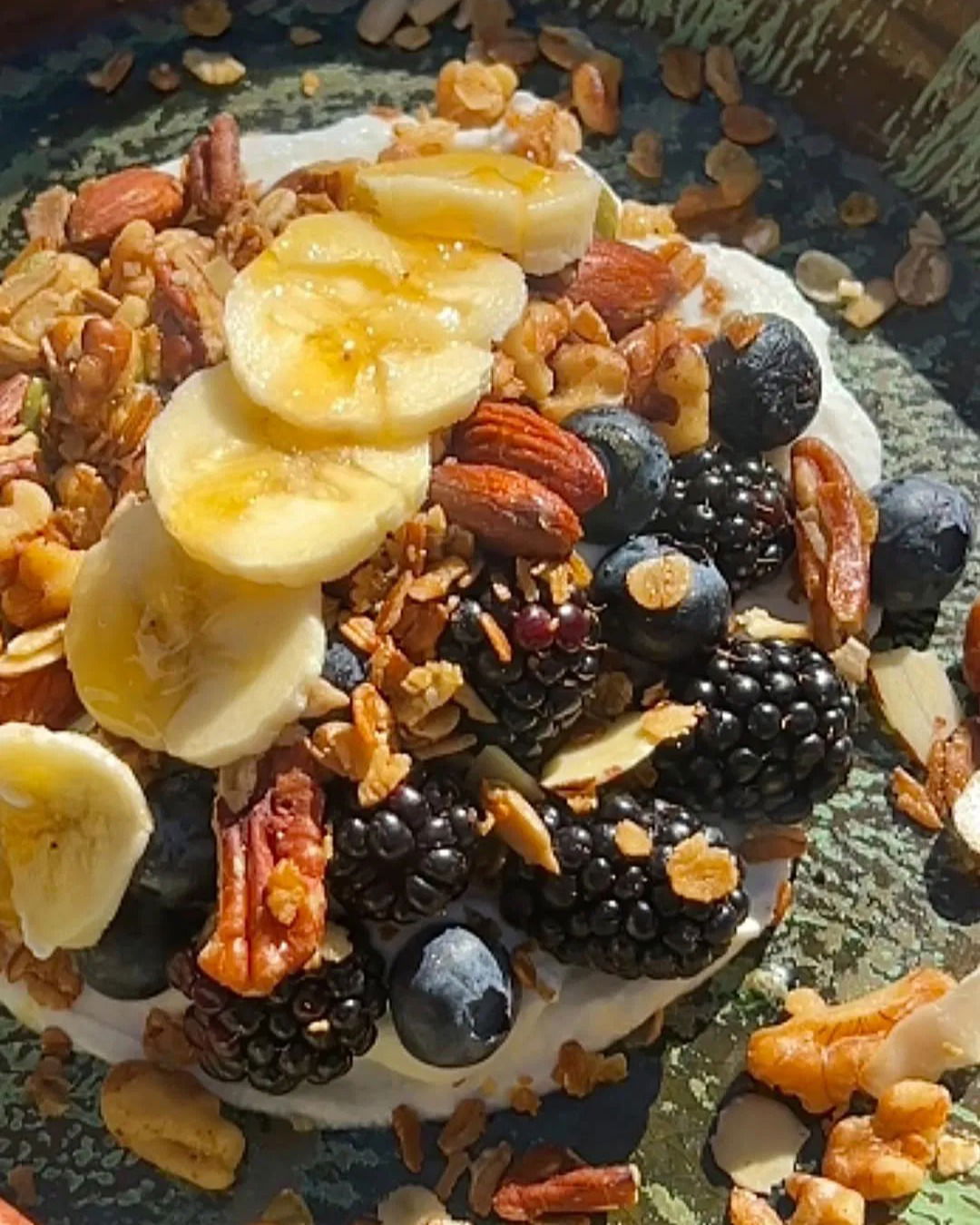
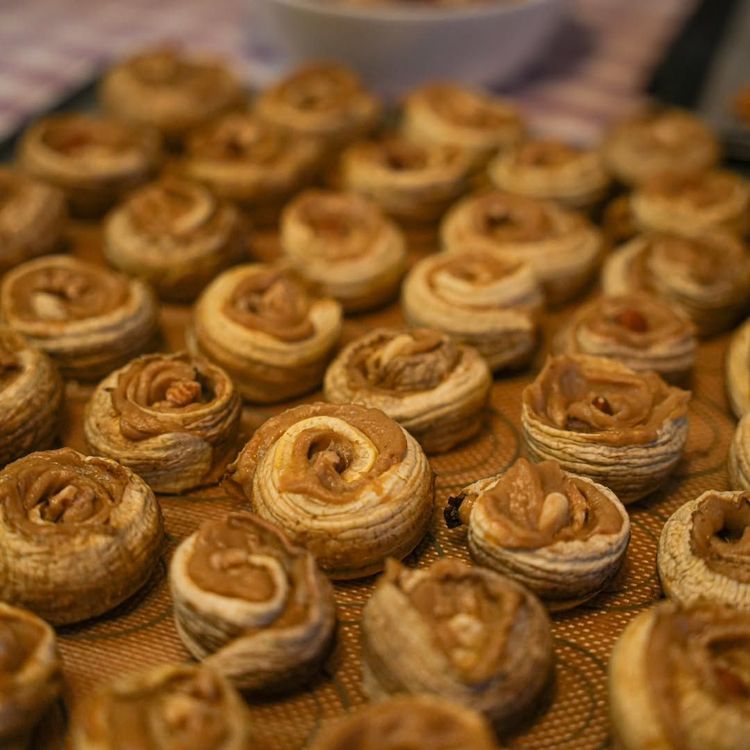
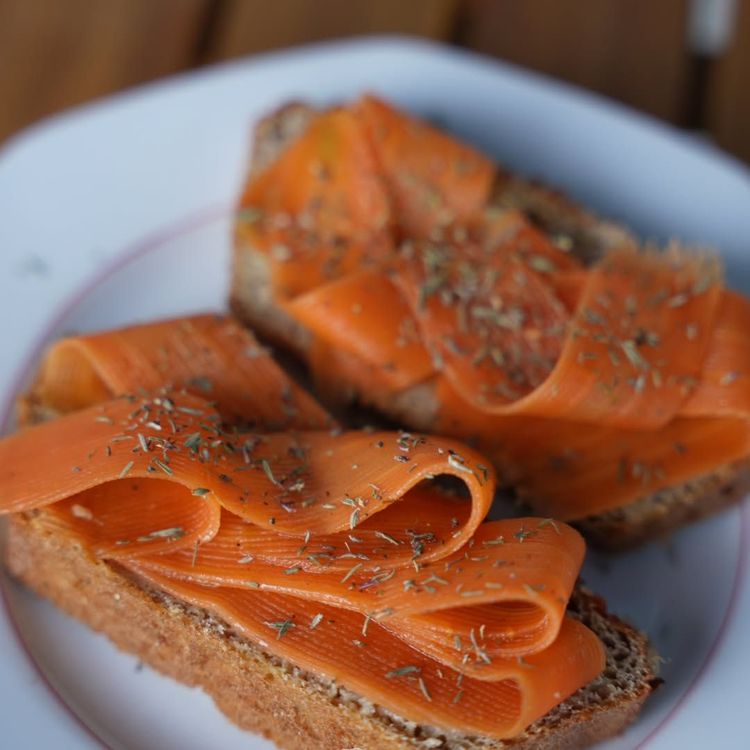
A few more dishes worth a place in your rotation — same techniques, different results. Standouts here include Banana and Blueberry Breakfast and Raw Banana & Caramel Rolls, plus Smoked Carrot 'Salmon'.
- American
- Vegetarian
- Breakfast
- American
- Vegan
- Snack
- Fusion
- Vegan
- Appetiser
- International
- Vegan
- Breakfast
How to Make Genuinely Fluffy Pancakes
Most flat pancakes trace back to the same two mistakes: overmixing the batter and cooking on a surface that is not hot enough. Lumps in the batter are not a problem — they hydrate as the batter rests and steam out during cooking. Stirring until completely smooth overdevelops the gluten and knocks out the air bubbles from leavening, both of which produce a tough, flat result. Mix just until the dry ingredients are wetted, stop, and leave the batter to rest for five to ten minutes.
Temperature is the other variable. A properly hot griddle or non-stick pan creates steam the moment batter hits it, which is what inflates the pancake from below. Test the heat by flicking a few drops of water onto the surface — they should skitter and evaporate in two seconds. Grease the pan lightly with butter or oil and wipe out any excess with kitchen paper; pooled fat fries the underside rather than giving an even golden color. Cook over medium heat, not high, so the inside has time to set before the outside over-browns.
The flip is the nerve-wracking part. Wait until bubbles form across the entire surface and the edges look set — not shiny and wet. At that point the pancake will release from the pan cleanly. Flip once, cook for about half the original time, and resist the urge to press it flat. Souffle-style pancakes cook covered with a lid so the steam circulates; the lid is what inflates them dramatically. Stack finished pancakes on a warm plate in a low oven while you work through the batter.
Picking the Right Bread for French Toast
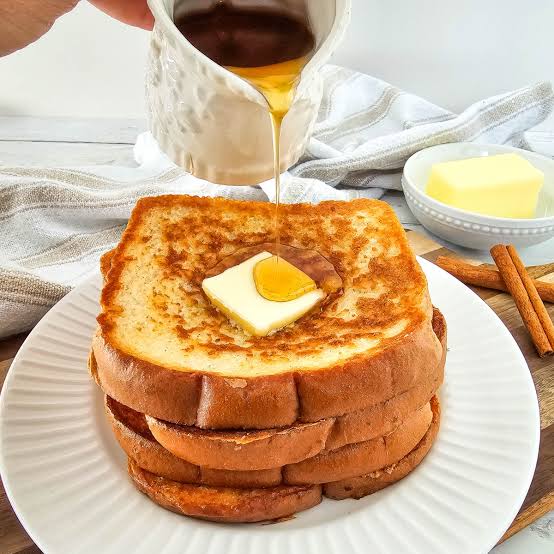
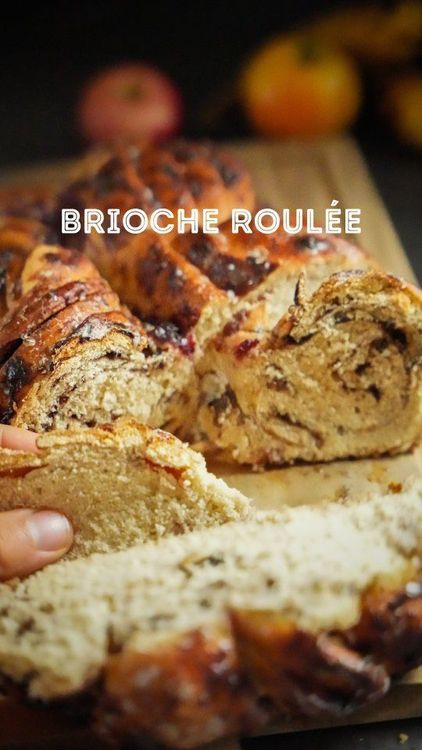
French toast is essentially a bread-thickened custard, so the bread is half the recipe. The best results come from loaves that are slightly stale (one to two days old) and thick-cut — ideally two to three centimetres. Stale bread absorbs the egg-and-milk mixture without falling apart; fresh bread stays surface-wet because it cannot soak quickly enough. Brioche is the classic luxury choice: rich, slightly sweet and buttery, it makes French toast that is almost dessert. Challah, a dense white sandwich loaf and sourdough also work well.
The custard mixture is eggs, milk or cream, vanilla, cinnamon and a pinch of salt. Use a ratio of roughly two eggs to 80 ml of milk per two slices of thick bread. Soak the bread for twenty to thirty seconds per side — long enough to absorb the mixture to the centre without becoming waterlogged. You can soak overnight in the fridge for very thick slices (brioche, particularly), which gives an even, custardy interior.
Cook on a buttered pan or griddle over medium heat. The egg needs time to set all the way through before the outside burns, which is why medium, not high, heat is essential. If the outside is golden but the inside feels wet and eggy when you press it gently, lower the heat and cover with a lid for a minute. Serve immediately with toppings that contrast in texture — something crunchy (toasted nuts, granola), something creamy (yogurt, cream) and something sweet-tart (berries, citrus curd, jam).
Waffles: Batter, Timing and Crispness
Waffles have a secret advantage over pancakes: once cooked, they stay crisp much longer, which makes them better for a brunch where not everyone is eating at the same moment. The iron grid geometry creates maximum surface area for crispness and holds toppings in little pockets. The batter is usually thicker than pancake batter and often richer — more fat or separated eggs with whipped whites folded in — which is what gives waffles their airy interior under the crisp shell.
Preheat the waffle iron fully before adding batter, and grease it thoroughly even if it is non-stick. Under-heated plates produce pale, soft waffles that stick. Pour in slightly less batter than you think you need — it expands as it cooks and as steam inflates it; overfilling spills out the sides and glues the iron shut. Cook until the steam stops escaping from the sides of the iron, which signals that the water has driven off and the exterior is set. Opening it too early is the biggest mistake: the waffle will tear because the crust has not formed.
For a brunch crowd, keep finished waffles warm and crisp in a single layer on a wire rack in a 100 °C oven. Never stack them on a plate — they steam each other soft within minutes. Waffles also freeze well: cool completely, freeze flat, then reheat in a toaster or low oven and they snap back to nearly their original crispness. This makes them an excellent make-ahead brunch component.
Running a Brunch Spread Without Chaos
The key to hosting brunch without spending the whole morning cooking is sequencing: decide which dishes are made ahead, which are assembled to order, and which can hold. Breads, muffins, granola and fruit salads go in the "made ahead" column. Pancakes, French toast and eggs are made to order but take minutes once the surface is hot. Smoothies and drinks can be set up as a station with pre-measured ingredients so guests help themselves. This structure means you are only managing two or three hot things at once.
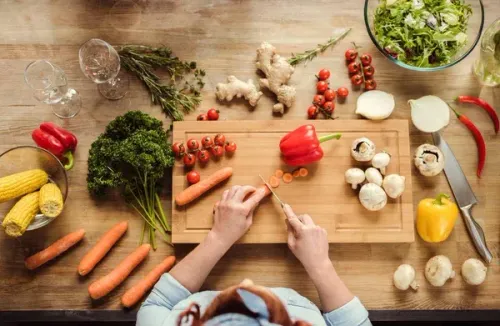
Mise en place the night before: measure dry ingredients for pancake or waffle batter into a bowl, soak bread for overnight French toast, slice and refrigerate fruit, brew a large batch of coffee to keep warm. In the morning, the only work is mixing wet into dry, heating the pan and cooking to order. The stress of brunch hosting almost always comes from trying to do prep and cooking simultaneously for a group.
For a buffet-style setup, serve pancakes and waffles with toppings on the side — syrups, fresh fruit, whipped cream, nut butters — so people can customise and you are not plating individually. Keep a warming drawer or low oven at 80–90 °C for anything cooked ahead. A well-run brunch always has more food ready before anyone arrives than you think you need, and fewer hot dishes than you think you should serve.
Pro Tips from the Test Kitchen
- Rest pancake batter for 5–10 minutes before cooking — the gluten relaxes and the leavening activates, both of which mean a fluffier result.
- Test pan temperature with a water drop; it should skitter and vanish in two seconds before you add batter.
- Flip pancakes only when bubbles cover the whole surface and the edges look set — not a moment before.
- Use day-old bread for French toast; fresh bread stays surface-wet and does not absorb the custard properly.
- Soak French toast bread for 20–30 seconds per side — enough to saturate without making it fall apart.
- Preheat the waffle iron completely and do not open it until steam stops escaping from the sides.
- Keep cooked waffles on a wire rack in a 100 °C oven in a single layer — stacking makes them steam each other soft.
- Measure dry batter ingredients into bowls the night before so morning prep is just adding wet ingredients and mixing.
- Set up a smoothie bowl or drink station with pre-portioned ingredients so guests can help themselves without you plating everything.
- A pinch of salt in pancake, waffle and French toast batter sharpens the sweetness and makes the whole dish taste more complete.
Frequently Asked Questions
What are easy brunch recipes for a crowd?
The most practical brunch recipes for groups are those you can make in large batches or that guests assemble themselves. Pancakes, waffles and French toast cook quickly to order; baked loaves, muffins and granola can be made the day before. A smoothie bowl station with toppings in small bowls lets guests build their own. The key is mixing make-ahead items with just one or two hot-to-order dishes rather than trying to cook everything at once.
What is the difference between breakfast and brunch?
Breakfast is typically earlier, lighter and quicker — something you eat before the day starts. Brunch occupies the late-morning window, usually between 10 am and 2 pm, and is more leisurely, often more indulgent and frequently social. Brunch recipes tend to be more elaborate versions of breakfast staples (thick-cut French toast rather than a quick slice of toast, waffles with multiple toppings rather than plain cereal) and often include drinks alongside the food.
How do you make pancakes fluffier?
Three things make the biggest difference: do not overmix the batter (lumps are fine and resolve during cooking), rest the batter for at least five minutes before cooking, and cook on a properly preheated surface over medium heat rather than high. Some recipes separate the eggs and fold whipped whites into the batter, which adds extra air. Japanese souffle-style pancakes go further with a very stiff meringue and a lid to trap steam, giving dramatically taller results.
Can brunch recipes be made ahead?
Many can. Waffle and pancake batter keeps in the fridge for 24 hours (stir before using). Thick-cut bread can soak in custard overnight for French toast. Baked breads, muffins and granola are best made the day before. Smoothie ingredients can be measured and refrigerated. The items that must be cooked to order — pancakes, waffles, eggs — take only minutes once everything is prepped. Pre-staging these components means a calm morning with only light cooking to do.
What bread is best for French toast?
Brioche is the classic choice: rich, slightly sweet and absorbent enough to soak the custard without falling apart. Challah, thick-sliced white sandwich bread and sourdough also work well. The common requirement is that the bread is slightly stale and cut at least 2 cm thick — fresh, thin bread goes soggy before it absorbs the custard, and then falls apart in the pan. Whatever you use, day-old beats fresh every time.
How do you keep waffles crispy?
The single most important move is to keep cooked waffles in a single layer on a wire rack in a 100 °C oven rather than stacking them on a plate. Stacked waffles steam each other soft within two to three minutes. The rack lets air circulate so the exterior stays dry and crisp. For make-ahead waffles, freeze them completely cooled in a single layer and reheat in a toaster or low oven — they snap back to nearly their original texture.
What are good brunch drinks?
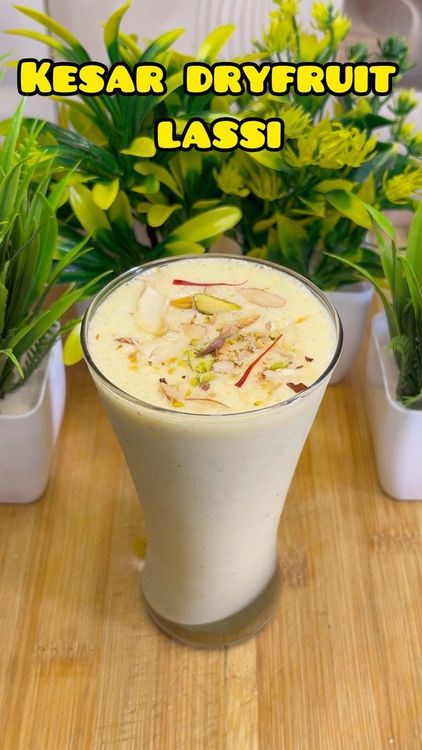
Beyond coffee and tea, brunch pairs well with fresh juices, citrus-forward drinks and lighter mocktails. Watermelon lemonade, pistachio milkshake and fruit-based smoothies are popular non-alcoholic options for the late-morning table. Lassi (Indian yogurt drink, sweet or salted) works well alongside spiced and Indian-inspired dishes. For a brunch spread, a large batch of one drink made ahead is more practical than individual glasses mixed to order.
Are there healthy brunch options?
Many brunch recipes are naturally lighter than they appear. Smoothie bowls and fruit parfaits are high in fibre and vitamins. Buckwheat, spelt and millet waffles and pancakes provide whole grains. Millet-spinach pancakes, sprouted grain bread and baked oats with fruit are genuinely nutritious options that still feel like a treat. Swapping some white flour for a whole-grain alternative and reducing sugar in batter are easy ways to shift the nutritional profile without losing the flavour.
Can you freeze pancakes and waffles?
Yes, both freeze very well. Cool them completely on a wire rack, then freeze in a single layer on a tray until solid before bagging — this stops them sticking together. Reheat pancakes in a dry pan over low heat or in a toaster; reheat waffles in a toaster or low oven so they return to crispness. Frozen pancakes and waffles keep for up to three months. Making a double batch to freeze is one of the best brunch meal-prep moves.
What makes a brunch recipe different from a breakfast recipe?
Time and occasion, mostly. Brunch recipes tend to be slightly more elaborate, more about sharing and less about speed. They often have more components — toppings, sauces, sides — and are served at a relaxed pace rather than grabbed on the way out of the door. Many breakfast staples become brunch recipes simply by being made to a higher standard: whipped cream on pancakes instead of a drizzle of maple syrup, or brioche French toast instead of regular sliced bread.
The best brunch table is not one with twenty dishes but one where a handful of things are done really well and ready at the right moment. Rest your batter, pick the right bread, keep waffles on a rack and do most of the prep the night before — those are the moves that make the difference between a frantic morning and a genuinely easy one.
Work through the clusters on this page to find what fits your morning and your crowd. Save the ones that earn a place in your regular rotation to a Chefadora cookbook, and come back here whenever you are planning a weekend spread and want something that works.
Related
- Breakfast
- Pancakes
- Waffles
- Vegetarian
- Kid friendly
- Weekend
- Quick
Popular Searches
- Best brunch recipes
- Easy brunch recipes
- Quick brunch recipes
- Healthy brunch recipes
- Simple brunch recipes
- Homemade brunch recipes
- Delicious brunch recipes
- Popular brunch recipes
- brunch ideas
- brunch food
Marnirni-apinthi Building, Lot Fourteen,
North Terrace, Adelaide, South Australia, 5000
Australia
