
Top 44 Picnic Food Recipes: Sandwiches, Salads, Wraps and Sweet Bites
Updated June 30, 2026 · Curated by Chefadora
Picnic food recipes live or die by one rule: everything must taste as good at the blanket as it did in the kitchen. That means building dishes that hold together, travel without leaking and come alive cold or at room temperature — no reheating, no fuss, no stacked plates wobbling across the park. The collection here is built around that principle: portable, flavourful and genuinely suited to eating outdoors.
A well-packed picnic is really a lesson in planning. Salads that sit in dressing go limp; sauced sandwiches go soggy; delicate fried things turn greasy. The fixes are simple once you know them — dress salads on arrival, build sandwiches with the wet fillings shielded by leaves or cheese, and choose bites that are meant to be room temperature rather than fighting to stay hot.
You will find four clusters here: proper sandwiches and wraps built for travel, fresh salads with sturdy grains or bold dressings, portable cookies and sweet bites that double as dessert, and a short run of dips, mini quiches and shareable nibbles. Together they cover every corner of the basket, from the main to the sweet finish.
Every recipe links to full steps on Chefadora. The guides below cover the practical side — how to prep ahead without losing texture, how to pack so nothing leaks, how to keep food safe in the heat and how to build a spread that works for groups with different diets. Treat this as your picnic planning reference rather than a single recipe to grab.
Picnic Sandwiches & Wraps
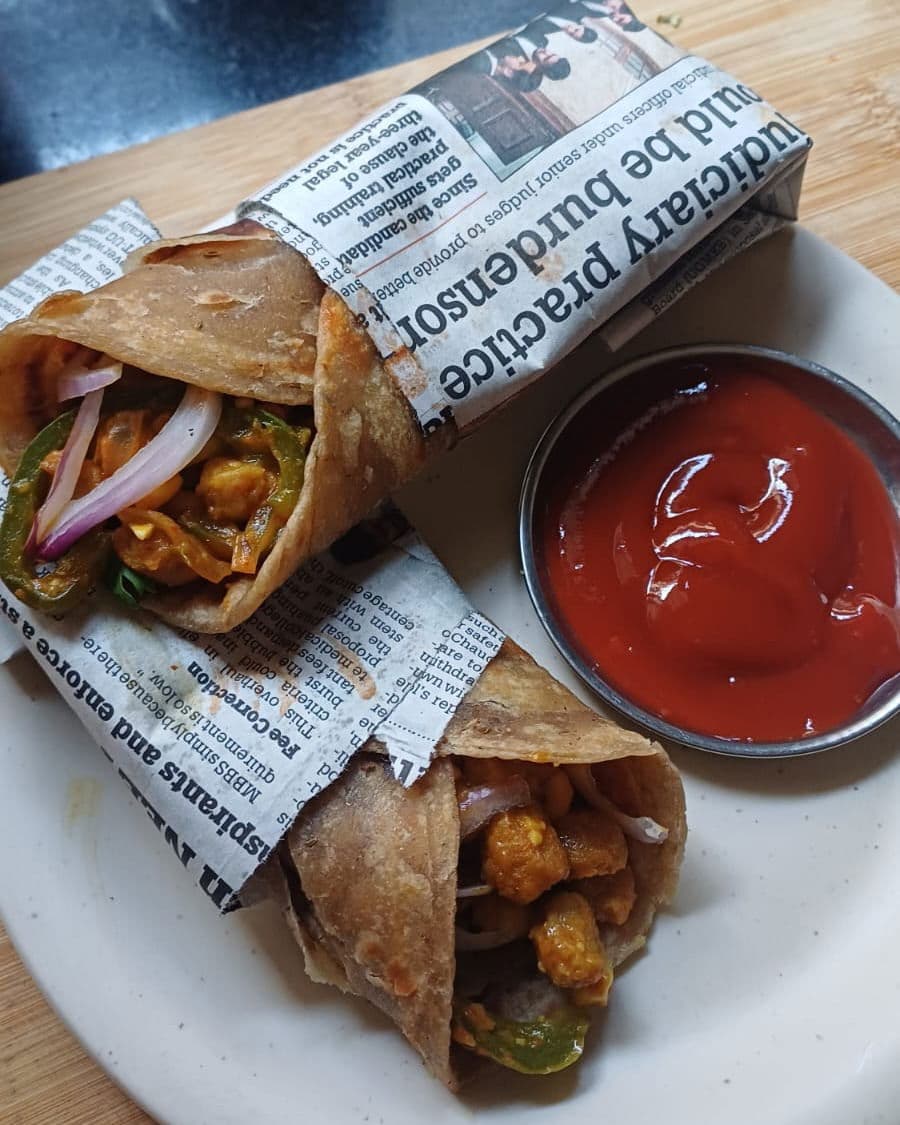
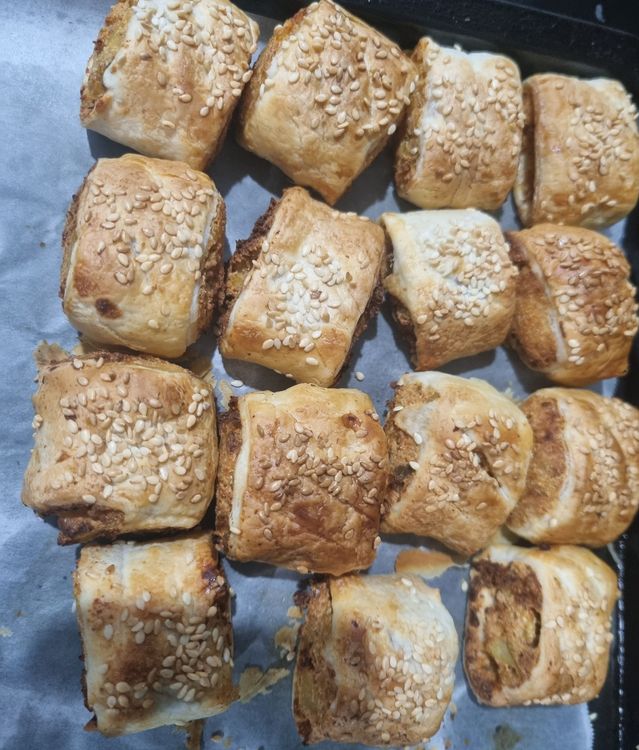
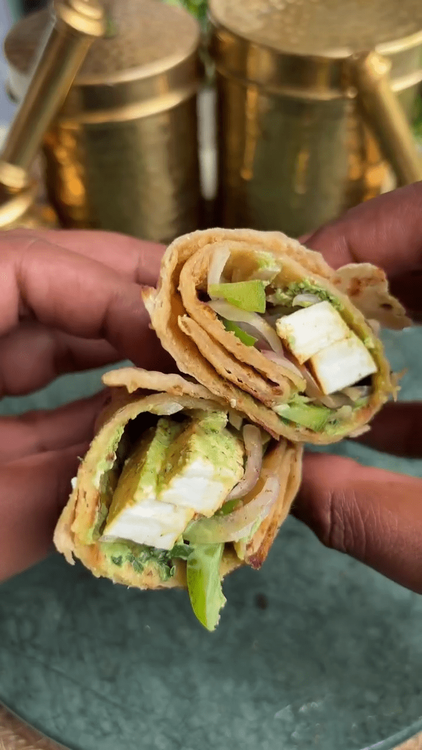
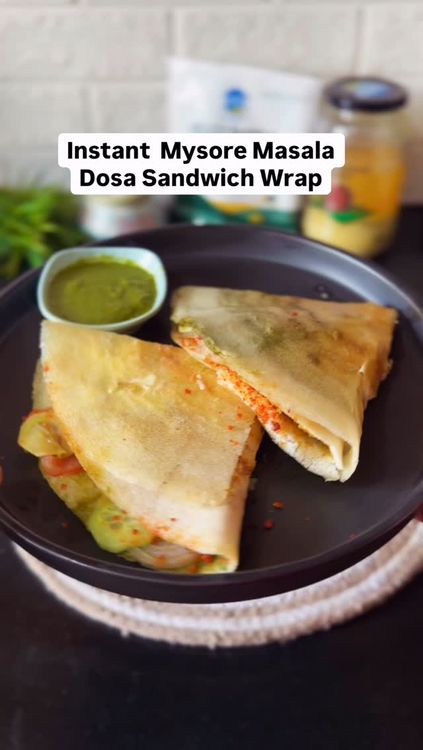
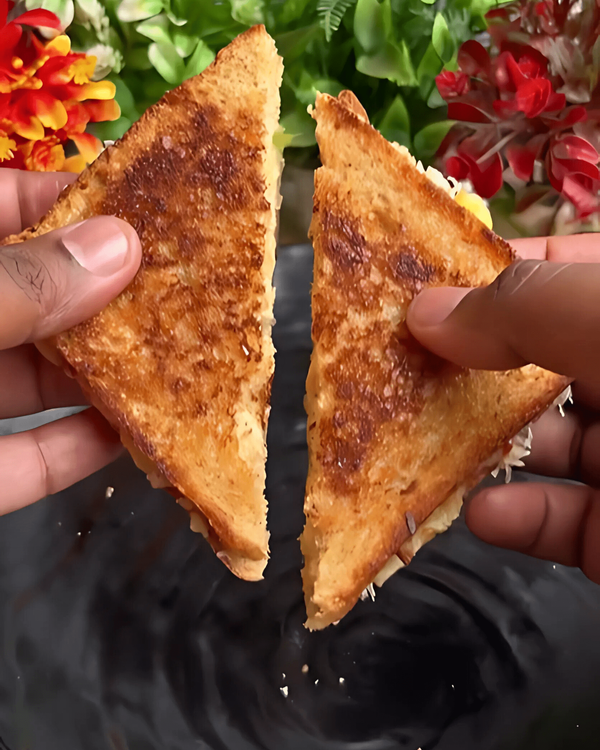
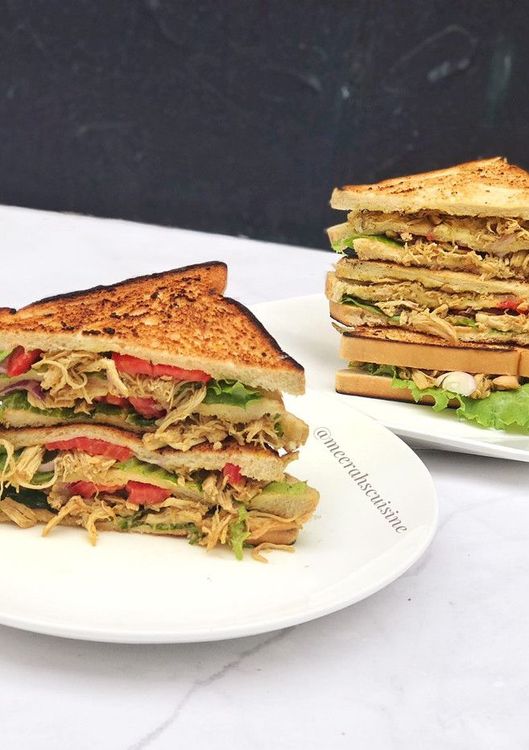
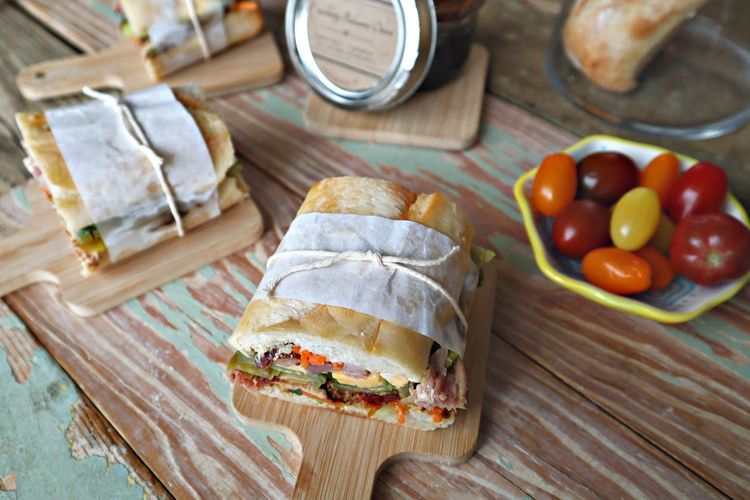
A great picnic sandwich is not the same as a great lunchbox sandwich. It needs to hold for an hour or two in a bag, survive some compression, and taste just as good at ambient temperature as it did when it was made. The secrets are in the build: sturdy bread that does not soak through (ciabatta, sourdough, a thick tortilla), wet condiments spread on one side only, and a leaf of lettuce or a slice of cheese between the sauce and the bread acting as a moisture barrier. Wraps, chapati rolls and frankies follow the same logic — roll tight with the filling off-centre so the outer layer stays dry. Classic pressed sandwiches, worth knowing about, are built specifically for travel: assemble, wrap tightly in foil, and press under a weight in the fridge overnight so the filling compresses into the bread and the whole thing slices cleanly at the park. The recipes in this cluster cover everything from a classic chicken sandwich to South Asian rolls to ugandan chapati wraps — all portable, all genuinely good cold. Standouts here include Soya Frankie Roll 🌯 Street Style and Vegetarian sausage rolls, plus Raw Banana & Caramel Rolls.


- Indian
- Vegetarian
- Snack

- Indian
- Vegetarian
- Lunch
- American
- Vegan
- Snack

- Indian
- Vegetarian
- Snack

- Indian
- Vegetarian
- Lunch
- Indian
- Vegetarian
- Breakfast

- Indian
- Vegetarian
- Appetiser
- Indian
- Vegetarian
- Breakfast

- American
- Non-Vegetarian
- Lunch
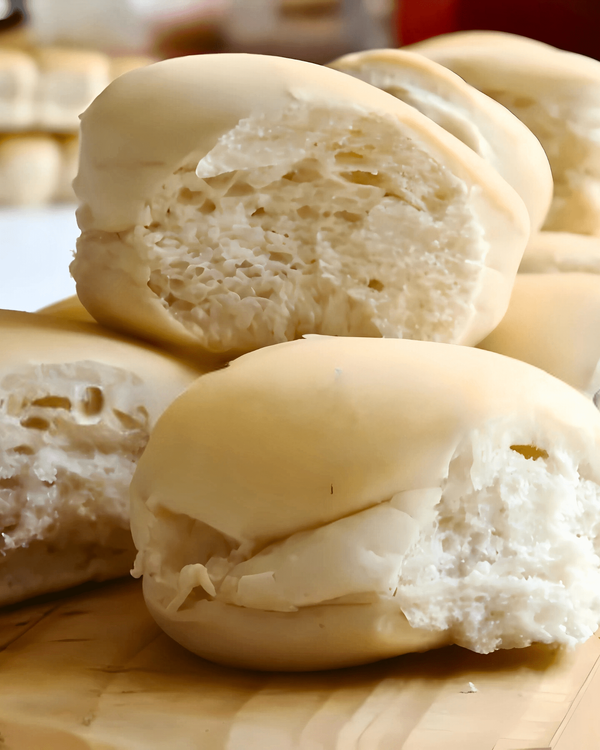
- Argentinian
- Vegetarian
- Breakfast
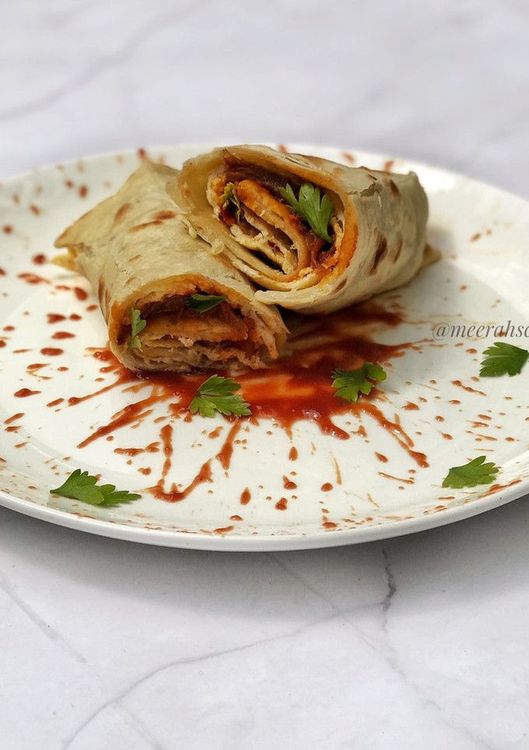
- Ugandan
- Non-Vegetarian
- Breakfast


- Non-Vegetarian
- Lunch
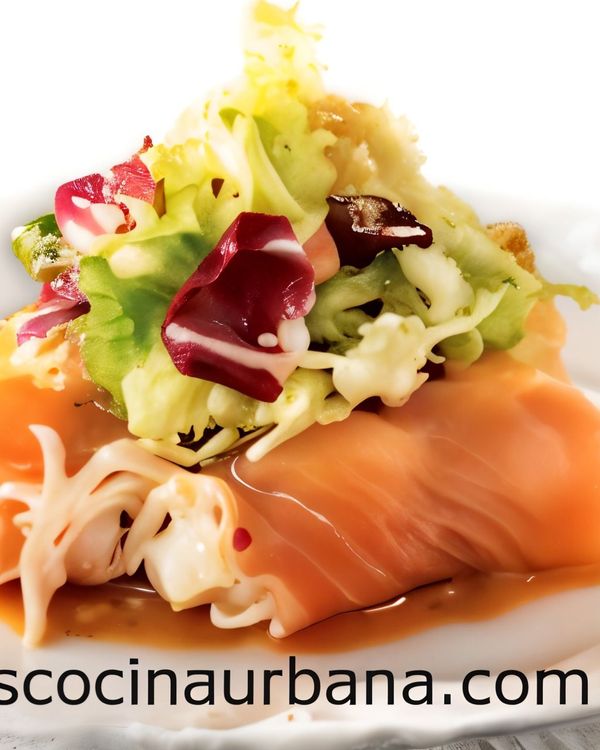
- International
- Pescatarian
- Main Course
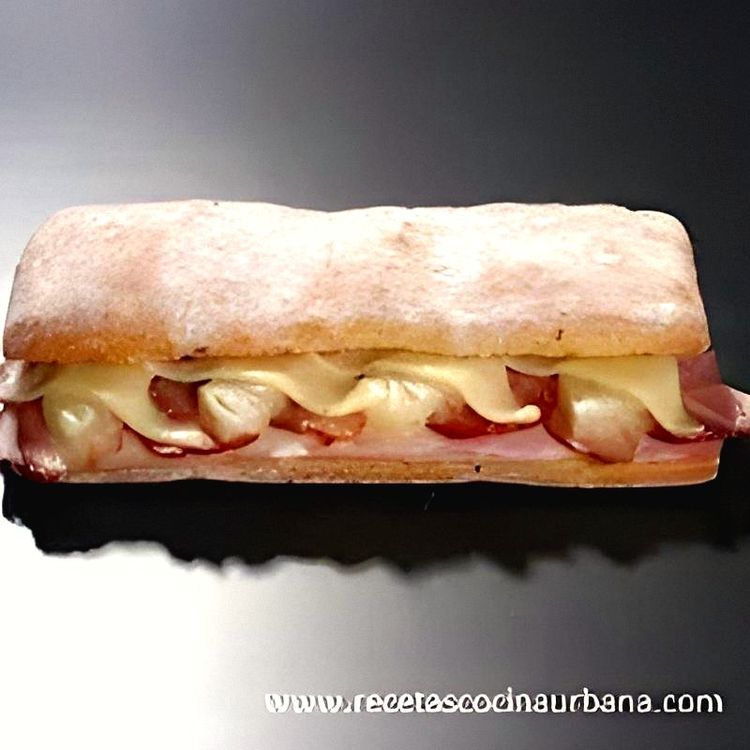
- American
- Non-Vegetarian
- Lunch

- Fusion
- Non-Vegetarian
- Breakfast

- American
- Non-Vegetarian
- Lunch
- Global
- Eggetarian
- Breakfast
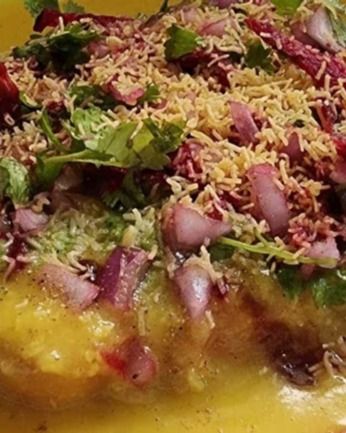
- Indian
- Vegetarian
- Lunch
Fresh Picnic Salads
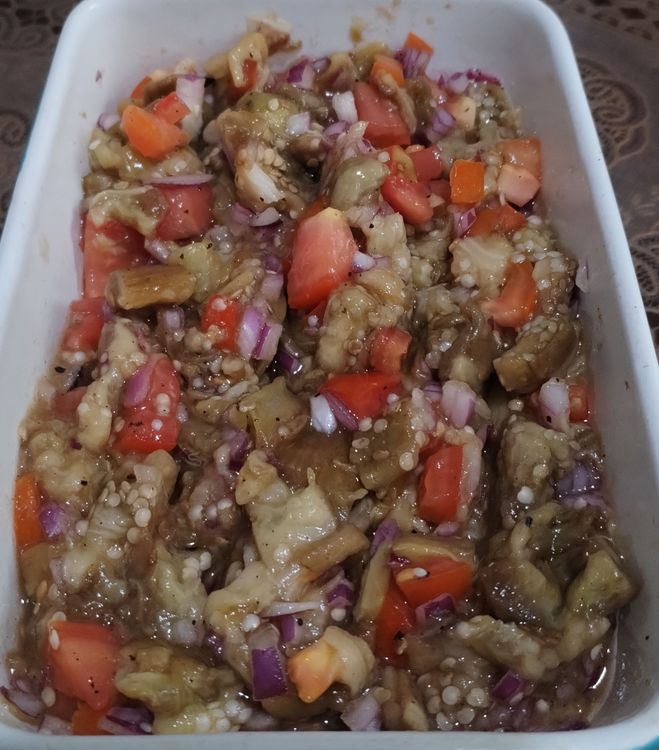
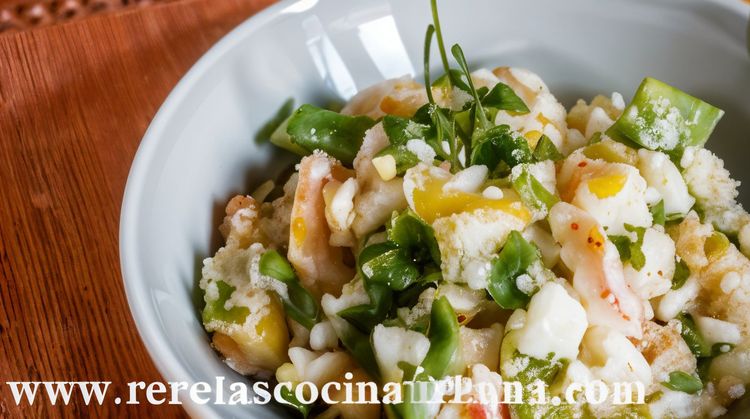
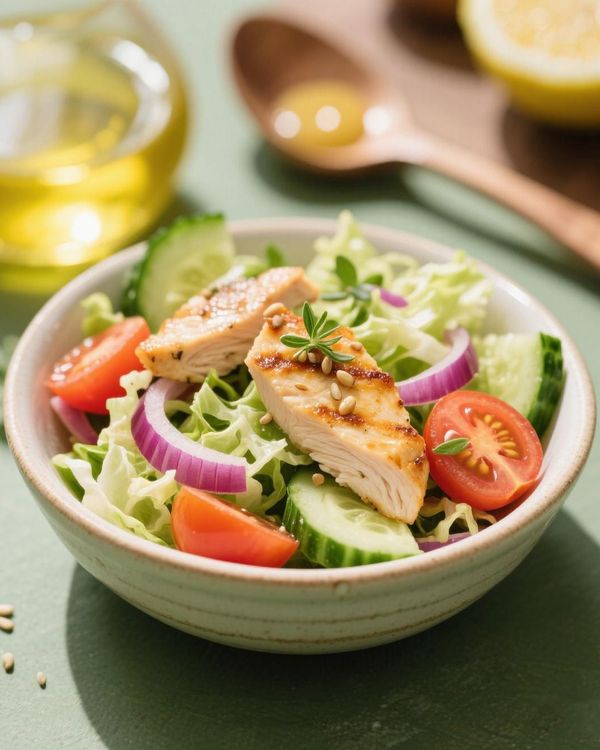
Picnic salads need to be built for resilience. The ones that work are those built on grains, beans, roasted vegetables, sturdier leaves (kale, cos) or vegetables that benefit from sitting in dressing — cucumber salads, for example, mellow and absorb flavour over time in a way that spinach does not. Thai mango chicken salad, chickpea salad, warm potato salad, grain bowls with quinoa — all of these travel well in a sealed container and often taste better after a couple of hours as the dressing soaks in. The rule with anything that includes fresh herbs or delicate leaves: pack them separately and add at the park. Asian-inspired dressings with soy, lime and sesame are particularly good for travel, as they add flavour without wilting the base. These salads make a complete picnic meal rather than just a side — several are substantial enough to anchor the spread on their own. Standouts here include Thai Mango Chicken Salad and Healthy Carrot Ribbon Salad, plus Easy Italian Inspired Pasta Salad.
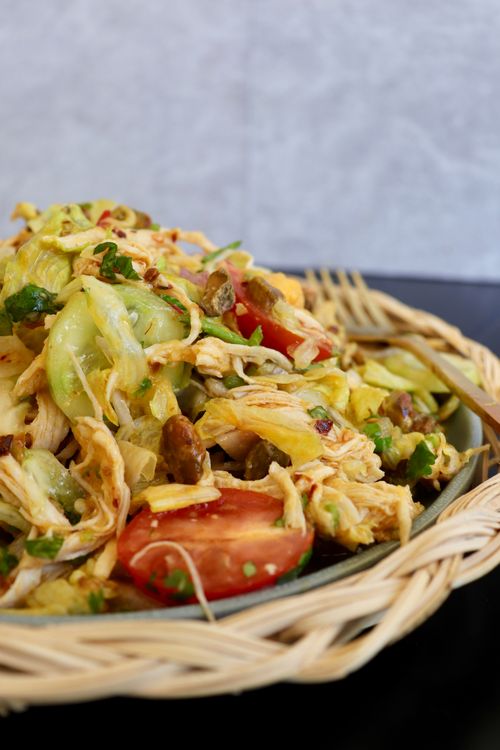

- Thai
- Non-Vegetarian
- Lunch
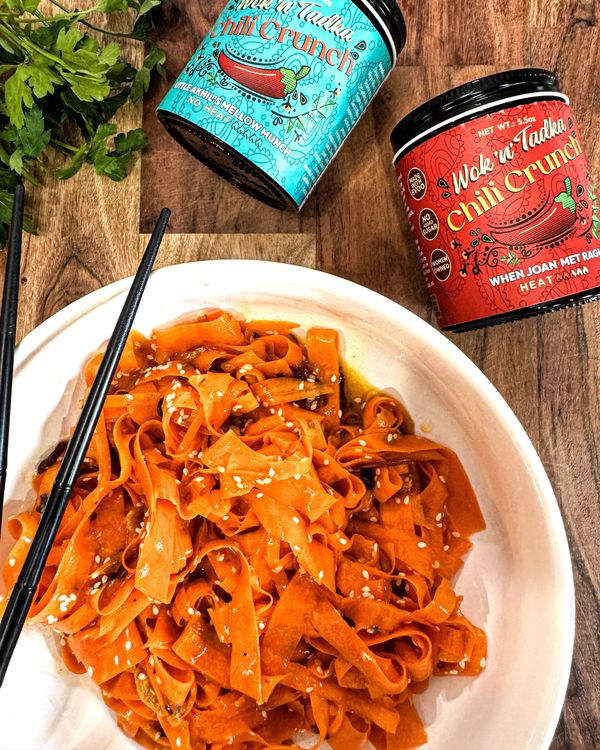
- Asian
- Vegan
- Snack

- Non-Vegetarian
- Side Dish
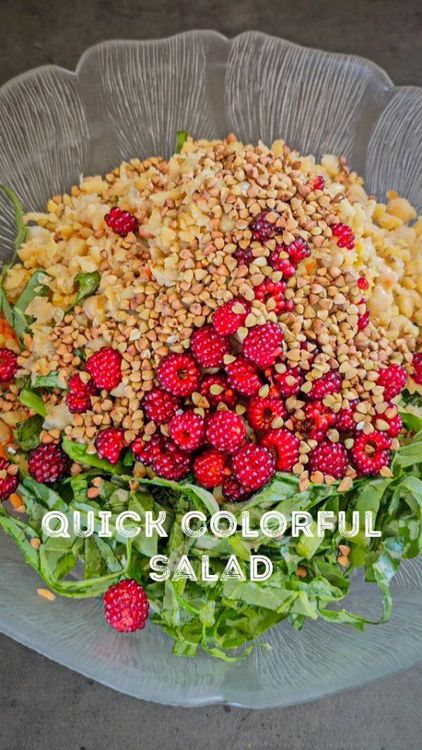
- French
- Vegan
- Lunch


- California
- Vegetarian
- Lunch
- Filipino
- Vegan
- Side Dish
- Mediterranean
- Vegetarian
- Salad

- American
- Vegetarian
- Salad
- Asian
- Vegan
- Appetiser
- International
- Non-Vegetarian
- Side Dish

- International
- Non-Vegetarian
- Lunch
Portable Picnic Bites & Sweets
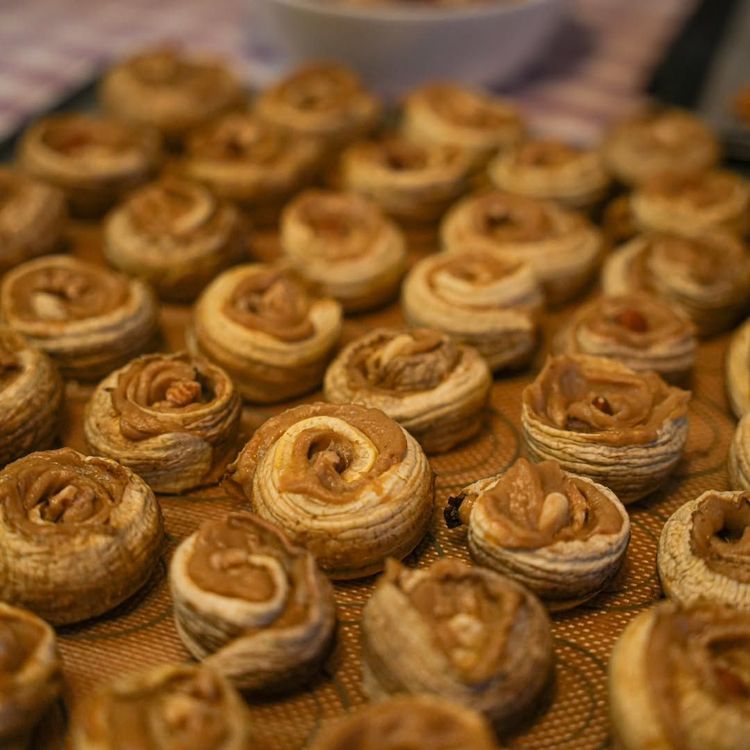
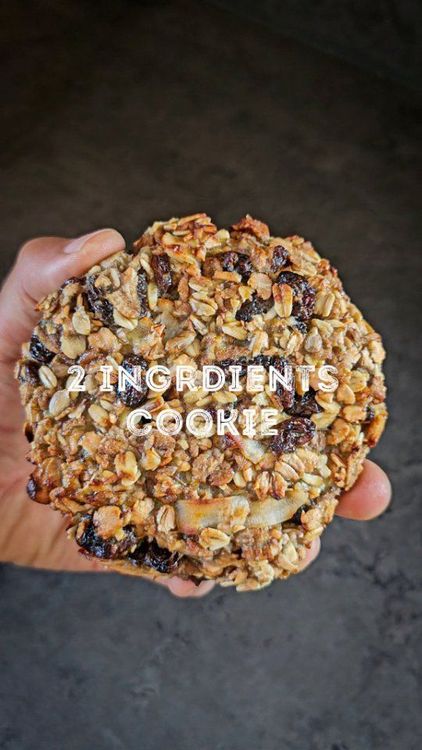
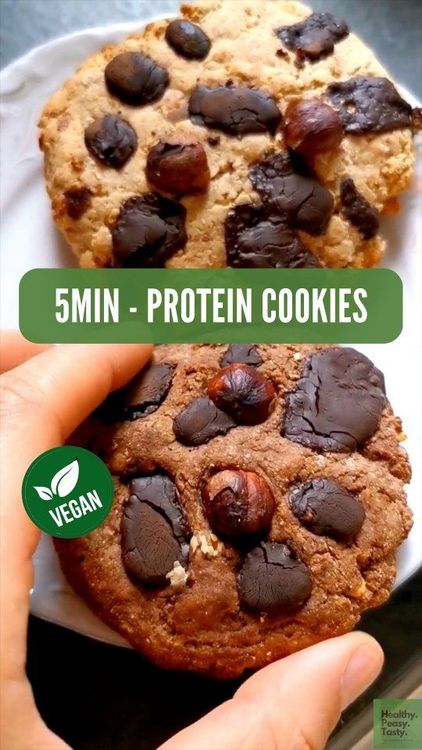
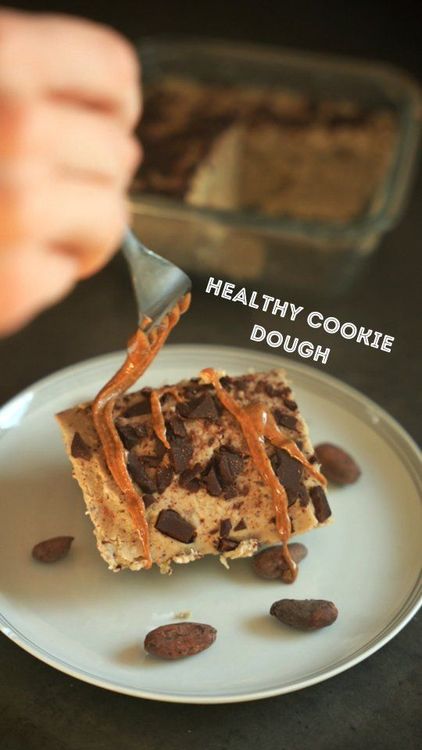
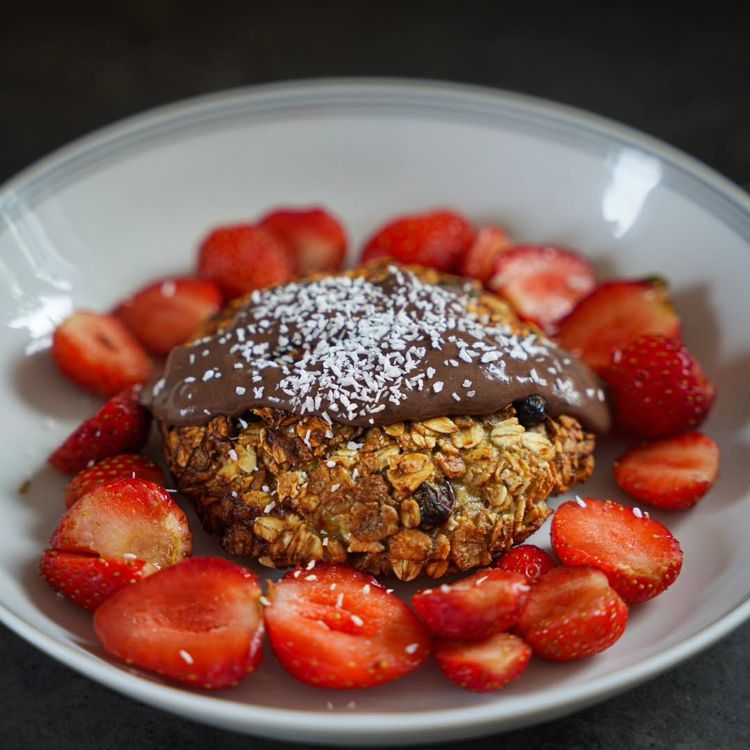
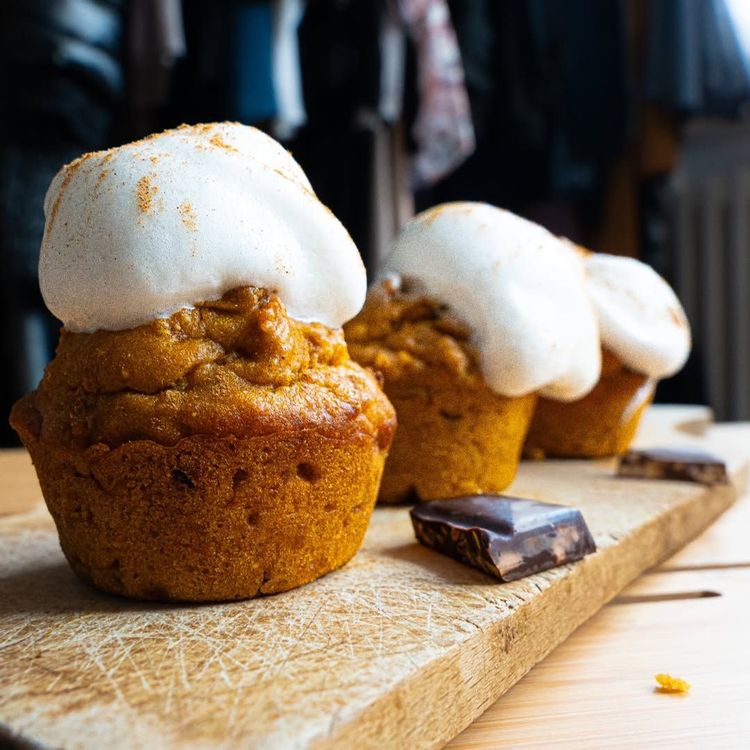
Cookies, muffins, energy bites and sweet rolls are the most picnic-friendly food there is: no plates, no utensils, no refrigeration required, easy to eat while sitting on a blanket. The recipes in this cluster span the spectrum from high-protein cookies and healthy muffins designed to actually satisfy through to proper red velvet cookies and snicker bites for the sweet finish. The key for picnic baking is cooling completely before packing — any residual warmth creates condensation inside the container, which softens cookies and makes muffins sticky. Pack in a flat tin with a single layer, not stacked in a bag where they will crumble. Protein-based cookies and muffins have the added advantage of keeping energy levels stable across the afternoon, which matters when you are spending a day outdoors rather than sitting at a desk. Standouts here include Finger Millet Dessert | Ragi Manni and 2-Ingredient Healthy Soft Cookie, plus Soft Vegan Protein Cookie.

- Vegetarian
- Dessert
- French
- Vegan
- Breakfast
- International
- Vegetarian
- Snack


- American
- Nut-Free
- Snack
- French
- Vegan
- Snack
- Fusion
- Vegetarian
- Snack
- International
- Vegan
- Breakfast
- International
- Vegan
- Breakfast
- French
- Vegan
- Snack

- Fusion
- Vegetarian
- Breakfast

- International
- Vegan
- Snack
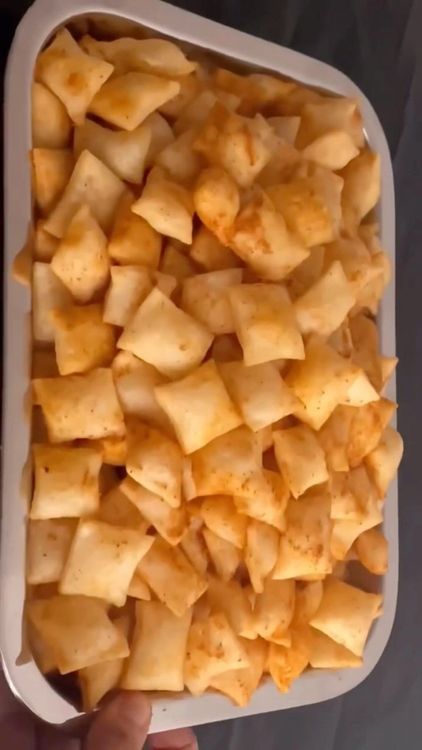
- Indian
- Vegan
- Snack
Dips, Quiches & Shareable Bites
Shareable bites — mini quiches, crispy suji bites, dips — round out the picnic spread and give guests something to graze on while the main courses are being unwrapped and organised. Mini quiches in particular are a picnic staple for good reason: they are self-contained, travel in any container, are equally good at room temperature or cold, and can be made ahead two days without losing quality. Dips like broccoli dip or pepperoni pizza dip work best in a screw-top jar, paired with crackers or bread packed separately to prevent sogginess. The crispy bites (suji, paneer roll) are better eaten soon after arrival — pack them in a small rigid container and eat them as the first course while they still have some texture. These items are also good dietary bridge-builders: a spinach quiche, a bean dip and a vegetable-based roll cover a wide range of dietary needs without needing separate catering. Standouts here include Mini Spinach Quiches and Broccoli Dip, plus Pepperoni Pizza Dip.
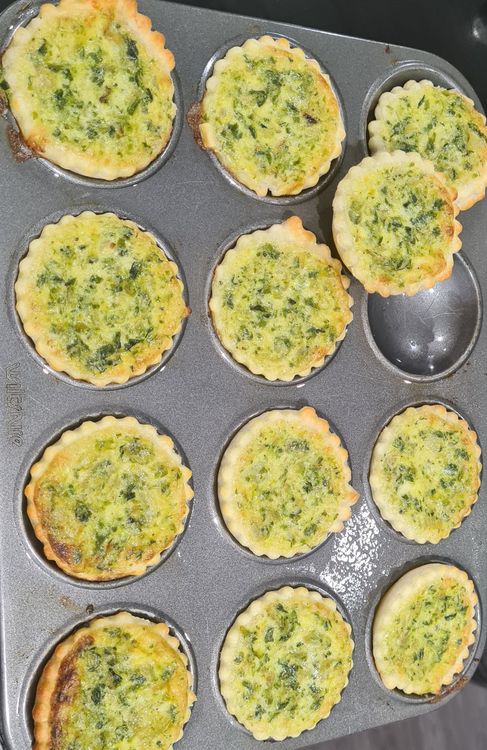
- French
- Eggetarian
- Appetiser
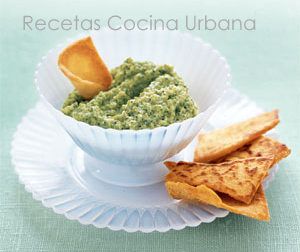
- American
- Eggetarian
- Appetiser
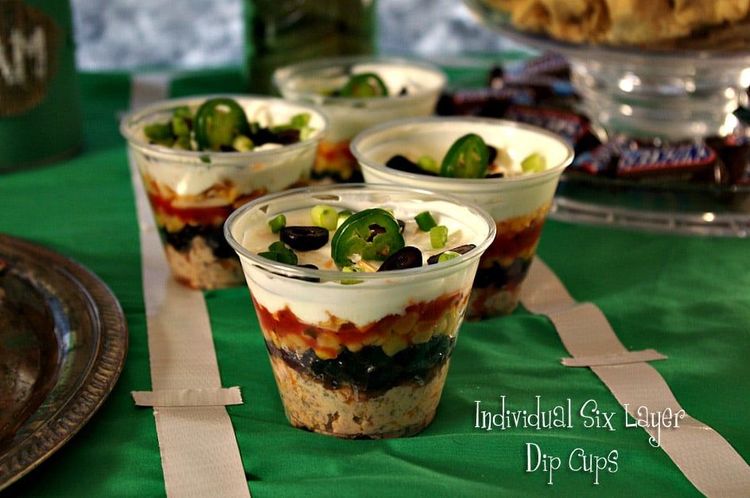
- American
- Non-Vegetarian
- Appetiser
Prepping Picnic Food a Day Ahead
Most picnic food is best made the evening before, which takes all the morning pressure away. Salads — grains, roasted vegetables, bean-based — actually improve with a night in the fridge as the dressing soaks in. The exception is any mix with fresh greens or cucumber: keep those undressed in a separate container and combine on arrival so they stay crisp.
Baked goods — cookies, muffins, quiches — are ideal candidates for full prep the night before. Let them cool completely before sealing, and pack them in a single layer rather than stacking so they do not stick or crumble. Sandwiches are best assembled the morning of: spread condiments on one side only, shield wet fillings with a leaf of lettuce or a slice of cheese, and wrap tightly in parchment before going in the bag.
For wraps and rolls, tight rolling is everything. Start with a warm tortilla or chapati (warmed briefly so it is pliable and will not crack when cold), layer fillings closer to one edge, fold in the sides, then roll firmly. Wrap in foil, twist the ends closed, and refrigerate. When you unwrap at the park, it holds its shape and slices cleanly.
Packing for Transport Without Spills
The biggest picnic enemy is moisture migration — dressings pooling, sauces bleeding into bread, melting ice diluting containers. Use jars with screw lids for dressings and dips (they survive being thrown into a bag). Flat, shallow containers with snap lids keep sandwiches from compressing. A dedicated small cool bag with a couple of ice packs keeps dairy-based dips, egg-filled items and anything with fish at a safe temperature.
Pack in order of how you will eat. Dips and crackers go on top for easy access; salads and sandwiches in the middle; cookies and sweet bites at the bottom in a rigid container so they are not crushed. Keep fruit whole until you arrive — pre-cut fruit oxidises and releases juice that wets everything nearby. A sharp knife and a small chopping board is lighter than a full fruit salad container.
Label containers with sticky notes if you are feeding a mixed group, so people with dietary needs can grab their portion without dismantling the whole spread. A small bottle of hand sanitiser, a stack of napkins and a bin bag round out the kit — the basics that always get forgotten until you need them.
Food Safety in Warm Weather
The danger zone for bacterial growth is roughly 5–60 °C (40–140 °F), and a summer picnic can easily tip food into that range within an hour of leaving the fridge. The practical rules: use an ice pack or frozen bottle of water in the bag, keep perishables out of direct sunlight, and serve refrigerated items within two hours of removing from the cold. Eat protein-rich dishes — chicken sandwiches, salmon rolls, egg-based quiches — first.
Plant-based dishes generally hold better at ambient temperature. Bean salads, grain bowls, cookies and most baked goods have no perishable proteins and are low risk. If you are in doubt, lean the menu in this direction for a summer picnic and save the chicken wraps for when you have a reliable cool bag.
Mayonnaise gets unfair blame for picnic food poisoning — it is actually a preserved emulsion and not the villain. The real culprits are under-cooked chicken or egg dishes held at ambient temperature too long. Cook proteins fully, keep them cold and eat within the window, and your picnic spread will be fine.
Building a Spread That Suits Everyone
A good picnic spread has layers: something substantial (a sandwich or wrap), something fresh (a salad or crudités), something to share (a dip, a tray of bites), and something sweet to finish. Aim for at least one item in each layer that is naturally vegetarian or vegan so guests do not have to ask whether they can eat everything.
Texture contrast matters as much as flavour variety. If the main is a soft sandwich, include something with crunch — a crisp salad, a handful of nuts, a firm cookie. If the centrepiece is a grain salad, add a creamy dip for contrast. The picnic spreads that feel abundant are not necessarily the ones with the most dishes, but the ones with the widest range of textures and temperatures.
Scale quantities generously — outdoor eating always builds appetite. A rule of thumb: 20 percent more than you think you need for the savoury, and dessert always runs out first, so make more. Pack extras of the simplest thing (bread, crackers, fruit) and you will never be short.
Pro Tips from the Test Kitchen
- Dress grain and bean salads at home but keep leafy or cucumber salads undressed until you arrive at the picnic.
- Layer sandwiches with a leaf of lettuce between the sauce and the bread to prevent sogginess during transport.
- Wrap assembled wraps in foil and refrigerate overnight — they set their shape and slice cleanly at the park.
- Freeze one of the water bottles in your cool bag; it doubles as an ice pack and is drinkable once it melts.
- Serve chicken, egg and seafood items first — they are the most time-sensitive in warm weather.
- Pack dressings and dips in screw-top jars; they survive being tossed in a bag without leaking.
- Bake cookies and muffins the day before and let them cool completely before sealing so they do not go soggy.
- Bring whole fruit rather than pre-cut; it holds better, does not release juice, and you can portion at the park.
- Use shallow rigid containers for sandwiches so they do not compress under other food in the bag.
- Keep the sweet bites at the bottom of the bag in a sturdy tin so they are not crushed and end up as the finale.
Frequently Asked Questions
What are the best picnic food recipes to make ahead?
Grain salads, bean salads and roasted-vegetable dishes all improve overnight as the dressing soaks in and flavours meld. Baked goods — cookies, muffins, mini quiches — are ideal the day before: bake, cool and seal. Sandwiches are best assembled the morning of the picnic, but fillings can be prepped the night before. Avoid dressing anything with fresh leaves or cucumber until the last moment.
How do you keep picnic food fresh in the heat?
A dedicated cool bag with ice packs or a frozen water bottle is the most reliable method. Keep the bag out of direct sunlight, serve perishables within two hours of removing from the cold, and prioritise eating protein-rich items (chicken, eggs, seafood) first. Plant-based dishes, baked goods and fruit hold much better at ambient temperature and are lower risk.
What picnic food is good for a crowd?
Big-batch dishes work best: a tray of pressed sandwiches that can be sliced into portions, a large grain or pasta salad, a platter of wraps, a pot of dip with crackers and crudités, and a tin of cookies or muffins. Build at least one item in each category that is vegetarian so the spread suits mixed groups without requiring special alternatives.
How do you stop sandwiches going soggy at a picnic?
Three moves: use a sturdy bread that does not soak through (ciabatta, sourdough, a thick wrap), spread condiments on one side only, and put a leaf of lettuce or a slice of cheese between the sauce and the bread as a moisture barrier. Wrap tightly in parchment or foil and refrigerate; the compression actually helps the sandwich hold together rather than fall apart.
What picnic food ideas are good for kids?
Small, handheld foods with no utensils needed work best for children. Mini quiches, small wraps cut into pinwheels, cookies, muffins and bite-sized protein balls are easy for small hands. Avoid foods with a lot of sauce or anything that crumbles messily. Simple salads with a light dressing or plain mixed leaves tend to get ignored — swap in fruit skewers or cucumber and carrot sticks instead.
Can you bring hot food to a picnic?
You can, but it takes planning. Pack hot dishes in an insulated flask or tightly sealed thermal container immediately after cooking, and aim to eat within two hours. Beyond that window the food cools into the danger zone. Soups, curries and stews work well in a thermos; fried items lose their crunch. Generally, designing the menu around room-temperature food gives you more flexibility and less stress.
What are good vegetarian picnic food recipes?
Vegetarian picnic food is actually well-suited to outdoor eating: bean salads, grain bowls, cheese sandwiches, quiches, cookies and vegetable-filled wraps all hold beautifully without refrigeration for a reasonable window. Think along the lines of chickpea salads, spinach quiches, soya rolls, paneer wraps and a hearty pasta or grain salad — substantial enough to be a full meal, not just a side.
How far in advance can I make picnic food?
Baked goods (cookies, muffins, quiches) can be made one to two days ahead. Grain and bean salads are best made the night before. Sandwiches and wraps are best assembled the morning of the picnic and kept refrigerated until you leave. Any dish with fresh herbs, dressed leafy greens or cut fruit should be prepared no more than a few hours ahead and kept cold.
What picnic desserts travel well?
Cookies, muffins, brownies, energy balls and firm bars are the most reliable: they pack flat, do not need refrigeration and survive being carried in a bag. Avoid anything with whipped cream, custard or ice cream unless you have a well-chilled cool box. Fruit (whole or skewered) is a lighter option that also travels well and provides a refreshing contrast to savoury food.
What should I not bring to a picnic?
Avoid anything that requires reheating to be safe or palatable, anything with a lot of delicate garnish that will wilt, and anything in packaging that cannot be sealed once opened. Creamy desserts, whipped toppings, and dishes that separate when chilled (some emulsion sauces) are worth leaving at home. Also skip anything that is strongly aromatic in an enclosed bag — it tends to flavour everything around it.
The best picnic spread is one that needed minimal assembly at the park — everything prepped, wrapped and chilled at home, then unwrapped and enjoyed without stress. The recipes and guides here are built around that idea: food that travels, holds and tastes good at room temperature, leaving you free to enjoy the occasion rather than managing the meal.
Start with one salad, one sandwich and one sweet from this collection and you already have a complete spread. Save your favourites to a Chefadora cookbook, then work through the rest — there is enough range here to run a different picnic every weekend of summer without repeating yourself.
Related
- Picnic
- Lunch
- Make-ahead
- Portable
- Salads
- Sandwiches
- Outdoor
Popular Searches
- Best picnic food recipes
- Easy picnic food recipes
- Quick picnic food recipes
- Healthy picnic food recipes
- Simple picnic food recipes
- Homemade picnic food recipes
- Delicious picnic food recipes
- Popular picnic food recipes
- picnic ideas
- picnic foods
- easy picnic food
Marnirni-apinthi Building, Lot Fourteen,
North Terrace, Adelaide, South Australia, 5000
Australia
