
Top 38 Lamb Recipes: Chops, Roasts, Curries and More
Updated June 29, 2026 · Curated by Chefadora
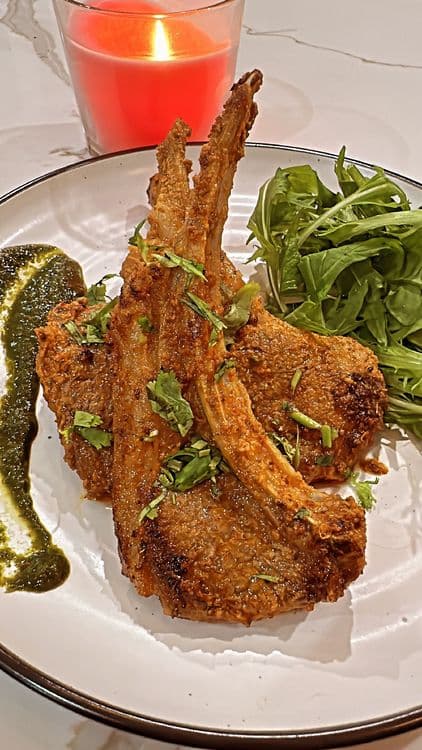
Lamb recipes cover one of the most rewarding ranges in the kitchen: a meat rich and grassy enough to stand up to bold spice, yet tender enough to sear in minutes when you choose the right cut. The dishes below were picked to show that span — quick-cooking chops and rack, slow-roasted leg and shoulder, deeply spiced curries and stews, and fast, flavorful things built from ground lamb — rather than ten variations on a single roast.
What makes lamb worth understanding is that the cut dictates everything. The tender cuts from the loin and rib — chops, cutlets, rack — want fierce, fast heat and come out best a blushing medium-rare. The hard-working cuts — leg, shoulder, shank, neck — are laced with connective tissue that only melts into silk over long, low cooking. Treat them the same way and you get either grey, overcooked chops or a stew that stays stubbornly chewy.
You will find four clusters here: chops and rack for the grill and pan, roasts and leg for the oven, curries and stews for the simmer, and ground lamb for the weeknight. The few core skills — judging doneness by temperature, building a base, knowing when to go fast and when to go slow — carry across all of them, so once you have cooked confidently in one, the rest open up.
Use this as a working reference. Every recipe links to full ingredients and steps on Chefadora, and the guides below cover the decisions that decide whether lamb turns out tender and savory or tough and gamey — how to buy and trim it, how to hit the right internal temperature, how to slow-cook for fall-apart texture, and how to season a meat that already has so much of its own character.
Lamb Chops & Rack
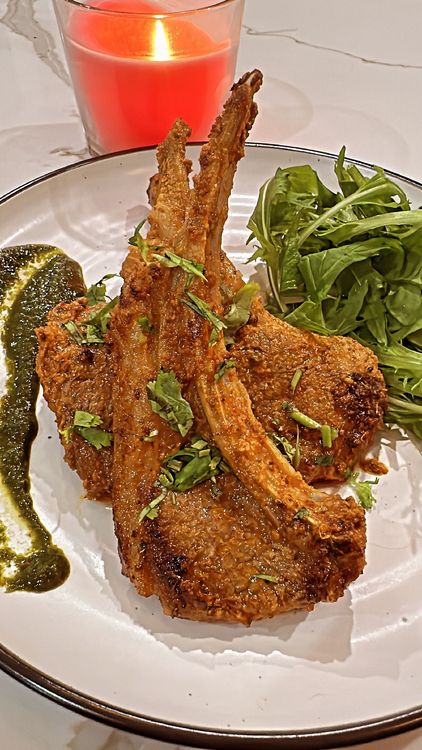
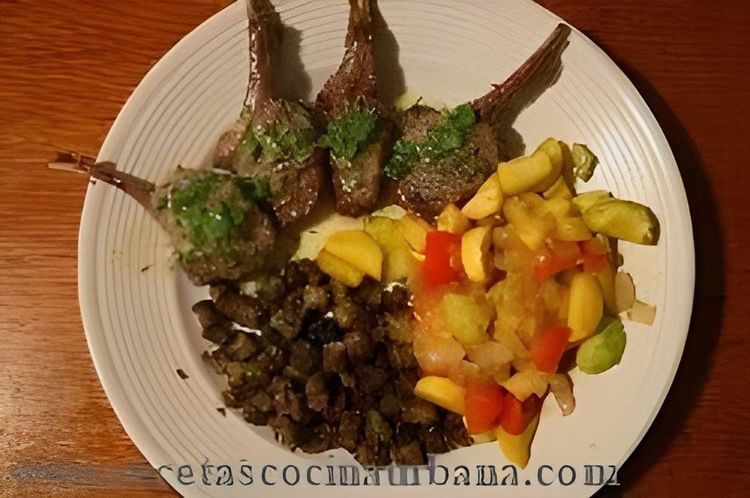
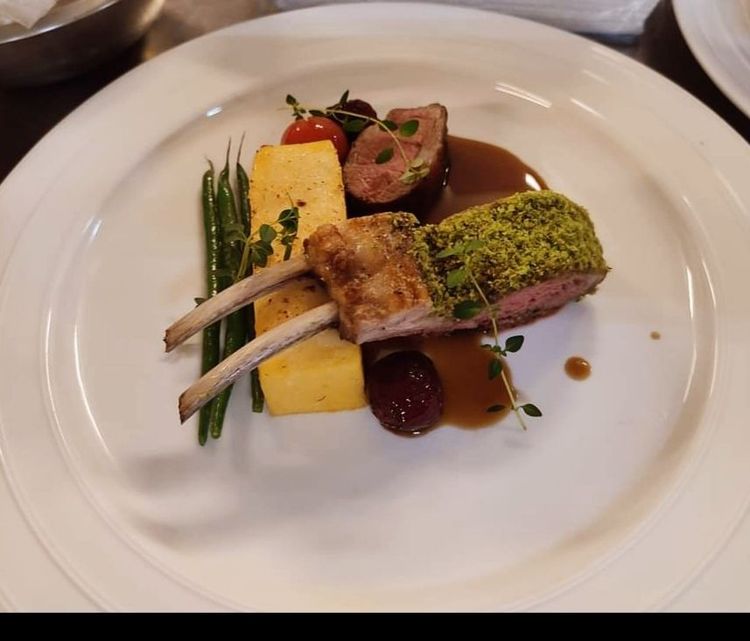
Chops, cutlets and rack are the fast lane of lamb cooking, and the whole game is heat and timing. These tender cuts come from the loin and rib, so they want a genuinely ripping pan or grill and only a few minutes a side; the goal is a deep, brown crust over a rosy, just-warm centre. Pat them bone-dry, season well, and bring them to room temperature first so they cook evenly rather than staying cold inside. Cook to temperature, not the clock — pull them at 57–60C (135–140F) for the medium-rare that keeps lamb juicy, remembering the meat climbs another few degrees as it rests. The single most common mistake is leaving chops on too long and serving them grey and tight, because lean lamb has little fat to forgive overcooking. A loose tent of foil and a five-minute rest lets the juices settle back into the meat instead of flooding the board. Finish with a squeeze of lemon, a knob of garlic-rosemary butter, or a spoon of chimichurri to cut the richness, and serve straight away while the crust is still crisp. Standouts here include Spiced Lamb Chops and Persian Lamb Chops with Turmeric Rice, plus Lamb Chops with Rosemary Sauce.

- Indian
- Non-Vegetarian
- Appetiser


- Non-Vegetarian
- Dinner
- Mediterranean
- Non-Vegetarian
- Dinner


- Non-Vegetarian
- Dinner

- Non-Vegetarian
- Dinner

- Caribbean
- Non-Vegetarian
- Dinner

- French
- Non-Vegetarian
- Dinner
Roasts & Leg of Lamb
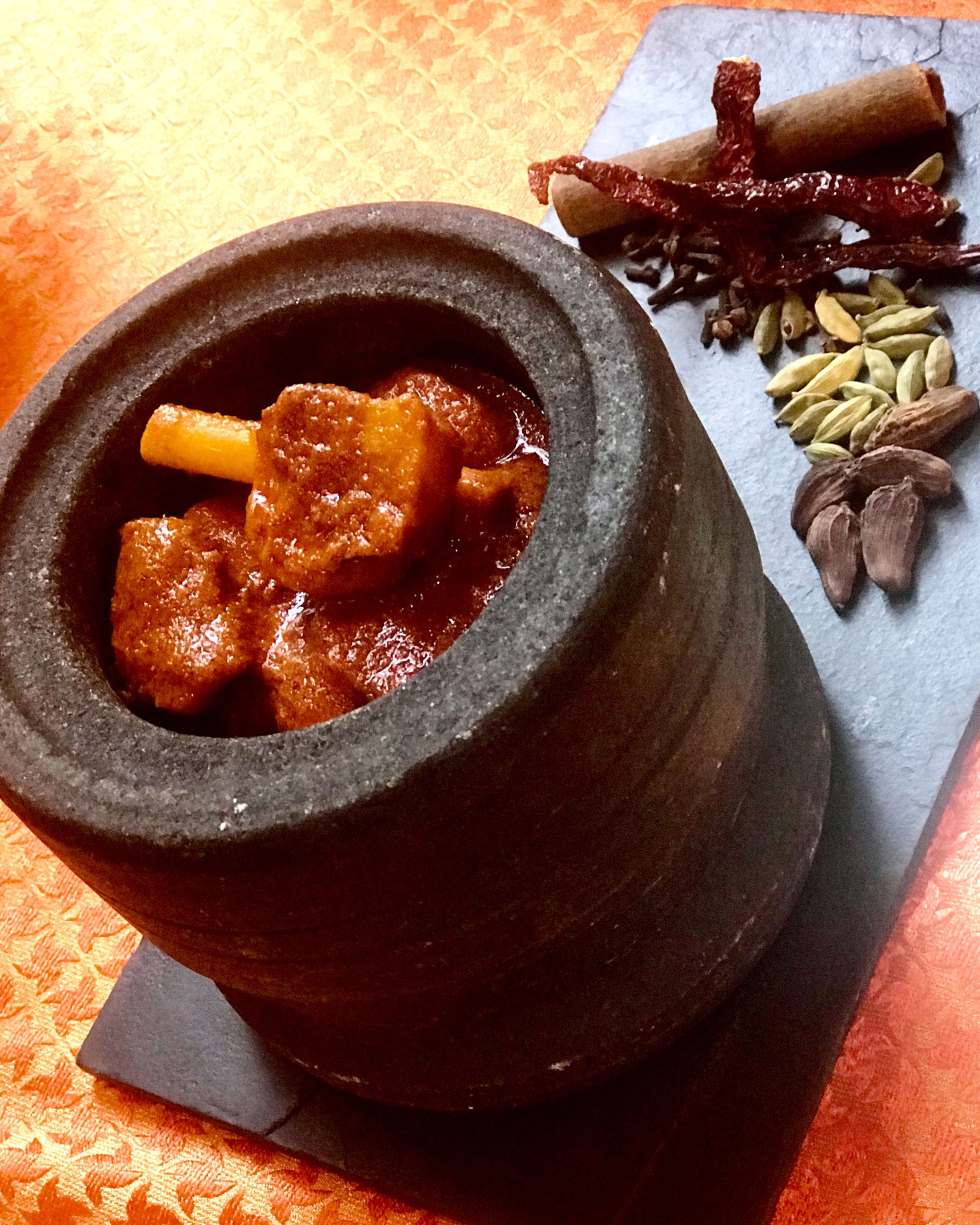
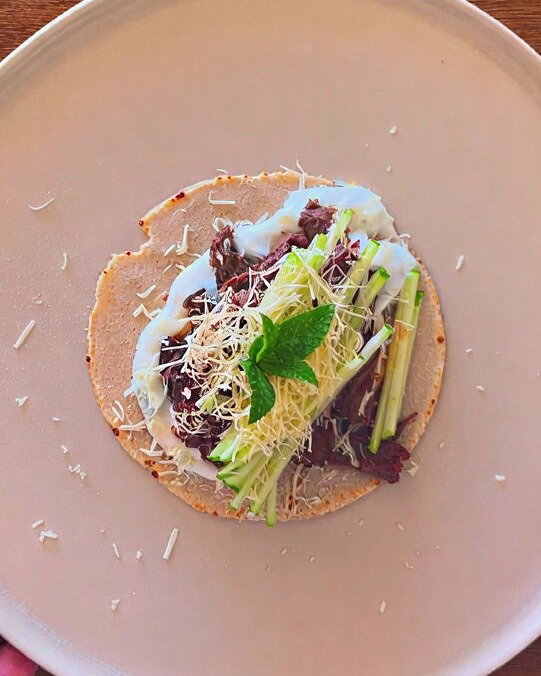
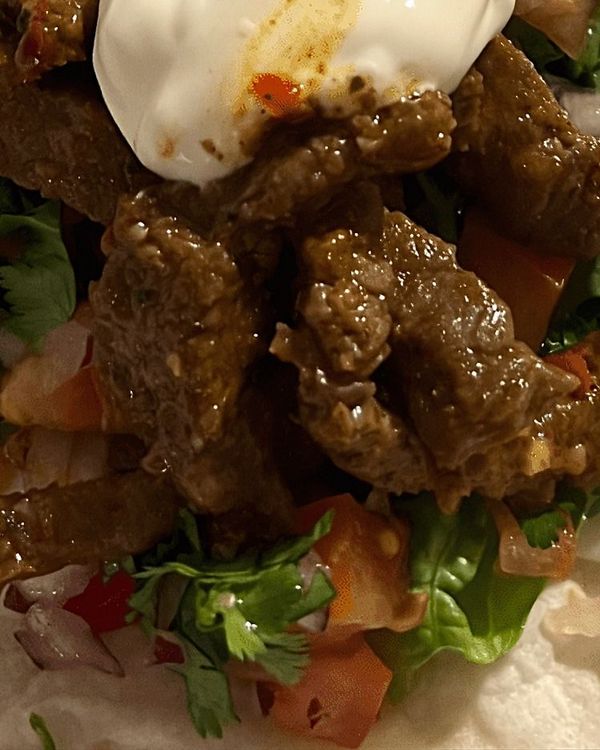
The big cuts — leg, shoulder, shank — are the centrepiece of the table, and they reward patience above all. Here you have a choice that decides everything: a pink, carve-able roast cooked hot and fast to a medium-rare 57–60C internal, or a fall-apart, pull-able joint slow-roasted for hours at 150–160C until the meat surrenders off the bone. Score the fat cap in a crosshatch so it renders and crisps rather than seizing, and salt the joint ahead, even overnight, to season deep and dry the surface for a better crust. For the slow route, keep moisture in the pan with stock or wine and cover it for most of the cook; the meat passes through a tight, chewy stage before it turns silky, so if it resists, it simply needs more time. The classic error is carving the moment it leaves the oven — rest a roast fifteen to twenty minutes under loose foil so it stays succulent. A hot blast at the end crisps the exterior; mint sauce or salsa verde brightens every slice. Standouts here include Lamb Shank Curry and Lamb Shank Curry, plus Cider Braised Lamb Tacos.
- Indian
- Non-Vegetarian
- Dinner

- Indian
- Non-Vegetarian
- Dinner

- Gluten-Free
- Dinner
- Mediterranean
- Non-Vegetarian
- Dinner
- French
- Non-Vegetarian
- Dinner

- Chinese
- Non-Vegetarian
- Dinner
- Croatian
- Non-Vegetarian
- Dinner
- Mediterranean
- Non-Vegetarian
- Dinner
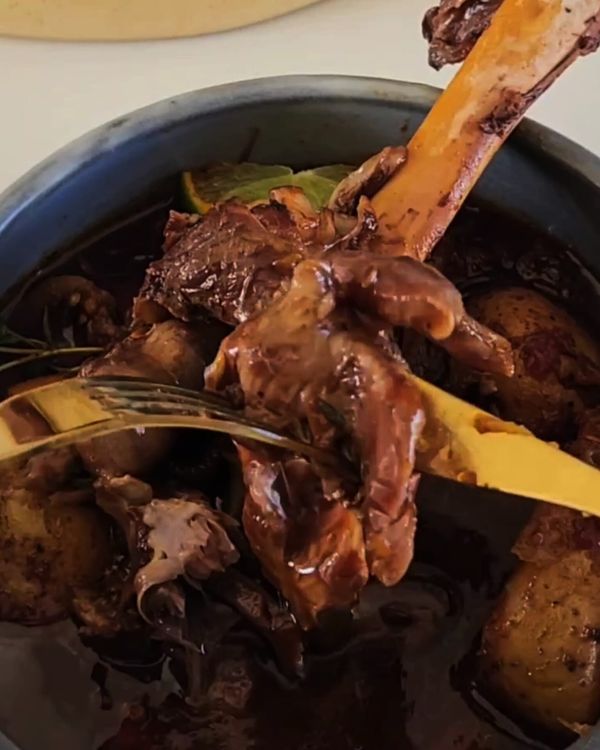

- Fusion
- Non-Vegetarian
- Dinner
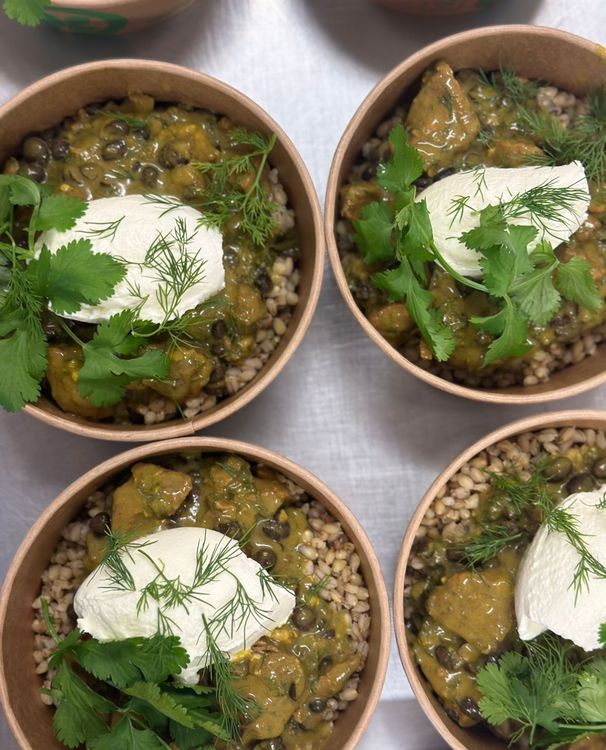

- Persian
- Non-Vegetarian
- Dinner
Lamb Curries & Stews
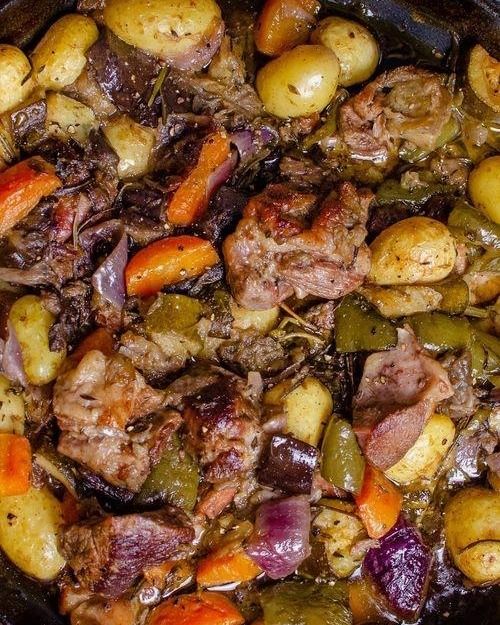
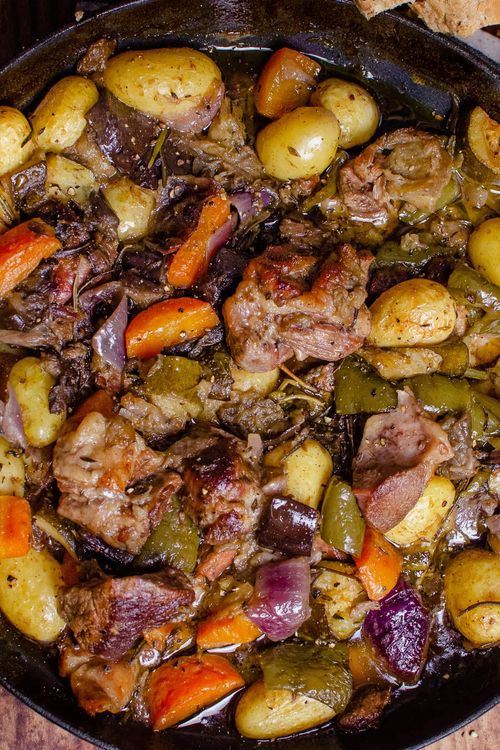
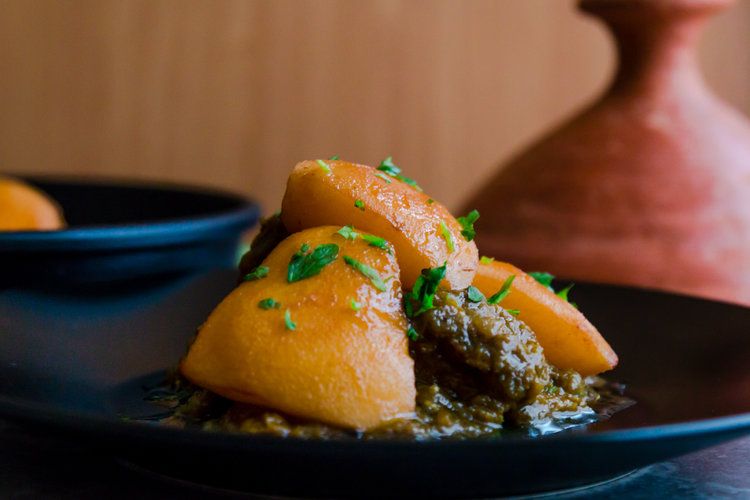
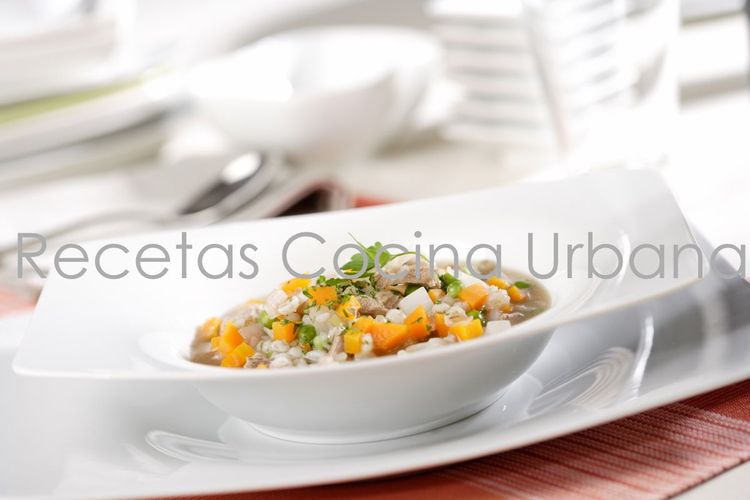
This is where the tougher, cheaper cuts become the most luxurious thing on the table. Shoulder, shank and leg chunks, laced with connective tissue, melt into spiced gravy over a long, gentle simmer — think rogan josh, korma, tagine, bhuna and hearty stews. The non-negotiable first step is browning the meat hard in batches; that deep, savory color is the backbone of the whole dish, and crowding the pan steams it grey instead. Build a proper base next — onions cooked down, ginger and garlic, whole and ground spices bloomed in fat, tomatoes or yogurt reduced until the oil separates — before the liquid goes in. Then hold it at a bare tremble, never a rolling boil, which would seize the muscle before the collagen can soften. Patience is the ingredient: a couple of hours until the meat yields with no resistance, around 90–95C internal. Skim excess fat, balance with acid — tamarind, tomato, preserved lemon — and finish with fresh coriander or mint. These dishes only deepen overnight, so they make superb make-ahead cooking. Standouts here include Lamb Stew with Vegetables and Peruvian Lamb Stew, plus Dalmatian Lamb Stew (Jagneči Brodet).
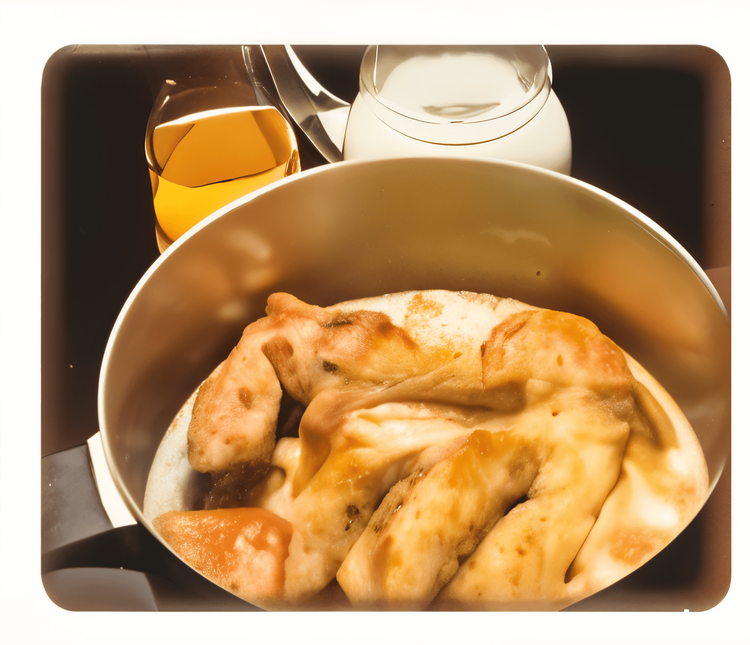
- European
- Non-Vegetarian
- Lunch
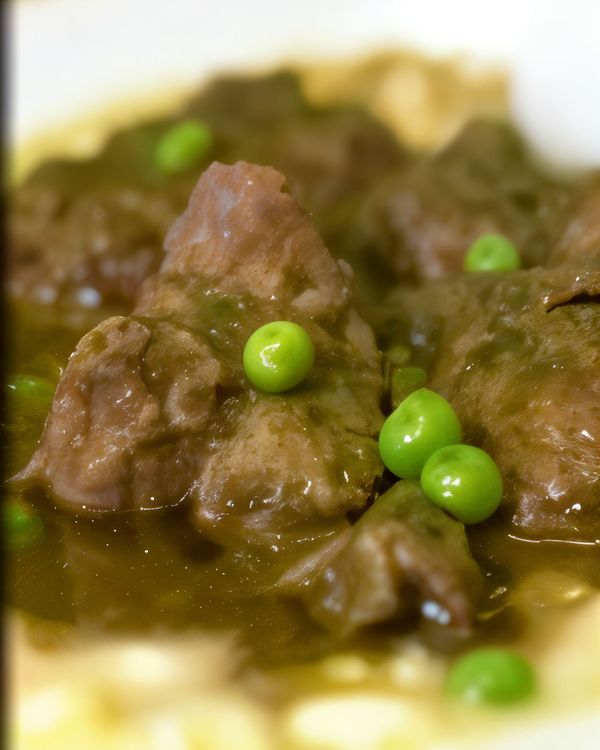
- Peruvian
- Non-Vegetarian
- Lunch
- Croatian
- Non-Vegetarian
- Dinner
- Mediterranean
- Non-Vegetarian
- Dinner

- Moroccan
- Non-Vegetarian
- Dinner
- Chinese
- Non-Vegetarian
- Dinner
Ground Lamb: Kebabs, Koftas & Burgers
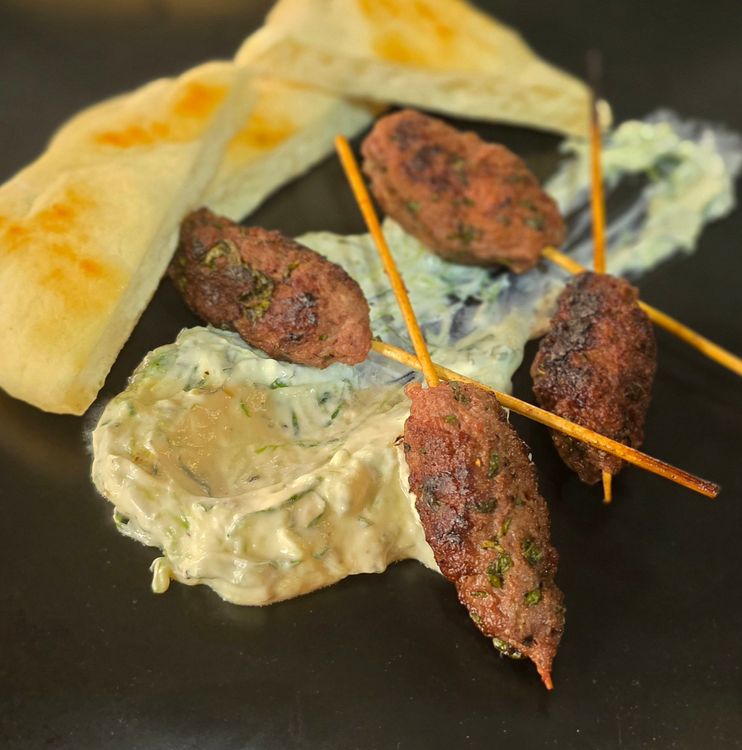
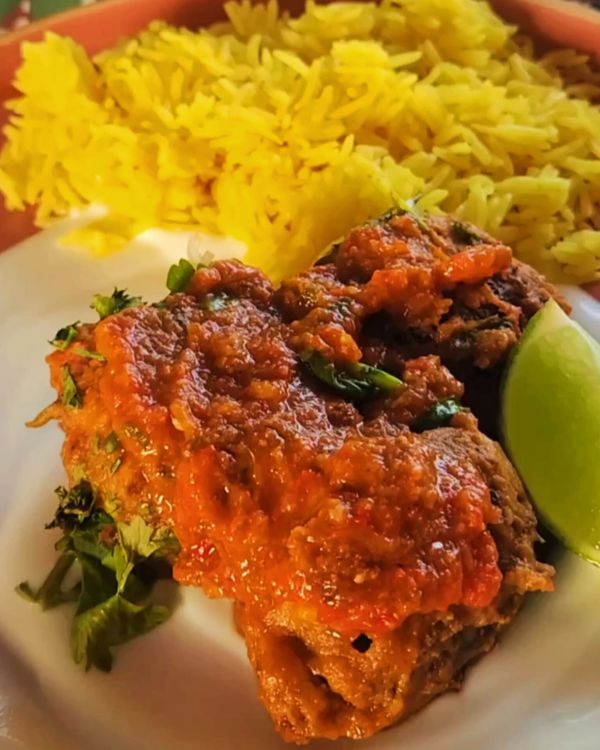
Minced lamb is the weeknight hero of this collection — fast, forgiving and packed with the rich flavor the whole-muscle cuts are prized for. From seekh kebabs and koftas to burgers, meatballs and keema, the same minced base bends in a dozen directions. Because ground lamb already carries plenty of fat, the trick is not to overwork it: mix the spices, onion and herbs through just until combined, then stop, or the kebabs turn dense and bouncy rather than tender. Chill the mix before shaping so it firms up and holds on a skewer or in a pan. Sear or grill hot and fast for a charred crust, and cook ground lamb through to about 71C (160F) — unlike a whole chop, mince should not be served rare. The classic stumble is a wet mix that falls apart on the grill; bind it with a little breadcrumb, egg or grated onion squeezed dry, and let it rest in the fridge. Finish with yogurt-garlic sauce, fresh herbs and flatbread, and you have a fast, generous meal that tastes like far more effort than it took. Standouts here include Lamb kofta and Lamb Burgers, plus Lamb Kofta.
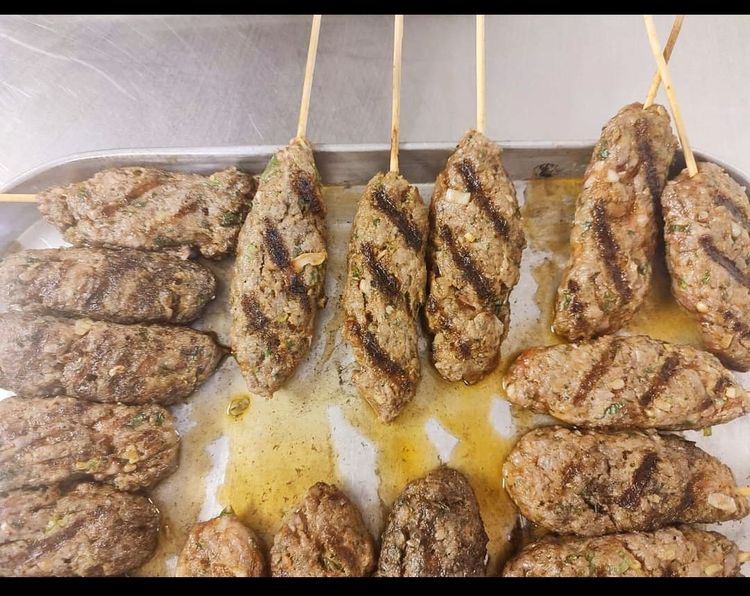
- Mediterranean
- Non-Vegetarian
- Dinner
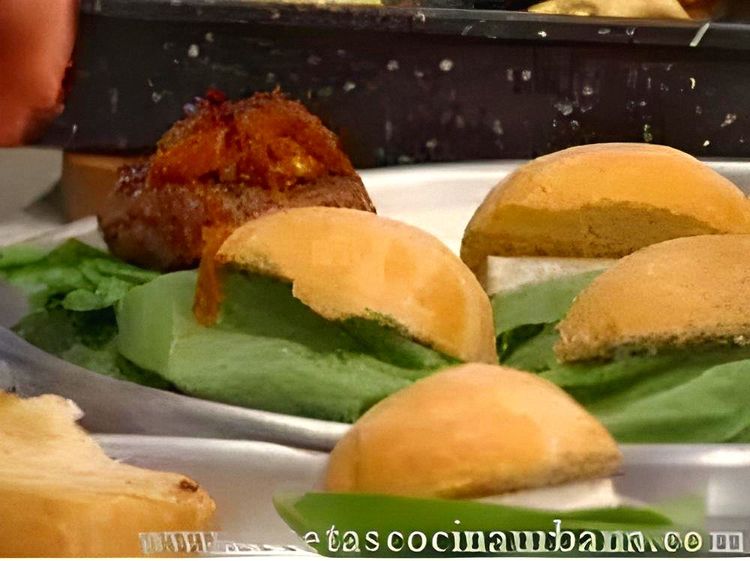
- International
- Non-Vegetarian
- Lunch
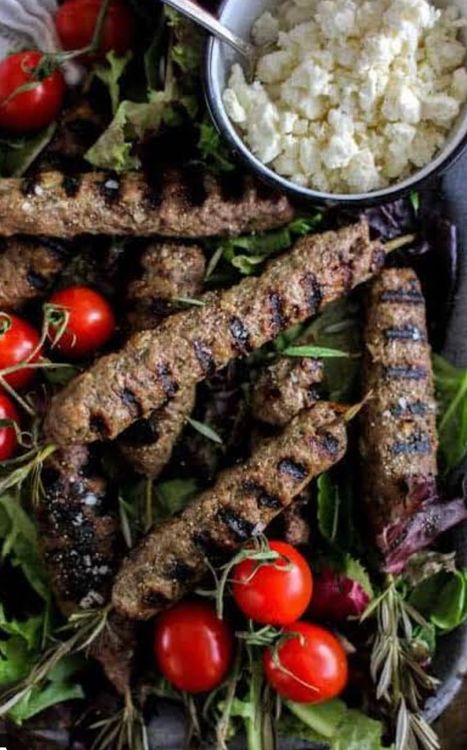
- Middle Eastern
- Non-Vegetarian
- Lunch
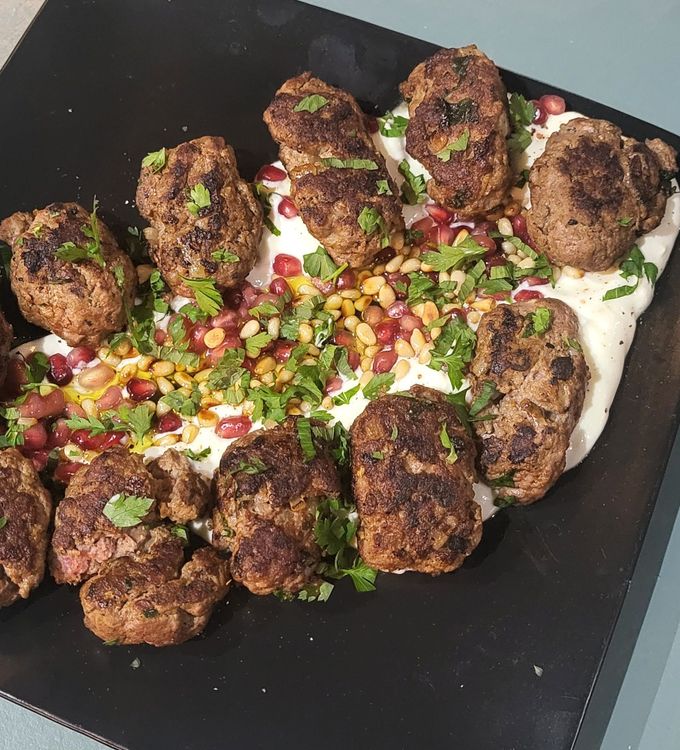

- Turkish
- Non-Vegetarian
- Lunch
- Mediterranean
- Nut-Free
- Dinner
- Mediterranean
- Non-Vegetarian
- Dinner
More Lamb Favourites
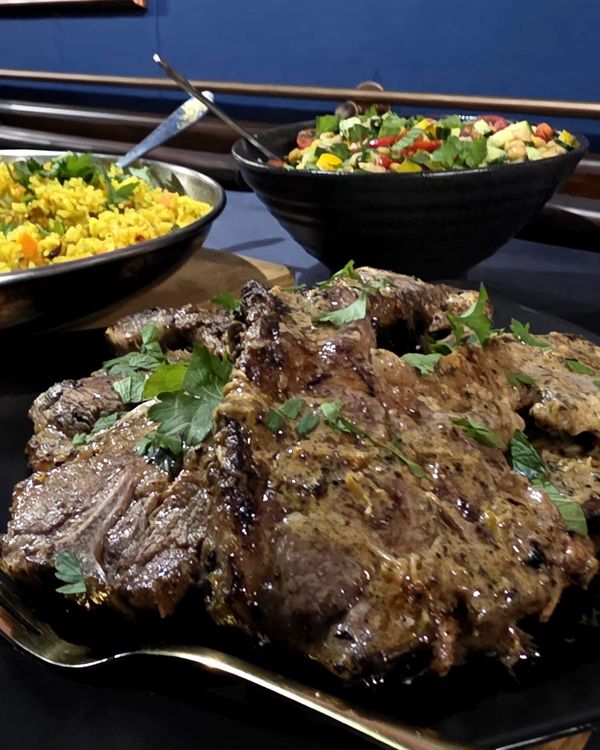
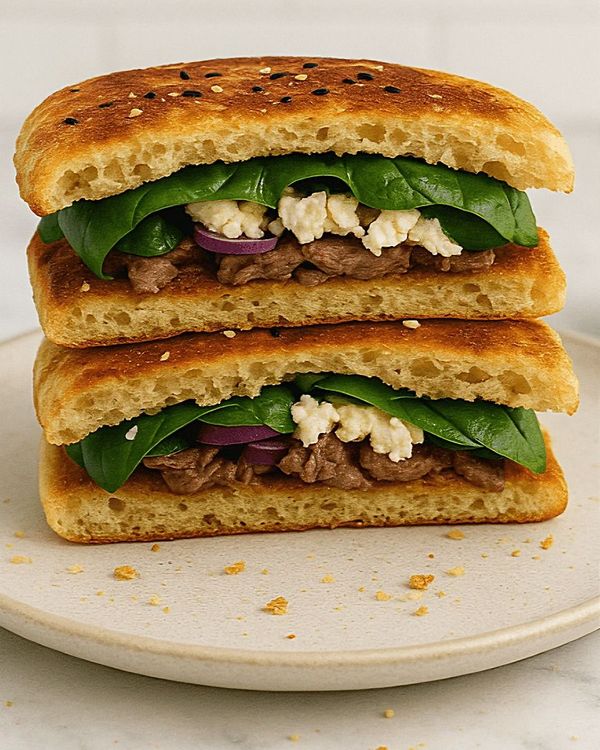
A few lamb dishes never quite settle into a single category, and these are the ones worth keeping in your back pocket once the staples feel routine. They lean on the same core skills you already have — a hard sear, a patient braise, a well-judged internal temperature, a marinade that tenderizes and seasons — but steer them toward different cuisines and textures, so lamb never tastes the same twice. Picking your next one is mostly about matching effort to mood and cut to method: reach for a quick-cooking tender cut on a busy night when you want something on the table in twenty minutes, and save the long, slow-simmered or slow-roasted numbers for a weekend when the flavors can develop properly. Pay attention to doneness, too, since that single decision separates a juicy result from a dry one — temperature for the tender cuts, fall-apart feel for the tough ones. And remember that lamb's richness always wants a counterweight, so finish with something bright and acidic. Think of this group as the natural next step after the classics, the recipes that quietly earn a regular spot in the rotation once you have tried them. Standouts here include Lamb Meatloaf with Pomegranate Molasses and Lamb Shishlik, plus Lamb & Feta Toastie.

- Nut-Free
- Dinner
- Middle Eastern
- Non-Vegetarian
- Dinner
- Mediterranean
- Non-Vegetarian
- Lunch
- Mexican
- Non-Vegetarian
- Lunch
- Mediterranean
- Non-Vegetarian
- Dinner
- Spanish
- Non-Vegetarian
- Soup
- Greek
- Non-Vegetarian
- Lunch
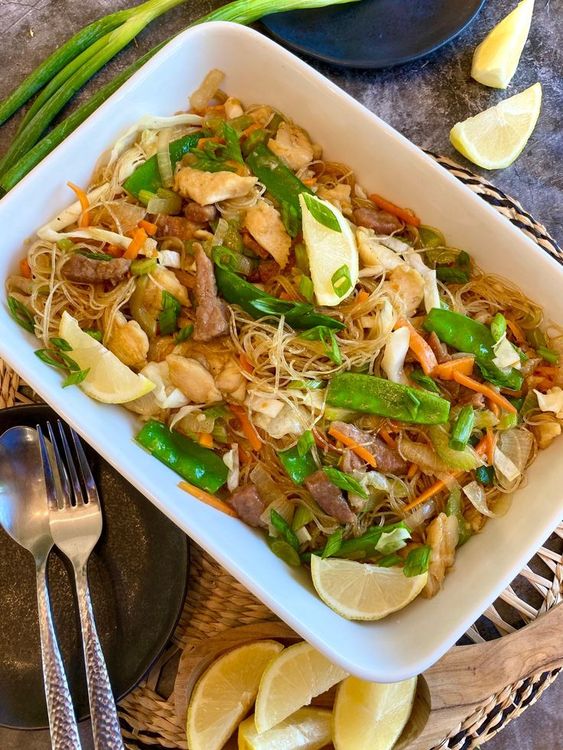
- Filipino
- Non-Vegetarian
- Lunch
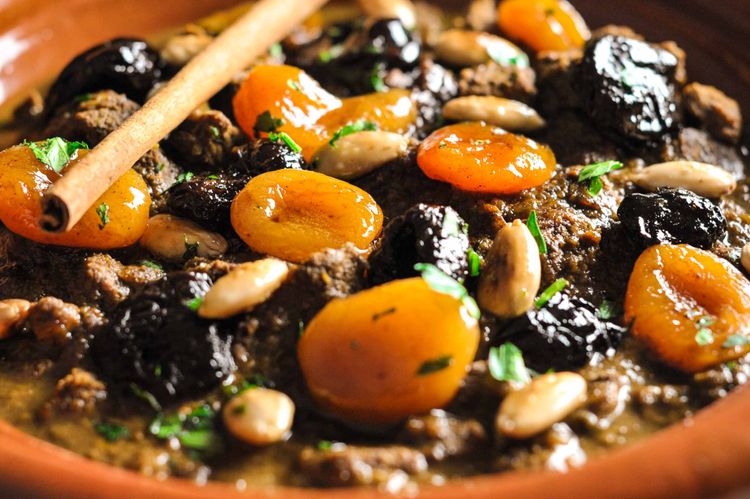
- Moroccan
- Non-Vegetarian
- Dinner
Buying, Trimming and Prepping Lamb
Match the cut to the method before anything else. Loin and rib chops, cutlets and rack are tender and lean — they belong on a hot grill or in a screaming pan for a few minutes a side. Leg, shoulder, shank, neck and breast are tougher, collagen-rich cuts that reward braising, slow-roasting or a long curry. Buying shoulder for a quick fry, or chops for a stew, is the most common reason a lamb dish disappoints before the heat even goes on.
Lamb carries a firm, waxy fat that turns unpleasant when it sets, so trim heavy external fat down to a thin layer (it bastes the meat as it renders) and score what remains in a crosshatch so it crisps rather than seizing. For roasts, leave the fat cap on and score it; for curries and stews, trim aggressively and brown the meat in batches first. Pat every piece bone-dry before it meets heat — surface moisture steams and stops a proper sear or crust from forming.
Bring lamb to room temperature for twenty to thirty minutes before cooking so it cooks evenly rather than staying cold and raw at the centre. Salt chops and roasts ahead — even an hour, or overnight uncovered in the fridge for a roast — to season deep and dry the surface for browning. Lamb pairs naturally with garlic, rosemary, cumin, coriander and warm spice, so a quick rub or marinade goes a long way; just dry the surface again before searing if the marinade is wet.
Doneness: Temperatures That Matter
For tender cuts — chops, cutlets and rack — cook by internal temperature, not the clock, because thickness varies wildly. Pull lamb at 52–54C (125–130F) for rare, 57–60C (135–140F) for a perfect rosy medium-rare, and 63–68C (145–155F) for medium. Push past 71C (160F) and lean lamb dries out and toughens. An instant-read thermometer in the thickest part, away from bone, is the single best upgrade you can make to your lamb cooking.
Carryover cooking is real: a chop or roast climbs another 3–5C after it leaves the heat, so pull it a few degrees shy of your target and let the rest finish the job. Rest tender cuts five minutes and a roast fifteen to twenty under loose foil — this lets the juices redistribute so they stay in the meat rather than flooding the board when you cut. Slicing straight off the heat is why a beautifully cooked roast can still serve up dry.
Slow-cooked cuts play by different rules entirely. A braise, shank, curry or pulled shoulder needs to climb well past "done" — to roughly 90–95C (195–205F) internally — and hold there, because that is the range where tough collagen breaks down into gelatine and the meat goes fork-tender. Here the test is not a precise number but feel: the meat should yield with no resistance and pull cleanly from the bone. Rushing a braise off the heat at 70C leaves it tight and chewy; it has to cook through and out the other side.
Slow-Cooking for Fall-Apart Tender
Tough cuts are tough for a good reason — they are full of connective tissue and intramuscular fat that only become delicious with time and gentle heat. Start by browning the meat hard in batches for deep, savory color (the foundation of the whole dish), then build a flavorful liquid — stock, tomatoes, wine, spiced gravy — bring it to a bare simmer, cover, and hold it there. A braise should tremble, never boil; a hard boil seizes the muscle fibres and squeezes out moisture faster than the collagen can soften.
Low and slow means low and slow: a leg or shoulder for pulled lamb wants 4–6 hours at 150–160C (300–325F), a stew an hour and a half to three on a low flame, shanks two to three hours until the meat shrinks back from the bone. The meat passes through a tight, chewy stage on its way to tender — if it feels rubbery, it is not done, it needs more time, not less. Keep the liquid topped up with hot stock or water so the meat stays mostly submerged and never dries out.
Fat and time are the seasoning here. Lamb shoulder and shank carry enough fat to baste themselves, so a braise often improves overnight as it cools and the flavors deepen — skim the set fat from the top before reheating. For a roast finish, blast the slow-cooked joint under high heat or a hot grill at the end to crisp the exterior, then rest. The combination of long, gentle cooking for tenderness and a short, fierce finish for crust is what separates a great slow-cooked lamb from a merely soft one.
Seasoning, Marinades and Cutting the Richness
Lamb has a pronounced, slightly grassy flavor that takes assertive seasoning well. Classic Western partners are garlic, rosemary, thyme, lemon and anchovy; the spice-route partners are cumin, coriander, cinnamon, cardamom, chilli and yogurt. A marinade does double duty — yogurt-based marinades both tenderize (the acid and enzymes gently loosen the muscle) and carry spice deep into the meat, which is why so many great lamb curries and kebabs start with a yogurt marinade given at least an hour, ideally overnight.
Because lamb is rich, the best lamb dishes build in something to cut it. Acid is the key lever: a squeeze of lemon over chops, mint sauce or chimichurri on a roast, tomato and tamarind in a curry, preserved lemon in a tagine. Fresh herbs, pickled onions and a cooling yogurt raita do the same job on the plate. If a lamb dish tastes heavy or one-note, it is almost always crying out for brightness and salt rather than more spice — reach for acid and seasoning first.
Render and use the fat rather than fighting it. Lamb fat carries enormous flavor, so cook in it, baste with it, and crisp the fat cap for the best bites — but skim excess from a finished curry or braise so the dish reads savory, not greasy. Serve chops and roasts the moment they have rested; serve curries and stews with rice or flatbread to soak up the gravy; and let braises rest or even sit a day so the flavors marry. Lamb is at its best when its richness is balanced, not muted.
Pro Tips from the Test Kitchen
- Match the cut to the method: loin and rib chops for fast high heat, shoulder and shank for the long slow cook.
- Cook tender cuts to temperature, not time — pull at 57–60C (135–140F) for rosy medium-rare.
- Account for carryover: lamb climbs 3–5C off the heat, so pull a few degrees early.
- Rest chops 5 minutes and a roast 15–20 under loose foil so the juices stay in the meat.
- Slow-cooked cuts go past "done" to ~90–95C (195–205F), where tough collagen melts to gelatine.
- Pat lamb bone-dry and bring it to room temperature before searing so it browns instead of steaming.
- Score the fat cap in a crosshatch so it renders and crisps rather than seizing.
- Brown stew and curry meat hard in batches first — that deep color is the base of the whole dish.
- Keep a braise at a bare tremble, never a hard boil, or the muscle tightens and dries out.
- Cut the richness with acid — lemon, mint, tamarind or preserved lemon — before reaching for more spice.
Frequently Asked Questions
What temperature should lamb be cooked to?
For tender cuts like chops and rack, cook to internal temperature: 52–54C (125–130F) for rare, 57–60C (135–140F) for medium-rare, and 63–68C (145–155F) for medium. Lamb is best a little pink — past 71C (160F) it dries out. Slow-cooked cuts are different: braises, shanks and curries need to reach around 90–95C (195–205F) so the connective tissue breaks down and the meat turns fork-tender.
How do you cook lamb chops so they are tender?
Bring the chops to room temperature, pat them bone-dry and season well. Sear in a hot pan or on a hot grill for two to three minutes a side, basting in foaming butter with garlic and rosemary if you like, until they hit 57–60C (135–140F) for medium-rare. Then — crucially — rest them five minutes before serving. High heat, a short cook to the right temperature, and a proper rest are what keep chops juicy rather than grey and tough.
Why is my lamb tough and chewy?
It is usually a cut-and-method mismatch. Tender cuts (chops, rack, loin) go tough when overcooked — pull them at medium-rare. Tough cuts (shoulder, shank, neck, leg for curry) go tough when undercooked: they pass through a chewy stage and need long, gentle cooking to ~90–95C internal so the collagen melts. If a braise feels rubbery, it is not done — give it more time, not less, and keep the heat low.
How long do you slow-roast a leg of lamb?
For fall-apart, pull-able lamb, slow-roast a leg or shoulder for about 4–6 hours at 150–160C (300–325F), covered for most of the time and kept moist with stock or wine in the pan, until the meat yields with no resistance. For a pink, carve-able roast instead, cook hot and fast and pull at around 57–60C internal for medium-rare, then rest 15–20 minutes. The two outcomes need completely different times and temperatures.
Which cut of lamb is best for curry?
Shoulder is the classic choice — well-marbled, full of flavor and forgiving over a long simmer, it turns meltingly tender in a rogan josh, korma or tagine. Leg cut into chunks works too but is leaner and can dry if rushed. Bone-in pieces and shank add body and richness to the gravy. Avoid lean loin chops for curry; they overcook into toughness long before a spiced gravy has had time to develop.
Do you need to marinate lamb?
Not always, but it helps — especially for grilling and curries. A yogurt-based marinade both tenderizes (the gentle acid loosens the muscle) and drives spice deep into the meat, which is why kebabs, koftas and many curries start with one. Give it at least an hour, ideally overnight in the fridge. For a simple roast or chops, a dry rub of garlic, rosemary and salt applied ahead is enough; dry the surface again before searing.
How do you get rid of the gamey taste in lamb?
Most of the strong flavor lives in the fat, so trimming heavy external fat tames it considerably. Beyond that, lean on acid and aromatics: a yogurt or lemon marinade, plenty of garlic, rosemary, cumin or mint, and a bright finishing element like mint sauce, chimichurri or tamarind. Good-quality, fresh lamb is far milder than older or poorly stored meat, so buy well. The goal is to balance the richness, not mask it.
What is the difference between lamb and mutton?
Lamb comes from a sheep under a year old; mutton from an older animal. Lamb is more tender and milder, suiting both quick cooking (chops, rack) and slow (roasts, curries). Mutton is darker, stronger-flavored and tougher, so it almost always wants long, slow cooking — curries, nihari, slow stews — to become tender. Many South Asian "mutton" recipes use goat or older sheep; either way, low and slow is the rule for the older meat.
Can you cook lamb from frozen?
For best results, thaw lamb fully in the fridge first — cooking from frozen makes it almost impossible to sear evenly or judge internal temperature, and the outside overcooks before the centre thaws. If you must, only do it for slow-cooked stews and curries where the long, gentle cook evens things out, and add extra time. Never leave lamb to thaw at room temperature for long; defrost in the fridge or under cold running water.
What sides go best with lamb?
It depends on the dish. Roasts and chops love roast potatoes, green beans, minted peas and a sharp mint sauce or salsa verde. Curries and tagines want rice, naan, flatbread or couscous to soak up the gravy, plus a cooling raita and pickled onions. Ground-lamb kebabs and koftas pair with flatbread, hummus, salad and yogurt-garlic sauce. Across the board, something fresh and acidic on the side balances lamb beautifully.
The thread through every lamb recipe here is the same: choose the cut for the method, cook tender pieces to a pink internal temperature and rest them, and give tough pieces the long, gentle time they need to turn silky. Master those few moves — plus a trim, a marinade and a hit of acid to balance the richness — and chops, roasts, curries and kebabs all fall into place.
Pick three to cook this week — a quick plate of seared chops, a slow-roast shoulder and a spiced curry or batch of koftas — and save your favorites to a Chefadora cookbook. Then work through the rest; this page is built to be the lamb reference you actually come back to.
Related
- Lamb
- Roast
- Curry
- Grilling
- High protein
- Dinner
- Middle Eastern
- Indian
Popular Searches
- Best lamb recipes
- Easy lamb recipes
- Quick lamb recipes
- Healthy lamb recipes
- Simple lamb recipes
- Homemade lamb recipes
- Delicious lamb recipes
- Popular lamb recipes
- lamb chops
- roast lamb
- lamb curry
Marnirni-apinthi Building, Lot Fourteen,
North Terrace, Adelaide, South Australia, 5000
Australia
