
Top 12 Goat Cheese Recipes: Dips, Salads, Pasta and More
Updated June 30, 2026 · Curated by Chefadora

Goat cheese recipes reward you with something no other ingredient quite delivers: a creamy, tangy contrast that sharpens a salad, enriches a dip, and turns roasted vegetables into a proper meal. The recipes collected here span the full range of what this humble chèvre can do — from five-minute whipped dips to crisped croquettes, salads built around beets and citrus, and silky pasta sauces.
What makes goat cheese so useful in the kitchen is its versatility across temperatures. Cold and fresh, it crumbles beautifully over salads or whips into a spreadable dip with a food processor and a splash of olive oil. Warmed or baked, it softens into pools of creamy richness without fully melting, which means it holds shape in stuffed mushrooms or flatbreads while still becoming luxuriously tender. At high heat, a breaded and pan-fried round becomes golden and crisp outside with a yielding centre — one of the great textural contrasts in appetiser cookery.
You will find four clusters on this page: dips and appetisers that work as starters or party food; salads where goat cheese plays the starring role rather than a garnish; pasta and main dishes that lean on its sauce-making ability; and roasted vegetable sides where it finishes a tray of caramelised produce. Each cluster is its own entry point depending on what you have in the fridge and how much time you have.
Treat this as a working reference for cooking with goat cheese year-round. The guides below cover the practical questions — how to whip it smooth, how to bread and fry it without the coating sliding off, which flavours pair best, and how to store an opened log so it stays fresh. Every recipe links through to full ingredients and steps on Chefadora.
Goat Cheese Dips & Appetizers
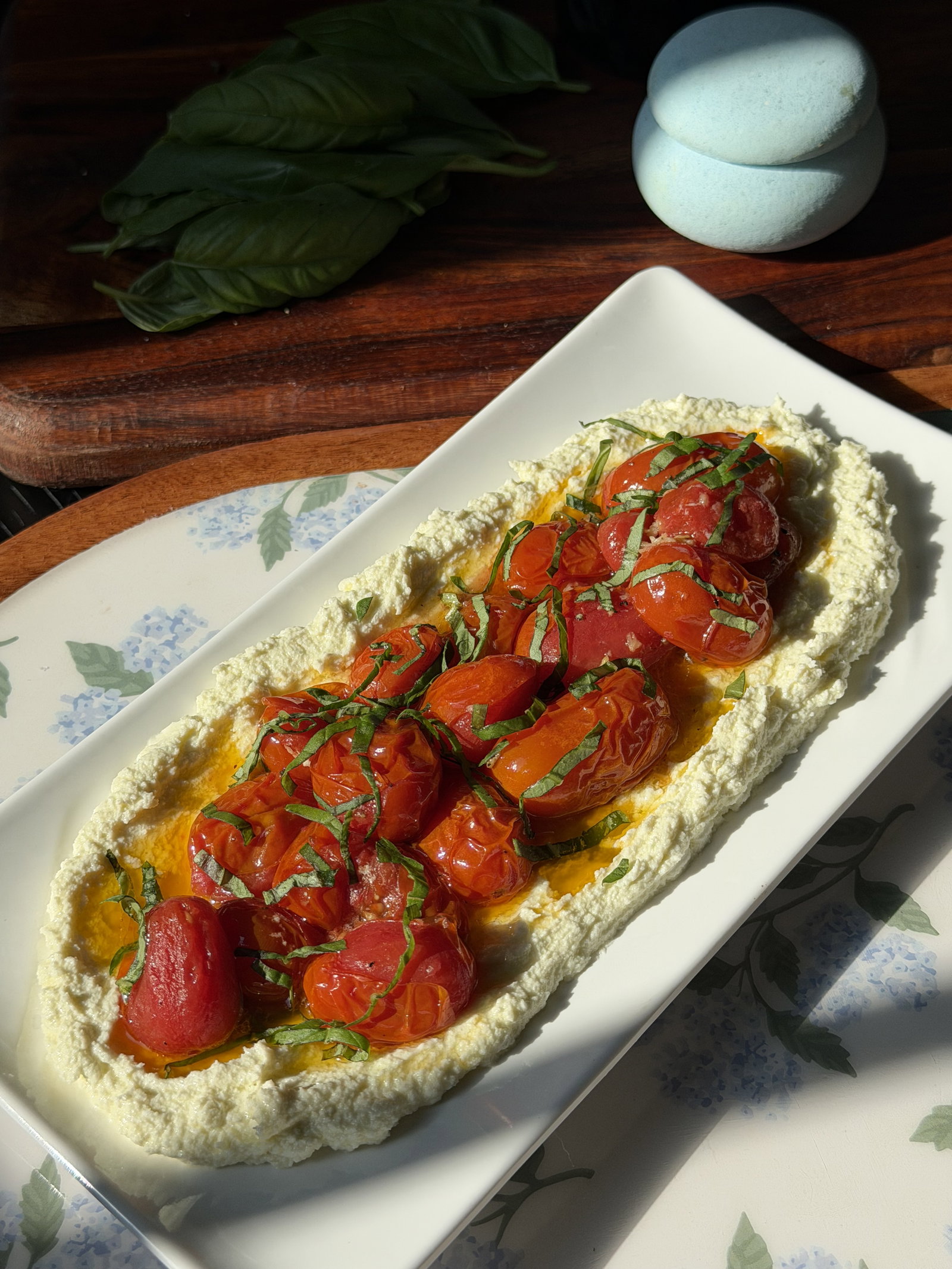
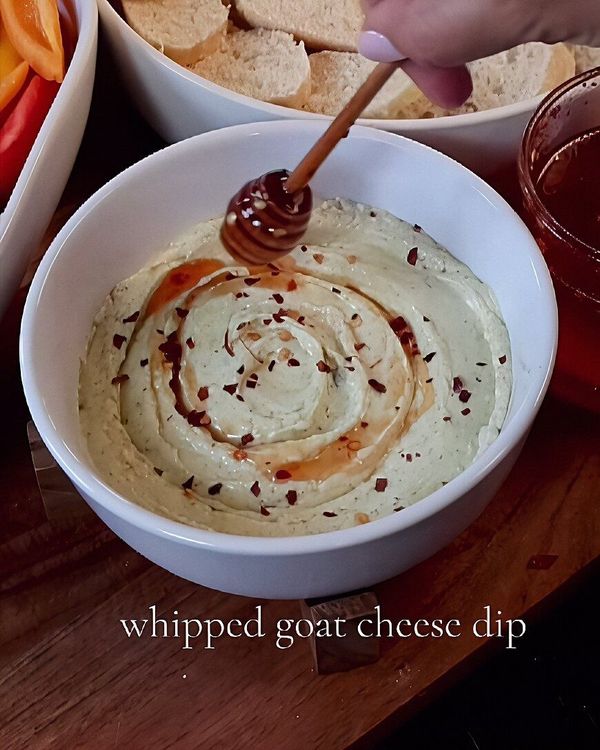
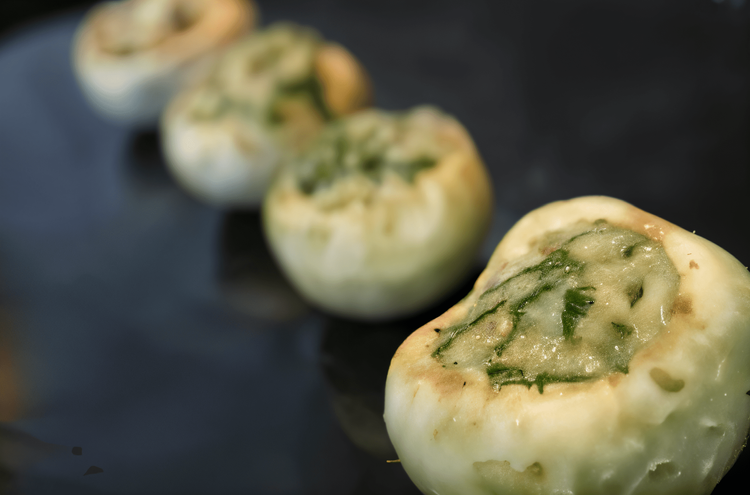
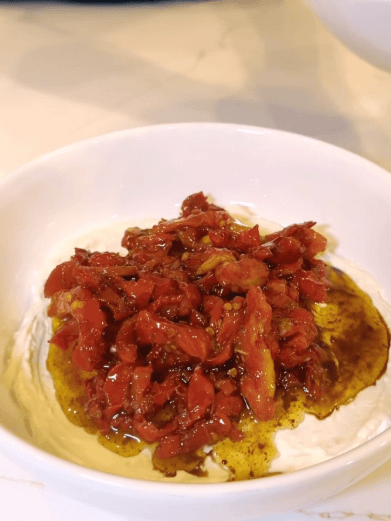
Goat cheese dips and appetisers are among the easiest, most crowd-pleasing things you can put on a table. The cheese whips into a cloud with a food processor and minimal effort, and a few well-chosen toppings — honey and thyme, roasted tomatoes, sun-dried tomatoes with herbs — take it somewhere that feels considered and special. Roasted tomato dips lean on the oven to do the flavour building, concentrating the tomatoes until they are sweet and jammy, then combining with the tangy cheese for something that is greater than either ingredient alone. Stuffed mushrooms follow a similar principle: the oven softens the mushroom and draws out its umami while the goat cheese and spinach filling becomes creamy and fragrant. Croquettes are the one preparation that requires a little more technique — the freeze-before-frying step is non-negotiable — but the result, a shatteringly crisp shell with a molten, tangy interior, is one of the most satisfying things a block of goat cheese can become. For flatbreads, the key is restraint: the cheese should be applied after baking or in the final minute, so it softens rather than dries. All of these work as starters, party food or light meals, and most can be fully or partially prepared ahead. Standouts here include Roasted Tomato Goat Cheese Dip and Goat Cheese & Roasted Tomato Dip, plus Whipped Goat Cheese Dip.


- American
- Vegetarian
- Appetiser
- Vegetarian
- Appetiser
- American
- Vegetarian
- Appetiser
- International
- Vegetarian
- Appetiser


- Eggetarian
- Appetiser

- Mediterranean
- Vegetarian
- Appetiser
Goat Cheese Salads
Goat cheese salads are built on contrast: the creamy, tangy cheese against crisp, bitter or sweet elements in the bowl. Roasted beets are the classic partner — their earthy sweetness is the ideal counterpoint to goat cheese's sharpness, and walnuts add the textural crunch that ties the whole salad together. Autumn leaves (rocket, radicchio, endive) add bitterness that the cheese softens. Citrus salads take a different approach: the brightness of orange or grapefruit segments with crispy, pan-fried goat cheese rounds is a combination of hot and cold, creamy and sharp, that works beautifully as a starter. The technique for crispy goat cheese is worth mastering — freeze the sliced rounds, coat in panko, pan-fry — because it elevates any salad from side dish to centrepiece. Dressing matters: a simple honey-mustard or lemon vinaigrette complements goat cheese without fighting it. Avoid creamy dressings that compete with the cheese's own richness. Assemble salads just before serving; goat cheese crumbles on top should go on last so they stay distinct rather than dissolving into the leaves. Standouts here include Roasted Beet Salad with Goat Cheese and Walnuts and Autumn Salad with Goat Cheese, plus Crispy Goat Cheese Citrus Salad.

- Vegetarian
- Salad


- Vegetarian
- Salad

- Eggetarian
- Salad
Goat Cheese Mains, Pasta & Roasted Sides
Goat cheese pasta is one of the most rewarding quick weeknight meals in the repertoire. The cheese melts into warm pasta water and olive oil to create a silky, tangy sauce with almost no effort — no cream required, no long cooking time. Tortellini works especially well because the filled pasta brings its own richness, and the goat cheese sauce coats and complements rather than competes. For flatbreads, apply the cheese in the final two minutes of oven time so it softens and becomes creamy rather than drying out. Roasted vegetable dishes follow a different logic: root vegetables or squash roasted at high heat until caramelised, then finished with crumbled goat cheese that softens in the residual heat without fully melting. The result is simultaneously rich and fresh, with textural contrast between caramelised edges and creamy cheese. Maple-glazed preparations add another dimension — the glaze creates a sticky, sweet coating that the tangy cheese cuts through beautifully. The key rule for all roasted dishes is space on the tray: crowded vegetables steam rather than roast, and you lose the caramelisation that gives the dish its character. Spread in a single layer, give them room, and do not stir for the first fifteen minutes. Standouts here include Prosciutto and Goat Cheese Flatbread with Raspberry Preserves and Creamy Lemon Goat Cheese Tortellini, plus Maple Harvest Roasted Veggies with Goat Cheese.
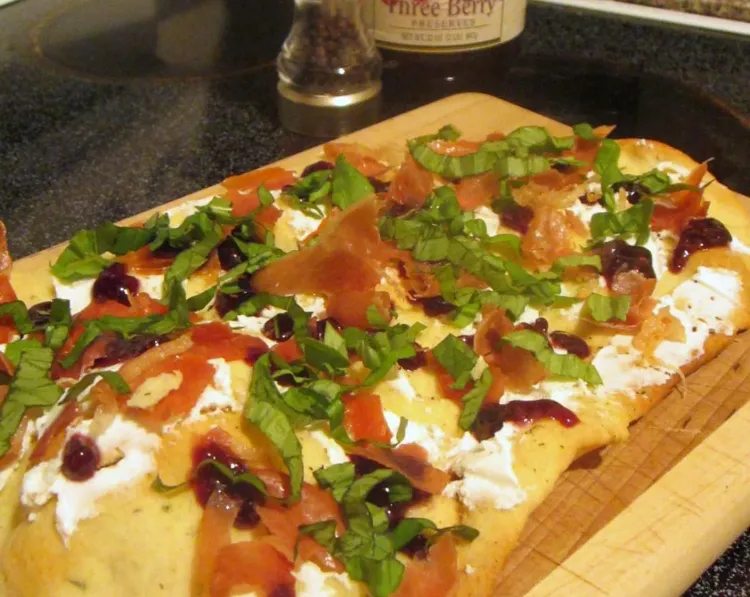

- Italian
- Non-Vegetarian
- Appetiser

- Italian
- Nut-Free
- Dinner
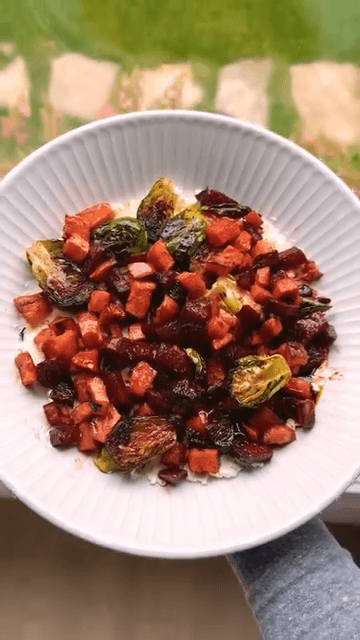
- American
- Vegetarian
- Side Dish
How to Whip and Spread Goat Cheese
Fresh goat cheese straight from the fridge is crumbly and dense — not the creamy, spreadable texture you want for dips or toast. The fix is simple: bring it to room temperature for fifteen to twenty minutes, then blitz in a food processor with a drizzle of olive oil and a tablespoon or two of cream cheese or plain yogurt for extra body. Thirty seconds gives you a smooth, pipeable result.
For a whipped goat cheese dip, season well with flaky salt, cracked pepper and lemon zest. Honey, fresh thyme or roasted garlic stirred through at the end adds another layer without overpowering the tang. Spread it thick on a board and finish with a drizzle of good olive oil and something with texture — dukkah, toasted pine nuts or crispy capers work brilliantly.
The whipped version keeps three to four days in the fridge, covered tightly. It firms up as it cools, so pull it out ten minutes before serving and give it a quick stir. If you want to pipe it decoratively for a dinner party, chill it in the piping bag for fifteen minutes first so it holds its shape cleanly on the plate. The beauty of whipped goat cheese is that it takes seasoning and additions extremely well: swirl in a spoonful of pesto, stir through roasted garlic, or layer sun-dried tomatoes on top. Each variation transforms the same base into something that feels completely different, which is why a single log of chèvre can anchor three or four different dishes across a week of cooking.
Breading and Frying Goat Cheese
Pan-fried or deep-fried goat cheese rounds are one of the best things you can put on a salad or serve as a starter. The technique requires a brief freeze before cooking — slice rounds from a log, place them on a parchment-lined tray and freeze for twenty to thirty minutes. This firms the cheese so the coating adheres and the interior stays creamy rather than leaking out.
Coat in seasoned flour, then beaten egg, then fine breadcrumbs — panko gives the crispest result. Press the crumbs in firmly and return to the freezer for another ten minutes if you have time. Shallow-fry in neutral oil over medium-high heat, turning once, until deeply golden on both sides. It takes about ninety seconds per side. Do not move them constantly; let the crust set before you flip.
The croquette technique is the same principle but with a formed disc that can be made ahead. Press the cheese into cylinders, freeze, bread and refrigerate until you are ready to cook. They hold for up to twenty-four hours pre-breaded in the fridge, which makes them ideal for dinner parties. Serve immediately — the window between golden and collapsed is short, because the interior is so soft.
Pairing Goat Cheese with Other Flavours
Goat cheese has an assertive, grassy tang that needs either a sweet counterpoint or something acidic enough to meet it as an equal. On the sweet side, honey, stone fruit, figs, roasted beets and maple-glazed vegetables all work — the sweetness softens the sharpness without masking it. On the acidic side, lemon zest, sun-dried tomatoes, balsamic reduction and fresh herbs like tarragon or chives complement rather than compete.
Nuts add texture and a toasty depth that goat cheese lacks — walnuts and beets are the classic combination, but hazelnuts with autumn leaves or pine nuts with basil are equally well-matched. Cured meats like prosciutto and bresaola bring salt and umami, cutting through the creaminess. Flatbreads and crostini are natural carriers; add a fruit element (raspberry jam, fig chutney, sliced pear) and you have a complete flavour arc in one bite.
Avoid overpowering pairings. Strong blue cheese flavours, very oily anchovies or heavily spiced elements tend to drown goat cheese out. It works best when it is the primary flavour with one or two supporting notes, rather than buried in a complex mixture. When in doubt, simplify — good olive oil, lemon and fresh herbs are all it needs. Temperature is another pairing consideration: cold goat cheese on a warm dish mutes its flavour, while goat cheese brought to room temperature before it is served delivers more fragrance and character. For baked applications, the cheese should always be at room temperature before it goes into the oven so it heats through evenly rather than sitting cold in the centre while the edges brown.
Storage, Shelf Life and Keeping Goat Cheese Fresh
An opened log of goat cheese dries out and picks up fridge odours quickly if left unwrapped. Rewrap the cut end tightly in cling film or beeswax wrap, then store it in an airtight container. It keeps five to seven days this way. If the surface becomes slightly dry, scrape it off — the cheese beneath is fine. A thin bloom of white mould on a soft-rind style is harmless; pink or fuzzy mould means discard.
For longer storage, goat cheese freezes reasonably well, though the texture changes — it becomes more crumbly and less creamy after thawing, which makes it better suited for cooked applications (baked into a tart, melted into a sauce, crumbled over roasted vegetables) than for serving fresh. Freeze in portions wrapped in cling film, then a freezer bag, for up to two months. Thaw overnight in the fridge.
Fresh goat cheese for dips is best used within a day of making — it separates and loses its lightness if left too long. For a dinner party, make the base dip a day ahead and store covered in the fridge, then whip briefly and adjust seasoning just before serving. The flavour actually deepens overnight, so early preparation is an advantage rather than a compromise. A good rule of thumb: if the dip has gone slightly stiff in the fridge and looks less creamy, a brief blitz in the food processor with a tiny drizzle of warm water or olive oil restores the texture immediately. Add fresh herb garnishes only at serving so they stay bright rather than wilting overnight into the dip.
Pro Tips from the Test Kitchen
- Freeze goat cheese rounds for 20–30 minutes before breading so the crust adheres and the interior stays creamy when fried.
- Bring goat cheese to room temperature before whipping — cold cheese will not blend smoothly.
- Add a tablespoon of cream cheese to whipped goat cheese dip for extra body without masking the tang.
- Pair goat cheese with one sweet element (honey, beet, fig) and one textural element (walnuts, dukkah, toasted seeds) for a complete flavour.
- Use lemon zest rather than lemon juice in goat cheese dips — you get the brightness without thinning the texture.
- Press panko crumbs firmly onto goat cheese rounds and give them a second chill before frying for a crust that stays put.
- Store an opened goat cheese log with the cut end tightly wrapped in cling film inside an airtight container — it keeps up to a week this way.
- Crumble goat cheese over warm dishes right before serving rather than stirring it in — you keep pockets of tanginess rather than a uniform sauce.
- Season whipped goat cheese after blending, not before — salt draws out moisture during blending and can make the dip watery.
- For baked goat cheese, keep it in a small oven-safe dish so it holds its shape as it softens and bubbles at the edges.
Frequently Asked Questions
What is goat cheese good in?
Goat cheese is extraordinarily versatile — it works in both hot and cold applications. Cold: whipped into dips, crumbled over salads, spread on toast with honey or fig jam. Hot: baked into tarts, melted into pasta sauces, stuffed into mushrooms, or breaded and pan-fried until golden. Its tangy flavour pairs especially well with sweet roasted vegetables (beets, squash, roasted tomatoes), cured meats like prosciutto and bresaola, citrus, fresh herbs and toasted nuts. A small amount goes a long way — a single log covers a surprising number of preparations.
Does goat cheese melt when cooked?
Not in the same way that mozzarella or cheddar does. Goat cheese softens and becomes creamy when warmed, and will blend into a sauce smoothly if stirred in off the heat, but it does not stretch or become gooey. At high oven heat it can bubble and brown around the edges while staying relatively intact in the centre — which is exactly what you want for baked dips and stuffed vegetables.
How do you make whipped goat cheese?
Bring the cheese to room temperature, then blend in a food processor with a drizzle of olive oil and, optionally, a spoonful of cream cheese or Greek yogurt for extra smoothness. Blitz for about thirty seconds until light and airy. Season with salt, pepper and lemon zest. The result should be spreadable but hold its shape — if it is too stiff, add a little more oil or a splash of warm water.
What is the difference between goat cheese and chèvre?
They are the same thing — chèvre is the French word for goat, and in food contexts it refers to fresh, soft goat cheese. In English-speaking countries, "goat cheese" covers the same product. Both terms describe the creamy, young style sold in logs or rounds. Aged goat cheese (firmer, more pungent) is usually labelled by name, such as aged chèvre or Bucheron.
Can you substitute feta for goat cheese?
In most recipes, yes — both are tangy, crumbly white cheeses, though the flavour and texture differ noticeably. Feta is saltier and more mineral, with a drier, more crumbly texture, while goat cheese is creamier, grassier and softer. In salads the swap works well; for dips or baked applications, goat cheese produces a creamier, smoother result. If using feta, reduce added salt elsewhere in the recipe as feta is significantly saltier. The reverse swap (goat cheese for feta in a Greek salad) loses some of the characteristic brininess but gains creaminess.
How long does goat cheese last once opened?
Stored properly — cut end wrapped tightly in cling film, kept in an airtight container in the fridge — an opened log keeps for five to seven days. Soft fresh goat cheese loses its moisture and freshness faster than firmer styles. If the surface becomes slightly dry or develops a very thin white bloom, scrape it off and the cheese beneath is fine. Pink, green or fuzzy mould means it should be discarded.
What wine pairs with goat cheese?
Crisp, acidic white wines are the classic match — Sauvignon Blanc from the Loire Valley (Sancerre, Pouilly-Fumé) is the textbook pairing, as it shares the same grassy, mineral character as the cheese. Dry rosé, Albariño and unoaked Chardonnay also work well. Avoid heavy, tannic reds which make goat cheese taste bitter; light reds like Pinot Noir are a reasonable exception.
Is goat cheese healthier than cow milk cheese?
Fresh goat cheese tends to be slightly lower in calories and fat than equivalent cow milk cheeses like cream cheese, and it contains less lactose, which some people find easier to digest. It is a good source of protein, calcium and B vitamins. However, it is still a dairy product with significant fat content, so moderation applies. The flavour intensity means a small amount goes a long way.
How do you keep fried goat cheese from falling apart?
The key is temperature control — freeze the rounds for at least twenty to thirty minutes before breading, and freeze again for ten minutes after breading if possible. Use a three-stage coating: seasoned flour, beaten egg, then panko. Press firmly at each stage. Fry in oil that is hot enough (around 175°C / 350°F) so the crust sets immediately on contact rather than absorbing oil. Do not move the rounds until the crust is golden and set.
What herbs go best with goat cheese?
Fresh thyme, basil, chives and tarragon all pair beautifully with goat cheese without overwhelming its delicate tang. Rosemary works well in baked preparations. For dips, a combination of chives and lemon zest is hard to beat. Dried herbs are more concentrated — use half the quantity of fresh. Avoid very pungent dried herbs like sage in large amounts, as they can make the dish feel heavy.
The thread through every goat cheese recipe here is contrast — creamy against crisp, tangy against sweet, rich against sharp green leaves. Master the few techniques in the guides (how to whip it smooth, how to fry without losing the crust, which flavours to lean on, how to store it properly) and you will find yourself reaching for a log of chèvre far more often than you expected.
Pick two or three to make this week — a quick whipped dip, a salad for the week and one warm dish — and save your favourites to a Chefadora cookbook. Return when you want something a little more considered; this page is built to be the goat cheese reference you actually use.
Related
- Goat Cheese
- Vegetarian
- Appetizers
- Salads
- French
- Entertaining
- Cheese
Popular Searches
- Best goat cheese recipes
- Easy goat cheese recipes
- Quick goat cheese recipes
- Healthy goat cheese recipes
- Simple goat cheese recipes
- Homemade goat cheese recipes
- Delicious goat cheese recipes
- Popular goat cheese recipes
- goat cheese appetizers
- what to make with goat cheese
- goat cheese salad
Marnirni-apinthi Building, Lot Fourteen,
North Terrace, Adelaide, South Australia, 5000
Australia
