
Top 99 Pudding Recipes: From Stovetop Chocolate to Bread Pudding
Updated June 29, 2026 · Curated by Chefadora
Pudding recipes cover far more ground than the single word suggests: in one kitchen it means a silky stovetop chocolate custard, in another a baked dish of bread soaked in cream, and in a third a chilled chia jar that thickens overnight. The recipes below were chosen to show that range — classic saucepan puddings, golden-topped bread puddings, simmered rice and chia, and the layered no-bake desserts like banana pudding — rather than ten versions of the same vanilla cup.
Almost every one comes down to a custard, and a custard is just dairy thickened by some combination of starch and egg. Cornstarch gives the glossy, sliceable set of an American chocolate or butterscotch pudding; egg yolks bring richer body and that spoon-coating cling; and the two together, as in a good bread pudding, give a texture that is soft but holds a clean edge. Understanding that small handful of thickeners is what lets you read any pudding recipe and know what it will do.
You will find four clusters here: classic stovetop puddings, bread puddings, rice and chia, and no-bake layered desserts and banana pudding. The technique carries across all of them, so once you can cook a smooth saucepan pudding and a custard that sets without curdling, the rest are variations — change the flavor, change the vessel, change whether you bake, chill or simmer.
Treat this as a working reference. Each recipe links to full ingredients and steps on Chefadora, and the guides below cover the things that decide whether a pudding turns out velvety or grainy — how to temper eggs without scrambling them, how to thicken cleanly with starch, how to stop a skin forming, and how to soak bread so it sets rather than goes soggy.
Classic Stovetop Puddings
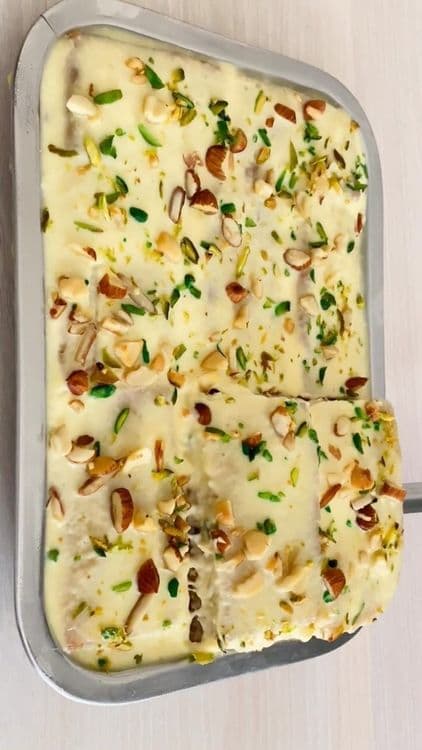
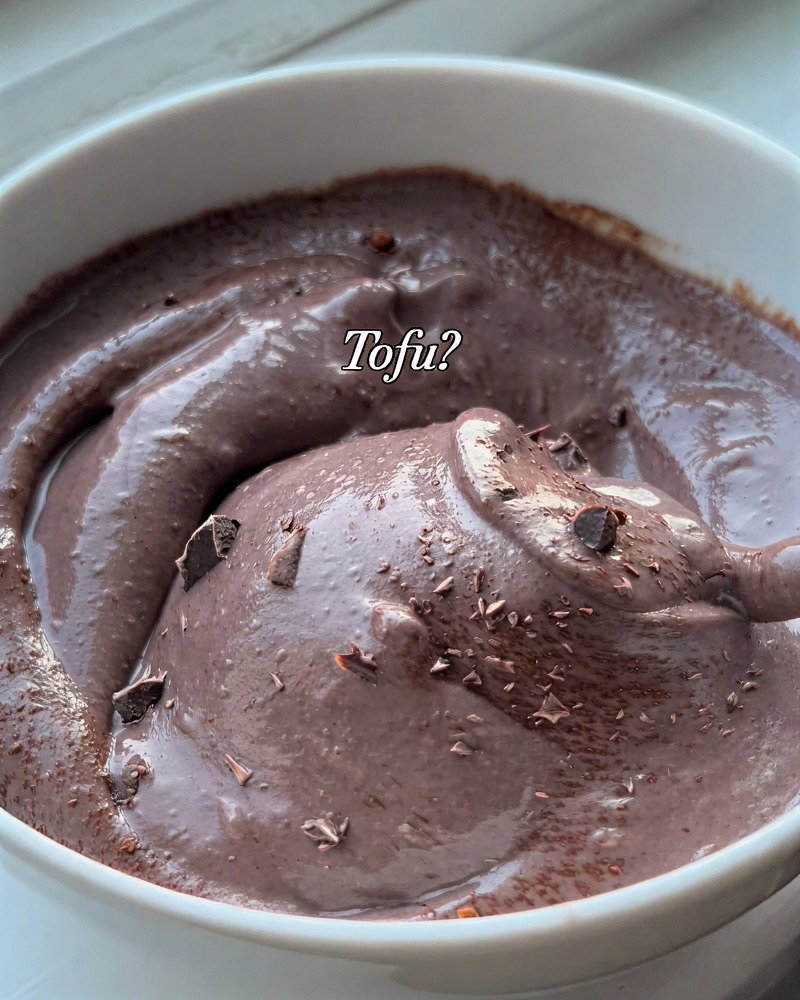
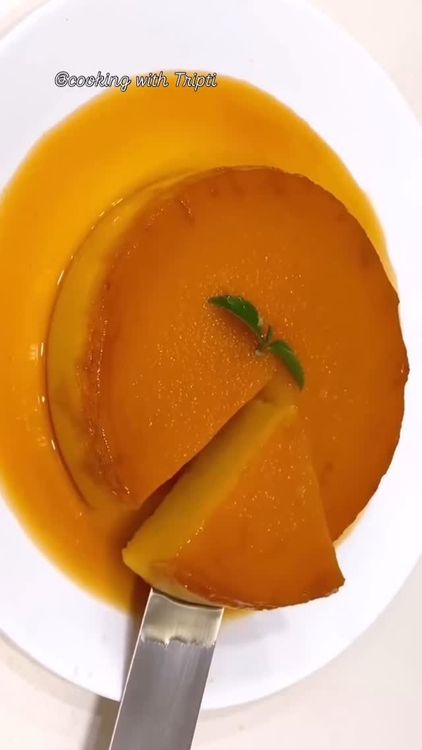
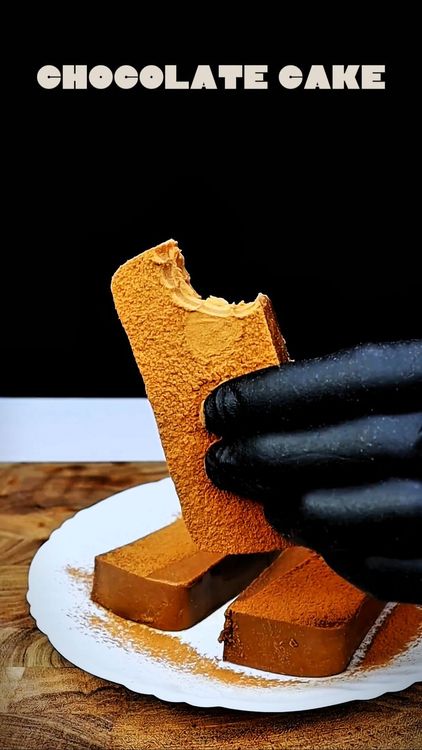
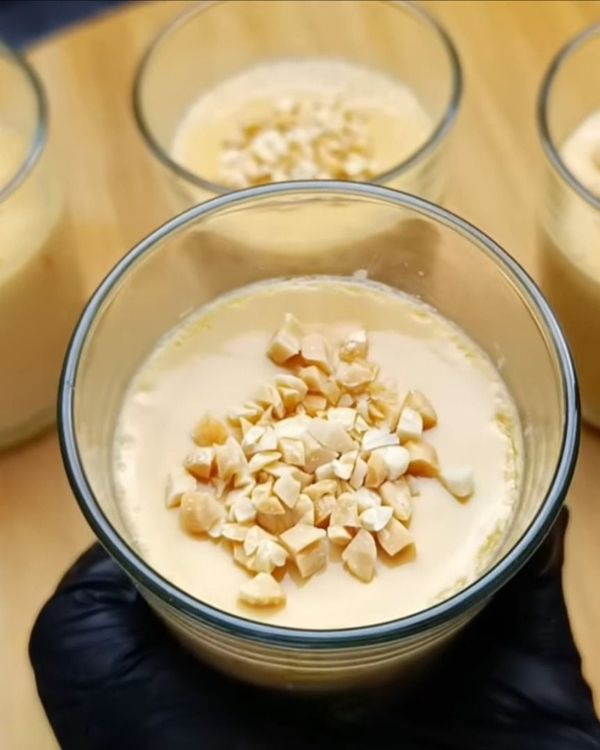
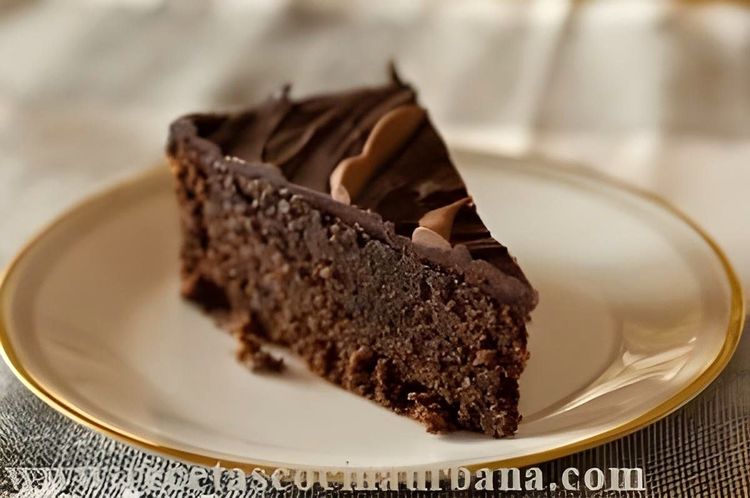
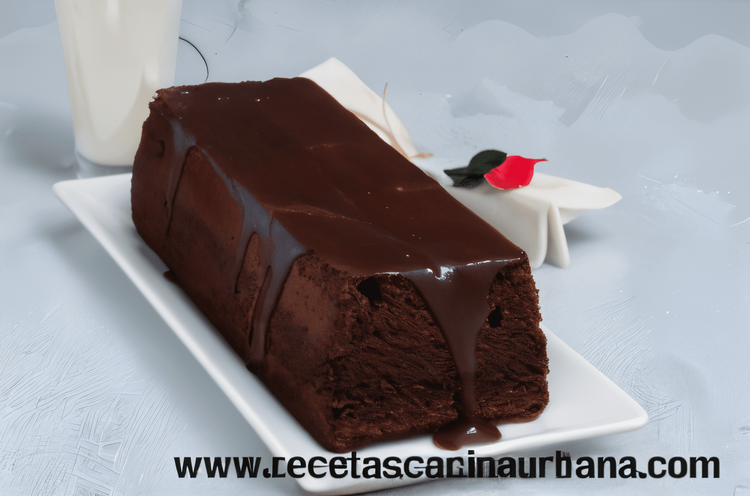
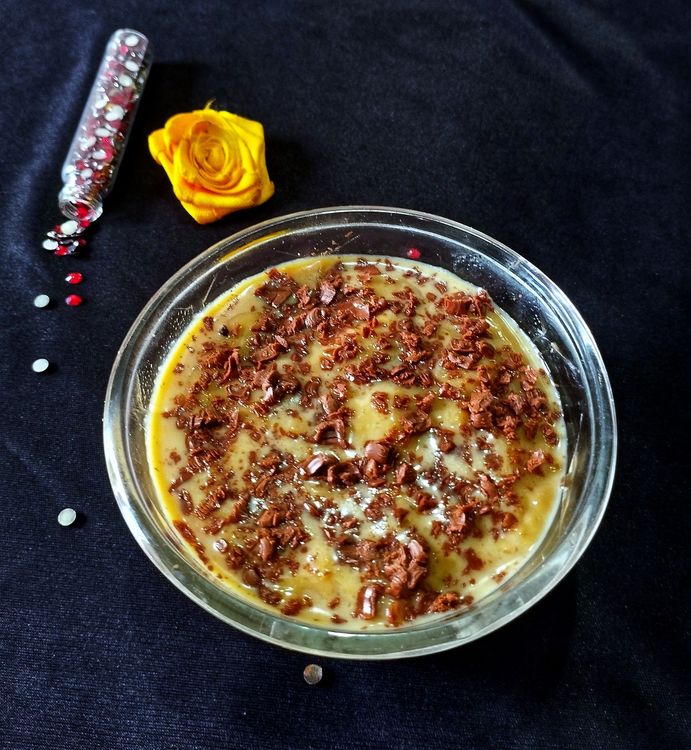
These are the puddings most people picture first: a saucepan, a whisk, and a glossy custard that thickens before your eyes into chocolate, vanilla or butterscotch. They run on cornstarch, egg yolks, or both, and the whole game is controlling heat. Whisk the starch into the sugar while everything is still cold so it cannot clump, then bring the mixture to a gentle boil over medium heat, whisking constantly and scraping the corners of the pan where it loves to catch and scorch. If yolks are involved, temper them first by streaming in a little hot milk before they go back to the pot, or you will get scrambled threads instead of silk. The single most common mistake is rushing the heat and either scorching the bottom or breaking the eggs; keep it moderate and keep the whisk moving. Cook cornstarch puddings to a full boil for a minute or two so the starch sets and loses its raw, chalky taste, then pull egg-based ones the moment they coat a spoon. Stir chocolate, butter or vanilla in off the heat, strain for a flawless finish, press wrap to the surface to stop a skin, and chill until set. Standouts here include Bread Custard Pudding and Mango Chocolate Chia Pudding, plus Silken Tofu Chocolate Pudding.

- Indian
- Vegetarian
- Dessert


- Vegetarian
- Breakfast
- Vegetarian
- Dessert
- Indian
- Vegetarian
- Dessert
- American
- Vegetarian
- Dessert

- Vegetarian
- Snack
- Breakfast
- International
- Eggetarian
- Dessert

- Indian
- Vegetarian
- Dessert

- Indian
- Vegetarian
- Dessert
- International
- Vegetarian
- Dessert
- International
- Eggetarian
- Dessert
- Latin American
- Eggetarian
- Dessert
- International
- Eggetarian
- Dessert
- International
- Vegetarian
- Dessert
- International
- Vegetarian
- Snack
- Latin American
- Eggetarian
- Dessert
- Vegetarian
- Dessert

- Dessert
- Vegetarian
- Snack
- American
- Eggetarian
- Dessert
- American
- Eggetarian
- Dessert
- American
- Vegetarian
- Dessert
Bread Puddings
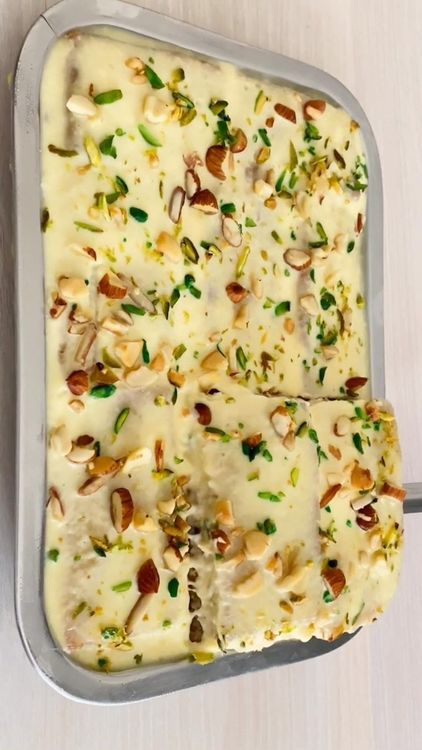
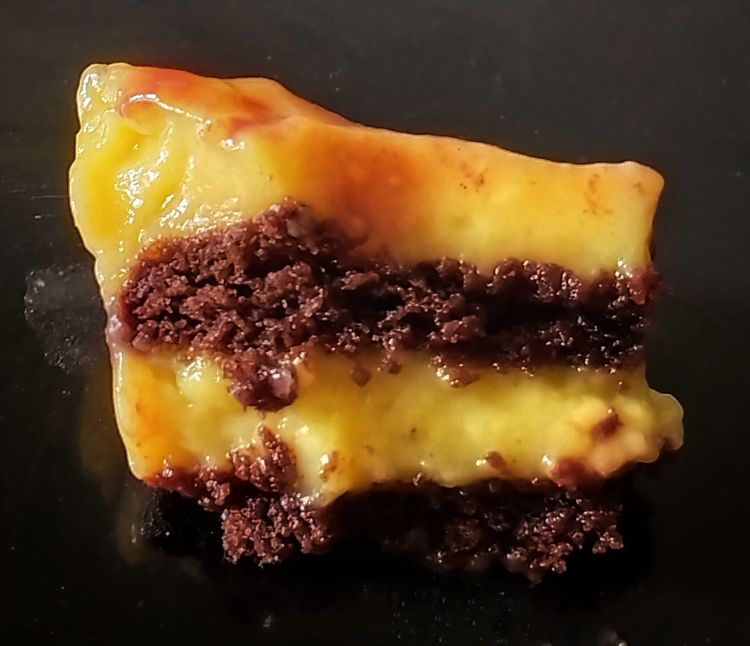
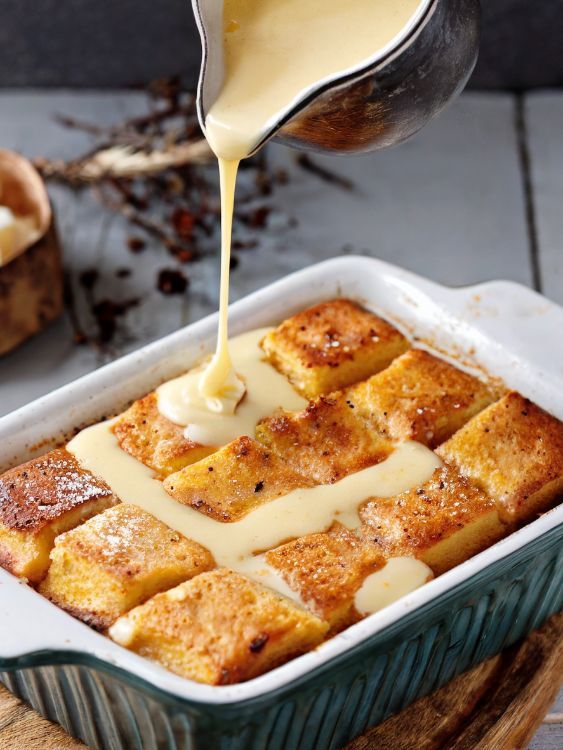
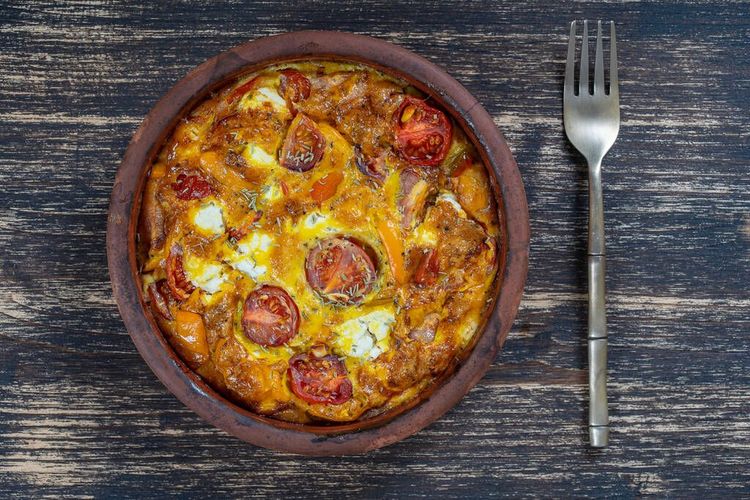
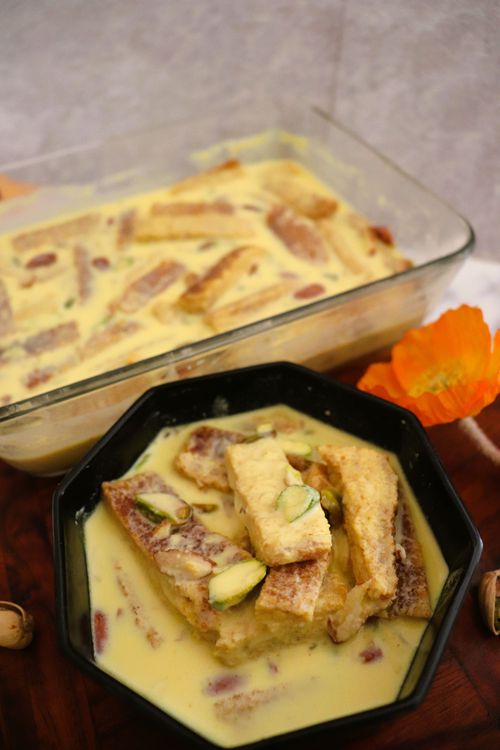
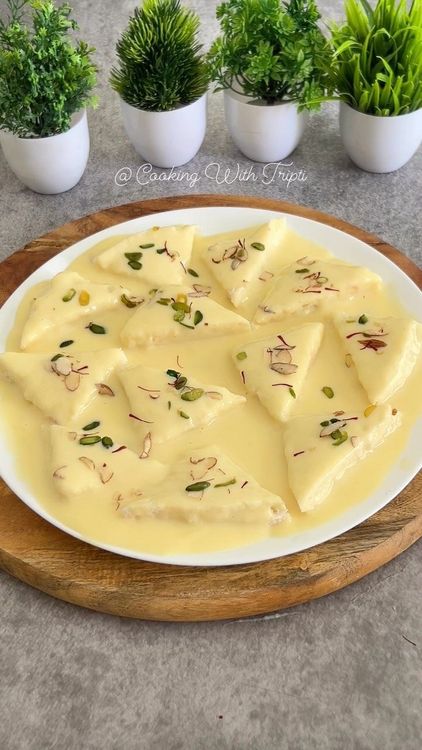
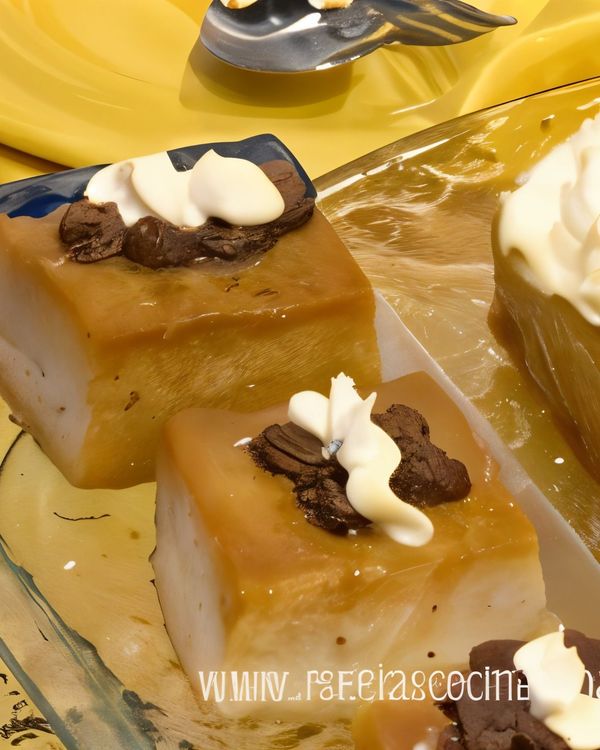
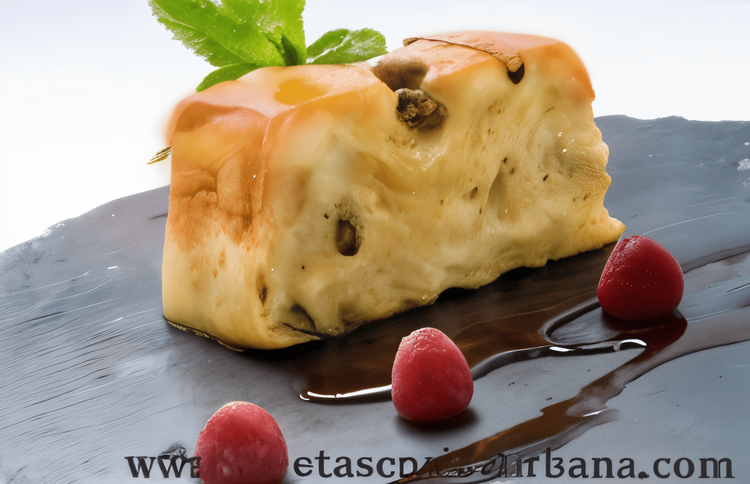
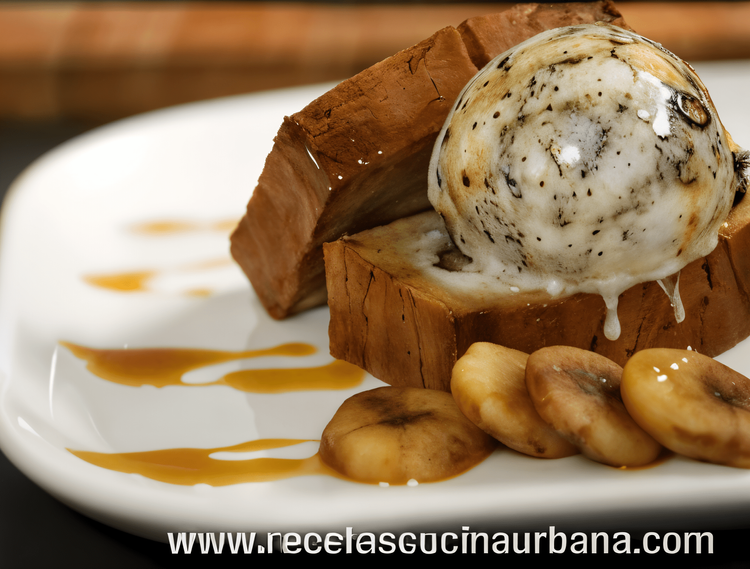
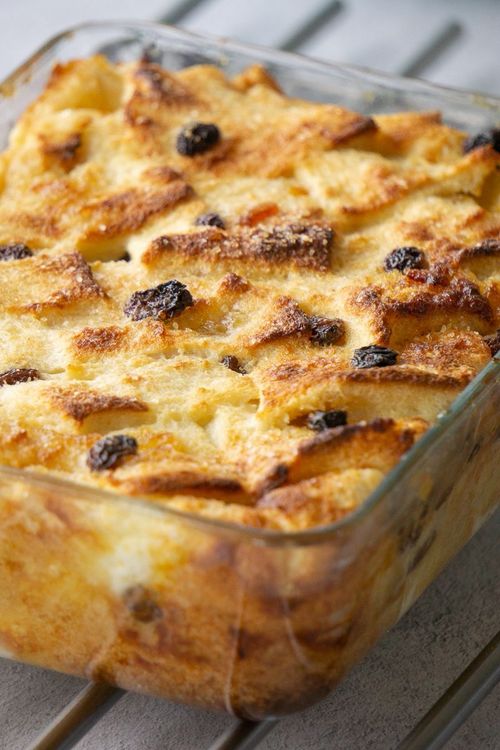
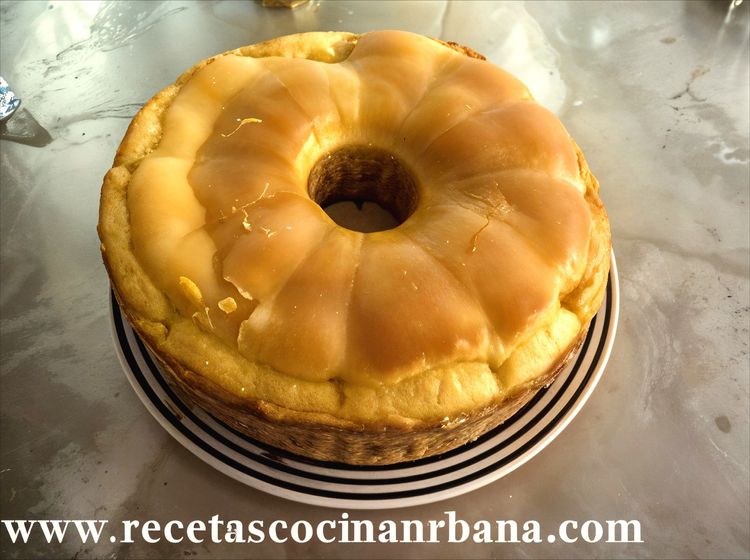
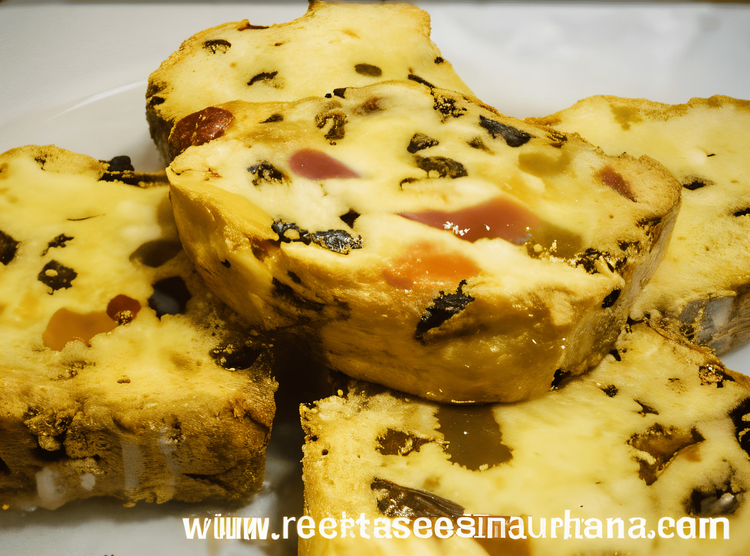
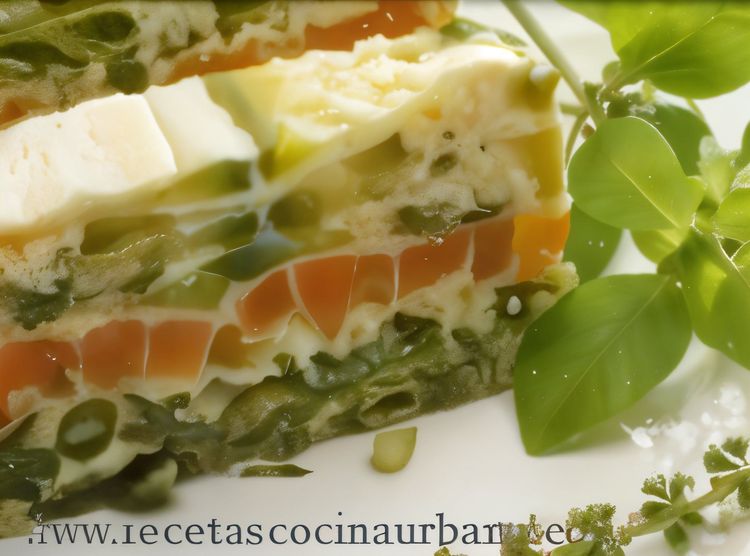
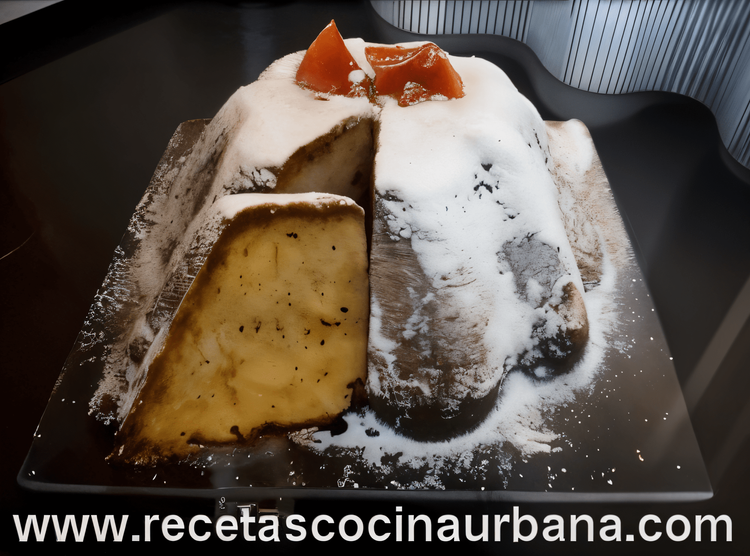
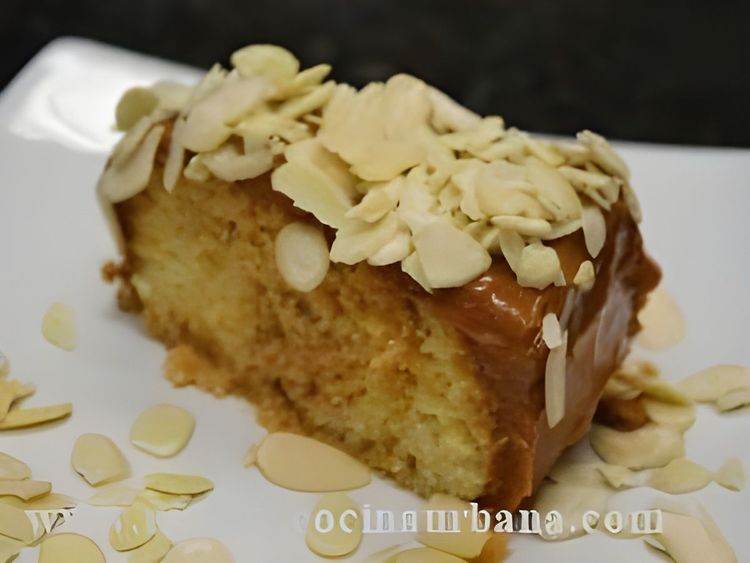
Bread pudding is the great rescue dish: a baked custard held together by stale bread, turning a forgotten loaf into something better than fresh. The bread does as much work as the eggs, so reach for something sturdy and enriched — day-old brioche, challah, croissants or French bread — that can drink up the soak without dissolving. If all you have is fresh bread, cube it and toast it in a low oven for ten minutes to dry it out first. Whisk a proper custard of eggs, milk or cream, sugar and warm spices, pour it over the cubes, and then do the step people always skip: let it soak for a full 20 to 30 minutes, pressing the bread down so every piece absorbs liquid right to the center. A rough guide is one egg and half a cup of dairy per generous cup of bread. Bake it in a moderate oven, ideally in a water bath for an even, custardy set, and pull it while the middle still has the faintest jiggle and the top has gone golden and crisp. Overbaking is the only real way to ruin it, so err toward underdone — the carryover heat finishes the center, and you are rewarded with a pudding that is soft and tender rather than dense and weepy. Standouts here include Bread Pudding with Roasted Vegetables and Bread Pudding, plus Shahi Tukda Bites (Bread Pudding-an Easy Party Dessert ) .

- Eggetarian
- Lunch

- Indian
- Eggetarian
- Dessert

- Indian
- Vegetarian
- Dessert
- Indian
- Vegetarian
- Snack
- Indian
- Vegetarian
- Dessert


- American
- Eggetarian
- Side Dish
- Argentine
- Eggetarian
- Dessert
- Argentine
- Eggetarian
- Dessert
- International
- Eggetarian
- Snack
- International
- Eggetarian
- Dessert
Rice & Chia Puddings
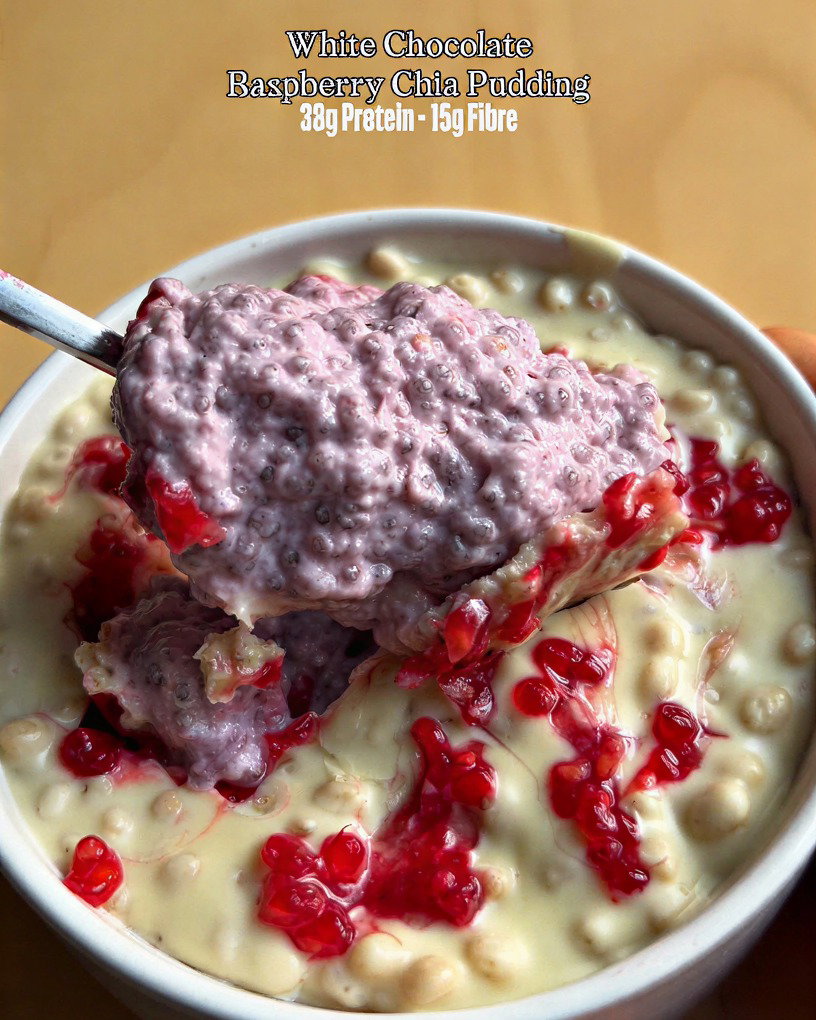
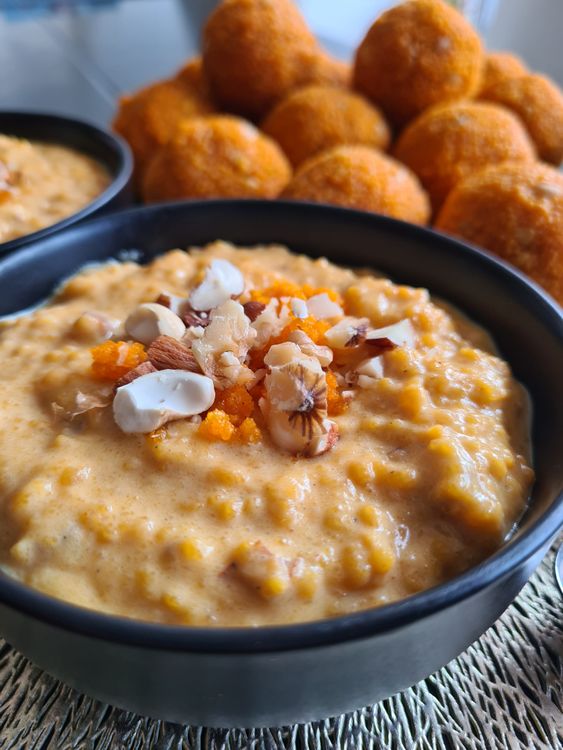
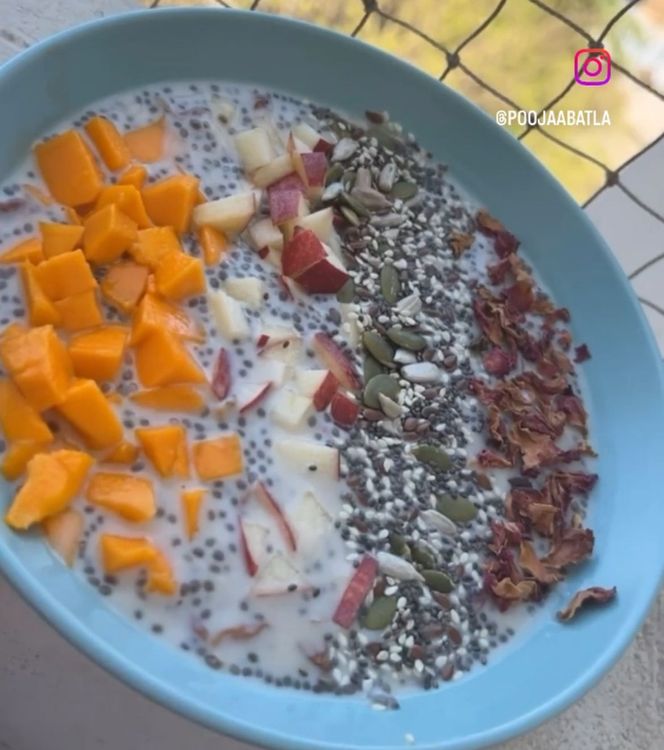
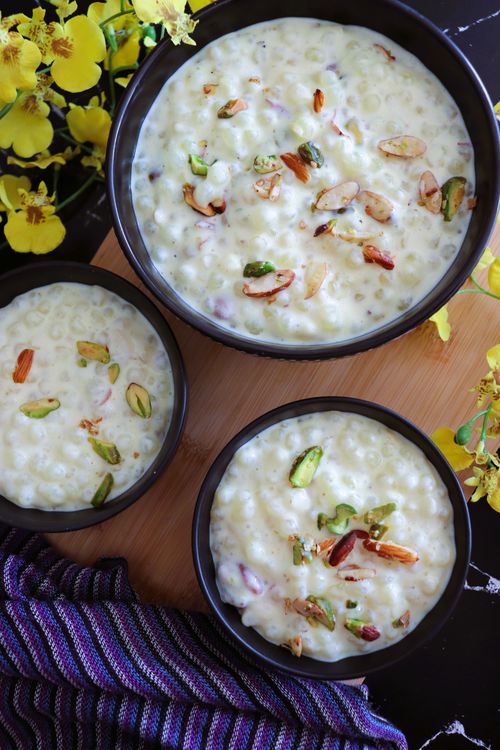
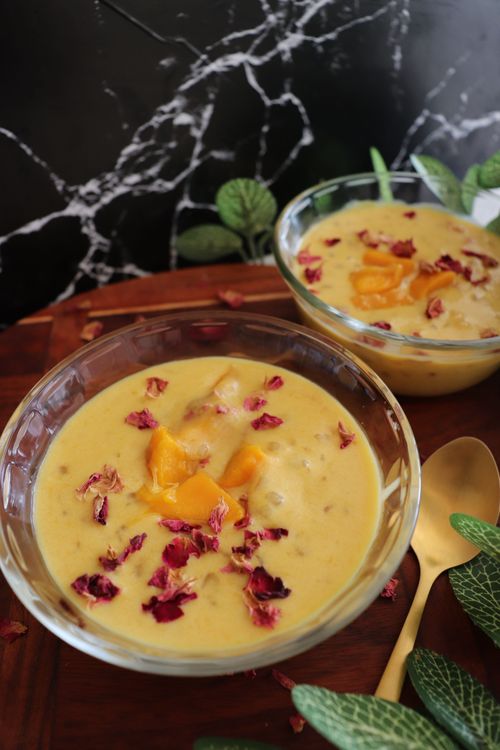
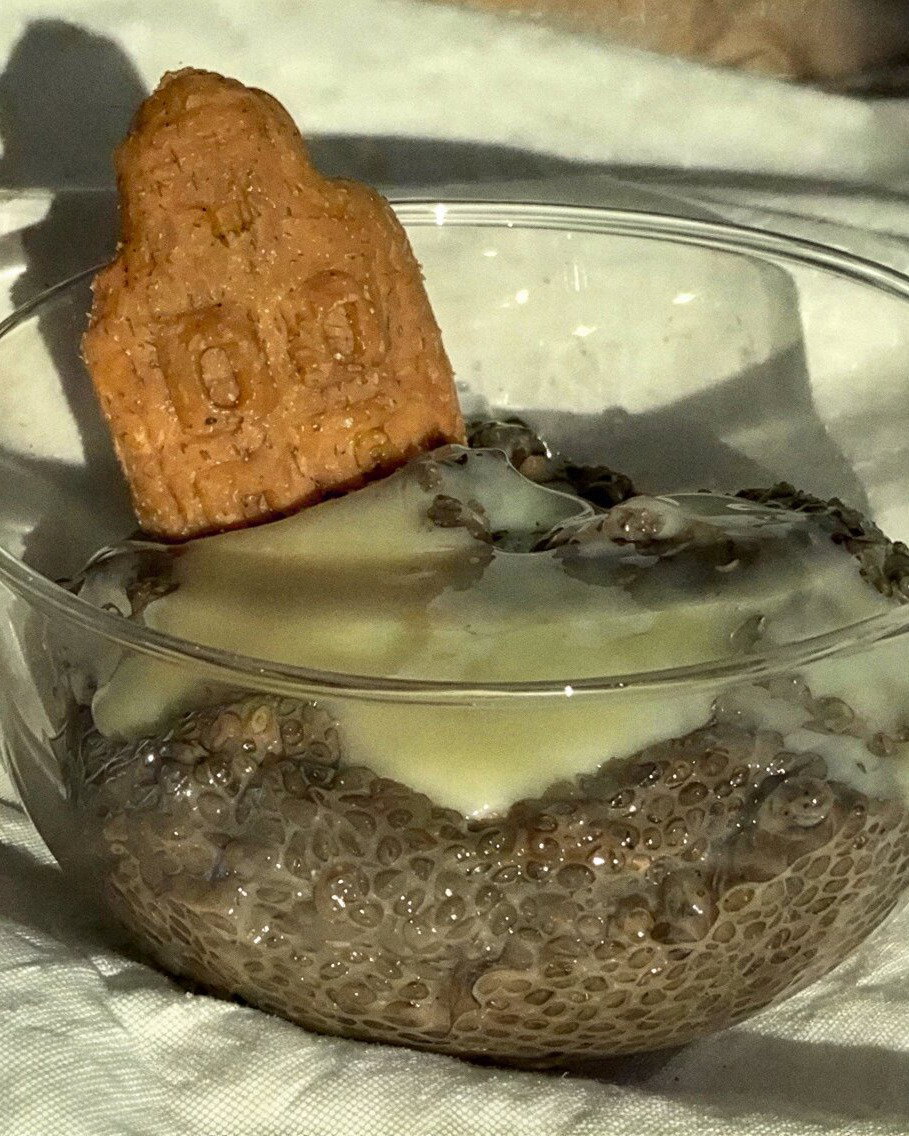
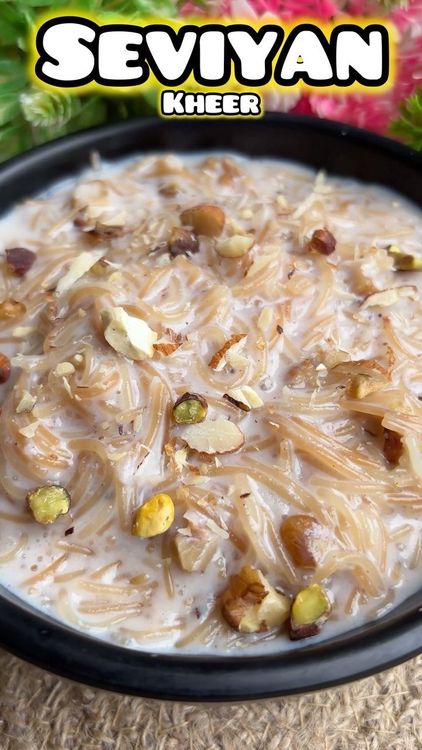
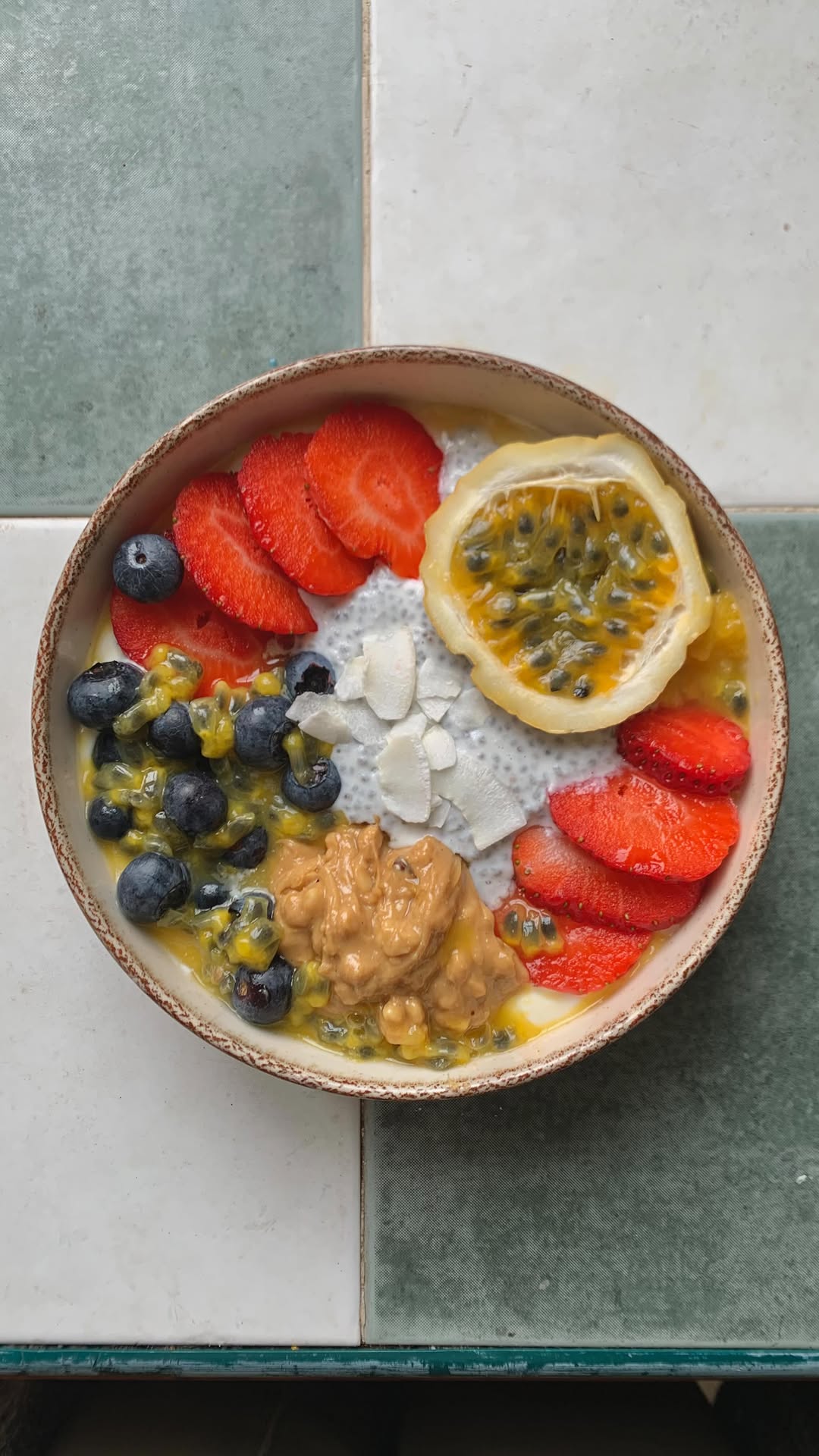
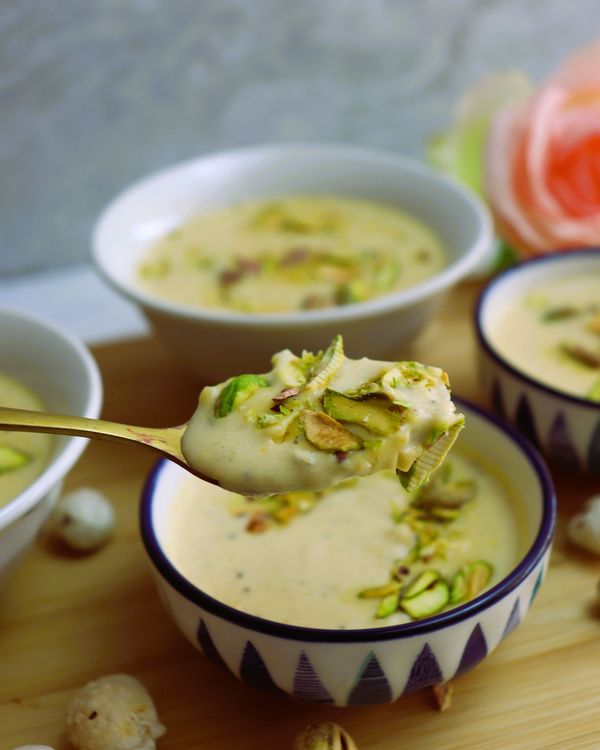
This is the simmer-and-soak family, the most hands-off corner of the whole collection. Rice pudding — kheer, arroz con leche, the nursery classic — is built by cooking rice low and slow in sweetened milk until the starch from the grains thickens everything into something creamy and spoonable. The patience is the point: keep the heat gentle, stir often so the milk does not catch on the bottom, and let it reduce until it is loose rather than stiff, because rice pudding firms up considerably as it cools and you can always loosen it later with a splash of milk. Chia pudding works on a completely different principle and needs no cooking at all — chia seeds absorb many times their weight in liquid and gel overnight in the fridge, so you simply whisk seeds into milk with a little sweetener, stir again after ten minutes to break up clumps, and leave it. The common error with both is the texture: a too-firm rice pudding usually means it was cooked too far or chilled without enough liquid, while a watery chia pudding means too few seeds or not enough resting time, so trust the ratios and give them time to set. Standouts here include Espresso Chia Pudding Yogurt Bowl and Lemon Blueberry Chia Pudding, plus Motichoor Ladoo Ki Kheer (Pudding).


- Vegetarian
- Breakfast

- Vegetarian
- Breakfast
- Indian
- Vegetarian
- Dessert

- Indian
- Vegetarian
- Breakfast
- Indian
- Vegetarian
- Dessert
- Asian
- Vegetarian
- Dessert

- Vegetarian
- Breakfast

- Vegetarian
- Breakfast

- Vegetarian
- Breakfast
- Fusion
- Vegetarian
- Dessert

- Vegetarian
- Breakfast

- Vegetarian
- Snack

- Vegetarian
- Breakfast

- Vegetarian
- Breakfast

- Vegetarian
- Breakfast

- Breakfast

- Indian
- Vegetarian
- Breakfast
- Indian
- Vegetarian
- Dessert
- Vegetarian
- Breakfast
No-Bake Desserts & Banana Pudding
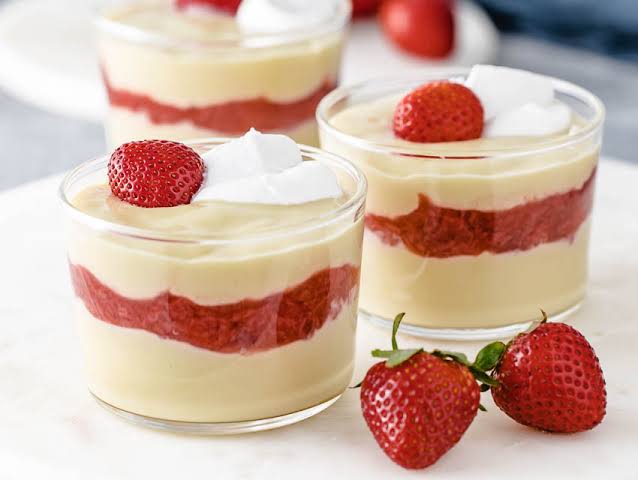
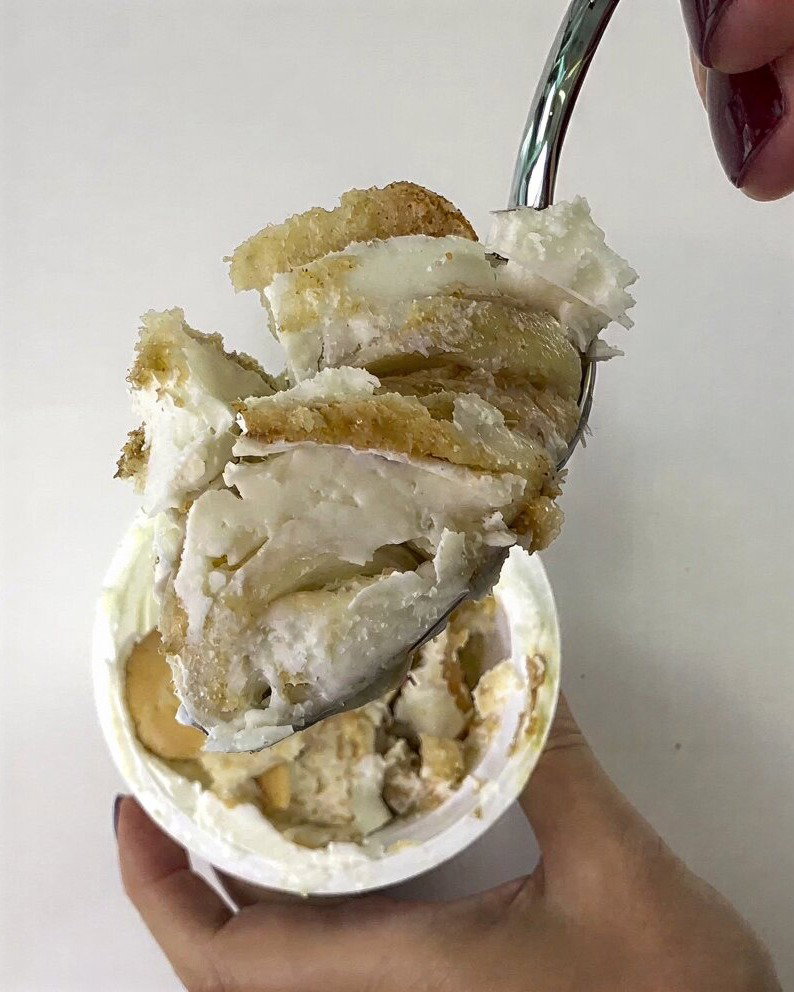
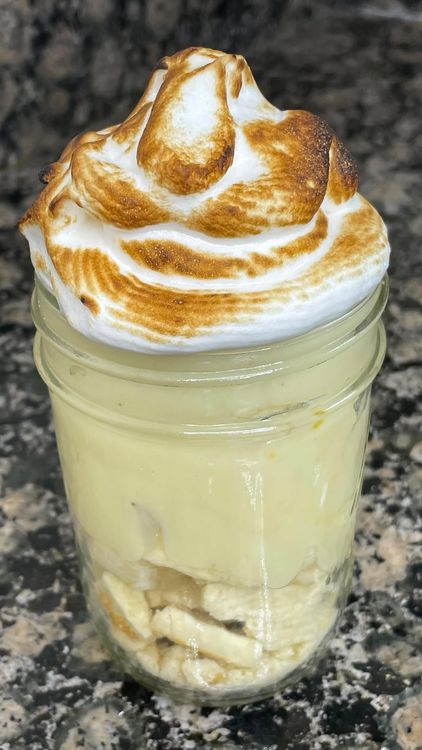
Here is the part of the page you assemble rather than cook: the layered, chilled crowd-pleasers led by Southern banana pudding, plus icebox cakes, trifles and parfaits. The genius of these is that they build a finished dessert from components — a pudding or custard, something crisp like vanilla wafers or sponge, fruit, and often a fold of whipped cream — and let time in the fridge do the work. Banana pudding is the template: layer wafers, sliced ripe banana and a vanilla pudding, then chill for several hours so the wafers soften into a cake-like layer and the flavors meld. That chilling time is not optional; assembled and eaten right away, the textures never marry. The recurring mistakes are all about moisture and timing: add bananas only just before assembling and press wrap right onto the surface so they do not brown and weep, keep the pudding layer thick enough to set rather than slide, and resist serving early. Because there is no oven involved, these are the puddings to reach for in summer or when you want a showstopper you can build the night before — the effort is in the layering, and the patience is in the wait. Standouts here include Creamy Cheesecake Yogurt Banana Pudding and Spiked Banana Pudding, plus Banana Pudding.
- Vegetarian
- Dessert
- American
- Eggetarian
- Dessert
- International
- Eggetarian
- Snack
More Pudding Favourites
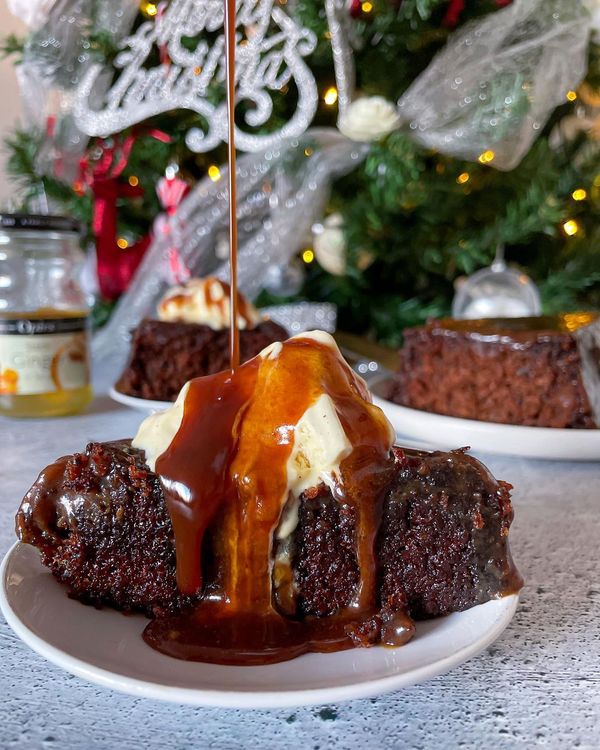
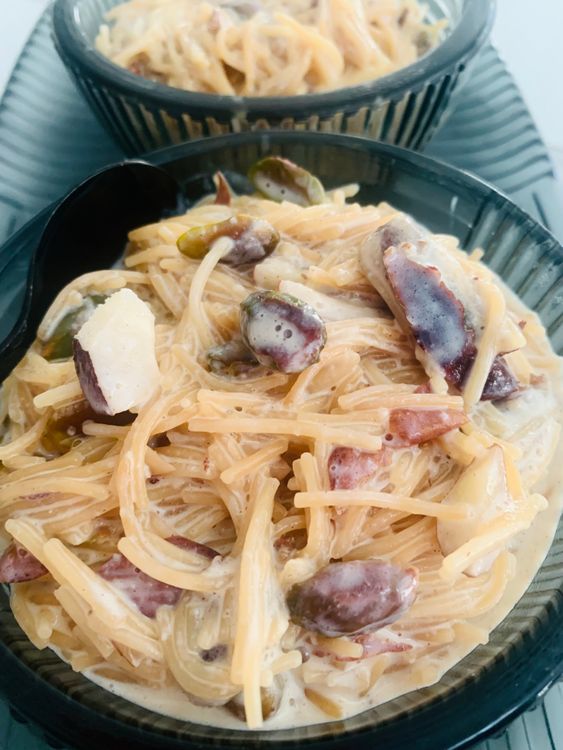
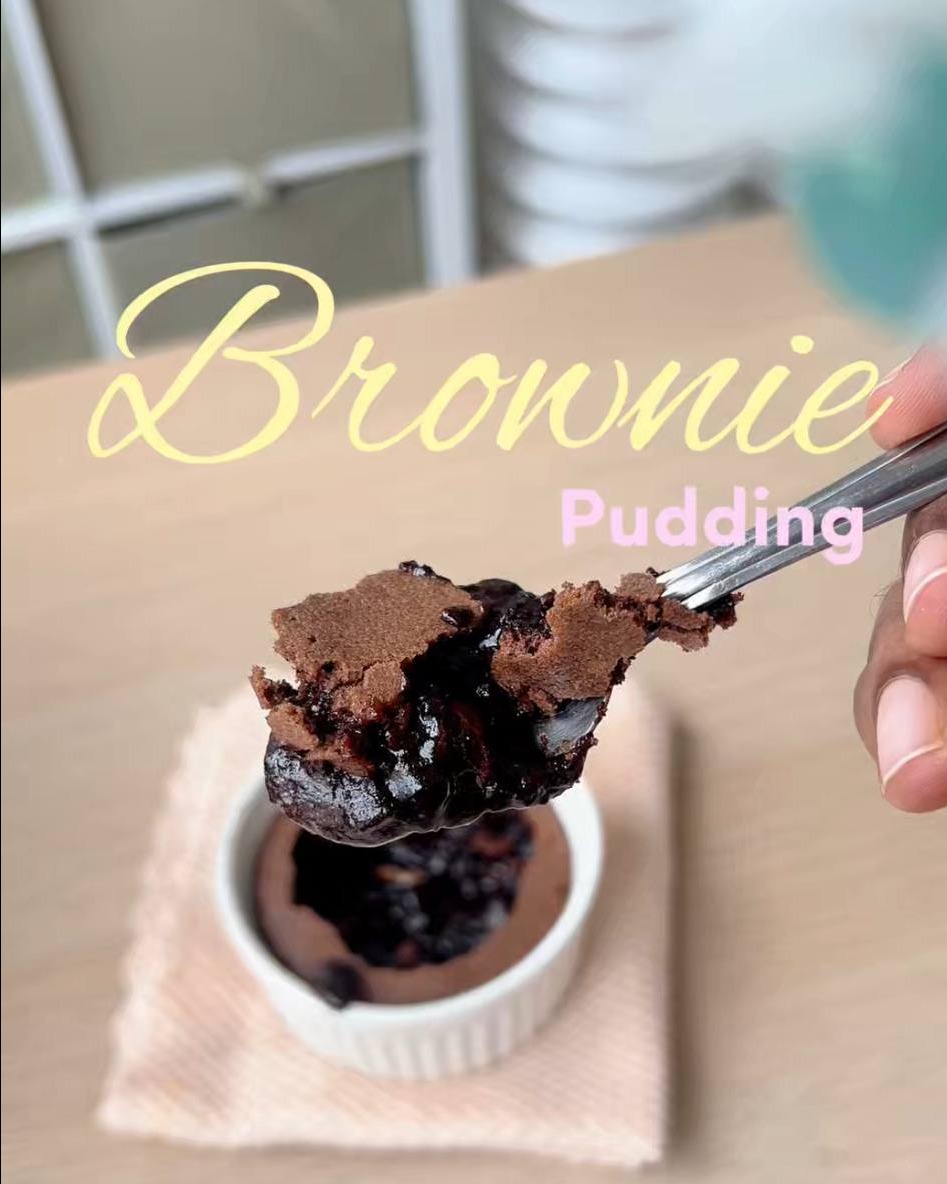
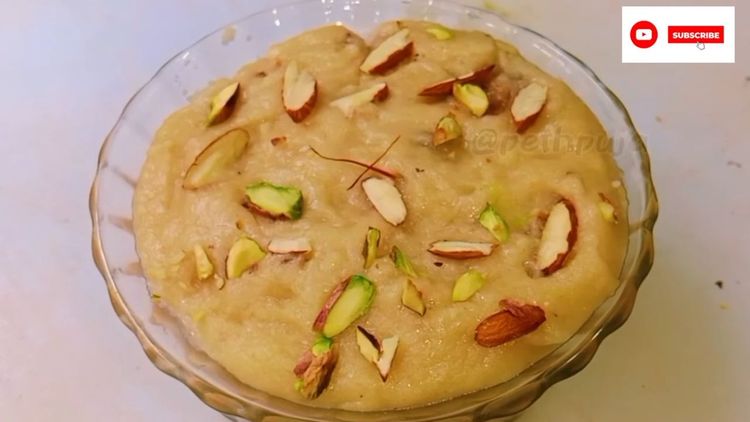
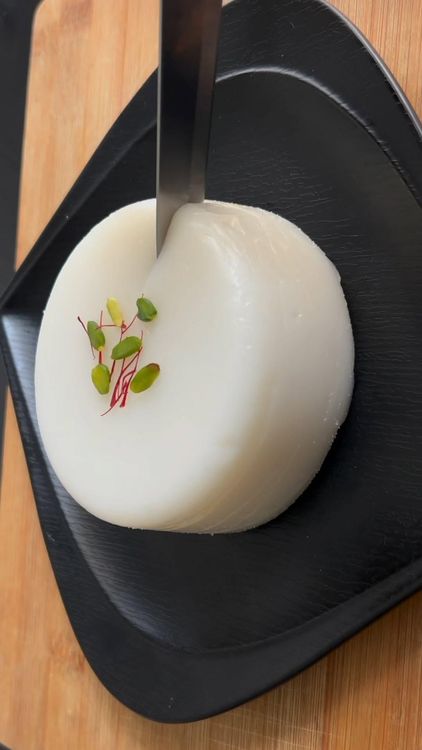
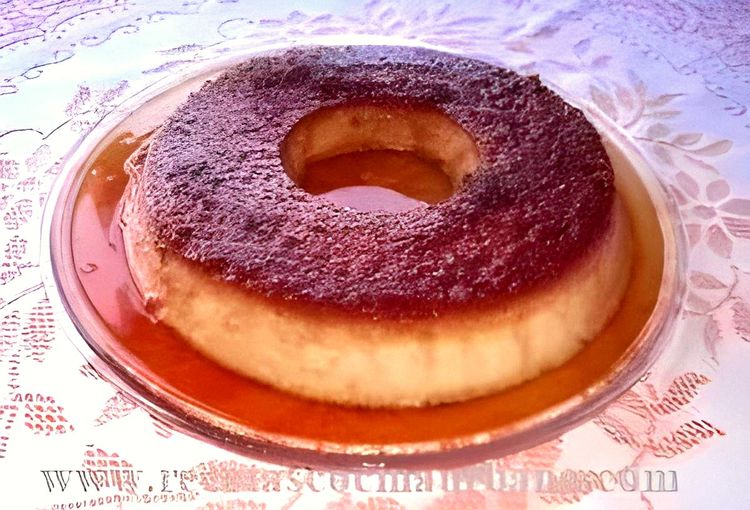
A few puddings never quite settle into a single category, and these are the ones worth keeping once the staples feel routine — tapioca and sago, panna cotta and pots de crème, steamed and self-saucing puddings, and the cross-cultural milk sweets that bridge custard and dessert. They lean on the same handful of techniques you already know: a custard thickened by starch or egg, a careful watch on the heat, and patience while things set. Picking your next one is mostly about matching effort to mood. Reach for a no-cook or quick-set pudding on a busy night, and save the gently baked, water-bath numbers like crème caramel or a steamed sponge for a weekend when you can give them attention. Pay attention to the thickener at work in each, because that tells you how it will behave: gelatin sets firm and wobbly and only in the fridge, starch sets soft and stable at room temperature, and egg sets richest of all but punishes overheating. Think of this group as the natural next step after the classics — the puddings that quietly earn a regular spot in the rotation once you have tried them. Standouts here include Ginger Sticky Toffee Pudding and Sheer Khurma (Vermicelli Pudding), plus Sticky Toffee Pudding Easter Cupcakes.
- English
- Eggetarian
- Dessert
- Indian
- Vegetarian
- Dessert


- British
- Vegetarian
- Dessert

- Indian
- Vegetarian
- Dessert
- Indian
- Vegetarian
- Dessert
- Indian
- Vegetarian
- Dessert

- British
- Eggetarian
- Dessert
- American
- Eggetarian
- Dessert

- Indian
- Vegetarian
- Dessert
- Asian
- Vegetarian
- Beverage
- Indian
- Vegan
- Snack
- International
- Eggetarian
- Snack
- English
- Eggetarian
- Dessert
- International
- Eggetarian
- Lunch
- International
- Eggetarian
- Snack

- American
- Vegetarian
- Snack
- International
- Eggetarian
- Lunch
- European
- Pescatarian
- Lunch
- Indian
- Vegetarian
- Dessert
- European
- Eggetarian
- Snack
- Indian
- Vegetarian
- Snack
- Brazilian
- Eggetarian
- Snack
- International
- Eggetarian
- Snack
- European
- Eggetarian
- Dessert
- Indian
- Vegetarian
- Dessert
- Western
- Vegetarian
- Dessert
- Indian
- Vegetarian
- Snack
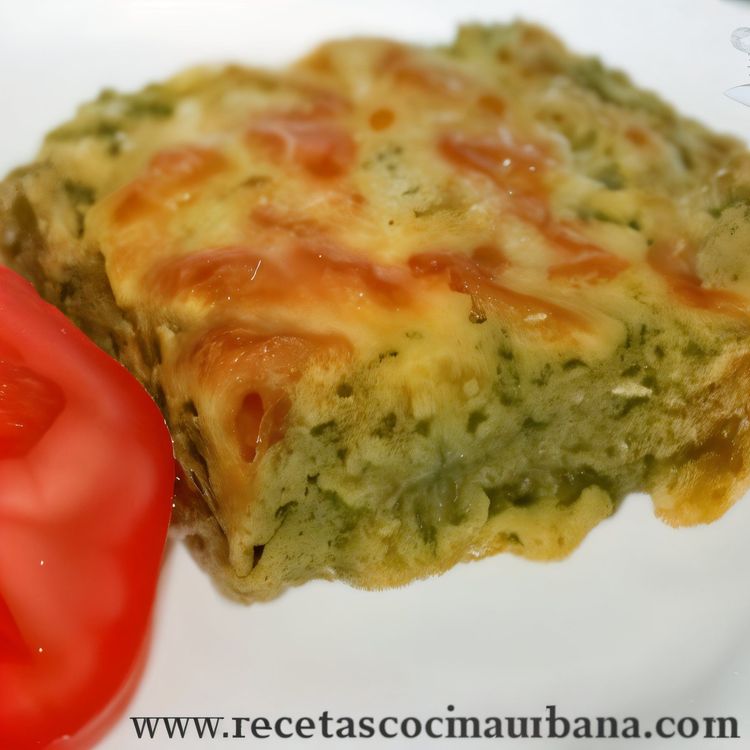
- Italian
- Eggetarian
- Lunch
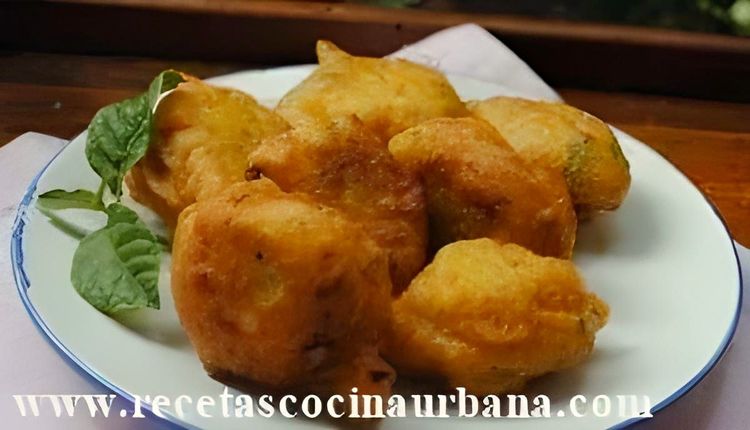
- International
- Pescatarian
- Appetiser
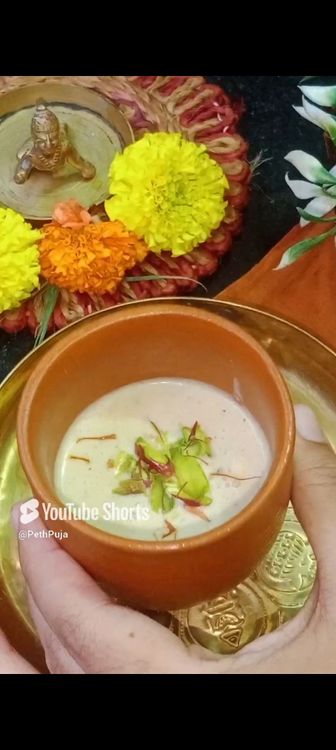
- Bengali
- Vegetarian
- Snack
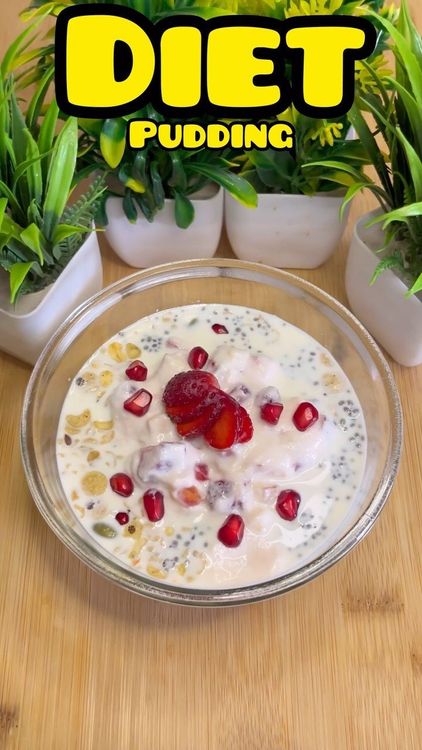
- Fusion
- Vegetarian
- Snack
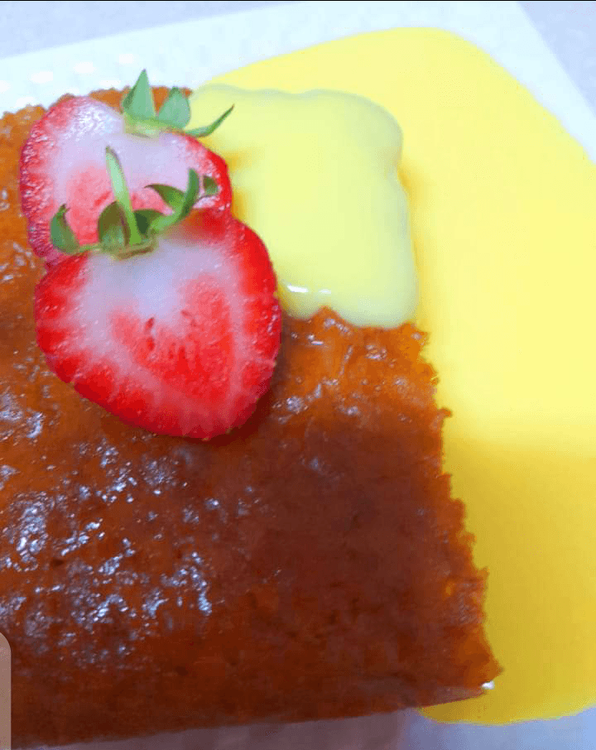
- South African
- Eggetarian
- Dessert
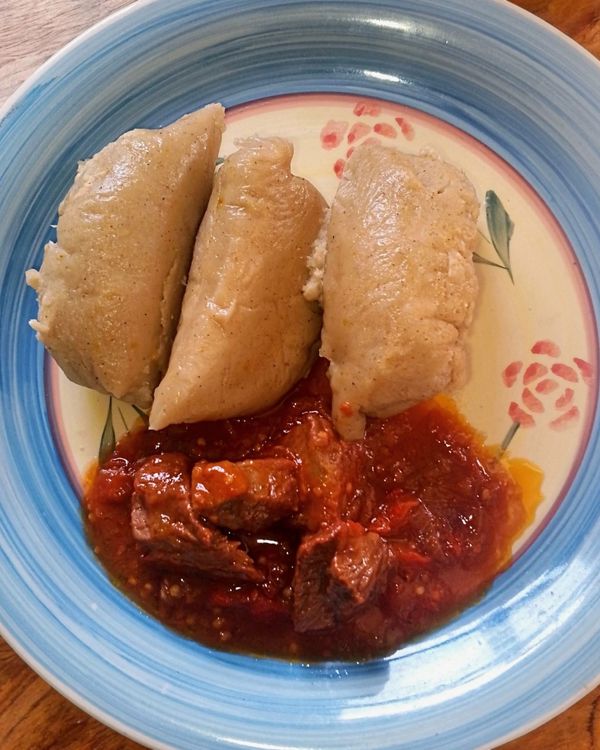

- Nigerian
- Pescatarian
- Snack
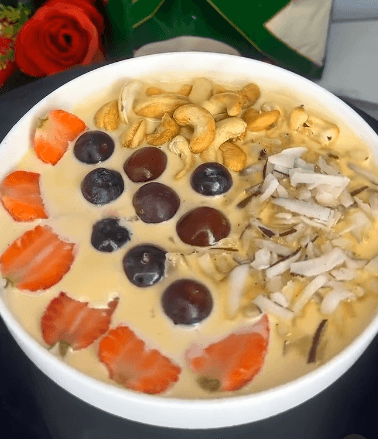
- Indian
- Vegetarian
- Dessert
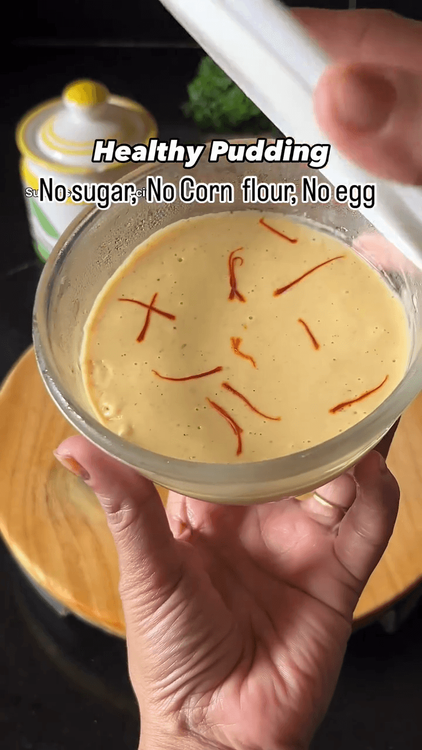
- Indian
- Vegetarian
- Dessert
- Indian
- Vegetarian
- Dessert
- Ghanaian
- Vegetarian
- Snack

- International
- Eggetarian
- Snack
- International
- Eggetarian
- Dessert
- American
- Eggetarian
- Dessert
- Italian
- Eggetarian
- Main Course
- South African
- Eggetarian
- Dessert
- International
- Vegetarian
- Dessert
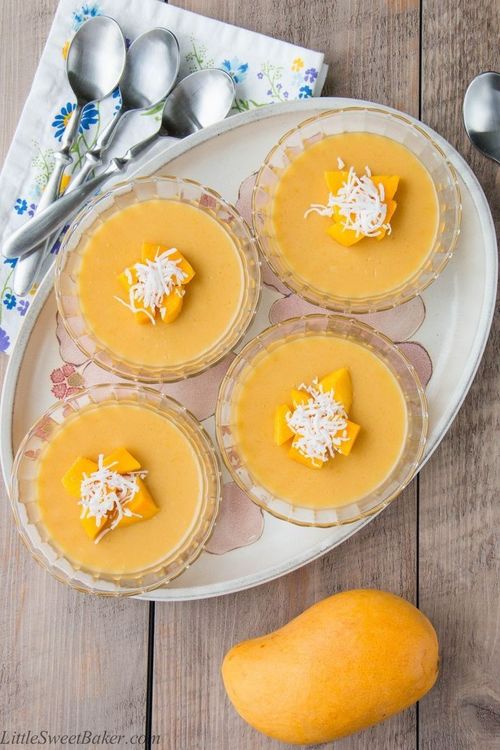
- Asian
- Vegetarian
- Dessert
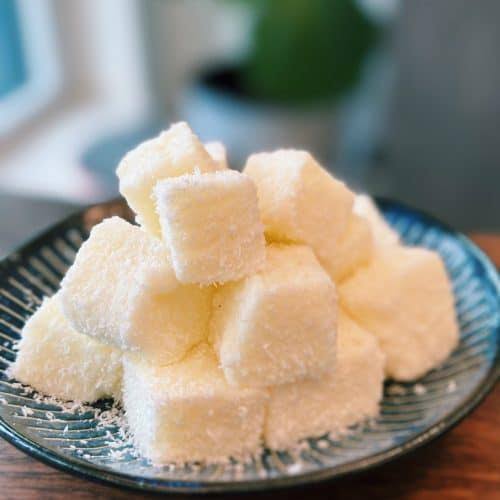
- Vegetarian
- Dessert
Tempering Eggs Without Scrambling Them
Egg yolks give a pudding its richness, but drop cold yolks straight into hot milk and they seize into scrambled threads. Tempering is the fix: whisk the yolks (and sugar) in a bowl, then ladle in a little of the hot dairy in a thin stream while whisking hard. You are gently raising the temperature of the eggs so that when they go back into the pan they blend in smoothly instead of cooking on contact.
Add the hot liquid gradually — a ladle at a time for the first two or three additions — until the yolk mixture is warm and loose, then pour it all back into the saucepan. Keep whisking the whole time. The mixture thickens between about 75 and 82°C (170–180°F); past roughly 85°C the yolks overcook and the custard breaks. A read on a thermometer takes the guesswork out, but the eye test is reliable too: it is done when it coats the back of a spoon and a finger drawn through leaves a clean line.
If you do see specks of cooked egg, all is not lost — pass the custard through a fine sieve immediately and it will be smooth again. And if a recipe uses cornstarch as well as yolks, the starch actually protects the eggs, raising the temperature at which they curdle, which is why cornstarch-and-yolk puddings are the most forgiving place to start.
Thickening with Cornstarch the Right Way
Cornstarch is what gives American-style chocolate, vanilla and butterscotch puddings their glossy, scoopable set. The cardinal rule is to never tip dry starch into hot milk, where it clumps instantly into lumps that no amount of whisking will dissolve. Instead, whisk the cornstarch with the sugar while everything is still cold, or slake it into a little cold milk to make a slurry, so each grain is separated before it meets heat.
Once combined, bring the mixture to a gentle boil over medium heat, whisking constantly and scraping the corners of the pan where it likes to catch and scorch. Cornstarch needs to actually reach a boil to thicken fully and to cook out its raw, chalky taste — undercooked starch tastes pasty and may thin back out later. Let it bubble for a full minute or two, whisking, until it is noticeably thick and the surface turns from cloudy to glossy.
Resist the urge to add more starch to rush a set; the pudding firms considerably as it cools, so a mixture that looks slightly loose off the heat will be perfect once chilled. As a rough guide, about two tablespoons of cornstarch per two cups of milk gives a soft, spoonable pudding, and a touch more gives a firmer one you could turn out of a mould.
Stopping a Skin and Getting a Silky Finish
That rubbery skin on top of a cooling pudding forms as the surface proteins dry out and bond when exposed to air. The classic prevention is to press a piece of plastic wrap or buttered parchment directly onto the surface of the hot pudding so no air can reach it, then chill. If you actually like the skin — some people do — leave it uncovered and let it form deliberately.
For the silkiest texture, strain the finished pudding through a fine-mesh sieve before chilling. This catches any stray cooked egg, undissolved starch or vanilla pod debris and gives you a flawlessly smooth result. Stir in flavorings that scorch easily — chopped chocolate, butter, vanilla extract — off the heat at the very end, so the residual warmth melts them in without dulling their flavor.
Chill puddings thoroughly, at least two to three hours, before serving; they are not fully set until cold, and the flavor deepens as they rest. Cover the surface for storage too. If your pudding came out grainy despite your best effort, an immersion blender or a quick whirl in a food processor while it is still warm will often rescue the texture into something smooth again.
Building a Bread Pudding That Sets, Not Sogs
Bread pudding is a baked custard held together by bread, so the bread matters as much as the custard. Use a sturdy, slightly stale loaf — day-old brioche, challah, French bread or croissants — because dry bread drinks up the egg-and-milk soak like a sponge, where fresh, soft bread turns to mush. If your bread is fresh, cube it and toast it in a low oven for ten minutes to dry it out first.
Whisk a proper custard of eggs, milk or cream, sugar and flavorings, pour it over the cubed bread, and — this is the step people skip — let it soak for at least 20 to 30 minutes, pressing the bread down so every piece absorbs liquid right through to the center. A good ratio is roughly one large egg and half a cup of dairy per generous cup of bread cubes. Under-soak and you get dry pockets; the soak is what turns separate cubes into one tender, cohesive pudding.
Bake in a moderate oven, ideally in a water bath (bain-marie) for the most even, custardy set, until the center is just set with a slight jiggle and the top is golden and crisp. An inserted knife should come out clean or with only a few moist crumbs. Overbaking is the enemy — it drives out moisture and curdles the custard into something dense and weepy, so pull it while the middle still has the faintest wobble.
Pro Tips from the Test Kitchen
- Temper egg yolks by whisking in hot dairy a ladle at a time before returning them to the pan — cold yolks in hot milk scramble.
- Whisk cornstarch with the sugar (or slake it in cold milk) before heating; dry starch hits hot milk and clumps.
- Cornstarch must reach a boil for a minute or two to thicken fully and lose its raw, chalky taste.
- Press plastic wrap or buttered parchment directly onto the surface to stop a skin from forming as it cools.
- Pull egg custards at 75–82°C (170–180°F); past ~85°C the yolks overcook and the pudding breaks.
- Strain the finished pudding through a fine sieve for a flawlessly silky texture and to catch any cooked egg.
- Use stale, sturdy bread for bread pudding — brioche, challah or croissants — and toast fresh bread to dry it first.
- Let bread soak in the custard 20–30 minutes, pressing it down, so every cube absorbs liquid to the center.
- Bake bread and custard puddings in a water bath and pull them while the center still has a slight jiggle.
- Chill puddings at least 2–3 hours; they finish setting cold and the flavor deepens as they rest.
Frequently Asked Questions
How do you keep pudding from getting lumpy?
Lumps come from cornstarch clumping or eggs scrambling. Whisk the cornstarch into the sugar or a little cold milk before it ever touches hot liquid, and temper egg yolks by streaming in hot dairy gradually while whisking. Cook over medium heat, whisking constantly and scraping the corners of the pan, and bring it to a gentle boil. If lumps still appear, pass the pudding through a fine sieve or blend it smooth while warm.
Why does my pudding form a skin on top?
A skin forms when the surface proteins dry out and bond with exposed air as the pudding cools. To prevent it, press a piece of plastic wrap or buttered parchment directly onto the surface of the hot pudding so no air can reach it, then refrigerate. Cover it the same way for storage. If you happen to like the skin, simply leave the pudding uncovered and let it set deliberately.
How do you temper eggs for pudding?
Tempering gently warms the eggs so they do not scramble when they meet hot liquid. Whisk the yolks with sugar in a bowl, then ladle in a little of the hot milk in a thin stream while whisking hard, adding it a ladle at a time for the first few additions. Once the yolk mixture is warm and loose, pour it all back into the saucepan and keep whisking as it thickens.
What is the difference between pudding and custard?
The line is blurry and regional. In the US, "pudding" usually means a soft, sweet dessert thickened mainly with cornstarch (sometimes plus egg), while "custard" leans on eggs for its set and richer body. In the UK, "pudding" can mean almost any dessert, including baked sponge and steamed puddings. In practice most of the recipes here are custards of one kind or another, thickened by starch, egg, or both.
What bread is best for bread pudding?
A sturdy, enriched loaf that can soak up custard without disintegrating — brioche, challah, croissants, French bread or panettone all work beautifully. Stale bread is actually ideal, since it absorbs the egg-and-milk mixture like a sponge. If yours is fresh, cube it and toast it in a low oven for ten minutes to dry it out, otherwise the finished pudding can turn gluey rather than tender.
How do I know when bread pudding is done?
It is done when the center is just set with a slight jiggle and the top is golden and crisp. An inserted knife should come out clean or with only a few moist crumbs. Resist baking until it is firm all the way through — overbaking drives out moisture and curdles the custard, leaving a dense, weepy result. A water bath helps it cook evenly so the edges do not overset before the middle.
Can you make pudding without eggs?
Yes. Cornstarch-thickened puddings — most classic American chocolate, vanilla and butterscotch puddings — set firmly with no eggs at all, just milk, sugar, starch and flavoring. Chia pudding needs no cooking and no eggs, thickening from the seeds alone. Eggs add richness and a silkier body, but you can leave them out and lean on a touch more cornstarch, using plant milk if you want it dairy-free as well.
How long does homemade pudding last in the fridge?
Most dairy-based stovetop and bread puddings keep three to four days refrigerated, with the surface covered to stop a skin and to keep odors out. Chia pudding lasts up to about five days and often improves after a day. Always store puddings cold and covered, and give starch-set puddings a quick whisk before serving, as they can stiffen or weep slightly as they sit.
Why is my cornstarch pudding runny?
Almost always because the cornstarch did not reach a full boil. Starch only thickens completely once it actually bubbles for a minute or two, so a pudding pulled too early will stay thin. Too little starch for the amount of milk does the same. Bring it to a gentle boil, whisking, and remember it firms considerably as it chills — a mixture that looks slightly loose off the heat usually sets perfectly once cold.
How do you make banana pudding?
Southern banana pudding is a no-bake assembly rather than a cooked dish: you layer vanilla wafers, sliced ripe bananas and a vanilla pudding or custard, often folded with whipped cream, in a dish and chill it for several hours. The chilling time is essential — it lets the wafers soften into a cake-like layer and the flavors meld. Add the bananas just before assembling and press wrap to the surface so they do not brown.
The thread through every pudding recipe here is the custard underneath it: dairy thickened with starch, egg, or both, and handled gently. Master the few moves in the guides — temper the eggs, cook the starch out, stop the skin, soak the bread — and chocolate cups, baked bread puddings, simmered rice and chilled chia all turn out the way they should.
Pick three to make this week — a quick stovetop chocolate, a weekend bread pudding and a make-ahead chia or banana pudding — and save your favorites to a Chefadora cookbook. Then work through the rest; this page is built to be the pudding reference you actually come back to.
Related
- Pudding
- Dessert
- Custard
- Bread Pudding
- Make Ahead
- No Bake
- Comfort Food
Popular Searches
- Best pudding recipes
- Easy pudding recipes
- Quick pudding recipes
- Healthy pudding recipes
- Simple pudding recipes
- Homemade pudding recipes
- Delicious pudding recipes
- Popular pudding recipes
- bread pudding recipe
- chocolate pudding
- banana pudding
Marnirni-apinthi Building, Lot Fourteen,
North Terrace, Adelaide, South Australia, 5000
Australia
