
Top 81 Shrimp Recipes: Scampi, Grilled, Fried and Global Favorites
Updated June 29, 2026 · Curated by Chefadora
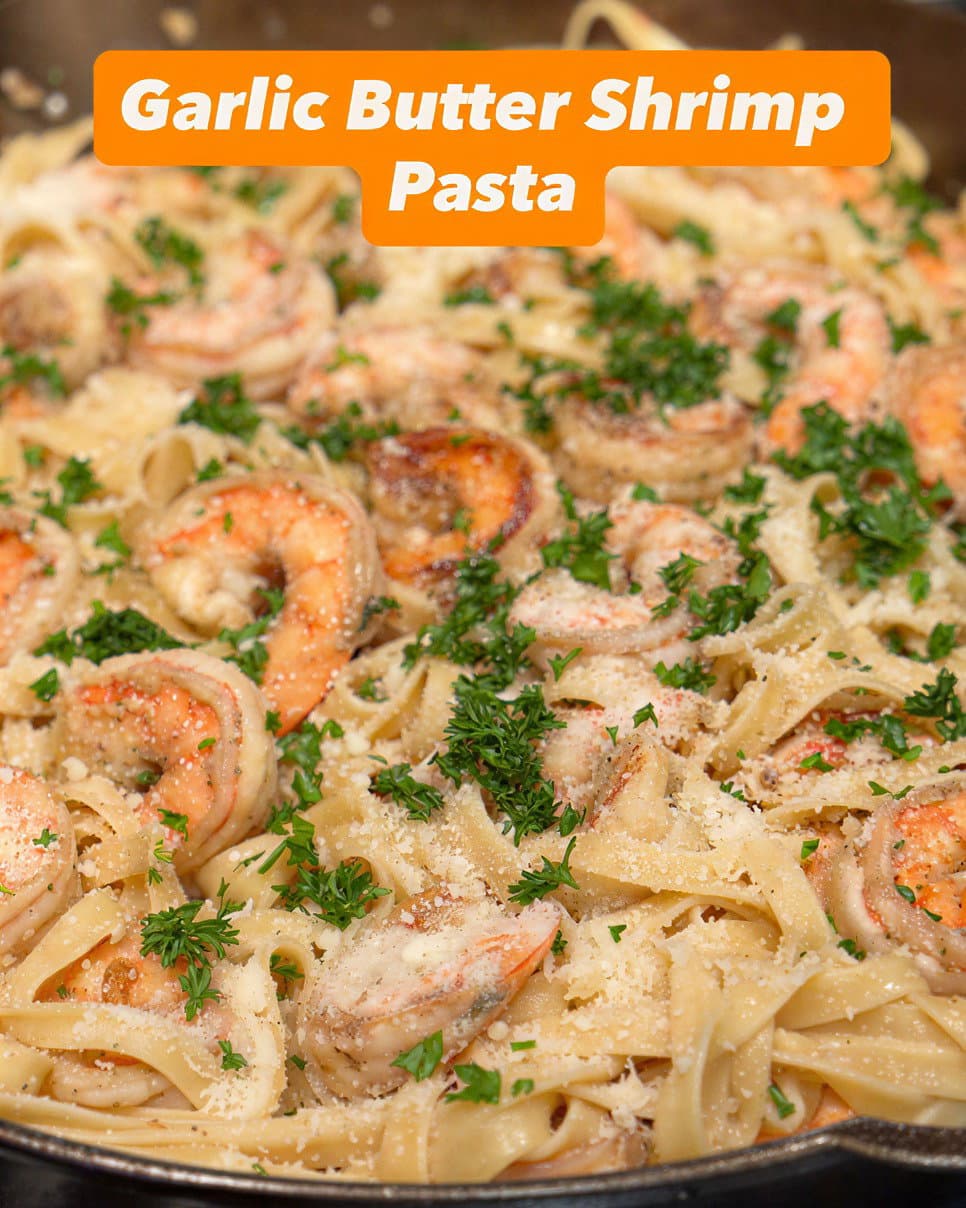
Shrimp recipes are the fastest route to a genuinely impressive dinner, which is why cooks reach for them on weeknights and dinner parties alike. Shrimp cook in minutes, take to almost any flavor you throw at them, and turn a handful of pantry staples into something that tastes like a treat. The recipes below were chosen to show that range — buttery scampi, smoky grilled skewers, crackling fried platters, and the soups, curries and stir-fries shrimp anchor around the world — rather than ten variations on the same garlic sauté.
What makes shrimp special in the kitchen is also their one demand: speed. They go from translucent to perfectly opaque in a couple of minutes, and from there to tough, rubbery and dry in another thirty seconds. There is no slow braise that fixes overcooked shrimp. So almost every recipe and guide here is built around the same discipline — get your heat and your timing right, watch for the visual cues, and pull them the instant they curl into a loose C.
You will find four clusters here: garlic-butter and scampi, grilled and sheet-pan, fried and breaded, and the global soups, curries and stir-fries that send shrimp around the world. The core technique is shared across all of them, so once you can judge a perfectly cooked shrimp by sight, every dish on this page gets easier. Buy the right size for the job, prep them carefully, season for impact at the surface, and the cooking itself is almost trivially fast — which is exactly why shrimp belong in your back pocket for both a Tuesday and a celebration.
Treat this as a working reference rather than a one-time read. Each recipe links to full ingredients and steps on Chefadora, and the guides below cover the things that actually decide whether shrimp turn out plump and sweet or chewy and bland — how to buy, peel and devein them, how to season and brine for snap, how to read doneness from the curl of the shell, and how to handle the marinades and acids that can quietly cook a shrimp from the inside before the pan ever gets its turn.
Garlic Butter Shrimp & Scampi
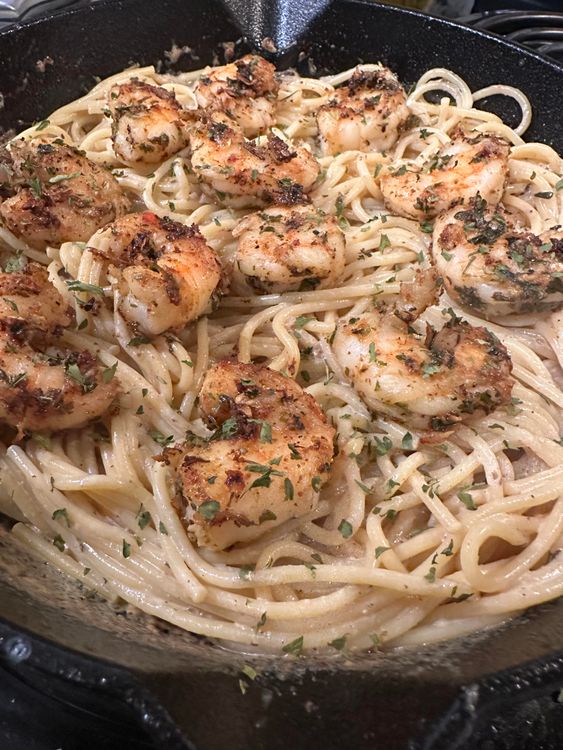
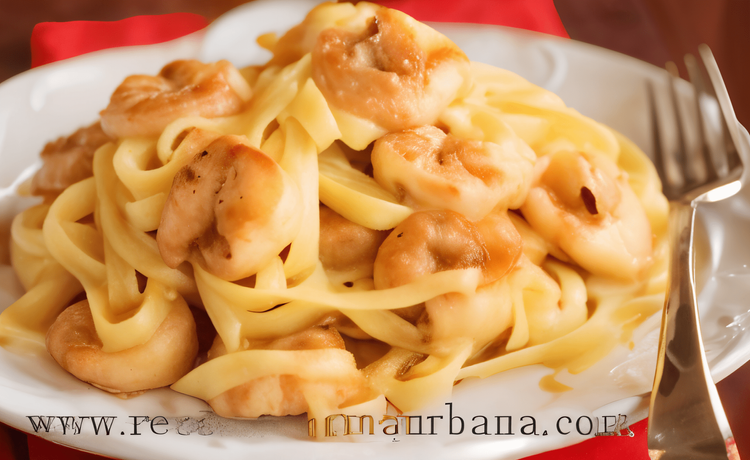
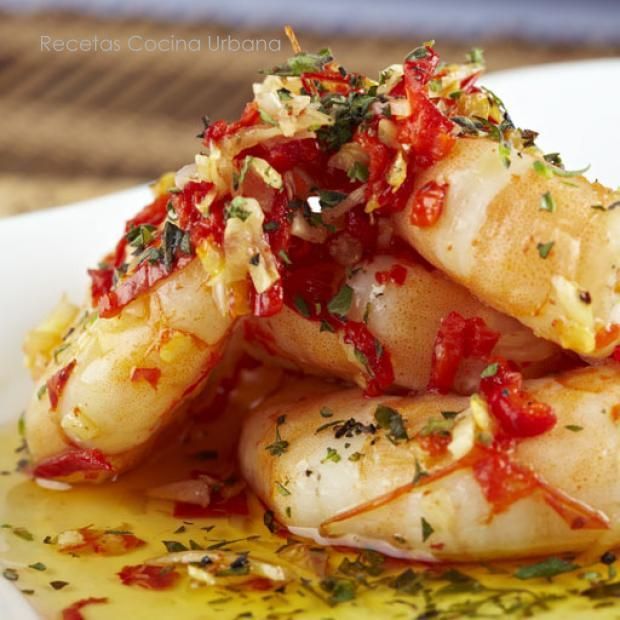
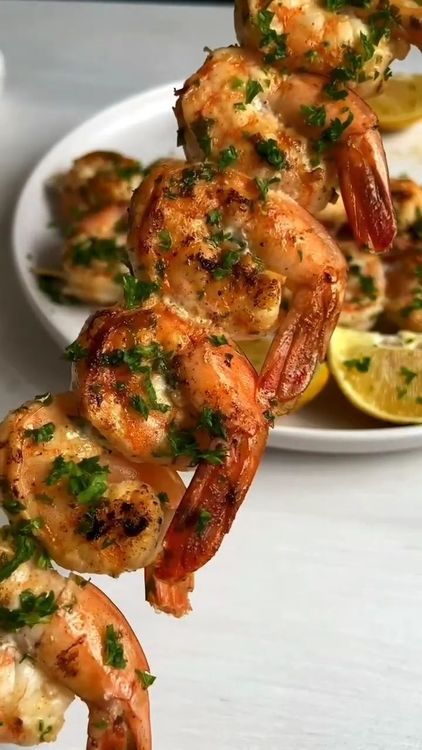
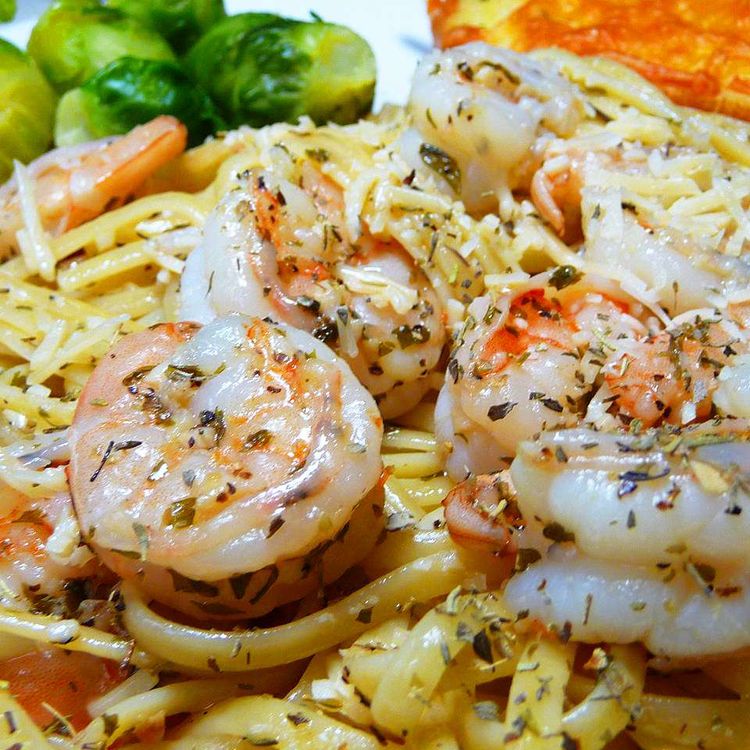
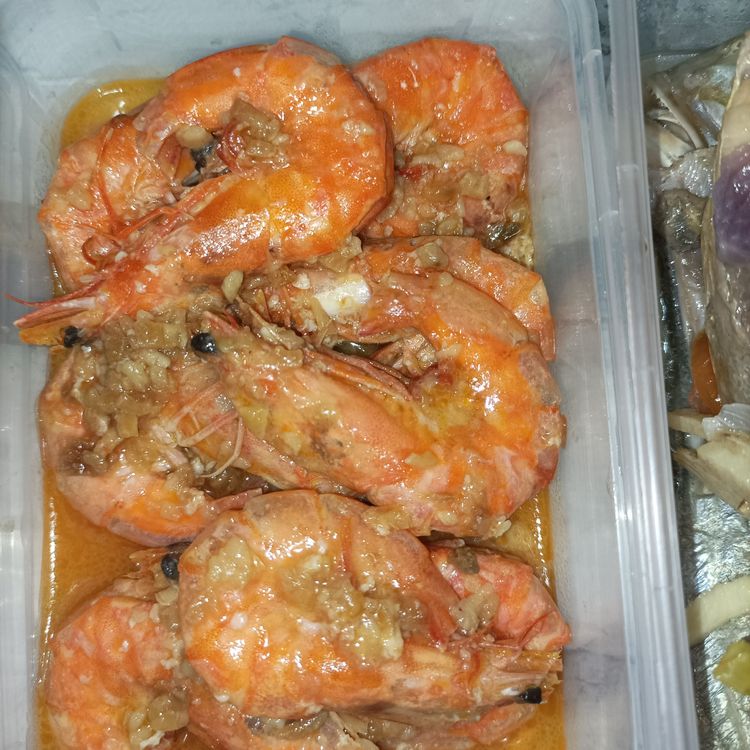
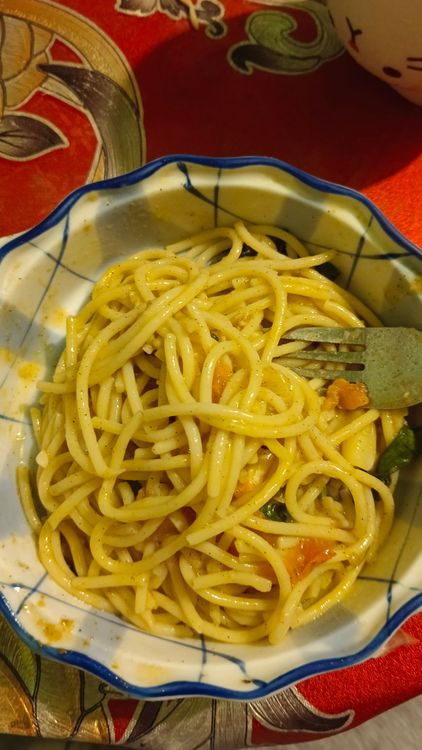
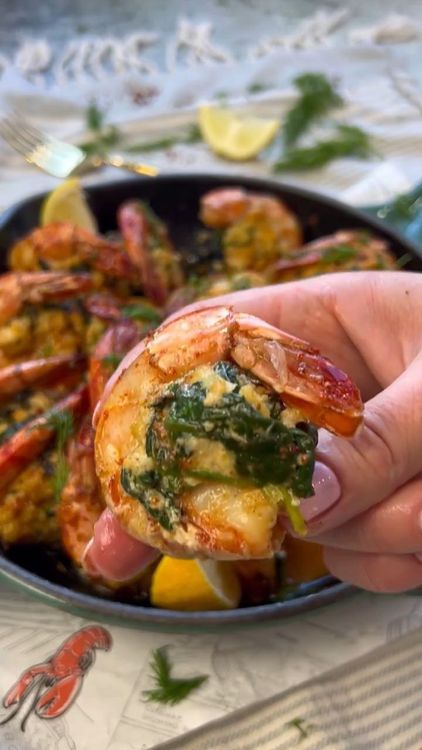
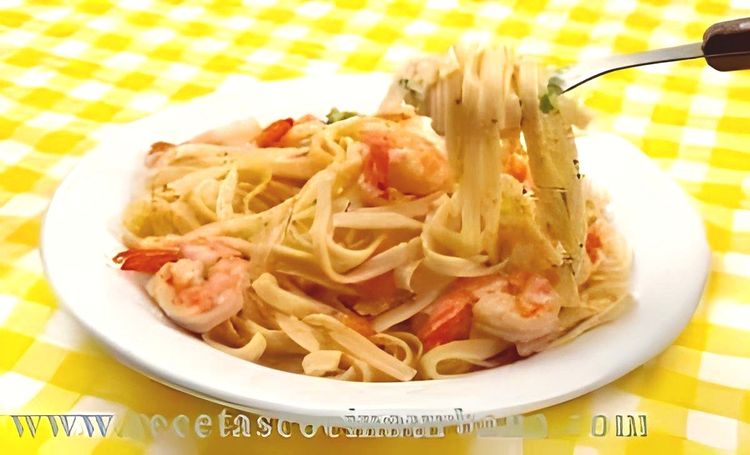
This is the cluster to start with, because nothing shows off shrimp faster or more reliably than a hot pan, a lot of garlic and a knob of butter. The whole dish comes together in under ten minutes, so the real skill is sequence and restraint rather than any complicated technique. Get your pan genuinely hot, lay the shrimp in a single uncrowded layer, and leave them undisturbed for about ninety seconds before turning, so they sear and pick up color instead of steaming grey in their own moisture. The most common mistake is leaving the shrimp in while you simmer down the wine and lemon, which clenches them into tough little O-shapes; instead, cook them to a loose C, lift them out, build your garlic-butter-and-wine sauce in the empty pan, then slide the shrimp back at the very end just to coat and warm through. Finish off the heat with parsley, a final squeeze of lemon and a little cold butter swirled in for gloss. Serve over linguine or with bread to mop the pan, and you have a restaurant-worthy plate from almost nothing. Standouts here include Garlic Butter Shrimp Pasta and Creamy Garlic Butter Shrimp Pasta, plus Shrimp in Garlic Sauce.


- Nut-Free
- Main Course

- Italian
- Gluten-Free
- Lunch
- Latin American
- Pescatarian
- Lunch
- Fusion
- Pescatarian
- Appetiser
- Italian
- Pescatarian
- Lunch
- Dominican
- Pescatarian
- Lunch
- Brazilian
- Pescatarian
- Lunch


- Gluten-Free
- Dinner


- Mexican
- Pescatarian
- Dinner
- Spanish
- Pescatarian
- Appetiser
- American
- Pescatarian
- Appetiser
- Spanish
- Pescatarian
- Main Course
- Italian
- Pescatarian
- Dinner
- Filipino
- Pescatarian
- Lunch

- Mediterranean
- Pescatarian
- Dinner

- American
- Pescatarian
- Appetiser
Fried & Breaded Shrimp
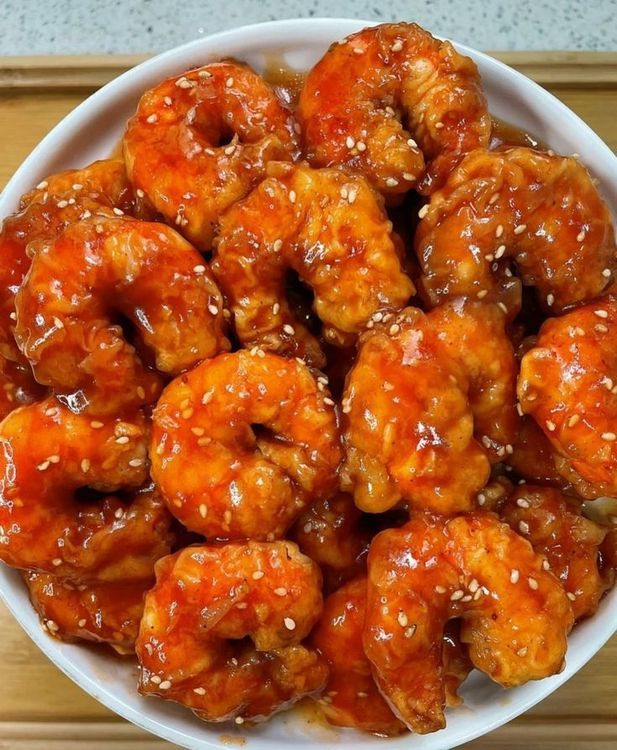
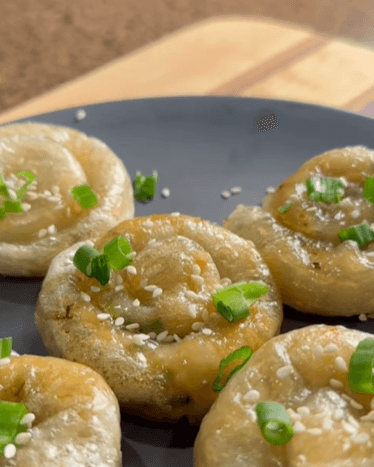
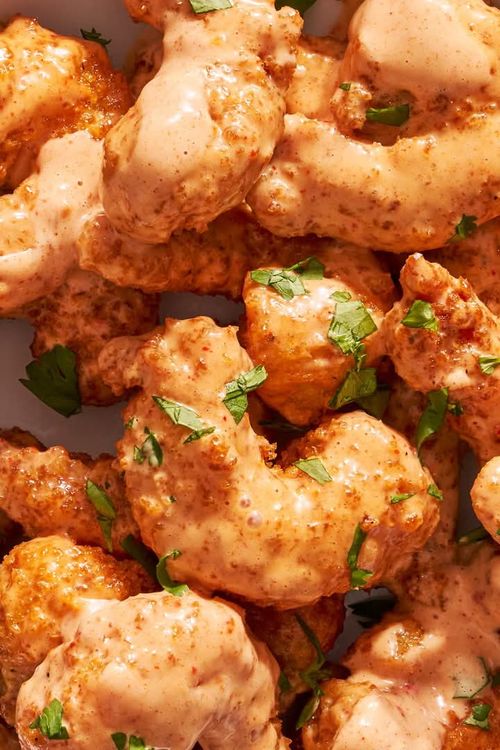
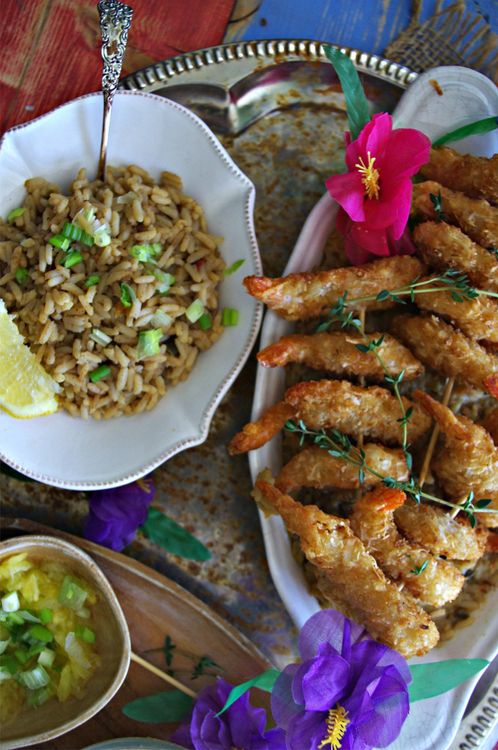
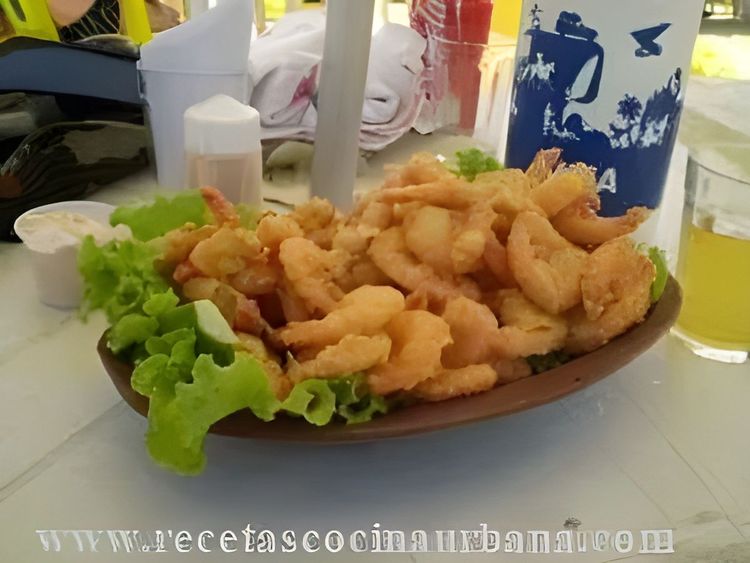
Crisp, golden and impossible to stop eating, fried shrimp are pure payoff, and this group runs from light tempura through panko and coconut crusts to bite-sized popcorn shrimp. The two things that decide success are a dry, well-gripping coating and oil held at a steady 350 to 375 degrees Fahrenheit. Pat the shrimp bone-dry, then dredge firmly through flour, egg and crumb so the crust actually clings, pressing coconut or panko on so it stays put in the oil. Fry in small batches, because dumping in a crowded handful crashes the oil temperature, and cool oil is exactly what gives you a greasy, soggy crust instead of a shattering one. Shrimp cook so fast that the coating sets and the shrimp finishes at almost the same moment, usually two to three minutes, so pull them golden and no further. Drain on a wire rack rather than paper towels so steam escapes from underneath and the crust stays crunchy, and salt them the second they come out while the surface is still hot and the seasoning will stick. Serve with cocktail, bang-bang or a squeeze of lemon, immediately. Standouts here include Air-Fried Bang Bang Shrimp and Air Fryer Shrimp Dumpling Spirals, plus Spicy Thai Coconut Curry Shrimp.

- Asian
- Pescatarian
- Appetiser

- American
- Pescatarian
- Dinner
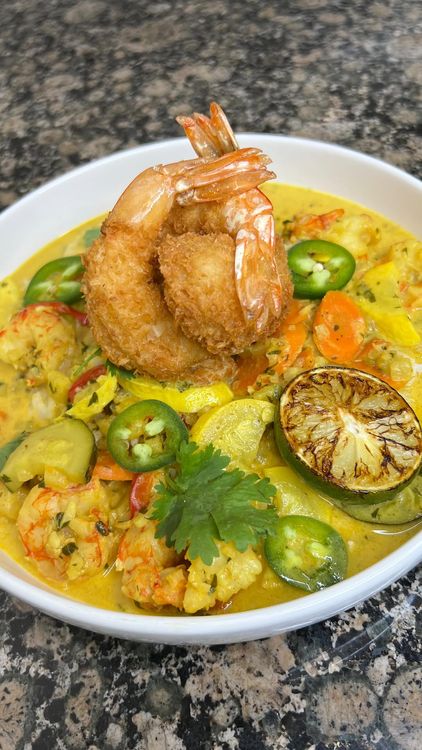
- Thai
- Pescatarian
- Dinner
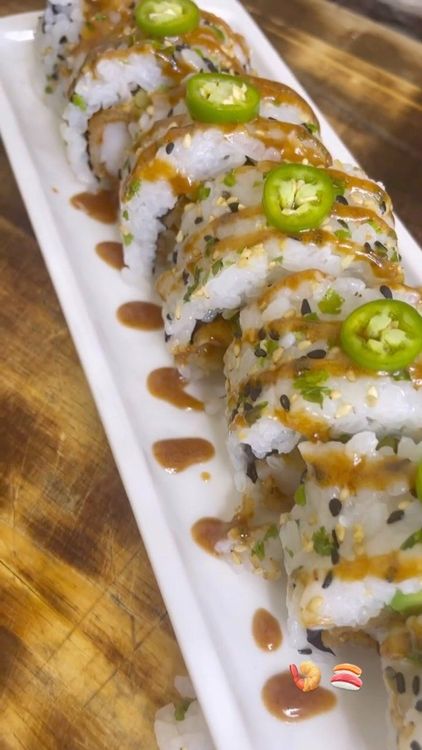
- Japanese
- Gluten-Free
- Appetiser
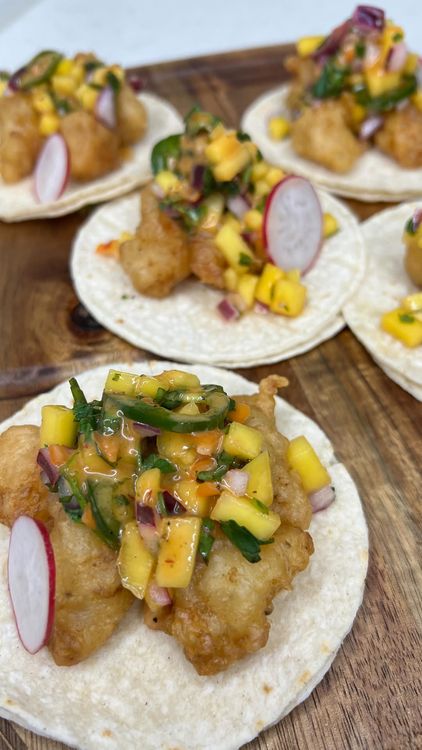
- Mexican
- Eggetarian
- Dinner
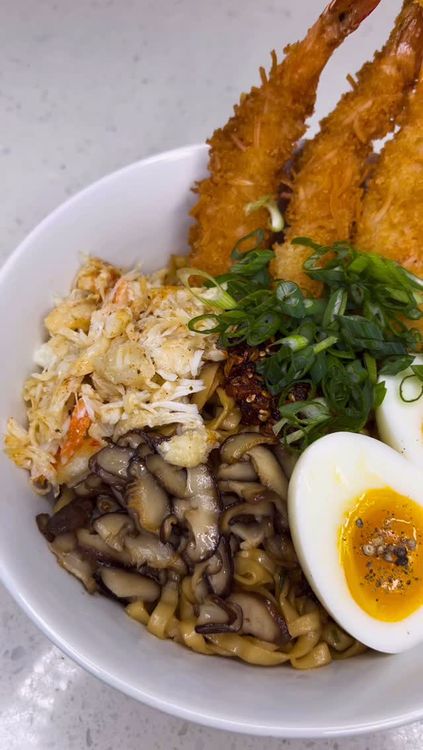
- American
- Pescatarian
- Appetiser

- Latin American
- Pescatarian
- Appetiser
- Asian
- Pescatarian
- Dinner
Shrimp Soups, Curries & Global Dishes
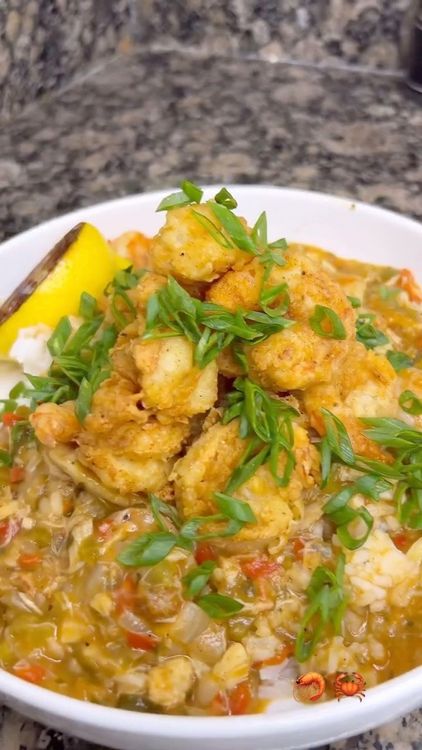
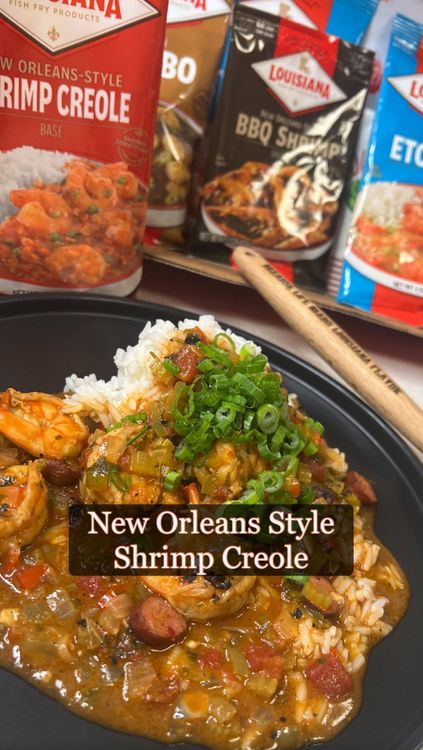
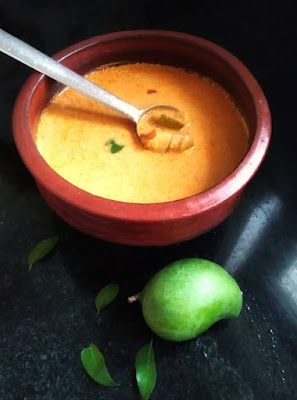
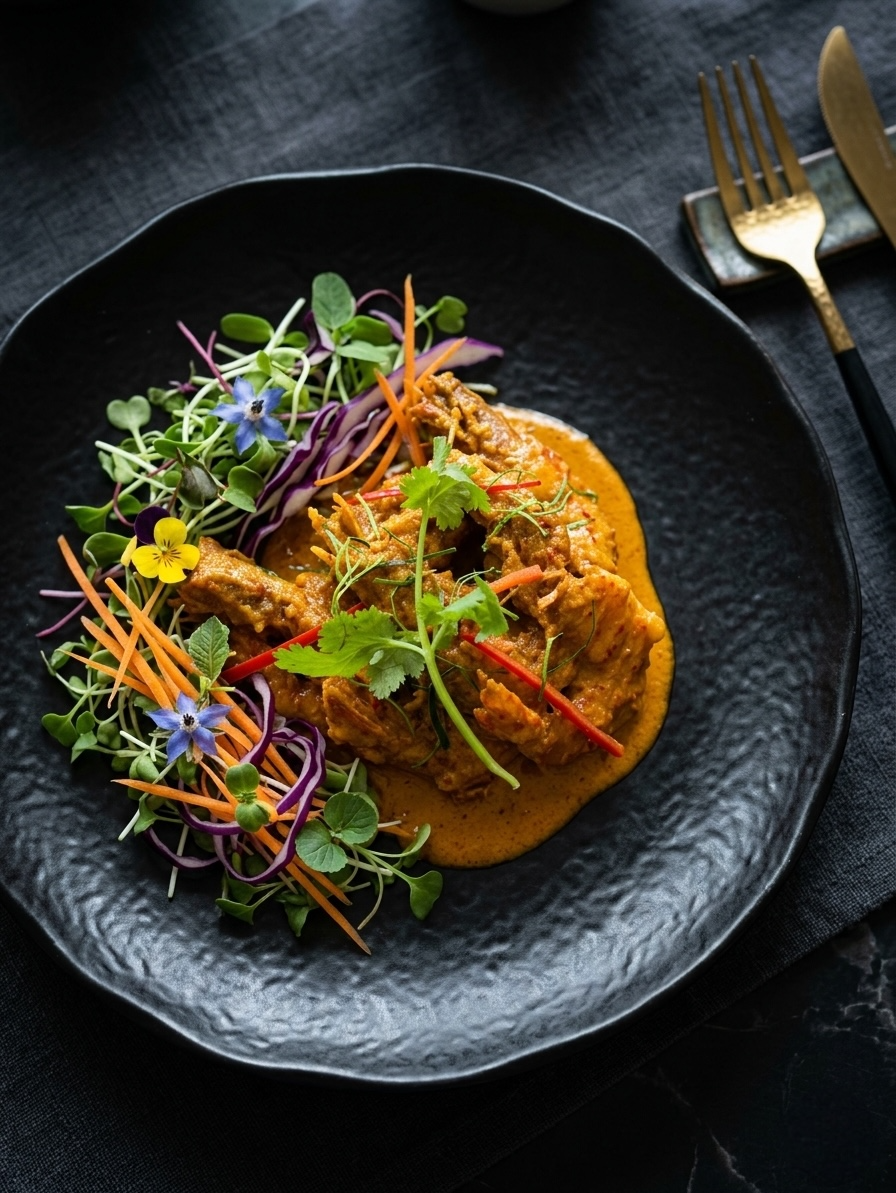
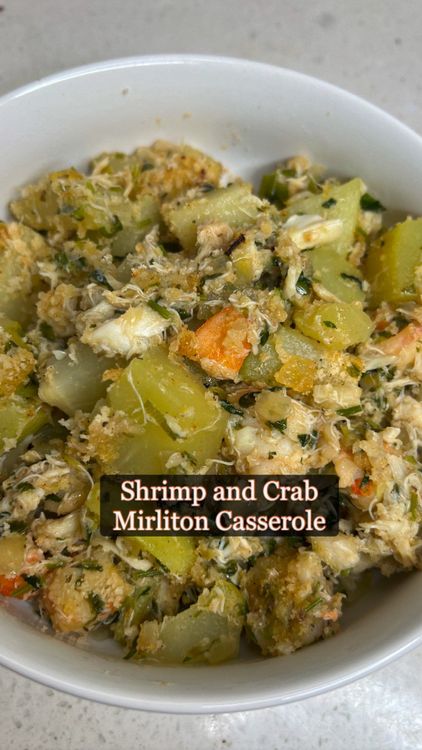
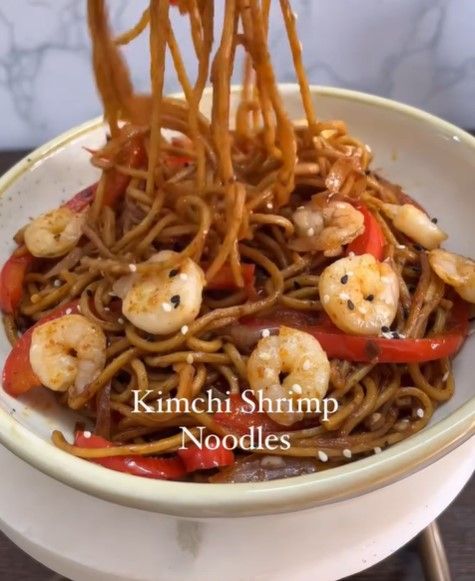
This is where shrimp leaves the skillet and travels the world, from a brick-roux Louisiana gumbo to a fragrant Thai or Indian coconut curry, a smoky stir-fry or a tangle of garlic-shrimp pasta. The unifying principle across every one of these dishes is patience with the base and impatience with the shrimp: you build a long-simmered foundation of roux, aromatics, spice or sauce that can cook for as long as it needs, then add the shrimp only in the final few minutes so they poach gently to a loose C and never toughen. The classic error is dropping shrimp in early to "let the flavors meld," which guarantees rubbery results by the time everything else is ready. For curries, slide them into the simmering coconut or tomato base and pull the pot the moment they turn opaque; for stir-fries, sear them hot and fast, set them aside, cook the vegetables, and return the shrimp at the end; for gumbo and jambalaya, let the roux and the trinity do their slow work first. Save the shrimp shells for stock and you deepen every one of these dishes from the start. Standouts here include Healthy & Delicious Shrimp Bisque and Shrimp and Crab Étouffée, plus Salmon & Shrimp Red Curry.
- Cajun
- Pescatarian
- Dinner


- Pescatarian
- Dinner
- Creole
- Non-Vegetarian
- Dinner
- Italian
- Pescatarian
- Lunch
- Indian
- Pescatarian
- Lunch

- Creole
- Pescatarian
- Dinner

- Pescatarian
- Lunch
More Shrimp Favourites
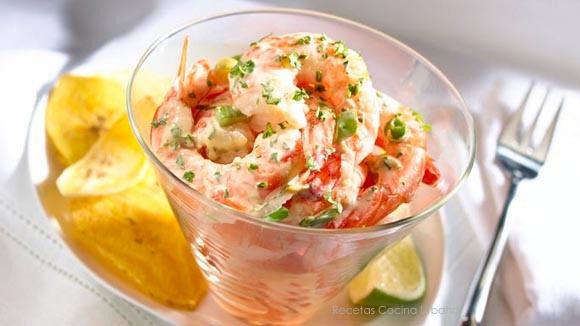
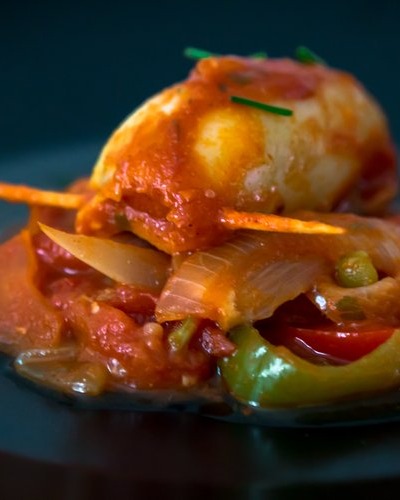
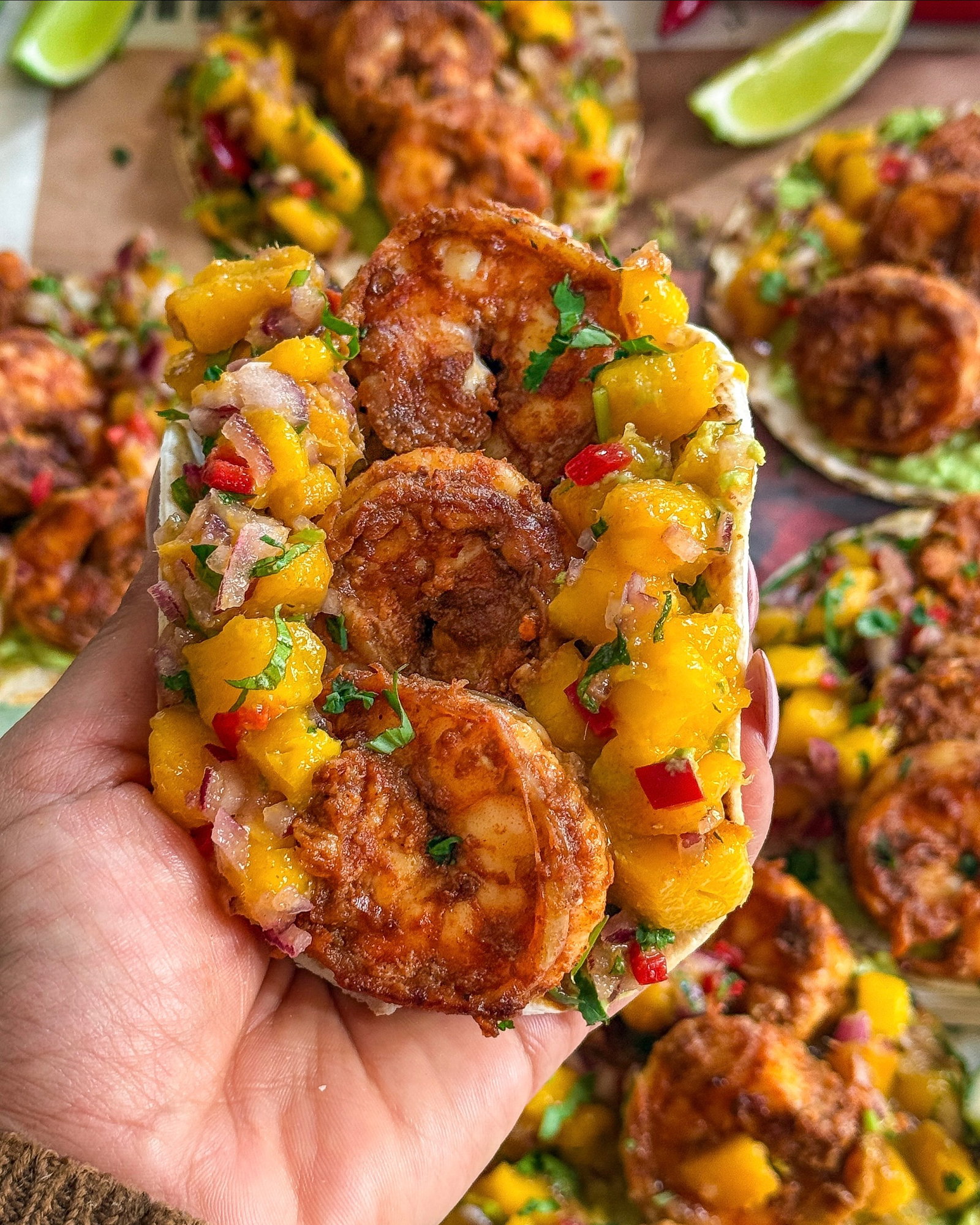
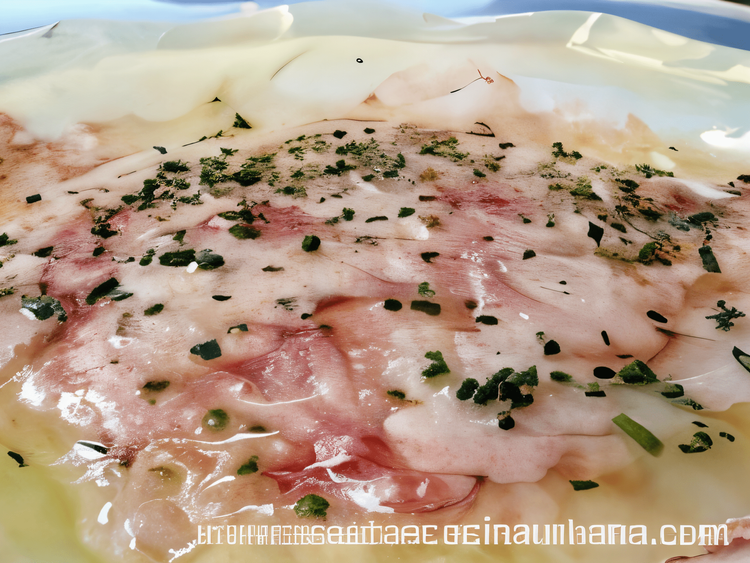
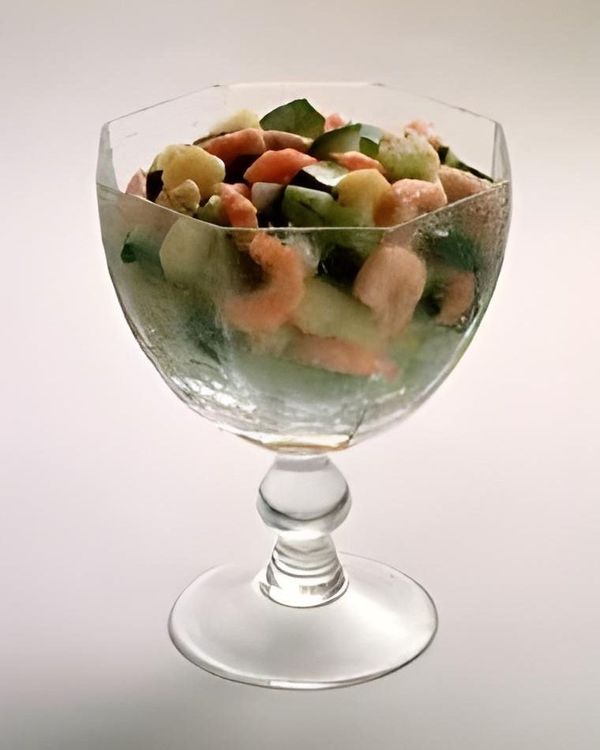
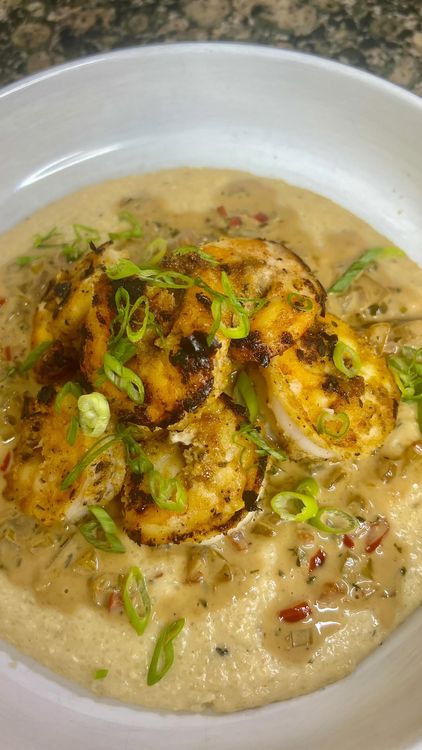
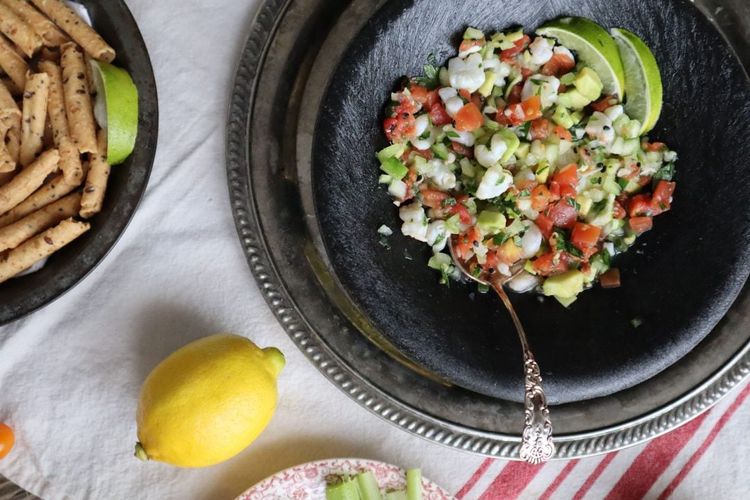
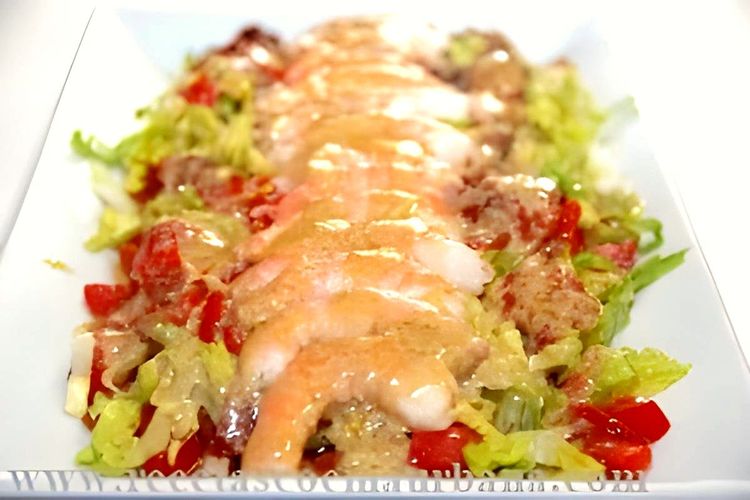
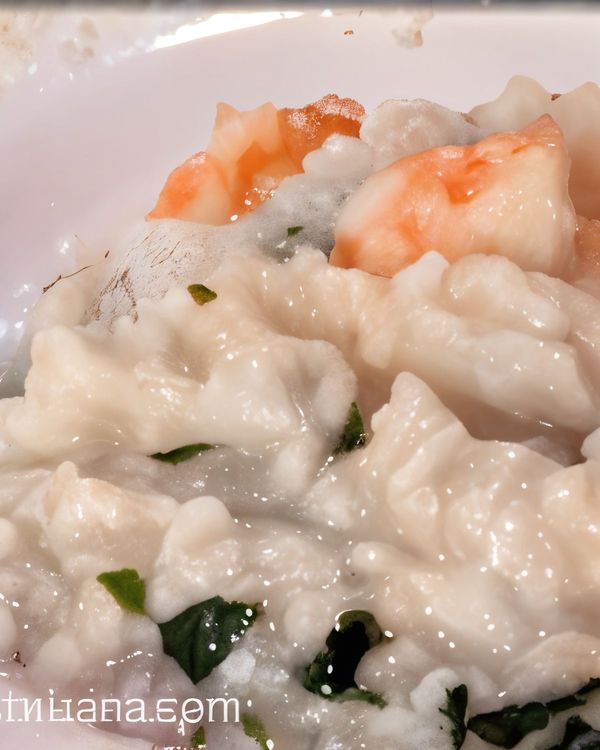
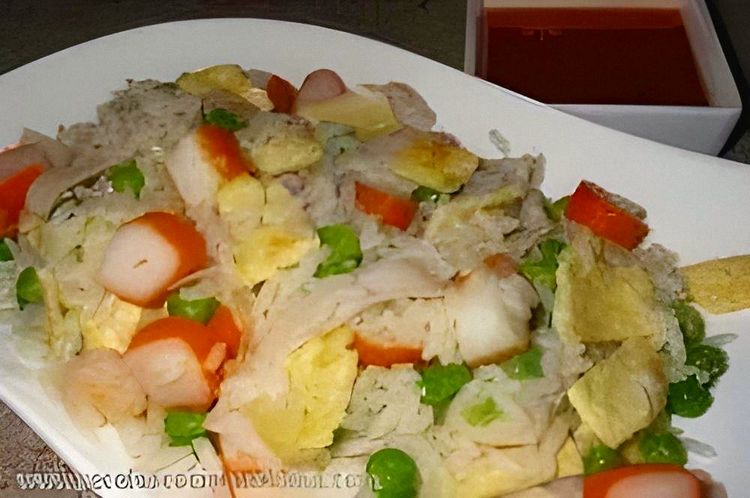
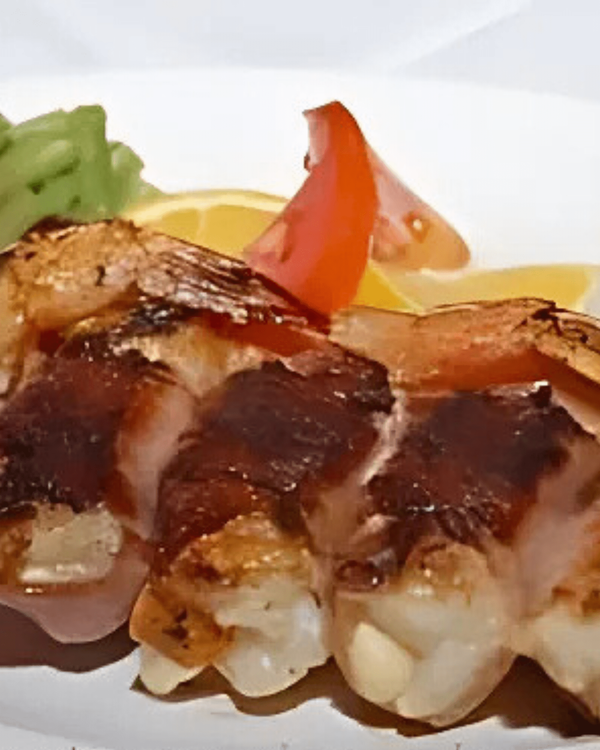
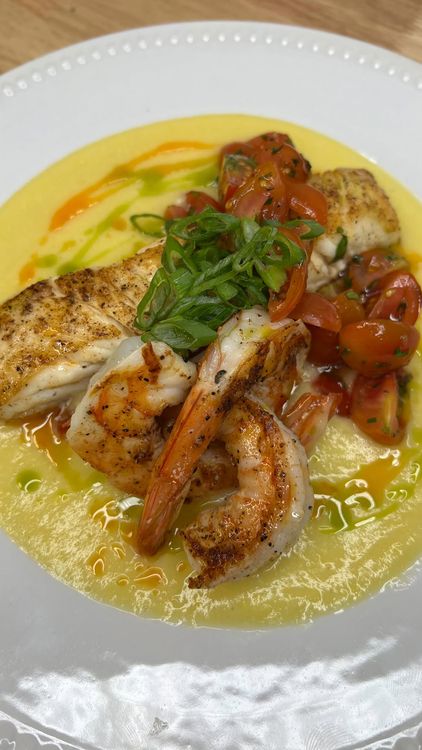
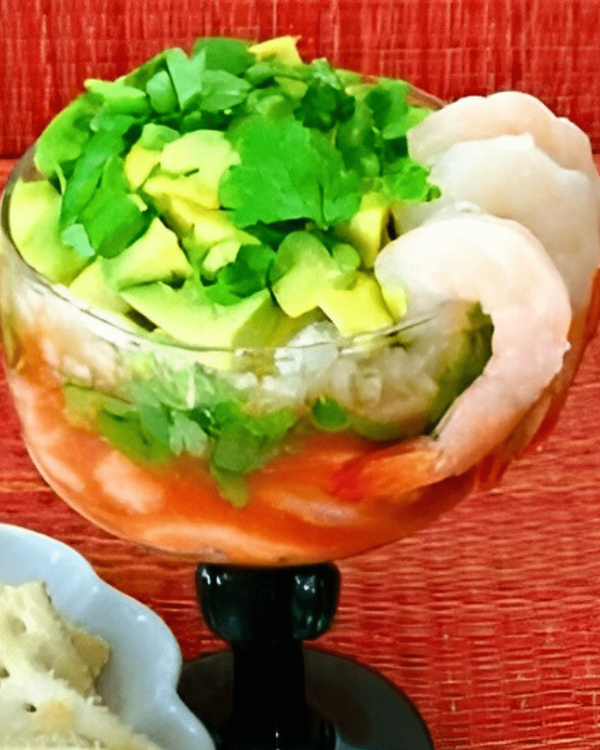
Beyond the four headline groups sit a handful of shrimp dishes that never quite fit a single box, and these are the ones worth keeping in your back pocket once the staples feel routine. Think chilled shrimp cocktail and ceviche, garlicky shrimp tacos, butter-poached shrimp rolls, shrimp and grits, and the cold shrimp salads that turn yesterday's cook into today's lunch. They lean on the same handful of skills you already have — a confident sear, a gentle poach, a careful eye on doneness — but steer the shrimp toward different temperatures and textures, so it never tastes the same twice. Picking your next one is mostly about matching effort to mood and to the clock: reach for a quick taco or a cold cocktail on a busy night when you want flavor in fifteen minutes, and save the low-and-slow shrimp and grits for a weekend when you can build the stock and stir the pot properly. Pay attention to size, too, since the right count per pound makes all the difference between an elegant single bite and a generous spoonful. Treat this group as the natural next step after the classics, the recipes that quietly earn a regular spot in your rotation. Standouts here include Shrimp Fajitas with Bell Peppers and Onions and Shrimp Carpaccio, plus Shrimp Vegetable Congee (Picky Eater Friendly).
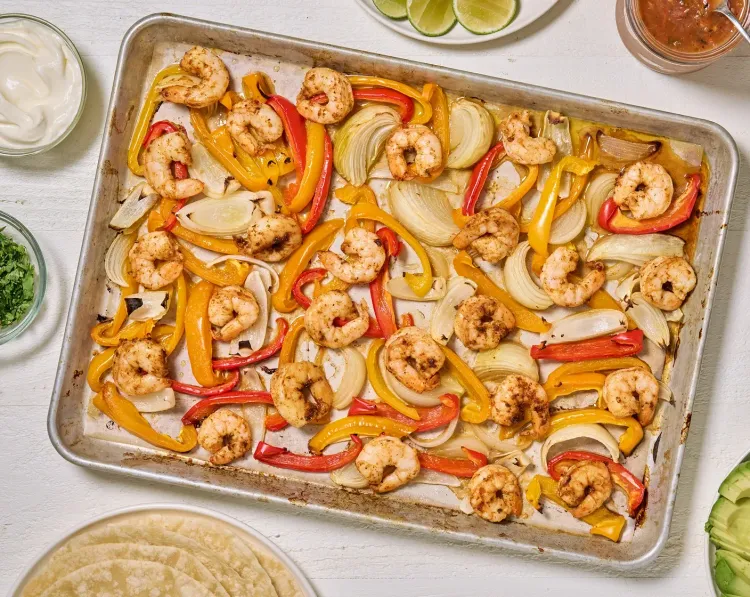
- Mexican
- Pescatarian
- Lunch

- Pescatarian
- Appetiser


- Gluten-Free
- Main Course


- Maharashtrian
- Pescatarian
- Main Course

- Indian
- Pescatarian
- Dinner
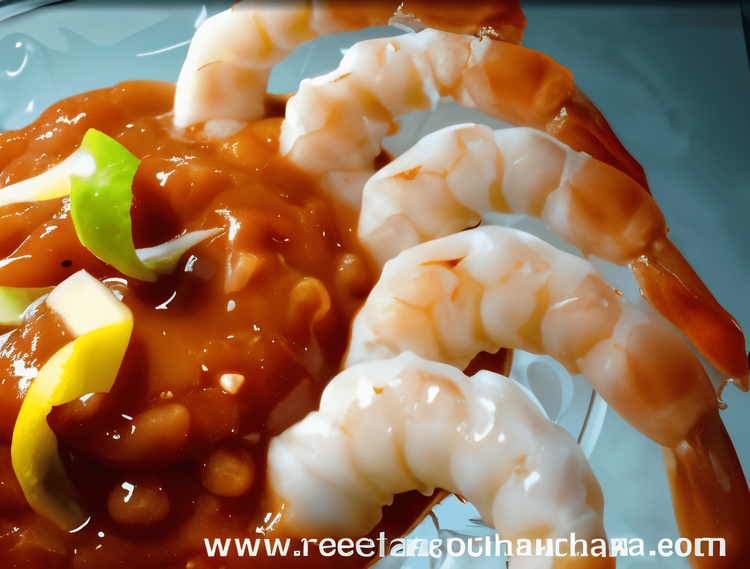
- Mexican
- Pescatarian
- Appetiser
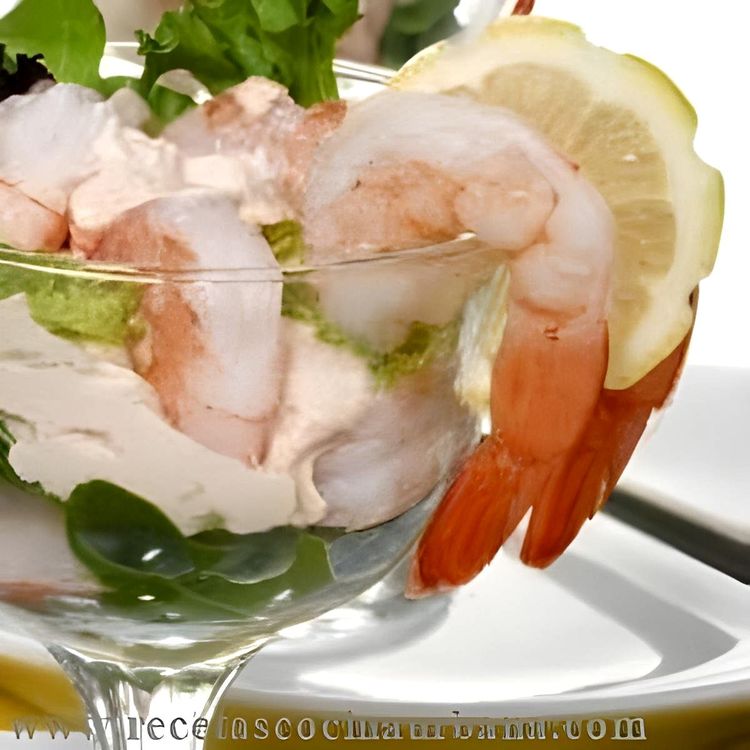
- American
- Pescatarian
- Appetiser
- Mexican
- Pescatarian
- Appetiser

- Pescatarian
- Lunch
- Cajun
- Gluten-Free
- Lunch
- Italian
- Pescatarian
- Appetiser
- Brazilian
- Pescatarian
- Appetiser
- Mexican
- Pescatarian
- Appetiser
- Mediterranean
- Pescatarian
- Lunch
- Southern
- Non-Vegetarian
- Dinner
- Cajun
- Pescatarian
- Dinner
- Latin American
- Pescatarian
- Appetiser
- Tropical
- Pescatarian
- Lunch
- Mexican
- Pescatarian
- Appetiser

- American
- Pescatarian
- Lunch
- Spanish
- Pescatarian
- Dinner
- Indonesian
- Pescatarian
- Dinner


- Pescatarian
- Lunch
- American
- Pescatarian
- Appetiser
- Italian
- Pescatarian
- Lunch
- Mediterranean
- Pescatarian
- Lunch
- Italian
- Pescatarian
- Lunch
- International
- Pescatarian
- Appetiser
- Fusion
- Pescatarian
- Appetiser
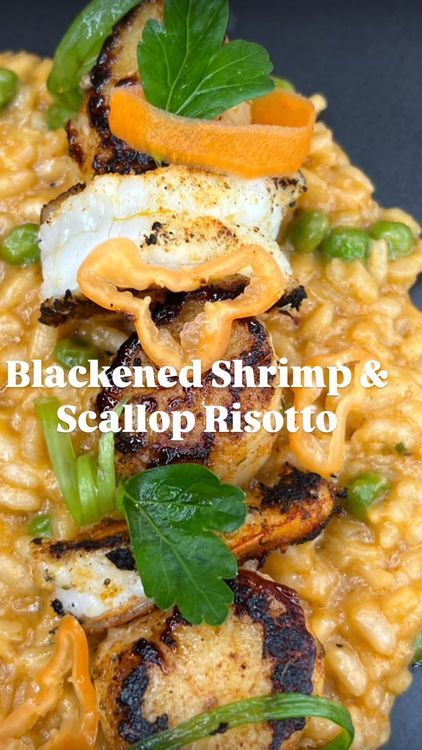
- Italian
- Pescatarian
- Dinner
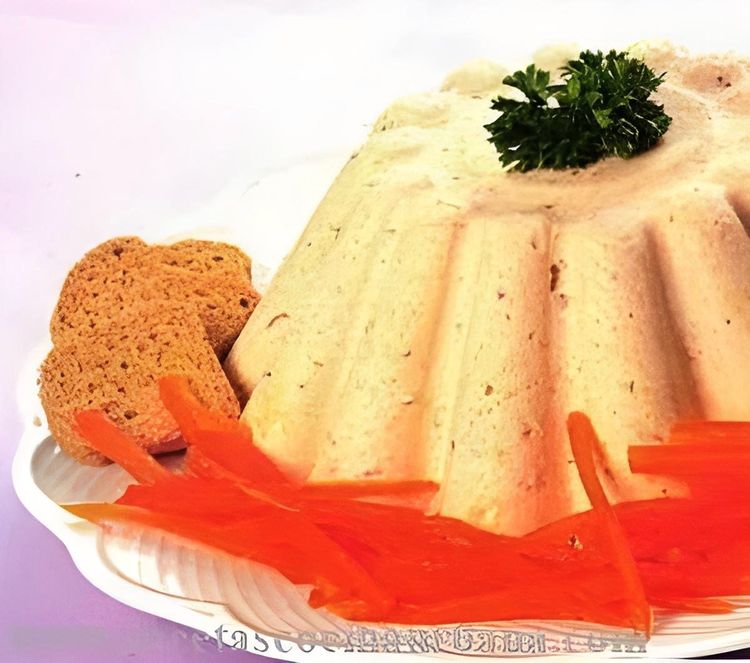
- International
- Pescatarian
- Appetiser
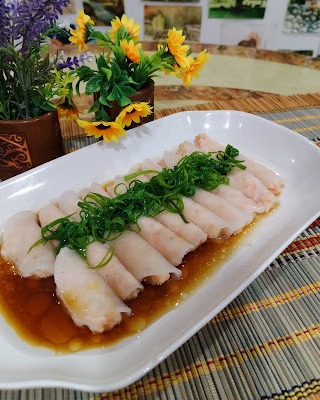
- Chinese
- Pescatarian
- Dinner
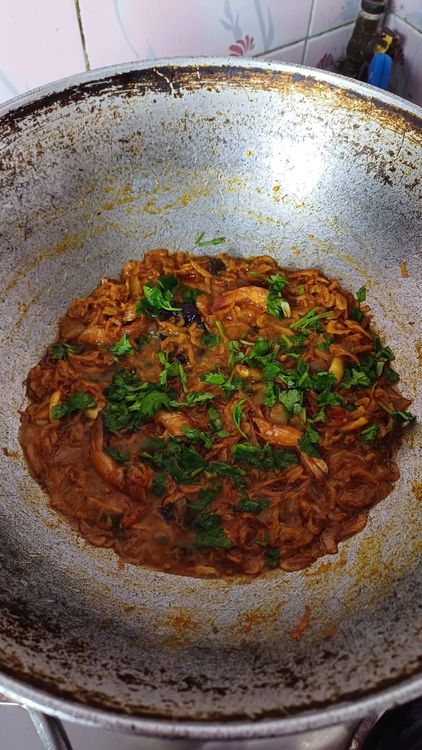
- Indian
- Pescatarian
- Lunch
- Fusion
- Non-Vegetarian
- Lunch
- Seafood
- Non-Vegetarian
- Lunch
- Italian
- Pescatarian
- Lunch
- Asian
- Gluten-Free
- Dinner

- Ghanaian
- Vegan
- Sauce & Condiment

- Asian
- Pescatarian
- Appetiser
- American
- Pescatarian
- Dinner

- Cuban
- Pescatarian
- Dinner
- American
- Pescatarian
- Beverage
- Asian
- Pescatarian
- Lunch
- Filipino
- Pescatarian
- Appetiser
- Filipino
- Non-Vegetarian
- Lunch
- Asian
- Pescatarian
- Lunch
Buying, Peeling and Deveining Shrimp
Most shrimp at the counter were frozen at sea and thawed for display, so buying them still frozen and thawing them yourself often means fresher shrimp and more control. Thaw in a bowl of cold water for fifteen to twenty minutes, never in warm water or on the counter, which makes them mushy. Look for firm, translucent flesh with a clean, briny smell; a strong ammonia or fishy odor means they are past their best, so walk away.
Size is sold by count per pound, and the numbers are worth learning: a label like 16/20 means roughly that many shrimp make a pound, so smaller numbers are bigger shrimp. Larger shrimp (under 21/25) are more forgiving of the heat and best for grilling and scampi, while smaller ones suit fried platters, soups and stir-fries. Buying by count rather than by vague words like "jumbo" is the only way to know what you are getting.
To peel, pinch off the legs and slip the shell away from the meat, leaving the tail on or off as the recipe wants. To devein, run a shallow cut down the back and lift out the dark digestive tract with the tip of a knife or a toothpick — it is harmless but gritty and bitter in big shrimp, so it is worth removing. Save the shells: simmered in water for twenty minutes they make a quick stock that lifts any shrimp soup or curry.
Seasoning, Brining and Marinating
A quick brine transforms shrimp. Dissolve a tablespoon each of salt and sugar in a cup of cold water, drop the shrimp in for fifteen to thirty minutes, then drain and pat them bone-dry. The brine seasons the meat through and firms the texture so the shrimp stay plump and snappy rather than watery. Always dry them well afterward — surface moisture steams instead of searing and stops a good golden crust from forming.
Marinades work, but acid is a trap. Lemon, lime and vinegar will slowly "cook" raw shrimp the way they do in ceviche, turning the surface opaque and chalky if they sit too long. Keep acidic marinades to thirty minutes at most, and for ceviche itself, treat that chemical cook as the recipe rather than an accident. Oil-and-spice marinades (garlic, paprika, chili, herbs) are gentler and can sit longer without harm.
Because shrimp cook so fast, season for impact at the surface. Pat on a dry rub, toss in garlic and chili, or coat in a paste right before cooking so the flavor is concentrated where you taste it first. Salt just before the pan if you have not brined, and remember that shrimp are naturally a little sweet and briny — a squeeze of acid and a hit of fresh herbs at the finish almost always lifts them more than extra spice in the marinade.
Reading Doneness: The C-vs-O Rule
The single most useful thing to know about shrimp is how to read their shape. A raw shrimp is a straight, loose curve. As it cooks it tightens into the shape of a letter C — that is perfect, juicy and just-opaque. Keep cooking and it clenches further into a tight O, and that O is overcooked: the muscle has squeezed out its moisture and gone rubbery. Aim for C, never O, and you will rarely ruin a shrimp again.
Color backs this up. Raw shrimp are grey and translucent; cooked shrimp turn pink-white and opaque with a touch of red or orange on the shell. The flesh should be opaque all the way through but still glossy and moist, not dry and matte. Because residual heat keeps cooking them after they leave the pan, pull shrimp a few seconds before they look completely done and let carryover finish the job.
Most shrimp need only two to three minutes total over good heat — roughly a minute to ninety seconds per side for a sear, or until they float and turn opaque in a simmering liquid. Cook them in a single layer with room, because a crowded pan steams them grey instead of searing. When in doubt, cut one open: opaque and moist in the center means done; translucent means a few more seconds; dry and curled tight means you waited too long.
Sauces, Pairings and Make-Ahead
Shrimp are a blank, slightly sweet canvas, so the sauce does much of the talking. Garlic butter with lemon and parsley is the everyday classic; a Cajun or Old Bay butter brings heat; coconut and curry bring warmth; cocktail and bang-bang sauces partner the fried and chilled versions. The trick with pan dishes is to build the sauce first or remove the shrimp while you do, then return them at the very end to warm through, so they never overcook in the simmer.
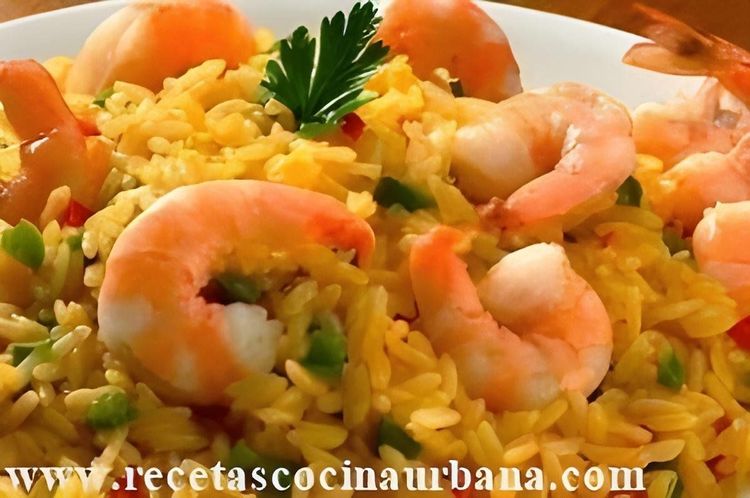
For pairings, shrimp slot into almost anything — pasta and linguine, fluffy rice, grits, crusty bread for mopping up garlic butter, tacos, salads and noodle bowls. Match the starch to the sauce: a buttery scampi wants bread or pasta to catch the juices, a coconut curry wants rice, and grilled skewers love a fresh slaw or a squeeze of lime. Keep sides ready before you cook, because the shrimp themselves take only minutes.
Shrimp are best cooked to order, but you can prep ahead smartly. Peel, devein and brine in advance and keep them on ice; mix marinades, sauces and dredges early; and cook the shrimp last, just before serving. Leftover cooked shrimp keep a day or two refrigerated and are excellent cold in salads and rolls, but reheating almost always toughens them — warm gently and briefly, or eat them straight from the fridge instead.
Pro Tips from the Test Kitchen
- Buy shrimp by count per pound (e.g. 16/20) — smaller numbers mean bigger shrimp; vague words like "jumbo" tell you nothing.
- Thaw frozen shrimp in cold water for 15–20 minutes, never warm water or on the counter, which turns them mushy.
- Pull shrimp when they curl into a loose C; a tight O means overcooked and rubbery.
- Pat shrimp bone-dry before cooking — surface moisture steams instead of searing and kills the crust.
- Brine briefly in salt and sugar water for 15–30 minutes for plumper, snappier shrimp.
- Keep acidic marinades (lemon, lime, vinegar) under 30 minutes or the acid starts to ceviche-cook the shrimp.
- Cook shrimp in a single layer with room; a crowded pan steams them grey instead of searing.
- Most shrimp need only 2–3 minutes total — pull them a few seconds early and let carryover finish the cooking.
- Save the shells and simmer them 20 minutes for a fast stock that lifts any shrimp soup or curry.
- Add shrimp to soups, curries and pasta near the very end so the long-cooked base never overcooks them.
Frequently Asked Questions
How do you know when shrimp are done?
Watch the shape and color. A perfectly cooked shrimp curls into a loose letter C and turns pink-white and opaque all the way through, but still glossy and moist. If it clenches into a tight O it has overcooked and gone rubbery. Most shrimp need only two to three minutes total. Pull them a few seconds before they look fully done and let residual heat finish the job.
Why are my shrimp rubbery and tough?
Almost always overcooking. Shrimp go from perfect to rubbery in about thirty seconds because the muscle squeezes out its moisture under prolonged heat. Cook them hot and fast for two to three minutes, watch for the loose-C shape, and pull them the instant they turn opaque. Crowding the pan and reheating leftovers also toughen shrimp, so cook in a single layer and reheat gently if at all.
Should you devein shrimp?
The dark line down the back is the digestive tract. It is harmless to eat but can be gritty and slightly bitter in larger shrimp, so most cooks remove it for both looks and taste. Run a shallow cut down the back and lift it out with a knife tip or toothpick. In small shrimp it is barely noticeable and often left in, so it is a matter of preference and size.
Can you cook shrimp from frozen?
Yes, especially in soups, curries and stir-fries where a little extra moisture is fine — just add a minute or two to the cook time and watch for the opaque, loose-C cue. For searing, grilling or frying, thaw first so the shrimp brown instead of steam. Thaw quickly in a bowl of cold water for fifteen to twenty minutes, then pat them dry before they hit the heat.
How long do you grill shrimp?
Only about two to three minutes total over high heat, roughly a minute to ninety seconds per side, until they turn opaque and curl into a C. Skewer them so they all turn at once, oil the grates and the shrimp well to prevent sticking, and stay at the grill — they cook faster than almost anything else on it. Larger shrimp (under 21/25 count) are easier to grill without overcooking.
What size shrimp should I buy?
It depends on the dish. Larger shrimp (under 21/25 count per pound) are more forgiving of high heat and best for grilling, scampi and anywhere the shrimp is the star. Smaller shrimp suit fried platters, popcorn shrimp, soups, fried rice and stir-fries where you want many bites. Buy by count per pound rather than marketing words, since "jumbo" and "large" are unregulated and vary by store.
Do you peel shrimp before or after cooking?
Either works. Cooking shrimp in the shell protects the meat and adds flavor, which is great for boils and grilling, but means peeling at the table. Peeling first lets seasoning and sauce reach the meat directly, which is better for scampi, stir-fries and most pan dishes. Many cooks leave the tail on for presentation and an easy handle. Save the shells for stock either way.
How do you keep fried shrimp crispy?
Keep the oil hot and steady, around 350–375°F, so the coating sets fast before the shrimp overcook, and fry in small batches so the temperature does not crash. Pat the shrimp dry and dredge firmly so the crust grips. Drain on a wire rack rather than paper towels so steam escapes and the underside stays crunchy, and salt them the moment they come out while the surface is still hot.
Is it safe to eat shrimp that smells fishy?
Fresh, good-quality shrimp smell clean and faintly of the sea, like saltwater. A strong fishy odor, and especially any ammonia or chlorine smell, means the shrimp are breaking down and should not be eaten. The flesh should be firm and translucent, not slimy, mushy or discolored. When in doubt, throw it out — shellfish spoils quickly and the smell is your most reliable warning sign.
What is shrimp scampi?
Shrimp scampi is a quick Italian-American dish of shrimp sautéed in garlic, butter and olive oil, deglazed with white wine and lemon, and finished with parsley, usually over pasta or with bread to soak up the sauce. The name is a bit of a tautology — scampi originally meant a small lobster-like shellfish — but today it just signals that garlic-butter-and-wine treatment. It is fast, rich and one of the easiest great shrimp dinners to make.
The thread through every shrimp recipe here is the same: a sweet, quick-cooking shellfish that rewards good prep and punishes a wandering eye. Master the few moves in the guides — buy by count, brine and dry them, read the C-vs-O shape, add them last — and scampi, grilled skewers, fried platters and global curries all fall into place. The cooking is the easy part once your timing is right.
Pick three to cook this week — a garlic-butter scampi, a plate of grilled skewers and a curry or stir-fry — and save your favorites to a Chefadora cookbook. Then work through the rest; this page is built to be the shrimp reference you actually come back to, whatever the occasion or the time you have.
Related
- Shrimp
- Seafood
- Quick Dinners
- Grilling
- Pasta
- Curry
- Weeknight
- Party Food
Popular Searches
- Best shrimp recipes
- Easy shrimp recipes
- Quick shrimp recipes
- Healthy shrimp recipes
- Simple shrimp recipes
- Homemade shrimp recipes
- Delicious shrimp recipes
- Popular shrimp recipes
- garlic butter shrimp
- grilled shrimp
- shrimp curry
Marnirni-apinthi Building, Lot Fourteen,
North Terrace, Adelaide, South Australia, 5000
Australia
