
Top 43 Filipino Recipes: Adobo, Sinigang, Pancit and Classic Filipino Dishes
Updated June 30, 2026 · Curated by Chefadora
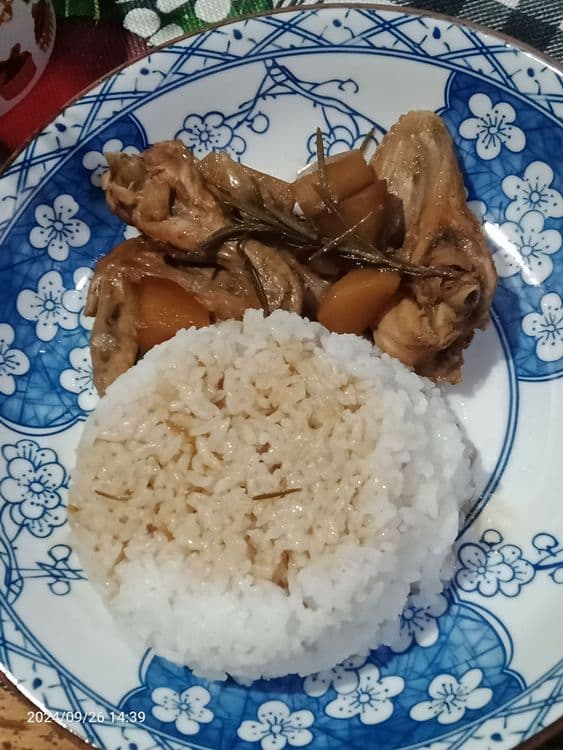
Filipino recipes are defined by a balance of sour, salty and savory that is unlike any other Southeast Asian cuisine — the deep tang of tamarind in sinigang, the vinegar-braised intensity of adobo, the slow-built richness of kare-kare's peanut sauce. These are bold flavors, but they are not aggressive; the sourness and saltiness are always in conversation with each other, and the result is food that keeps you coming back to the bowl.
Filipino cooking has absorbed influences from four centuries of trade and colonization — Chinese noodle techniques in pancit and lumpia, Spanish braising methods in caldereta and mechado, indigenous fermented flavors in bagoong and patis (fish sauce). Rather than blurring those origins, Filipino cooks have synthesized them into something distinctly their own: a cuisine that is at once peasant-practical and deeply celebratory.
The four clusters here cover the essential repertoire: adobo in all its variations (chicken, pork, vegetables, and more); the sour tamarind soups that are the daily comfort food; pancit noodles and lumpia that anchor every birthday and gathering; and the big braised and stewed mains — kare-kare, menudo, caldereta, sisig — that define the fiesta table. Each cluster has an intro below with technique guidance on what makes these dishes work.
Use this page as your reference for Filipino food. Every title links to the full recipe on Chefadora with ingredients and step-by-step instructions. Browse by cluster to find what suits the occasion, save your favorites, and return to the guides when you want to understand the techniques behind the dishes rather than just follow a list of steps.
Adobo: The National Dish in All Its Forms
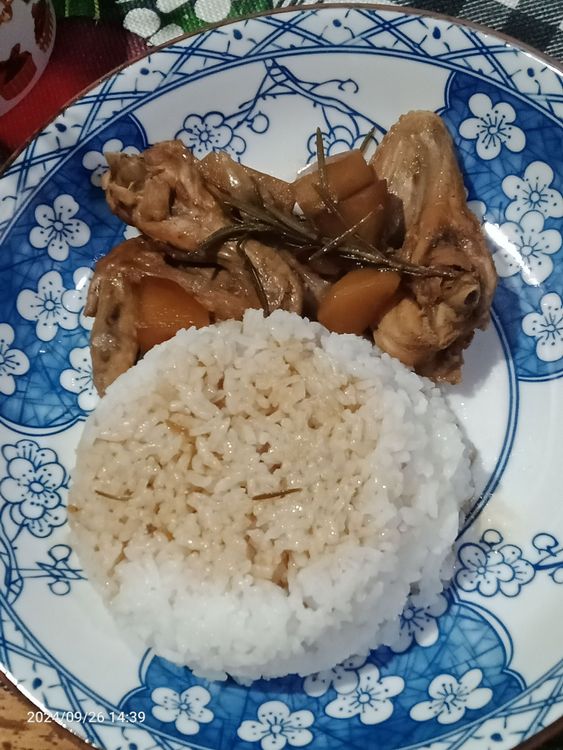
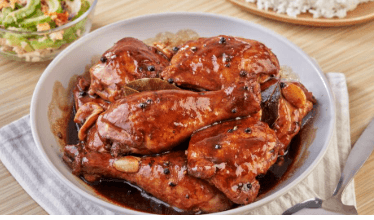
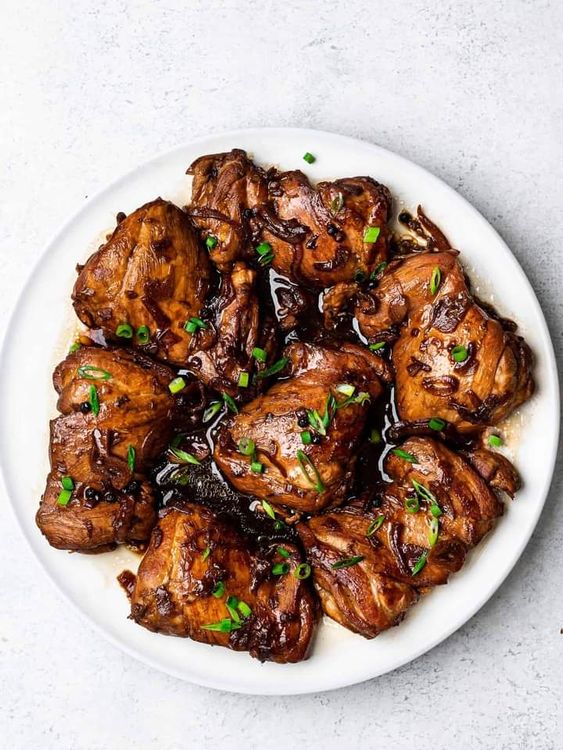
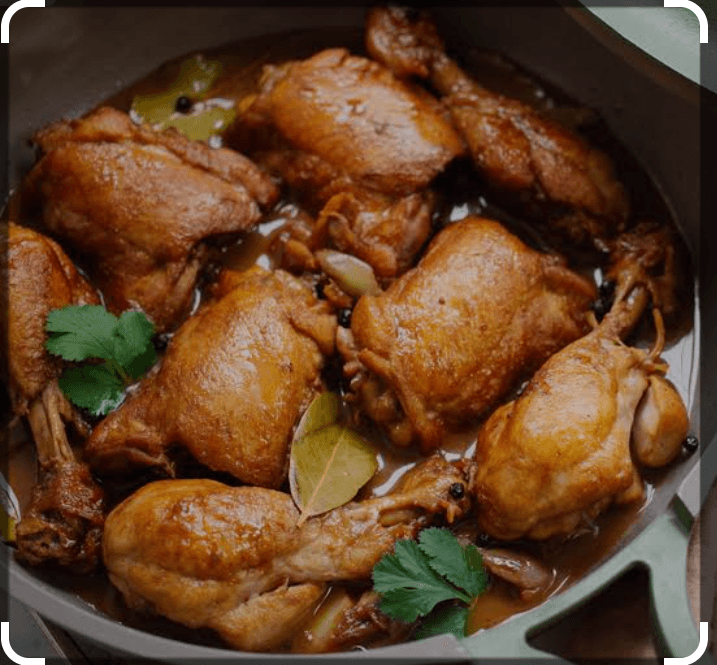
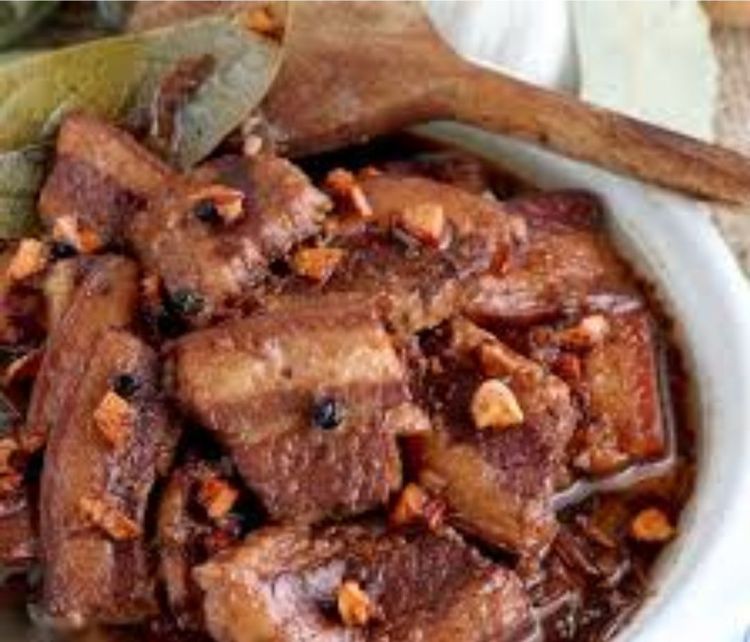
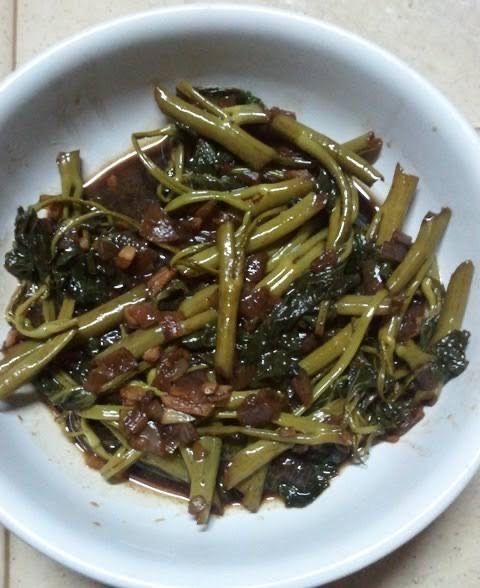
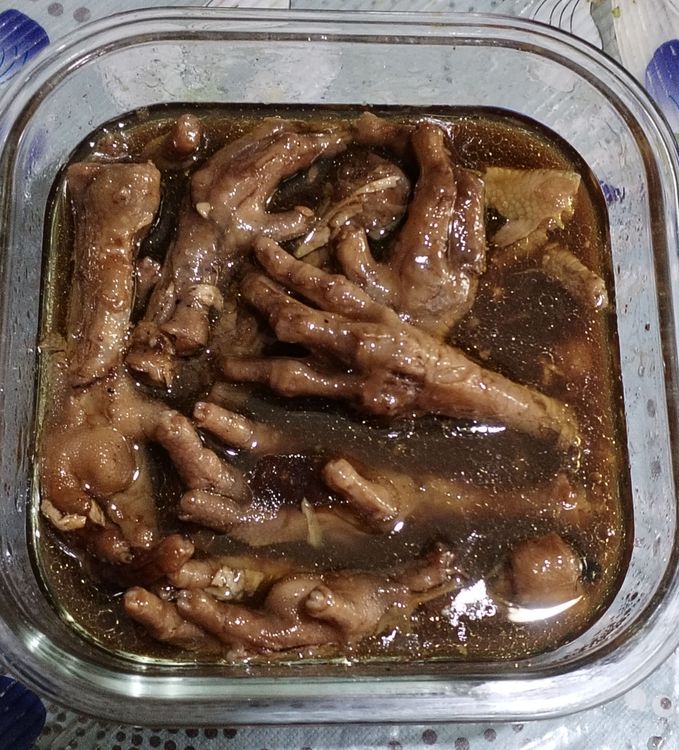
Adobo is the most personal dish in Filipino cooking — ask ten Filipino home cooks for their recipe and you will receive ten genuinely different answers, all of them insisting theirs is the definitive version. The argument is not about whether to use vinegar and soy sauce (you do), but about ratios, whether to add sugar, which vinegar to use, whether to caramelize at the end, and what protein carries the dish best. What all good adobo shares is the braising technique: acid and salt together, low heat, patient reduction until the liquid becomes a glaze rather than a soup. The final stage — allowing the liquid to reduce almost entirely so the meat fries in its own fat — is the adobo move that takes it from good to extraordinary. Chicken thighs are the most forgiving protein; pork belly gives the richest result; even water spinach (kangkong) can be adobo-ed for a quick vegetable side. Standouts here include Filipino Chicken Adobo and Chicken Adobo, plus Quick Chicken Adobo.

- Filipino
- Non-Vegetarian
- Lunch
- Filipino
- Non-Vegetarian
- Lunch
- Filipino
- Non-Vegetarian
- Dinner

- Filipino
- Non-Vegetarian
- Lunch
- Filipino
- Non-Vegetarian
- Lunch

- Filipino
- Pescatarian
- Lunch
- Filipino
- Non-Vegetarian
- Dinner
Sinigang: Sour Tamarind Soups
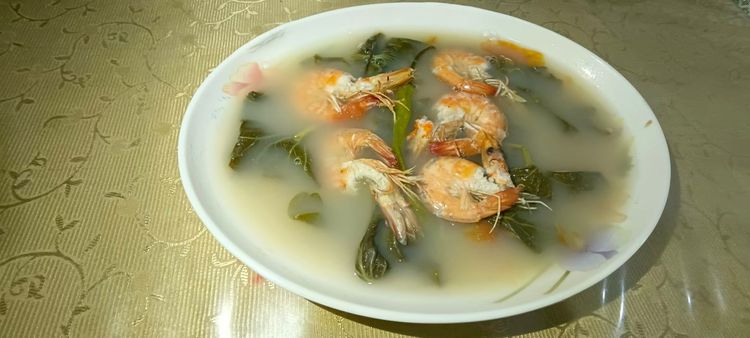
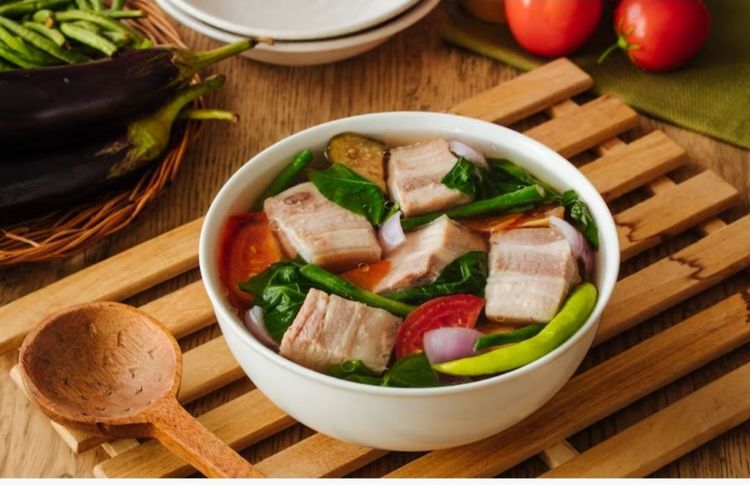
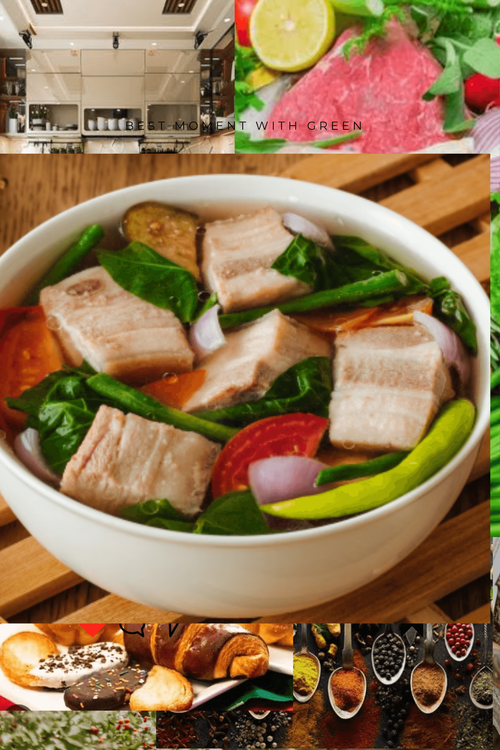
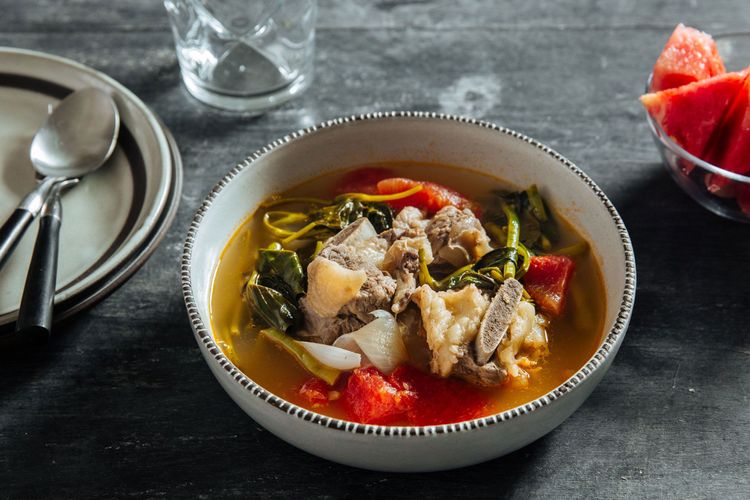
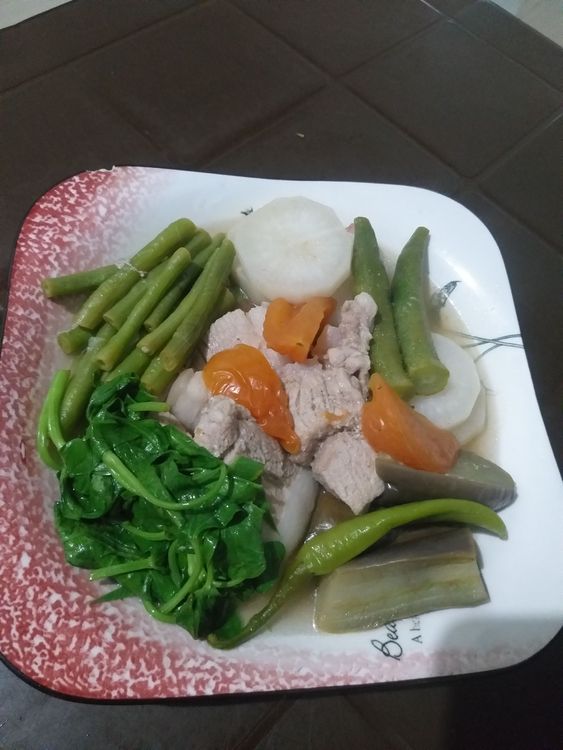
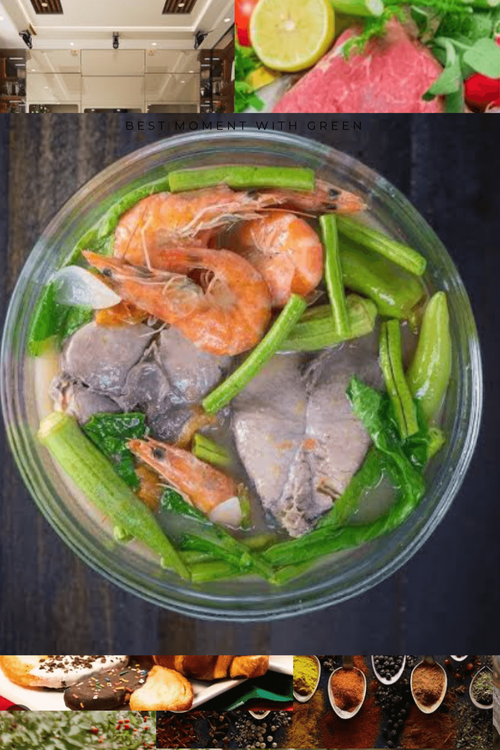
Sinigang is the antidote to any Filipino meal that is becoming too rich — a sharply sour tamarind broth that cuts through fat and resets the palate with every sip. The sourness is not a background note; it is the reason the dish exists, and a sinigang that is too timidly sour is a failed sinigang. The broth base is simple (water or rice washing water, sautéed onion and tomato, souring agent) but what you put into it shifts the dish entirely: pork ribs need ninety minutes to become tender and give the broth their fat; shrimp takes four minutes and keeps the broth light; fish is the quickest of all and the most delicate. Vegetables are always added late and kept with some texture. The sourness level should be adjusted at the very end with additional tamarind paste (or powder) — taste and add until the broth makes you pucker pleasurably. Standouts here include Sinigang na Hipon sa Sampalok and Sinigang na Baboy (Pork Sinigang), plus Pork Sinigang Recipe.

- Filipino
- Pescatarian
- Lunch
- Filipino
- Non-Vegetarian
- Lunch
- Filipino
- Non-Vegetarian
- Lunch
- Filipino
- Non-Vegetarian
- Lunch
- Filipino
- Non-Vegetarian
- Lunch
- Filipino
- Pescatarian
- Lunch
Pancit, Lumpia & Noodle Dishes
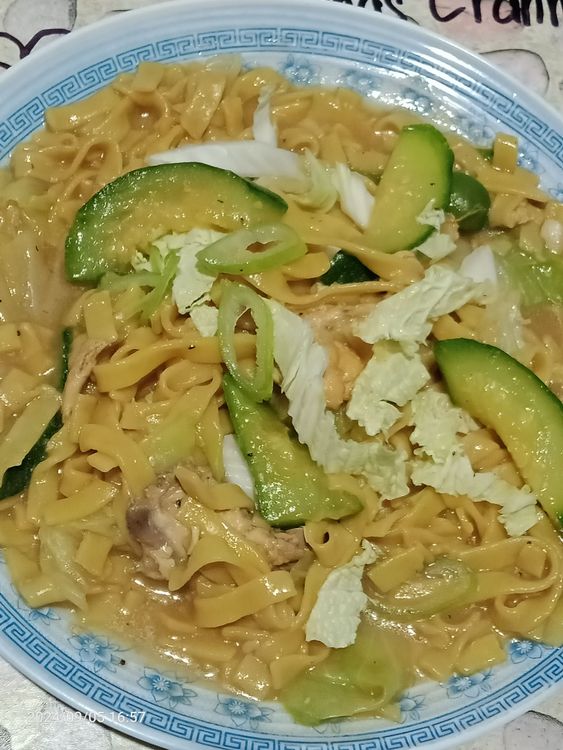
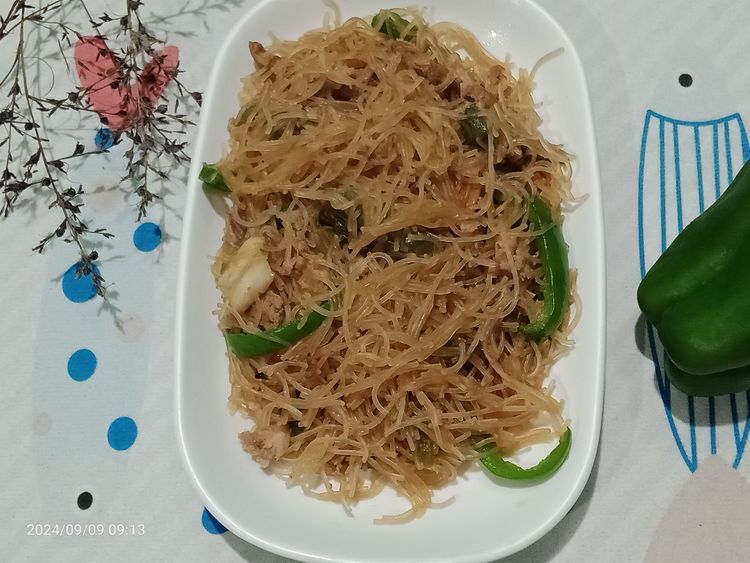
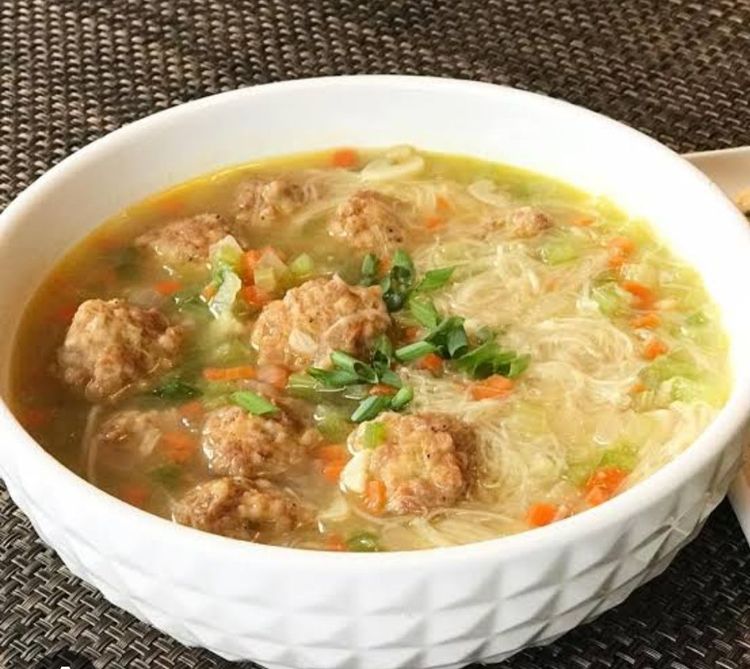
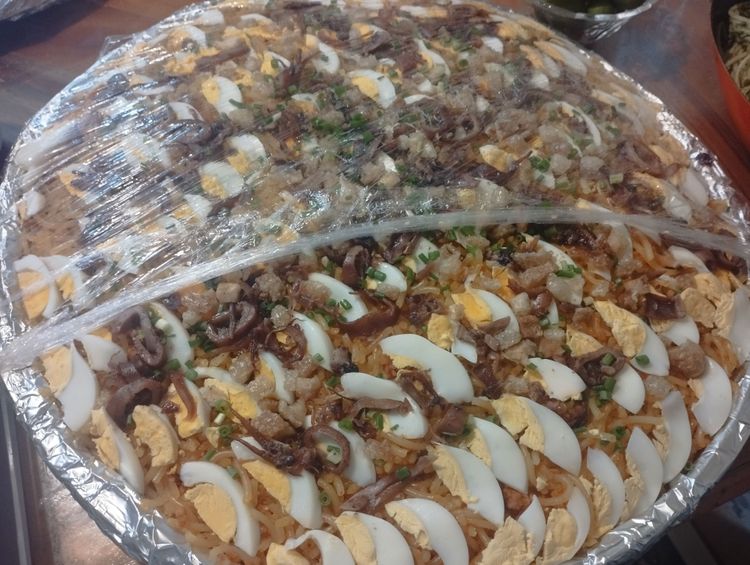
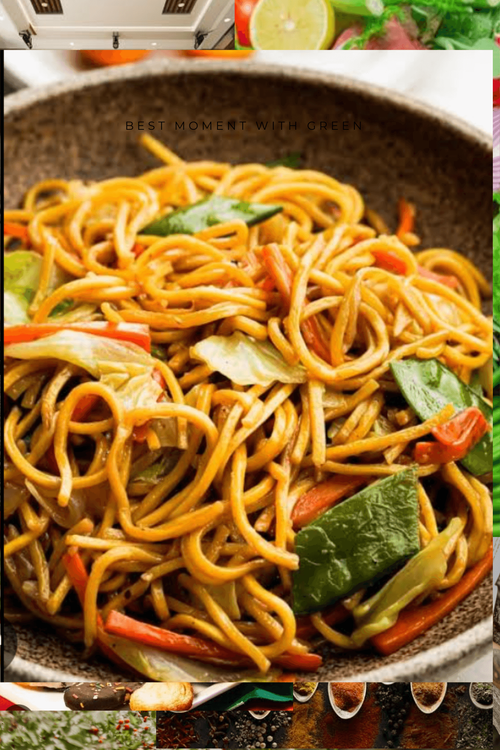
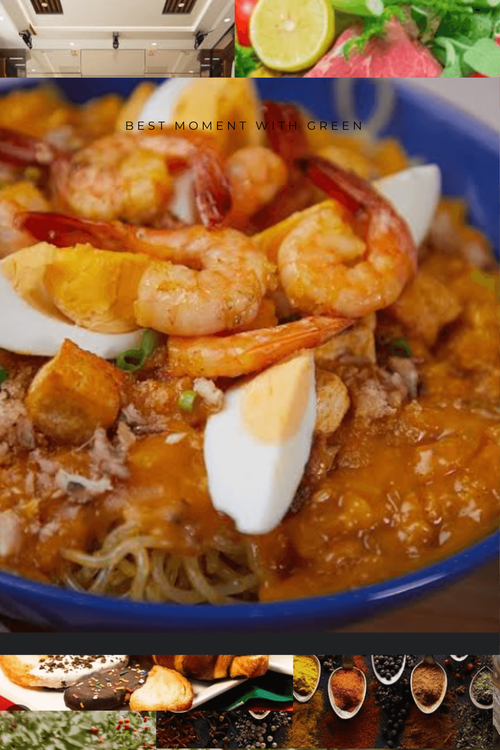
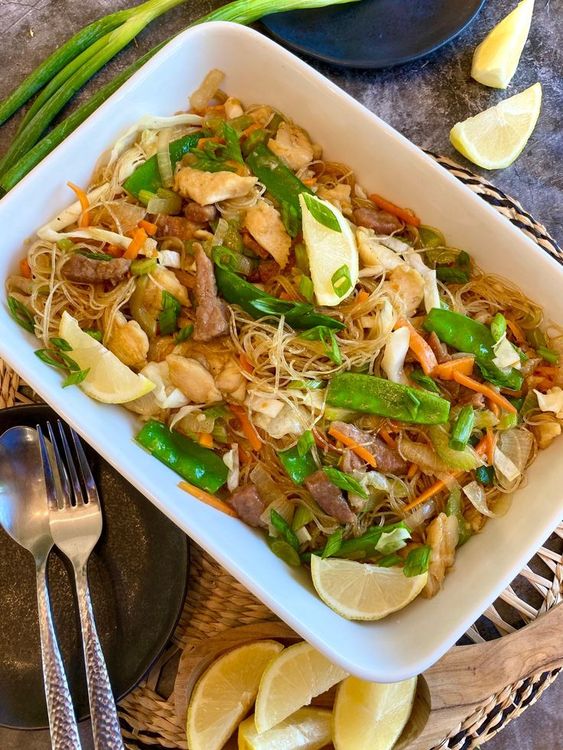
Pancit noodles mean long life in Filipino tradition, which is why they appear at every birthday table without fail. The category covers several distinct dishes: bihon (thin rice vermicelli tossed with vegetables, meat and a soy-oyster sauce base), canton (egg noodles with a similar treatment), palabok (thick rice noodles under a shrimp-based sauce with elaborate toppings), and the more delicate misua (thin wheat noodles often used in soups). What they share is the stir-frying technique applied to noodles that have been pre-soaked or parboiled — the goal is always individual, separate noodles coated in sauce rather than clumped and wet. High heat and a light hand with the liquid are the keys. Lumpia rounds out this cluster: the fried spring roll version (lumpiang shanghai) is the irresistible party snack that disappears first from every table, and the fresh version (lumpiang sariwa) is the lighter, vegetable-forward counterpart for everyday eating. Standouts here include Pancit Bato and Pancit Bihon (A glassy noodle made from starch such as beans, potato, cassava or sweat potato), plus Filipino Misua with Meatballs.
- Filipino
- Non-Vegetarian
- Lunch
- Filipino
- Non-Vegetarian
- Lunch
- Filipino
- Non-Vegetarian
- Lunch
- Filipino
- Non-Vegetarian
- Appetiser
- Filipino
- Non-Vegetarian
- Lunch
- Filipino
- Non-Vegetarian
- Appetiser
- Filipino
- Non-Vegetarian
- Lunch
- Filipino
- Non-Vegetarian
- Lunch
- Filipino
- Non-Vegetarian
- Lunch
- Filipino
- Non-Vegetarian
- Lunch
Filipino Stews, Braises & Mains
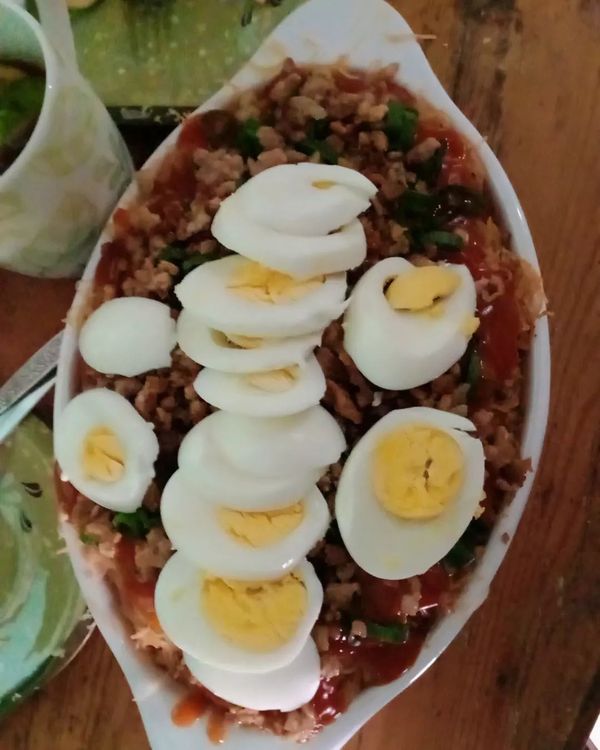
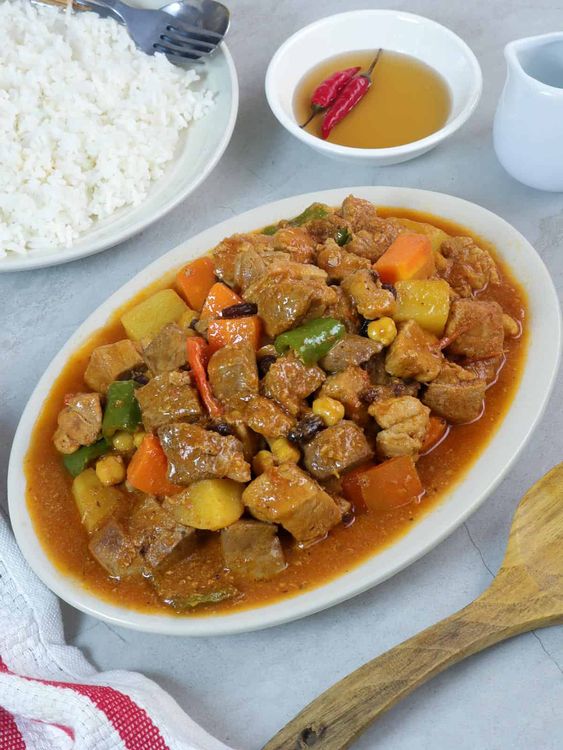
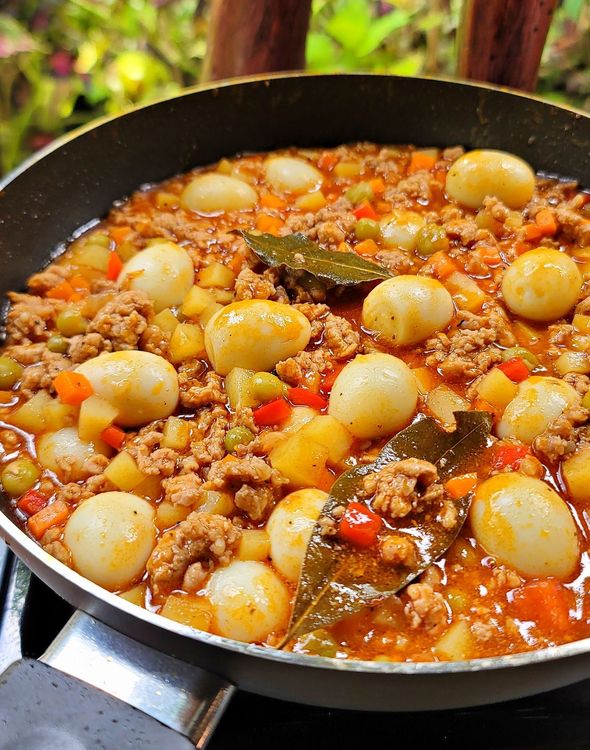
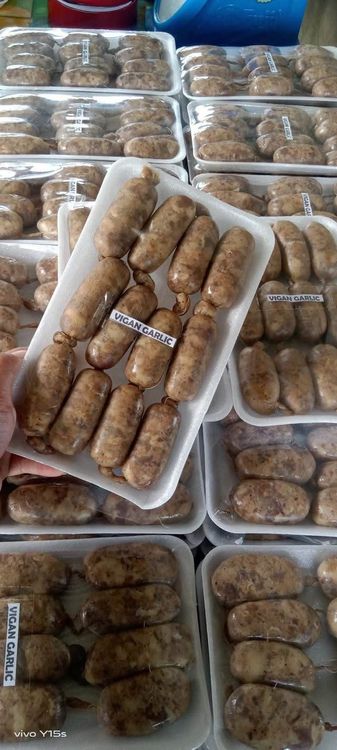
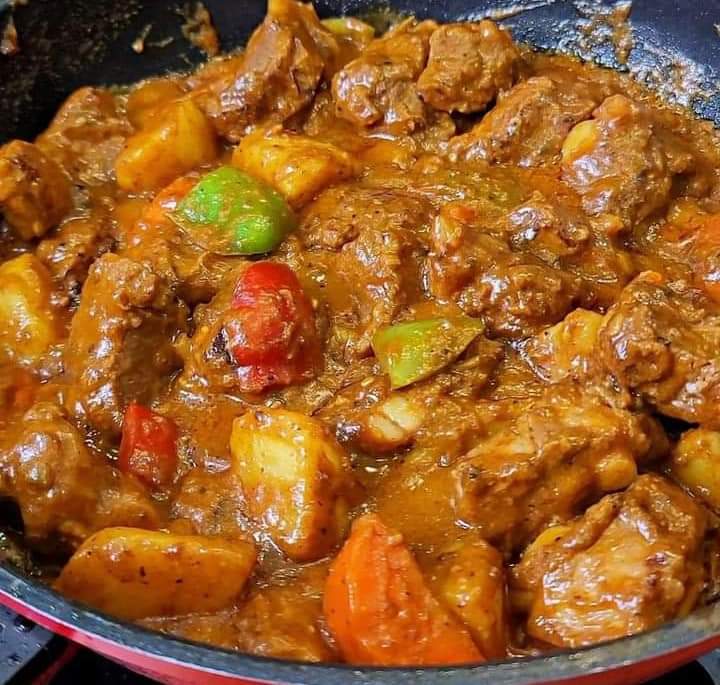
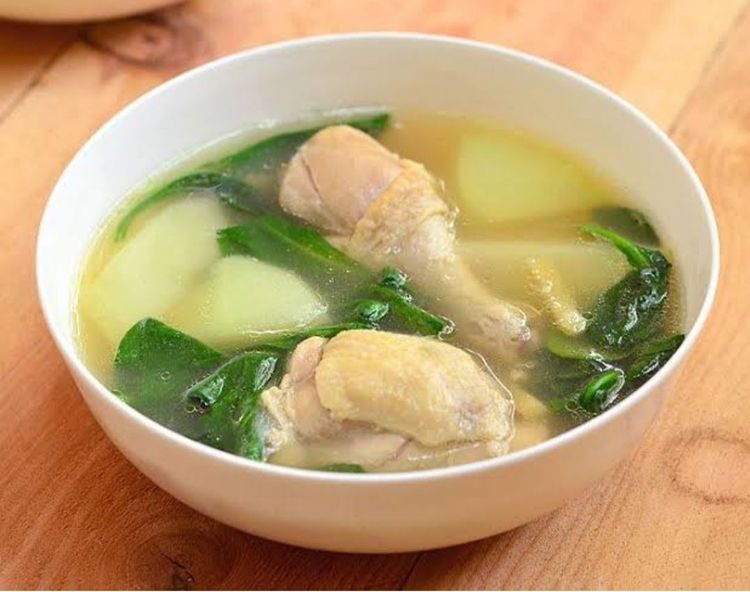
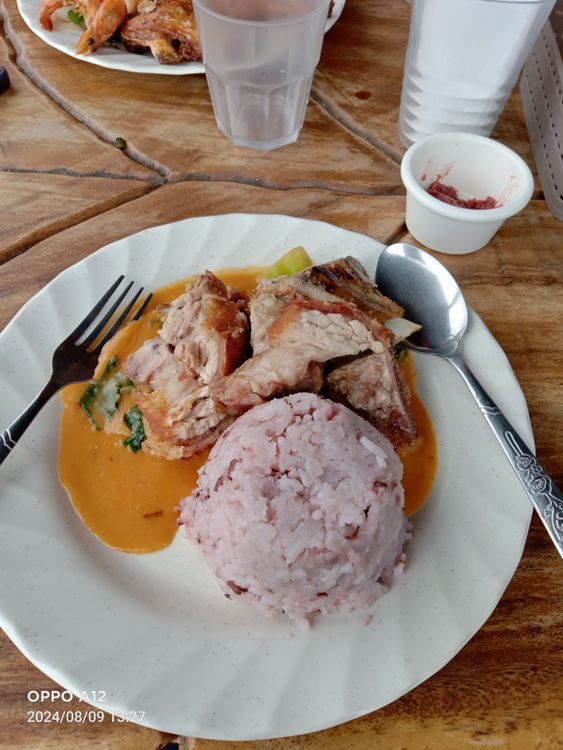
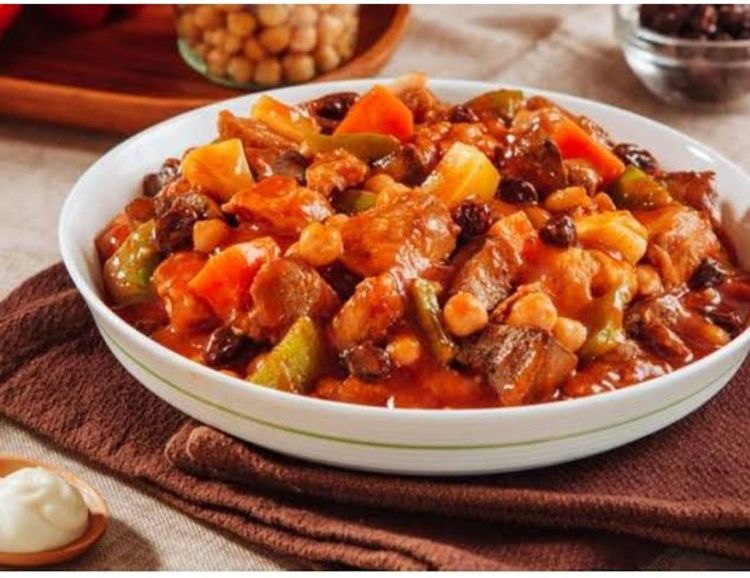
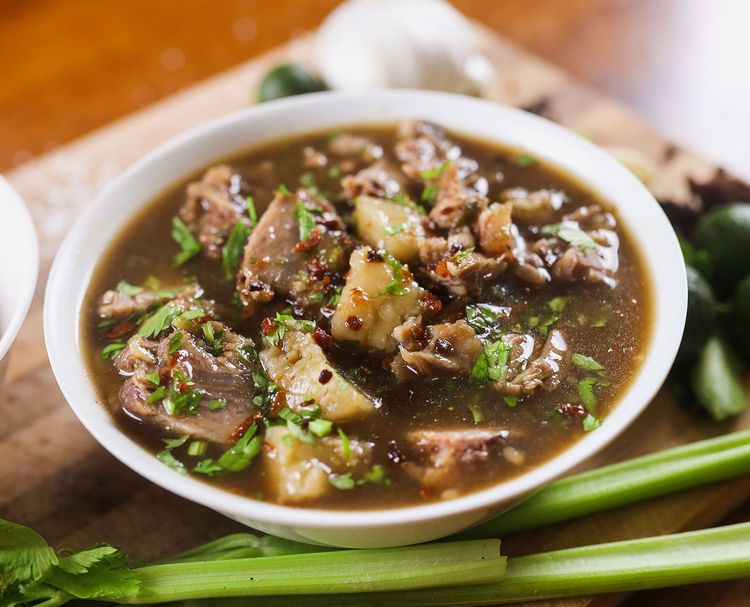
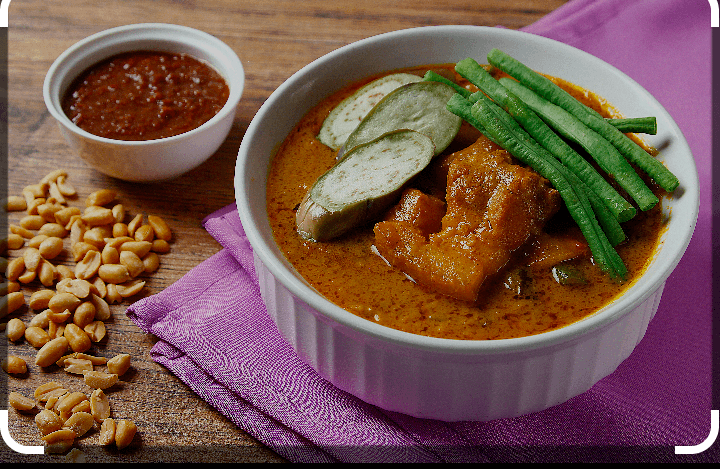
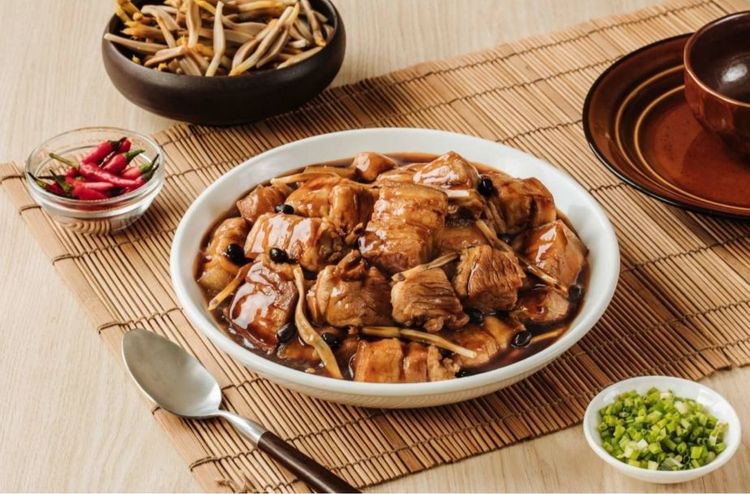
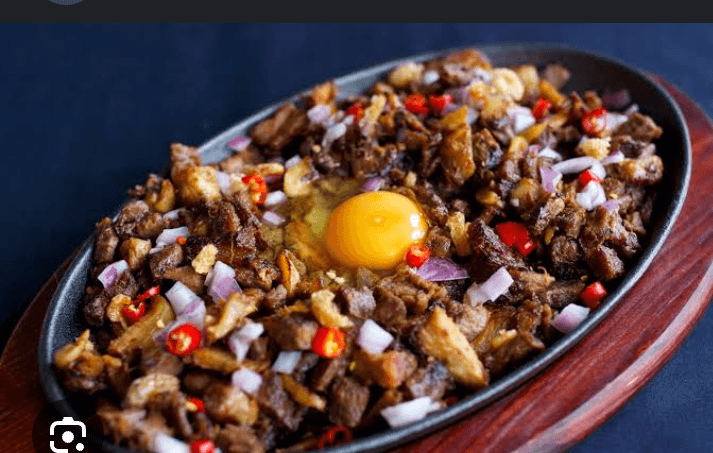
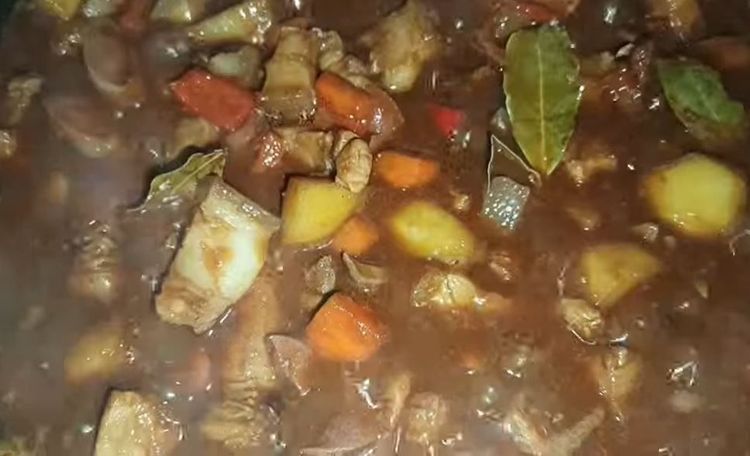
Filipino stews and braises are the centrepiece of family meals — long-cooked, intensely flavored, built for feeding crowds and improving overnight. Kare-kare with its thick peanut sauce and oxtail is arguably the most technically involved (and the most rewarding) of the group; menudo and caldereta are the Spanish-influenced tomato-based braises that show the colonial thread in Filipino cooking; humba is the Visayan pork belly braise that comes close to adobo but arrives somewhere sweeter and richer through the addition of brown sugar and fermented black beans. Sisig — originally made from pork face parts grilled, chopped and served sizzling — is now one of the most recognizable Filipino dishes internationally, and the easier home versions using pork belly or chicken make the flavor profile achievable without a charcoal grill. Tinola, the ginger-and-fish-sauce chicken soup with green papaya, is the lightest dish in this cluster and the one most suited to a simple weeknight. Standouts here include Filipino Pork Menudo and Filipino Pork Giniling with Quail Eggs, plus Vigan Longganisa (Filipino Dish).

- Filipino
- Non-Vegetarian
- Lunch
- Filipino
- Non-Vegetarian
- Lunch

- Filipino
- Non-Vegetarian
- Breakfast
- Filipino
- Non-Vegetarian
- Lunch
- Filipino
- Non-Vegetarian
- Lunch
- Filipino
- Non-Vegetarian
- Lunch
- Filipino
- Non-Vegetarian
- Appetiser
- Filipino
- Non-Vegetarian
- Lunch

- Filipino
- Non-Vegetarian
- Lunch
- Filipino
- Non-Vegetarian
- Lunch
- Filipino
- Non-Vegetarian
- Lunch
- Filipino
- Non-Vegetarian
- Lunch
More Filipino Favourites
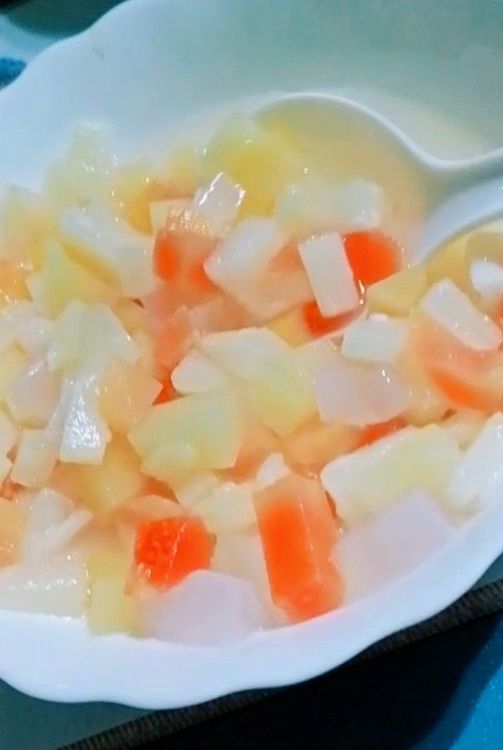
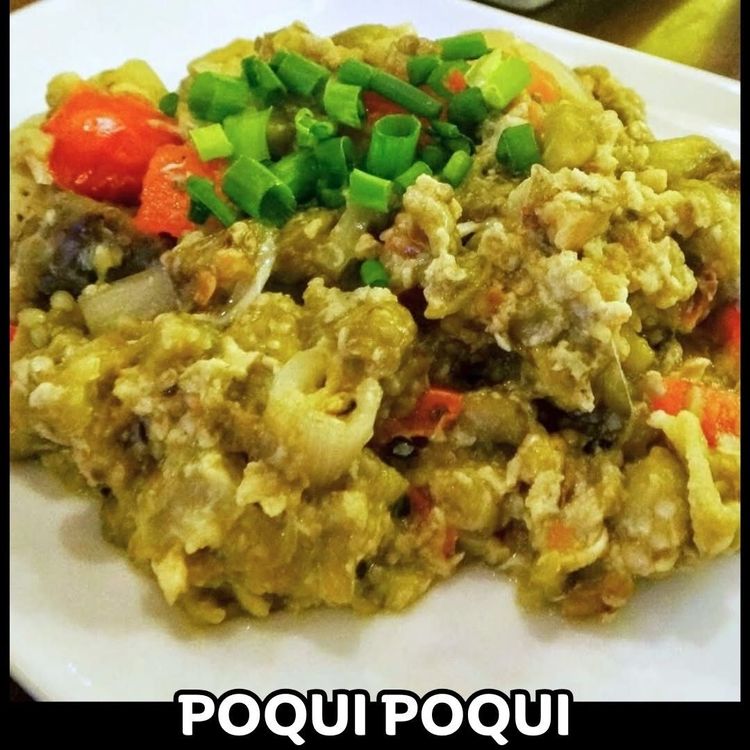
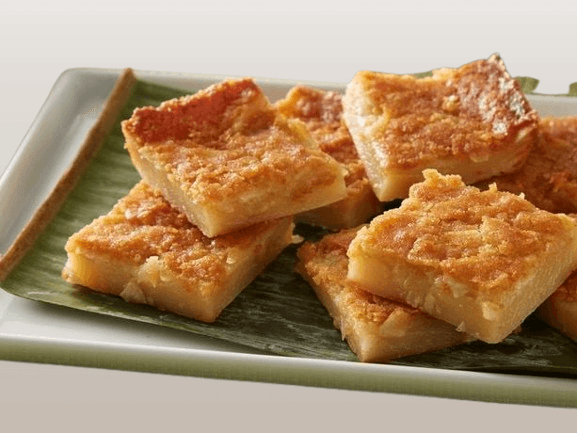
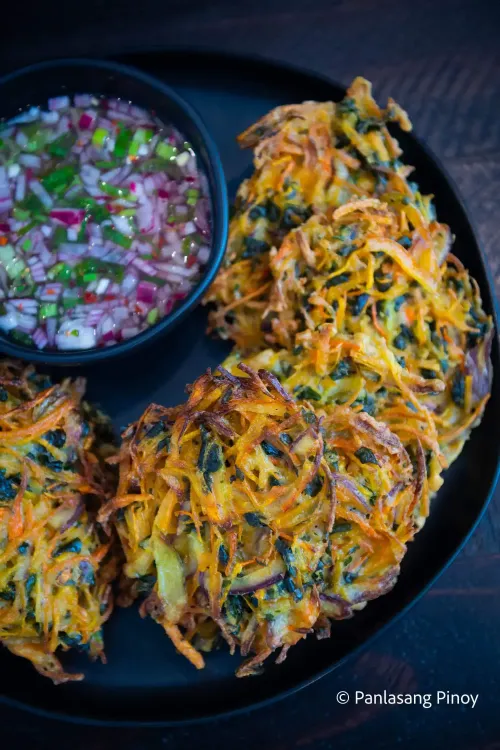
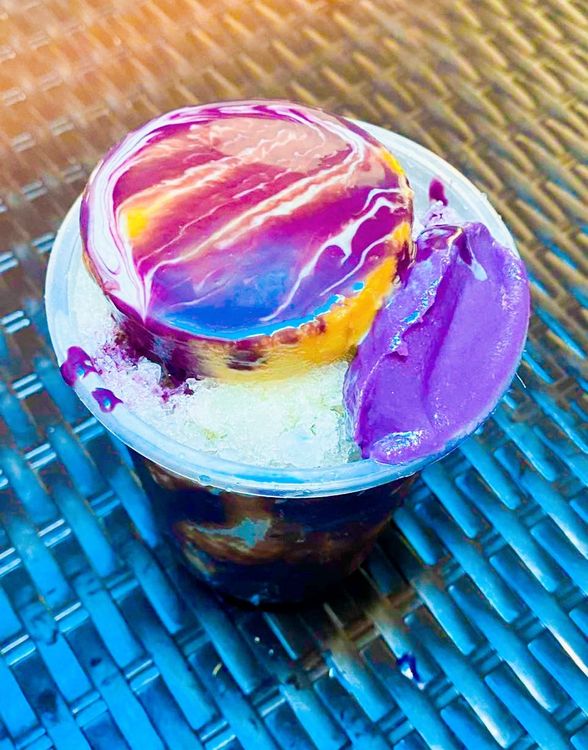
A few more dishes worth a place in your rotation — same techniques, different results. Standouts here include My Ultimate Favorite Creamy Filipino Fruit Salad and Poqui Poqui (Filipino Dish), plus Authentic Filipino Bibingka.
- Filipino
- Vegetarian
- Dessert
- Filipino
- Pescatarian
- Lunch
- Filipino
- Nut-Free
- Snack
- Filipino
- Pescatarian
- Appetiser
- Filipino
- Vegetarian
- Dessert
- Filipino
- Pescatarian
- Appetiser

- Philippine
- Pescatarian
- Side Dish
How to Cook Perfect Adobo
Adobo begins with a braise and ends with a reduction. The classic ratio for the marinade-and-braise liquid is roughly one part vinegar to one part soy sauce, with a whole head of garlic (crushed, not chopped), bay leaves and black peppercorns. Some cooks marinate the protein first for thirty minutes to several hours; others go straight to the pot. Both approaches work — marinating adds more depth, skipping it saves time with an acceptable trade-off.
Bring the liquid to a boil with the protein, then reduce to a simmer and braise uncovered until the meat is tender — forty-five minutes for chicken, longer for pork ribs. Then reduce the heat further and let the liquid cook down until it thickens into a glossy, concentrated coating around the meat. Some adobo is intentionally saucy; some is almost dry. For the sticky, caramelized version, continue reducing until nearly all the liquid is gone and the meat begins to fry in its own fat. This final stage takes patience but produces an adobo that is extraordinary.
The vinegar is the variable that changes regional character. Cane vinegar (sukang maasim) gives the classic sweet-sour note; coconut vinegar is slightly earthier and more mellow; white cane vinegar is sharper. Some cooks add a little sugar to round it; some add coconut milk (adobo sa gata) for a richer, creamier version. The pork belly version benefits from rendering the fat — score the skin and start it fat-side down in a cold pan before braising to melt some of the fat and improve the final texture.
Building a Proper Sinigang Broth
The sour element in sinigang is traditionally tamarind — fresh tamarind pods simmered and strained, or tamarind paste dissolved in water. The pre-packaged sinigang powder is a fine shortcut that most Filipino home cooks use without apology; it gives consistent sourness and requires no extraction. The broth base is water (or rice washing water, which adds a slight body), sautéed onion and tomato, and the souring agent — tamarind being classic, but guava (sinigang sa bayabas) and watermelon (sinigang sa pakwan) give interesting variations.
Add the protein — pork ribs, shrimp, fish or beef — to the simmering broth and cook until tender. Vegetables go in last, in order of how long they take: long beans and taro (gabi) need ten minutes; kangkong (water spinach), okra and eggplant need only three to four. Do not overcook the vegetables — they should be just done, with some texture remaining. Adjust the sourness at the end: more tamarind paste if it needs a sharper edge, fish sauce (patis) for saltiness and depth.
Good sinigang should make you pucker slightly on the first sip — not unpleasantly sour, but sharply, deliberately sour. It is meant to be that way. The sourness cuts through the richness of fatty pork or the brininess of shrimp. Serve it very hot with plain white rice; the rice absorbs the broth and softens the intensity. Leftover sinigang improves overnight as the flavors meld, making it an excellent make-ahead dish.
Stir-Frying Pancit and Rolling Lumpia
Pancit bihon (thin rice noodles) and pancit canton (egg noodles) are the two most common noodle types. Bihon noodles are soaked in water until pliable, then stir-fried; canton noodles are parboiled. The key to avoiding mushy pancit is not pre-soaking too long and using high heat so the noodles fry rather than steam. The sauce is typically soy sauce with a little oyster sauce, sometimes chicken stock, poured in gradually so the noodles absorb it rather than sitting in a pool.
Pancit palabok is the showpiece version — thick rice noodles topped with a rich shrimp-tinged sauce (made from shrimp stock and achuete/annatto for color), ground pork, shrimp, hard-boiled eggs, chicharron, green onion and calamansi. The noodles are cooked separately and the sauce ladled over rather than stir-fried together. It is a dish built in layers, meant to be assembled and served immediately while hot.
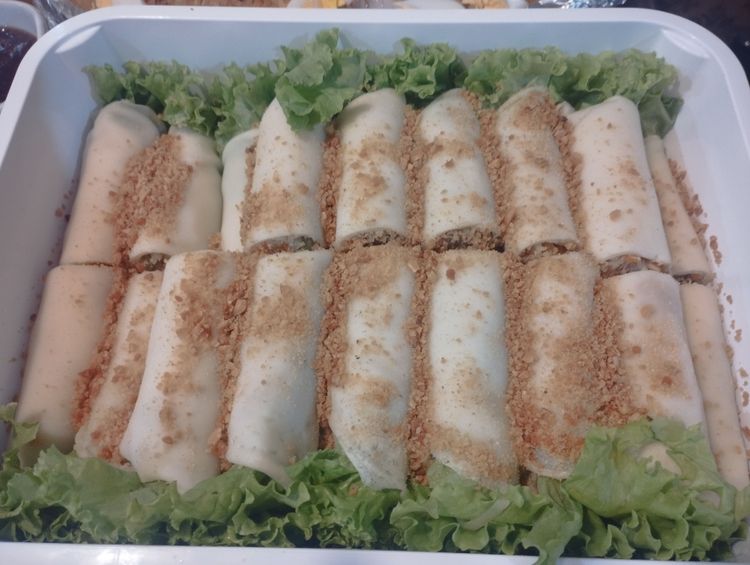
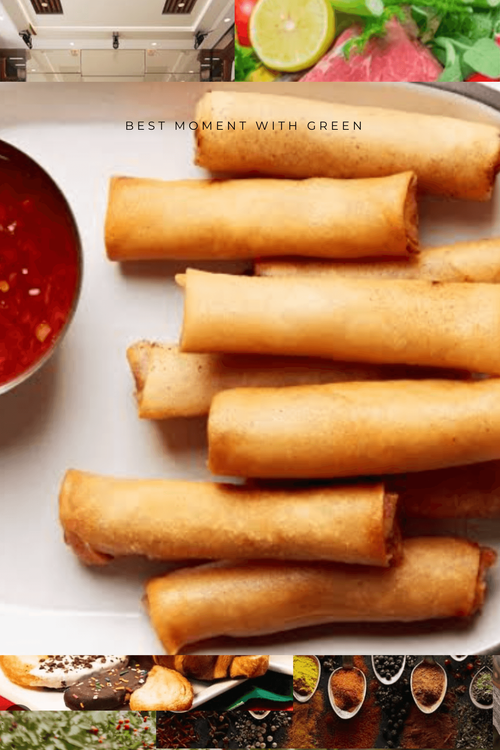
For lumpia, fresh (lumpiang sariwa) is the fresh spring roll version wrapped in a delicate crepe-like wrapper with cooked vegetables; shanghai-style (lumpiang shanghai) is the fried version with a tight meat-filled cylinder. For the fried version, roll the filling tightly, seal the edge with a little water or egg, and fry in oil at 175°C until deep golden. Too low a temperature and they absorb oil; too high and the wrapper burns before the filling is cooked through.
Kare-Kare and the Peanut Sauce Foundation
Kare-kare is an oxtail and tripe stew with a thick, mellow peanut-based sauce seasoned with annatto for its distinctive orange color. The sauce base is made from ground roasted peanuts (or peanut butter) toasted in oil with rice flour for body, and ground annatto seeds (or annatto water from soaked seeds) for color. The oxtail is braised separately until very tender — pressure cooker makes this practical: ninety minutes instead of three or more hours on the stove.
The sauce should be thick enough to coat the back of a spoon and mellow in flavor — the peanut is present but not overpowering, with the annatto adding visual warmth rather than much taste. Vegetables traditionally include eggplant, banana blossom, long beans and bok choy, added toward the end and cooked just until tender. Season carefully with fish sauce and a little salt — the sauce should not be overtly salty because it is always served with bagoong (fermented shrimp paste) on the side.
Bagoong is not optional in kare-kare — it is the salty, fermented counterpoint that the mild peanut sauce needs. The contrast between sweet-savory stew and intensely salty bagoong is the defining experience of the dish. For those unfamiliar with bagoong, start with a small amount on the side and add gradually. The sautéed version (bagoong guisado, cooked with garlic and a little sugar) is more mellow and easier to start with than raw bagoong.
Pro Tips from the Test Kitchen
- Reduce adobo sauce until nearly dry and let the meat fry in its own fat for the best sticky, caramelized finish.
- Sinigang should taste sharply sour — adjust tamarind at the end rather than the start so you can control the level.
- Use rice washing water as the base for sinigang broth; the starch adds a subtle body to the soup.
- Soak bihon noodles only until pliable, not soft — they finish cooking in the wok and overcooking starts in the soaking bowl.
- For pancit, add the soy sauce gradually while stir-frying so noodles absorb it rather than sitting in liquid.
- Always serve kare-kare with bagoong on the side — the salty fermented shrimp paste is the essential counterpoint.
- Fry lumpia at 175°C; lower temperatures make the wrapper oily, higher temperatures burn the outside before the filling cooks.
- Add adobo vinegar first and let it boil for a minute before adding soy sauce — this cooks off some harsh acidity.
- Tinola broth is made special by fish sauce rather than salt and by adding malunggay (moringa) leaves right at the end.
- Pressure-cook oxtail for kare-kare — ninety minutes gives fall-off-the-bone tenderness that would take three or more hours on the stove.
Frequently Asked Questions
What is adobo and why is it called the national dish of the Philippines?
Adobo is a braise of meat (most often chicken or pork) in vinegar, soy sauce, garlic, bay leaves and black peppercorns. It is called the national dish because every region, family and cook has their own version — the ingredients and ratios shift but the essential technique and flavor do not. Before refrigeration, the vinegar acted as a natural preservative, which is why the dish developed as such a staple. It travels, keeps well, and tastes better the next day.
What makes Filipino food different from other Southeast Asian cuisines?
Filipino cuisine is unusually vinegar-forward among Southeast Asian food traditions, which sets it apart from the sweeter profiles of Thai food or the fermented richness of Vietnamese. The sourness is a structural element rather than a seasoning — sinigang is defined by it, adobo is built on it. Filipino food also shows more Spanish influence than its neighbors, in dishes like caldereta, menudo and mechado that use tomato-based sauces and Spanish stewing techniques.
What is sinigang and what gives it its sour flavor?
Sinigang is a sour soup that can use pork, beef, shrimp, fish or vegetables as the main protein, with vegetables like kangkong, long beans, eggplant and taro simmered in the broth. The sourness comes from tamarind — fresh pods, paste, or the convenient sinigang powder mix most home cooks use. Guava and unripe mango are regional alternatives. The broth should be assertively sour, not mildly tart, and is served very hot over white rice.
What is pancit and what are the different types?
Pancit is a general term for Filipino noodle dishes — the word comes from the Hokkien phrase meaning "something conveniently cooked." Pancit bihon uses thin rice vermicelli stir-fried with vegetables and protein; pancit canton uses thicker egg noodles; pancit palabok uses thick rice noodles with a shrimp-colored sauce and a range of toppings. Each province and family has variations, but all share long noodles that symbolize long life — which is why they appear at birthdays and celebrations.
What is kare-kare and why does it need bagoong?
Kare-kare is a thick stew traditionally made from oxtail, tripe and vegetables in a peanut-based sauce colored orange with annatto. The sauce is mild, rich and subtly nutty — which is exactly why it needs bagoong (fermented shrimp paste) as an accompaniment. The contrast of the mellow stew with the intensely salty, pungent bagoong is the defining flavor combination of the dish. Eating kare-kare without bagoong is a bit like eating a burger without any condiment.
Is Filipino food spicy?
Generally, no — Filipino food is not inherently hot in the way Thai or Indian food can be. Heat appears in some regional dishes and in dishes adapted from Spanish or Chinese cooking, but the dominant flavors are sour, salty and savory rather than spicy. Chillies can be added to taste as a condiment but are rarely built into the structure of a dish. This makes Filipino food accessible to a wide range of spice tolerances.
What is humba and how does it differ from adobo?
Humba is a Visayan braised pork dish that looks similar to adobo but tastes noticeably sweeter — it includes brown sugar, tausi (fermented black beans) and sometimes pineapple. Where adobo finishes tangy and savory, humba finishes sweet and savory with a deeper color from the sugar caramelizing. It is a Visayan specialty that shows Chinese influence through the fermented black beans, and it is typically made with pork belly or pork hocks braised low and slow.
What is the difference between lumpiang shanghai and lumpiang sariwa?
Lumpiang shanghai is the fried spring roll — a tight cylinder of seasoned ground pork wrapped in a thin pastry wrapper and deep-fried until crispy. It is the version most people think of as lumpia, served as a snack or party food. Lumpiang sariwa is the fresh version — a soft crepe wrapper filled with cooked vegetables and sometimes pork or shrimp, served without frying and dressed with a garlic-peanut sauce. The two are related in name but very different in texture and purpose.
What are the essential ingredients for Filipino cooking?
Fish sauce (patis) and bagoong (fermented shrimp paste) are the backbone umami ingredients. Vinegar — cane, coconut or palm — is used in volume rather than as a finishing touch. Soy sauce, garlic, ginger, bay leaves and peppercorns appear in most braises. Tamarind (or sinigang mix) for sour soups. Annatto (achuete) seeds or powder for color. With these in the pantry, the majority of Filipino dishes are within reach.
Can adobo be made ahead and does it keep well?
Adobo is one of the best make-ahead dishes in any cuisine — it improves significantly overnight and keeps very well. The vinegar acts as a natural preservative, and the flavors deepen as the braising liquid continues to penetrate the meat. Refrigerate for up to four or five days; reheat gently with a splash of water if the sauce has tightened too much. Some cooks deliberately cook adobo a day ahead and reduce it to the dry, caramelized version on reheating for the best possible texture.
Filipino recipes share a defining logic: bold sourness, careful saltiness and a braising tradition that rewards patience and makes excellent leftovers. Whether you are drawn to the simplicity of adobo or the showpiece complexity of kare-kare, the techniques are learnable and the results are meals worth returning to.
Start with chicken adobo for an easy first cook, move to sinigang when you want something lighter, and work through pancit for a celebration. Add each dish to your Chefadora cookbook as you go, and use the guides above when you want to understand the why behind each technique.
Related
- Filipino
- Asian
- Adobo
- Sinigang
- Noodles
- Braised
- Southeast Asian
Popular Searches
- Best filipino recipes
- Easy filipino recipes
- Quick filipino recipes
- Healthy filipino recipes
- Simple filipino recipes
- Homemade filipino recipes
- Delicious filipino recipes
- Popular filipino recipes
- filipino food
- pinoy recipes
- filipino dishes
Marnirni-apinthi Building, Lot Fourteen,
North Terrace, Adelaide, South Australia, 5000
Australia
