
Top 37 Italian Dessert Recipes: Tiramisu, Cannoli, Gelato and More
Updated June 29, 2026 · Curated by Chefadora
Italian dessert recipes have a reputation for fuss they do not really deserve. Most of the icons — tiramisu, panna cotta, biscotti, a simple ricotta cake — are built from a short list of good ingredients and one or two techniques done with care, not from long, complicated method. What separates a memorable Italian sweet from a flat one is rarely a secret recipe; it is freshness, balance and a feel for texture. The dishes below were chosen to show that range rather than to repeat the same custard four ways.
The common thread is restraint. Italian sweets tend to let one element lead — coffee in tiramisu, almond in amaretti, citrus in a crostata, cream in panna cotta — and build quietly around it instead of burying everything under sugar and frosting. That is good news for a home cook, because it means the ingredients have nowhere to hide. Use proper mascarpone, real almond, fresh ricotta and good coffee, and the desserts more or less make themselves.
You will find four clusters here: the creamy spoon desserts like tiramisu and panna cotta; the cookies, from crisp biscotti to chewy amaretti; the cakes and tarts; and the fried and frozen treats, from cannoli and zeppole to gelato and granita. The skills overlap more than you would think — whip cream gently, set a custard cleanly, fry at the right temperature — so learning one cluster well makes the next easier.
Treat this as a working reference rather than a list to scroll past. Each recipe links to full ingredients and steps on Chefadora, and the guides below cover the decisions that actually determine whether a dessert turns out: how to handle mascarpone and ricotta without splitting them, how to get a clean wobble from gelatine, how to fry shells crisp, and how to churn gelato so it scoops soft instead of freezing solid.
Tiramisu, Panna Cotta & Creamy Desserts
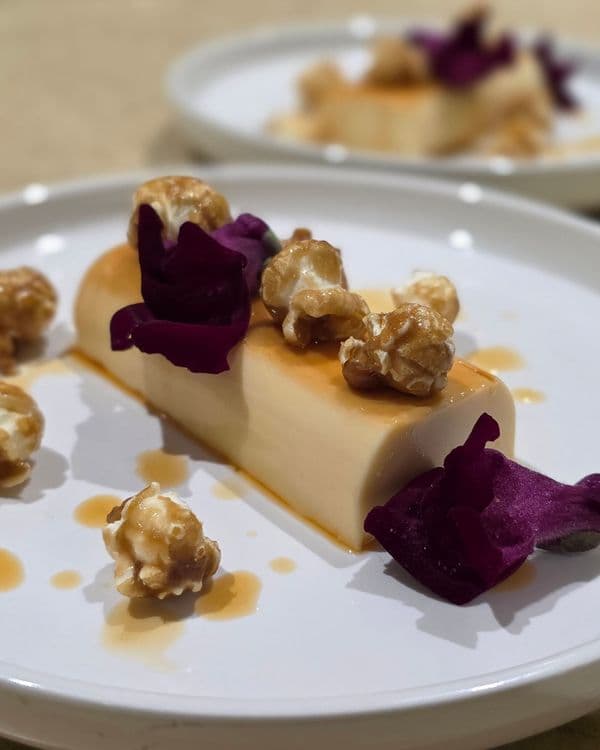
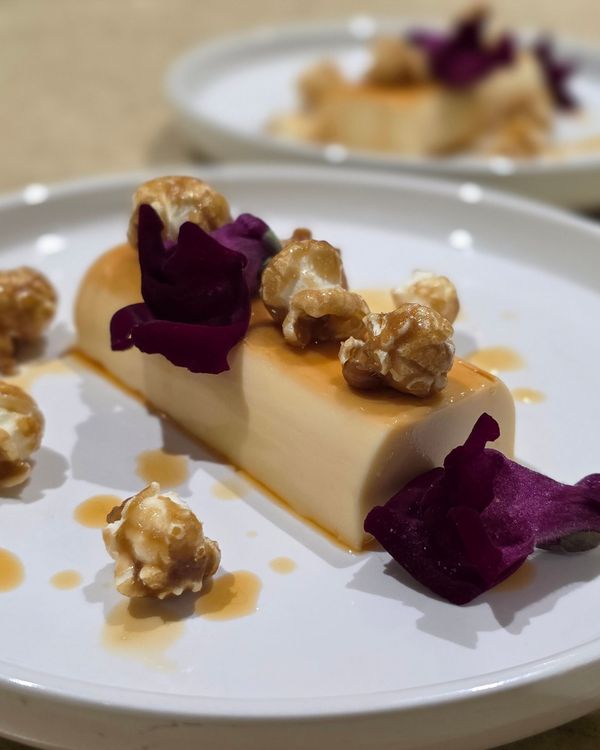
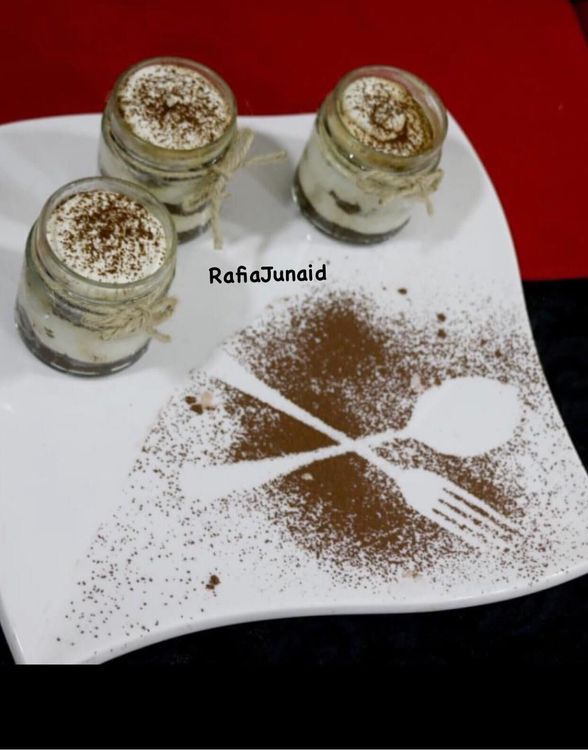
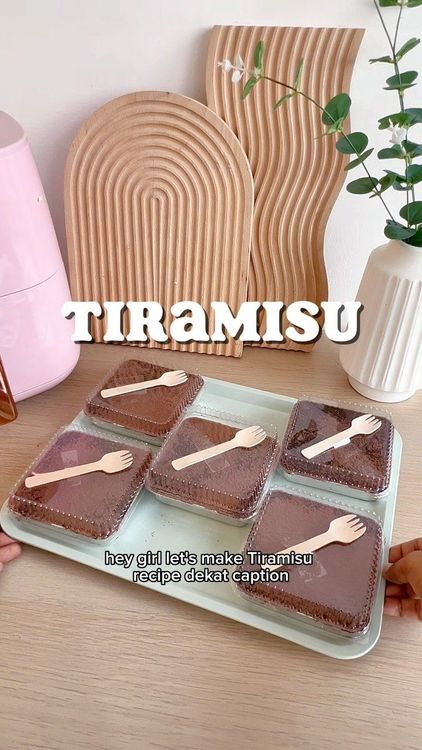
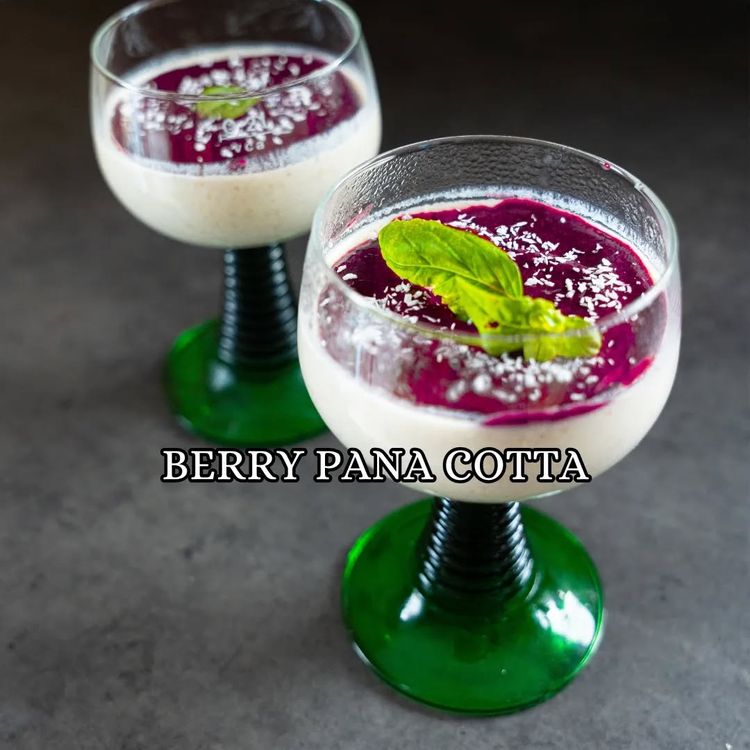
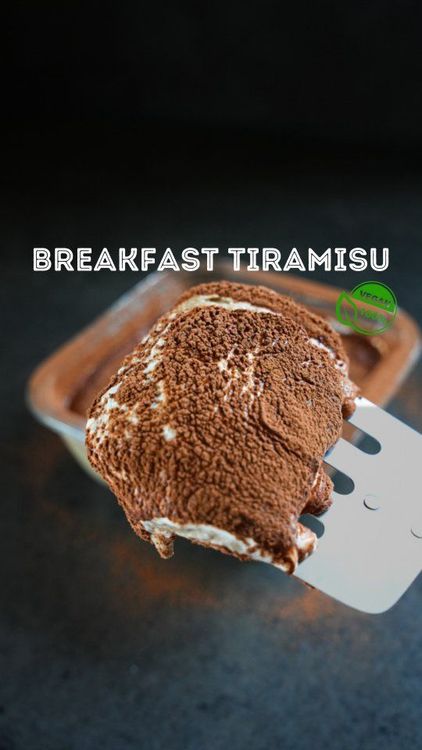
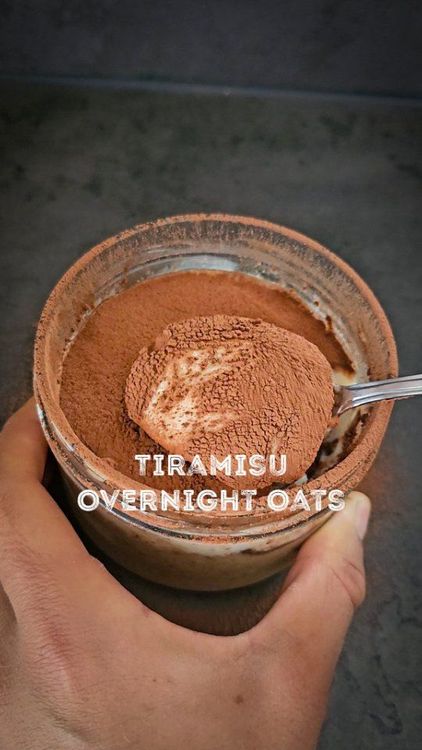
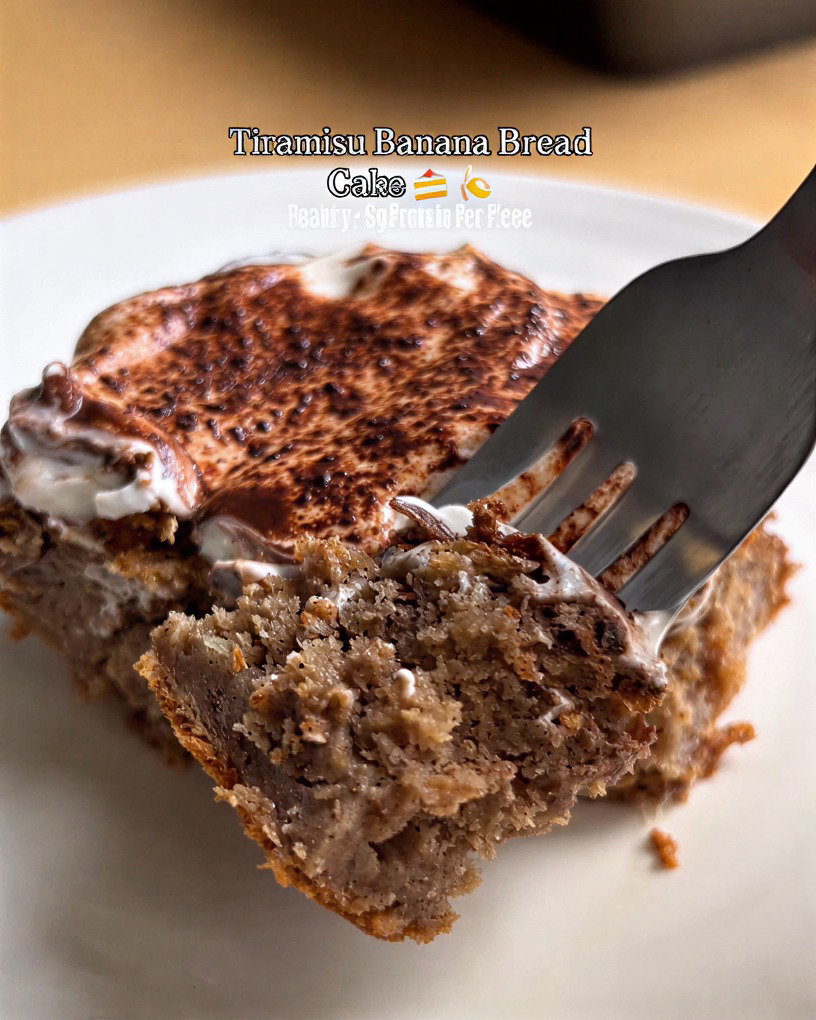
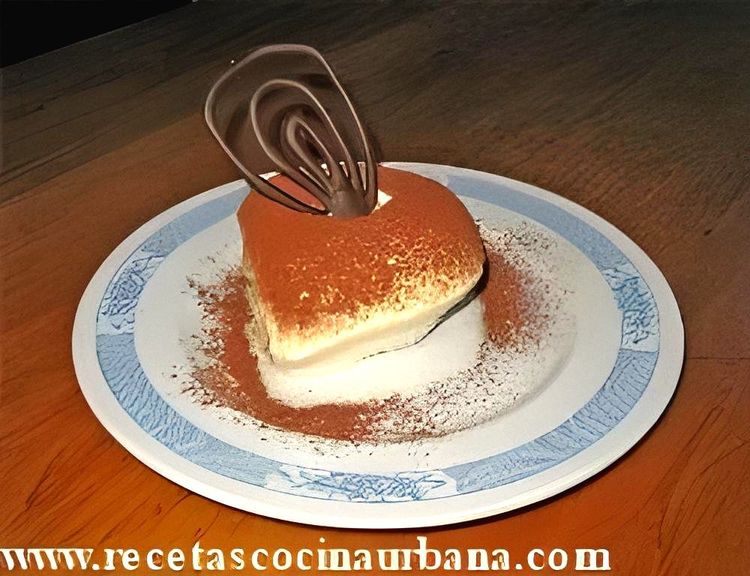
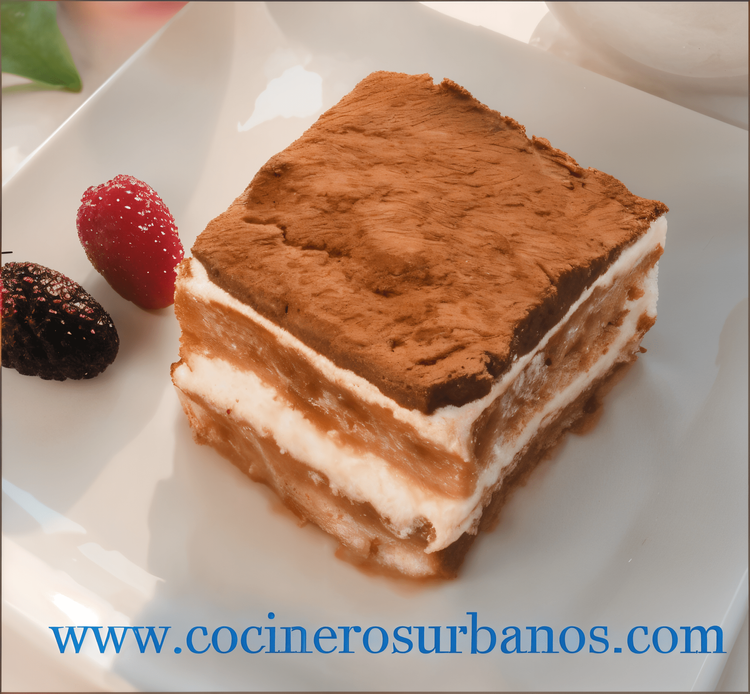
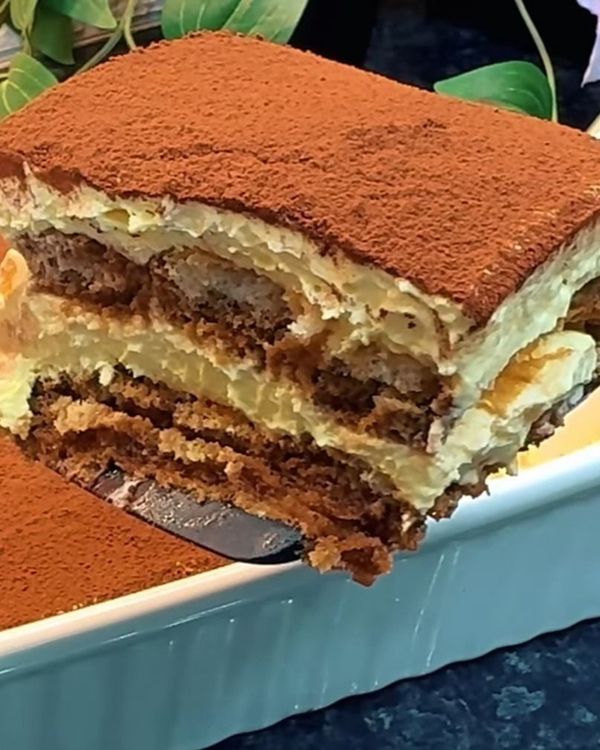
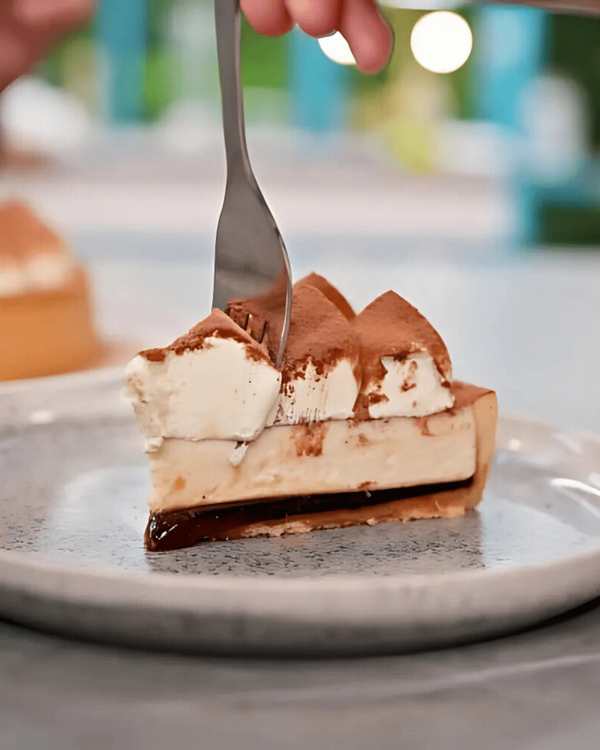
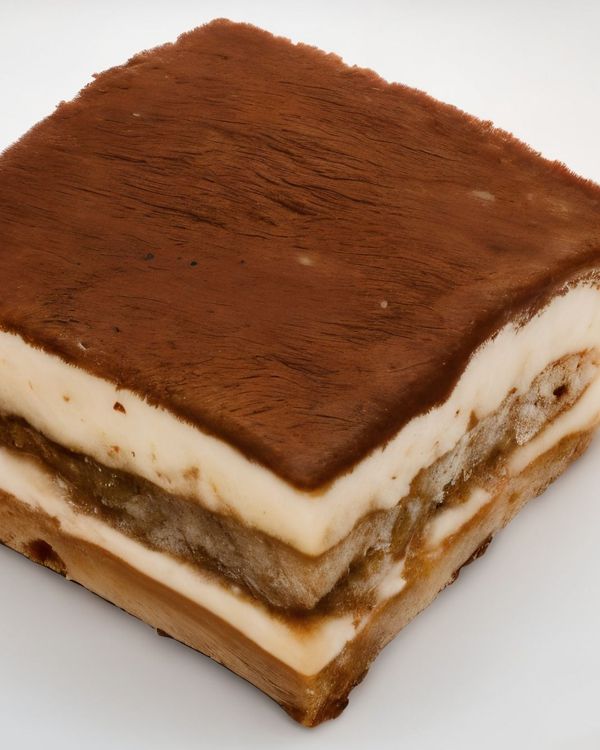
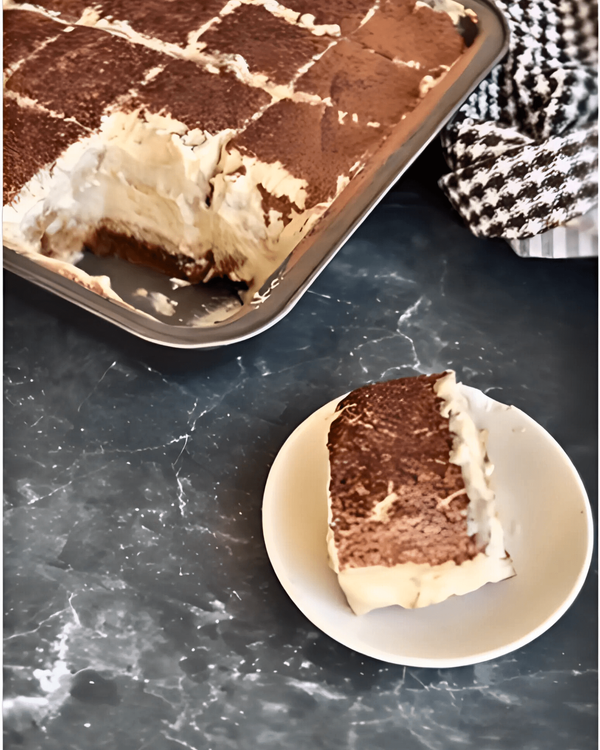
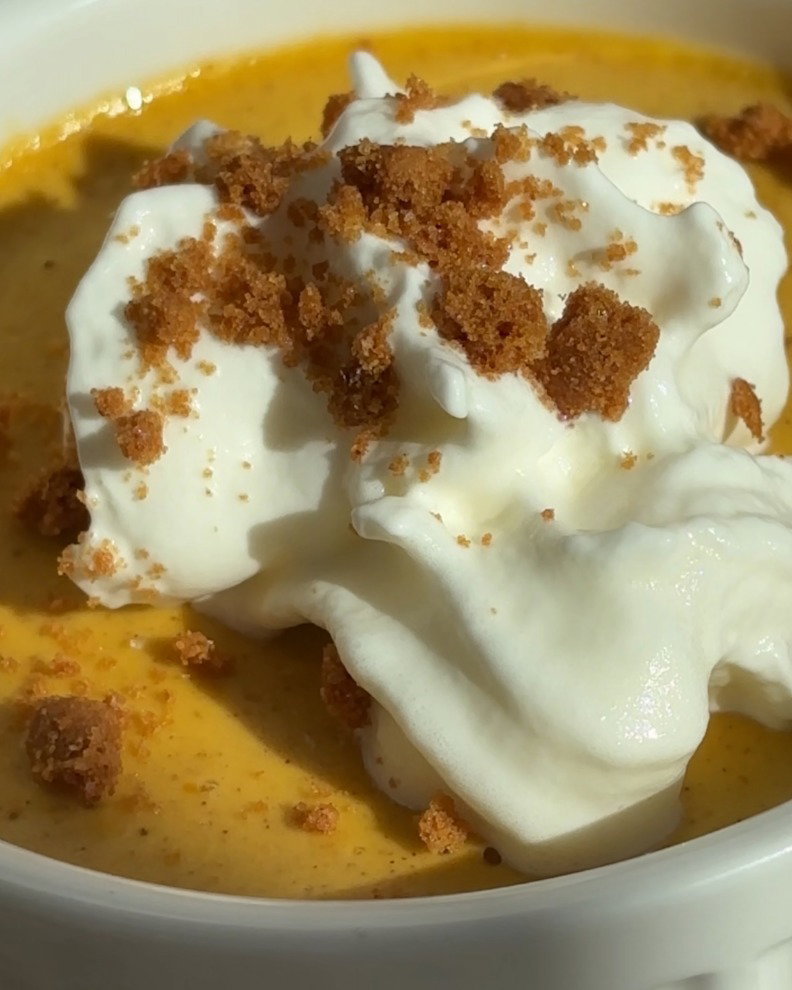
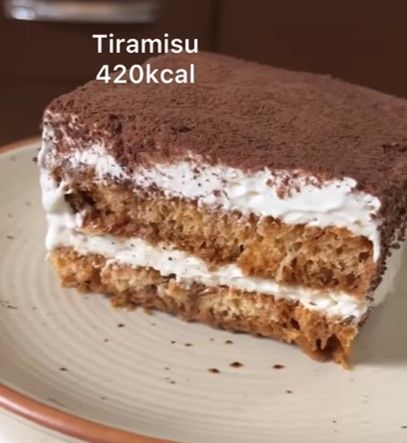
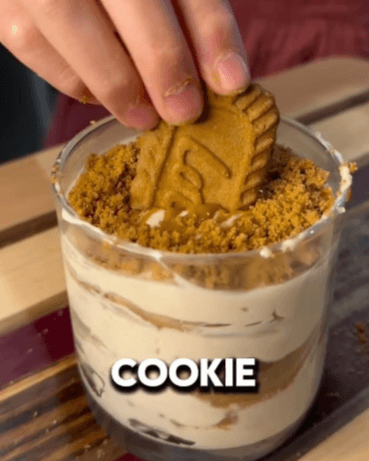
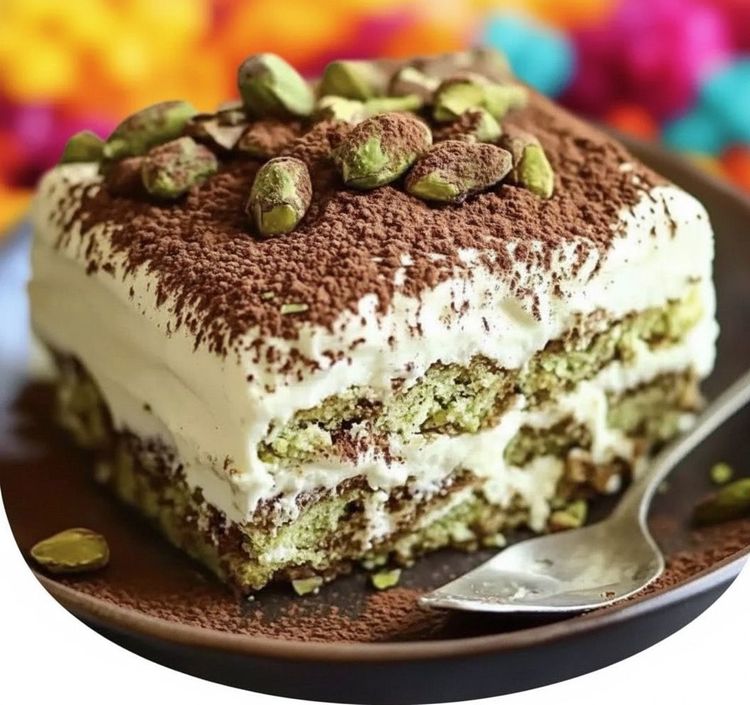
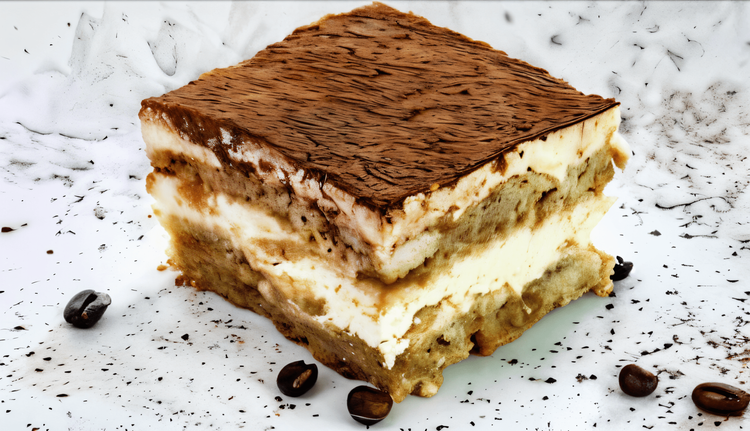
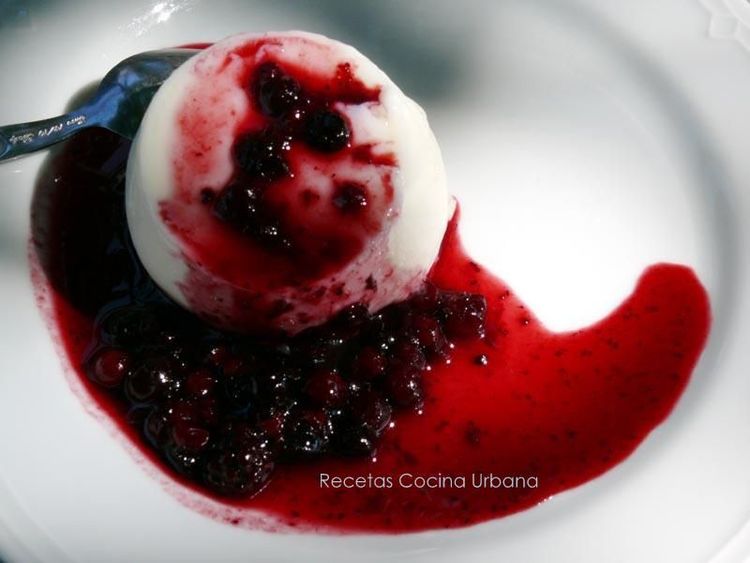
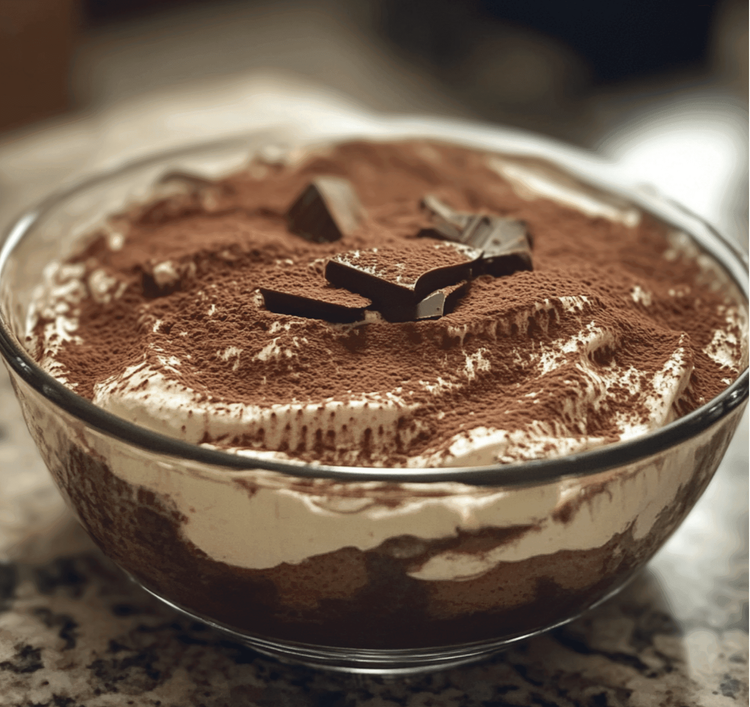
These are the desserts Italy is rightly famous for, and almost all of them are spoon desserts built on the same simple idea: a rich, lightly sweetened cream set or layered into something silky. Tiramisu is the headliner, and getting it right is mostly about restraint with two ingredients. Dip the savoiardi in coffee for barely a second a side, because they keep drinking it in as the dessert chills and a sodden ladyfinger collapses the whole structure. Fold your mascarpone gently into the whipped base rather than beating it, since overworked mascarpone splits into a grainy, weeping mess. Panna cotta is the other classic, and there the whole skill is using as little gelatine as you can so it wobbles and gives way under a spoon instead of standing up like jelly; stir the bloomed gelatine into warm, never boiling, cream until fully dissolved, then chill overnight. Across this group — zabaglione, custards, semifreddo, the lot — the rule is the same: keep the heat gentle, the sweetness light, and let the lead flavour speak. Standouts here include Salted Caramel Panna Cotta and Tiramisu, plus Oreo Tiramisu.

- Italian
- Vegetarian
- Dessert

- Italian
- Vegetarian
- Dessert


- Vegetarian
- Dessert


- Italian
- Vegetarian
- Dessert

- Italian
- Vegetarian
- Dessert

- Vegan
- Breakfast
- French
- Vegetarian
- Dessert
- Fusion
- Vegetarian
- Breakfast
- Fusion
- Vegetarian
- Breakfast
- Fusion
- Vegetarian
- Breakfast

- Vegetarian
- Dessert

- Dessert
- Gluten-Free
- Dessert

- American
- Vegetarian
- Dessert

- Vegan
- Breakfast
- Italian
- Eggetarian
- Dessert
- Italian
- Eggetarian
- Dessert
- Italian
- Eggetarian
- Dessert
- Italian
- Eggetarian
- Dessert
- Italian
- Eggetarian
- Snack
- Italian
- Eggetarian
- Dessert
- Italian
- Vegetarian
- Snack
- Italian
- Vegetarian
- Dessert

- Italian
- Eggetarian
- Dessert

- Fusion
- Vegetarian
- Dessert
- Italian
- Vegetarian
- Dessert
- Italian
- Vegetarian
- Dessert

- Italian
- Eggetarian
- Dessert


- Italian
- Eggetarian
- Dessert
- Italian
- Eggetarian
- Dessert
- Italian
- Vegetarian
- Dessert

- Italian
- Vegetarian
- Snack
- Italian
- Vegetarian
- Dessert
Biscotti, Amaretti & Italian Cookies
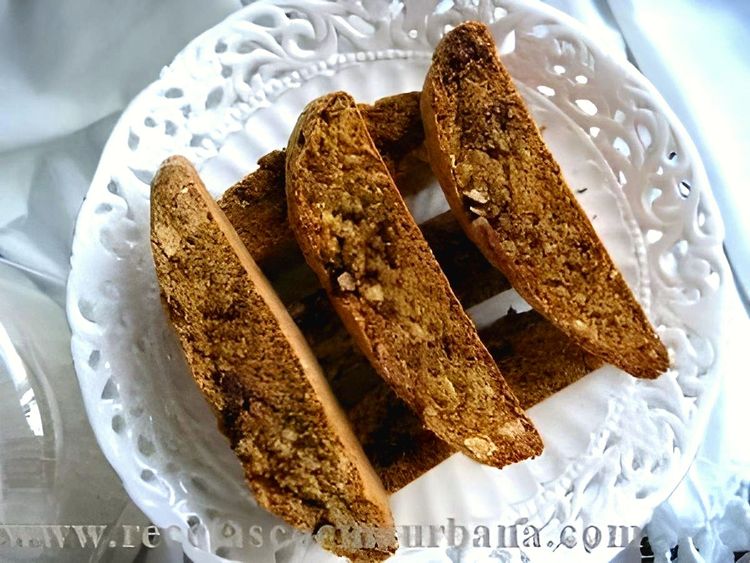
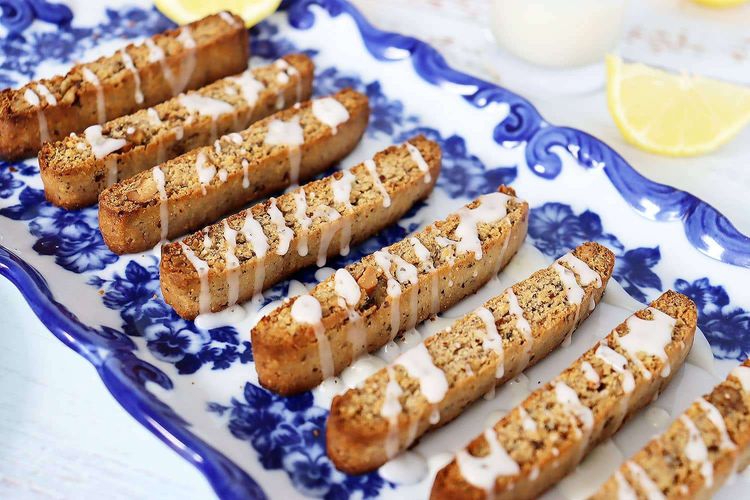
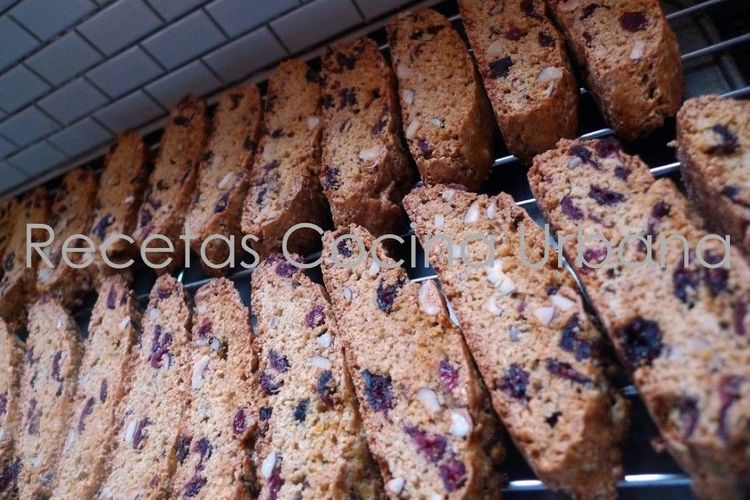
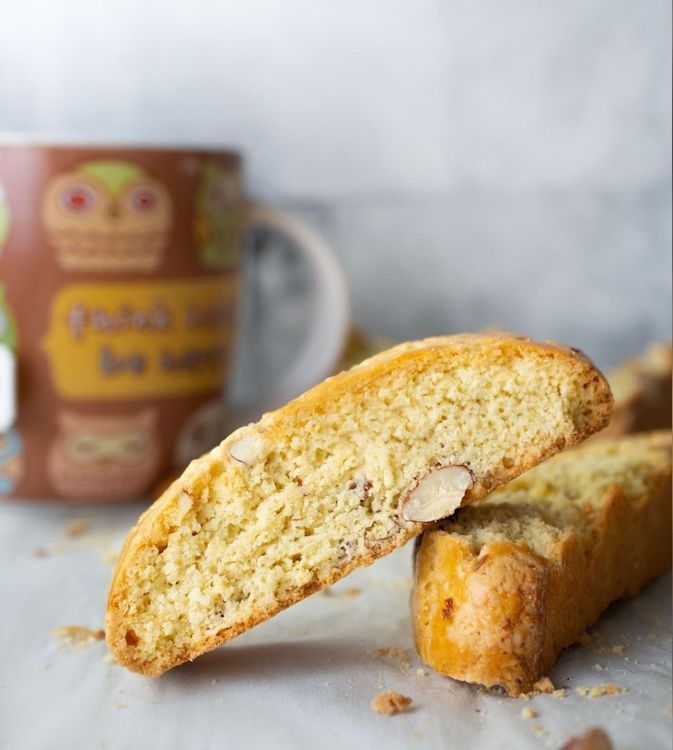
Italian cookies are the bake to start with, because most of them keep for weeks in a tin and forgive small mistakes. Biscotti, or cantucci, are twice-baked specifically so they turn crisp and dry enough to dunk in coffee or vin santo, which is the whole point of their famous hardness. Bake the log first, cool it, slice on the diagonal, then return the slices for a shorter second bake just until dry — they firm further as they cool, so pull them before they turn to stone. Amaretti swing the other way: built on almond and whipped egg white, they can be chewy and soft or crisp and crackle-topped depending on how long you bake them, and the almond should lead clearly, so use a real almond flour and a touch of bitter almond or amaretto if you can. Pignoli, pizzelle and the bakery-counter classics round out the group. The common thread is simple ingredients treated with care, and the bonus is that these are the desserts you can make days ahead, which makes them the natural choice for gifts and the holidays. Standouts here include Lemon Walnut Biscotti and Biscotti, plus Biscotti.

- Italian
- Eggetarian
- Snack
- Italian
- Eggetarian
- Snack

Working with Mascarpone, Ricotta and Cream
Mascarpone is the backbone of tiramisu and many Italian creams, and it splits more easily than people expect. Take it out of the fridge twenty minutes early so it is cool but not stiff, and fold or beat it gently — overbeating breaks the emulsion and turns it grainy and weeping. When you combine it with whipped cream or a whisked yolk-and-sugar base, bring both to a similar temperature and fold in stages with a spatula rather than blasting it with a mixer. The texture you want is thick, smooth and spoonable, holding soft peaks without any liquid pooling at the edge.
Ricotta is the other workhorse, and its biggest enemy is water. Fresh, whole-milk ricotta carries far more flavour than the dense supermarket tubs, but almost all of it benefits from draining: line a sieve with cheesecloth, let it sit over a bowl for a few hours or overnight, and you remove the excess whey that would otherwise make a cannoli filling slack or a ricotta cake wet and dense. For the smoothest fillings, push the drained ricotta through a fine sieve or whip it briefly so it loses its grain and turns silky before you sweeten it.
Cream needs a light hand too. For desserts that depend on a soft, pillowy set — semifreddo, the cream layer in a trifle, a tiramisu lightened with whipped cream — stop whipping at soft, droopy peaks, because the folding that follows will firm it further and overwhipped cream goes buttery and grainy. Chill your bowl and beaters first so the cream whips faster and holds better, and always sweeten lightly; Italian creams are meant to taste of dairy and the lead flavour, not of sugar, so add it gradually and taste as you go.
Setting Custards: Gelatine, Eggs and the Clean Wobble
Panna cotta is the great test of restraint, because the perfect version barely holds together — it should wobble like a held breath and collapse softly under a spoon, not stand up like jelly. That comes down to using as little gelatine as you can get away with. Bloom powdered gelatine in cold water (or soak leaf gelatine until floppy) before adding it, then stir it into the warm, not boiling, cream until fully dissolved; undissolved gelatine leaves rubbery threads, while boiling weakens its setting power. Strain the mixture before pouring to catch any stray bits.
Egg-set custards like crema pasticcera and zabaglione ask for gentle heat and constant attention. The danger is scrambling: yolks curdle above a low temperature, so cook them over a bain-marie or the lowest flame, whisking without stop, and pull the pan the instant the custard coats the back of a spoon and holds a line drawn through it. Tempering matters too — trickle the hot milk into the yolk-and-sugar base slowly while whisking so you raise the temperature gradually rather than shocking the eggs into lumps. If it does start to catch, an immediate ice bath and a hard whisk can sometimes save it.
Chilling is not optional, and it is where impatience ruins good work. Panna cotta needs at least four hours and ideally overnight to set evenly; rush it and the centre stays loose. To unmould cleanly, dip the mould briefly in warm water and run a fingertip around the rim to break the seal, then invert onto a plate with a confident flick. For custards meant to be served in the glass, press cling film directly onto the surface while they cool so no skin forms, then chill fully before topping.
Frying Cannoli, Zeppole and Fritters
Crisp fried pastry is all about oil temperature, and a thermometer beats guesswork every time. For cannoli shells and zeppole, hold the oil steady around 175 to 180C: too cool and the dough drinks oil and turns greasy and pale, too hot and the outside browns before the inside cooks through. Fry in small batches so the temperature does not crash when the cold dough goes in, and let it recover between batches. A cannoli shell is ready when it is a deep, even gold and blistered; lift it out, let it drain on a rack, and slide it off the metal tube only once it is cool enough to hold its shape.
The cardinal rule of cannoli is to fill them at the last possible moment. The shell is engineered to shatter, and the second the moist ricotta filling goes in it begins to soften that crispness from within, so a cannolo filled an hour ahead is a sad, soggy thing. Pipe the well-drained, chilled filling into both ends just before serving, and dip the exposed ricotta in chopped pistachio, candied peel or chocolate chips for contrast. Keep unfilled shells in an airtight tin and the filling in the fridge, and assemble to order.
Zeppole and other fritters reward a light touch with the dough and a generous finish. A choux-based zeppola wants to be piped or spooned into the oil and left alone to puff and turn before you flip it, so it cooks through without absorbing grease. Drain fried pastries well on a rack rather than paper, which can steam the undersides soft, and dust them with icing sugar or roll them in cinnamon sugar while still warm so it clings. Serve them the day they are fried; reheated fritters never recover their first-bite crackle.
Gelato, Sorbetto and the Soft Scoop
Gelato is not just Italian for ice cream — it is denser, less aerated and served a little warmer, which is why it tastes more intensely of its flavour and scoops so smooth. The texture comes from churning the base slowly so it whips in less air than American-style ice cream, and from a custard or milk base that is richer in milk than cream. Chill the base thoroughly, ideally overnight, before it goes into the machine; a cold base churns faster, freezes finer and traps fewer large ice crystals, which is the difference between silky and icy.
Sorbetto and granita are the dairy-free side, built on fruit, sugar and water, and here the sugar is doing structural work as well as sweetening. Too little sugar and the mixture freezes rock hard; too much and it never sets properly, staying slushy. Aim for a syrup that tastes slightly too sweet at room temperature, since freezing dulls sweetness noticeably, and a squeeze of lemon keeps the fruit bright. Granita is the easy entry point with no machine needed: pour the mixture into a shallow tray, freeze, and rake it with a fork every half hour to build those signature loose, glittering crystals.
Storage and serving make or break a frozen dessert at home. Pack churned gelato into a shallow container, press cling film directly onto the surface to keep ice crystals from forming, and let it firm in the freezer for a few hours. Because gelato is meant to be soft, take it out ten to fifteen minutes before serving so it warms to a scoopable, almost spreadable texture rather than a frozen brick. An affogato — a scoop drowned in a shot of hot espresso — is the laziest and one of the best ways to serve it.
Pro Tips from the Test Kitchen
- Bring mascarpone to cool room temperature and fold gently; overbeating splits it into a grainy, weeping mess.
- Drain fresh ricotta in cheesecloth for a few hours before using it in fillings — wet ricotta makes slack cannoli and dense cakes.
- Use as little gelatine as you can for panna cotta; it should wobble and collapse under a spoon, not stand firm.
- Stir bloomed gelatine into warm, not boiling, cream — boiling weakens its set and undissolved bits leave rubbery threads.
- Whip cream only to soft peaks before folding; the folding firms it further and overwhipped cream turns buttery.
- Hold frying oil at 175–180C for cannoli and zeppole, and fry in small batches so the temperature does not crash.
- Fill cannoli at the very last minute — the moist ricotta softens the shell from the inside within the hour.
- Temper egg custards by trickling hot milk into the yolks slowly while whisking, so they do not scramble.
- Chill a gelato base overnight before churning; a cold base freezes finer and scoops smoother.
- Sweeten frozen desserts a touch more than tastes right at room temperature, because freezing dulls sweetness.
Frequently Asked Questions
What is the most famous Italian dessert?
Tiramisu is the best known by a wide margin — layers of coffee-soaked savoiardi (ladyfingers) and a sweet mascarpone cream, dusted with cocoa. Close behind are panna cotta, cannoli, gelato and biscotti. What they share is restraint: each leans on one clear flavour, whether coffee, cream, ricotta or almond, rather than piling on richness, which is exactly why they travel so well and have become global favourites.
How do you keep tiramisu from being too wet?
The usual culprit is over-soaking the ladyfingers. Dip each savoiardo in the coffee for just a second or two on each side — they should be moistened, not saturated, because they keep absorbing as the dessert chills. Also make sure your mascarpone cream is thick and holds its shape before layering. Chill the assembled tiramisu for at least four hours, ideally overnight, so it firms up and slices cleanly rather than sliding apart.
Why did my panna cotta not set?
Almost always a gelatine problem. Either it was not fully dissolved, or the cream was boiled after the gelatine went in, which weakens its setting power. Bloom the gelatine first, stir it into warm (not boiling) cream until completely dissolved, and strain before pouring. Give it at least four hours, preferably overnight, to set. If it set but feels rubbery, you used too much — true panna cotta should barely hold its shape and wobble.
What is the difference between gelato and ice cream?
Gelato is churned slowly so it whips in less air, and its base is richer in milk and lower in cream and egg than most American ice cream. The result is denser, more intensely flavoured and served a few degrees warmer, which is why it feels silkier on the tongue. Ice cream is fluffier and colder. Neither is better, but gelato tastes more of its core flavour because there is less fat and air coating your palate.
Can I make cannoli without a deep fryer?
Yes. You only need a deep, heavy pot with a few inches of oil and a thermometer to hold it around 175–180C. Wrap the dough rounds around metal cannoli tubes and fry a couple at a time until deep gold and blistered. If you prefer to avoid frying entirely, baked cannoli shells exist, though they are firmer and less shatteringly crisp. Either way, fill them only at the last minute so the shell stays crunchy.
What can I use instead of mascarpone?
For tiramisu and creamy desserts, a passable substitute is full-fat cream cheese beaten with a little heavy cream and a touch of sour cream to loosen and tang it, though it will be slightly firmer and more cheese-forward than true mascarpone. Whipped cream folded with cream cheese also works. None match mascarpone exactly — it is uniquely smooth and rich — so if the dessert is built around it, like tiramisu, it is worth seeking out the real thing.
Why are my biscotti too hard to eat?
Biscotti are twice-baked and meant to be crisp and dunkable, but rock-hard ones are usually over-baked on the second bake. After the first bake, cool the log, slice it, then return the slices for a shorter second bake just until dry and lightly golden — they firm up further as they cool. If you want a softer cookie, shorten that second bake or skip it. And they are designed to be dipped in coffee or vin santo, which softens them perfectly.
How long do Italian cookies like biscotti and amaretti keep?
Very well, which is part of their appeal. Crisp biscotti keep for three to four weeks in an airtight tin because they are baked dry, making them ideal to bake ahead for gifts or the holidays. Chewy amaretti stay soft for a week or two and crisp ones last longer. Keep them away from humidity and do not store crisp and soft cookies together, or the crisp ones will absorb moisture and lose their snap.
What is the secret to good ricotta dessert filling?
Draining and smoothing. Fresh whole-milk ricotta carries the best flavour but holds a lot of whey, so drain it in cheesecloth for several hours or overnight, then push it through a fine sieve or whip it briefly to lose the grain. Sweeten lightly with sugar and a little vanilla or citrus zest, and for cannoli, fold in chocolate chips or candied peel. A well-drained, silky filling is the difference between a clean, rich bite and a wet, sandy one.
Which Italian dessert is easiest for a beginner?
Affogato is the simplest — a scoop of vanilla gelato drowned in a shot of hot espresso, ready in seconds. Among baked options, biscotti are forgiving and keep for weeks, and panna cotta needs only a saucepan and a few hours to chill. Tiramisu requires no baking at all, just careful layering. Start with one of these, get comfortable with handling cream and chilling for a clean set, and the fancier fried and churned desserts follow naturally.
The thread running through every Italian dessert here is balance over richness: one clear flavour, good ingredients, and a technique handled with care rather than a long list of steps. Learn to fold mascarpone gently, set a custard to a soft wobble, fry a shell crisp and churn a smooth scoop, and tiramisu, panna cotta, cannoli and gelato all stop being intimidating and start being weeknight-and-weekend regulars.
Pick three to make soon — a make-ahead tiramisu, a batch of biscotti for the tin, and something a little ambitious like cannoli or panna cotta — and save your favourites to a Chefadora cookbook. Then work through the rest at your own pace; this page is built to be the Italian dessert reference you actually come back to.
Related
- Italian
- Dessert
- Tiramisu
- Cannoli
- Gelato
- Baking
- No Bake
- Make Ahead
Popular Searches
- Best italian dessert recipes
- Easy italian dessert recipes
- Quick italian dessert recipes
- Healthy italian dessert recipes
- Simple italian dessert recipes
- Homemade italian dessert recipes
- Delicious italian dessert recipes
- Popular italian dessert recipes
- tiramisu recipe
- panna cotta
- cannoli
Marnirni-apinthi Building, Lot Fourteen,
North Terrace, Adelaide, South Australia, 5000
Australia
