
Top 25 Pizza Recipes: Margherita, Veggie, Dough and Fusion
Updated June 25, 2026 · Curated by Chefadora
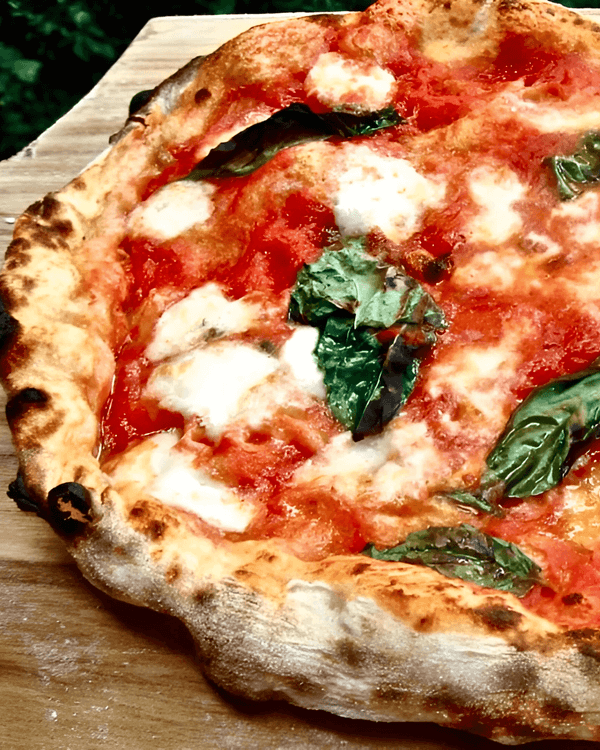
Pizza recipes cover an astonishing range for what is, at heart, bread with something on top — from a blistered Neapolitan margherita to a loaded paneer tikka pie, from focaccia-soft bases to crisp thin crusts, and from a tidy calzone to a sweet dessert pizza. The collection below walks the whole spread, showing how one dough and one good sauce can carry a hundred different dinners across Indian and global flavours alike.
What actually decides a great pizza is mostly the base, and the base is mostly about gluten and heat. A well-kneaded, slow-fermented dough develops the stretchy gluten and gentle sourness that store mixes never quite reach, while a genuinely hot oven — as close to its maximum as it will go, ideally on a preheated stone or steel — sets the crust fast so it puffs and chars instead of drying out. Get those two right and toppings become the easy part.
You will find the collection grouped into clusters — classic and cheese pizzas, veggie and paneer pizzas, the dough, base and sauce foundations, and special and fusion pizzas. Standout dishes range from a proper Margherita and a Four Cheese pie to a Tandoori Paneer Pizza, a no-yeast wheat base, a French bread pizza and a folded calzone, each built on the fundamentals the guides below lay out.
Treat this as a working reference. Each recipe links to full ingredients and steps on Chefadora, and the guides below cover what actually makes or breaks a homemade pizza — building a dough with real structure, keeping the base crisp under wet toppings, and getting a domestic oven hot enough to bake a pizza that tastes like it came from a wood fire.
Classic & Cheese Pizzas
Classic pizzas are an exercise in restraint, and that is exactly what makes them hard to fake. A margherita is just dough, a thin smear of bright tomato sauce, torn mozzarella and basil, which means there is nowhere for a weak base or a watery sauce to hide. Use a thick, reduced sauce so the dough does not go soggy, tear fresh mozzarella and let it drain on kitchen paper first so it does not flood the pie, and keep the cheese scattered rather than blanketed so the base can still crisp between the molten pools. The real magic is heat: a Neapolitan-style pizza wants the fiercest oven you can manage, baked on a preheated stone so the crust blisters into those prized charred leopard spots in a couple of minutes flat. Add the basil after baking, not before, so it stays fragrant rather than scorching to a black crisp. The same logic carries a four cheese, a plain marinara or a pepperoni pie — fewer, better toppings, a screaming-hot bake, and a crust you actually want to eat down to the last bite. Standouts here include Cottage Cheese Pizza and Neapolitan Pizza Dough, plus Pepperoni Pizza with Wild Mushrooms.
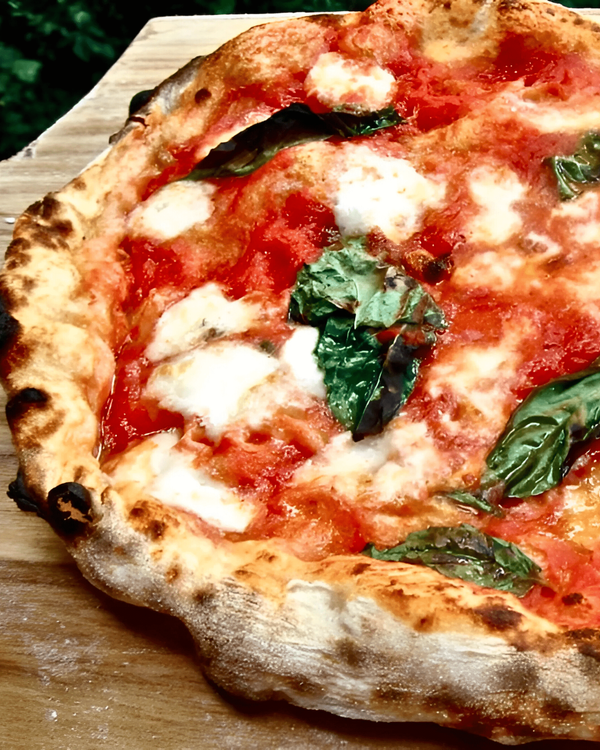
- Italian
- Vegan
- Lunch
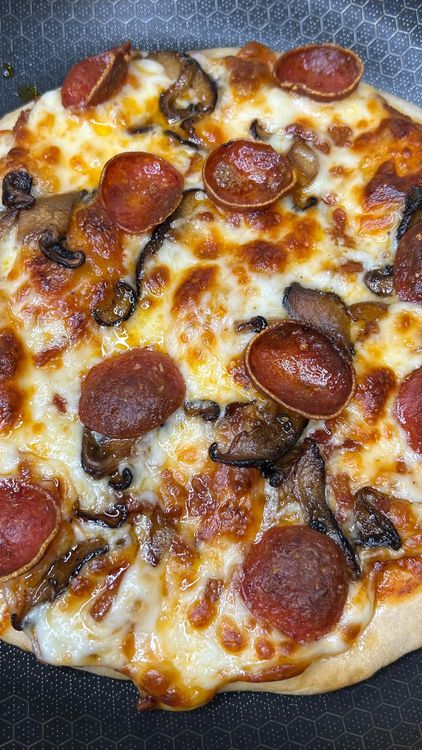
- Italian
- Non-Vegetarian
- Lunch
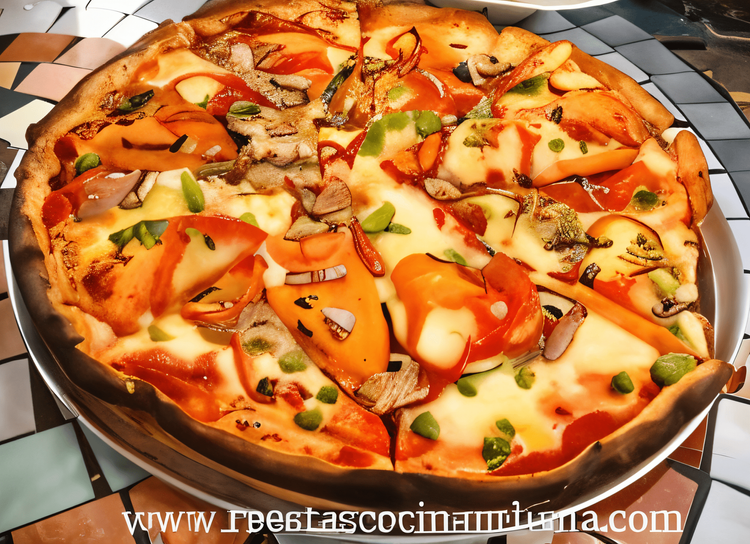
- Italian
- Vegetarian
- Lunch

- Fusion
- Eggetarian
- Snack
Veggie & Paneer Pizzas
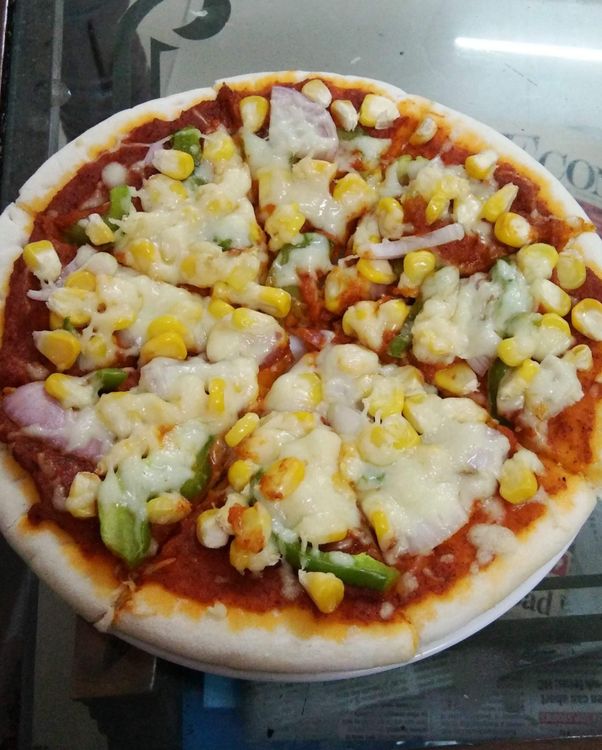
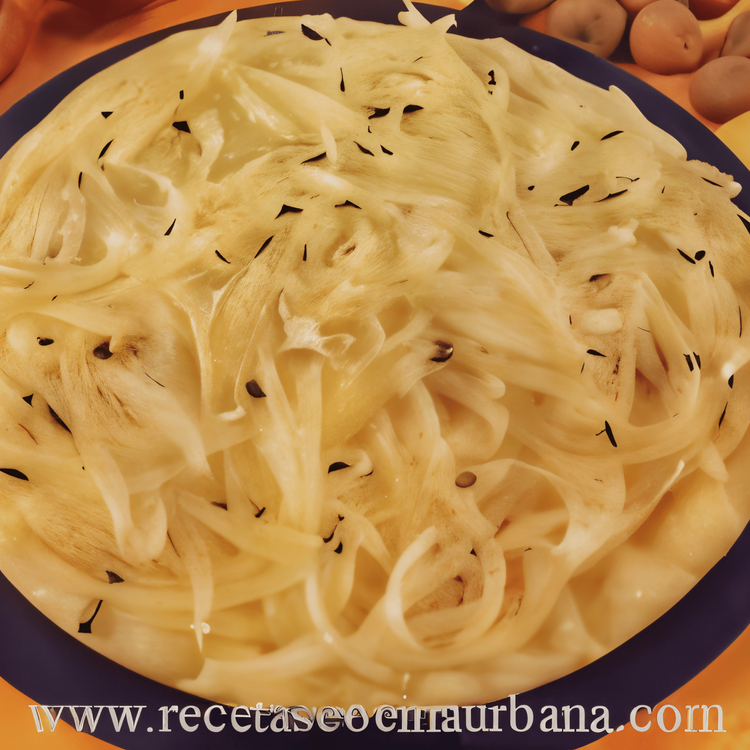
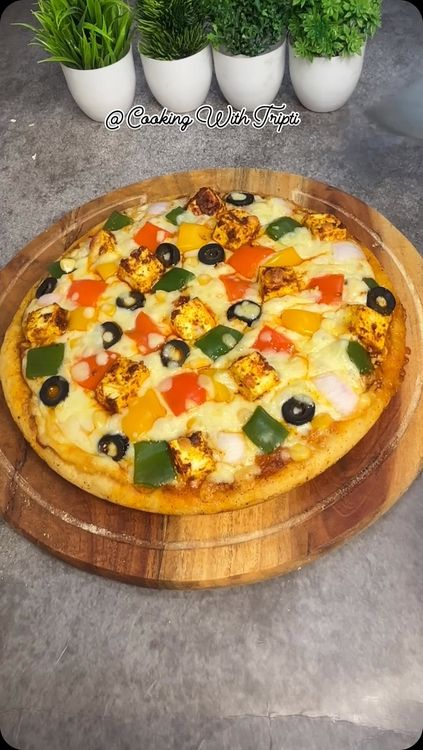
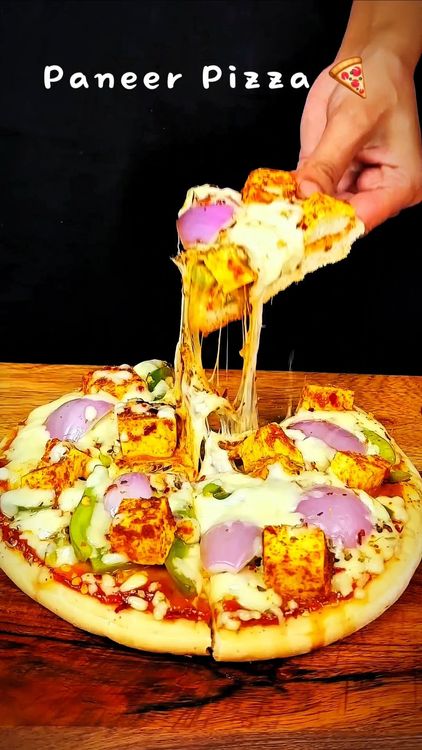
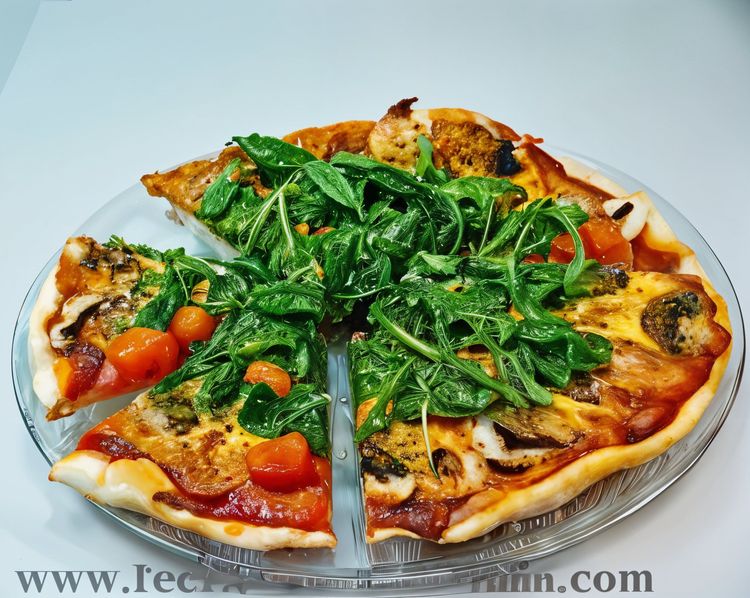
Vegetable and paneer pizzas are where the Indian kitchen and the Italian one meet, and they reward a little planning more than any other style. The enemy is water: capsicum, onion, mushroom, sweetcorn and spinach all release liquid as they bake, and piled on raw they steam the base into a soft, pale disappointment. The fix is simple but non-negotiable — sweat mushrooms and onions in a hot pan first, pat watery vegetables dry, and use a thick sauce spread thinly so the base stays crisp underneath the load. Paneer is the star turn here, and it pays to treat it well: soak firm cubes in warm water so they stay soft, then toss them in a little yogurt, oil and spice for a tandoori or makhani edge before they go on top, which keeps them from drying out in the oven. Build for balance rather than excess, with a restrained scatter of mozzarella holding everything in place, and bake hot and fast so the vegetables char at the edges instead of stewing. A supreme loaded with peppers, onion and corn, or a smoky tandoori paneer finished with a swirl of mint chutney, shows just how naturally these flavours sit on a classic base. Standouts here include Onion Pizza and Homemade Paneer Pizza, plus Paneer Pizza.
- Italian
- Vegetarian
- Lunch

- Indian
- Vegetarian
- Lunch
- Indian
- Vegetarian
- Lunch
- Italian
- Vegetarian
- Lunch

- Indian
- Vegetarian
- Snack
Pizza Dough, Base & Sauce
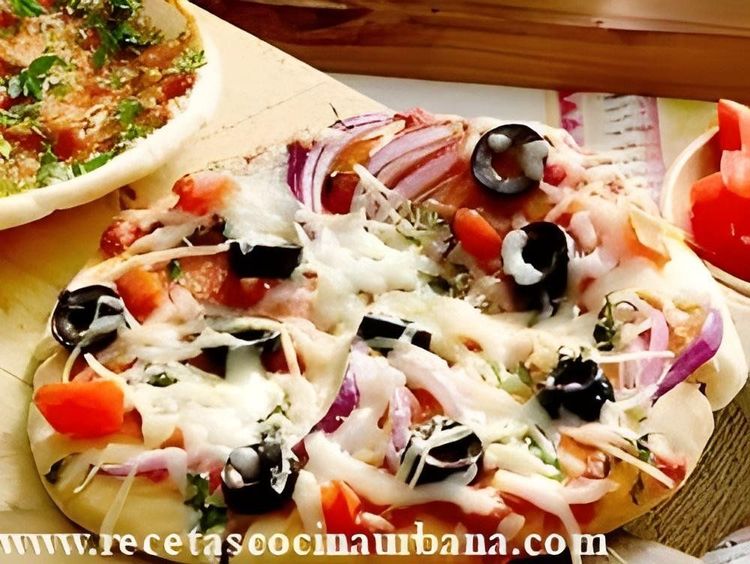
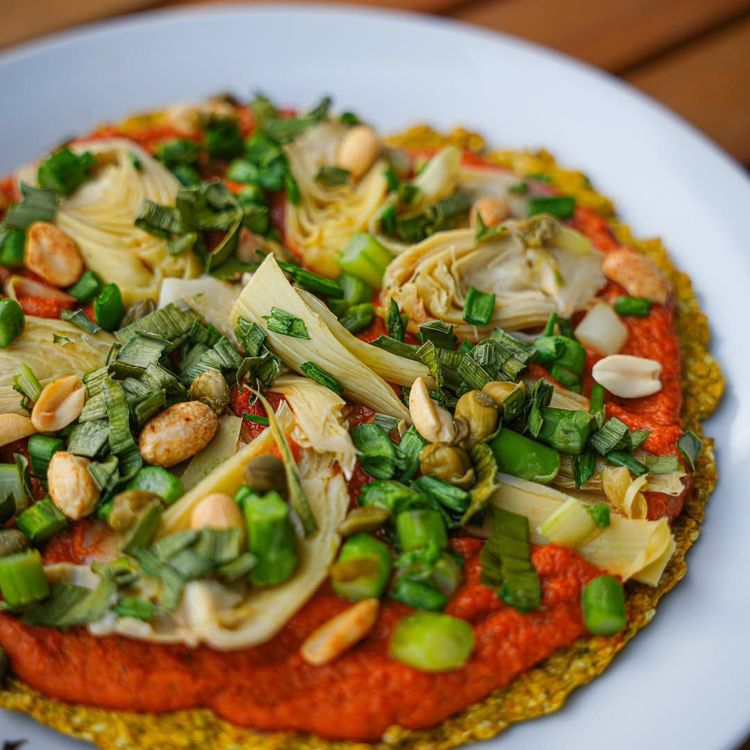
Everything good about a pizza is decided before a single topping goes on, which is why the dough, the base and the sauce deserve their own section. A proper dough is mostly flour, water, yeast, salt and patience: strong bread flour for chew, a hydration around sixty to sixty-five percent for a workable but supple dough, and crucially a long, slow ferment — ideally a cold rise in the fridge for a day or two — that builds flavour, browning and an open, airy crumb you simply cannot rush at room temperature. Shape it by hand rather than crushing the air out with a rolling pin, leaving a thicker rim to puff into a crust. When yeast or time is short, a no-yeast base raised with baking powder, a wholewheat dough or a semolina-dusted thin crust all do the job, each with its own texture. The sauce matters just as much: cook tomatoes down with garlic, oregano and a pinch of sugar until thick and jammy rather than thin and watery, because a loose sauce is the fastest route to a soggy base. Get these foundations right and a great pizza is almost guaranteed; get them wrong and no amount of cheese will save it. Standouts here include Pizza Doughnuts and Pizza with Arabic Bread Dough, plus Crispy Chicken Crust Pizza.


- Fusion
- Eggetarian
- Snack
- Middle Eastern
- Non-Vegetarian
- Lunch
- International
- Vegan
- Lunch


- Italian
- Vegan
- Dinner
Special & Fusion Pizzas
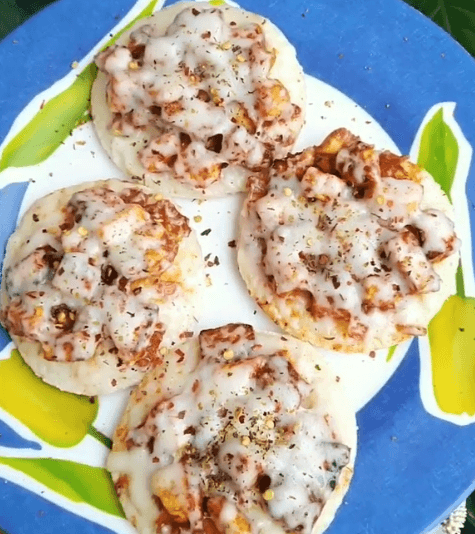
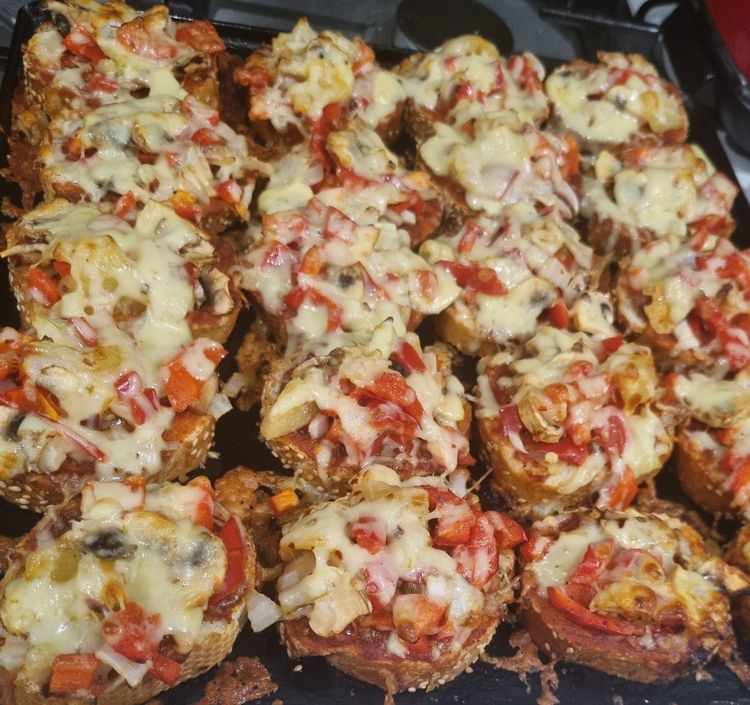
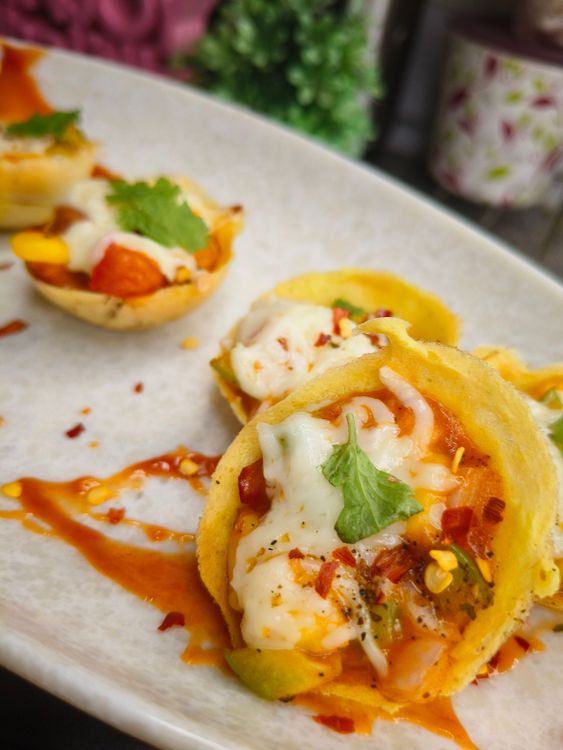
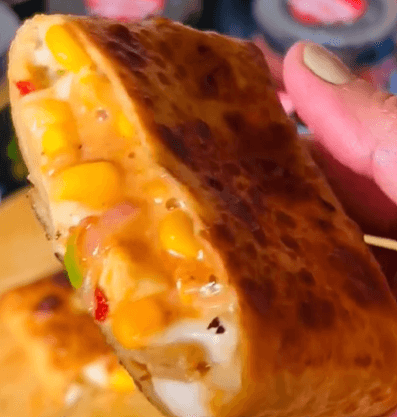
This is the playful end of the pizza world, where the rules loosen and the format bends to whatever you have on hand. Here a pizza might be folded shut into a calzone, rolled into pinwheels, baked on a split French bread loaf, draped over naan or pita, tucked into a pocket, or scaled down into mini bases and bite-sized cups for a party. The fundamentals still hold — a crisp base, controlled moisture, a hot bake — but the canvas changes, and so do the flavours, taking in barbecue sauces, chicken, fusion masala toppings and even sweet, dessert-style pizzas finished with chocolate and fruit. The trick with the shortcut bases like naan, pita and French bread is that they crisp and brown faster than raw dough, so watch them closely and keep toppings light so the bread does not turn to a soggy raft under the cheese. For calzones and pockets, seal the edges firmly and cut a small steam vent so they do not burst, and keep the filling on the drier side so the dough cooks through. These are the recipes to reach for when you want pizza flavours without the full ceremony, or simply something a little different from the round, flat classic. Standouts here include Mini Pizza and Pizza cups , plus Pizza Pocket.

- Italian
- Vegetarian
- Appetiser

- Indian
- Eggetarian
- Appetiser
- Indian
- Vegetarian
- Appetiser
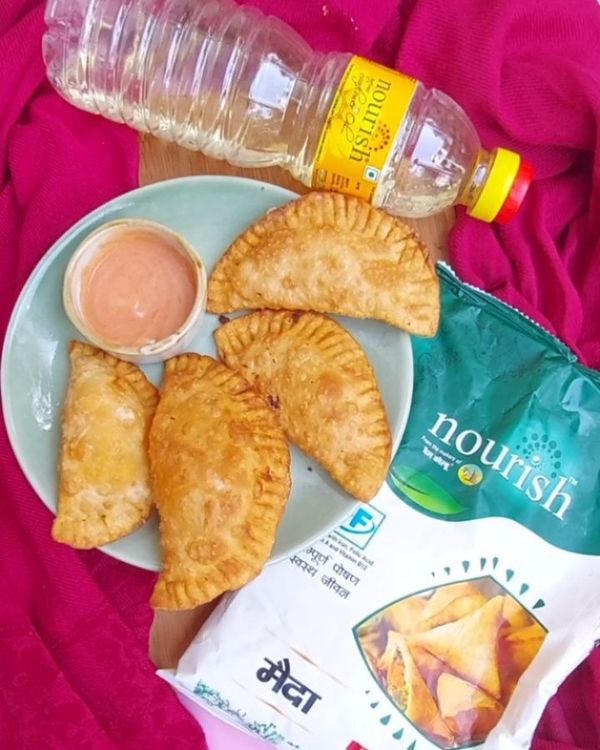
- Italian
- Vegetarian
- Appetiser


- Gluten-Free
- Snack
More Pizza Favourites
A handful of pizzas never quite settle into a single category, and these catch-all favourites are worth keeping in your back pocket once the staples feel routine. They lean on the same handful of skills you already have — a well-fermented dough, a thick sauce, controlled moisture and a fiercely hot bake — but steer them toward different shapes, bases and flavour profiles so pizza night never tastes the same twice. Choosing your next one is mostly about matching effort to mood: reach for a quick pan or tawa pizza, a French bread base or a no-yeast dough on a busy weeknight when you want something on the table fast, and save the slow-fermented, stone-baked, fully loaded numbers for a weekend when you can let the dough prove properly and the oven come fully up to heat. Pay attention to the base in particular, since a thinner crust crisps fast and a thicker one needs longer to bake through, and keep the toppings restrained whatever you make so the centre cooks evenly. Think of this group as the natural next step after the classics — the pizzas that quietly earn a regular spot in the rotation once you have tried them, and the proof that one good dough really does stretch in a hundred directions. Standouts here include Pizza Golgappa and Pizza Boats, plus Cheesy Pizza Puff Pastry Twists.
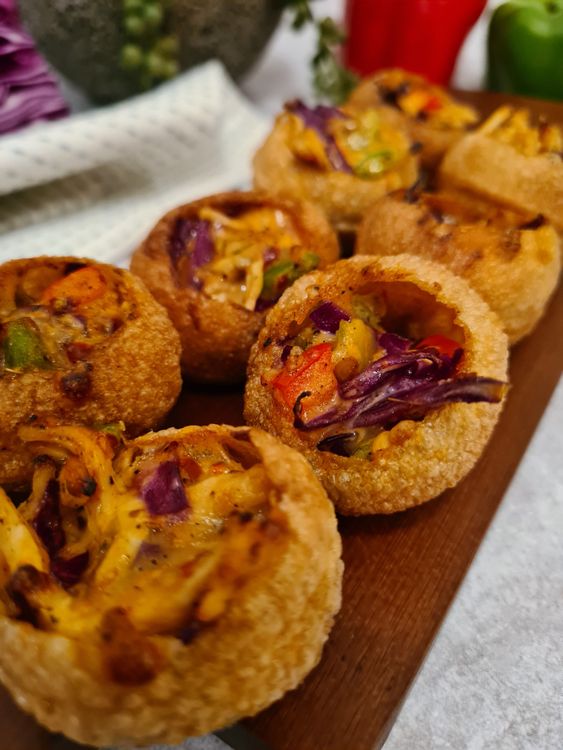

- Indian
- Non-Vegetarian
- Appetiser


- Italian
- Non-Vegetarian
- Dinner
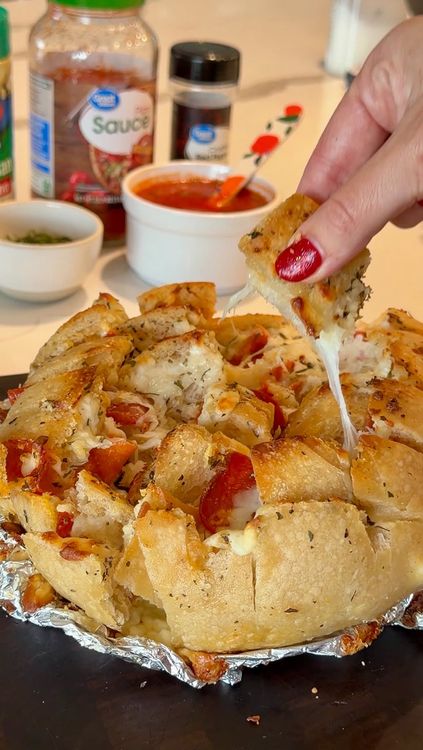

- American
- Non-Vegetarian
- Appetiser
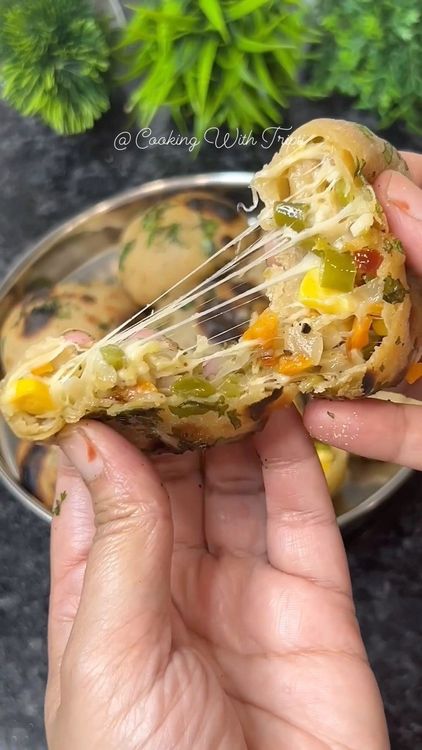
- Fusion
- Vegetarian
- Appetiser
Building a Dough With Real Structure
A good pizza dough needs only flour, water, yeast, salt and time, but the ratios and the time matter. A hydration of around sixty to sixty-five percent water to flour gives a dough that is supple but workable, and a strong bread flour brings the protein you need for a chewy, stretchy crust. Knead until the dough turns smooth and elastic and passes a windowpane test, then let it prove slowly so the gluten relaxes and flavour develops rather than rushing it warm.
Time is the cheapest upgrade you can give a pizza. A long, cold ferment in the fridge — anything from eight hours to two or three days — lets enzymes break down starches into sugars and the yeast work slowly, producing a base with gentle tang, better browning and a more digestible, open crumb. If you are short on time, a no-yeast base raised with baking powder or a quick wheat dough still works, but the slow-fermented version is the one worth planning ahead for.
Shaping is where many home pizzas go wrong. Resist the rolling pin, which crushes out the air bubbles you worked to build; instead stretch the dough gently by hand, working from the centre outward and leaving a slightly thicker rim for the crust to puff. Keep the centre thin and even so it bakes through, dust your surface with semolina or flour to stop sticking, and top it quickly so a stretched base does not sit and tear before it reaches the oven.
Keeping the Base Crisp Under Toppings
The single biggest cause of a soggy pizza is too much moisture sitting on the base. Watery toppings — fresh tomatoes, mushrooms, sweetcorn, spinach, even some mozzarella — release liquid as they bake and steam the dough from above. The fix is to manage that water before it ever touches the base: cook off mushrooms and onions in a hot pan first, squeeze or pat dry anything wet, and use a thick, reduced sauce rather than a thin, watery one spread on raw.
Less is genuinely more when it comes to toppings. A thin, even smear of sauce, a restrained scatter of cheese and a handful of well-chosen toppings bake far better than an overloaded pie, which weighs the base down and traps steam so the centre never crisps. Leave a little dough showing through, spread everything to the edges but not piled high, and remember the cheese spreads as it melts, so it does not need to start out covering every inch.
Heat from below finishes the job. Bake on a preheated pizza stone, steel or an upturned heavy tray that has had a good thirty to sixty minutes to get screaming hot, so the base sets and crisps the moment it lands rather than slowly drying. For pan and tawa pizzas, give the base a head start on direct heat before the toppings melt under a lid. A crisp underside is mostly about hot metal underneath and not too much water on top.
Getting a Home Oven Hot Enough
Real pizza is baked fast and fierce. A wood-fired oven runs north of four hundred and fifty degrees Celsius and cooks a Neapolitan pie in ninety seconds, which is why home pizzas can taste flat by comparison — a domestic oven simply cannot match it. The answer is to push your oven to its absolute maximum, usually around two hundred and forty to two hundred and seventy degrees, preheat it fully for at least half an hour, and bake on the hottest surface you can get in there.
A preheated stone or steel is the closest a home kitchen gets to a pizza oven floor, storing and releasing intense heat into the base so it leaps and chars instead of drying out over a long bake. Slide the pizza on with a floured peel or the back of a tray, bake near the top of the oven where it is hottest, and if your grill or broiler is strong, a final blast of overhead heat blisters the crust and finishes the cheese with those prized leopard spots.
Without a stone, you still have options. A heavy cast-iron pan or tawa, preheated until smoking, gives a thin-crust pizza a beautifully crisp base on the hob, then finishes under a lid or the grill to melt the top. The principle holds across every method: get the cooking surface as hot as possible before the pizza touches it, keep the bake short and hot rather than long and slow, and you will get a crust with real char, lift and chew.
Pro Tips from the Test Kitchen
- Use strong bread flour and a long, cold ferment — a day or two in the fridge — for the best crust flavour and chew.
- Stretch dough by hand rather than rolling, so you keep the air bubbles that make the crust puff.
- Leave a slightly thicker rim when shaping so the crust rises into a proper, airy edge.
- Preheat a pizza stone, steel or upturned tray for at least 30 minutes so the base crisps on contact.
- Push the oven to its maximum and bake near the top, where it is hottest — pizza wants fast, fierce heat.
- Pre-cook watery toppings like mushrooms and onions, and pat dry anything wet, to keep the base from going soggy.
- Use a thick, reduced pizza sauce spread thinly — a watery sauce steams the base.
- Go easy on toppings; an overloaded pizza traps steam and never crisps in the middle.
- Soak or pat paneer dry, then brush with a little oil and spice so it stays soft and does not dry out on top.
- Finish under a hot grill for a minute to blister the crust and brown the cheese with leopard spots.
Frequently Asked Questions
What are the best pizza recipes for a beginner to start with?
Start where the technique is forgiving: a simple Margherita or a basic cheese pizza on a thin base teaches you dough handling, sauce and bake without a crowd of toppings to manage. From there, a veg or paneer pizza adds vegetables you pre-cook to control moisture, and a no-yeast or wheat base is a quick weeknight win. Master one good dough and one reduced sauce first, and almost every other pizza on this page becomes a variation rather than a new recipe.
What are the best pizza recipes for making veg and paneer pizzas at home?
For vegetarian pizzas, lean on toppings that hold up to heat and bring flavour without flooding the base — capsicum, onion, sweetcorn, olives and paneer are reliable. Cook mushrooms and onions off first, pat watery vegetables dry, and marinate paneer in a little yogurt and spice for a tandoori or makhani edge. Spread a thick sauce thinly, scatter mozzarella, and bake hot and fast. A tandoori paneer or veg supreme is a great showcase of how Indian flavours sit happily on a classic base.
How do you make pizza dough from scratch?
Mix strong bread flour with water at about sixty to sixty-five percent hydration, a little yeast and salt, and knead until smooth and elastic — roughly ten minutes by hand or five in a mixer. Let it prove until doubled, ideally with a long, slow rise in the fridge for better flavour and a more open crumb. Knock it back, divide and shape by hand, leaving a thicker rim. A no-yeast version raised with baking powder works in a hurry, but the fermented dough is worth the wait.
How do you stop a homemade pizza from going soggy?
Soggy bases come from too much moisture and not enough heat underneath. Use a thick, reduced sauce spread thinly, pre-cook or pat dry watery toppings like mushrooms, onions and fresh tomatoes, and avoid overloading the pizza. Then bake on a thoroughly preheated stone, steel or heavy tray so the base sets and crisps immediately rather than steaming. Keeping the centre of the base thin and even, and the oven as hot as it will go, does most of the work.
How do you make pizza sauce?
A good pizza sauce is simple and thick. Cook garlic gently in olive oil, add passata or blended tomatoes, season with salt, a pinch of sugar to balance acidity, and dried oregano or basil, then simmer until it reduces to a spreadable, jammy consistency rather than a thin liquid. For a no-cook Neapolitan style, simply crush good tinned tomatoes with salt and a little oil. Either way, keep it thick — a watery sauce is one of the main reasons a base turns soggy.
How hot should the oven be for pizza?
As hot as it will go. A domestic oven cannot match a wood-fired one, so push it to its maximum — usually around two hundred and forty to two hundred and seventy degrees Celsius — and preheat fully for at least thirty minutes, ideally with a stone or steel inside. Bake near the top where it is hottest, keep the bake short, and finish under the grill if you can. Fast, fierce heat is what gives a crust real lift, char and chew.
Can you make pizza without yeast or an oven?
Yes to both. A no-yeast base raised with baking powder, or a quick wheat or curd-based dough, comes together in minutes and skips the proving — handy for a fast weeknight pizza, though the texture is more bready than airy. For no oven, a thick cast-iron pan or tawa works well: cook the base on direct heat until the underside crisps, add sauce and toppings, then cover with a lid so the cheese melts in the trapped heat. Both routes deliver a genuinely good homemade pizza.
What cheese is best for pizza?
Low-moisture mozzarella is the workhorse — it melts smoothly, stretches and browns without releasing too much water. Fresh buffalo mozzarella gives a softer, milkier result on a true margherita but should be torn and drained first, as it is wet. For more flavour, blend in a little cheddar for colour and bite, parmesan for savoury depth, or processed mozzarella for an extra stretchy pull. A restrained scatter melts and spreads better than a thick blanket, which can turn oily and weigh the base down.
How do you reheat pizza so it stays crisp?
Skip the microwave, which steams the base soft. Instead reheat slices in a dry, preheated non-stick or cast-iron pan over medium heat for a few minutes until the underside crisps, then cover briefly so the cheese melts through. An oven or air fryer at a high temperature for five minutes works just as well. The aim is dry, direct heat that re-crisps the base rather than the gentle, moist heat of a microwave that leaves it floppy.
The thread through every pizza recipe here is the same: build a dough with real structure and time, keep the base crisp by controlling moisture and going easy on toppings, and bake as hot and fast as your oven allows. Master those three and a margherita, a loaded paneer pie, a thin crust and a folded calzone all turn out exactly as they should — blistered, crisp-bottomed and properly cooked through.
Pick a few pizza recipes to make this week — a classic margherita, a veg or paneer pizza, and maybe a fun fusion pocket or dessert pizza — and save your favourites to a Chefadora cookbook. Once a good dough and a thick sauce are second nature, pizza night becomes one of the easiest, most generous meals you can put on the table; this page is built to be the pizza reference you keep coming back to.
Related
- Pizza
- Vegetarian
- Paneer
- Italian
- Baking
- Dough
- Cheese
- Weekend
Popular Searches
- Best pizza recipes
- Easy pizza recipes
- Quick pizza recipes
- Healthy pizza recipes
- Simple pizza recipes
- Homemade pizza recipes
- Delicious pizza recipes
- Popular pizza recipes
- homemade pizza
- veg pizza
- pizza dough
- pizza sauce
Marnirni-apinthi Building, Lot Fourteen,
North Terrace, Adelaide, South Australia, 5000
Australia
