
Top 24 Noodle Recipes: Stir-Fries, Soups, Classics and Fusion
Updated June 25, 2026 · Curated by Chefadora
Noodle recipes are weeknight cooking at its most useful — fast, filling, and endlessly adaptable across every Asian cuisine and well beyond. The collection below shows the full range, from wok-charred hakka and schezwan noodles to slurpable soups and saucy bowls, the great Asian classics like pad thai and lo mein, and the egg, instant and fusion noodles that turn a packet from the pantry into a proper meal. One bundle of strands, a hundred directions.
What decides whether noodles turn out springy and distinct or soft and clumped is mostly about water and heat. Cook them a touch under, since they keep softening in the sauce or broth, then toss them in a little oil so they do not stick while you finish the dish. For stir-fries the pan must be genuinely hot so the noodles char rather than steam; for soups, cooking the strands separately stops them bloating and turning the broth starchy. Match the noodle to the method and the rest follows.
You will find the collection grouped into clusters — hakka and stir-fried noodles, noodle soups and saucy bowls, pad thai, lo mein and Asian classics, and egg, instant and fusion noodles. Standout dishes range from Veg Hakka Noodles and Schezwan Noodles to a comforting Noodle Soup, a classic Pad Thai and a quick Masala Maggi, each built on the fundamentals the guides below lay out.
Treat this as a working reference. Each recipe links to full ingredients and steps on Chefadora, and the guides below cover what actually decides whether noodles are springy or soggy, smoky or stewed — choosing and cooking the right strand, getting genuine wok char at home, and balancing the sauces and broths so stir-fries, soups and classics all turn out exactly right.
Hakka & Stir-Fried Noodles
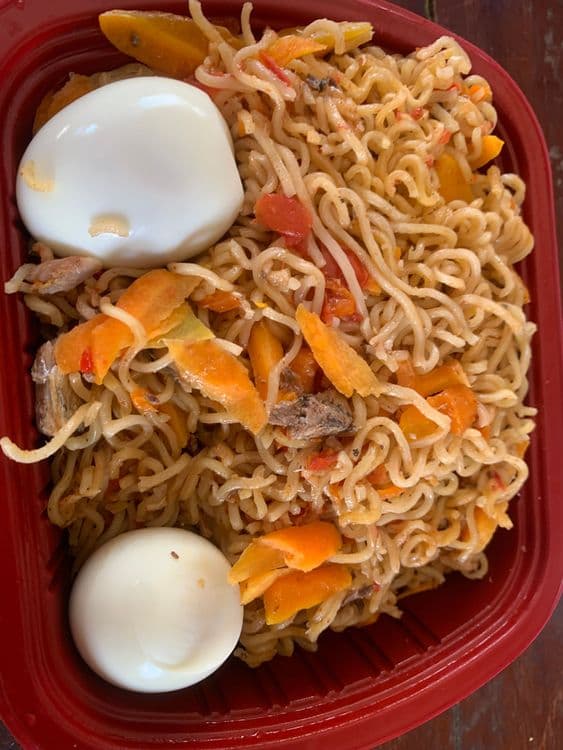
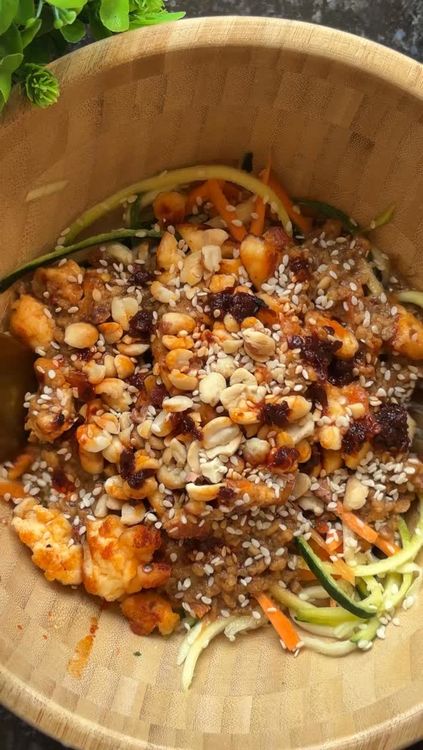
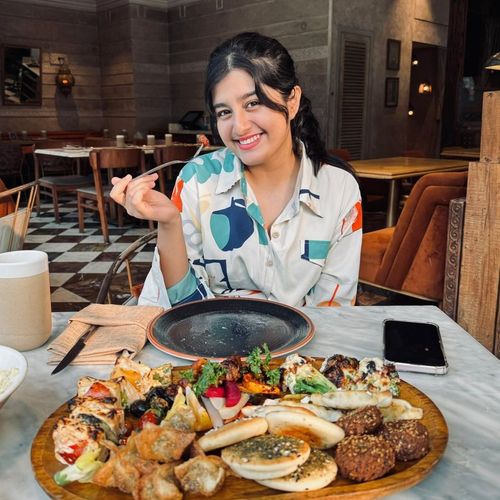
These are the noodles most of us fell for first — the glossy, smoky tangle from the corner Chinese place, and the good news is that the only thing standing between you and the same result at home is heat. Get your wok or widest pan genuinely ripping hot before the oil goes in, because hakka, chow mein, schezwan and chilli-garlic noodles all want to char and toss, not stew. Cook the noodles a touch under, rinse and oil them so they stay separate, and have every vegetable sliced thin and within reach before you light the flame, since once it starts there is no time to prep. Stir-fry your aromatics and vegetables fast over high heat, keeping them crisp-tender, then add the noodles and press them against the hot metal so they pick up colour before you toss. The classic mistake is crowding a lukewarm pan and drowning everything in sauce, which steams the lot into something soft and grey. Keep the sauce light — soy, a little vinegar, chilli or schezwan paste — and add it only at the very end, tossing hard so it coats rather than pools. Finish with spring onion and serve immediately, while the edges are still smoky and crisp. Standouts here include Indomie Noodle Stir Fry with Sardines and Vegetables and Butter Garlic Prawn Noodle Bowl , plus Sticky Pork, Pak Choi & Udon Noodle Stir Fry.
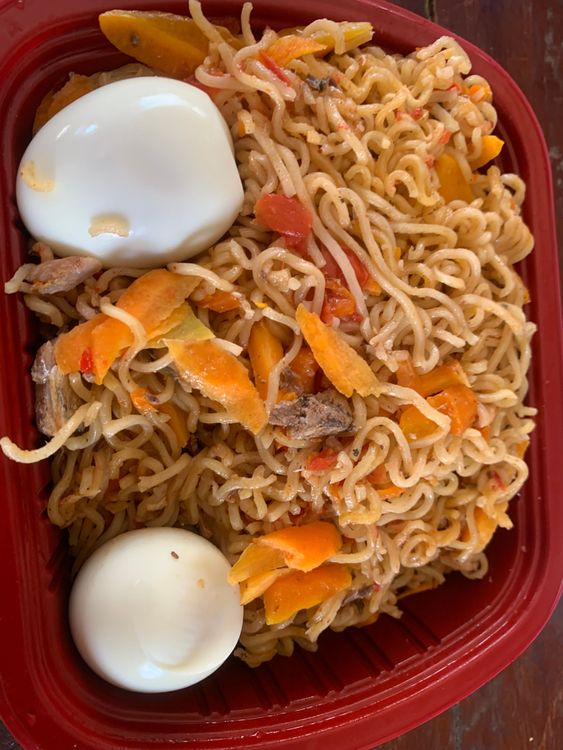
- Asian
- Pescatarian
- Lunch
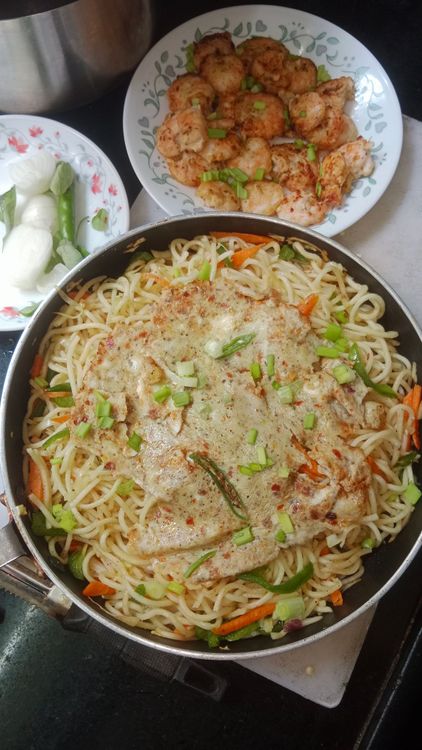

- Chinese
- Pescatarian
- Lunch
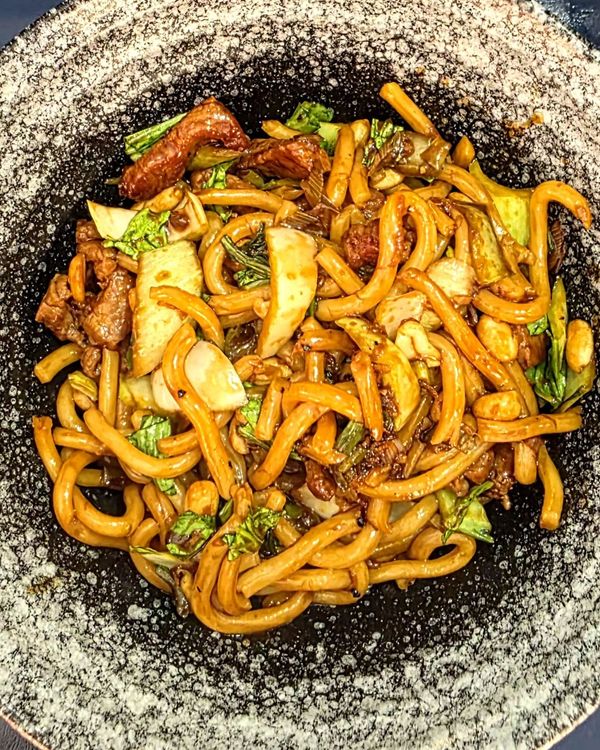

- Asian
- Non-Vegetarian
- Lunch
- Indian
- Vegetarian
- Lunch


- Vegan
- Lunch
Noodle Soups & Saucy Noodles
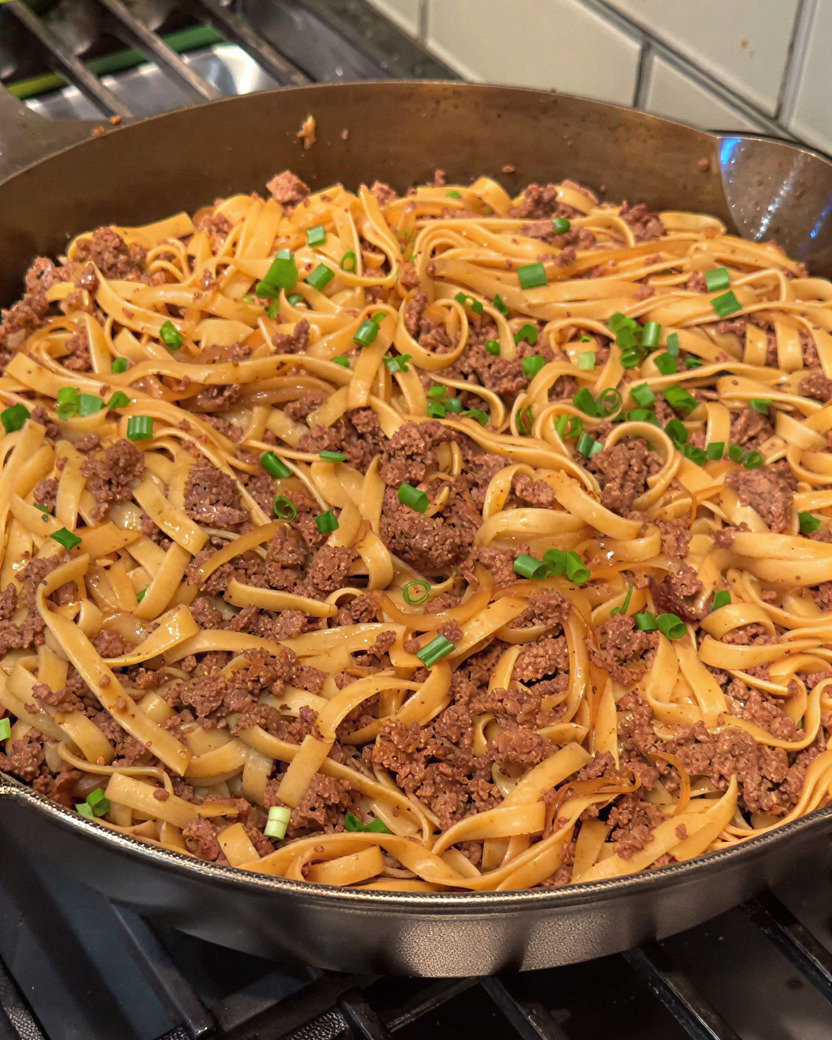
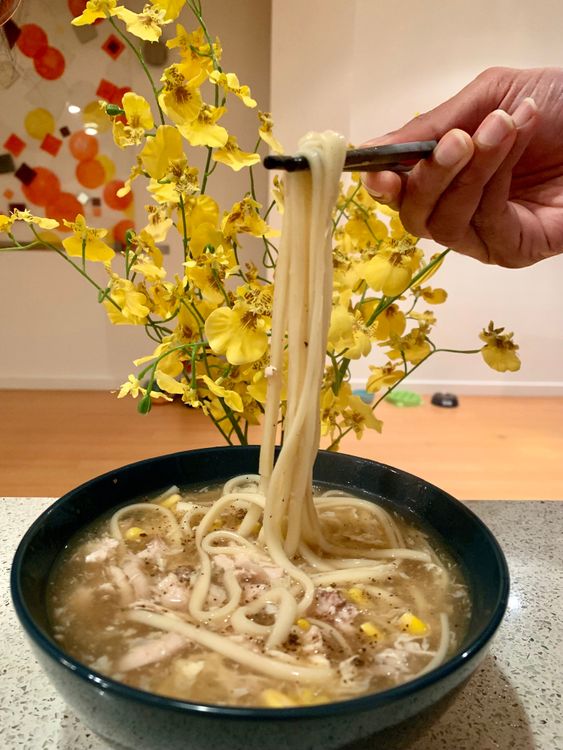
When noodles meet liquid you get some of the most comforting cooking there is, whether that is a clear, aromatic soup, a fiery laksa, or a saucy bowl that clings to every strand. The principle that ties them together is to treat the noodles and the liquid as two separate jobs. Cook the noodles a shade under in their own pot, rinse them, and add them only at the last moment, because noodles left sitting in broth bloat, go gluey and turn the whole bowl starchy and cloudy. Meanwhile, build a broth with real depth: a base of good stock, umami from miso, soy or dashi, warmth from ginger, garlic and chilli, and richness from peanut and coconut for laksa or tom-kha-style bowls. Taste it right at the end, since salt reads differently once it is hot, and finish with a deliberate hit of acid and fresh herbs so it never tastes flat. For saucy noodles, a teaspoon of cornflour slurry stirred in at the end gives that glossy, clinging coat. Pile the bowl with fresh contrast — bean sprouts, herbs, a wedge of lime, a soft egg, fried shallots — added at the table so everything stays vivid and bright. Standouts here include Forkshift Drunken Noodles and Chicken Sweetcorn Noodles Soup , plus Veg. Noodle Clear Soup.

- Gluten-Free
- Main Course

- Chinese
- Non-Vegetarian
- Appetiser
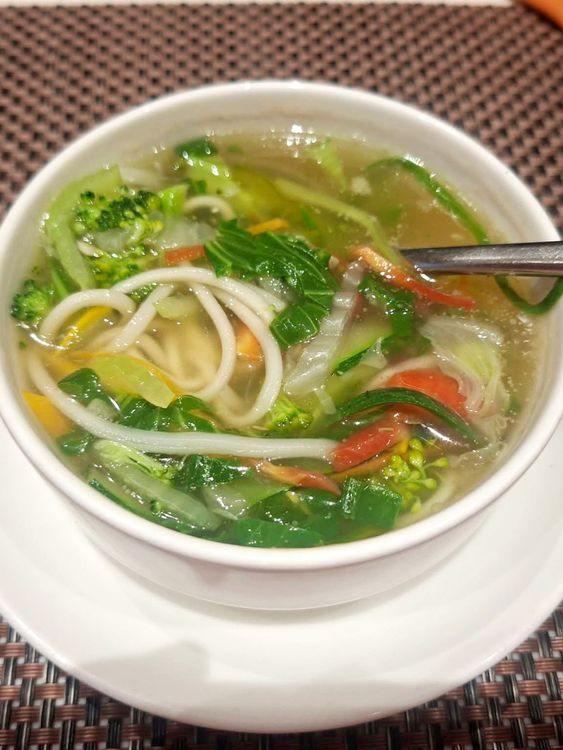
- Asian
- Vegan
- Dinner
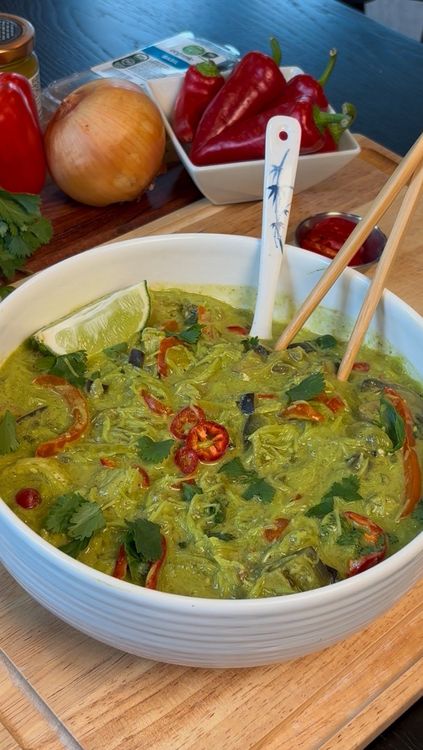

- Thai
- Non-Vegetarian
- Lunch
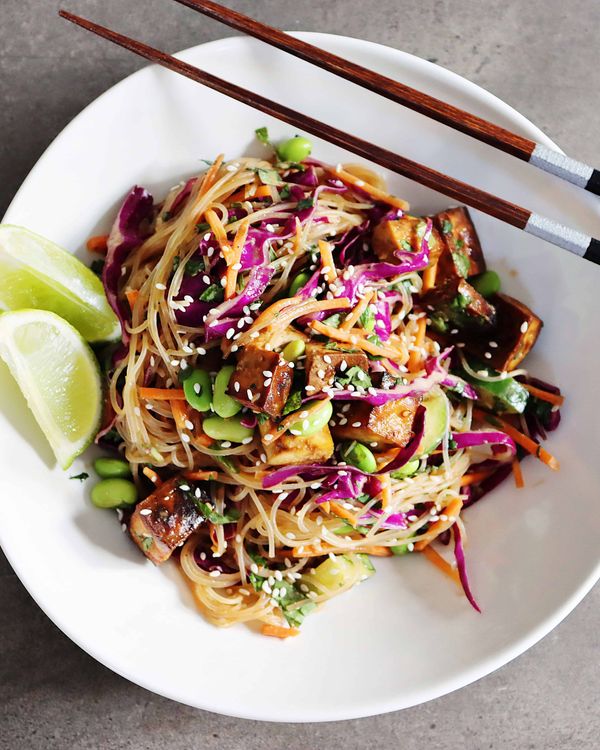
- Asian
- Vegan
- Lunch
Pad Thai, Lo Mein & Asian Classics
These are the dishes worth slowing down to learn properly, because each one rests on a signature noodle and a sauce that is really the whole recipe. Pad thai uses flat rice noodles soaked soft, not boiled, then tossed with a tamarind-fish-sauce-palm-sugar balance that should land sweet, sour and salty all at once. Lo mein wants springy wheat noodles and a light, glossy soy sauce; japchae uses chewy sweet-potato starch noodles tossed with sesame and vegetables; dan dan brings numbing schezwan heat and a nutty sesame sauce; soba and glass noodles slip into lighter, cleaner bowls. The thread is balance and restraint: mix your sauce ahead and taste it before it ever meets the noodles, because once everything is in the pan there is no fixing it. Keep delicate rice and glass noodles barely cooked — a soak in just-boiled water off the heat is gentler and far more forgiving than a rolling boil. Toss hard and fast over high heat so the sauce coats without the noodles turning to mush, and finish each with its proper garnish: crushed peanuts and lime for pad thai, toasted sesame for japchae, a scatter of spring onion for lo mein. Get the strand and the sauce right and these taste like the real thing. Standouts here include Mushroom Udon Noodle Bowl and Easy-Peasy Tofu Rice Noodle Dish, plus Pancit Bihon (A glassy noodle made from starch such as beans, potato, cassava or sweat potato).
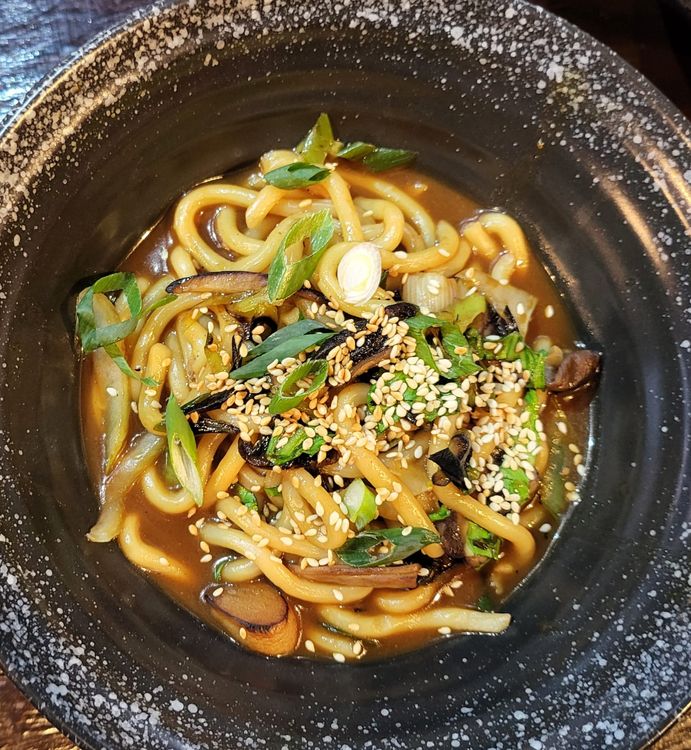
- Asian
- Non-Vegetarian
- Lunch


- Asian
- Vegan
- Dinner
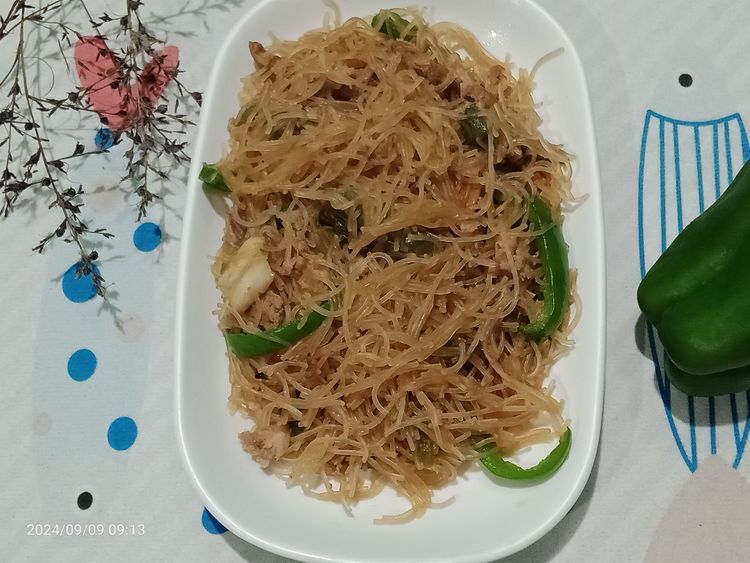

- Filipino
- Non-Vegetarian
- Lunch
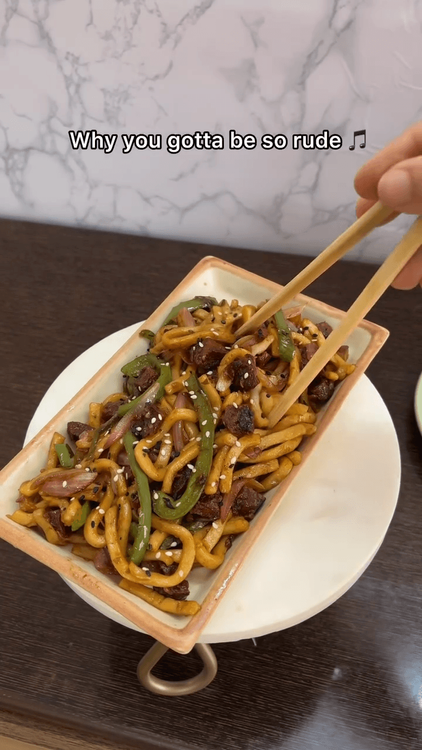
- Asian
- Pescatarian
- Main Course
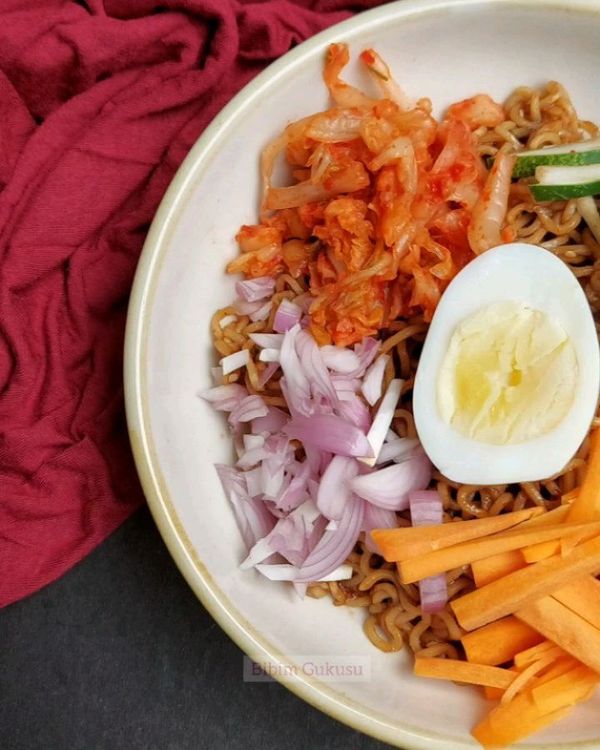
- Korean
- Vegan
- Lunch
Egg, Instant & Fusion Noodles
This is the gloriously practical, anything-goes corner of the noodle world, where a packet from the pantry becomes a proper meal and Chinese technique collides happily with Indian spice. Masala maggi and dressed-up instant noodles are the gateway: skip the seasoning sachet, or use half of it, and build your own flavour with sautéed onion, garlic, ginger, vegetables and a scramble of egg, finishing with the noodles tossed through so they soak up the masala rather than sitting in a watery broth. Indo-chinese favourites like noodle manchurian, chilli paneer noodles and cheesy schezwan bowls follow the same arc as a stir-fry — something is fried or seared, then tossed through a punchy, garlicky sauce slicked with a little cornflour so it clings and glosses. Egg noodles fry up springy and carry a sauce beautifully, while paneer, tofu, cheese and a heap of vegetables turn any of these into a filling, protein-rich one-bowl dinner. The move across all of them is the same: keep the pan hot, the sauce assertive, and the noodles a touch under so they finish in the pan. These are the forgiving, riff-friendly dishes you reach for when you want something fast, comforting and a little bit indulgent. Standouts here include Masala Millet Noodles and Bite of Maggie Noodles with Chicken, plus Spicy Egg Noodles.
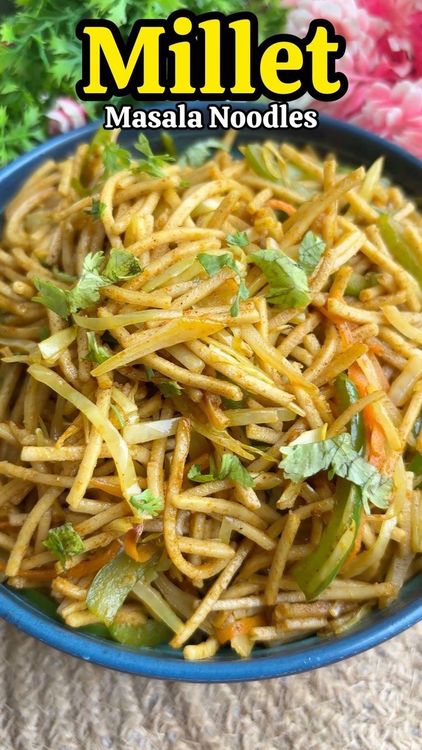

- Indian
- Vegan
- Lunch
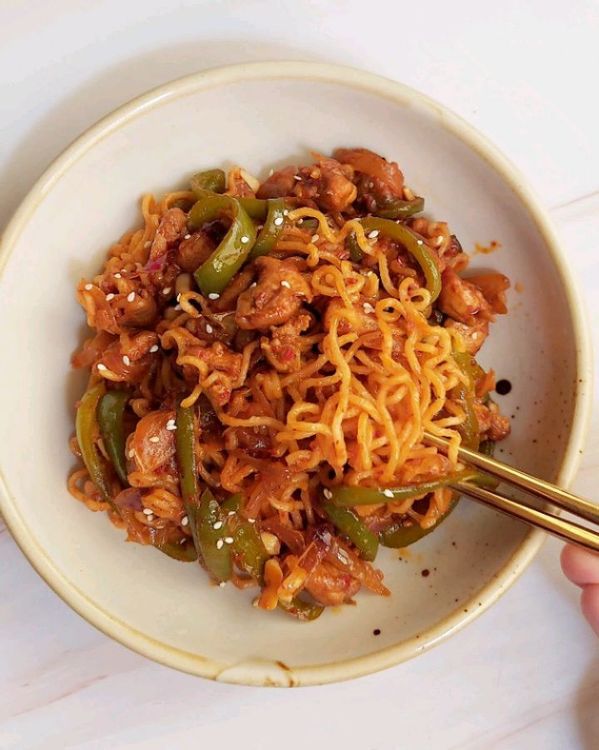
- Asian
- Gluten-Free
- Dinner
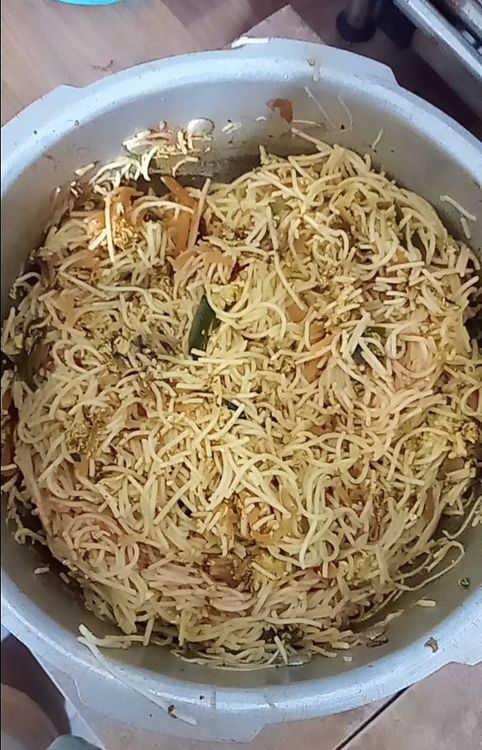
- Sri Lankan
- Eggetarian
- Dinner
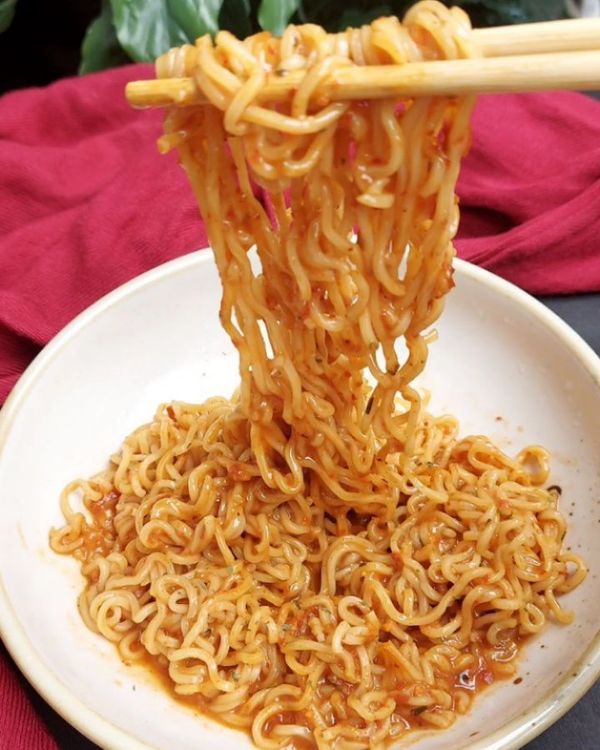
- Asian
- Vegan
- Snack
More Noodle Favourites
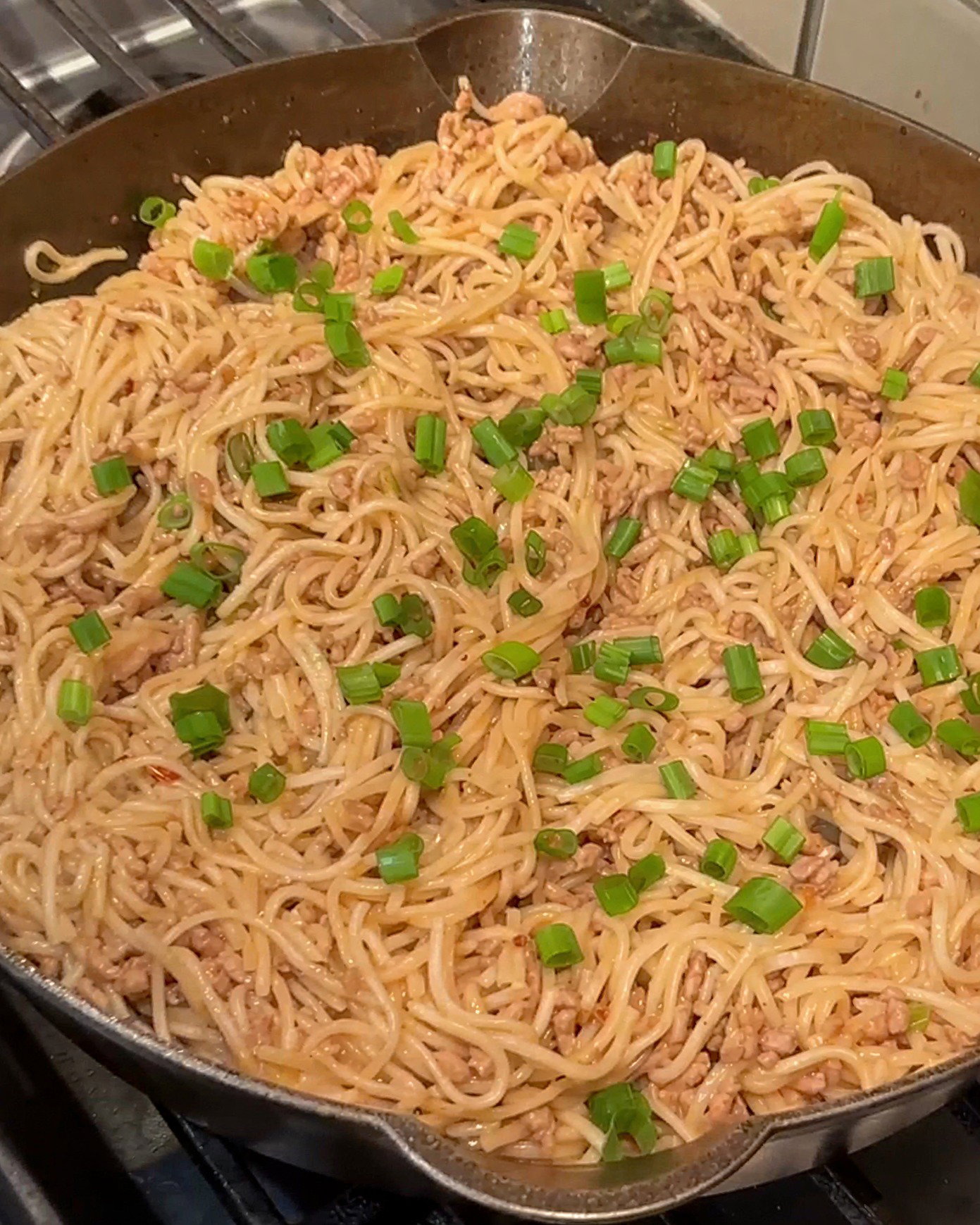
A few noodle dishes never quite fit a single category, and these are the ones worth keeping in your back pocket once the staples feel routine. They lean on the same handful of techniques you already know — a hot pan and a light sauce, a well-balanced broth, a quick fry-then-toss — but steer them toward different cuisines, textures and flavour profiles, so the noodles never taste the same twice. Picking your next one is mostly about matching effort to mood: reach for a quick toss or a fast soup on a busy night when you want dinner in fifteen minutes, and save the multi-component, fry-then-sauce numbers for when you have a little more time and counter space. Pay attention to the strand each dish calls for, too, since a springy wheat noodle, a soft rice ribbon and a slippery glass noodle each behave differently and reward a different hand. Across all of them the same two habits separate good from great: get everything chopped and lined up before you start, because noodles give you no time to pause, and keep the heat genuinely high or the broth properly balanced so food chars and tosses or slurps clean rather than turning soft and flat. Think of this group as the natural next step after the classics — the recipes that quietly earn a regular spot in the rotation once you have tried them. Standouts here include Noodle Ring Samosa 🍜🥐 and Danzai Chicken Noodles, plus Aunt Kerrie's Noedeslaai (Noodle Salad).
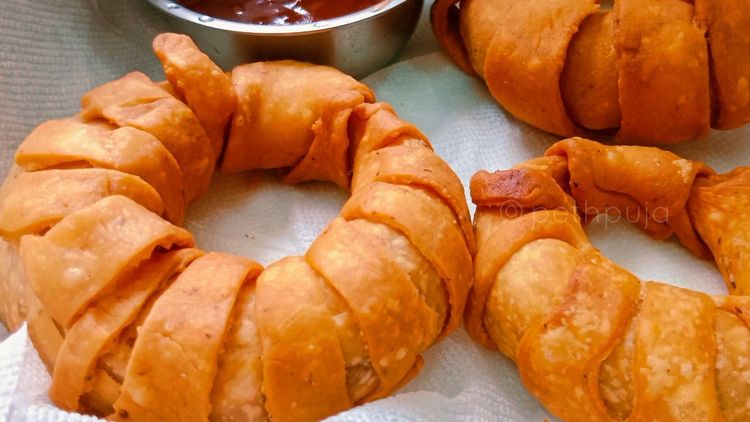
- Fusion
- Vegetarian
- Appetiser
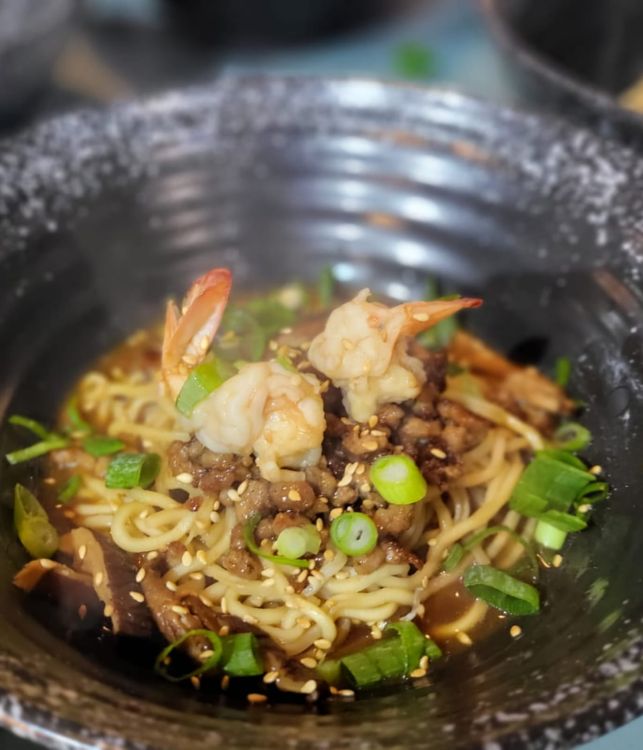
- Taiwanese
- Non-Vegetarian
- Lunch
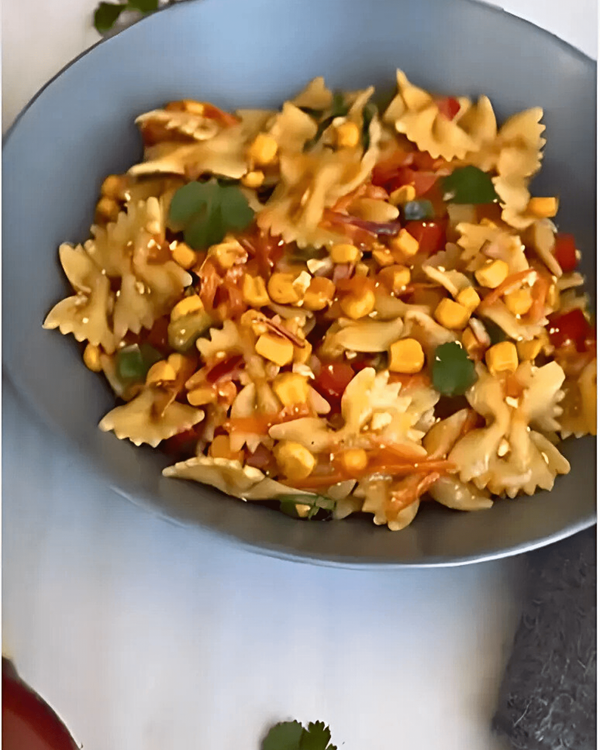
- South African
- Vegetarian
- Snack
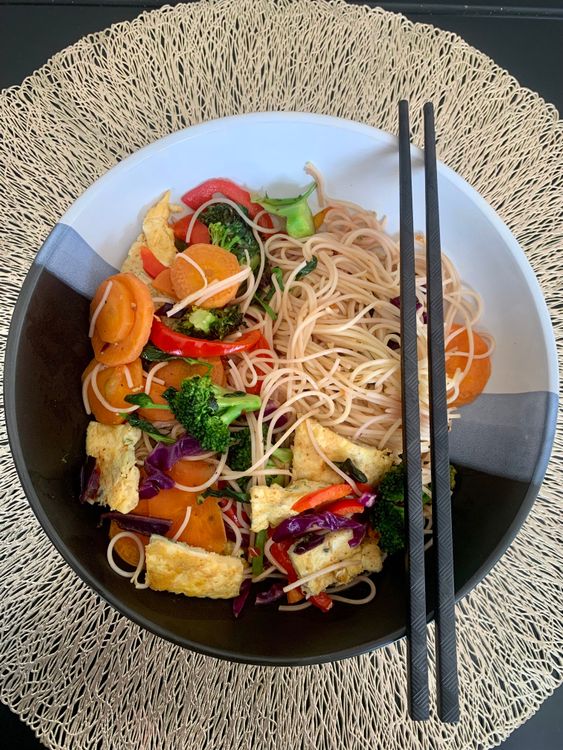
- Eggetarian
- Breakfast
- Non-Vegetarian
- Dinner
Choosing and Cooking the Noodle
The strand matters as much as the sauce, so match it to the dish. Wheat noodles — egg noodles, lo mein, hakka and ramen — are springy and chewy and stand up to a hard toss in the wok or a long simmer in broth. Rice noodles, from thin vermicelli to the flat ribbons in pad thai, are gluten-free and delicate, soaking soft rather than boiling. Glass or cellophane noodles (mung bean) turn slippery and translucent and barely need cooking. Korean japchae uses chewy sweet-potato starch noodles in a class of their own.
Cook every noodle a shade under the packet time, because it keeps softening once it hits a hot pan or a bowl of broth, and an over-boiled strand turns to mush the moment it meets sauce. For stir-fries, drain the noodles, rinse them under cold water to stop the cooking and wash off surface starch, then toss them in a teaspoon of oil so they stay separate while you build the rest of the dish. For most rice and glass noodles, a soak in just-boiled water off the heat is gentler and more forgiving than a rolling boil.
Have everything ready before you start, because noodle dishes give you no time to pause once the heat is on. Cook noodles fresh where you can, but day-old fridge-cold noodles actually fry up beautifully, having dried out just enough to stay separate and pick up char. If noodles clump while waiting, do not fight them dry — a quick splash of warm water or a few seconds back in hot liquid loosens them instantly. The right strand, cooked just under and kept loose, is half of every good noodle dish.
Getting Wok Char at Home
That smoky, slightly charred flavour the Cantonese call wok hei is the difference between a great stir-fried noodle and a soft, pale one, and it comes down to heat and space. Get your wok or widest, heaviest pan genuinely ripping hot — hotter than feels comfortable — before a drop of oil goes in, and use an oil with a high smoke point like groundnut or rice bran. A lukewarm pan steams everything into a grey tangle; a screaming one chars and tosses. If your burner is weak, this is the single biggest fix.
Cook in batches rather than crowding the pan, because a heaped wok drops in temperature the instant cold food lands and everything sweats instead of searing. Sear your aromatics and protein first, push them aside or pull them out, then add the par-cooked noodles and press them against the hot metal, leaving them a moment to catch colour before you toss. Resist the urge to stir constantly — contact with the hot surface is what builds char, so let the noodles sit for a few seconds between tosses.
Keep the sauce light and add it only at the very end, tossing hard so it coats the strands rather than pooling and steaming them soft. A flood of sauce early on is the most common reason home stir-fries turn soggy; you want a glossy slick that clings, not a braise. Have your sauce pre-mixed in a small bowl so you can pour it in one confident motion, finish with a scatter of spring onion or a few drops of toasted sesame oil off the heat, and serve immediately while the edges are still crisp.
Balancing Sauces, Soups and Broths
Most great noodle sauces balance four things — salty, sweet, sour and umami — and tasting for that balance is the real recipe. Soy and fish or oyster sauce bring salt and savour, a little sugar or palm sugar rounds the edges, vinegar or lime lifts everything, and chilli or schezwan paste adds heat. A teaspoon of cornflour slurried into cold water and stirred in at the end gives a saucy noodle its glossy, clinging coat. Build the sauce in the hot pan, taste, and adjust before the noodles ever go in.
For noodle soups, the broth is everything, so season and balance it before you ladle. A good stock — vegetable, mushroom-dashi, or a quick simmer of ginger, garlic, spring onion and soy — wants depth from umami, warmth from aromatics, and a final hit of acid and fresh herbs to keep it from tasting flat. Build heat and richness with miso, chilli oil or a spoon of peanut and coconut for laksa-style bowls, and taste right at the end, since salt reads differently once it is hot and the noodles have gone in.
Keep the noodles and the liquid apart until the last moment. Cook the strands separately, rinse them, and add them to the bowl just before you ladle the hot broth over, or they bloat, go gluey and turn the soup starchy and cloudy as they sit. The same applies to leftovers — store the broth and noodles in separate containers and combine only when reheating. Pile the bowl with fresh contrast too: bean sprouts, herbs, a wedge of lime, a soft egg or a crunch of fried shallots, added at the table so they stay vivid.
Pro Tips from the Test Kitchen
- Cook noodles a shade under the packet time — they keep softening in the sauce or broth.
- Rinse stir-fry noodles under cold water and toss in a little oil so they stay separate.
- Get the wok genuinely smoking-hot before the oil goes in, or noodles steam instead of charring.
- Cook stir-fries in batches — a crowded pan drops in temperature and everything sweats.
- Add the sauce only at the very end and toss hard so it coats rather than pooling.
- Match the strand to the dish: wheat for stir-fries and ramen, rice noodles for pad thai, glass for slippery bowls.
- Soak delicate rice and glass noodles in just-boiled water off the heat rather than boiling them hard.
- For noodle soups, cook the noodles separately and add them just before ladling the broth over.
- Taste and balance salty, sweet, sour and umami in the sauce or broth before the noodles go in.
- Day-old fridge-cold noodles fry up better than fresh — they are drier and stay separate.
Frequently Asked Questions
What are some easy noodle recipes to start with?
Begin with quick wins that teach the basics: veg hakka noodles, a simple garlic noodle toss, or a masala instant-noodle bowl all come together in minutes and show off the core move of a hot pan and a light sauce. From there, try a warming noodle soup or a saucy schezwan bowl, then graduate to a balanced pad thai once you are comfortable. Plain wheat or egg noodles are the most forgiving strand to learn on.
What are the best noodle recipes for a quick weeknight dinner?
The best noodle recipes for a busy night lean on speed and a hot pan — veg hakka noodles, garlic noodles, schezwan noodles or a quick masala maggi are all on the table in fifteen minutes. Have everything chopped before you light the flame, since stir-frying gives you no time to pause. For something soupy, a fast noodle soup built on a ginger-garlic-soy broth is just as quick and far more comforting than a packet.
How do you keep noodles from getting soggy or clumping?
Cook them a shade under the packet time, since they keep softening in the sauce or broth. For stir-fries, drain and rinse the noodles under cold water to stop the cooking and wash off surface starch, then toss them in a teaspoon of oil so they stay separate. Add the sauce only at the very end and keep the pan ripping hot. For soups, cook the noodles separately and add them just before ladling, or they bloat and turn the broth gluey.
What kind of noodle should I use for which dish?
Match the strand to the method. Springy wheat and egg noodles stand up to a hard wok toss and long simmers, so use them for hakka, lo mein, chow mein and ramen. Flat rice noodles soak soft and suit pad thai and saucy bowls; thin rice vermicelli works in soups and salads. Slippery glass noodles barely need cooking and shine in light, brothy dishes, while chewy sweet-potato starch noodles are made for Korean japchae.
How do you get that smoky restaurant flavour in stir-fried noodles?
It comes from wok hei — the char a screaming-hot wok puts on the noodles. Get the pan hotter than feels comfortable before the oil goes in, use a high-smoke-point oil, and cook in batches so the temperature never drops. Press the par-cooked noodles against the hot metal and let them sit a few seconds between tosses to catch colour rather than stirring constantly. Keep the sauce light, add it at the very end, and serve immediately.
Can you make noodle dishes ahead of time?
Saucy stir-fried noodles reheat well and many taste fine the next day, though they are best fresh from the wok. For soups, store the broth and noodles in separate containers and combine only when reheating, since noodles left sitting in liquid bloat and turn gluey. Pad thai and other delicate rice-noodle dishes are best eaten straight away. You can always prep ahead — chop vegetables, mix sauces and par-cook noodles — so the final cook takes minutes.
How do you make a good noodle soup broth?
Start with a flavourful base — vegetable or mushroom stock, or a quick simmer of ginger, garlic, spring onion and soy — and build depth with umami from miso, soy or a dashi note. Season for balance, warm it with aromatics or chilli oil, and finish with a hit of acid and fresh herbs so it does not taste flat. Taste right at the end, since salt reads differently once hot. Add the cooked noodles and fresh toppings just before serving.
Are noodles vegetarian, and how do I make them so?
Plenty of noodle dishes are naturally vegetarian — veg hakka, garlic noodles, many soups and stir-fries — but watch the sauces, since fish sauce and oyster sauce are common in pad thai and saucy bowls. Swap in light soy, a vegetarian oyster-style mushroom sauce, or a little extra salt and a splash of lime for the missing savour. Load the dish with tofu, paneer, egg or vegetables for protein. Most strands themselves are simply wheat or rice and naturally meat-free.
Why are my stir-fried noodles greasy or pale instead of charred?
A pale, greasy result almost always means the pan was not hot enough or was overcrowded, so the noodles steamed and absorbed oil instead of searing. Heat the wok until it is genuinely smoking before the oil goes in, cook in smaller batches, and dry your noodles well after rinsing. Press them against the hot metal and toss less, not more, so they catch colour. Keep the sauce light and added at the end, since a flood of liquid drops the heat and steams everything.
The thread through every noodle recipe here is the same: cook the strands just under so they stay springy, keep them loose and separate, and bring real heat to the pan or real balance to the broth. Master those and stir-fries char instead of steaming, soups stay clear and slurpable, and classics like pad thai come together exactly as intended — salty, sweet, sour and savoury all in tune.
Pick a few noodle recipes to cook this week — a wok-charred plate of hakka noodles, a comforting bowl of soup, and a packet of instant noodles dressed up with egg and vegetables — and save your favourites to a Chefadora cookbook. There is a noodle dish for every mood and every minute you have; this page is built to be the noodle reference you keep coming back to.
Related
- Noodles
- Vegetarian
- Indo-Chinese
- Asian
- Stir-fry
- Soup
- Quick
- Comfort food
Popular Searches
- Best noodle recipes
- Easy noodle recipes
- Quick noodle recipes
- Healthy noodle recipes
- Simple noodle recipes
- Homemade noodle recipes
- Delicious noodle recipes
- Popular noodle recipes
- hakka noodles
- veg noodles
- schezwan noodles
- noodle soup
Marnirni-apinthi Building, Lot Fourteen,
North Terrace, Adelaide, South Australia, 5000
Australia
