
16 Cozy Vegetable Soup Recipes to Warm Any Weeknight
Updated July 9, 2026 · Curated by Chefadora

Few things reset a tired evening like a pot of soup on the stove, and these vegetable soup recipes are the ones I come back to all year. Some are brothy and quick, ready in twenty-five minutes with whatever is wilting in the crisper drawer. Others simmer low and slow with beef shanks until the whole kitchen smells like Sunday. I have grouped all sixteen here so you can find the exact bowl you want, whether that is a light detox broth, a spice-warmed Moroccan pot, or a creamy roasted blend hiding under grilled cheese croutons.
What ties them together is flexibility. Nearly every recipe below welcomes swaps, so a bag of frozen mixed veg, a leftover Parmesan rind, or a handful of barley all find a home. I have noted simmer times, blending tips, and the small seasoning moves that take a pot from watery to deeply savory, plus which soups freeze best for lunches you will actually look forward to. Skim the clusters, pick your mood, and get a pot going.
Classic & Quick Vegetable Soup Recipes
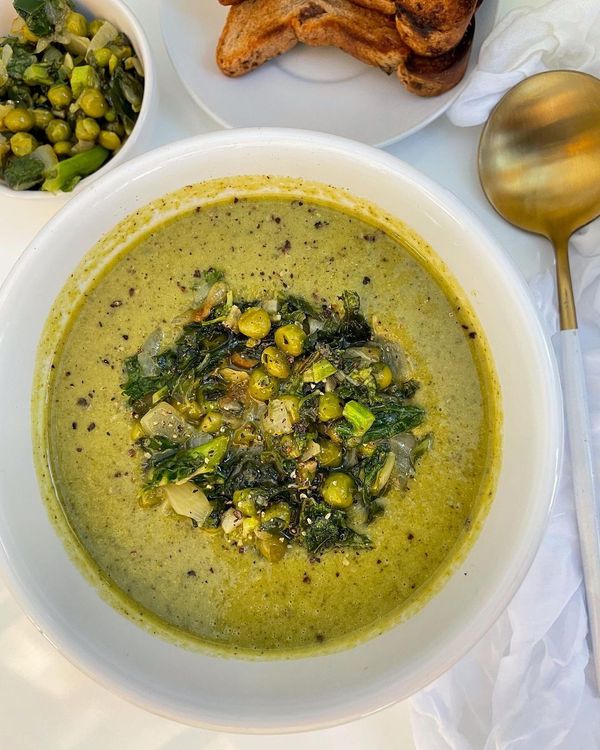
This is the group I reach for on a Tuesday, when dinner needs to happen fast and the fridge is looking bare. These are lean, brothy, mostly one-pot soups built on onion, carrot, celery, and whatever else needs using up before it turns. Start by sweating the aromatics in a little oil until soft and fragrant, then add your firmer vegetables, pour in hot stock, and simmer just until everything is tender. Finish with a squeeze of lemon or a shower of fresh herbs to keep the flavors bright rather than flat and one-note. None of these need special equipment or a shopping trip, and every one of them scales up easily if you want leftovers for the week. They are the definition of a low-stakes weeknight dinner: forgiving, cheap, and on the table in well under an hour.


- International
- Vegan
- Lunch


- Indian
- Vegetarian
- Lunch

- Vegetarian
- Vegan
- Appetiser
- Mediterranean
- Non-Vegetarian
- Breakfast
Hearty Beef & Meat Vegetable Soups
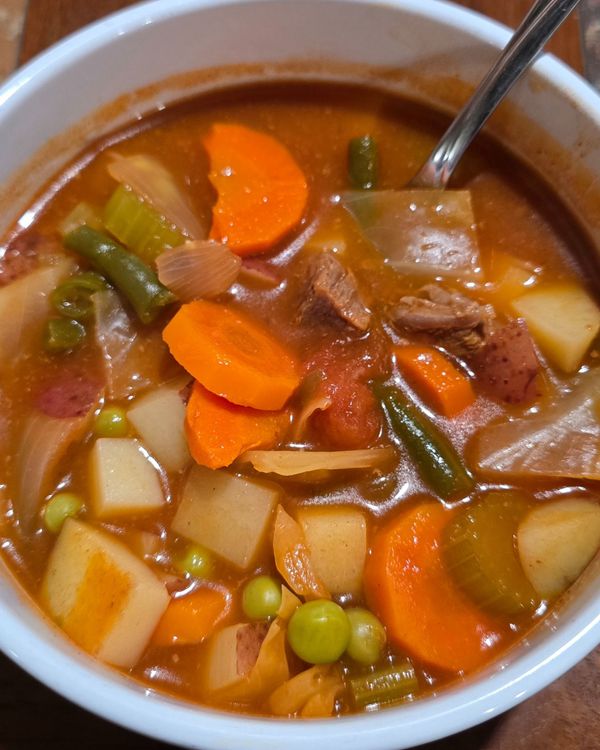
When you want soup that eats like a full dinner, meat is the move. Browning beef or chicken first builds a fond on the bottom of the pot that becomes the backbone of the broth, so do not rush that step. For beef and vegetable soup, tougher cuts like chuck or shank reward a long, gentle simmer, turning meltingly tender while releasing gelatin that gives the broth real body. Chicken versions come together far faster. All of these take beautifully to a slow cooker or crock pot if you would rather set it and forget it until dinnertime.


- Dairy-Free
- Soup


- Moroccan
- Non-Vegetarian
- Dinner
- International
- Non-Vegetarian
- Lunch

- American
- Non-Vegetarian
- Lunch
- International
- Non-Vegetarian
- Appetiser
Creamy & Roasted Vegetable Soups
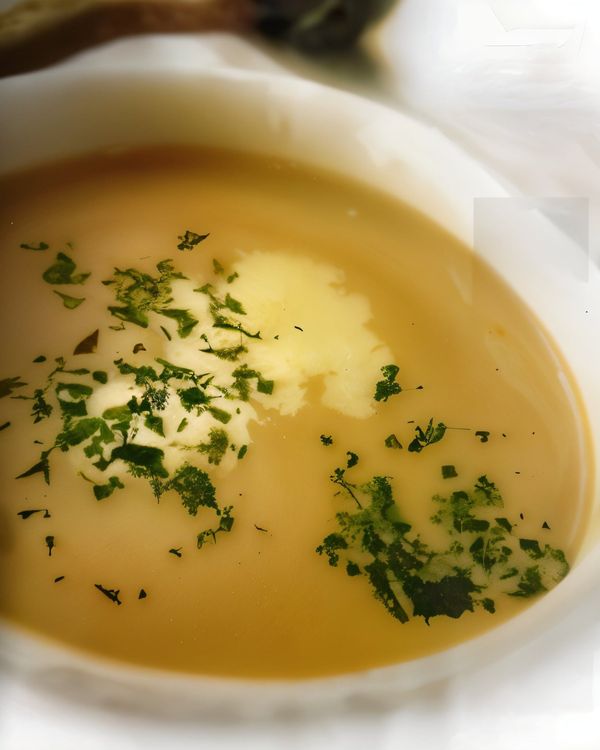
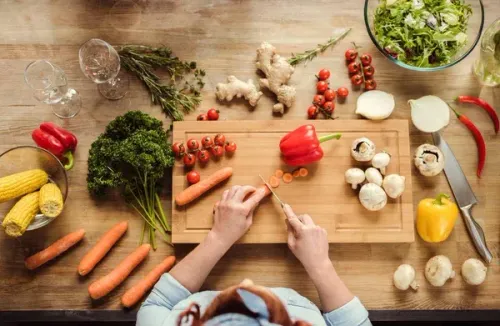
Roasting changes everything. Tossing carrots, peppers, tomatoes, or squash with oil and caramelizing them in a hot oven concentrates their sugars, so the finished soup tastes richer even before any cream goes in. Blend the roasted vegetables with stock until silky, then decide how plush you want it: a splash of cream, a crumble of feta, or a raft of grilled cheese croutons on top. These are the soups I make when I want a bowl that feels a little special, an easy way to turn ordinary vegetables into something worth slowing down for. Because they are already smooth, they reheat cleanly and make elegant starters, and a good immersion blender does all the heavy lifting right there in the pot.


- Vegetarian
- Soup

- European
- Non-Vegetarian
- Appetiser

- American
- Vegetarian
- Lunch
Healthy, Detox & Global Vegetable Soups
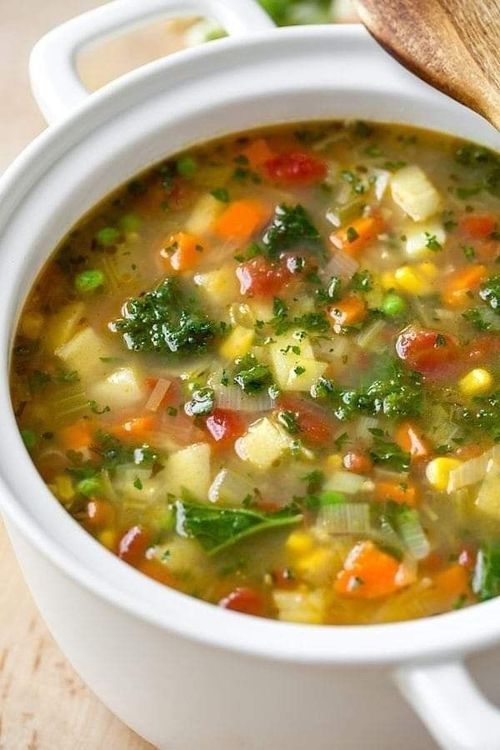
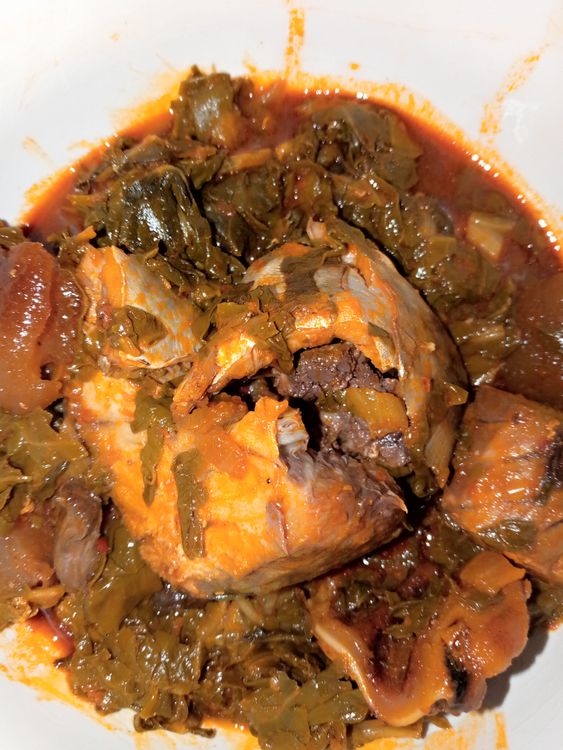
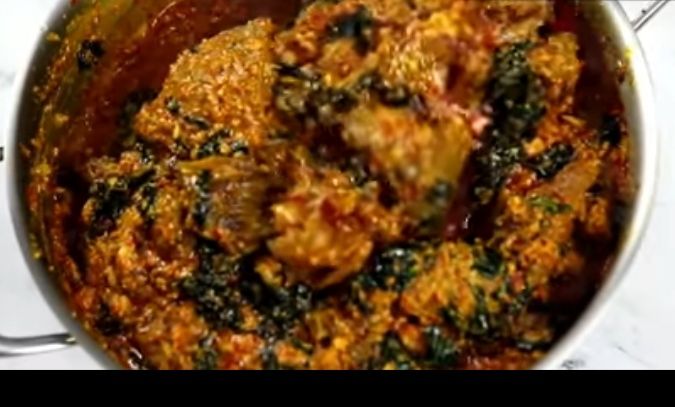
Some nights you want a bowl that resets you, and other nights you want to travel without leaving the kitchen. This last group does both. The lighter, veg-packed options lean on ginger, turmeric, and greens for an anti-inflammatory hit, while the West African soups bring real depth from egusi seeds, palm oil, and leafy greens. A Tuscan-style pot folds in beans and a Parmesan rind for a minestrone feel. All of them are generous, forgiving, and easy to batch cook for a week of lunches ahead. They also happen to be some of the most nutrient-dense bowls in the collection, packed with fiber and greens, and they prove that a soup can be genuinely good for you without tasting the least bit like a diet.

- American
- Non-Vegetarian
- Dinner
- International
- Vegan
- Lunch
- Nigerian
- Non-Vegetarian
- Lunch
- Nigerian
- Non-Vegetarian
- Main Course
How to Make Vegetable Soup From Scratch
Good soup follows a simple arc, and once you internalize it you will rarely need a recipe again. Start with a base of aromatics: diced onion, carrot, and celery, sometimes called a mirepoix, sweated slowly in olive oil or butter over medium heat until soft and translucent, about eight minutes. This is where flavor begins, so resist the urge to crank the heat. If you like garlic, add it in the last minute so it perfumes the pot without scorching. A spoonful of tomato paste stirred in now and cooked until it darkens adds a savory, almost meaty depth that many thin vegetable soups are sorely missing.
Next comes layering by cook time. Add your firmer vegetables, potatoes, turnips, and squash first, then pour in enough hot stock to cover by an inch. Bring it to a boil, then drop to a gentle simmer, because a hard boil turns vegetables mushy and clouds the broth. Quicker-cooking additions like zucchini, peas, green beans, and leafy greens go in during the final five to ten minutes so they keep their color and bite. Frozen vegetables need no thawing; add them straight from the bag toward the end. Taste as you go and season in stages rather than dumping all the salt in at once.
The finish is what separates a memorable pot from a forgettable one. A splash of acid, lemon juice, a little vinegar, or a diced fresh tomato, wakes everything up. Fresh herbs stirred in off the heat keep their fragrance, and a drizzle of good olive oil or a spoonful of pesto adds welcome richness. If the broth tastes flat, it almost always needs salt or acid, not more vegetables. Let the soup rest ten minutes before serving; like most braises, it tastes better once the flavors have had a quiet moment to marry in the pot.
One more thing: the pot you use matters more than people think. A heavy-bottomed Dutch oven holds and spreads heat evenly, so aromatics soften without catching and the broth simmers steadily instead of scorching in hot spots. Give the vegetables room, since crowding a small pot steams rather than sautes them and washes the flavor right out. If you are doubling a batch for the freezer, reach for a pot at least two inches taller than you think you need, because a full pot of soup boils over the instant you turn your back on it.
Best Vegetables, Barley & Add-Ins
Almost any vegetable can go into the pot, but a few earn their place every time. Onions, carrots, and celery form the aromatic backbone; potatoes and beans add body and make a bowl filling enough to call dinner. Cabbage is the unsung hero of budget soups, cheap, sweet once softened, and the star of the well-known Weight Watchers cabbage soup so many people lean on for lighter eating. Tomatoes, fresh or canned, bring acidity and color, while corn and peas add little pops of sweetness. Hardy greens like kale and chard hold up to a long simmer, whereas spinach should go in at the very end.
Grains and legumes turn soup into a meal. Barley is my favorite: pearl barley simmered right in the broth for about forty minutes releases starch that thickens the liquid and gives every spoonful a pleasant chew. Add an extra cup of stock, since barley drinks it up as it cooks. Lentils, white beans, and chickpeas work the same way and need no pre-soaking if you reach for canned. For a heartier bowl, a Parmesan rind or a splash of soy sauce deepens the savory, umami side of the soup without any meat at all, which is handy on a meat-free night.
Do not overlook the pantry. A bay leaf, a pinch of smoked paprika, dried thyme, or that Parmesan rind quietly transform the broth as it simmers away. Frozen mixed vegetables are genuinely useful here, picked and frozen at peak ripeness, they save prep time and let you make soup year-round from whatever is in the freezer. Keep a few staples on hand, canned tomatoes, stock cubes, a bag of frozen veg, and a box of barley, and a satisfying pot of soup is never more than forty minutes away, even on a bare-cupboard night.
A quick word on stock, since it is half of any soup. Homemade is lovely, but a good boxed vegetable or chicken stock is perfectly honest, and even plain water works if you build enough flavor elsewhere with aromatics, herbs, and a Parmesan rind. If you use stock cubes or a concentrated base, go easy on additional salt until you have tasted the finished pot, because those products are often salty enough to season the whole thing on their own. Save vegetable trimmings, onion skins, and carrot ends in a freezer bag and you can simmer your own stock for free.
Make-Ahead, Freezing & Slow Cooker Tips
Soup is one of the best make-ahead meals there is, and most of the recipes here only improve after a night in the fridge as the flavors settle. Cool the pot quickly, then refrigerate for up to four days in an airtight container. For longer storage, freeze in individual portions so you can pull out a single lunch at a time; most vegetable soups keep well for three months frozen. Leave headroom at the top of the container, since liquid expands as it freezes, and label everything with the date, because every frozen soup looks identical after a month in there.
A few soups freeze better than others. Brothy, bean, and beef vegetable soups are champions; creamy and dairy-based blends can separate or turn grainy, so if you plan to freeze one, hold the cream and stir it in fresh when you reheat. Potatoes can go slightly mealy after freezing, which bothers some cooks and not others at all. To reheat, thaw overnight in the fridge and warm gently on the stove, adding a splash of stock or water to loosen a broth that has thickened in storage. Taste and re-season, since chilling always dulls salt.
For hands-off cooking, a slow cooker or crock pot is ideal, especially for a beef soup. Brown the meat and sweat the aromatics first if you have the time, then add everything except the most delicate vegetables and cook on low for six to eight hours or high for three to four. Stir in quick-cooking greens and any dairy in the last thirty minutes. The long, low heat coaxes tough cuts tender and melds the flavors beautifully, and you come home to dinner already made and the whole house smelling incredible.
Finally, think about how you serve it, because the right finish turns a humble bowl into a proper meal. Crusty bread or a grilled cheese sandwich is the classic partner, ideal for dunking into a brothy or roasted soup. A swirl of yogurt or a handful of grated cheese adds richness, while toasted seeds, croutons, or a scatter of fresh herbs bring welcome crunch and color. For packed lunches, keep the soup and any crunchy topping separate so the garnish stays crisp until you are actually ready to eat.
Pro Tips for a Better Pot of Soup
- Sweat your aromatics slowly. Rushing the onions, carrots, and celery over high heat browns them unevenly and leaves a raw, harsh edge in the finished broth.
- Season in layers, tasting after each addition. A pinch of salt with the aromatics, more with the stock, and a final adjustment at the end builds deeper flavor than one big dose.
- Keep a Parmesan rind in the freezer. Dropped into the pot while the soup simmers, it melts slowly and lends a savory, umami richness that tastes like it took hours.
- Add a splash of acid at the very end. Lemon juice, wine vinegar, or a diced fresh tomato lifts a flat pot instantly, far more reliably than another spoon of salt.
- Cut vegetables to a uniform size so they cook evenly, and add them by density: roots and potatoes first, tender greens and peas in the final few minutes.
- Do not boil hard once the vegetables are in. A gentle simmer keeps them intact and the broth clear, while a rolling boil turns everything cloudy and mushy.
- Undercook slightly if you plan to freeze or reheat, since the vegetables soften further the second time around. This keeps make-ahead bowls from going to complete mush.
- Save the cream for last in creamy soups. Stirring dairy in off the heat, or after reheating, prevents curdling and keeps the texture silky and smooth.
Frequently Asked Questions
What vegetables are best for vegetable soup?
Onion, carrot, and celery form the aromatic base of almost any pot, while potatoes, beans, and cabbage add body. Tomatoes bring acidity, corn and peas add sweetness, and hardy greens like kale hold up to a long simmer. Frozen mixed vegetables work well too and save prep time year-round. As a rough rule, aim for a mix of a starchy vegetable for body, a couple of sweet ones for balance, and something green for freshness, and you will rarely go wrong.
How do I make the soup more flavorful?
Flat soup almost always needs salt or acid, not more vegetables. Brown a spoonful of tomato paste with the aromatics, simmer a Parmesan rind in the broth, and finish with lemon juice or vinegar. Fresh herbs stirred in off the heat and a drizzle of olive oil add the final lift.
Which of these vegetable soup recipes freeze best?
Brothy, bean, and beef soups freeze beautifully for up to three months. Creamy, dairy-based blends can separate, so hold the cream and add it fresh when reheating. Freeze in single portions, leave headroom for expansion, and thaw overnight before warming gently on the stove.
Can I make the soup from frozen vegetables?
Absolutely, and it is one of the easiest weeknight shortcuts there is. Add frozen vegetables straight from the bag, no thawing needed, during the last five to ten minutes so they do not overcook. Because they are frozen at peak ripeness, they often taste as good as fresh in a simmered soup.
How do I add meat to the soup?
Brown the meat first to build flavor, then simmer it in the broth. Tougher beef cuts like chuck or shank need one to two hours to turn tender, while chicken cooks in twenty to thirty minutes. A slow cooker set on low for six to eight hours does this beautifully and hands-off.
What spices go well in the soup?
Bay leaf, thyme, and black pepper are classic, while smoked paprika, cumin, and a pinch of chili add warmth and depth. Turmeric and ginger lean the pot toward an anti-inflammatory detox style. Add dried spices early so they bloom in the broth, and fresh herbs at the very end. Toasting whole spices in the dry pot for a minute before the oil goes in draws out even more aroma, and a Moroccan-style pinch of cinnamon in a savory pot is a lovely surprise.
How long does homemade soup last?
Stored in an airtight container in the fridge, most vegetable soups keep for three to four days and often taste better on day two. In the freezer they last around three months. Cool the pot quickly before storing, and always reheat gently, loosening with a splash of stock if needed.
Can I use barley in the soup?
Yes, and it makes a wonderfully hearty bowl. Add pearl barley directly to the simmering broth and cook about forty minutes until tender and chewy. It releases starch that thickens the soup, so pour in an extra cup of stock, since barley absorbs a lot of liquid as it cooks. If you are making the soup ahead, note that the barley keeps swelling in storage, so you may need to thin the pot with more stock when you reheat it the next day.
Keep this collection bookmarked and you will always have an answer to the what's-for-dinner question. These vegetable soup recipes span quick weeknight broths, long-simmered beef bowls, silky roasted blends, and globe-trotting classics, so there is genuinely something for every mood and season. Pick one, keep the aromatics-then-simmer-then-finish rhythm in mind, taste as you go, and make the pot your own.
Related
- vegetable soup
- beef vegetable soup
- healthy soup
- make ahead soup
- slow cooker soup
- minestrone
Popular Searches
- Best vegetable soup recipes
- Easy vegetable soup recipes
- Quick vegetable soup recipes
- Healthy vegetable soup recipes
- Simple vegetable soup recipes
- Homemade vegetable soup recipes
- Delicious vegetable soup recipes
- Popular vegetable soup recipes
- weight watchers vegetable soup cabbage
- recipe for vegetable soup with barley
- beef and vegetable soup recipes
- vegetable soup from frozen veggies
Marnirni-apinthi Building, Lot Fourteen,
North Terrace, Adelaide, South Australia, 5000
Australia
