
Top 91 Stew Recipes: Beef, Chicken, Seafood and Global Classics
Updated June 29, 2026 · Curated by Chefadora
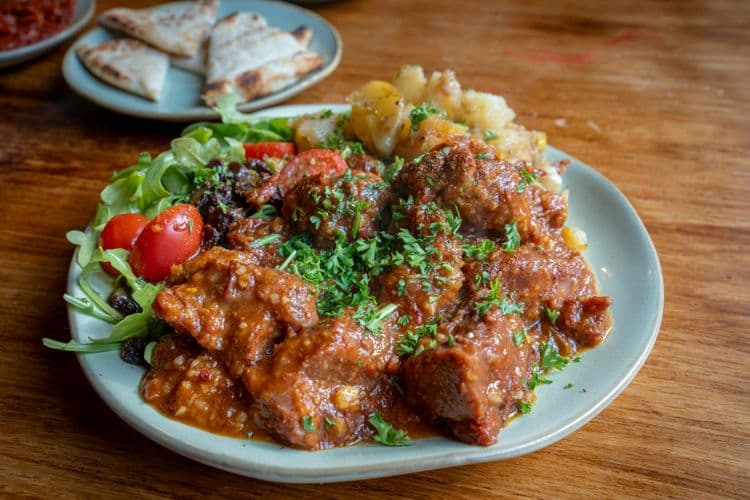
Stew recipes are the original slow food: humble, inexpensive cuts and vegetables coaxed over low heat into something rich, glossy and deeply comforting. The dishes below were chosen to show the breadth of the form rather than ten versions of the same brown gravy — a classic beef stew, juicy chicken braises, brisk seafood and bean pots, and a run of global classics from Irish to Moroccan. What ties them together is not a recipe but a rhythm: brown well, deglaze, then let time and gentle heat do the rest.
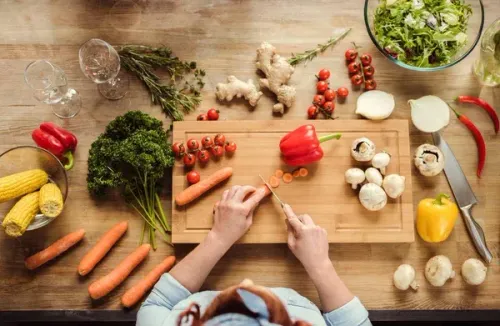
The single biggest lever in any stew is the sear. Patting the meat dry, browning it hard in batches until it is genuinely mahogany, and scraping up the fond that sticks to the pan is what separates a stew that tastes of layered, roasted depth from one that tastes like grey boiled meat in thin liquid. Everything after that — the braise — is mostly about restraint: a bare, lazy simmer rather than a hard boil, so collagen melts into silk instead of the meat seizing tight and dry.
You will find four clusters here: beef and hearty meat stews, chicken and poultry, seafood and vegetable, and global and regional classics. The base method is shared across nearly all of them, so once you have nailed one good beef stew, a chicken fricassee or a Moroccan tagine is a variation on the same handful of moves — choose the cut, build the base, braise low, thicken and finish bright.
Treat this as a working reference. Each recipe links to full ingredients and steps on Chefadora, and the guides below cover the decisions that actually determine whether a stew turns out deep and tender or thin and tough — how to brown properly, which cuts to choose and why, how to thicken a gravy three different ways, and how to use a slow cooker or pressure cooker without losing that browned-meat flavour.
Beef & Hearty Meat Stews
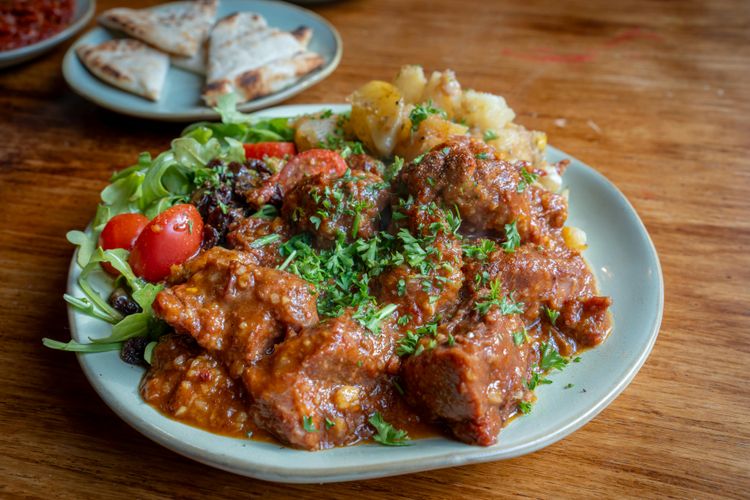
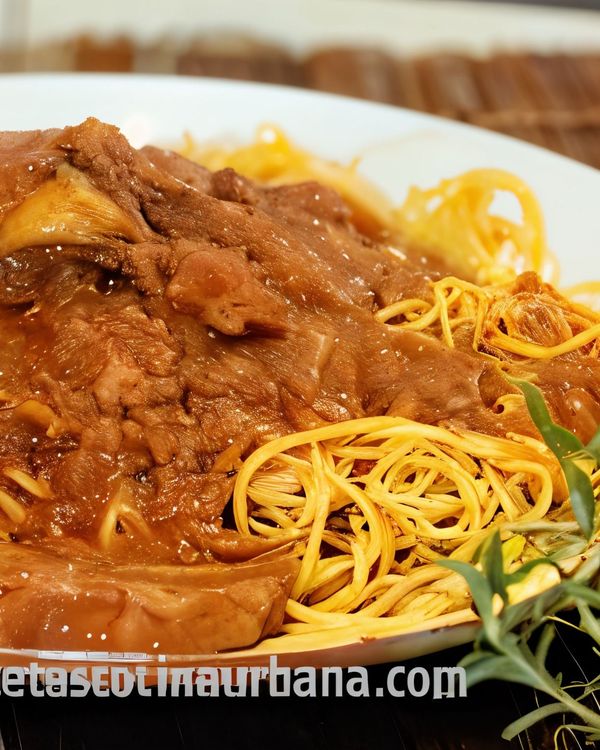
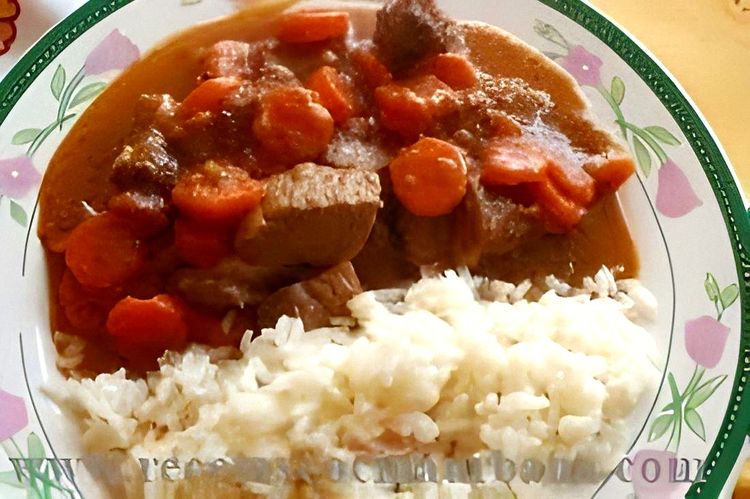
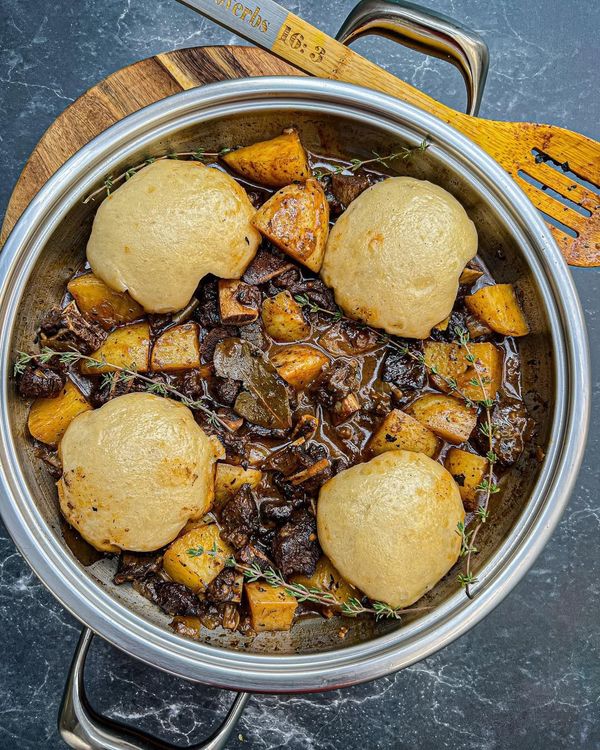
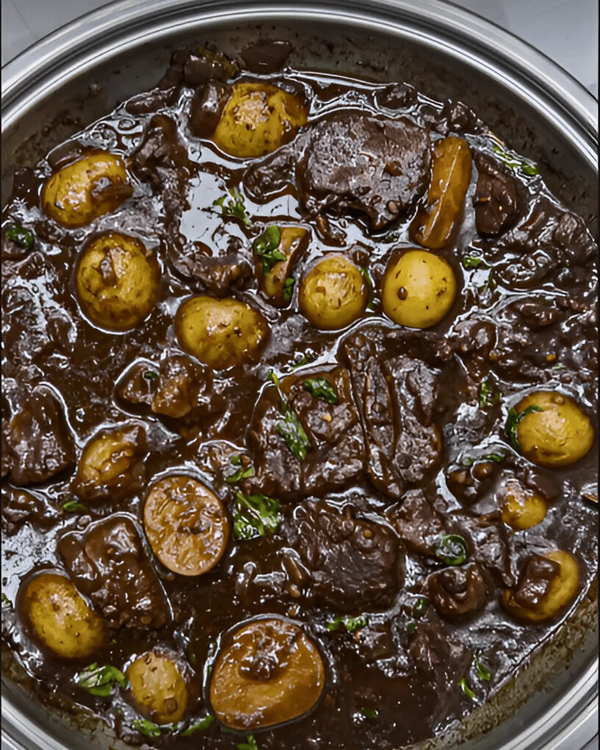
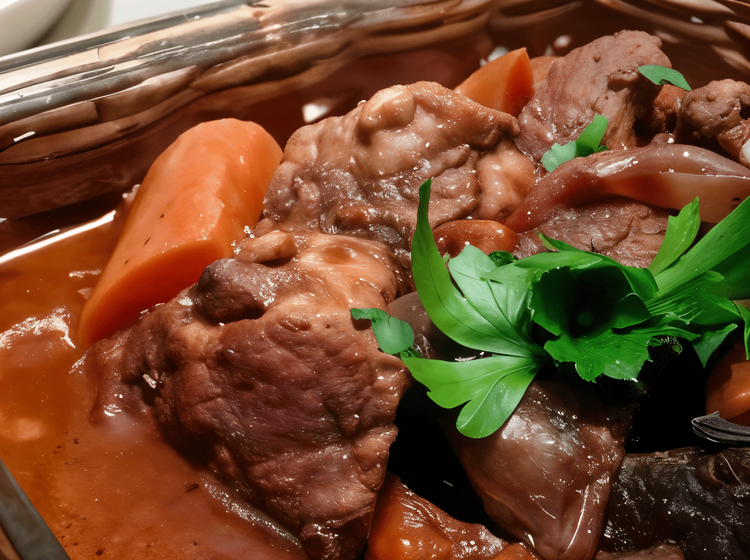
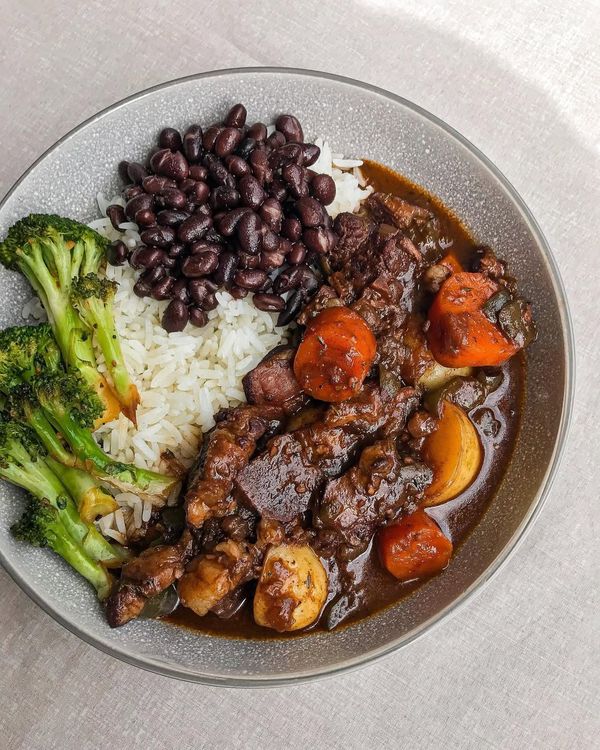
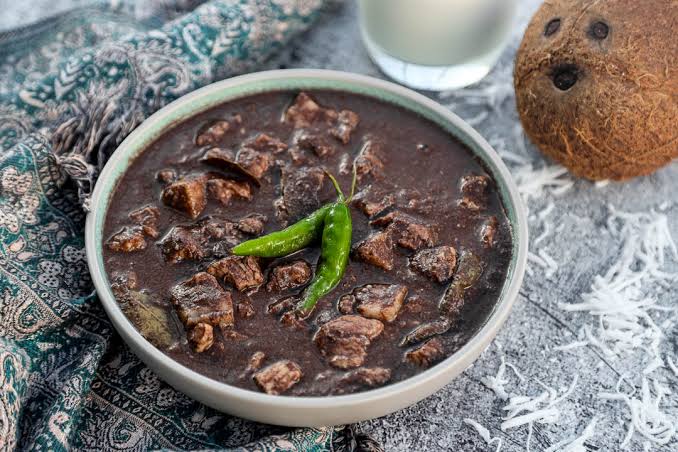
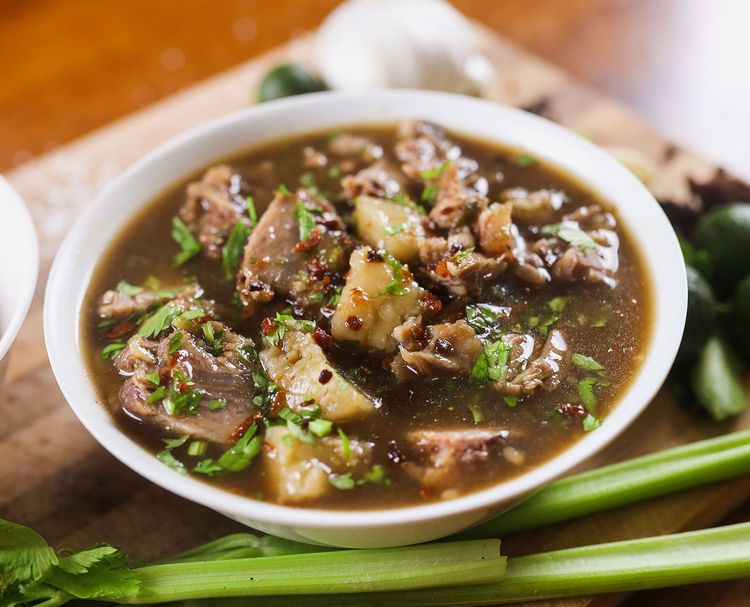
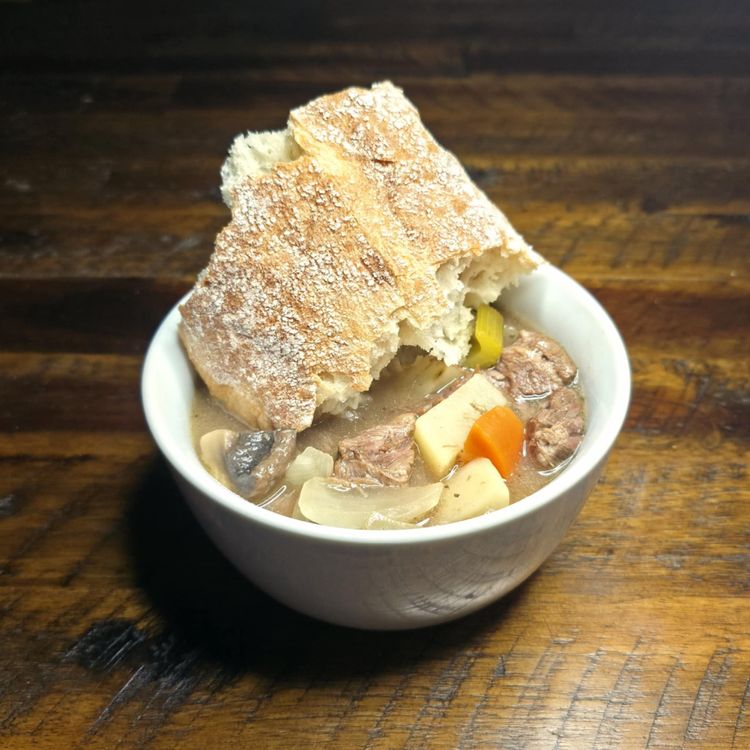
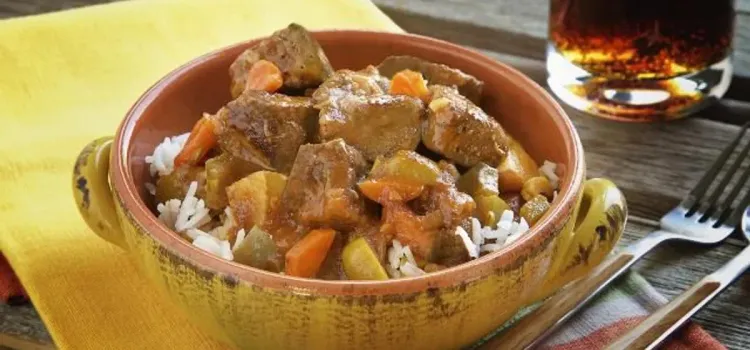
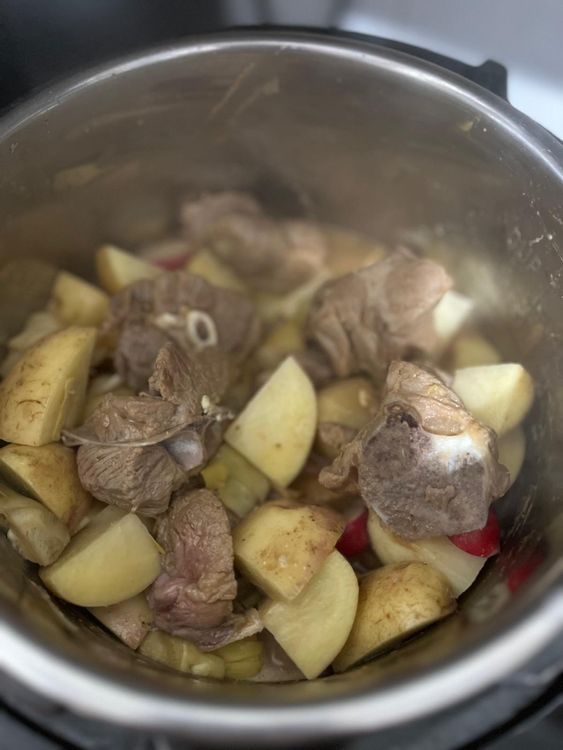
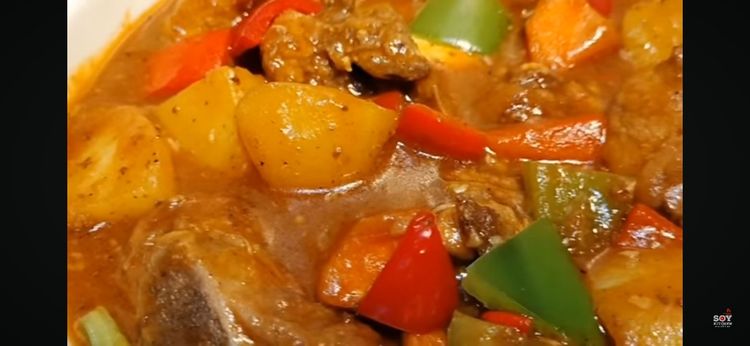
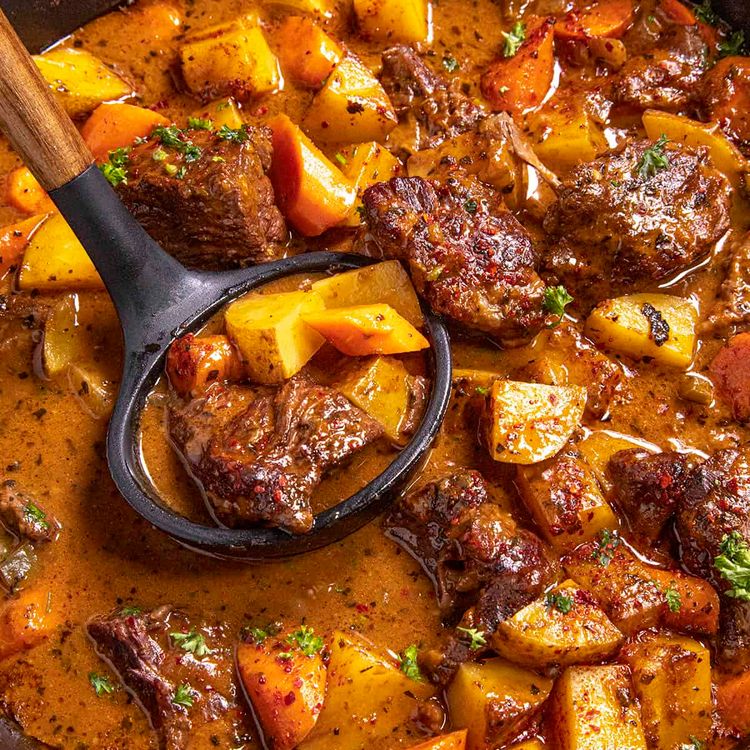
This is the heart of the category and the best place to learn the method, because everything a great stew depends on shows up here in sharp relief. Start with a tough, collagen-rich cut — chuck, brisket, shin or short rib — and pat the cubes bone-dry before they ever touch the pan, because surface moisture steams instead of searing. Brown them hard in batches over genuinely high heat, leaving each piece undisturbed until it releases with a dark crust; crowding the pan is the single most common mistake, trapping steam and leaving you with grey, flavourless meat. Once the fond builds on the bottom, deglaze with wine, stock or beer and scrape every dark fleck loose, because that is where the depth lives. Then comes the part that asks only for patience: a bare, lazy simmer, covered, ideally in a low oven around 150C for two to three hours, until a fork twists in the meat with no resistance. Boil it hard and you tighten the fibres before the collagen melts; hold it gentle and the same cut turns to silk. Standouts here include Beef Stew and Pork Stew with Rice, plus Viral One-Pot Beef & Potatoes Stew.


- Non-Vegetarian
- Dinner


- Non-Vegetarian
- Dinner


- American
- Gluten-Free
- Dinner

- Non-Vegetarian
- Dinner

- Non-Vegetarian
- Dinner

- Indian
- Non-Vegetarian
- Lunch
- Spanish
- Non-Vegetarian
- Lunch
- International
- Non-Vegetarian
- Lunch
- Spanish
- Non-Vegetarian
- Lunch

- Non-Vegetarian
- Dinner
- American
- Non-Vegetarian
- Dinner
- Peruvian
- Non-Vegetarian
- Lunch
- Croatian
- Non-Vegetarian
- Dinner
- American
- Gluten-Free
- Lunch
- American
- Non-Vegetarian
- Dinner
- American
- Non-Vegetarian
- Dinner
- European
- Non-Vegetarian
- Lunch
- Mediterranean
- Non-Vegetarian
- Dinner
- International
- Non-Vegetarian
- Lunch
- European
- Non-Vegetarian
- Lunch

- South African
- Non-Vegetarian
- Dinner
- Mediterranean
- Non-Vegetarian
- Dinner
- Zimbabwean
- Non-Vegetarian
- Dinner
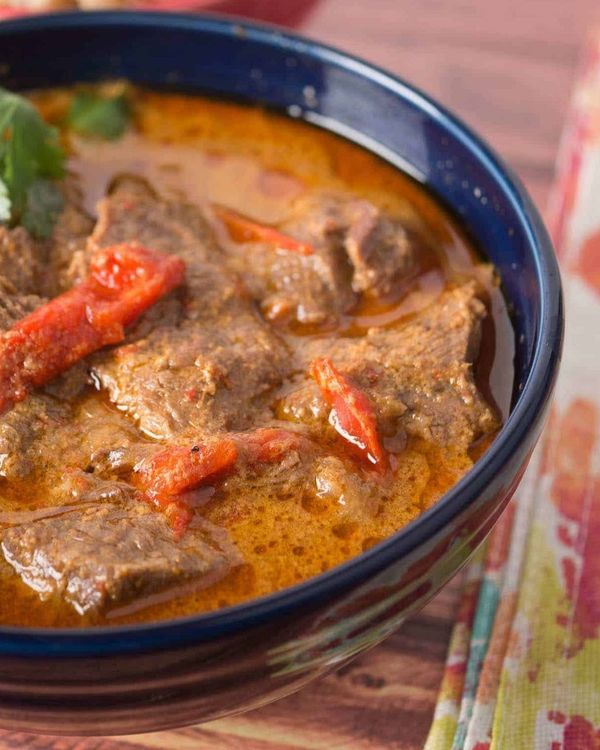
- Pakistani
- Non-Vegetarian
- Lunch
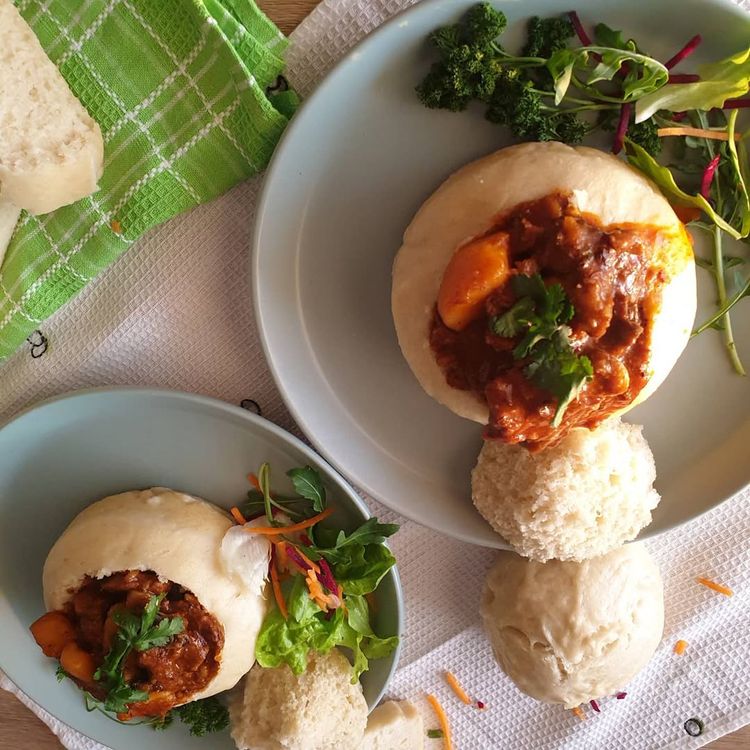
- South African
- Non-Vegetarian
- Lunch
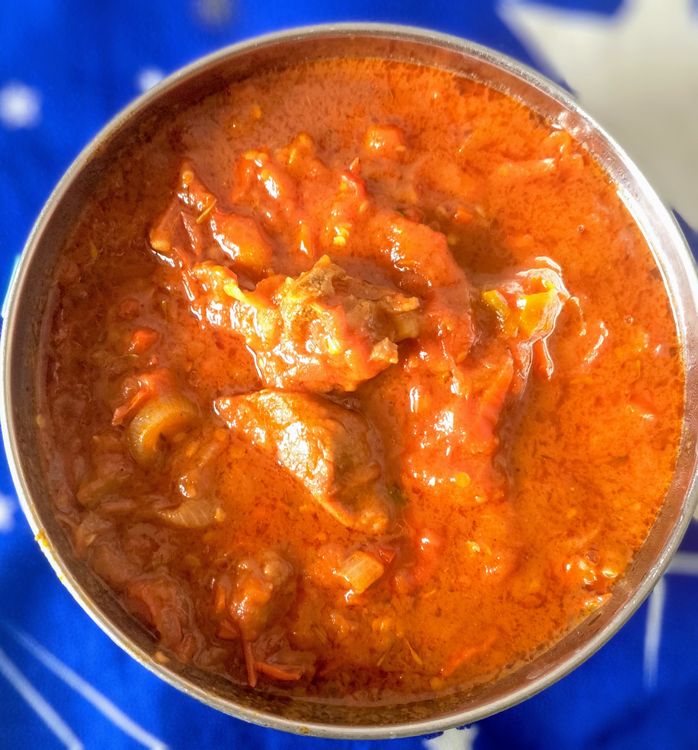

- Nigerian
- Non-Vegetarian
- Main Course
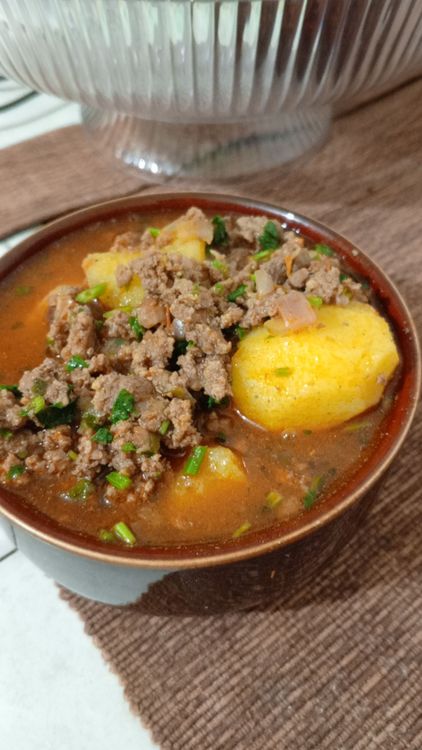
- African
- Non-Vegetarian
- Lunch
- Filipino
- Non-Vegetarian
- Lunch

- Filipino
- Non-Vegetarian
- Lunch

- American
- Non-Vegetarian
- Dinner
- American
- Non-Vegetarian
- Dinner
- Chinese
- Non-Vegetarian
- Dinner
Chicken & Poultry Stews
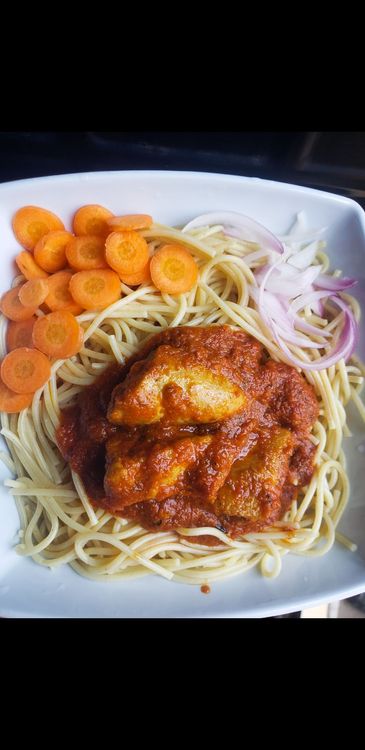
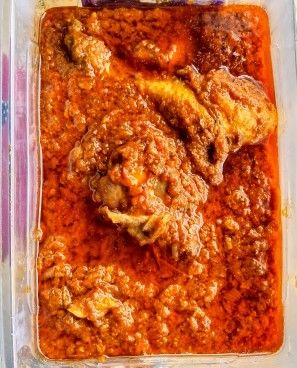
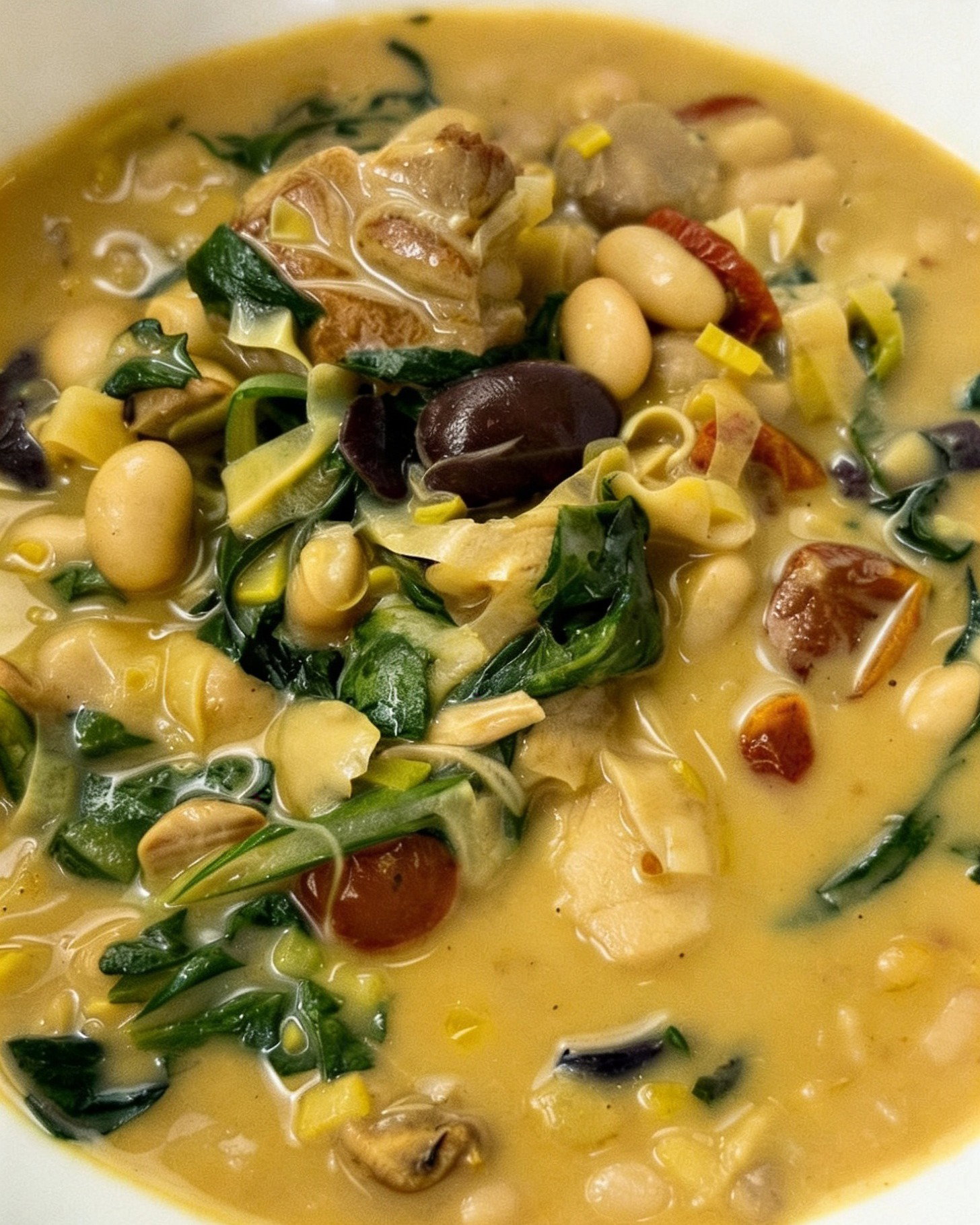
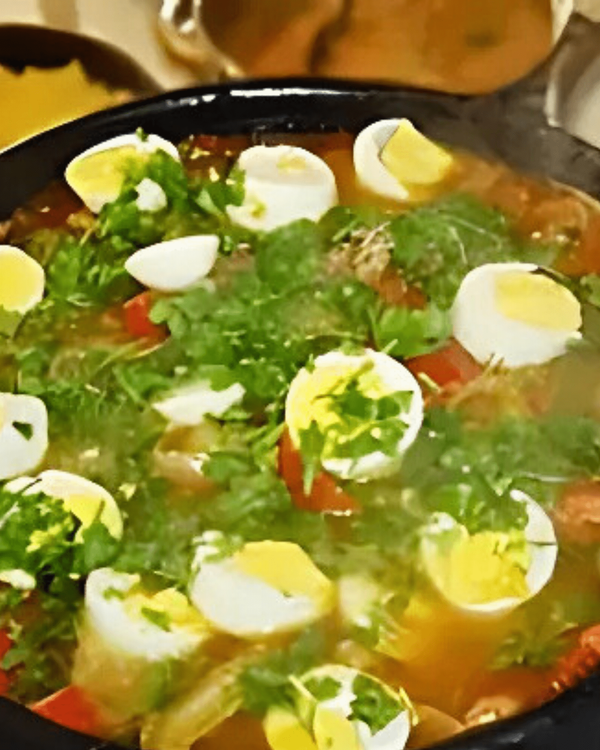
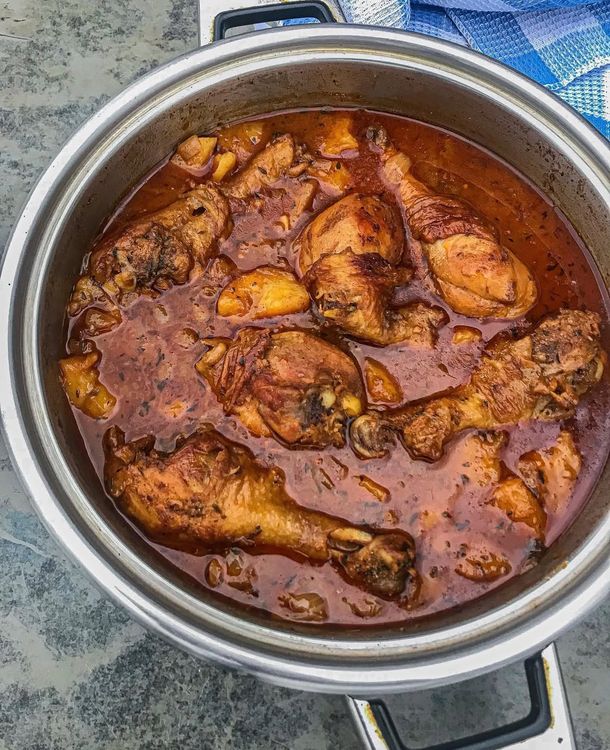
Poultry stews are lighter and faster than beef but run on exactly the same logic, so the technique transfers directly once you adjust for a more delicate protein. The most important choice is the cut: thighs and drumsticks, with their darker meat and connective tissue, stay juicy through a braise and forgive overcooking, while breast dries out and turns stringy if you simmer it too long. Brown the chicken skin-side down in a hot pan to render the fat and build a golden crust and fond, then set it aside and soften your aromatics in the rendered fat before returning it to braise. Because chicken cooks far quicker than beef, you are looking at thirty-five to fifty minutes of gentle simmering rather than hours, and the meat is done the moment it pulls easily from the bone. The frequent error is treating it like beef and stewing it to shreds; pull it earlier, keep the simmer gentle, and finish dishes like a fricassee or coq au vin with cream, fresh herbs or a squeeze of lemon to keep them bright rather than heavy. Standouts here include Creamy Chicken Tortilla Stew and Nigerian Chicken Stew, plus Chicken party stew.


- Gluten-Free
- Dinner

- Nigerian
- Non-Vegetarian
- Lunch
- Nigerian
- Non-Vegetarian
- Main Course

- Non-Vegetarian
- Dinner

- Non-Vegetarian
- Soup
- Non-Vegetarian
- Dinner

- American
- Non-Vegetarian
- Dinner
- Latin American
- Non-Vegetarian
- Lunch
- African
- Non-Vegetarian
- Dinner
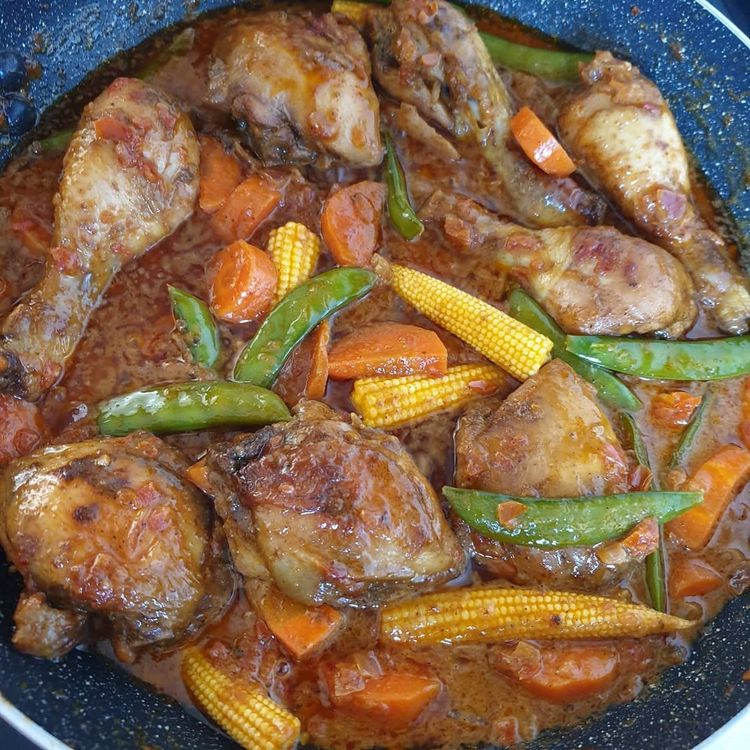
- South African
- Non-Vegetarian
- Dinner
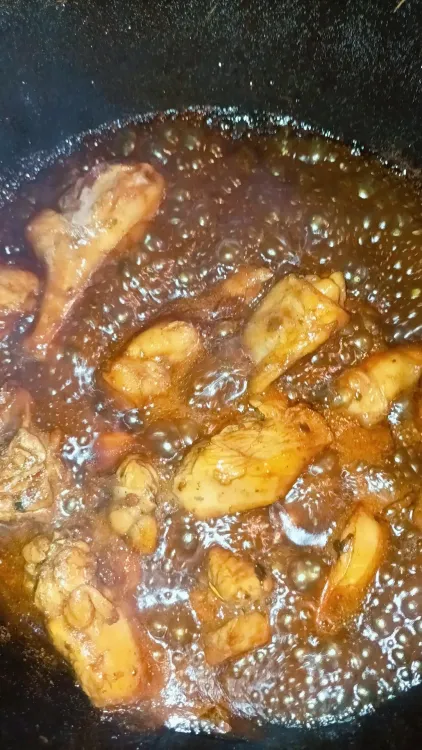

- Trinidadian
- Non-Vegetarian
- Lunch
Seafood & Vegetable Stews
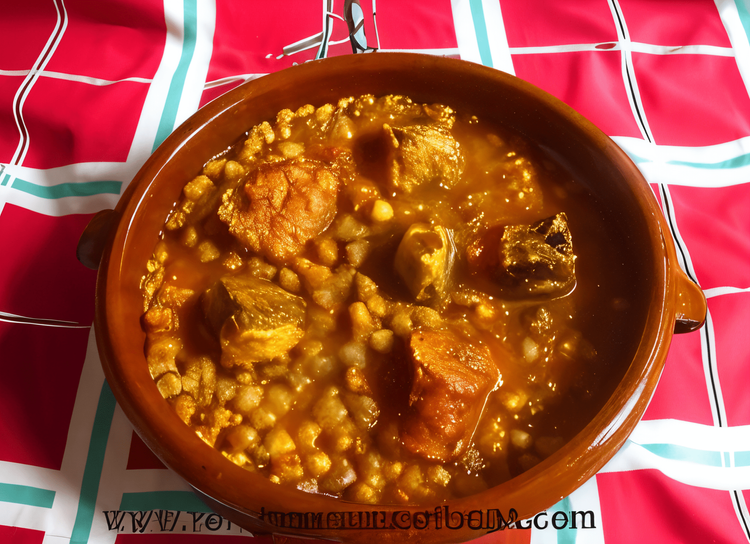
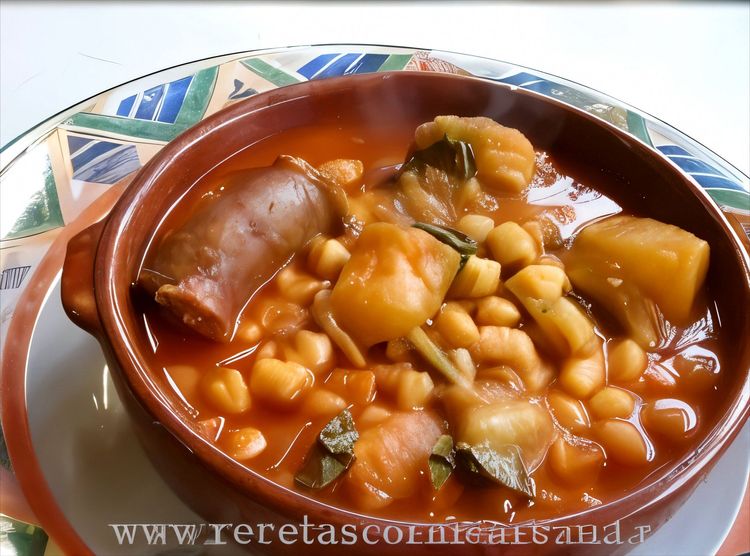
These are the faster, fresher pots, and they split into two camps that share one rule about timing. For seafood stews — cioppino, bouillabaisse, chowders, mussel and prawn pots — you build a deeply flavoured base of aromatics, tomato, wine and stock first, then add the fish and shellfish only in the final few minutes, because they go from tender to rubbery in moments. Drop them in, cover, and pull the pot off the heat the instant the fish flakes and the shells open; carryover heat finishes the job. Vegetable and bean stews swing the other way and reward longer, gentler cooking. Here the depth that meat would otherwise provide has to be built deliberately, so brown your vegetables and tomato paste properly, lean on smoked paprika, miso, mushrooms or a parmesan rind for savoury backbone, and let lentils, chickpeas and root vegetables simmer until creamy. Salt beans toward the end so the skins do not toughen, add hardy vegetables early and tender ones late, and finish either style with a hit of acid and fresh herbs so it tastes vivid rather than flat. Standouts here include Chickpea and Vegetable Stew and Fish Stew, plus Lentil Stew.
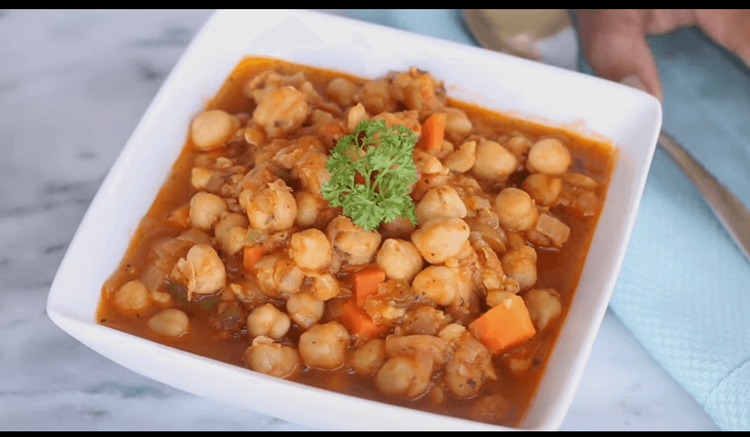
- Mediterranean
- Vegan
- Lunch
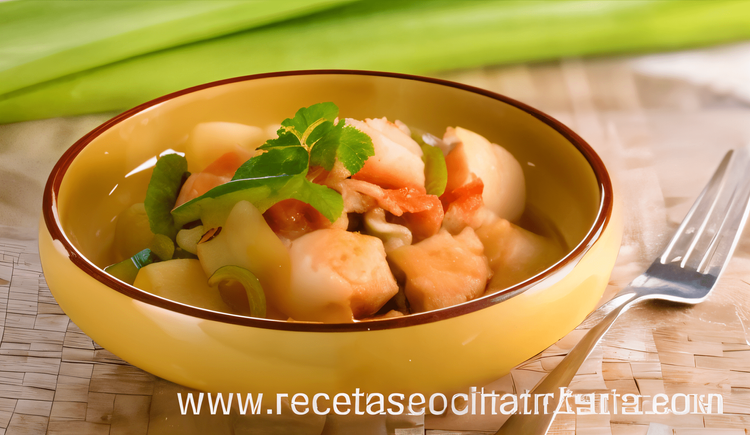
- Latin American
- Pescatarian
- Lunch
- Spanish
- Non-Vegetarian
- Lunch
- Spanish
- Non-Vegetarian
- Lunch

- Ghanaian
- Non-Vegetarian
- Dinner


- Vegan
- Dinner
- Mediterranean
- Vegan
- Lunch
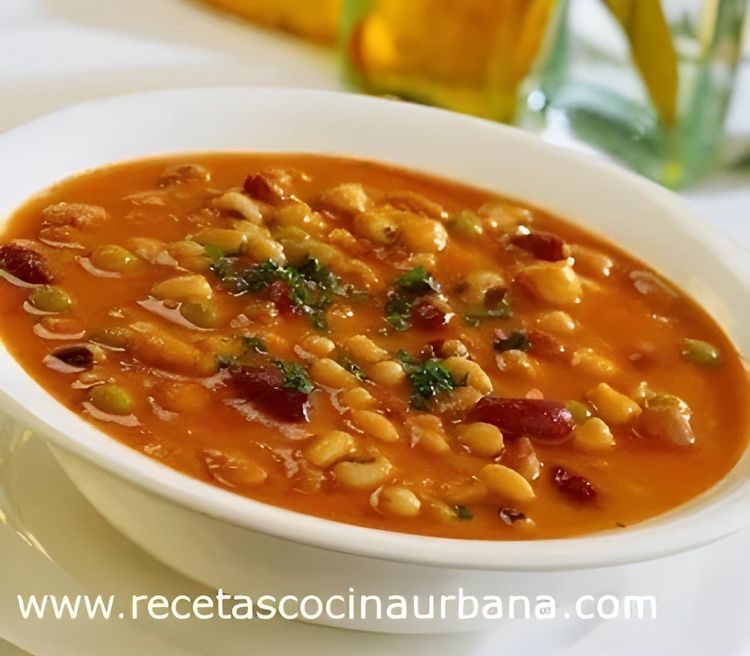
- Spanish
- Eggetarian
- Lunch
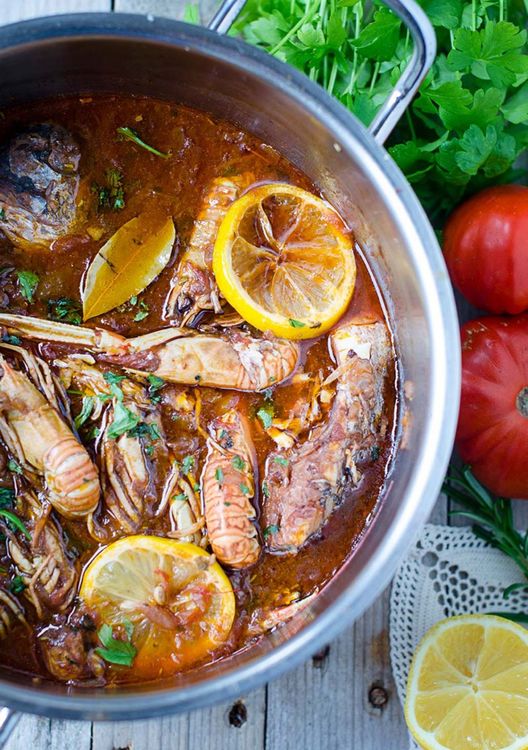
- Croatian
- Pescatarian
- Lunch
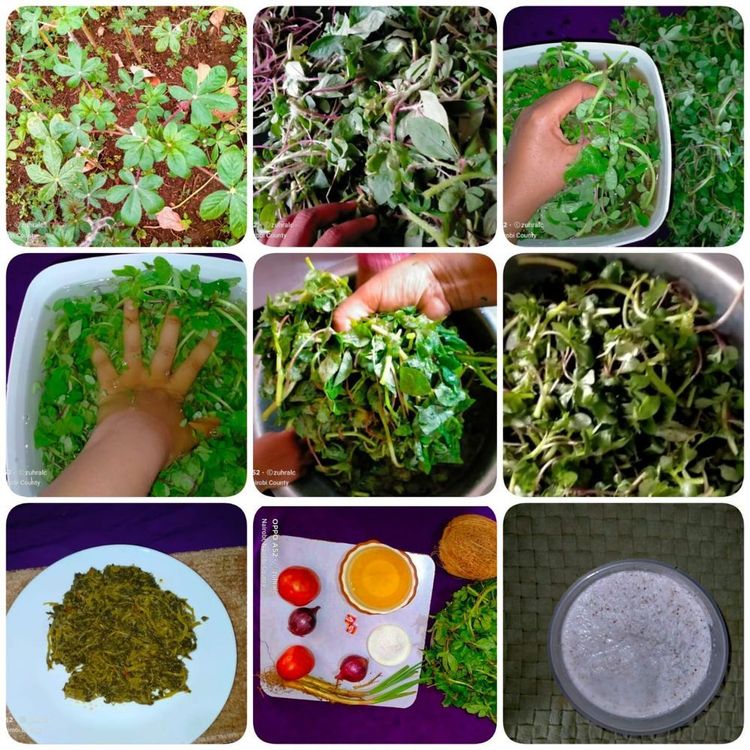

- Global
- Vegetarian
- Lunch
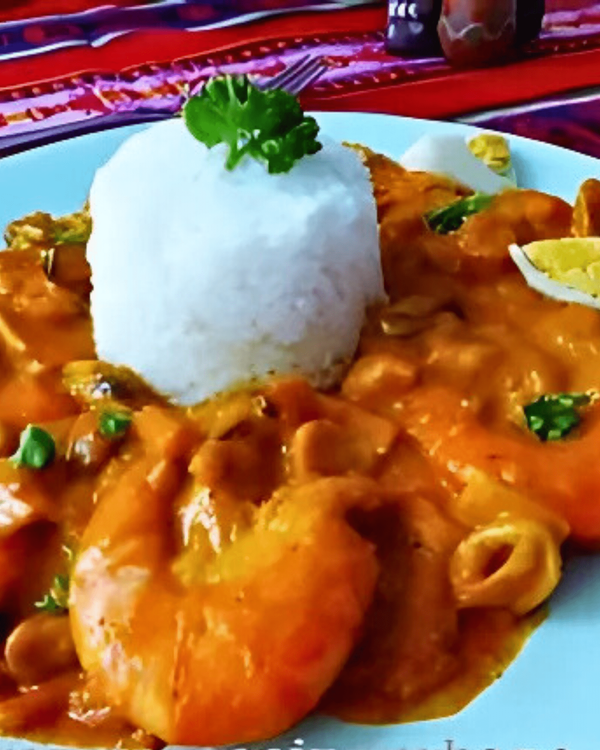
- South American
- Pescatarian
- Lunch
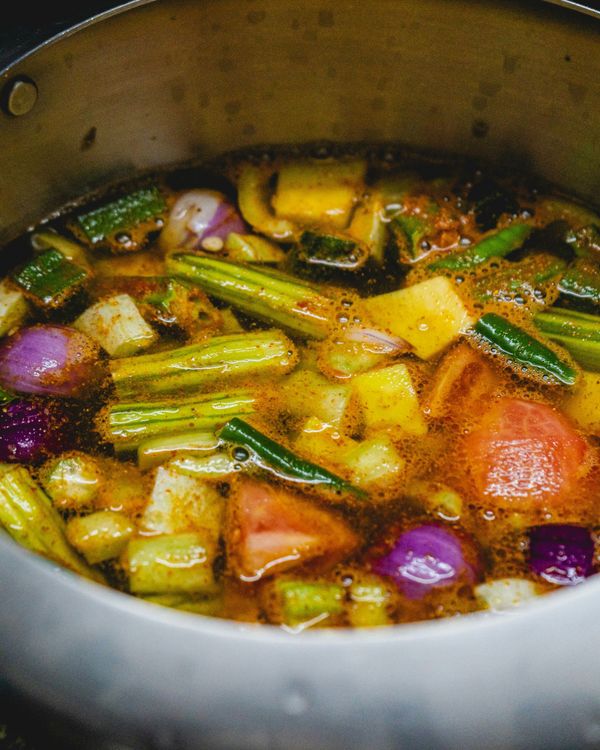
- South Indian
- Vegan
- Main Course

- Spanish
- Pescatarian
- Dinner
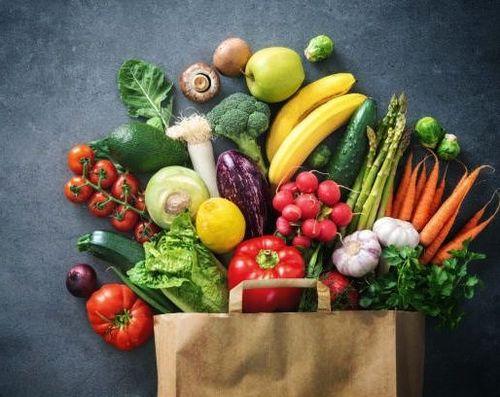
- Indian
- Vegan
- Lunch
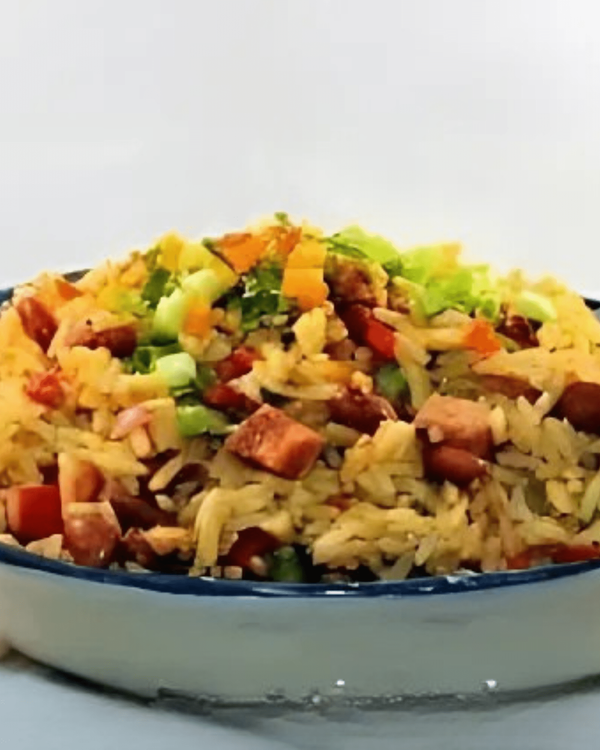
- Latin American
- Pescatarian
- Lunch
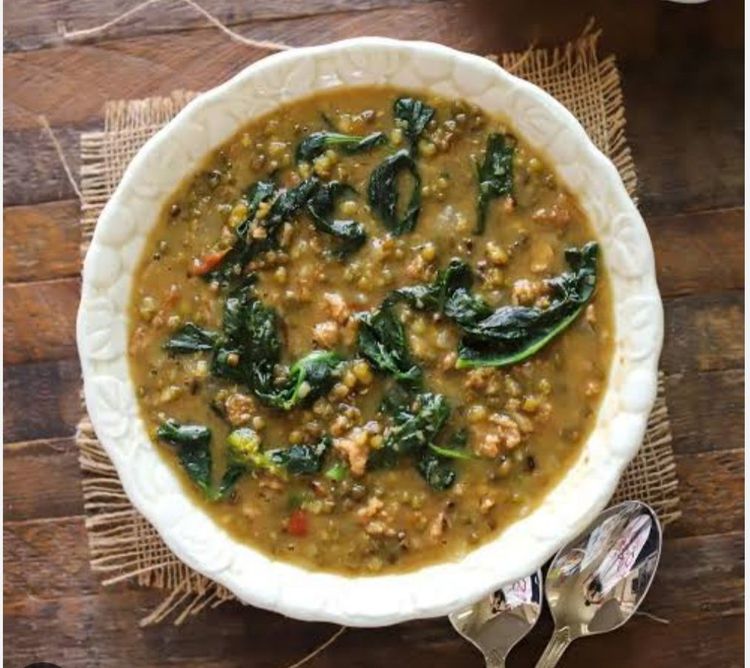
- Filipino
- Non-Vegetarian
- Lunch
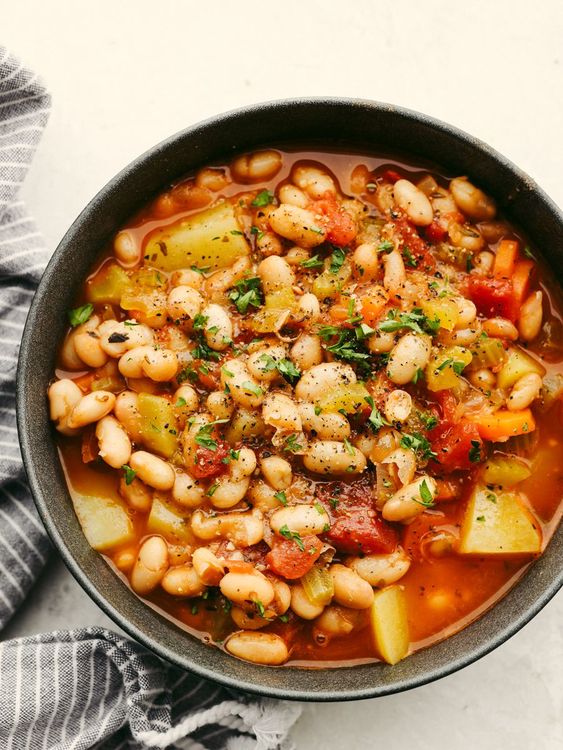
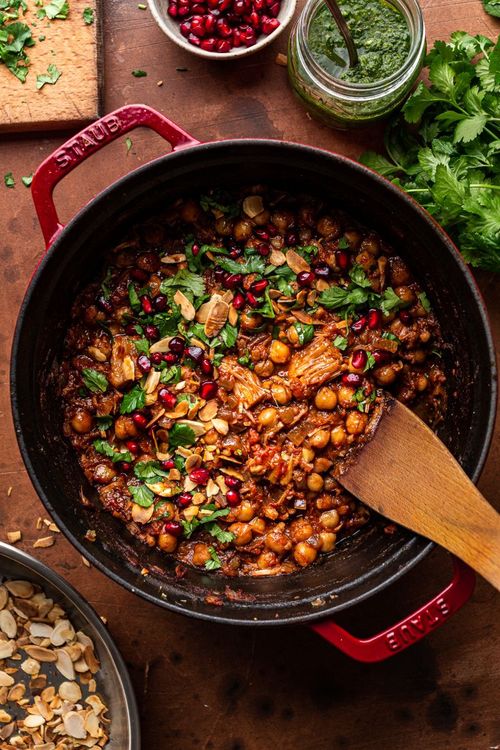
- Middle Eastern
- Vegan
- Dinner
More Stew Favourites
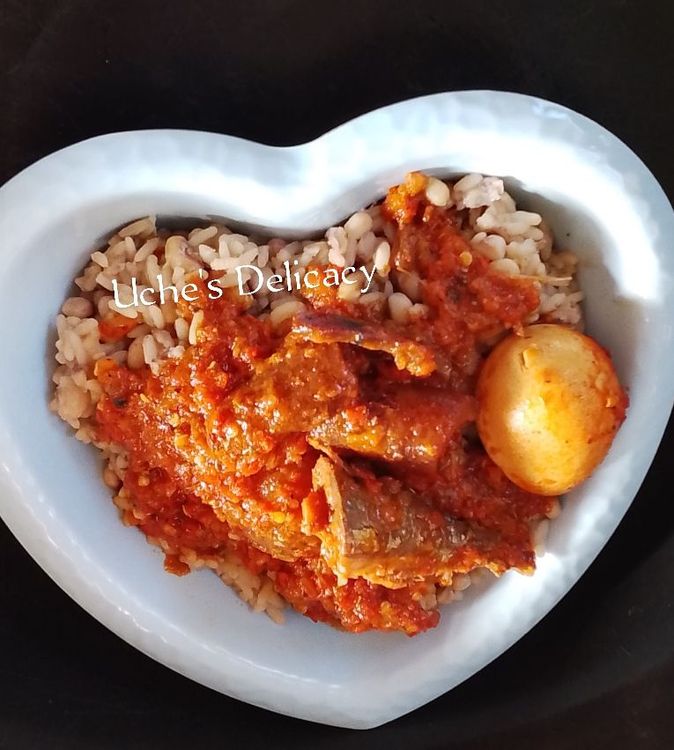
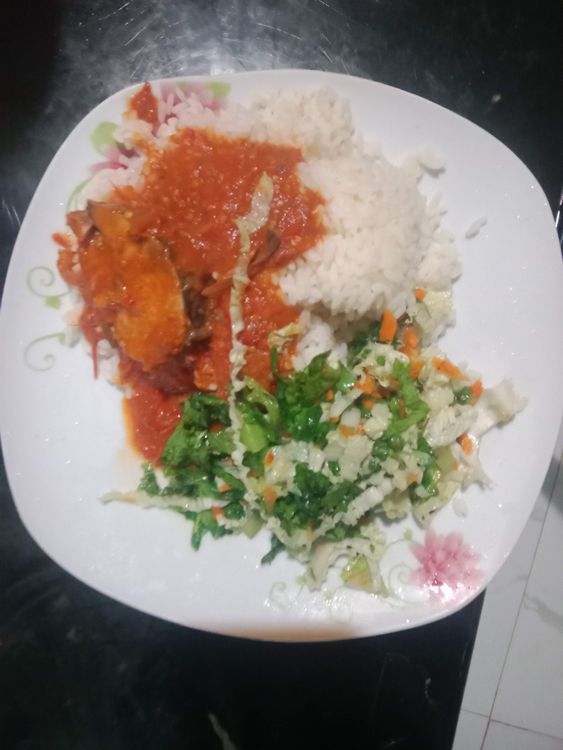
A handful of stews never quite fit a single category, and these are the ones worth keeping in your back pocket once the classics feel routine. They lean on the same trustworthy moves you already know — a hard sear, a properly built base, a long gentle braise, a bright finish — but steer toward different proteins, thickeners and flavour profiles, from ragouts and curries to gumbos and game. Choosing your next one is mostly about matching effort to your evening: reach for a quick bean or seafood pot on a busy night when you want depth in under an hour, and save the slow-braised, fall-apart numbers for a weekend when you can let a low oven do the work unattended. Pay attention to the cut and the timing above all, since that is what separates tender from tough and vivid from flat. Almost all of these reward being made a day ahead, so cook a big pot, let it rest overnight for the flavours to settle and the fat to lift off, and reheat gently. Think of this group as the natural next step after the staples — the recipes that quietly earn a permanent place in your cold-weather rotation. Standouts here include Ofada stew and rice and Banga Stew (Ofe Akwu), plus Tuscan Power Stew (My Way).
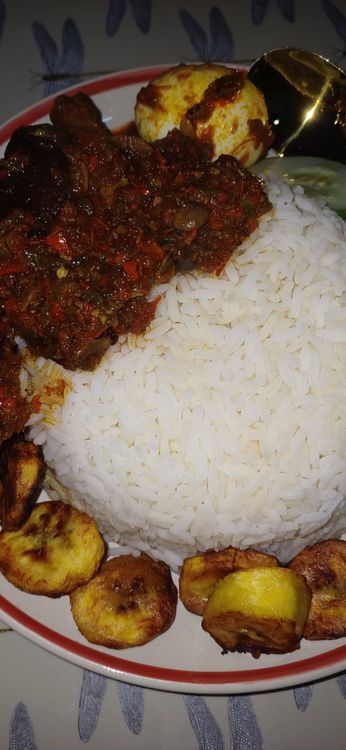
- Nigerian
- Non-Vegetarian
- Main Course
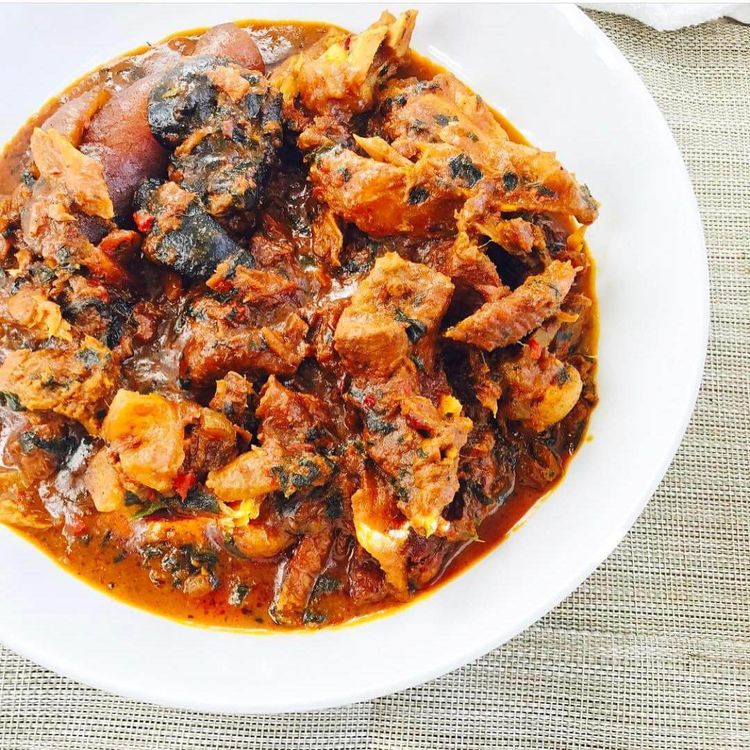

- Nigerian
- Non-Vegetarian
- Lunch

- Non-Vegetarian
- Dinner
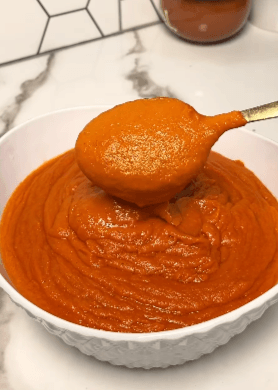
- Ghanaian
- Vegan
- Sauce & Condiment
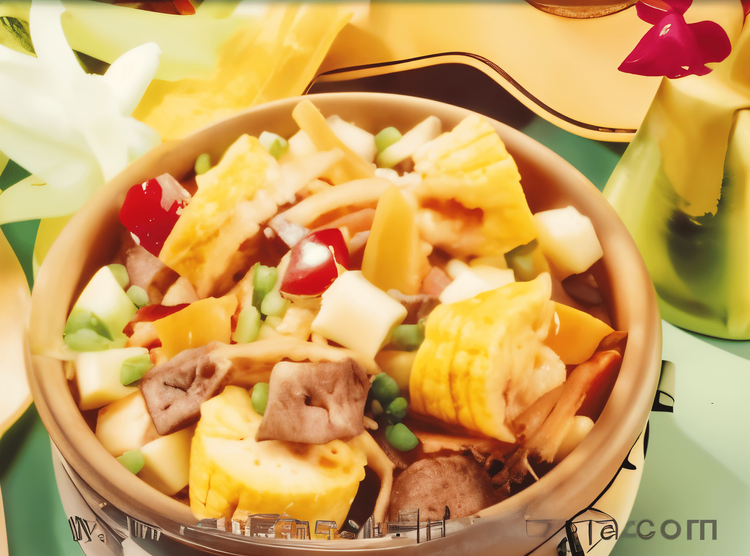
- International
- Non-Vegetarian
- Lunch
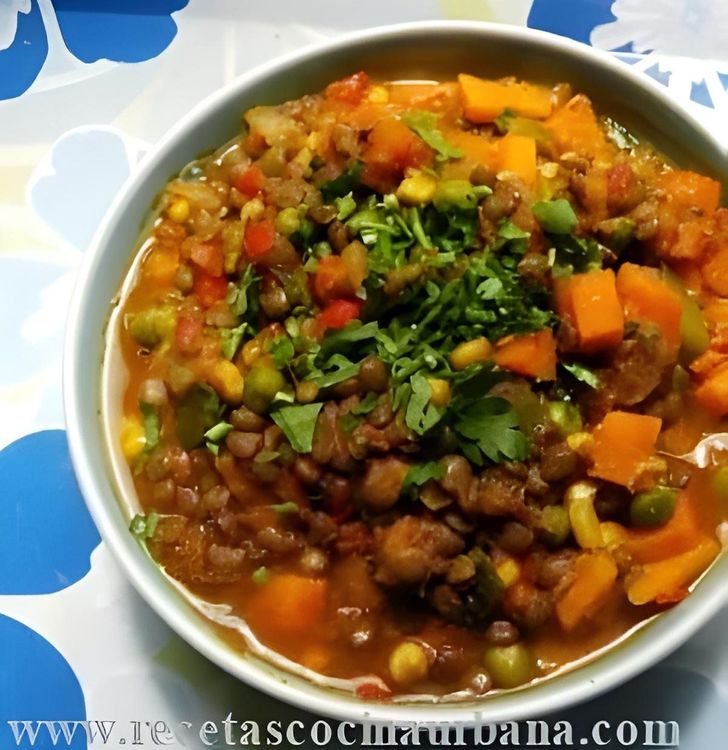
- Spanish
- Non-Vegetarian
- Lunch
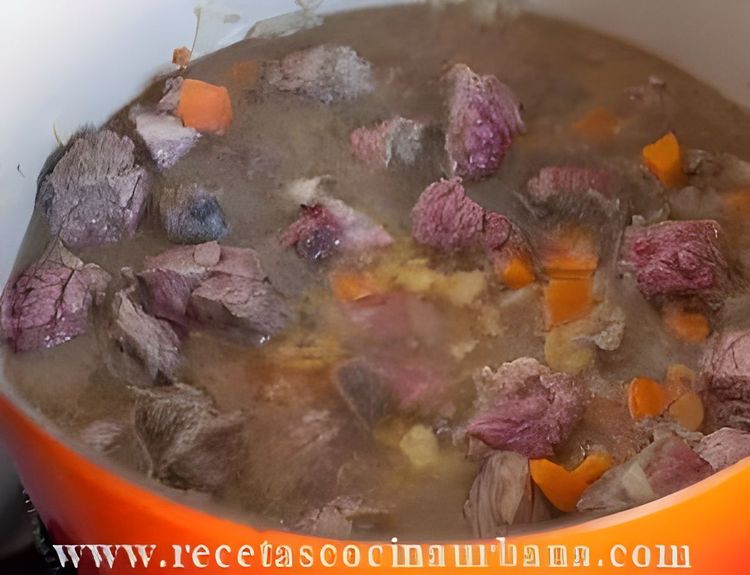
- Colombian
- Non-Vegetarian
- Lunch
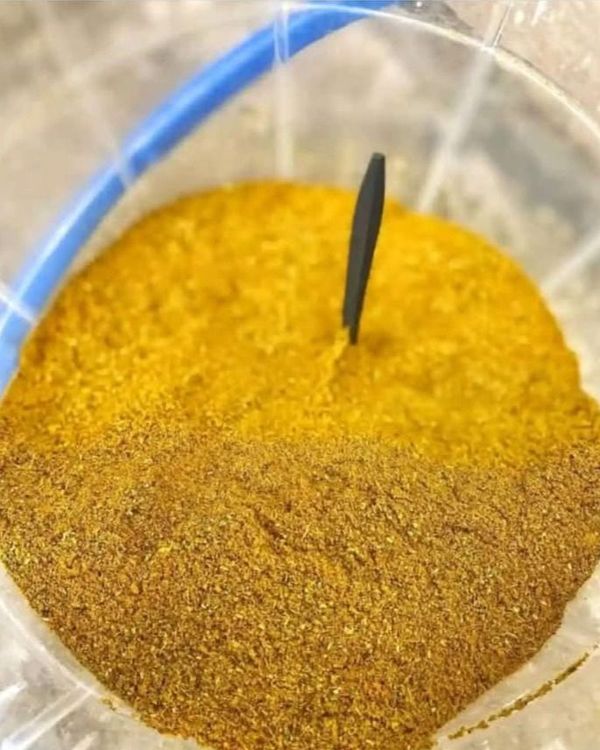
- Global
- Vegan
- Sauce & Condiment
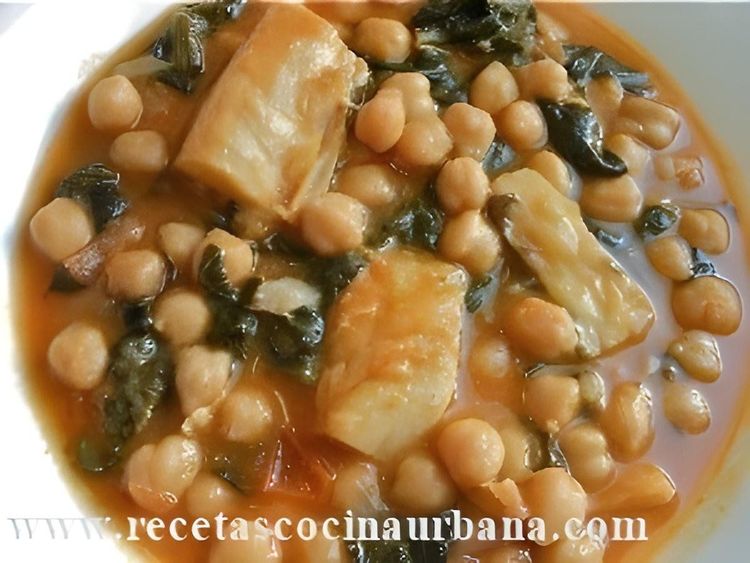
- Spanish
- Pescatarian
- Lunch
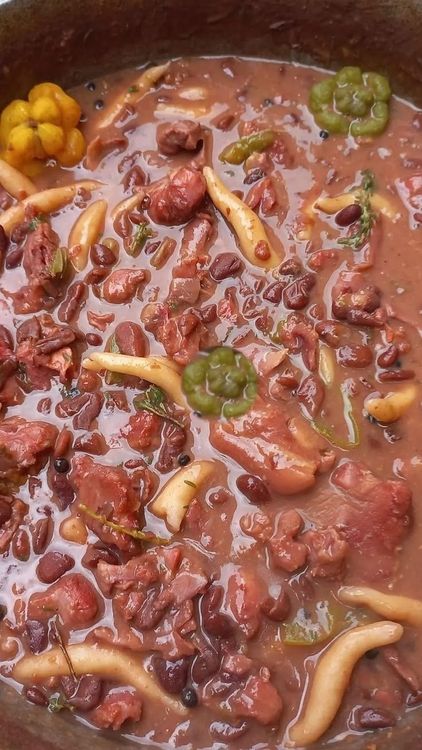

- Jamaican
- Non-Vegetarian
- Lunch
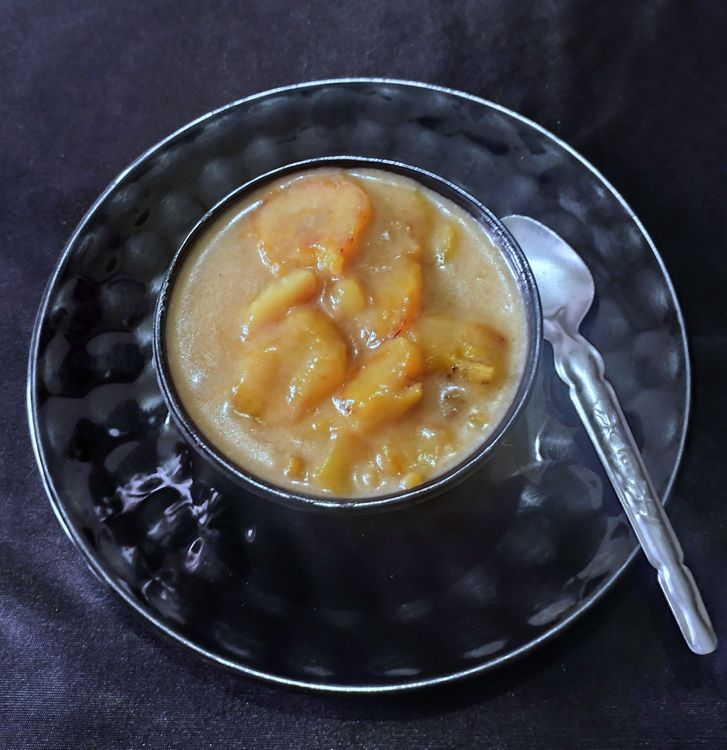
- Indian
- Vegetarian
- Dessert
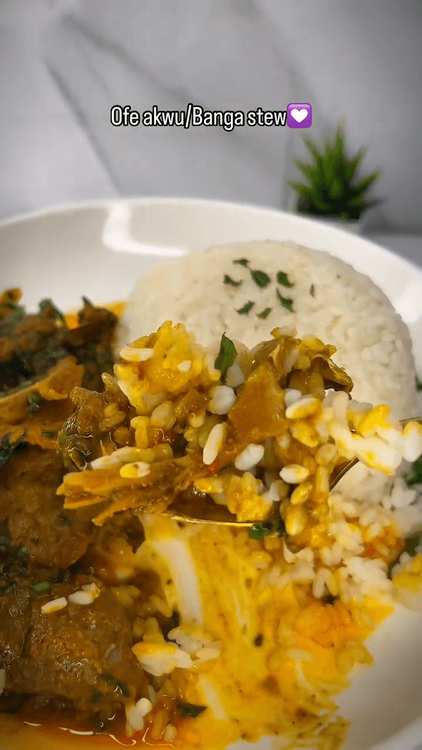

- Nigerian
- Non-Vegetarian
- Main Course
- Ghanaian
- Vegan
- Dinner
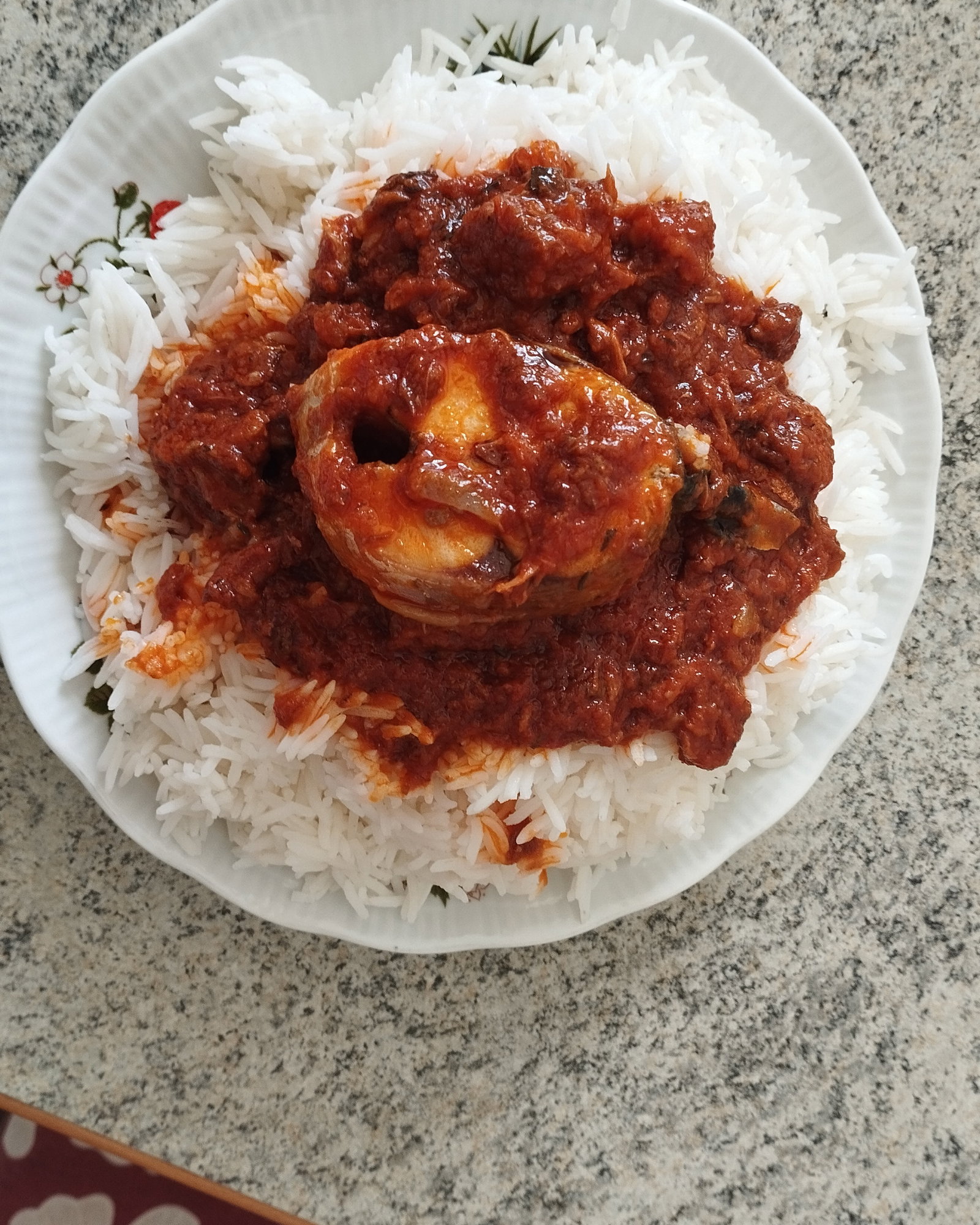
- Pescatarian
- Main Course
- Nigerian
- Non-Vegetarian
- Breakfast
- American
- Vegan
- Sauce & Condiment
- South African
- Non-Vegetarian
- Lunch
- Latin American
- Non-Vegetarian
- Dinner
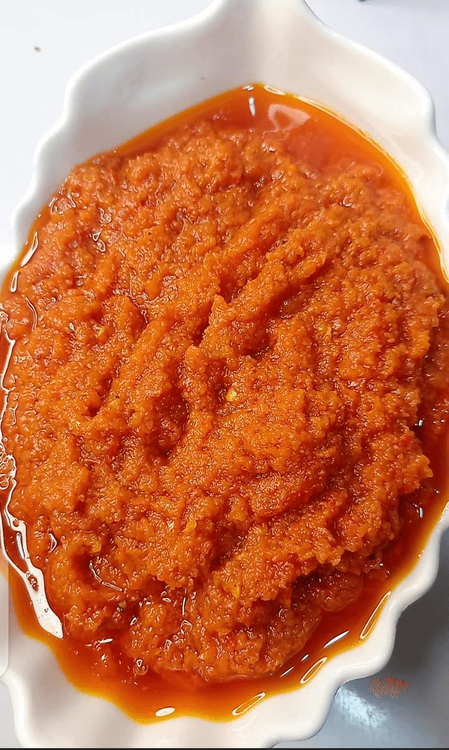
- African
- Non-Vegetarian
- Lunch
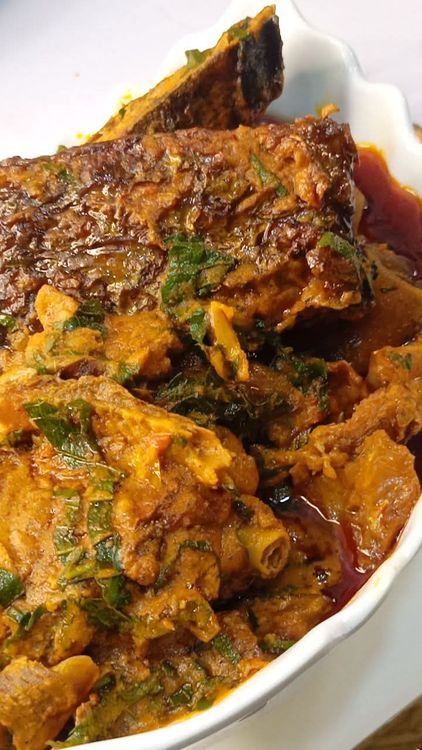
- Nigerian
- Non-Vegetarian
- Lunch
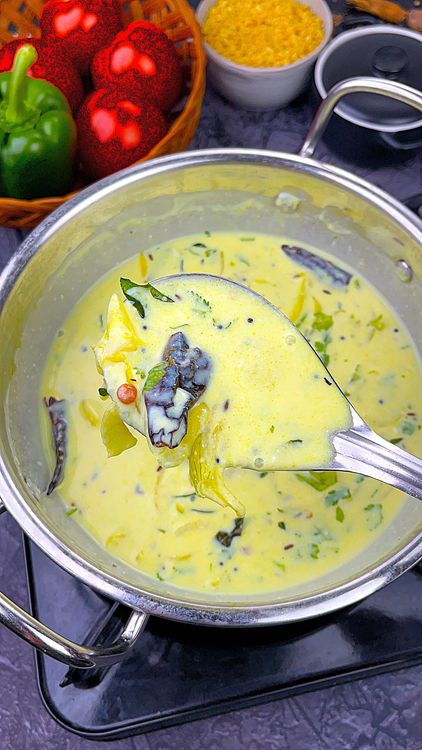

- Indian
- Vegetarian
- Main Course
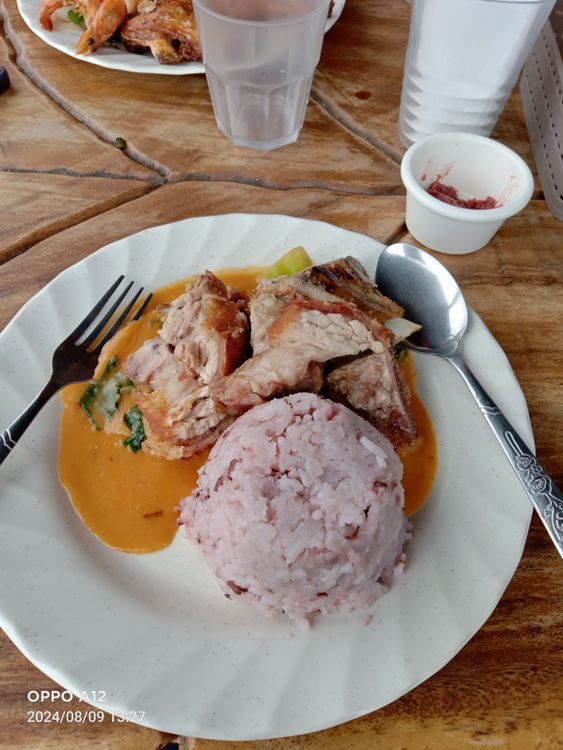

- Filipino
- Non-Vegetarian
- Lunch
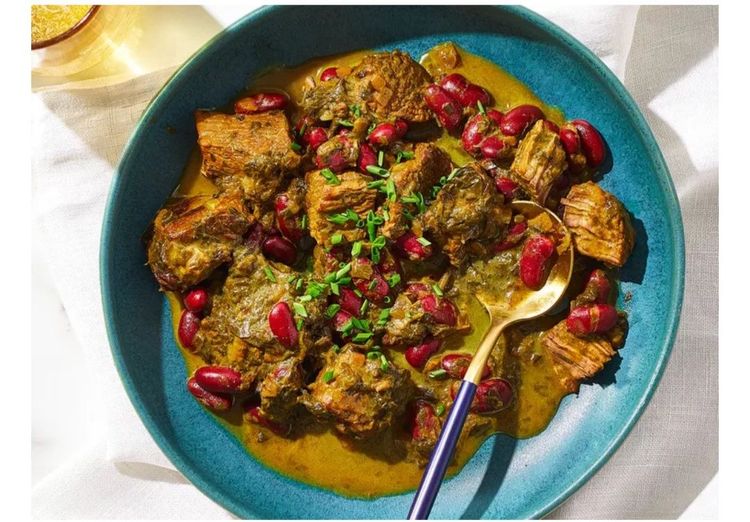
- Persian
- Non-Vegetarian
- Dinner
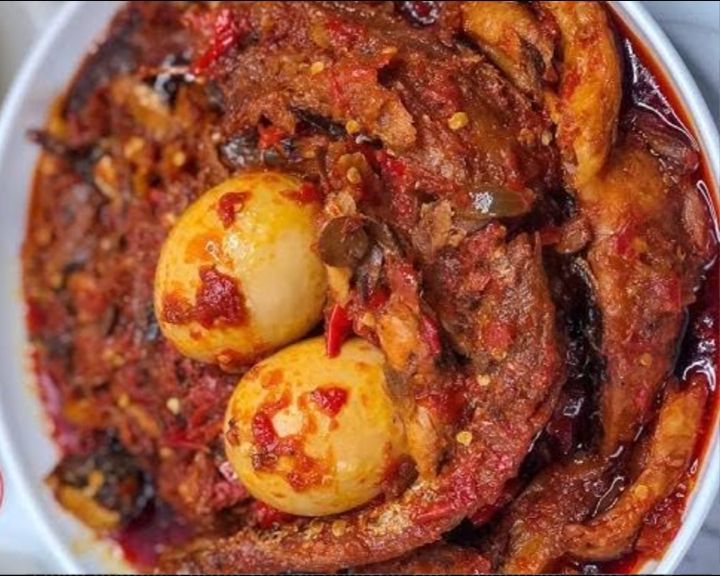

- African
- Pescatarian
- Appetiser
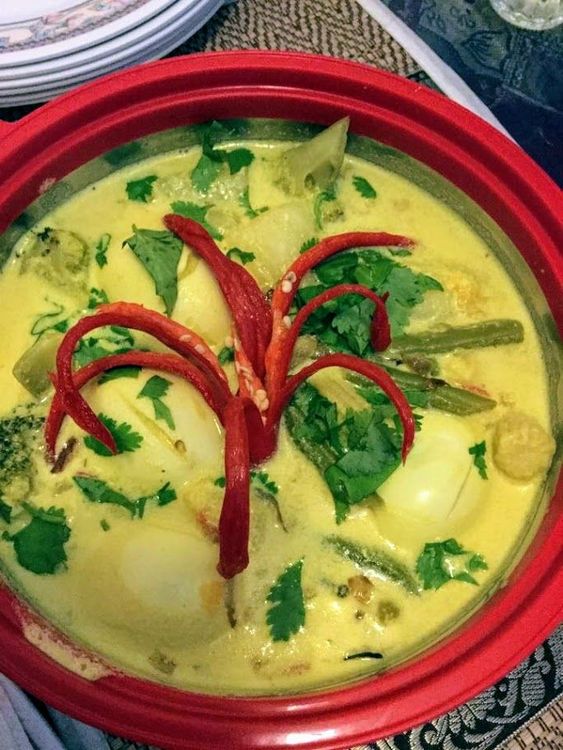
- Indian
- Eggetarian
- Lunch
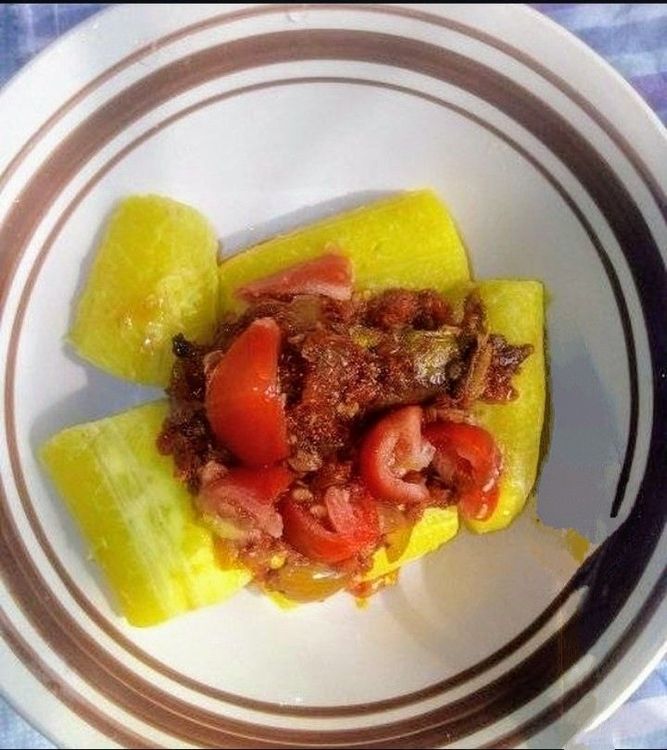
- Nigerian
- Vegan
- Main Course
- African
- Non-Vegetarian
- Lunch
Browning: The Step You Cannot Skip
Browning is where most of a stew's flavour is born, through the Maillard reaction that turns the surface of the meat deep brown and savoury. Pat the cubes bone-dry first — surface moisture steams rather than sears — season them, and lower them into a genuinely hot pan with a thin film of oil. Leave each piece undisturbed until it releases cleanly and shows a dark crust before you turn it. A pale, flipped-too-soon sear adds nothing.
Brown in batches, never all at once. Crowding the pan drops the temperature, traps steam and leaves you with grey, simmered meat and no crust. Give each cube room, work in two or three rounds, and accept that this takes ten or fifteen unhurried minutes. The browned bits stuck to the bottom of the pot — the fond — are concentrated flavour, not a mess to scrub away.
Once the meat is out, deglaze: pour in wine, stock, beer or even water and scrape the fond loose with a wooden spoon as it sizzles. That dark, dissolved crust is the backbone of the gravy. Skipping the sear to save time is the most common reason a homemade stew tastes flat and one-dimensional, no matter how long you simmer it afterwards.
Choosing the Right Cut and Building the Base
Stew wants tough, collagen-rich cuts, not lean ones — this is the rare dish where the cheap cut is the right cut. For beef, chuck (shoulder) is the gold standard; brisket, shin, short rib and oxtail all reward a long braise. Lean cuts like sirloin turn dry and stringy because they have no connective tissue to melt. The fat and collagen in a working muscle dissolve into gelatin over hours, which is what gives a great stew its body and silky mouthfeel.
After browning, build the aromatic base in the same pot. Soften onions, carrots and celery in the meat fat, add garlic and tomato paste and cook the paste until it darkens and smells sweet rather than raw, then bloom any dried spices or herbs for a minute. This base, built on the fond, is the foundation the whole stew rests on — rushing it leaves the finished gravy tasting thin and underdeveloped.
Return the meat and add just enough liquid to barely cover — stew is not soup, so resist drowning it. Stock, wine, beer and a little tomato all work; the meat and vegetables will release their own juices as they cook. A bay leaf, a few thyme sprigs or a bouquet garni go in now to perfume the pot gently over the long, slow cook ahead.
Low and Slow: The Braise
The braise is where tough meat becomes tender, and the cardinal rule is low and slow. You want a bare, occasional simmer — a lazy bubble breaking the surface every few seconds, not a rolling boil. Aggressive heat squeezes moisture out of the meat and tightens the muscle fibres before the collagen has a chance to melt, giving you meat that is somehow both dry and tough. Gentle heat over time does the opposite.
A low oven, around 150C/300F, is the most reliable way to hold that steady, all-around heat, which is why so many stews are braised covered in the oven rather than on a fidgety stovetop. On the hob, use a heavy pot, a tight lid and the lowest flame, and check that it is barely simmering rather than galloping. Most beef stews need two to three hours; the meat is done when a fork twists in it with no resistance.
Resist the urge to rush or to keep lifting the lid, which lets heat and moisture escape. The stew is finished not by the clock but by texture — when the meat is fork-tender and the gravy has reduced and deepened in colour. Like most braises, a stew tastes even better the next day, once the flavours have settled and the fat can be lifted off cold.
Thickening, Slow Cookers and Finishing
There are three reliable ways to thicken a stew. Toss the meat in flour before browning so it thickens as it cooks; whisk a beurre manié (equal parts soft butter and flour) into the simmering pot near the end; or stir in a cornflour slurry in the last few minutes. You can also simply reduce the liquid by simmering uncovered, or mash a few of the potatoes into the gravy. Add any starch gradually — you can always thicken more, but a gluey stew is hard to rescue.
Slow cookers and pressure cookers are brilliant for stew, with one caveat: brown the meat and sweat the aromatics in a pan first, then transfer everything in, because neither appliance browns. A slow cooker runs six to eight hours on low for melting meat; a pressure cooker or Instant Pot does the same job in about thirty-five to forty-five minutes under pressure, with a natural release so the meat stays tender. Both want a touch less liquid than a stovetop braise, since almost none evaporates.
Finish brightly and off the heat. Long-cooked stews can taste flat and heavy, so a splash of acid wakes everything up — a spoon of red wine vinegar, a squeeze of lemon, or the sharpness of the wine or beer in the braise. Stir in fresh herbs, taste and adjust the salt, and let the pot rest ten minutes before serving so the gravy settles and clings rather than running thin.
Pro Tips from the Test Kitchen
- Pat the meat bone-dry before searing — surface moisture steams instead of browning and kills the crust.
- Brown in batches with space between the pieces; crowding the pan steams the meat grey and you lose the fond.
- Choose tough, collagen-rich cuts like chuck, brisket or shin — lean cuts turn dry and stringy in a stew.
- Deglaze the pan with wine, stock or beer and scrape up the browned fond; that crust is the backbone of the gravy.
- Cook tomato paste until it darkens and smells sweet before adding liquid, so the base tastes cooked, not raw.
- Add only enough liquid to barely cover — stew is not soup, and the meat releases its own juices.
- Keep the braise at a bare, lazy simmer; a hard boil tightens and toughens the meat.
- Braise covered in a low oven (about 150C/300F) for the steadiest, most even heat.
- Brown the meat first even for a slow cooker or Instant Pot — neither appliance browns, and you lose flavour without it.
- Finish with a splash of vinegar or lemon and fresh herbs off the heat to lift a heavy, long-cooked stew.
Frequently Asked Questions
What is the best cut of beef for stew?
Tough, collagen-rich cuts from working muscles, with chuck (shoulder) the classic choice. Brisket, shin, short rib and oxtail also shine over a long braise. These cuts are full of connective tissue that melts into gelatin and gives the stew its silky body. Lean cuts like sirloin or fillet are the wrong choice — without that collagen they just turn dry and stringy no matter how gently you cook them.
Why is my beef stew meat tough?
Almost always one of two things: the wrong cut, or too much heat. A lean cut has no collagen to melt, so it stays tough however long it cooks. And boiling a stew hard, rather than barely simmering it, squeezes moisture out and tightens the muscle fibres before the collagen breaks down. The fix is a proper braising cut plus a gentle, low simmer — and patience. Undercooked tough meat just needs more time.
Do I have to brown the meat for stew?
You should — it is the single biggest flavour step. Browning triggers the Maillard reaction, building the deep, roasted, savoury notes that define a good stew, and the fond left in the pan becomes the base of the gravy when you deglaze. Skipping it gives you a pale, flat, one-dimensional stew no matter how long it simmers. Brown the meat dry, in batches, until it is genuinely dark on at least two sides.
How do you thicken a stew?
Several ways: toss the meat in flour before browning, whisk in a beurre manié (soft butter mashed with flour) near the end, or stir a cornflour slurry into the simmering pot in the last few minutes. You can also simmer it uncovered to reduce and concentrate the liquid, or mash a few of the cooked potatoes into the gravy. Add any starch gradually, since you can always thicken more but a gluey stew is hard to undo.
What is the difference between a stew and a soup?
Mostly the ratio of liquid to solids and how the pieces are cut. A stew has chunky pieces of meat and vegetables in just enough thick, concentrated liquid to coat and barely cover them, and is usually thickened. A soup is more liquid, often with smaller or blended ingredients, and is meant to be eaten with a spoon as a brothy dish. In short, a stew is closer to a gravy with stuff in it; a soup is closer to a seasoned broth.
Can you overcook a stew?
Yes, though tough cuts are forgiving. Once the collagen has melted and the meat is fork-tender, cooking much longer at too high a heat can dry the meat out and leave it falling into shreds or mush, and vegetables can disintegrate. The bigger risk is a hard boil rather than long time at a gentle simmer. Add quick-cooking vegetables and any delicate proteins later so they are not overcooked by the time the meat is done.
How do you make stew in a slow cooker?
Brown the meat and sweat the aromatics in a pan first, since a slow cooker cannot brown, then transfer everything in with a little less liquid than a stovetop recipe (almost nothing evaporates). Cook on low for six to eight hours until the meat is meltingly tender. Add quick vegetables like peas in the last half hour, and thicken at the end with a slurry or beurre manié if the gravy is thin.
What vegetables go best in stew?
Sturdy root vegetables that hold up to long cooking: carrots, potatoes, parsnips, turnips, celery and onions are the backbone. Mushrooms add savoury depth. Add hardy vegetables with the meat or partway through, and tender ones like peas, spinach or green beans only in the last few minutes so they keep their colour and bite. Cutting everything into similar, generous chunks helps it all finish at the same time.
Is stew better the next day?
Almost always, yes. Resting overnight in the fridge lets the flavours settle and meld, the gravy thickens slightly, and you can lift off any solidified fat from the top before reheating. Reheat gently so the meat does not toughen. This make-ahead quality is one of the best things about stew — it is ideal for batch cooking, and many cooks deliberately make it a day before they plan to serve it.
Can you freeze stew?
Yes, most stews freeze very well for up to about three months, which makes them perfect for batch cooking. Cool it completely, portion into airtight containers leaving a little headroom, and thaw in the fridge before reheating gently. Stews with potatoes can turn slightly grainy after freezing, so some cooks add fresh potatoes when reheating instead. Flour- and gravy-based stews handle the freezer better than cream-finished ones, which can separate.
The thread through every stew here is the same: a hard sear for flavour, a properly built base, and a long, gentle braise that turns tough meat silky. Master those few moves — brown well, barely simmer, thicken at the end and finish bright — and a French bourguignon, a Moroccan tagine and a humble weeknight beef stew all turn out to be the same dish wearing different spices.
Pick two to cook this week — a classic beef stew and something from further afield — and save your favourites to a Chefadora cookbook. Then work through the rest, from quick seafood pots to slow-cooker suppers; this page is built to be the stew reference you actually come back to when the weather turns and you want something warming on the stove.
Related
- Stew
- Beef
- Slow Cooker
- Braise
- Comfort Food
- One Pot
- Winter
- Dinner
Popular Searches
- Best stew recipes
- Easy stew recipes
- Quick stew recipes
- Healthy stew recipes
- Simple stew recipes
- Homemade stew recipes
- Delicious stew recipes
- Popular stew recipes
- beef stew
- chicken stew
- slow cooker stew
Marnirni-apinthi Building, Lot Fourteen,
North Terrace, Adelaide, South Australia, 5000
Australia
