
Top 81 Shrimp Pasta Recipes: Garlic Butter, Creamy and Spicy Dinners in Under 30 Minutes
Updated June 29, 2026 · Curated by Chefadora
Shrimp pasta is the dinner that feels like a treat but cooks faster than a frozen pizza bakes. Shrimp go from translucent to perfectly opaque in two or three minutes, which is the whole appeal and the whole danger: nothing turns a thirty-minute showpiece into a chewy disappointment faster than leaving them in the pan a beat too long. Almost every recipe here is built around that one truth, so the techniques repeat across the page and become second nature once you have cooked a couple of them.
The pleasure of these dishes is how little they ask for the payoff they give. A pound of shrimp, a box of pasta, garlic, butter or cream, and a few pantry staples turn into something that looks like restaurant food. Because the shrimp cook so quickly, the sauce does most of the heavy lifting, which is good news: you can build real depth in a single pan while the pasta boils alongside, then bring the two together at the last second.
You will find four clusters here. Garlic butter and scampi is the bright, buttery classic. Creamy covers silky Alfredo and peppery Cajun. Tomato and spicy runs from a simple marinara to a fiery fra diavolo. Lemon and light leans clean and herby, with olive oil and citrus instead of cream. Each cluster reaches for the same handful of moves, so the more you cook, the more interchangeable they feel.
Treat this as a working reference. Each recipe links to full ingredients and steps on Chefadora, and the guides below cover the things that actually decide whether dinner is tender and glossy or rubbery and dry: how to buy and prep shrimp, how to sear them without overcooking, how to build a sauce that clings to the pasta, and how to bring noodles and sauce together so nothing sits dry on the plate. Get those four right and every recipe on the page gets easier.
Garlic Butter & Scampi
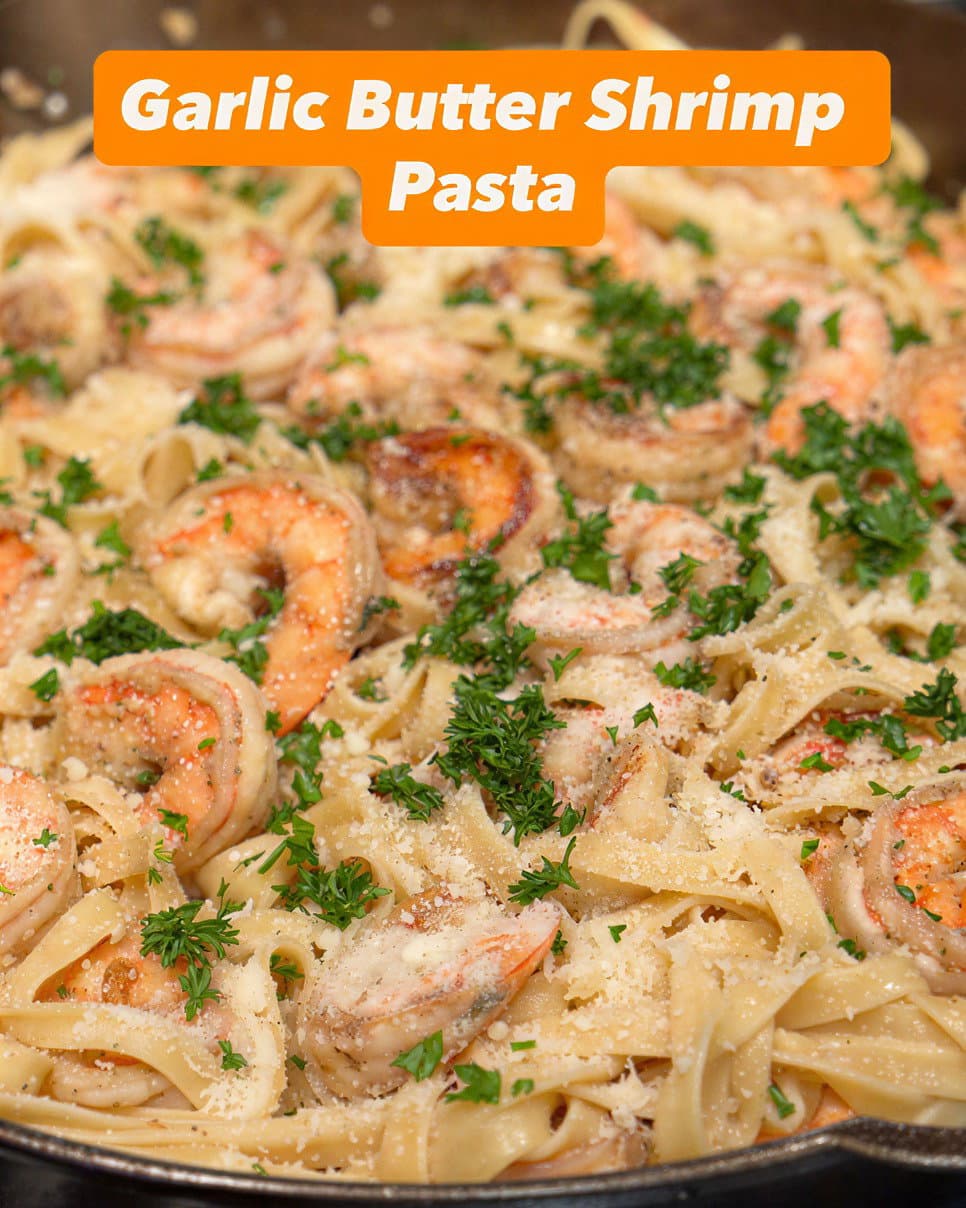
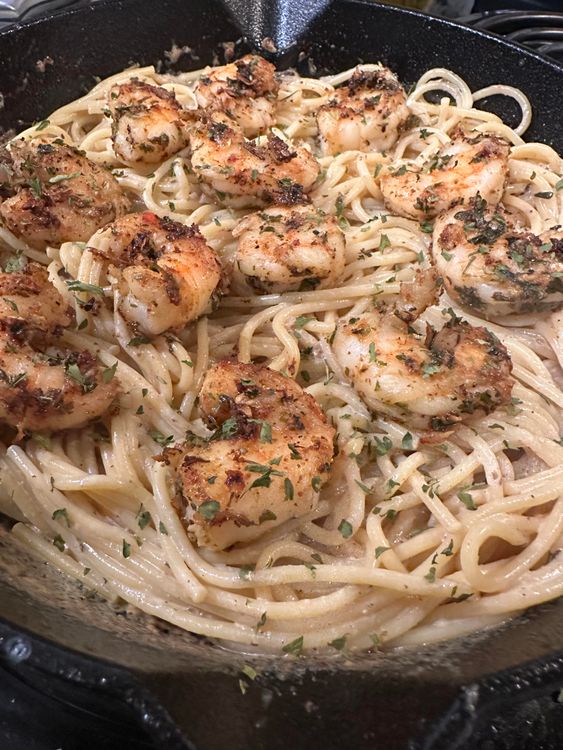
This is the dish that made shrimp pasta a weeknight legend, and it rewards a confident, fast hand more than any long list of ingredients. The move is to get a wide pan genuinely hot, melt butter with a little oil so it does not scorch, and gently sizzle a generous amount of garlic just until fragrant, never brown, because burnt garlic turns the whole sauce bitter. Sear the shrimp in that fragrant fat for about ninety seconds a side, then lift them straight out the moment they turn opaque so they do not keep cooking. Deglaze with a splash of dry white wine and a squeeze of lemon, let it reduce for a minute or two to concentrate, then swirl in cold butter off the heat to build a glossy emulsion. Drag the just-shy-of-al-dente pasta in with a little reserved pasta water, toss hard so the sauce clings, and fold the shrimp back in only at the very end. Finish with parsley, lemon zest and cracked pepper, and serve immediately while it is silky. Standouts here include Garlic Butter Shrimp Pasta and Creamy Garlic Butter Shrimp Pasta.


- Nut-Free
- Main Course

- Italian
- Gluten-Free
- Lunch
Creamy Alfredo & Cajun
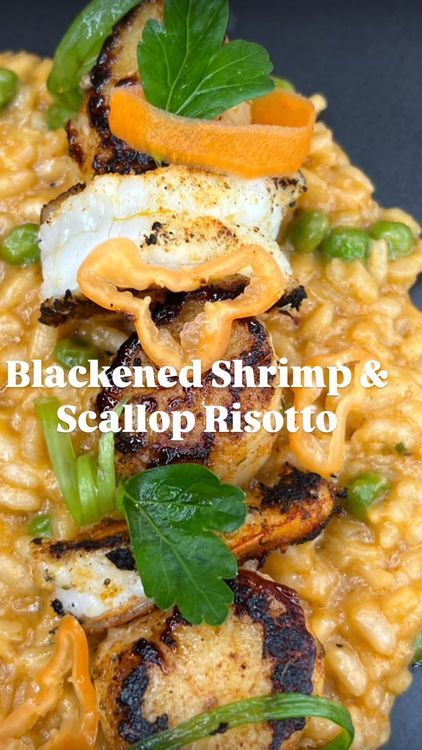
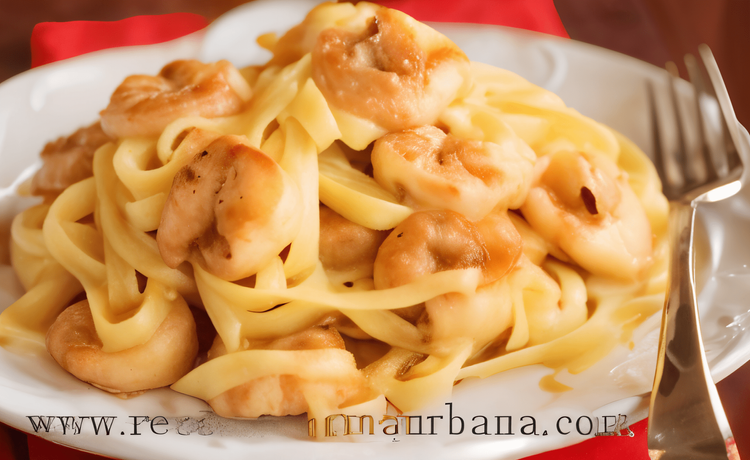
Rich, silky and faster than it looks, the creamy cluster covers everything from classic Parmesan Alfredo to a blackened, peppery Cajun. The technique that ties them together is restraint with heat. Sear and remove the shrimp first, then build the sauce in the same pan so it carries all that seared flavor. Cream sauces want a gentle simmer, never a hard boil, which can split the cream and seize the cheese into grainy clumps; add Parmesan in small handfuls off the heat, stirring until smooth, and loosen with starchy pasta water whenever it tightens. For Cajun versions, toss the shrimp in a smoky-spicy blend and sear them hard for a blackened crust before they come out, then temper the heat with cream so it reads warm rather than punishing. Fold the shrimp back in only at the end, just to warm through, because cream sauces stay hot and will overcook them in a heartbeat. Long strands like fettuccine suit the slick Alfredo, while ridged penne grabs a chunkier Cajun. Finish with black pepper, a little more Parmesan, and a scatter of green onion or parsley. Standouts here include Creamy Shrimp Fettuccine and Blackened Shrimp and Scallop Risotto, plus Fresh Shrimp Fajitas with Homemade Avocado Cream Sauce and Tortilla Chips.
- Italian
- Pescatarian
- Lunch
- Italian
- Pescatarian
- Dinner


- Mexican
- Pescatarian
- Dinner
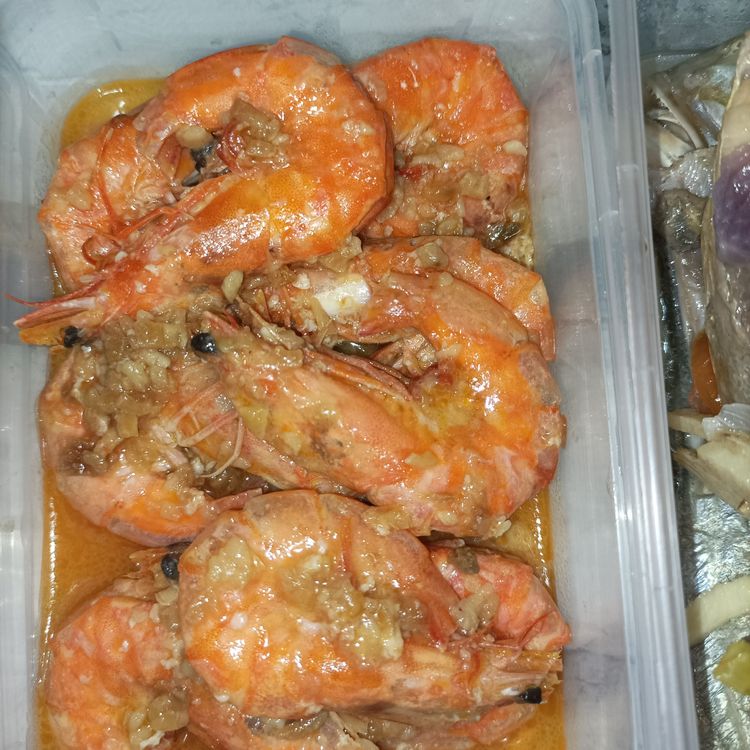
- Filipino
- Pescatarian
- Lunch
Tomato & Spicy Fra Diavolo
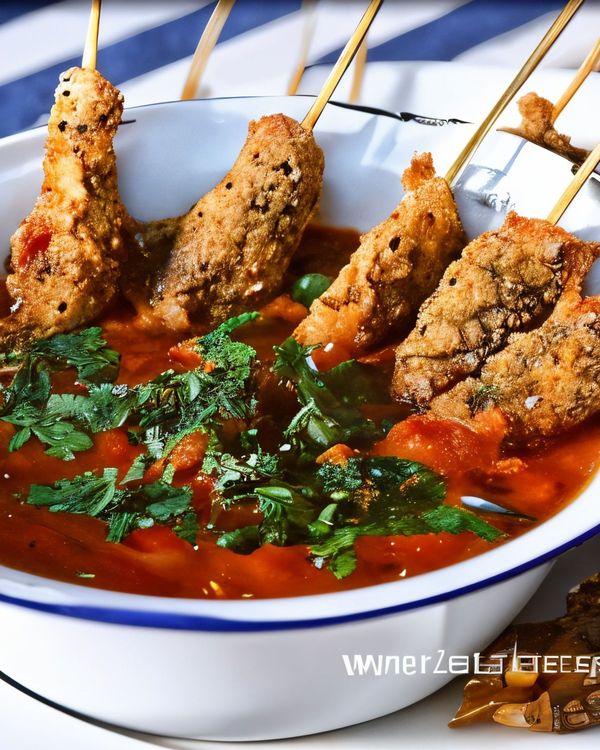
Bright, garlicky and built for people who like a little fire, the tomato cluster runs from a simple marinara to the deliberately fiery shrimp fra diavolo. The base is quick: garlic and a good pinch of red pepper flakes bloomed in olive oil, then tomatoes added and simmered until they reduce from watery to glossy and jammy, which is what makes the sauce cling rather than slide off the pasta. A splash of white wine before the tomatoes deepens everything, and a few minutes of patient reduction does more for flavor than any extra seasoning. As with every style here, the shrimp stay out of the pot until the very end; sear them separately or slip them into the simmering sauce only for the final two or three minutes, just until opaque, so the chilli-spiked tomato glazes them without turning them tough. Ridged shapes like penne, rigatoni or shells catch the chunky sauce best, though linguine works for a smoother marinara. Finish with fresh basil, a drizzle of olive oil, and adjust the heat with more flakes at the table so everyone gets their own level. Standouts here include Shrimp Tomato Basil Pasta and Spicy Thai Coconut Curry Shrimp, plus Quinoa and Shrimp Stuffed Squid Tagine in Tomato and Bell Pepper Sauce.
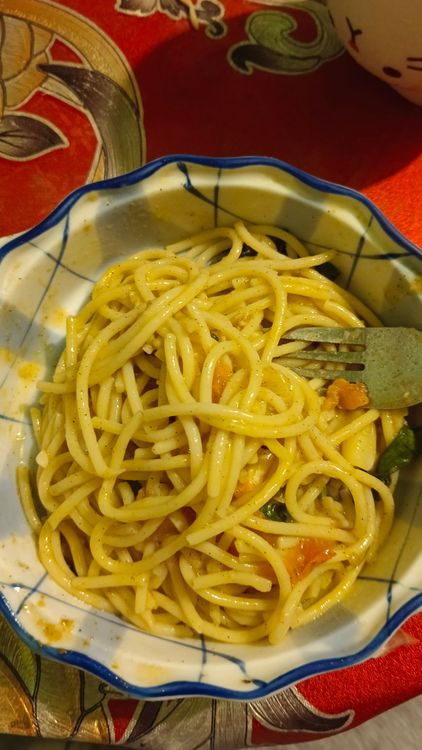
- Italian
- Pescatarian
- Lunch
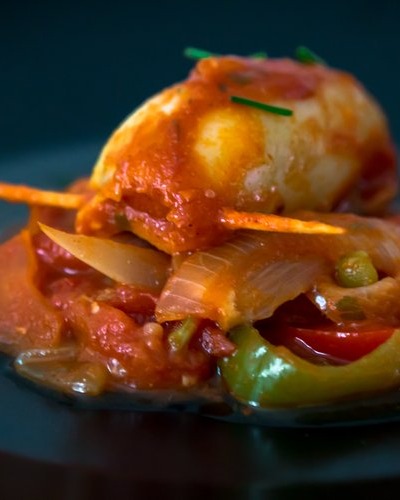

- Mediterranean
- Pescatarian
- Dinner
More Shrimp Pasta Favourites
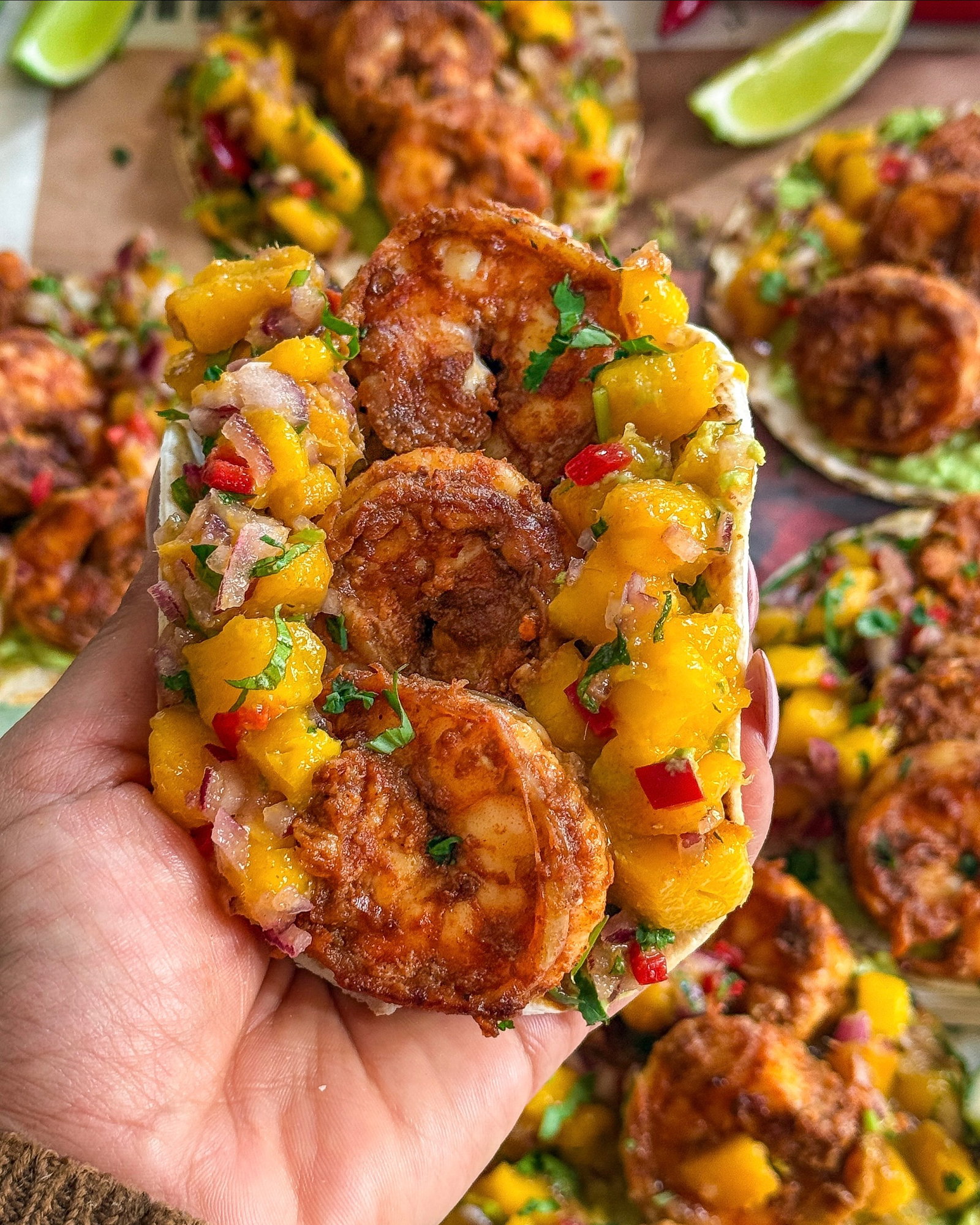
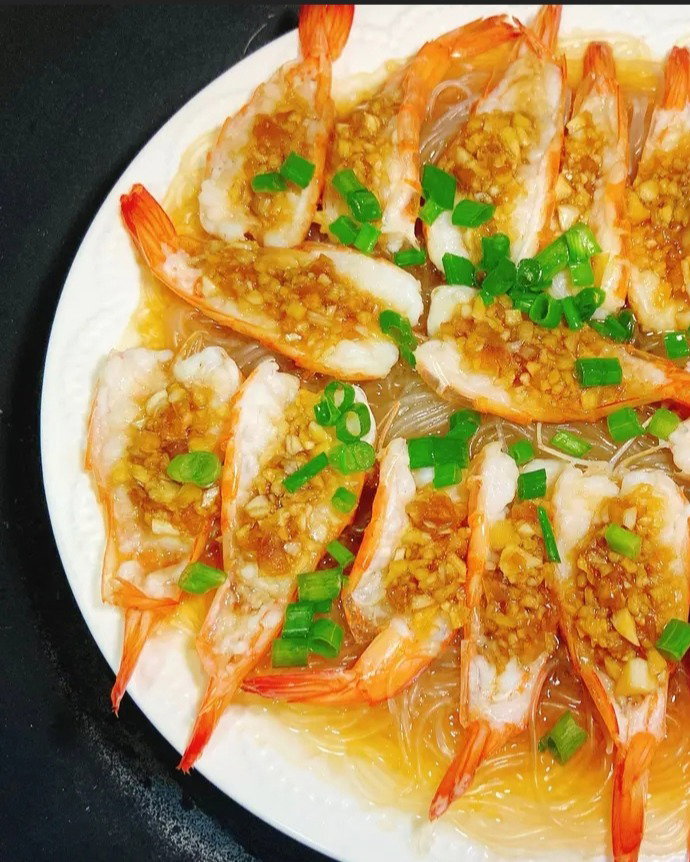
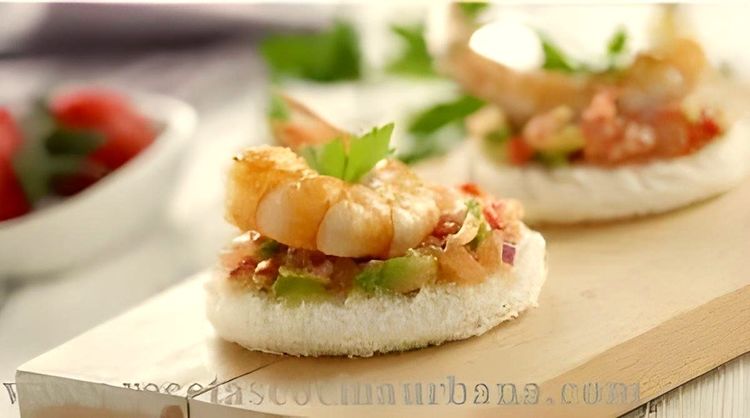
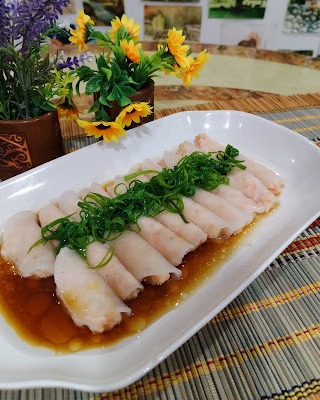
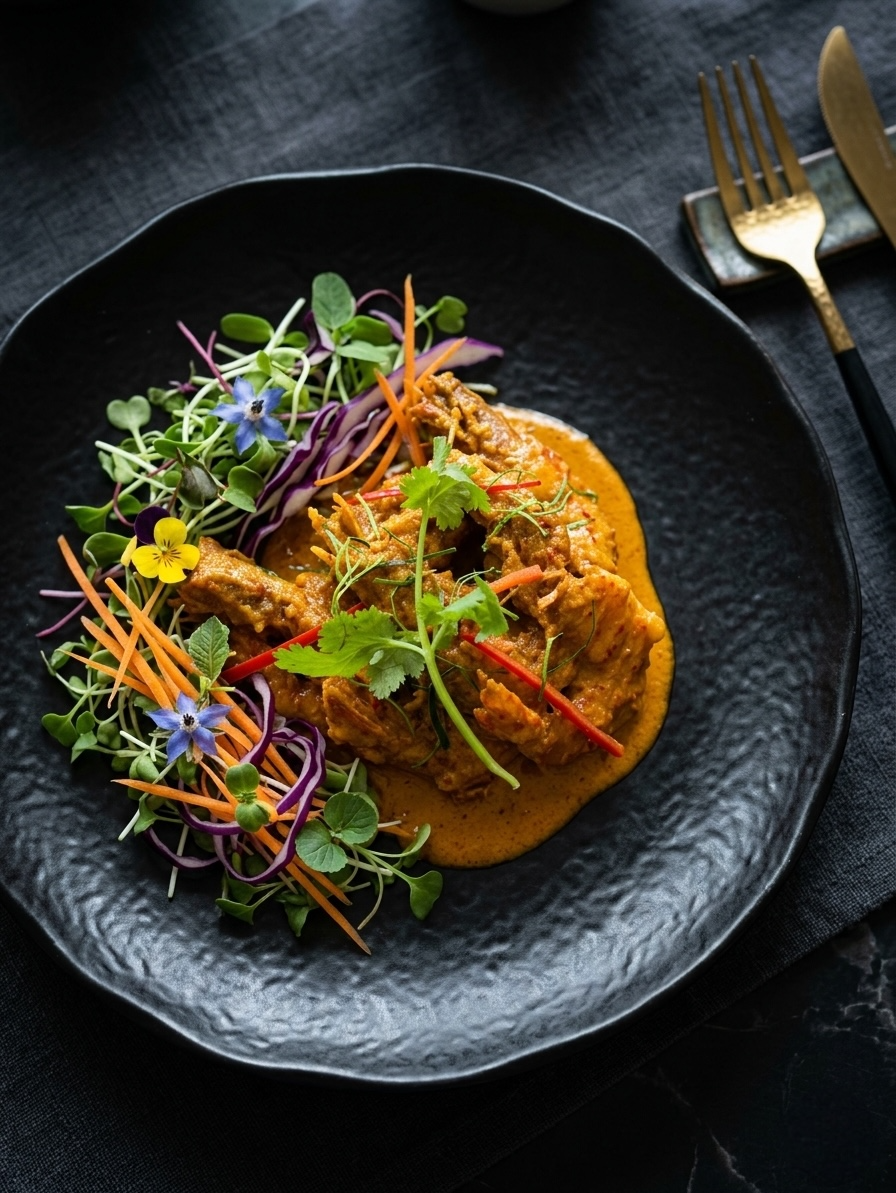
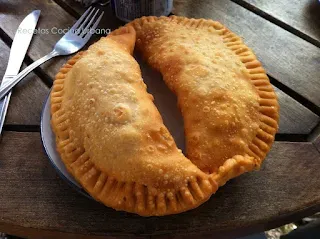
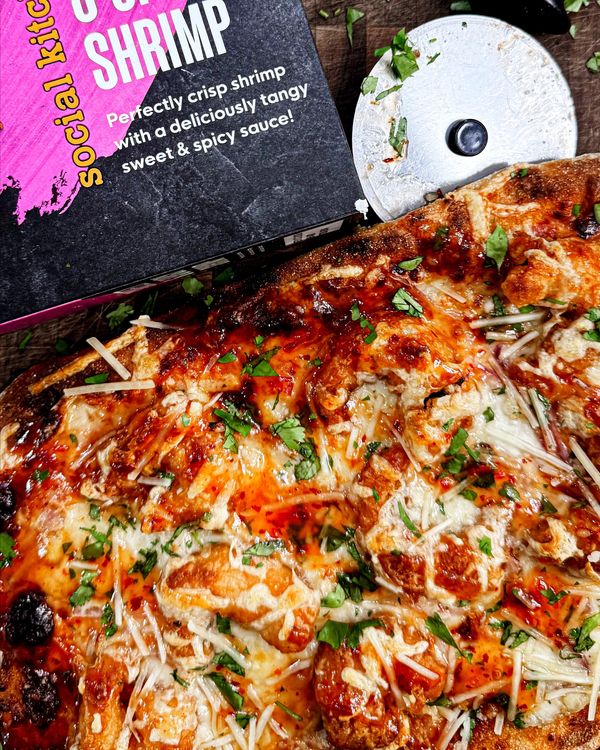
A few shrimp pasta dishes never quite fit a single category, and these are the ones worth keeping in your back pocket once the staples feel routine. They lean on the same handful of techniques you already know, a fast sear, a gently built sauce, a last-second toss with pasta water, but steer toward different textures and flavor profiles so dinner never tastes the same twice. Picking your next one is mostly about matching effort to mood: choose a quick garlic-and-lemon plate on a busy night when you want something on the table in fifteen minutes, and save the slow-simmered, cream-finished numbers for a weekend when you can let a sauce reduce properly. Whatever you cook, the golden rule does not change, so keep the shrimp out of the heat until the very end and pull them the instant they turn opaque, because overcooked shrimp are the one mistake no sauce can fix. Pay attention to how you cut and size them, too, since smaller shrimp cook even faster and need an even closer eye. Think of this group as the natural next step after the classics, the recipes that quietly earn a regular spot in the rotation once you have tried them. Standouts here include Shrimp Fajitas with Bell Peppers and Onions and One Pan, 20 Minute Marry-Me Shrimp, plus Bubble Shrimps 🍤.
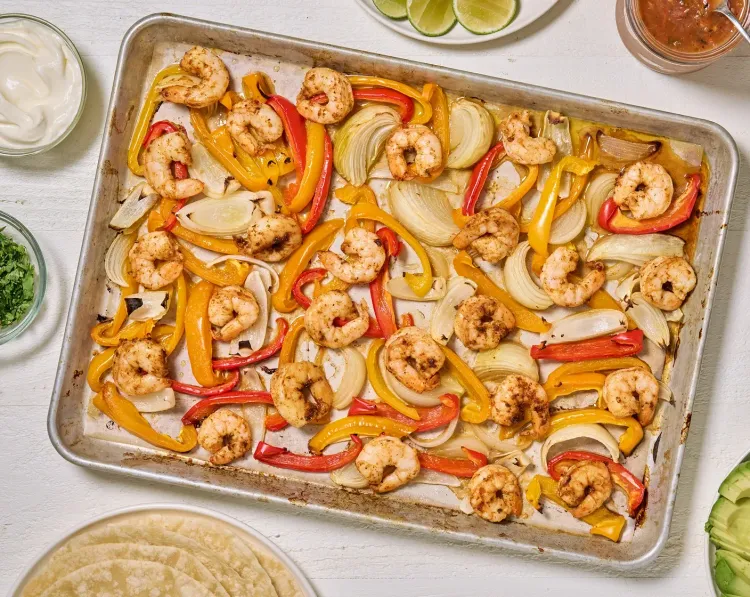
- Mexican
- Pescatarian
- Lunch


- Dairy-Free
- Appetiser

- Pescatarian
- Lunch


- Pescatarian
- Dinner

- Gluten-Free
- Main Course
- Italian
- Pescatarian
- Lunch
- International
- Pescatarian
- Appetiser

- Pescatarian
- Appetiser
- Chinese
- Pescatarian
- Dinner

- Maharashtrian
- Pescatarian
- Main Course

- Gluten-Free
- Main Course

- Indian
- Pescatarian
- Dinner

- Pescatarian
- Lunch
- Latin American
- Pescatarian
- Appetiser
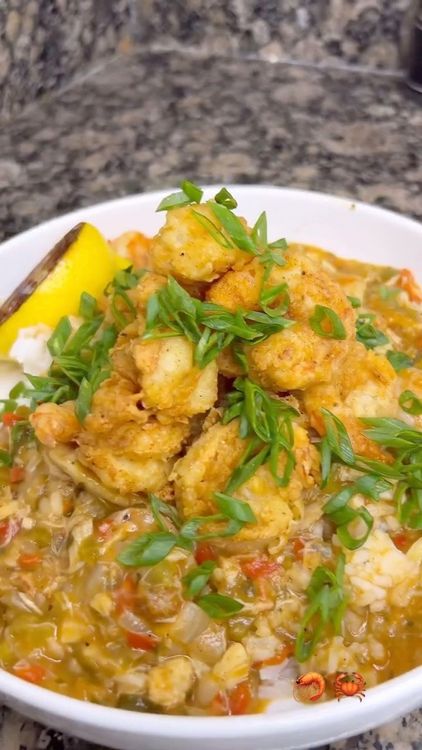
- Cajun
- Pescatarian
- Dinner
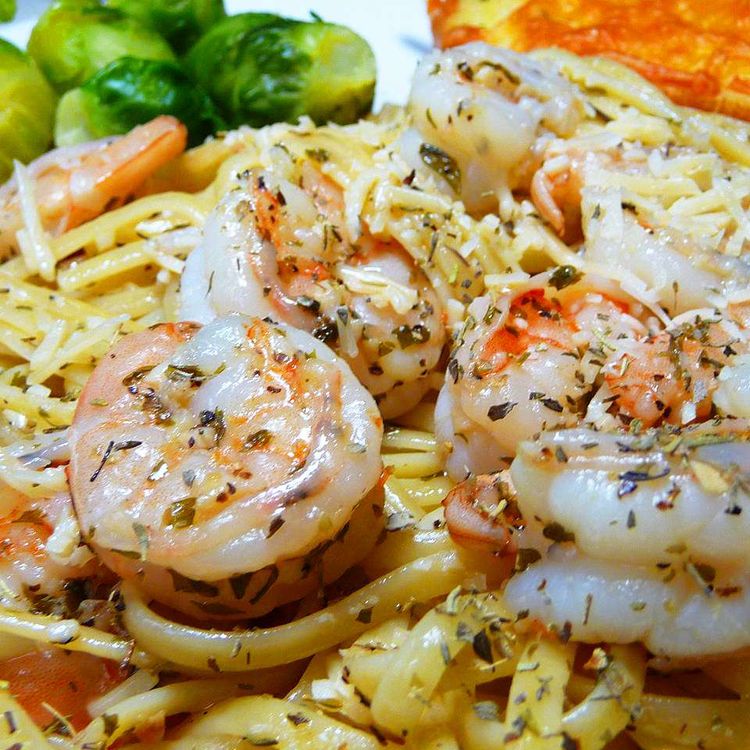
- Italian
- Pescatarian
- Dinner
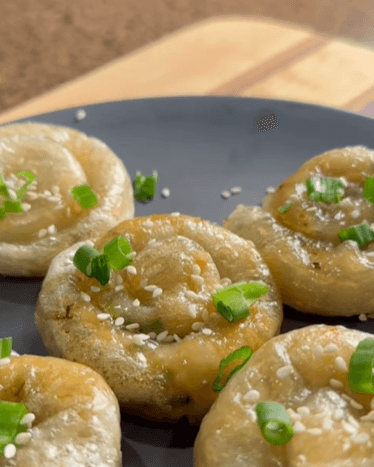

- Asian
- Pescatarian
- Appetiser
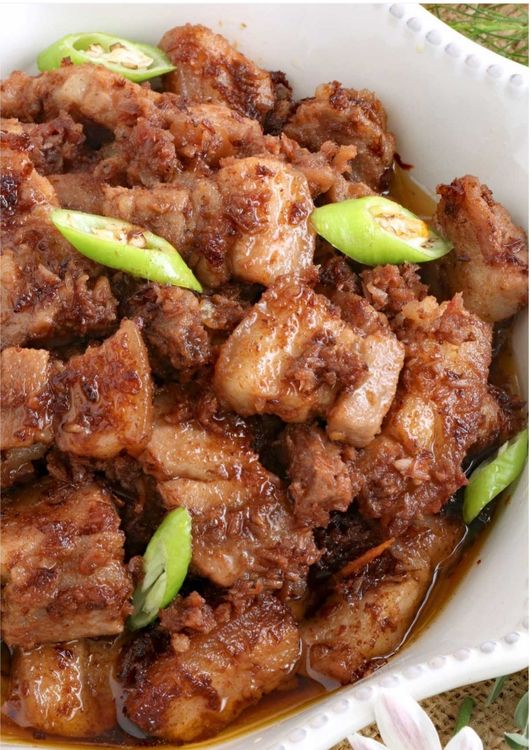
- Filipino
- Non-Vegetarian
- Lunch
- Mexican
- Pescatarian
- Appetiser
- American
- Pescatarian
- Appetiser
- Mexican
- Pescatarian
- Appetiser
- Cajun
- Gluten-Free
- Lunch
- Italian
- Pescatarian
- Appetiser
- Latin American
- Pescatarian
- Lunch
- Brazilian
- Pescatarian
- Appetiser
- Mexican
- Pescatarian
- Appetiser

- American
- Pescatarian
- Lunch
- Mediterranean
- Pescatarian
- Lunch
- Southern
- Non-Vegetarian
- Dinner

- American
- Pescatarian
- Dinner


- Pescatarian
- Lunch
- Creole
- Non-Vegetarian
- Dinner
- Cajun
- Pescatarian
- Dinner
- Latin American
- Pescatarian
- Appetiser
- Tropical
- Pescatarian
- Lunch

- Mexican
- Pescatarian
- Appetiser
- Fusion
- Pescatarian
- Appetiser
- Mediterranean
- Pescatarian
- Lunch
- Italian
- Pescatarian
- Lunch
- Dominican
- Pescatarian
- Lunch
- Brazilian
- Pescatarian
- Lunch
- Fusion
- Pescatarian
- Appetiser
- Indian
- Pescatarian
- Lunch
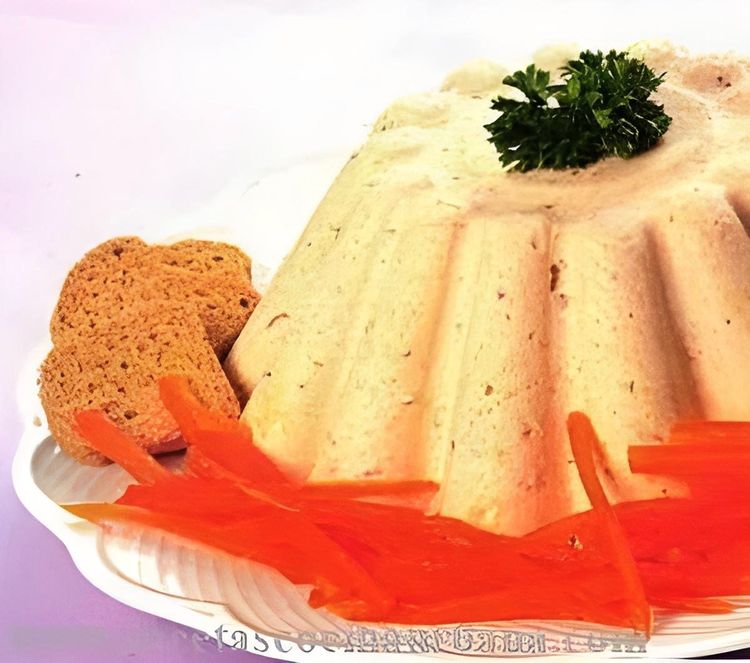
- International
- Pescatarian
- Appetiser
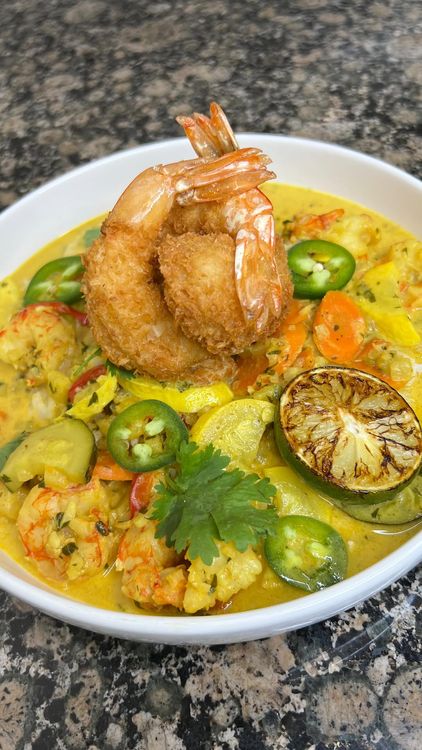
- Thai
- Pescatarian
- Dinner
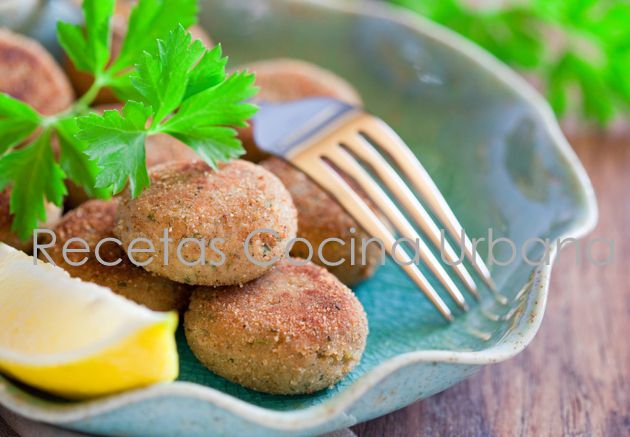
- Spanish
- Pescatarian
- Dinner
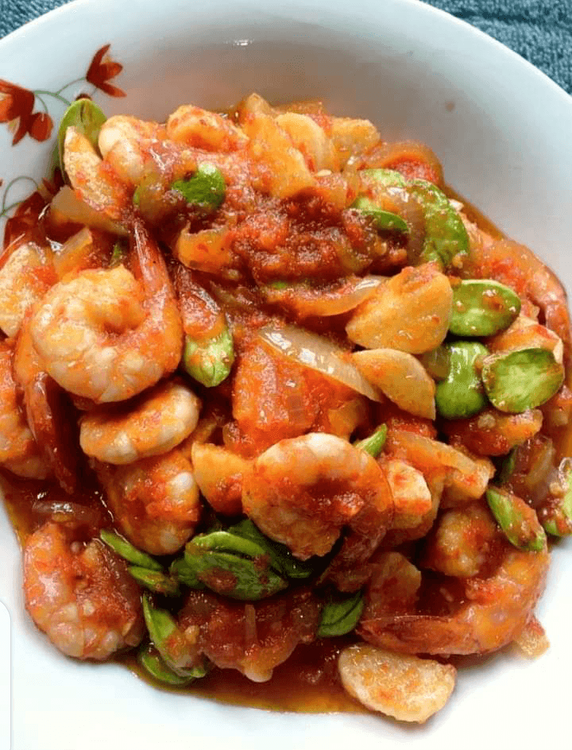
- Indonesian
- Pescatarian
- Dinner
- Indian
- Pescatarian
- Lunch
- Fusion
- Non-Vegetarian
- Lunch
- Japanese
- Gluten-Free
- Appetiser
Buying, Thawing and Prepping Shrimp
Size matters less than freshness and consistency. For pasta, large or extra-large shrimp (often labeled 21/25 or 26/30 per pound) hold their shape and stay juicy; tiny salad shrimp overcook in seconds and disappear into the sauce. Most "fresh" shrimp at the counter were frozen and thawed anyway, so buying a bag of frozen and thawing it yourself usually means fresher results and the freedom to cook only what you need.
Thaw frozen shrimp gently. The fast, safe way is to put them in a colander under cold running water for five to ten minutes, or sit them in a bowl of cold water for fifteen, until they are pliable. Skip warm water and skip the microwave, both of which start cooking the edges and leave you with a mushy texture. Once thawed, peel and devein if needed, then pat them thoroughly dry on paper towels.
Drying is not optional. Surface water is what makes shrimp steam grey instead of searing, and it also makes hot oil spit. A light salt about ten minutes before cooking seasons them through and firms the flesh slightly for a better bite. Leave the tails on for a prettier plate or take them off for easier eating; either way, cook them at room temperature rather than fridge-cold so they sear evenly instead of seizing.
Searing Shrimp Without Overcooking
Shrimp are done the instant they turn opaque and curl into a loose C; cooked further they tighten into a tough O and squeak between your teeth. The reliable method is a wide, genuinely hot pan with a thin film of oil or butter, shrimp laid in a single uncrowded layer. Give them about a minute and a half on the first side until the edges turn pink and golden, then flip and cook just until the second side loses its translucence, often under a minute.
Cook them in batches if your pan is small. Crowding drops the temperature, traps steam, and turns the shrimp pale and watery instead of seared. The single most useful habit is to pull them from the pan while they still look slightly underdone in the very center, because carryover heat and the warm sauce will finish them. It is always better to undershoot by a few seconds than to overshoot, since there is no rescuing rubbery shrimp.
A clean sequence saves the day in almost every recipe: sear the shrimp first, lift them out onto a plate, then build the sauce in that same pan so it picks up all the browned, garlicky flavor left behind. The shrimp only go back in at the very end, just long enough to warm through and get glossed in sauce. This separation is the difference between shrimp that taste fresh and shrimp that have been simmered into erasers.
Building a Sauce That Clings
Whatever the style, the sauce should coat the pasta rather than pool under it. That starts with aromatics cooked properly: garlic gently sizzled in fat until fragrant but never browned, since burnt garlic turns bitter and ruins a delicate shrimp sauce. From there, a splash of dry white wine or a squeeze of lemon deglazes the pan and lifts all the seared flavor off the bottom, and a few minutes of reduction concentrates everything before any dairy or tomato joins.
For cream sauces, simmer gently and finish off the heat; a hard boil can split cream and seize Parmesan into grainy clumps. Add cheese in small handfuls, stirring until melted, and loosen with pasta water if it tightens. For tomato sauces, let them reduce until glossy and jammy rather than watery. For garlic-butter and lemon styles, the emulsion is the sauce, so swirl cold butter in off the heat and toss constantly so it stays creamy instead of breaking into oil.
Reserve pasta water before you drain, always. That starchy, salted liquid is the secret to a sauce that grips: a few splashes thin a too-thick cream sauce without watering down the flavor, and they help butter and oil emulsify into something silky that wraps each strand. Add it a little at a time while tossing over low heat until the sauce looks glossy and just clings to the pasta, then stop. You can always add more, but you cannot take it back out.
Matching Pasta and Bringing It Together
Long strands suit thin, slick sauces: spaghetti, linguine and fettuccine are the classics for scampi, Alfredo and lemon styles because the sauce coats their length. Short shapes with ridges or hollows, like penne, rigatoni or shells, are better for chunkier tomato and Cajun sauces that need somewhere to catch. Cook the pasta in well-salted water until just shy of al dente, since it keeps cooking for a minute in the sauce at the end.
Time the two so they meet hot. Get the sauce ready, or nearly so, while the pasta boils, then drag the drained pasta straight into the pan with the sauce, add a splash of reserved pasta water, and toss over low heat for a minute so the noodles absorb flavor and finish cooking. Folding pasta into sauce in the pan, rather than spooning sauce over a plate of bare noodles, is what gives you that cohesive, restaurant-style finish.
Fold the seared shrimp back in only at the very last moment, off or nearly off the heat, just to warm them through and coat them. Finish with whatever the style calls for: a shower of parsley and lemon for scampi, grated Parmesan and black pepper for Alfredo, a pinch of chilli flakes for fra diavolo, or fresh basil and a glug of good olive oil for the lighter plates. Serve immediately, because shrimp pasta waits for no one.
Pro Tips from the Test Kitchen
- Buy large shrimp (21/25 or 26/30); tiny ones overcook in seconds and vanish into the sauce.
- Thaw frozen shrimp in cold water, never warm water or the microwave, which start cooking the edges.
- Pat shrimp bone-dry before cooking; surface moisture steams them grey instead of searing.
- Pull shrimp off the heat the instant they curl into a loose C and turn opaque; an O shape means overcooked.
- Sear shrimp first, remove them, build the sauce in the same pan, and return them only at the end.
- Never let garlic brown for a shrimp sauce; bitter garlic ruins an otherwise delicate dish.
- Always reserve a mug of starchy pasta water before draining to loosen and emulsify the sauce.
- Finish cream and butter sauces off the heat so the cream does not split and the cheese stays smooth.
- Cook pasta to just shy of al dente; it finishes in the sauce during the final toss.
- Match the shape to the sauce: long strands for slick scampi and Alfredo, ridged shapes for chunky tomato and Cajun.
Frequently Asked Questions
How do you keep shrimp from getting rubbery in pasta?
Cook them briefly and separately. Sear shrimp in a hot pan for about a minute and a half per side, just until they turn opaque and curl into a loose C, then lift them out while building the sauce. Fold them back in only at the very end to warm through. Shrimp toughen from prolonged heat, so the trick is to undershoot slightly and let carryover and the warm sauce finish them.
Should I cook the shrimp before or after the pasta sauce?
Sear the shrimp first, then remove them and make the sauce in the same pan so it picks up all the browned, garlicky flavor. Add the shrimp back only at the end, just long enough to heat through and get coated. If you leave shrimp simmering in the sauce the whole time, they overcook and turn rubbery before the dish is ready.
What pasta goes best with shrimp?
Long, thin strands like spaghetti, linguine and fettuccine are classic for garlic butter, scampi, Alfredo and lemon sauces because the sauce coats their length. Short ridged shapes such as penne, rigatoni and shells suit chunkier Cajun and tomato sauces that need somewhere to catch. Pick the shape to match how thick and clingy your sauce is.
Can I use frozen shrimp for shrimp pasta?
Yes, and it is often the better choice. Most counter shrimp were previously frozen anyway, so a bag you thaw yourself can be fresher. Thaw under cold running water for five to ten minutes until pliable, then peel, devein if needed, and pat completely dry. Avoid warm water and the microwave, which start cooking the edges and leave the texture mushy.
How long does it take to cook shrimp for pasta?
Very little time. Large shrimp need only about a minute and a half on the first side and under a minute on the second over medium-high heat, total two to three minutes. They are done the moment they turn opaque and curl into a loose C. Because they cook so fast, have everything else ready before the shrimp hit the pan.
Do I need to devein shrimp?
The dark line along the back is the digestive tract. It is harmless to eat but can be gritty and unappealing, especially on larger shrimp, so most cooks remove it for both looks and texture. Many bags come already peeled and deveined. If not, a shallow cut along the back with a paring knife lets you lift the vein out under running water in seconds.
What can I substitute for white wine in shrimp scampi?
A splash of dry white wine adds acidity and depth, but you can swap it. Use an equal amount of chicken or seafood stock with an extra squeeze of lemon for brightness, or just lemon juice loosened with a little pasta water. The point is to deglaze the pan and lift the seared flavor, so any acidic liquid that does that job works in a pinch.
Why is my shrimp pasta sauce watery or thin?
Usually the sauce was not reduced enough or you added too much liquid at once. Let cream and tomato sauces simmer until glossy before tossing in pasta, and add reserved pasta water a splash at a time rather than dumping it in. Excess water clinging to thawed shrimp also dilutes the pan, which is why patting them dry first matters so much.
Can I make shrimp pasta ahead of time?
It is best fresh, since reheated shrimp easily overcook and the pasta absorbs the sauce as it sits. If you must prep ahead, make the sauce in advance and cook the shrimp and pasta to order, combining everything just before serving. To reheat leftovers, warm gently with a splash of water or cream over low heat and stop as soon as it is hot to spare the shrimp.
Is shrimp pasta healthy?
Shrimp are lean and high in protein, so the dish can be light, especially the lemon, olive oil and tomato versions. The calories climb mainly with heavy cream, butter and cheese in Alfredo and Cajun styles, so portion those sensibly. For a leaner plate, lean on the garlic-and-lemon recipes here, use whole-grain or chickpea pasta, and fold in vegetables like spinach, peas or cherry tomatoes.
The thread through every recipe here is the same: shrimp cook in minutes, so the entire game is timing. Build your sauce while the pasta boils, sear the shrimp hot and fast, pull them the instant they turn opaque, and bring everything together at the last second with a little starchy pasta water. Master that rhythm and garlic butter, creamy Cajun, fiery fra diavolo and bright lemon plates all fall into place.
Pick three to cook this week, maybe a classic garlic butter scampi, a creamy Cajun for a treat, and a light lemon version for a fast weeknight, and save your favorites to a Chefadora cookbook. Then work through the rest. This page is built to be the shrimp pasta reference you actually come back to.
Related
- Shrimp
- Pasta
- Seafood
- Quick & easy
- Weeknight
- Dinner
- Italian
- Date night
Popular Searches
- Best shrimp pasta recipes
- Easy shrimp pasta recipes
- Quick shrimp pasta recipes
- Healthy shrimp pasta recipes
- Simple shrimp pasta recipes
- Homemade shrimp pasta recipes
- Delicious shrimp pasta recipes
- Popular shrimp pasta recipes
- pasta and shrimp recipe
- shrimp pasta dishes
- pasta with shrimp recipe
Marnirni-apinthi Building, Lot Fourteen,
North Terrace, Adelaide, South Australia, 5000
Australia
