
Top 45 Chinese Food Recipes: Fried Rice, Dumplings, Noodles and Stir-Fries
Updated June 30, 2026 · Curated by Chefadora
Chinese food recipes span one of the world's most diverse and technically sophisticated culinary traditions — from the delicate steamed dumplings of Guangdong to the numbing-hot stir-fries of Sichuan, the slow-braised pork belly of Shanghainese cooking and the crisp wok-tossed rice dishes that show up in every takeaway box. This collection covers the full spectrum: the everyday classics you want on a weeknight and the slightly more involved preparations worth an unhurried Sunday afternoon.
What unites Chinese cooking across its regional differences is a philosophy of balance — between hot and cold, between crunch and softness, between the pungent and the mild. Soy sauce, ginger, garlic and sesame oil appear constantly, but they are used with restraint and intention. Master the ratios and the techniques — proper wok heat, velveting meat, making a glossy sauce — and the recipes here become far more repeatable than they first appear.
You will find four groups: fried rice and congee that turn a bowl of cold rice into something deeply satisfying; dumplings, wontons and dim sum that reward a bit of patient folding; big-flavored stir-fries and Manchurian dishes that cook in under fifteen minutes; and chow mein noodles that crisp and tangle in ways that restaurant delivery never quite manages. Each cluster has an intro with technique guidance specific to those dishes.
Chefadora links every title below to the full recipe with ingredients, steps and cook times. Use this page as a reference hub — browse by technique, bookmark what suits your week, and return when you want to work through a new cluster. The guides below cover the foundations that make the difference between a flat result and something that actually tastes like Chinese food.
Chinese Fried Rice & Rice Dishes
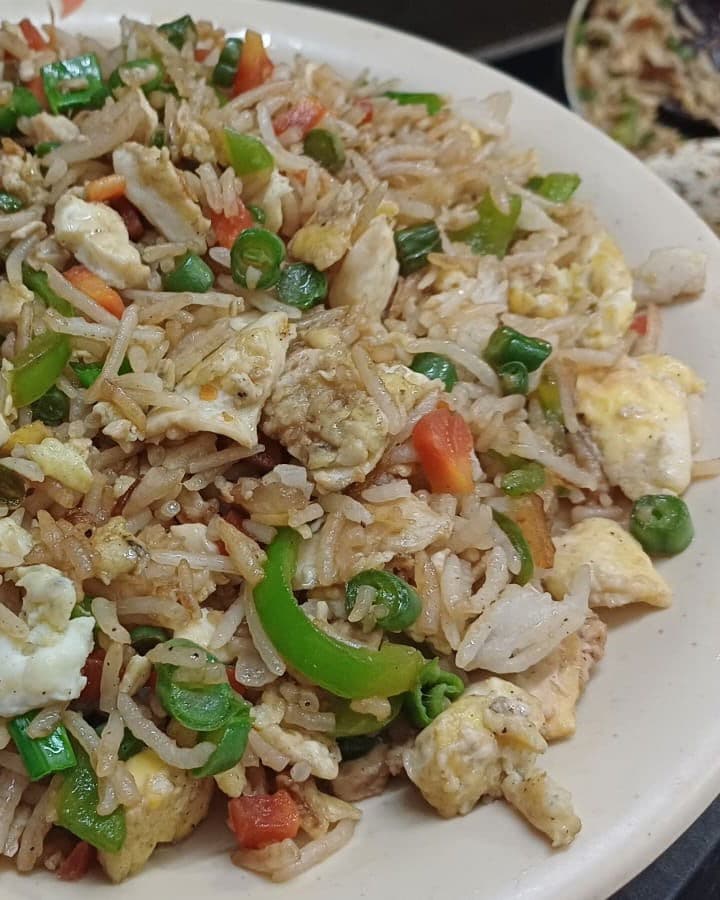
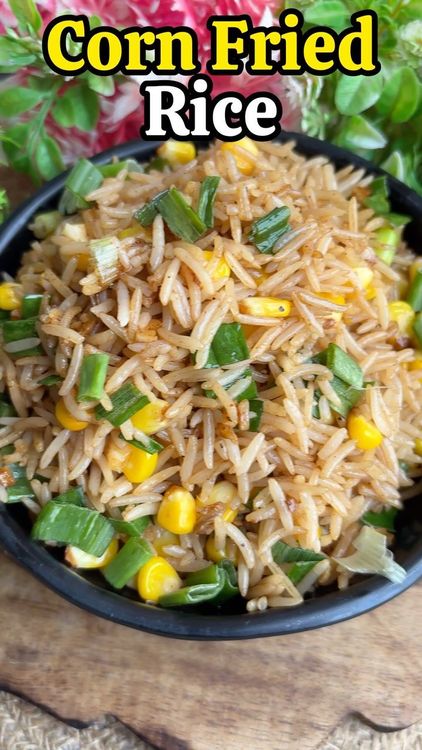
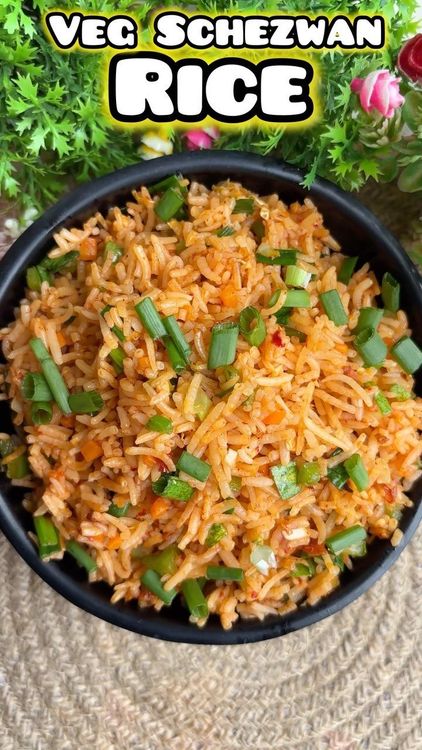
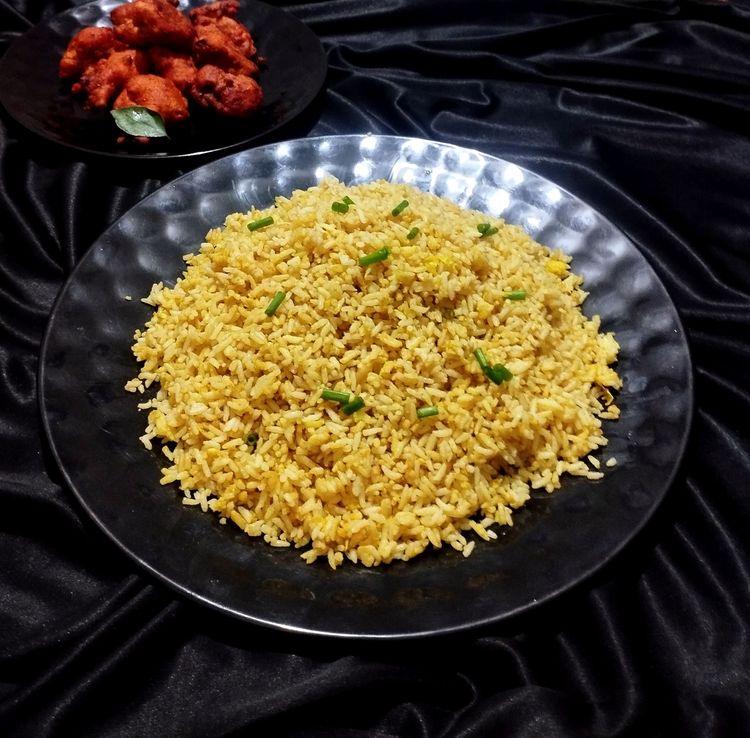
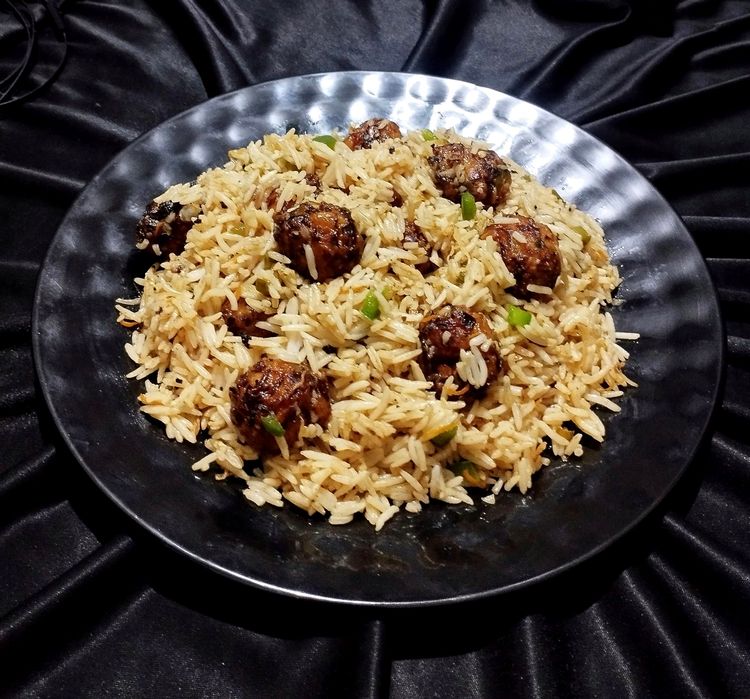
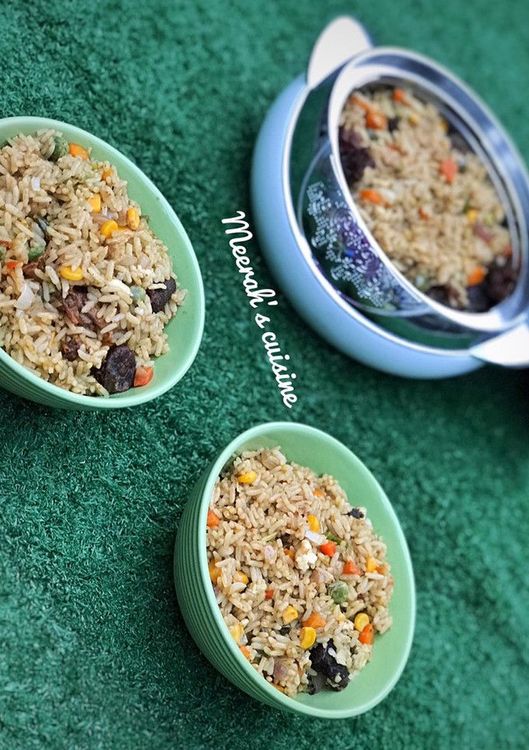
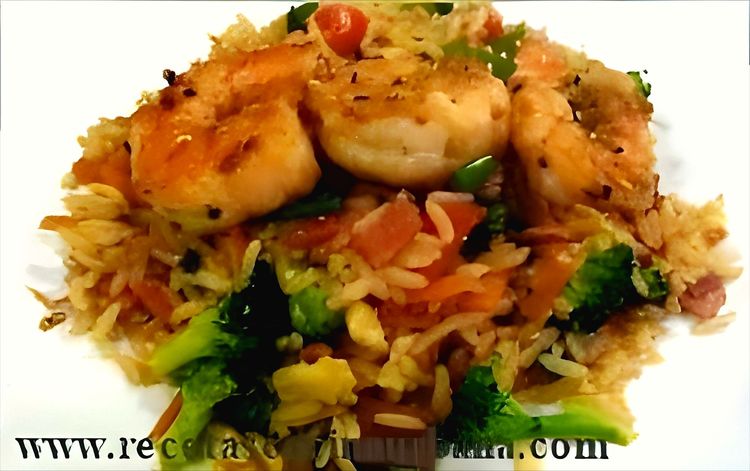
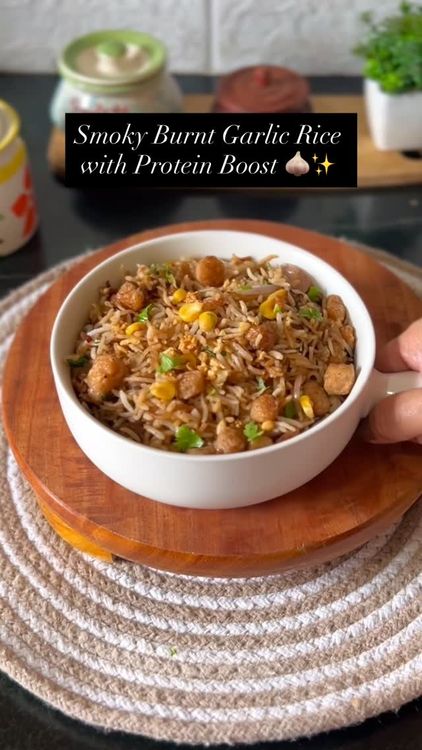
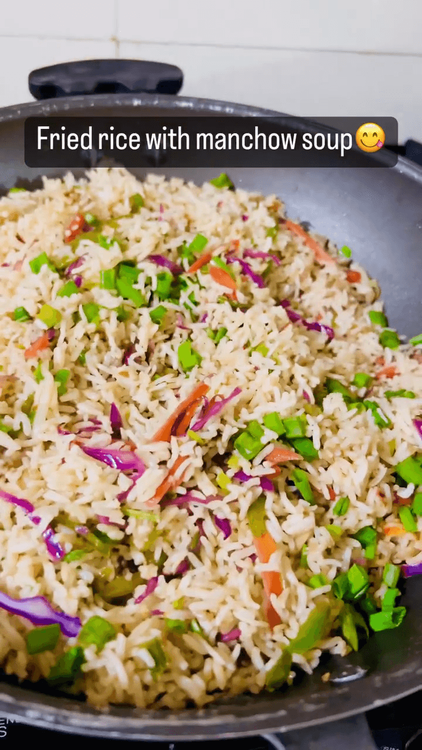
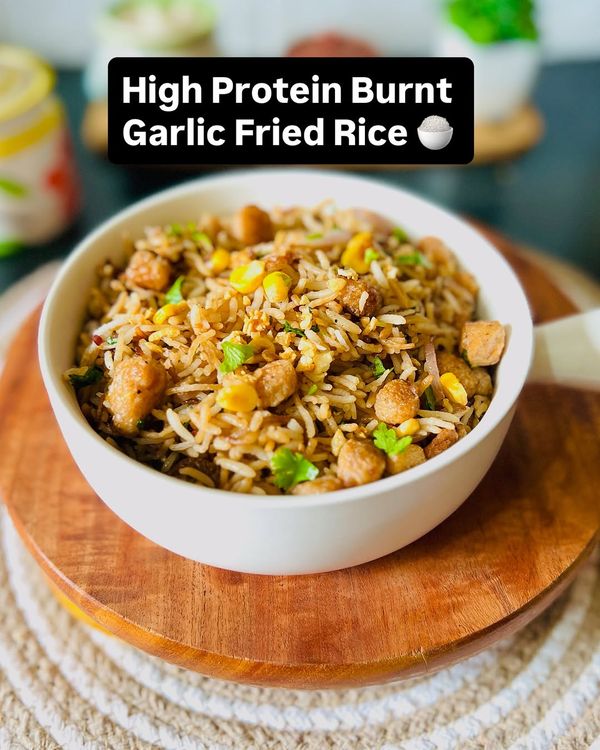
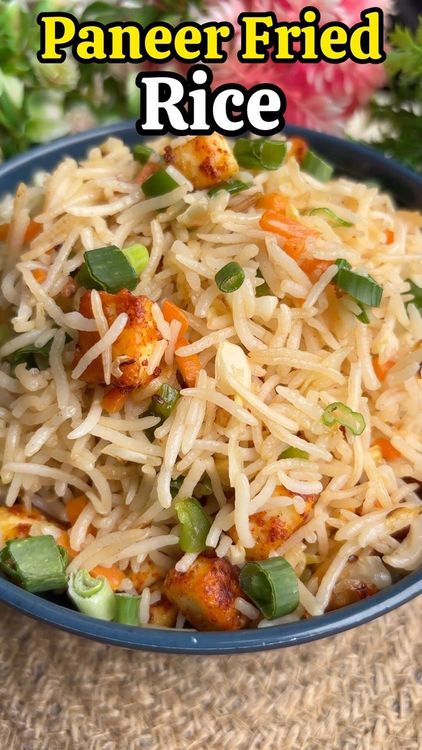
Fried rice is Chinese cooking at its most practical: cold leftover rice, high heat, and whatever protein and vegetables are within reach, turned into something deeply satisfying in under fifteen minutes. The Chinese approach differs from other fried rice traditions in its insistence on high heat, minimal liquid, and soy sauce added in stages rather than poured over at the end — each grain should fry individually rather than steam into clumps. The Schezwan variation adds a layer of chilli heat and vinegar tang that makes it emphatically different from the plain-soy version; both are here. Congee occupies the other end of the same tradition — rice cooked long and slow with plenty of water until it becomes thick and creamy, the Chinese comfort food that absorbs ginger, pork and spring onion into something restorative and deeply clean-tasting. Whether you want a crispy, high-heat fried rice or a gentle, slow congee, these recipes cover the full range of Chinese rice cooking from the simplest egg version to the more elaborate burnt-garlic and protein-loaded plates. Standouts here include Egg Pepper Fried Rice | Street Style and Chinese Yam & Lean Pork Congee, plus Corn Fried Rice.


- Indo-Chinese
- Eggetarian
- Lunch


- Gluten-Free
- Soup

- Chinese
- Vegan
- Lunch
- Chinese
- Vegan
- Lunch
- Chinese
- Eggetarian
- Lunch
- Indo-Chinese
- Vegetarian
- Lunch

- Chinese
- Eggetarian
- Lunch
- Chinese
- Non-Vegetarian
- Dinner
- Chinese-Indian Fusion
- Vegetarian
- Dinner
- Chinese
- Eggetarian
- Dinner
- Chinese
- Vegetarian
- Lunch
- Chinese
- Vegetarian
- Lunch
Dumplings, Dim Sum & Wontons
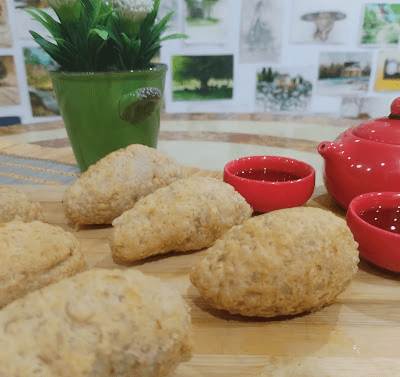
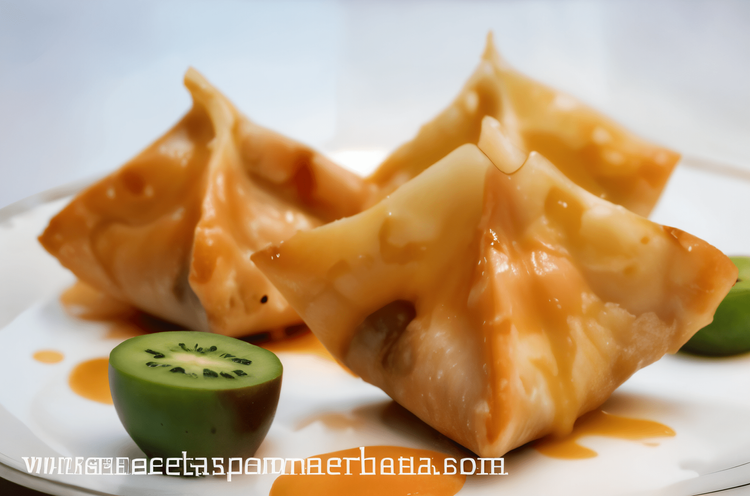
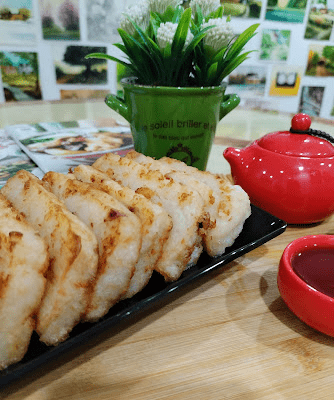
Dumplings are the soul of Chinese snack culture — thin dough wrapped around a juicy, seasoned filling, then boiled, steamed or pan-fried depending on what you want from the texture. Soup dumplings (xiaolongbao) are the technical peak: a frozen aspic cube inside the filling melts during steaming to create the legendary spoonful of hot soup inside each wrapper. Wontons are simpler and more forgiving — generous wrappers, pork or shrimp filling, and a comfortable broth or a chile oil to float them in. Potstickers get their best when pan-fried to a crisp base and steam-finished, the contrast of crunch and yielding wrapper being the whole point. What unites all of these is the importance of the filling: well-seasoned, not too wet, always tested cooked before wrapping so you can adjust. The dim sum tradition adds turnip cake (lo bak go), taro puff dumplings and steamed items that require more planning but reward the effort with something genuinely special. Standouts here include Lazy Dumplings for Breakfast and Pandan Coconut Snowy Mooncakes, plus Lazy Dumplings 🥟 ✨️.
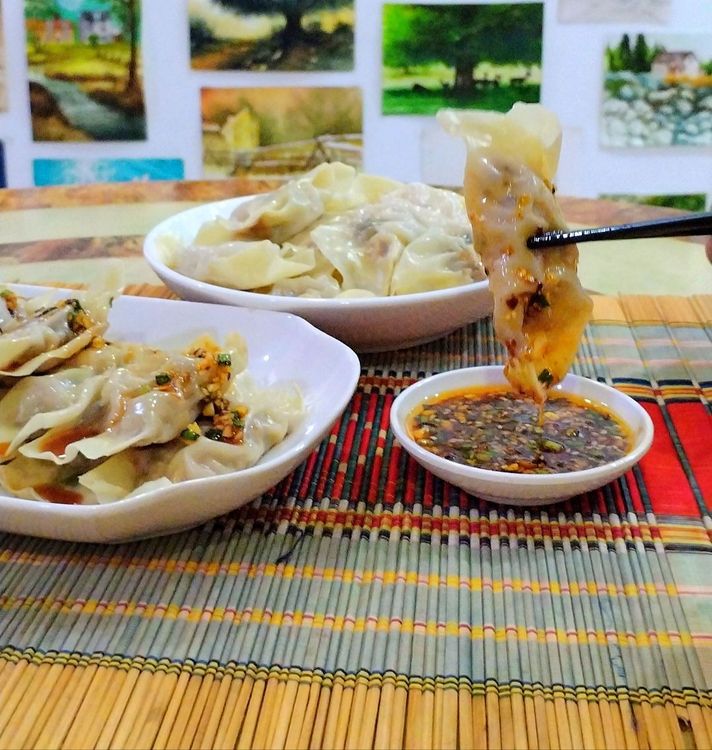
- Chinese
- Non-Vegetarian
- Breakfast
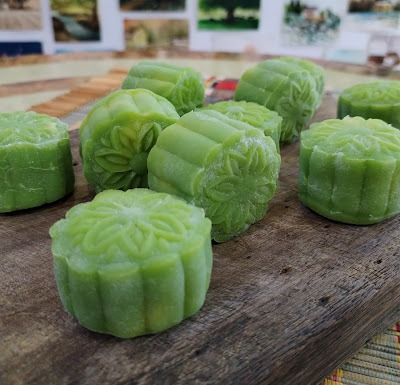
- Chinese
- Nut-Free
- Snack
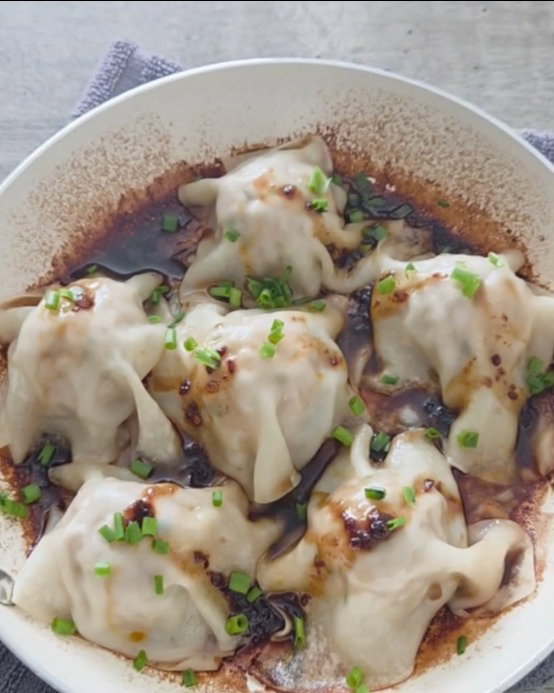

- Non-Vegetarian
- Appetiser

- Dairy-Free
- Appetiser

- Chinese
- Vegan
- Side Dish
- Chinese
- Non-Vegetarian
- Appetiser
- Chinese
- Non-Vegetarian
- Breakfast
- Cantonese
- Dairy-Free
- Lunch
Stir-Fries, Manchurian & Sauces
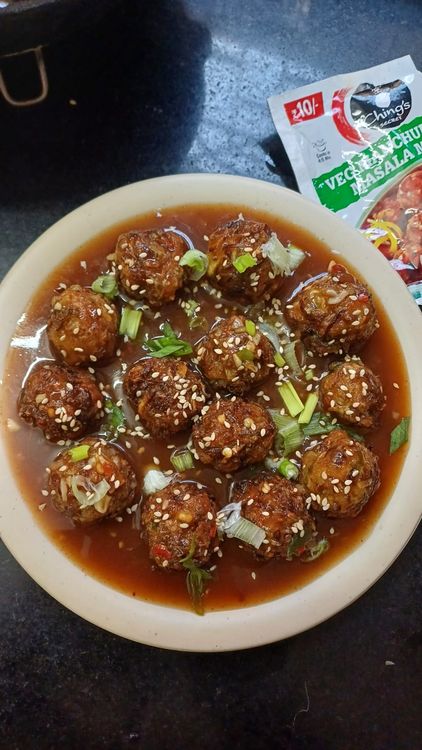
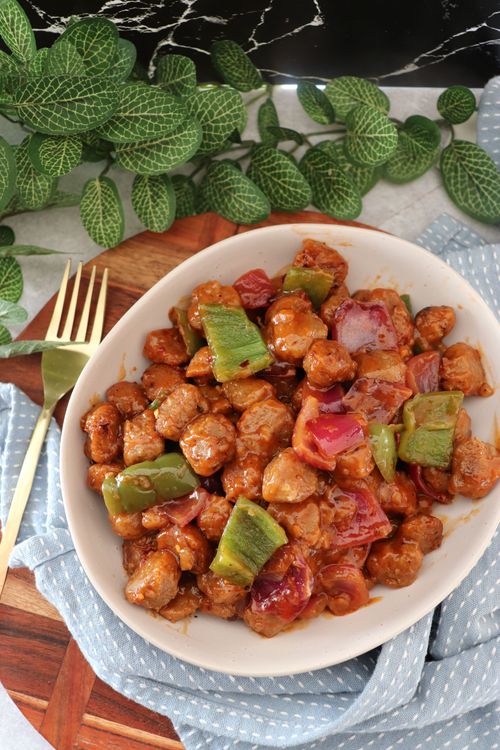
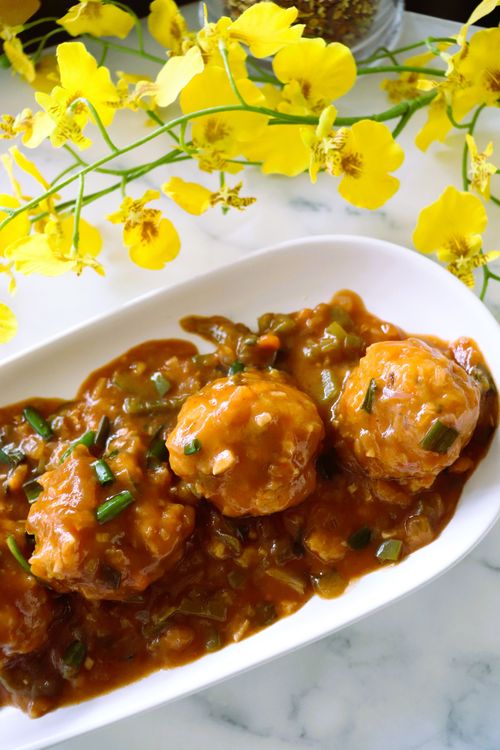
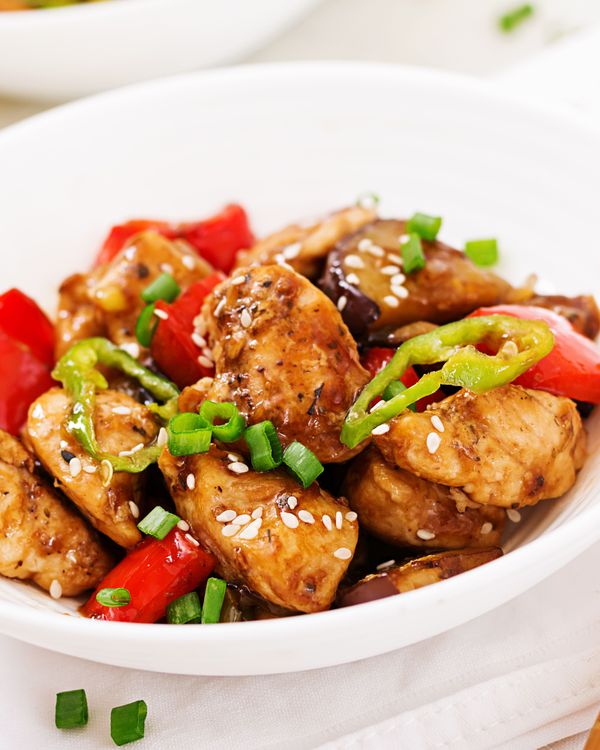
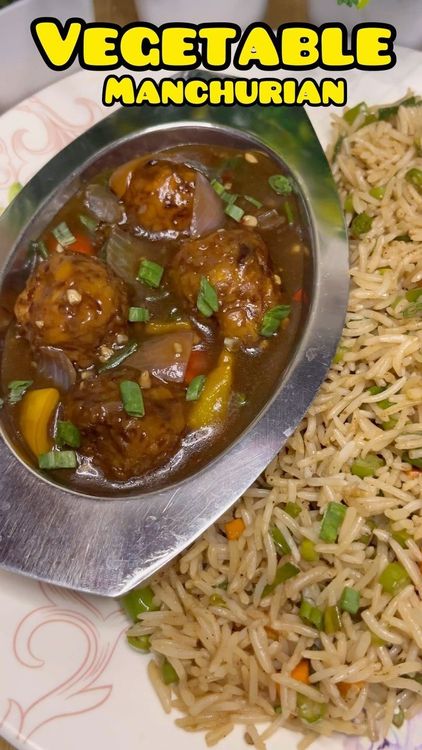
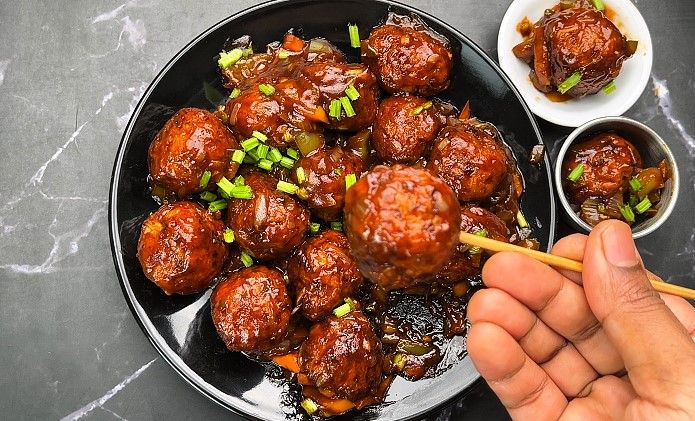
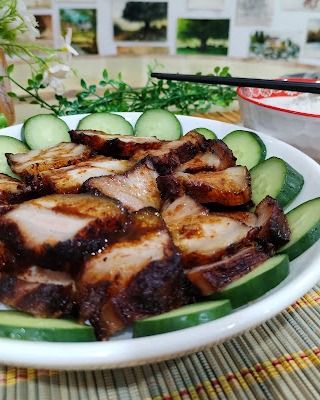
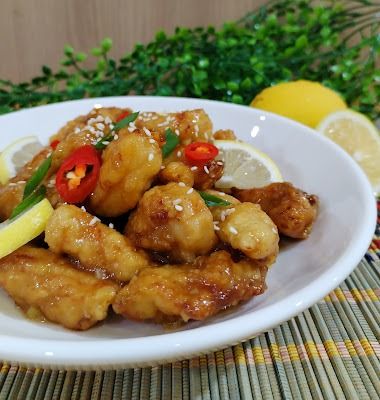
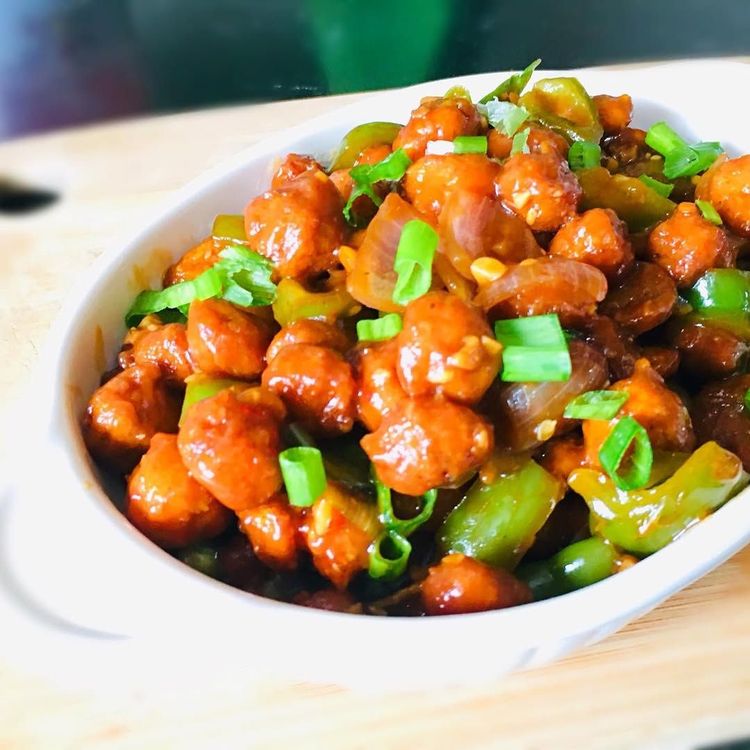
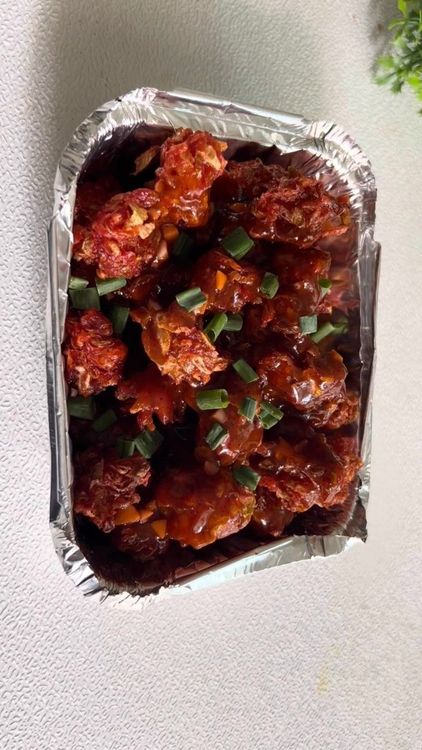
Manchurian — the Indo-Chinese category of fried vegetable or protein balls tossed in a bold, chilli-soy sauce — is technically a fusion dish, but it has become so embedded in South Asian Chinese cooking that it now constitutes its own tradition. Vegetable Manchurian balls are made by deep-frying mixed vegetable dumplings and then tossing them in a sauce of soy, chilli, vinegar and ginger-garlic, served either wet (with more sauce) or dry (most of the sauce reduced away). Kung Pao chicken is the authentic Chinese stir-fry counterpart: Sichuan peppercorn heat, dried chillies, vinegar, soy and peanuts in a fast, high-heat assembly that comes together in under five minutes once the prep is done. Cantonese stir-fries are the mildest of the three — cleaner, lighter sauces built on oyster sauce and a little sesame oil, with the natural flavors of the vegetable and protein allowed to show. Char siu (Chinese BBQ pork) rounds out the cluster with its slow-roasted, honey-glazed depth. Standouts here include Quick Desi Manchurian Gravy and Soya Chilli Manchurian, plus Kung Pao Chicken宫保鸡丁.
- Indian-Chinese
- Vegan
- Lunch

- Indo-Chinese
- Vegan
- Lunch

- Gluten-Free
- Dinner
- Indo-Chinese
- Vegan
- Appetiser

- Chinese
- Non-Vegetarian
- Lunch
- Indo-Chinese
- Vegan
- Lunch

- Indo-Chinese
- Vegetarian
- Appetiser
- Chinese
- Non-Vegetarian
- Lunch
- Chinese
- Non-Vegetarian
- Lunch
- Indo-Chinese
- Vegan
- Appetiser

- Chinese
- Non-Vegetarian
- Dinner
- Indian-Chinese
- Vegan
- Appetiser
Chow Mein & Chinese Noodles
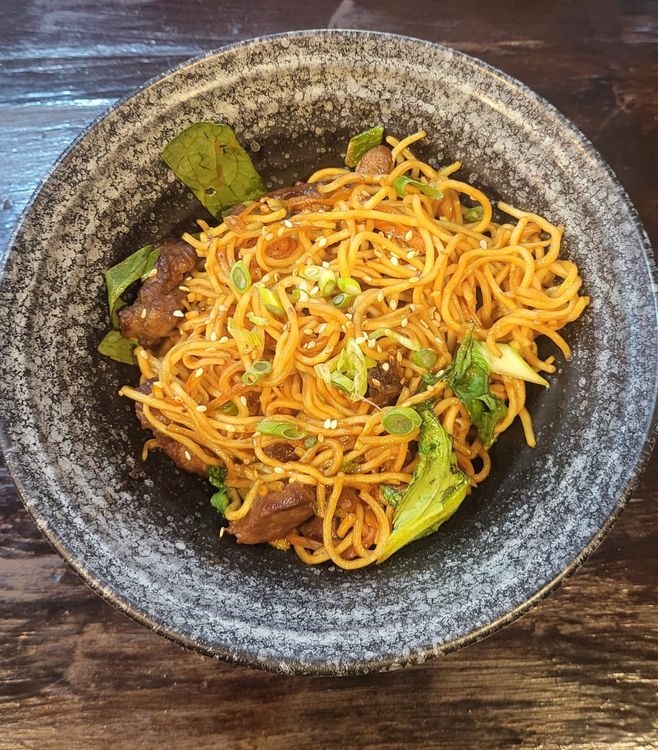
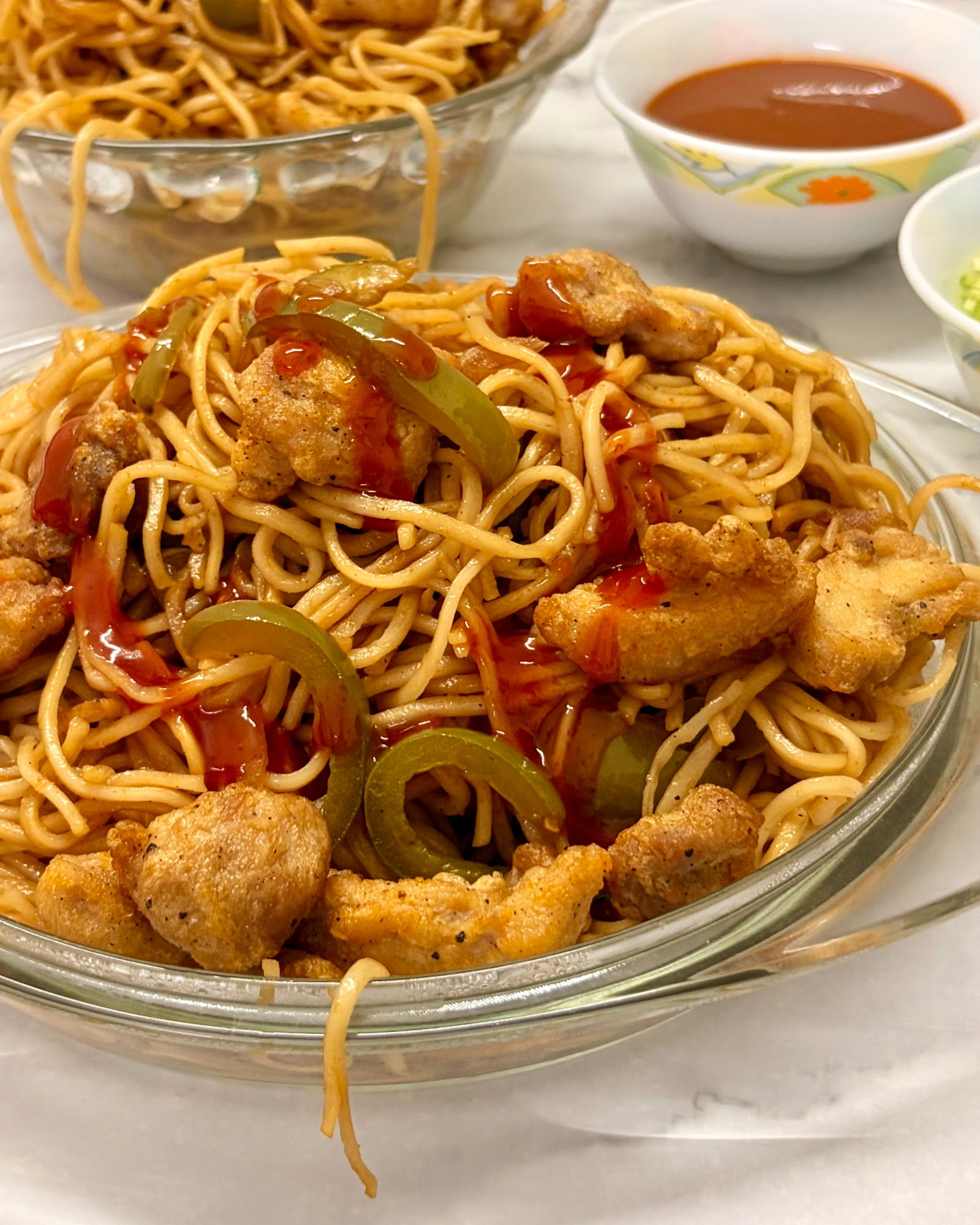
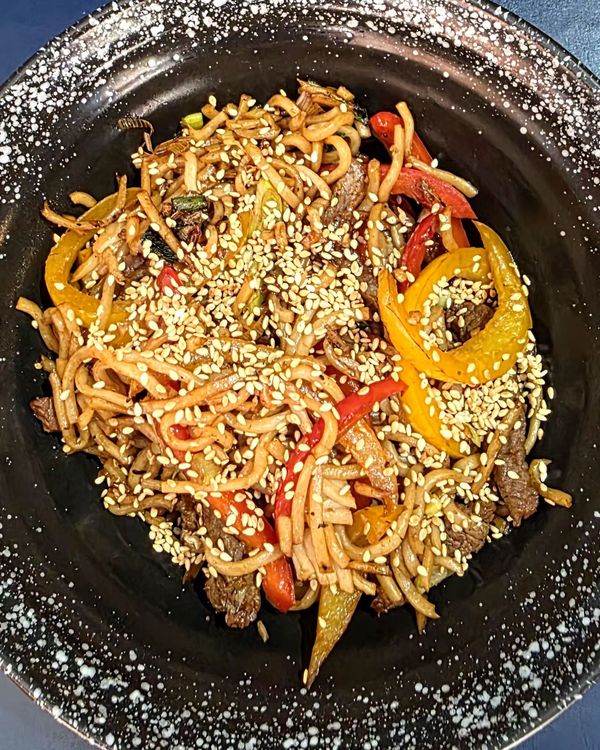
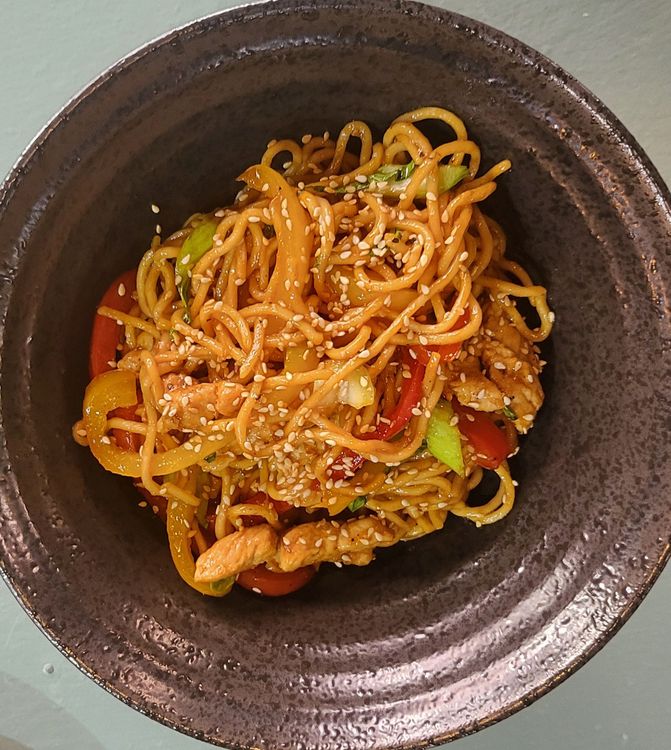
Chow mein — fried noodles — is the dish that travels best from Chinese restaurant to home kitchen, because the core technique (high heat, right noodle, well-built sauce) is both teachable and repeatable. The noodles should be parboiled until just tender, then drained and ideally dried on a tray for an hour before hitting the wok — surface dryness is what allows them to fry rather than steam and gives the slightly crispy edges that define good chow mein. The sauce is soy sauce, oyster sauce, a little sesame oil and just enough cornstarch to help it cling; it goes in after the protein and vegetables are nearly done, coating everything in a final sixty seconds of high-heat tossing. Chicken chow mein, beef chow mein and vegetable versions differ only in the protein and timing — the technique is identical. Resist the urge to add too much sauce, which makes the noodles wet and heavy rather than glossy and distinct. Standouts here include Crispy Beef Chow Mein and Easy Chicken Chow Mein, plus Beef Chow Mein.
- Chinese
- Dairy-Free
- Lunch
- Dairy-Free
- Dinner
- Chinese
- Non-Vegetarian
- Lunch
- Chinese
- Non-Vegetarian
- Lunch
More Chinese Favourites
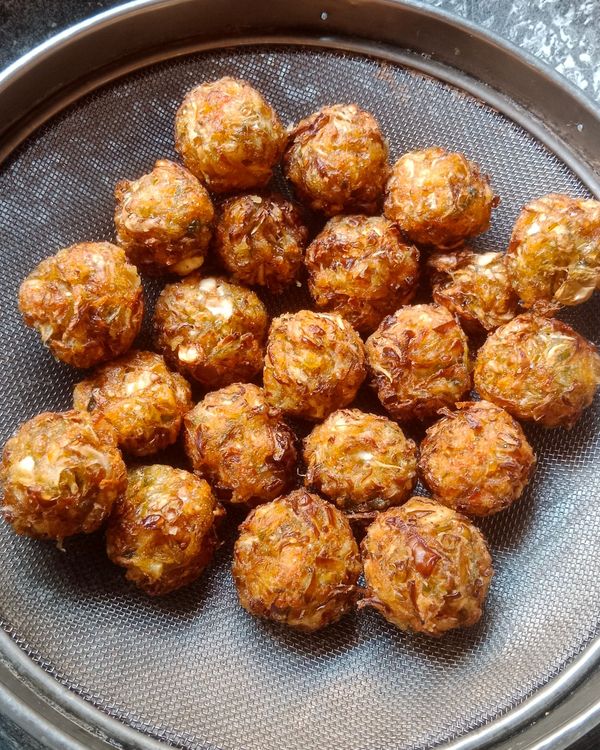
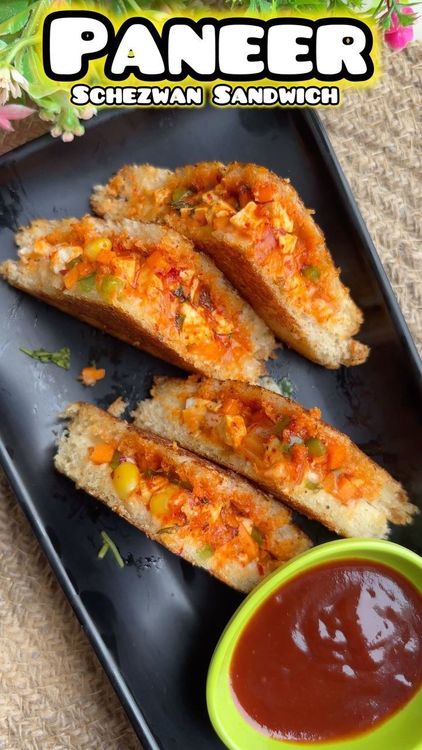
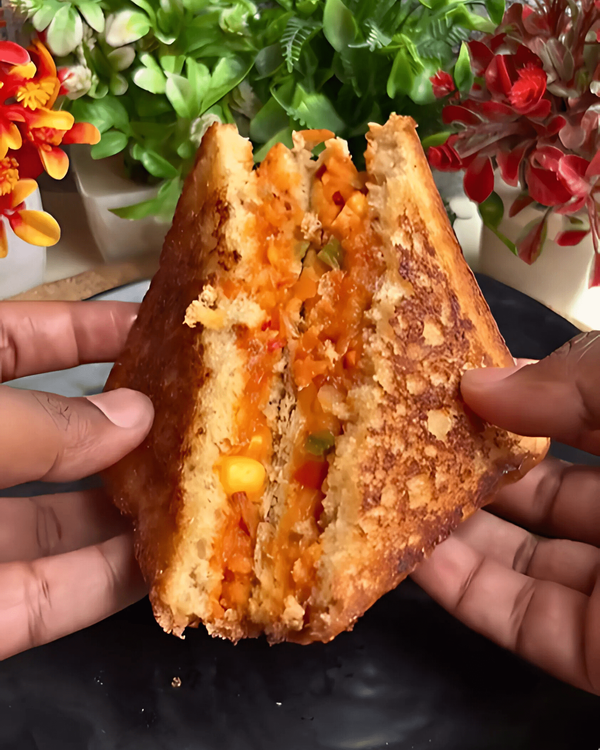
A few more dishes worth a place in your rotation — same techniques, different results. Standouts here include Chinese Pakoda with Chutney and 🌮 Desi Chinese Taco, plus Street-style Cheese Schezwan Sandwich.

- Indo-Chinese
- Vegan
- Snack

- Indian
- Vegetarian
- Snack

- Indian
- Vegetarian
- Breakfast
- Fusion
- Vegetarian
- Breakfast
- Indian
- Vegetarian
- Lunch

- Indian
- Non-Vegetarian
- Dinner
- Chinese
- Vegan
- Sauce & Condiment
- Indian
- Non-Vegetarian
- Lunch
- Chinese
- Pescatarian
- Lunch
Getting Wok Heat Right at Home
A restaurant wok runs at temperatures a domestic hob cannot match — but you can compensate with technique. Use the largest, thinnest-gauge carbon steel wok you have, preheat it over maximum heat until it smokes slightly, then add oil and swirl it around the entire surface before adding ingredients. Do not crowd the pan: cook in batches if needed. Crowding drops the temperature and turns stir-fry into a braise.
The order of ingredients matters. Aromatics — garlic, ginger, dried chillies — go in first in a splash of hot oil and cook for thirty seconds. Protein goes next, left undisturbed until it colors on one side before tossing. Vegetables are last, added in order of how long they take: dense things like broccoli stems before soft things like bean sprouts. The sauce goes in at the end, coats everything over thirty seconds of tossing, and you plate immediately.
For fried rice, the single most important rule is to use cold, day-old cooked rice. Freshly cooked rice is too moist and steams into clumps rather than frying into individual grains. Spread leftover rice on a tray and refrigerate overnight, or use rice from the freezer thawed in the fridge. Keep the heat high, press the rice flat against the wok for twenty seconds at a time, and resist the urge to stir constantly.
Making Dumplings: Wrappers, Folds and Cooking Methods
Homemade dumpling wrappers need just flour and hot water — two parts plain flour to one part boiling water, kneaded until smooth, then rested under a damp cloth for thirty minutes. The dough should be pliable but not sticky. Roll each circle slightly thicker at the centre than at the edges so the bottom can hold the filling and the pleats seal without tearing.
Fillings should always be seasoned cold before wrapping — taste a small amount cooked in a pan first. Classic pork and cabbage filling gets its cohesion from well-squeezed cabbage (salt, rest, wring in a cloth to remove water) and from mixing in one direction until the pork becomes slightly sticky. Filling that is too wet makes for soggy dumplings that burst in the pot.
Cooking method changes everything. Boiled (shui jiao) gives silky, tender wrappers. Pan-fried (guo tie, or potstickers) gives a crisp base: fry in a little oil until brown on the bottom, add water to the pan, cover and steam until cooked through, then uncover and fry off the remaining moisture for a final crunch. Steamed dumplings (for wontons and soup dumplings) need gentle, consistent steam and careful timing — usually eight to ten minutes.
Building Classic Chinese Sauces
Most Chinese stir-fry sauces are built from the same core components: soy sauce for saltiness and umami, a small amount of sugar to round the edges, rice vinegar or Shaoxing wine for depth and acidity, sesame oil added off the heat for fragrance, and cornstarch slurry to thicken and give the glossy restaurant finish. Mix these together in a bowl before you start cooking — a stir-fry moves too fast to measure ingredients mid-cook.
For Manchurian sauce (the Indo-Chinese style), soy sauce, chilli sauce, ginger-garlic paste, vinegar and a little ketchup form the base. The sauce is added after the main ingredient is cooked and tossed until it coats and thickens. For Kung Pao, the balance is hot (chillies and Sichuan peppercorns), sour (vinegar), salty (soy) and sweet (sugar), with the sauce going in just before peanuts and spring onion at the very end.
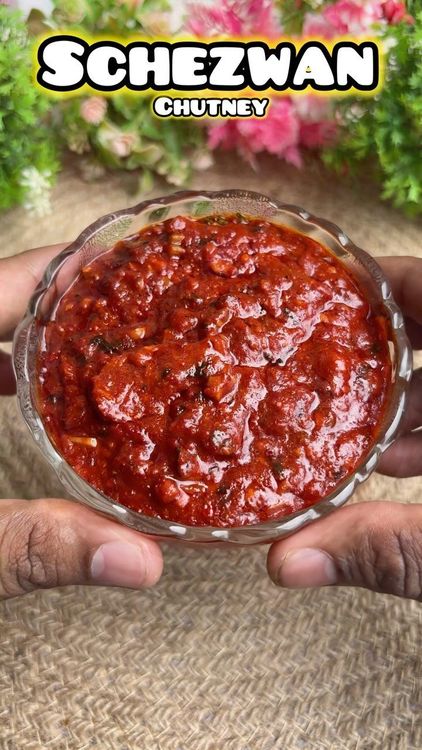
Schezwan sauce — used extensively in Indo-Chinese cooking — is made by frying dried red chillies with garlic and ginger in oil, then blending smooth and cooking down. Homemade is far better than bottled: more complex, less syrupy. Make a jar and keep it refrigerated for up to two weeks. It elevates fried rice, chow mein and stir-fried vegetables with very little effort.
Velveting: How to Keep Meat Tender in Stir-Fries
Velveting is the technique Chinese restaurants use to keep chicken, beef and pork silky and tender in stir-fries rather than dry and chewy. For the water-velveting method: marinate sliced protein in egg white, cornstarch, salt and a splash of Shaoxing wine for fifteen to thirty minutes. Then briefly cook the meat in simmering water (or oil, for the oil-blanching method) for forty-five to sixty seconds until it just turns opaque, drain, and proceed with the stir-fry.
The pre-cooked protein finishes in the sauce without ever spending long over direct high heat — which is why it stays tender. For beef, add a pinch of baking soda to the marinade along with the cornstarch: it tenderizes the muscle fibers through a chemical process and is especially useful for cheaper, tougher cuts. Rinse the baking soda off after marinating and pat dry before velveting.
Once you understand velveting, many Chinese restaurant dishes become reproducible at home. Dishes like Kung Pao chicken, lemon chicken and Cantonese stir-fries all rely on the technique. Keep the slices thin and uniform so they cook evenly, and always work quickly once the velveted protein hits the wok — it needs only seconds of extra heat to finish.
Pro Tips from the Test Kitchen
- Use day-old cold rice for fried rice — fresh rice has too much moisture and clumps rather than fries.
- Preheat your wok until it smokes before adding oil; this prevents sticking and gives better color.
- Add sesame oil off the heat — high heat destroys the fragrance you are cooking for.
- Mix all stir-fry sauce components in a bowl before you start; the cook is too fast to measure mid-wok.
- Velvet your sliced meat in egg white and cornstarch for 20 minutes before stir-frying to keep it tender.
- Always cook in batches if the wok looks crowded — too many ingredients at once steams rather than fries.
- Squeeze out cabbage with a cloth before adding to dumpling filling; moisture is what makes dumplings burst.
- For crispy potstickers, fry until golden on the base, then add water, cover and steam, then uncover to dry.
- A pinch of baking soda in a beef marinade tenderizes tough cuts the way restaurants do — rinse it off before cooking.
- Finish Manchurian sauce on high heat while tossing so it coats and clings rather than sitting pooled at the bottom.
Frequently Asked Questions
What are the most popular Chinese food recipes for home cooks?
Fried rice, chow mein and Manchurian sit at the top of home-cook favorites — they are fast, flexible and work with whatever protein is in the fridge. Dumplings and wontons are the weekend project that pays off in batches you can freeze. Beyond those, Kung Pao chicken, lemon chicken and braised pork belly (char siu and its slow-cooked relatives) round out the classics most people want to learn first.
Do I need a wok to make Chinese recipes at home?
A wok is the best tool, but a large, heavy-based frying pan works for most stir-fries and fried rice. The key difference is surface area and heat retention — a wok's sloped sides let you toss without spilling, and its thin gauge heats fast. If you buy one, choose a carbon steel wok (not non-stick), season it like a cast iron pan, and it will last decades.
What is the difference between Indo-Chinese and authentic Chinese food?
Indo-Chinese is a distinct fusion cuisine developed by Chinese immigrants in India, characterized by heavier use of chilli sauce, ketchup, vinegar and strong spices. Dishes like Manchurian, Schezwan fried rice and chilli chicken are Indo-Chinese rather than Chinese. Authentic regional Chinese cooking is more varied and often more subtle — Cantonese is mild and lightly seasoned, Sichuan numbing-hot, Shanghainese sweet-savory. Both have their place.
How do I make Chinese fried rice that is not soggy?
Three rules: use cold leftover rice (never fresh), cook on maximum heat, and keep the wok uncrowded. Freshly cooked rice has too much surface moisture to fry — it steams and sticks. Refrigerating rice overnight dries it out enough. Add the rice to the hot wok, press it flat and leave it undisturbed for twenty seconds before tossing, then repeat. The brief contact with the hot surface gives individual grain fry rather than clump.
Can I freeze dumplings and cook from frozen?
Yes, and homemade frozen dumplings are close to identical to fresh when cooked correctly. Freeze raw dumplings on a tray in a single layer until solid, then transfer to a bag. Cook from frozen by adding to boiling water — they take three to four minutes longer than fresh, or until they float and then cook a further minute. For pan-fried dumplings, add an extra splash of water when steaming to account for the frozen center.
What is velveting and should I bother?
Velveting is a pre-cooking technique where meat is marinated in egg white, cornstarch and Shaoxing wine, then briefly cooked in water or oil before the stir-fry. It keeps the protein silky and tender regardless of how the dish finishes — which is why restaurant chicken never turns dry. It takes an extra fifteen minutes and makes a meaningful difference; yes, bother.
What soy sauce should I use for Chinese cooking?
Light soy sauce is the everyday workhorse — it seasons and adds umami without darkening the dish much. Dark soy sauce adds color and a slightly thicker, maltier depth; use it in braises and fried rice for the rich brown color. Many recipes call for both. For cooking, any supermarket brand works; for finishing (added at the end or in dips), a better-quality light soy makes a noticeable difference.
What is Shaoxing wine and what can I substitute?
Shaoxing is a Chinese rice wine used in marinades, stir-fries and braises for depth and to remove raw meat smells. Dry sherry is the closest Western substitute — use it in the same quantity. Mirin works but adds sweetness; if avoiding alcohol, a small splash of rice vinegar diluted with water and a little sugar approximates the effect. Shaoxing is widely available in Asian grocery stores and worth keeping in stock.
How spicy is Sichuan food really?
Sichuan food is not just hot — it has a unique numbing-spicy sensation (ma la) from Sichuan peppercorns combined with dried chillies. The peppercorns create a tingling that makes heat feel different to ordinary chilli. Many Sichuan dishes can be adjusted down in chilli without losing their character, and the aromatic base of ginger, garlic, doubanjiang (chilli bean paste) and Sichuan peppercorns is what defines the cuisine rather than raw heat alone.
Are Chinese food recipes difficult to make at home?
Most weeknight Chinese recipes — fried rice, chow mein, stir-fries, wontons in broth — are genuinely fast once you understand the sequence and have the core pantry staples. Dim sum and soup dumplings take more practice but are achievable. The perceived difficulty usually comes from unfamiliar ingredients or rushing sauce preparation. Get soy sauce, Shaoxing wine, sesame oil, cornstarch and ginger-garlic paste stocked, and most of the recipes here become straightforward.
The thread running through Chinese food recipes at every level is the same: high heat applied briefly, sauce built to balance rather than overwhelm, and technique that rewards repetition. Once you can fry rice properly, fold a dumpling and velvet meat for a stir-fry, the whole category opens up.
Work through the clusters — start with fried rice for speed, dumplings for a project weekend, then the stir-fries and noodles. Save your favorites to a Chefadora cookbook so they are there when you need them, and keep the guides below as a reference when a step is unfamiliar.
Related
- Chinese
- Asian
- Stir-Fry
- Noodles
- Dumplings
- Fried Rice
- Indo-Chinese
Popular Searches
- Best chinese food recipes
- Easy chinese food recipes
- Quick chinese food recipes
- Healthy chinese food recipes
- Simple chinese food recipes
- Homemade chinese food recipes
- Delicious chinese food recipes
- Popular chinese food recipes
- chinese recipes
- easy chinese recipes
- chinese takeout recipes
Marnirni-apinthi Building, Lot Fourteen,
North Terrace, Adelaide, South Australia, 5000
Australia
