
Top 34 Tomato Soup Recipes: Creamy Classics to Grilled Cheese Pairings
Updated July 2, 2026 · Curated by Chefadora
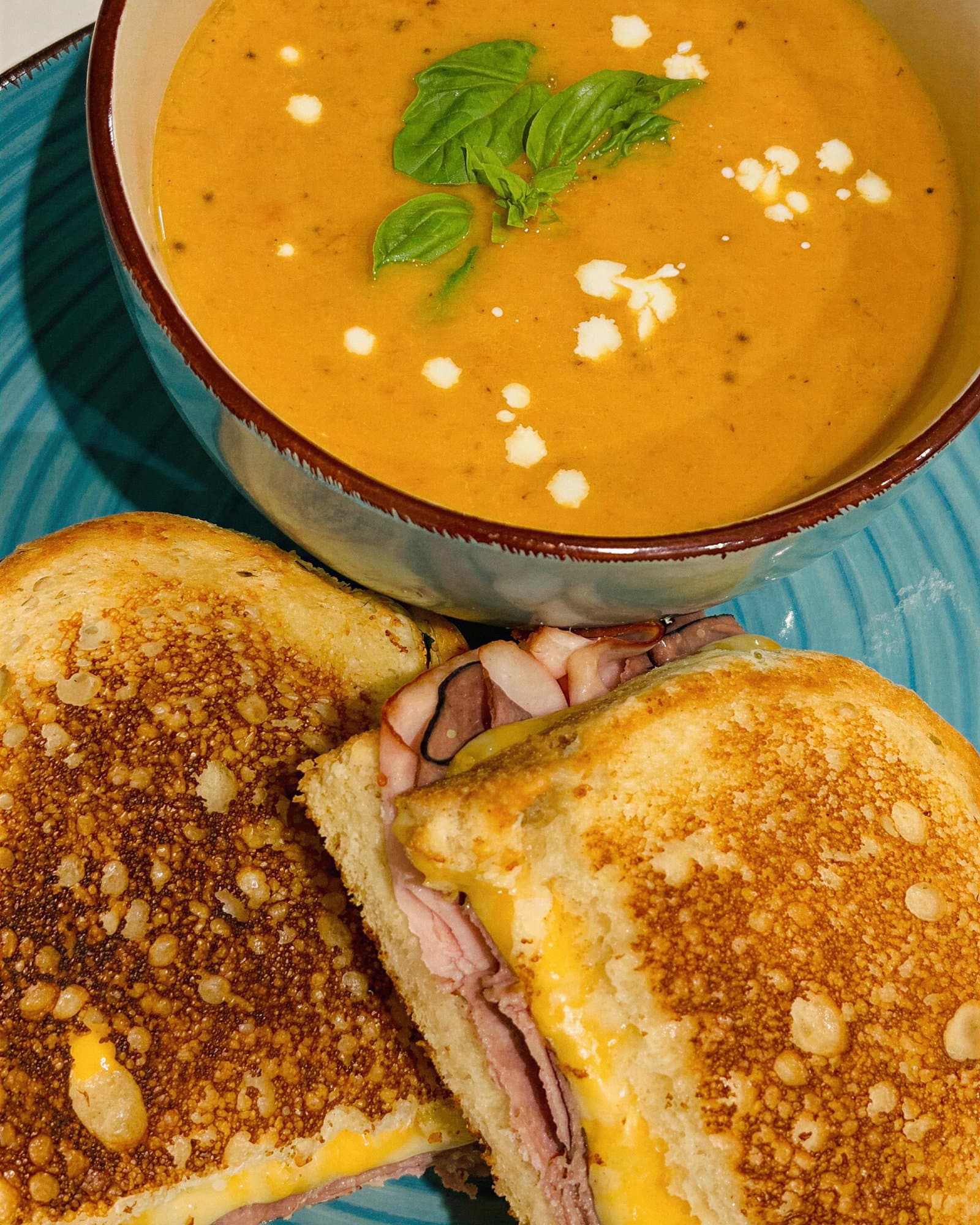
Tomato soup recipes are the definition of comfort food, and this collection was built to show the full range of what a good tomato can do — not just ten versions of the same creamy bowl. You will find classic and roasted soups, the grilled cheese pairings that turned tomato soup into a lunchtime institution, tomato basil pasta that takes the same bright flavor onto a bigger plate, and a run of dips, bruschetta and salads for when the tomato is the star of a starter instead of a main.
What separates a good tomato soup from a forgettable one usually comes down to two things: how the tomatoes were treated before they hit the pot, and how the acidity was balanced at the end. Roasting concentrates sweetness and takes the raw edge off; a proper simmer with aromatics builds a base that tastes cooked rather than just heated through. The guides below walk through both, along with the blending step that decides whether your soup ends up silky or thin.
This page groups the recipes into four clusters — soup and grilled cheese pairings, classic and creamy soups on their own, tomato basil pasta and sauces, and dips, bruschetta and salads — so you can go straight to the mood you are cooking for. Canned tomatoes work fine in a pinch, but the techniques here apply whether you are working with a can, a punnet of cherry tomatoes or a glut from the garden.
Treat this as a working reference rather than a one-time read. Each recipe links through to full ingredients and method on Chefadora, and the guides cover the parts that trip people up most: picking or roasting the right tomatoes, building real flavor before you blend, getting the texture right, and knowing what to serve alongside a bowl that is, at its best, endlessly comforting.
Tomato Soup and Grilled Cheese Pairings
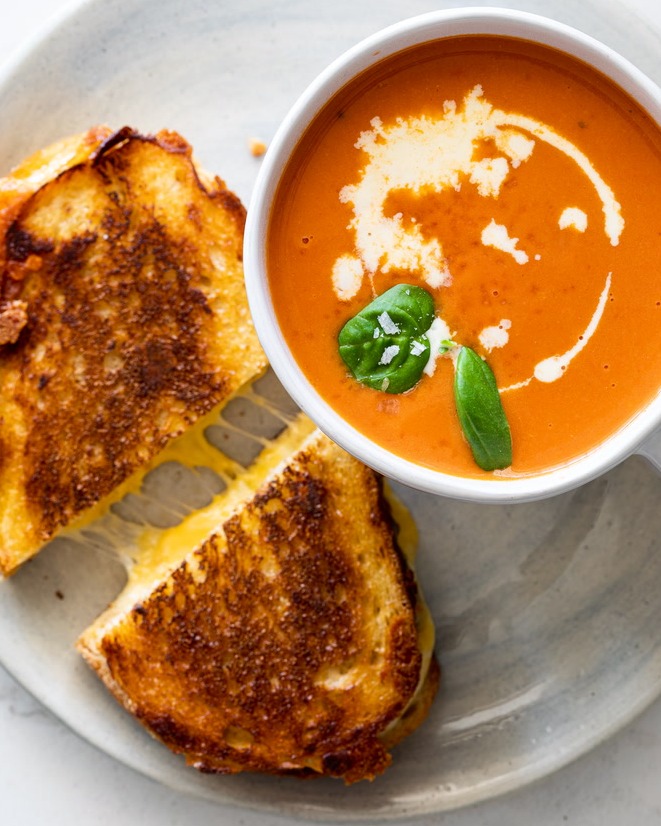
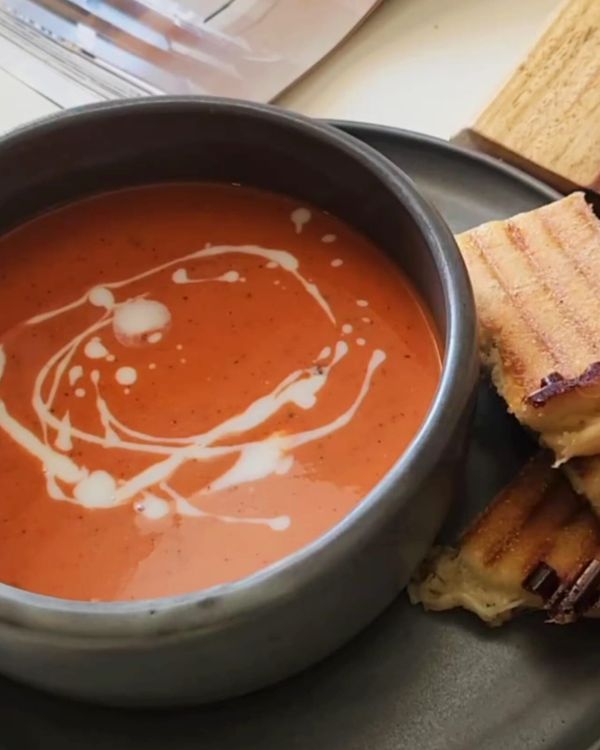
Tomato soup and grilled cheese is one of those pairings that needs no real explanation, but making both parts well takes a little more care than most weeknight dinners get. The soup should be bright and a touch tangy rather than sweet, so it cuts through the richness of the sandwich instead of competing with it — a roasted or well-simmered base with a proper pinch of acid balance works best here. The sandwich side matters just as much: butter the bread generously on the outside, use a cheese or cheese blend that melts properly (sharp cheddar, a Comté, a three-cheese mix), and griddle it low and slow so the inside fully melts before the outside burns. A too-hot pan gives you a scorched crust around a cold, unmelted center, which defeats the entire point of dunking. Cut the sandwich into strips or triangles for easy dipping, and serve it the moment both are ready — a grilled cheese loses its crackle fast, and a soup this good deserves to be eaten hot. These recipes cover a few different takes on the pairing, from a classic cheddar match to more grown-up cheese and bread combinations. Keep portions generous on both sides — a thin soup or a skimpy sandwich undersells what is otherwise one of the most satisfying lunches you can put together at home. Standouts here include Tomato Soup and Grilled Cheese and Creamy Tomato Basil Soup & Three-Cheese Grilled Cheese, plus Roasted Tomato Soup + Melty Comté Grilled Cheese.


- American
- Non-Vegetarian
- Dinner


- Vegetarian
- Soup


- American
- Vegetarian
- Lunch
- American
- Non-Vegetarian
- Dinner
Classic and Creamy Tomato Soups
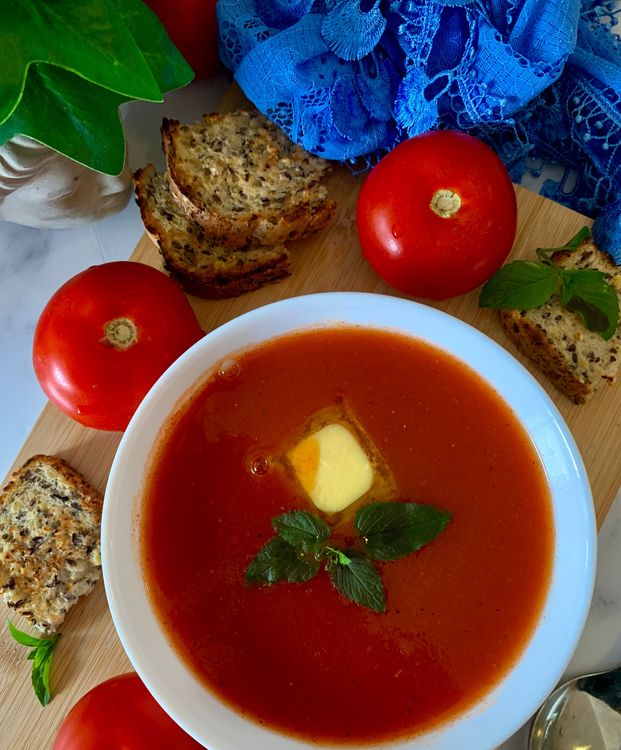
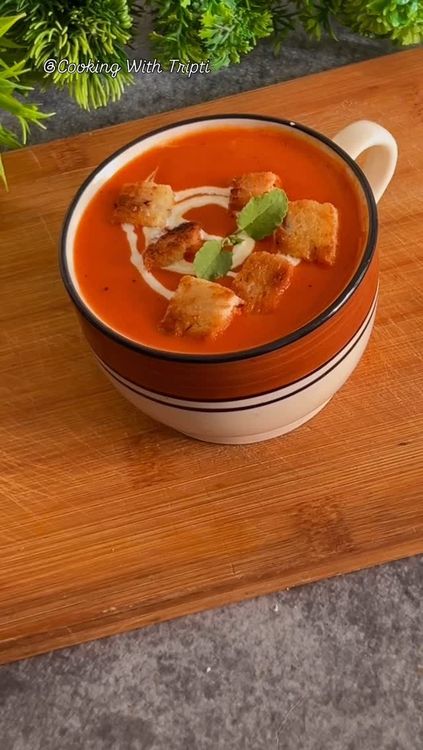
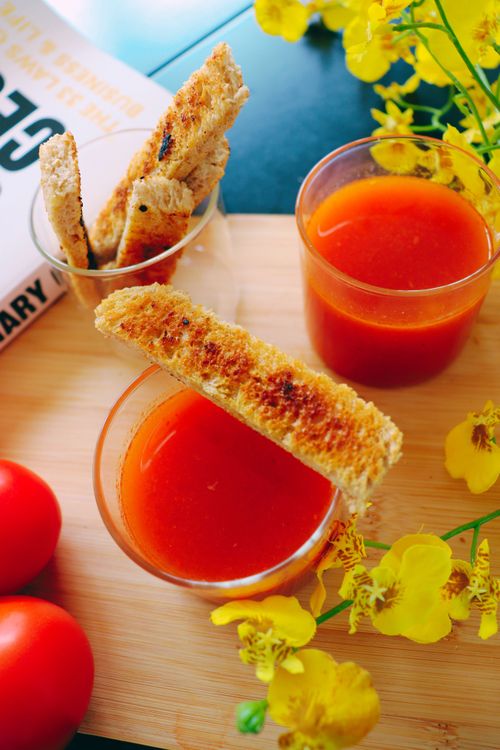
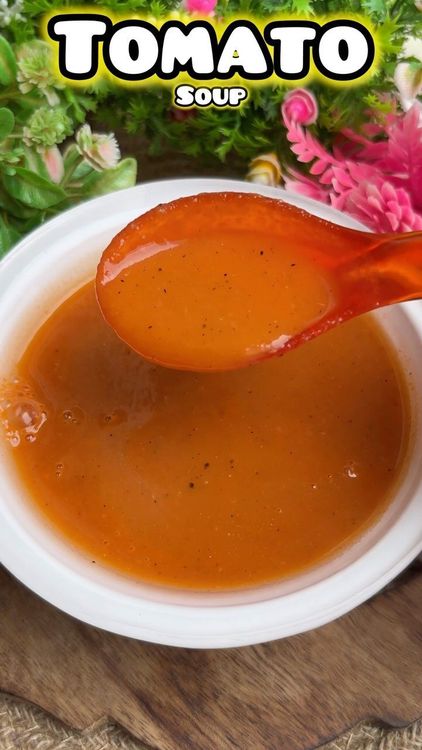
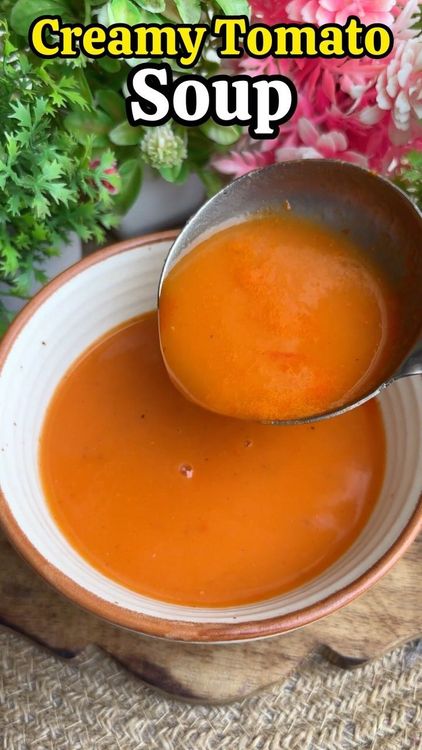
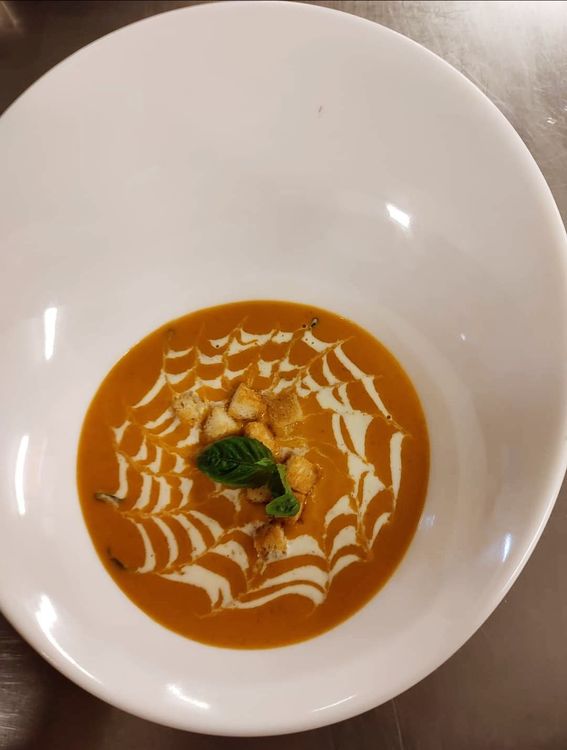
This is the largest cluster on the page, and for good reason — a proper bowl of tomato soup, on its own, without a sandwich or a pasta attached, is one of the most reliably comforting things you can make in a home kitchen. The recipes here range from railway-style and no-cream versions to fully roasted, cheese-crouton-topped bowls and a chilled take for warmer months, but they share the same underlying structure: a softened aromatic base, tomatoes cooked down properly rather than just heated through, and a finish that balances acidity with a little sweetness, cream or butter. The biggest variable between recipes is texture — some are blended silky-smooth and passed through a sieve, others left with a bit of body — and that is largely a matter of preference rather than one method being more correct. If you only make one thing from this page, start here: get a classic version right, understand why each step matters, and every roasted or dressed-up variation afterward will make a lot more sense. Keep it in regular rotation and it earns its place as a genuine kitchen staple, not just a cold-weather treat. Batch-cook a double portion on a slow weekend and you will always have a starting point in the freezer for a fast weeknight meal. Standouts here include Classic Tomato Soup and Tomato Soup, plus Roasted Tomato Soup with Green Herb Oil and Burrata.

- Indian
- Vegetarian
- Appetiser

- Indian
- Vegetarian
- Lunch


- Vegetarian
- Soup


- Vegetarian
- Soup
- International
- Vegetarian
- Lunch

- Indian
- Vegetarian
- Appetiser

- Vegetarian
- Soup


- American
- Vegetarian
- Dinner
- Indian
- Vegetarian
- Lunch
- Indian
- Vegetarian
- Lunch
- American
- Vegetarian
- Lunch
- Mediterranean
- Vegan
- Lunch

- Indian
- Vegetarian
- Lunch

- International
- Vegan
- Lunch

- Italian
- Non-Vegetarian
- Lunch
Tomato Basil Pasta and Sauces
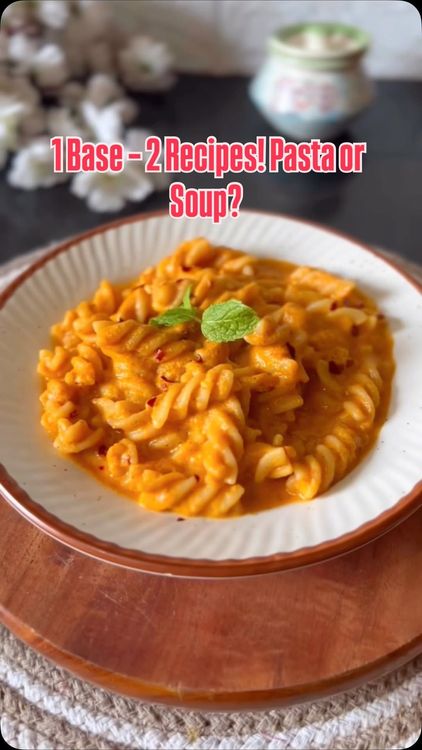
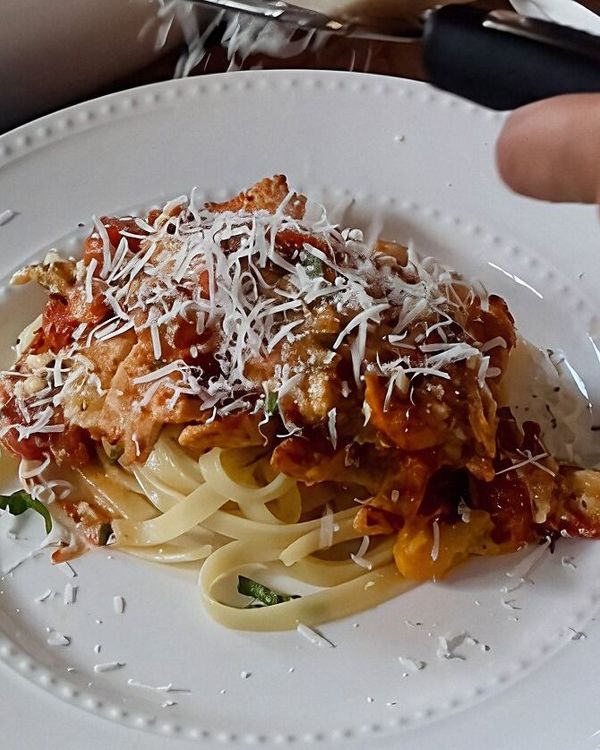
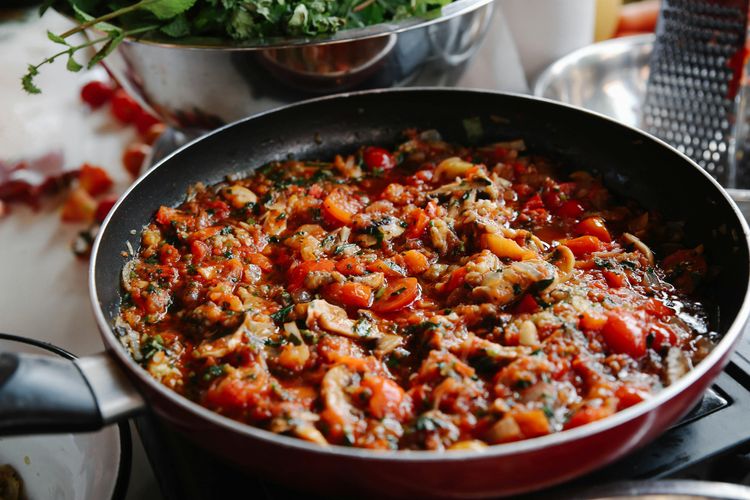
Tomato and basil is one of the oldest pairings in the kitchen, and once you take it out of the soup pot, it opens into a whole different category of cooking — sauces, blistered pasta, and burrata-topped bowls that use the same bright, sweet-acidic tomato base as a foundation rather than the finished dish. The technique carries over almost directly from soup-making: cook the tomatoes down properly, whether roasted first or simmered from raw, until the rawness cooks out and the flavor concentrates, then finish with good olive oil, fresh basil torn (not chopped, to avoid bruising and blackening) at the very end, and a generous hit of salt, since pasta water and pasta itself both need more seasoning than a soup does. Burrata or a similar soft cheese torn over the top just before serving adds richness that a purely tomato-based sauce lacks on its own, and it is worth remembering that this cluster's dishes are meant to be a fuller plate — pasta, protein or bread built around the tomato, rather than tomato eaten alone. Treat any of these as an easy weeknight main rather than a side. A short pasta shape like rigatoni or penne holds a chunky tomato sauce especially well, catching pieces in every ridge rather than letting them slide to the bottom of the bowl. Standouts here include Roasted Tomato Burrata Pasta with Chicken and Tomato Basil Sauce, plus Pan-Blistered Tomato Basil Rigatoni.

- Italian
- Non-Vegetarian
- Lunch
- Italian
- Vegan
- Lunch

- Italian
- Vegetarian
- Main Course

- Vegetarian
- Dinner
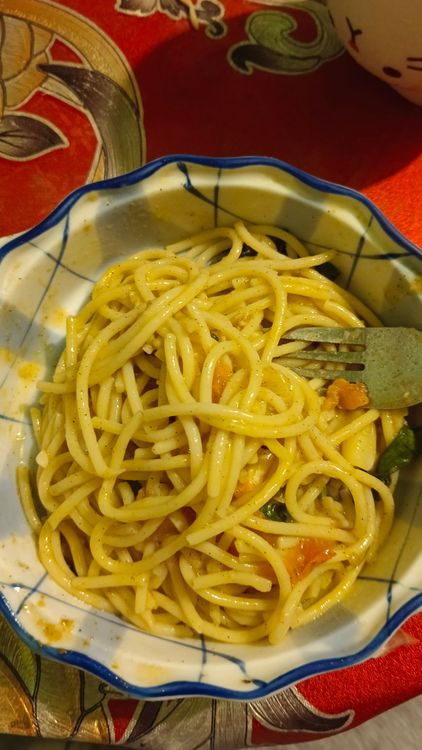
- Italian
- Pescatarian
- Lunch
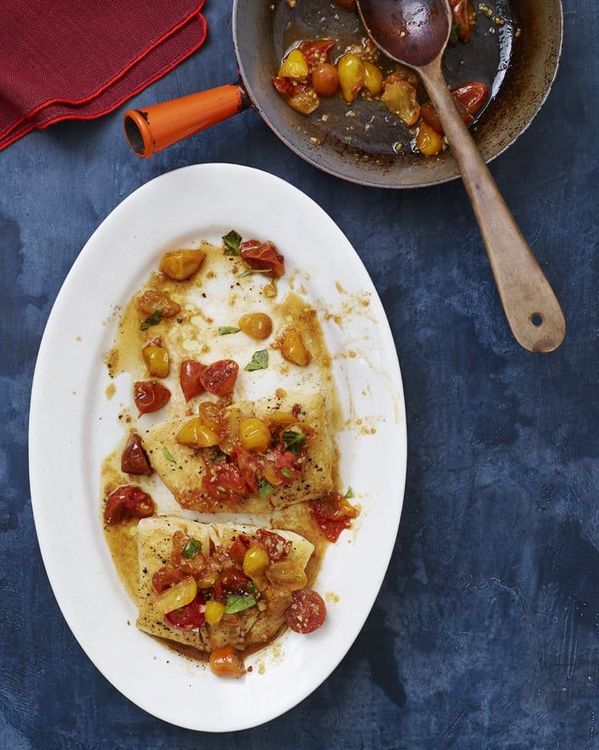
- American
- Pescatarian
- Dinner
Tomato Dips, Bruschetta and Salads
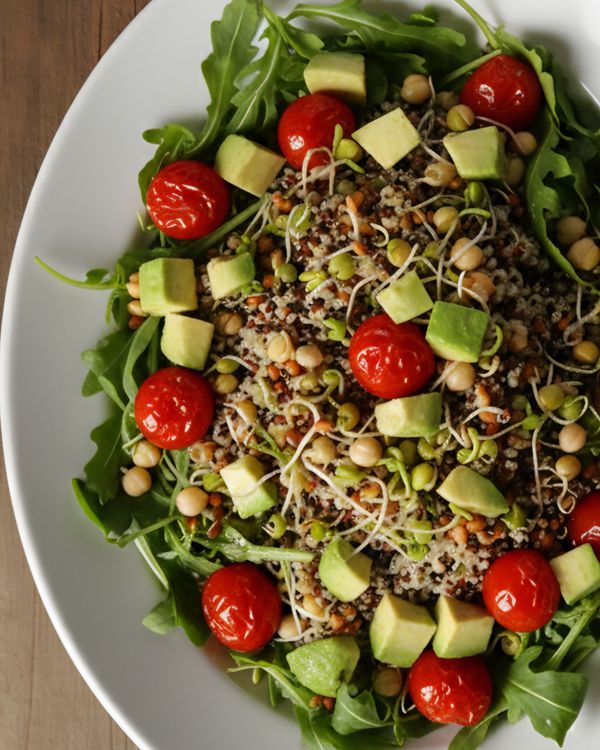
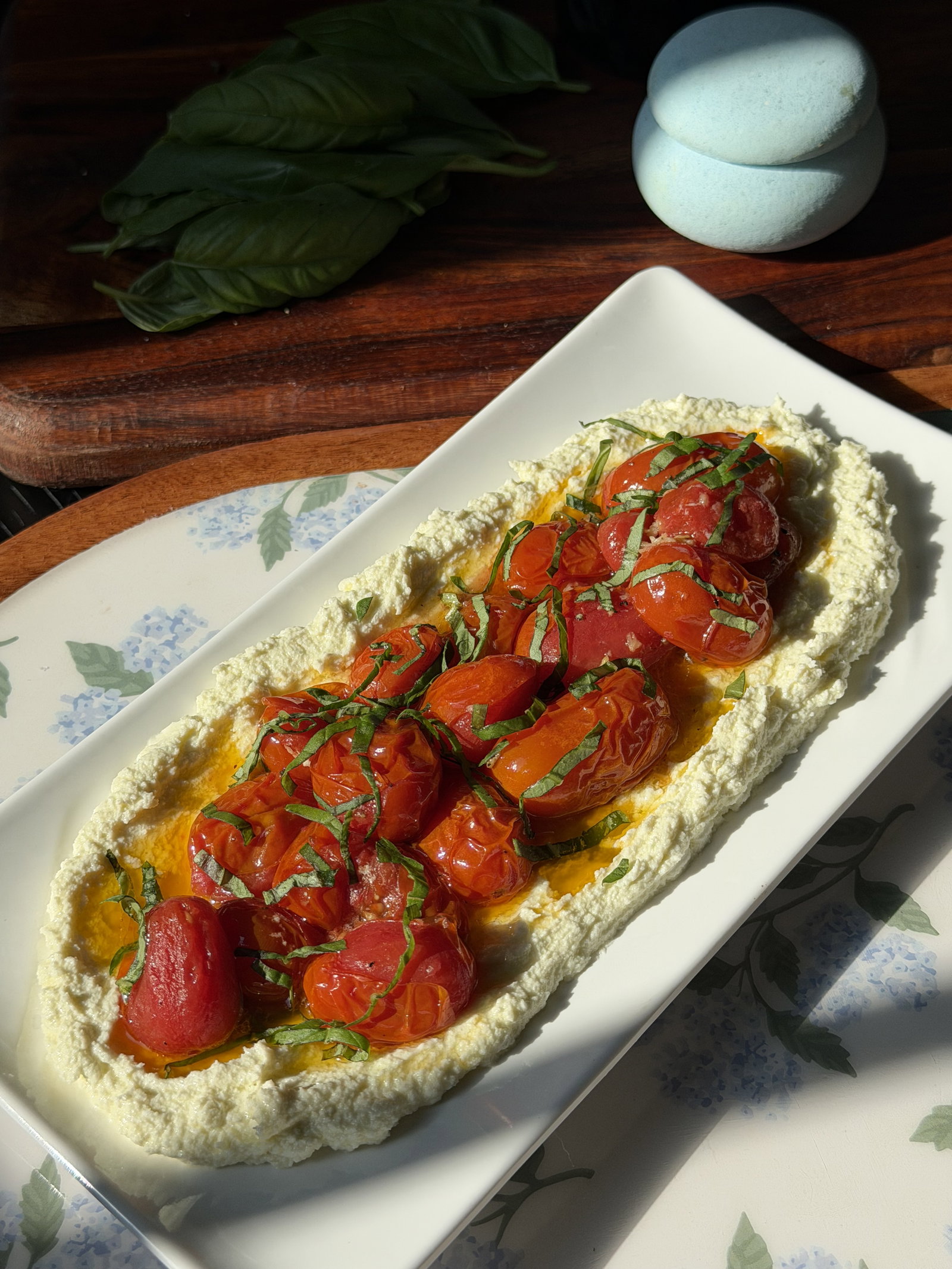
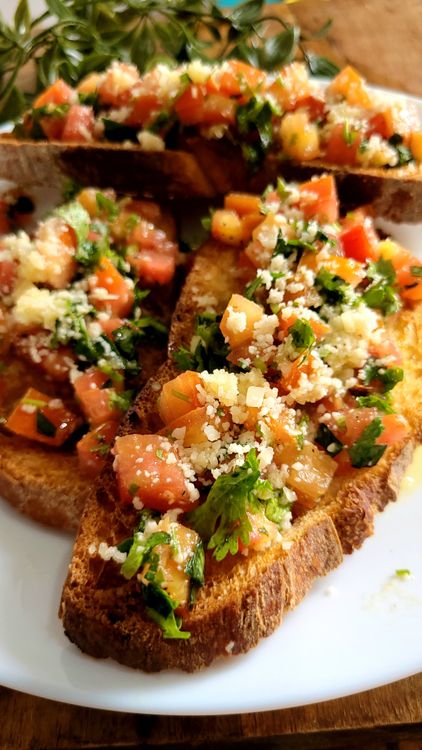
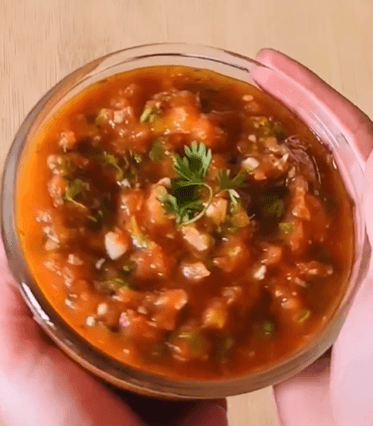
Not every good tomato recipe needs a spoon and a bowl, and this cluster covers the parts of the tomato world built for sharing instead — bruschetta piled onto toasted, garlic-rubbed bread, warm cheese dips studded with roasted tomatoes, a tangy chutney for the pantry, and a fresh salad that lets a ripe tomato shine with barely any cooking at all. The common thread across these is that the tomato is doing concentrated, punchy work rather than being stretched into a full pot of soup, so quality and ripeness matter even more here than elsewhere on this page — a bland tomato has nowhere to hide in a bruschetta topping or a fresh salad. Roasting is still the reliable flavor booster for the dip and chutney recipes, caramelizing the natural sugars before they are blitzed or folded into a cheese base. These are the recipes to reach for when you have a genuine glut of tomatoes to use up, when you need a starter for a dinner party, or when you simply want the bright, acidic snap of a tomato without committing to a full bowl of soup. Most of these also travel well cold, which makes them useful picnic and packed-lunch options that the soups on this page are not. Standouts here include Roasted Tomato Burrata Dip with Garlic Bread Crostini and Tomato Basil Bruschetta, plus Roasted Tomato Goat Cheese Dip.
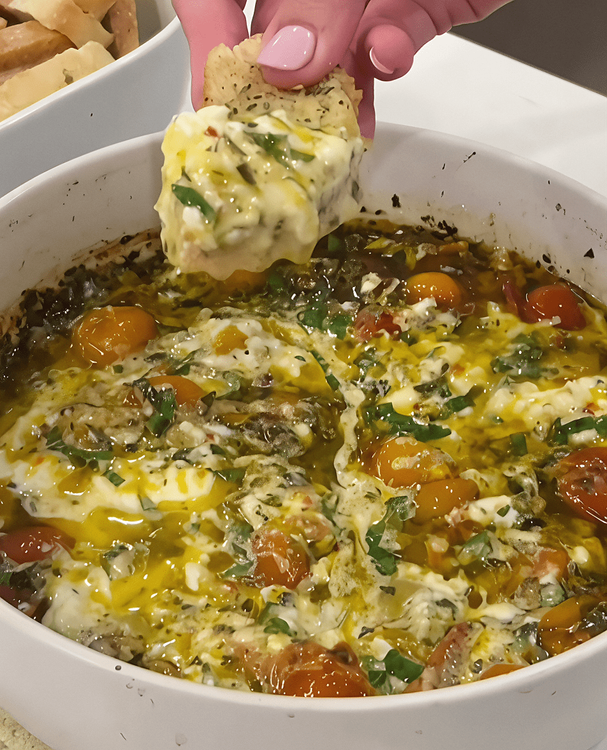
- Italian
- Vegetarian
- Appetiser
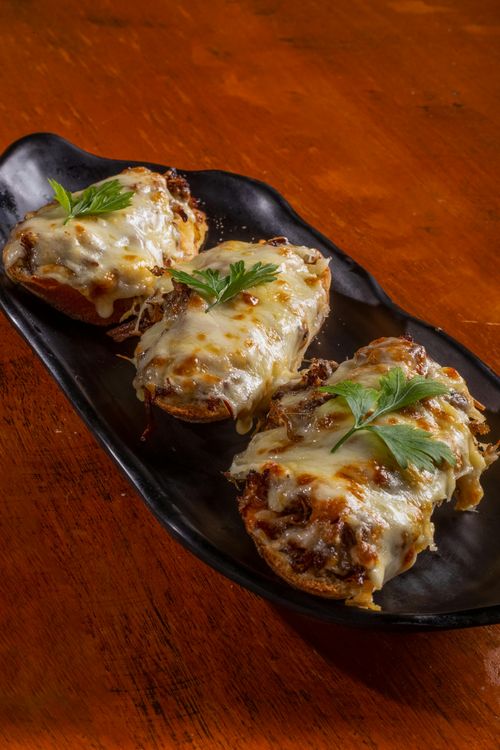
- Italian
- Vegan
- Appetiser

- American
- Vegetarian
- Appetiser

- Vegetarian
- Lunch

- International
- Vegetarian
- Lunch
- Vegetarian
- Appetiser

- Italian
- Vegetarian
- Appetiser
- Indian
- Vegan
- Side Dish
Choosing and Roasting Tomatoes for Soup
Good tomato soup starts before the pot even goes on the stove. Ripe, in-season tomatoes give the best flavor, but canned whole plum tomatoes are a reliable year-round substitute and often more consistent than out-of-season fresh ones — look for a good-quality brand packed in juice rather than puree. If you are using fresh tomatoes, a quick blanch and peel keeps the skins from turning bitter and stringy in the finished soup.
Roasting is the single biggest flavor upgrade you can make. Halve or quarter the tomatoes, toss with olive oil, salt and a scattering of garlic, and roast at a high heat until the edges char and the juices caramelize on the pan. That concentrated sweetness carries straight into the soup and softens the need for added sugar later. Roasted tomato soup and a plain simmered version taste like different dishes even with an identical ingredient list.
If you are short on time, a stovetop simmer still works well: cook the tomatoes down with the lid off so excess water evaporates and the flavor concentrates rather than dilutes. Either way, do not rush this stage — twenty to thirty minutes of real cooking, roasted or simmered, is what turns raw tomato taste into something rounded and savory instead of sharp and one-note.
Building Flavor: Aromatics, Stock and Simmering
Tomatoes alone make a thin, acidic soup. The base that carries most great versions is a properly softened onion, a clove or two of garlic, and often a stick of celery or carrot cooked gently in butter or olive oil until sweet and translucent, not browned. Skipping this step and just dumping everything in the pot together is the most common reason homemade tomato soup tastes flat.
Stock matters more than most recipes let on. A good vegetable or chicken stock adds a savory backbone that water cannot; if you only have water, a splash of soy sauce, a parmesan rind simmered in the pot, or a spoon of tomato paste cooked briefly with the aromatics will fill the gap. Let everything simmer together for at least fifteen minutes once the tomatoes join the pot, so the flavors actually marry rather than just coexist.
A bay leaf, a few basil stems, or a pinch of dried oregano added during the simmer and fished out before blending gives background depth without turning the soup into a herb soup. Season in stages — a little salt early, taste and adjust again after blending — because reducing the liquid concentrates the salt too, and a soup seasoned only at the start often ends up too salty by the time it has cooked down.
Blending for the Right Texture (and Fixing Acidity)
For a silky, restaurant-style soup, blend it fully in a high-speed blender or with an immersion blender until no flecks remain, then push it through a fine sieve if you want it truly smooth — this also catches any stray skins or seeds that survived cooking. For a more rustic bowl, a shorter blend or even a hand-mash leaves texture, which some people prefer with a heartier, chunkier soup.
Let the soup cool slightly before blending in a countertop blender, and never fill it more than halfway — hot liquid expands and can blow the lid off, which is both dangerous and a genuine mess. If you are using an immersion blender directly in the pot, take it off the heat first and keep the head fully submerged to avoid splattering yourself with hot soup.
Acidity is the other variable to fix before serving. A pinch of sugar rounds out sharp or under-ripe tomatoes, while a small pat of butter or splash of cream smooths the edges without masking the tomato flavor. Taste as you go — the right amount depends entirely on how ripe and sweet your tomatoes were to begin with, so treat any sugar or cream quantity in a recipe as a starting point, not a rule.
Serving, Pairing and Storage
Tomato soup is built for pairing. A well-made grilled cheese — sharp cheddar or a melty combination, buttered and griddled until deeply golden — is the classic match for a reason: the acidity of the soup cuts through the richness of the sandwich, and the crust is made for dunking. Crusty bread, garlic bread or a simple grilled cheese crouton scattered on top all do the same job on a smaller scale.
For a heartier bowl, stir in cooked pasta, a swirl of pesto, or a handful of cooked white beans near the end. A drizzle of good olive oil, a few torn basil leaves and a crack of black pepper finish it well without much effort. Chilled tomato soup, closer to a gazpacho, is a genuinely good warm-weather option if you have never tried it — the same base works cold with a bit more acid and a colder finish.
Tomato soup keeps well: three to four days in the fridge in an airtight container, and it freezes beautifully for up to three months, since there is no dairy to split unless you have already stirred in cream — in which case, freeze it before adding the cream and stir that in fresh after reheating. Reheat gently on the stovetop, stirring occasionally, rather than blasting it in the microwave, which can separate a cream-finished soup.
Pro Tips from the Test Kitchen
- Roast tomatoes at high heat with olive oil and garlic before blending — it concentrates sweetness and cuts down on added sugar.
- Sweat onion, garlic and celery slowly in butter before the tomatoes go in; this base is what stops soup tasting flat.
- Simmer for at least 15–20 minutes after the tomatoes join the pot so the flavors actually meld together.
- Cool the soup slightly before blending, and never fill a countertop blender more than halfway with hot liquid.
- Push blended soup through a fine sieve for a truly silky, restaurant-style texture.
- Balance sharp or under-ripe tomatoes with a pinch of sugar and a small pat of butter, added at the end.
- Season in stages — a little salt early, then taste again after blending, since reducing the soup concentrates the salt too.
- Add a parmesan rind or splash of soy sauce to a water-based soup for a savory boost stock would normally provide.
- Freeze tomato soup before stirring in cream, then add the cream fresh after reheating to avoid it splitting.
- Pair with a well-buttered, deeply golden grilled cheese — the acidity in the soup cuts straight through the richness.
Frequently Asked Questions
What is the secret to a really good tomato soup?
Building real flavor before you blend: roasting or slow-simmering the tomatoes, properly softening an onion-garlic base, and letting everything cook together for at least fifteen to twenty minutes rather than rushing straight to the blender. A pinch of sugar and a little butter or cream at the end balance the acidity. Skipping any of those steps is usually why a homemade version tastes thinner than a restaurant bowl.
Can I use canned tomatoes instead of fresh?
Yes, and for much of the year canned whole plum tomatoes are more reliable than pale, out-of-season fresh ones. Choose a good-quality brand packed in juice rather than puree, and treat the soup the same way — build a proper aromatic base, simmer to concentrate the flavor, and adjust sweetness and acidity to taste at the end.
How do I make tomato soup less acidic?
A small pinch of sugar is the classic fix, since it rounds out sharpness without making the soup taste sweet. A splash of cream or a pat of butter softens the edges too, and using riper, sweeter tomatoes to start with reduces how much correcting you need to do at all. Add sugar gradually and taste as you go rather than guessing a fixed amount.
How do I thicken tomato soup without cream?
A blended soup already thickens naturally once the tomatoes, aromatics and any potato or bread are pureed together — a slice of stale bread or a small cooked potato added before blending gives body without any dairy. Simmering the soup uncovered for longer also reduces and naturally thickens it by cooking off excess water.
Is tomato soup healthy?
A simple tomato soup built on real tomatoes, aromatics and stock is genuinely nutritious — tomatoes are rich in vitamin C and lycopene, and the soup is naturally low in fat unless you add a lot of cream or butter. Watch the sodium in stock and canned tomatoes, and lean on a lighter finish (a swirl of olive oil rather than heavy cream) if you want to keep it on the lighter side.
What goes well with tomato soup besides grilled cheese?
Crusty bread, garlic bread, a grilled cheese crouton scattered on top, or a simple green salad all work well. For a heartier meal, stir in cooked pasta, white beans or a swirl of pesto, or serve alongside a tomato basil pasta or bruschetta from the same tomato harvest for a full spread built around one ingredient.
Can tomato soup be frozen?
Yes, tomato soup freezes very well for up to about three months, since there is no dairy to worry about unless you have already stirred in cream. If a recipe includes cream, freeze the soup before adding it and stir the cream in fresh once the soup is reheated, so the texture stays smooth rather than splitting.
Should I peel the tomatoes before making soup?
For the smoothest, silkiest soup, yes — blanching tomatoes briefly in boiling water loosens the skins, which slip off easily and would otherwise turn stringy once blended. If you are roasting the tomatoes first, the skins often blister and can be left in and blended through, or picked out afterward, since roasting changes their texture.
What is the difference between roasted and stovetop tomato soup?
Roasting concentrates the tomatoes' natural sugars and adds a caramelized, slightly smoky depth that a purely stovetop simmer does not develop, because the high, dry heat of the oven browns the sugars rather than just softening the fruit. Stovetop soup is faster and still very good, but roasted tomato soup tends to taste rounder and needs less added sugar to balance.
How long does homemade tomato soup last in the fridge?
Three to four days in an airtight container in the fridge. Reheat it gently on the stovetop over medium-low heat, stirring occasionally, rather than microwaving on high, which can cause a cream-finished soup to separate or scorch a thicker, blended soup on the edges of the bowl.
Every tomato soup recipe on this page comes back to the same handful of decisions: how the tomatoes were cooked before they hit the blender, how much time the base got to build real flavor, and how the acidity was balanced at the finish. Get those right and it barely matters whether you are working from a can or a garden glut, or whether you land on silky-smooth or something more rustic.
Start with a classic bowl and a proper grilled cheese, then branch into the roasted versions, the tomato basil pasta and the dips and bruschetta when you want the same flavor in a different form. Save your favorites to a Chefadora cookbook as you go — this page is built to be the tomato reference you keep coming back to, not a one-time read.
Related
- Tomato Soup
- Comfort Food
- Soup
- Vegetarian
- Grilled Cheese
- Weeknight Dinner
- Italian-Inspired
Popular Searches
- Best tomato soup recipes
- Easy tomato soup recipes
- Quick tomato soup recipes
- Healthy tomato soup recipes
- Simple tomato soup recipes
- Homemade tomato soup recipes
- Delicious tomato soup recipes
- Popular tomato soup recipes
- tomato soup recipe
- homemade tomato soup
- creamy tomato soup
Marnirni-apinthi Building, Lot Fourteen,
North Terrace, Adelaide, South Australia, 5000
Australia
