
Top 29 Tiramisu Recipes: Classic, No-Bake, Protein and Flavour Twists
Updated July 2, 2026 · Curated by Chefadora
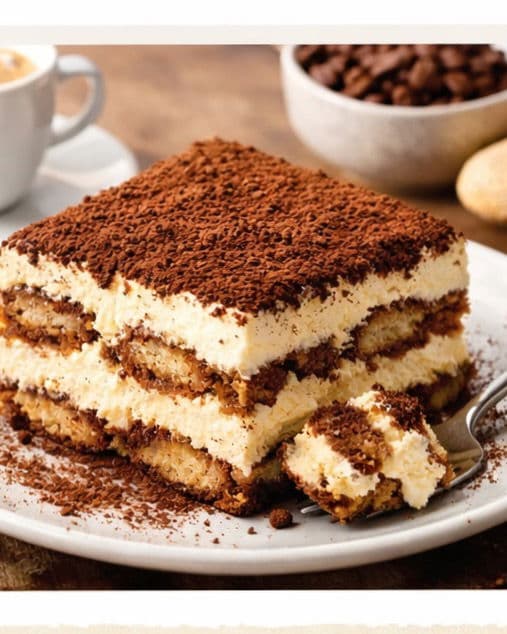
Tiramisu recipes take the classic Italian dessert — layers of coffee-soaked biscuit and softly whipped mascarpone, dusted with cocoa — and stretch it in every direction, from a faithful classic Italian tiramisu recipe to protein-packed overnight oats, individual tarts and playful flavour twists. This collection gathers all of it, chosen to show how far the same basic idea of soaked biscuit and creamy layers can travel rather than repeating one version ten times.
What holds every tiramisu recipe together, no matter how far it strays from tradition, is the contrast between a soaked, slightly softened layer and a light, creamy one on top of it. Get the soak too heavy and the base turns to mush; too light and it stays dry and chalky against the cream. That balance, more than the exact list of ingredients, is what separates an easy tiramisu from a genuinely great one.
Below are four clusters: classic and eggless tiramisu that stay close to the traditional recipe, protein and overnight oats versions built for breakfast rather than dessert, tarts, bites and mug cakes that reshape tiramisu into individual portions, and a run of flavour twists — Oreo, Biscoff, rasmalai and more — that borrow the layered, coffee-soaked idea and run it through a completely different flavour. Some skip raw egg entirely, others skip the oven, but the core technique carries through.
Use this page as a working reference for tiramisu recipe technique as much as a list to browse. Every recipe links through to full ingredients and method on Chefadora, and the guides below cover what actually decides whether tiramisu turns out silky and clean-sliced or soggy and collapsed — how to whip mascarpone properly, how to soak biscuits without drowning them, how to layer for clean slices, and how long to chill before serving.
Classic & Eggless Tiramisu
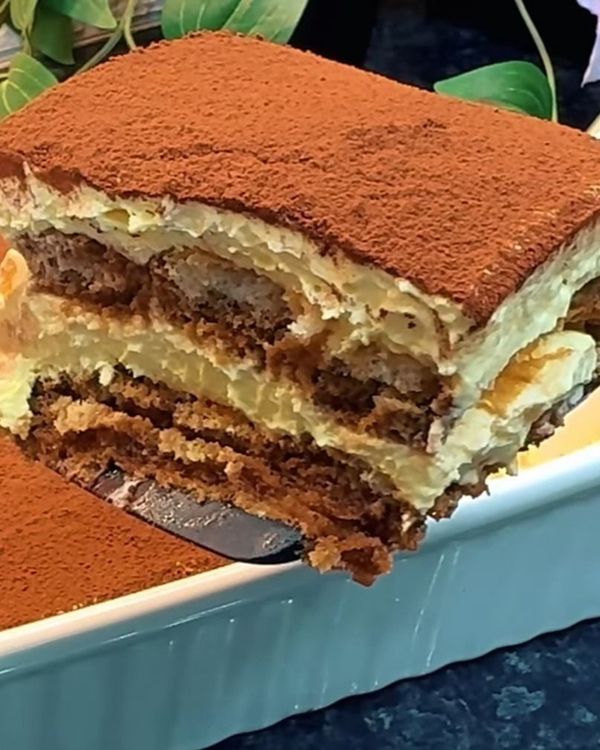
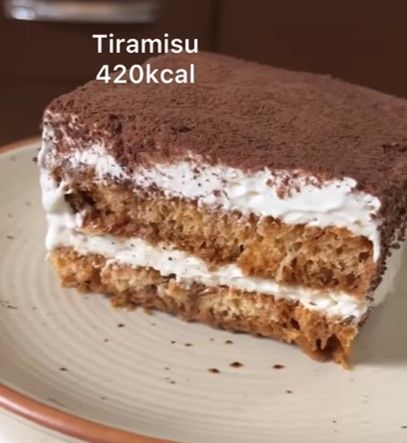
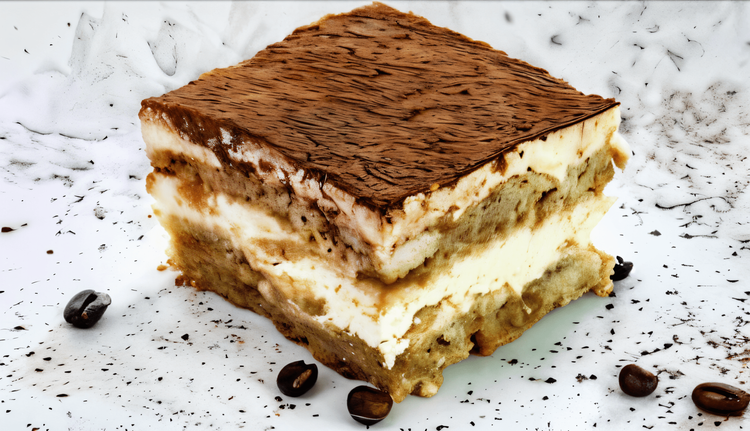
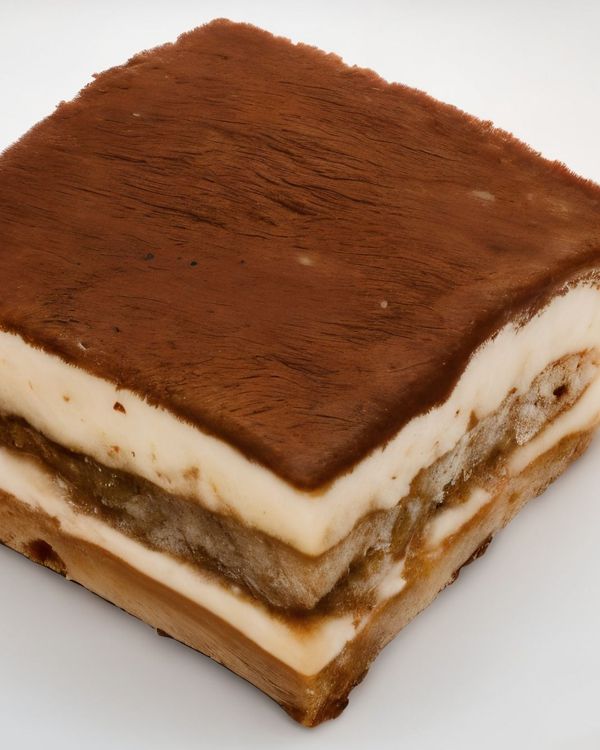
Classic and eggless tiramisu recipes stay closest to the traditional Italian dessert: ladyfingers briefly dipped in coffee, layered with a mascarpone filling whipped with egg yolks (or, in eggless versions, folded through with whipped cream instead), and finished with a dusting of cocoa powder. The classic egg-based method gives the richest, most traditional texture and flavour, using whipped yolks for body and whipped whites folded in for lightness, but it does involve raw or lightly cooked egg, which is why so many home versions have moved toward an eggless approach using whipped cream folded into mascarpone instead. Both routes rely on the same core technique: a quick, controlled coffee dip rather than a soak, and gentle folding rather than vigorous beating once the mascarpone comes into play, since it splits easily under too much agitation. No-bake versions, which describes almost all tiramisu since there is no oven step beyond perhaps toasting or making the biscuit base itself, benefit enormously from a full overnight chill, which is what actually sets the layers into clean, sliceable portions rather than a soft, trifle-like pile. This cluster is the right place to start if you want to learn proper tiramisu technique before adapting it into any of the twists elsewhere on this page. Standouts here include Tiramisu classique and Best No Bake Tiramisu Cake Recipe, plus Classic Italian Tiramisu.


- Italian
- Eggetarian
- Dessert

- Italian
- Eggetarian
- Dessert

- Italian
- Eggetarian
- Dessert

- Italian
- Vegetarian
- Dessert
Protein & Overnight Oats Tiramisu
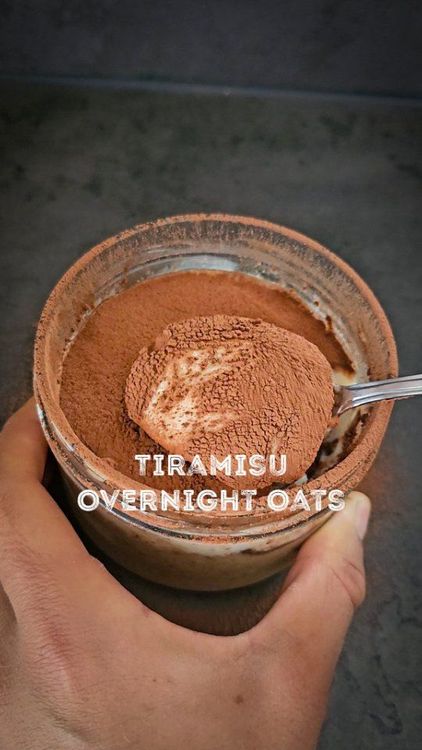
Protein and overnight oats tiramisu take the coffee-and-cream idea of classic tiramisu and rebuild it as a genuine breakfast, swapping ladyfingers for rolled oats soaked overnight in milk or yogurt, and often replacing some or all of the mascarpone with Greek yogurt, cottage cheese or a scoop of protein powder blended smooth. The overnight soak does double duty here: it is both the traditional tiramisu technique of letting a base absorb liquid and soften, and the standard method for making overnight oats, which is part of why the two ideas combine so naturally. Coffee still provides the signature flavour, layered or swirled through the oats and protein cream rather than dripped over delicate biscuit, which means these versions are considerably more forgiving of a heavier soak than a classic ladyfinger tiramisu would be. Cocoa powder, dark chocolate shavings or a light dusting of coffee grounds on top finish the presentation in the same spirit as the original dessert. These recipes are a genuinely practical way to get a tiramisu flavour fix at breakfast, in a form that holds up to a busy morning rather than needing to be treated as an occasion dessert. Standouts here include Tiramisu Protein Balls and Tiramisu Overnight Oats, plus Protein Tiramisu Breakfast Cake.


- Vegetarian
- Snack
- Fusion
- Vegetarian
- Breakfast

- Vegan
- Breakfast

- Vegan
- Breakfast

- Vegan
- Breakfast
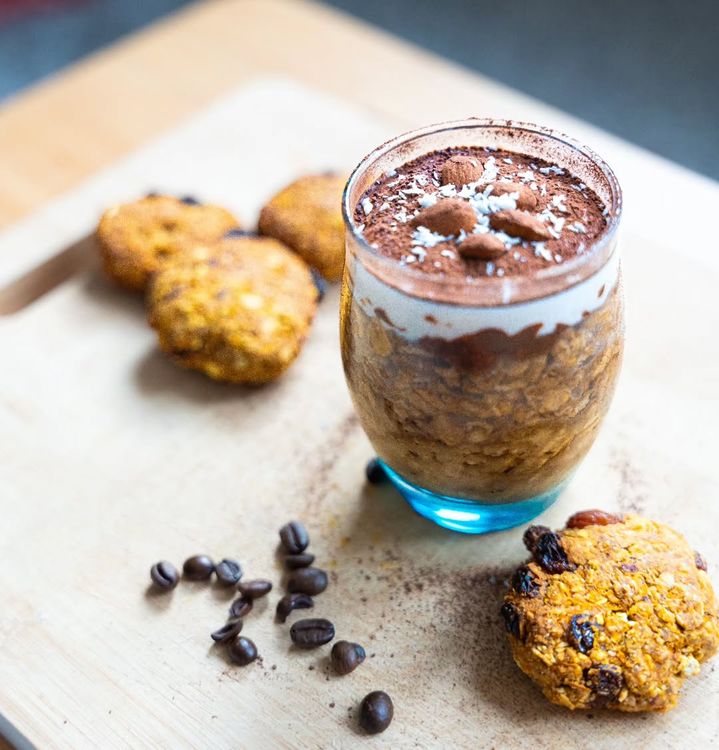
- French
- Vegetarian
- Breakfast
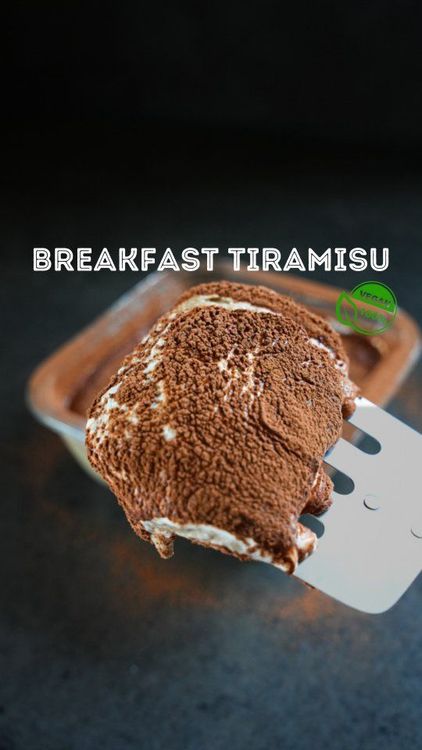
- Fusion
- Vegetarian
- Breakfast

- Fusion
- Vegetarian
- Breakfast

- Vegetarian
- Dessert
Tiramisu Tarts, Bites & Mug Cakes
Tiramisu tarts, bites and mug cakes take the layered coffee-and-mascarpone idea and reshape it into individual, single-serve portions rather than one large dish meant for slicing and sharing. A tart swaps the loose layering of a classic tiramisu for a defined pastry or biscuit-crumb shell, which holds the coffee-soaked and creamy layers in place and makes for a cleaner presentation with less need for the long chill a full tiramisu relies on to set properly. Bites go smaller still, often rolled or portioned into individual mouthfuls, which are useful for parties since they need no slicing and are easy to serve without disturbing the layers. A tiramisu mug cake takes the most different approach of the group, actually baking a small sponge in the microwave before layering or soaking it with coffee and cream, giving a warm, single-serving version ready in minutes rather than requiring an overnight chill at all. What unites this cluster is portion control and speed — these recipes are the ones to reach for when you want the tiramisu flavour without committing to a full dish and a long wait in the fridge. Standouts here include Tiramisu Tart and Tiramisu Bites, plus Tiramisu Mug Cake | No Oven, No Eggs, Ready in 1 Minute!.
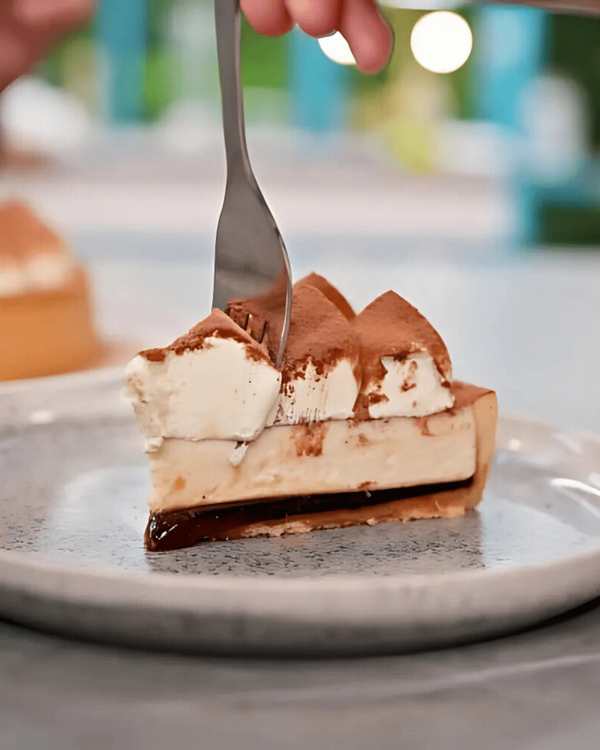
- Italian
- Eggetarian
- Dessert
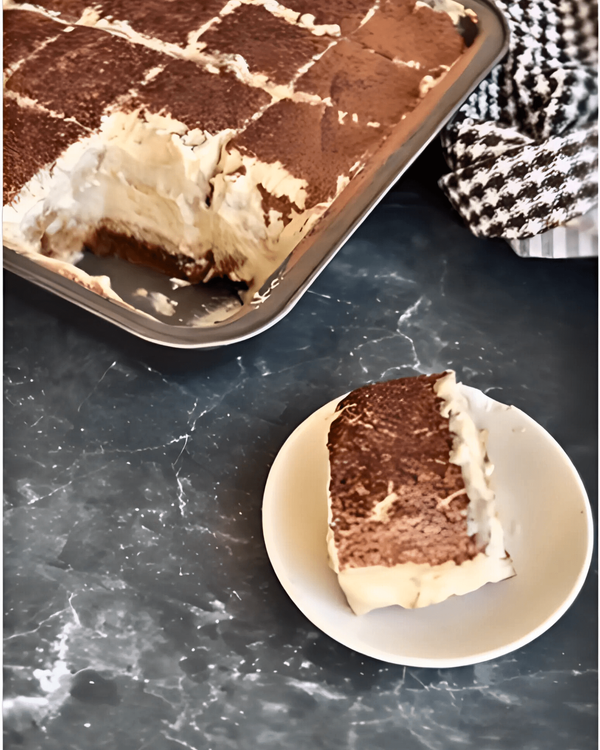
- Italian
- Vegetarian
- Snack
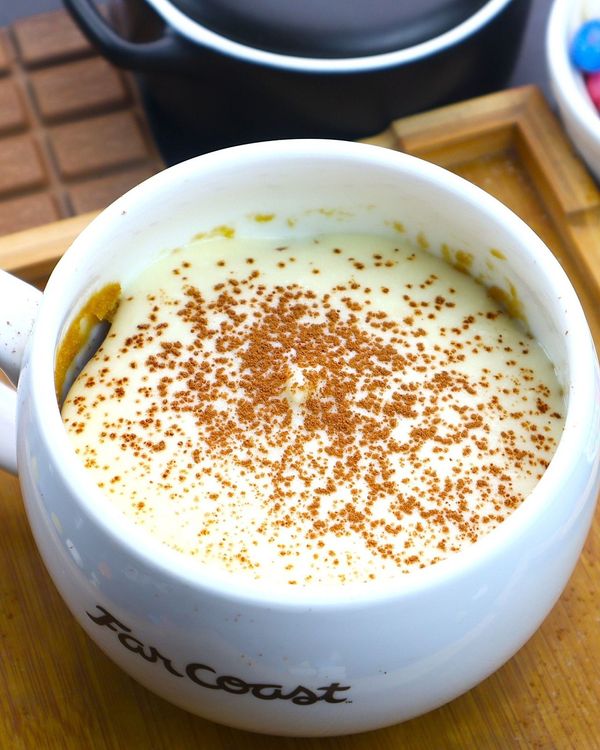

- Italian
- Vegetarian
- Snack


- Italian
- Vegetarian
- Dessert
Tiramisu Flavour Twists
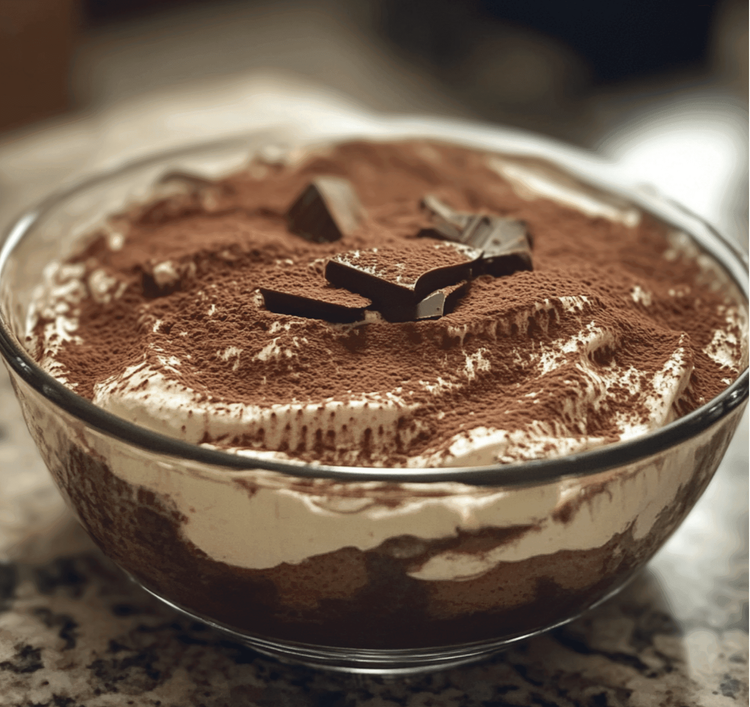
This cluster takes the essential tiramisu structure — a soaked layer, a creamy layer, a light dusting on top — and runs it through a completely different set of flavours, from Oreo and Biscoff to rasmalai, pistachio and white or ricotta-based chocolate versions. Oreo and Biscoff tiramisu swap the coffee soak (or supplement it) with crushed biscuit and a distinct spiced or chocolate-cookie flavour, while keeping the same technique of a brief soak against a whipped, creamy layer. Rasmalai tiramisu is the most inventive fusion here, borrowing the saffron-and-cardamom-scented milk and soft paneer discs of the Indian sweet and layering them in a tiramisu structure, showing how flexible the base technique really is once you stop treating coffee and ladyfingers as the only option. Fruit-forward versions like strawberry wafer tiramisu, and richer ones like chocolate ricotta or white chocolate tiramisu, follow the same pattern: change the soak, change the cream flavouring, and change the topping, but keep the fundamental contrast between soft-soaked and lightly whipped layers intact. This is the cluster to explore once you are comfortable with a classic tiramisu and want to adapt the technique into something more personal. Standouts here include Oreo Tiramisu and Quick Biscoff Tiramisu, plus Banana Bread Tiramisu Fusion.

- Vegetarian
- Dessert

- Dessert
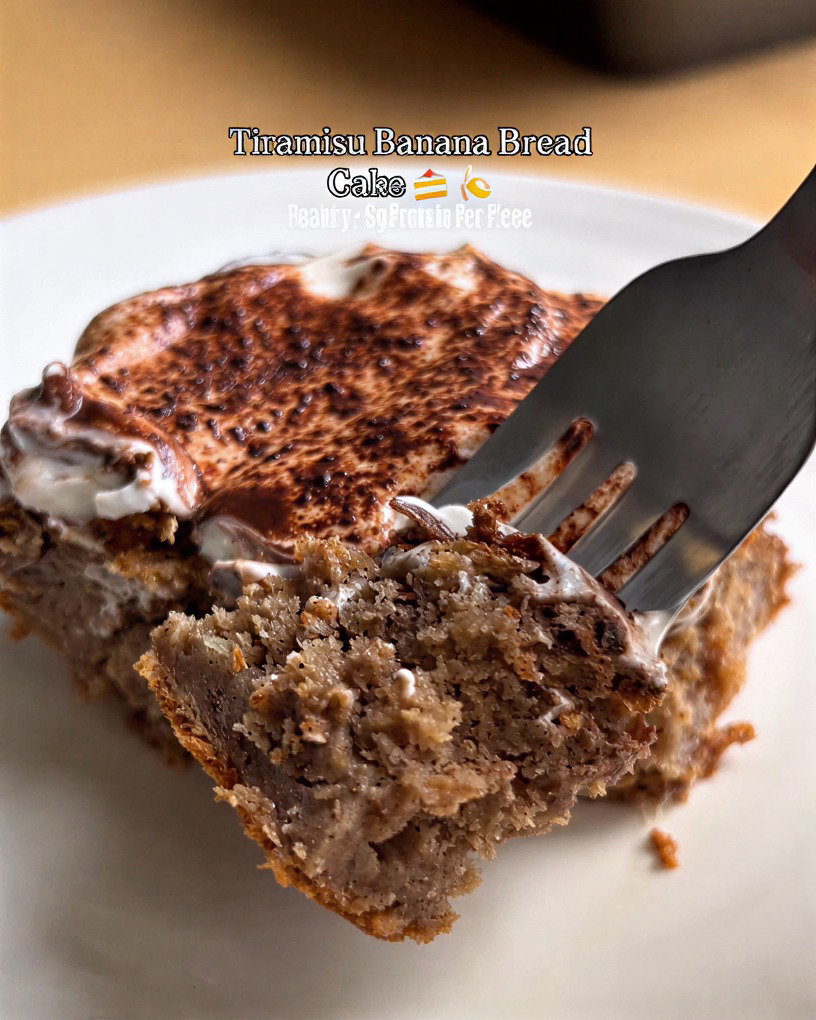
- Gluten-Free
- Dessert

- Italian
- Eggetarian
- Dessert
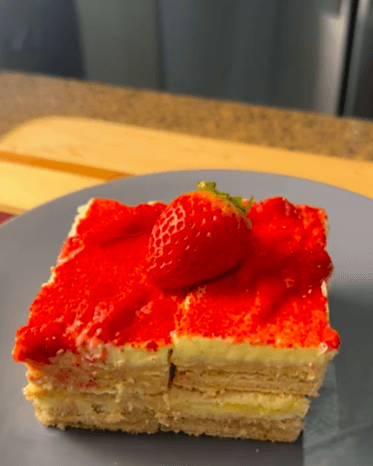
- Italian
- Eggetarian
- Dessert

- Fusion
- Vegetarian
- Dessert
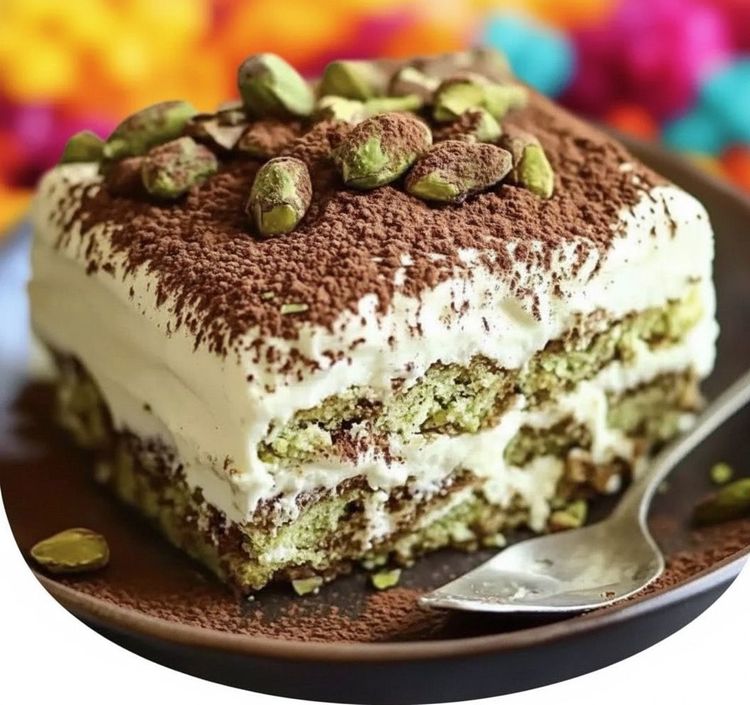

- Italian
- Eggetarian
- Dessert

- Italian
- Vegetarian
- Dessert
More Tiramisu Favourites
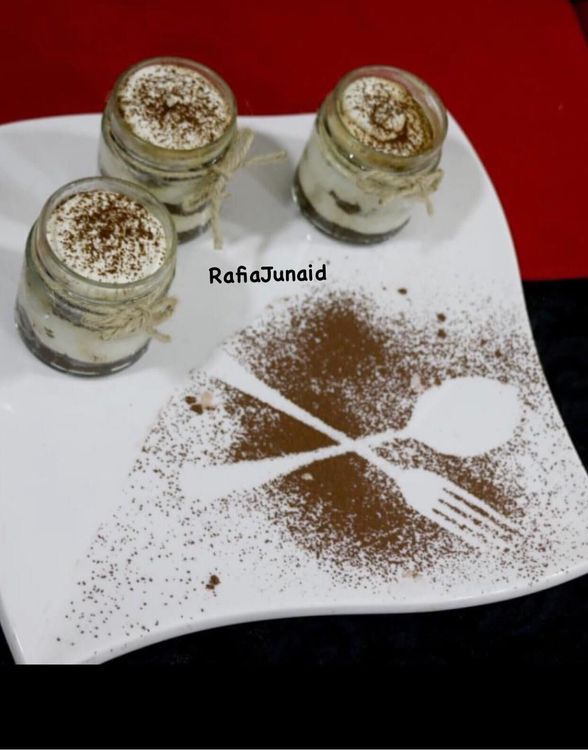
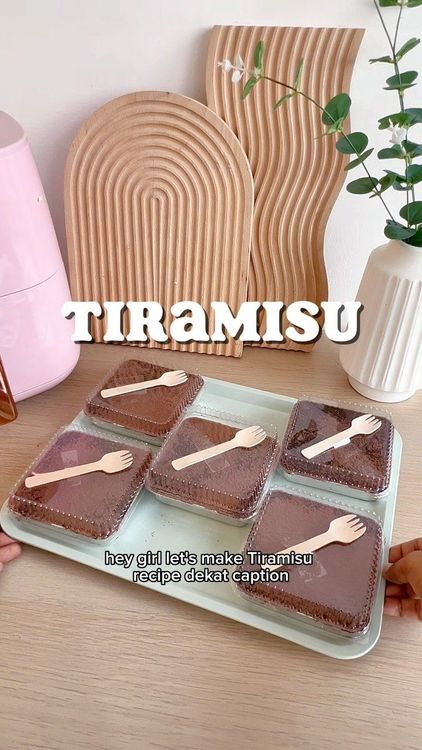
A few more dishes worth a place in your rotation — same techniques, different results. Standouts here include Tiramisu and Tiramisu, plus Tiramisu.

- Italian
- Vegetarian
- Dessert

- Italian
- Vegetarian
- Dessert
- Italian
- Eggetarian
- Dessert
- Italian
- Eggetarian
- Dessert
Whipping Mascarpone and Cream Without Splitting
Mascarpone is delicate and can split or turn grainy if it is over-whipped or beaten too aggressively, since it has a much higher fat content than regular cream cheese. Bring it to a cool room temperature before you start rather than beating it straight from the fridge, and fold it gently into whipped egg yolks or cream rather than beating it on high speed the whole time.
For eggless versions, whipped cream folded through mascarpone (rather than a raw egg yolk mixture) gives a lighter, safer result that is easier to get right for a first attempt, though it will be slightly less rich than a traditional egg-based filling. Whip the cream to soft peaks first, then fold — not beat — it into the mascarpone in stages, which keeps the mixture light and airy rather than dense.
If your mascarpone mixture does split or looks grainy, a spoonful of cold cream folded in gently, off the mixer, can sometimes bring it back together; if not, it is best to start the filling again rather than trying to layer a split mixture, since it will not set properly and will look curdled once sliced. Always taste and sweeten the filling before layering, since it is much harder to fix once assembled.
Soaking Biscuits Without Making Them Soggy
The classic soak for ladyfingers (or whatever base a recipe uses) is a quick dip, not a soak — one to two seconds per side is usually enough for the biscuit to absorb coffee without turning to mush. Dip and lift immediately rather than letting the biscuit sit in the liquid, since ladyfingers are porous and will keep absorbing liquid the longer they are submerged.
Let your coffee (or other soaking liquid) cool to room temperature before dipping, since hot liquid is absorbed faster and less evenly, making it easy to over-soak a biscuit before you realise it. If a recipe uses a base other than ladyfingers, like oats or sponge, adjust the amount of liquid accordingly — a denser base can generally take slightly more soaking liquid than delicate ladyfingers without falling apart.
If you are unsure, err on the side of a lighter soak and add a touch more liquid over the top of the assembled layer if it looks dry once sliced the next day — a dry tiramisu is a much easier fix than a soggy, collapsed one. The biscuit layer should hold its shape when you lift a slice, softened through but not disintegrating.
Layering for Clean, Sliceable Portions
Use a dish just large enough to fit your biscuit layer snugly with minimal gaps, since large gaps filled with extra cream can make the layers uneven and harder to slice cleanly. Start with a thin layer of the mascarpone mixture on the base of the dish before the first layer of biscuit — this stops the biscuit sticking and helps the first slice come out clean rather than tearing.
Alternate soaked biscuit and mascarpone mixture in even layers, generally finishing with a cream layer on top so the cocoa dusting has something smooth to sit on. Individual portions, like tiramisu bites, tarts or a mug cake, use the same layering principle in miniature, and are actually a little more forgiving since there is less structure to hold together across a larger dish.
Dust cocoa powder over the top only right before serving, not during the chilling period, since cocoa left sitting on a moist cream layer for hours can go slightly damp and lose its powdery finish. Use a fine sieve for an even, professional-looking dusting rather than sprinkling straight from a spoon or tin.
Chilling Time and Make-Ahead Tips
Tiramisu genuinely needs time in the fridge to come together properly — a minimum of four hours, but ideally overnight, so the biscuit layer fully softens and the mascarpone filling firms up enough to hold a clean slice. Cutting into it too soon almost always results in a mixture that looks more like a trifle than distinct, sliceable layers.
This makes tiramisu an excellent make-ahead dessert: assemble it the night before an event and let the fridge do the rest of the work, which also means the flavours have more time to meld and deepen. Cover it well with cling film or a lid so it does not pick up other flavours from the fridge or dry out on top, and plan your cocoa dusting for right before guests arrive.
Once made, tiramisu keeps well for two to three days in the fridge, covered, though quicker versions like mug cakes and no-bake tarts are usually best within a day or two given their smaller, more delicate structure. Tiramisu does not freeze particularly well because of the fresh cream and mascarpone, so it is best treated as a fridge make-ahead rather than a freezer one.
Pro Tips from the Test Kitchen
- Bring mascarpone to a cool room temperature before mixing — beating it straight from the fridge risks splitting.
- Dip ladyfingers for only one to two seconds per side; a longer soak turns the base soggy and collapsed.
- Let your coffee cool to room temperature before dipping biscuits — hot coffee soaks in too fast and unevenly.
- Fold whipped cream into mascarpone gently rather than beating, to keep the filling light and airy.
- Chill tiramisu for at least four hours, ideally overnight, before slicing for clean, distinct layers.
- Dust cocoa powder on top just before serving, not before chilling, so it stays powdery rather than damp.
- Use a dish that fits your biscuit layer snugly to avoid large gaps that make slices uneven.
- If your mascarpone mixture splits, fold in a spoonful of cold cream gently off the mixer to try to bring it back.
- Taste and sweeten the mascarpone filling before layering — it is much harder to adjust once assembled.
- Cover tiramisu well in the fridge; it keeps for two to three days but does not freeze well.
Frequently Asked Questions
Why is my tiramisu soggy?
Sogginess almost always comes from over-soaking the ladyfingers — dip them for only one to two seconds per side rather than letting them sit in coffee. Using coffee that is too hot also speeds up absorption unevenly, so let it cool to room temperature first. If it is already assembled and looks wet, chill it longer, which can help the layers firm up somewhat.
Can tiramisu be made without raw eggs?
Yes — many eggless tiramisu recipes fold whipped cream into mascarpone instead of the traditional whipped egg yolk mixture, giving a lighter, food-safety-friendly filling that is easier for a first attempt. It will be slightly less rich than a classic egg-based version, but the texture and layering technique stay largely the same.
What is the difference between mascarpone and cream cheese?
Mascarpone is a soft, mild Italian cream cheese with a much higher fat content than regular cream cheese, giving tiramisu its distinctly rich, silky texture. Regular cream cheese is tangier and firmer and can be used in a pinch, but it will make the filling denser and noticeably less delicate than one made with real mascarpone.
How long does tiramisu need to chill before serving?
A minimum of four hours, but overnight is best — this gives the biscuit layer time to fully soften and the mascarpone filling time to firm up enough to hold a clean slice. Cutting into tiramisu too early usually results in loose, trifle-like layers rather than distinct ones.
Can tiramisu be made ahead of time?
Yes, and it is actually better for it — tiramisu is a classic make-ahead dessert, assembled a day before serving and left to chill overnight so the flavours meld and the layers set properly. Cover it well in the fridge and add the final cocoa dusting just before serving rather than in advance.
What can I use instead of ladyfingers?
Sponge cake, digestive biscuits, or even oats and pancakes in some fusion recipes can stand in for ladyfingers, though the soaking time and amount of liquid needs adjusting since denser bases generally absorb differently than delicate, porous ladyfingers. Whatever base you use, the goal is the same: soft but not disintegrating once soaked.
Does tiramisu contain alcohol?
Traditional Italian tiramisu often includes a splash of Marsala wine or rum in the coffee soak or filling, but it is entirely optional and many recipes, especially those meant for kids or an alcohol-free table, leave it out with no real loss to the finished dessert. The coffee itself carries most of the characteristic flavour.
Can you freeze tiramisu?
It is not recommended — the fresh cream and mascarpone filling do not freeze and thaw well, tending to separate and turn watery once defrosted. Tiramisu is best treated as a fridge make-ahead dessert, kept covered for two to three days, rather than a freezer one.
What is a high-protein tiramisu?
High-protein tiramisu recipes swap some or all of the traditional mascarpone and cream for Greek yogurt, protein powder or cottage cheese blended smooth, and often use a lighter biscuit or oat base, giving a dessert (or breakfast) with considerably more protein than a classic version while keeping the coffee-soaked, layered structure recognisable.
Why did my tiramisu layers not set properly?
This is usually a chilling time issue — tiramisu needs at least four hours, and ideally overnight, in the fridge for the mascarpone filling to firm up enough to hold its shape when sliced. A filling that was over-mixed or under-whipped can also stay looser than it should, so check that cream or yolks were whipped properly before folding everything together.
Every tiramisu recipe on this page shares the same core idea: a soaked layer against a soft, creamy one, given time to chill and come together properly. Master that balance — a light dip rather than a soak, a gently whipped filling, and a proper rest in the fridge — and classic, protein, individual and flavour-twist tiramisu all become the same technique dressed differently. None of it requires an oven, which is part of why this dessert travels so well between cuisines and occasions.
Start with a classic or eggless version if you want to learn the technique cleanly, then branch into protein oats, tarts and bites, or one of the flavour twists once you have the balance down. Save your favourites to a Chefadora cookbook as you go — this page is built to be the tiramisu recipe reference you return to whenever a layered, coffee-scented dessert is what the occasion calls for.
Related
- Tiramisu
- Italian Desserts
- No-Bake
- Coffee
- Mascarpone
- Make-Ahead
- Party Desserts
Popular Searches
- Best tiramisu recipes
- Easy tiramisu recipes
- Quick tiramisu recipes
- Healthy tiramisu recipes
- Simple tiramisu recipes
- Homemade tiramisu recipes
- Delicious tiramisu recipes
- Popular tiramisu recipes
- tiramisu recipe
- easy tiramisu
- classic tiramisu
Marnirni-apinthi Building, Lot Fourteen,
North Terrace, Adelaide, South Australia, 5000
Australia
