
Top 28 Indian Food Recipes: Curries, Rice, Snacks and Sweets
Updated June 22, 2026 · Curated by Chefadora
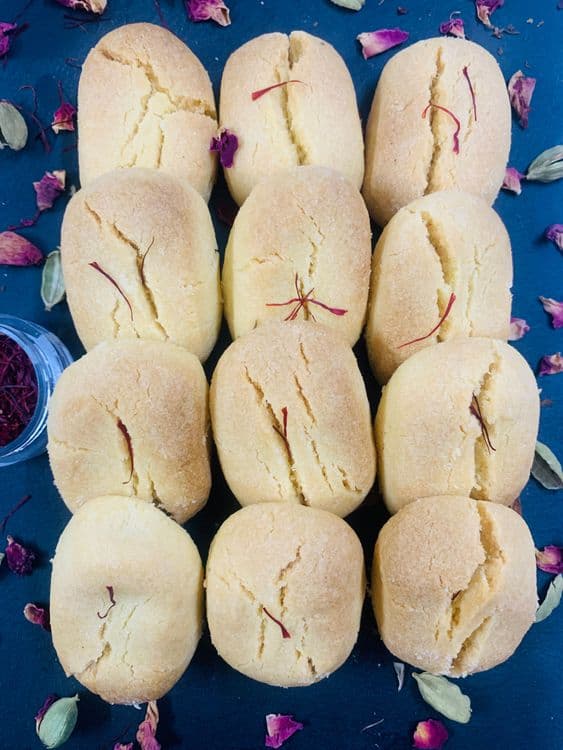
Indian food recipes cover more ground than almost any cuisine on earth, and the dishes below show that breadth — slow-built curries and dals, fragrant biryani and rice, crunchy street-food snacks, fresh chutneys, and the milky, cardamom-scented sweets that close a meal. Rather than a handful of restaurant clichés, this is a working spread across the regions and the registers, from a fifteen-minute snack to a weekend dum biryani.
What ties Indian cooking together is not chilli heat but layered technique: whole spices bloomed in hot fat, an onion-tomato base cooked down properly, and a finishing tadka or garnish that lifts the whole pot. Master those few moves and the spice rack stops being intimidating — the same handful of seeds and powders, used in different orders and proportions, is what separates a Punjabi gravy from a South Indian sambar.
You will find the collection grouped into clusters — curries and dals, rice and breads, snacks and street food, chutneys and spice mixes, and Indian sweets. Standout dishes range from Chettinad Chicken Curry and Indian Chicken Biryani to Kurkuri Bhindi, Coconut Barfi and a proper South Indian Sambar, each built on the fundamentals the guides below lay out.
Treat this as a working reference. Each recipe links to full ingredients and steps on Chefadora, and the guides cover what actually decides whether Indian food tastes flat or layered — stocking and blooming spices, building a curry base that clings, and cooking rice and breads so the whole thali comes together.
Indian Sweets & Desserts
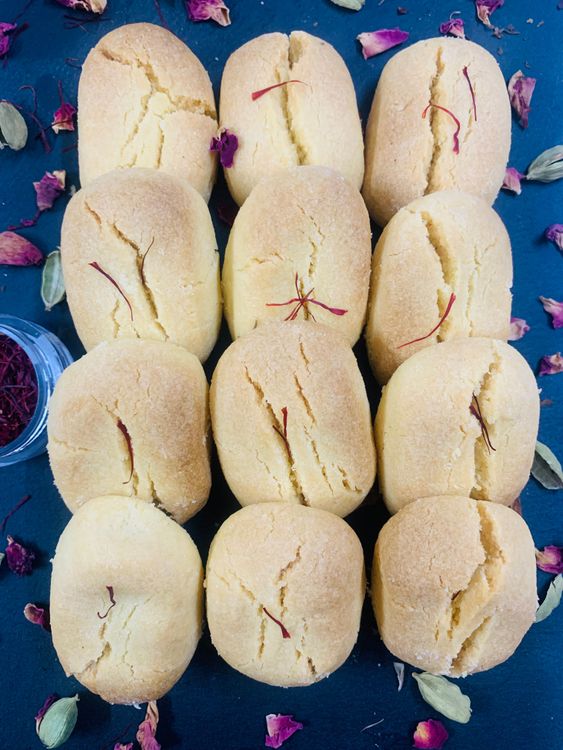
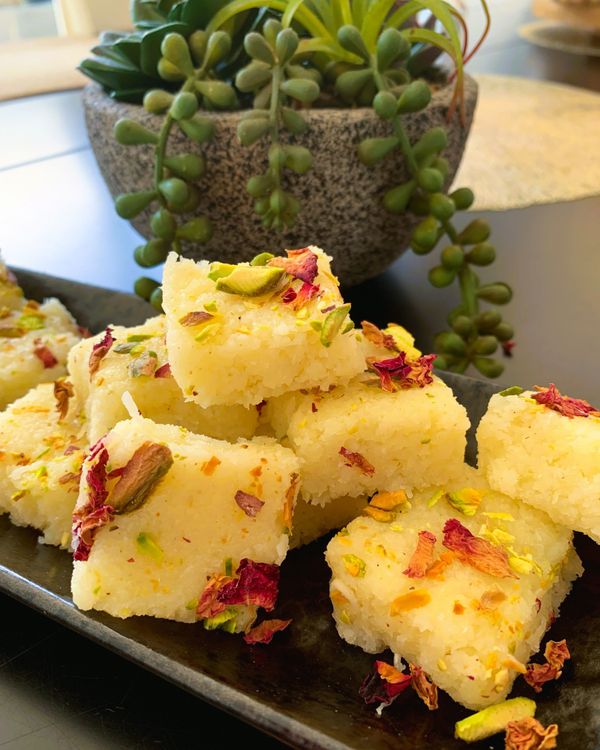
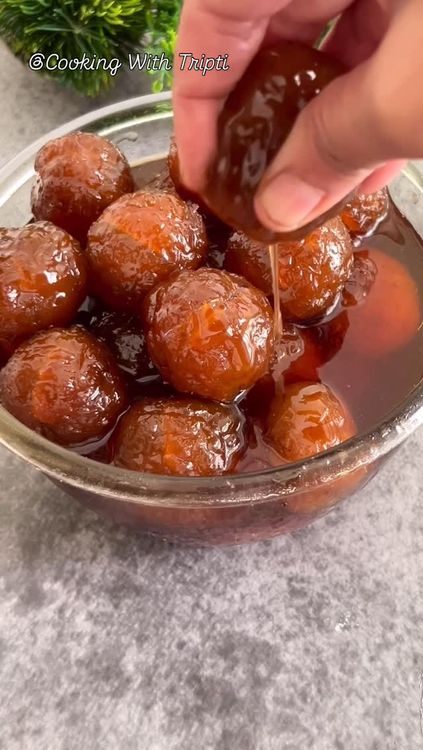
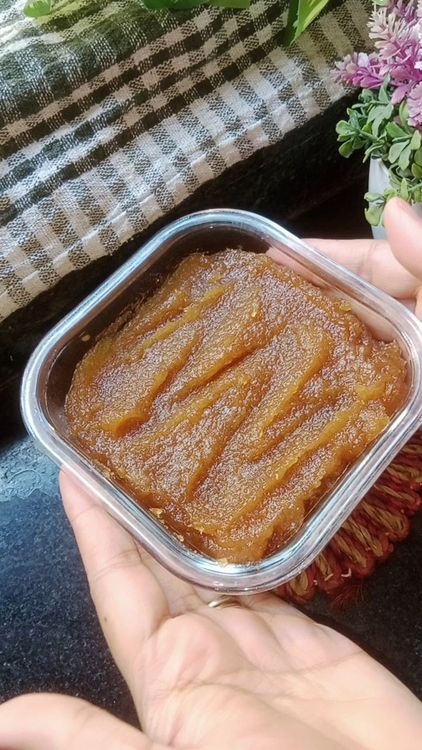
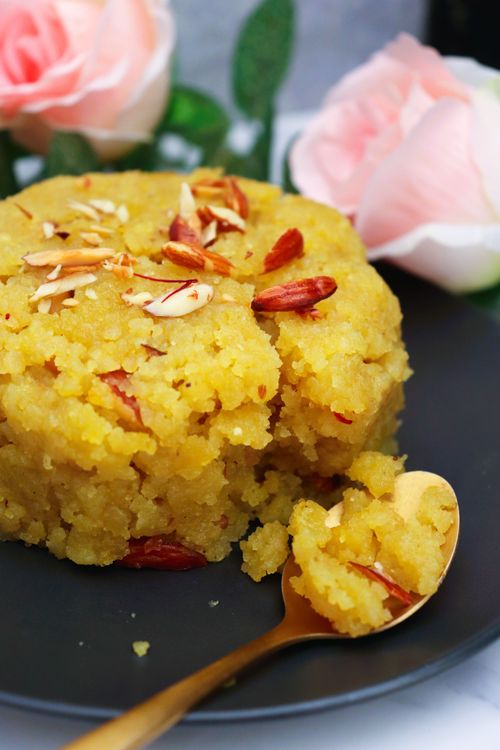
India has one of the deepest dessert traditions anywhere, and most of it runs on a few humble ingredients treated with patience: milk reduced slowly, sugar or jaggery, ghee, and warm spices like cardamom and saffron. The technique that matters most is heat control, because milk-based sweets go from perfect to scorched in seconds once they thicken. Use a heavy-bottomed pan, keep the flame gentle as the mixture reduces, and stir almost constantly near the end so nothing catches on the base. Taste as you sweeten rather than dumping sugar in at the start, since reduction concentrates everything, and pull the sweet just before it looks done because it firms up as it cools. Whether it is a grainy barfi, a loose kheer or a syrup-soaked treat, the same rules apply: gentle heat, constant attention, and restraint with sugar. A pinch of salt and a final flourish of ghee or chopped nuts make the sweetness read richer rather than flat. Standouts here include Nankhatai (Indian Shortbread Cookies) and Easy Coconut Barfi (Indian Sweet), plus Amla Murabba (Indian Gooseberry Preserve).

- Indian
- Vegan
- Snack
- Indian
- Vegetarian
- Dessert

- Indian
- Vegan
- Snack

- Indian
- Vegetarian
- Bread & Baking
- Indian
- Vegetarian
- Dessert
Curries, Dals & Gravies
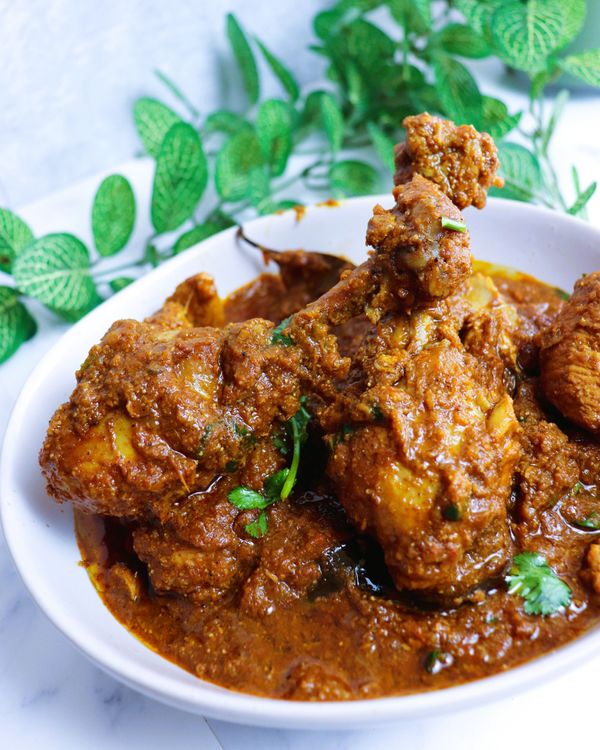
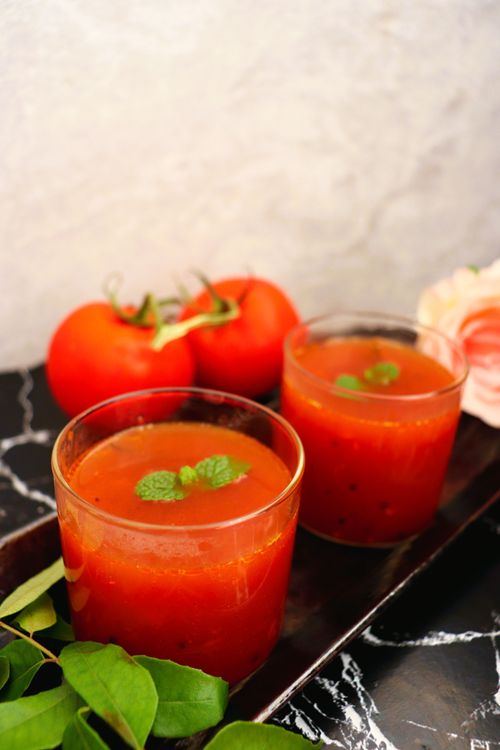
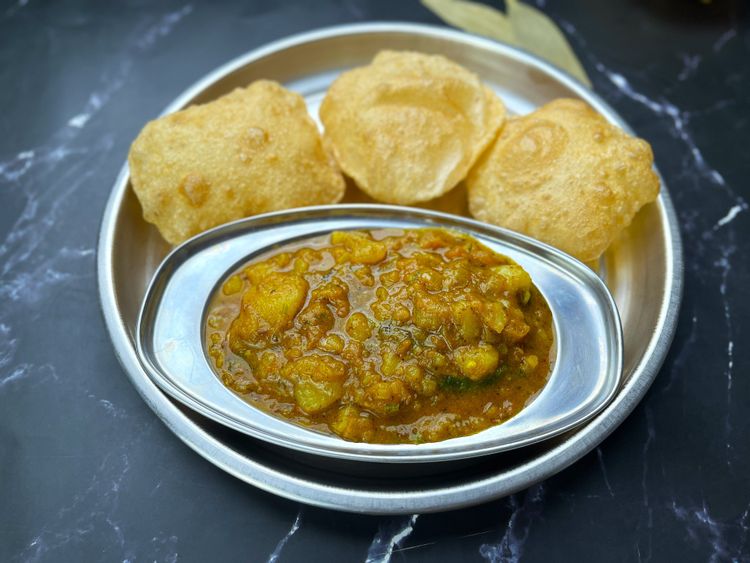
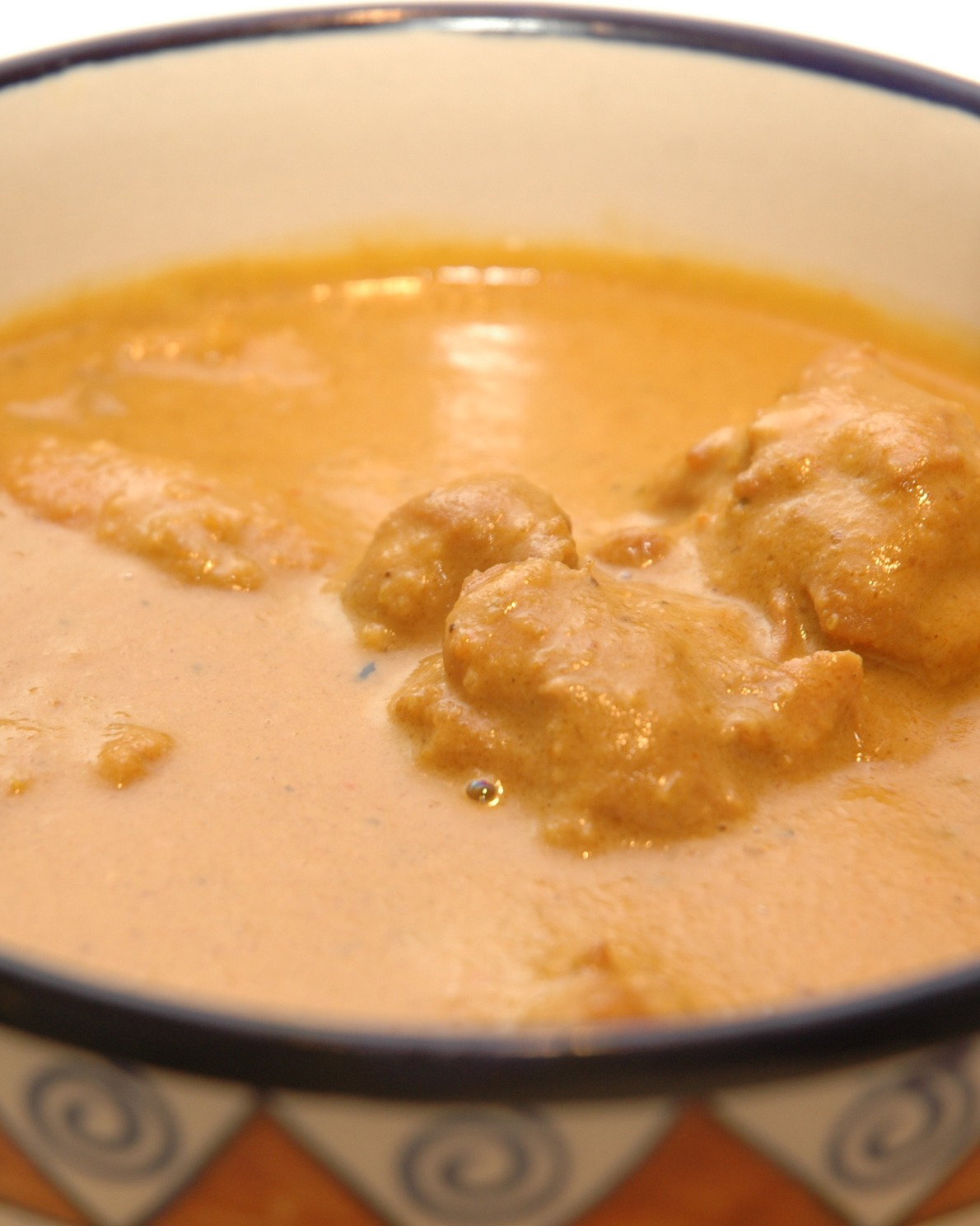
The heart of Indian home cooking is a properly built gravy, and the single biggest reason a home curry tastes flat is rushing the base. Start by cooking onions down until genuinely golden, not merely translucent, then ginger and garlic until their raw edge is gone, then tomatoes simmered until they collapse and the oil separates at the edges of the pan. That visual cue — fat splitting from the masala — is your signal the base is cooked and ready. Bloom your ground spices in that base off the fiercest heat so they do not scorch, then add the protein or vegetables and simmer gently rather than boiling hard, which toughens paneer and overcooks fish. Finish off the heat, where the real seasoning happens: salt to taste, a pinch of sugar to round acidic tomatoes, garam masala for warmth, and a squeeze of acid to brighten. A curry seasoned only at the start always tastes one-dimensional; the adjustment at the end is what makes it sing. Standouts here include Chettinad Chicken Curry (South Indian Chicken Dish) and Tomato Rasam -Tangy & Light South Indian Soup , plus Hotel Style Aloo Curry for Poori | Spicy Potato Curry | South Indian Poori Aloo Masala Recipe.
- Indian
- Non-Vegetarian
- Lunch
- Indian
- Vegan
- Main Course

- Indian
- Vegan
- Breakfast
- Indian
- Vegetarian
- Dinner
- Indian
- Vegan
- Lunch
Rice, Biryani & Breads
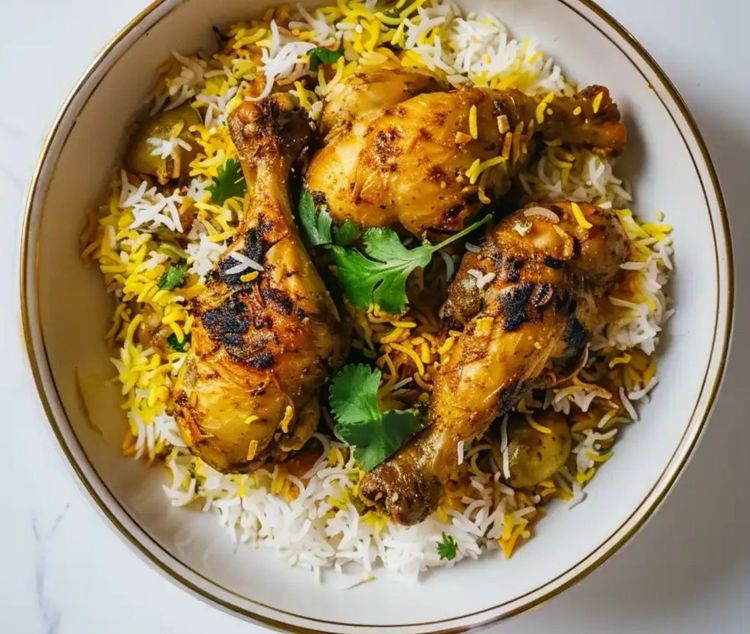
Rice and breads are the canvas the rest of an Indian meal sits on, and getting them right does more for a plate than any single showpiece dish. For biryani and pulao, reach for aged basmati, rinse it until the water runs clear to wash off loose starch, and soak it for thirty minutes so the grains hydrate and cook up long and separate rather than sticky. Par-cook to about seventy percent for biryani, since the grains keep steaming on the dum, and salt the water generously because that is your one chance to season the grain from within. Flatbreads want a soft, well-rested dough and a properly hot tava: roti and paratha blister and stay soft on medium-high heat but dry out and turn leathery on a cool griddle. Keep them wrapped in a cloth the moment they come off so trapped steam keeps them pliable. Dosa and idli batters need real fermentation time, so plan a day ahead and let the sourness and lift develop on their own. Standouts here include Southekayi Avalakki (Cucumber Poha)- South Indian Breakfast and Indian Lunch Thali, plus Authentic Bun Dosa: Soft, Spongy South Indian Breakfast.
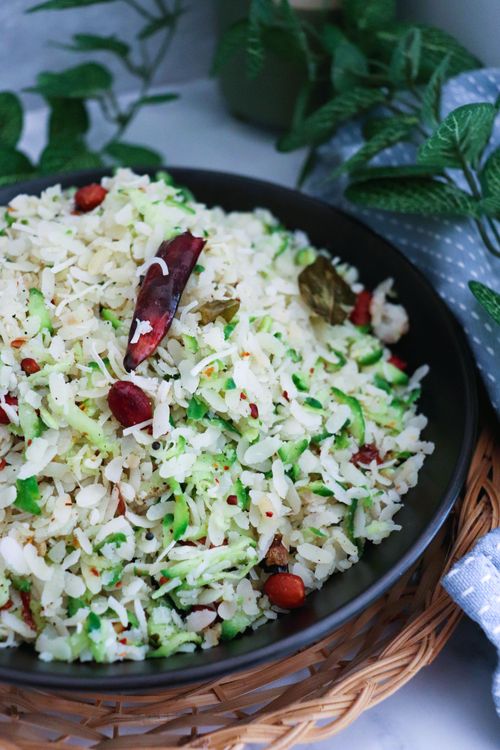
- Indian
- Vegan
- Breakfast
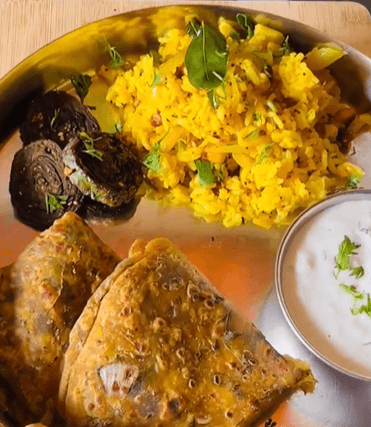
- Indian
- Vegetarian
- Lunch
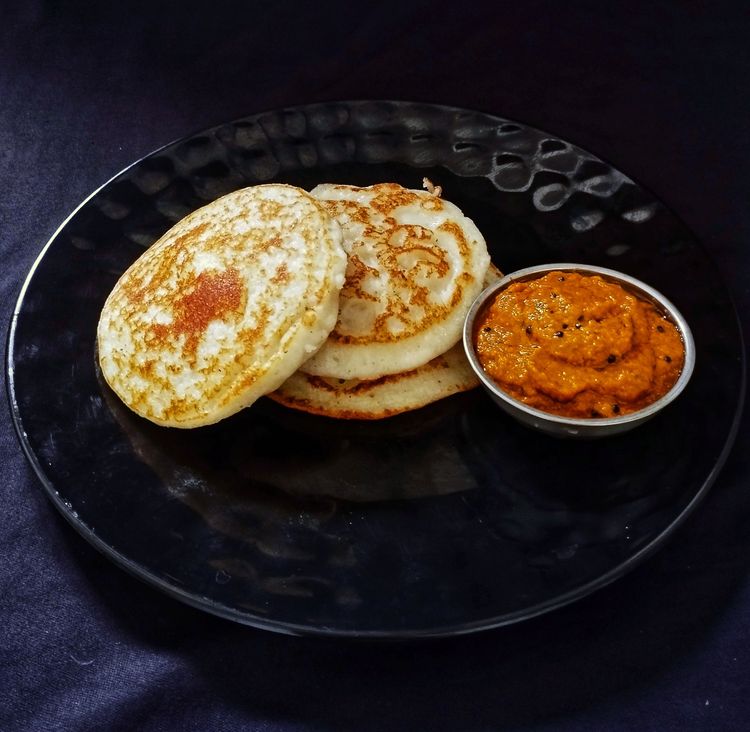
- Indian
- Vegan
- Breakfast

- Indian
- Non-Vegetarian
- Lunch
- Indian
- Pescatarian
- Dinner
Snacks & Street Food
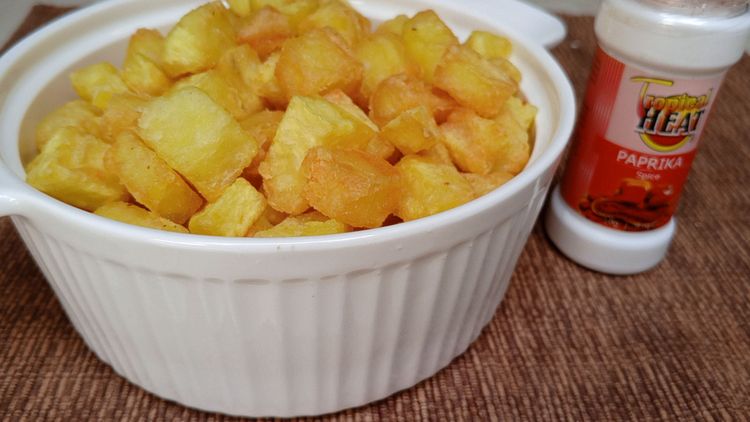
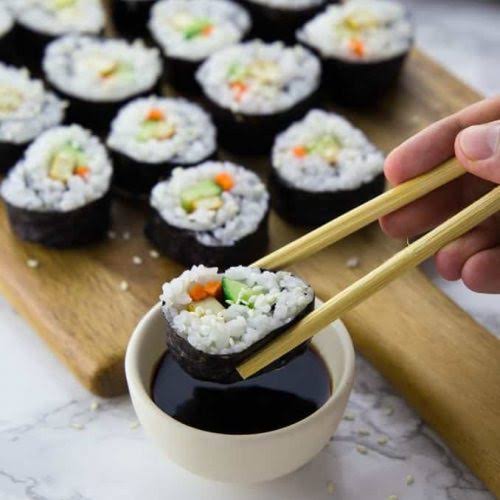
This is the loud, crunchy, tangy corner of Indian cooking, the food of railway platforms and evening cravings, built to be fried hot and eaten fast. The technique across most of it is about heat and drainage: get the oil genuinely hot, around 350 degrees Fahrenheit for deep-frying, so the surface sets and crisps before the inside turns greasy, and drain everything on a rack rather than letting it steam soft on paper. Cut and shape evenly so pieces cook at the same rate, and resist crowding the pan, which drops the temperature and leaves everything pale and oily. The finishing is half the point: hit fritters, bites and chaat the second they come off the heat with salt, a squeeze of lime, and a dusting of chaat masala so the seasoning clings while the surface is hot. Tangy chutneys, crunchy textures and a final sour-salty hit are what make this food so addictive, so season boldly and serve immediately while everything is at its crispest. Standouts here include Indian Tiranga Cheese Toast and Indian Crispy Potato Bites, plus Indian-Style Sushi.

- Indian
- Vegetarian
- Breakfast
- Indian
- Vegan
- Appetiser
- Indian
- Vegetarian
- Appetiser
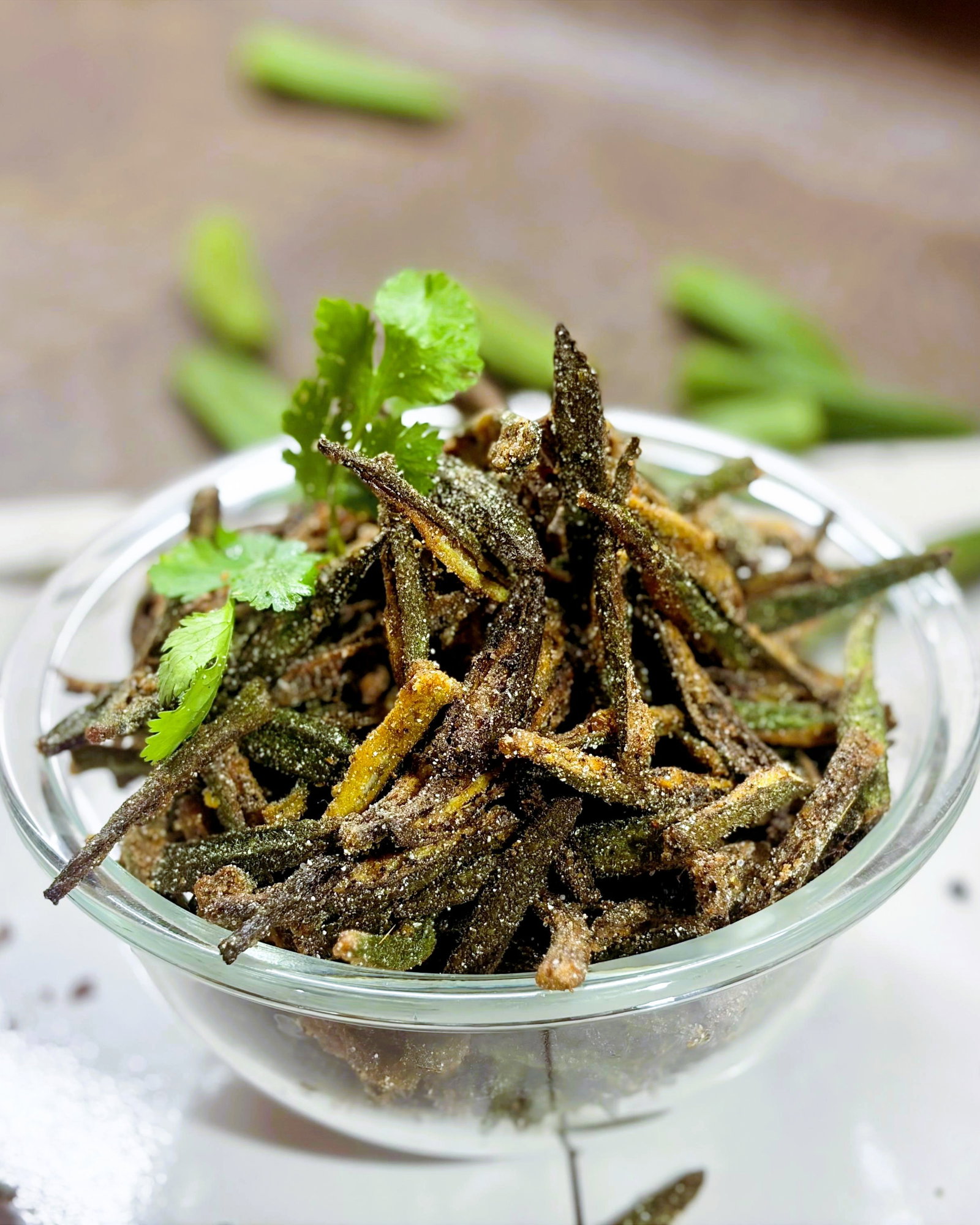
- Indian
- Vegetarian
- Snack
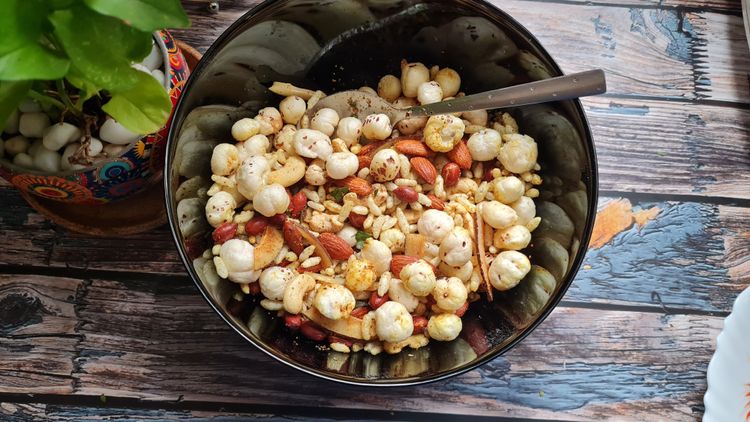

- Indian
- Vegan
- Snack
Chutneys, Spice Mixes & Drinks
Behind every good Indian meal sits a supporting cast that quietly does the heavy lifting: fresh chutneys, home-ground spice blends, cooling raitas and drinks. A masala toasted and milled at home is worth the small effort, because gently roasting whole spices until fragrant before grinding wakes up oils that a pre-ground jar has long since lost, and a single batch keeps its punch for weeks in an airtight tin. Fresh chutneys are about balance struck at the end — herbs, chilli, acid and salt blended and then tasted and adjusted, since under-salting or skipping the souring agent leaves them dull. Raita is the counterweight to a rich, spiced plate: thick yogurt loosened just enough, with grated cucumber or boondi, salt and a pinch of roasted cumin, whisked cold and rested so the flavours marry. These small components are where a competent meal becomes a memorable one, so treat them as part of the cooking rather than an afterthought thrown together at the last minute. Standouts here include Easy Homemade Garam Masala Recipe | Preservative-free North-Indian Spice Blend and Homemade Achari Masala (Indian Spice Mix-perfect for Pickles and Curries), plus Chicken Drumstick Masala- South Indian-Style.
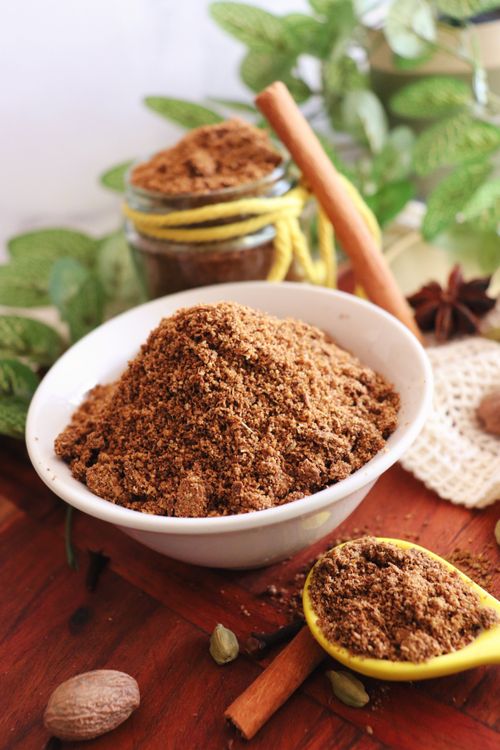
- Indian
- Vegan
- Sauce & Condiment
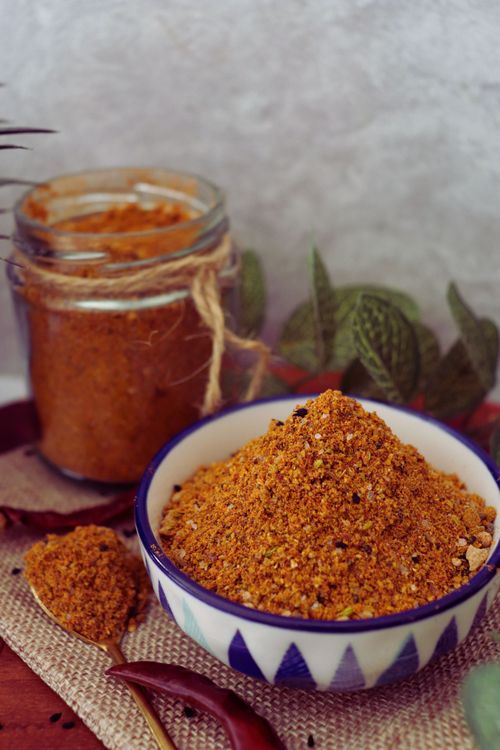
- Indian
- Vegan
- Sauce & Condiment
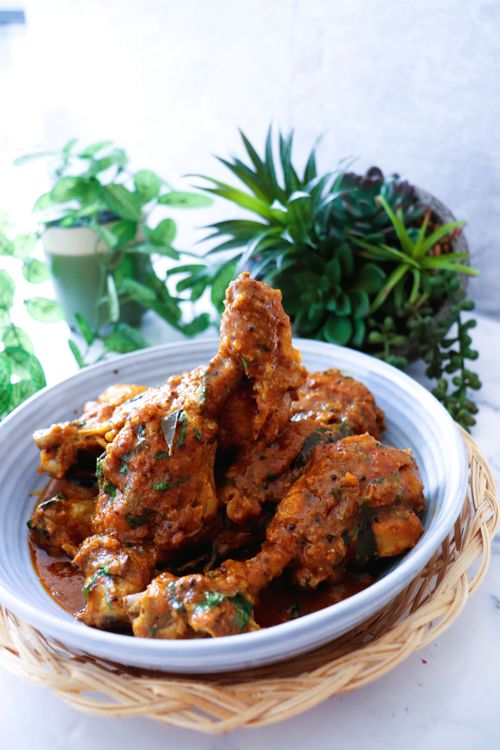
- Indian
- Non-Vegetarian
- Lunch

- Indian
- Vegan
- Sauce & Condiment
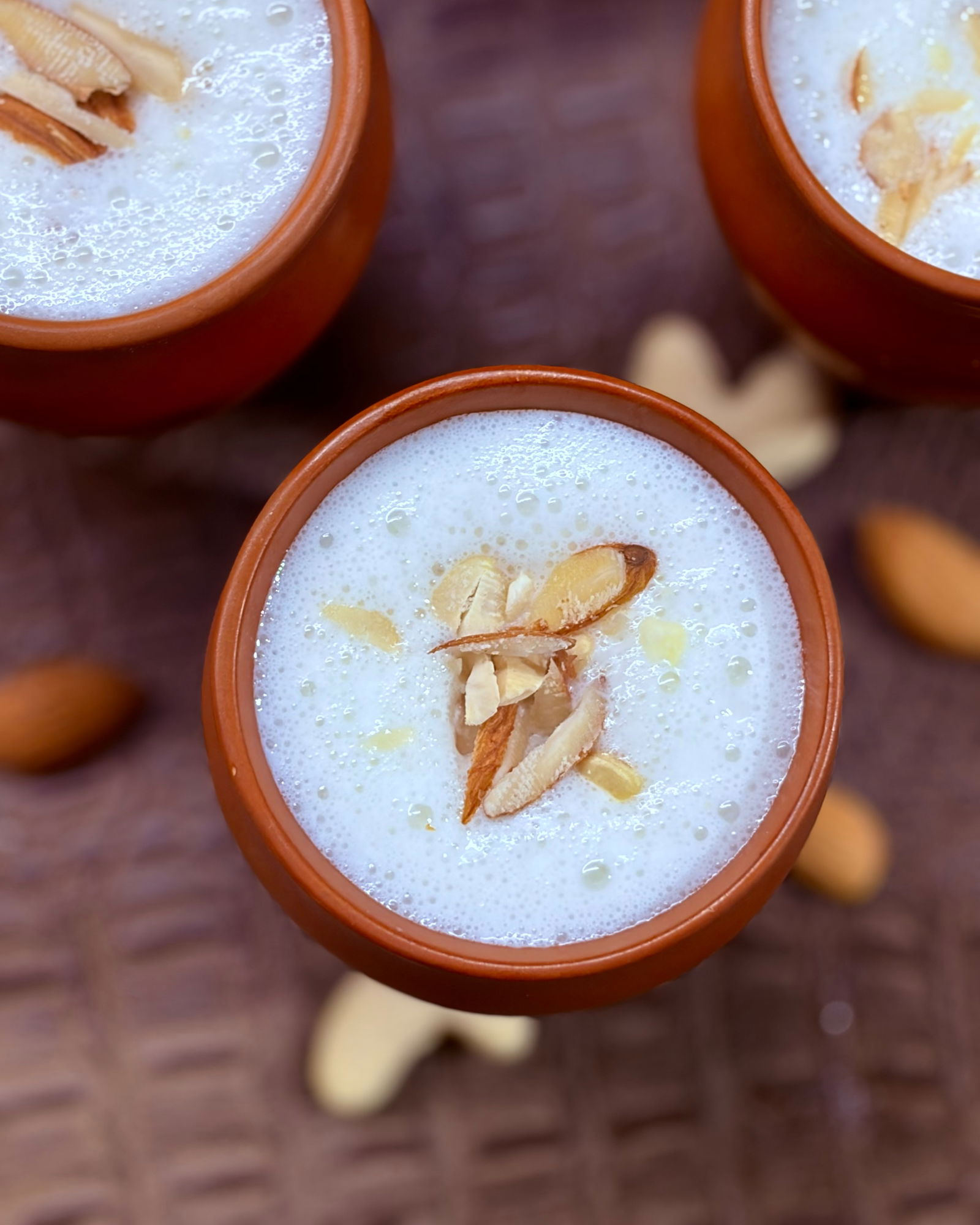
- Indian
- Vegetarian
- Beverage
More Indian Food Favourites
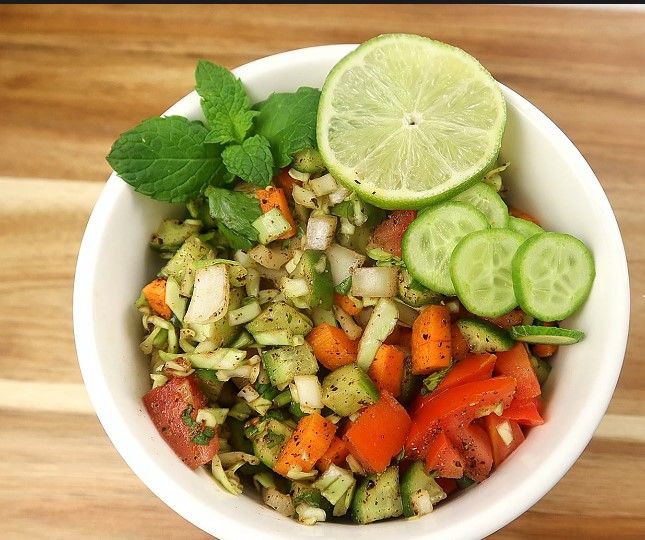
Beyond the headline categories, Indian cooking sprawls into countless regional and everyday dishes that do not slot neatly into one box, and this group gathers those — the clever odds and ends, the fusion experiments, and the home-style plates that defy a tidy label. They all rest on the same fundamentals that govern everything above: bloom your spices in hot fat, build any base until it tastes cooked rather than raw, and balance salt, heat and acid at the finish rather than hoping it sorts itself out. Choosing your next cook is mostly about matching effort to the evening, a quick snack or stir-together on a busy night versus a slow-built gravy or a fermented batter when you have time to spare. Pay attention to how each region leans — sourer in the south, creamier in the north, hotter on the coasts — and let that guide your seasoning. Build a handful of reliable favourites across the categories, then branch out one dish at a time until the whole spice rack feels like second nature. Standouts here include Indian-Style Roasted Chicken and Kimchi Indian Way, plus Cucumber Salad Indian | Cucumber Salad with Tomatoes.
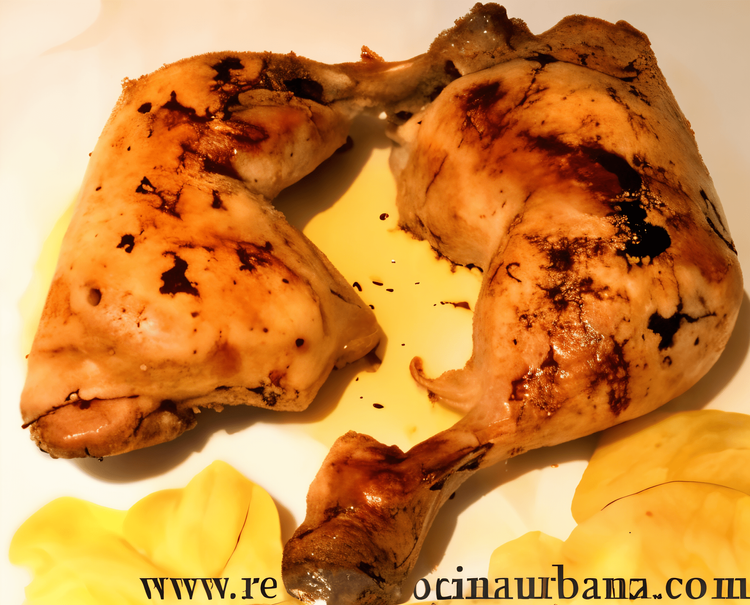
- Indian
- Non-Vegetarian
- Lunch
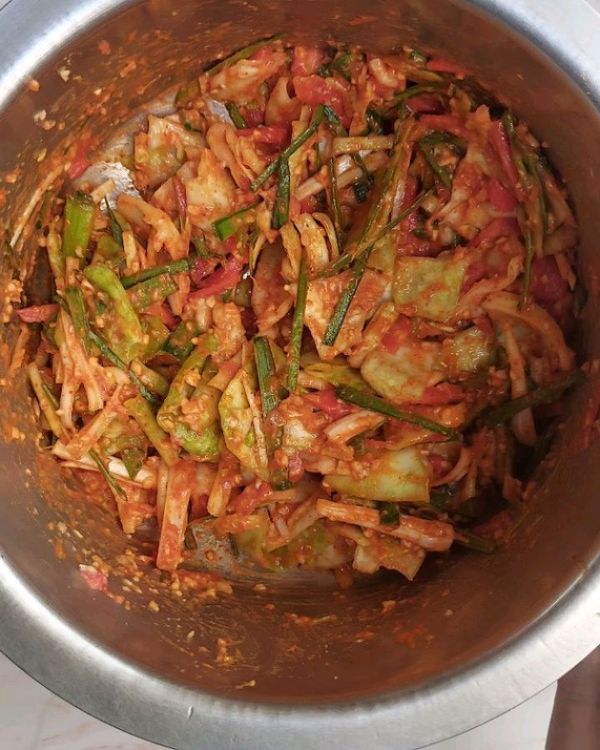

- Indian
- Vegetarian
- Main Course
- Indian
- Vegan
- Snack
The Spice Pantry and the Tadka
A working Indian pantry is smaller than it looks: cumin, coriander, turmeric, red chilli, garam masala, mustard seeds and asafoetida (hing) cover most dishes, with cardamom, cloves and cinnamon for the aromatic end. Buy whole where you can and grind in small batches — pre-ground spices fade fast, and freshly toasted-and-milled cumin or coriander has several times the aroma of a tired jar.
The single most important technique is the tadka (tempering): whole spices sizzled in hot ghee or oil until they crackle and bloom, poured over a dish or used to start it. The hot fat extracts and carries the aroma in a way stirring dry powder into a pot never will. Heat the fat until it shimmers, add the seeds, and pull them the moment they darken a shade — burnt spices turn the whole dish bitter.
Order matters: whole spices first into the fat, then aromatics like ginger, garlic and onion, then ground spices added off the fiercest heat so they do not scorch, and finally a finishing flourish — kasuri methi crushed between the palms, fresh coriander, or a second tadka poured over at the end. Learning when each goes in is most of what separates confident Indian cooking from guesswork.
Building a Curry That Clings
Most Indian gravies start the same way, and rushing this base is the biggest reason a home curry tastes flat. Cook onions down properly — soft and golden, not pale — then ginger and garlic, then tomatoes reduced until they break down and the oil separates at the edges. That visual cue, the fat splitting from the masala, is your signal the base is cooked and ready for the main ingredient.
For a silky, restaurant-style gravy, blend the cooked base smooth and pass it back through the pan, then finish with cream, cashew paste or a little butter. For a rustic homestyle curry, leave it chunky. Either way, add your protein or vegetables once the base is built and simmer gently so they absorb flavour without overcooking — paneer and fish in particular need only a few gentle minutes.
Season and balance at the finish, off the heat: salt to taste, a pinch of sugar to round acidic tomatoes, garam masala for warmth, and an acid — lemon, amchur or a spoon of yogurt — to brighten. A curry seasoned only at the start always tastes one-dimensional; the adjustment at the end is what makes it taste deliberate.
Rice, Breads and the Thali
For biryani and pulao, use aged basmati, rinse until the water runs clear, and soak for thirty minutes so the grains hydrate and cook up long and separate. Par-cook to about seventy percent for biryani, since the grains finish on the dum. For everyday rice, the absorption method with a tight lid and a ten-minute rest off the heat gives fluffy, distinct grains every time.
Flatbreads reward a soft, rested dough and a properly hot tava. Roti and paratha want a medium-high griddle so they blister and stay soft rather than drying out; keep them wrapped in a cloth once cooked so trapped steam keeps them pliable. Dosa and idli batters need time to ferment — that sourness and lift cannot be rushed, so plan a day ahead.
A thali is about balance, not quantity: a gravy, a dry vegetable, a dal, rice or bread, something crunchy, and a cooling element like raita or chutney. Make the components that improve overnight — gravies, soaked dals, ground masalas — ahead of time, and cook the breads and tempering fresh, so a full Indian spread comes together without a frantic last hour.
Pro Tips from the Test Kitchen
- Buy whole spices and grind in small batches — pre-ground powders fade fast and taste flat.
- Bloom whole spices in hot ghee or oil until they crackle; that tadka is where most of the aroma comes from.
- Cook the onion-tomato base until the oil separates before adding the main ingredient — that is the “cooked, not raw” cue.
- Add ground spices off the fiercest heat so they do not scorch and turn bitter.
- Crush kasuri methi between your palms and add at the end for that signature North-Indian aroma.
- Rinse and soak basmati 30 minutes; par-cook to 70% for biryani so it finishes on the dum.
- Brown garlic only to gold — pushed to dark it goes acrid and takes the whole tempering with it.
- Balance a curry at the end with salt, a pinch of sugar and an acid (lemon, amchur or yogurt).
- Keep cooked rotis and parathas wrapped in a cloth so trapped steam keeps them soft.
- For milk sweets, keep the heat low once it thickens — kheer and barfi scorch in seconds.
Frequently Asked Questions
What are the essential spices for Indian food recipes?
A small core covers most dishes: cumin, coriander, turmeric, red chilli, garam masala, mustard seeds and asafoetida (hing), plus cardamom, cloves and cinnamon for aromatic dishes. Buy whole where you can and grind in small batches, since freshly ground spices are far more fragrant than tired pre-ground jars. With those few, used in different orders and proportions, you can cook across most of the Indian repertoire.
How do you make a basic Indian curry?
Build the base properly: cook onions until golden, then ginger and garlic, then tomatoes until they break down and the oil separates at the edges. Bloom your ground spices in that base off the fiercest heat, add the protein or vegetables, and simmer gently until cooked. Finish off the heat with salt, a pinch of sugar, garam masala and a squeeze of acid. The slow, properly cooked base is what makes it taste layered rather than raw.
What is a tadka or tempering?
A tadka (also tarka or chhonk) is whole and ground spices, garlic and aromatics sizzled in hot ghee or oil, then poured over a dish or used to start it. The hot fat blooms the spices and carries their aroma through the whole pot in a way that stirring in dry powder never achieves. It is the single biggest flavour step in dals and many curries, done either at the start, the end, or both.
Which Indian dishes are easiest for beginners?
Start with forgiving, one-base dishes: a simple tadka dal, a tomato-onion vegetable curry, jeera rice, or a quick snack like a besan chilla or potato bites. These teach the core moves — blooming spices, building a base, balancing salt and acid — without fussy timing. Once the base curry and a pot of rice feel automatic, biryani, chaat and milk sweets are just the next step up.
Is Indian food always spicy?
No — heat is only one dimension and entirely adjustable. Much of Indian cooking is about aroma and balance rather than chilli: think creamy kormas, fragrant biryanis, tangy chutneys and mild milk sweets. The chilli in any recipe can be scaled down without losing character, since the depth comes from the spice blend, the cooked base and the tempering, not from raw heat alone.
How do you make restaurant-style Indian gravy at home?
The restaurant secret is a smooth, rich base: cook the onion-tomato masala fully, blend it until silky, pass it back through the pan, and finish with cream, cashew paste or butter and a touch of kasuri methi. Cooking the base until the oil separates and seasoning at the end with garam masala and acid gets you most of the way. Many restaurants also pre-make a base gravy so dishes finish fast.
What goes into a balanced Indian thali?
A thali aims for contrast rather than quantity: a gravy dish, a dry-cooked vegetable (sabzi), a dal, rice or a flatbread, something crunchy like papad, and a cooling element such as raita or chutney. The idea is to hit several textures and tastes — rich, fresh, tangy, crisp — on one plate. Make the make-ahead components in advance and cook the breads and tempering fresh.
Can Indian food be made vegetarian or vegan?
Easily — Indian cuisine is one of the most vegetarian-friendly in the world, with whole regional traditions built on dals, vegetables, paneer and legumes. For vegan versions, swap ghee for oil, paneer for tofu, and cream or yogurt for coconut milk or cashew cream; the spice-and-tadka backbone stays identical. A huge share of everyday Indian cooking is naturally plant-based to begin with.
How do you make Indian sweets without them scorching?
Most Indian sweets are built on milk, sugar or jaggery, all of which catch and burn fast once they thicken, so the rule is low, attentive heat and constant stirring near the end. Use a heavy-bottomed pan, keep the flame gentle as the mixture reduces, and pull it just before it looks done since it sets further off the heat. Ghee, cardamom and a pinch of salt round out the sweetness.
The thread through every Indian food recipe here is the same: bloom your spices in hot fat, build the base until it tastes cooked rather than raw, and balance salt, heat and acid at the finish. Master those and curries, biryani, snacks and sweets all open up from one shared set of techniques rather than a hundred separate ones.
Pick a few Indian food recipes to cook this week — a everyday dal, a proper curry and one festive sweet — and save your favourites to a Chefadora cookbook. Then work through the regions and the snacks; this page is built to be the Indian cooking reference you keep coming back to.
Related
- Indian
- Curry
- Vegetarian
- South Indian
- North Indian
- Street food
- Spices
- Dinner
Popular Searches
- Best indian food recipes
- Easy indian food recipes
- Quick indian food recipes
- Healthy indian food recipes
- Simple indian food recipes
- Homemade indian food recipes
- Delicious indian food recipes
- Popular indian food recipes
- indian recipes
- indian dishes
- indian curry
- easy indian recipes
Marnirni-apinthi Building, Lot Fourteen,
North Terrace, Adelaide, South Australia, 5000
Australia
