
Top 20 Kebab Recipes: Veg, Paneer, Seekh and Tikka
Updated June 25, 2026 · Curated by Chefadora
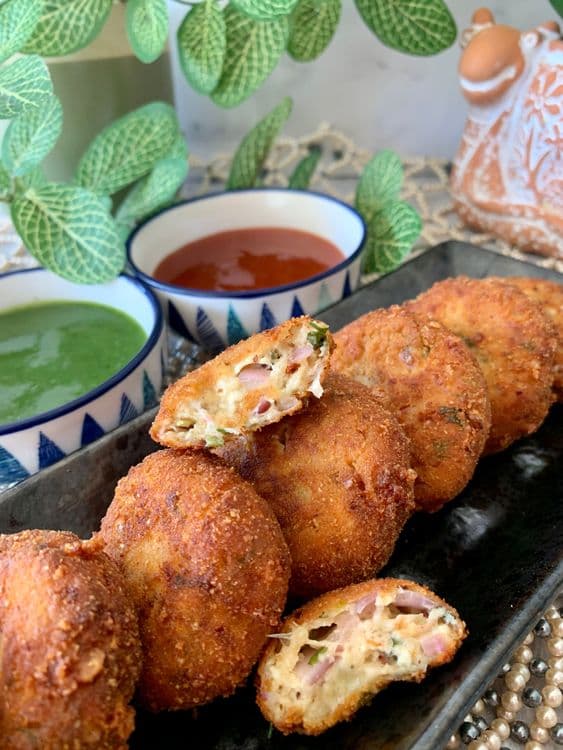
Kebab recipes cover one of the most rewarding corners of Indian and Middle Eastern cooking — smoky, spiced, charred morsels that work as a starter, a snack, or the heart of a meal. The collection below runs the full range, from soft hara bhara and paneer kebabs to juicy seekh and chicken kebabs, blistered tikka and tandoori, and the rolls and platters that turn skewers into supper. One technique, many forms.
What makes a kebab a kebab is the marriage of fat, spice and direct heat. Vegetable and minced versions need a binder and enough fat to stay moist, while marinated pieces rely on yogurt to tenderise and cling. The single biggest trick across all of them is a genuinely hot grill, tawa or pan: high heat chars the surface and seals in juices, while a lukewarm pan steams kebabs pale and lets them fall apart. Get the heat right and the rest follows.
You will find the collection grouped into clusters — veg and paneer kebabs, chicken and meat kebabs, tikka and grilled kebabs, and kebab rolls and party snacks. Standout dishes range from a Hara Bhara Kebab and Dahi ke Kebab to a Chicken Seekh Kebab and Paneer Tikka, right through to a Kebab Frankie roll, each built on the fundamentals the guides below lay out.
Treat this as a working reference. Each recipe links to full ingredients and steps on Chefadora, and the guides below cover what actually decides whether kebabs hold together or crumble, char or steam, stay juicy or dry out — binding and shaping them right, building a marinade that works, and cooking them over the right heat with a proper smoky finish.
Veg & Paneer Kebabs
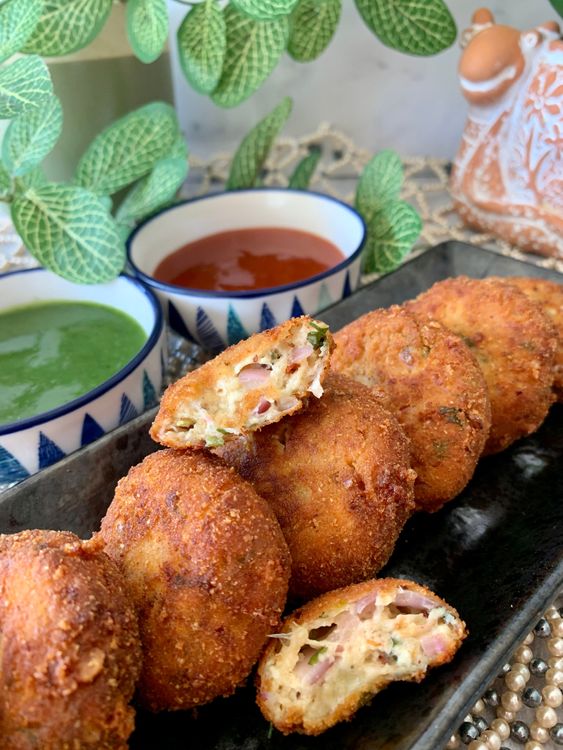
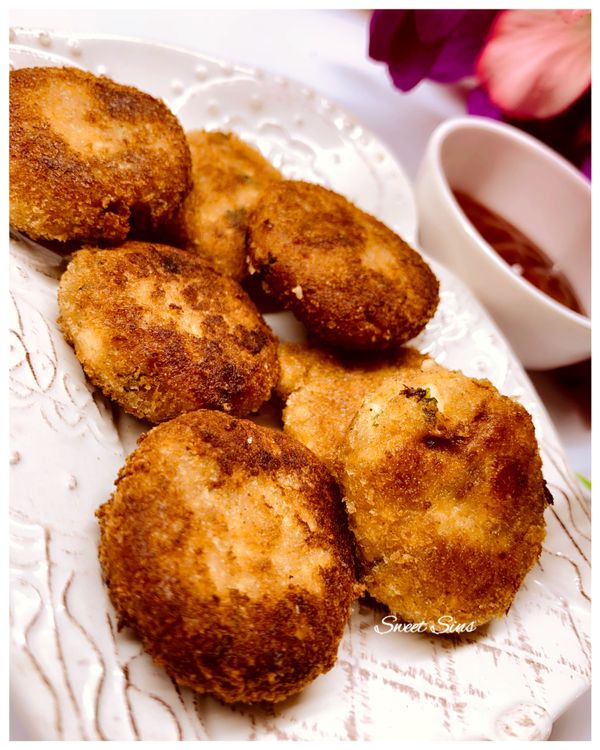
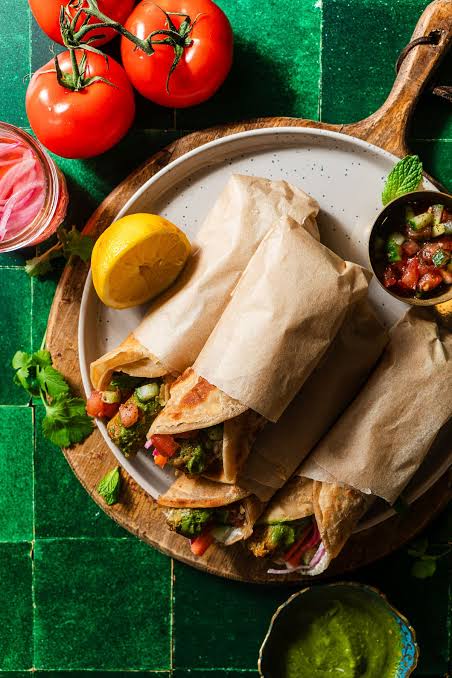
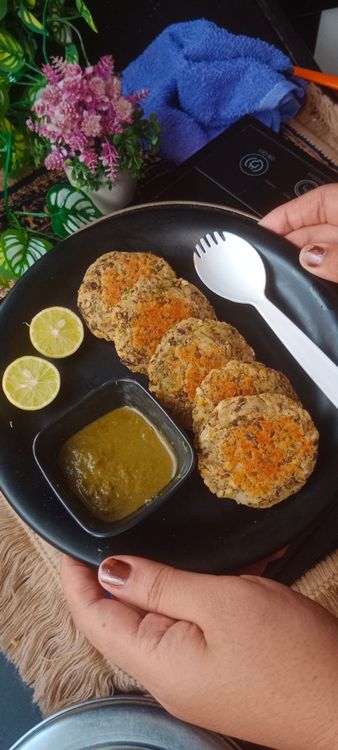
Vegetarian and paneer kebabs prove you need neither meat nor a skewer to make something smoky and craveable, but they demand attention to moisture and binding. The whole battle is keeping the mixture dry enough to hold while still tasting rich. Squeeze grated vegetables and boiled potato bone-dry in a clean towel, because a wet mix is the single most common reason these patties weep, stick and fall apart on the pan. Bind with a little roasted besan, breadcrumbs or mashed potato rather than flooding the mix with flour, which turns everything dense and dry. Roast the besan first so its raw smell cooks off and it grips properly. For paneer kebabs, grate or crumble fresh paneer so it stays soft, and keep any marination short since a long soak in acid turns it crumbly. Sear the shaped patties hard in a thin film of hot oil so the surface crisps and seals before the inside has a chance to soften and break. Finish off the heat with lemon and chaat masala while they are still sizzling so the tang clings to every bite. Standouts here include Dahi ke Kebab (Yogurt Cutlets) and DAHI KE KABAB , plus Veggies Seekh Kebab Wrap.

- Indian
- Vegetarian
- Appetiser

- Indian
- Vegetarian
- Appetiser
- Indian
- Vegetarian
- Lunch

- Middle Eastern
- Vegetarian
- Appetiser

- Indian
- Vegetarian
- Appetiser
Chicken & Meat Kebabs
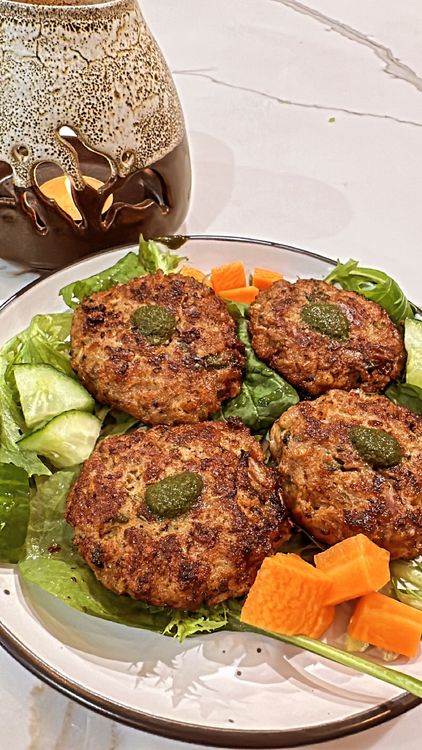
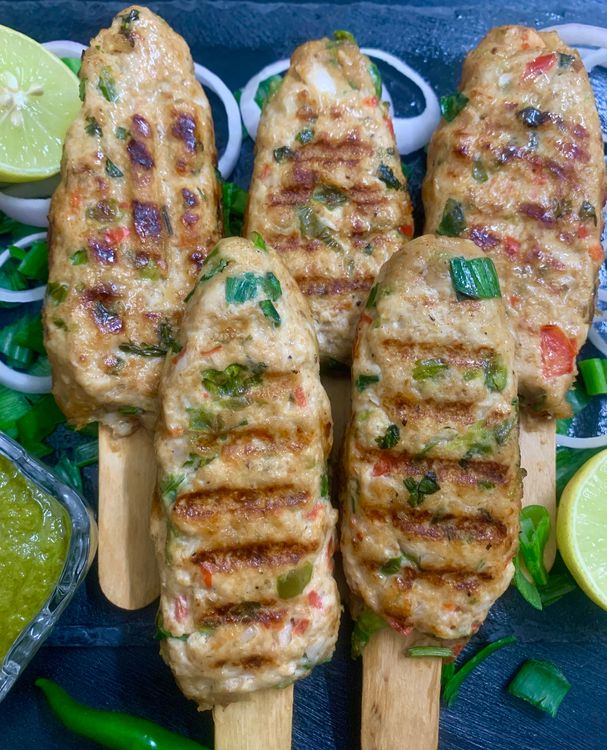
Chicken and meat kebabs are where high, direct heat pays off most obviously, and the technique splits cleanly between minced and marinated styles. For seekh kebabs and shami-style patties, the mince is everything: knead the keema hard for several minutes until it turns sticky and tacky, which is the only thing that lets it cling to a skewer without sliding off into the fire. Use a mince with real fat in it, around twenty percent, so the kebabs stay juicy rather than drying into chewy sticks, and chill the kneaded mix before shaping so it firms up. For marinated pieces — chicken tikka, fish, reshmi kebab — give them a long bath in thick yogurt with ginger-garlic, chilli and spice, ideally several hours or overnight, so the acid tenderises and seasons all the way through. Thighs and fattier cuts forgive overcooking far better than lean breast. Cook everything hot and fast, resist constant flipping so a proper char can form, and use a thermometer rather than the clock so the meat stays succulent inside its smoky crust. Standouts here include Seekh Kebab Patties and Grilled Chicken Kebab, plus Malai Chicken Kebab.
- Indian
- Non-Vegetarian
- Appetiser
- Indian
- Non-Vegetarian
- Appetiser
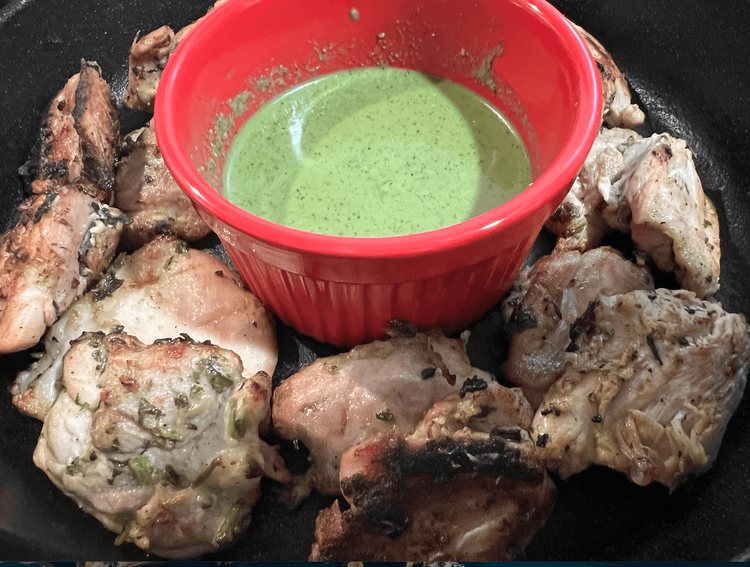

- Indian
- Non-Vegetarian
- Appetiser
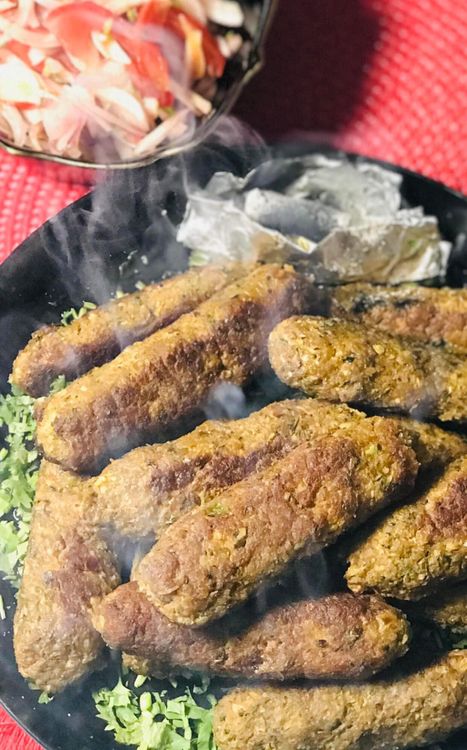

- Pakistani
- Non-Vegetarian
- Appetiser


- Fusion
- Non-Vegetarian
- Dinner
Kebab Rolls & Party Snacks
Kebab rolls and party snacks are where these spiced morsels stop being a side and become a meal or a spread, and the move is to keep contrast and texture in every bite. A frankie or kathi roll wraps a hot seekh or tikka in a warm, flaky flatbread with sliced onions, a squeeze of lemon, fresh coriander and a punchy chutney or yogurt-garlic drizzle, so each mouthful carries crunch, tang and smoke together. Warm the bread briefly on a hot tawa so it folds without cracking and does not go soggy under the filling, and keep the fillings tidy and the sauces controlled so nothing slides out or turns the wrap to mush. For a platter, think in skewers, sliders and bite-sized patties that people can pick up and dip — keep the kebabs small so they cook through fast and stay hot, and offer a couple of chutneys, sliced onions and lemon wedges alongside. Assemble rolls and load platters just before serving so the bread stays soft, the kebabs stay crisp, and everything reaches the table at its smoky, sizzling best. Standouts here include Viral Sheet Pan Kebab Wraps (Oven Edition) and Viral Sheet Pan Kebab Wraps (Oven Edition!), plus Air Fryer Kebabs Without Skewers.


- Non-Vegetarian
- Dinner

- Non-Vegetarian
- Dinner


- Non-Vegetarian
- Main Course
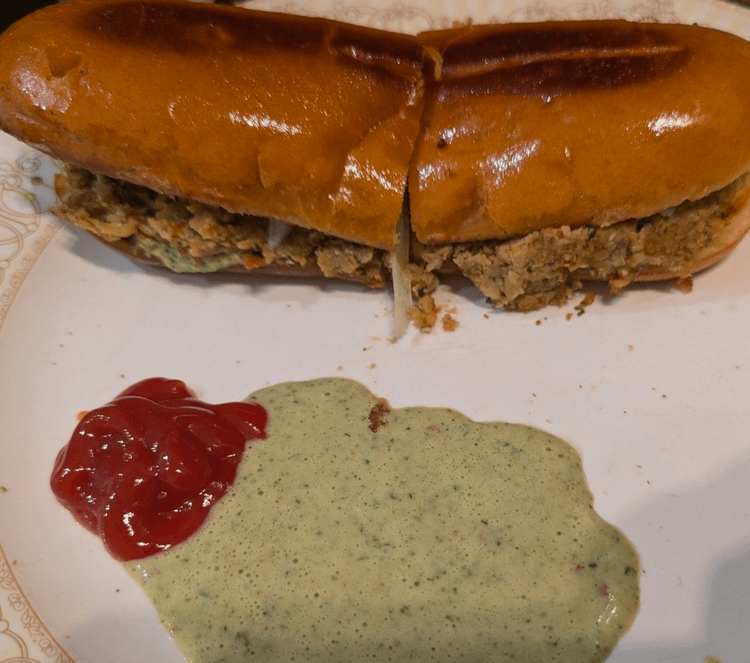
- Pakistani
- Non-Vegetarian
- Snack
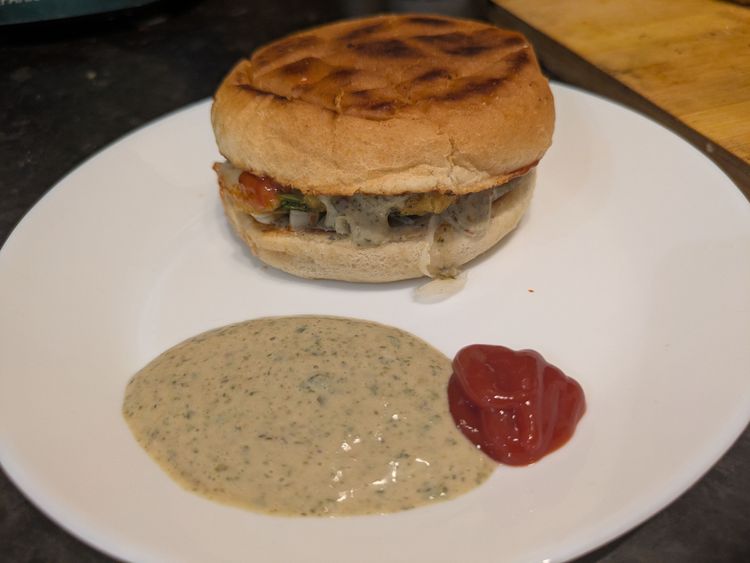
- Pakistani
- Non-Vegetarian
- Snack
More Kebab Favourites
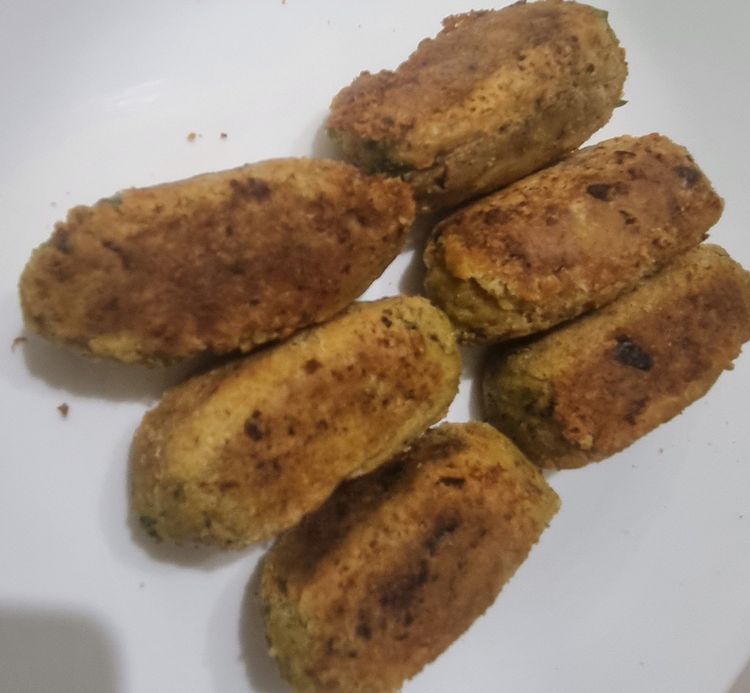
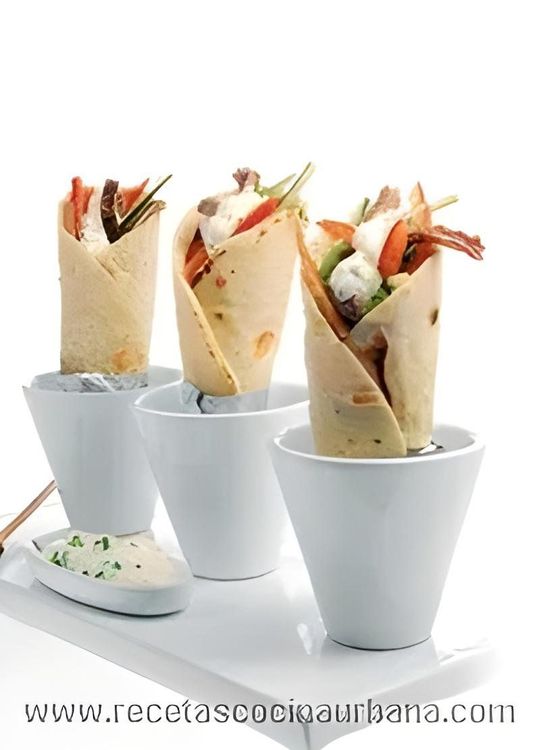
A few kebabs never sit neatly in a single category, and these are the ones worth keeping in your back pocket once the staples feel routine. They lean on the same handful of techniques you already know — a dry, well-bound mix, a thick clinging marinade, fierce direct heat and a smoky finish — but steer them toward different proteins, textures and regional spice profiles, so the kebab never tastes the same twice. Picking your next one is mostly about matching effort to mood: reach for a quick tawa patty or a pan-seared paneer kebab on a busy night when you want flavour in twenty minutes, and save the marinate-overnight, coal-smoked numbers for a weekend when you can let the spices bloom properly. Pay attention to how finely you mince or grate, since smaller, evenly cut pieces cook and char faster while larger ones stay tender in the middle. Keep the heat genuinely high and your hands lightly wet when shaping, and the same dependable rhythm carries you across half a dozen variations. Think of this group as the natural next step after the classics, the recipes that quietly earn a regular spot in the rotation once you have tried them. Standouts here include Channa Kebab and Viral Doner Kebab - Low FODMAP Edition, plus Beef Kebab.

- Indian
- Vegan
- Appetiser


- Non-Vegetarian
- Lunch
- Arab
- Non-Vegetarian
- Lunch

- Non-Vegetarian
- Appetiser

- Vegetarian
- Snack
Binding and Shaping Kebabs So They Hold
The most common kebab failure is patties or skewers that crumble or slide off, and it almost always comes down to moisture and binding. For veg and paneer kebabs, the mix has to be dry enough to hold: squeeze grated vegetables and boiled potato bone-dry, and bind with a little roasted besan (gram flour), bread crumbs or mashed potato rather than letting a wet mix weep on the pan. Roasting the besan first cooks off its raw smell and helps it grip the mixture.
For minced meat seekh kebabs, the binder is the mince itself plus its fat — knead the keema hard for several minutes so the proteins turn sticky and tacky, which is what lets it cling to a skewer without falling. A little fried onion, roasted chickpea flour or an egg helps, and a fattier mince (around twenty percent fat) holds and stays juicier than very lean meat. Chilling the kneaded mix for half an hour firms it so it presses onto the skewer cleanly.
Shaping matters as much as the mix. Wet your hands lightly so the mixture does not stick to your palms, and press seekh kebabs into an even sausage around the skewer with no thin spots that will snap. For patties, keep them an even thickness so they cook through together, and do not make them too thick or the outside chars before the middle sets. Rest shaped kebabs in the fridge before cooking so they firm up and keep their shape on the heat.
Marinades That Tenderise and Flavour
For tikka and grilled kebabs, the marinade does the heavy lifting, and thick yogurt is its backbone. Use hung curd or strained greek yogurt so it coats the pieces rather than running off, and let its acidity and enzymes gently tenderise the meat or season the paneer and vegetables. Whisk in ginger-garlic paste, chilli, and a punchy spice mix, plus a little oil and lemon, then give it time — at least thirty minutes, and for chicken or mutton, several hours or overnight in the fridge.
A two-stage marinade is the restaurant secret for meat tikka: a first short rub of lemon, salt and ginger-garlic to open up the surface, then the main yogurt-and-spice coat. For paneer and vegetables, keep the marinade thick and the time shorter — paneer needs only fifteen to thirty minutes, since too long in an acidic mix can turn it soft and crumbly. A pinch of besan or a little oil in the marinade helps it cling and char rather than slide off under the heat.
Balance and colour come from the spices. Build warmth with garam masala, cumin and coriander, heat with red chilli or kashmiri chilli (which adds colour without too much burn), and depth with a little kasuri methi crushed between your palms. Salt seasons the whole piece while it sits. Avoid drowning the kebabs in a thin, watery marinade, which steams rather than chars; you want a thick, clinging coat that blisters and crusts the moment it meets fierce heat.
Heat, Char and the Smoky Finish
Kebabs are defined by direct, high heat, and the goal is a deeply charred, almost blistered exterior with a hot, just-cooked centre. Whether you use a grill, tandoor, broiler, tawa or air fryer, get it genuinely hot before the kebabs go on, and give each piece room so it sears rather than steams in its own moisture. Crowding the pan is the classic mistake that leaves kebabs pale and weeping; cook in batches and let each face brown undisturbed before you turn it.
Resist constant flipping. A proper crust needs uninterrupted contact with the heat for a couple of minutes, so let one side set and char before turning, then baste with a little oil, ghee or butter to keep the surface moist and deepen the colour. For meat kebabs, judge doneness by feel and a thermometer rather than the clock — pull chicken at around 74C and rest it briefly so the juices settle. Thighs and fattier mince forgive overcooking far better than lean breast.
The signature smoky note — the dhungar method — is what turns a good kebab great. Heat a small piece of charcoal until glowing, set it in a small steel bowl nestled among the cooked kebabs, drizzle a teaspoon of ghee over the coal so it smokes, then cover the pot tightly for a few minutes so the smoke infuses everything. Finish kebabs hot off the heat with a squeeze of lemon, a dusting of chaat masala and thin onion rings while they are still sizzling, so the tang and salt cling.
Pro Tips from the Test Kitchen
- Squeeze grated vegetables and boiled potato bone-dry before binding, or veg kebabs will weep and fall apart.
- Roast besan (gram flour) before using it as a binder so it loses its raw smell and grips the mixture.
- Knead minced meat hard for several minutes so it turns sticky and clings to the skewer.
- Use a fattier mince (around twenty percent fat) so seekh kebabs stay juicy instead of drying out.
- Chill shaped kebabs in the fridge for thirty minutes so they firm up and hold their shape on the heat.
- Marinate tikka in thick hung curd or strained yogurt so the coat clings and chars rather than running off.
- Keep paneer marination short — fifteen to thirty minutes — since too long in acid turns it soft and crumbly.
- Cook kebabs over genuinely high heat and give each piece room so it sears rather than steams.
- Resist flipping too often — let one side char undisturbed for a couple of minutes before turning.
- Add a coal-smoke (dhungar) finish with ghee for that signature tandoor-style smokiness at home.
Frequently Asked Questions
What are the best kebab recipes to start with?
Begin with forgiving, no-skewer options: a hara bhara kebab, a paneer tikka, or dahi ke kebab all cook on a tawa or in the oven and teach the basics of binding, marinating and charring. From there, move on to a chicken tikka or a seekh kebab once you are comfortable shaping mince. Each shows off the smoky, spiced character that defines a good kebab without needing special equipment, just a hot pan and a thick marinade.
What makes the best kebab recipes hold together without crumbling?
Two things: a dry enough mixture and a proper binder. For veg and paneer kebabs, squeeze grated vegetables and boiled potato bone-dry and bind with roasted besan, breadcrumbs or mashed potato. For minced meat, knead the keema hard so it turns sticky, use a fattier mince, and chill the mix before shaping. Resting shaped kebabs in the fridge firms them so they keep their shape on the heat instead of falling apart or sliding off the skewer.
How do you make veg or paneer kebabs that are not dry?
Balance the binder so the mix holds without going stodgy, and do not overcook. Squeeze vegetables dry but keep some moisture from a little fried onion, fresh herbs or a touch of cream or grated paneer in the mix. Sear the patties hard in a thin film of hot oil so the surface crisps quickly and seals the inside, then pull them while the centre is still soft. Overcooking and too much dry binder are the usual reasons veg kebabs turn dense.
How long should you marinate chicken kebabs?
Chicken kebabs reward a longer marinade — at least an hour, and ideally four hours or overnight in the fridge — so the yogurt and acid can tenderise and season all the way through. A two-stage marinade works best: a short first rub of lemon, salt and ginger-garlic, then the main yogurt-and-spice coat. Thighs stay juicier than breast through the cook. Bring the chicken close to room temperature before grilling so it chars evenly rather than steaming.
How do you make seekh kebabs that do not fall off the skewer?
Knead the minced meat hard for several minutes until it turns tacky and sticky — that protein network is what grips the skewer. Use a mince with enough fat, mix in fried onion, a little roasted besan or an egg, and chill the mixture for half an hour before shaping. Wet your hands, press the mince into an even sausage around the skewer with no thin spots, and cook over high heat so the surface sets quickly and binds.
How do you get that smoky tandoori flavour at home?
Use the dhungar (coal-smoking) method. Heat a small piece of charcoal until it glows, set it in a small steel bowl among the cooked kebabs, drizzle a teaspoon of ghee over the coal so it smokes, then cover the pot tightly for two to three minutes so the smoke infuses everything. A cast-iron pan, a broiler set high, or an air fryer also build good char. Kashmiri chilli adds the deep red colour without much extra heat.
Can you cook kebabs in an air fryer or oven?
Yes — both work well when a grill or tandoor is not an option. Preheat the air fryer or oven to a high temperature, brush the kebabs with oil so they char and do not dry out, and arrange them in a single layer with space between so the hot air circulates and browns rather than steams. Turn and baste halfway through. Finish with a quick coal-smoke for that tandoor note, plus lemon and chaat masala straight off the heat.
What is the difference between a kebab, a tikka and a seekh?
They overlap but differ in form. A kebab is the broad family of spiced, grilled morsels. Tikka refers to marinated chunks or cubes — of paneer, chicken or vegetables — threaded and grilled, usually in a thick yogurt marinade. Seekh kebab is specifically minced meat or vegetables kneaded and pressed onto a skewer (seekh means skewer) into a sausage shape. All share the same core ideas of a punchy marinade or seasoning, high direct heat, and a charred, smoky finish.
Can you make kebabs ahead of time?
Much of the work keeps well. Marinate meat and shape veg or mince kebabs a day ahead and refrigerate — resting actually improves binding and flavour. Cooked kebabs reheat reasonably in a hot oven or pan, though they are best fresh off the heat while crisp and smoky. For a party, prep and shape everything in advance, then grill in batches just before serving. Kebab mixtures and marinated pieces also freeze well; thaw fully before cooking.
The thread through every kebab recipe here is the same: bind and shape the mix so it holds, marinate with thick yogurt and bold spice so it tenderises and clings, and cook over fierce, direct heat so the surface chars while the centre stays juicy. Add a coal-smoke finish and a squeeze of lemon, and veg, paneer, chicken and seekh kebabs all turn out smoky and tender exactly as intended.
Pick a few kebab recipes to cook this week — a soft hara bhara kebab, a platter of chicken tikka, and a seekh wrapped into a roll — and save your favourites to a Chefadora cookbook. There is a kebab for every occasion, from a quick weeknight snack to a full party spread; this page is built to be the kebab reference you keep coming back to.
Related
- Kebab
- Tikka
- Paneer
- Chicken
- Grilled
- Indian
- Snacks
- Party food
Popular Searches
- Best kebab recipes
- Easy kebab recipes
- Quick kebab recipes
- Healthy kebab recipes
- Simple kebab recipes
- Homemade kebab recipes
- Delicious kebab recipes
- Popular kebab recipes
- veg kebab
- paneer kebab
- seekh kebab
- chicken kebab
Marnirni-apinthi Building, Lot Fourteen,
North Terrace, Adelaide, South Australia, 5000
Australia
