
54 North Indian Recipes, From the Tandoor to the Kadhai
Updated July 16, 2026 · Curated by Chefadora
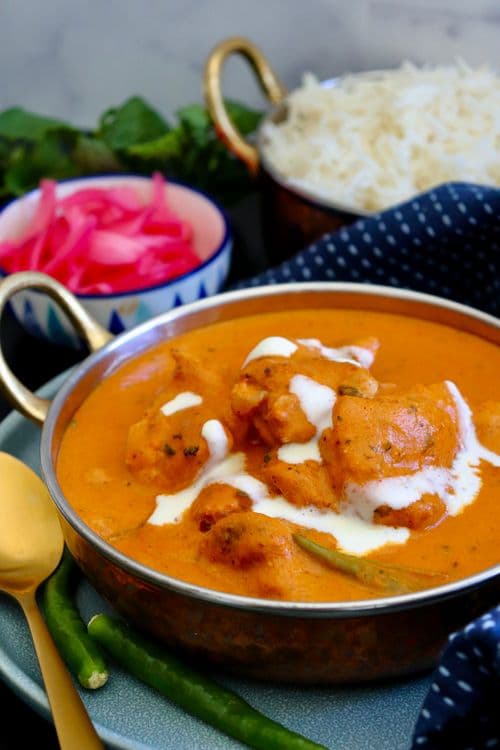
North of the Vindhyas the staple is wheat, not rice, and that single fact shapes everything else. The 54 north indian recipes here come out of that wheat belt: a griddle bread or a leavened round pulled off the clay oven wall, a bowl of something slow-cooked and dark to tear it into, and a spoon of dairy stirred through at the end. Layered over that farmhouse base is four hundred years of Mughal court cooking, all nuts and saffron and cream, which is why a Lucknowi korma and a Punjabi kadhi can sit on the same table and both feel native.
I have cooked from this collection long enough to know where north indian food usually goes wrong at home: the onion-tomato base gets rushed, the tandoor gets swapped for a cold pan, and the cream goes in boiling. Fix those three and most of the rest follows. Everything below is grouped by what a dish asks of you, not by what it gets called on a menu.
Butter Chicken and Paneer: The Restaurant Plate, Rebuilt at Home
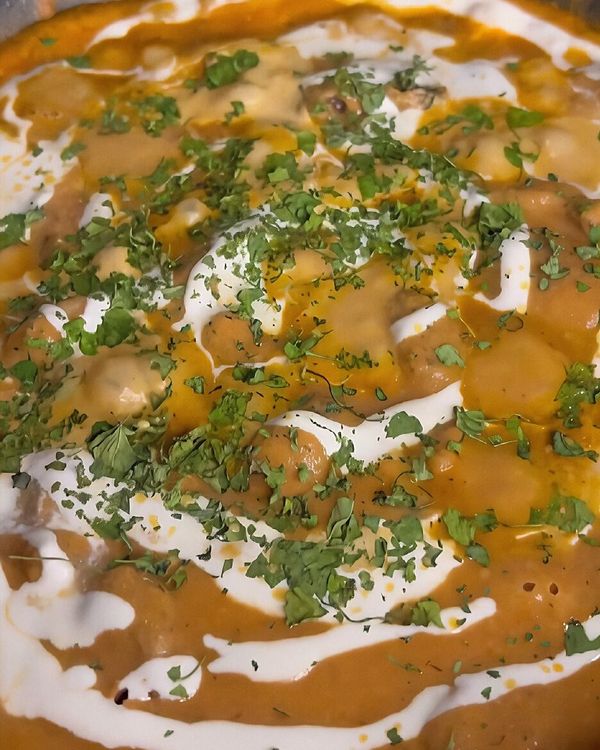
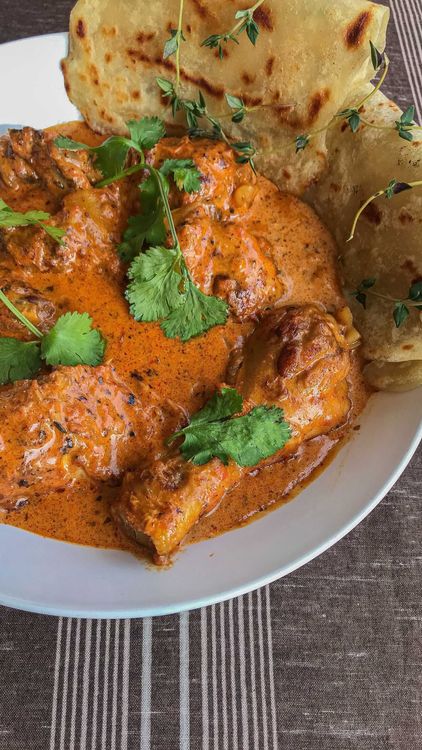
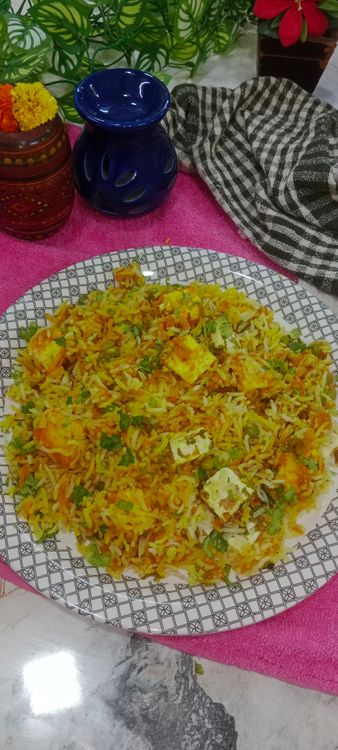
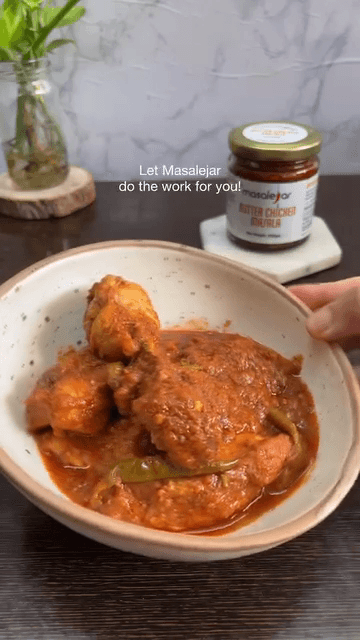
Makhani gravy is one recipe wearing two hats. Swap grilled chicken for pressed paneer and the pan work barely changes. What matters is the order: reduce the tomatoes until they go brick-dark and the fat separates out at the edges, blitz the lot smooth, then add cream at the end with the heat off. Five butter chicken builds sit here, from a five-ingredient weeknight pot to a full marinate-and-grill afternoon. Pick by the clock, not by the ingredient count.
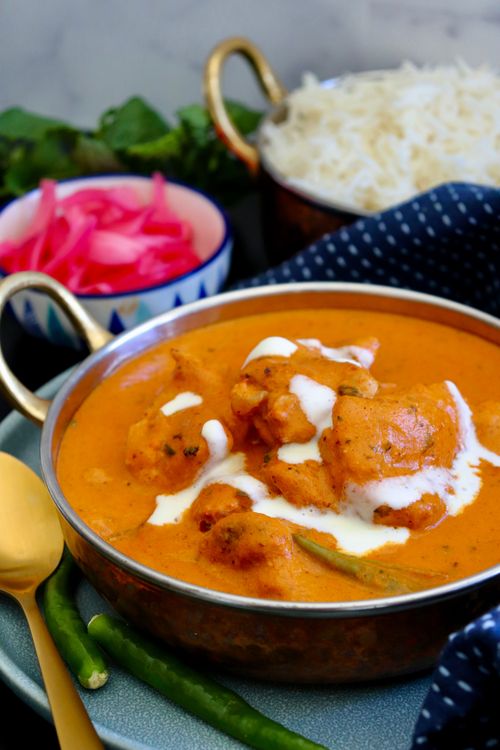

- Indian
- Gluten-Free
- Lunch
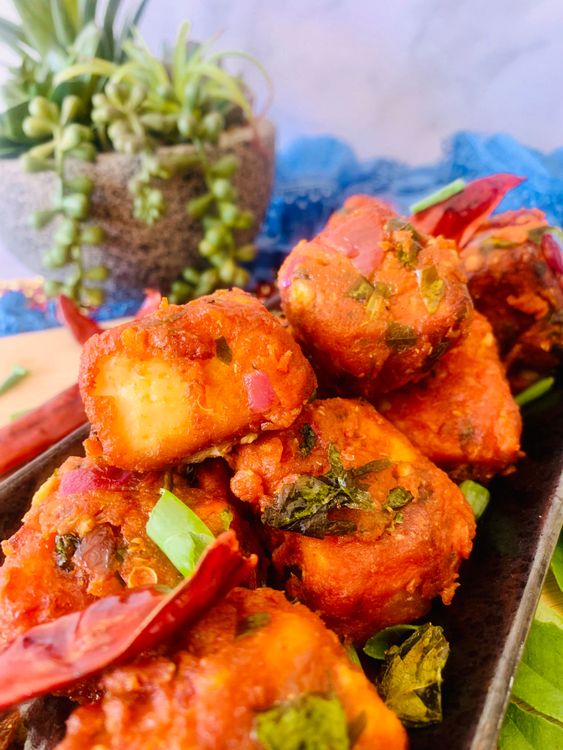
- Indian
- Vegetarian
- Appetiser
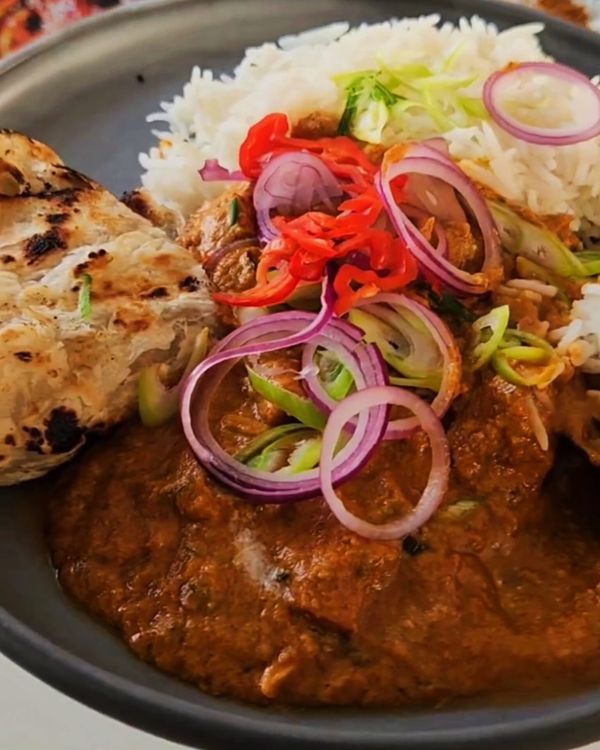

- Indian
- Non-Vegetarian
- Dinner

- Indian
- Non-Vegetarian
- Lunch
- Indian
- Non-Vegetarian
- Dinner

- Indian
- Vegetarian
- Dinner

- Indian
- Non-Vegetarian
- Dinner
- Indian
- Vegetarian
- Breakfast
- Indian
- Vegetarian
- Breakfast
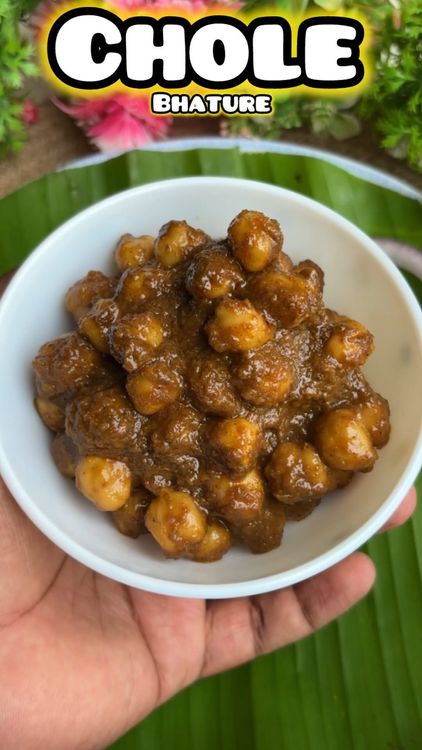
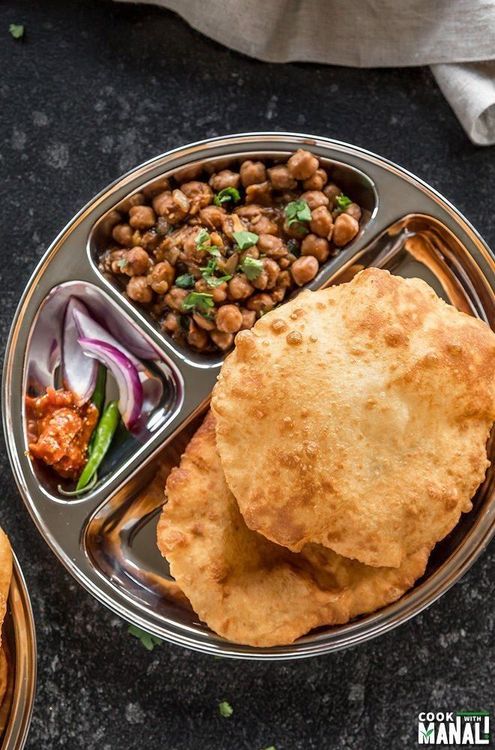
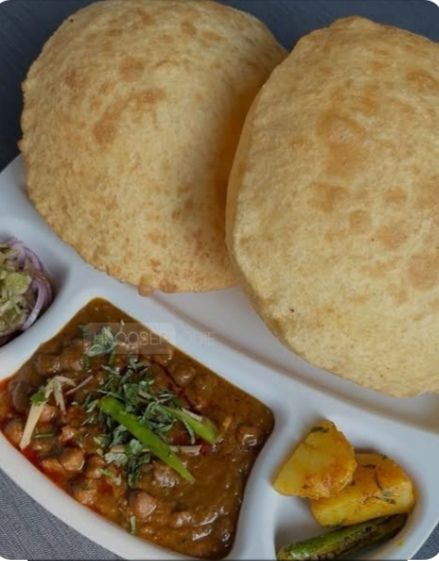
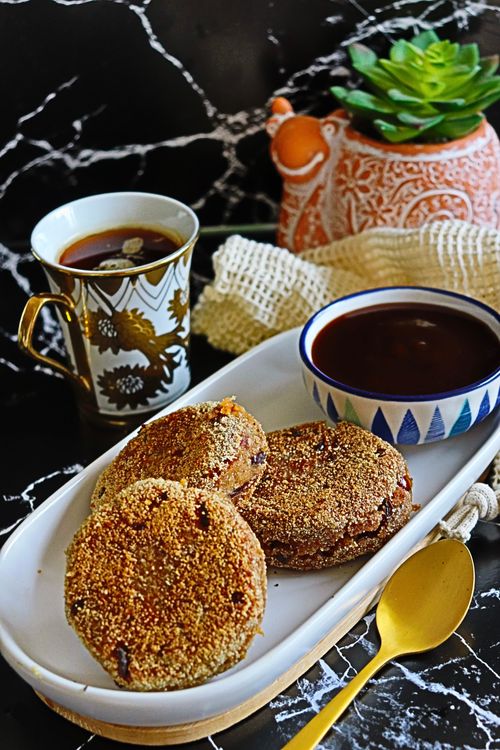
Dal, Chole and Rajma: The Legume Heart of North Indian Recipes
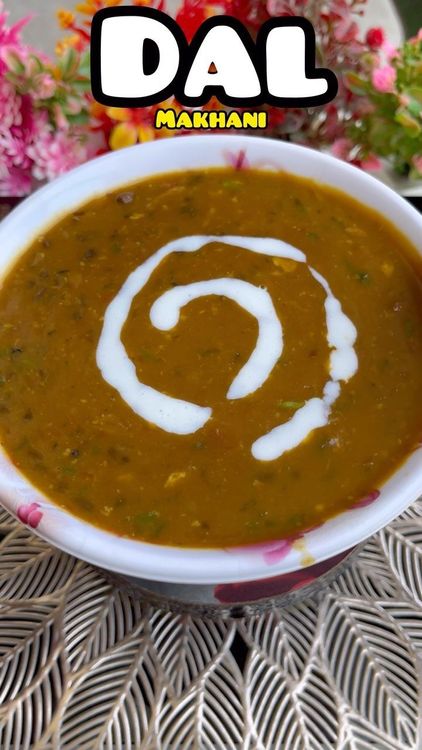
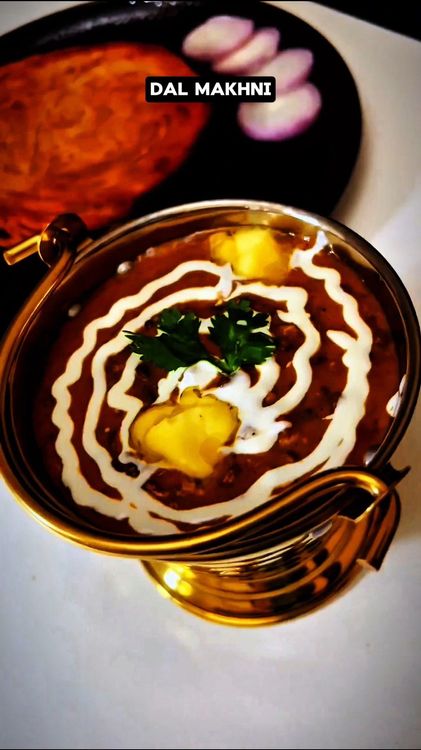
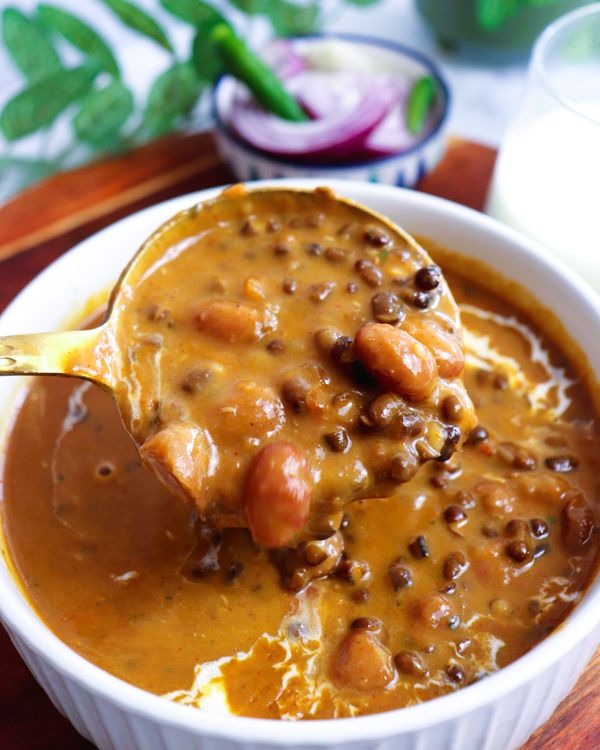
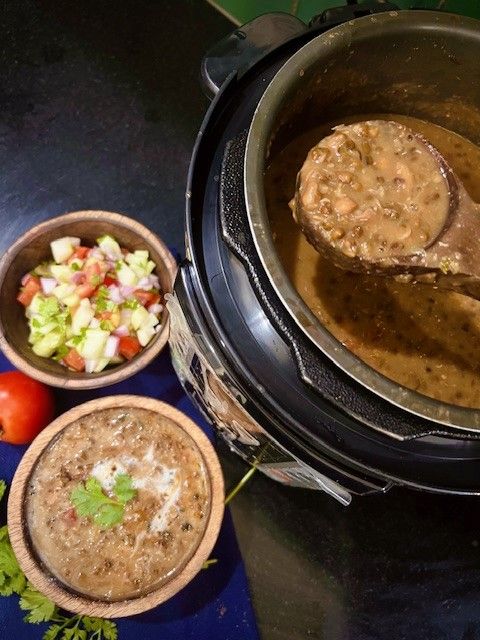
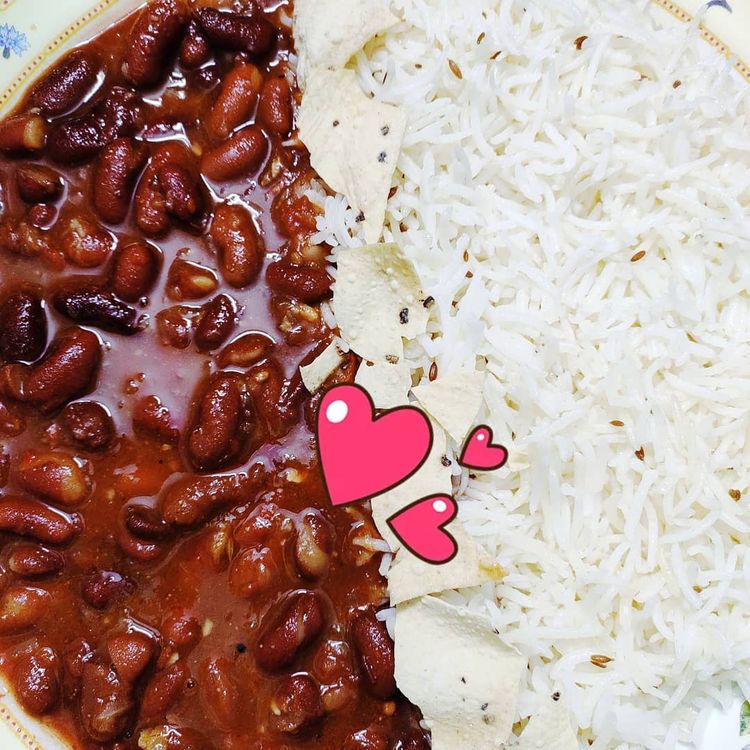
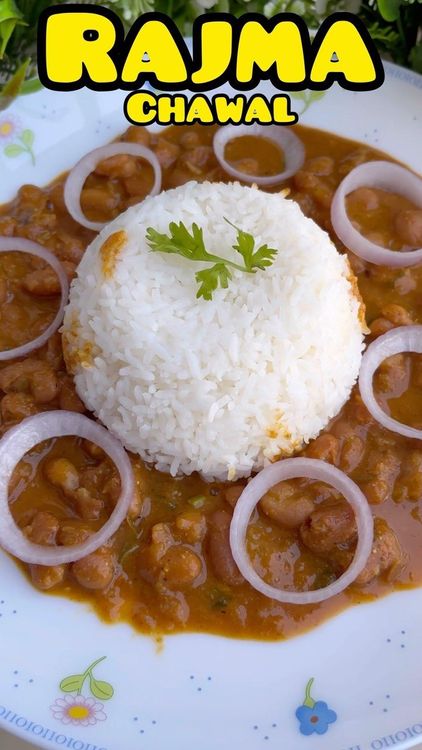
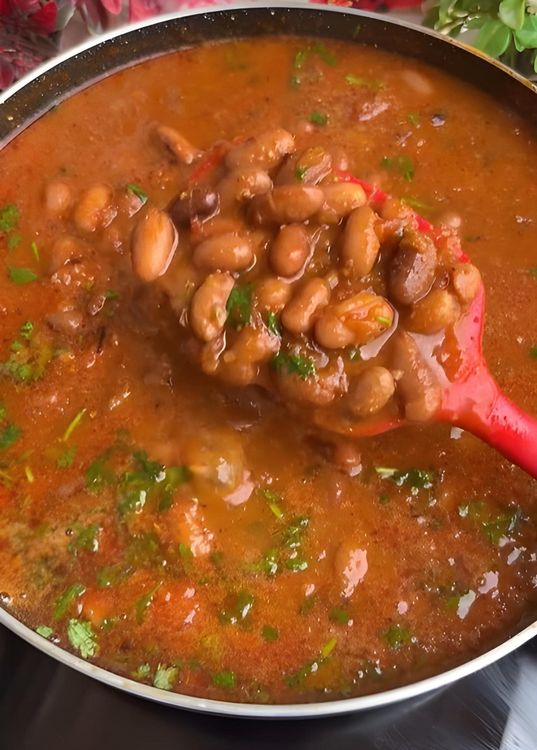
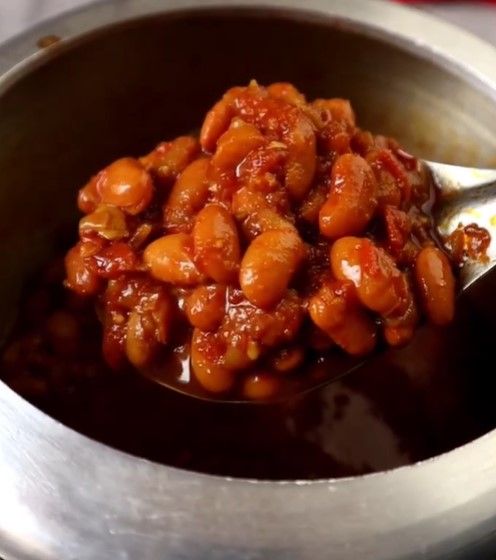
This is the protein of the plains: urad and rajma from the cold-weather fields, chana from more or less everywhere. Three rules cover all fourteen dishes below. Soak overnight, always, and don't believe the packet that tells you not to bother. Salt only after the skins have gone soft, or they toughen and stay that way for good. And finish with a tadka poured over the top rather than stirred in early, because the whole point is spice hitting the surface hot and loud.

- Indian
- Vegetarian
- Lunch
- Indian
- Vegetarian
- Lunch
- Indian
- Vegetarian
- Lunch

- Indian
- Vegetarian
- Lunch

- Vegetarian
- Main Course

- Indian
- Vegan
- Appetiser
- Indian
- Vegan
- Breakfast
- Indian
- Vegetarian
- Lunch

- Indian
- Vegetarian
- Lunch
- Indian
- Vegan
- Snack
- Punjabi
- Non-Vegetarian
- Lunch
- Indian
- Vegetarian
- Lunch
- Indian
- Vegan
- Lunch
- Indian
- Vegan
- Dinner
Tandoori and Grilled: Char Without a Clay Oven
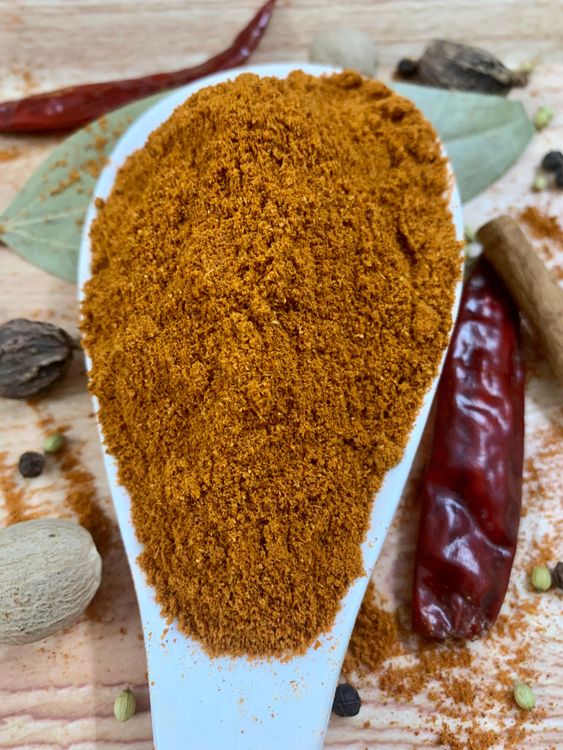
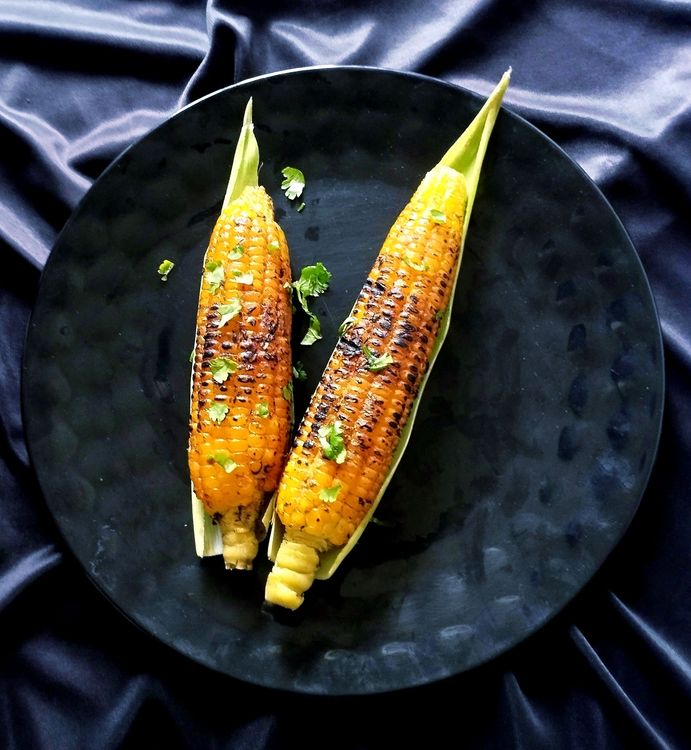
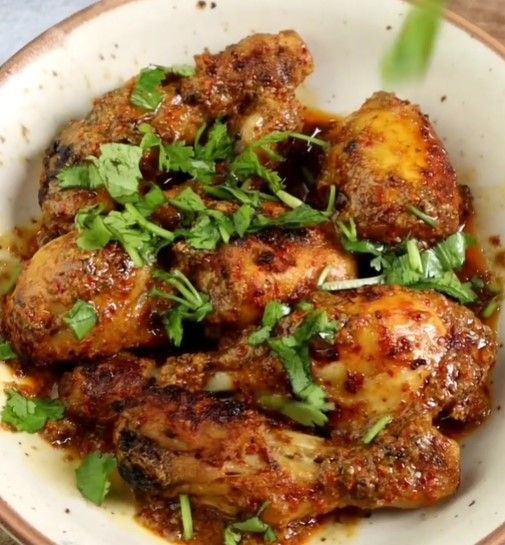
Four dishes, no clay oven between them, and it doesn't matter much. Tandoori flavour comes from three things you can reproduce in any kitchen: a yogurt marinade with enough acid to tenderise, a rub with enough chilli and mustard oil to stain everything it touches, and heat aggressive enough to char the outside before the inside overcooks. An oven grill at full blast, an air fryer at 200C, or a cast-iron pan you have preheated for five honest minutes will all get you most of the way.
- Indian
- Vegan
- Sauce & Condiment
- Indian
- Vegetarian
- Snack
- Indian
- Vegetarian
- Lunch
- Indian
- Non-Vegetarian
- Dinner
Naan, Paratha and Bhatura: The Breads That Carry Everything
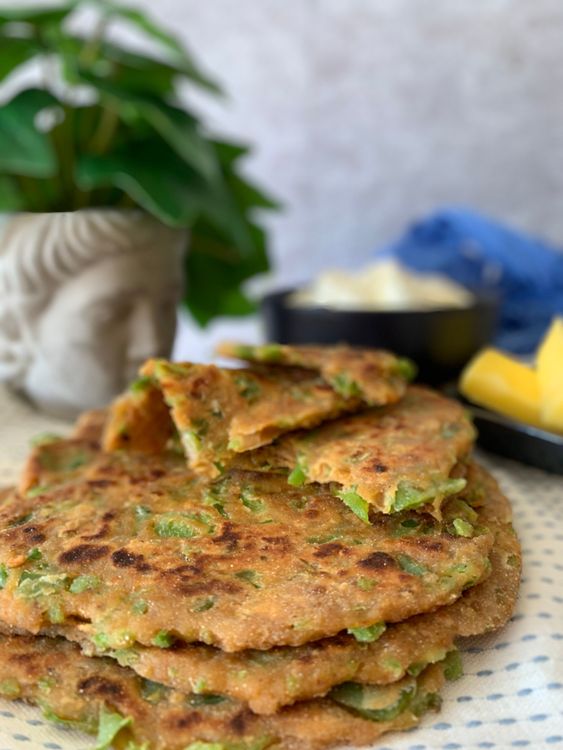
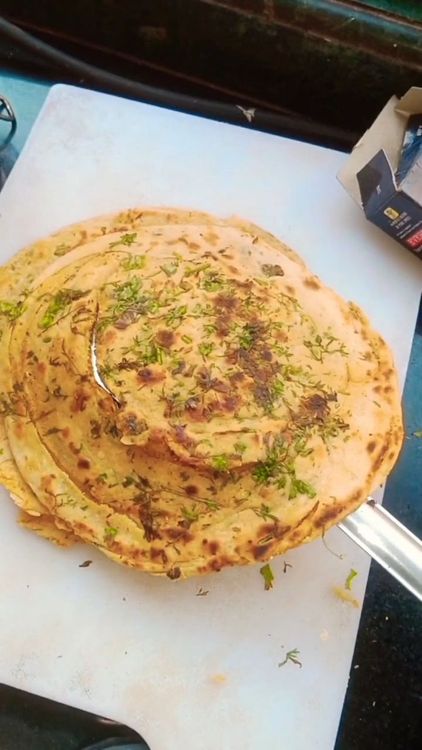
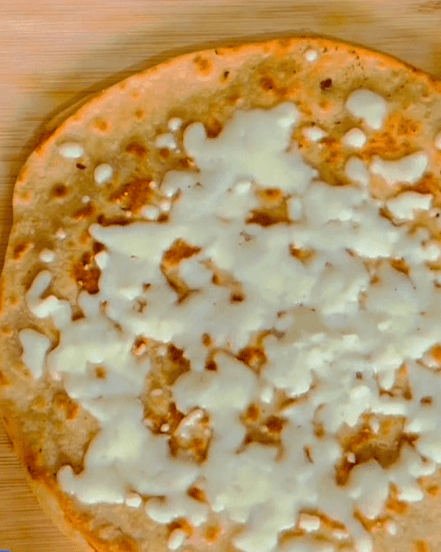
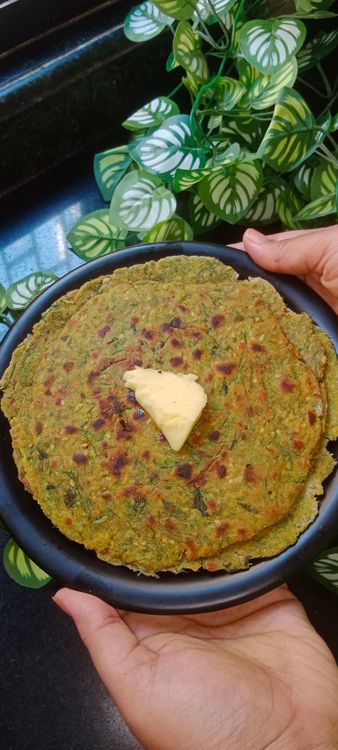
Bread is the plate up here, not the side. The split that matters is leavened versus not. Naan wants maida or atta, a lift agent and violent heat; paratha wants a soft rested dough, lamination or a stuffing, and a patient tawa. Eleven breads here span both ends, from a fourteen-minute emergency round to a properly proved garlic version that takes over an hour. Rest every dough at least twenty minutes. Gluten that hasn't relaxed will fight the pin and spring straight back thick.


- Asian
- Vegetarian
- Breakfast
- Indian
- Vegan
- Breakfast
- Indian
- Vegetarian
- Lunch


- Vegetarian
- Bread & Baking

- Indian
- Vegetarian
- Dinner

- Indian
- Vegetarian
- Breakfast
- Indian
- Vegetarian
- Snack

- Indian
- Vegetarian
- Dinner
- Indian
- Vegetarian
- Breakfast

- Indian
- Vegetarian
- Side Dish


- Indian
- Vegetarian
- Dinner
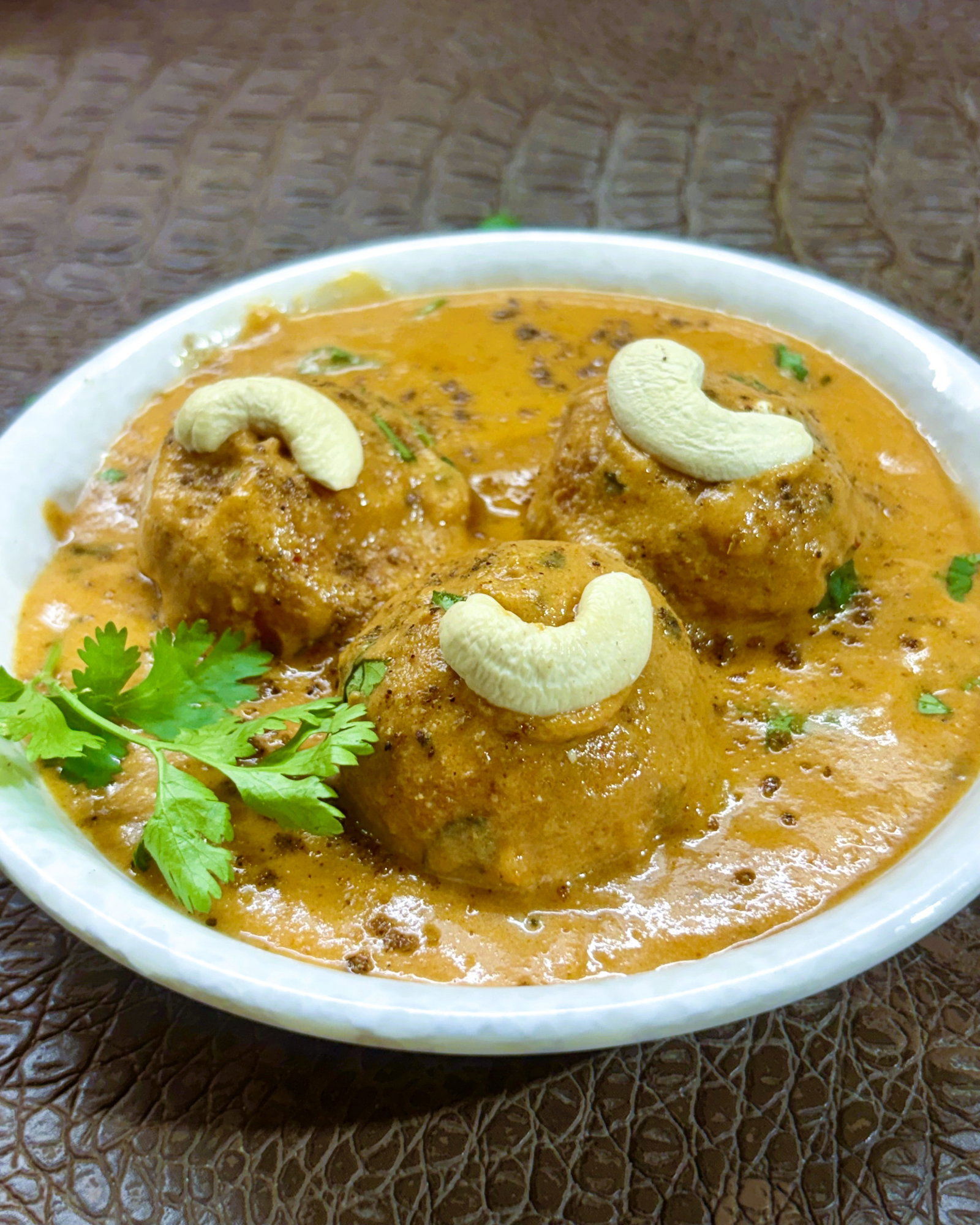
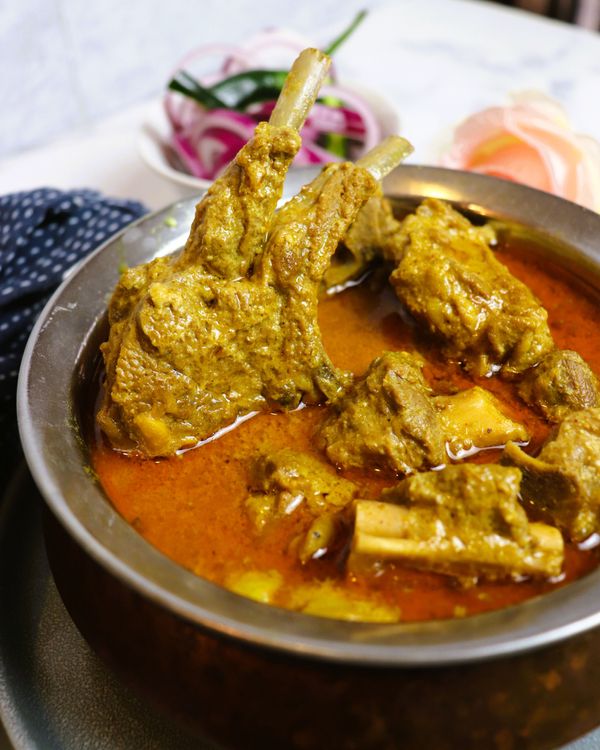
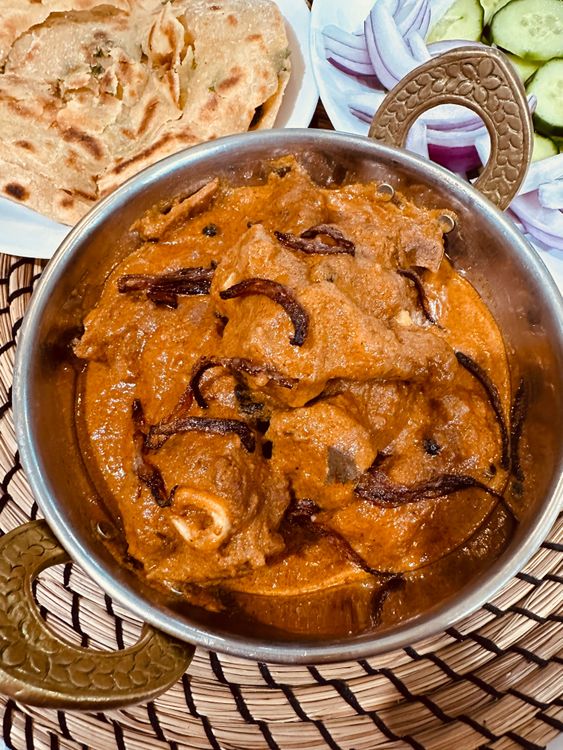
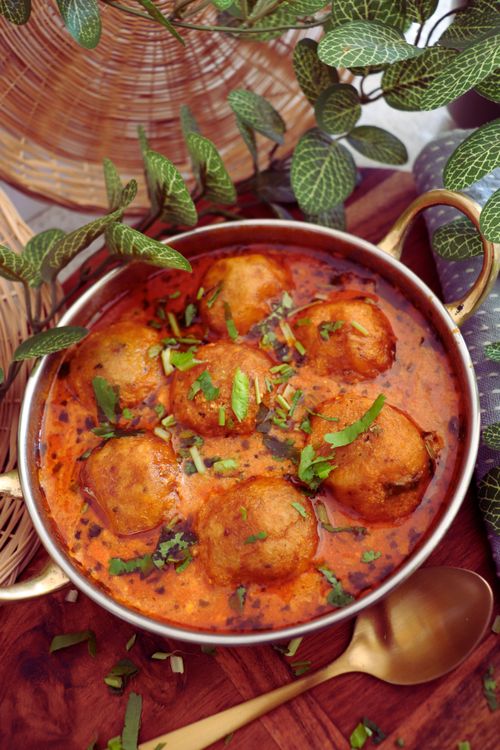
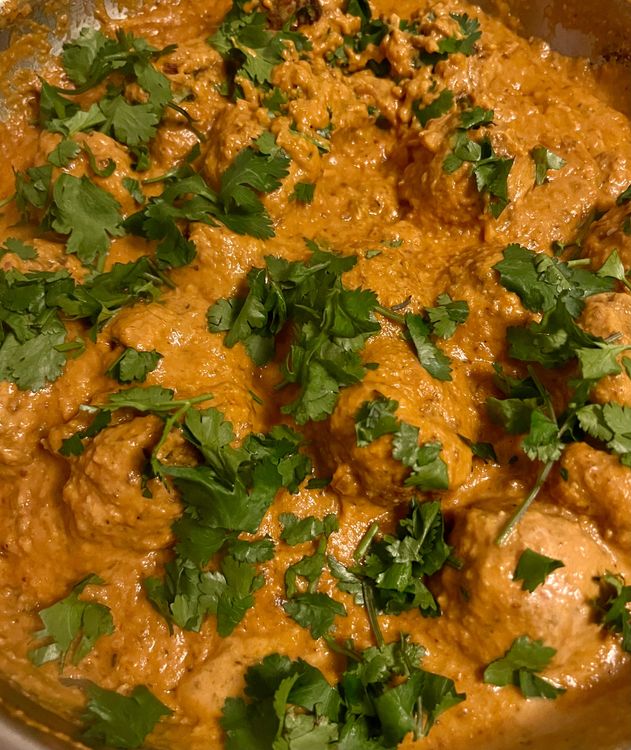
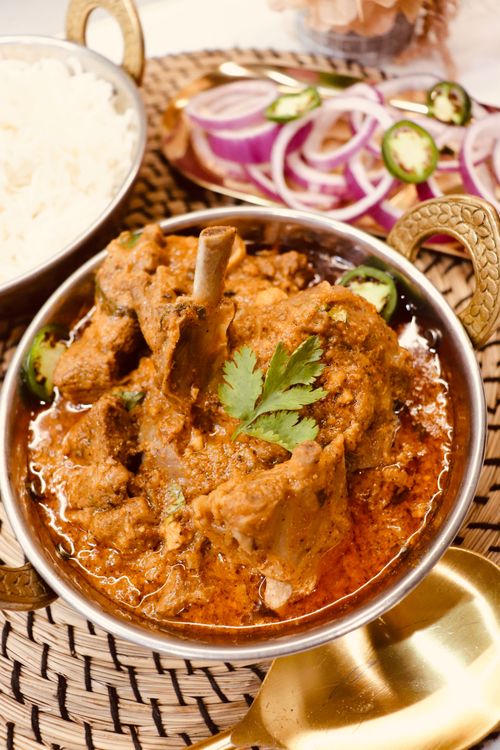
Mughlai Gravies: Korma and Kofta for a Long Afternoon
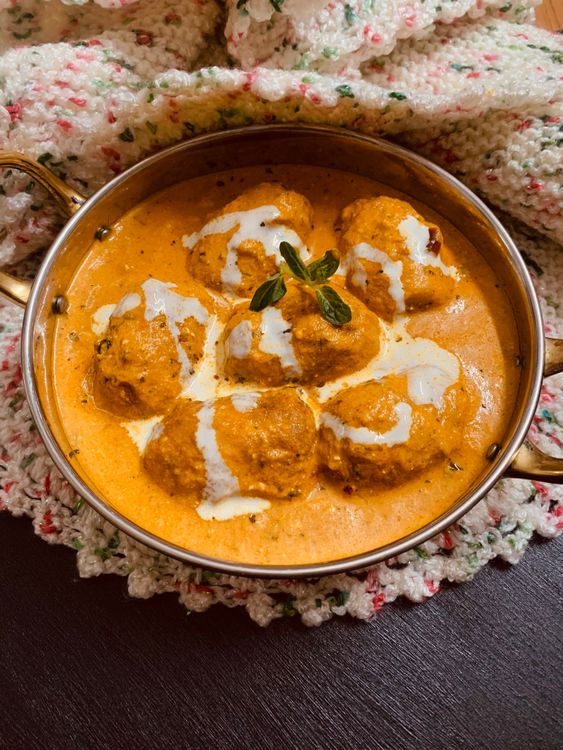
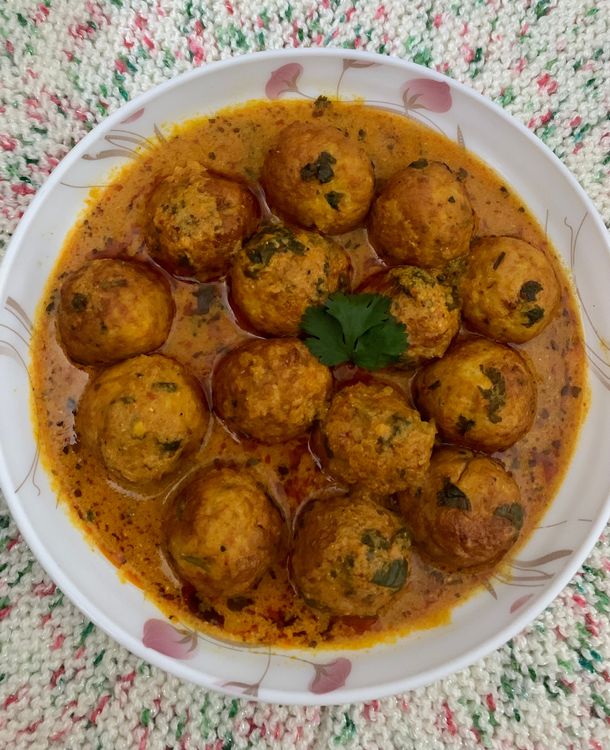
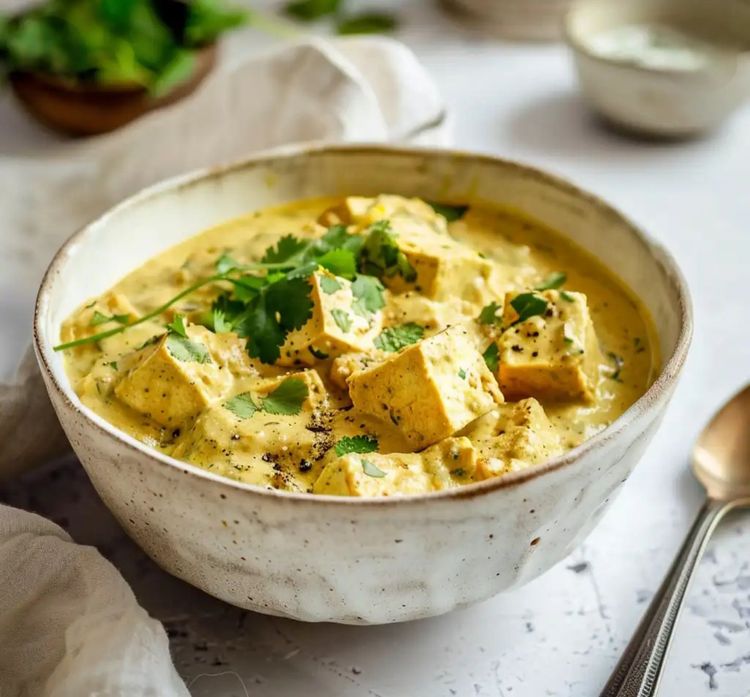
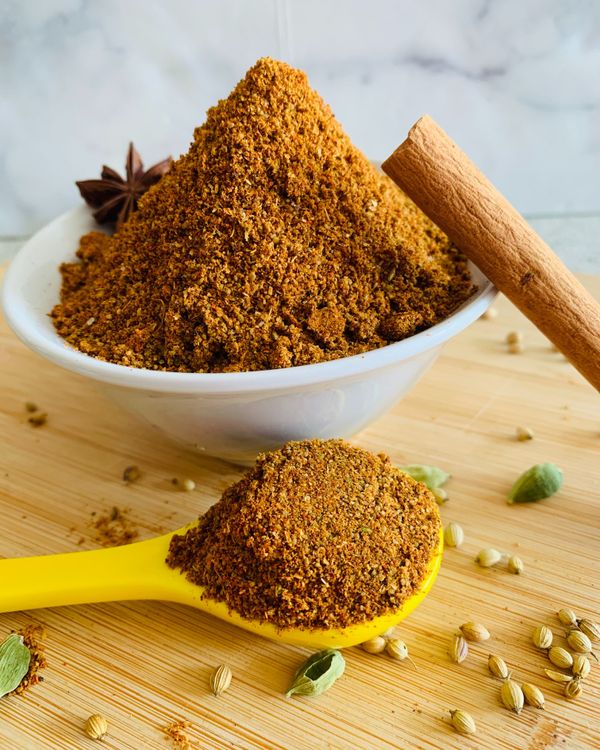
Korma and kofta are the Mughal inheritance: no tomato, or barely any, with browned onion, yogurt and ground nuts doing the thickening instead. They take time. The mutton kormas run two to three and a half hours, and they pay it back with a gravy that has no sharp edges anywhere in it. If you are planning a north indian dinner that has to impress somebody, build from this group, grind the spice blend first, and fry your koftas the day before.
- Indian
- Vegetarian
- Lunch
- Indian
- Non-Vegetarian
- Lunch

- Indian
- Vegetarian
- Lunch
- Vegetarian
- Main Course

- Vegetarian
- Main Course
- Indian
- Vegan
- Sauce & Condiment
- Indian
- Non-Vegetarian
- Lunch
- Indian
- Non-Vegetarian
- Lunch
- Indian
- Vegetarian
- Lunch

- Indian
- Vegetarian
- Lunch
- Indian
- Non-Vegetarian
- Dinner
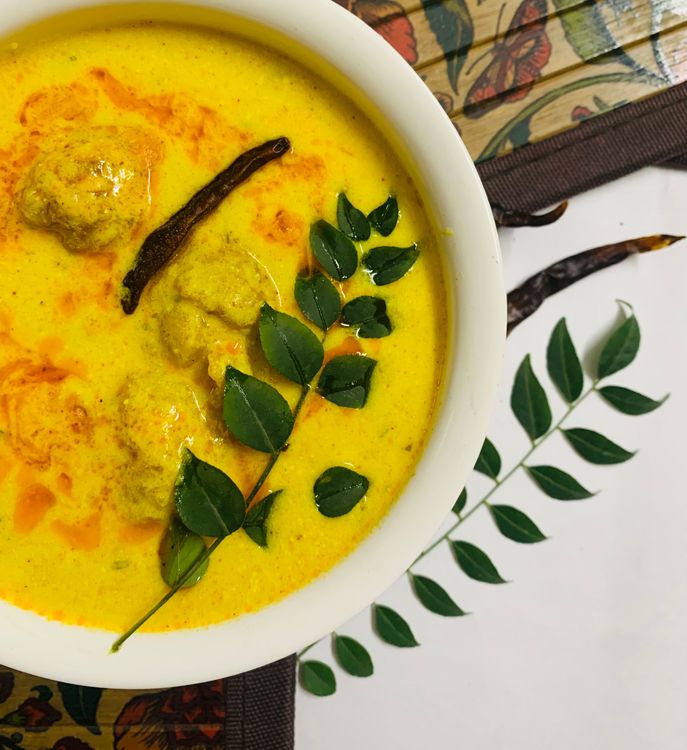
Kadhi and the Everyday Bowl
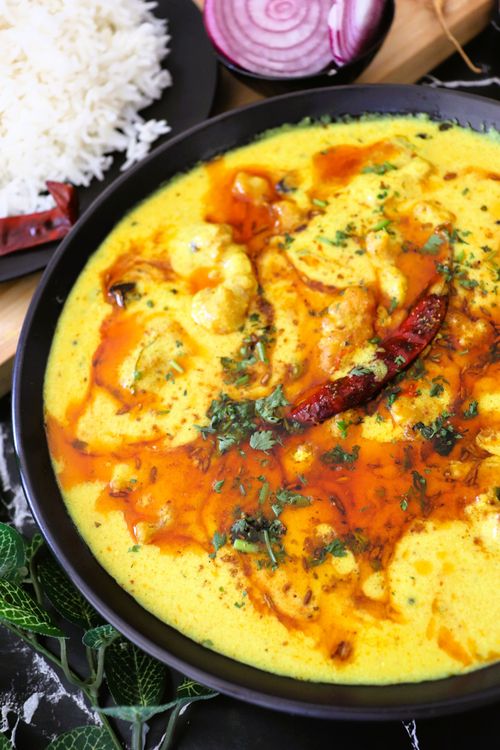
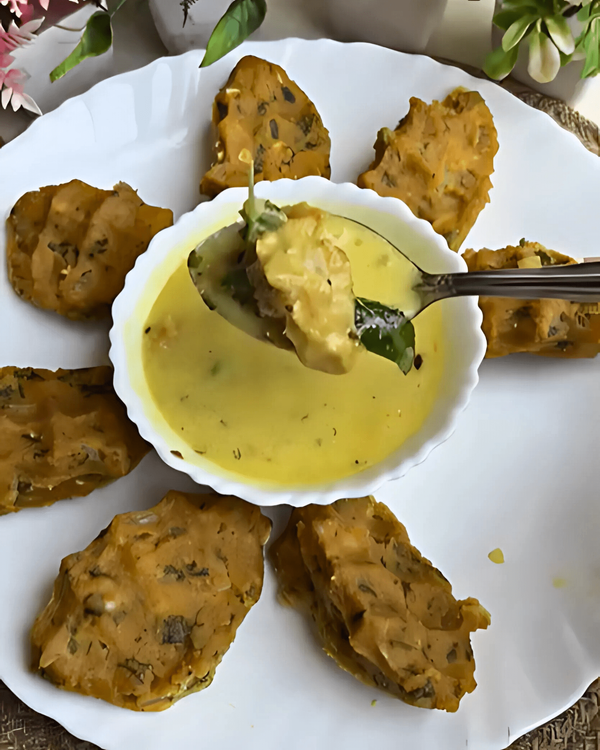
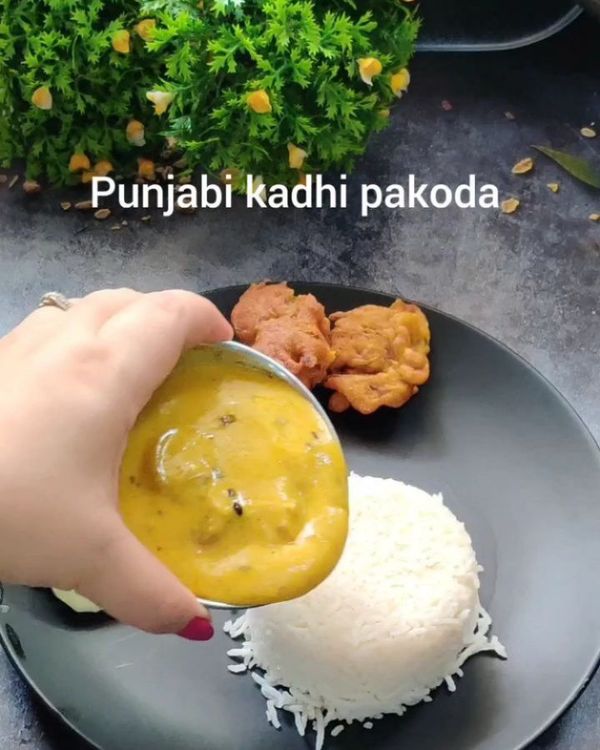
Kadhi is besan and soured curd cooked until neither one tastes raw, and it is the bowl that appears when there is nothing much in the house. Three Punjabi-leaning versions here, one sharper Khandeshi outlier, and a Goan cooler that isn't kadhi in any real sense but carries the name anyway. All of them split if you rush them. Low heat, constant stirring for the first ten minutes, and then leave the pot alone. It is also the standard sour note on a north indian thali, doing a job nothing else on the tray can.
- Indian
- Vegetarian
- Lunch

- Goan
- Vegan
- Appetiser
- Punjabi
- Vegetarian
- Lunch
- Indian
- Vegetarian
- Lunch

- Indian
- Vegetarian
- Lunch
The North Indian Masala Base (Onion, Tomato, Ginger, Garlic)
Almost every gravy in this collection starts the same way, and the order is not negotiable. Hot fat first, ghee or a neutral oil, then whole spices for thirty seconds until the cumin stops sizzling loudly. Onions next, sliced thin and cooked far longer than you think is reasonable: eight to twelve minutes over medium heat, until they are the colour of a paper bag. Not gold, not black. This is where most home versions quietly fail. Pale onions give you a gravy that tastes raw and thin no matter how much garam masala you throw at it later on. Ginger-garlic paste goes in after the onions and needs only a minute, because burnt garlic is bitter and unfixable.
Then tomatoes, chopped or pureed or both, cooked until the fat visibly separates and pools at the edge of the pan. That separation is the signal, not the clock. Bhuna, everybody calls it, and no timer replaces watching for it. Powdered spices go in at that point, off the boil, with a splash of water so they bloom instead of scorching: turmeric, coriander, red chilli, salt. What makes north indian cuisine taste unlike a Bengali or Chettinad base is proportion rather than ingredients, more onion, no coconut, and tomato doing the acid work that tamarind does further south. Make a double batch, cool it, freeze it flat in a bag. A weeknight curry then takes twenty minutes.
Tandoor, Tawa and Dhaba Cooking
Three surfaces do most of the work up here, and almost nobody owns the first one. A real tandoor is a clay pit running at around 480C, and its two gifts are speed and radiant heat arriving from every side at once: naan puffs and blisters before the dough can dry out, chicken chars on the outside while staying wet in the middle. You can fake both. Get a cast-iron pan hotter than feels sensible, slap the wet side of the dough down, cover it for forty seconds until bubbles rise, then turn the pan upside down over the flame so the top blackens. For meat, an oven's top grill element at full heat with a rack set high gets you two-thirds of the way there, and an air fryer at 200C gets you further than it has any right to.
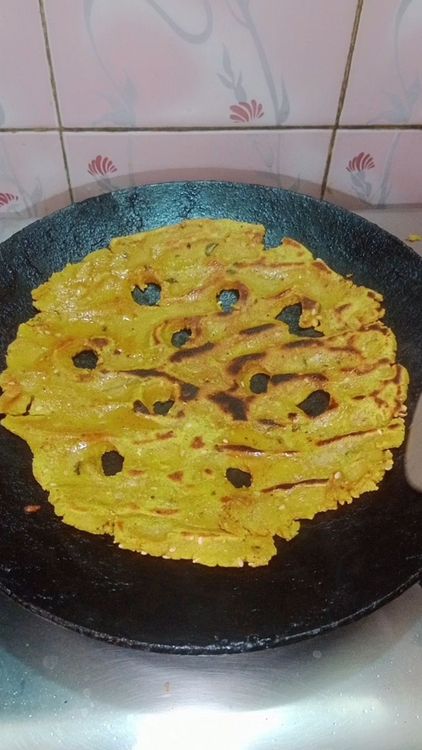
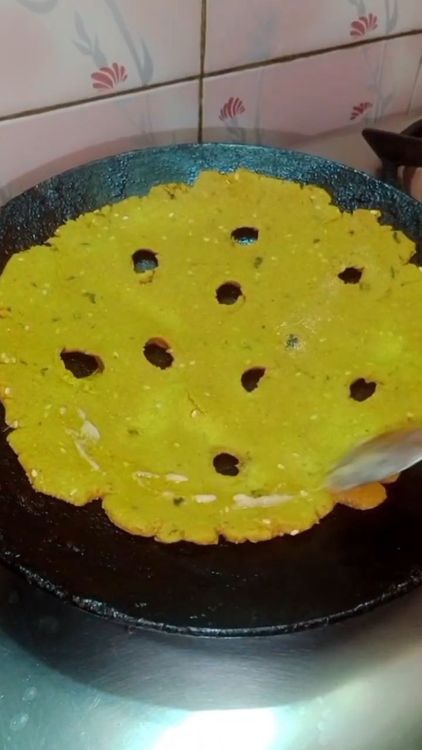
The tawa is the everyday one, a flat or slightly convex iron griddle for paratha, roti and thalipeeth. It wants to be hot but not smoking, and it wants ghee applied after the first flip rather than before. The dhaba is the third thing, and it is a style more than a tool: highway kitchens along the Punjab trunk roads, reheating the same gravies all day, finishing with a charcoal smoke called dhungar for that ashy edge. Drop a lit coal into a steel cup, sit it in the pot, pour a spoon of ghee over it, lid on for ninety seconds. That one trick makes home north indian food taste like it came off a truck stop at midnight.
Dairy: Ghee, Cream, Paneer and Curd
The plains are cattle country, and dairy shows up doing four separate jobs. Nowhere else on the subcontinent leans on it this hard, and it is fair to say that north indian cuisine without dairy would barely be the same thing at all. Ghee is both the cooking fat and the finishing fat: it has no water and no milk solids left in it, so it takes high heat that butter simply cannot, and a spoonful stirred in raw at the end carries aroma that cooking it in never delivers. Cream is structural in makhani gravies, and it is also the most misused ingredient in the kitchen. It goes in at the very end, off the heat, stirred and never boiled. Boil cream in an acidic tomato gravy and it will split into grain in front of you.
Paneer is fresh, unaged and rennet-free, milk cracked with lemon or vinegar and pressed for twenty minutes if you want it sliceable, forty if you want cubes that hold through a simmer. Shop-bought is usually too firm; soak it in hot salted water for ten minutes and it softens back toward the texture it should have had. Curd is the fourth and the tricky one. It tenderises tandoori marinades through acid, it thins out into kadhi, and it splits the second it meets a rolling boil. Whisk it smooth with a spoon of besan first, add it with the pan off the flame, then bring the pot up slowly, stirring the whole time.
Pro Tips
- Cook your onions to the colour of a paper bag, not gold, which takes eight to twelve minutes over medium heat. Every gravy on this page is downstream of that one decision, and no amount of garam masala later rescues a pale base.
- Salt legumes only after the skins have gone soft. Salt them early and rajma in particular stays chalky through an extra hour of simmering, and there is no route back once it does.
- Crush kasuri methi between your palms over the pot instead of sprinkling it in. The friction releases the oil in the leaves; whole leaves dropped straight in just sit on top and go soggy.
- Pour the tadka over dal at the table, not into the pot on the stove. The hiss and the smell are half the dish, and tempering stirred in early loses both within a minute.
- Soak shop-bought paneer in hot salted water for ten minutes before it goes anywhere near a gravy. It leaves the packet too firm and leaves the water tasting like it was made this morning.
- Make the onion-tomato base in double batches and freeze it flat in bags. A Wednesday curry becomes a twenty-minute job instead of an hour, which is the difference between cooking and ordering in.
Frequently Asked Questions
What actually separates northern Indian cooking from the south?
Grain and fat, mostly. The north eats wheat in the form of roti, paratha and naan where the south eats rice, and it cooks in ghee and mustard oil where the south reaches for coconut. The souring agent differs too: tomato and curd up here, tamarind and kokum down there. Layer on four centuries of Mughal court cooking and you get nuts, saffron and cream.
Which of these north indian recipes should a beginner cook first?
Start with the forty-minute butter chicken at five ingredients, or the ten-ingredient rajma masala. Both are one-pot, both are forgiving, and both teach the base sequence you will reuse everywhere: fat, whole spice, onion, ginger-garlic, tomato, powdered spice, liquid. Once that order is muscle memory, the kormas and the koftas stop looking intimidating and start looking merely long.
How do I get restaurant flavour into a north indian curry at home?
Three things, in order of impact. Reduce the tomatoes until the fat visibly separates, which restaurants do in bulk every single morning. Add charcoal smoke with the dhungar trick, thirty seconds of effort for an unmistakable result. And finish with cream or ghee off the heat, never at a boil. Restaurants also use more fat than you are comfortable with. Nobody advertises that part.
What actually goes on a north indian thali?
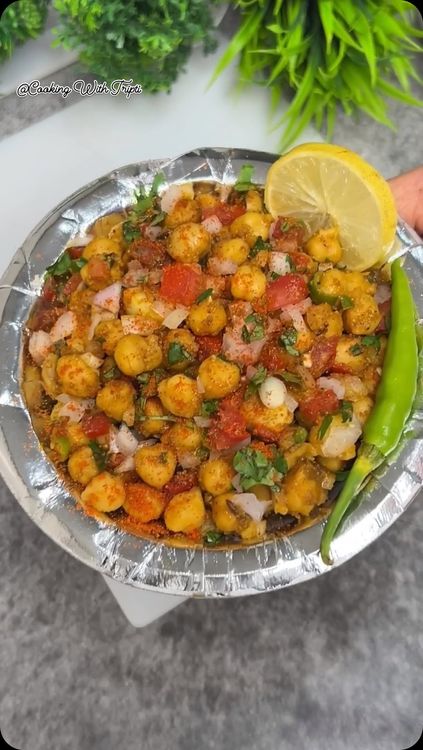
A dal or legume bowl, one dry vegetable, one gravied dish, bread, rice, curd or raita, a pickle, and something sweet. The logic is balance rather than abundance: something rich set against something sharp, something soft against something crisp. Build one from this page with dal makhani, tandoori corn, a paratha, kadhi on the side and chole chaat carrying the sour note.
Can I make the tandoori dishes without a tandoor?
Yes, and most Indian home kitchens never had one either. The tandoor was a village or restaurant fixture, not a domestic tool. Use your oven's top grill at maximum with the rack set high, or an air fryer at 200C, which circulates hot air aggressively enough to blister a marinade properly. You lose some radiant char. You keep almost all of the flavour.
Why does my kadhi or korma keep splitting?
Heat and speed. Curd is an emulsion of protein and fat, and a rolling boil shocks the protein into curds while the fat walks away. Whisk the curd smooth with a spoonful of besan first, which stabilises it, add it with the pan off the flame, then bring the pot up slowly while stirring. After ten gentle minutes it is safe.
How much of this can I cook ahead of time?
More than you would think. Every legume dish here improves overnight, and dal makhani genuinely peaks on day two. Koftas fry well a day early and get sauced at the last minute. Marinades want twelve hours anyway. The exceptions are breads, which turn leathery within hours, and anything finished with cream. Make the base ahead, add the dairy the night you serve.
Are there enough vegetarian dishes in this collection?
Roughly three quarters of them. The wheat belt is one of the most vegetarian regions on earth and the collection reflects it: paneer, dal, chole, rajma, kadhi, every bread, the tofu korma and both vegetable koftas. Meat is the occasion food here, with butter chicken, tandoori chicken and three mutton kormas. Vegans should look at the tofu korma and the plain legume bowls.
That is 54 north indian recipes, and the honest summary is that maybe six techniques run through all of them. Brown your onions properly. Reduce the tomatoes until the fat breaks. Keep dairy off the boil. Get the pan hotter than feels safe before the bread goes on. Learn those, and the rest is shopping and patience.
Related
- punjabi
- mughlai
- tandoori
- paneer
- dal
- flatbreads
Popular Searches
- Best north indian recipes
- Easy north indian recipes
- Quick north indian recipes
- Healthy north indian recipes
- Simple north indian recipes
- Homemade north indian recipes
- Delicious north indian recipes
- Popular north indian recipes
- north indian food
- north indian cuisine
- north indian dinner
- north indian curry
Marnirni-apinthi Building, Lot Fourteen,
North Terrace, Adelaide, South Australia, 5000
Australia
