
40 Thanksgiving Turkey Recipes for a Feast Worth Gathering For
Updated July 9, 2026 · Curated by Chefadora
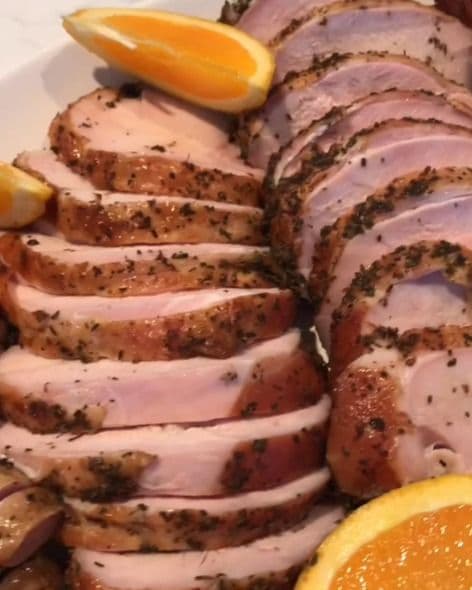
The turkey is the reason everyone gathers, but a great Thanksgiving is really the whole table working together. These thanksgiving turkey recipes start with the bird — herb-roasted, buttered, brined, or done the easy way — and then build outward to the sides, sauces, and desserts that make the meal feel complete. I've cooked a lot of these dinners, and the ones that go smoothly always come down to the same thing: a plan for the turkey and a plan for everything else.
So I've gathered forty dishes here and grouped them by course, from the main event to appetizers, classic sides, roasted vegetables, and a long run of desserts. Cooking for six or sixteen, you'll find a roast turkey to anchor the day, plus the stuffing, cranberry sauce, mashed potatoes, and pie to go around it. Read the roasting and gravy guides below before you shop — a little timing know-how is what turns a stressful cook into an easy one.
The Best Thanksgiving Turkey Recipes for the Main Event
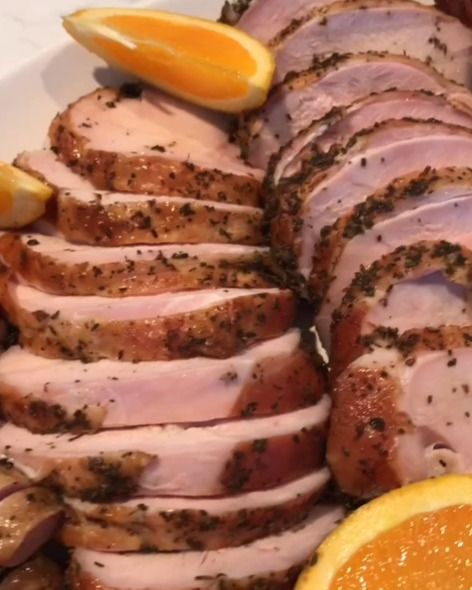
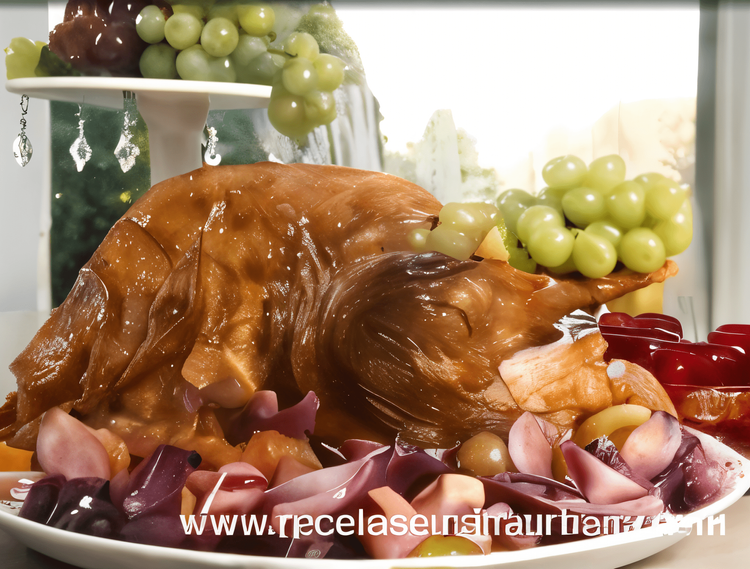
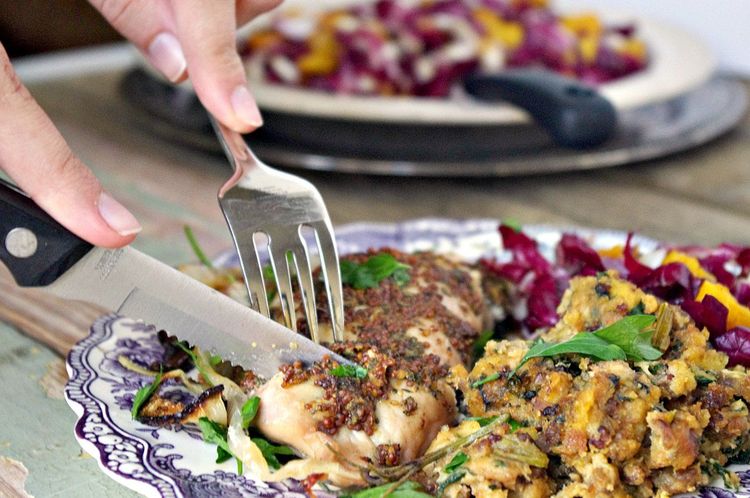
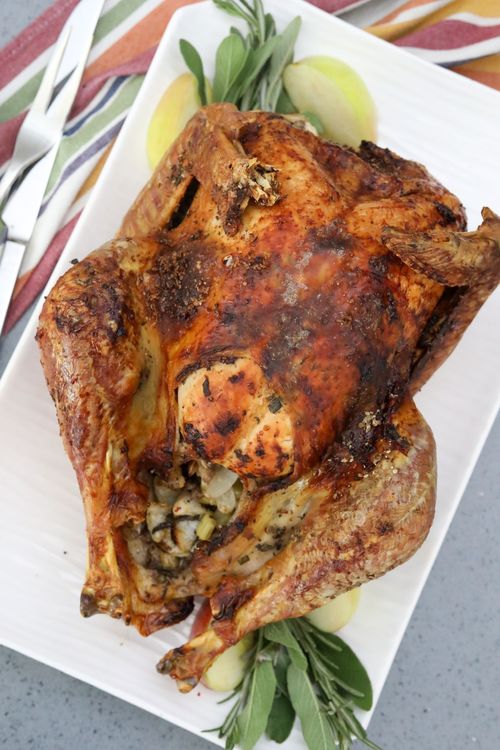
This is where the day is won or lost. These thanksgiving turkey recipes range from a dependable four-hour roast to an overnight apple-and-herb bird and a relaxed, two-hour menu — so you can match the method to your oven, your schedule, and your nerve. Whichever you choose, the fundamentals hold: season well, roast to a safe internal temperature, and rest the bird before carving. Pick one to anchor the table, then build the rest of the meal around it. If you're torn, the herb roast is the safe crowd-pleaser, the overnight bird rewards a little planning, and the two-hour menu is for the year you want the holiday to feel less like a marathon.
- American
- Non-Vegetarian
- Dinner
- American
- Non-Vegetarian
- Dinner

- American
- Non-Vegetarian
- Dinner
- American
- Non-Vegetarian
- Dinner


- Non-Vegetarian
- Lunch
Appetizers & Starters to Open the Feast
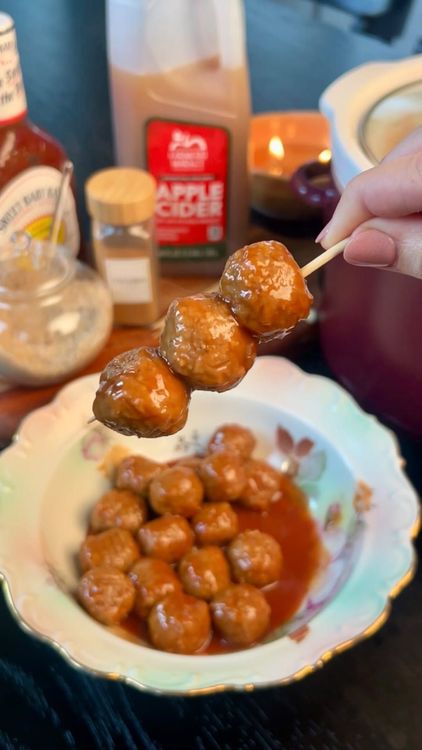
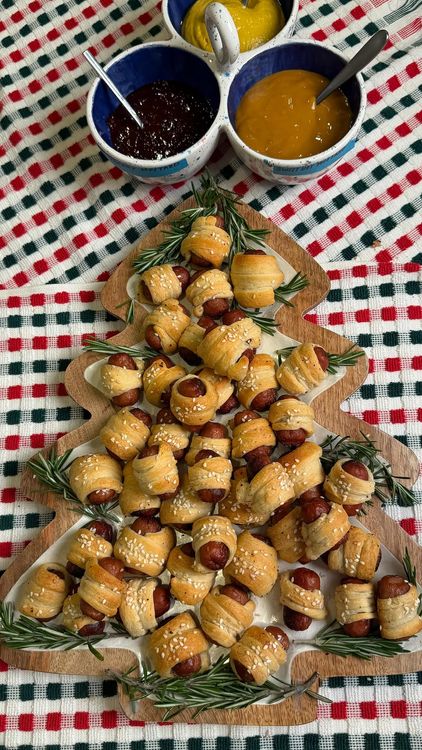
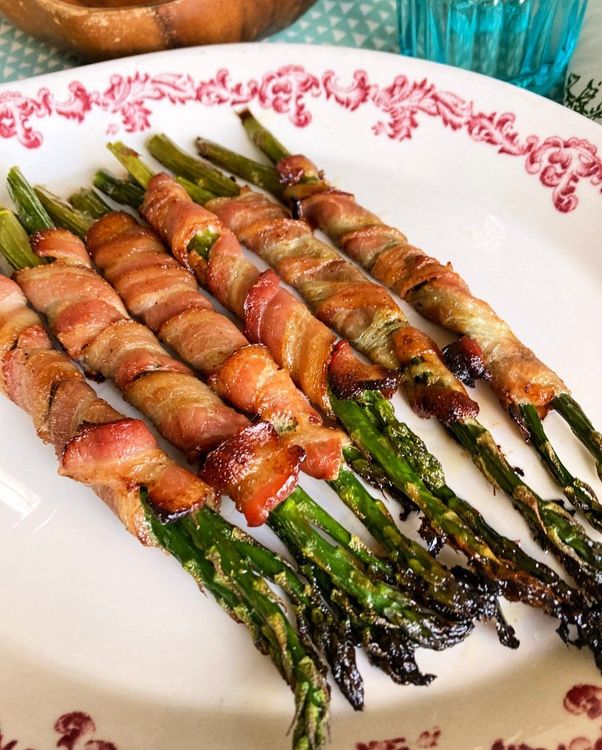
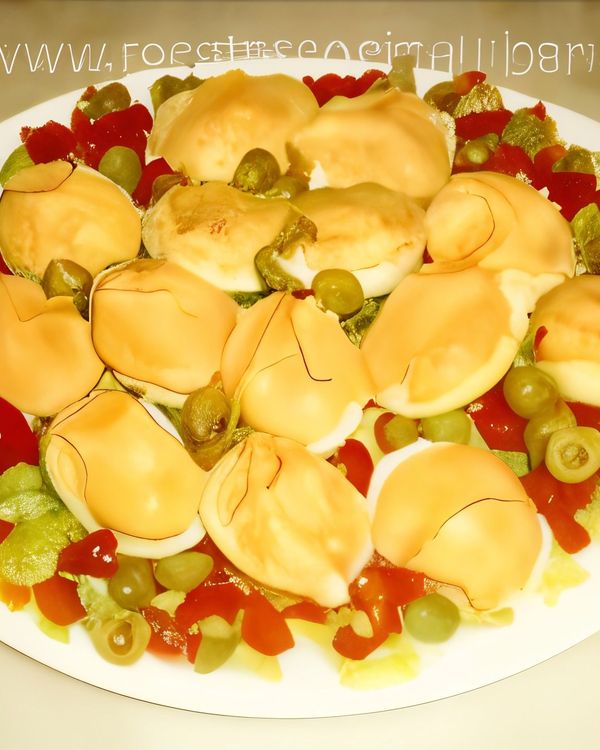
While the turkey rests and the oven does its work, these starters keep everyone happy. There's a warming pumpkin and butternut soup to begin at the table, slow-cooker cider meatballs and pigs in a blanket for grazing, bacon-wrapped asparagus and deviled eggs for something a little smarter, and cranberry turkey sandwich bites that turn early carving scraps into finger food. Most can be prepped ahead, so you're not chained to the kitchen when guests arrive.


- Non-Vegetarian
- Soup

- American
- Non-Vegetarian
- Appetiser
- American
- Non-Vegetarian
- Appetiser
- American
- Non-Vegetarian
- Appetiser
- International
- Pescatarian
- Appetiser

- American
- Non-Vegetarian
- Appetiser
- American
- Eggetarian
- Snack
Classic Sides, Stuffing & Casseroles
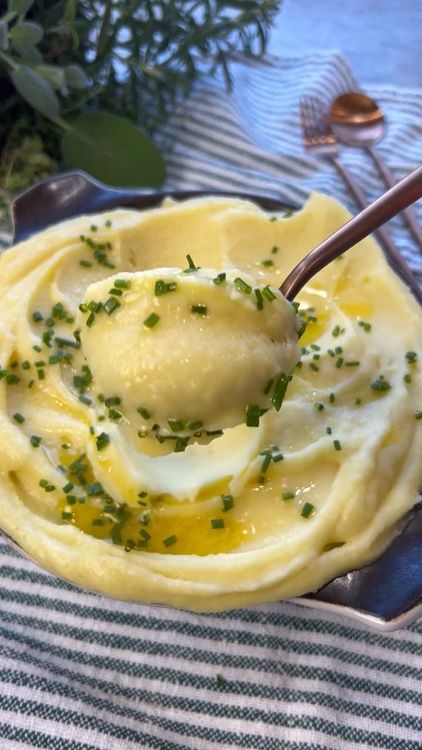
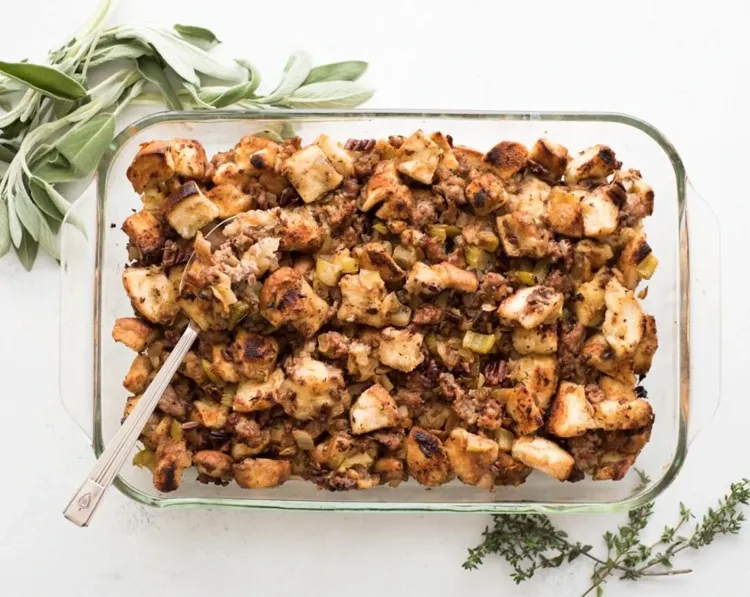
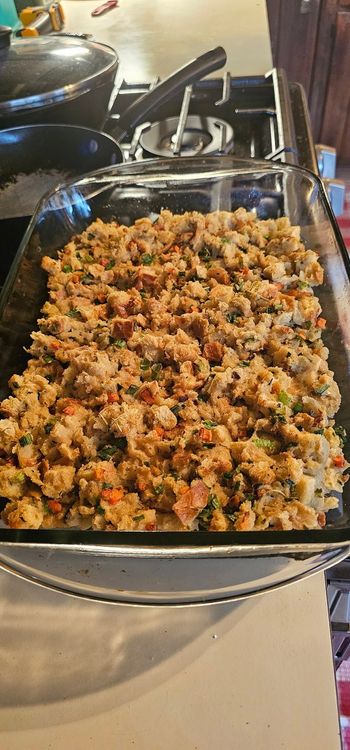
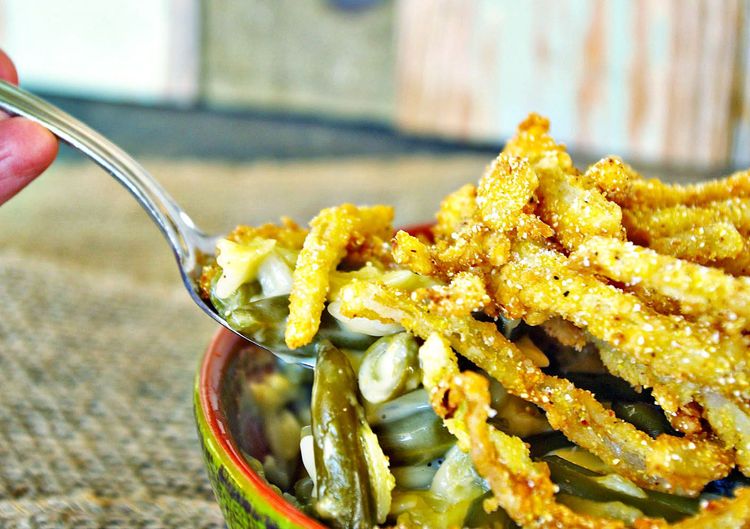
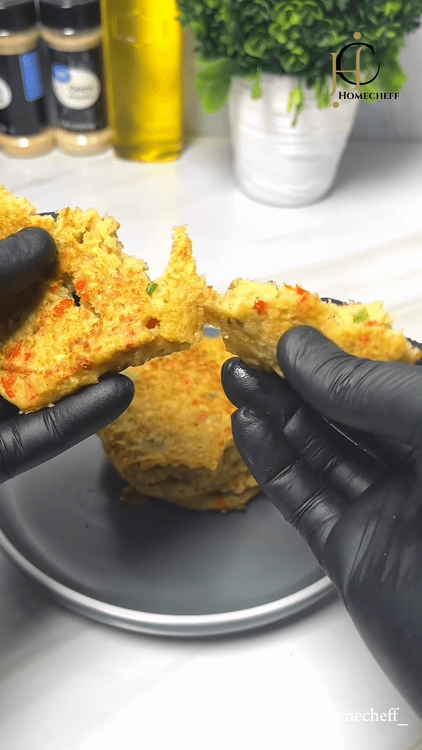
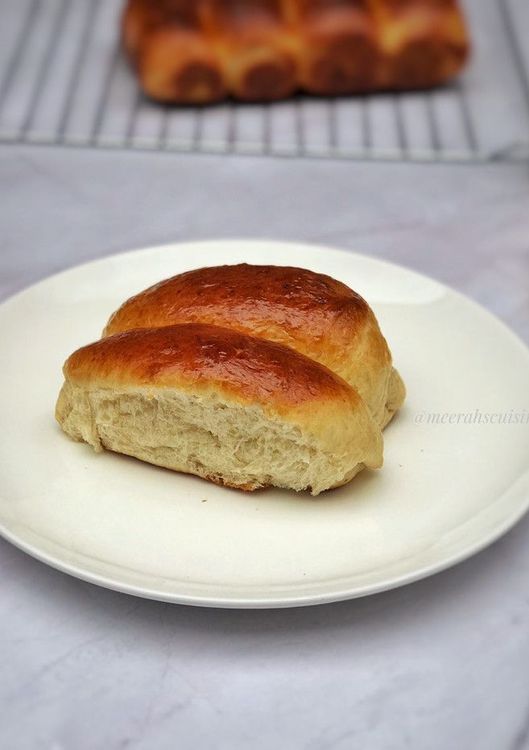
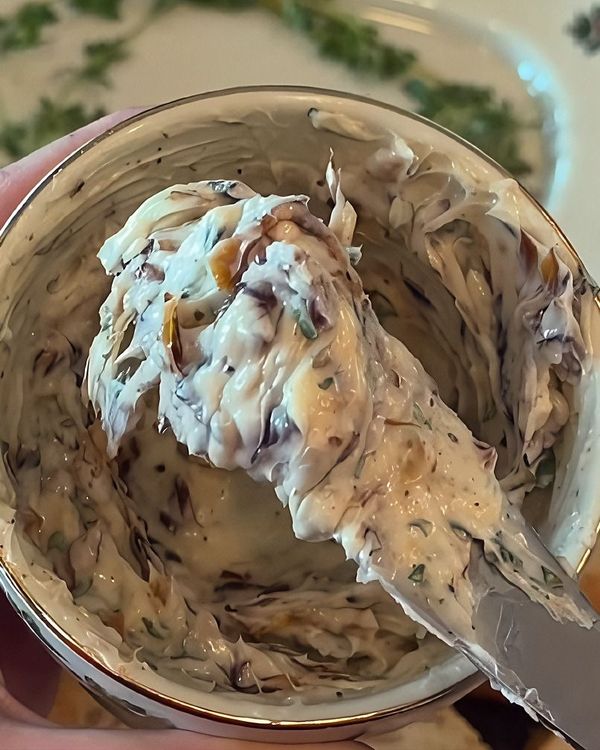
No plate is complete without the supporting cast. Here are the creamy mashed potatoes, two stuffings (one classic pork-and-apple, one bacon-and-sausage), a low-FODMAP sourdough version for sensitive guests, cheesy green bean casseroles, sweet potatoes, elegant potato stacks, soft dinner rolls, and a caramelized onion butter to tie it together. These are the make-ahead workhorses of the meal — assemble most the day before, then bake and reheat while the turkey rests so everything lands hot at once.
- American
- Vegetarian
- Side Dish
- American
- Non-Vegetarian
- Dinner


- American
- Non-Vegetarian
- Side Dish
- American
- Non-Vegetarian
- Lunch
- American
- Non-Vegetarian
- Dinner


- American
- Non-Vegetarian
- Dinner

- American
- Vegan
- Side Dish

- Vegetarian
- Side Dish

- Asian
- Eggetarian
- Lunch
- American
- Vegetarian
- Sauce & Condiment
Roasted Vegetables, Salads & Cranberry Sauce
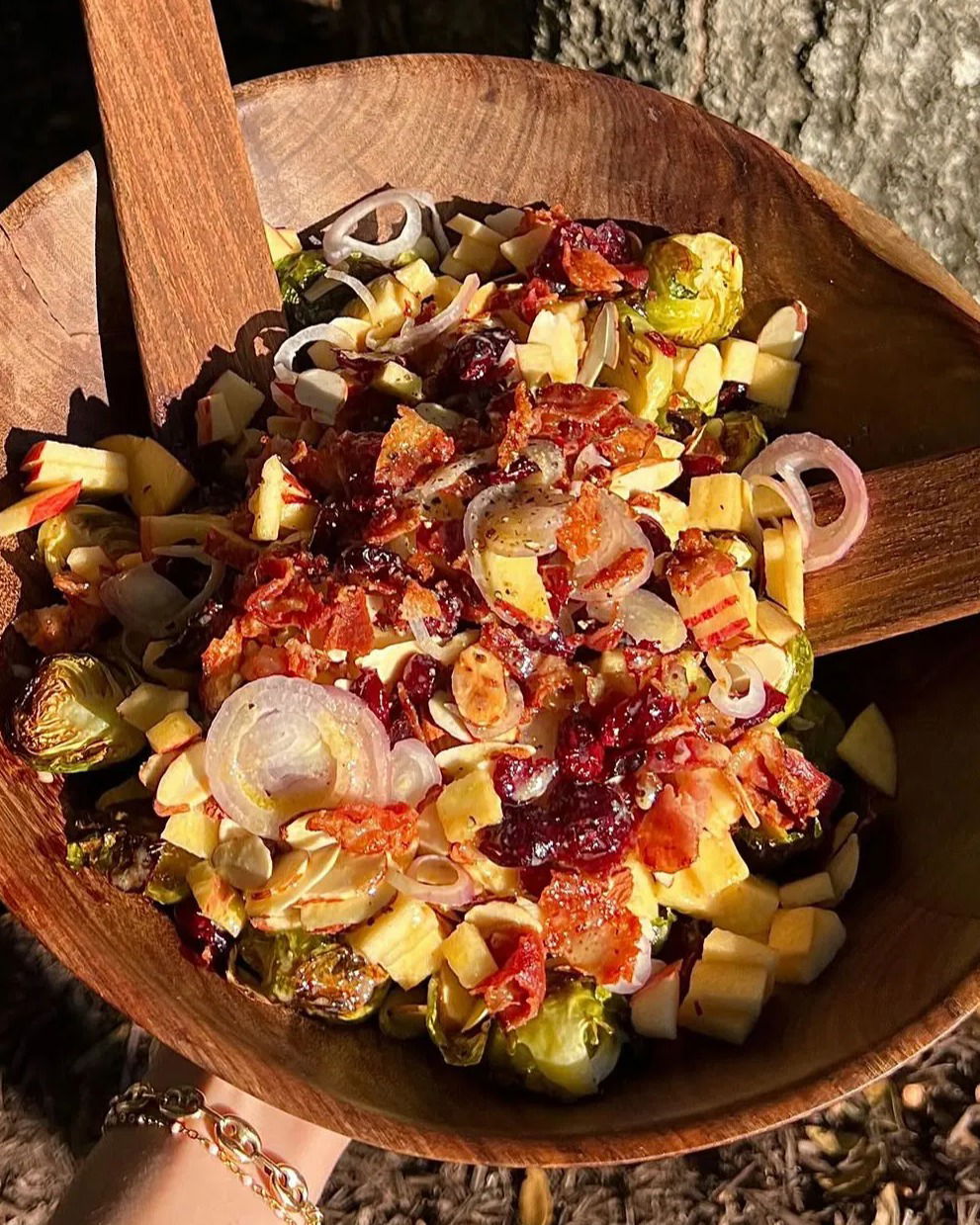
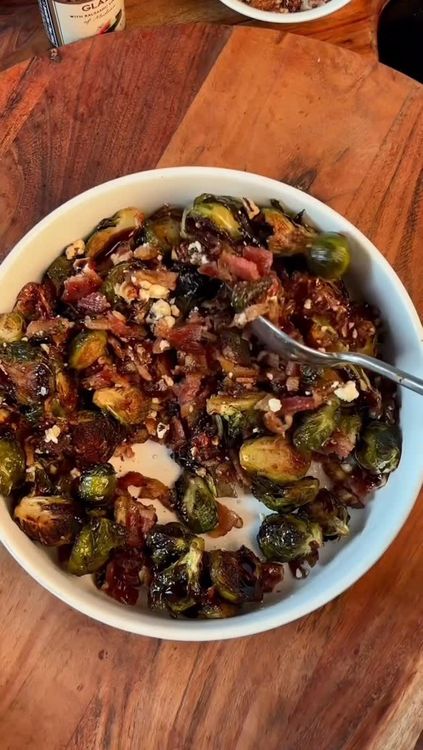
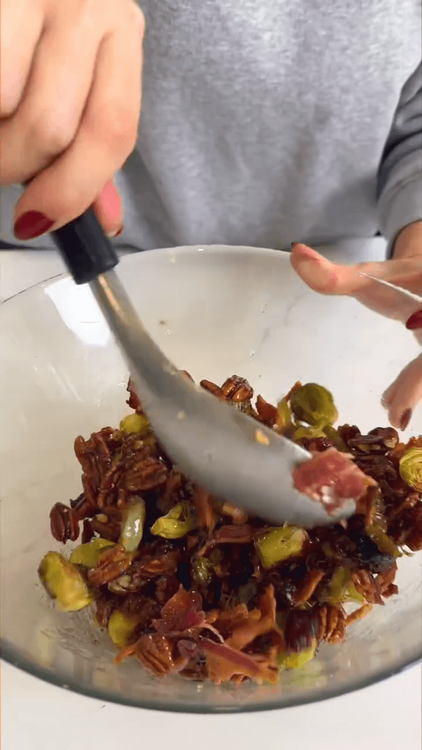
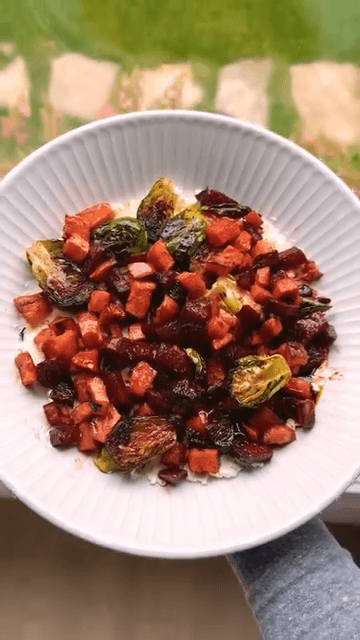
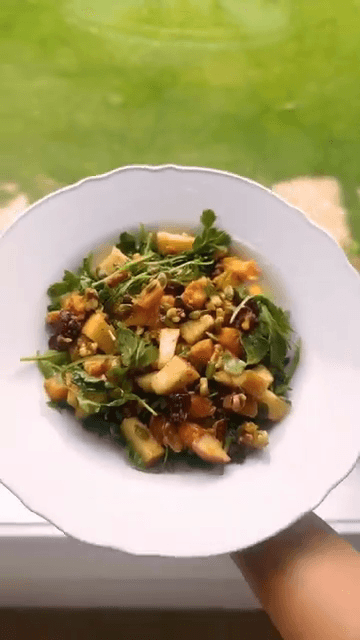
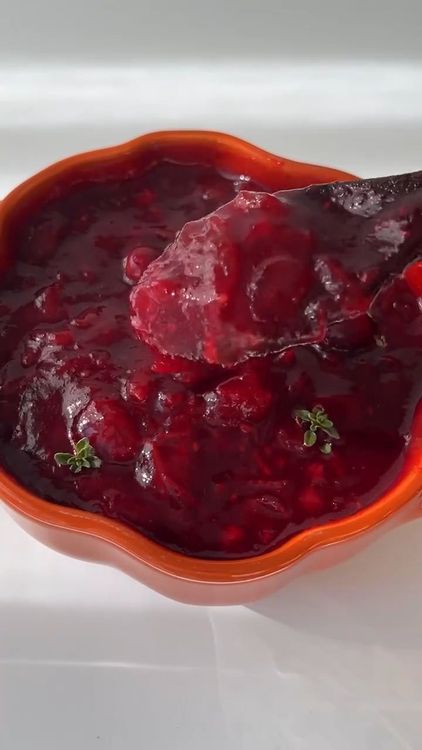
For color, crunch, and a little relief from all the richness, lean on the vegetable side of the table. Roasted pumpkin, two takes on crispy Brussels sprouts, maple-glazed harvest veggies with goat cheese, and a bright butternut-and-apple salad bring freshness and texture, while a quick homemade cranberry sauce adds the tart note that cuts through turkey and stuffing alike. Roast at a high heat for caramelized edges, and season assertively — vegetables can take it.

- Vegetarian
- Side Dish
- American
- Non-Vegetarian
- Side Dish
- American
- Non-Vegetarian
- Side Dish

- American
- Non-Vegetarian
- Side Dish
- American
- Vegetarian
- Side Dish
- American
- Vegan
- Salad
- American
- Vegan
- Sauce & Condiment
Thanksgiving Desserts to Finish the Table
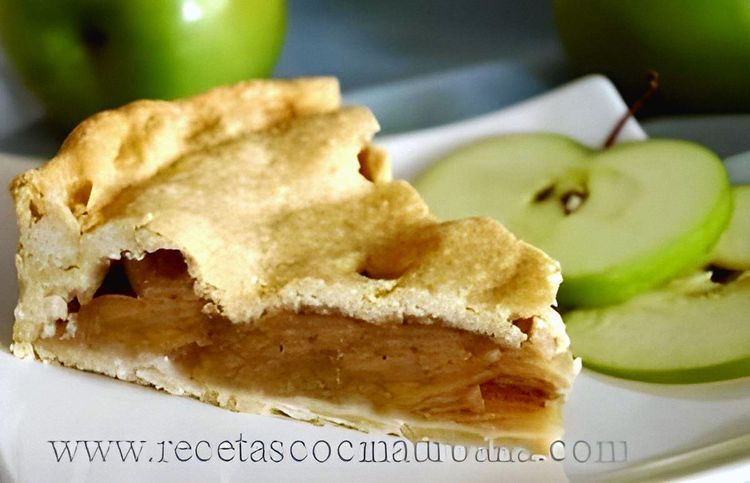
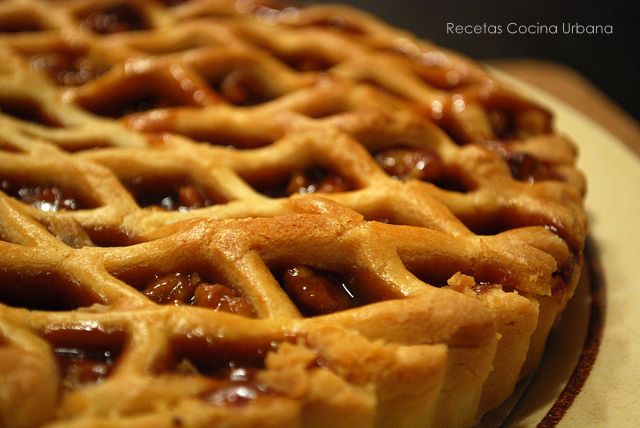
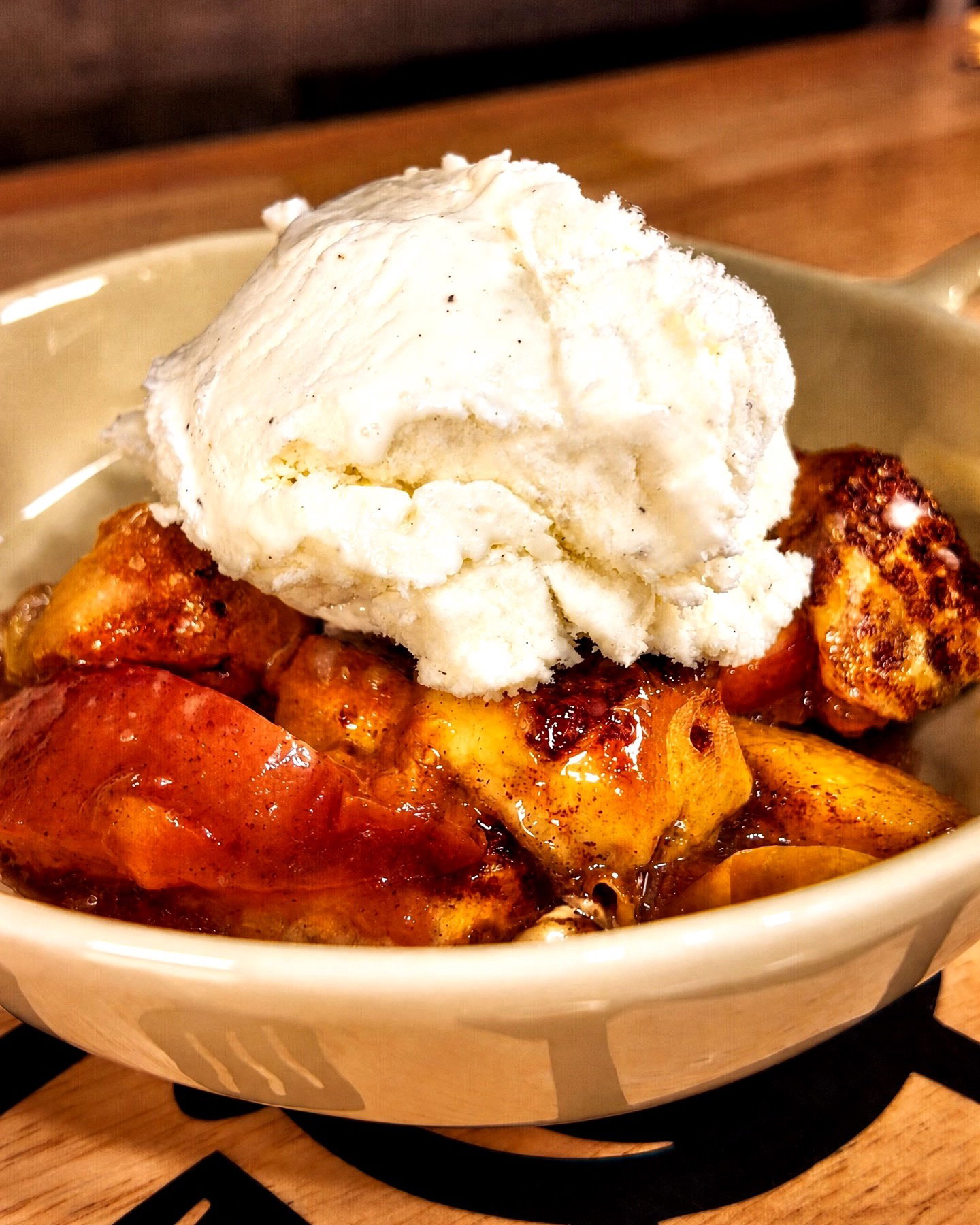
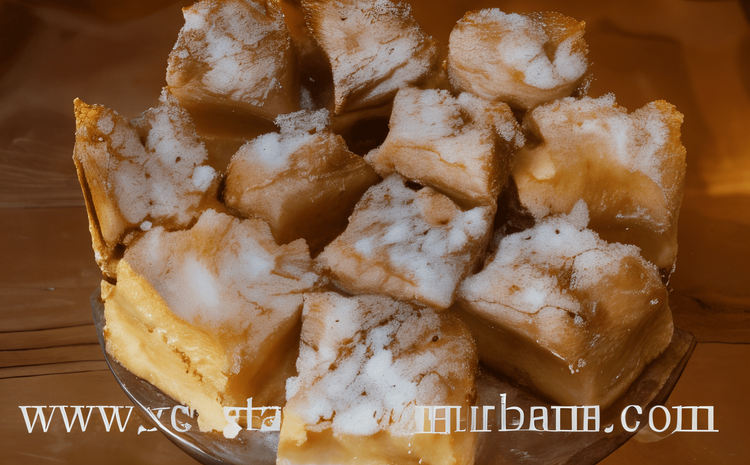
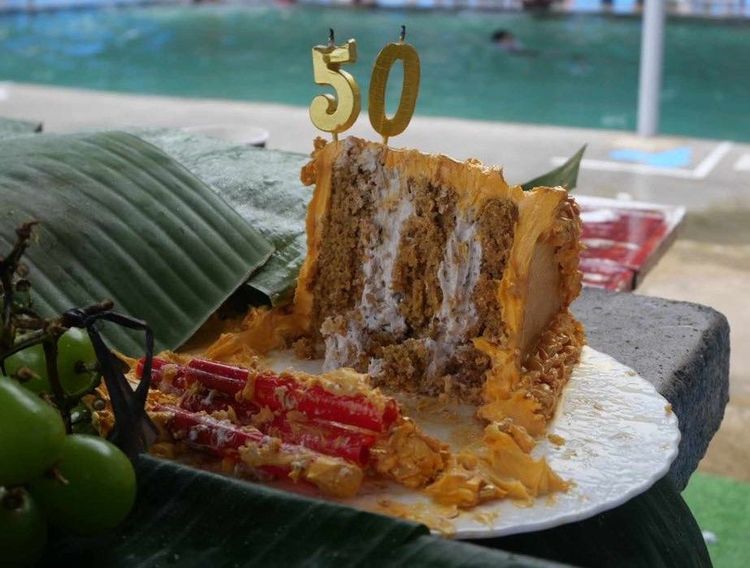
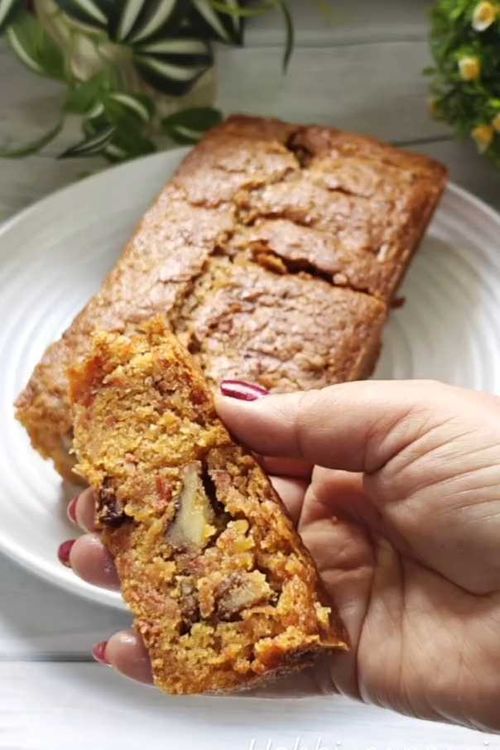
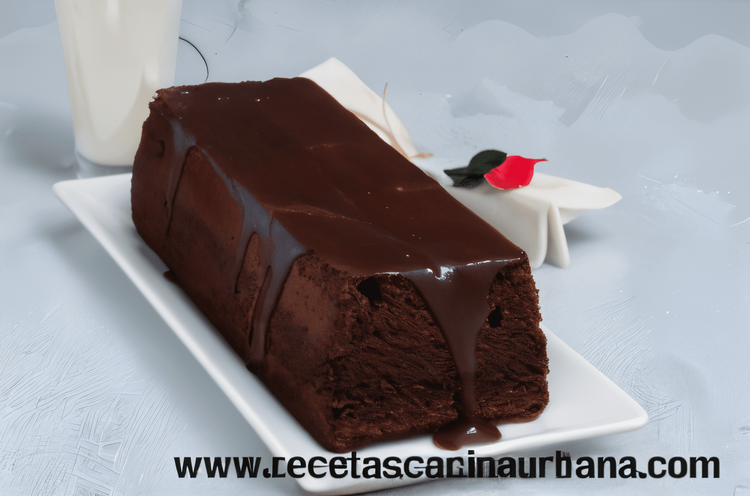
Save room, because dessert is a whole event of its own. Apple shows up in force — crumbles, pie, a rustic tart, cake, and quick apple pie bites — alongside a cinnamon-roll peach cobbler, three carrot cakes for the carrot-cake devotees, and a no-bake chocolate pudding for anyone who skips pie. Several are make-ahead or no-bake, which matters when the oven is booked solid with the turkey. Bake what you can the day before and finish the rest between courses. A mix of one showpiece (a layered cake or a double-crust pie) and a couple of low-effort options keeps everyone happy without burying you in dishes.
- American
- Eggetarian
- Snack

- American
- Vegetarian
- Dessert
- International
- Eggetarian
- Snack


- Vegetarian
- Dessert

- Vegetarian
- Dessert


- Vegan
- Dessert
- Ukrainian
- Eggetarian
- Snack

- American
- Eggetarian
- Dessert
- International
- Eggetarian
- Dessert

- International
- Vegetarian
- Snack
- International
- Vegetarian
- Dessert
How to Roast the Turkey: Brining, Timing & Temperature
Start with a fully thawed bird — figure roughly 24 hours of fridge thawing per four to five pounds, so a 15-pound turkey needs about three days. If you have time, brine it. A wet brine (salted water, often with sugar, herbs, and aromatics) for 12 to 24 hours seasons the meat throughout and helps it hold moisture; a dry brine (salt rubbed over and under the skin, uncovered in the fridge overnight) does the same with less mess and gives you crispier skin.
For timing, a good rule of thumb at 325°F is about 13 minutes per pound for an unstuffed bird and 15 for a stuffed one — but the clock is only a guide. What actually matters is temperature. Pull the turkey when the thickest part of the thigh, away from the bone, reads 165°F on an instant-read thermometer; carryover heat will carry it a few degrees higher as it rests. Tent the breast with foil if it browns before the thighs are done. Short on time? Spatchcocking the bird — removing the backbone so it lies flat — roasts it faster and more evenly.
Rest the bird at least 30 to 45 minutes before carving — this is not optional. Resting lets the juices redistribute so they stay in the meat instead of running out onto the board. Use that window to make gravy, reheat sides, and pull everything together.
Making Gravy Without Drippings & Other Sauce Fixes
You don't need pan drippings to make excellent gravy, which is a relief if you brined the bird, roasted it elsewhere, or simply ran short. For a drippings-free gravy, build a roux from equal parts butter and flour cooked until it smells nutty, then whisk in good turkey or chicken stock a little at a time. Simmer until it coats the back of a spoon, then season hard with salt, pepper, and a splash of soy or Worcestershire for depth.
If you do have drippings, spoon off most of the fat, deglaze the roasting pan with stock or wine, and scrape up the browned bits — that's pure flavor. Either way, make a batch ahead and keep it warm; you can always thin it with more stock or enrich it with a knob of the caramelized onion butter from this collection.
Lumpy gravy is fixable: blitz it smooth with an immersion blender or pass it through a sieve. Too thin? Simmer it longer or whisk in a cornstarch slurry. Too salty? A peeled potato simmered in it for a few minutes helps pull some of the salt back out. And if you want a shortcut, doctor a good store-bought stock with a spoon of miso, a bay leaf, and the neck and giblets simmered while the bird roasts — no one will know.
Turkey Sizing, Leftovers & Food Safety
Plan on about one to one and a half pounds of turkey per person — the higher end if you want leftovers, which of course you do. For a big crowd, two smaller birds often roast more evenly than one enormous one, and they give you more crispy skin and drumsticks to go around.
Handle the raw bird safely: thaw it in the fridge, never on the counter; keep it on a tray so it can't drip onto other food; and wash your hands and surfaces after contact. Skip rinsing the turkey — it only splashes bacteria around your sink. Cooking to a thigh temperature of 165°F is what actually makes it safe.
Get your leftovers into the fridge within two hours of serving. Carved meat keeps three to four days refrigerated, or up to a few months frozen. Turn the extras into the cranberry turkey sandwich bites and low-carb wrap in this collection, or simmer the carcass into stock for next week's soup. Reheat sliced turkey gently with a little stock or gravy rather than blasting it in the microwave, which is what dries out day-two meat and gives leftovers a bad name.
Pro Tips for a Smoother Thanksgiving
- Buy your turkey early and give it enough fridge time to thaw — a frozen center is the most common reason a bird runs hours behind schedule.
- An instant-read thermometer is the single best tool on your counter; the pop-up timers in supermarket birds almost always trigger too late, leaving you with dry breast meat.
- Season more aggressively than feels natural — a large turkey and a table of rich sides can absorb a lot of salt, and under-seasoning is what makes holiday food taste flat.
- Roast your Brussels sprouts and other vegetables while the turkey rests; a screaming-hot oven for the last twenty minutes gives you the crispiest edges.
- Make a double batch of gravy. It disappears faster than you expect, and cold leftovers are miserable without enough of it.
- If your kitchen only has one oven, lean on the stovetop, slow cooker, and air fryer — the cider meatballs, cranberry sauce, and mini crumble all cook off-oven.
- Carve on a board with a lip or trough to catch the juices, then spoon those juices back over the sliced meat right before it goes to the table.
- Let cold ingredients like eggs and butter come to room temperature before baking your cakes and pies — it makes for a smoother batter and a more even crumb.
- Taste your cranberry sauce and gravy at the end and adjust; a squeeze of citrus or an extra pinch of salt often wakes up a dish that tastes almost-but-not-quite right.
Frequently Asked Questions
What internal temperature should a Thanksgiving turkey reach?
Cook the turkey until the thickest part of the thigh, away from the bone, reads 165°F on an instant-read thermometer. The breast can come out around 160°F, since carryover heat will finish it during resting. Always check temperature rather than relying on time alone or a pop-up timer.
How long does it take to roast a turkey?
At 325°F, plan for roughly 13 minutes per pound for an unstuffed bird and about 15 minutes per pound if stuffed. A 15-pound turkey runs around three to three and a half hours, but start checking early — ovens vary, and temperature is the real finish line, not the clock.
Do I need to brine the turkey?
Brining is optional but worth it. A wet brine or an overnight dry brine seasons the meat throughout and helps keep it juicy, especially for leaner supermarket birds. If you skip it, be generous with salt under the skin and don't overcook — those two moves matter most for a moist result.
What makes the best thanksgiving turkey recipes work every time?
Reliable thanksgiving turkey recipes all share the same fundamentals: a fully thawed, well-seasoned bird, a steady oven temperature, an instant-read thermometer, and a proper rest before carving. The flavorings — apple and herbs, butter under the skin, a smoky rub — are built on top of that dependable base.
Can I make Thanksgiving side dishes ahead of time?
Yes, and you should. Cranberry sauce, stuffing, casseroles, mashed potatoes, and dinner rolls all hold well for a day or more. Assemble or fully cook them the day before, refrigerate, then reheat while the turkey rests. It frees your oven and keeps the whole day far less frantic.
How do I make gravy without pan drippings?
Build a roux from equal parts butter and flour, cook it until nutty, then whisk in warm turkey or chicken stock until it thickens. Season well with salt, pepper, and a dash of soy or Worcestershire. It's smooth, rich, and can be made entirely ahead of time.
Where can I buy a fully cooked turkey for Thanksgiving?
Many grocery chains, warehouse clubs, and local delis sell fully cooked or heat-and-serve turkeys if roasting isn't for you — order a week or two ahead, as they sell out. Reheat gently, covered, with a splash of stock so the meat doesn't dry, then dress it up with homemade gravy and cranberry sauce.
What desserts work best for a Thanksgiving crowd?
Lean on make-ahead and no-bake options so you're not fighting for oven space. Apple pie, crumbles, carrot cake, peach cobbler, and a no-bake chocolate pudding all travel and hold well. Bake anything oven-dependent the day before, and finish or serve the rest between courses.
However you cook it, these thanksgiving turkey recipes are built to work together — a well-timed bird, sides that hold, and desserts made ahead so the day belongs to you and not the oven. Pick your turkey, plan backward from dinner, season boldly, trust your thermometer, and let the rest of the table fall into place.
Related
- thanksgiving
- roast turkey
- holiday sides
- stuffing
- thanksgiving desserts
- cranberry sauce
Popular Searches
- Best thanksgiving turkey recipes
- Easy thanksgiving turkey recipes
- Quick thanksgiving turkey recipes
- Healthy thanksgiving turkey recipes
- Simple thanksgiving turkey recipes
- Homemade thanksgiving turkey recipes
- Delicious thanksgiving turkey recipes
- Popular thanksgiving turkey recipes
- where can i buy a cooked turkey on thanksgiving
- where can i buy a cooked turkey for thanksgiving
- recipes for thanksgiving dressing stuffing
- how to cook a turkey for thanksgiving dinner
Marnirni-apinthi Building, Lot Fourteen,
North Terrace, Adelaide, South Australia, 5000
Australia
