
34 Chicken Wings Recipes That Come Out Crispy, Sticky and Seriously Good
Updated July 15, 2026 · Curated by Chefadora
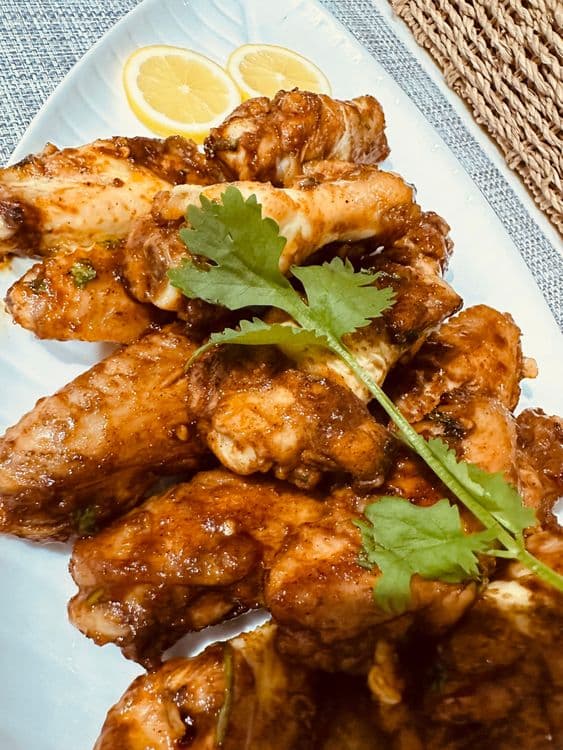
I have fried, baked, smoked and burnt my way through more chicken wings recipes than I care to count, and the thing nobody tells you is that the sauce is the easy part. Getting the skin to crackle is where most cooks lose the plate. Too much moisture, too crowded a pan, sauce added ten minutes too early — any one of those turns a promising batch soft and sad before it ever reaches the table.
So this collection is organised by how you cook rather than by flavour alone. There are 34 recipes here from our community, sorted into deep-fried, oven and air-fryer, sticky-glazed, properly spicy, and the stuffed and plated ones that eat like a full dinner. Times run from a 20-minute air-fryer job to a two-and-a-half-hour smoke, and the skill levels run from genuinely beginner to fiddly weekend project.
Every recipe below has a note on what it actually tastes like and how long it takes, so you can pick by the evening you're having rather than by whichever photo is prettiest.
Shatter-Crisp Fried Wings
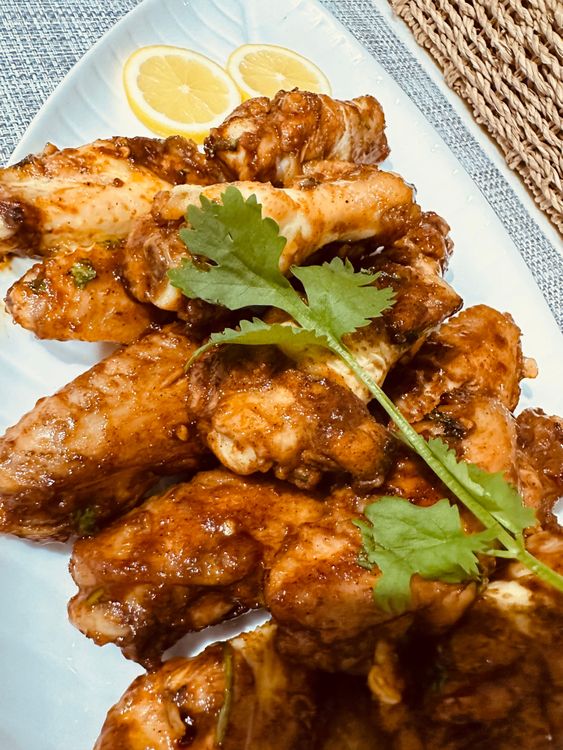
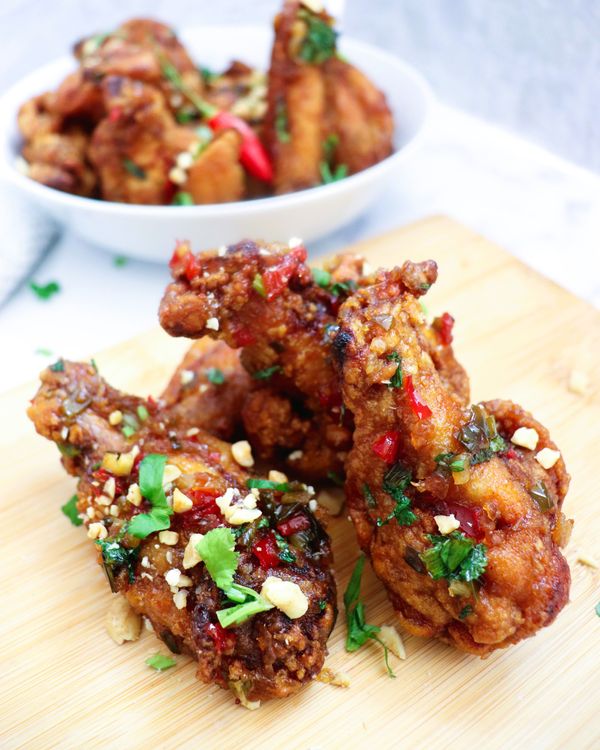
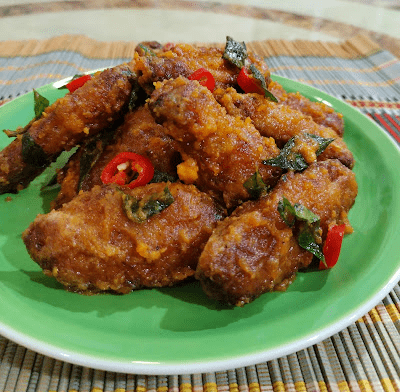
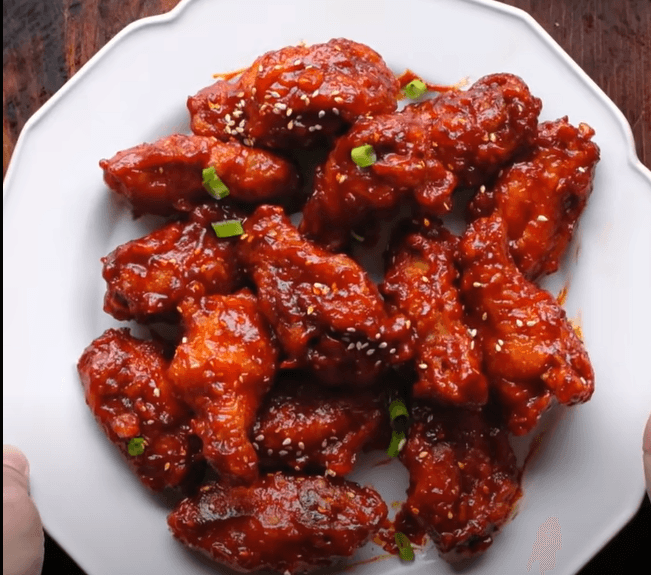
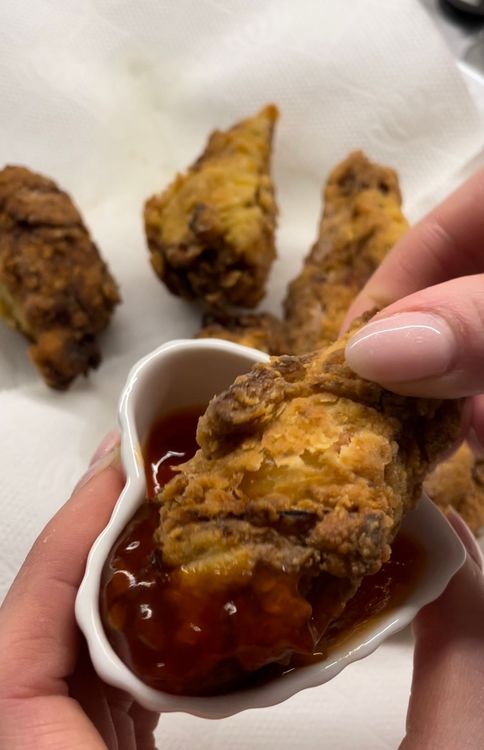
Deep-frying is still the gold standard, and the reason is physics: hot oil hits every surface at once, so moisture leaves fast and the skin sets before the meat overcooks. Two things matter. Dry the pieces properly — an hour uncovered in the fridge is not optional, it's part of the recipe. And hold the oil between 175°C and 180°C, working in batches of six or eight. Dump twenty in at once and the temperature crashes, the skin steams instead of crisping, and you get pale, greasy disappointment.

- Indian
- Non-Vegetarian
- Appetiser
- Vietnamese
- Non-Vegetarian
- Appetiser
- Southeast Asian
- Non-Vegetarian
- Dinner
- Asian
- Non-Vegetarian
- Lunch

- Korean
- Non-Vegetarian
- Appetiser
- American
- Non-Vegetarian
- Appetiser
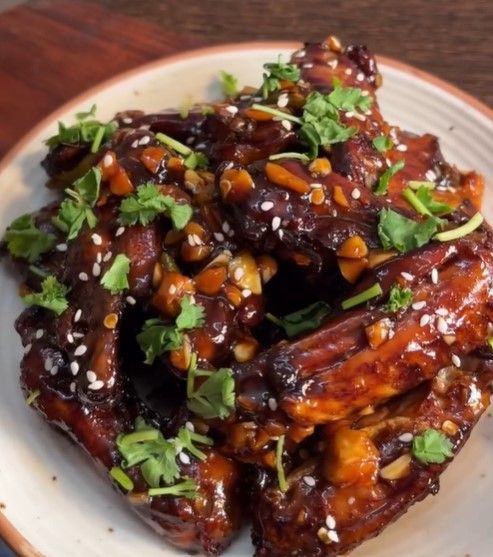
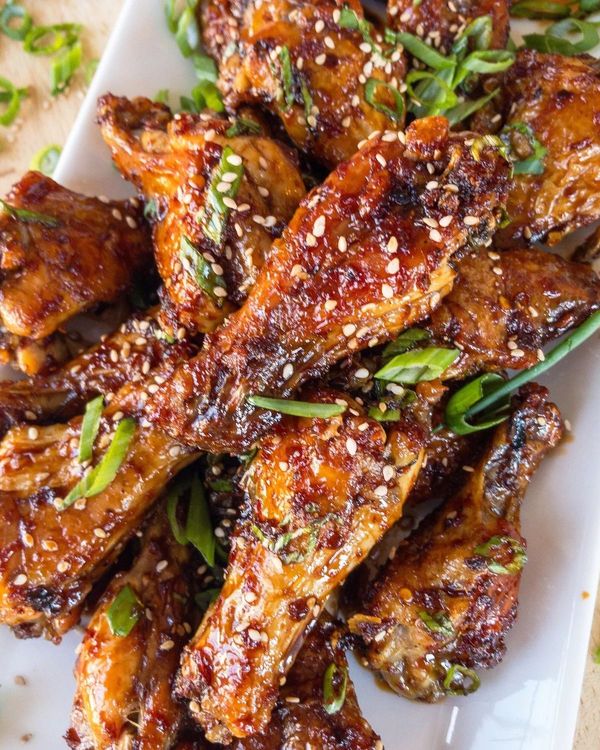
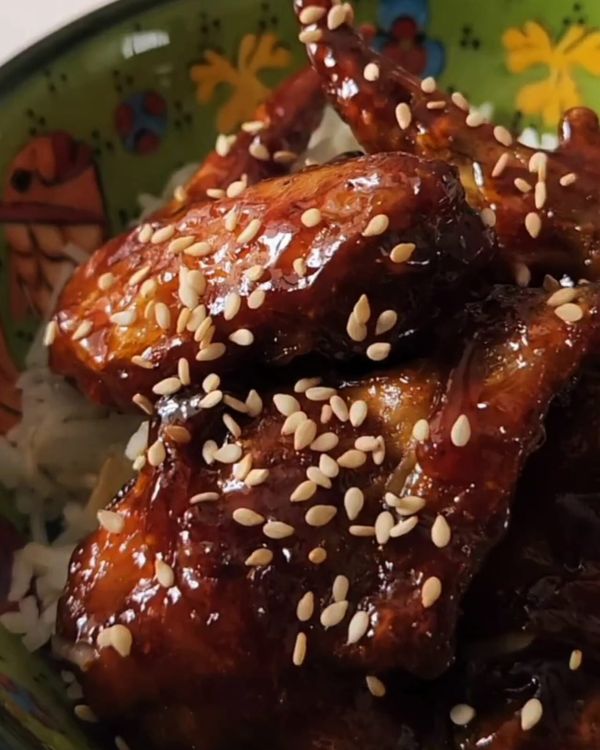
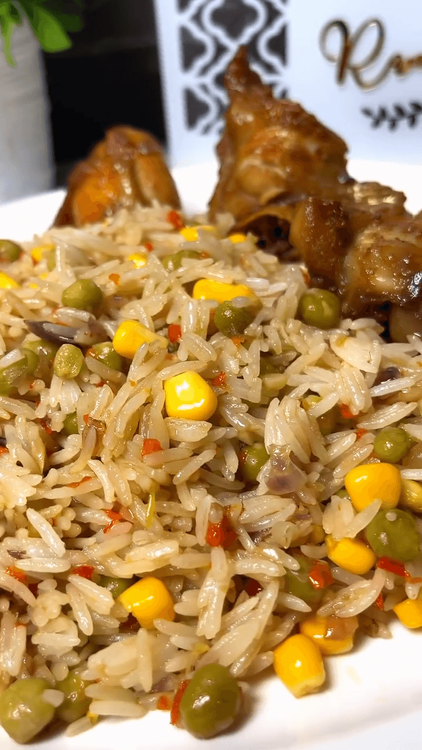
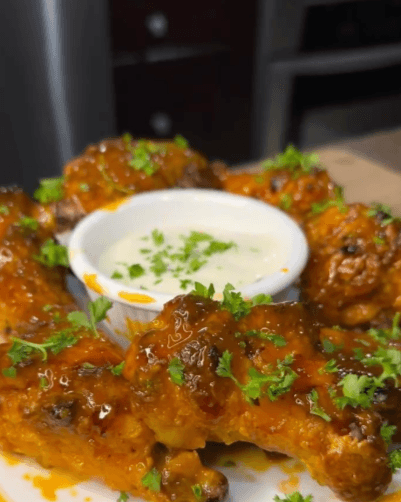
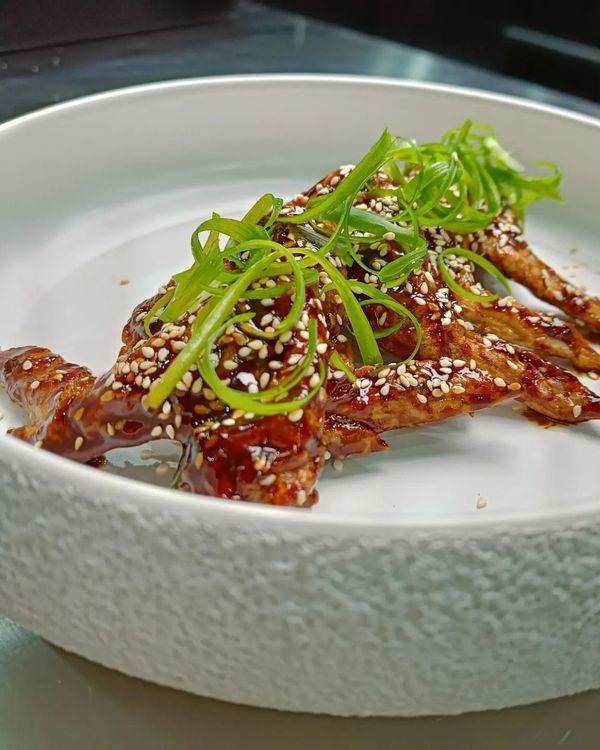
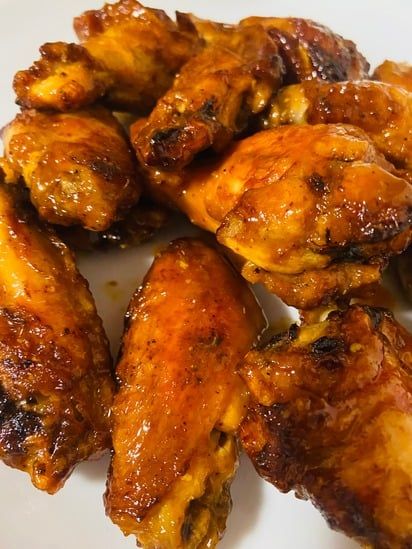
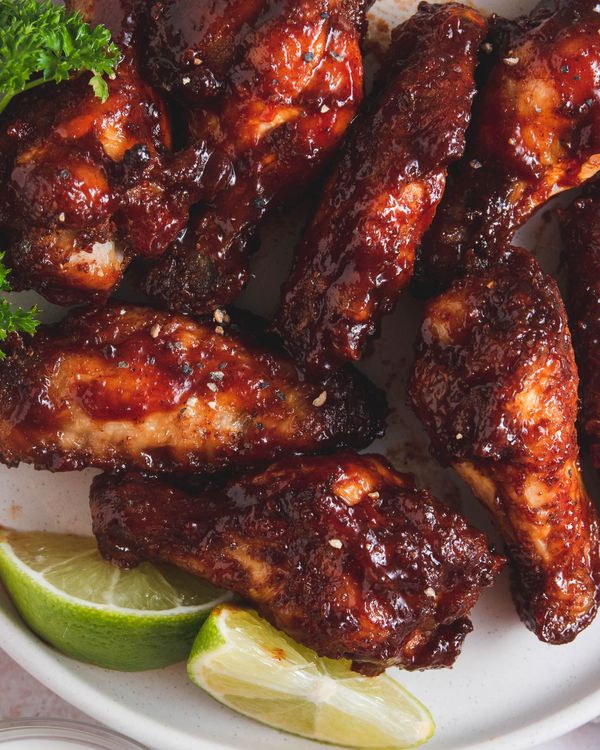
Baked and Air-Fryer Wings for Weeknights
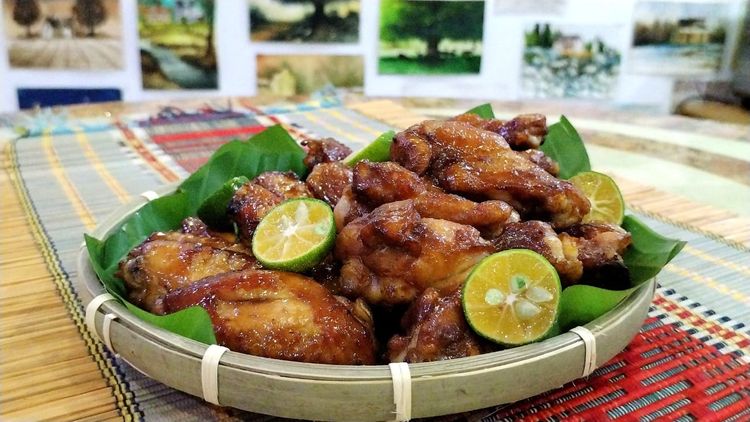
Most weeknights I don't want a litre of oil to deal with, and the air fryer has closed most of the gap. The trick both methods share is baking powder — not soda — tossed through with the salt at roughly a teaspoon per kilo. It raises the skin's pH, which speeds browning and blisters the surface. Then give everything room: a wire rack in the oven, or a single uncrowded layer in the basket. Oven, 220°C for about 40 minutes with one flip. Air fryer, 200°C for 22.
- Malaysian
- Non-Vegetarian
- Lunch

- Chinese
- Non-Vegetarian
- Appetiser
- Asian
- Non-Vegetarian
- Dinner

- American
- Non-Vegetarian
- Appetiser

- Middle Eastern
- Non-Vegetarian
- Main Course

- American
- Non-Vegetarian
- Dinner

- Asian
- Non-Vegetarian
- Appetiser
- American
- Non-Vegetarian
- Appetiser
- American
- Non-Vegetarian
- Appetiser
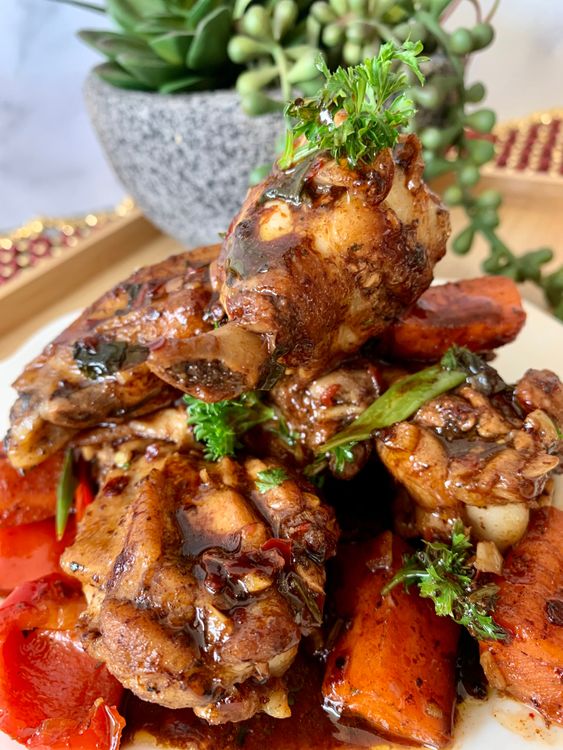
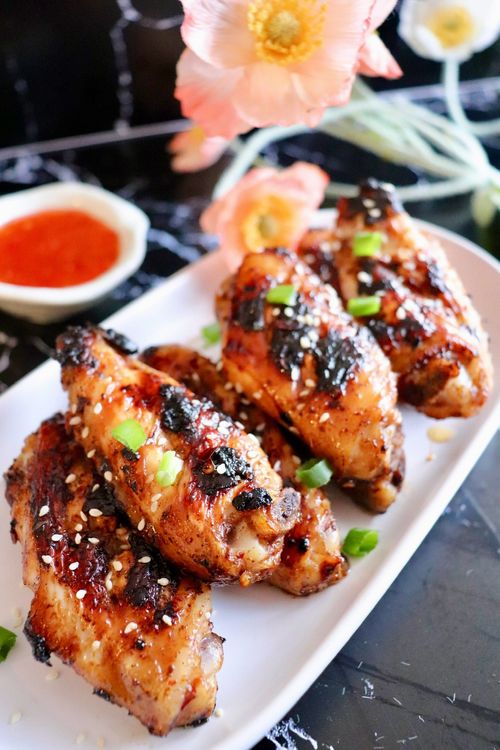
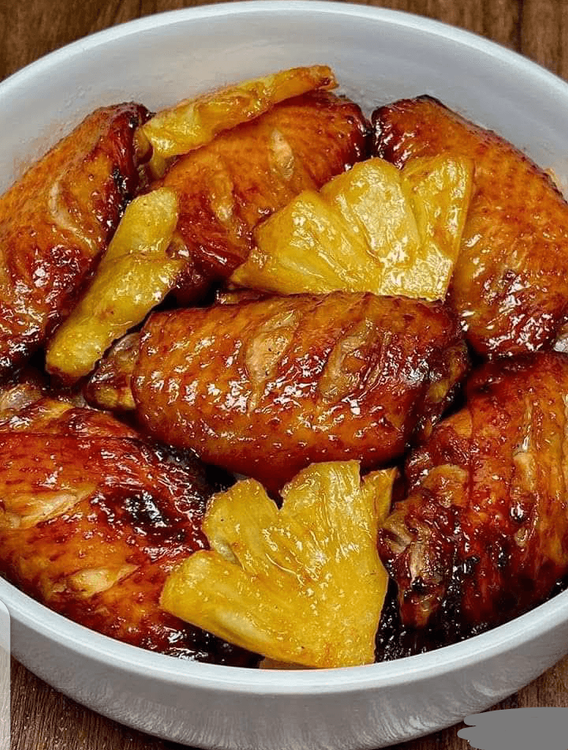
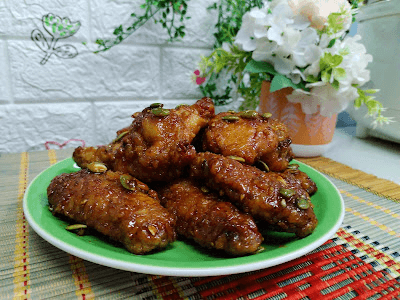
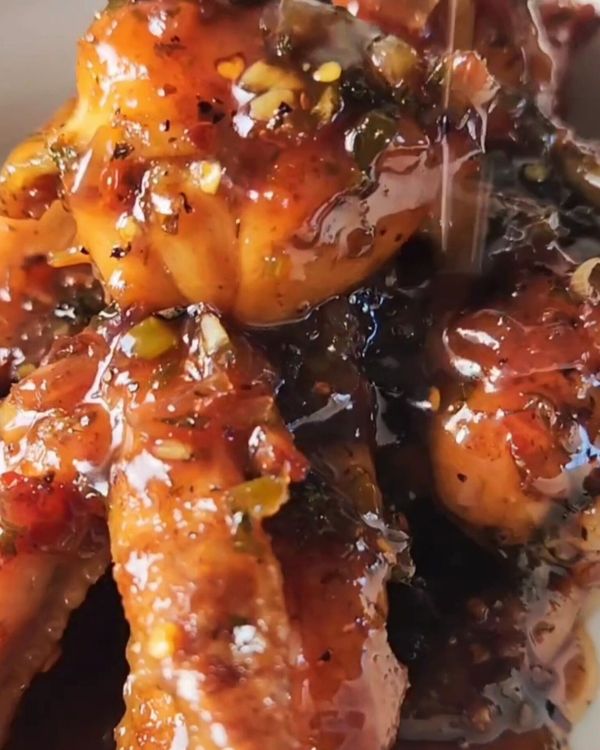
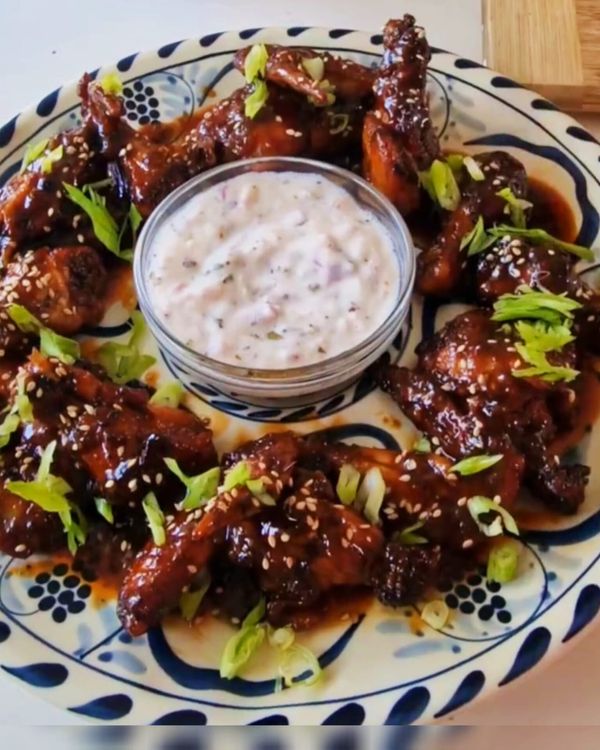
Sticky Glazed and Saucy Wings
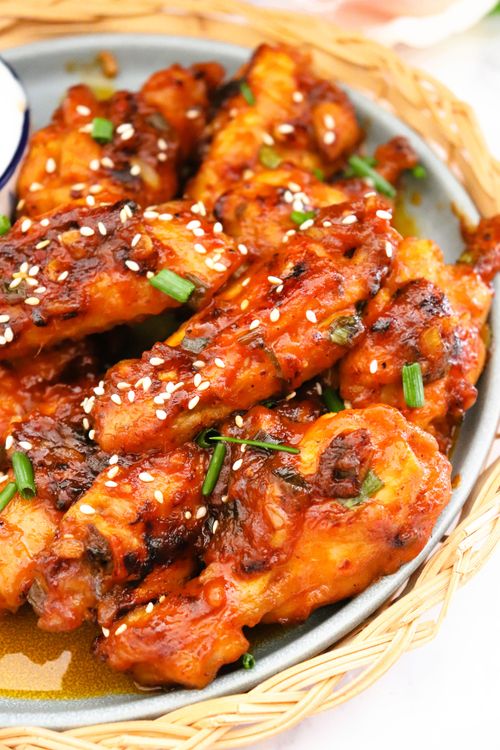
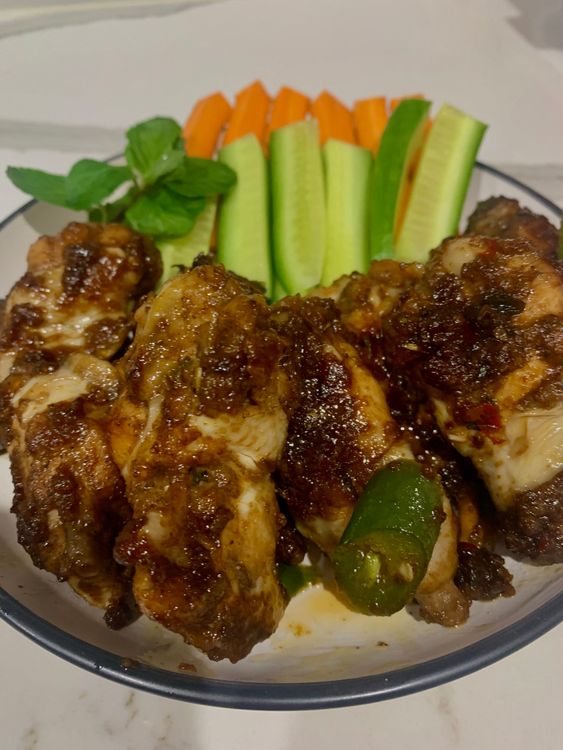
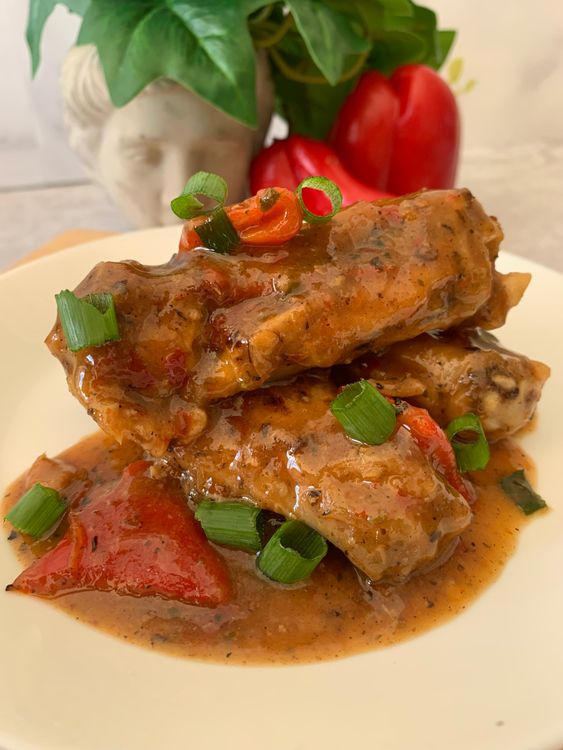
A glaze is just a sauce reduced until it clings, and the biggest mistake is putting it on too early. Sugar burns long before dark meat is done. Cook first, glaze last — toss the hot batch in warm sauce thirty seconds before serving, or brush it on for the final three or four minutes of heat. Aim for something that coats the back of a spoon and holds a line when you drag a finger through it. Too thin and it slides off; too thick and it's toffee.
- Asian
- Non-Vegetarian
- Appetiser
- Indian
- Non-Vegetarian
- Appetiser
- Indian
- Non-Vegetarian
- Appetiser
- Italian
- Non-Vegetarian
- Lunch
- Non-Vegetarian
- Side Dish
- Asian Fusion
- Non-Vegetarian
- Appetiser
- Chinese
- Non-Vegetarian
- Appetiser
- Fusion
- Non-Vegetarian
- Dinner
- American
- Non-Vegetarian
- Appetiser
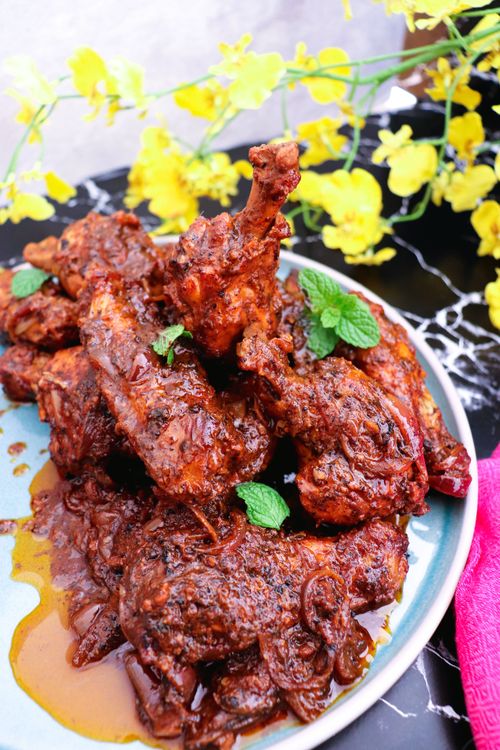
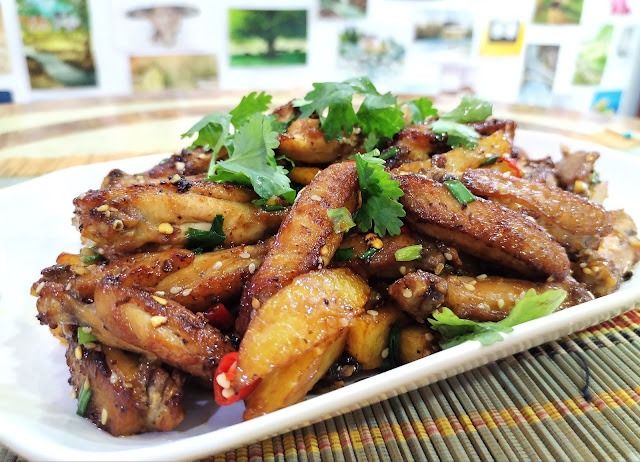
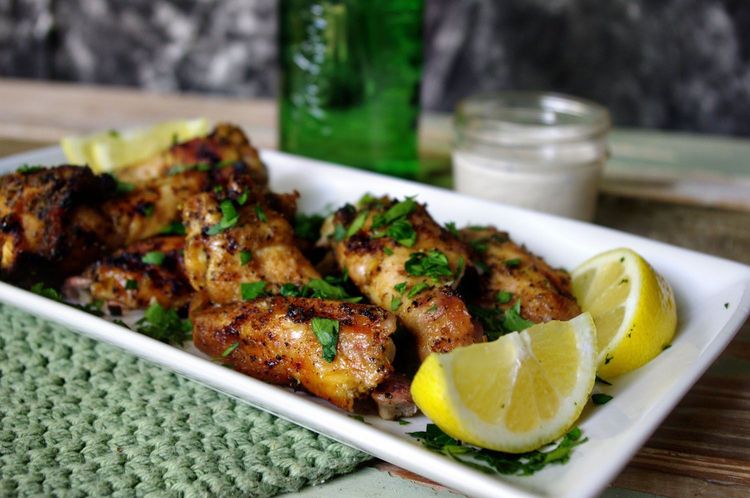
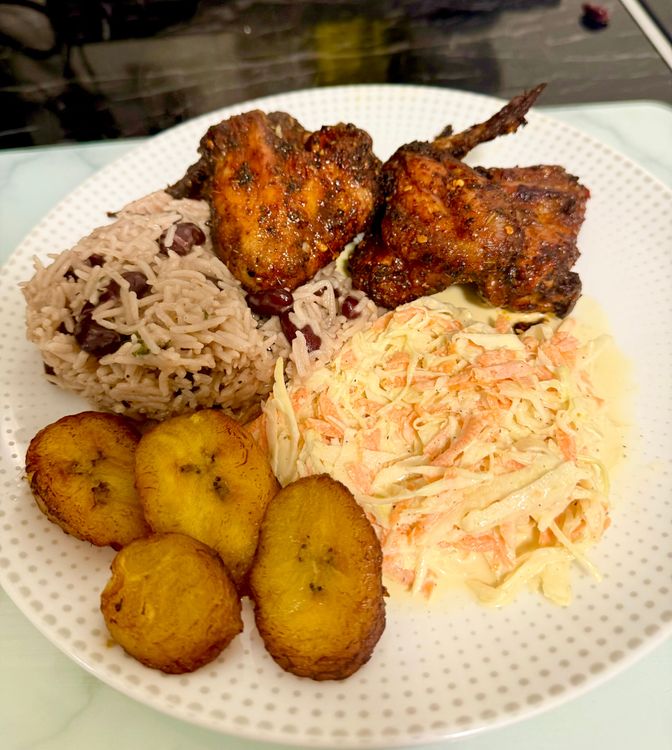
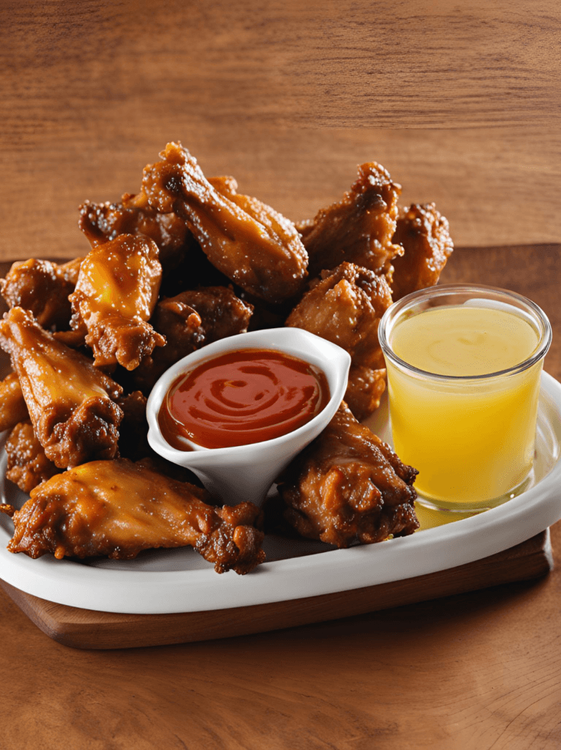
Spicy Chicken Wings Recipes That Bring Real Heat
Heat is not one flavour. Cayenne and hot sauce give a sharp, fast burn at the front of the mouth. Gochujang and sambal are slower and fermented, with sweetness underneath. Jerk seasoning brings scotch bonnet plus allspice and thyme, so the burn arrives wrapped in perfume. Smoke and cumin land somewhere else again — warm rather than aggressive. My rule: build heat into the marinade as well as the sauce, so it comes from inside the meat rather than sitting on the surface. Serve something cold alongside.
- Indian
- Non-Vegetarian
- Appetiser
- Chinese
- Non-Vegetarian
- Lunch

- American
- Non-Vegetarian
- Appetiser

- Caribbean
- Non-Vegetarian
- Lunch
- American
- Non-Vegetarian
- Appetiser
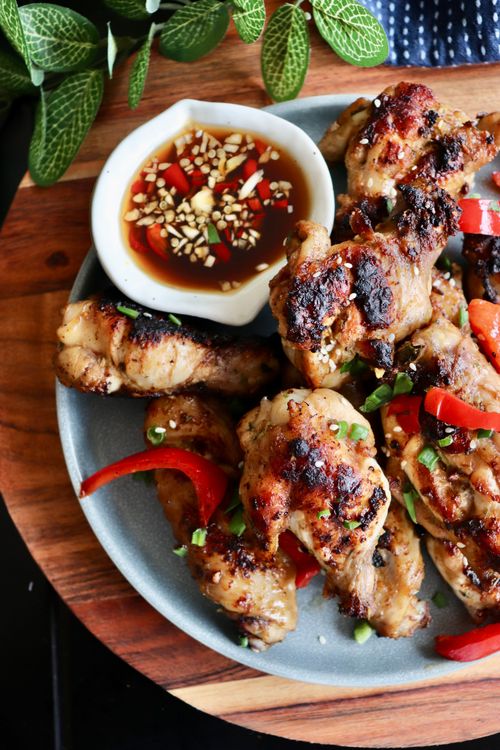
Stuffed, Global and Plate-Worthy
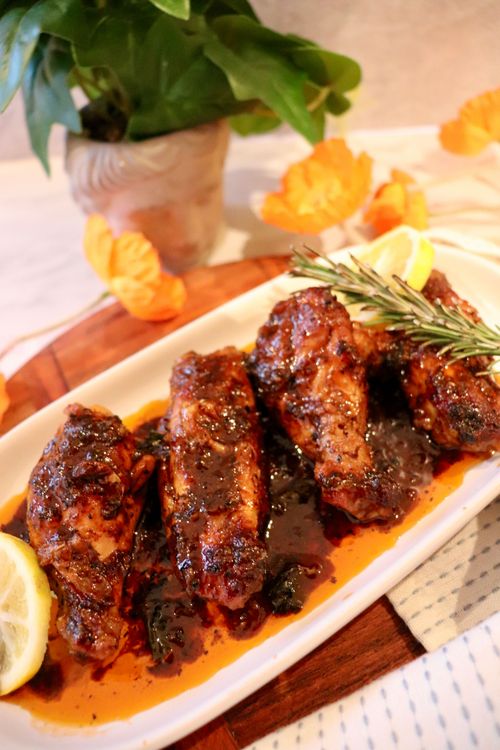
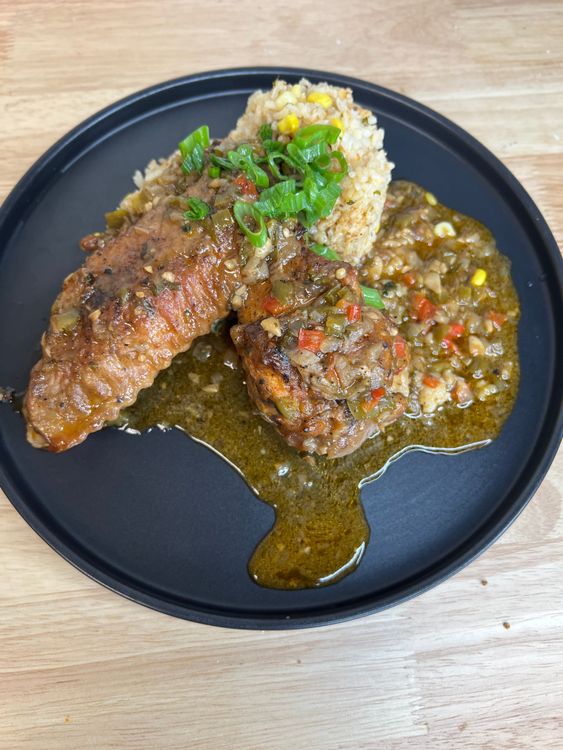
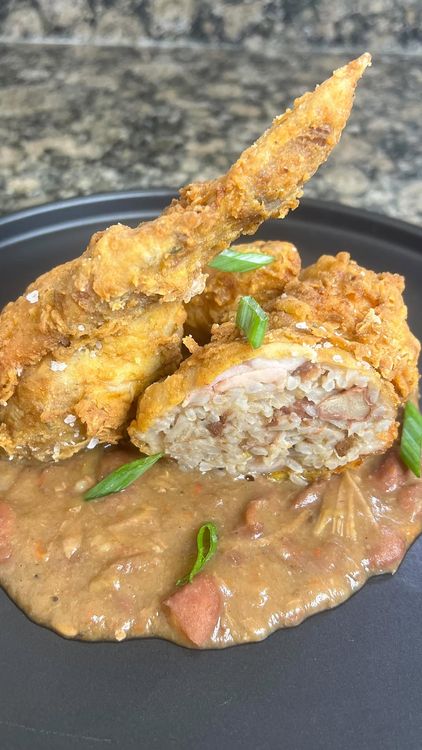
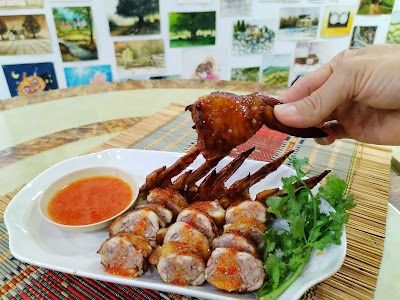
These are the ones that stop being a snack. Deboning takes patience — work the two bones out of the middle joint with a small sharp knife, keeping the skin intact so it can still hold a filling — but the payoff is a neat parcel that slices. Elsewhere the flavours simply travel: lemongrass from Vietnam, oregano and lemon from the Aegean, a Southern braise that goes soft rather than crisp. Serve these with rice and a sharp salad and you have dinner, not a midnight snack.
- Vietnamese
- Non-Vegetarian
- Appetiser
- Fusion
- Non-Vegetarian
- Appetiser
- American
- Non-Vegetarian
- Dinner
- Cajun
- Non-Vegetarian
- Dinner
- Chinese
- Non-Vegetarian
- Appetiser
Getting Shatter-Crisp Skin
Crisp skin is a moisture problem, not a heat problem. Skin is roughly half water, and until that water leaves, the surface cannot climb past 100°C — which means no browning, no crackle, just a rubbery beige layer. So the work starts a day early. Pat everything bone dry, toss with fine salt, and leave the pieces uncovered on a wire rack in the fridge overnight. The cold, dry air pulls moisture out while the salt draws more to the surface, where it evaporates. I've tested this against a rushed thirty-minute rest many times, and the overnight batch wins every time.
The second lever is baking powder. Use aluminium-free baking powder, never baking soda, at about one teaspoon per kilo mixed into your salt. It nudges the skin alkaline, which accelerates the Maillard reaction and helps the surface blister rather than tighten into leather. Any more and you'll taste it — metallic and faintly soapy.
Then stop crowding the pan. Whatever the method, each piece needs oil or moving air touching it on every side, so cook in batches even when you're impatient. If you're saucing, do it at the last possible moment, in a warm bowl, off the heat. And serve immediately: crispy chicken wings have a shelf life of roughly eight minutes before the steam trapped underneath softens them again. That, more than any secret ingredient, is the real reason the restaurant version tastes better than yours.
Baked vs Fried vs Air-Fryer
Deep-frying wins on texture and loses on everything else. Oil at 175–180°C transfers heat far faster than air can, so the skin dehydrates and sets within minutes while the meat underneath stays juicy. Double-fry if you want that Korean-style crunch: a first pass at 160°C for eight minutes to cook through, a ten-minute rest, then a second pass at 190°C for two or three minutes to drive off the last moisture. The cost is a litre of oil, a smell that lingers for days, and a pot of fat to deal with.
The oven is the low-effort option and by far the most forgiving. Wire rack over a lined tray, 220°C, around 40 minutes with a single flip. Baked chicken wings get you maybe 85% of the fried texture, and you can cook thirty pieces at once, which no air-fryer basket will manage. It's also the only method that handles a glaze gracefully, since you can brush and return the tray to the heat.
The air fryer is really a small convection oven with an aggressive fan, and for small batches it's the sweet spot: 200°C, about 22 minutes, shake halfway, ten to twelve pieces maximum. Overload the basket and you have simply built a steamer. My honest split — fry for guests, oven for a crowd, air fryer on a Tuesday when it's just the two of us and nobody is being impressed.
Sauces and Dips
Every good chicken wings sauce balances four things: fat, acid, sugar and heat. Buffalo is the clearest lesson in that — hot sauce, melted butter, a splash of vinegar, nothing else. The butter rounds off the burn and helps the whole thing cling, while the vinegar stops it feeling heavy. Melt, don't boil, or it splits into an oily mess. Roughly two parts hot sauce to one part butter gives you something sharp; move to one-to-one for a milder, richer coat.
Asian glazes work by reduction instead of emulsion. Soy, honey or palm sugar, garlic, ginger, and something sour — rice vinegar, lime or tamarind. Simmer until it coats a spoon, then pull it straight off the heat; sugar goes from glossy to bitter in well under a minute. Gochujang needs thinning with a little water or mirin first, since it's a paste rather than a sauce and will otherwise sit in stubborn clumps.
For dips, blue cheese and ranch are not interchangeable. Blue cheese is funkier and stands up to serious heat; ranch is herbaceous and better against smoky or lemon-pepper seasoning. Make either with buttermilk rather than milk for tang. And keep something cold and crunchy on the board — celery, cucumber, a sharp slaw. It isn't garnish. Capsaicin is fat-soluble, so the dairy in that dip is doing real work resetting your palate between bites, which is exactly why the celery has survived sixty years.
Pro Tips From My Kitchen
- Buy them whole and break them down yourself. It's about a third cheaper, takes roughly a minute per piece once you've found the joints, and you end up with a bag of tips to freeze for stock — which is genuinely the best chicken stock you can make at home, for free.
- Salt at least four hours ahead, and ideally overnight. Salt needs time to travel inwards; sprinkle it on just before cooking and it sits on the surface seasoning the skin while the meat underneath stays bland. This single change improves more home cooking than any equipment upgrade you could buy.
- Use a thermometer and cook to 82°C, not 74°C. The usual poultry-safe number is written for breast meat. Dark meat carries far more connective tissue, and pushing it higher renders that collagen into gelatin, which makes it juicier rather than drier. This is the most common mistake I see people make.
- Never sauce more than you're about to eat. Sauce the portion going to the table, leave the rest naked and warm in a low oven, and top up as people come back for more. A mixing bowl warmed with hot water helps the glaze spread thinly instead of gluing everything into one lump.
- Freeze the marinade together with the raw pieces in a flat zip bag. They marinate as they thaw, so one Sunday afternoon of prep gives you four dinners that need nothing but a tray and an oven. Flat bags also thaw in roughly half the time a solid lump takes.
- If a batch comes out soft, don't sauce it and hope for the best. Spread everything on a rack and blast it at 230°C for five minutes, or ninety seconds back in the fryer. You can almost always rescue lost crunch — but you can never rescue it once the sauce is already on.
Frequently Asked Questions
Which of these chicken wings recipes should a beginner start with?
Start with an oven or air-fryer one — the Asian Style Baked at thirty-nine minutes, or Ching's Sriracha at twenty. Both are tagged beginner-friendly, neither involves a pot of hot oil, and the timing is forgiving if you get distracted. Once you trust how your oven browns things, move on to a double-fried version. Frying is a technique worth learning second, not first.
How to make chicken wings crispy without a deep fryer?
Dry them uncovered in the fridge overnight, toss with salt and a teaspoon of baking powder per kilo, then bake on a wire rack at 220°C for about forty minutes, flipping once. The rack matters more than people think — it lets hot air circulate underneath so the bottoms render instead of stewing in their own fat. Sauce only after they leave the oven.
Do I really need to dry them overnight in the fridge?
For genuinely shattering skin, yes. An uncovered overnight rest on a rack removes the surface moisture that would otherwise steam the skin rather than crisp it. If you've only got an hour, pat everything very dry, salt it, and rest it uncovered anyway — you'll get maybe seventy percent of the effect, which still comfortably beats going straight from packet to pan.
What temperature should I fry at?
Hold the oil at 175–180°C for a single fry, and check it with a thermometer rather than guessing from the bubbles. For the double-fry method, go 160°C for eight minutes, rest for ten off the heat, then 190°C for two or three minutes. Fry six to eight pieces at a time; any more drops the oil temperature and you get grease instead of crunch.
How do I stop my glaze from burning?
Cook first, glaze last. Sugar caramelises around 160°C and burns shortly after, long before dark meat is anywhere near done. Either toss the cooked batch through warm sauce off the heat, or brush the glaze on for the final three to four minutes only. If you're grilling, move everything over to indirect heat before the sauce goes anywhere near the pieces.
Can I make these ahead for a party?
Yes, and it's what I'd actually recommend. Cook them through, cool on a rack, then refrigerate naked for up to two days. Reheat at 230°C for six to eight minutes to bring the crunch back, and sauce only after that reheat. A good number of the recipes here are tagged make-ahead or batch-cook precisely because this approach works so well.
Air fryer or oven for a crowd of ten?
Oven, without question. A basket holds ten to twelve pieces at most, so feeding ten people means five sequential rounds and cold food by the end. Two oven trays with wire racks will handle thirty-odd pieces in a single forty-minute go. Keep the air fryer for small batches, or for reheating a tray that has gone disappointingly soft.
What's the difference between drumettes and flats?
Drumettes are the meaty upper section that looks like a tiny drumstick; flats are the middle joint with two thin bones and far more skin per bite. Flats crisp better and carry sauce further, which is why they're the ones that always disappear first. Drumettes have more meat and are easier to eat one-handed. Cook both together — they take similar time.
That's the whole spread — 34 chicken wings recipes covering every method, heat level and continent our cooks could throw at them. Dry the skin properly, don't crowd the pan, and sauce at the last possible second. Get those three things right and everything after that is just choosing a flavour you fancy. Start with whichever photo you're still thinking about.
Related
- game day
- air fryer
- high protein
- party food
- comfort food
- BBQ
Popular Searches
- Best chicken wings recipes
- Easy chicken wings recipes
- Quick chicken wings recipes
- Healthy chicken wings recipes
- Simple chicken wings recipes
- Homemade chicken wings recipes
- Delicious chicken wings recipes
- Popular chicken wings recipes
- crispy chicken wings
- baked chicken wings
- fried chicken wings
- spicy chicken wings
Marnirni-apinthi Building, Lot Fourteen,
North Terrace, Adelaide, South Australia, 5000
Australia
