Sauces: The Unsung Heroes of Flavor and Nutrition
Sauces are more than just flavorful additions to our meals; they can be nutritional powerhouses that elevate the taste and health benefits of our dishes. From the simple elegance of a tomato sauce to the complex depths of a rich gravy, sauces offer a diverse range of flavors and can significantly contribute to a balanced diet. Understanding the nutritional value and culinary versatility of different types of sauces allows you to make informed choices that enhance both your eating experience and your overall well-being.
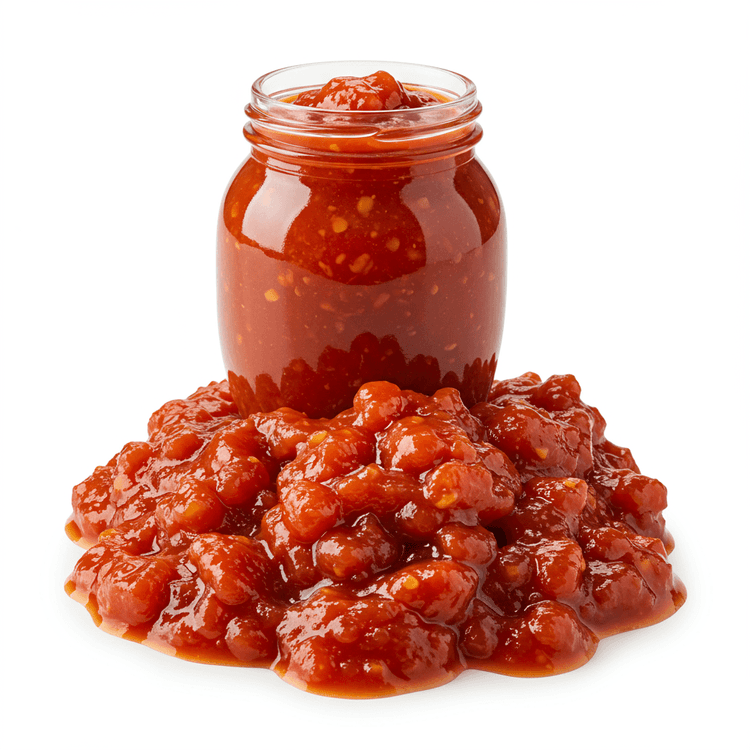
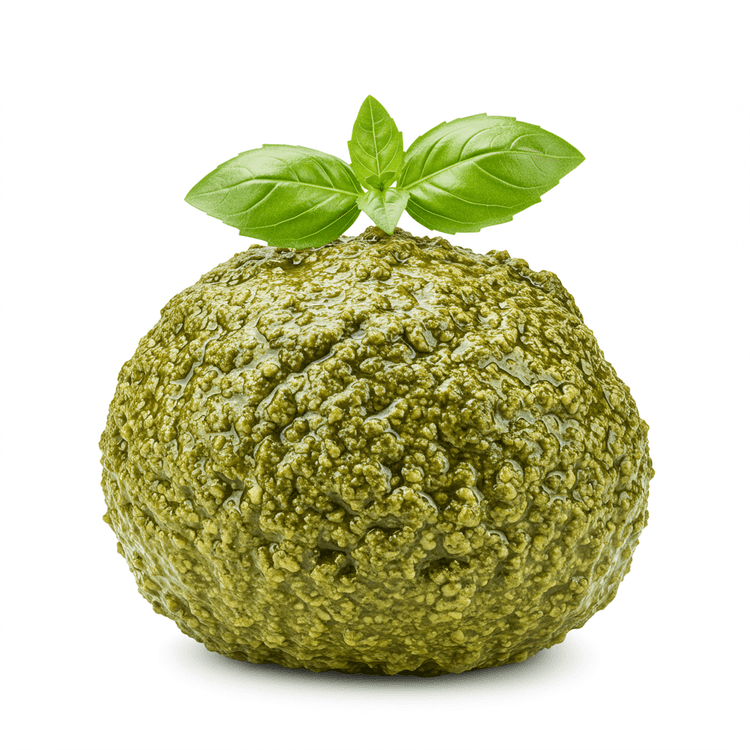
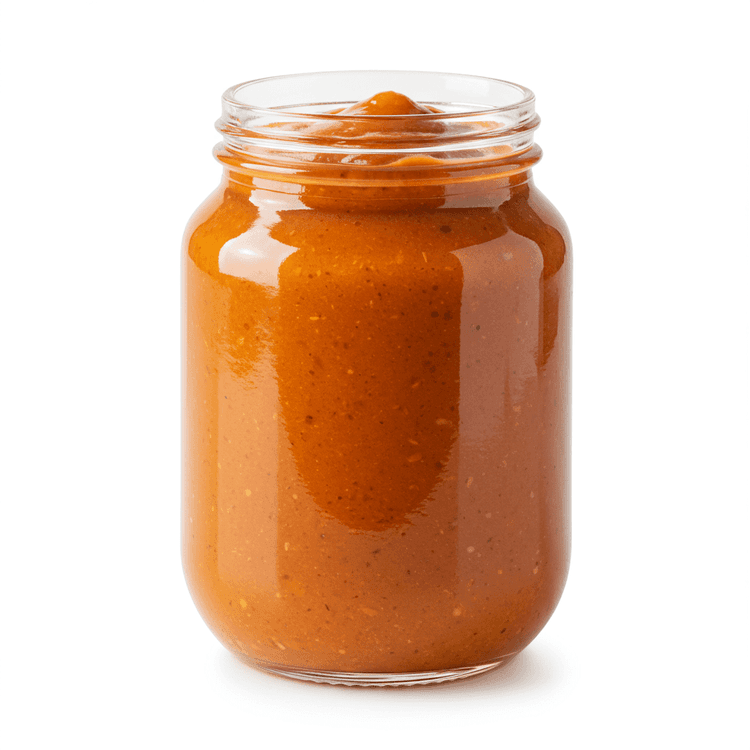
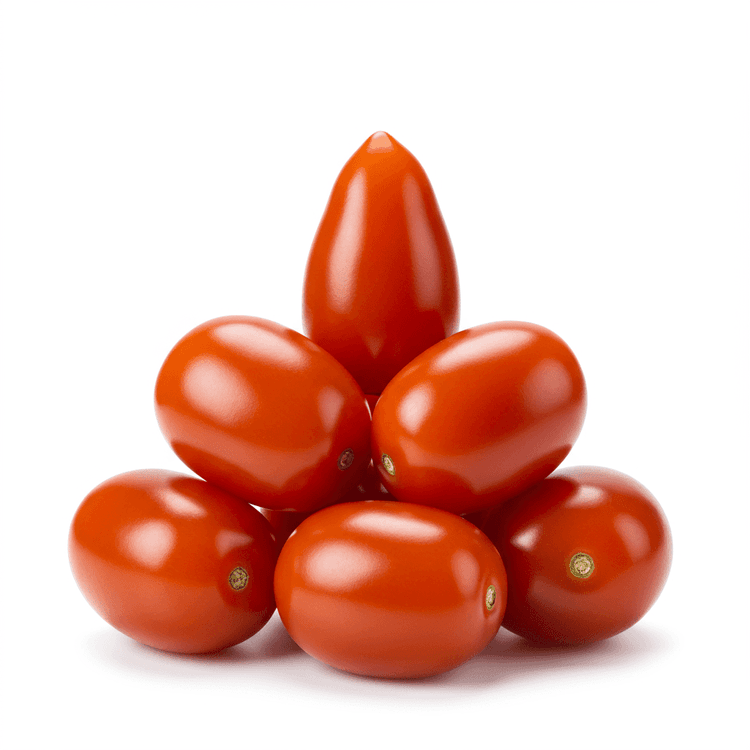
One of the primary benefits of incorporating sauces into your diet is the ability to boost your intake of essential vitamins and minerals. Tomato-based sauces, for example, are rich in lycopene, a powerful antioxidant known for its potential to reduce the risk of certain cancers. They also provide vitamins A and C, crucial for immune function and skin health. Green sauces like pesto or chimichurri, made with fresh herbs such as basil and parsley, are packed with vitamins K and folate, essential for blood clotting and cell growth. Even creamy sauces, when made with healthy fats like olive oil or avocado, can contribute to heart health and provide essential fatty acids. Bechamel or cheese sauces can provide calcium and protein.
Culinary uses for sauces are virtually limitless. They can transform simple ingredients into gourmet creations. Tomato sauce forms the foundation for countless pasta dishes, pizzas, and stews. Pesto elevates simple pasta or grilled chicken. Hollandaise sauce adds richness to eggs benedict or asparagus. Gravy complements roasted meats and mashed potatoes, adding moisture and depth of flavor. Sweet sauces like berry compotes or chocolate ganache can enhance desserts and breakfast items. Cooking methods involving sauces often include simmering, sautéing, and reducing, each technique influencing the final flavor and consistency.
Sauces play a vital role in a balanced diet by encouraging the consumption of nutrient-rich foods. A well-crafted sauce can make vegetables more appealing to children and adults alike, increasing the likelihood of a higher vegetable intake. Furthermore, sauces can be used to control portion sizes and enhance the satiety of meals. Using a flavorful sauce allows you to use less salt and fat in the main dish, reducing your intake of unhealthy additives. For example, a tangy vinaigrette made with olive oil and lemon juice can be a healthier alternative to creamy salad dressings. Choosing homemade sauces over processed options allows you to control the ingredients and avoid added sugars, sodium, and artificial preservatives. This control is essential for maintaining a healthy lifestyle and avoiding unnecessary additives.
In conclusion, sauces are not merely condiments; they are versatile culinary tools that can significantly enhance the nutritional value and enjoyment of our meals. By understanding the health benefits and diverse culinary applications of different types of sauces, we can make informed choices that contribute to a balanced diet and overall wellness. Explore the world of sauces and discover how these flavorful additions can transform your everyday cooking into a nutritious and delicious adventure. ||
Sauce are an essential part of a healthy diet, providing a wide range of nutrients and health benefits. Explore our collection of sauce ingredients.