
Top 49 Turkey Recipes: Roast, Ground, Leftover and More
Updated June 29, 2026 · Curated by Chefadora
Turkey recipes carry an unfair reputation: most people only meet the bird once a year, dry and over-roasted, and write it off the other fifty-one weeks. That is a shame, because turkey is one of the most versatile and genuinely affordable proteins in the kitchen. The recipes below were chosen to prove it — a properly juicy roast for the holidays, yes, but also fast ground-turkey dinners, brilliant leftover transformations, and the underrated parts and global plates that make turkey a year-round staple rather than a December obligation.
The thing that defines turkey cooking, more than any single recipe, is moisture management. The meat is lean, the white and dark cook at different rates, and a whole bird is large enough that the gap between underdone and bone-dry can be just a few minutes. Almost every technique in this collection — brining, spatchcocking, resting, cooking to temperature rather than the clock — exists to solve that one problem. Get it right and turkey is succulent and savory; get it wrong and you confirm everyone's worst suspicions.
You will find four clusters here. First, the centerpiece roasts — whole birds and turkey breasts. Second, ground turkey dinners, the weeknight backbone: burgers, meatballs, chili and skillet meals. Third, the leftover ideas that turn a picked-over carcass into soups, casseroles and sandwiches. And fourth, turkey parts and global plates — wings, legs, cutlets and dishes that look well beyond the Thanksgiving table.
Treat this as a working reference rather than a holiday checklist. Each recipe links to full ingredients and steps on Chefadora, and the guides below cover the decisions that actually make or break a turkey dish: whether and how to brine, how to nail roasting temperatures and timing, how to keep lean ground turkey from drying out, and how to wring every last meal out of the leftovers. Master those and turkey earns a regular place in your cooking.
Roast Whole Turkey & Breast
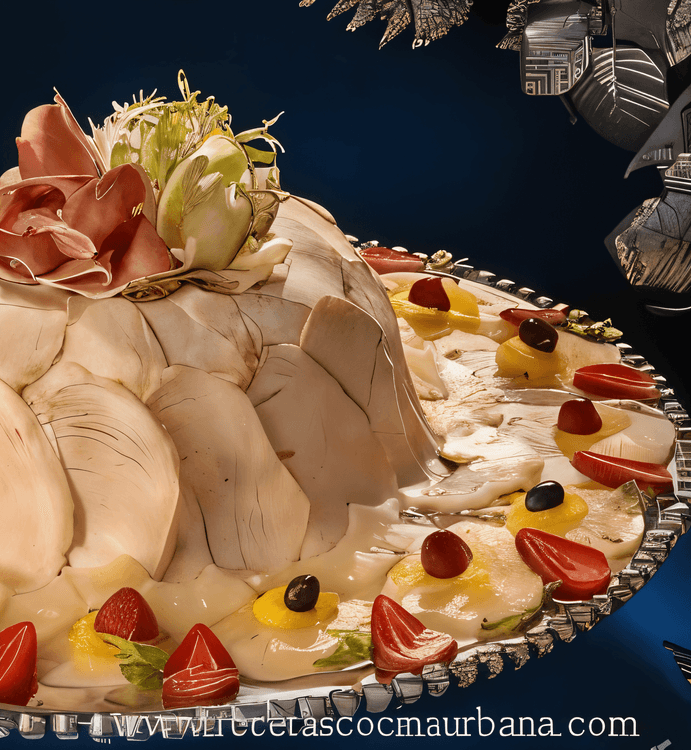
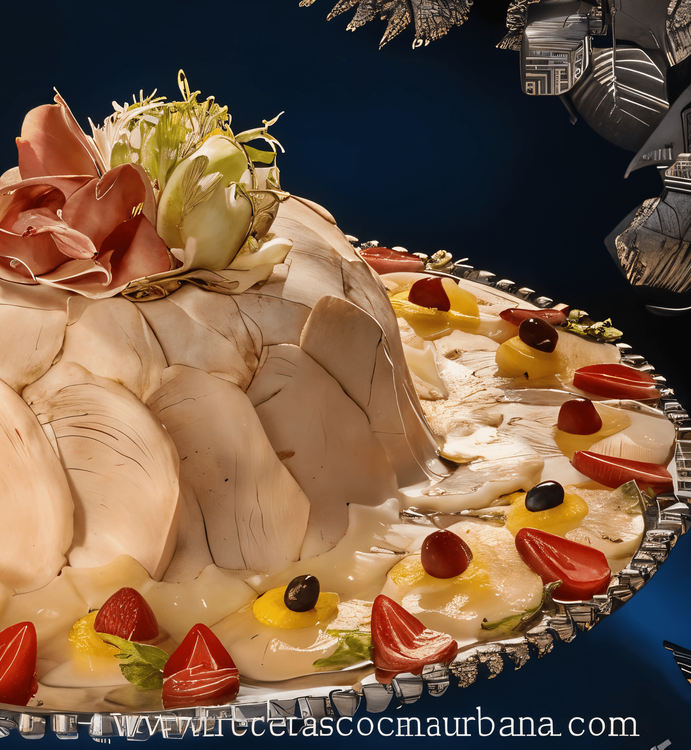
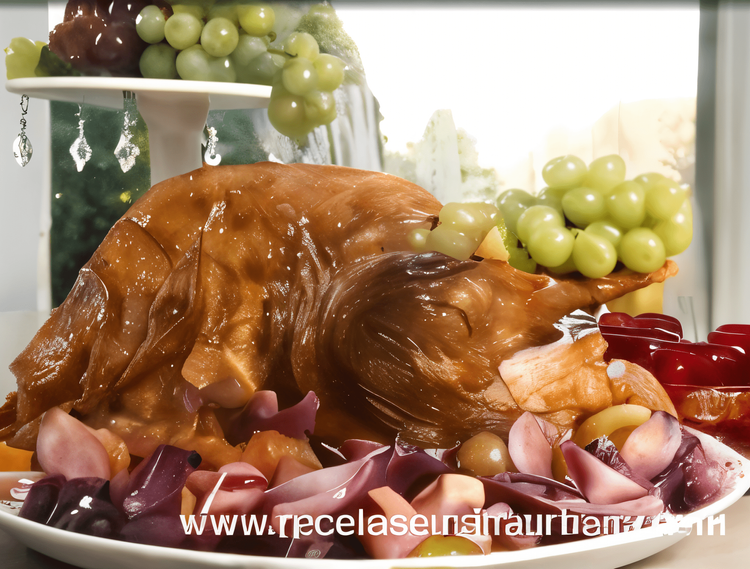
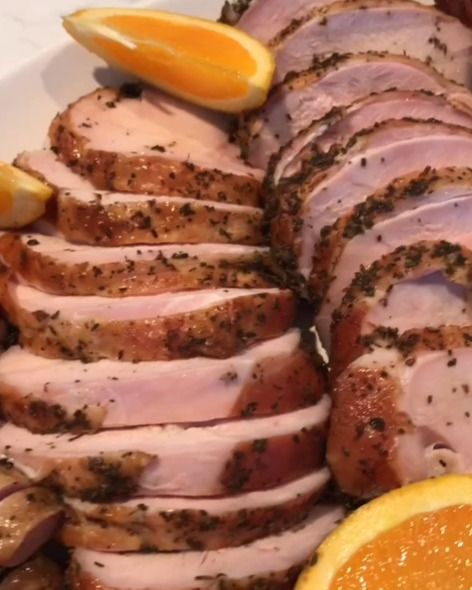
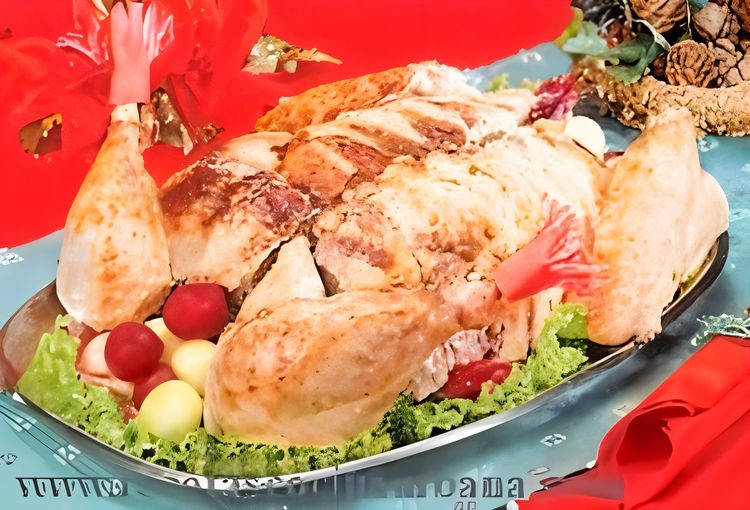
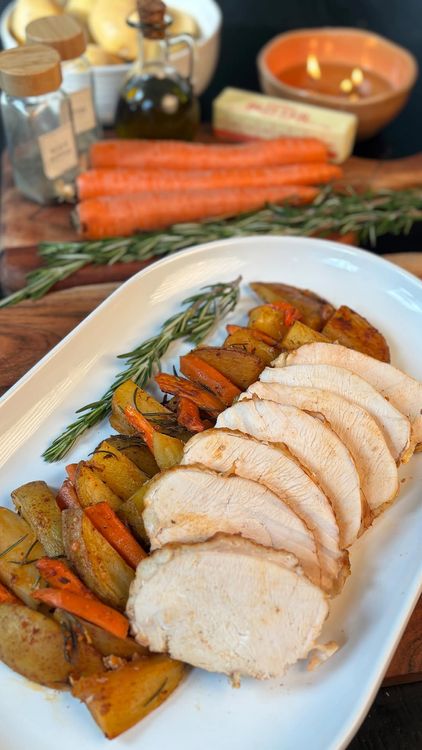
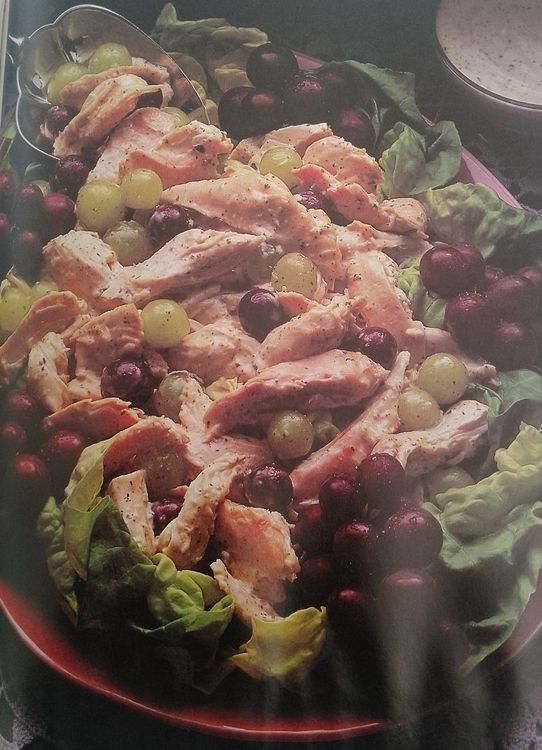
The centerpiece roast is the dish turkey is famous for and the one most people get wrong, almost always by overcooking it. The whole game is managing a lean bird whose breast and legs finish at different rates, so everything you do should buy moisture and even cooking. Season ahead — a dry brine of salt rubbed over the bird and rested uncovered in the fridge for a day or two seasons the meat through and dries the skin for a proper crackle — then roast to temperature, never to a chart. Pull it when the thigh reads 165°F and the breast a touch lower, around 157 to 160, because the white meat dries fastest and carryover heat will keep climbing as it sits. Start hot to set the skin, drop the heat to finish gently, and tent the breast with foil if it colors before the legs catch up. The single biggest mistake is carving straight out of the oven; rest a whole bird a full thirty to forty-five minutes so the juices redistribute instead of bleeding onto the board. A turkey breast alone follows the same logic in less time, and spatchcocking a whole bird flattens those odds in your favor. Standouts here include Turkey Breast with Fruit Garnish and Christmas Turkey, plus Smoked Turkey & Cheese Sandwich.
- International
- Non-Vegetarian
- Dinner
- American
- Non-Vegetarian
- Dinner


- Non-Vegetarian
- Lunch
- American
- Non-Vegetarian
- Dinner
- International
- Non-Vegetarian
- Dinner
- American
- Non-Vegetarian
- Dinner

- American
- Non-Vegetarian
- Dinner
- American
- Non-Vegetarian
- Appetiser
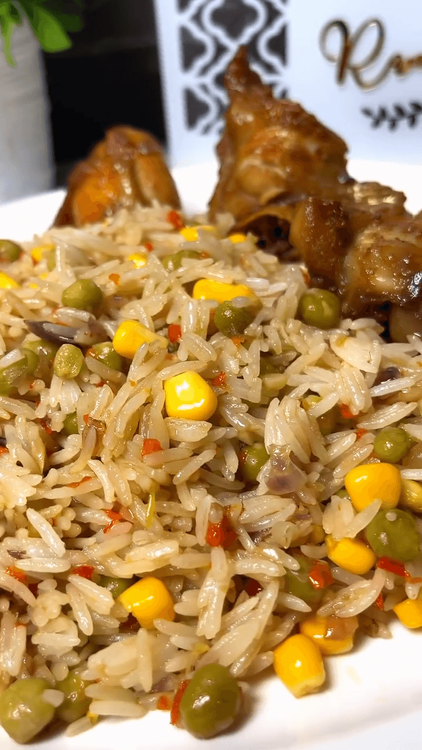

- Middle Eastern
- Non-Vegetarian
- Main Course
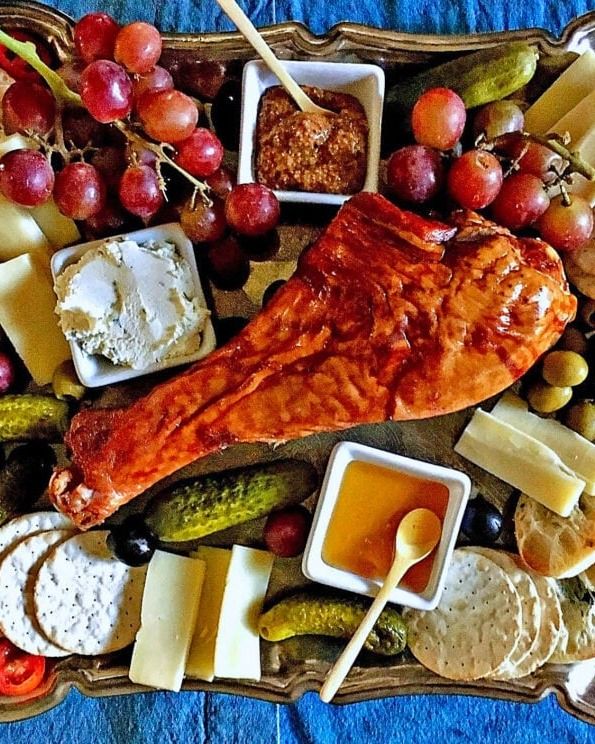

- American
- Non-Vegetarian
- Lunch
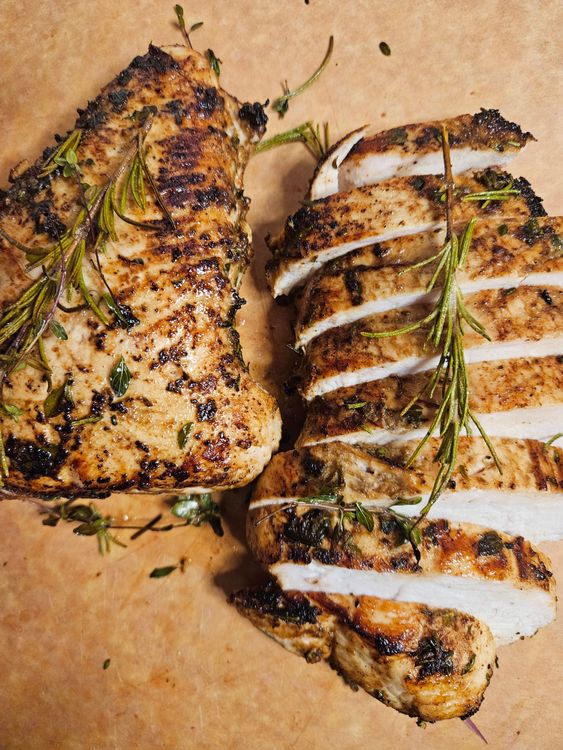

- American
- Non-Vegetarian
- Dinner
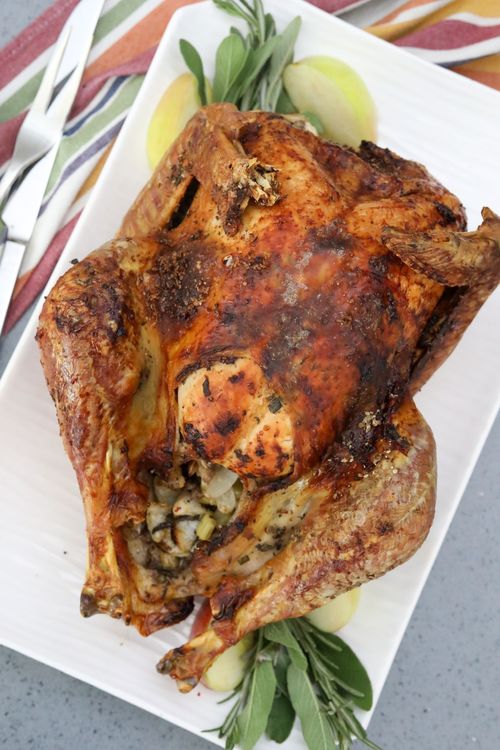
- American
- Non-Vegetarian
- Dinner
Ground Turkey Dinners
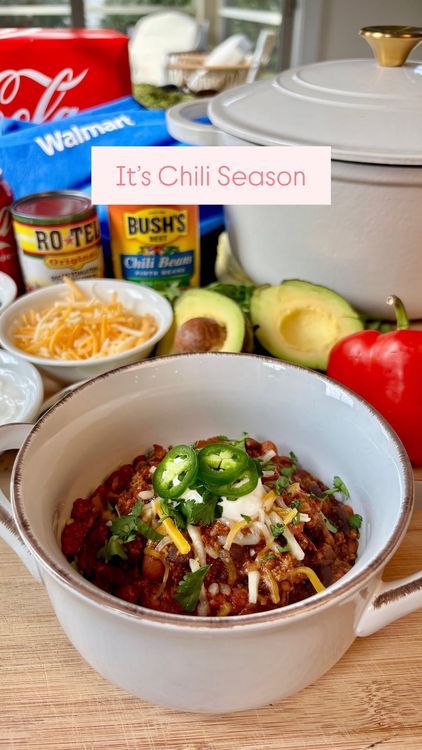
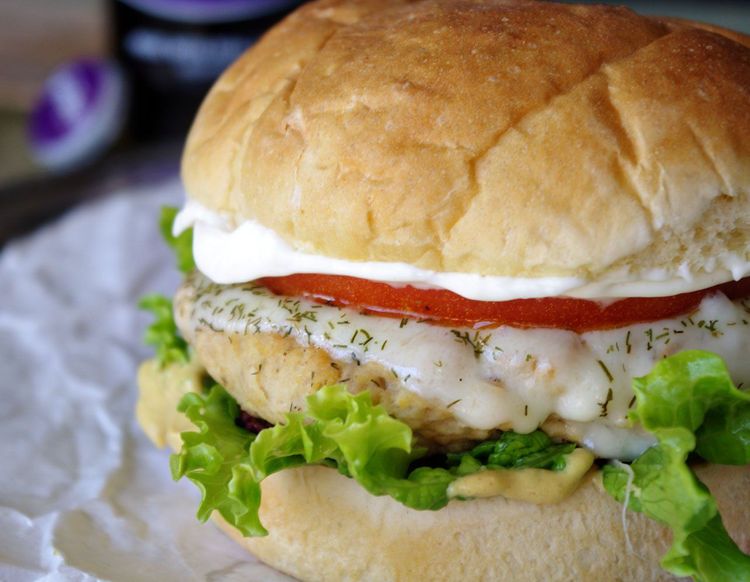
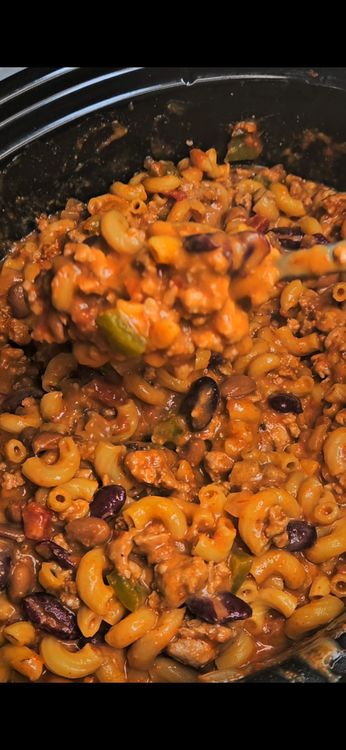
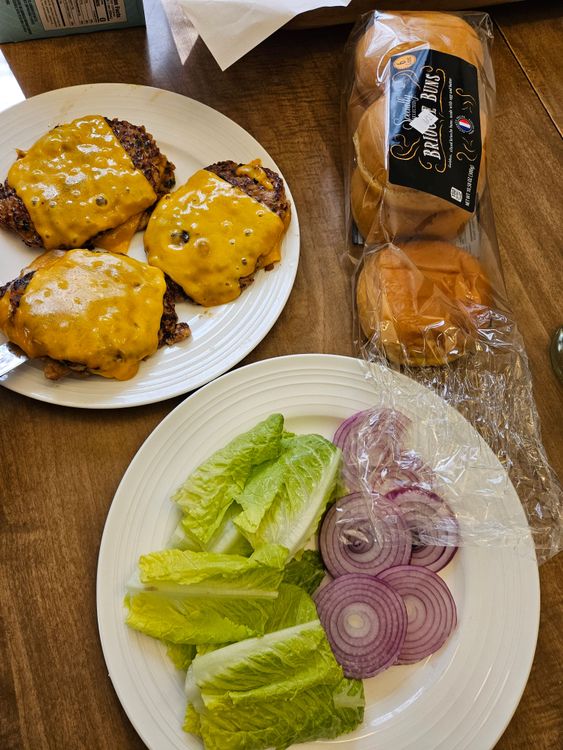
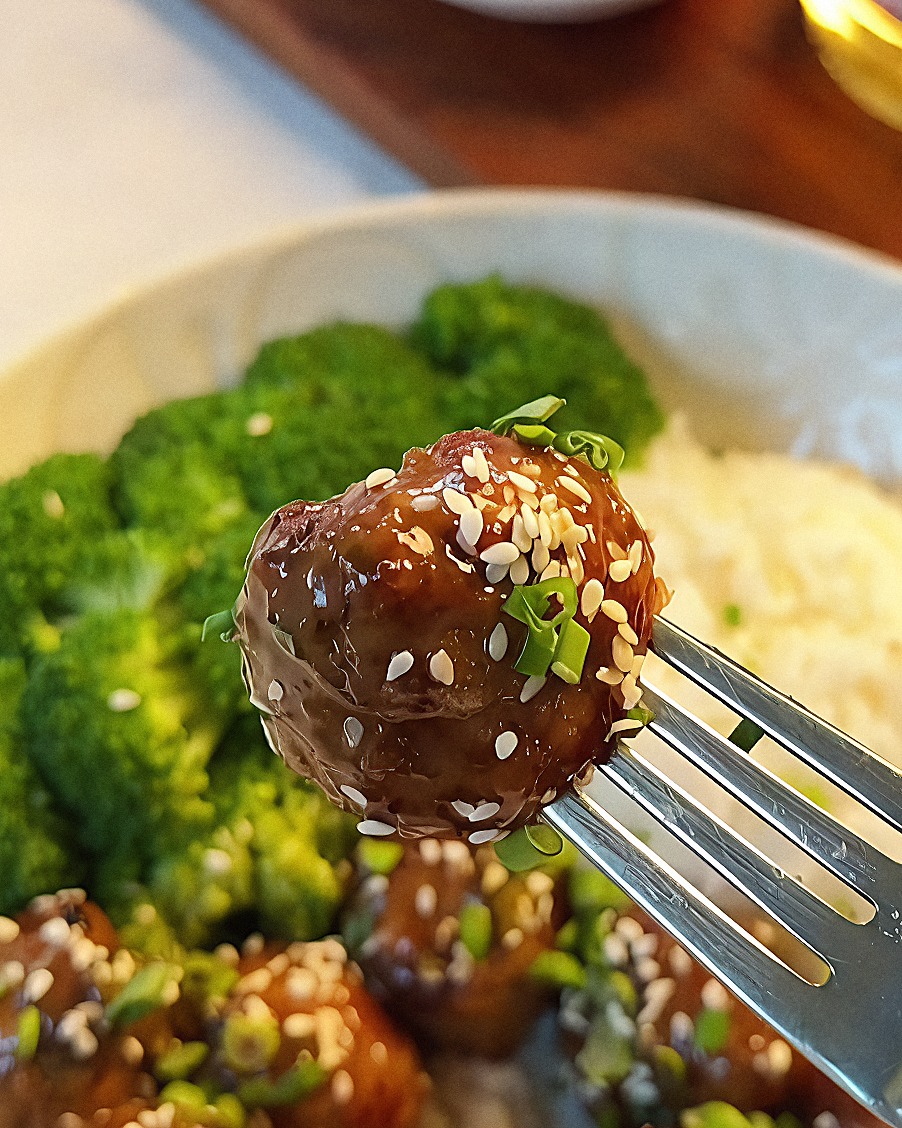
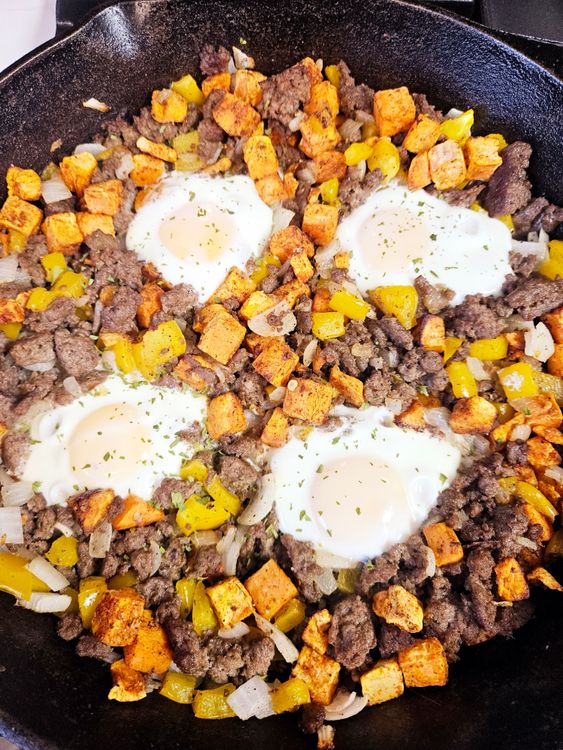
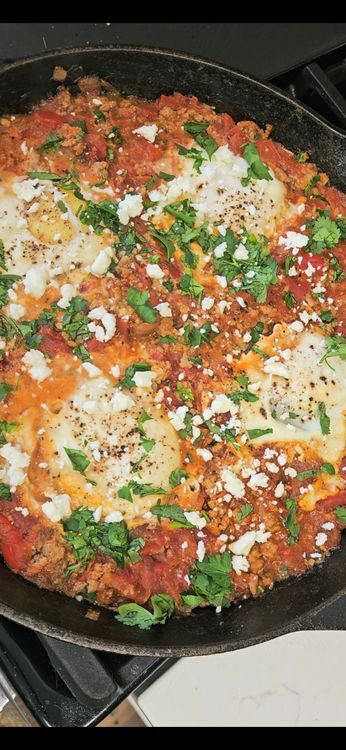
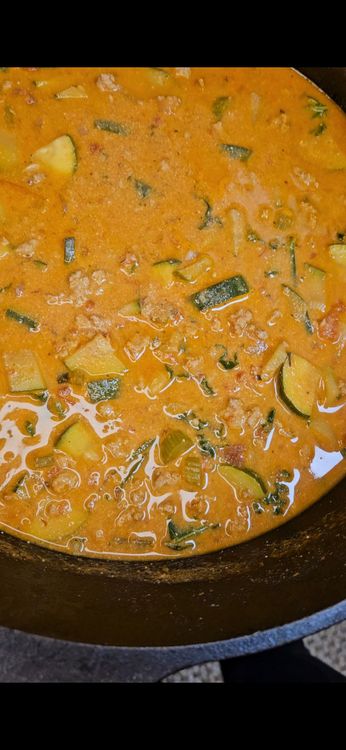
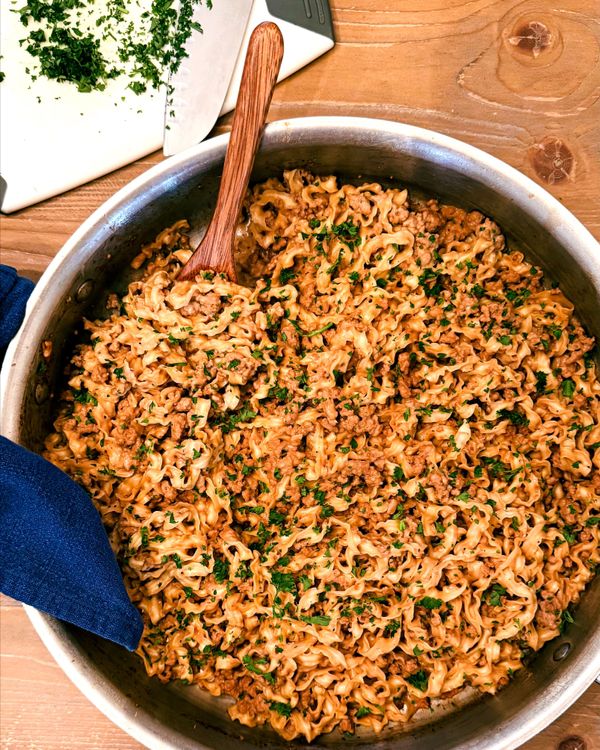
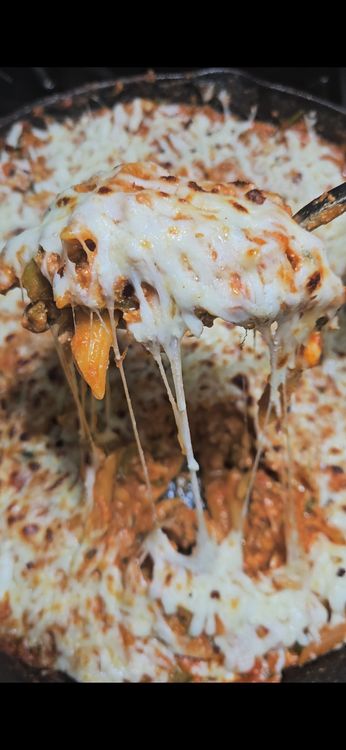
Ground turkey is the quiet hero of the weeknight, lean and quick and endlessly adaptable, but that leanness is exactly what trips people up. With far less fat than beef to carry flavor and keep things juicy, it cooks into dry, grey crumbles the moment you stop paying attention, so the two rules are season hard and stop early. It genuinely needs more salt and spice than you expect, plus a little borrowed richness — a glug of olive oil, a grated onion, sautéed mushrooms, or a milk-soaked breadcrumb panade for burgers and meatballs that stay tender. Handle the mix gently when you form patties, because overworking lean meat turns it dense and rubbery, and chill them briefly so they hold their shape on the heat. When you brown it for chili, tacos or a skillet dinner, let the meat sit and develop color in a properly hot pan rather than stirring it into a steaming puddle of its own juices. Cook it just to 165°F and no further. Because it is such a blank canvas, ground turkey shines with bold, assertive seasoning — taco spice, Italian herbs, larb, curry — and a final hit of acid to wake the whole thing up. Standouts here include One-Pot Turkey Chili and Spaghetti Squash with Turkey Meatballs & Fresh Tomato Sauce, plus Turkey and Chickpea Burgers with Dill Havarti.
- American
- Non-Vegetarian
- Lunch

- Non-Vegetarian
- Dinner
- American
- Non-Vegetarian
- Lunch

- American
- Non-Vegetarian
- Dinner


- American
- Non-Vegetarian
- Dinner
- American
- Non-Vegetarian
- Dinner

- American
- Non-Vegetarian
- Dinner

- American
- Non-Vegetarian
- Dinner
- Fusion
- Non-Vegetarian
- Lunch
- Asian
- Non-Vegetarian
- Dinner

- American
- Non-Vegetarian
- Lunch
- American
- Non-Vegetarian
- Breakfast
- Mediterranean
- Non-Vegetarian
- Lunch

- Mexican
- Gluten-Free
- Dinner
Leftover Turkey Ideas
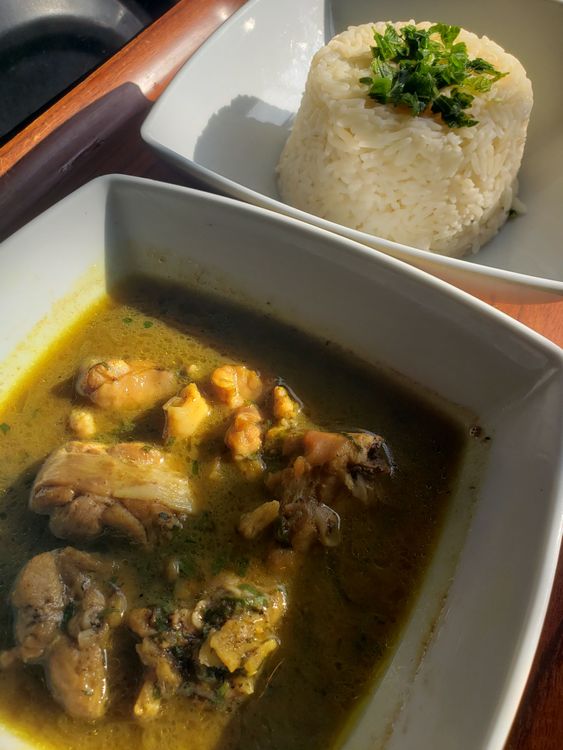
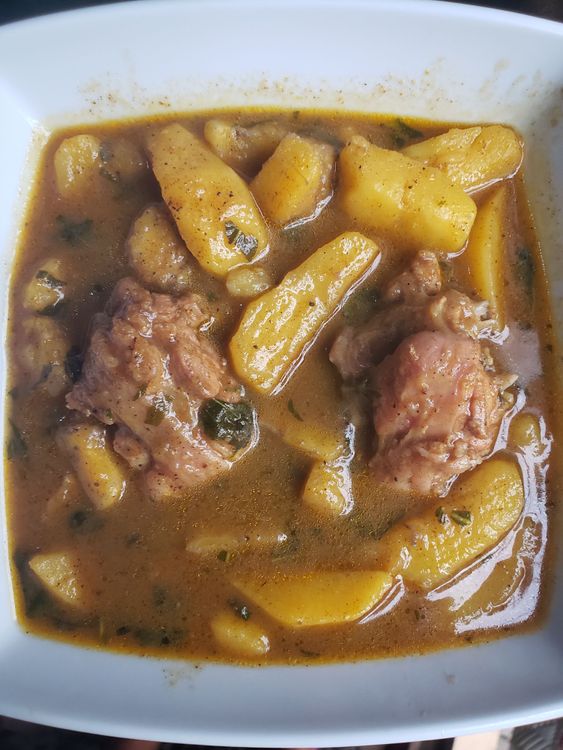
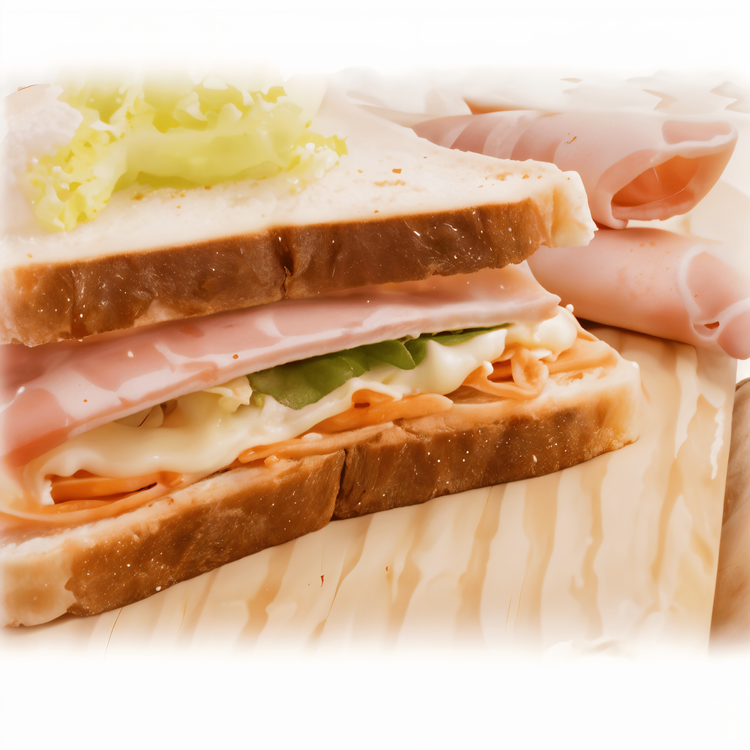
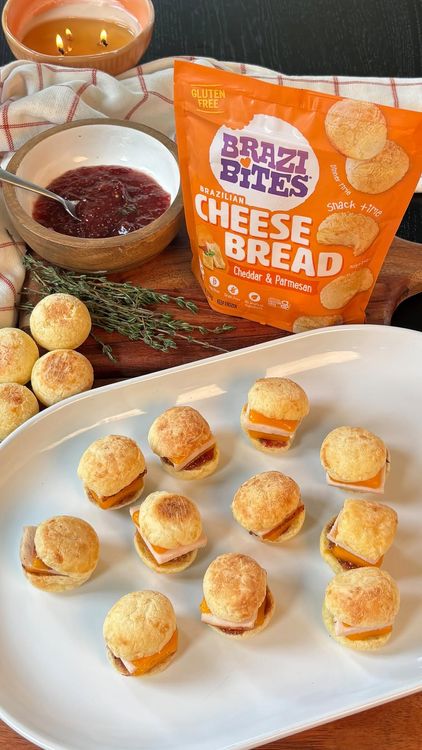
For a lot of cooks the leftovers are the best part of the whole bird, and a little strategy turns a picked-over carcass into days of genuinely good eating. Strip the meat while it is fresh, keep the darker pieces for stews and curries where they hold up, and simmer the bones with an onion, carrot, celery and a bay leaf into a stock that becomes the backbone of half these dishes. The guiding principle is that the turkey is already cooked, so you are reheating it, not cooking it again — fold shredded meat into a soup, casserole, pot pie or curry near the end, just long enough to warm through, and it stays tender instead of seizing up dry. Sandwiches want plenty of moisture to compensate for any dryness, so lean on gravy, cranberry, mayonnaise or a slick of mustard. Tetrazzini, à la king, hash, enchiladas and a turkey noodle soup all run on this same gentle-reheat logic. Store the meat three to four days in the fridge or freeze it with the stock for months, and if a cold slice tastes a touch dry, that is precisely what these saucy, brothy second-day dishes were invented to rescue. Standouts here include Nigerian turkey peppersoup and Irish potato turkey peppersoup, plus Turkey Club Melt Sandwich.

- Nigerian
- Non-Vegetarian
- Lunch
- Nigerian
- Non-Vegetarian
- Dinner

- Non-Vegetarian
- Lunch
- Fusion
- Non-Vegetarian
- Lunch
- American
- Non-Vegetarian
- Dinner


- American
- Non-Vegetarian
- Dinner

- Nut-Free
- Lunch
- American
- Non-Vegetarian
- Appetiser
- Italian
- Non-Vegetarian
- Lunch
- American
- Non-Vegetarian
- Lunch
Turkey Parts & Global Plates
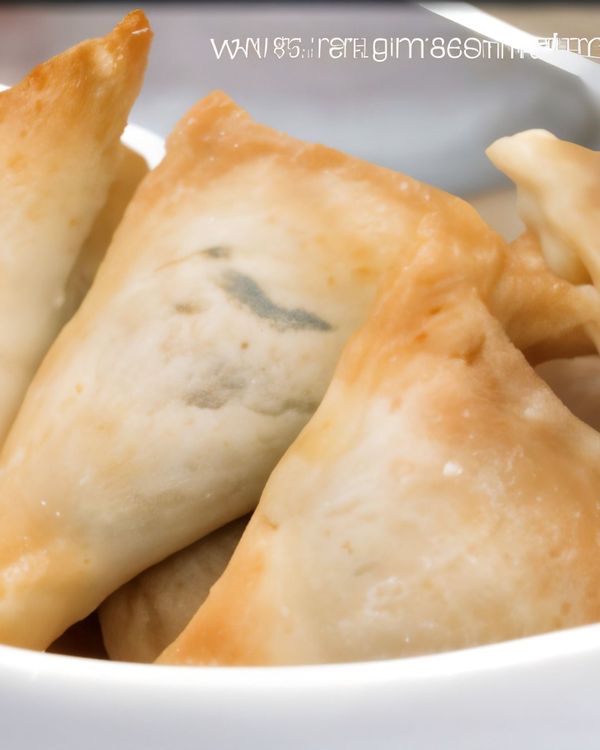
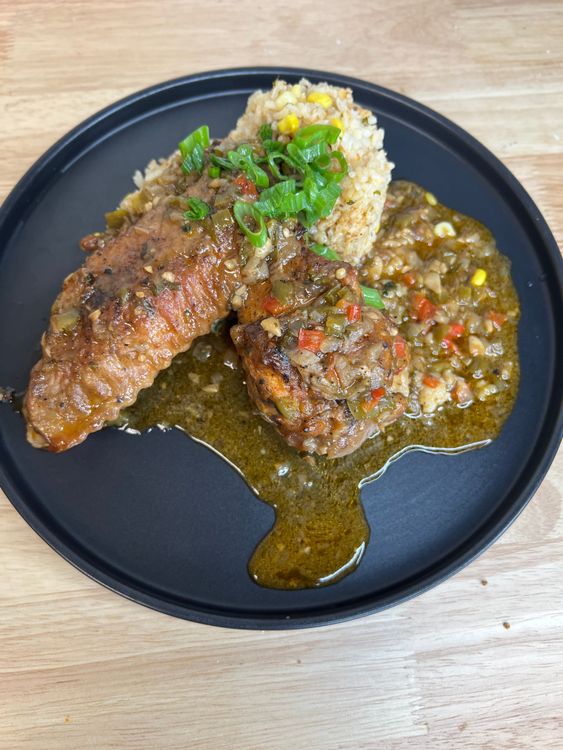
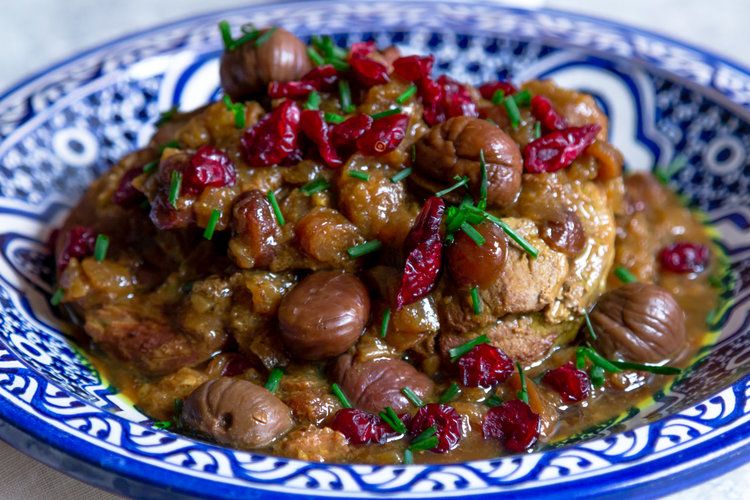
This is the cluster that frees turkey from the holiday calendar, built on the cuts the whole-bird crowd overlooks — wings, legs, drumsticks, thighs, tenderloins and thin cutlets — plus dishes that borrow from kitchens all over the world. The cuts behave very differently, and matching technique to each is the whole skill here. Dark meat on the bone, like wings, legs and thighs, is forgiving and full of flavor; it loves a long, slow braise, a roast, or a confit-style cook that renders the fat and falls off the bone, so there is little risk of drying it out. Lean tenderloins and cutlets are the opposite, cooking in minutes and turning to cardboard if you push them, so pound the cutlets thin, sear them hot and fast for a piccata, marsala or schnitzel, and pull them the instant they are just cooked through. From there the world opens up: turkey takes a mole, a green chili verde, a curry, a kebab or a stir-fry as happily as chicken does, often for less money. Cook to temperature, respect whether your cut is fast or slow, and turkey becomes a protein for any night of the week rather than one Thursday in November. Standouts here include Turkey with Mole in Puff Pastry and Smothered Turkey Wings.
- Mexican
- Non-Vegetarian
- Appetiser
- American
- Non-Vegetarian
- Dinner
More Turkey Favourites
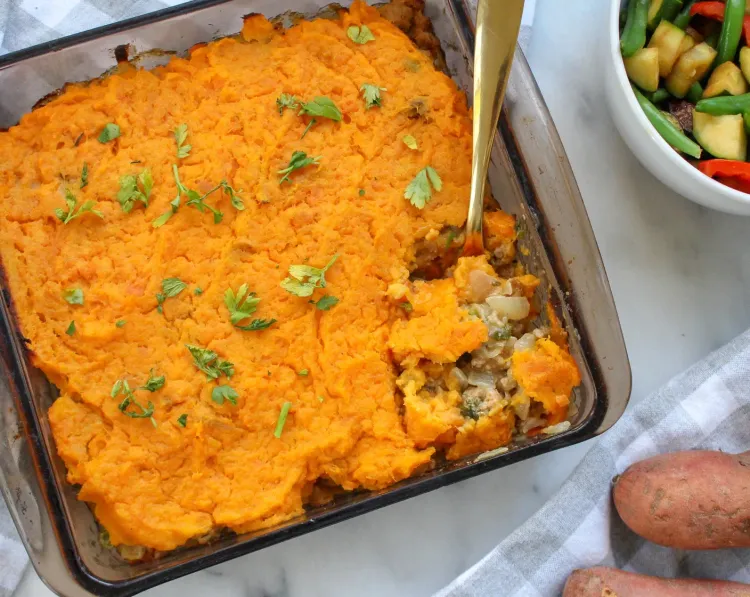
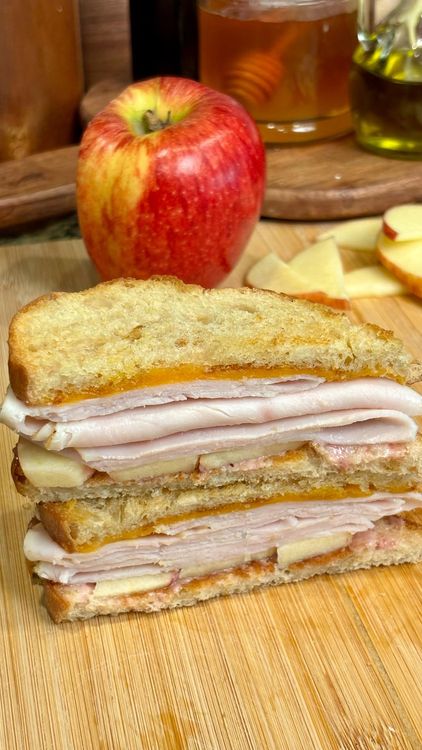
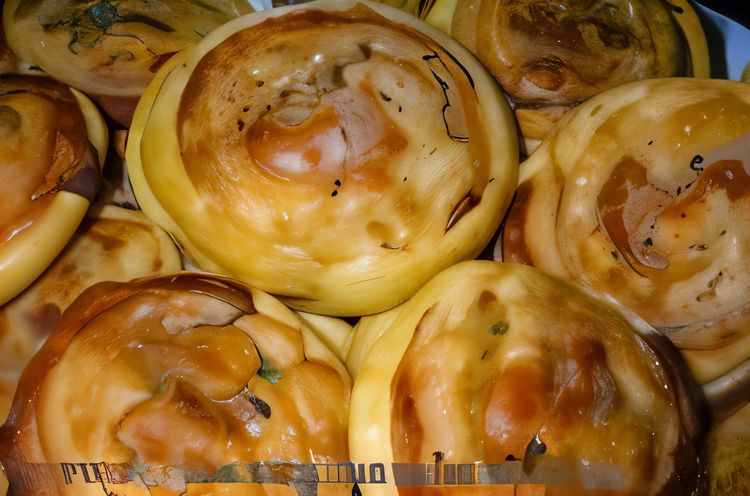
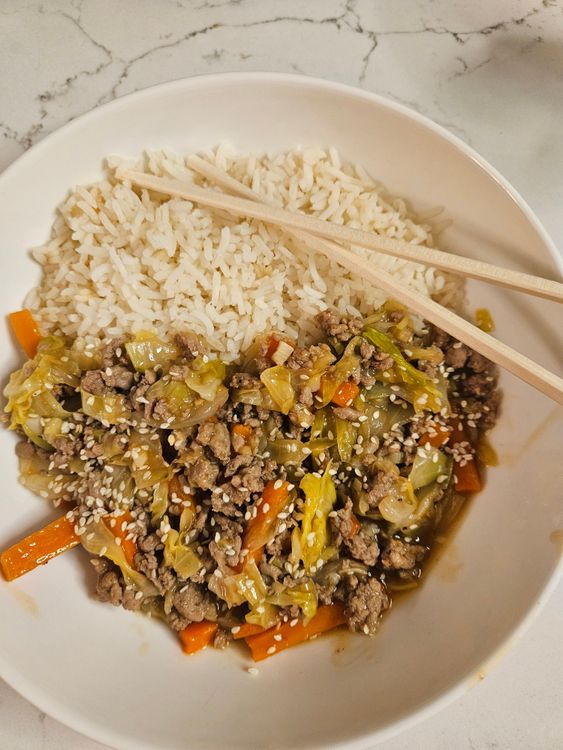
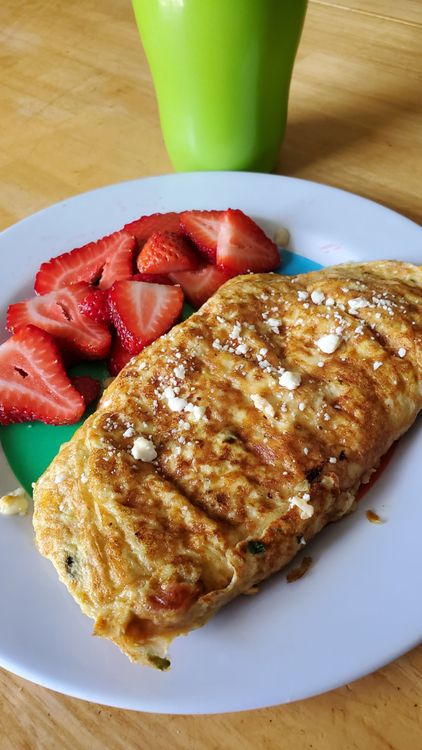
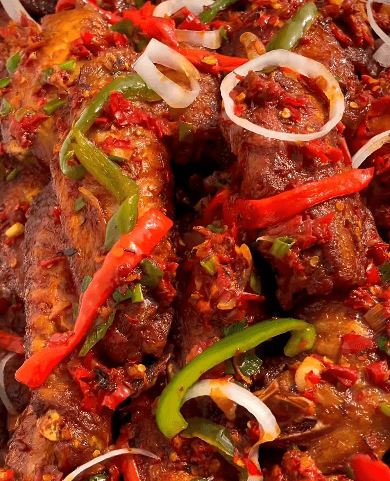
A few turkey dishes never settle neatly into a single category, and these are the ones worth keeping in your back pocket once the roast and the weeknight standbys feel routine. They lean on the same handful of techniques you already know — a careful read of the thermometer, a slow braise for the tougher cuts, a quick hot sear for the lean ones, a gentle reheat for anything already cooked — but steer them toward different formats and flavors so turkey never tastes the same twice. Picking your next one is mostly about matching effort to the evening: reach for a fast cutlet, a skillet of seasoned mince or a tray of wings on a busy night, and save the slow-roasted, long-braised or multi-component numbers for a weekend when you have time to let things develop. Pay attention to the cut above all, since a lean breast or tenderloin wants speed and a thigh or drumstick wants patience, and they fail in opposite directions. Think of this group as the natural next step after the staples — the recipes that quietly prove turkey belongs in your rotation all year, and earn a regular spot once you have tried them. Standouts here include Turkey and Sweet Potato Shepherd's Pie and Turkey Cheddar Grilled Cheeses, plus Turkey Cheddar & Apple Melt.
- American
- Non-Vegetarian
- Dinner

- American
- Non-Vegetarian
- Lunch
- American
- Non-Vegetarian
- Lunch
- Spanish
- Non-Vegetarian
- Appetiser
- Asian
- Non-Vegetarian
- Dinner

- American
- Non-Vegetarian
- Breakfast

- Nigerian
- Non-Vegetarian
- Breakfast

- American
- Non-Vegetarian
- Lunch
- American
- Non-Vegetarian
- Dinner

- Moroccan
- Non-Vegetarian
- Dinner
- American
- Non-Vegetarian
- Breakfast
Brining: Wet, Dry and Whether You Need It
Brining is the single biggest lever you have on a juicy turkey, because it seasons the meat all the way through and helps it hold moisture during a long roast. A wet brine — water, salt, sugar and aromatics, with the bird submerged for 12 to 24 hours — is the traditional route and very forgiving, though it needs fridge space and a large container. Use roughly one cup of kosher salt per gallon of water, and never brine a kosher or pre-basted "self-basting" turkey, which is already salted.
A dry brine is easier and, many cooks argue, better. Rub the bird inside and out with salt (about one teaspoon of kosher salt per pound), set it uncovered on a rack in the fridge for one to three days, and let it work. The salt draws out moisture, dissolves, then gets reabsorbed as seasoned juice, while the open-air fridge dries the skin so it roasts up crackling crisp. No bucket, no spillage, no diluted flavor — just season, wait, and roast.
Do you strictly need to brine? No. A fresh, good-quality bird cooked carefully to temperature will be fine without it. But brining buys you a margin for error on a notoriously unforgiving roast, and that insurance is why so many cooks swear by it. If you do brine wet, pat the bird thoroughly dry before it goes in the oven — surface water is the enemy of crisp skin — and go easy on additional salt in any rub or gravy.
Roasting Temperatures, Timing and the All-Important Rest
The numbers that matter are internal temperatures, not minutes per pound, which vary wildly with bird size, oven and starting temperature. Pull the turkey when the thickest part of the thigh (not touching bone) reads 165°F / 74°C; the breast is best a touch lower, around 157–160°F, since it dries faster. A reliable instant-read thermometer is the most important tool in turkey cooking — far more useful than any timing chart. Carryover heat will push the temperature up several degrees as it rests.
Because breast and leg finish at different rates, smart geometry helps. Spatchcocking — removing the backbone and flattening the bird — exposes everything evenly and cuts roasting time dramatically, often to around 80 minutes for a moderate bird. Roasting breast-side-down for the first stretch, or simply tenting the breast with foil once it colors, protects the white meat while the legs catch up. Start hot (around 425°F) to set the skin, then drop to 325–350°F to finish gently.
Then rest it — properly. A whole turkey needs at least 30 to 45 minutes loosely tented before carving, and it will stay hot far longer than you expect. Resting lets the juices, driven to the center by the heat, redistribute through the meat; carve too soon and they run out onto the board, leaving the slices dry. Use that resting window to make gravy from the pan drippings. A rested bird carves cleanly and tastes twice as moist as one hacked into straight from the oven.
Cooking Lean Ground Turkey Without Drying It Out
Ground turkey is lean — often 93% or even 99% — which is its selling point and its pitfall. With little fat to keep things juicy and carry flavor, it can cook into dry, bland crumbles fast. The fixes are straightforward: season aggressively (it needs more salt and spice than you think), do not overcook it, and add moisture and fat from elsewhere. A splash of olive oil, a grated onion, a spoon of yogurt or some sautéed mushrooms folded in all work wonders, especially in burgers and meatballs.
For patties and meatballs, treat the mix gently. Overworking ground turkey makes it dense and rubbery, so combine just until the binder and seasonings are distributed and stop. A panade — breadcrumbs soaked in milk — keeps meatballs and meatloaf tender, and a little grated cheese or a beaten egg helps them hold together since lean meat lacks the fat that binds a beef patty. Chill formed patties for ten minutes so they keep their shape on the heat.
When you brown ground turkey for chili, tacos or a Bolognese, get the pan genuinely hot and let the meat develop some color before you stir, rather than steaming it grey in its own released water. Cook it just to 165°F and no further. Because it is so lean, ground turkey is a brilliant blank canvas — it takes on taco spice, Italian herbs, Thai larb seasoning or curry beautifully — so lean into bold flavors and acid to make it sing.
Making the Most of Turkey Leftovers
Before you do anything else, break down the carcass while it is still fresh. Strip every scrap of meat, keep white and dark roughly separate (dark holds up better in stews and curries), and store it airtight. Then simmer the bones — with an onion, carrot, celery and a bay leaf — for a couple of hours to make turkey stock. That stock is the backbone of half the leftover recipes here, from soup to pot pie gravy to a risotto, and it costs you nothing but time you are spending in the kitchen anyway.
Cooked turkey is already done, so the goal with every leftover dish is to reheat it gently in a sauce or broth rather than cook it again, which only dries it further. Add shredded meat near the end of a soup or curry, fold it into a casserole or pot pie filling that is already hot, or pile it into a sandwich with plenty of moisture — gravy, cranberry, mayonnaise — to compensate for any dryness. Tetrazzini, à la king, hash and enchiladas all work on this principle.
Store leftover turkey in the fridge for three to four days, or freeze the meat and the stock separately for up to three months — turkey freezes well, and a labeled bag of cooked meat is a head start on a future dinner. If a slice of cold turkey tastes a little dry, do not despair: that is exactly what soups, curries and saucy casseroles are for. The leftovers, handled right, are genuinely the best eating the bird gives you.
Pro Tips from the Test Kitchen
- Cook to temperature, not time: thigh to 165°F / 74°C, breast a touch lower (~157–160°F), then let carryover finish it.
- An instant-read thermometer is the most important turkey tool you own — it beats every minutes-per-pound chart.
- Dry-brine for ease: salt the bird (~1 tsp kosher salt per pound) and rest it uncovered in the fridge 1–3 days for juicy meat and crisp skin.
- Pat the bird bone-dry before roasting — surface moisture is what stops the skin from crisping.
- Spatchcock (remove the backbone and flatten) to cook breast and legs evenly and slash roasting time.
- Tent the breast with foil once it browns so the white meat does not overshoot while the legs finish.
- Rest a whole turkey 30–45 minutes before carving so the juices redistribute instead of spilling onto the board.
- Season lean ground turkey harder than you think, and add fat or moisture — olive oil, grated onion, a panade — to keep it juicy.
- Handle ground turkey gently; overworking patties and meatballs makes them dense and rubbery.
- Simmer the carcass into stock and reheat leftover meat in sauce or broth rather than cooking it twice.
Frequently Asked Questions
How long do you cook a turkey, and at what temperature?
Cook to internal temperature, not the clock. Roast at 325–350°F until the thickest part of the thigh reads 165°F / 74°C, with the breast ideally around 157–160°F. As a rough guide an unstuffed bird needs about 13–15 minutes per pound, but size, oven and starting temperature vary that a lot, so a thermometer is essential. Start hot at 425°F to set the skin, then lower the heat to finish gently.
Do I need to brine a turkey?
You do not strictly need to, but brining gives you a real margin for error on a lean, easily-overcooked bird. A wet brine submerges it in salted water for 12–24 hours; an easier dry brine rubs salt over the bird and rests it uncovered in the fridge for one to three days, seasoning the meat and crisping the skin. Never brine a kosher or self-basting turkey, which is already salted.
Why does my turkey always come out dry?
Almost always overcooking, made worse by skipping the rest. Turkey is lean and the breast dries fast, so pull the bird the moment the thigh hits 165°F rather than leaving it in "to be safe." Use a thermometer, tent the breast once it browns, and rest the carved bird 30–45 minutes so the juices redistribute. Brining and not overcooking the white meat are the two biggest fixes.
What is spatchcocking and is it worth it?
Spatchcocking means cutting out the backbone and pressing the bird flat so it roasts in a single even layer. It is absolutely worth it: the breast and legs cook at much closer rates, the skin crisps all over, and a whole bird can be done in around 80 minutes instead of three hours. The only trade-off is that a flattened turkey looks less dramatic at the table than a tall, traditional roast.
How do you keep ground turkey from being dry and bland?
Season it generously — it needs more salt and spice than beef — and add fat or moisture, since lean ground turkey has little of its own. Olive oil, grated onion, sautéed mushrooms, yogurt or a milk-soaked breadcrumb panade all help. Handle it gently so it does not turn rubbery, and cook it just to 165°F and no further. Bold flavors like taco spice, curry or Italian herbs suit it especially well.
What can I do with leftover turkey?
Plenty, and it is often the best eating of all. Shred it into soups, curries, pot pies, tetrazzini, casseroles, enchiladas or a turkey à la king; pile it into sandwiches with gravy or cranberry; or crisp it in a hash. The key is to reheat the already-cooked meat gently in a sauce or broth rather than cook it again. Simmer the carcass into stock first to anchor many of those dishes.
How long does cooked turkey last, and can you freeze it?
Cooked turkey keeps three to four days in the fridge in an airtight container. It also freezes very well for up to about three months — strip the meat off the bone, portion it into bags, and freeze the homemade stock separately. Thaw in the fridge and reheat gently in a sauce or broth. A labeled bag of frozen cooked turkey is a genuine head start on a future meal.
How do you thaw a frozen turkey safely?
The safest way is in the fridge, allowing roughly 24 hours of thawing per 4–5 pounds — so a 15-pound bird needs about three to four days. For a faster thaw, submerge the wrapped turkey in cold water, changing the water every 30 minutes and allowing about 30 minutes per pound. Never thaw a turkey at room temperature, which leaves the outer layers in the bacterial danger zone for too long.
Should I cook turkey breast or a whole bird?
It depends on the crowd. A whole turkey is the holiday centerpiece and gives you both white and dark meat plus a carcass for stock, but it is large and tricky to cook evenly. A bone-in or boneless turkey breast is far faster, easier and perfect for a smaller gathering or a weeknight, with less risk of drying out. Many cooks roast just a breast outside the holidays and a whole bird only for the occasion.
Is turkey healthy?
Turkey is a lean, high-protein meat that is generally low in saturated fat, especially the breast and lean ground turkey, which is why it is popular for everyday cooking. Skinless white meat is the leanest cut; dark meat and the skin carry more fat and flavor. As always, how you cook it matters — a grilled cutlet or a turkey chili is lighter than a deep-fried bird or a heavy, buttery casserole.
The thread running through every turkey recipe here is the same: a lean meat that rewards seasoning, careful heat and a little patience. Learn the handful of moves in the guides — brine or season ahead, cook to temperature, rest before carving, keep ground turkey moist, and reheat leftovers gently — and the whole range opens up, from a holiday roast to a Tuesday-night skillet.
Pick three to cook beyond the holidays — a quick ground-turkey dinner, a leftover transformation, and a turkey-parts plate — and save your favorites to a Chefadora cookbook. Then come back for the roast when the occasion calls for it. This page is built to be the turkey reference you return to all year, not just once.
Related
- Turkey
- Roast
- Ground Turkey
- Leftovers
- High Protein
- Thanksgiving
- Poultry
- Dinner
Popular Searches
- Best turkey recipes
- Easy turkey recipes
- Quick turkey recipes
- Healthy turkey recipes
- Simple turkey recipes
- Homemade turkey recipes
- Delicious turkey recipes
- Popular turkey recipes
- roast turkey
- ground turkey recipes
- leftover turkey recipes
Marnirni-apinthi Building, Lot Fourteen,
North Terrace, Adelaide, South Australia, 5000
Australia
