
Top 32 Biscuit Recipes: Flaky Buttermilk, Drop, Gravy and Sweet
Updated June 29, 2026 · Curated by Chefadora

Biscuit recipes are the backbone of American comfort baking: a few cheap pantry staples — flour, fat, a leavener and something cold and tangy to bind — turned into something tall, golden and tender in barely half an hour. The recipes below were chosen to show the full range rather than ten versions of the same round, from the towering, pull-apart buttermilk classic to craggy cheddar drop biscuits, a plate smothered in sausage gravy, and sweet, glazed bakes that edge into dessert.
What separates a great biscuit from a dense, squat one is almost entirely technique, not a secret ingredient. The fat has to stay cold and in flakes right up until the oven, the dough must be barely brought together rather than kneaded smooth, and the heat needs to be high so steam puffs those flakes into distinct, buttery layers before the structure sets. Get those moves right and the same dough rises tall every single time.
You will find four clusters here: classic buttermilk and flaky biscuits, the no-fuss drop and cheese family, biscuits and gravy and other savory builds, and the sweet and shortcut versions. The base method is shared across nearly all of them — cold fat, cold liquid, a gentle hand — so once you have nailed one batch, the rest are variations on the same quick rhythm.
Treat this as a working reference. Each recipe links to full ingredients and steps on Chefadora, and the guides below cover the decisions that actually decide whether a biscuit soars or sinks: how to keep the butter cold, how to mix and fold for height, how to cut and bake for a clean rise, and how to make the sausage gravy that turns biscuits into a meal.
Classic Buttermilk & Flaky Biscuits
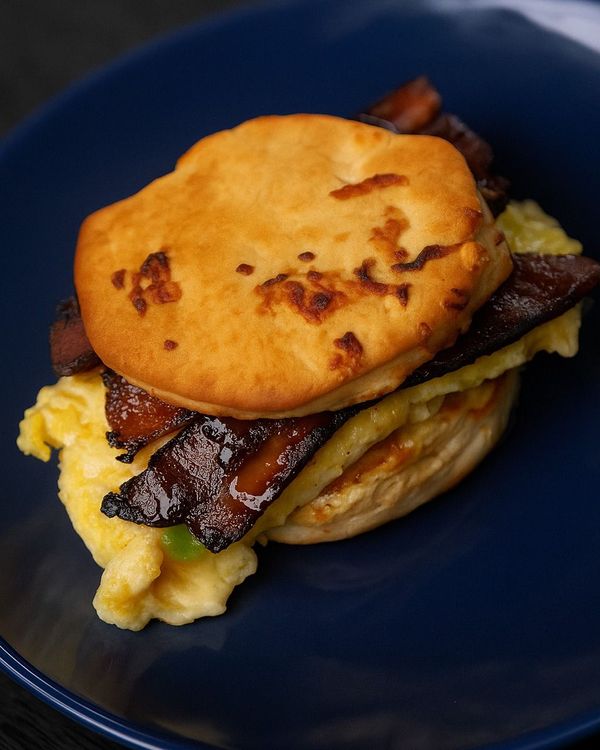
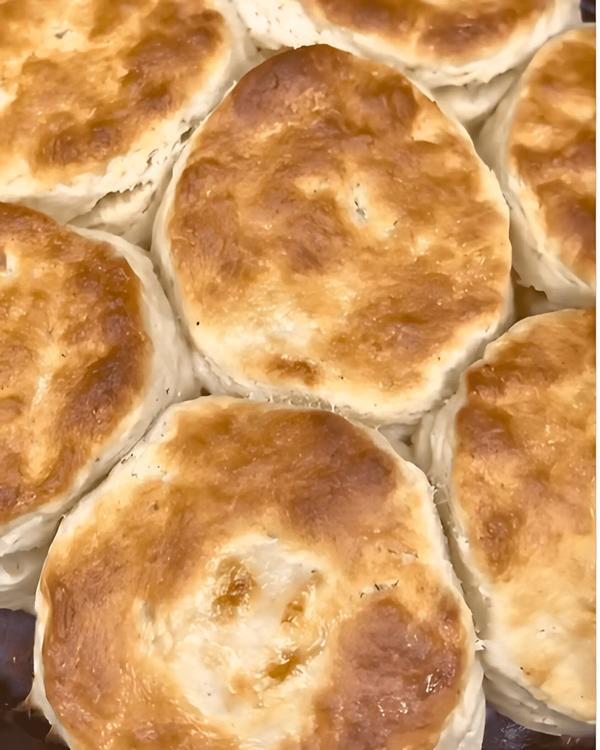
This is the biscuit everyone pictures: tall, golden, and made to be torn open in steaming layers. Getting that height is almost entirely about temperature and restraint. Your butter has to stay genuinely cold and in distinct flecks right up to the oven door, because those little pieces are what flash to steam and blow the dough apart into sheets. Cut chilled butter (or freeze and grate it) into the flour until the pieces are pea-sized, then add cold buttermilk and stir only until a shaggy, ragged dough forms. The single most common mistake here is overworking it, kneading the dough smooth like bread, which develops gluten and melts the butter, leaving you with a dense, squat puck instead of flaky layers. Instead, pat the dough out and fold it over itself in thirds three or four times to stack those buttery sheets, cut straight down without twisting the cutter, set the biscuits with their sides touching, and bake hot at 425 to 450F so the steam does its work before the crumb sets. Standouts here include Buttermilk Biscuits and Flaky Biscuit Breakfast Sandwich, plus Classic Bay Biscuits.

- English
- Vegetarian
- Breakfast

- American
- Non-Vegetarian
- Breakfast
- European
- Eggetarian
- Snack
Biscuits & Gravy & Savory
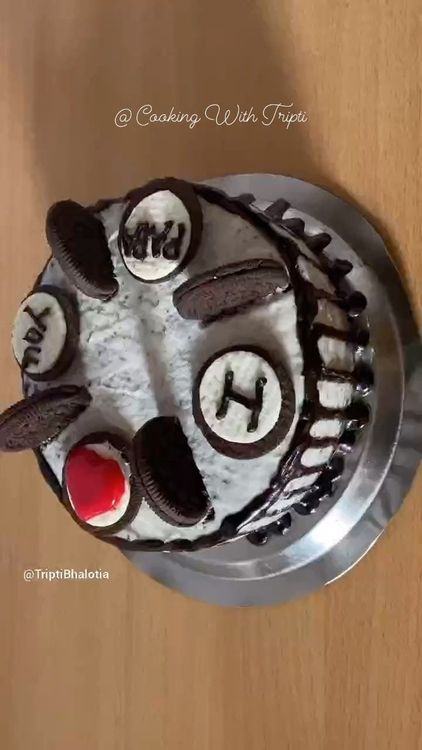
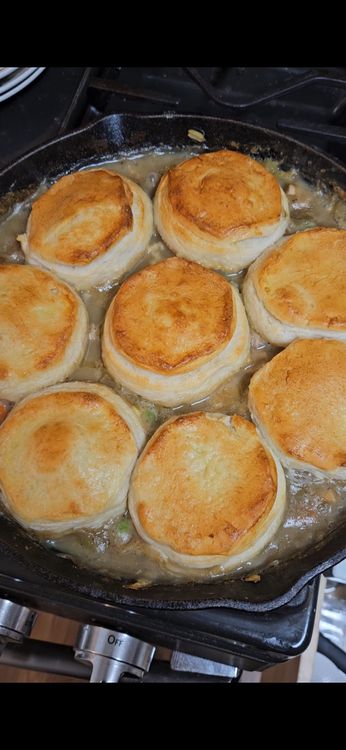
Here is where the biscuit stops being a side and becomes the whole plate. The headliner is biscuits and gravy: split, fresh-baked buttermilk biscuits smothered in a thick, peppery sausage gravy built from browned breakfast sausage, its rendered fat, a sprinkle of flour cooked out for a minute, and milk whisked in and simmered until it coats a spoon. The defining move is seasoning the gravy aggressively with black pepper, because an underseasoned, pale gravy is the most common disappointment of this dish. Beyond gravy, a sturdy biscuit is the ideal vehicle for a breakfast sandwich, layered with egg, cheese, and sausage or ham, or split and piled with fried chicken. Whatever the build, the biscuit underneath needs structure, so bake these a touch firmer and taller than a delicate dinner roll so they hold up to sauce and fillings without collapsing into mush. Keep the butter cold and the hand light as always, and always assemble and serve these hot, the instant the gravy is poured. Standouts here include Eggless Oreo Biscuit Cake and Slow Cooker Chicken and Biscuits, plus High Protien Breakfast Biscuits.

- International
- Vegetarian
- Snack


- American
- Non-Vegetarian
- Dinner

- Nut-Free
- Bread & Baking
- American
- Non-Vegetarian
- Dinner

- Fusion
- Non-Vegetarian
- Dinner
More Biscuit Favourites
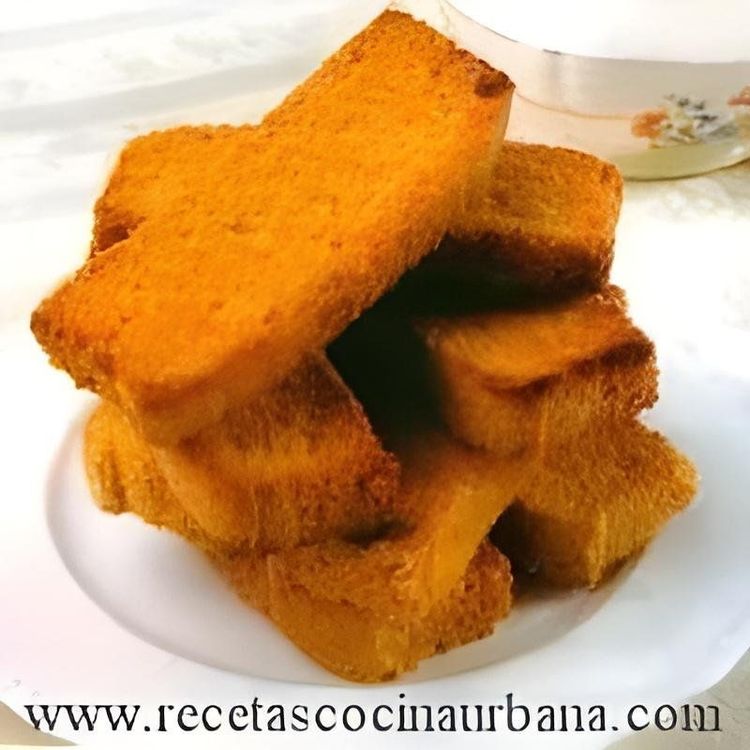
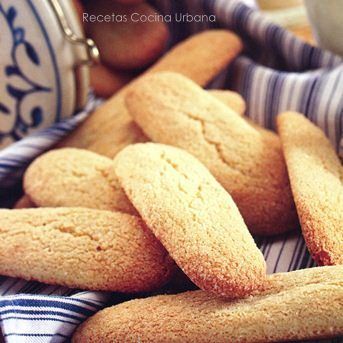
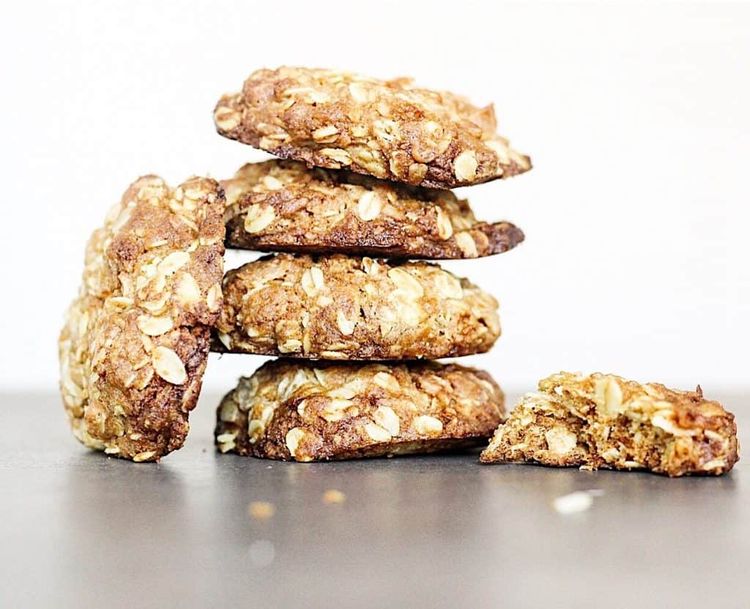
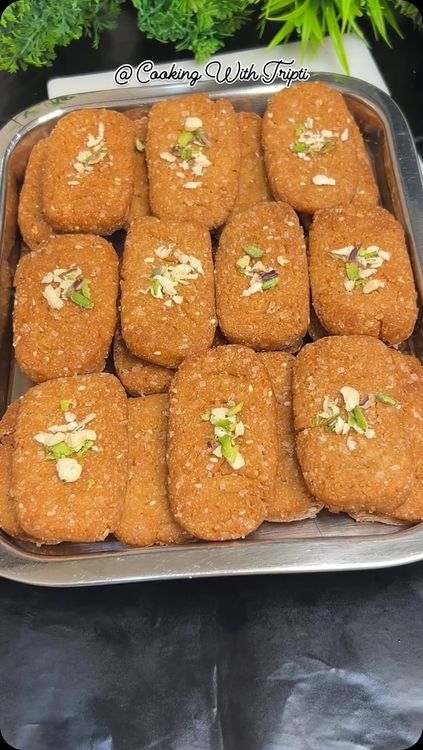
A handful of biscuits never quite fit a single category, and these are the ones worth keeping in your back pocket once the staples feel routine. They lean on the same handful of moves you already know, cold fat kept in flakes, a barely-mixed dough, a straight-down cut and a hot oven, but steer the result toward different textures, flavors, and formats, from sweet-potato and herbed savory rounds to angel biscuits leavened with yeast for an even lighter crumb. Picking your next one is mostly about matching effort to mood: reach for a quick drop or cream biscuit on a busy morning when you want something warm in twenty minutes, and save the folded, laminated, peel-apart numbers for a weekend when you can take your time and keep everything properly cold. Pay attention to how thick you pat the dough, too, since taller cuts rise into loftier biscuits while thinner ones bake faster and crisper. Think of this group as the natural next step after the classics, the recipes that quietly earn a regular spot in the rotation once you have tried them. Standouts here include Biscuit Savoiardi (Ladyfingers) and Anzac Biscuits, plus Atta Biscuit Recipe.
- Italian
- Eggetarian
- Snack
- Australian
- Vegetarian
- Snack
- Indian
- Vegetarian
- Snack
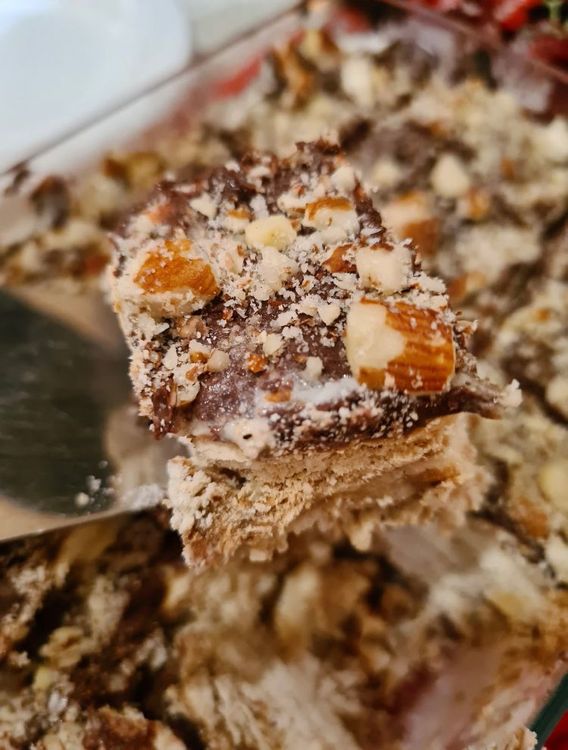

- Australian
- Vegetarian
- Dessert
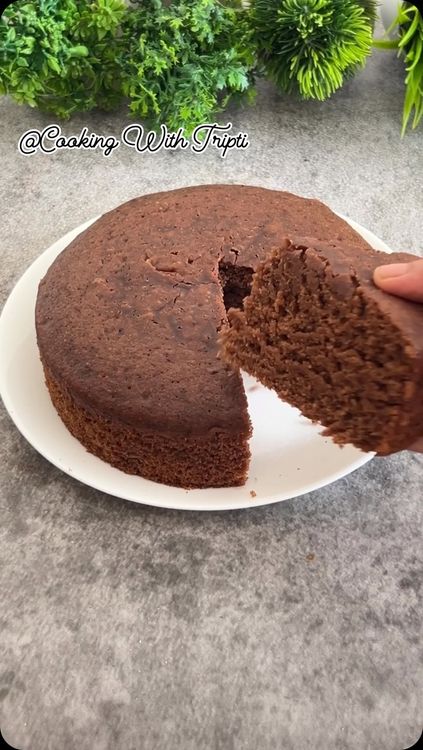
- Indian
- Vegetarian
- Snack
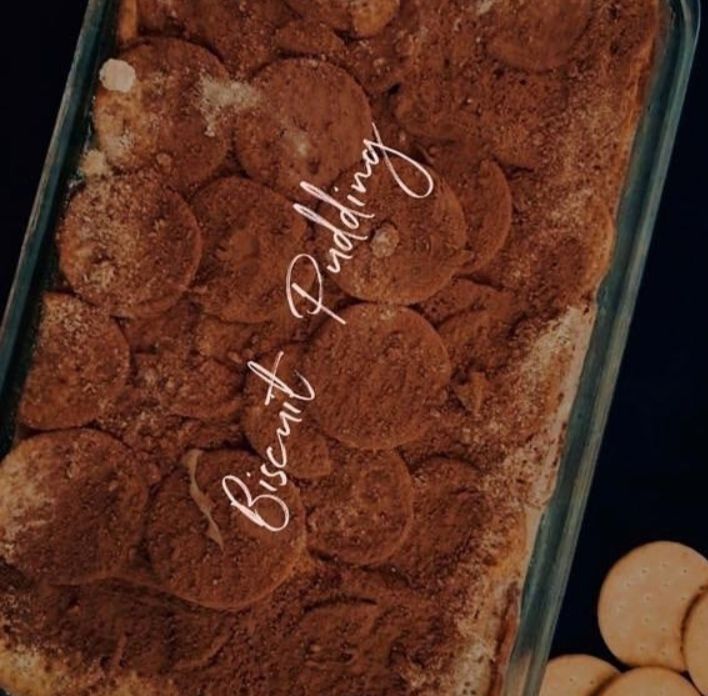
- Indian
- Vegetarian
- Dessert
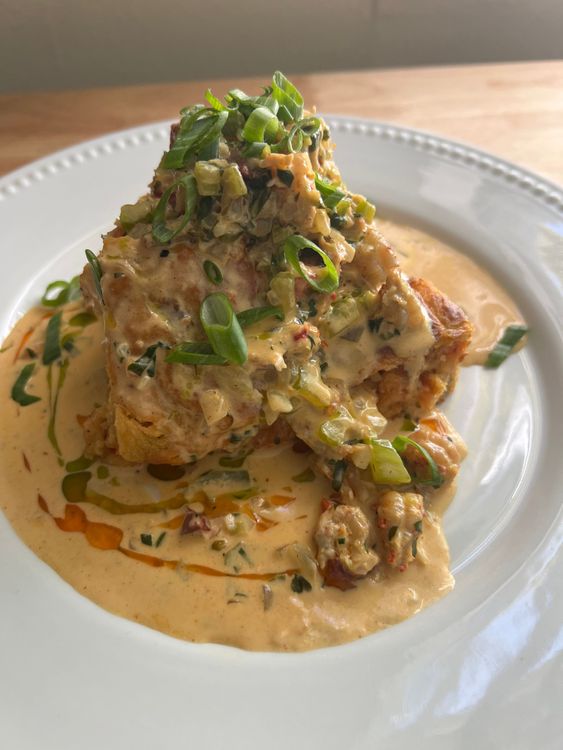
- Cajun
- Non-Vegetarian
- Breakfast
- European
- Eggetarian
- Snack
- American
- Eggetarian
- Snack
- International
- Vegetarian
- Dessert
- Indian
- Vegetarian
- Dessert


- Eggetarian
- Dessert
- International
- Vegetarian
- Snack

- Malaysian
- Eggetarian
- Snack

- Indian
- Vegetarian
- Snack


- Italian
- Eggetarian
- Snack

- Argentine
- Non-Vegetarian
- Snack
- French
- Eggetarian
- Snack
- Creole
- Eggetarian
- Breakfast
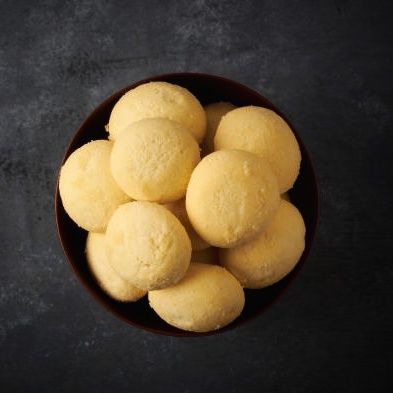
- Indian
- Vegetarian
- Snack
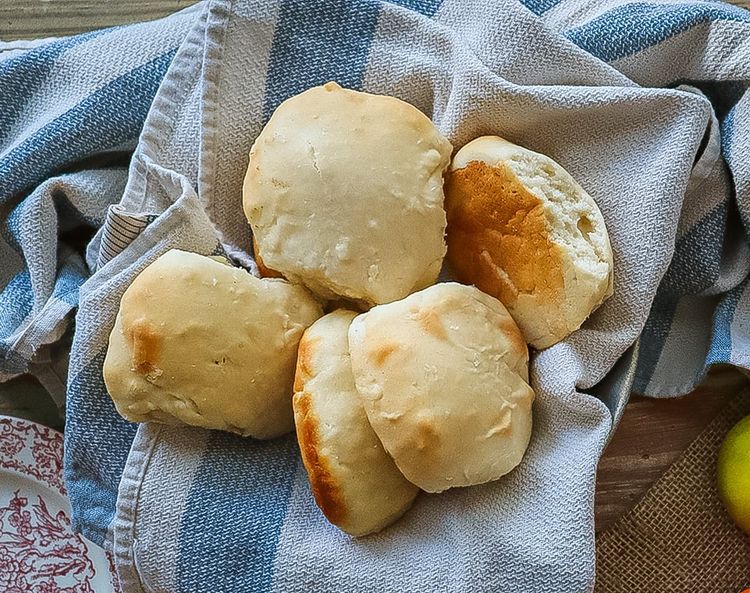

- American
- Vegetarian
- Breakfast
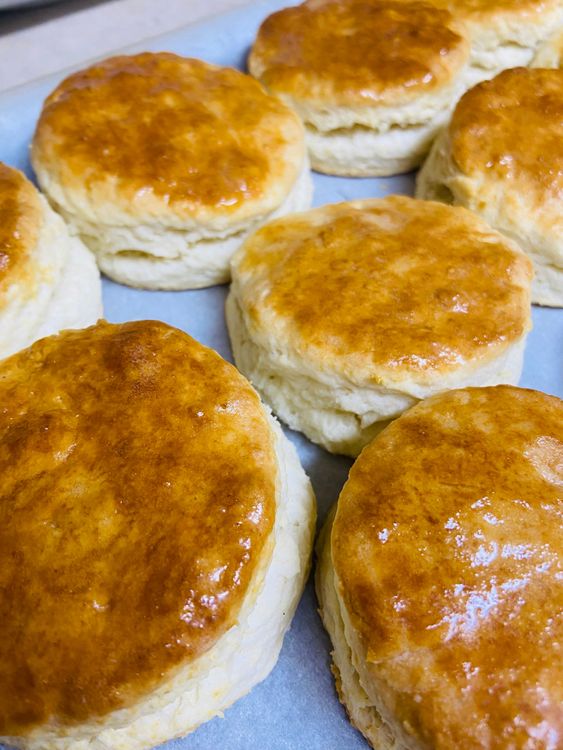
- American
- Vegetarian
- Breakfast
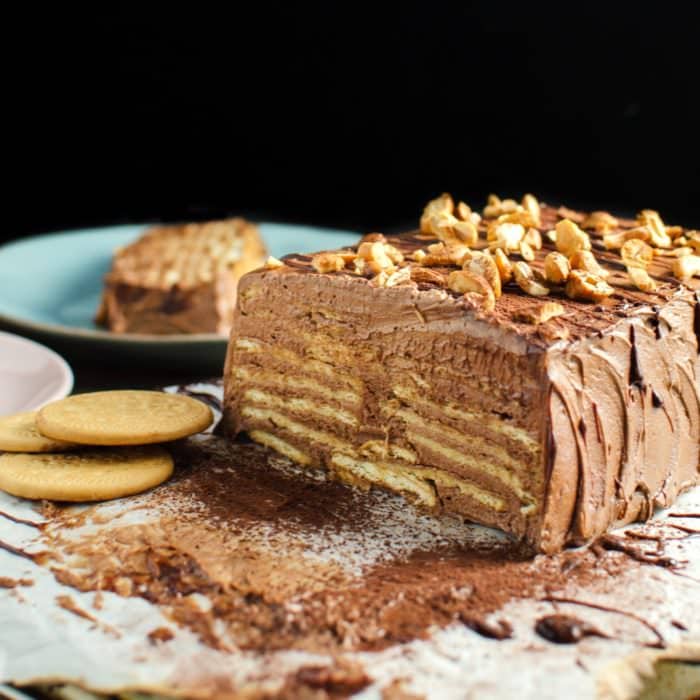
- International
- Vegetarian
- Dessert
- Western
- Vegetarian
- Snack
Cold Butter and the Right Flour
Everything starts with cold fat. The little flecks of cold butter (or shortening, or a mix) trapped in the dough are what melt and steam in the oven, blowing the dough apart into flaky layers. If the butter warms and smears into the flour before baking, it greases the crumb instead of leavening it and you get a dense, cakey biscuit. Freeze your butter and grate it, or cut chilled cubes in with a pastry cutter, and stop while the pieces are still pea-sized and visible.
Keep the whole operation cold. Chill the bowl and the buttermilk, work fast, and if the kitchen is warm or the dough starts feeling soft and sticky, slide the whole thing into the fridge for ten minutes before cutting. Cold dough holds its shape on the tray and rises straighter, while warm dough slumps and spreads. Many bakers chill the cut biscuits again briefly before they go in the oven for exactly this reason.
Flour matters more than people expect. A lower-protein flour — soft Southern flours like White Lily, or all-purpose cut with a little cake flour — makes a more tender, higher biscuit because it forms less gluten. Bread flour, by contrast, toughens. Spoon and level your flour rather than scooping straight from the bag, since a packed cup adds too much flour and dries the dough out, the quiet reason so many home biscuits bake up tough.
Mixing, Folding and Not Overworking
The single biggest rule of biscuits is do not overwork the dough. Every extra stir and knead develops gluten and melts the butter, and both turn a tender biscuit tough and flat. Add the cold buttermilk and stir just until the flour is moistened and the dough comes together in a shaggy, slightly ragged mass. It should look rough and a little dry, not smooth — if it looks like a finished bread dough, you have gone too far.
For tall, layered biscuits, fold rather than knead. Pat the shaggy dough into a rough rectangle, fold it over itself in thirds like a letter, press gently, and repeat three or four times. Each fold stacks sheets of dough and butter that bake into visible layers you can peel apart. Use a light touch and a bench scraper, add only enough flour to stop sticking, and resist the urge to keep working it smooth.
Drop biscuits skip the folding entirely — the dough is wetter and you simply scoop mounds straight onto the tray. They trade neat layers for a fast, craggy, tender crumb, which is why cheddar-bay and herb versions live in that camp. Whichever style you are after, the through-line is the same: mix the minimum amount needed, keep the butter in pieces, and treat the dough as gently as you can get away with.
Cutting, Shaping and Baking for Height
How you cut decides how high they rise. Use a sharp metal cutter or a bench scraper and press straight down without twisting — twisting seals and crimps the cut edges, which pins the layers shut and stops the biscuit climbing on one side. For the cleanest rise, dip the cutter in flour between cuts. Push the scraps together gently for a second round, but expect those re-rolled biscuits to be a touch shorter and less flaky than the first cut.
Pack them in for a tall bake. Set the biscuits on the tray so their sides just touch or sit very close — they support each other as they rise and push upward instead of spreading out. For extra lift, brush the tops (not the cut sides) with buttermilk or melted butter, which browns beautifully but should never run down the layered edges. A square-cut, scrap-free shaping wastes nothing and gives uniform biscuits.
Bake hot and high. A 425–450F (220–230C) oven gives the butter the thermal shock it needs to flash to steam and puff the layers before the crumb sets. Bake on the upper-middle rack until the tops are deep golden, usually 12 to 16 minutes, and resist opening the door early. A cool oven is the classic reason biscuits spread sideways and stay pale and squat instead of standing tall and browned.
Sausage Gravy, Glazes and Serving
Sausage gravy is the savory partner that turns biscuits into a meal. Brown crumbled breakfast sausage in a skillet, leave the fat, sprinkle in flour and cook that raw-flour taste out for a minute, then whisk in milk gradually and simmer until it thickens to a pourable, spoon-coating gravy. Season it hard with black pepper — a proper Southern sausage gravy is unapologetically peppery — and a pinch of salt, then ladle it over split, hot biscuits.
On the sweet side, biscuits take a glaze or a fruit topping happily. A simple powdered-sugar-and-milk glaze, a brush of honey butter, or a swipe of cinnamon-sugar turns a plain round into a treat, while split biscuits piled with macerated strawberries and cream make a fast shortcake. Add glazes while the biscuits are just warm, not hot, so the sugar sets into a sheen rather than melting away into the crumb.
Serve biscuits the moment they are cool enough to handle — they are at their absolute best within an hour of the oven, when the crust still shatters and the inside is steamy and tender. They stale fast, so freeze unbaked cut biscuits and bake them straight from frozen (adding a couple of minutes) rather than baking ahead. To revive day-old biscuits, a few minutes in a hot oven brings back some of the crust.
Pro Tips from the Test Kitchen
- Keep the butter cold and in pea-sized flecks — those bits steam in the oven and create the flaky layers.
- Stop mixing the moment the dough comes together; every extra stir toughens it and melts the butter.
- Fold the dough in thirds three or four times for tall, peel-apart layers.
- Cut straight down without twisting — twisting seals the edges and stops the biscuit rising evenly.
- Spoon and level your flour; a packed cup adds too much and dries out the dough.
- Use a low-protein or Southern soft flour for a more tender, higher biscuit.
- Set biscuits with their sides touching so they brace each other and rise up, not out.
- Bake hot, 425–450F, so the butter flashes to steam before the crumb sets.
- For drop biscuits, skip the folding — scoop the wetter dough straight onto the tray.
- Season sausage gravy aggressively with black pepper; a peppery gravy is the whole point.
Frequently Asked Questions
Why are my biscuits dense and flat instead of tall and flaky?
Almost always overworked dough or warm butter. Mix only until the dough just comes together and keep the butter cold and in visible flecks — those bits steam in the oven to make layers, while smeared, warm butter just greases a dense crumb. Other culprits are too little leavener, a cool oven, or twisting the cutter, which seals the edges shut so the biscuit cannot climb.
What does buttermilk do in biscuits?
Buttermilk does two jobs. Its acidity reacts with baking soda to give an extra lift and a fine, tender crumb, and its tang balances the richness of the butter so the biscuit tastes savory rather than flat. It also keeps the dough cold and moist. No buttermilk? Stir a tablespoon of lemon juice or vinegar into a cup of milk and let it sit five minutes, or use plain yogurt thinned with a little milk.
Should I use butter or shortening for biscuits?
Butter brings the best flavor and browning; shortening (or lard) gives a slightly taller, more tender, more reliable rise because it has a higher melting point and stays solid longer. Many bakers use a mix — butter for taste, a little shortening for height. Whichever you choose, the rule is the same: keep it cold and in pieces, and stop cutting it in while the flecks are still pea-sized and visible.
Why should I not twist the cutter?
Twisting the cutter pinches and seals the cut edges of the dough, gluing the layers shut so they cannot separate and climb in the oven. The biscuit ends up rising lopsided or staying squat on the sealed side. Press the cutter (or a bench scraper) straight down with firm pressure, lift it straight up, and dip it in flour between cuts so it releases cleanly. A square cut with a scraper avoids the problem entirely.
What is the difference between rolled biscuits and drop biscuits?
Rolled biscuits use a drier dough that you pat, fold and cut into neat rounds with distinct, flaky layers — the classic buttermilk style. Drop biscuits use a wetter, stickier dough that you simply scoop straight onto the tray, so they bake up craggy and rustic with a tender, more uniform crumb rather than peel-apart layers. Drop biscuits are faster and more forgiving, which is why cheddar-bay and herb versions use the method.
How do I make biscuits and gravy?
Make a batch of buttermilk biscuits, then brown crumbled breakfast sausage in a skillet. Leave the rendered fat, stir in a few spoonfuls of flour and cook a minute, then whisk in milk gradually and simmer, stirring, until it thickens into a pourable gravy. Season generously with black pepper and a little salt. Split the hot biscuits open and ladle the sausage gravy over the top. Serve immediately, while everything is hot.
Can I make biscuit dough ahead of time?
Yes — and freezing is better than refrigerating. Cut the biscuits, freeze them solid on a tray, then bake straight from frozen, adding a couple of extra minutes. This keeps the butter cold and gives a great rise. Refrigerated dough works for a few hours but the leavener slowly weakens. Baked biscuits stale within a day, so it is far better to freeze unbaked and bake fresh than to bake in advance.
Why did my biscuits spread out flat instead of rising up?
Usually warm dough or a cool oven. If the butter has softened, the biscuits slump and spread before they can set, so chill the cut biscuits ten minutes before baking. A too-low oven temperature does the same — biscuits need a hot 425–450F so the steam puffs them fast. Packing the biscuits close together so their sides touch also forces them to rise upward rather than spreading sideways.
What is the best flour for biscuits?
A low-protein, soft flour. Southern soft-wheat flours like White Lily are the gold standard because they form little gluten and bake up tender and tall. If you only have all-purpose, you can soften it by replacing a couple of tablespoons per cup with cake flour. Avoid bread flour, which has too much protein and makes biscuits chewy and tough. Always spoon and level rather than scooping the flour.
How do I keep biscuits soft and fresh?
Biscuits are best the hour they come out of the oven, so the real answer is to bake them fresh. Store leftovers airtight at room temperature for a day at most, and revive them with a few minutes in a hot oven, which brings back the crust and warms the crumb. To keep biscuits soft on the table, cover them with a clean towel. For longer storage, freeze them baked and reheat from frozen.
The thread through every biscuit recipe here is the same: cold fat, a gentle hand and a hot oven. Master those few moves — keep the butter in flakes, mix the dough only until it comes together, cut without twisting and bake high and fast — and the flaky buttermilk classic, the cheesy drop biscuit, the gravy plate and the sweet shortcake all fall into place from one base.
Pick three to bake this week — a batch of tall buttermilk biscuits, a tray of cheddar drop biscuits and a plate of biscuits and gravy — and save your favorites to a Chefadora cookbook. Then work through the rest; this page is built to be the biscuit reference you actually come back to.
Related
- Biscuits
- Baking
- Breakfast
- Southern
- Buttermilk
- Brunch
- Comfort Food
- Quick Bread
Popular Searches
- Best biscuit recipes
- Easy biscuit recipes
- Quick biscuit recipes
- Healthy biscuit recipes
- Simple biscuit recipes
- Homemade biscuit recipes
- Delicious biscuit recipes
- Popular biscuit recipes
- buttermilk biscuits
- biscuits and gravy
- drop biscuits
Marnirni-apinthi Building, Lot Fourteen,
North Terrace, Adelaide, South Australia, 5000
Australia
